 Xinya Dongfang Electricity Technology Co., Ltd.


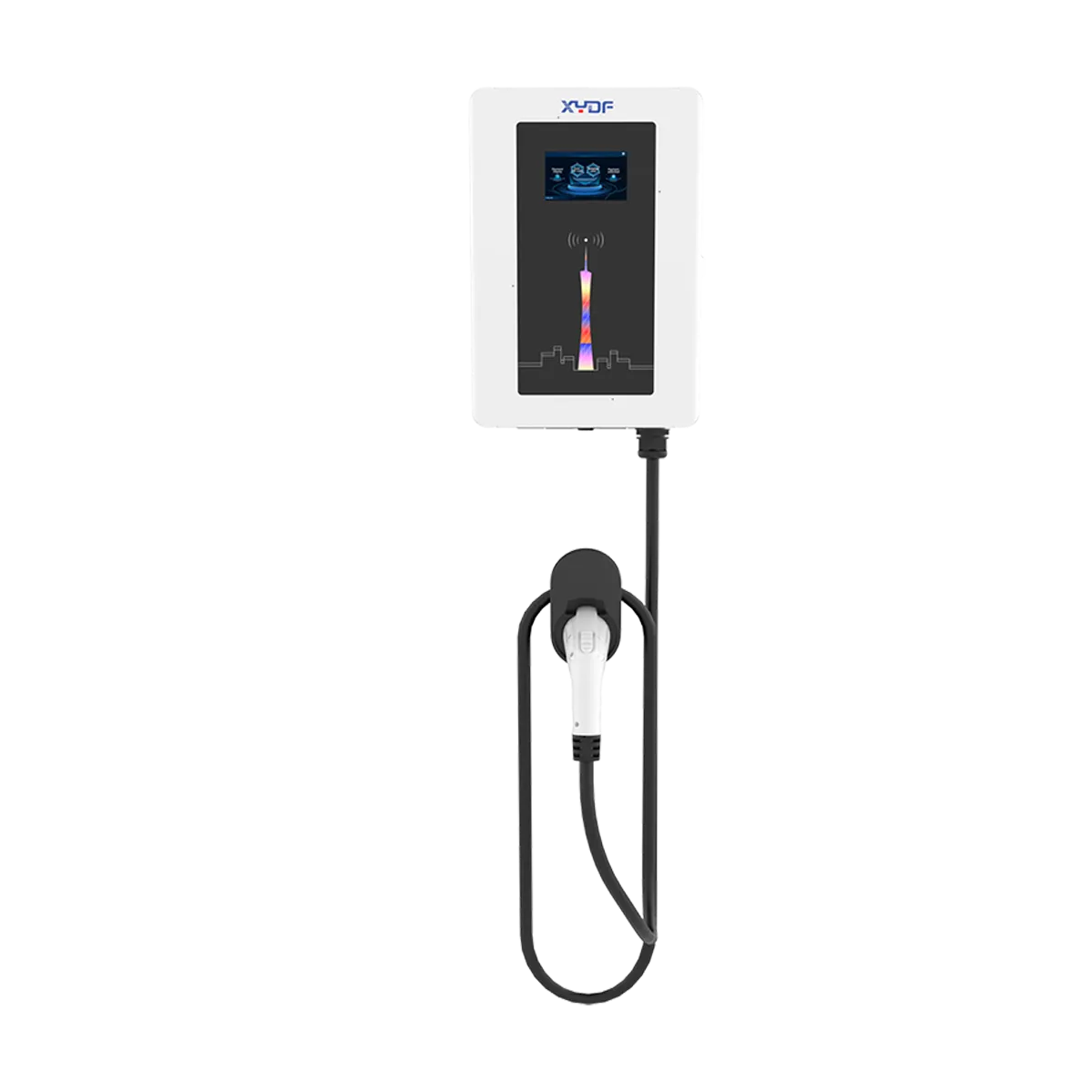
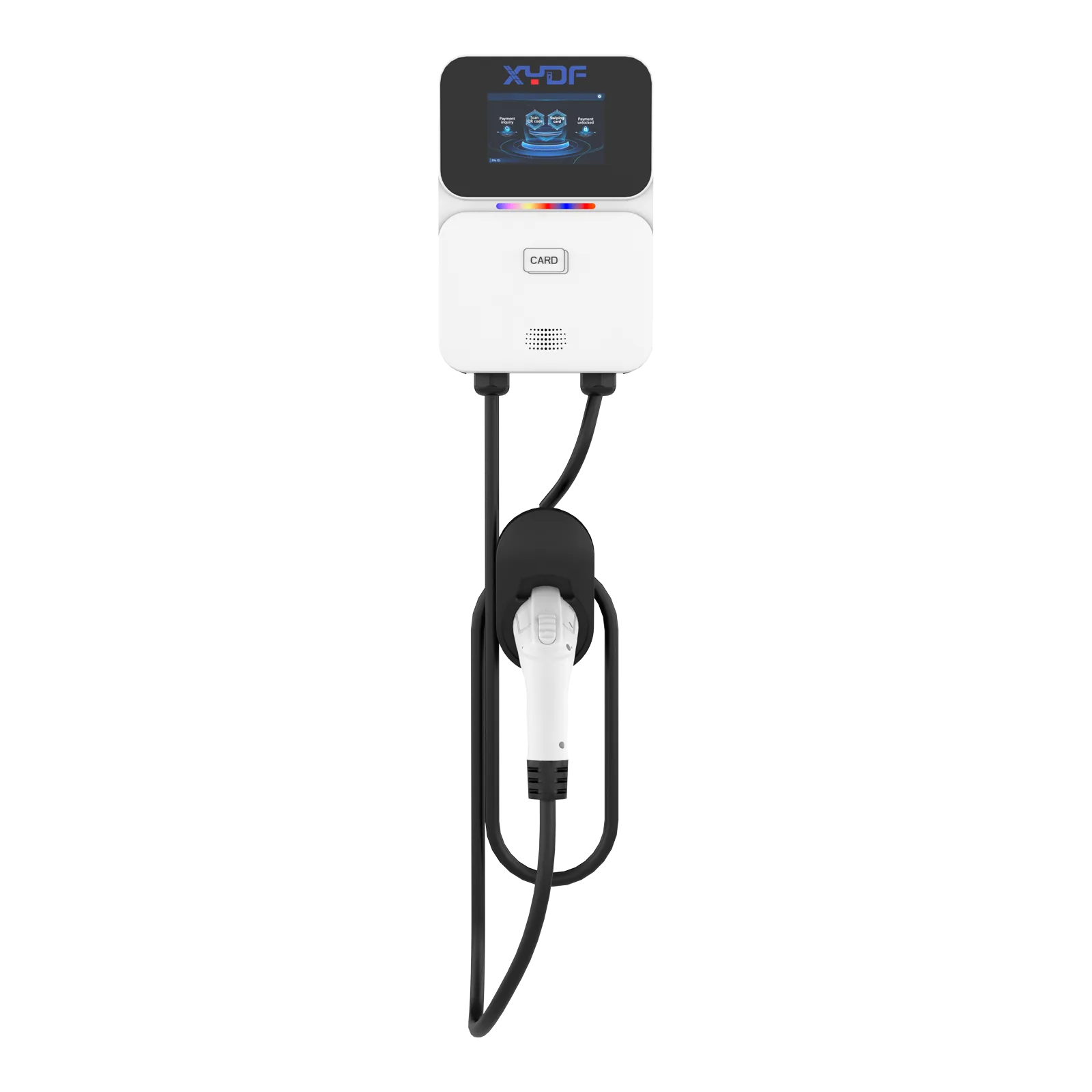
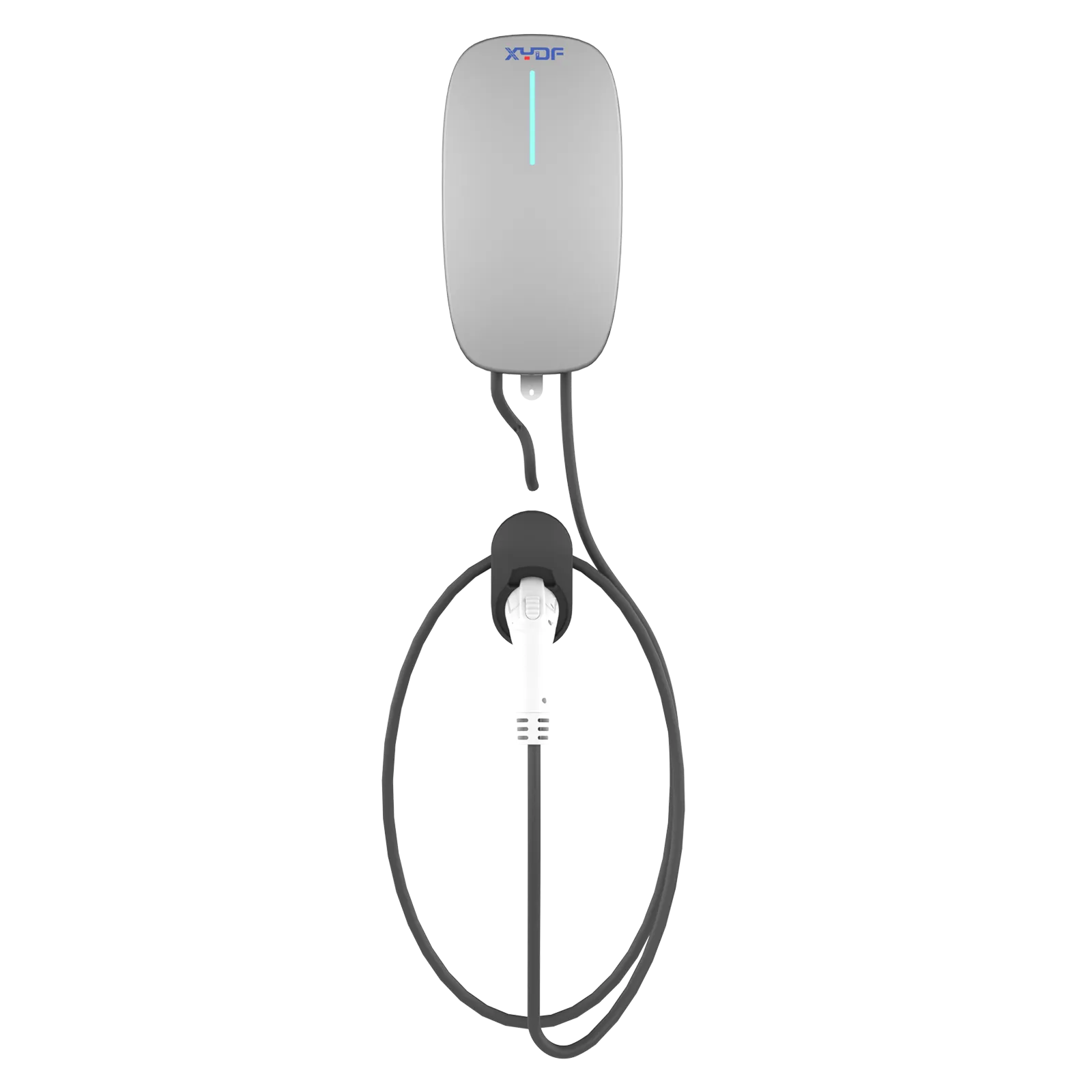
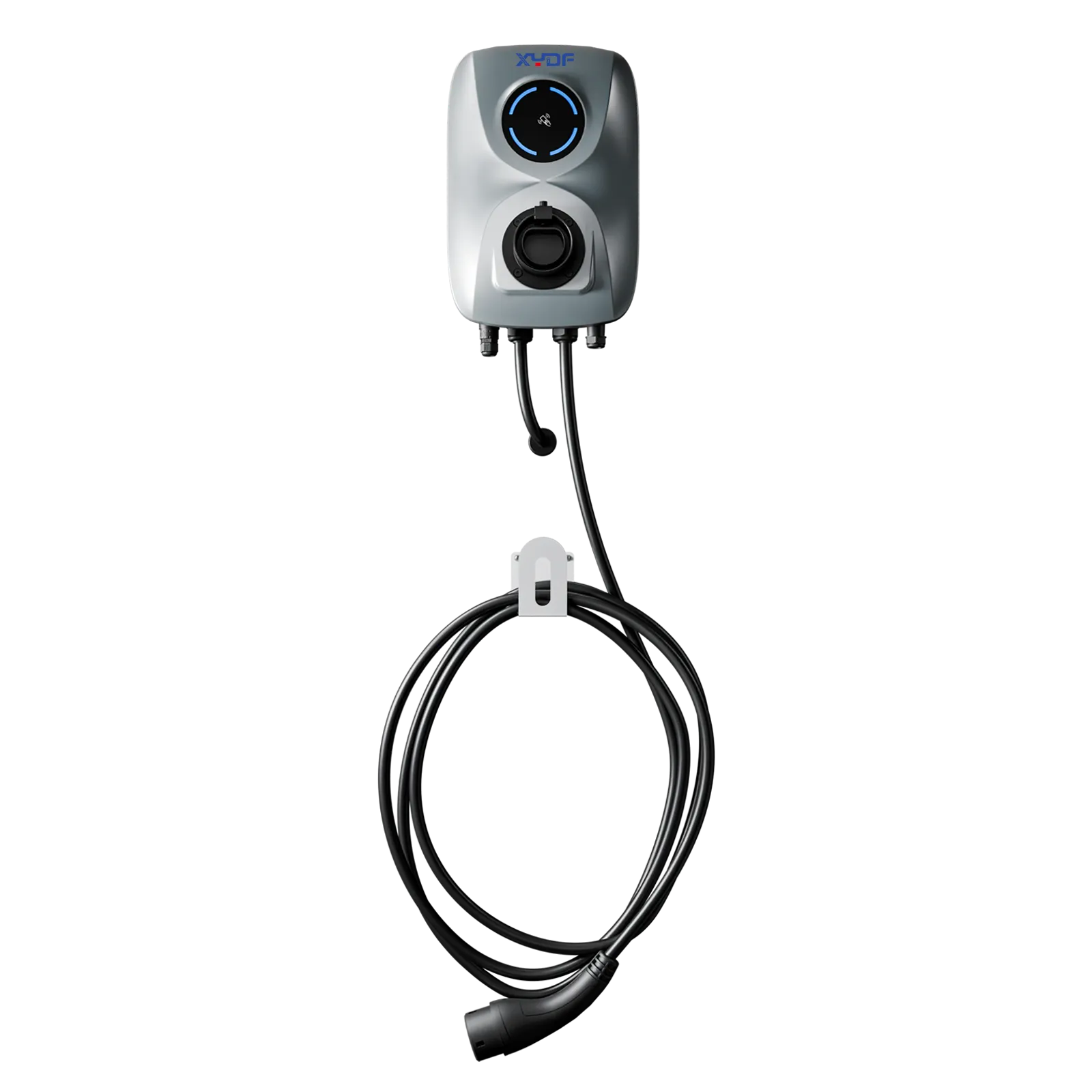
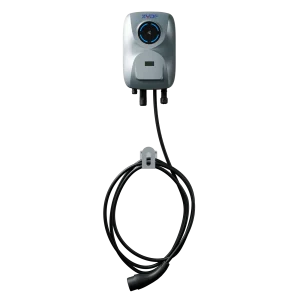
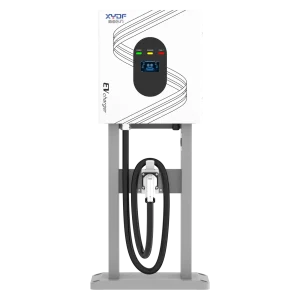

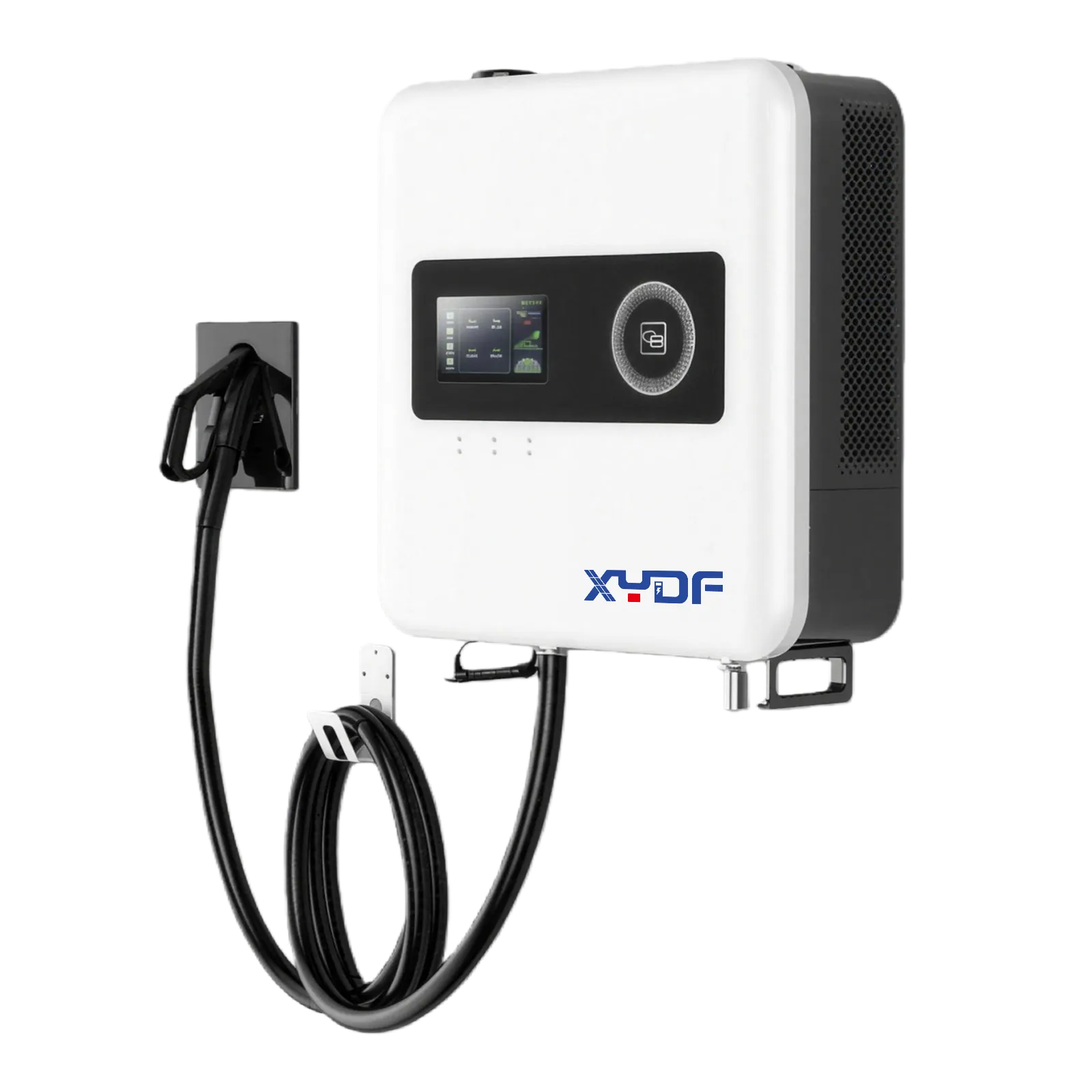
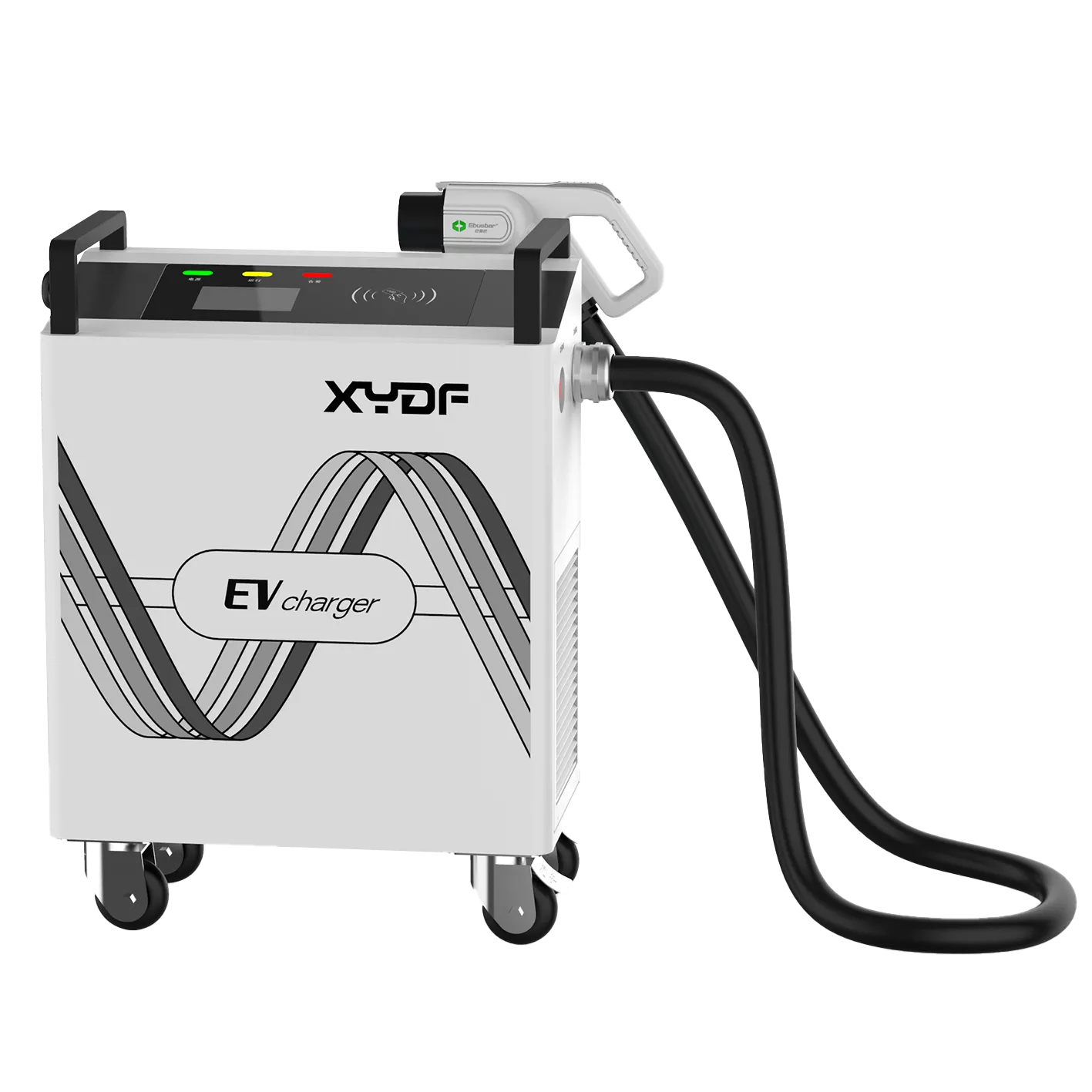
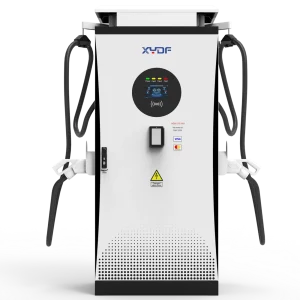
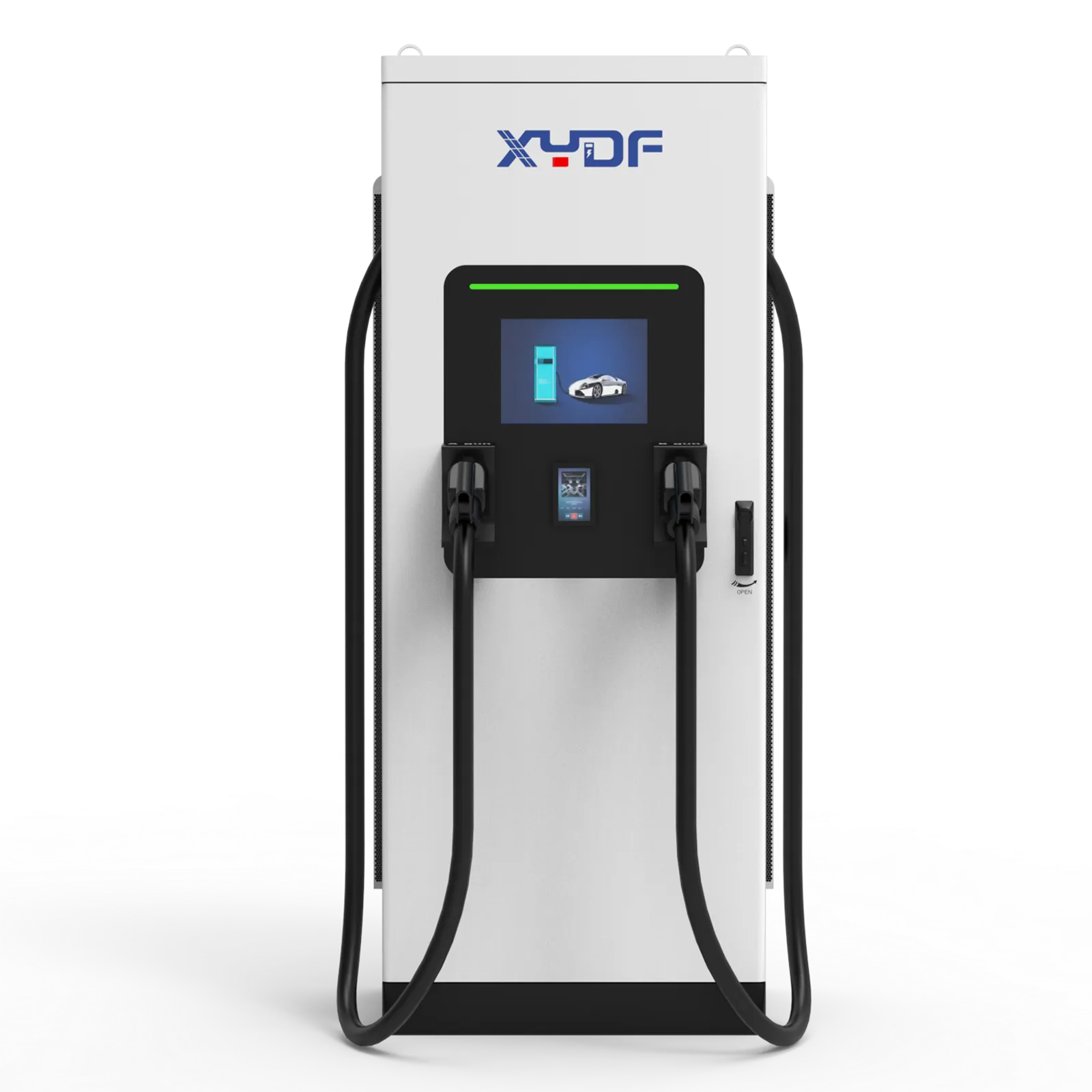
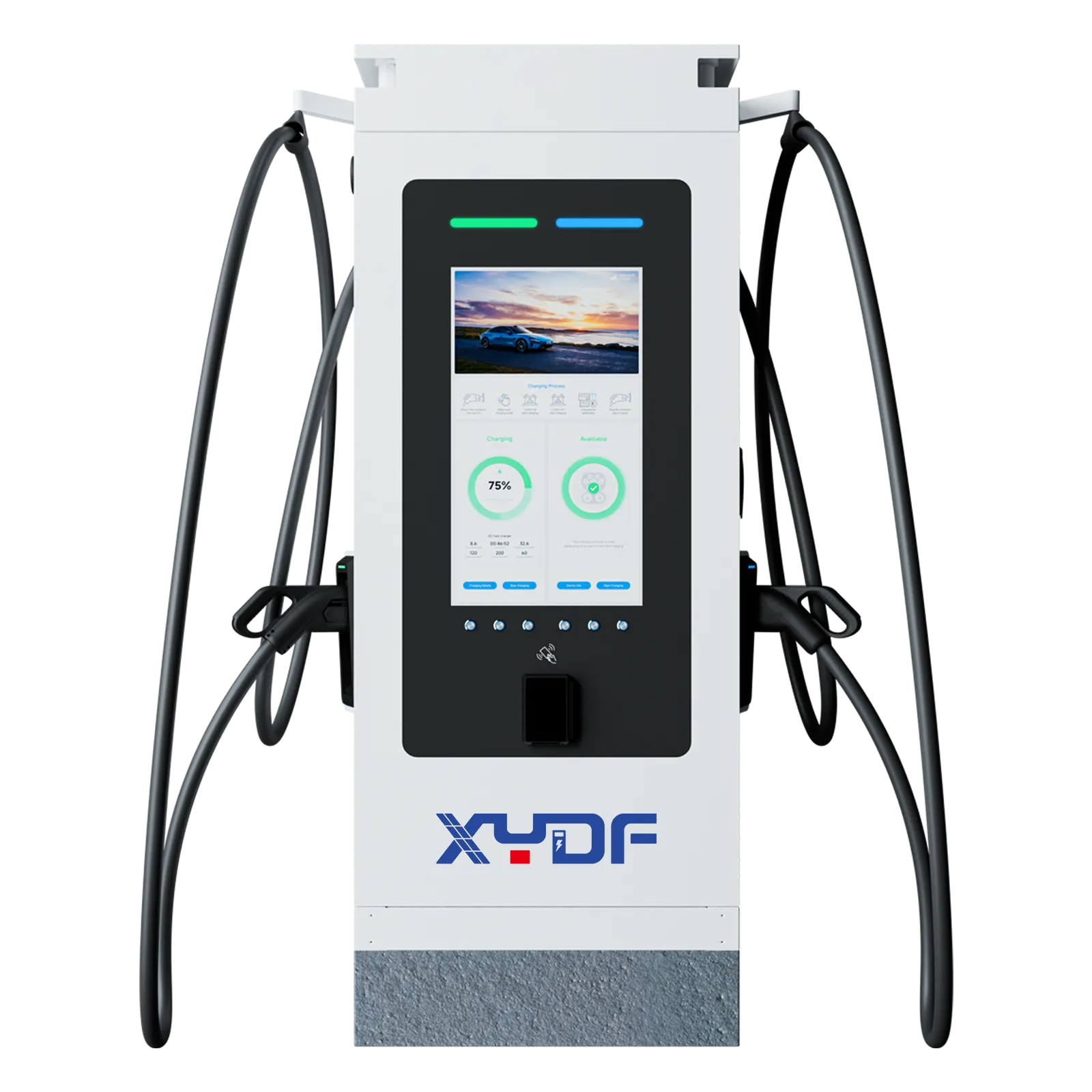
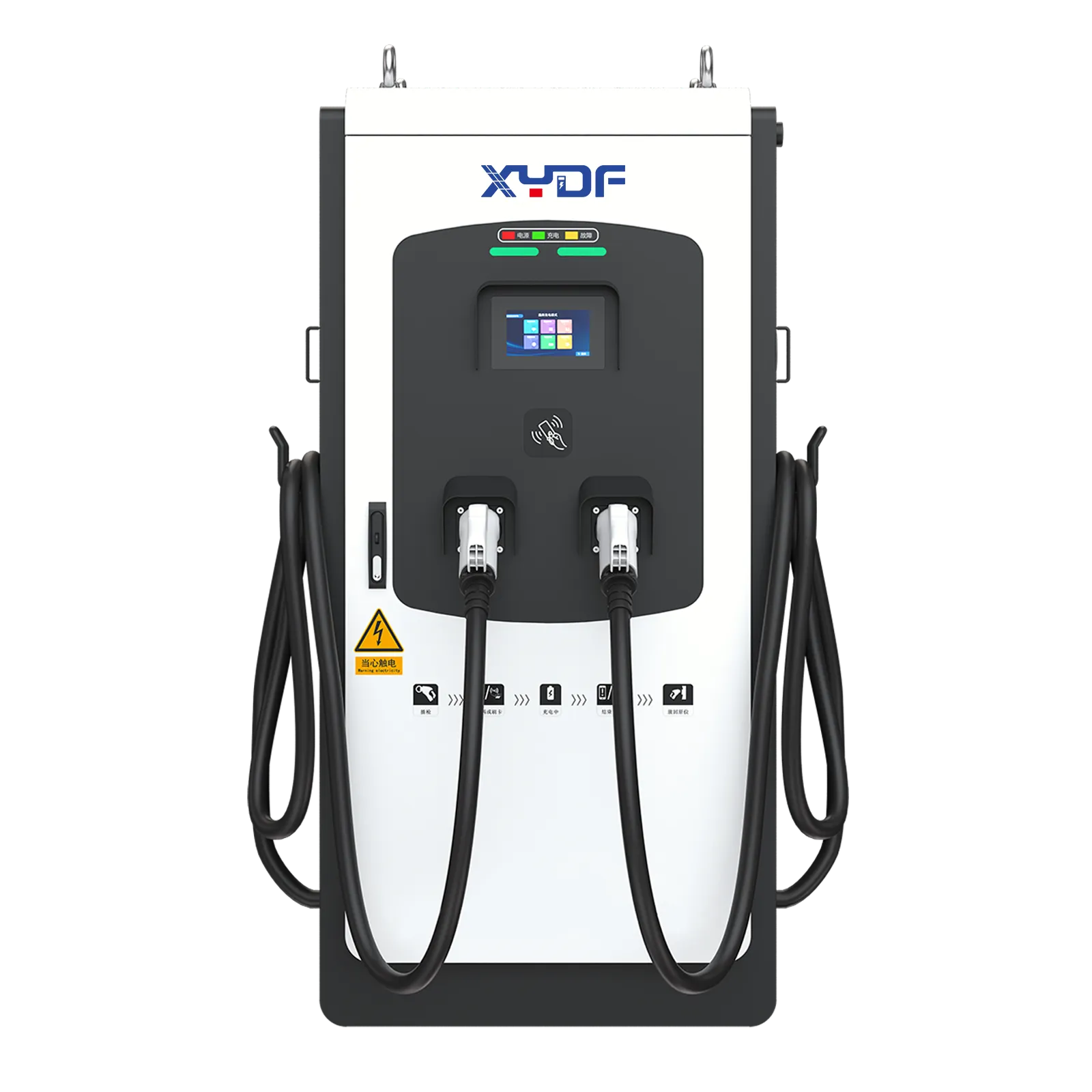
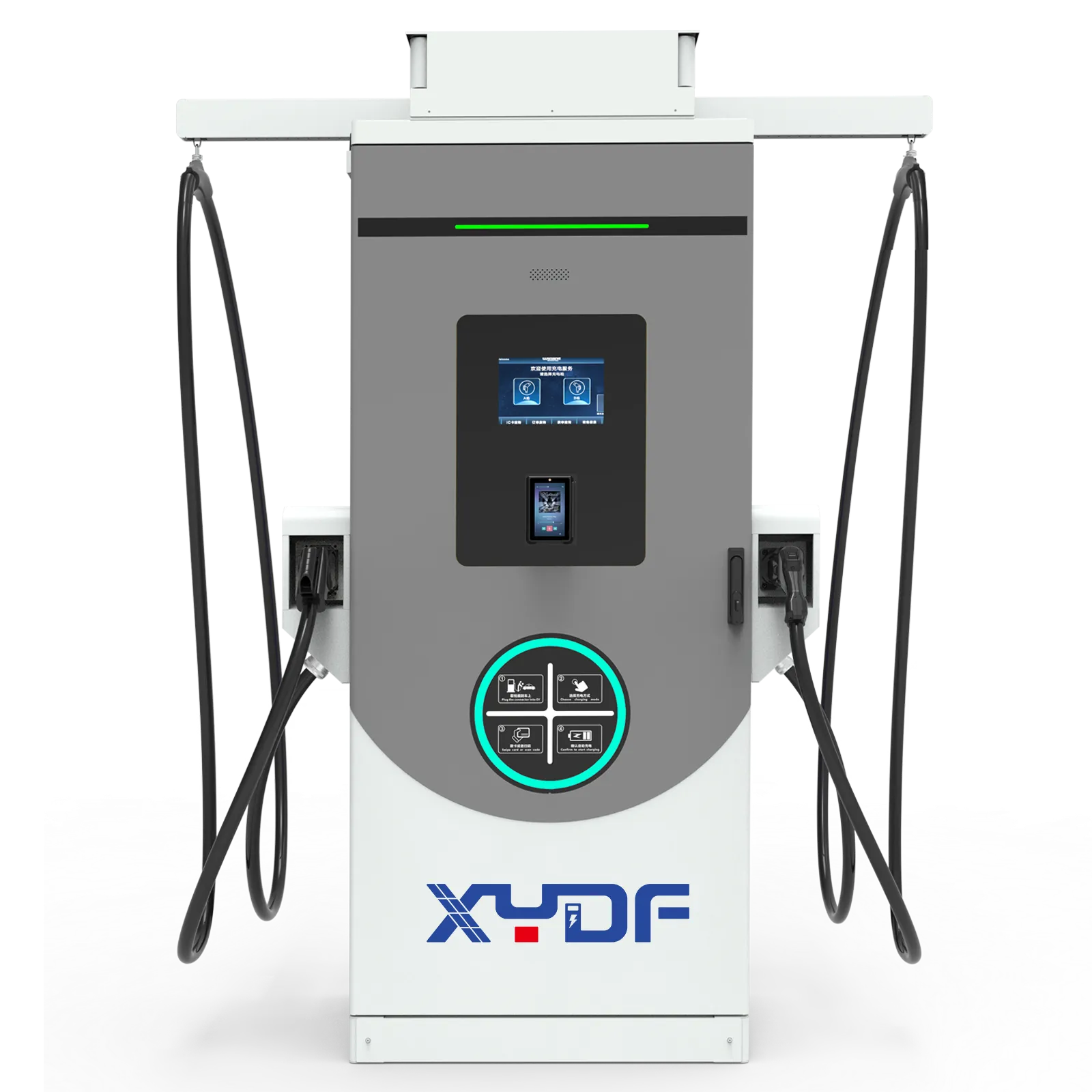
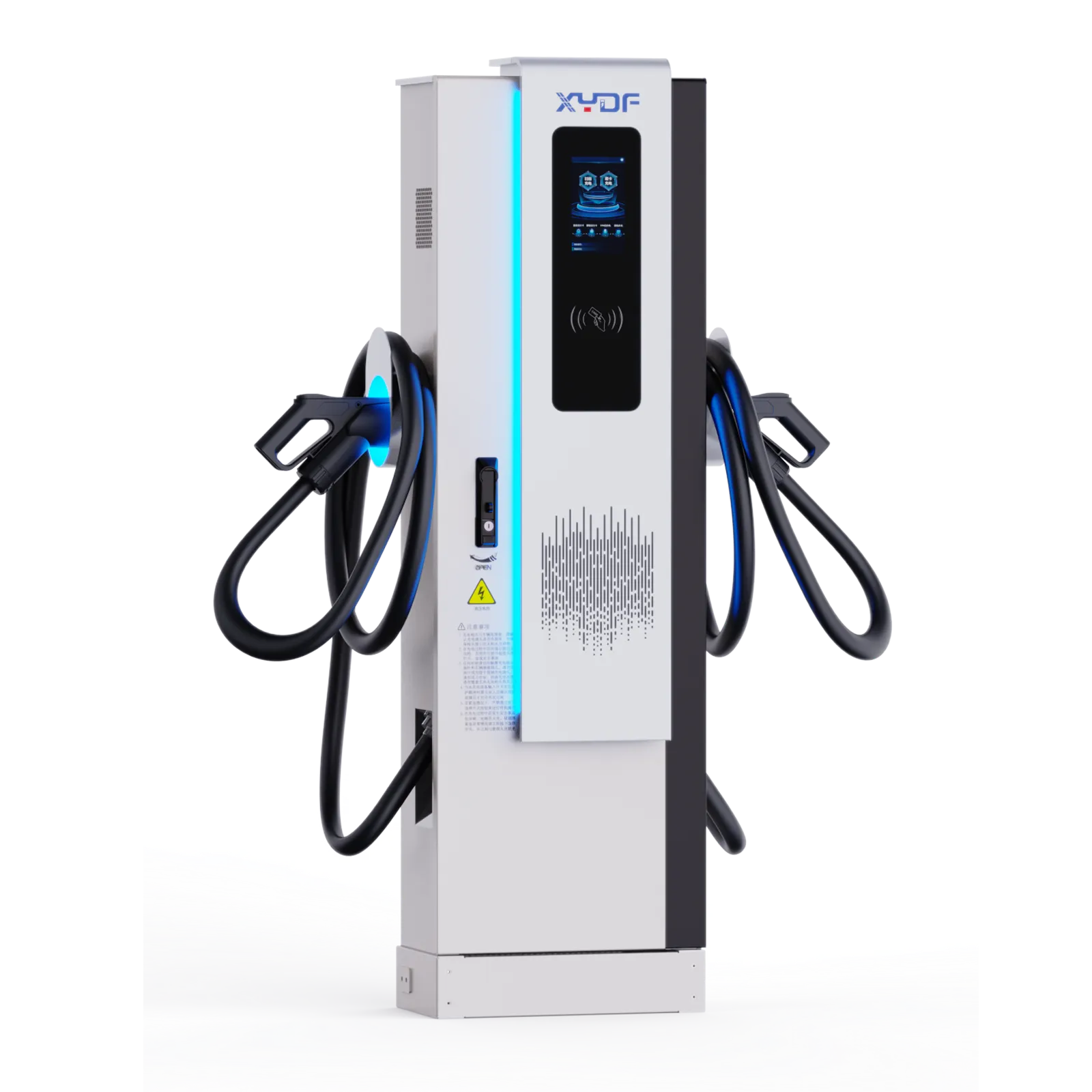
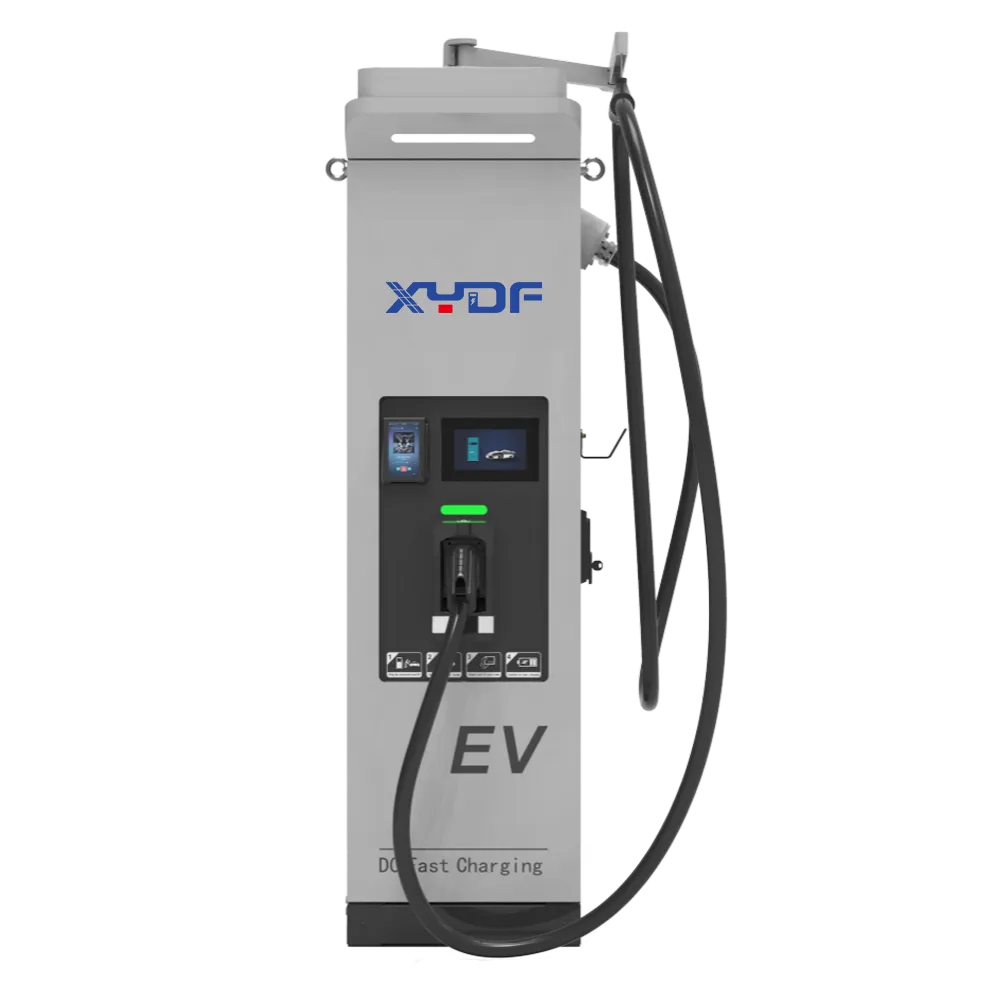
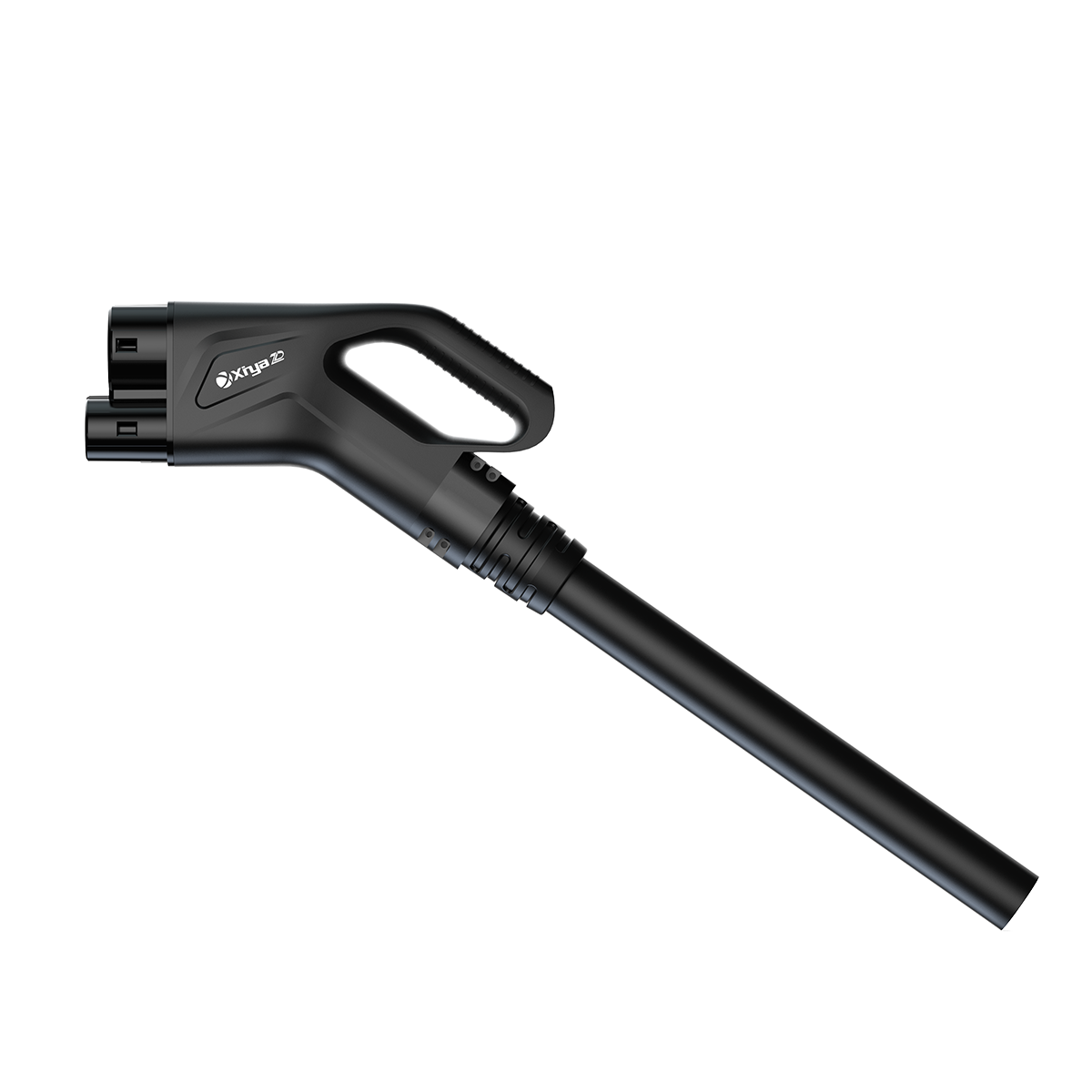
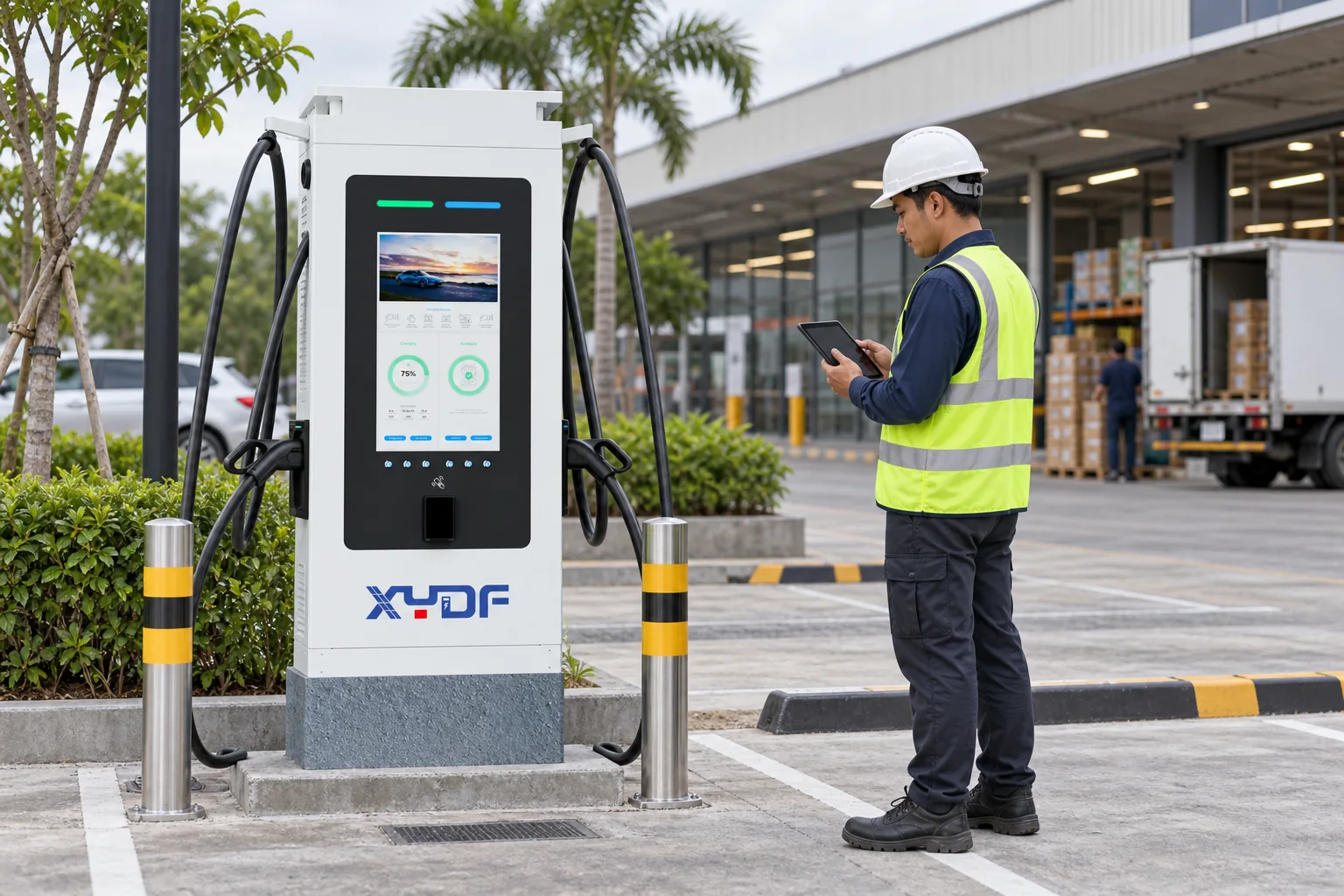
When Lin, an XYDF service engineer visiting Bangkok, opened a cabinet after an afternoon thunderstorm, the problem looked like a failed power module: the display had dimmed, charging current dropped within minutes, and moisture marks appeared near a cable entry. The reversal came after inspection. The charger had not simply been a poor product. It had been selected as a normal outdoor unit, without enough thermal margin, sealing discipline, corrosion planning or maintenance access for a tropical site.
Resumo: Tropical charging sites should specify an outdoor EV charger around heat, water, humidity and serviceability, not only rated power. A cabinet that passes an IP test under IEC 60529 still needs correct cable glands, drainage logic, corrosion control and thermal derating review for 50°C ambient plus solar gain. Buyers should request the temperature curve, enclosure rating, sealing method, cooling architecture and inspection schedule before approving a commercial EV charging station for monsoon climates.
Tropical projects combine several stressors that rarely arrive one at a time. Ambient temperature can approach 50°C at exposed paved sites, direct sunlight can raise cabinet skin temperature further, and humid air may enter during pressure cycling even when rainwater does not. For project engineers and operators, the practical question is not whether EV charging can work outdoors. It is whether the equipment selection, installation method and maintenance plan match the environment.
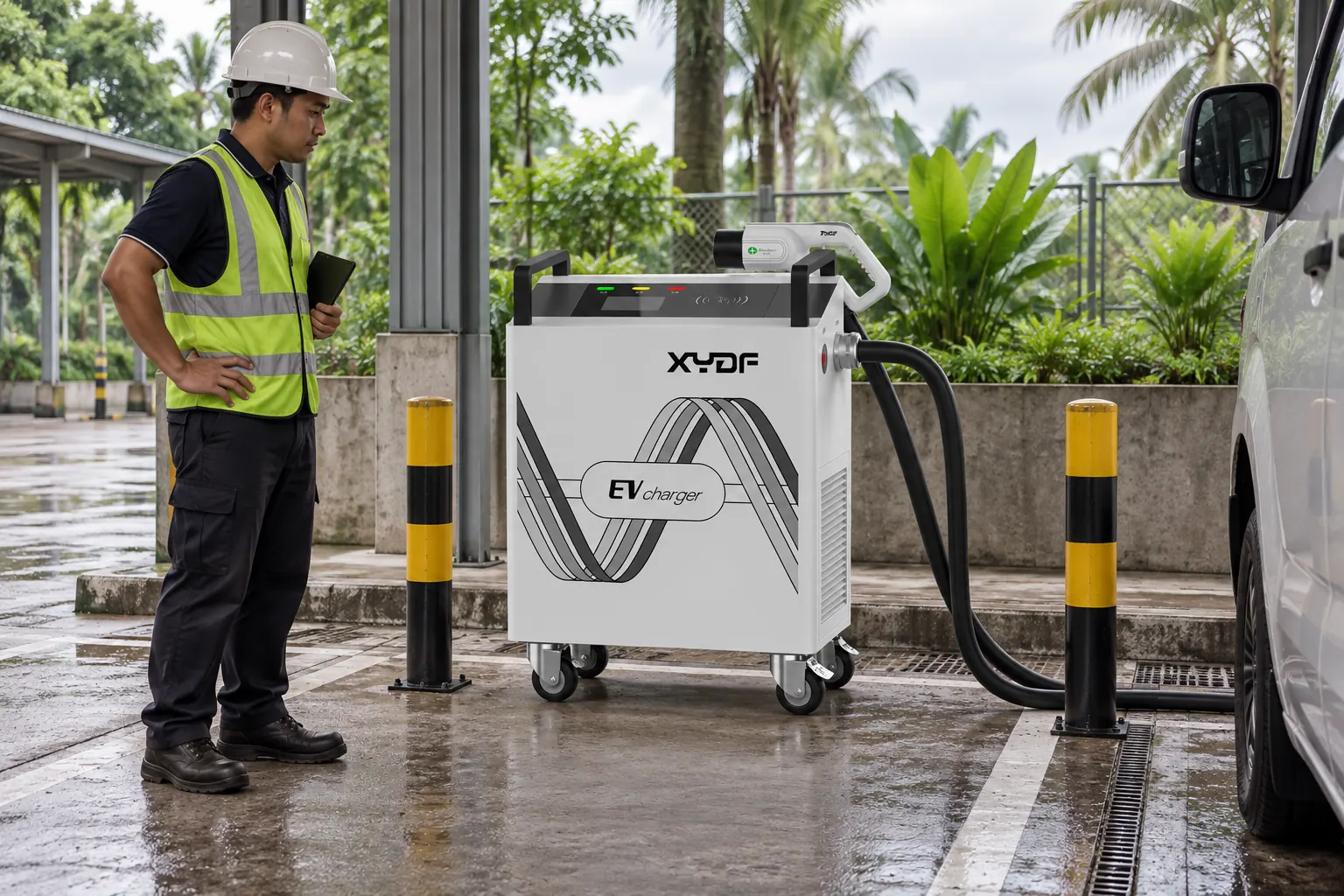
Why should heat derating be reviewed before the cabinet is installed?
High temperature reduces the thermal headroom available to power modules, contactors, cables, displays and communication electronics. A charger that can deliver full output at 25°C may need to reduce current at higher cabinet temperature to protect components. That reduction is not automatically a defect; it is a controlled derating strategy when it is documented and predictable.
For a tropical outdoor electric car charger, buyers should ask for the rated operating temperature range, the derating curve, the temperature sensor locations and the test basis used by the manufacturer. IEC 60068-2-2 is commonly referenced for dry heat environmental testing, while product safety and charging-system requirements must be considered separately under EV charging standards such as IEC 61851-1.
Solar load should be handled as a site condition, not an afterthought. A dark cabinet facing afternoon sun on asphalt may run hotter than the weather station temperature suggests. Shade structures, reflective cabinet finishes, rear ventilation clearance, correct foundation height and avoidance of exhaust recirculation can improve delivered uptime without changing charger power rating.
How buyers can decide whether heat derating is acceptable
| Site condition | Engineering risk | Decision support for buyers |
|---|---|---|
| 35°C average daytime ambient | Moderate thermal stress during peak utilization | Request full-power operating data and cabinet airflow layout. |
| 45°C to 50°C exposed ambient | Current derating, display aging and fan duty-cycle increase | Specify a documented derating curve and verify clearance from walls, bollards and canopies. |
| Direct sun on dark paving | Cabinet skin temperature exceeds ambient assumption | Use shading, light-color enclosure options and site orientation review. |
| High-power fleet cycles at midday | Heat accumulation inside power modules and cable assemblies | Model charging windows and consider staged output or additional chargers instead of oversizing one unit. |
Why should humidity, corrosion, and monsoon sealing be checked separately?
An IP rating describes ingress protection under defined test conditions. It does not prove that a site has good cable entry work, correct installation torque, clean drainage, corrosion-resistant fasteners or a service team that reseals panels after inspection. That distinction matters in monsoon regions because wind-driven rain, splashback, pressure cycling and condensation can occur in the same week.
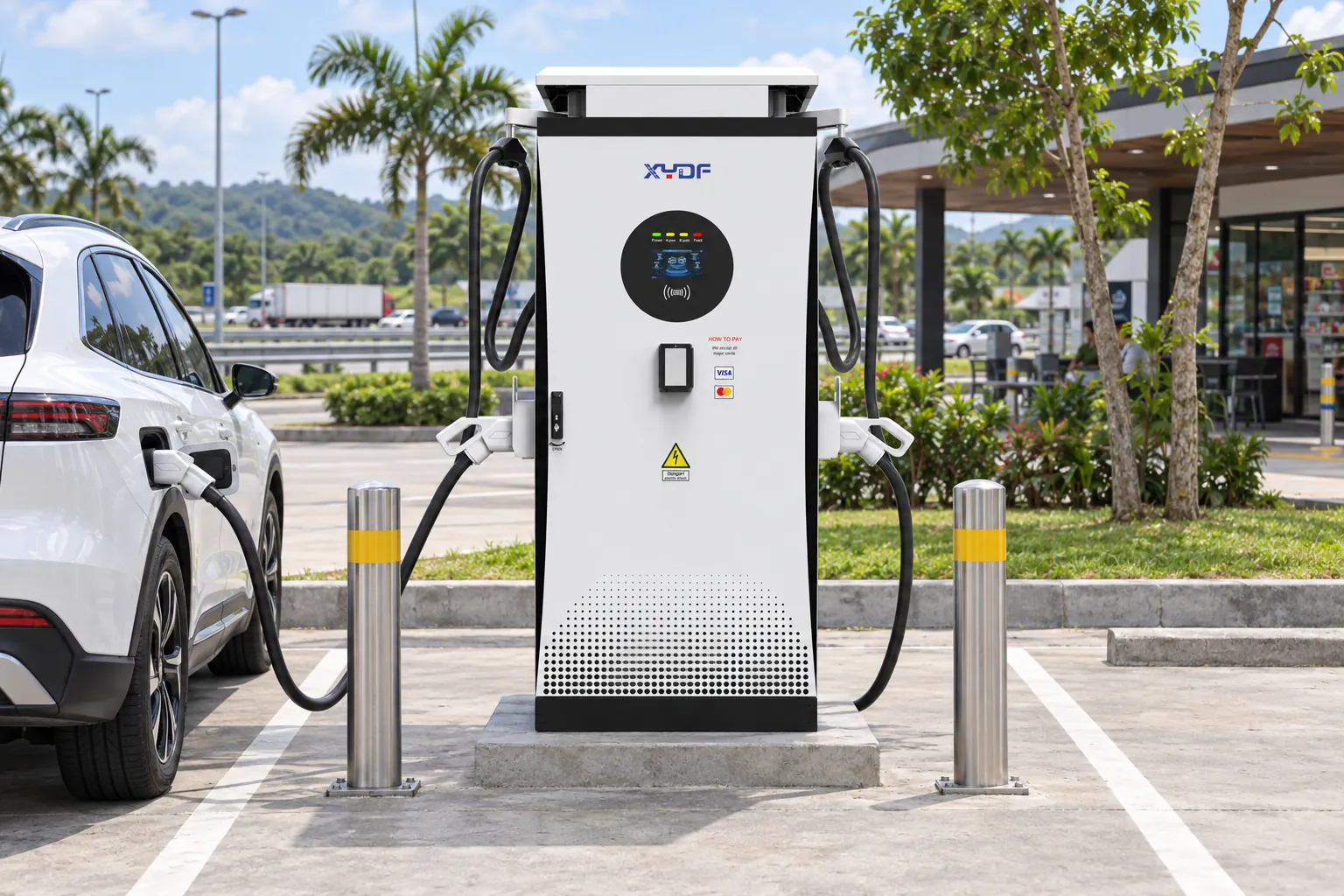
IEC 60529 defines IP code test methods for dust and water ingress. For EV charging cabinets, many buyers compare IP54, IP55 and IP65 depending on cabinet design, cable exits and maintenance expectations. An IP65 enclosure can be useful where dust and water jets are concerns, but it may require careful thermal design because tighter sealing can reduce passive airflow.
Humidity brings a separate risk: condensation and corrosion. Warm moist air can enter a cabinet during service or through imperfect sealing, then condense when temperature drops overnight. Printed circuit boards, connectors, terminals and protective earth bonding points should be reviewed for coating, material compatibility and inspection access. For impact exposure in public locations, IEC 62262 IK ratings help describe mechanical impact resistance, while corrosion exposure should be assessed through material selection and project specifications.
What should inspectors verify around a monsoon-exposed enclosure?
| Design area | What to verify | Why it matters in tropical operation |
|---|---|---|
| Door and panel seals | Gasket material, compression path and replacement access | Repeated opening can weaken sealing if technicians cannot inspect and replace gaskets quickly. |
| Cable entries | Gland rating, bend radius, drip loop and bottom-entry protection | Many water failures start at installation penetrations rather than the cabinet shell. |
| Drainage and elevation | Foundation height, slope, splash zone and drainage path | Monsoon rain can turn a parking bay into a shallow water channel. |
| Metal parts | Fasteners, coating, hinges, locks and bonding points | Corrosion can affect safety, serviceability and enclosure integrity before electronics fail. |
| Public impact exposure | IK rating, bollard position and service-door clearance | Impact protection should not block cooling intake or maintenance access. |
How do thermal management choices affect uptime and maintenance cost?
Cooling is not just a fan count. A reliable hot-climate charger needs a clear path for heat to leave power electronics while limiting dust, rain and insects from entering sensitive zones. Forced-air cooling, filtered air paths, separated hot and cool chambers, heat exchangers and liquid-cooled cable systems each change cost, maintenance and failure modes.
For power modules, a clean and serviceable air path is often more valuable than a theoretical peak airflow number. Filters that are difficult to reach will not be cleaned on time. Fans that run continuously in hot, humid air should be treated as maintenance items. Temperature alarms should be visible to operators through the charger interface or network platform before derating becomes a revenue issue.
Total cost logic is straightforward: the lowest cabinet cost can become expensive if tropical derating reduces delivered energy during peak hours, or if humidity-related faults require emergency callouts. A procurement team should compare rated output, expected duty cycle, service intervals, spare fan availability, filter replacement time and remote alarm visibility together.
What do standards prove, and what must still be checked on site?
Standards language should be precise. IEC 60529 is an ingress protection test method, not a complete proof that every installed charger will survive a monsoon season. IEC 62262 addresses mechanical impact code ratings, not water sealing or electrical charging safety. IEC 61851-1 covers conductive EV charging system requirements, but local grid codes, wiring rules, permits and destination-market approvals still determine what a project can legally install and advertise.
For manufacturers and importers, unsupported claims create commercial risk. If a datasheet says a charger is suitable for extreme tropical operation, the buyer should ask which tests, design reviews and operating limits support that statement. If marketing mentions a certification, the certificate scope, model number, rated voltage, connector type and destination market should match the product being supplied.
External cabinet and site work must be handled with the same discipline. A well-tested charger can still fail if installers drill unsealed holes, route cables upward without drip protection, place the cabinet in flood-prone pavement or block cooling clearance with protective barriers. Compliance needs both product evidence and installation control.
How Buyers Should Specify a Tropical Commercial Charging Site
Before purchase, project engineers should turn climate into specifications. Ask suppliers for the high-temperature operating range, derating curve, IP and IK test basis, corrosion-control approach, recommended foundation details, cooling maintenance items and spare-parts plan. For EV charger manufacturing programs, these details should be fixed before sampling so the enclosure, cable exits, display, coatings and service access are not redesigned late in the project.
Xinya EE supports configurable AC and DC charging projects where buyers need to align cabinet construction, charging power, communications and documentation with site conditions. For tropical deployments, a useful technical discussion starts with the intended duty cycle, available shade, grid capacity, enclosure rating, local inspection requirements and the operator’s maintenance capability.
Relevant reading on Xinya EE includes the 150kW DC fast charging station product page for a high-power project reference, the guide to EV charger IP ratings, the article on enclosure materials and weather resistance, and the discussion of thermal management for high-temperature sites.
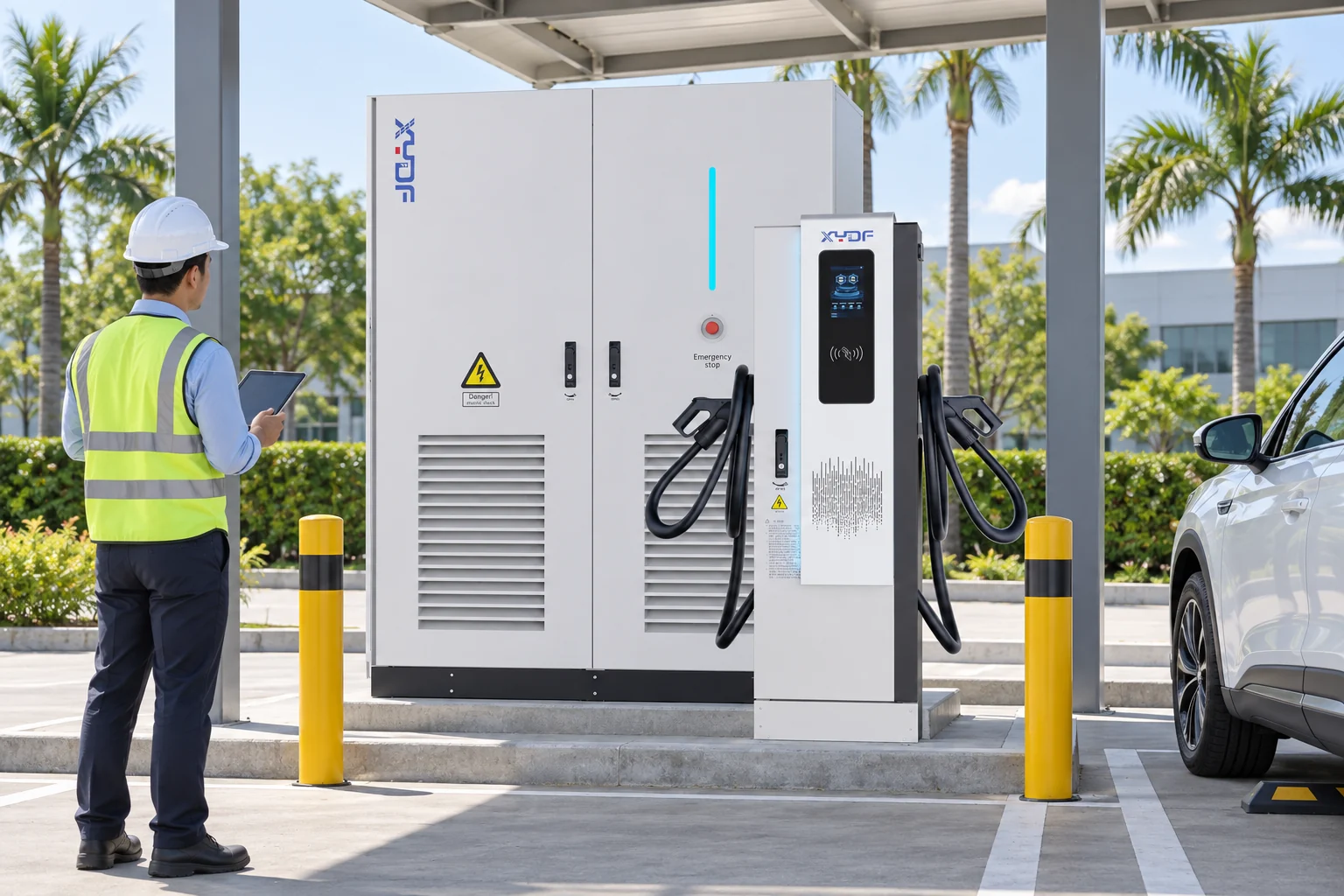
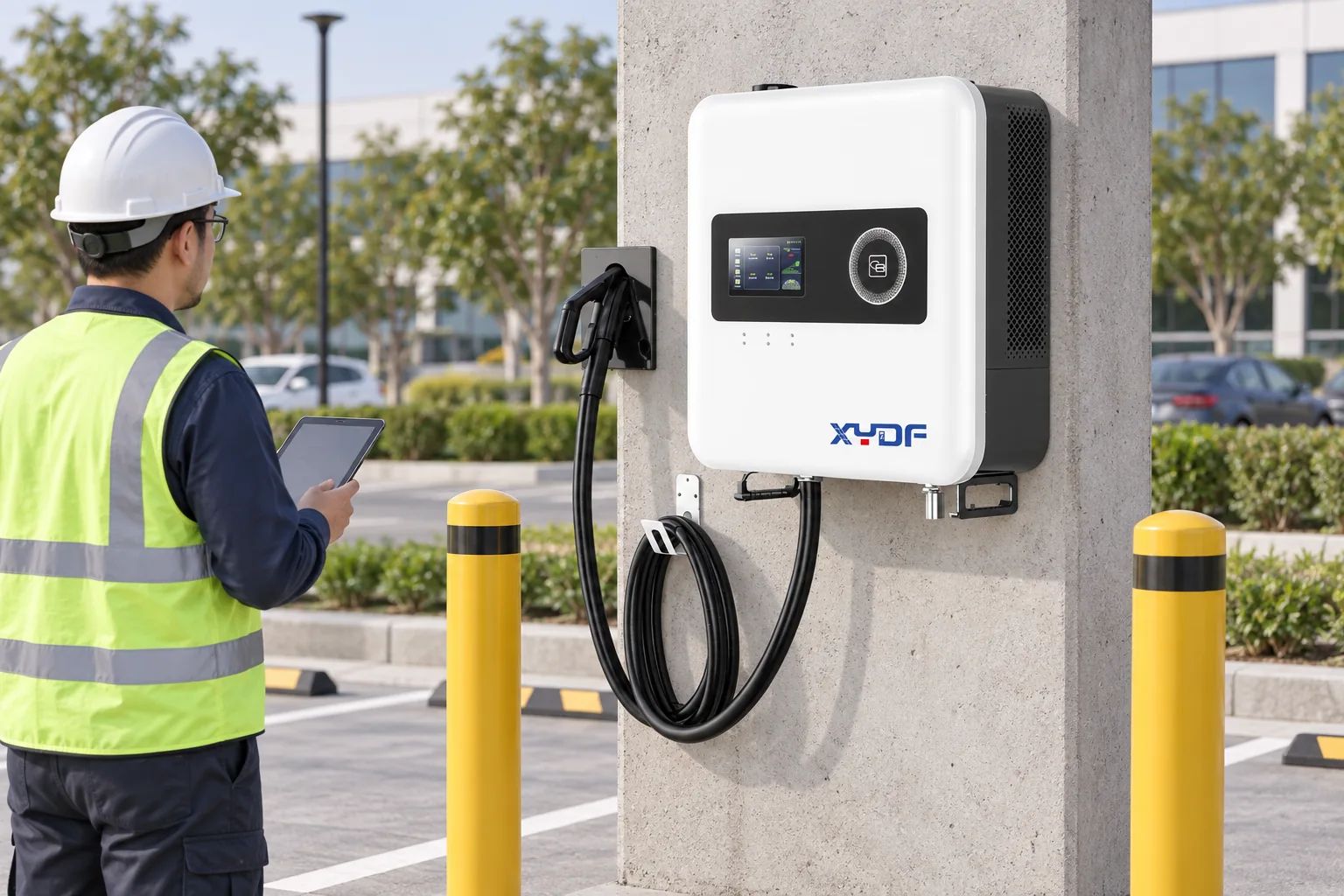
Field Inspectors Should Turn Tropical Risk into Acceptance Evidence
A tropical site should not be accepted only because the charger powers on. The better handover test is whether the installation records show that solar exposure, condensation risk, drainage, corrosion exposure and cooling clearance were reviewed against the supplier’s documented limits. This is where a site acceptance report becomes more than paperwork; it protects the operator, installer and manufacturer from later disputes about whether the failure mode came from product design, installation workmanship or site conditions.
Use standards with the right scope. IEC 60068-2-2 can support dry-heat environmental test discussion, but it does not replace a field review of sun orientation and exhaust recirculation. IEC 61851-1 belongs to conductive charging system requirements, while IP and IK references help frame enclosure ingress and impact exposure. None of these references automatically proves that a specific charger has been installed correctly in a flood-prone bay, a salt-air coastal site or a sealed kiosk with poor ventilation.
A field-inspection decision framework should cover the full outdoor system
| Inspection question | What to check on site | Decision trigger | Acceptance record |
|---|---|---|---|
| Solar-load assessment | Cabinet orientation, afternoon shade, paving color, nearby reflective walls, canopy height and rear ventilation clearance. | If the charger faces strong afternoon sun or trapped hot air, review shading, finish color, clearance or duty-cycle assumptions before handover. | Photos from front, rear and side; time of inspection; shade condition; clearance measurements; any agreed mitigation. |
| Humidity and condensation | Door gasket contact, cable gland fit, unused openings, pressure-breathing paths, evidence of moisture marks and overnight cooling exposure. | If humid air can enter through service openings or poor glands, correct sealing before relying on the nominal IP rating. | Seal inspection checklist, close-up photos, gasket condition, cable-entry notes and corrective-action signoff. |
| Drainage and flood avoidance | Foundation height, pavement slope, rainwater path, splashback zone, curb cuts and whether cable trenches collect water. | If standing water can reach the cabinet base or cable entry zone, revise civil works before energizing routine operation. | Level or slope notes, drainage photos after water test or rainfall where available, and foundation-height record. |
| Corrosion exposure | Coatings, fasteners, hinges, locks, bonding points, coastal salt exposure, nearby chemicals and maintenance access to metal joints. | If fasteners or bonding points are difficult to inspect, or if the site has salt or chemical exposure, tighten the corrosion inspection plan. | Material and coating observations, vulnerable-point photos, replacement-part notes and corrosion monitoring interval. |
| Cooling and derating verification | Air intake and exhaust clearance, fan and filter access, heat recirculation, alarm visibility and supplier derating documentation. | If airflow is blocked by bollards, walls, signage or canopy structures, do not treat rated power as a guaranteed field output. | Clearance measurements, commissioning screen captures, alarm-path confirmation and supplier derating curve reference. |
| Maintenance interval triggers | Storm frequency, dust loading, fleet duty cycle, fan runtime, filter condition, nuisance alarms and service-team response time. | If severe storms, dust or high utilization increase stress, shorten the inspection interval instead of waiting for the calendar baseline. | Baseline interval, trigger conditions, responsible party, spare filters or fans, and escalation contact. |
The report should also record serial numbers, firmware version where relevant, connector type, upstream protection reference, earthing/bonding observations, installer name, date, ambient condition at inspection and open punch-list items. Keep the language factual. Instead of writing that a charger is “monsoon-proof,” state the verified enclosure rating, the checked installation details and any limits the operator must respect.
Maintenance intervals should respond to site evidence, not only the calendar
For tropical outdoor chargers, maintenance planning should be dynamic. A storm that floods the parking bay, a filter alarm during the hot season, visible gasket compression loss, insect contamination around vents or early corrosion at hinges should trigger inspection even if the next scheduled service is weeks away. This approach does not invent a new rating; it simply connects field evidence to practical service decisions.
A useful operator log separates three items: routine observations, corrective actions and manufacturer support questions. Routine observations include heat, water and corrosion signs. Corrective actions include resealing, cleaning, drainage correction and clearance restoration. Manufacturer questions should include derating behavior, alarms, spare-parts availability and whether the observed condition falls inside documented operating guidance.
FAQ
How does tropical heat affect EV charger performance?
Tropical heat reduces the margin between component temperature and protection limits. A charger may reduce current to protect power modules, cables, displays or control electronics, especially during midday operation. Buyers should request the derating curve and check whether the expected site duty cycle fits that curve.
What enclosure rating is needed for chargers in monsoon climates?
Many outdoor projects compare IP54, IP55 and IP65 depending on rain exposure, dust, cable entry direction and maintenance access. The needed rating should be tied to the installation, not chosen from the highest number alone. Cable glands, door seals, drainage and service practices must support the claimed enclosure rating.
Can high humidity damage EV charging equipment?
Yes. High humidity can contribute to condensation, corrosion, connector degradation and circuit-board contamination if the cabinet design and maintenance plan do not control moisture. For EV charging equipment in tropical climates, buyers should review coatings, seals, ventilation strategy, inspection intervals and corrosion-prone metal parts.
How should an outdoor EV charger be designed for 50°C solar load?
An outdoor EV charger for 50°C solar load should have documented high-temperature operation, a clear derating strategy, protected cooling paths, serviceable fans or filters, suitable enclosure color or shading options and installation clearance that prevents heat recirculation. The site design should also avoid direct afternoon sun where practical.
What cooling methods improve charger reliability in hot climates?
Forced-air cooling, filtered ventilation, separated hot and cool zones, heat exchangers and liquid-cooled cable options can all improve reliability when matched to charger power and maintenance capability. The best choice depends on dust, rain exposure, service access and whether operators can respond to filter or fan alarms promptly.
How often should tropical outdoor chargers be inspected?
A practical baseline is a visual inspection after severe storms, a monthly check of vents, seals, cable glands and drainage, and a deeper quarterly or semiannual service for filters, fans, terminals, fasteners and corrosion points. High-utilization fleet sites may need shorter intervals because heat and fan duty cycles accumulate faster.
Which references support tropical outdoor charger planning?
- IEC 60529, degrees of protection provided by enclosures, commonly known as the IP code.
- IEC 62262, degrees of protection provided by enclosures against external mechanical impacts, commonly known as the IK code.
- IEC 61851-1, conductive charging system requirements for electric vehicles.
- IEC 60068-2-2, environmental testing for dry heat.
- NEMA enclosure types, a North American reference for enclosure environmental protection categories.
The durable tropical charging site is not the one with the largest number on the datasheet; it is the one where thermal margin, sealing, corrosion control and maintenance are engineered as a single system.
For a project review or charger configuration discussion, share your climate, grid and site requirements with Xinya EE through the contact page.