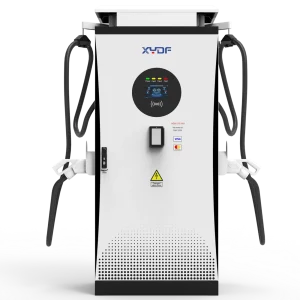
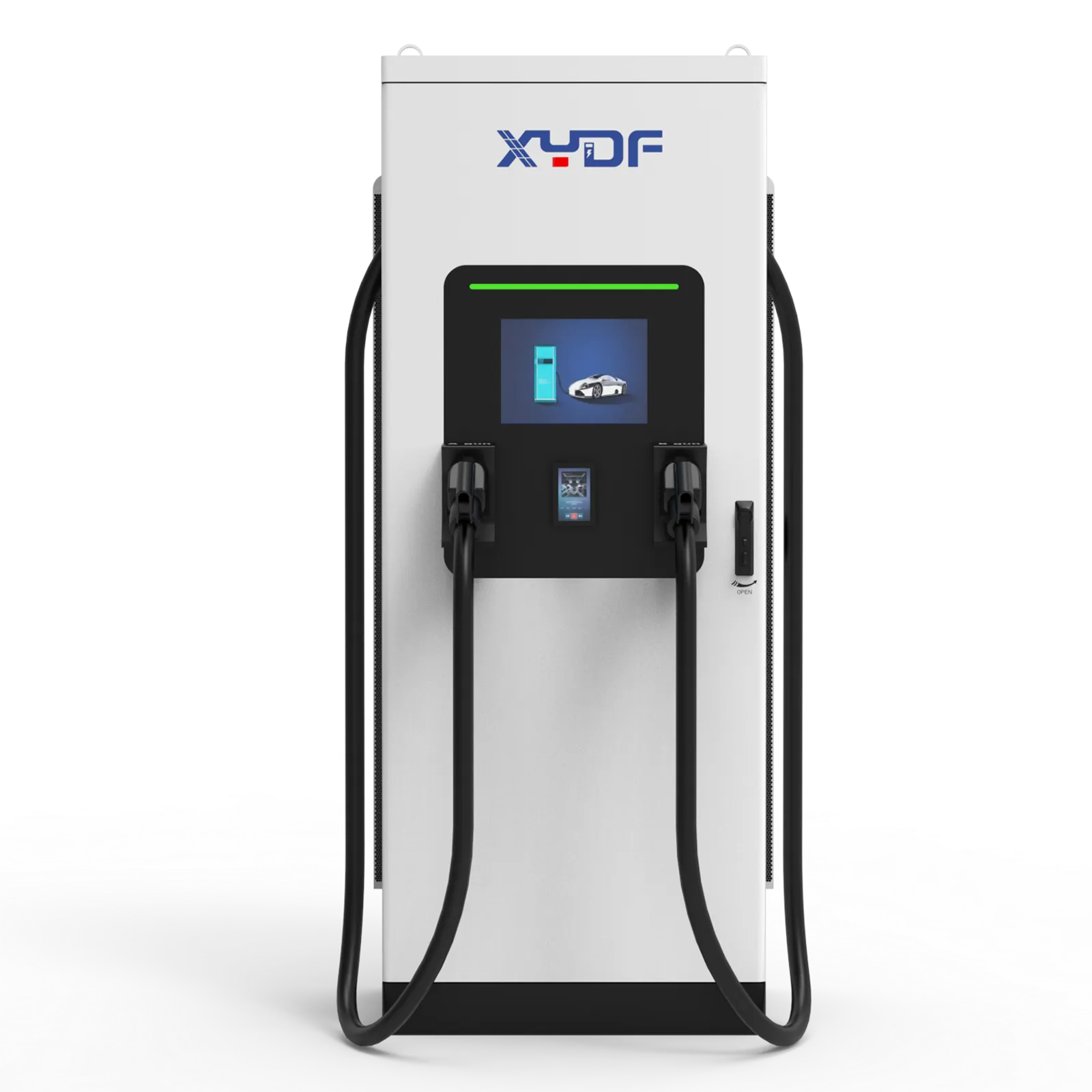
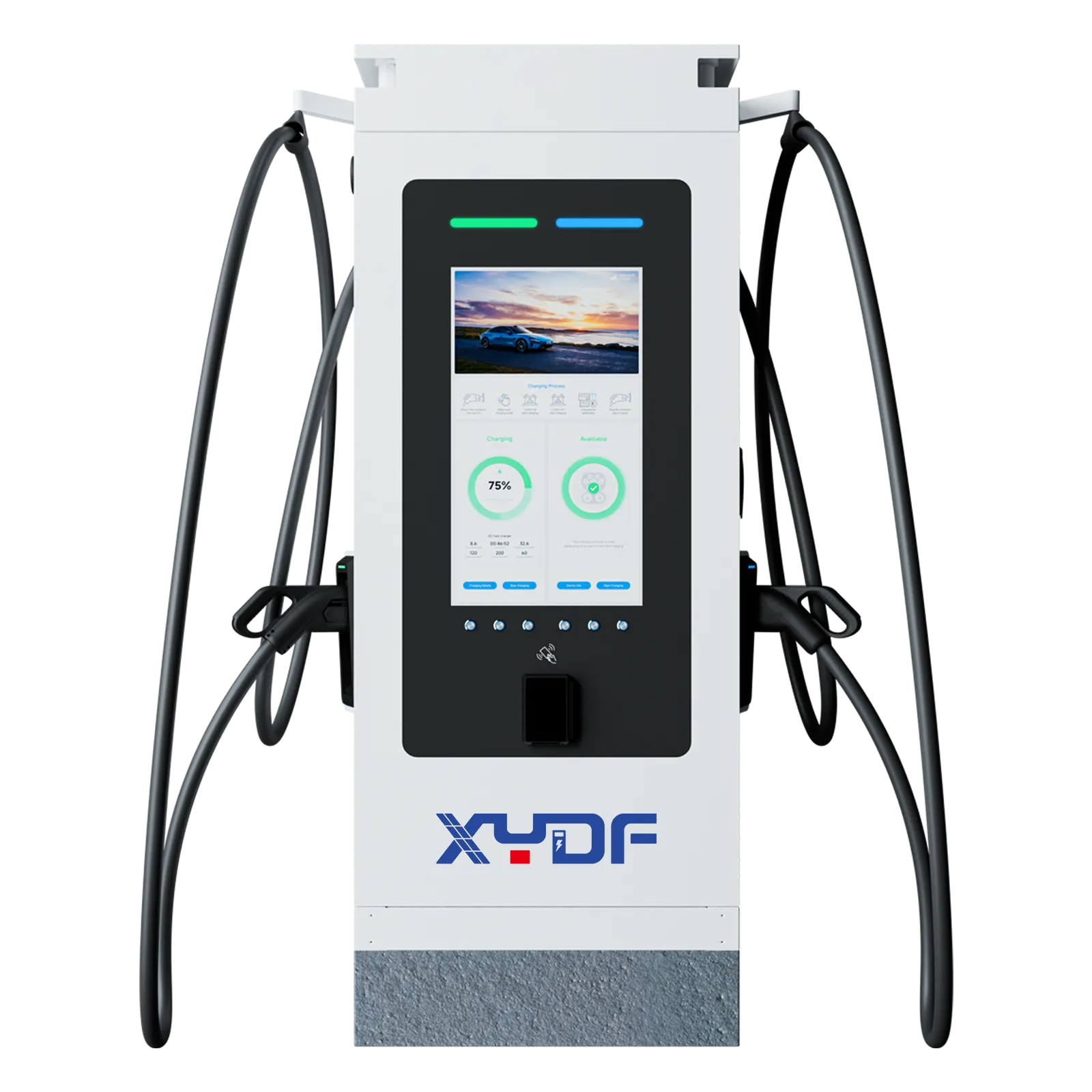
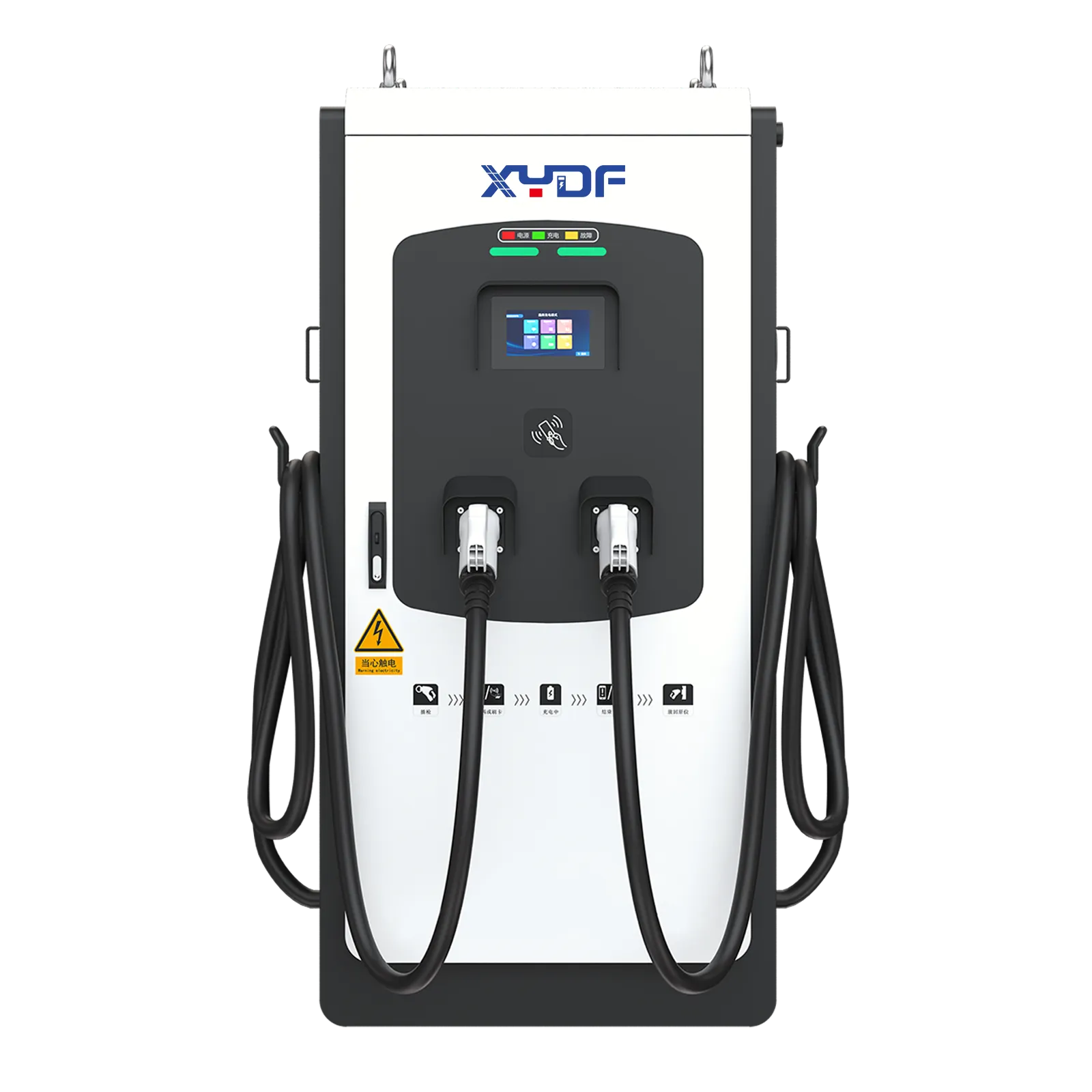
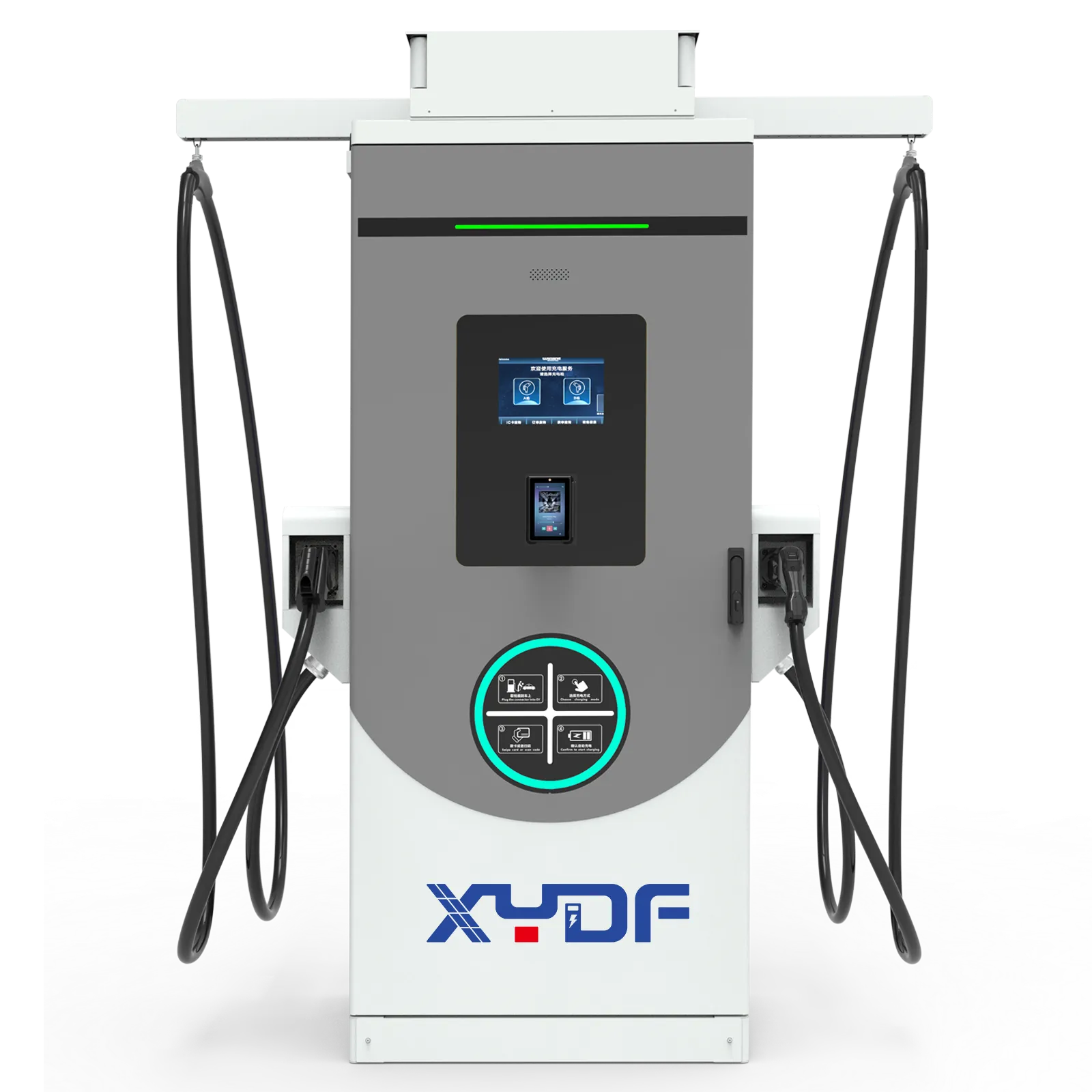
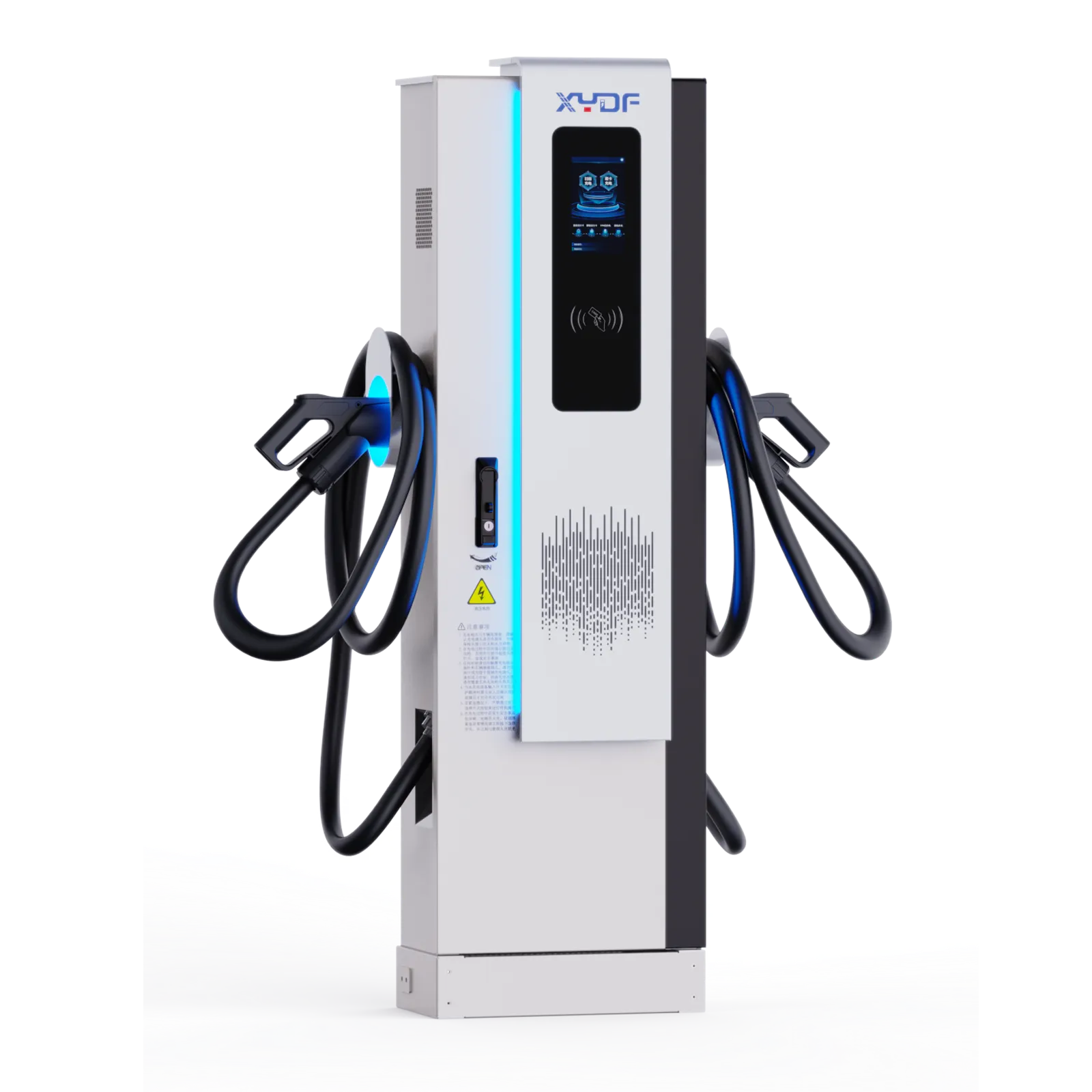
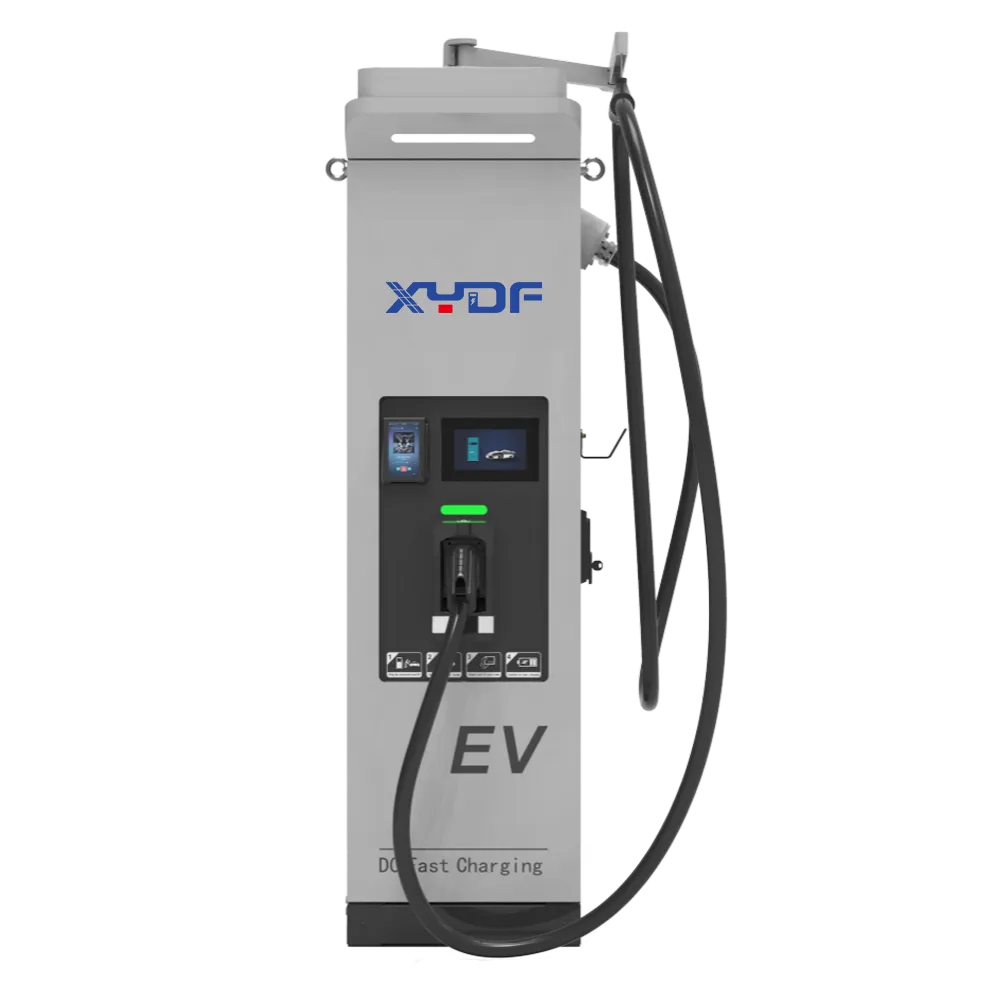
The GCC markets( includes Saudi Arabia, the United Arab Emirates, Qatar, Oman, Kuwait, and Bahrain) share many IEC-based technical principles, but they do not share one approval that allows an EV charger to be imported, sold, and installed across all six countries.
Therefore, understanding EV charger certification and compliance requirements is an important part of the process for operators and importers.
GCC Compliance Overview | Saudi Arabia | United Arab Emirates | Qatar | Oman | Kuwait | Bahrain | CE and CB Documents | FAQ
There is no single GCC EV charger certification that replaces national approval. A charger accepted in Saudi Arabia is not automatically approved for the UAE, Qatar, Oman, Kuwait, or Bahrain.
Product approval confirms that the charger meets the applicable technical and market-entry requirements. Wireless approval applies when the final product uses functions such as Wi-Fi, Bluetooth, cellular communication, NFC, or RFID. Site approval is handled separately by the relevant utility, municipality, or project authority.
Product compliance: AC and DC chargers entering Saudi Arabia generally follow the SASO conformity route for EV chargers and their accessories. Applications are model-specific, and safety and EMC test reports form part of the technical evidence reviewed for the certificate.
Wireless compliance: If the charger has enabled wireless functions, the supplier should also check the independent CST technical requirements for communications equipment.
Site compliance: SASO product certification does not replace municipal, electrical connection, or installation approval for the charging site.
Import step: The Saudi importer normally uses Saber shipment certification to link the approved product information with a specific consignment. Differences between the certified model, nameplate, invoice, or packing documents can delay this stage.
Product compliance: Regulated EV supply equipment is generally evaluated under the Ministry of Industry and Advanced Technology’s ECAS conformity service. The application typically includes product documents and test reports from an accepted laboratory.
Wireless compliance: Chargers with wireless communication functions should be checked against TDRA equipment registration and type approval. ECAS does not automatically cover telecom equipment compliance.
Site compliance: Installation and operation requirements depend on the relevant emirate and utility. A public charging project in Dubai, for example, also needs to follow DEWA’s technical and charge point operator requirements.
Product compliance: The selected equipment should meet the applicable IEC standards and KAHRAMAA technical requirements. Model references, interfaces, rated values, and test documents should match the equipment proposed for installation.
Wireless compliance: Chargers using Wi-Fi, Bluetooth, cellular, or other radio functions should be checked through the CRA spectrum and type approval portal.
Site compliance: Prior KAHRAMAA approval is a central part of the process. Its EV charging installation and operation procedures require projects to follow the prescribed application route, normally through a qualified electrical contractor.
Product compliance: Oman’s technical guide for EV charging covers residential, commercial, and public installations and refers to applicable Omani, GSO, and IEC standards.
Wireless compliance: Connected chargers may require Oman TRA type approval. The supporting file can include product specifications, a manufacturer’s declaration, and RF, EMC, and safety reports.
Site compliance: Private and public charging points require approval from the relevant licensed distribution company before installation and connection.
Product compliance: Kuwait’s Public Authority for Industry manages regulated product registration and import release through KUCAS and the TABEK platform. The local importer should confirm whether the charger is in scope based on its classification and HS code.
Wireless compliance: A charger with radio functions should also be checked for CITRA communications equipment type approval.
Site compliance: Installation is handled separately under the Ministry of Electricity, Water and Renewable Energy’s EV charger approval and installation requirements. Import documents alone do not authorize installation.
Product compliance: Bahrain’s controlled product list includes electric vehicle batteries and chargers under a manufacturer’s declaration of conformity route. The declaration, model details, test records, and imported product should remain consistent.
Wireless compliance: Connected products should be checked for Bahrain TRA type approval, supported by the applicable safety, EMC, and radio documents.
Site compliance: Bahrain’s EV charging regulation requires EWA approval and an electricity connection arrangement. Applications are normally handled by an approved contractor, while non-personal chargers may also be subject to backend communication requirements.
CE technical files, CB reports, and IEC test results can support a Middle East EV charger certification application when they cover the same model, critical components, and production configuration. Authorities may still check the standard edition, charging interface, label language, and installed wireless module.
CB reports mainly support electrical safety assessment. EMC and wireless functions normally require their own evidence. CE RED or FCC reports may be useful for a connected charger, but local frequencies, power limits, standards, and laboratory acceptance still need to be checked.
XYDF’s view: A complete and model-consistent CE, CB, and IEC technical file can reduce repeated testing and document preparation. It does not replace national product registration, wireless approval, or site approval.
Not directly. SASO certification applies to Saudi Arabia. Other GCC countries follow their own product and project procedures, although the underlying test reports may be useful in another application.
Usually not. These documents can support local conformity assessment, but the importer must still confirm national registration, import documentation, and customs procedures.
The authority and procedure vary by country. If the final sales configuration enables Wi-Fi, Bluetooth, cellular, NFC, RFID, or another radio interface, the local telecommunications equipment requirements should be checked.
For certification requirements in markets outside the GCC, refer to XYDF’s global EV charger compliance guide.
XYDF supplies EV charging products and provides compliance consulting based on the target market, model, interface, and available test documents. Contact XYDF to discuss your project.
This guide is based on official information accessible in September 2026. Product classifications, online platforms, and project procedures may change. Confirm the current route with the local importer or project authority before applying.
 Xinya Dongfang Electricity Technology Co., Ltd.