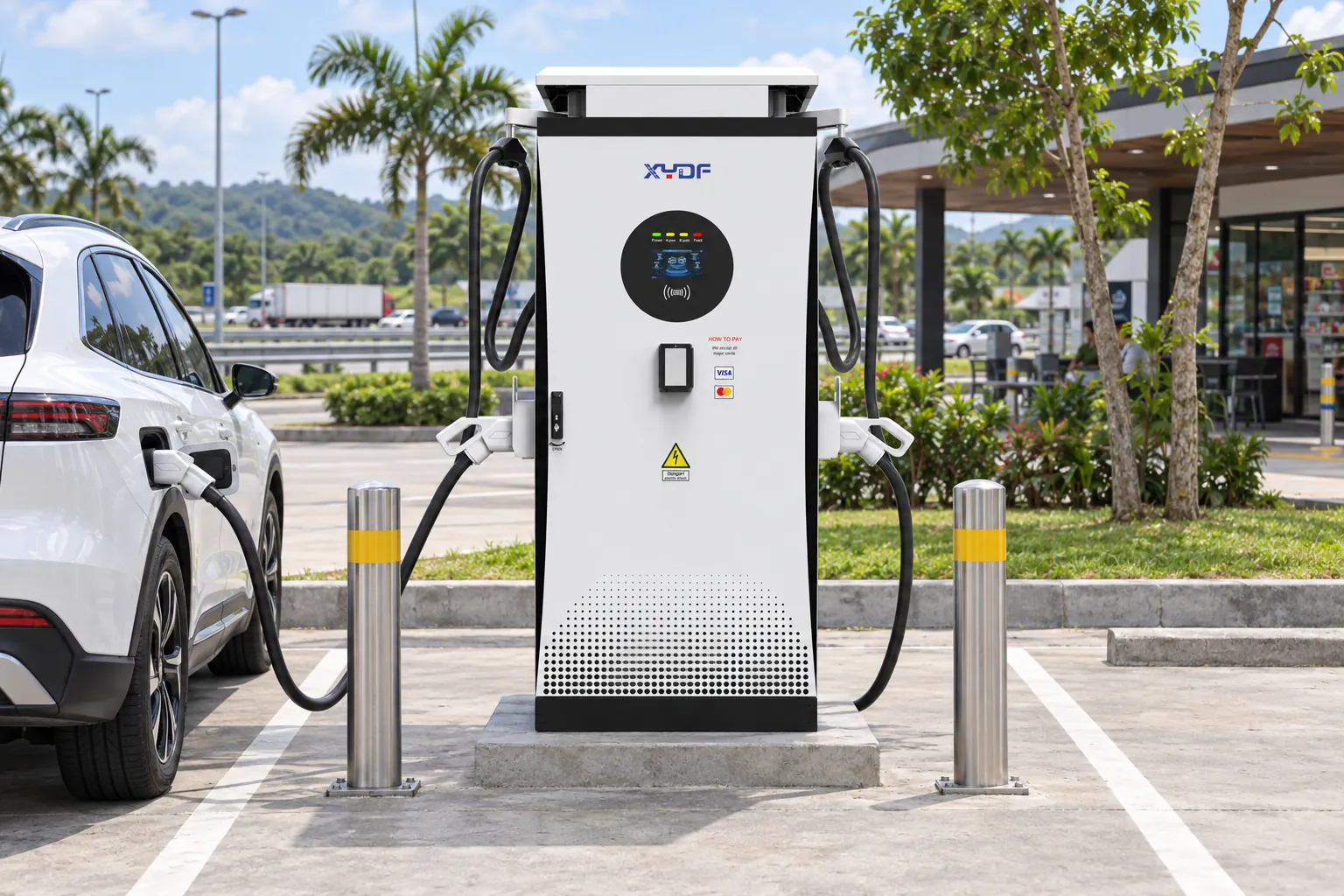
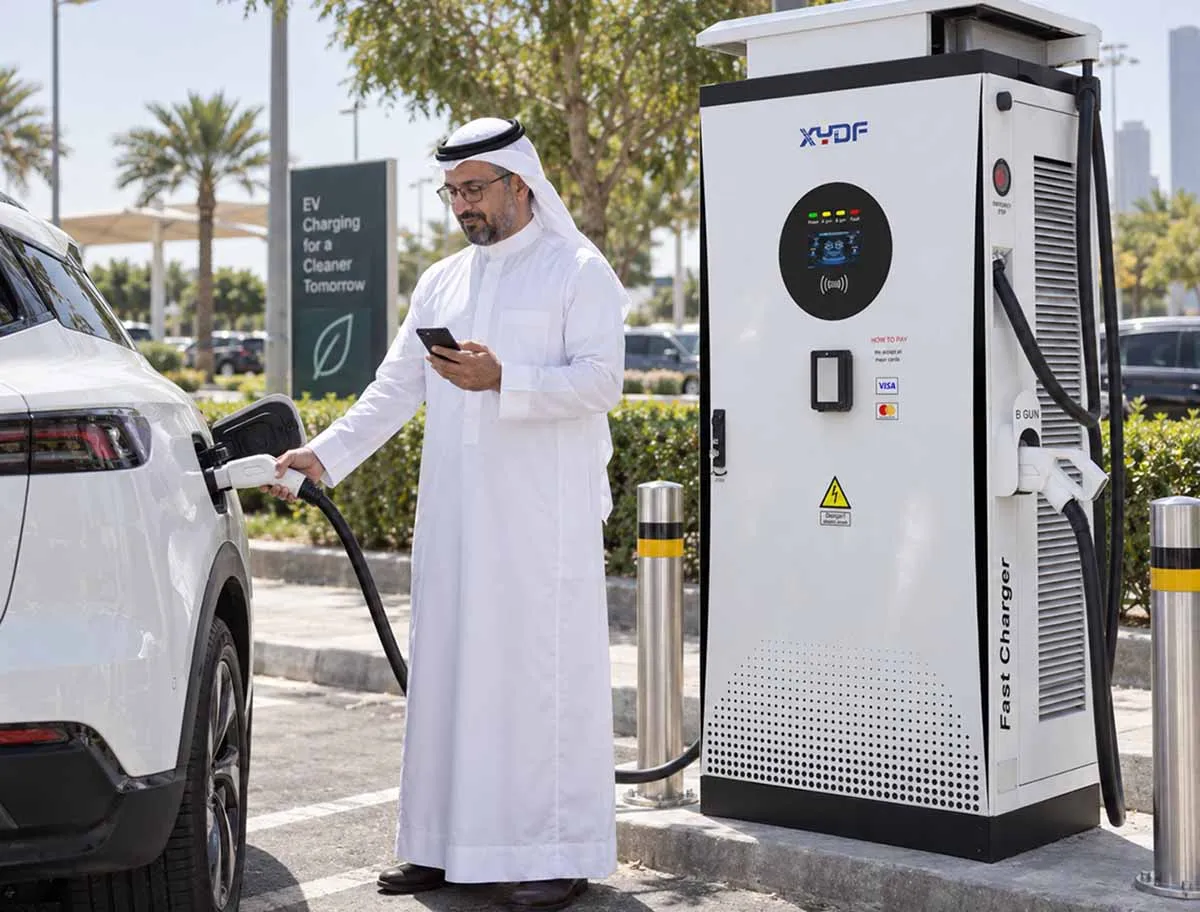
 Xinya Dongfang Electricity Technology Co., Ltd.


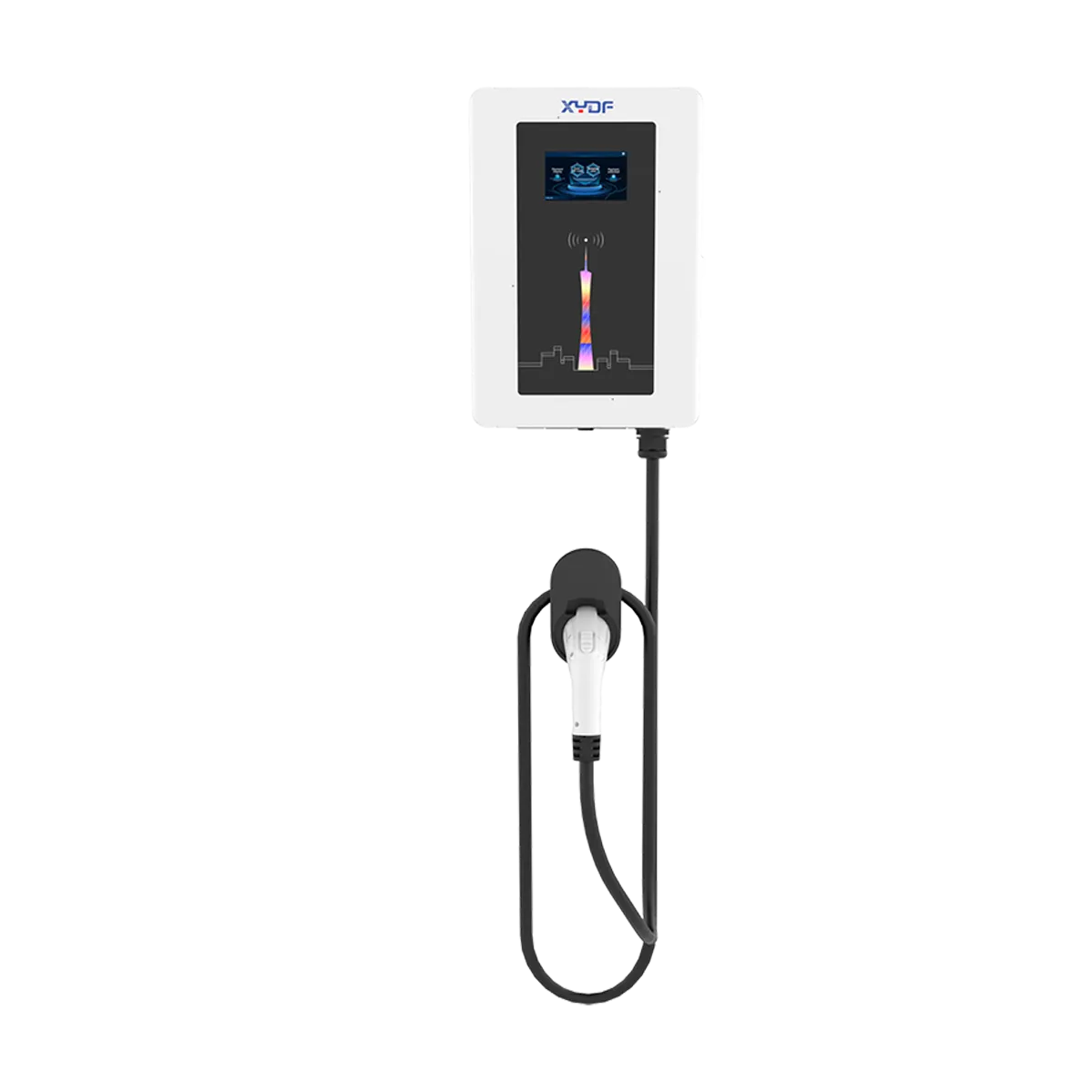
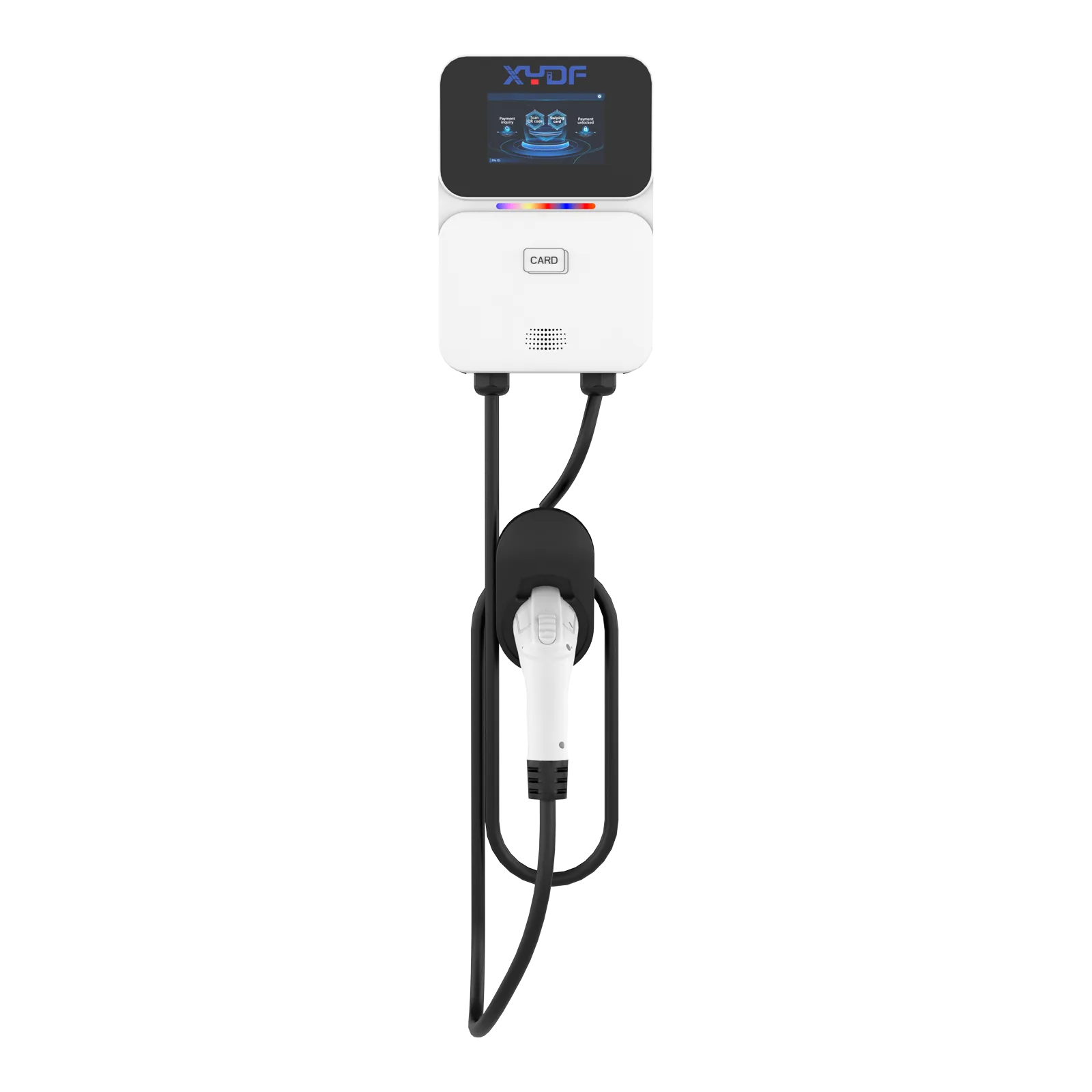
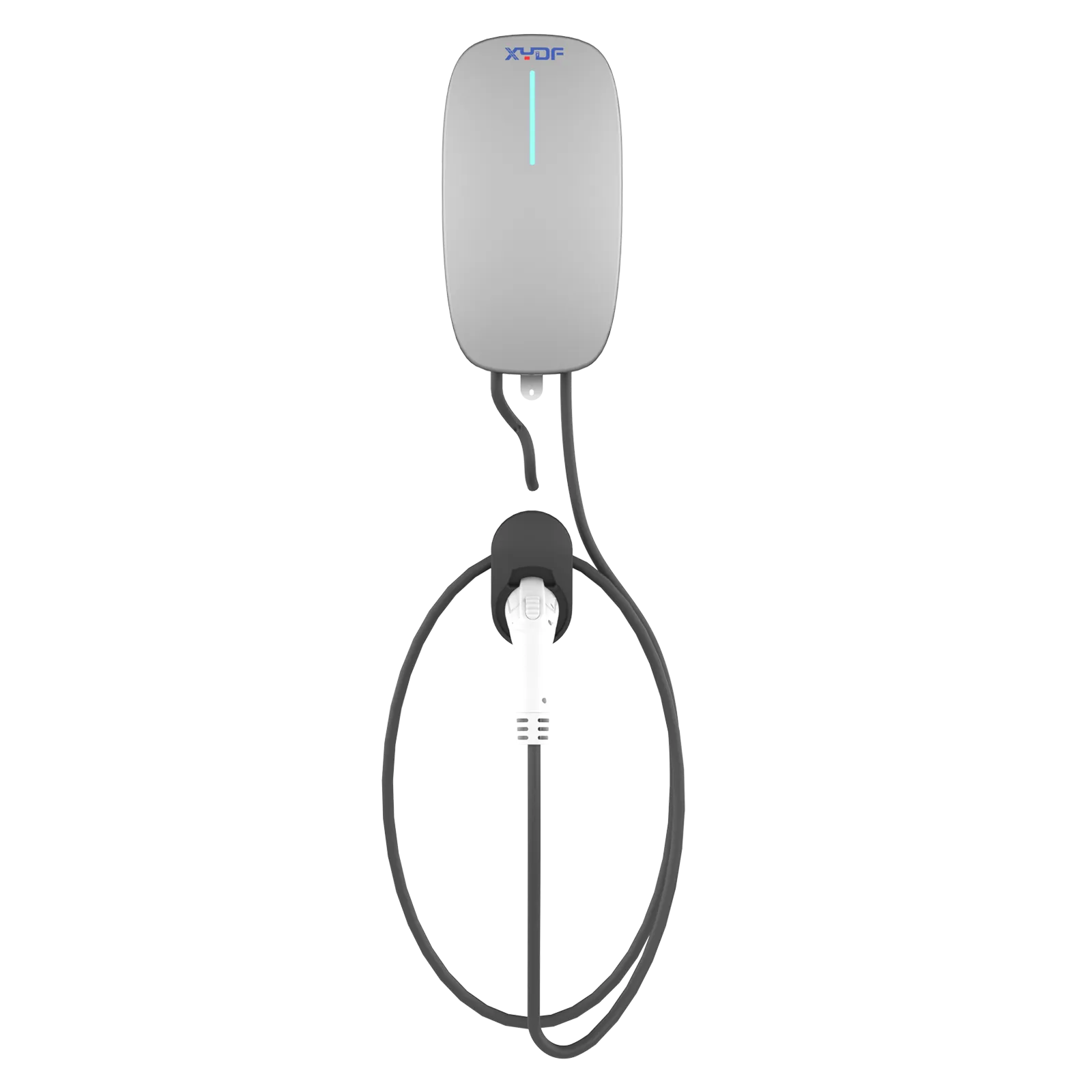
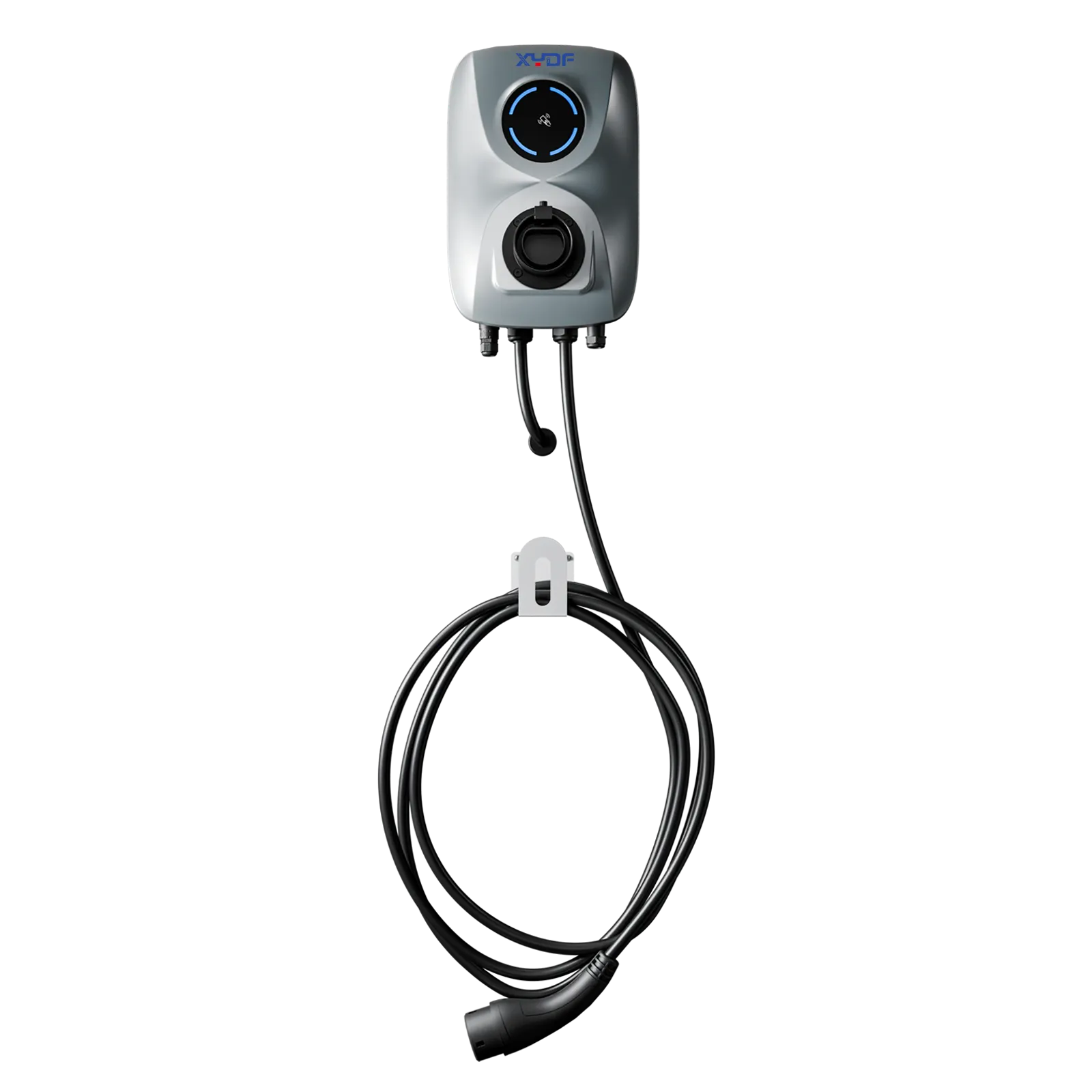

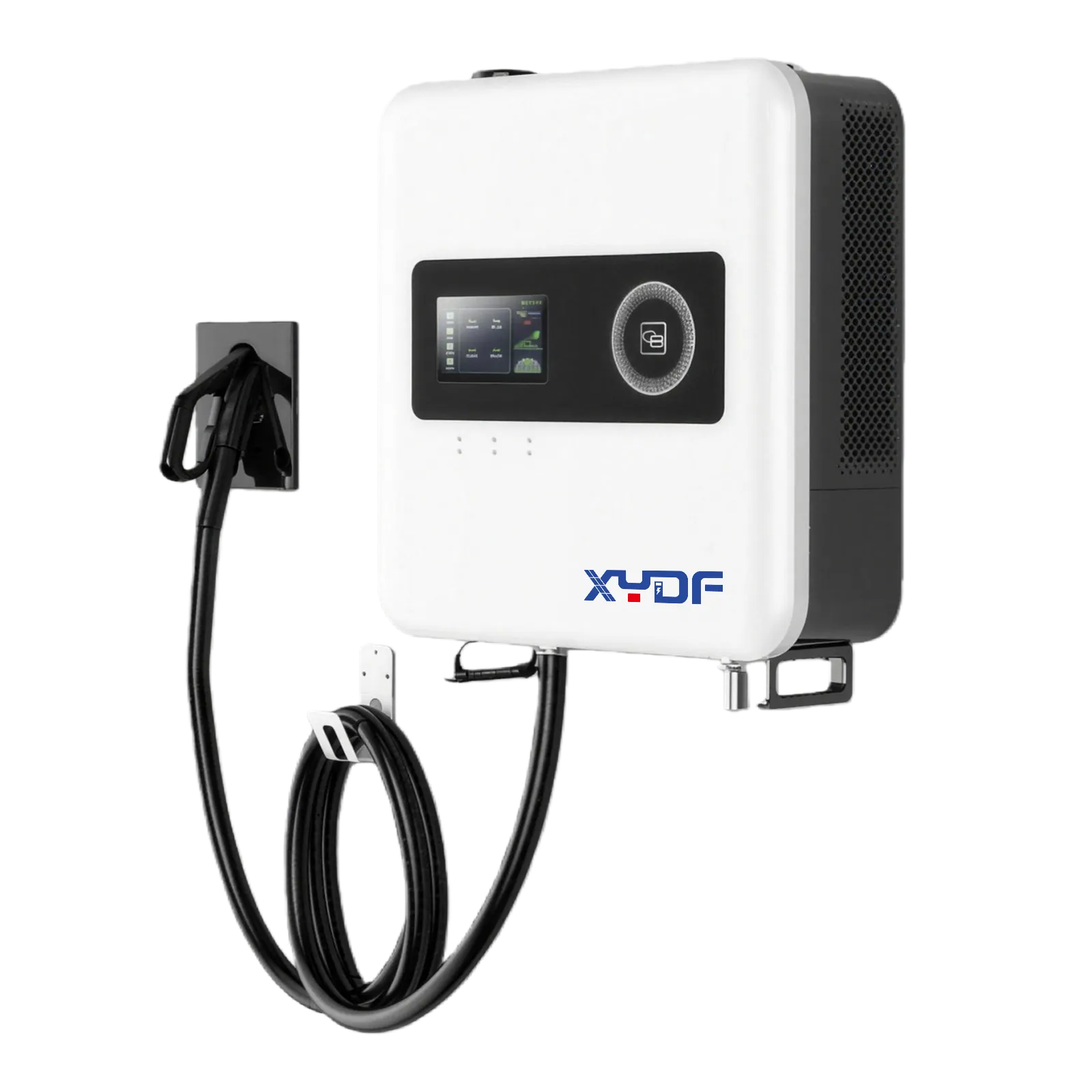
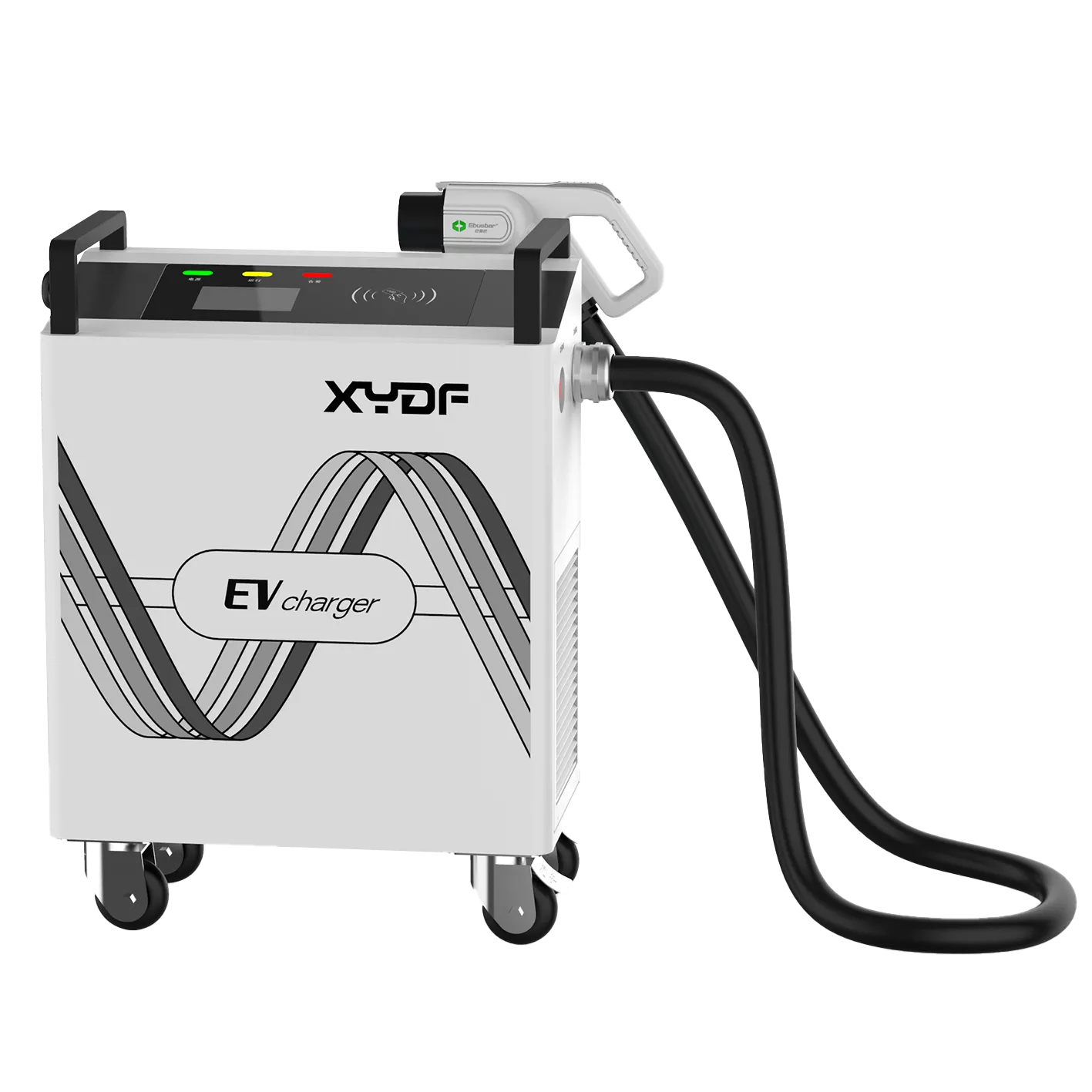
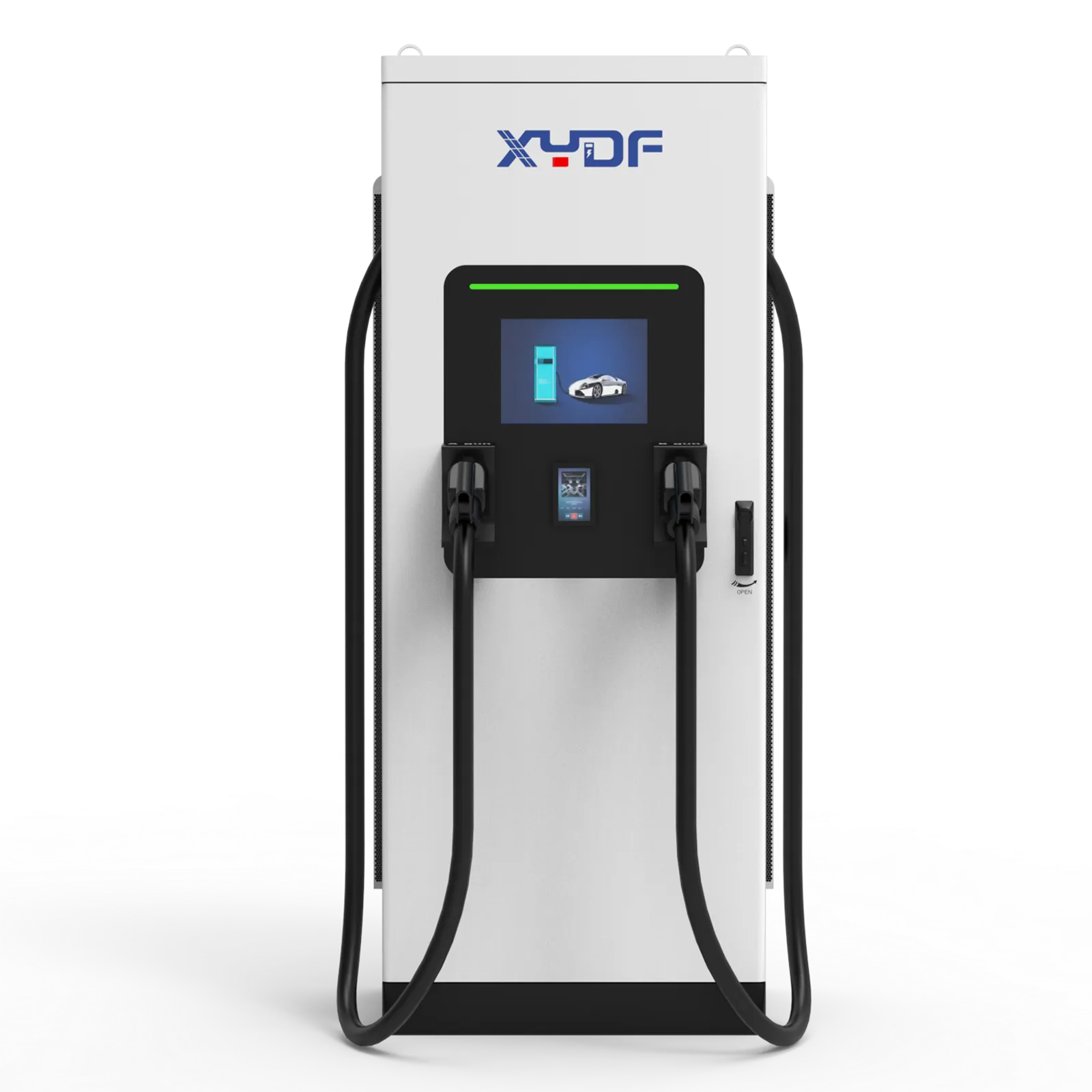
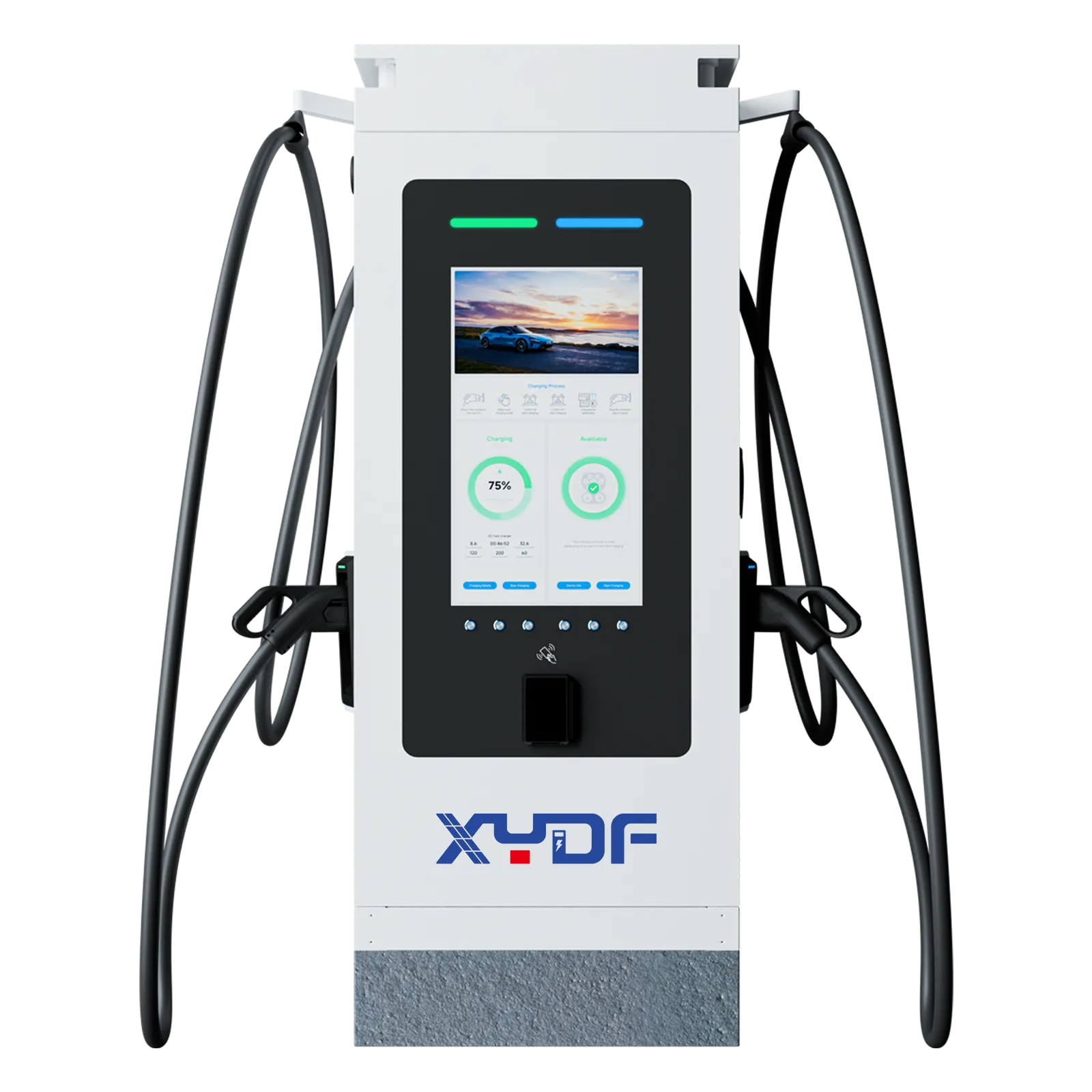
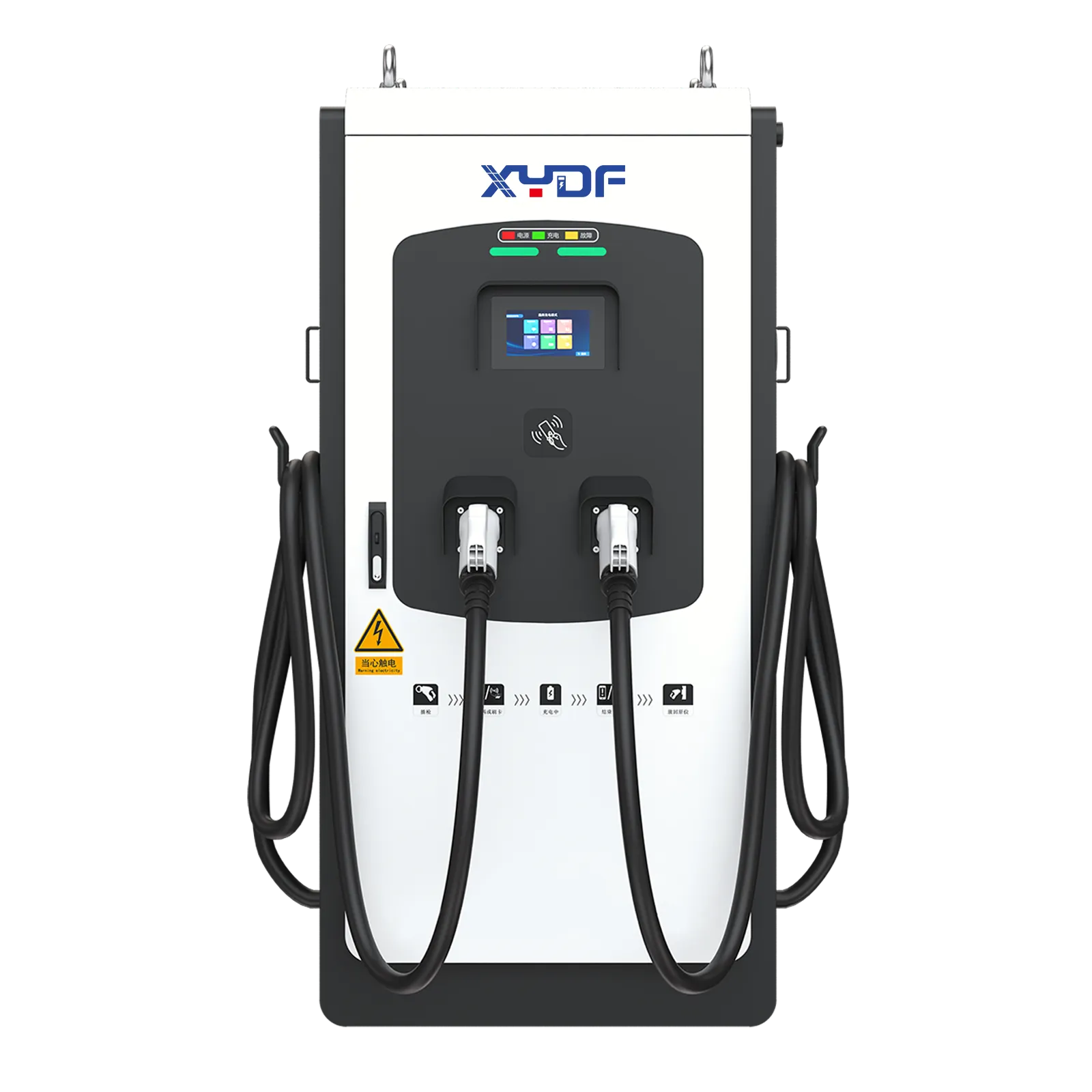
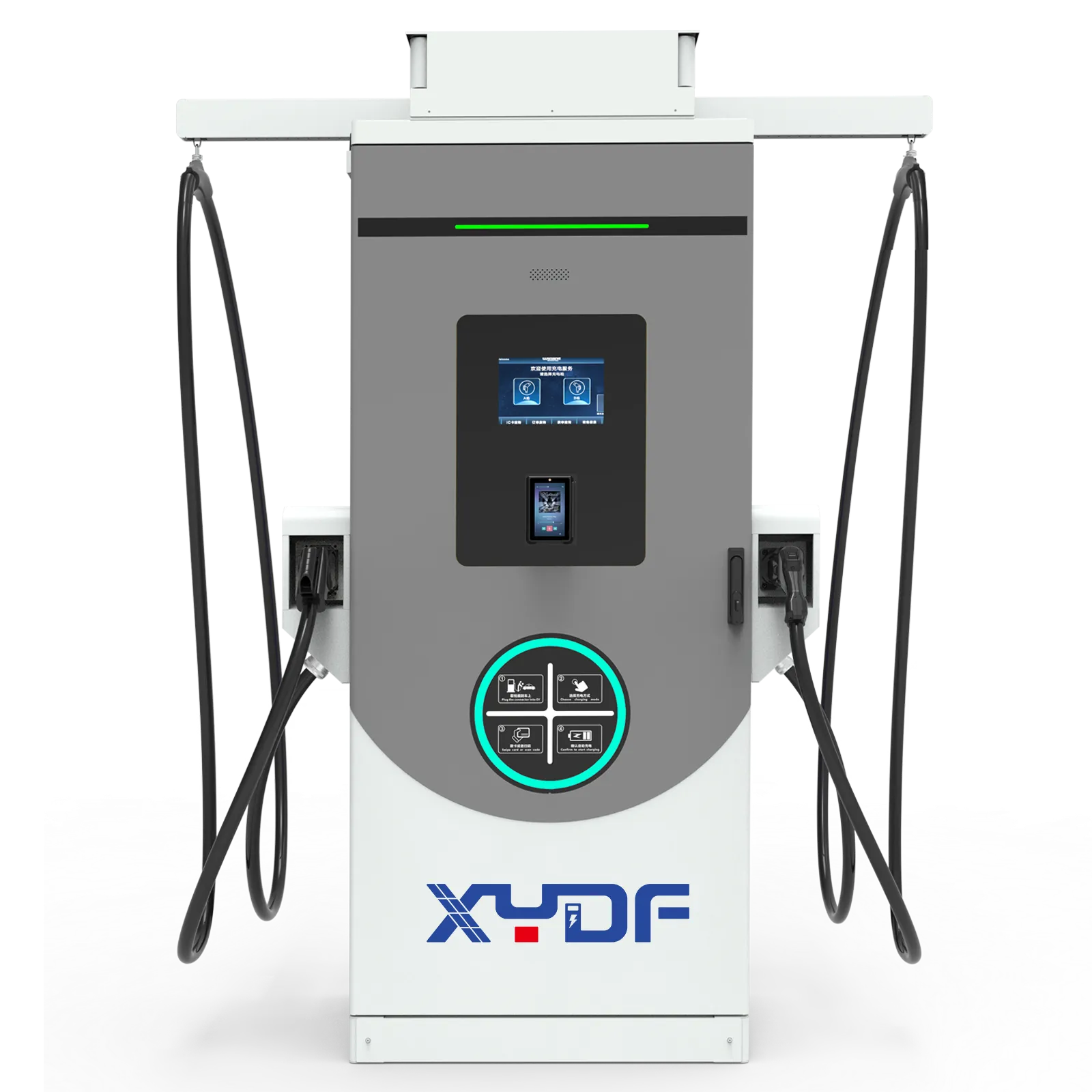
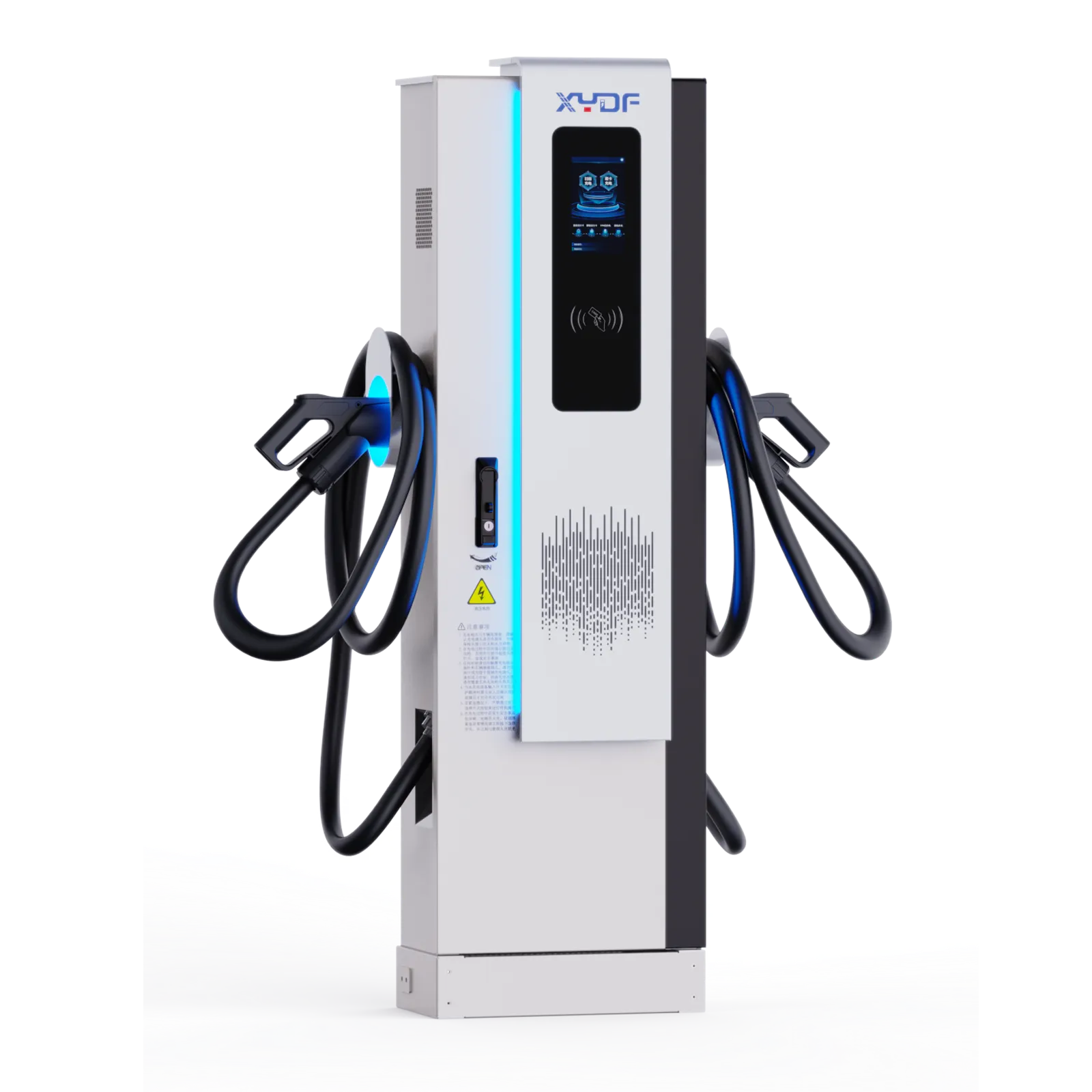
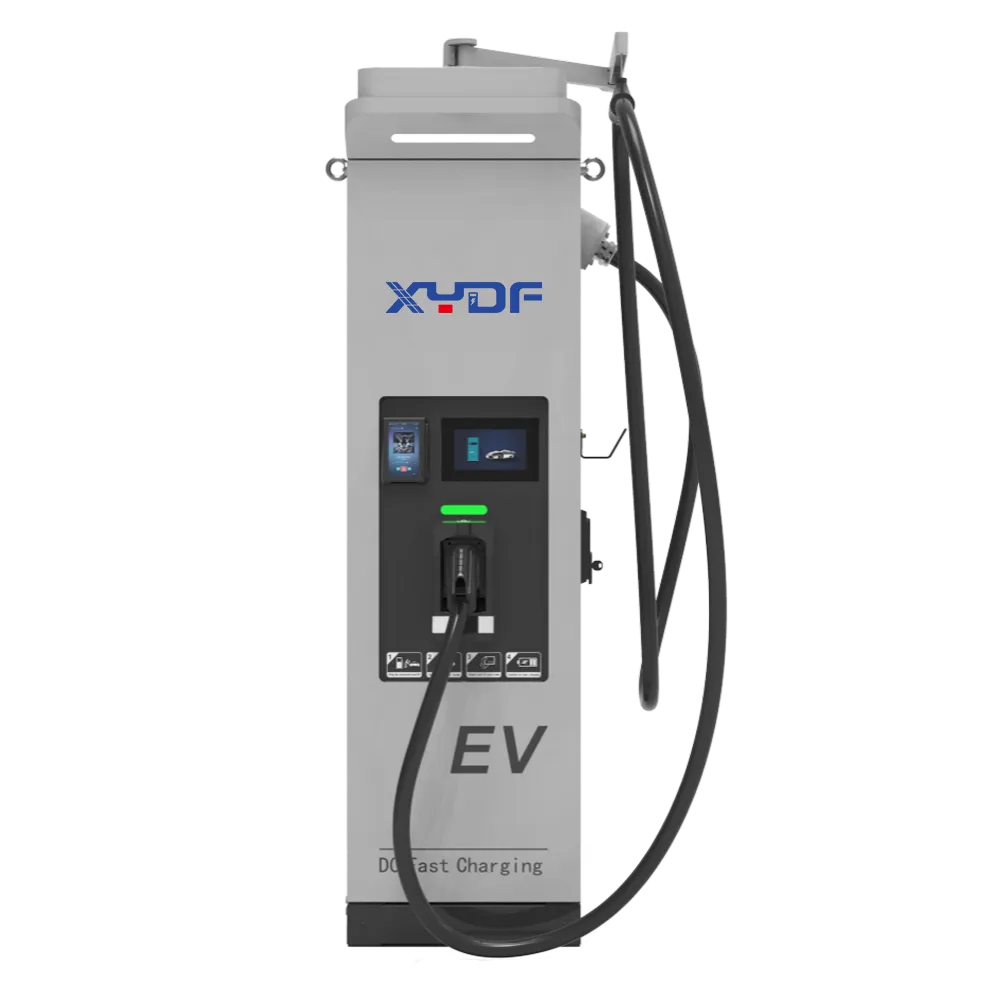
When Maya, an XYDF service engineer in Dubai, reviewed a depot charging tender, she marked one attractive datasheet as “needs clarification” after comparing the input power, enclosure rating, and OCPP notes against the site plan. Within the first commissioning simulation, the visible problem appeared quickly: the proposed charger could not support the requested continuous load under the specified grid feed and outdoor exposure. The reversal was important. The issue was not simply a bad product; it was a selection problem caused by reading headline output power without checking the operating conditions behind it.
Resumen: A commercial EV charger datasheet should be read as a risk document, not a brochure. Start with 12 fields: rated power, maximum output power, efficiency, input voltage, grid frequency, output voltage/current range, connector standard, IP rating under IEC 60529, IK impact rating under IEC 62262, operating temperature, OCPP version, and certification scope. Before shortlisting an EV charger manufacturer, ask for model-specific test reports, installation requirements, and the exact certification coverage for the destination market.
An EV charger datasheet translates engineering design into procurement language. For a buyer, it should answer three questions: whether the charger can deliver the required charging profile, whether the site can safely feed and protect it, and whether the documented compliance package matches the country, grid, connector, and software system being specified.
That is why the same headline “150 kW DC charger” can represent different commercial realities. One unit may deliver 150 kW across a useful battery voltage range with stable thermal behavior; another may reach the same number only at a narrow voltage/current point or under limited ambient conditions. A serious EV charging equipment manufacturer should make those limits clear enough for procurement, engineering, and operations teams to reach the same conclusion.
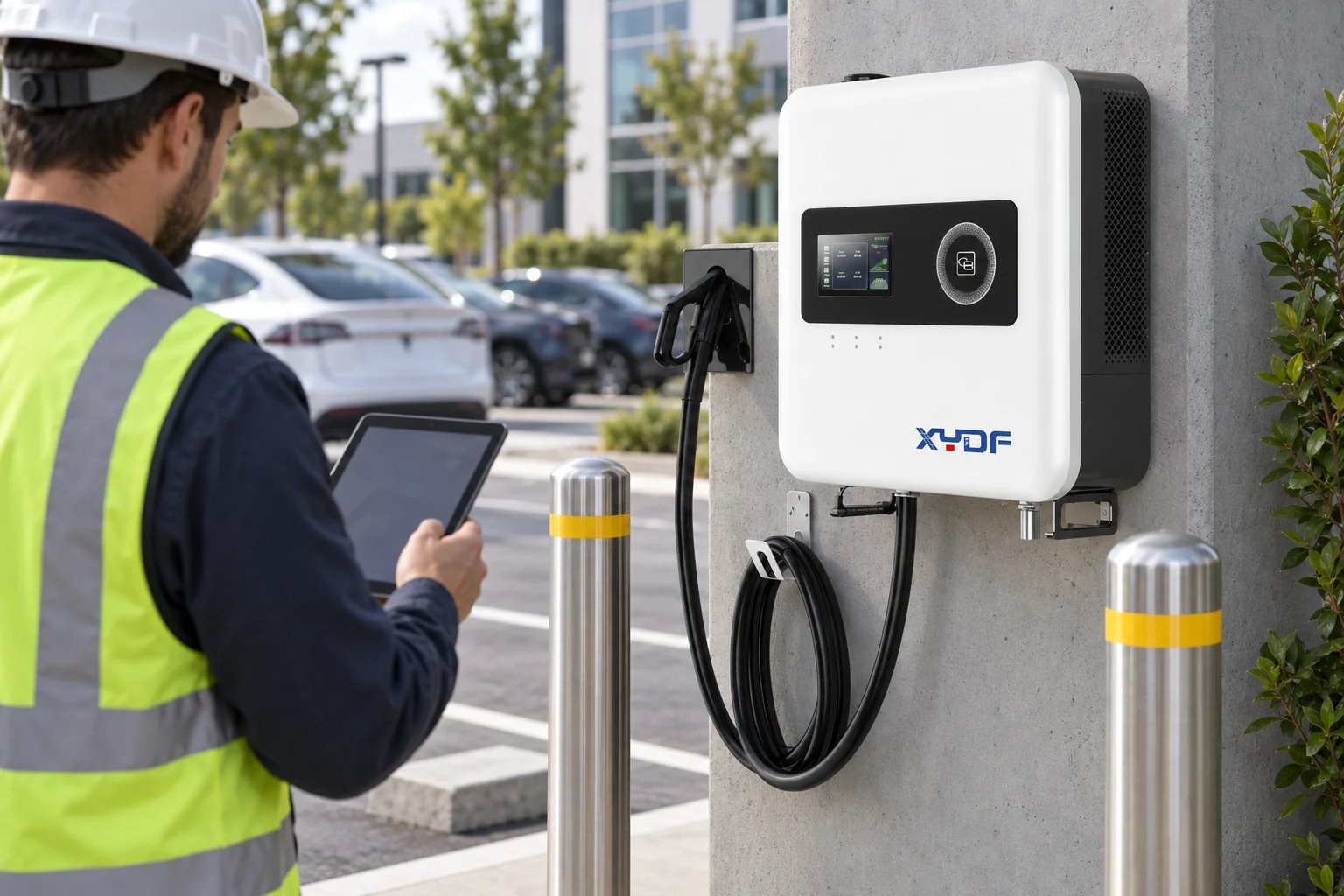
The 12 datasheet fields should be treated as a procurement risk checklist
Most datasheets contain more than 12 lines, but these 12 decide whether the charger fits the site. Treat them as a first-pass screening checklist before reviewing price, branding, optional accessories, or cabinet style.
| Specification | What to check | Why it matters commercially |
|---|---|---|
| Rated power | Continuous output at stated operating conditions, such as 150 kW, 240 kW, or 360 kW. | Sets the real charging capacity used in site throughput and transformer planning. |
| Maximum output power | Peak or nameplate output and the voltage/current range where it applies. | Prevents overestimating charger speed for vehicles with different battery voltages. |
| Efficiency | Conversion efficiency at relevant load levels, not only best-case peak efficiency. | Small percentage differences become utility cost and heat-management issues over years of operation. |
| Input voltage | AC input range, phase count, neutral requirement, and tolerance. | Determines whether the charger matches the local electrical service without extra conversion equipment. |
| Grid frequency | 50 Hz, 60 Hz, or both, with any derating notes. | Critical for export projects where one model may be sold into multiple regions. |
| Output voltage/current range | Minimum and maximum DC output voltage and current per connector or module. | Shows whether the charger supports the target vehicle platform across state-of-charge conditions. |
| Connector standard | CCS1, CCS2, CHAdeMO, GB/T, Type 2, or other interface options. | Misalignment creates stranded hardware, adapter risk, or fleet incompatibility. |
| IP rating | Ingress protection code under IEC 60529, such as IP54, IP55, or IP65. | Connects enclosure selection to rain, dust, washdown, and outdoor exposure. |
| IK rating | Impact protection level under IEC 62262, commonly shown as IK08 or IK10 for rugged equipment. | Helps assess parking-lot impact, public access, and vandal-resistance risk. |
| Operating temperature | Ambient range and any derating above high-temperature thresholds. | Protects uptime in hot depots, cold logistics yards, and direct-sun installations. |
| OCPP version | Supported protocol version, security profile, backend test status, and required options. | Controls whether the charger can integrate with the selected charging management platform. |
| Certification scope | Exact standard, model number, power rating, connector version, and issuing body. | A certificate that covers a different configuration may not support import, inspection, or tender claims. |
Power, efficiency, and input requirements must be judged as one decision
Rated power is the number procurement teams usually notice first. For commercial planning, it should be read together with efficiency, input requirements, and the output voltage/current curve. IEC 61851 describes conductive EV charging system requirements; the datasheet should make it clear how the charger operates within the intended EV supply equipment category and charging mode.
The difference between 95% and 97% conversion efficiency may look minor on paper. In a depot or public charging site, the lost energy becomes heat inside the charger cabinet and energy cost on the meter. An illustrative calculation shows the direction: a 150 kW charger operating at a 2% higher loss level produces about 3 kW of additional heat at full load. The exact cost depends on utilization, tariff, ambient temperature, and cooling design, so buyers should request efficiency data at realistic load points.
Input voltage and frequency deserve the same discipline. A charger specified for 400 VAC three-phase, 50 Hz service may not be interchangeable with a 480 VAC, 60 Hz project unless the datasheet and manufacturer documentation explicitly support that range. The safest procurement question is simple: “Does this exact model support our site voltage, frequency, earthing system, upstream breaker arrangement, and local inspection requirements?”
For broader site sizing context, compare the datasheet with Xinya EE’s guide to commercial EV charging load profiling and transformer-capacity planning before locking the charger quantity.
IP, IK, and thermal ratings show whether the enclosure fits the site
IP ratings are often misunderstood because the two digits measure different protections. Under IEC 60529, the first digit refers to protection against solid objects and dust; the second digit refers to protection against water ingress. IP65 is not just “better” in a general sense; it describes a specific dust-tight and water-jet protection level. Buyers should compare the rating to the installation environment rather than choosing the highest number automatically.
IK ratings add a separate impact-resistance lens. IEC 62262 classifies external mechanical impact protection for enclosures, which matters for public parking lots, logistics yards, curbside chargers, and construction or mining sites where equipment may face contact from vehicles, tools, or moving cargo. If the datasheet lists IK10, ask whether that applies to the whole enclosure, display area, connector holster, or only selected panels.
Thermal ratings complete the enclosure discussion. Outdoor EV charging equipment may face direct sun, restricted airflow, dust accumulation, and high cabinet temperatures. A datasheet that lists only an ambient range without derating conditions leaves the engineering team guessing. Ask whether rated output is continuous across the stated temperature range, and request the derating curve if high-temperature operation is expected.
For a deeper enclosure decision, use the Xinya EE guide to EV charger IP ratings alongside the datasheet rather than relying on a single code.
Software and charging protocol claims need version-level detail
OCPP compatibility is useful only when it is specific. A datasheet should identify the supported OCPP version, such as OCPP 1.6J or OCPP 2.0.1, and clarify backend testing, security profile, firmware upgrade method, transaction handling, smart charging support, and remote diagnostics. “OCPP supported” is too vague for a commercial RFP.
This matters because an EVSE charger becomes part of a larger operating system. Access control, pricing, user authentication, load management, payment flow, remote fault handling, and utilization reporting all depend on reliable communication between the charger and the charging management platform. If the project requires ISO 15118 or Plug & Charge, that should be specified separately because it is not automatically included by an OCPP statement.
Procurement teams should ask the supplier for a protocol implementation conformance statement, backend integration history by platform type, and the firmware-update policy. For custom projects, align software, labeling, UI language, and hardware configuration before sample approval so those decisions do not diverge late in the project.
Certification scope is where datasheet claims become market risk
Certification lines require more scrutiny than most buyers give them. A datasheet may mention CE, UL, ETL, UKCA, CB, FCC, RoHS, or EMC, but each mark has a defined scope. The question is not “Does the factory have a certificate?” The question is “Does the certificate cover this exact model, power rating, enclosure, connector, input configuration, software option, and destination market claim?”
In the European Union, CE marking is connected to applicable EU legislation and the manufacturer’s conformity responsibility. In the United States, many commercial electrical installations look for evaluation by a Nationally Recognized Testing Laboratory where required by authorities having jurisdiction. For export projects, CB test reports can help compare IEC-based evidence, but buyers still need to confirm local acceptance, language requirements, plug/connector rules, grid codes, and installation inspection practice.
Certification scope also affects tender defensibility. If a bid states that a commercial EV charger complies with a standard, unsupported or mismatched documentation can delay customs clearance, electrical inspection, insurance review, utility approval, or site handover. Xinya EE’s factory testing and incoming inspection guide explains how production checks and documentation should support procurement decisions.
| Buyer decision | Datasheet evidence to request | Warning sign | Practical action |
|---|---|---|---|
| Rated power and efficiency | Rated output conditions, efficiency curve, thermal derating curve, module configuration. | Only peak output is listed, with no temperature or voltage range. | Model site throughput using rated output, not only maximum output. |
| Outdoor durability | IEC 60529 IP rating, IEC 62262 IK rating, corrosion or enclosure material notes. | IP code is shown but no installation position, cable-entry detail, or door-open protection is explained. | Match the rating to rain, dust, washdown, public access, and maintenance workflow. |
| Backend integration | OCPP version, security profile, supported functions, firmware update process. | “OCPP compatible” appears without version, backend test notes, or security details. | Run an integration test with the selected charging management system before volume ordering. |
| Electrical input | Voltage range, phase, frequency, power factor, upstream protection, earthing requirement. | Export datasheet uses one region’s grid assumptions for all markets. | Have the electrical engineer check compatibility before signing the purchase order. |
| Certification and compliance | Certificate number, issuing body, covered model list, standard edition, report date. | The certificate covers a different enclosure, power level, or connector option. | Attach the exact compliance documents to the tender file and import file. |
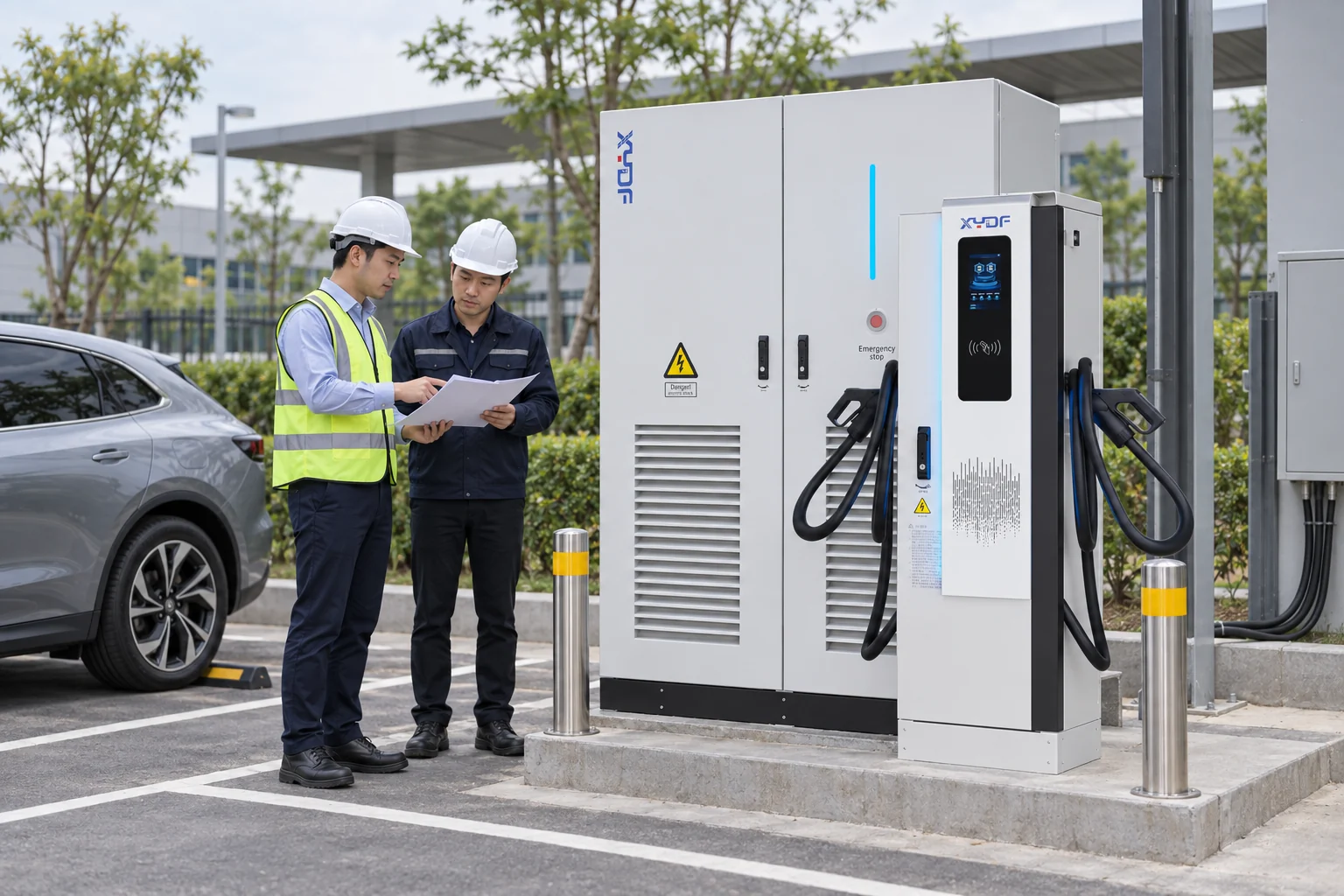
Datasheet claims should be converted into a witnessed site acceptance test
A datasheet from an EV charger manufacturer is a starting point for procurement, not the final proof that the installed charger will perform at the buyer’s site. The practical next step is to turn each critical claim into a site acceptance test that can be witnessed by the buyer, installer, operator, or appointed inspection party before the equipment is finally accepted.
The acceptance test should separate three evidence levels. A manufacturer-declared value is what the datasheet or manual states. A witnessed result is what the project team observes under recorded site conditions. A third-party result is evidence from an external test report, certification body, laboratory, or inspection process. Mixing these categories creates risk because a declared value may be technically accurate under factory conditions but still insufficient for the actual installation environment.
| Datasheet claim | How to turn it into an acceptance test | Evidence level to record | Buyer question for the supplier |
|---|---|---|---|
| Rated output and maximum output | Record ambient conditions, vehicle or load-bank setup, connector used, output voltage/current range, and measured charger output during the agreed session. | Manufacturer-declared rating plus witnessed measured output under stated test conditions. | Can this exact configuration sustain the required charging profile at our site conditions? |
| Thermal behavior and derating | Compare observed output with the manufacturer’s derating curve, especially when high ambient temperature, direct sun, cabinet spacing, or restricted airflow may affect performance. | Manufacturer-declared derating curve, witnessed operating result, and any third-party thermal evidence if supplied. | At what condition does the charger reduce output, and how is that condition documented? |
| Input voltage, frequency, and power quality | Confirm the connected supply, phase arrangement, frequency, upstream protection, earthing arrangement, and input quality during operation before comparing output behavior. | Site electrical record plus witnessed operation; do not treat a broad input range as proof until the actual feed is checked. | Does the charger support our real grid feed, not only the datasheet’s general input range? |
| OCPP and backend compatibility | Run a live backend session using the selected charging management platform, then record start, authorization, metering, stop, fault, remote command, and transaction reporting behavior. | Manufacturer-declared OCPP version plus witnessed backend session; third-party protocol evidence may support but should not replace project testing. | Which OCPP version, security profile, and required functions are proven on our backend? |
| IP and IK protection | Check whether the IP and IK evidence applies to the installed enclosure, cable entry, display, connector holster, door seals, and mounting arrangement described in the project. | Manufacturer declaration and third-party test evidence where available; witnessed inspection confirms the delivered configuration matches the documented scope. | Does the evidence cover the whole installed charger or only selected cabinet parts? |
| Certification and market compliance | Match certificate scope against model number, power rating, connector option, enclosure, input configuration, software option, standard edition, issuing body, and destination-market claim. | Third-party certificate or conformity evidence plus buyer-side document review; do not rely on a logo or generic certificate line alone. | Does the exact charger being shipped match the exact certification documents being used for import, inspection, and tender compliance? |
This test plan does not need to invent new requirements. It uses the same facts already claimed in the datasheet and asks whether those facts survive contact with the site. For example, IEC 61851-related charger behavior, IEC 60529 enclosure language, OCPP version claims from the Open Charge Alliance framework, CE-related conformity responsibility, and NRTL expectations in the United States all point to the same buying discipline: define the scope, witness the result, and keep the evidence file tied to the exact configuration.
For buyers comparing more than one EV charger supplier, the strongest proposal is often the one that makes the acceptance criteria easiest to verify. A clear datasheet, a usable derating curve, a complete compliance file, and a successful backend session reduce the risk of late redesign, delayed handover, or a charger that looks correct on paper but fails the project workflow.
A procurement checklist helps compare manufacturer datasheets before approval
Use this checklist before awarding a project or requesting samples from an EV charging equipment supplier.
- Compare rated output, maximum output, and derating notes on one line so peak numbers do not hide operating limits.
- Confirm input voltage, frequency, earthing, protection, and cable-entry requirements with the site’s electrical engineer.
- Ask for IP and IK evidence that applies to the installed enclosure, not only the cabinet shell in isolation.
- Define OCPP version, backend platform, security profile, and acceptance test before approving the production configuration.
- Check certification scope against the exact model, connector, power rating, destination market, and tender wording.
XYDF can support buyers with configurable AC and DC charging equipment, documentation review, and factory-side clarification before sample approval. For a concrete product reference, review the 150 kW DC fast charging station page and compare its configuration notes with your project datasheet checklist.
FAQ
Which EV charger datasheet specifications matter most?
The most important specifications are rated power, maximum output power, efficiency, input voltage, grid frequency, output voltage/current range, connector standard, IP rating, IK rating, operating temperature, OCPP version, and certification scope. Buyers should review these together because one weak field can cancel the value of a strong headline power rating.
What is the difference between rated power and maximum output power?
Rated power is the output a charger is designed to deliver continuously under defined operating conditions. Maximum output power may describe a peak capability or a value available only within a specific voltage/current range, so it should not be used alone for site capacity planning.
How should buyers compare IP ratings on an EV charger datasheet?
Buyers should compare IP ratings by reading both digits and matching them to site exposure. Under IEC 60529, the first digit relates to solids and dust, while the second relates to water ingress; an outdoor depot, coastal parking lot, and indoor fleet bay may justify different enclosure choices.
What does OCPP compatibility mean on a charger specification sheet?
OCPP compatibility means the charger can communicate with a charging management system using a defined Open Charge Point Protocol version. The datasheet should state the version, security profile, supported functions, and backend test status because generic “OCPP supported” wording does not prove integration readiness.
Why do input voltage and grid frequency matter for an EV charger?
Input voltage and grid frequency determine whether the charger can connect safely to the local electrical service. A charger configured for one region’s three-phase voltage and 50 Hz supply may require a different configuration, protection design, or approval path for a 60 Hz market.
Which certifications should a commercial EV charger datasheet show?
A commercial EV charger datasheet should show the certifications or conformity evidence relevant to the destination market, such as CE-related documentation for the EU, NRTL evaluation where required in the United States, and applicable IEC or CB evidence for many international projects. The certificate should match the exact model, power rating, connector, and enclosure configuration being purchased.
Which references support EV charger datasheet review?
- IEC 61851 series, Electric vehicle conductive charging system
- IEC 60529, Degrees of protection provided by enclosures
- Open Charge Alliance, OCPP protocol resources
- European Commission, CE marking overview
- OSHA, Nationally Recognized Testing Laboratory program
The best datasheet is not the one with the longest specification table; it is the one that lets procurement, engineering, software, and compliance teams reach the same decision before the equipment is built.
If you are comparing commercial EV charger specifications for a depot, public charging site, fleet yard, or OEM program, share your site voltage, connector requirements, backend platform, and destination market with XYDF through the contact page so the datasheet review can focus on the configuration that will actually be installed.