 Xinya Dongfang Electricity Technology Co., Ltd.



When a fleet driver tapped an RFID card at a partner charger, the connector unlocked but the session never started. The charger was online, and the driver’s app showed the location as available. The failure came from a stale tariff and a mismatched authorization record between the eMSP and CPO. Roaming works only when contracts, identifiers, status and settlement data agree.
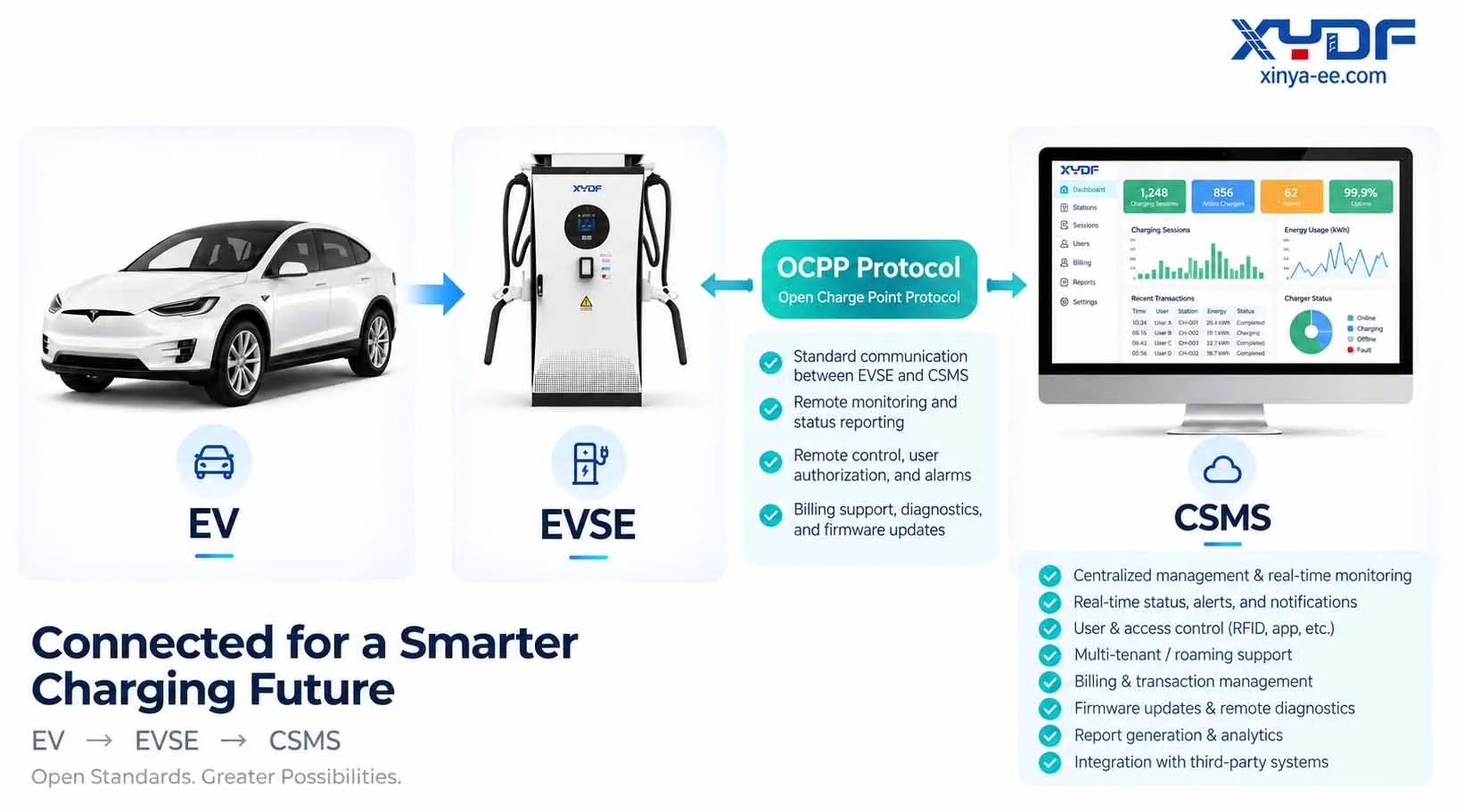
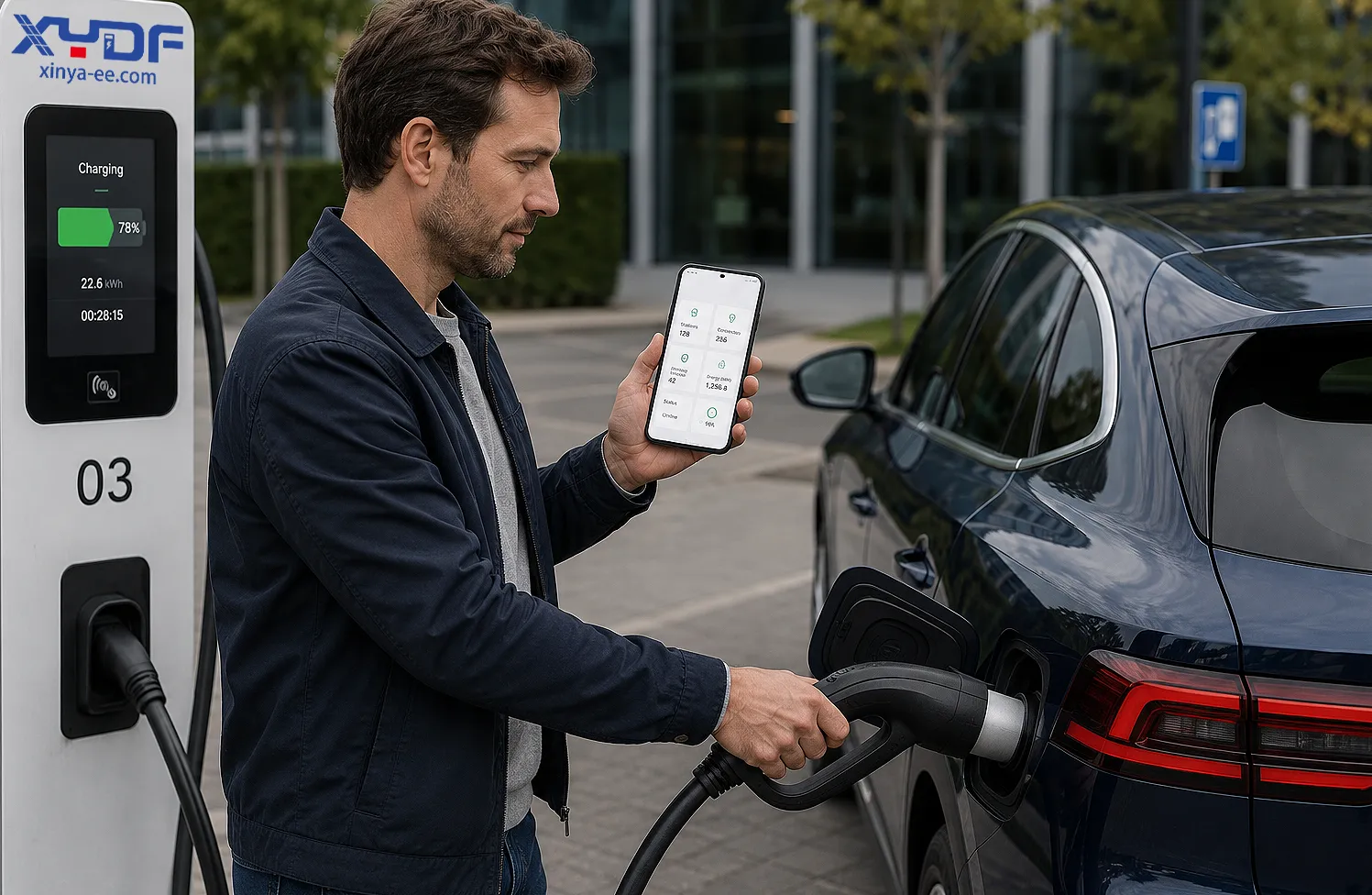
EV charging roaming lets a driver use a charging network through another mobility provider. The CPO operates the station; the eMSP manages the driver’s account and experience; roaming protocols exchange authorization, location, tariff and session data. OCPI documentation from the EVRoaming Foundation and OCPP materials from the Open Charge Alliance describe complementary interfaces, not a guarantee that every network will interoperate without testing.
Which responsibilities belong to the CPO, eMSP and roaming hub?
A CPO owns or operates chargers, maintains hardware, reports status and records energy sessions. An eMSP supplies the driver contract, app or RFID credential, pricing display and receipt. A CPO and eMSP agreement should define who handles refunds, taxes, chargebacks, customer support, data protection and outage communication, including where a roaming hub is involved.
Use stable identifiers for locations, EVSEs and connectors. Decide which party is authoritative for address, opening hours, accessibility notes, tariffs and real-time status. A directory that retains a retired connector can create customer frustration even when the live charger is healthy. Establish a process for deactivation, maintenance windows and emergency closures.
Choose the operating model deliberately: a bilateral link gives two parties tighter control but requires more integrations; a hub broadens reach while adding routing and data-mapping dependencies. Put the support boundary and service-level evidence in the contract instead of assuming the hub owns every failure.
How does an authorization request become a settled charging session?
A roaming session usually begins when a driver presents an app, RFID token or another credential. The eMSP checks the contract and sends an authorization request through the agreed interface. The CPO validates the token, starts the EVSE session and returns status and meter information. At stop, the CPO sends a session record; the eMSP calculates the customer charge and issues a receipt under the contract.
Failures can occur at every handoff: an expired token, a wrong EVSE identifier, a timeout, a tariff that is missing required fields, a connector marked unavailable or a session record rejected during settlement. Log a correlation ID and timestamp for each request. Support staff should be able to distinguish “not authorized,” “charger offline,” “connector occupied” and “session interrupted” rather than showing one generic error.
A useful troubleshooting sequence is token validity, EVSE and connector mapping, live status, tariff freshness, authorization response, session start and final CDR acceptance. Replaying that sequence with one shared timestamp lets the CPO, eMSP and hub identify the failed handoff instead of trading screenshots.
How can partners keep tariffs and availability data trustworthy?
Drivers need the price that applies to their contract, not only a public headline tariff. OCPI tariff data can carry pricing and location information, but local taxes, idle fees, currency and roaming markups still need clear commercial rules. Test how a changed tariff propagates, how a cached value expires and how the receipt explains energy, time or parking components.
Status data needs the same discipline. A connector can be available, preparing, charging, suspended or out of service; the mapping between a charger screen and an app must remain consistent. Reconcile periodic status updates with heartbeat and transaction data. If a CPO takes a site offline for maintenance, send a planned closure to partner networks instead of allowing drivers to start a failed session.
Keep a directory-quality checklist for connector type, power, access hours, accessibility notes, status timestamps and tariff version. Set a freshness threshold and alert when a partner feed falls behind; “available” without a recent timestamp is not a reliable promise.
What contract and data tests prevent cross-border settlement disputes?
Roaming across countries adds currency, tax, consumer-protection and data-retention questions. A contract should state the settlement currency, invoice timing, dispute window and evidence used to correct a meter or tariff error. Payment pre-authorization and capture may be handled by different parties; test partial sessions, interrupted charging and refunds with realistic values without publishing invented prices.
Run interoperability tests in a sandbox and at a live site. Include app start, RFID start, remote start, stop, emergency stop, offline recovery, duplicate messages, connector replacement and a tariff update. Monitor authorization latency, rejected starts, missing session records, reconciliation differences and customer contacts. These measures show whether the roaming relationship is healthy beyond a successful demonstration.
Which roaming model gives the right balance of reach and control?
| Modelo | Strength | Risk to control | Useful evidence |
|---|---|---|---|
| Direct CPO–eMSP link | Fewer intermediaries | More bilateral integrations | Interface and support SLA |
| Roaming hub | Broader partner reach | Extra routing and data mapping | Message logs and hub SLA |
| Network-only access | Simple ownership model | Limited driver convenience | Clear customer promise |
| Cross-border roaming | Useful for regional fleets | Tax, currency and policy variance | Settlement and receipt tests |
What should operators test before opening a roaming partnership?
- Define CPO, eMSP, hub and site-host responsibilities in the contract.
- Normalize identifiers, location data, connector status and tariff fields.
- Test authorization, start, stop, offline recovery, receipts and refunds.
- Monitor stale status, failed starts, session reconciliation and support tickets.
- Publish a deactivation and incident process for planned and unplanned outages.
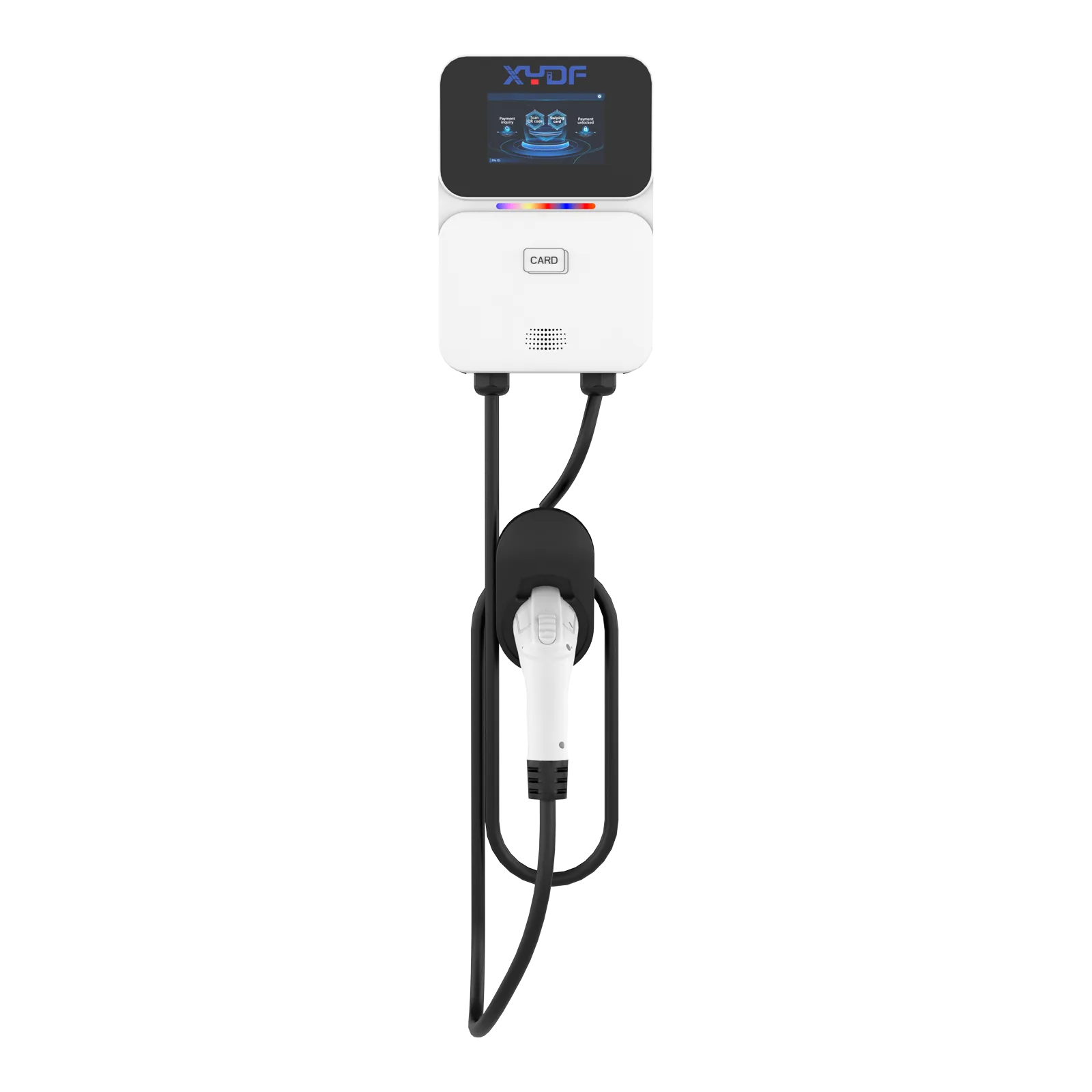
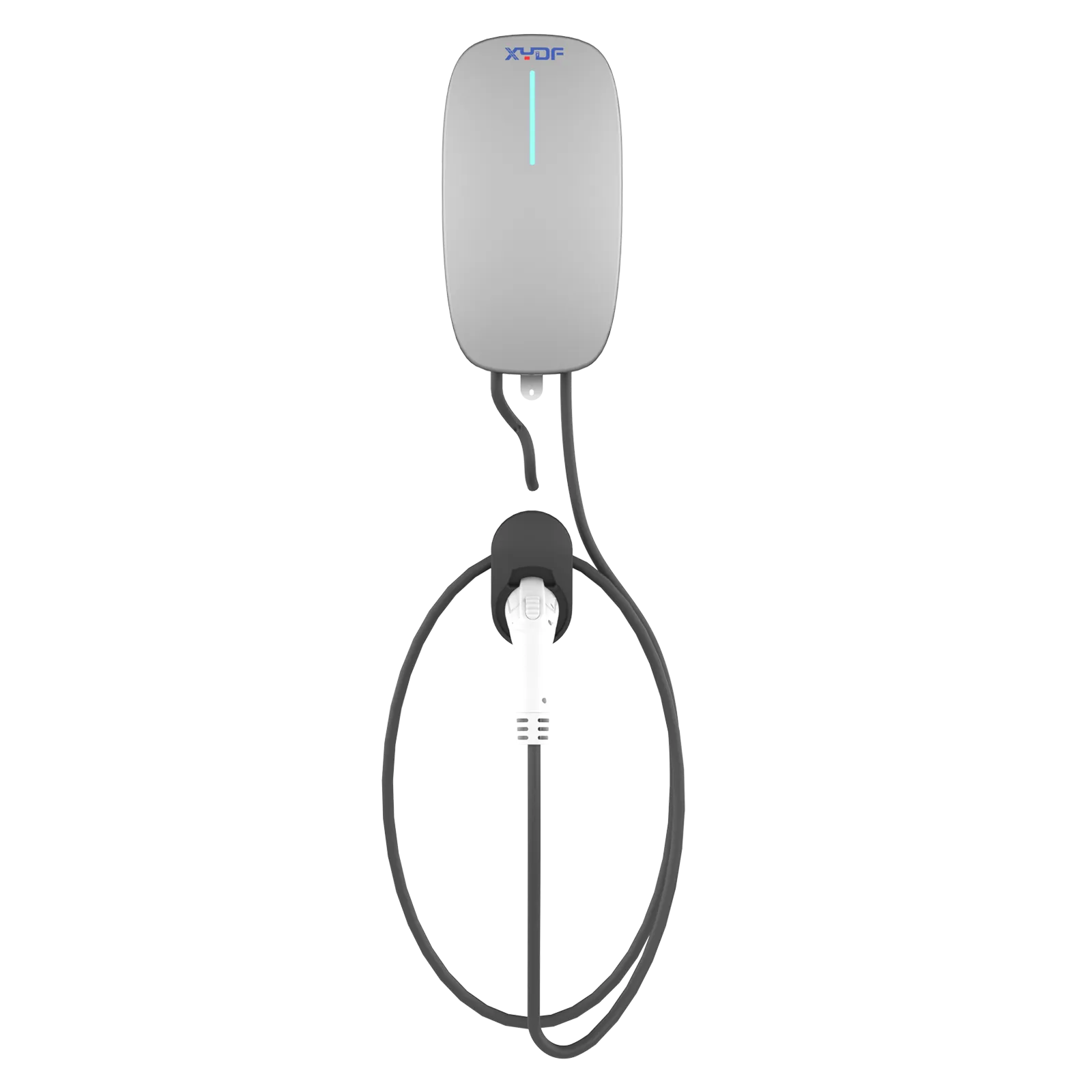
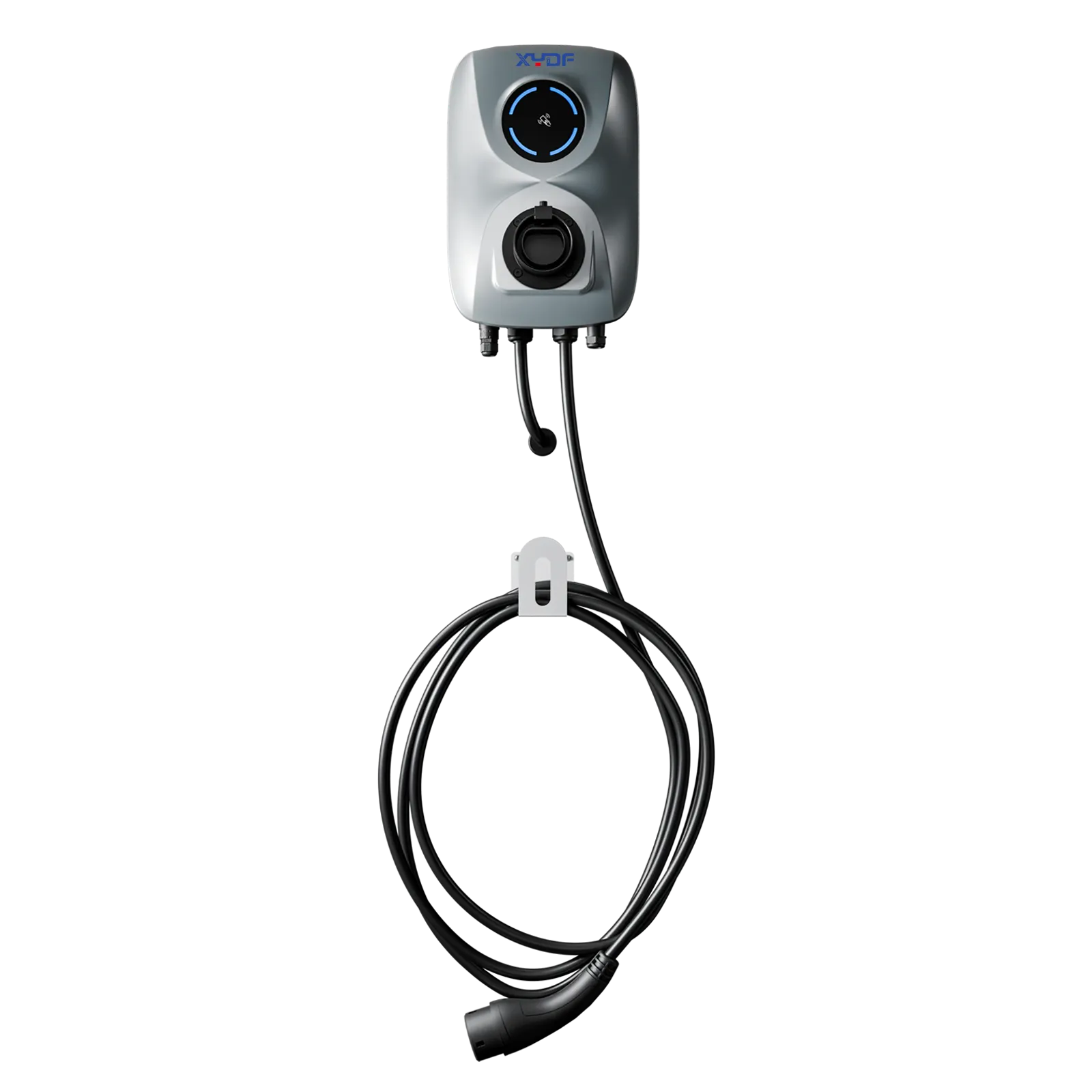
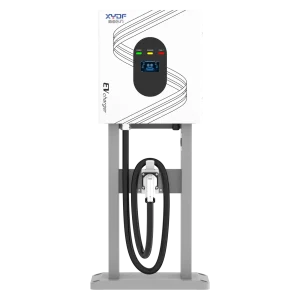
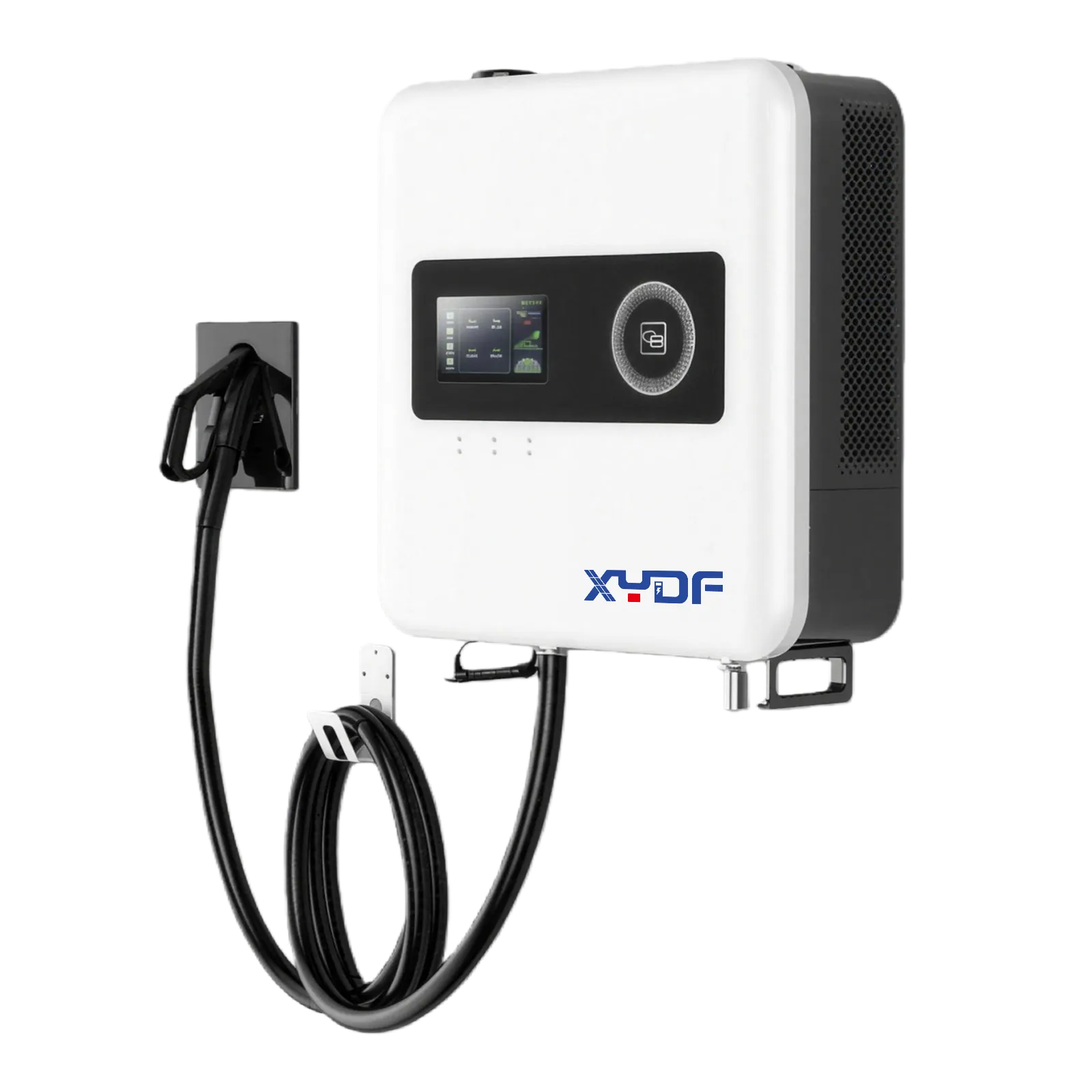
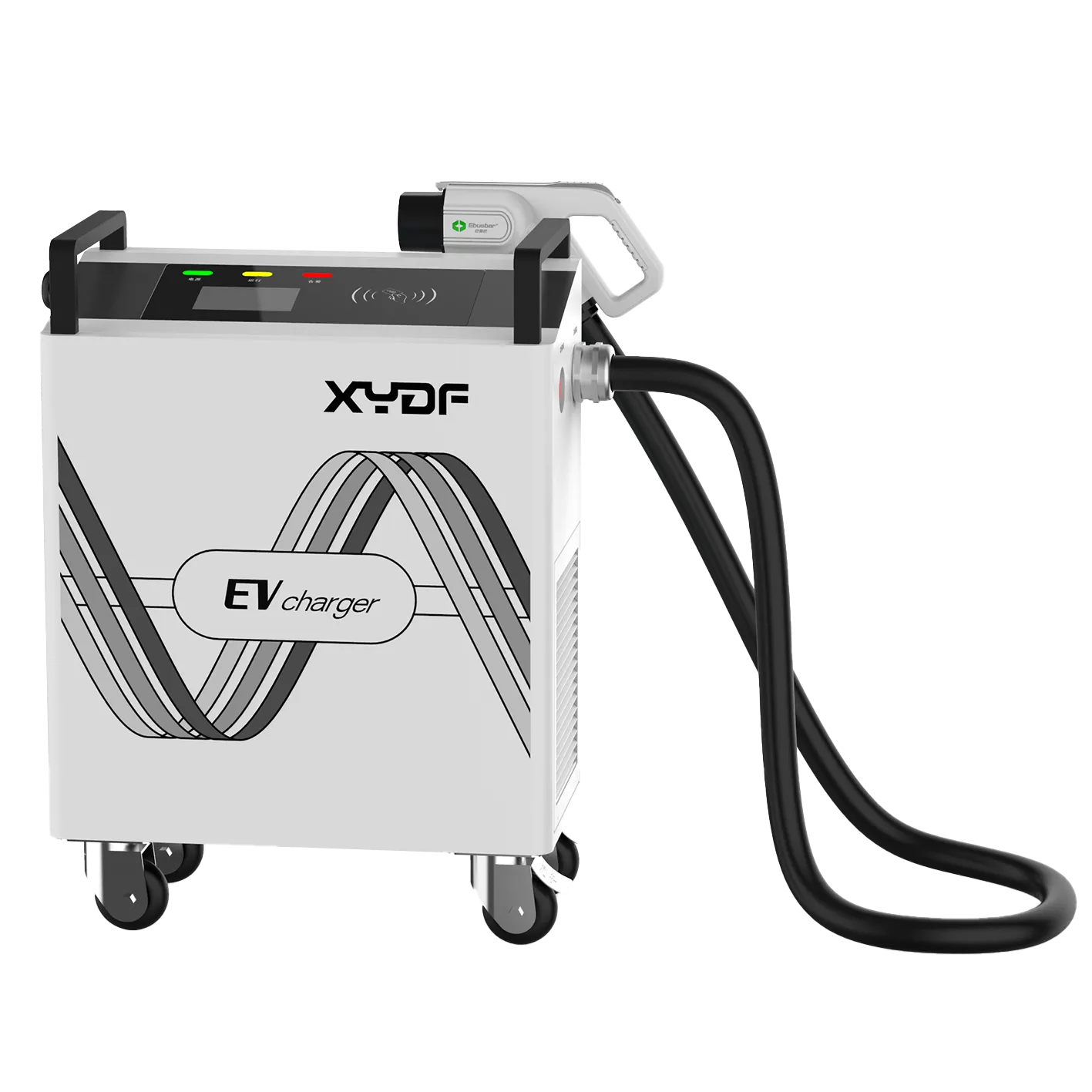
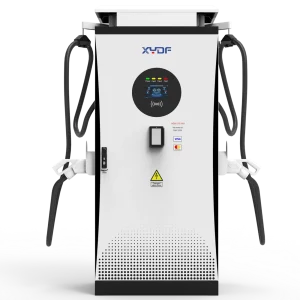
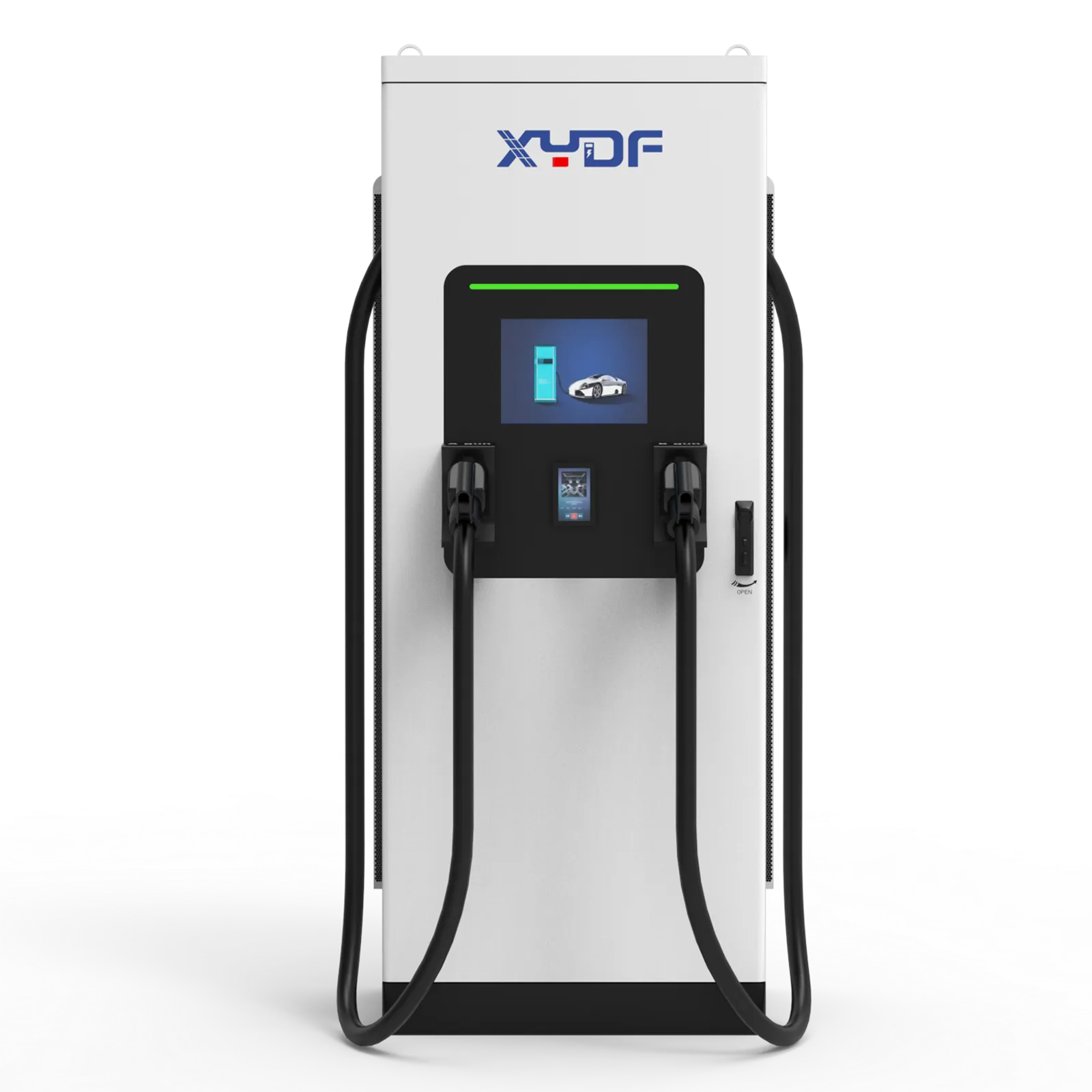
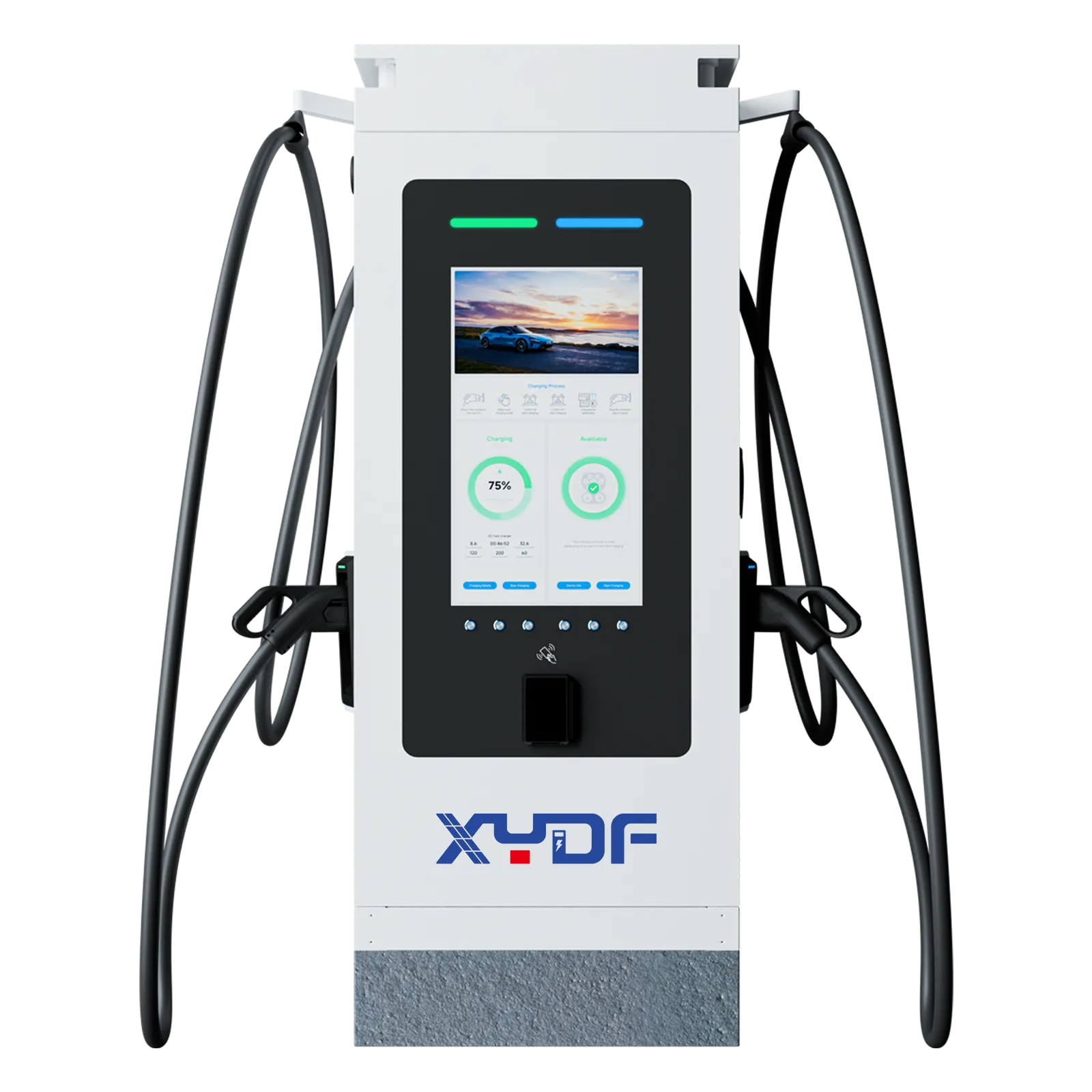
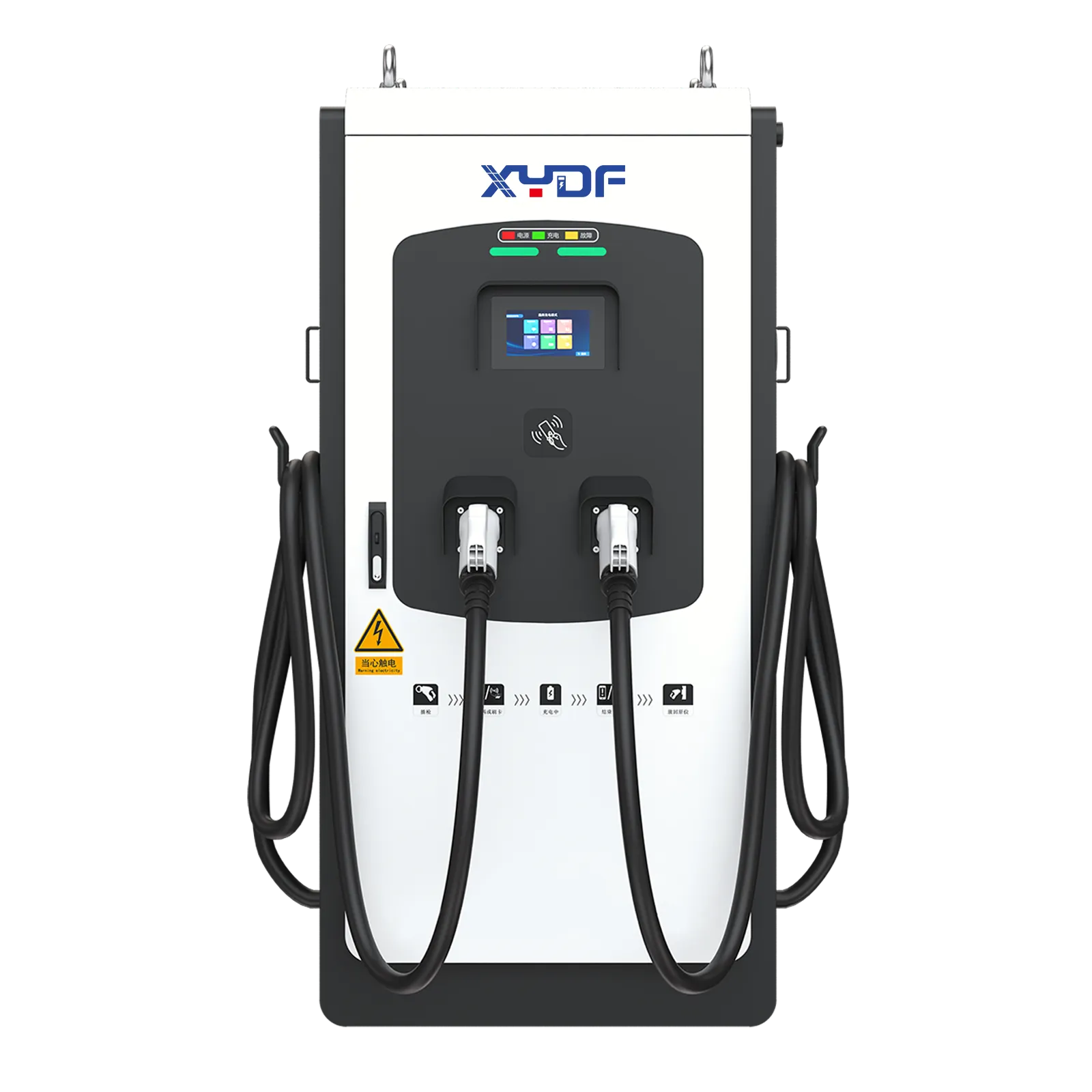
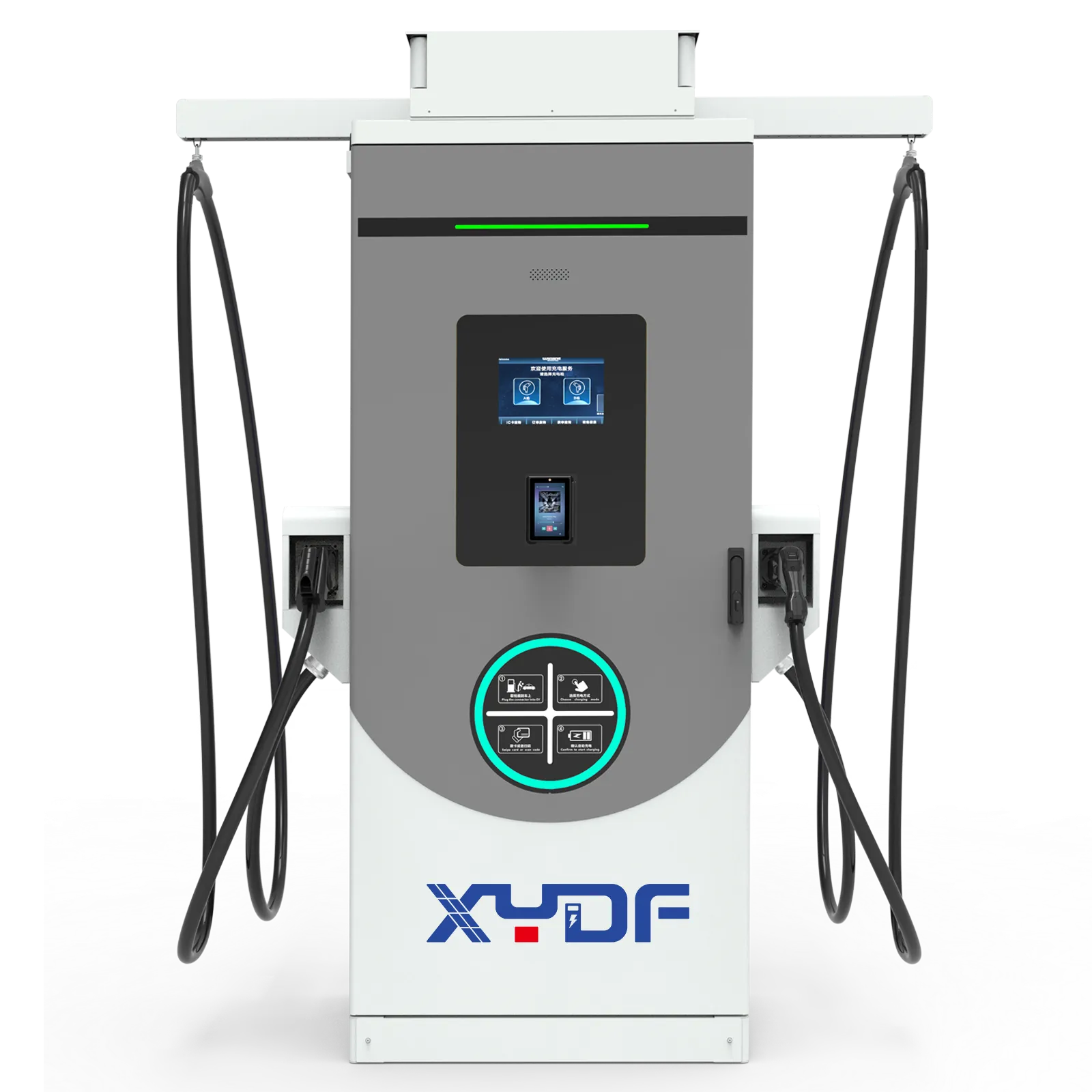
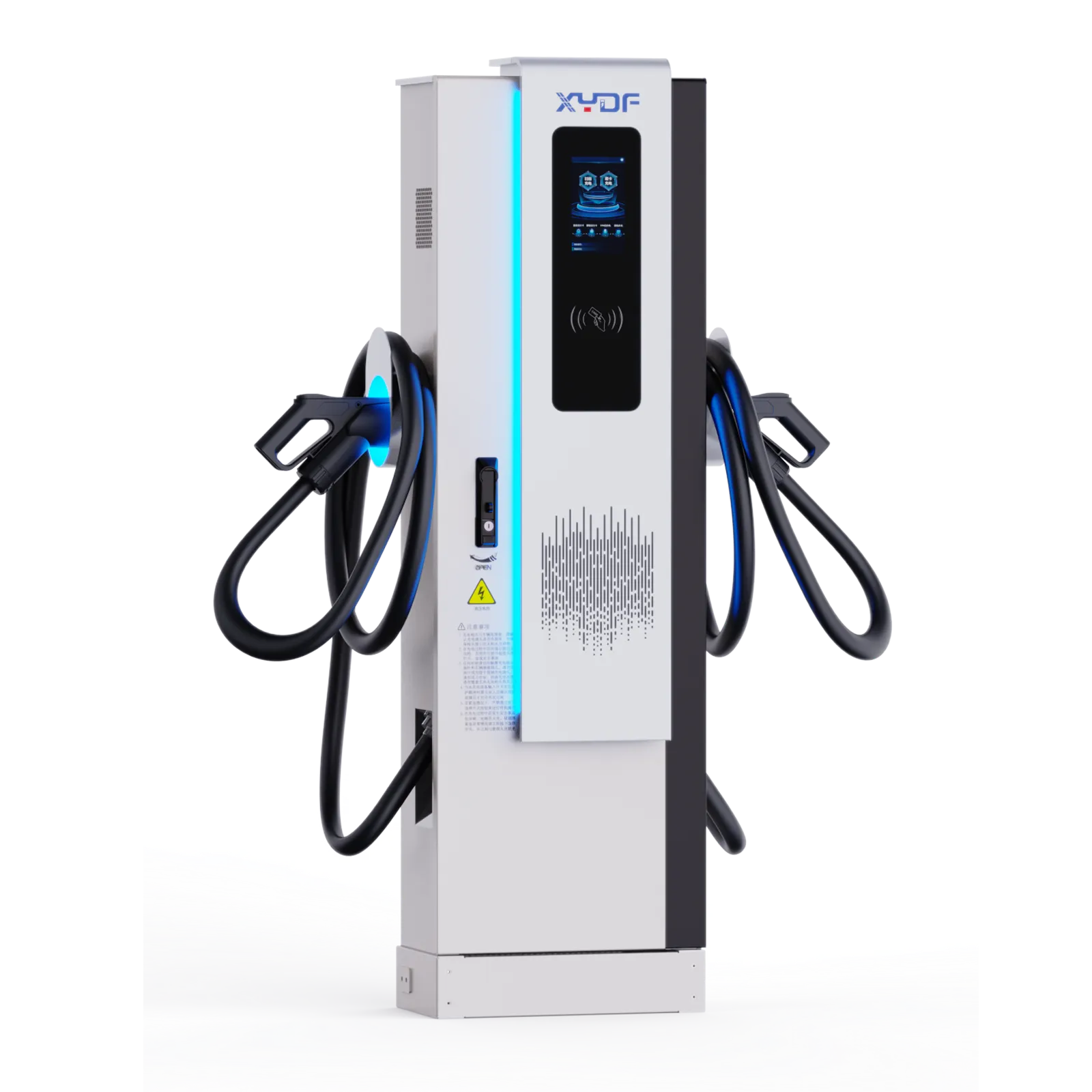
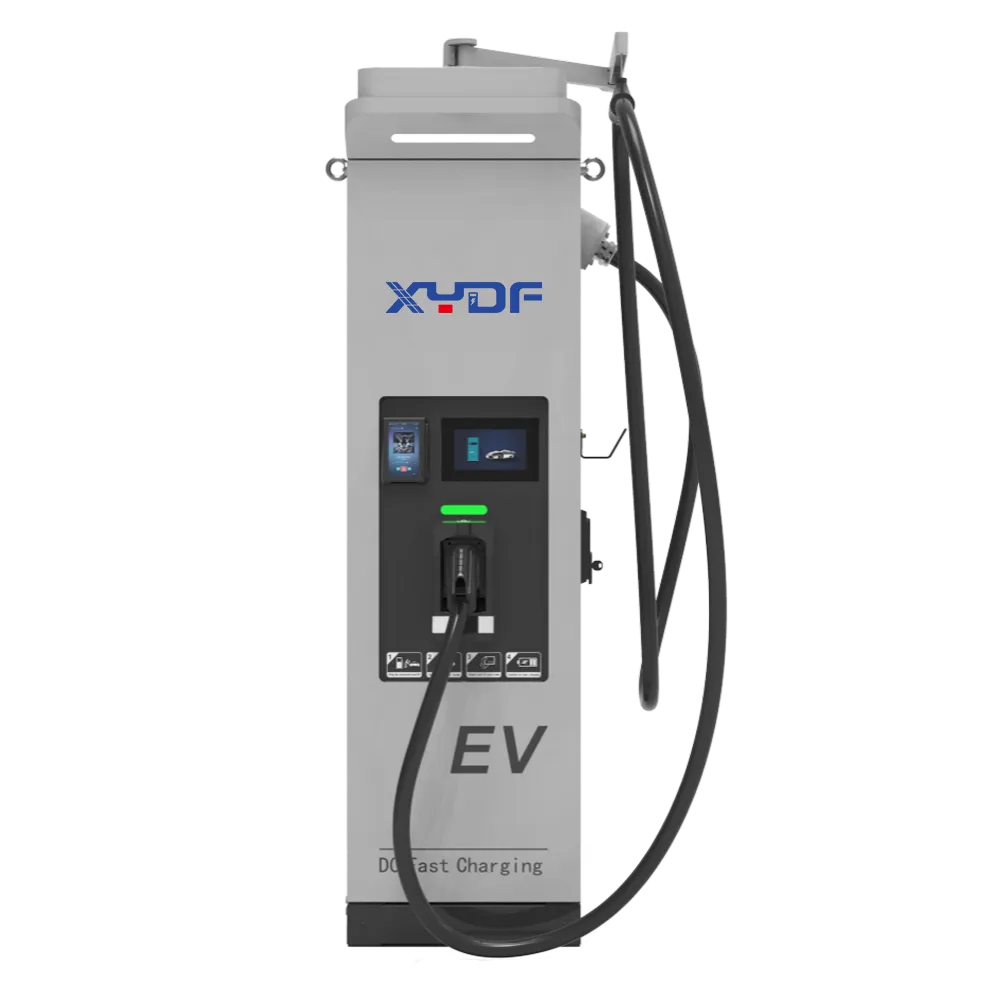
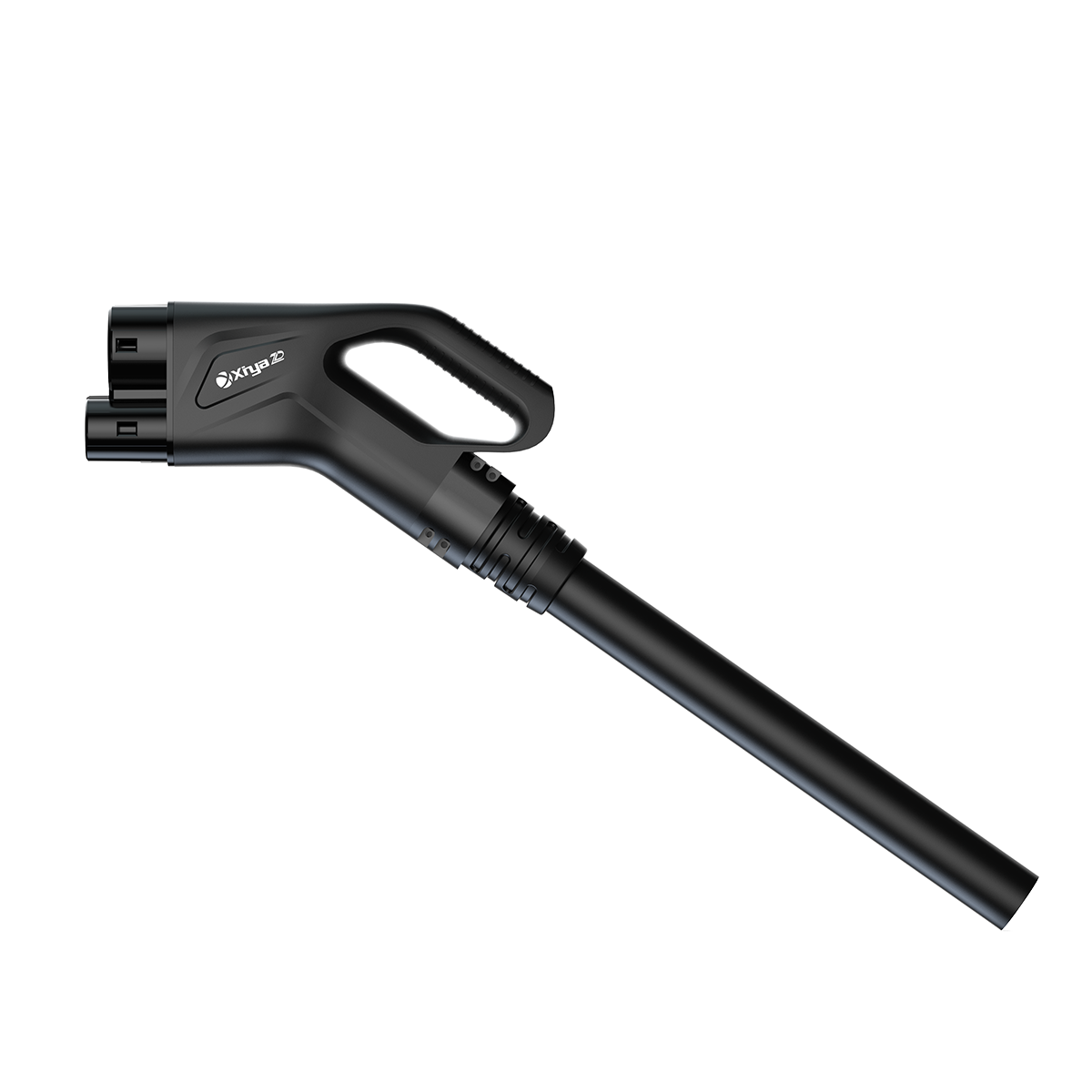
Choose hardware and network capabilities together. Review productos de carga para vehículos eléctricos with the CPO’s communications and service requirements, then discuss the DC fast charger range o AC charger options with the XYDF engineering and support team before committing to an interoperability schedule.
What do CPOs and eMSPs ask before switching on roaming?
How should a team define EV charging roaming?
Roaming allows a driver contracted to one mobility provider to charge at another operator’s station under an interoperability agreement. The parties exchange authorization, status, tariff and session information.
Can drivers use one app or RFID card across different charging networks?
Often, when the networks have a valid roaming relationship and the credential is accepted. Coverage, pricing, connector status and support remain network-specific, so the app should show the applicable terms.
How do CPOs and eMSPs settle roaming payments?
The CPO submits session and meter data, while the eMSP bills the driver under the commercial agreement. Contracts define fees, taxes, currency, timing, disputes and corrections.
Why does an EV roaming session sometimes fail to start?
Common causes include an expired token, wrong EVSE ID, stale status, timeout or a connector already reserved. Correlation IDs and clear error categories help support teams isolate the handoff that failed.
How are prices, availability and charger status shared between networks?
Interfaces such as OCPI exchange location, tariff and status records, while charger protocols such as OCPP support communication with the CPO backend. Field mapping and update timing still require testing.
Which protocols and data standards support reliable EV charging roaming?
OCPI is widely used for roaming information exchange and OCPP connects chargers with management systems. Version, profile, security and commercial implementation choices should be written into the integration plan.
Referencias
- EVRoaming Foundation: OCPI
- Open Charge Alliance: OCPP protocols
- European Commission alternative fuels infrastructure
Roaming is a service chain, not a logo on a map. Validate each handoff and receipt, then let XYDF support the productos de carga para vehículos eléctricos and operational documentation behind your network promise.