How to Handle Unstable Voltage During EV Charger Installation?
Sep 15,2026
Blog
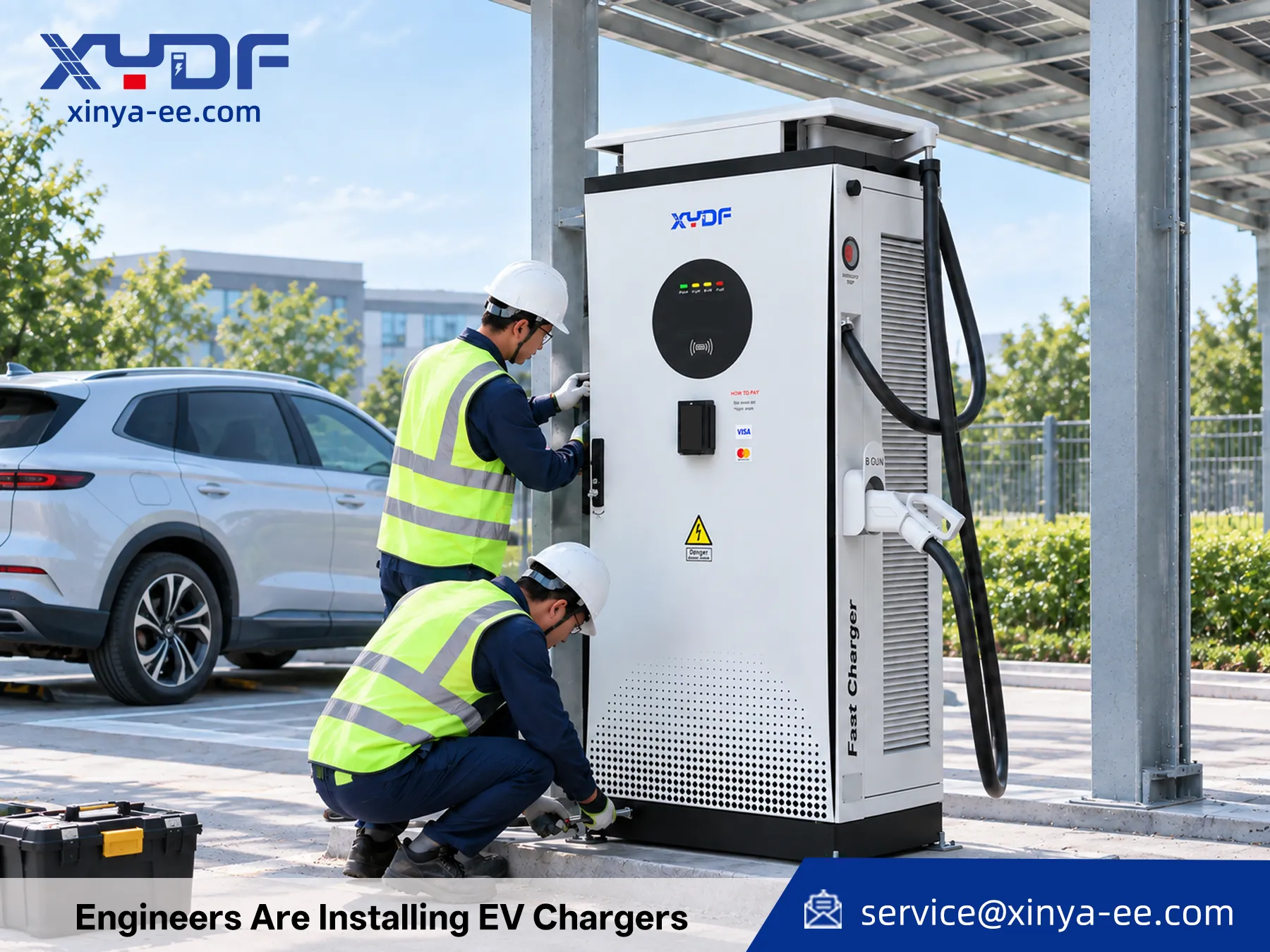
Installing an EV charger is not simply a matter of connecting charging equipment to the local grid. For commercial and public charging projects, grid conditions can directly affect charging performance. Voltage fluctuations, undervoltage, overvoltage, and three-phase voltage imbalance may cause charging interruptions, power derating, or protective shutdowns.
This issue is particularly important in areas with limited grid capacity or significant voltage fluctuations during peak demand. For CPOs, fleet managers, EPC contractors, and electrical equipment distributors, understanding how to manage unstable voltage is an important part of a reliable EV Charger Installation project.
Fortunately, unstable voltage can usually be managed through site power-quality assessment, distribution-system upgrades, charger protection, and intelligent power management.
How Does Unstable Voltage Affect EV Charger Installation?
An EV charger is a power-electronic device that converts grid electricity into the DC power required by an electric vehicle. Because it contains power modules, capacitors, control circuits, and other sensitive components, power quality directly affects its operation.
When input voltage is too low, the charger may not be able to maintain its rated output power. It may automatically reduce charging power or stop charging altogether. Overvoltage can also create risks. Excessively high input voltage can increase electrical stress on power modules, capacitors, and control components. Voltage fluctuations can also occur when large electrical loads are switched on or off. Industrial equipment, HVAC systems, pumps, elevators, and other high-power loads may cause short-term voltage changes.
Therefore, when planning an EV Charger Installation, it is not enough to consider only the nominal grid voltage. The actual power quality at the installation site should also be evaluated.
Step 1: Conduct a Site Power Quality Assessment
The first step is to determine whether unstable voltage comes from the local utility grid or from the project’s internal distribution system. Before installation, a qualified electrical engineer should measure:
Line-to-line and phase-to-neutral voltage
Voltage fluctuations and voltage sags
Three-phase voltage imbalance
Grid frequency
Peak electrical load
Harmonic distortion
Transformer capacity
Available power capacity
Cable length and voltage drop
Measurements should ideally be taken at different times of the day. A site may have stable voltage during periods of low demand but experience significant voltage drops during peak hours.
These measurements provide the information needed to select the appropriate charger, transformer, cables, protection equipment, and power-management system.
Step 2: Check the Transformer and Distribution System
If unstable voltage is caused by insufficient transformer capacity or an overloaded distribution system, simply adding a voltage regulator may not solve the underlying problem.
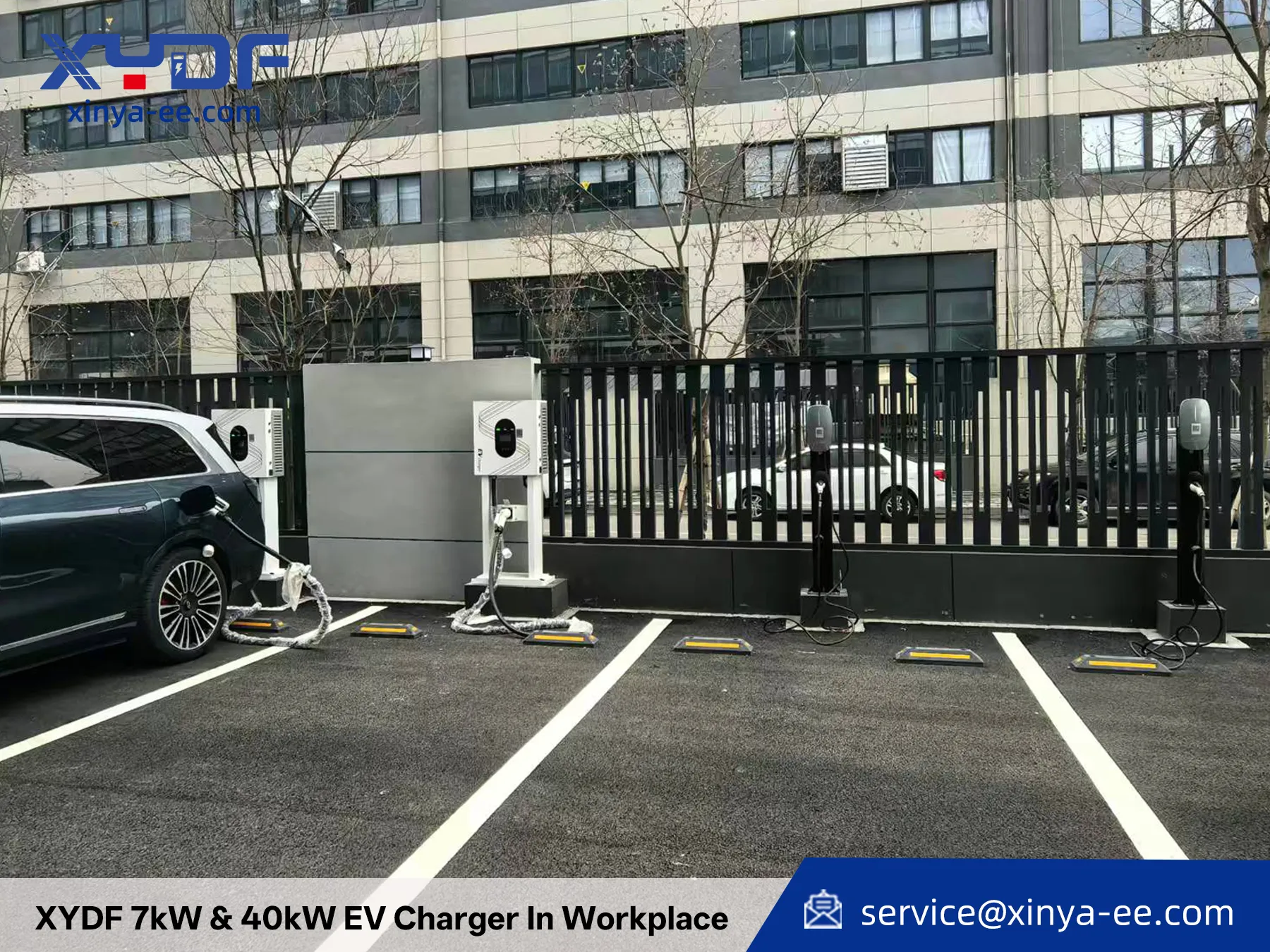
For example, suppose a charging station has four 40 kW DC chargers. Their combined rated power is 160 kW. If the existing transformer cannot reliably supply this load, simultaneous charging may increase the electrical load and cause the input voltage to drop.
Possible solutions include:
Increasing transformer capacity
Upgrading the distribution cabinet
Increasing cable size to reduce voltage drop
Shortening the power-supply distance between the transformer and chargers
Separating EV charging loads from other large electrical loads
Installing a dedicated transformer for the charging station
The right solution should be determined based on the site power-quality assessment and the overall electrical load.
Step 3: Choose an EV Charger with a Wide Input Voltage Range
The charger’s ability to tolerate input-voltage variation is another important consideration when planning an EV Charger Installation.
For sites with relatively unstable grid voltage, buyers should look beyond the nominal input voltage and check the actual operating voltage range of the charger.
A charger with a wide input-voltage design can continue operating within a specified range of voltage variation, improving its adaptability to challenging grid conditions.
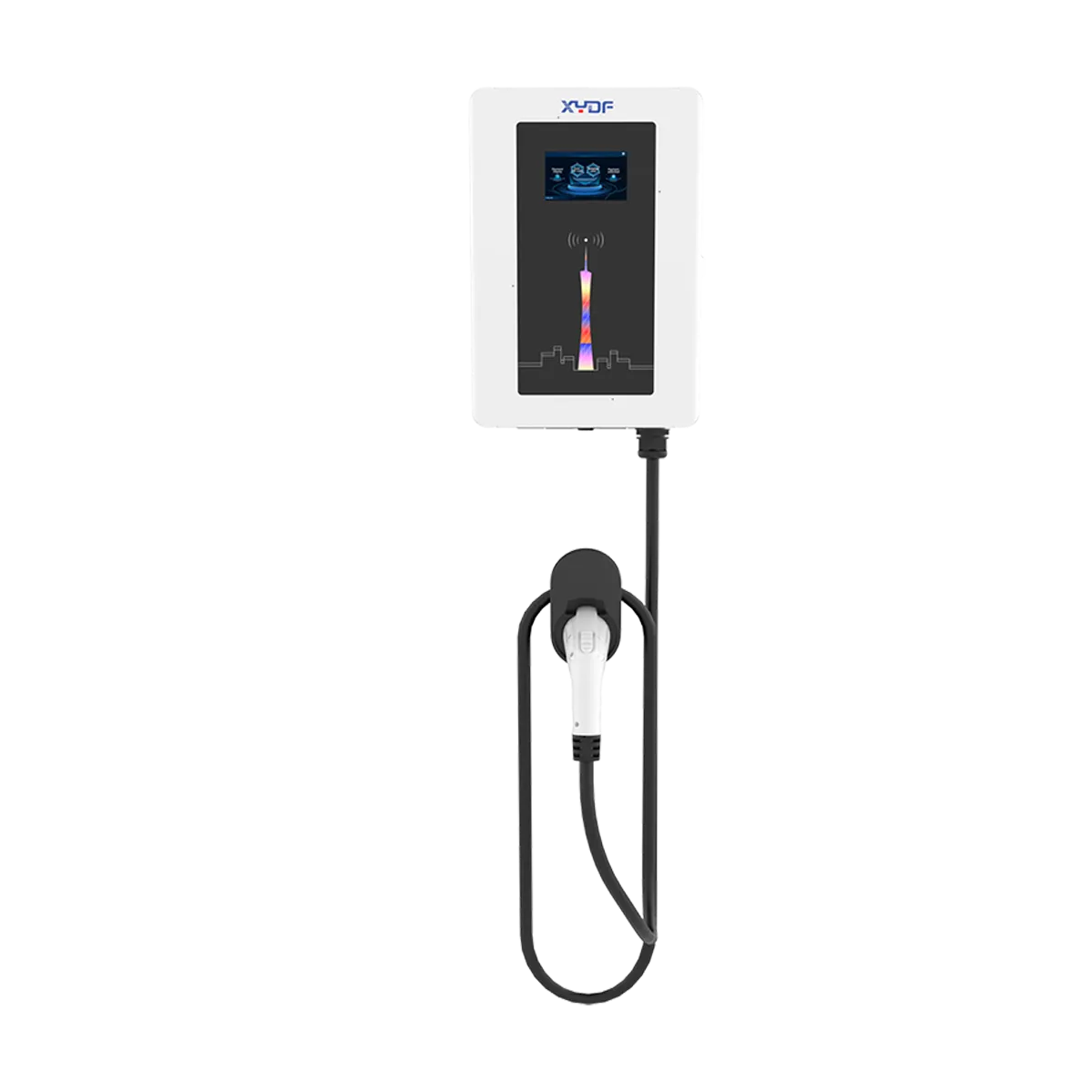
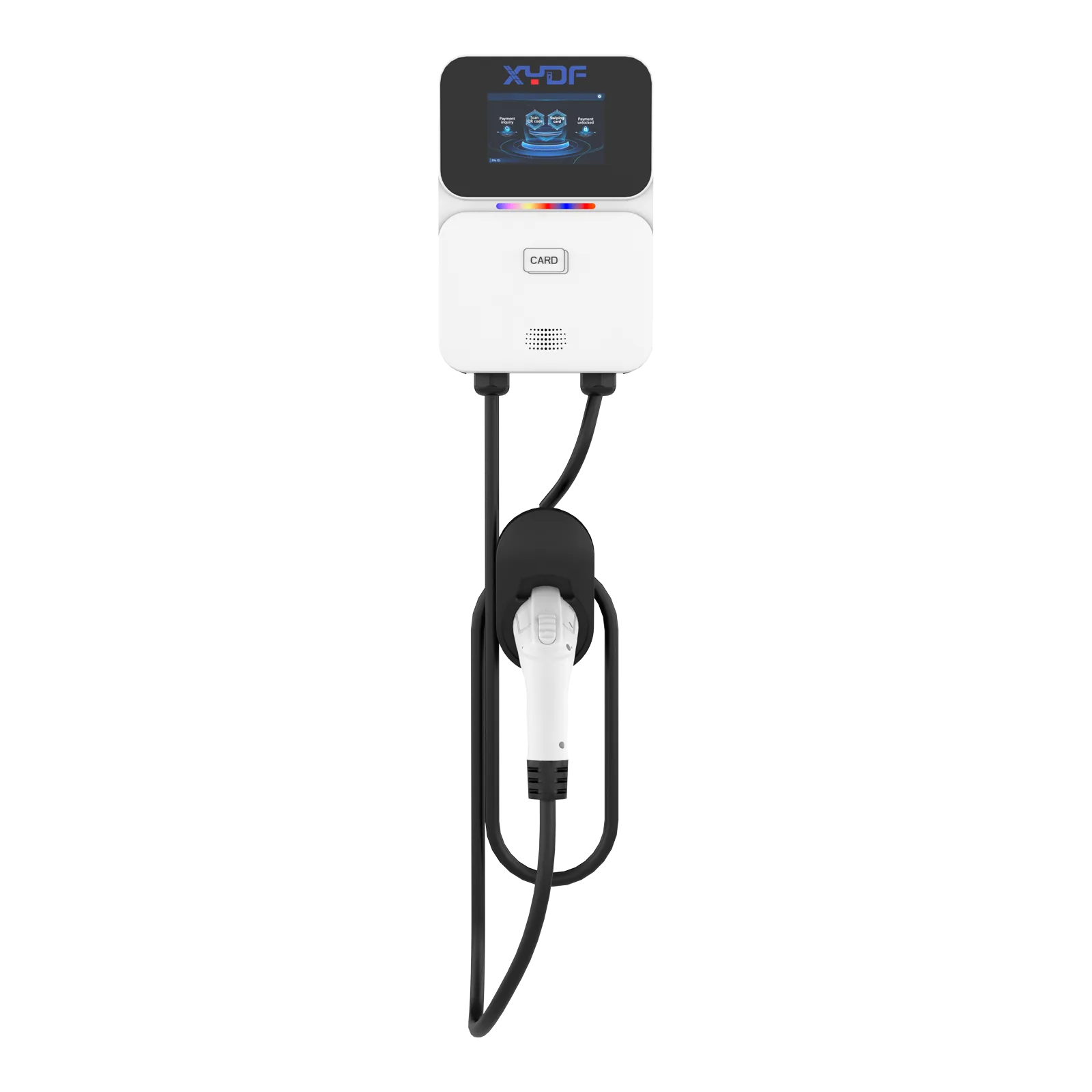
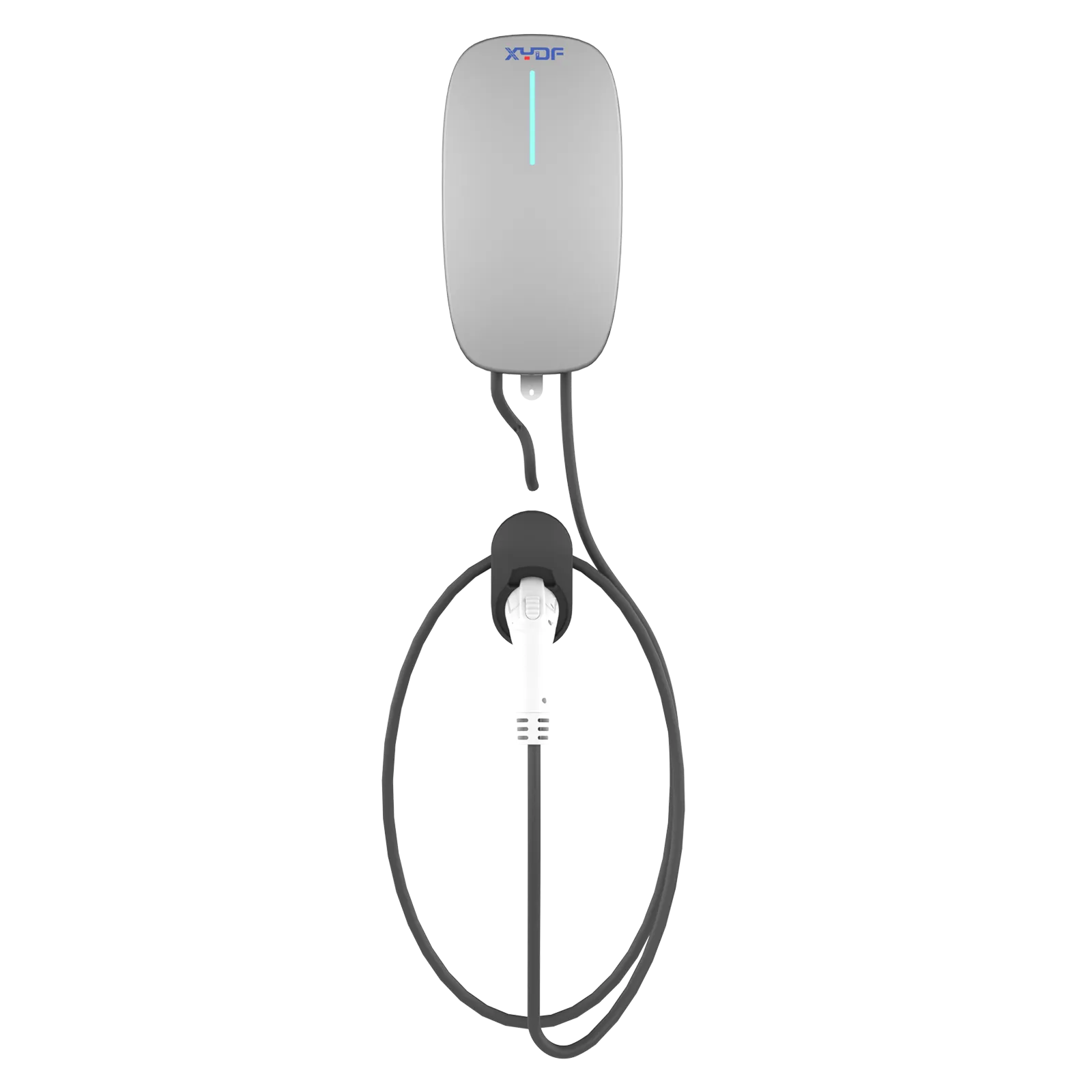
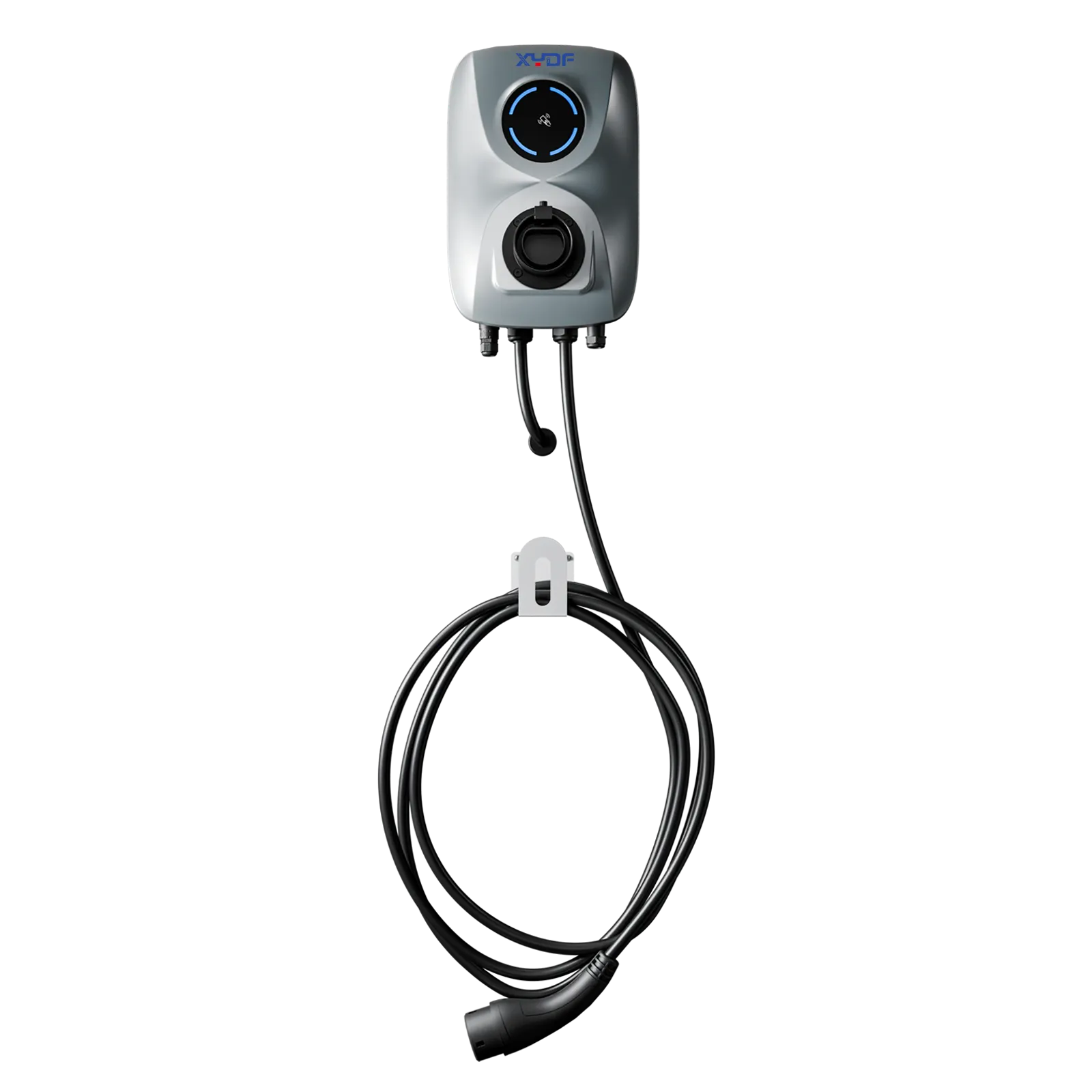
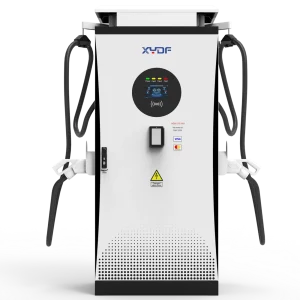
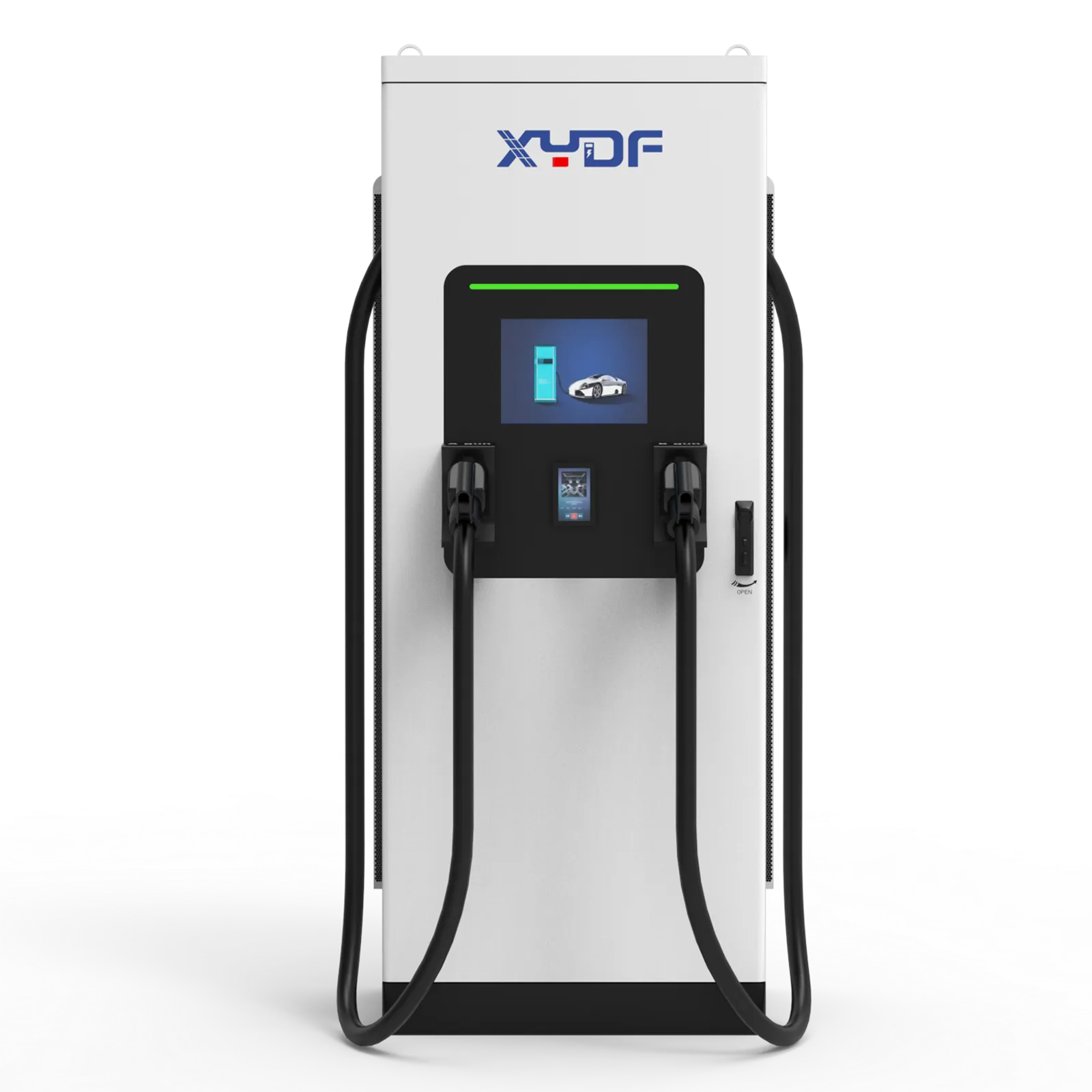
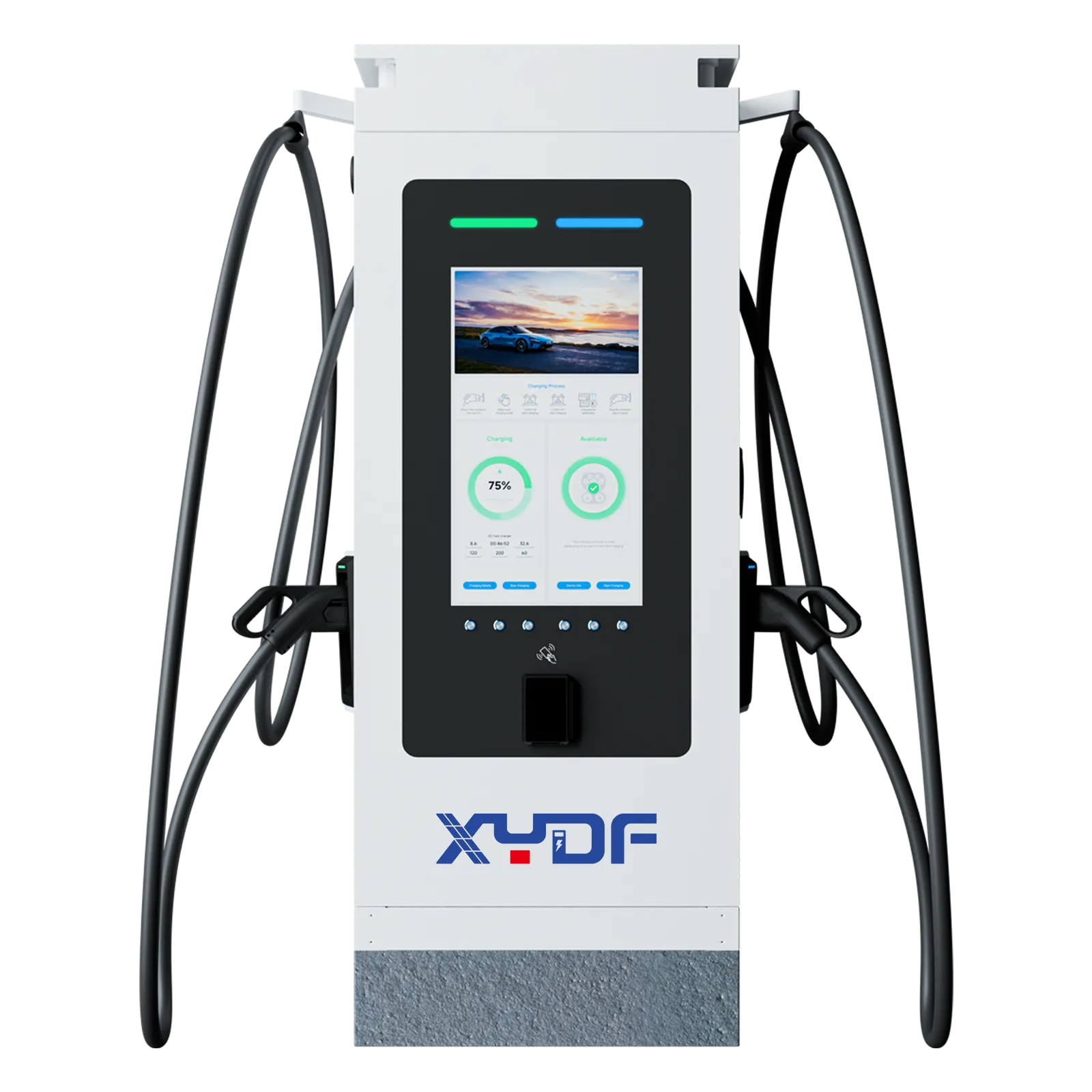
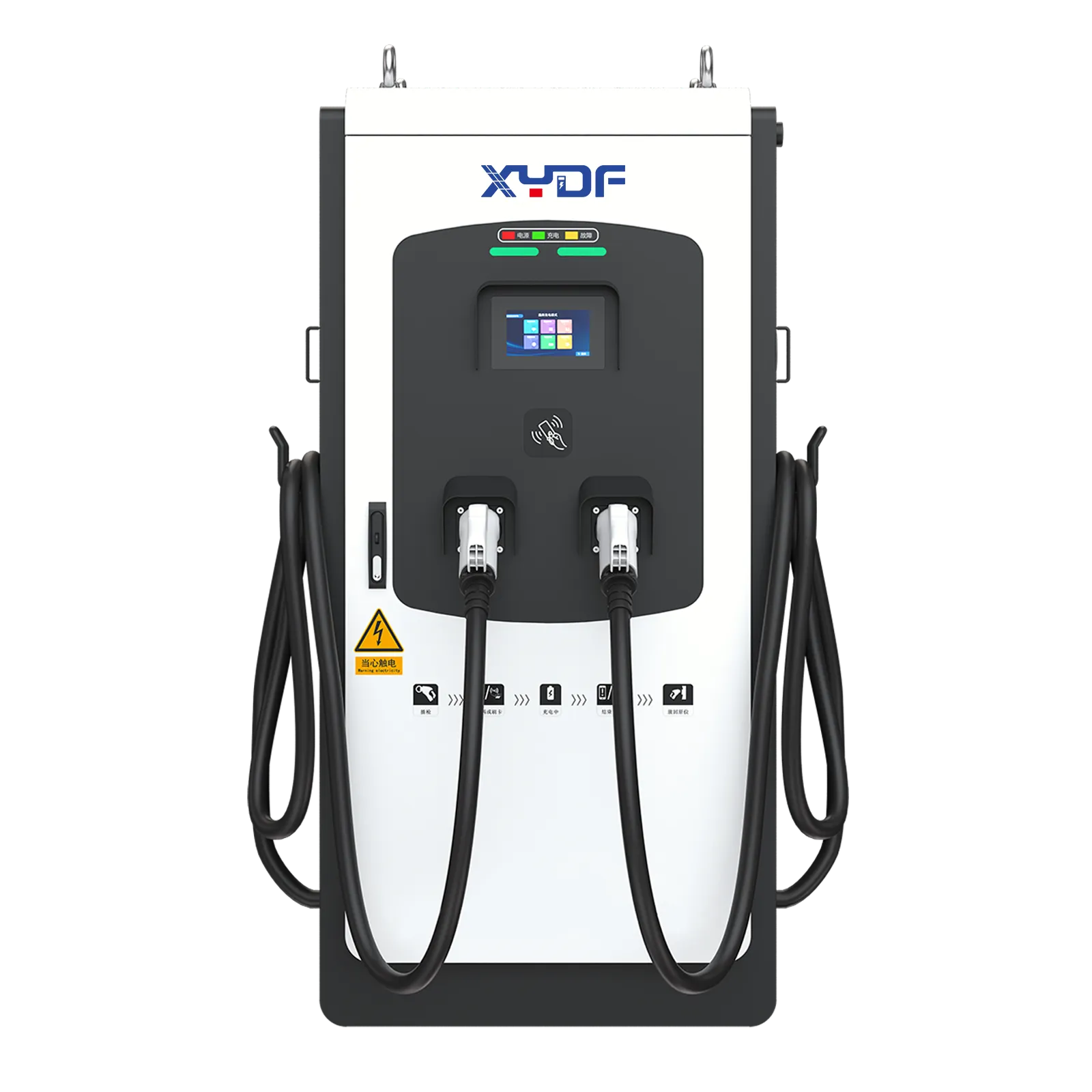
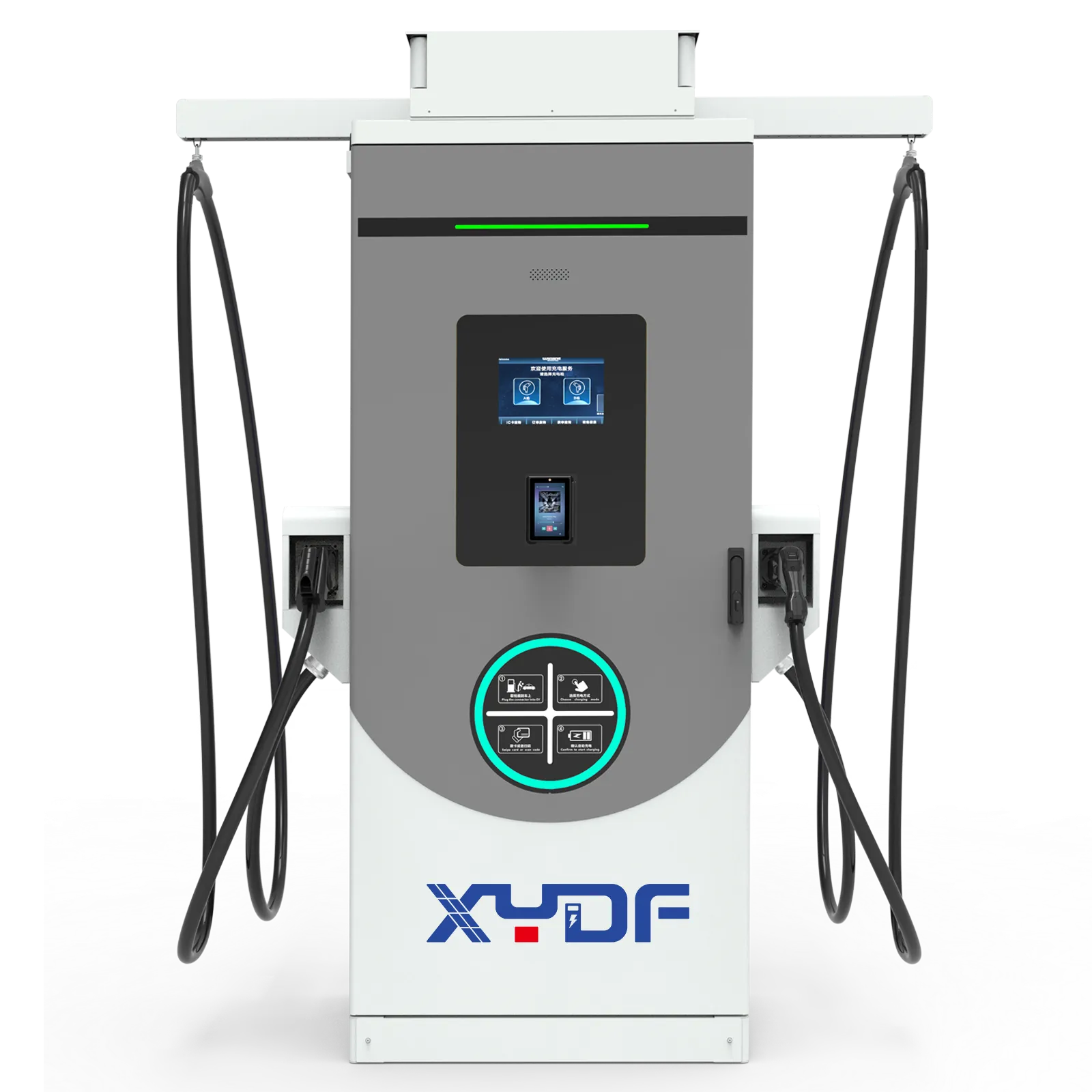
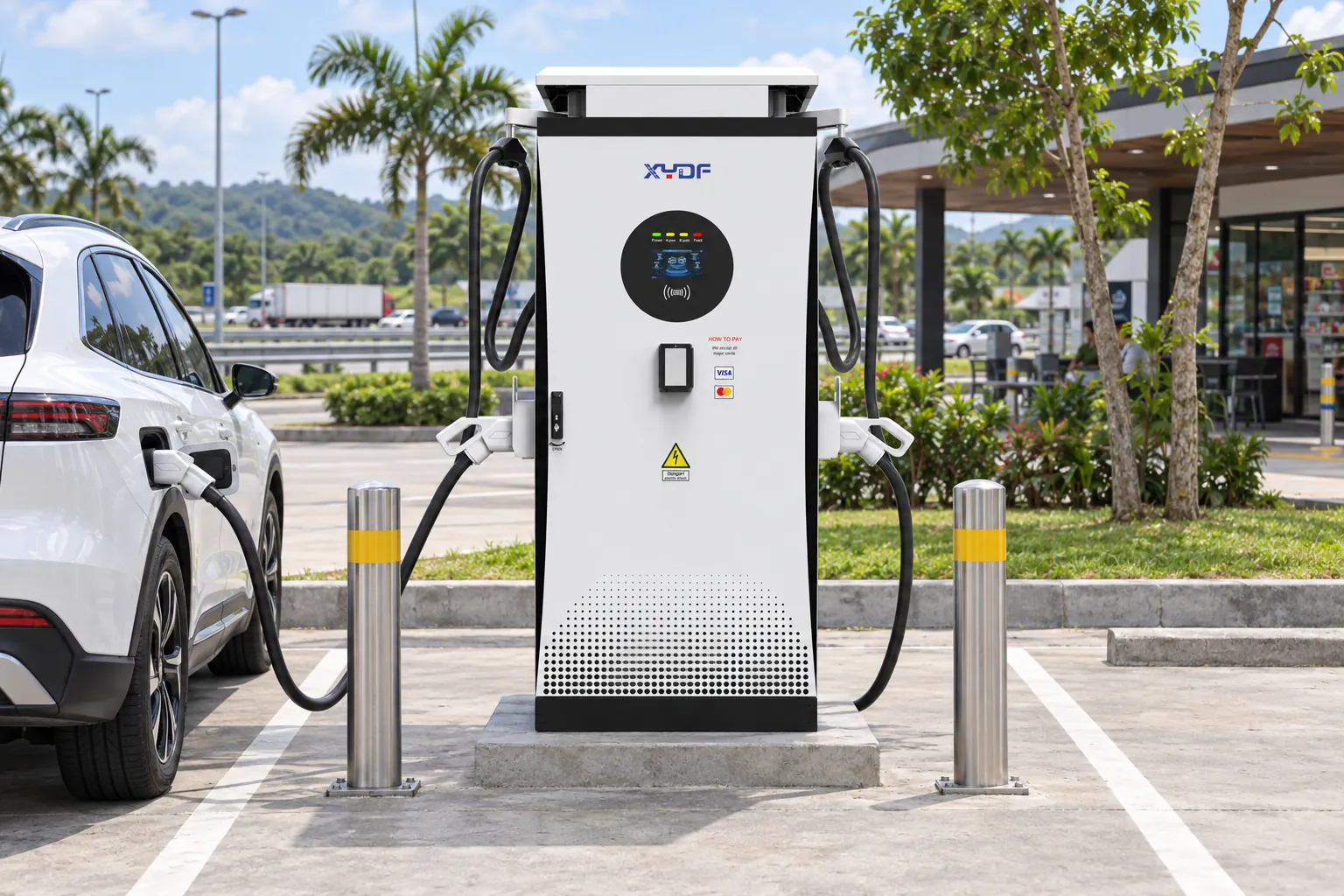
XYDF EV chargers use a wide input-voltage design. For some models with a nominal input voltage of 400V, the supported input voltage range is 400V ±15%, or approximately 340V to 460V.
This means that when the site voltage fluctuates within this specified range, the charger can continue operating within its specified conditions, helping reduce charging interruptions caused by normal voltage variation.
However, a wide input-voltage range does not mean that the charger can operate safely under any abnormal voltage condition. If the input voltage exceeds the specified operating range, the charger still needs undervoltage and overvoltage protection to derate its output power or shut down.
When selecting equipment for an EV Charger Installation, buyers should therefore pay particular attention to:
Input-voltage operating range
Undervoltage and overvoltage protection
Power-derating strategy under abnormal voltage
Protection and shutdown strategy
These specifications can be more important than simply comparing the charger’s maximum rated power.
Step 4: Add Voltage Regulation When Necessary
If the site experiences consistently high or low voltage, an external voltage-regulation system may be necessary. A typical configuration is: Grid → Transformer → Voltage Regulator → EV Charger. An automatic voltage regulator can help provide a more stable input voltage to the charging equipment.
However, a voltage regulator is not necessary for every EV Charger Installation. If the actual problem is insufficient transformer capacity, excessive cable voltage drop, or an overloaded distribution system, these infrastructure issues should be addressed first. Voltage-regulation equipment should therefore be selected according to actual site measurements and the total charging-station load.
Step 5: Strengthen Protection Against Voltage Abnormalities
Unstable voltage may involve not only sustained undervoltage or overvoltage but also transient overvoltage and electrical surges. A commercial charging station may use:
Surge protection devices (SPD)
Overvoltage protection
Undervoltage protection
Overcurrent protection
Short-circuit protection
Overtemperature protection
Emergency-stop protection
Proper grounding systems
Undervoltage and overvoltage protection are directly related to abnormal input voltage. When the voltage exceeds the specified operating range, the charger can reduce output power or stop charging to protect internal components.
An SPD serves a different purpose. It is mainly designed to limit transient surges caused by lightning, switching operations, and similar events. It does not regulate sustained high or low voltage.
Therefore, protection equipment should be viewed as a way to reduce the risks caused by voltage abnormalities, rather than a replacement for voltage regulation or distribution-system upgrades.
Step 6: Use Dynamic Load Management for Multiple Chargers
Voltage problems can become more noticeable when multiple chargers operate simultaneously. For example, four 40 kW DC chargers could theoretically require a combined maximum load of 160 kW. If the site’s available power capacity cannot reliably support 160 kW, allowing all chargers to operate at full power may increase the risk of overload and voltage fluctuations.
Dynamic Load Management (DLM) can help. The charging management system monitors the available electrical capacity and dynamically distributes charging power instead of allowing every charger to operate at maximum output.
For example:
Vehicles Charging
Possible Power Allocation
1 vehicle
40 kW
2 vehicles
40 kW + 40 kW
3 vehicles
40 kW + 40 kW + 30 kW
4 vehicles
30 kW × 4
The actual allocation should be determined according to the site’s available power capacity. This approach can reduce grid overload while allowing the charging station to continue serving multiple vehicles.
Step 7: Consider Energy Storage for High-Demand Charging Stations
For large commercial charging stations, battery energy storage can provide another way to manage limited grid capacity and high peak demand. An energy storage system can store electricity when demand is low and release part of that energy when several EVs are charging simultaneously.
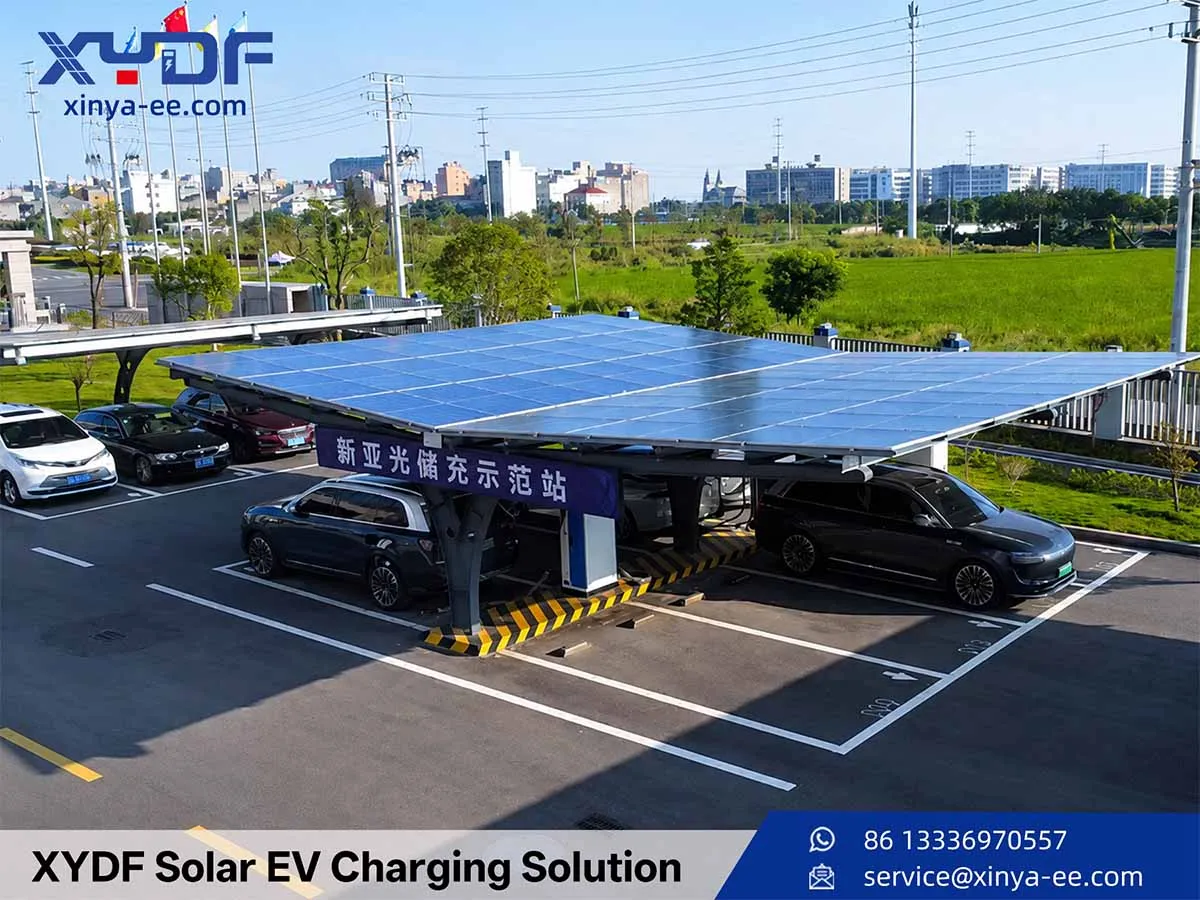
A typical system may combine: Grid + Solar PV + Energy Storage + EV Chargers. This configuration can reduce the charging station’s reliance on the grid during peak demand and help control peak electrical load. When solar power is also available, energy storage can improve renewable-energy utilization and provide greater flexibility for charging management.
Conclusion
Unstable voltage does not necessarily mean that an EV charging project cannot be installed. The key is to identify the actual cause of the voltage problem and design the entire electrical system around the site’s conditions. For smaller projects, the solution may simply involve selecting a charger with a suitable input-voltage range and installing appropriate protection. For larger commercial projects, a more comprehensive approach may include transformer upgrades, voltage regulation, dynamic load management, and energy storage.
EV Charger Installation should therefore be approached as a system-level electrical engineering task rather than simply a matter of connecting charging equipment. By evaluating site conditions and properly matching the charger, distribution system, protection equipment, and power-management strategy to the local grid, operators can build charging infrastructure that is safer, more reliable, and easier to expand in the future.
Fábrica de la sede en Zhejiang:
N.º 2, Calle Changjiang, Parque Industrial del Puente de Wenzhou, Ciudad de Beibaixiang, Ciudad de Yueqing, Ciudad de Wenzhou, Provincia de Zhejiang
Sucursal de Shenzhen:
1.er piso, Edificio A, Parque Industrial Shenkai, Comunidad Tangtou, Subdistrito Shiyan, Distrito de Bao'an, Shenzhen
 Xinya Dongfang Electricity Technology Co., Ltd.