 Xinya Dongfang Electricity Technology Co., Ltd.


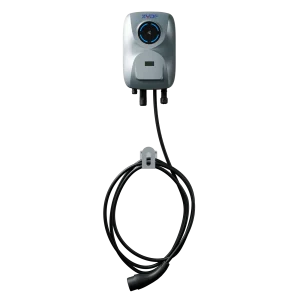
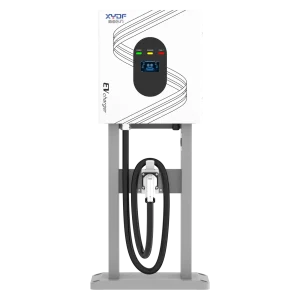

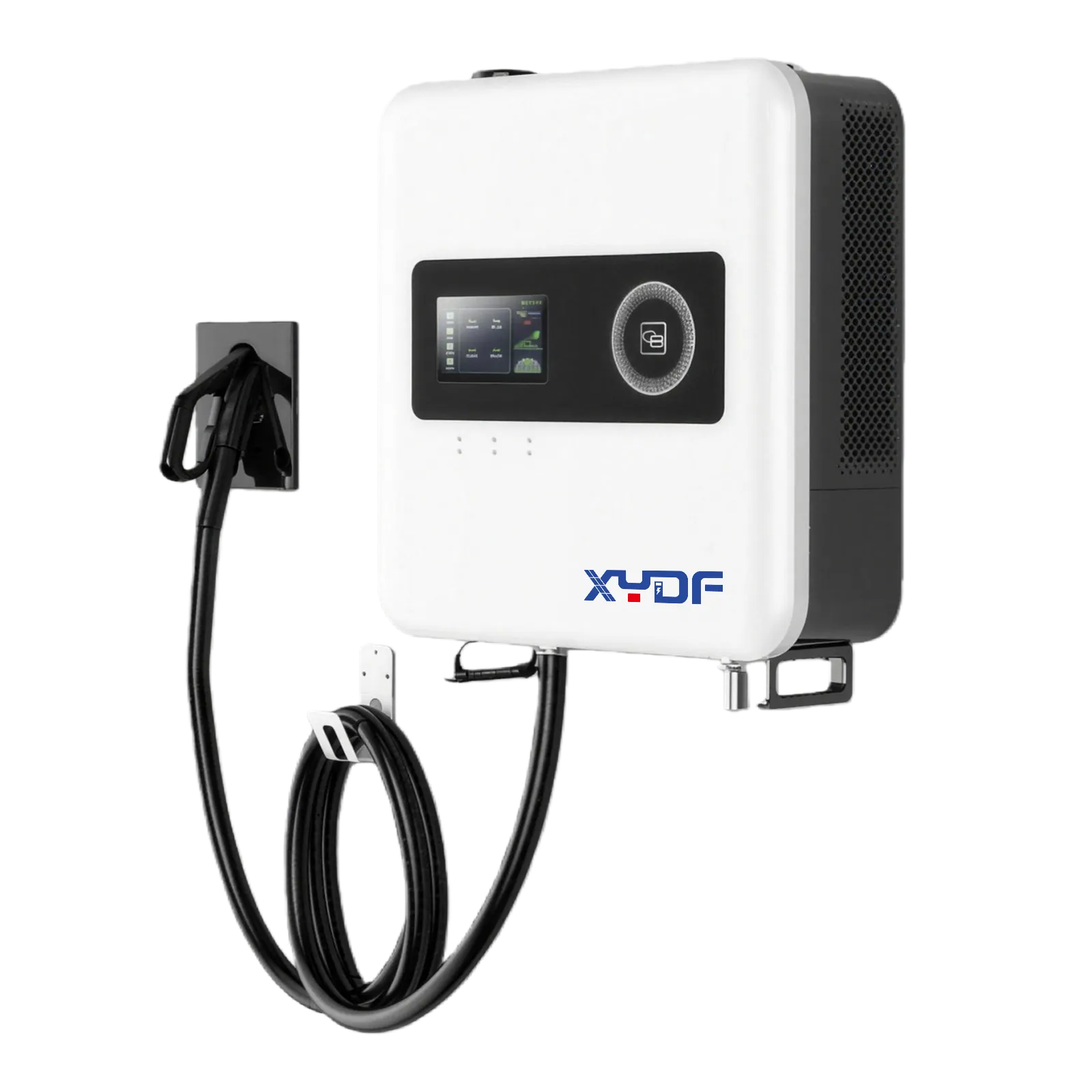
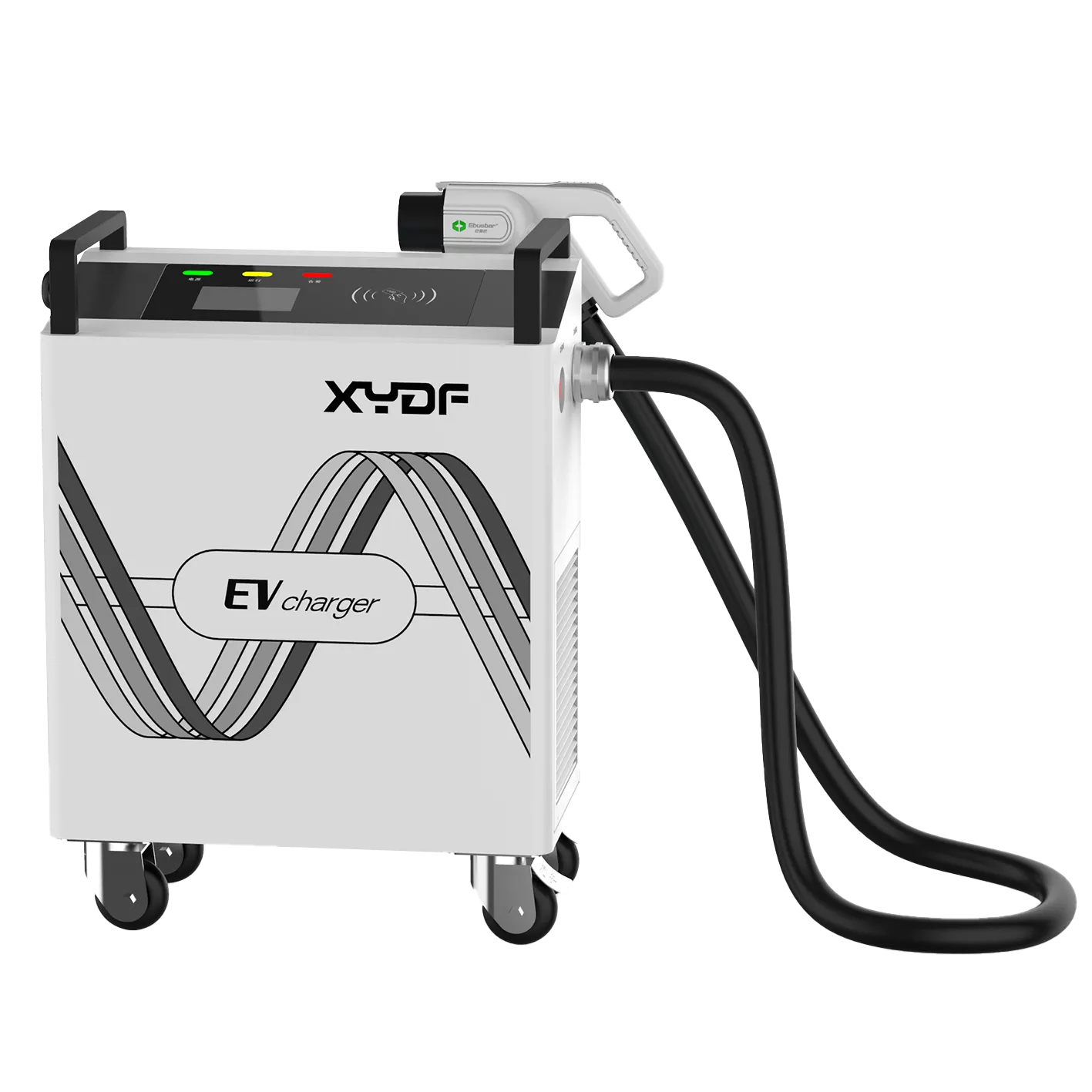
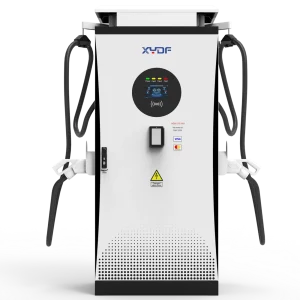
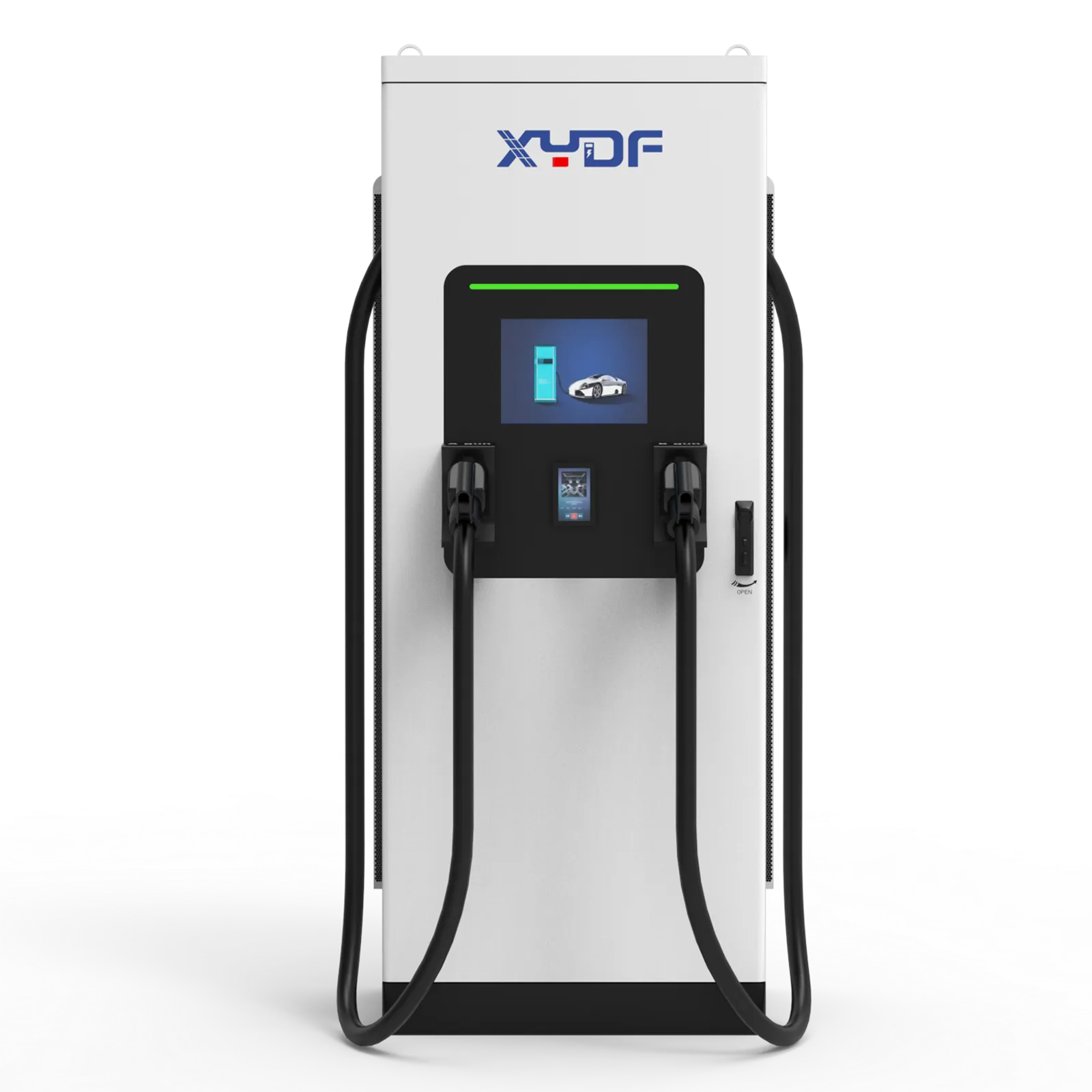
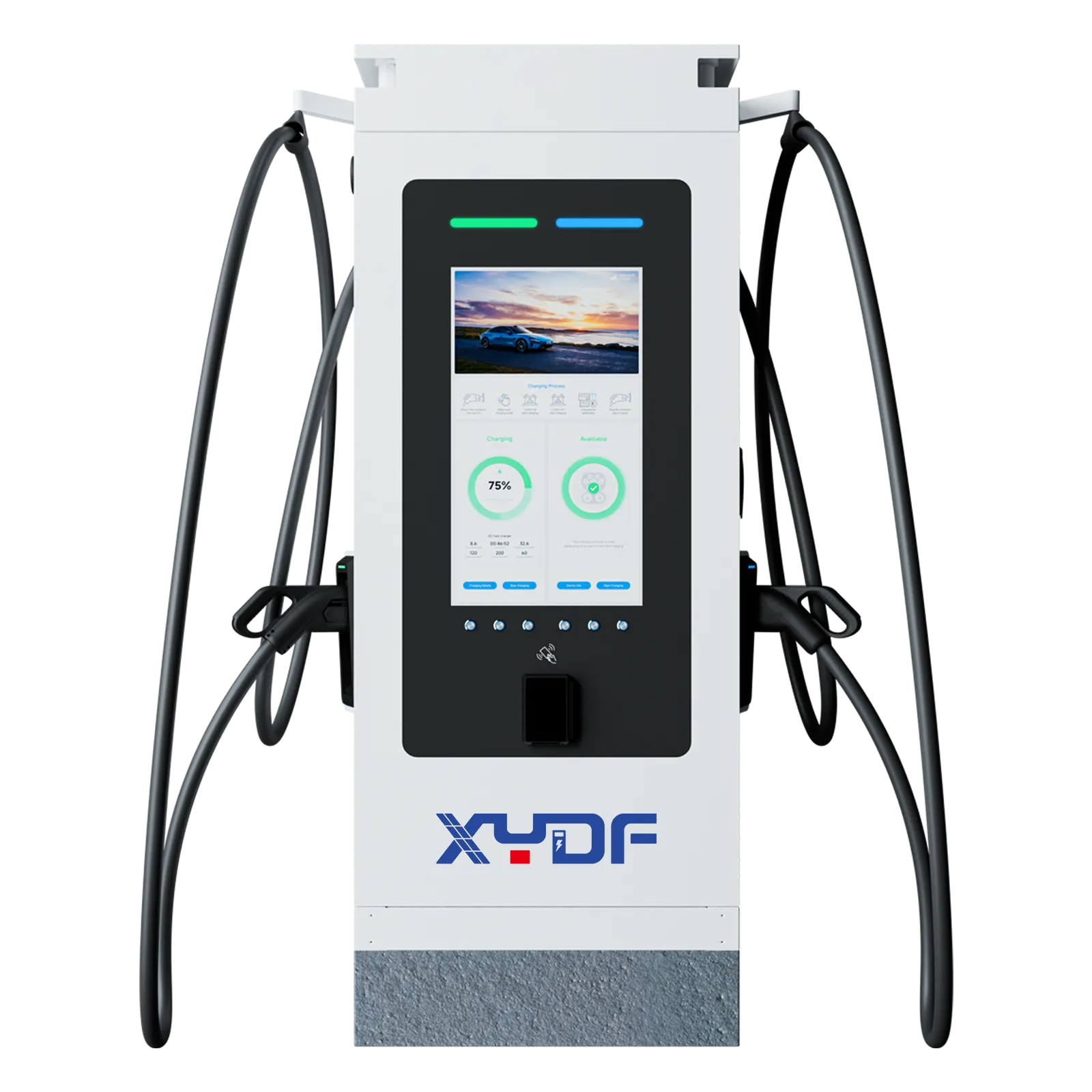
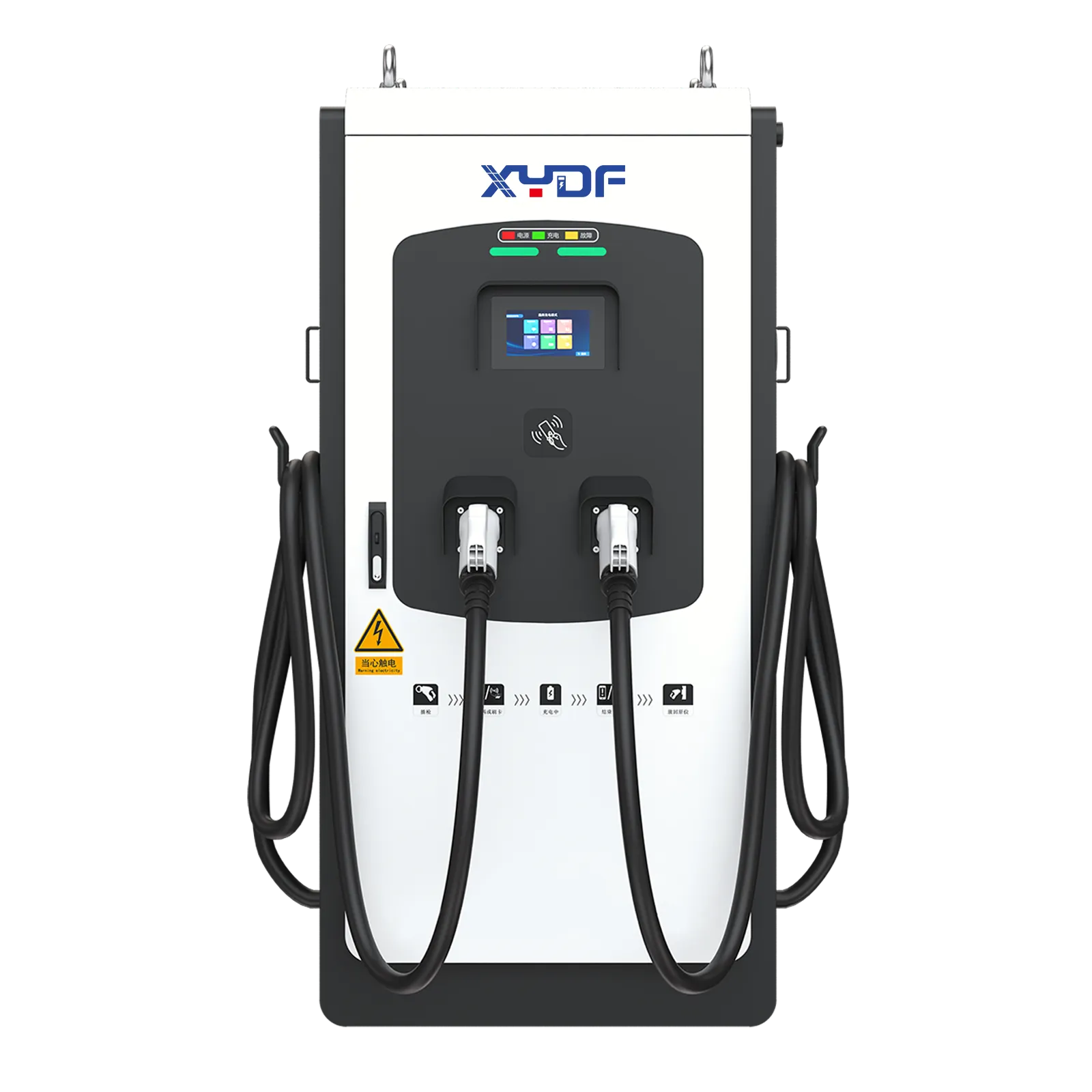
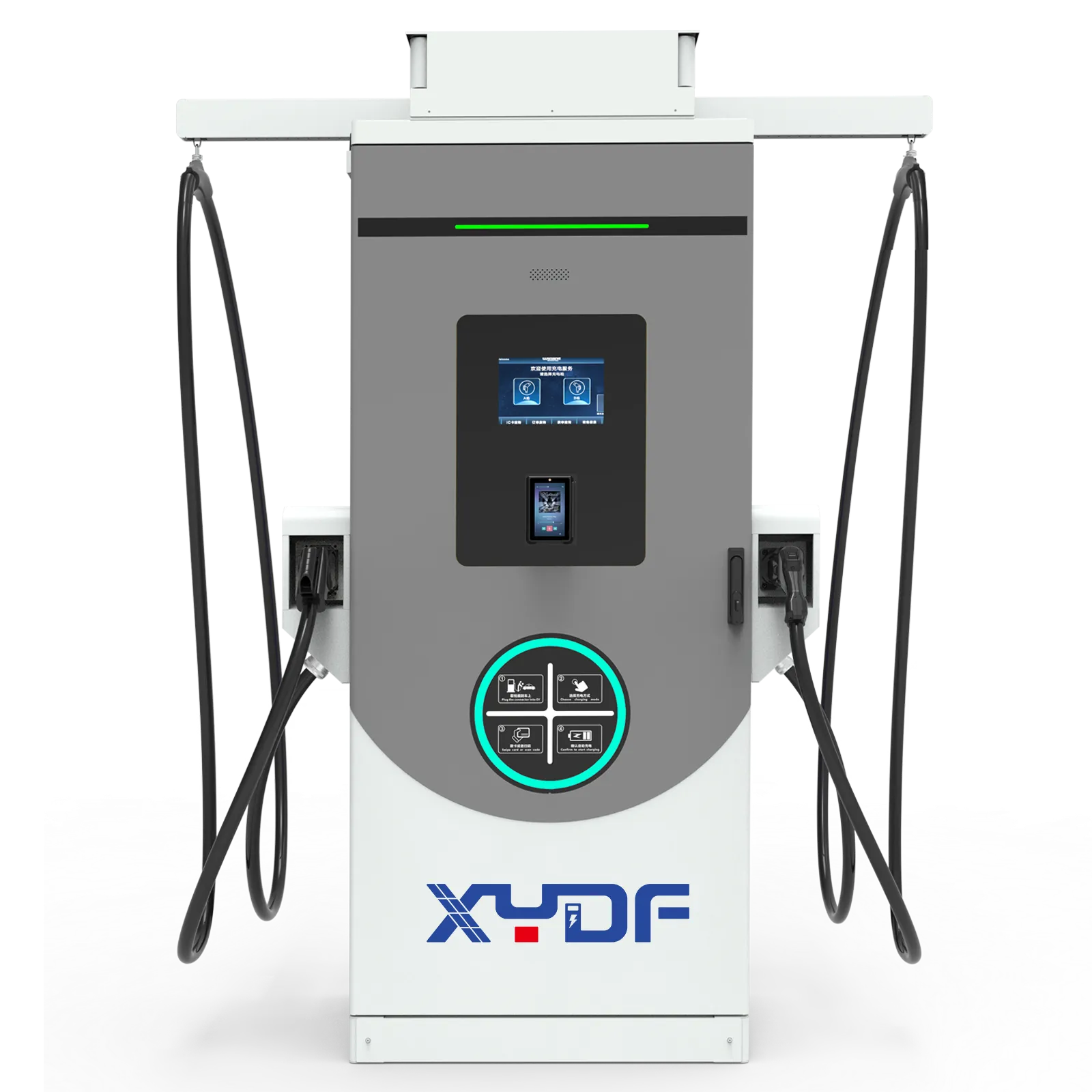
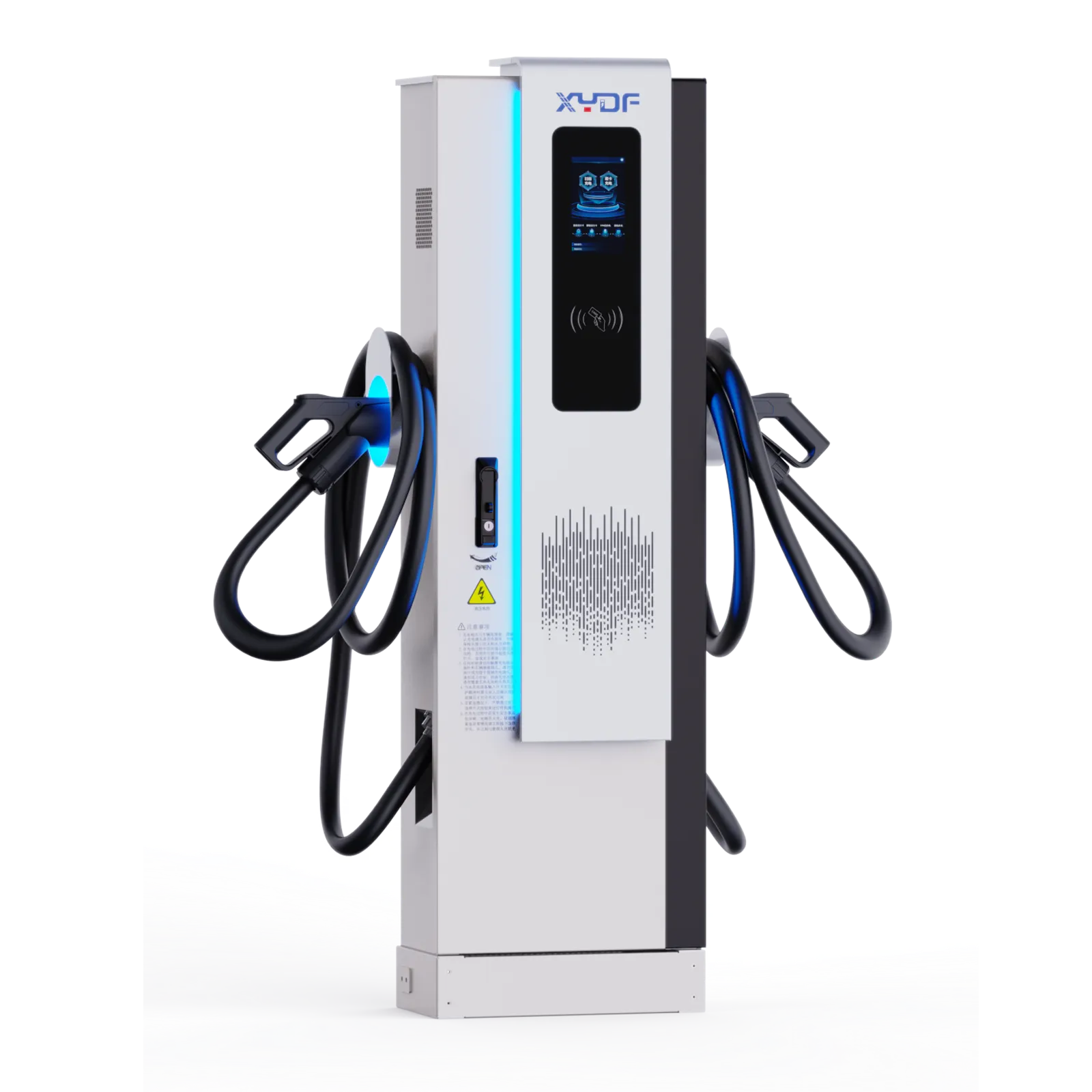
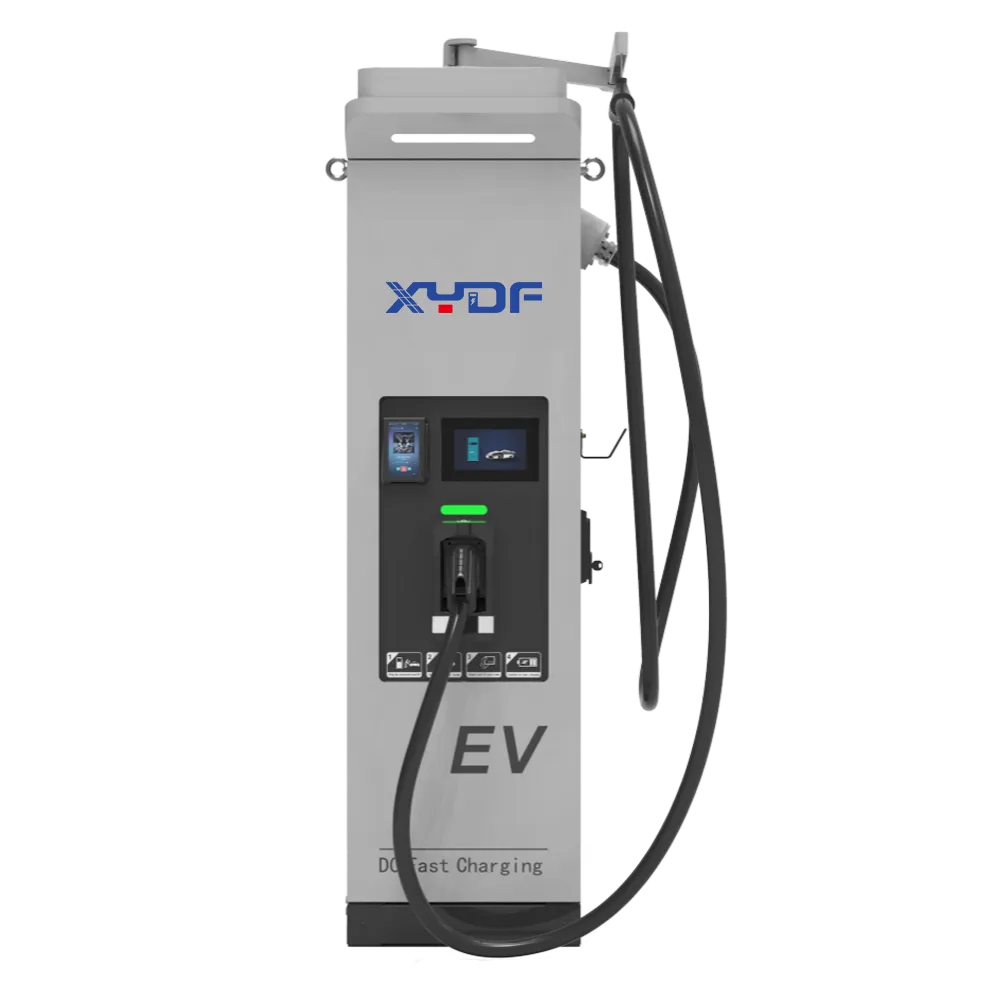
What should happen to an EV charging session when the site loses power? A charger that works normally during routine conditions may still leave drivers, vehicles, and staff exposed to confusion when an outage interrupts authorization, energy delivery, or communications. Treating continuity as a simple backup-power question can produce unsafe restarts, stranded vehicles, unclear priorities, and avoidable service disruption. The right approach starts by defining which sessions must stop, which loads can be shed, what information drivers need, and how equipment will be isolated and restarted. This article lays out that decision path, from outage roles and shutdown sequences to backup scope, status checks, and recovery testing. It focuses on operational boundaries rather than assuming every charger or site can remain active through a power cut.
The short answer is that a charger can operate through a power cut only when an approved islanding or backup arrangement, protection, and charger controls are designed and commissioned together. Verify the utility supply, backup source, and charging controls with the local utility and authority having jurisdiction (AHJ). OCPP can report status and support remote commands, but it cannot supply electricity. FEMA’s power-outage guidance also warns that electrical hazards remain during an outage.
What should a charging site do before a planned power cut?
Load shedding deliberately reduces or disconnects selected loads when supply is constrained. An EV site’s sequence should identify critical circuits, set a safe charging limit, pause lower-priority sessions, and preserve power for agreed services. A load shedding EV charger strategy may use an energy-management system, site controller, or dedicated load shedding device for EV charger applications; selection depends on switchgear, metering, communications, and the utility agreement.
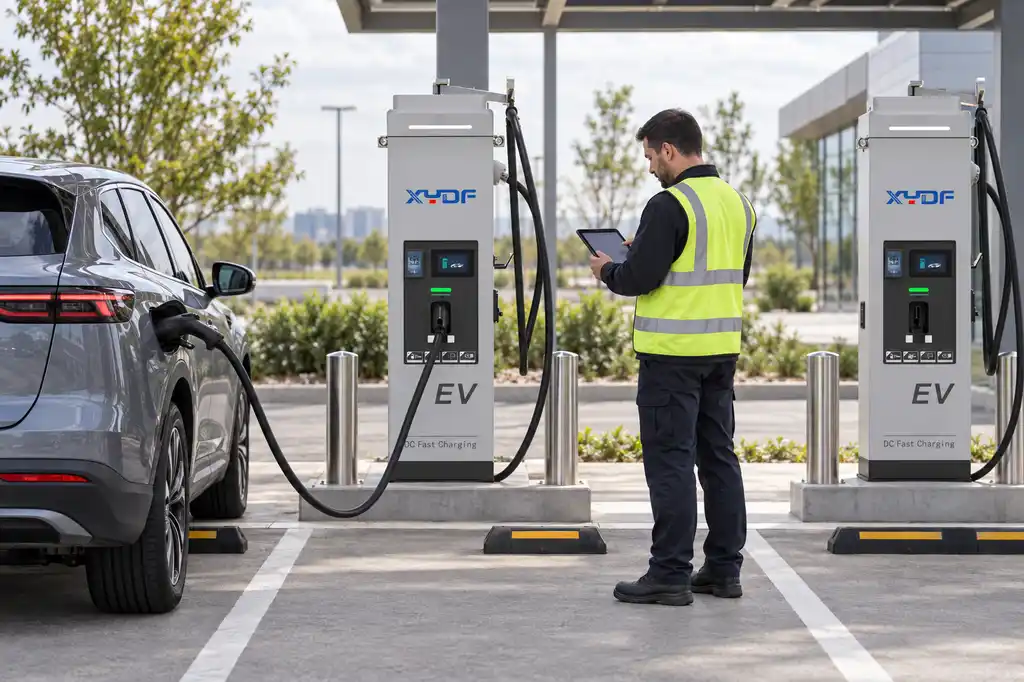
Document priorities before an incident. A hospital-support van, fire-service vehicle, or scheduled refuse truck may rank above a casual public session, but the operator needs an approved policy and designated bays. NREL managed-charging guidance supports coordinating charging with grid conditions rather than treating every connector as an independent maximum load.
Can batteries, solar or generators keep chargers available?
Backup power is a site-design decision. Batteries can transfer quickly for controlled short-duration operation, while standby generators can support longer interruptions where fuel, ventilation, emissions, and maintenance arrangements are acceptable. Solar alone cannot guarantee outage charging; solar-plus-storage requires inverters, protection, and islanding controls engineered for that mode. A microgrid may coordinate sources, but the utility and AHJ must accept its operating boundaries.
| Approach | Useful role | Limits to verify | Operator control |
|---|---|---|---|
| Managed utility supply | Reduces demand before a trip or feeder constraint | Cannot maintain charging when supply is fully absent | Pre-set priority, pause, and restart rules |
| Battery energy storage | Fast transition and controlled essential charging | State of charge, inverter limits, fire protection, and duration | Reserve threshold and staged connector release |
| Standby generator | Longer support where fuel and site logistics are available | Transfer time, harmonics, noise, exhaust, and refuelling | Load sequencing and maintenance test records |
| Solar-plus-storage or microgrid | Can coordinate local generation and storage | Weather variability, islanding settings, protection study, and approvals | Defined island mode, reconnection, and black-start procedure |
El cost of load shedding for EV charging stations can include dispatch delays, staff call-outs, payment reversals, missed reservations, and inspection time. Compare those exposures with control and backup costs; there is no universal payback period.
How should operators end sessions and explain an outage to drivers?
A safe interruption follows a workflow: stop new authorizations, let the charger end power transfer through its tested sequence, and capture the meter value, time, connector, and reason code. Never pull a connector from an energized vehicle. The billing system can then issue a refund or adjustment under the published policy, with human escalation for disputes.
Communicate through app status, SMS or email for enrolled drivers, and approach signage. State whether the bay is unavailable, whether restoration timing is known, and what the driver should do. For EV charging for emergency fleets, use a separate contact channel and pre-agreed dispatch rule.
| Observed condition | Immediate action | Customer message | Record |
|---|---|---|---|
| Utility warning; supply still stable | Reduce non-critical charging and reserve capacity | “Charging may be limited; check app before arrival.” | Utility notice, controller state, priority list |
| Voltage or frequency outside approved limits | Pause sessions and isolate as designed | “Charging is temporarily paused for safety.” | Alarm, timestamp, affected connectors |
| Backup source available and approved | Release only critical loads in stages | “Limited service is available at designated bays.” | Source status, load steps, authorizations |
| Supply restored | Inspect, test, then restart by checklist | “Service is returning; a connector may remain unavailable.” | Inspection result, restart time, refunds |
What needs checking before chargers are turned back on?
Utility rules, electrical codes, interconnection agreements, and AHJ instructions determine whether a charger may island, export power, or reconnect automatically. The Open Charge Alliance describes communications between charge points and management systems; OCPP does not replace electrical protection, inspection, or an approved control scheme.
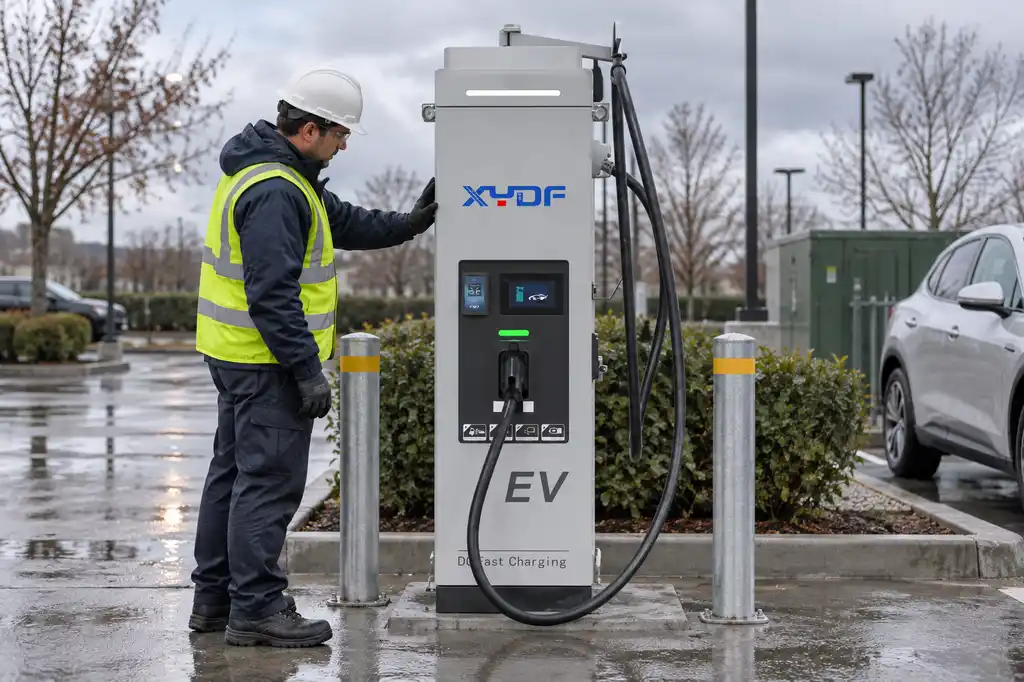
Practical post-outage checklist
- Confirm utility release and check for damage, water ingress, overheating, or abnormal odor.
- Inspect switchgear, protective devices, cables, connectors, backup equipment, and communications alarms.
- Verify metering, time synchronization, session records, and refund queues before accepting new payments.
- Restart one approved circuit or connector at a time and monitor fault status.
- Document the event, notify affected customers, and review whether priority rules or signage need revision.
Questions operators ask about EV charging during a power cut
Can EV chargers keep operating during a power cut?
Only if an approved backup or islanded system supplies it and the protection and controls are designed for that mode. Otherwise, sessions should stop until utility restoration and site inspection.
What does load shedding mean for an EV charging station?
It means intentionally reducing selected charging loads to keep the remaining electrical system within safe limits. The operator should define which connectors pause first, how priority vehicles are handled, and how the event is recorded.
How can a charging operator prioritize critical vehicles during an outage?
Publish a priority policy, tag approved vehicles or fleet accounts, and reserve circuits or bays where the design allows. Confirm it with the utility, AHJ, fleet owners, and support team.
Can batteries, solar or generators back up public EV chargers?
They can, but only within a designed and approved electrical system. Battery state of charge, generator transfer behavior, solar variability, protection settings, and duration require site-specific verification.
How should customers be informed when a charging session is interrupted?
Use the app, SMS or email where consent exists, and physical signage. Explain the interruption, refund process, and next action; avoid unconfirmed restoration promises.
What data should operators record after a load-shedding event?
Record utility notices, timestamps, alarms, load states, affected connectors, meter values, customer notifications, refunds, inspections, and restart approvals. Consistent records support reconciliation and design review.
Sources and guidance used for outage planning
- U.S. Department of Energy Alternative Fuels Data Center
- DOE Vehicle-Grid Integration
- NREL Managed Electric Vehicle Charging
- FEMA: Power Outage Safety
- Open Charge Alliance: Open Charge Point Protocol
Keeping chargers available during a power cut is not simply a matter of adding a battery or generator. The site must first define which loads and sessions matter, then confirm an approved transfer or islanding arrangement, safe shutdown behavior, customer communication, billing treatment, and a tested restart sequence. Load shedding may protect the wider installation, but it does not replace utility approval, protection studies, or an on-site inspection. The sound decision order is critical-load definition, backup and control design, session and notification testing, and post-outage verification. Operators should also record the event well enough to improve the next response rather than rely on an assumed recovery time. For a documented commercial deployment, review the Xinya EE charging equipment range with the site’s utility, protection, and operating constraints in hand.