 Xinya Dongfang Electricity Technology Co., Ltd.


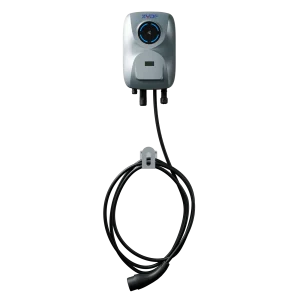
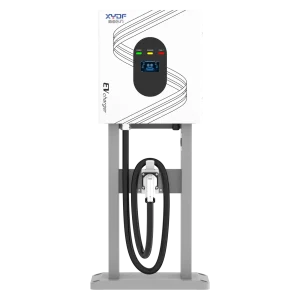

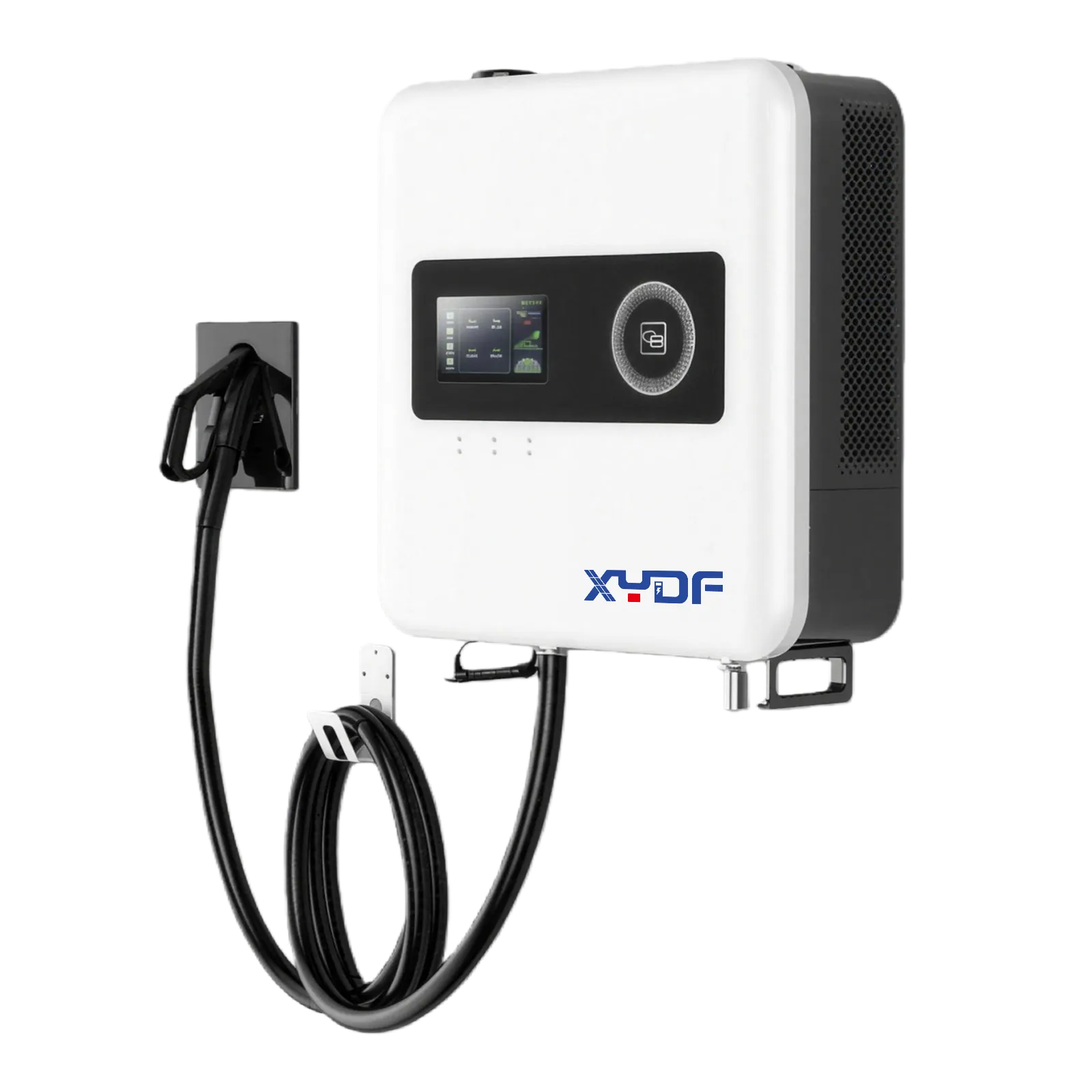
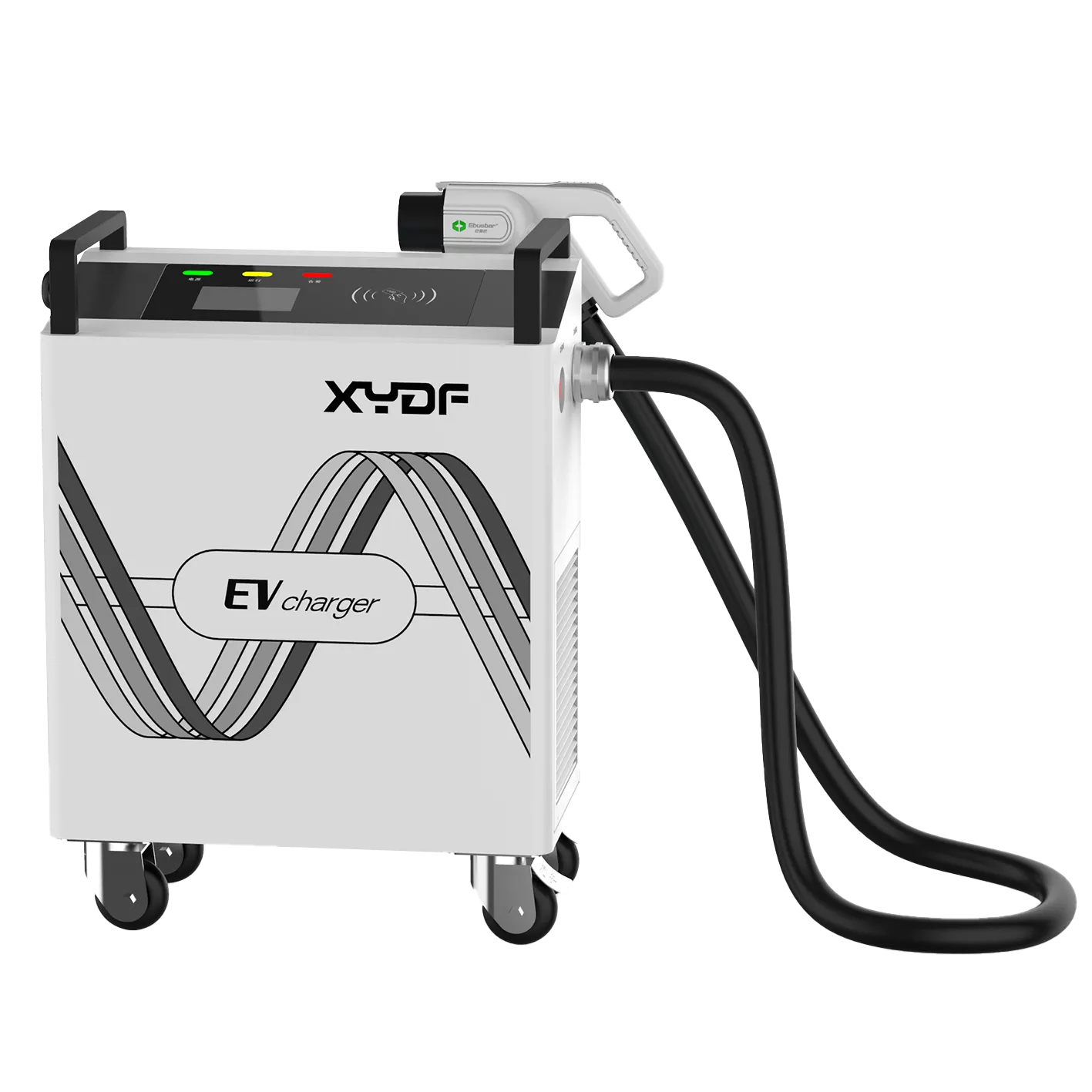
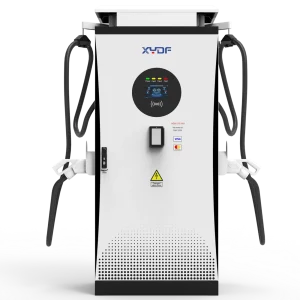
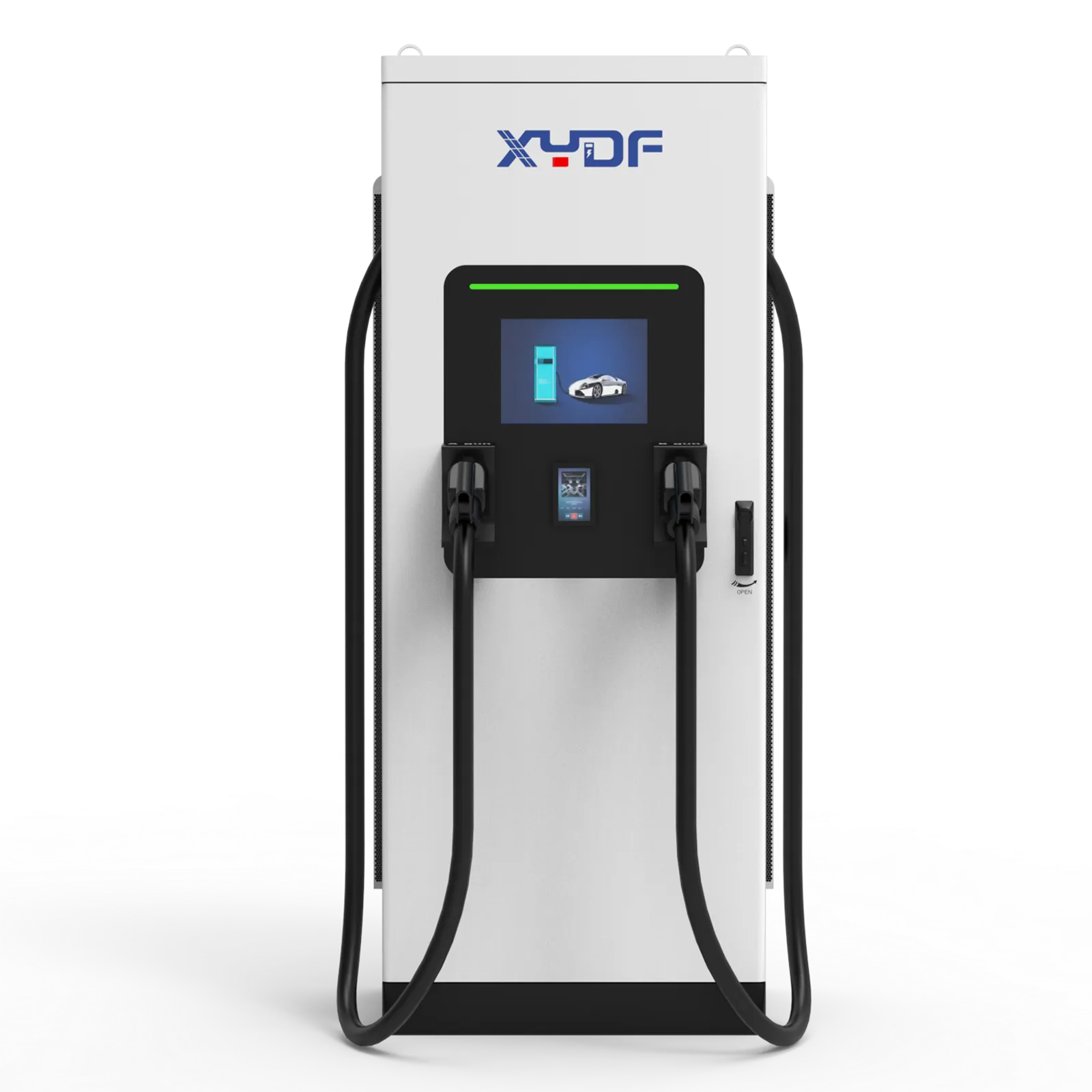
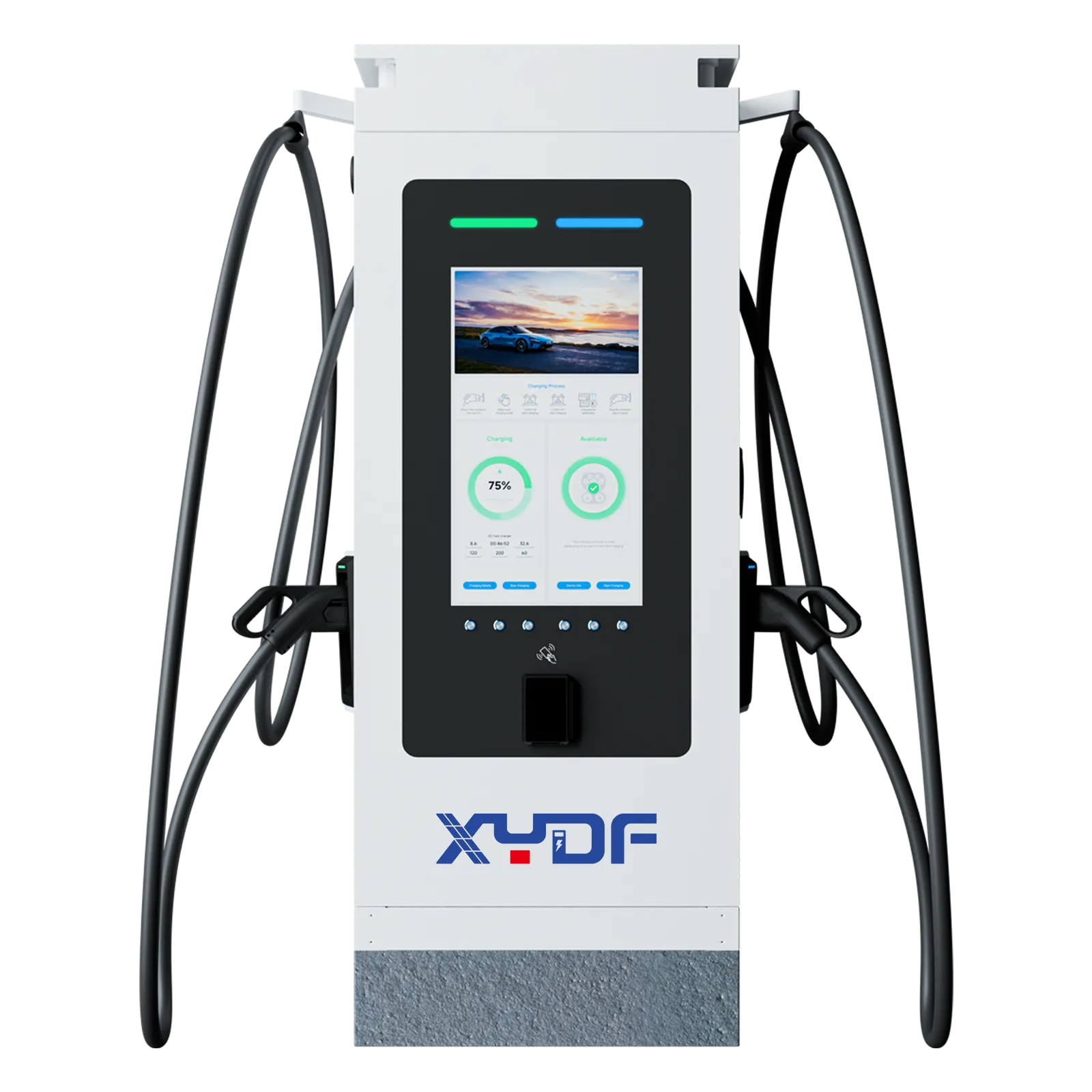
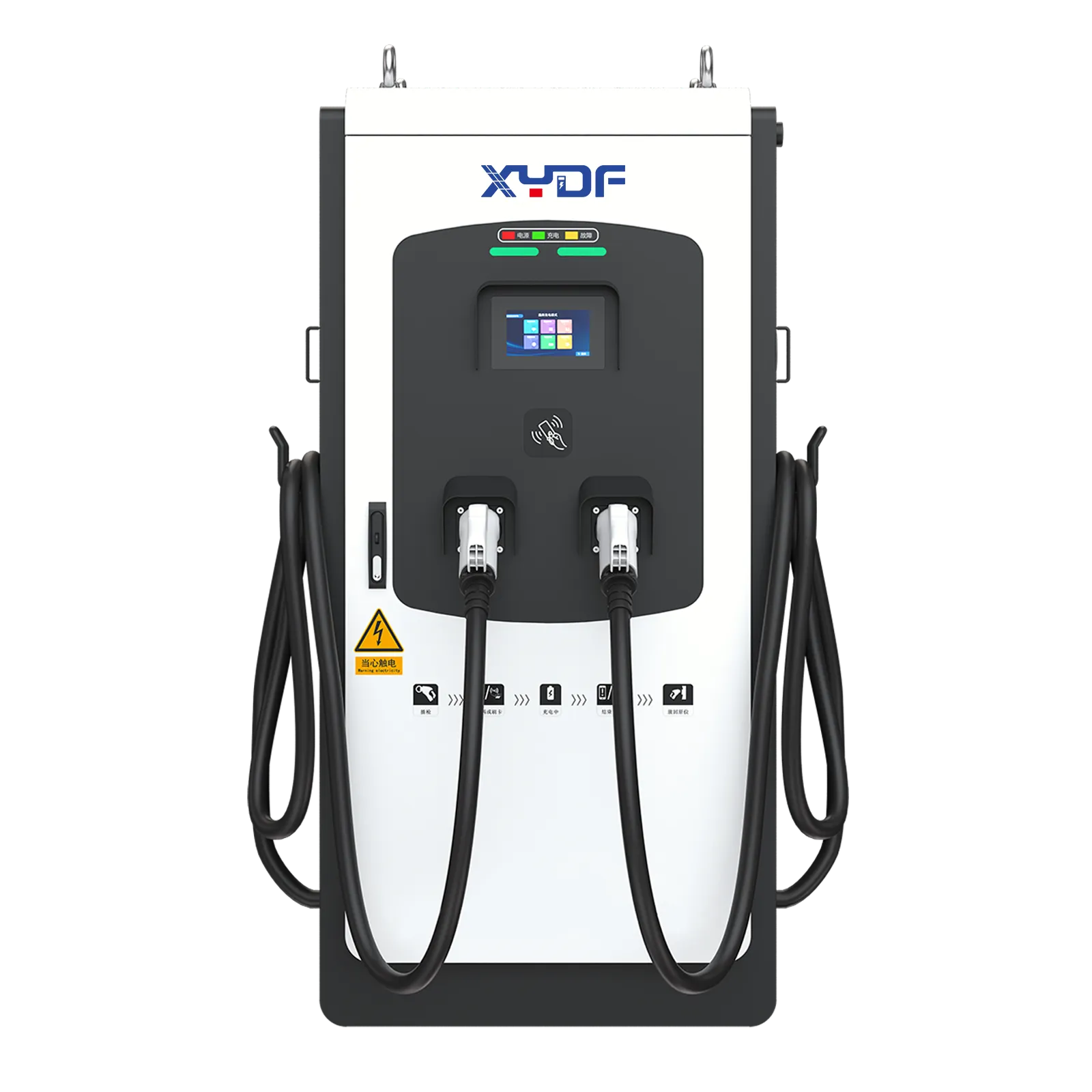
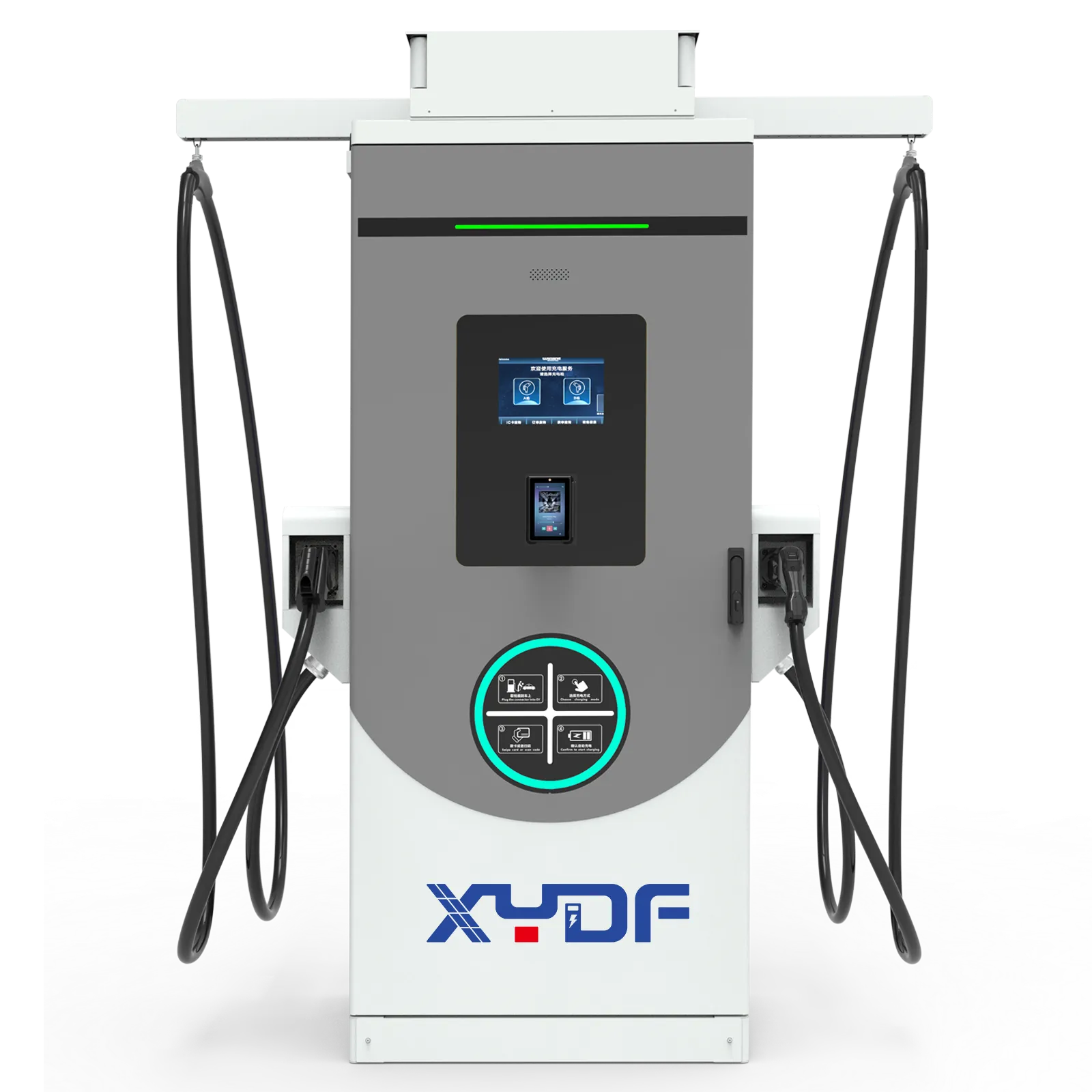
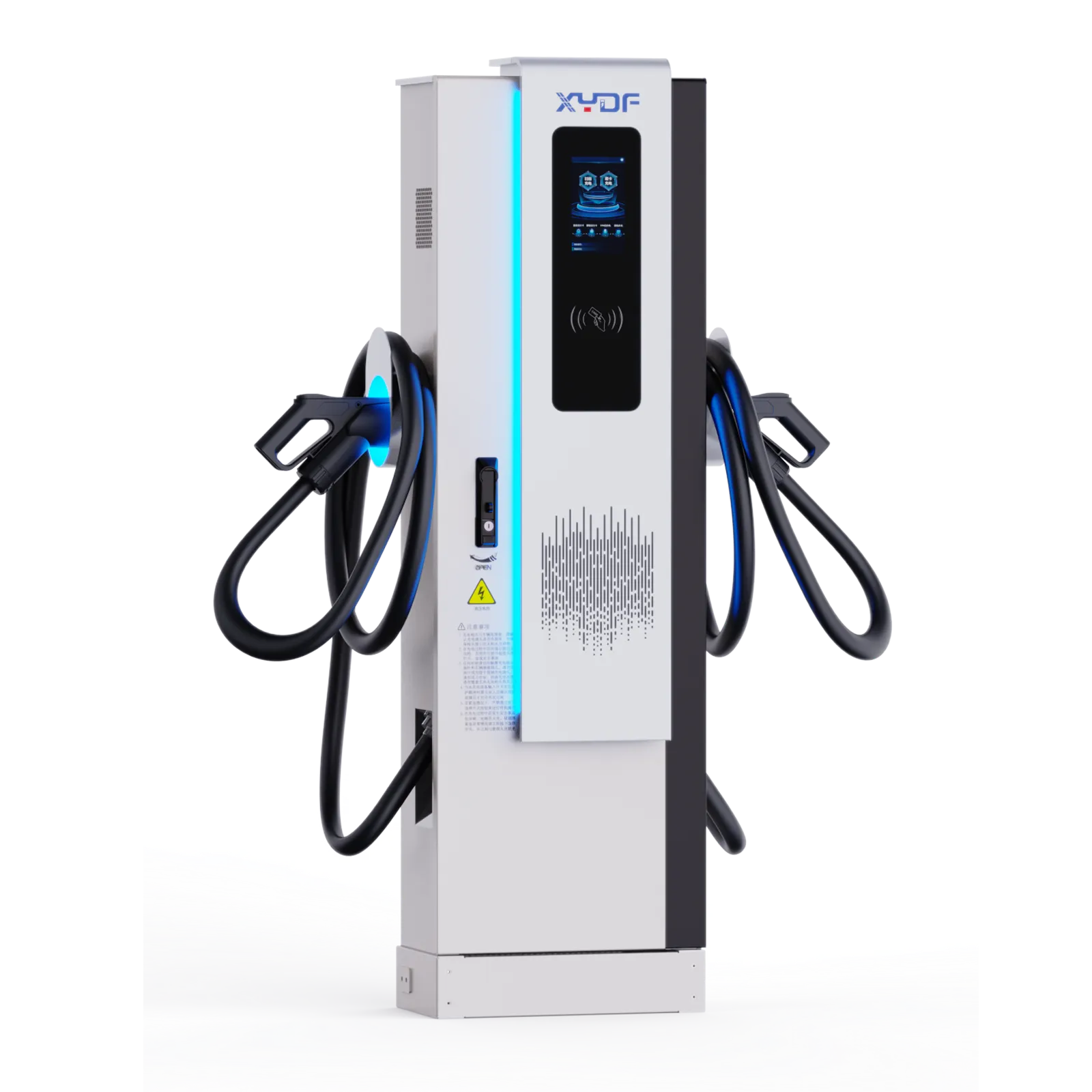
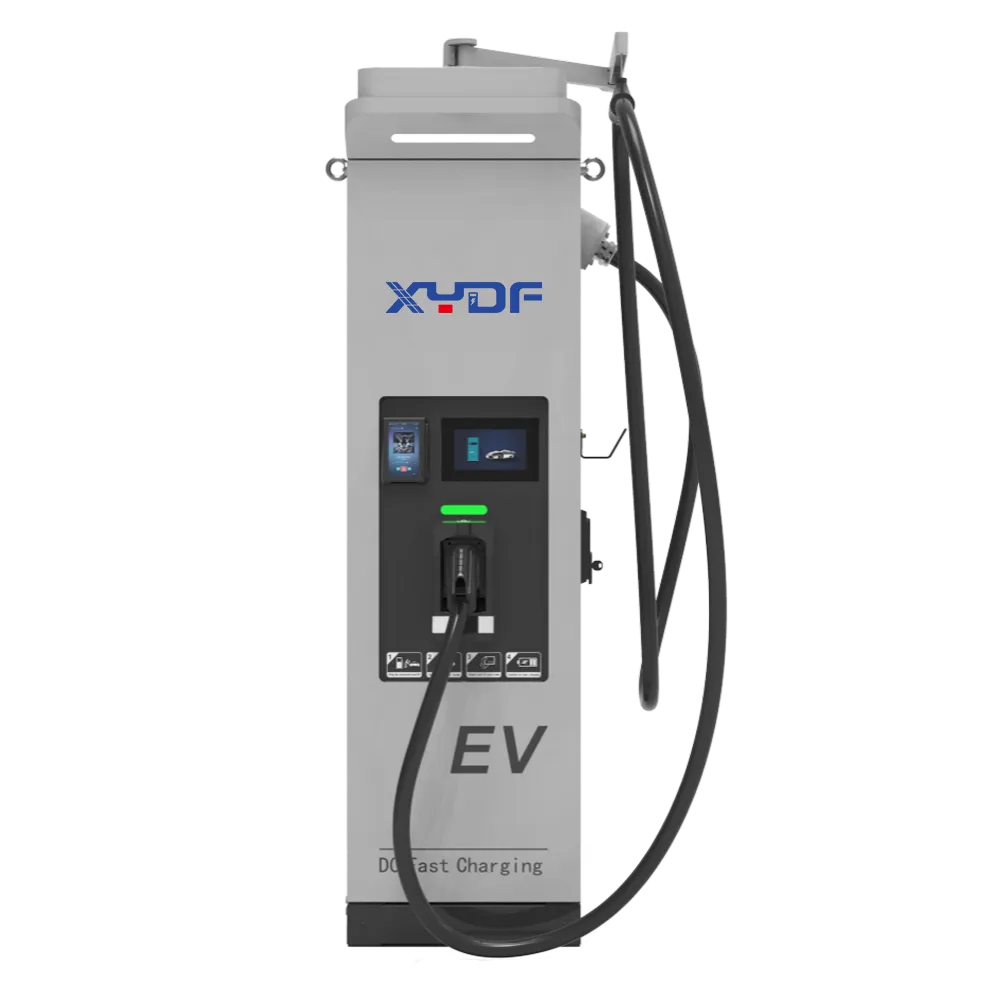
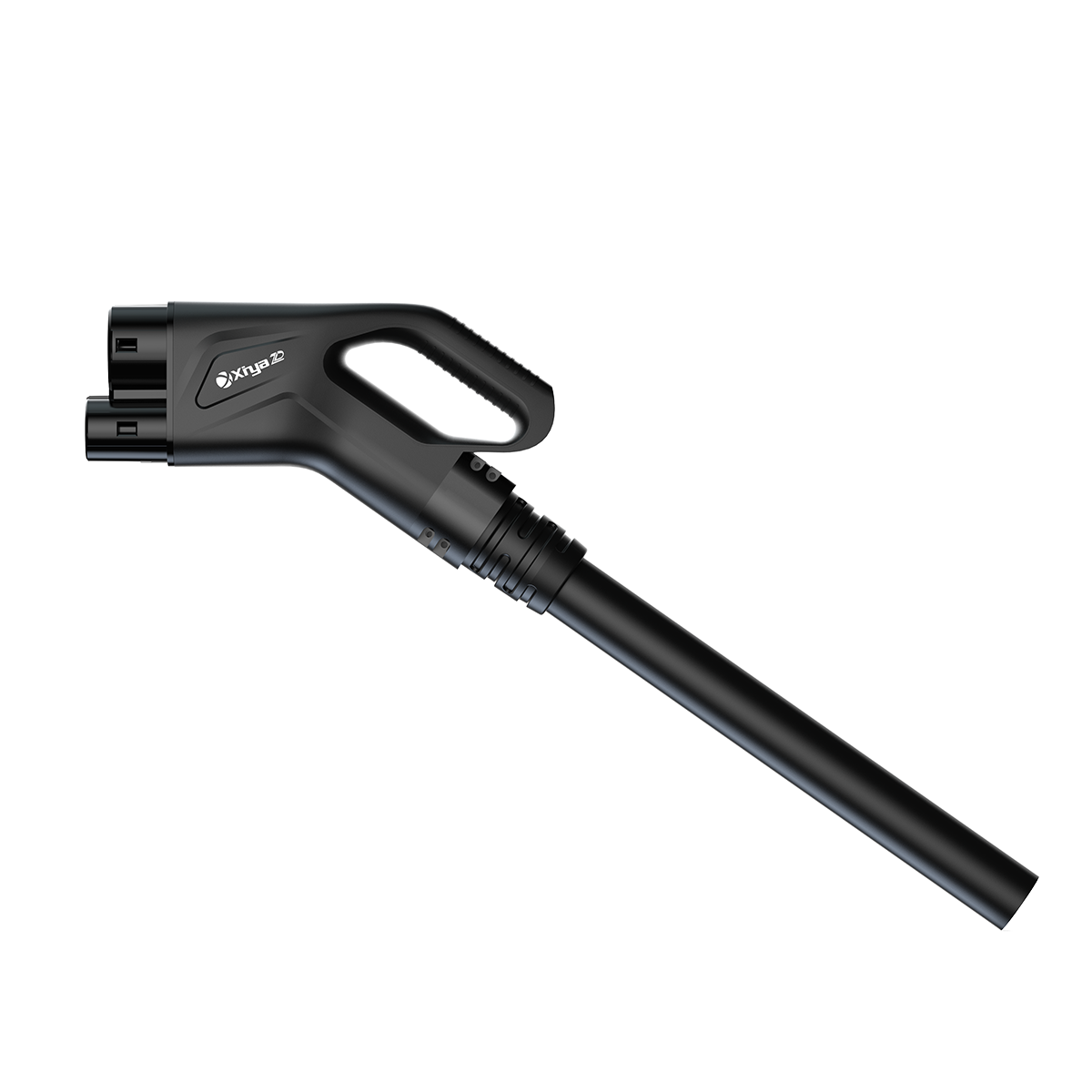
When Mei, a XYDF sales engineer in Bangkok, encountered a depot plan that promised fast turnarounds from a weak utility feeder, she asked the planner to overlay vehicle arrival times, charger nameplate power, transformer capacity, and the tariff’s demand window. The first model failed visibly: two delivery vans arriving together pushed the site above its allowed import limit before the afternoon route change was complete. The reversal was useful. The charger was not the main problem; the architecture, storage size, and operating process had been specified as if the grid upgrade were already complete.
Resumo: Storage-buffered DC fast charging uses a battery energy storage system (BESS) between the grid and charger output so a site can serve high-power charging events while limiting grid import. For commercial sites, a 15-minute demand interval can matter as much as charger nameplate power, and IEC 61851 remains a charging-system standard rather than proof that a whole BESS-backed site is compliant. Start with load profiling, grid interconnection limits, charger concurrency, and BESS sizing before selecting a cabinet.
Southeast Asia is a practical test case for this model. Fleet electrification is moving faster than many local service upgrades, and charging-site developers often need to open a location before a new transformer, medium-voltage extension, or utility protection review is finished. A storage-buffered design does not remove the need for proper grid studies, but it can change the first phase from “wait for the grid” to “operate within a controlled import envelope.”
In this article, storage-buffered DC fast charging means an integrated or site-level BESS, power conversion equipment, energy management controls, and one or more DC charger dispensers. The design goal is simple: provide fast charging power to EVs while drawing a smoother, lower, and more predictable profile from the utility connection.
Why do grid-constrained sites need a battery-buffered architecture?
A conventional DC fast charger pulls most of its energy directly from the grid at the time a vehicle is charging. That works well where service capacity, transformer headroom, feeder protection, and demand charges are already aligned with the business model. It becomes difficult when a landlord can only release limited capacity, a utility upgrade requires months of review, or a fleet depot has a narrow daily charging window.
A battery-buffered architecture separates instantaneous charging output from utility import. For example, a site may limit grid draw to 100 kW while delivering short charging sessions above that level by discharging the battery. The BESS then recharges during lower-load periods, after peak traffic, or when on-site solar production is available. This is an architectural decision, not a shortcut around electrical design.
The first engineering task is to define the constraint. Is the site limited by transformer kVA, service conductor ampacity, feeder protection, utility interconnection approval, tariff demand charges, or the site’s own non-charging loads? XYDF project teams typically ask buyers to separate these constraints because each one changes the storage-control strategy.
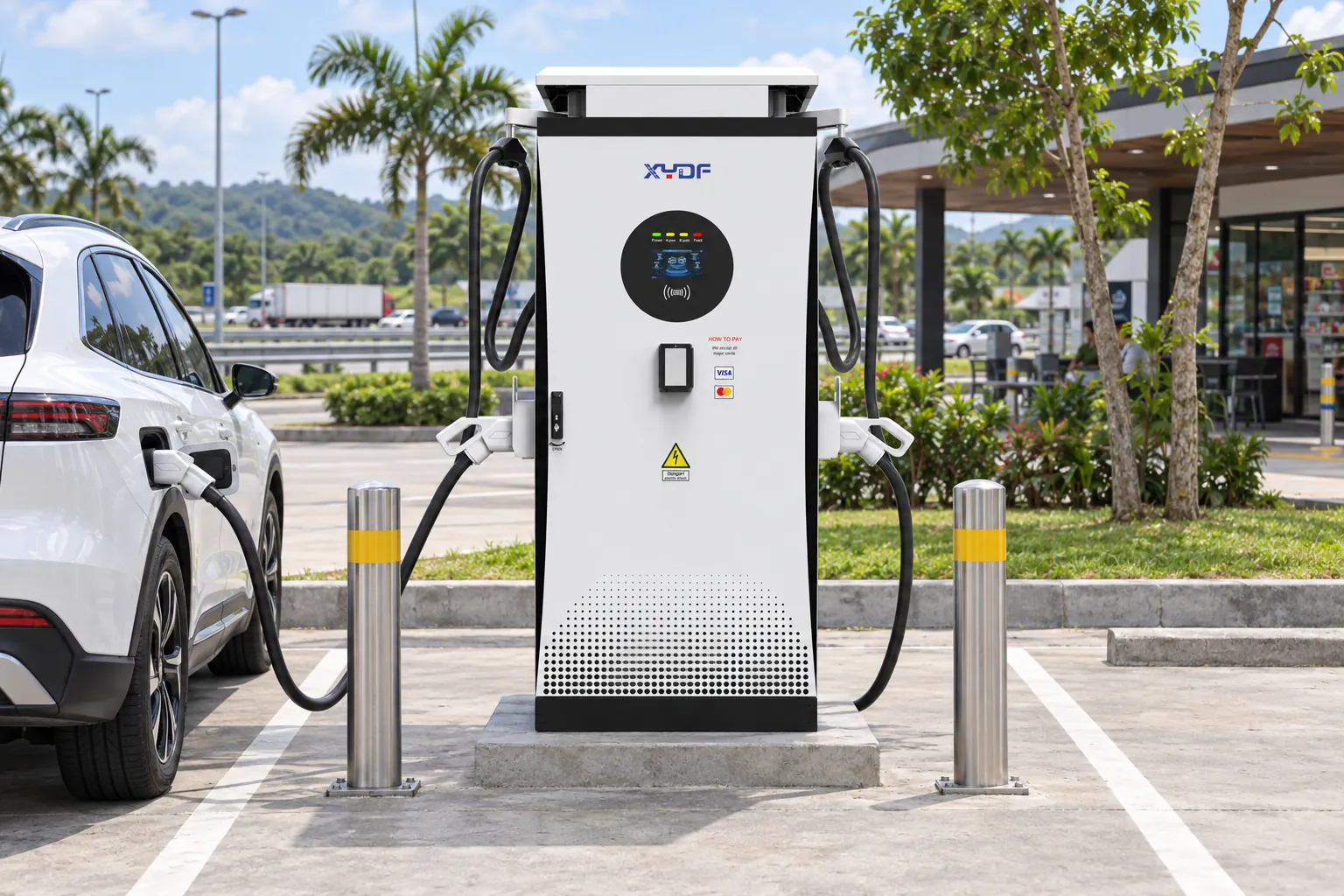
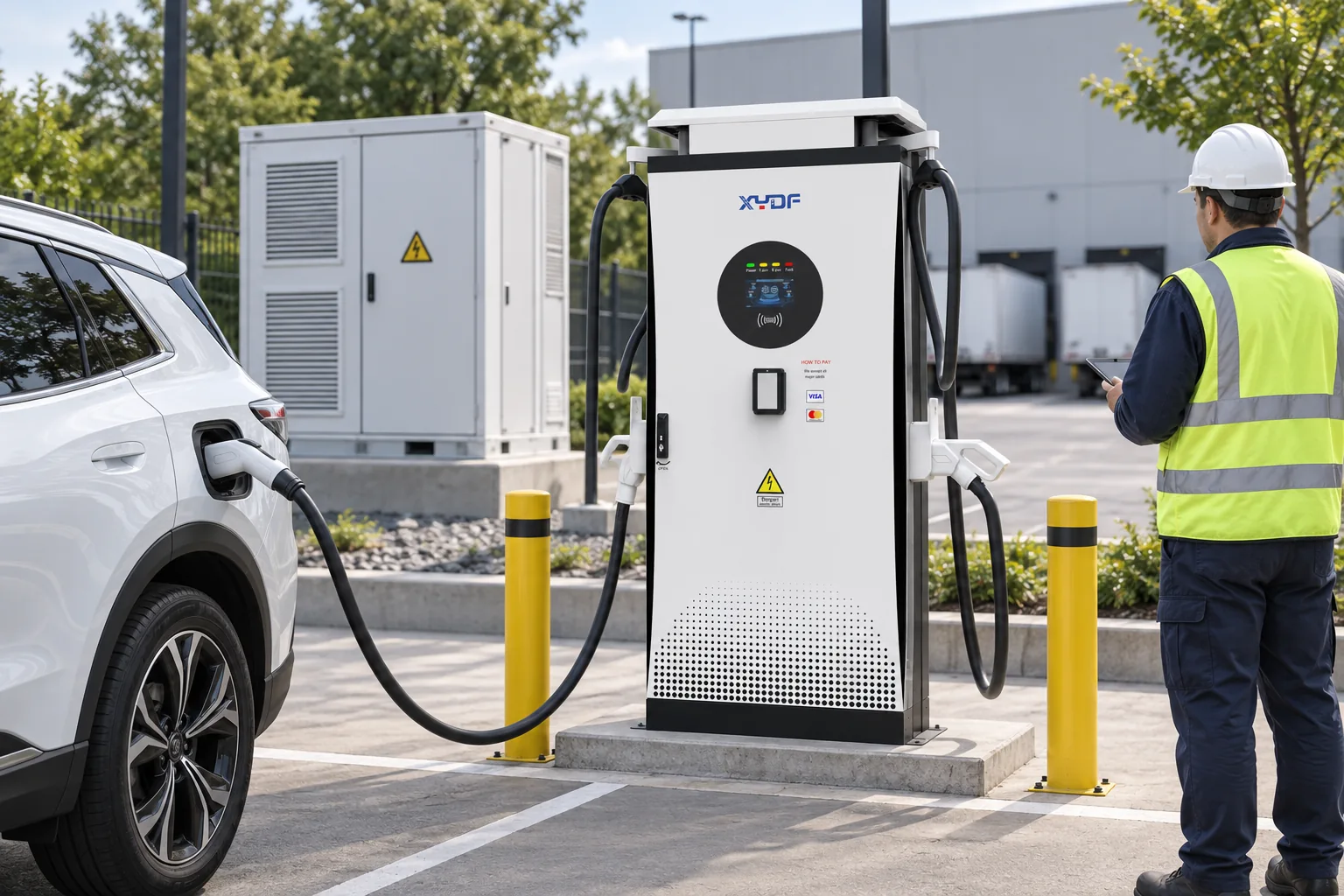 Commercial DC fast charger with nearby battery storage cabinet and marked EV charging bay” />
Where should the BESS sit in the charging system?
Battery buffering can be placed behind an AC service connection with AC/DC conversion, inside a DC microgrid architecture, or as part of a containerized energy system feeding charger power modules. The right topology depends on site voltage, product configuration, protection coordination, space, climate, and the future upgrade path.
For buyers comparing DC fast charger options, the question is not only “How many kilowatts can the charger deliver?” It is also “How much power can the site import, how long must peak output be sustained, and what controls prevent the system from exceeding the contractual limit?”
What can grid-upgrade deferral and peak shaving actually do?
Storage-buffered charging is most valuable when the commercial need arrives before the grid upgrade. A developer may need to energize a retail charging location before a transformer replacement. A logistics fleet may need overnight or shift-change charging before a depot service upgrade. A highway site may need a first phase of DC charging while waiting for medium-voltage work.
The model can defer part of the upgrade by capping grid import, shaving demand peaks, and spreading recharge over more hours. It cannot create unlimited energy. If daily EV energy demand is higher than the energy the site can import, store, and recharge within the operating window, the site will still need a larger grid connection, lower charging throughput, more storage, additional renewable generation, or a different fleet schedule.
Demand charges are another reason to model the battery. Many commercial tariffs measure peak demand over a short interval, often 15 or 30 minutes. If two vehicles plug in during the same billing interval, the site’s demand charge may be set by that short event. A BESS can discharge during that interval so the utility meter sees a lower peak, while the driver still receives a fast session.
| Site constraint | Battery-buffered response | Decision point | Risk if skipped |
|---|---|---|---|
| Limited transformer or service capacity | Cap grid import and discharge BESS during charging peaks | Set an import limit below verified electrical capacity | Nuisance trips, overheating, or failed utility approval |
| Long utility upgrade timeline | Open an initial phase with controlled throughput | Define the phase-one vehicle count and expansion trigger | Underbuilt site that cannot scale after launch |
| High peak demand charges | Discharge during tariff demand windows | Model the billing interval and local tariff structure | Fast utilization that looks profitable but creates tariff shock |
| Variable fleet arrival pattern | Use energy management to prioritize sessions and recharge windows | Set charging rules by vehicle duty cycle, not charger maximum only | Battery depletion before the highest-value vehicles arrive |
| Solar or time-of-use opportunity | Charge the BESS when energy is cheaper or locally available | Coordinate PV, BESS, and charger controls | Storage installed without enough useful dispatch cycles |
How should buyers size BESS for DC fast charging stations?
BESS sizing starts with energy, power, and time. Charger nameplate power is only one input. A site planner also needs session energy per vehicle, arrival clustering, minimum state of charge reserve, grid import limit, BESS recharge time, battery round-trip efficiency assumptions, ambient temperature derating, and the required backup or ride-through role.
Use illustrative calculations only after the duty cycle is clear. Suppose a site wants to support two 120 kW charging events for 20 minutes while grid import is capped at 100 kW and other site loads consume 20 kW. The charger side may require roughly 80 kWh during those 20 minutes. If the grid can contribute only about 27 kWh during that interval after non-charging load, the battery may need to supply about 53 kWh before reserve and efficiency margins. A real project would add reserve, battery aging, thermal derating, and operational margin.
That is why a “same charger, same battery” rule does not work across DC fast charging stations. A taxi queue, a supermarket charging bay, a port depot, and a highway site may all use DC fast charging, but their arrival distributions and tolerance for waiting are different. BESS size should follow the site’s commercial promise, not a generic storage ratio.
| Planning dimension | What to calculate | Typical design question | Useful source or method |
|---|---|---|---|
| Charging demand | Sessions per day, kWh per session, concurrent vehicles | How many EVs must be served in the tightest hour? | 15-minute interval load profile and fleet dispatch records |
| Grid import limit | Available kW after non-charging loads and protection margins | What import cap can the site sustain without an upgrade? | Utility service study and transformer capacity review |
| BESS energy | Usable kWh after reserve, degradation, and efficiency allowance | How long must the battery support peak charging output? | Manufacturer battery data and site duty-cycle simulation |
| BESS power | Maximum discharge kW and recharge kW | Can the battery support charger peaks without exceeding C-rate limits? | PCS rating, thermal design, and battery warranty limits |
| Uptime reserve | Energy kept available for control ride-through or reduced-power service | Should the battery serve revenue sessions, resilience, or both? | Maintenance plan, remote monitoring data, and service-level targets |
For sites already comparing AC service capacity, transformer headroom, and charger output, the related guide on commercial EV charging load profiling is a useful companion. It helps planners avoid a common error: selecting power modules before modeling when vehicles actually arrive.
Which standards, controls, and uptime requirements should be specified?
Battery-buffered charging touches both EV charging standards and stationary storage practice. IEC 61851 covers conductive EV charging system requirements, including charging modes and communication-related safety functions. IEC 62933 is relevant to electrical energy storage systems. Neither should be treated as a blanket certification for a complete site; project compliance still depends on destination-market rules, product configuration, installation design, grid interconnection, fire safety, and the claims made in sales materials.
For Southeast Asian projects, buyers should confirm whether the destination market expects IEC, local utility, fire authority, metering, communications, or import documentation. If a supplier says a commercial DC fast charger is “compliant,” ask which standard, which model, which test report, which destination market, and whether the statement covers the charger only or the charger plus BESS architecture.
Uptime depends on more than battery capacity. A storage-backed site needs thermal management, enclosure protection, remote monitoring, spare-parts planning, alarms for battery state of charge, and a clear fallback mode. In a well-specified system, the energy management controller should know when to limit output, when to recharge, when to reserve energy for the next fleet window, and when to alert operators before a visible service failure occurs.
For public or semi-public locations, operators should connect this architecture to a preventive maintenance routine. Inspection logic for storage-buffered sites should cover connectors, cables, ventilation, enclosure condition, logs, firmware, alarms, battery state, and service response.
How should Southeast Asian commercial sites select a storage-buffered design?
Before specifying a storage-buffered charging site, project teams should make four practical decisions.
First, define the phase-one business target. A site that must serve delivery vans at shift change needs different controls from a highway site designed for mixed passenger EVs. Tie the charger rating and BESS capacity to the number of vehicles, dwell time, and acceptable queue length.
Second, establish the grid-upgrade deferral plan in writing. Record the import cap, the expected utility-upgrade timeline, the trigger for adding charger modules, and the point at which BESS alone no longer protects the business case.
Third, specify the energy management controls. For modern EV charging systems, procurement teams should ask how the controller prioritizes EV sessions, limits grid import, recharges the battery, responds to faults, exports operating data, and supports future integration with solar or site energy management.
Fourth, verify documentation for the destination market. Review model-level test reports, grid-interconnection requirements, installation drawings, protection coordination, enclosure ratings, and warranty conditions. XYDF’s qualification information is a useful starting point for documentation discussions, but final compliance should be confirmed against the buyer’s destination market and project scope.
For projects that need a configurable equipment path, XYDF can support charger selection, BESS interface discussion, documentation review, and phased site planning. The solar-storage charging solution page is the most relevant internal starting point for buyers evaluating battery-buffered electric vehicles charging infrastructure.
How Buyers Should Evaluate Storage-Buffered Charging When Grid Upgrades Are Delayed
When a utility upgrade is delayed, the buying decision should begin with an operating model, not a battery catalog. The buyer has to prove that the site can import enough energy over the full day, store enough usable energy before the critical charging window, and discharge at a safe rate without masking a grid constraint that still needs engineering approval. This is where a storage-buffered DC fast charger program becomes a controls-and-duty-cycle project as much as an equipment purchase.
The load profile should show when EVs arrive, not only how many EVs are served
Ask the project team to build a 15-minute or shorter load profile that includes existing building load, expected EV arrivals, session energy, charger concurrency, battery recharge periods, and the contractual grid import limit. A depot that charges ten vans evenly over eight hours is a different site from a retail location where three EVs may arrive in the same lunch-hour interval. The load profile should also identify the business promise: maximum waiting time, minimum delivered energy, fleet departure time, or public charging availability.
The practical output is a dispatch schedule. It should show when the grid feeds the site, when the BESS charges, when the BESS discharges, and when the charger deliberately reduces output to protect import limits or battery reserve. If the schedule only shows charger nameplate power, it is not yet a bankable operating plan for grid-constrained DC fast charging stations.
Charger duty cycle and BESS usable capacity should be evaluated together
Duty cycle describes how hard the charger is expected to work across the day: short public bursts, planned fleet blocks, overnight recovery, or repeated high-power sessions. BESS usable capacity is the energy that can actually be dispatched after reserve, state-of-charge limits, round-trip efficiency, degradation allowance, and any thermal derating are considered. Buyers should request usable kWh, not only nominal battery capacity, and should confirm whether the quoted usable capacity remains valid at the site’s expected ambient temperature and enclosure location.
C-rate is the next check. A battery that has enough kWh on paper may still be unsuitable if the project asks it to discharge too quickly or recharge too aggressively between sessions. Procurement teams should compare battery discharge power, PCS rating, charger output, recharge window, thermal limits, and warranty conditions as one package. Conservative evaluation avoids inventing demand-charge savings or uptime guarantees before real tariff data and operating history are available.
| Buyer check | What to request | Why it matters when the grid upgrade is delayed | Conservative evidence boundary |
|---|---|---|---|
| Load profile | 15-minute or shorter model with EV sessions, non-charging load, import cap, and recharge windows | Shows whether the site can operate within the temporary service limit | Use actual fleet records, metered building load, or clearly labeled assumptions |
| Charger duty cycle | Expected concurrent sessions, average session energy, peak-hour pattern, and fallback charging rules | Prevents selecting a charger only by maximum kW | Treat early utilization forecasts as planning inputs, not guaranteed revenue |
| BESS usable capacity | Usable kWh after reserve, efficiency, degradation, state-of-charge limits, and temperature assumptions | Determines how long peak charging can be supported before output must be reduced | Do not quote nominal battery size as available dispatch energy |
| C-rate and PCS power | Battery discharge and recharge limits, PCS rating, thermal derating, and warranty limits | Confirms whether the battery can support repeated charging peaks safely | Cross-check with battery data, power conversion limits, and site temperature |
| Thermal location | Sun exposure, ventilation clearance, flood risk, service access, and enclosure protection | Tropical heat and poor airflow can reduce usable performance and serviceability | Link claims to installation drawings, enclosure ratings, and thermal-management documentation |
Fire review, controls hierarchy, and islanding limits should be written into the specification
A storage-buffered site combines EV charging equipment, stationary energy storage, protection equipment, and software controls. The fire and code review should cover battery chemistry, enclosure separation, ventilation or cooling, emergency stop behavior, signage, access control, commissioning tests, and local authority requirements. IEC 62933 can help frame energy-storage-system expectations, while IEC 61851 remains relevant to conductive EV charging; neither replaces destination-market fire, utility, installation, or permitting review.
The controls hierarchy should be explicit. At minimum, it should define how the system prioritizes safety shutdowns, grid import limits, battery state-of-charge reserve, charger output, fleet priority, tariff response, PV integration if used, and remote operator commands. If several controllers are present, the buyer should know which controller has final authority during an overload, communications loss, thermal alarm, or emergency stop.
Islanding limits also need plain language. Some buyers assume a BESS-backed site can keep operating like a microgrid whenever the utility supply fails. That may be false unless the system is specifically designed, approved, protected, and commissioned for islanded operation. If the commercial goal is only peak shaving or upgrade deferral, the specification should say so; if reduced-power backup is required, it should be engineered as a separate operating mode.
Metering and maintenance ownership determine whether the model stays controllable after launch
Metering should separate utility import, charger output, BESS charge and discharge energy, auxiliary loads, and any on-site PV generation. Without this split, operators may not know whether poor performance comes from a tariff peak, charger queueing, battery depletion, thermal derating, or a control setting. For a commercial DC fast charger site, metering is also the evidence base for future expansion: it shows when the temporary import cap has become the business bottleneck.
Maintenance ownership should be assigned before purchase. The buyer, site host, charger supplier, BESS supplier, integrator, and remote monitoring provider should agree who owns firmware updates, alarm response, connector replacement, battery health review, thermal-system service, spare parts, cybersecurity updates, and post-fault restart approval. Ambiguous ownership can turn a well-sized system into an unavailable system even when the hardware is technically capable.
For a delayed-grid project, the safest procurement question is simple: “Show how this system behaves on the worst expected day before the grid upgrade, and show who acts when it does not behave that way.” That question keeps EV charging systems evaluation grounded in operations instead of optimistic capacity labels.
FAQ
What is storage-buffered DC fast charging?
Storage-buffered DC fast charging uses battery energy storage to support high-power EV charging while limiting the power drawn from the utility connection. The BESS charges from the grid or other sources and discharges during charging peaks, so the EV can receive fast charging power even when the site import limit is lower than charger output.
Can battery storage enable DC fast charging before a grid upgrade?
Yes, in many cases battery storage can support an initial operating phase before a larger service upgrade is complete. The condition is that the site must have enough grid import over time to recharge the battery and enough BESS capacity to cover the peak charging windows promised to drivers or fleets.
How does a battery buffer reduce peak demand charges?
A battery buffer reduces demand charges by discharging during the tariff’s peak-measurement interval so the utility meter sees a lower maximum draw. The financial effect depends on the tariff structure, the billing interval, the site’s arrival pattern, and whether the battery has enough charge at the right time.
What battery size is needed for a commercial fast-charging site?
The needed battery size depends on charger power, EV session energy, concurrency, grid import cap, recharge window, reserve level, efficiency, ambient temperature, and battery aging assumptions. A practical sizing study should use the site’s 15-minute or shorter load model rather than a fixed battery-to-charger ratio.
Can a storage-buffered charger support multiple EVs at once?
Yes, if the charger power modules, dispensers, BESS power rating, battery energy capacity, and control logic are specified for concurrent charging. If multiple EVs arrive together, the system may need to allocate power dynamically or reduce per-vehicle output to protect the import cap and battery reserve.
How does battery storage affect charging-site uptime?
Battery storage can improve uptime by smoothing peaks, supporting reduced-power operation during constrained periods, and giving operators more control over charging sessions. It can also add maintenance requirements, so uptime depends on thermal design, monitoring, alarms, service procedures, spare parts, and clear fallback modes.
Which references support conservative storage-buffered charging planning?
- IEA, Global EV Outlook 2024
- U.S. Department of Energy Alternative Fuels Data Center, Electricity fuel basics and infrastructure information
- Joint Office of Energy and Transportation, Charging and fueling infrastructure resources
- IEC 61851-1, Electric vehicle conductive charging system
- IEC 62933 series, Electrical energy storage systems
The strongest storage-buffered sites are not the ones with the largest battery on paper; they are the ones where the charger rating, import limit, BESS reserve, tariff window, and fleet schedule are designed as one operating system.
For a phased commercial project, review XYDF’s 240 kW DC fast charger options and then contact XYDF with the site import limit, expected EV arrival profile, target opening date, and grid-upgrade timeline.