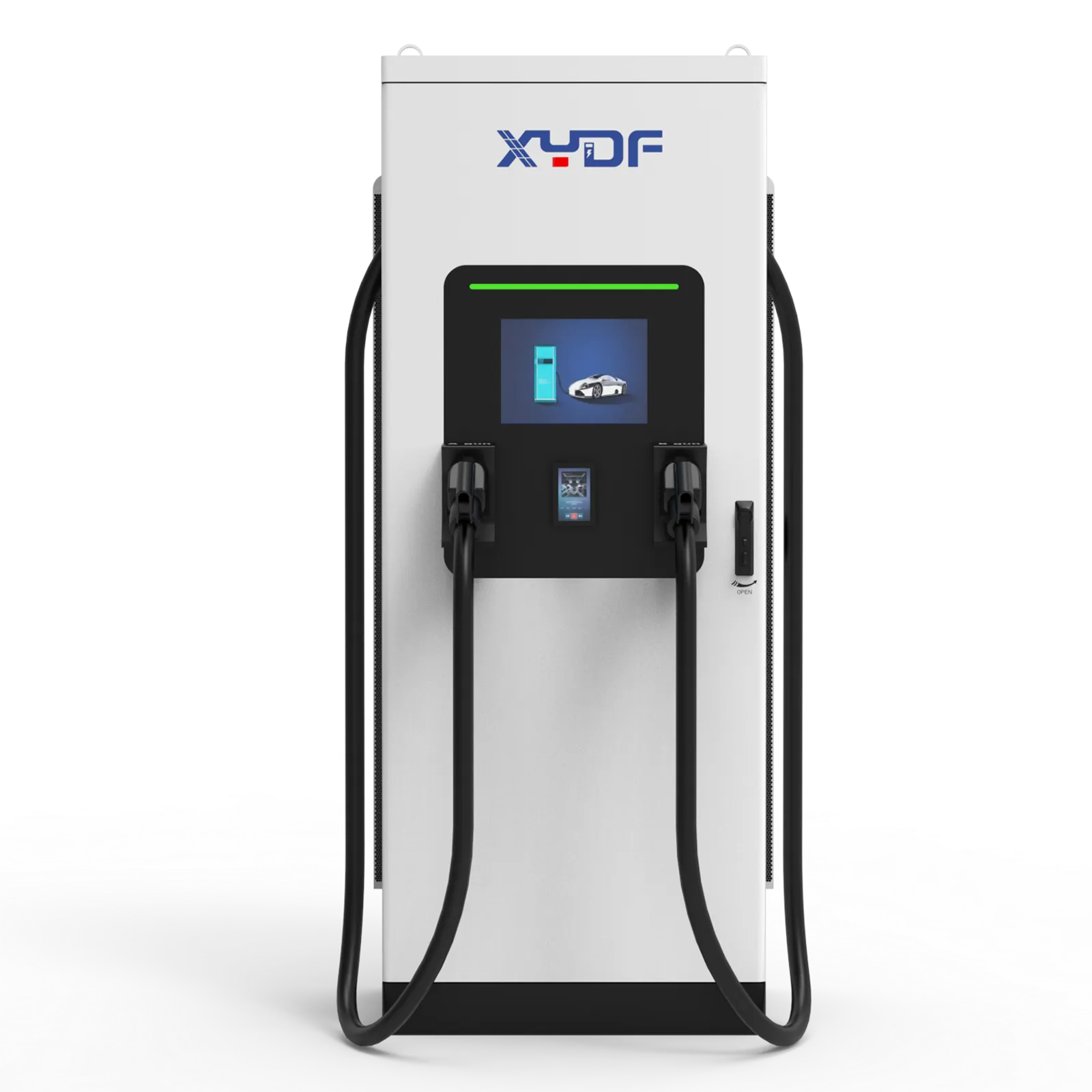
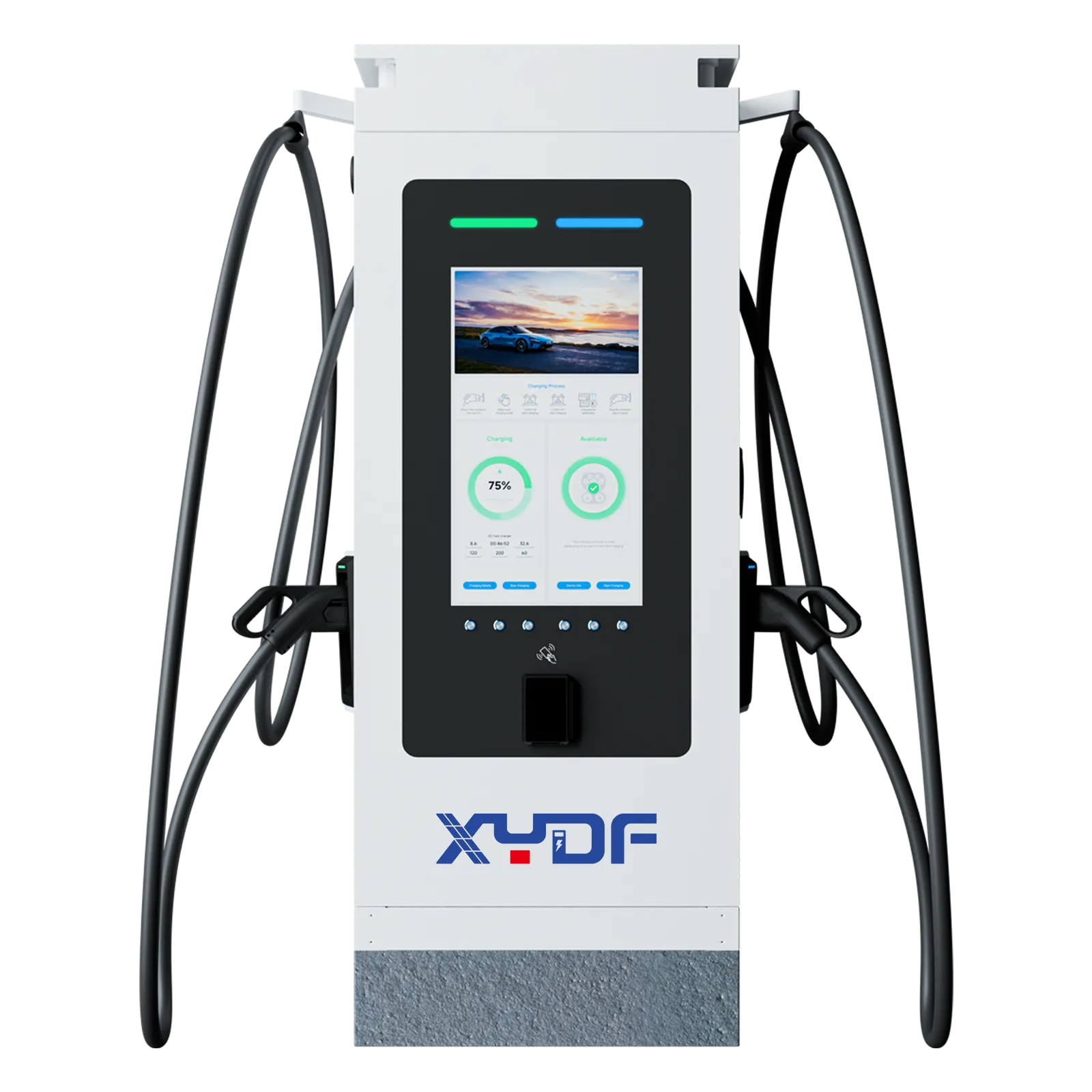
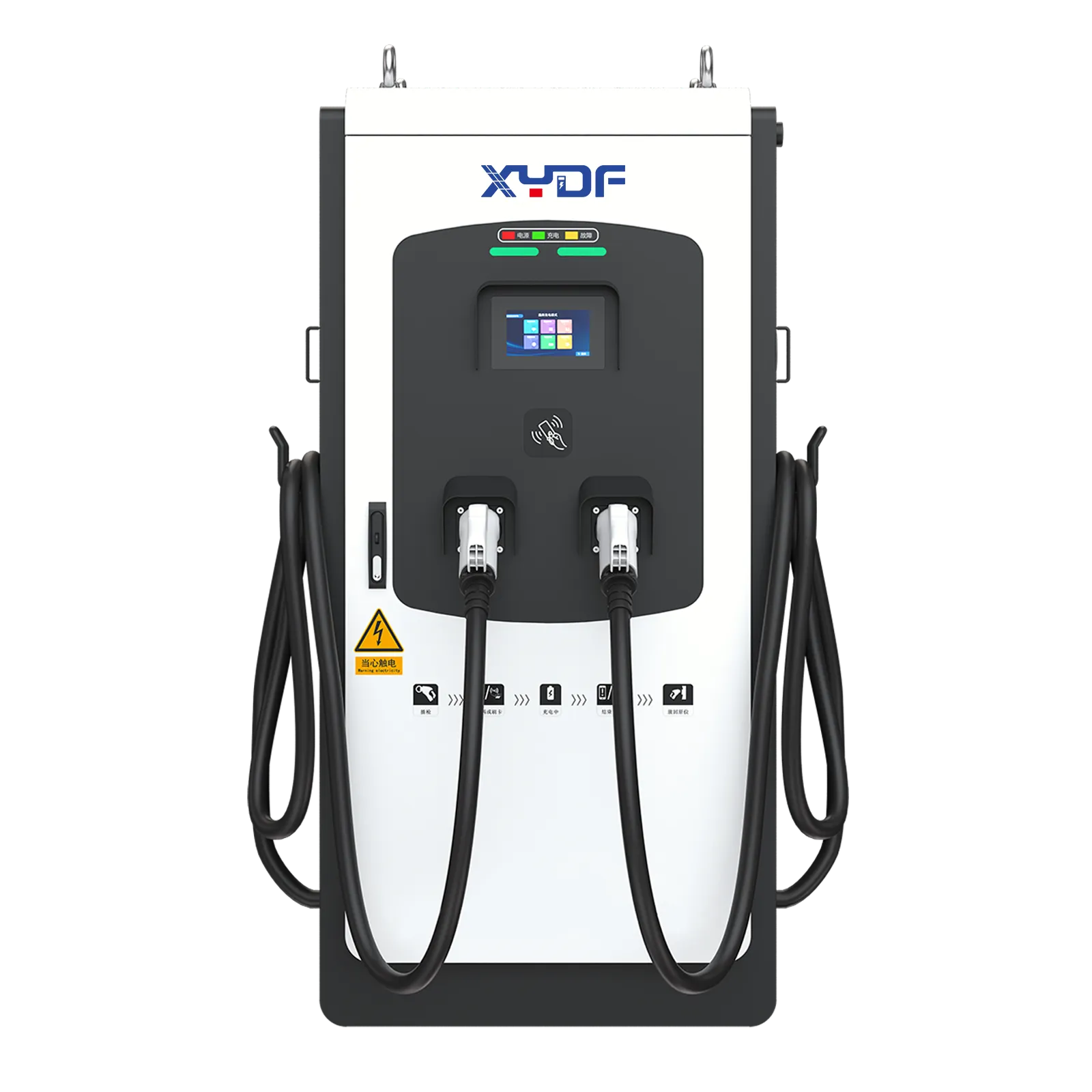
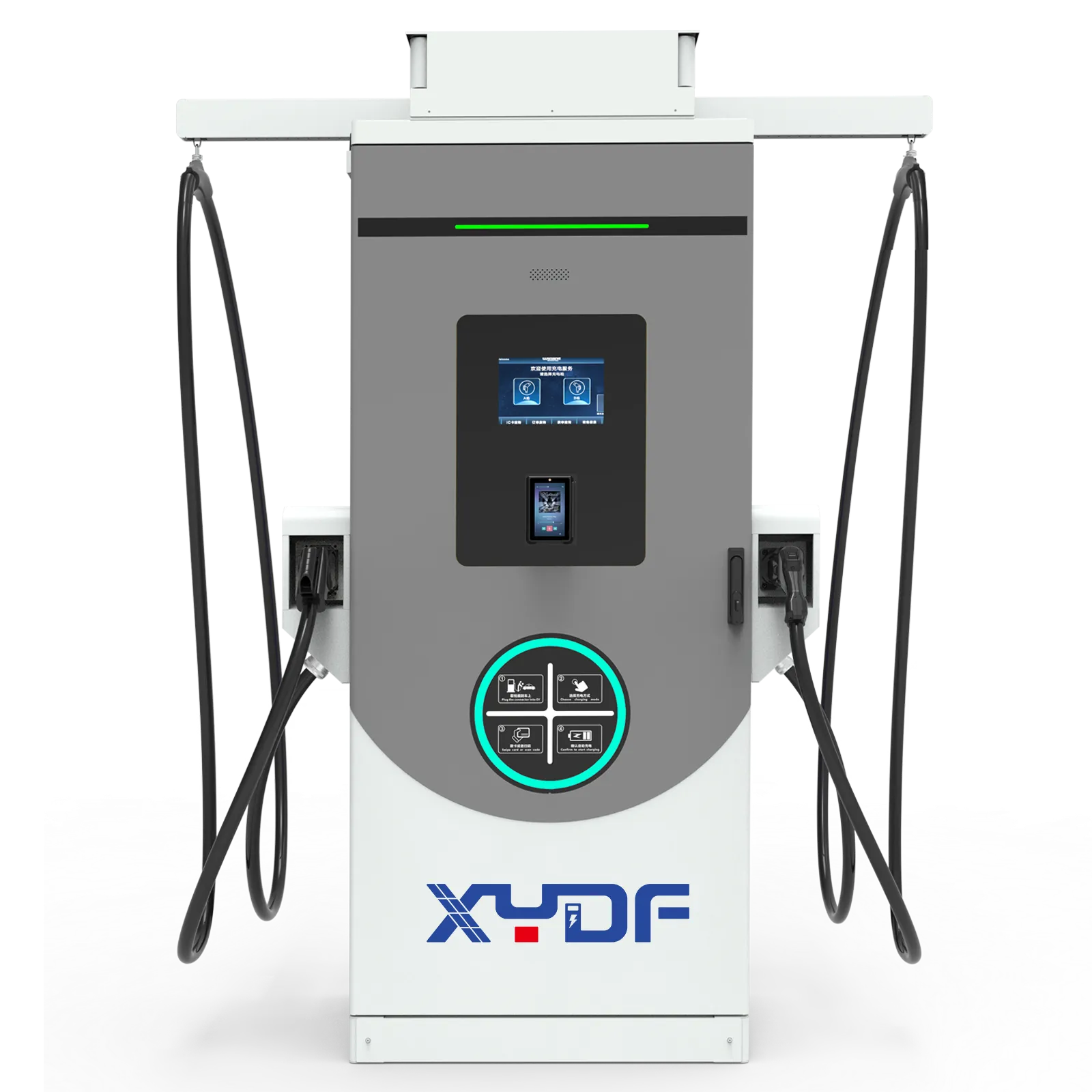
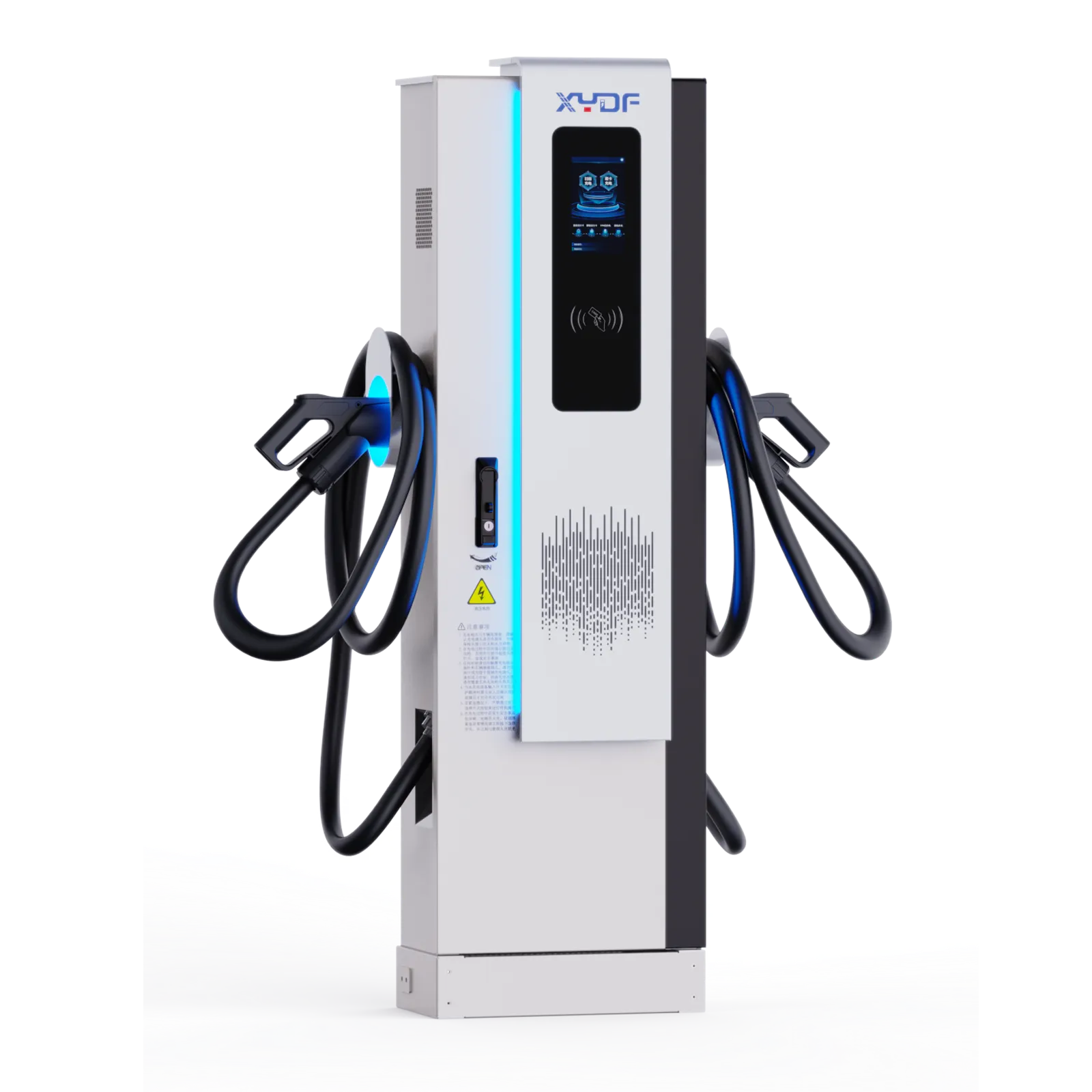
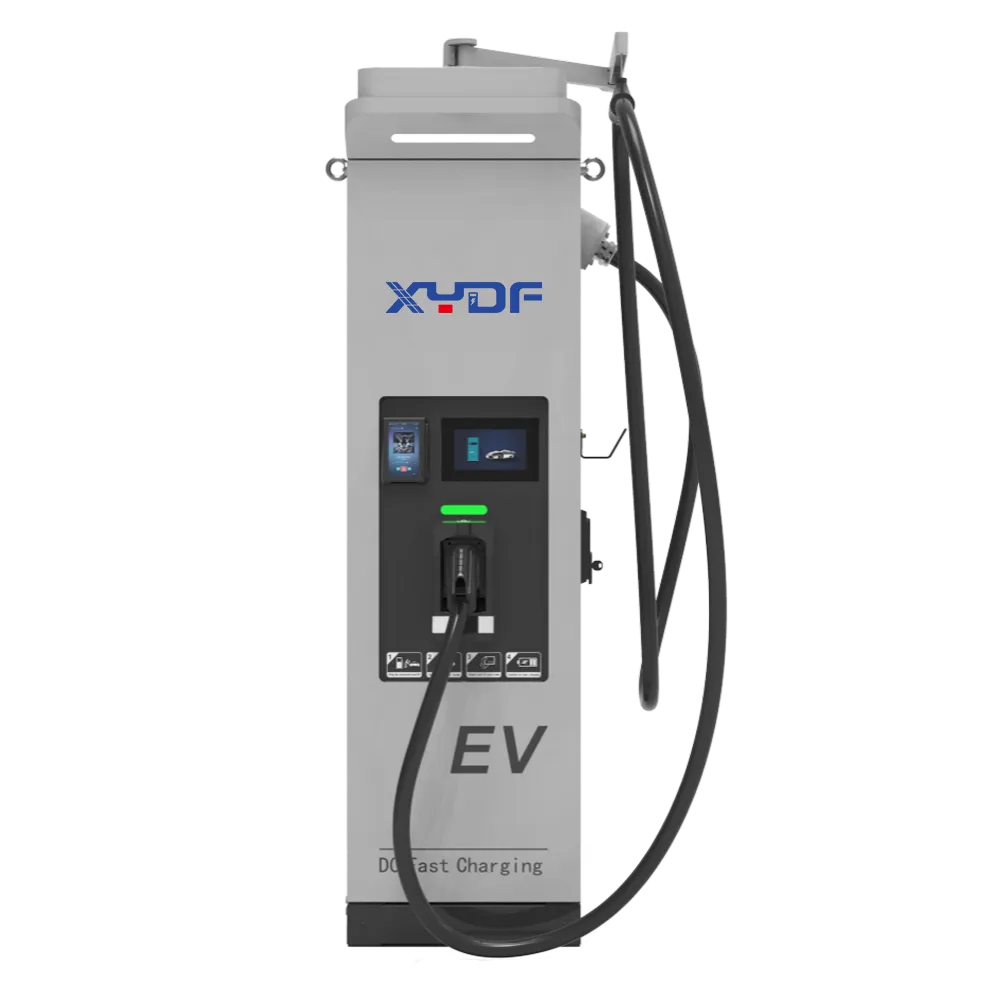
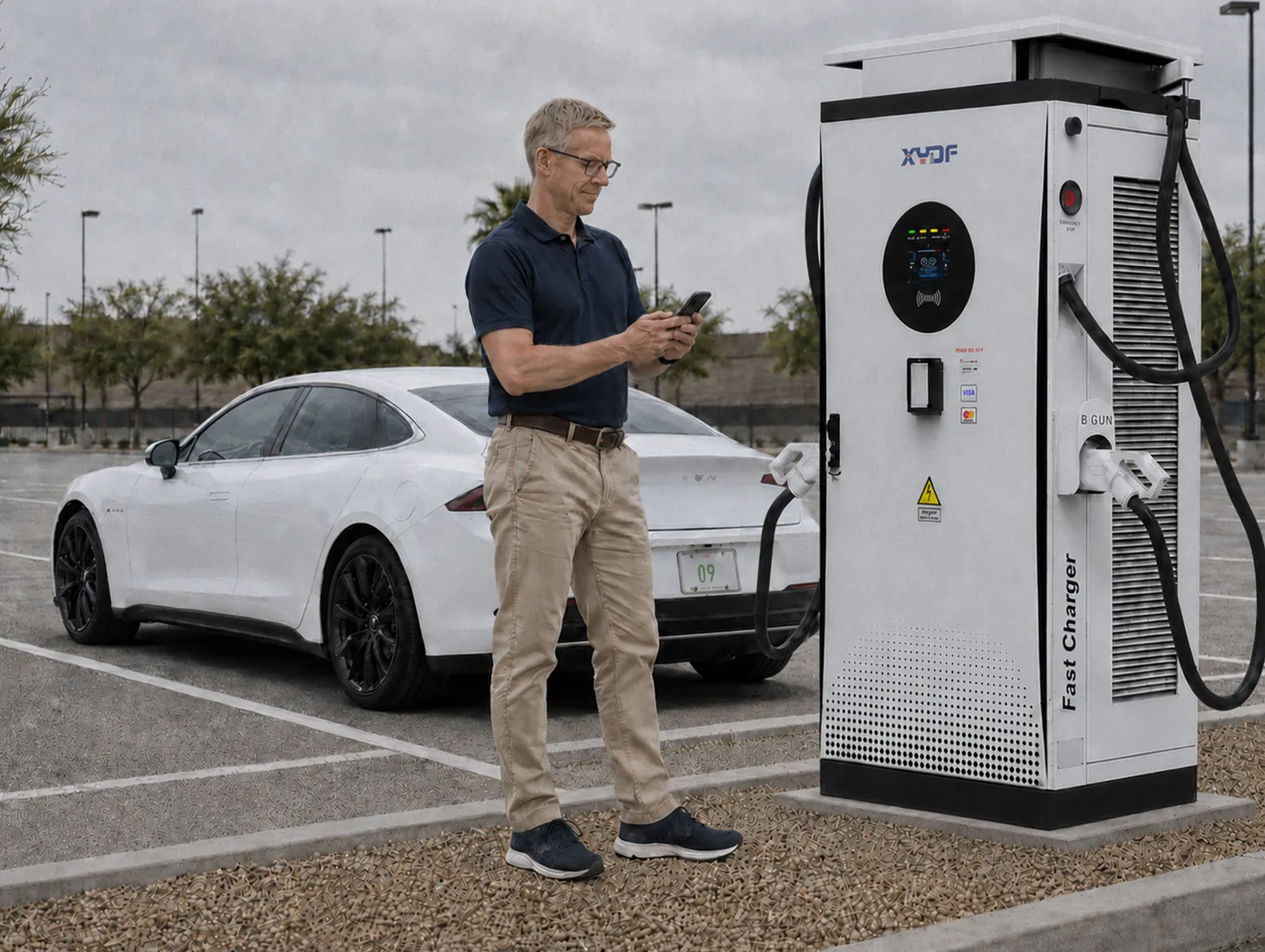
A highway rest area looks quiet until two coaches arrive together. Drivers expect a short stop, the operator needs stable demand, and the utility connection must remain within limits. A modern DC Fast Charger coordinates power conversion, vehicle communication, cooling, and protection as one system.
Summary: A 350 kW DC Fast Charger is a high-power DC supply, not a larger AC wallbox. It rectifies grid power, controls voltage and current in real time, and follows the vehicle battery-management system. Safe deployment depends on cabinet architecture, liquid-cooled cables, site capacity, OCPP connectivity, and disciplined commissioning.
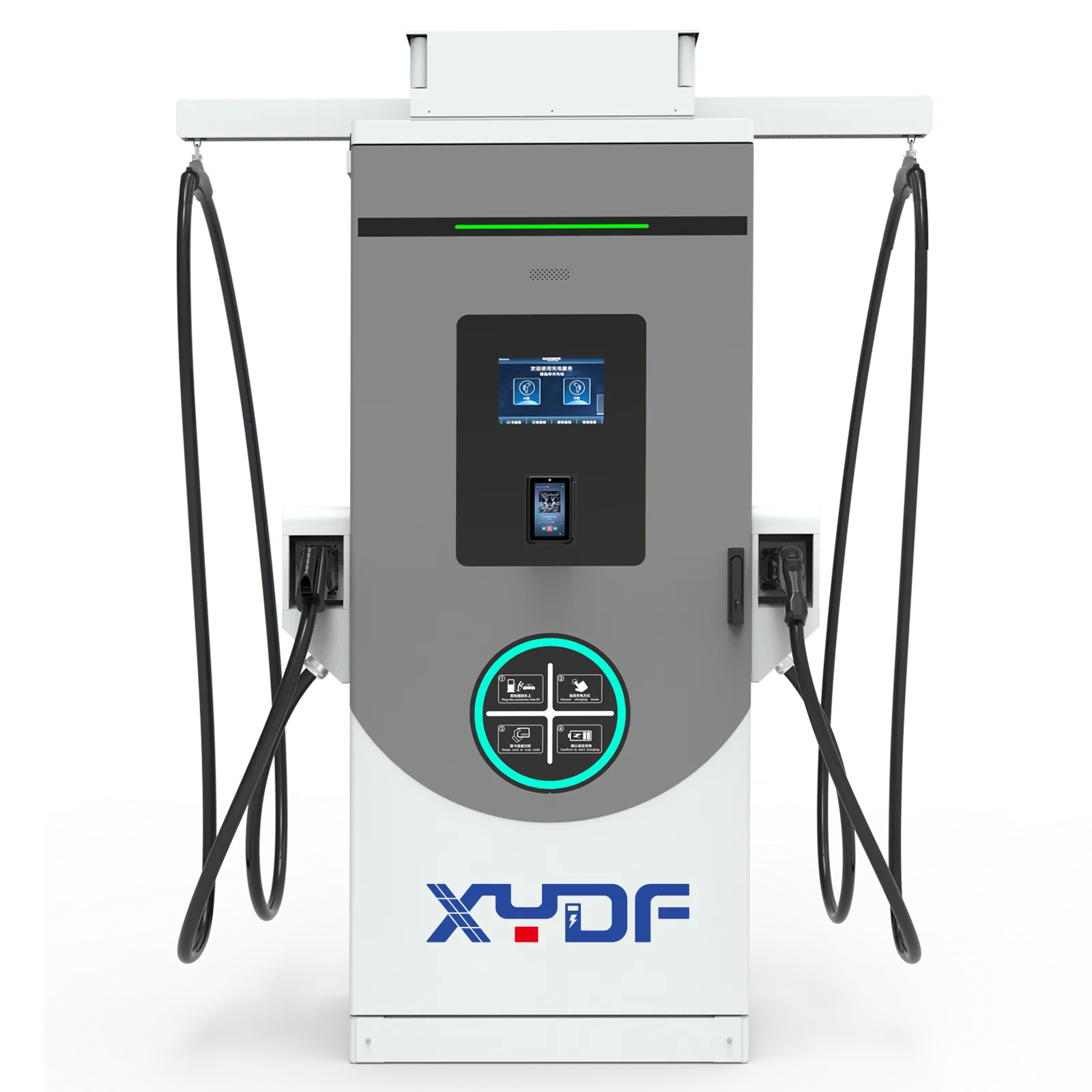
Three-phase AC passes through rectifiers and a DC bus. Parallel power modules let the controller ramp smoothly, isolate a failed module, and maintain efficiency across changing loads. The dispenser verifies connector locking, insulation, voltage, and battery limits before closing its contactors. The car continuously reports requested current, state of charge, and temperature.
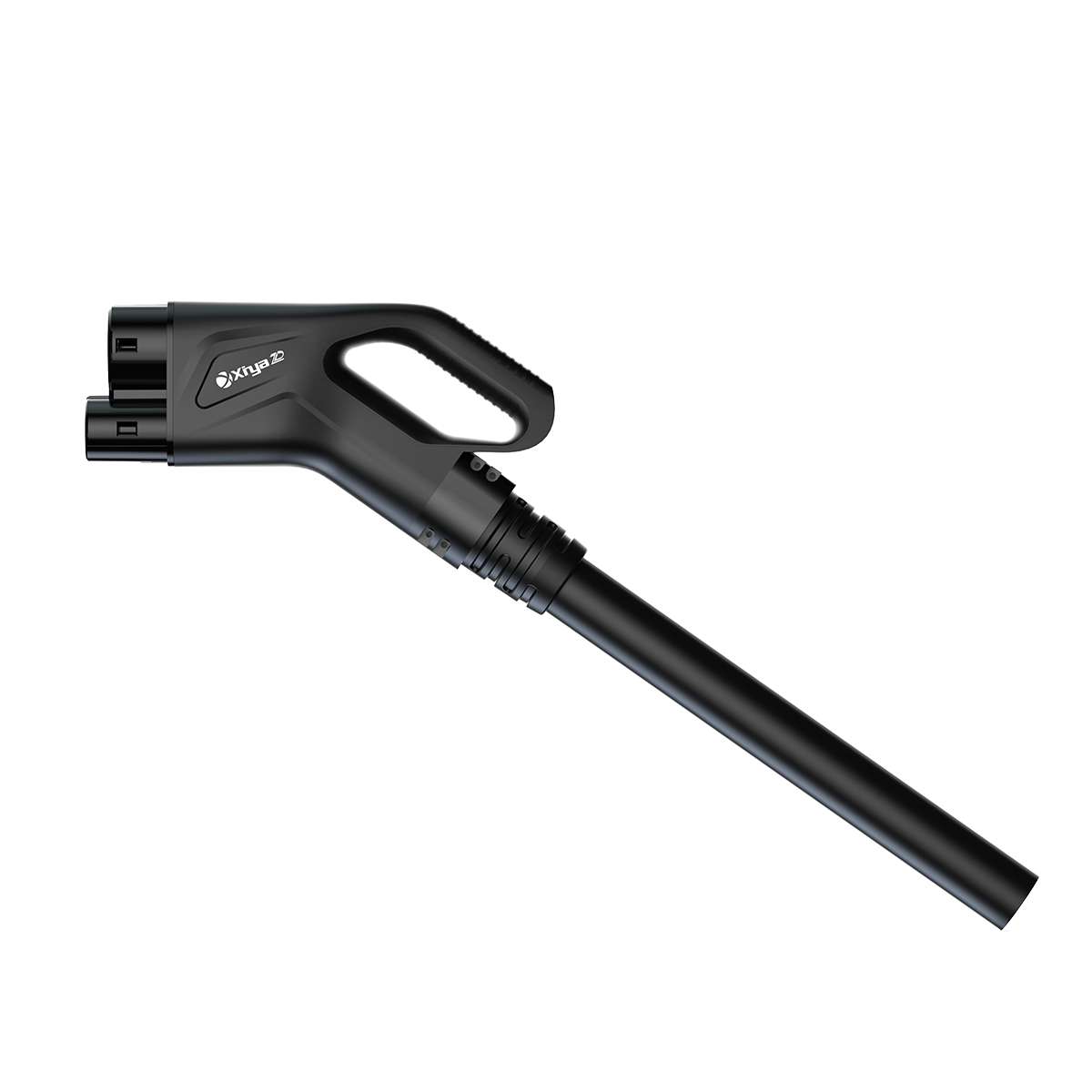
At 350 kW, a 400–1000 V vehicle may draw hundreds of amperes. A DC Fast Charger therefore needs liquid-cooled cables, temperature sensors, insulation monitoring, emergency stop circuits, and arc-resistant contactors. High-speed digital communications coordinate the charger and BMS several times per second; the charger never forces a fixed current into the pack.
| Factor | Effect | Design response |
|---|---|---|
| Vehicle voltage and BMS limit | Sets accepted current | Match voltage range and control curve |
| State of charge | Power tapers as the pack fills | Plan energy, not peak kW alone |
| Thermal conditions | Heat can reduce current | Use active cooling and sensors |
| Grid capacity | Limits simultaneous output | Add power sharing or storage |
Start with fault-current calculations, switchgear, earthing, surge protection, cable routing, bollards, drainage, and an accessible emergency isolation point. Specify equipment for salt, dust, rain, and low temperatures. IEC 61851 and regional electrical codes define conductive charging behavior; CCS or the selected connector standard defines the vehicle interface.
For networked operation, request OCPP support and signed firmware updates. A hyper charging station should log alarms, insulation faults, connector temperatures, and energy delivered. Remote diagnostics reduce downtime, while cybersecurity requires unique credentials, least-privilege access, encrypted transport, and a recovery plan.
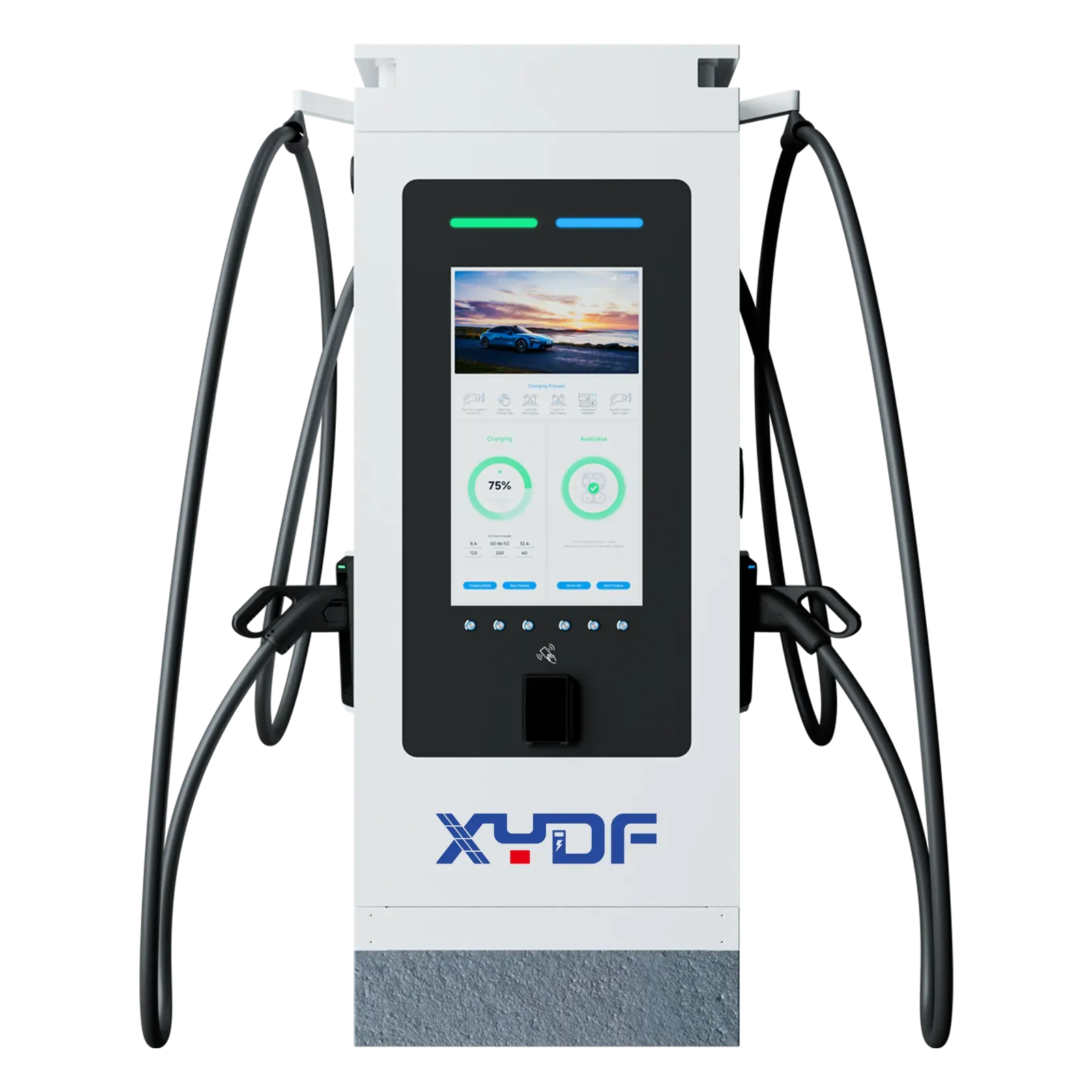
Compare utilization, tariffs, demand charges, and service revenue. A 350 kW unit can shorten dwell time, but a 120–240 kW configuration may perform better at a constrained site. Consider a modular DC fast charging platform that can add modules later. On-site storage can shave peaks and reduce the grid upgrade.
Measure queue time, sessions per day, delivered kWh, and uptime. A well-positioned DC Fast Charger earns more from the same bay when software routes vehicles to the right connector and schedules fleet departures.
Yes. It is a high-power level 3 charging station, although actual vehicle power may be lower because of voltage and tapering.
High capital cost, grid impact, and heat management are the main disadvantages.
Usually no. Follow the vehicle maker guidance; many drivers use an 80% target for daily use.
Common systems cover roughly 200–1000 V DC and follow the vehicle request.
For adjacent planning topics, read our AC overnight charging guide and solar EV charging design guide. XinYa can compare a DC Fast Charger platform for your site. Contact our engineering team.
 Xinya Dongfang Electricity Technology Co., Ltd.