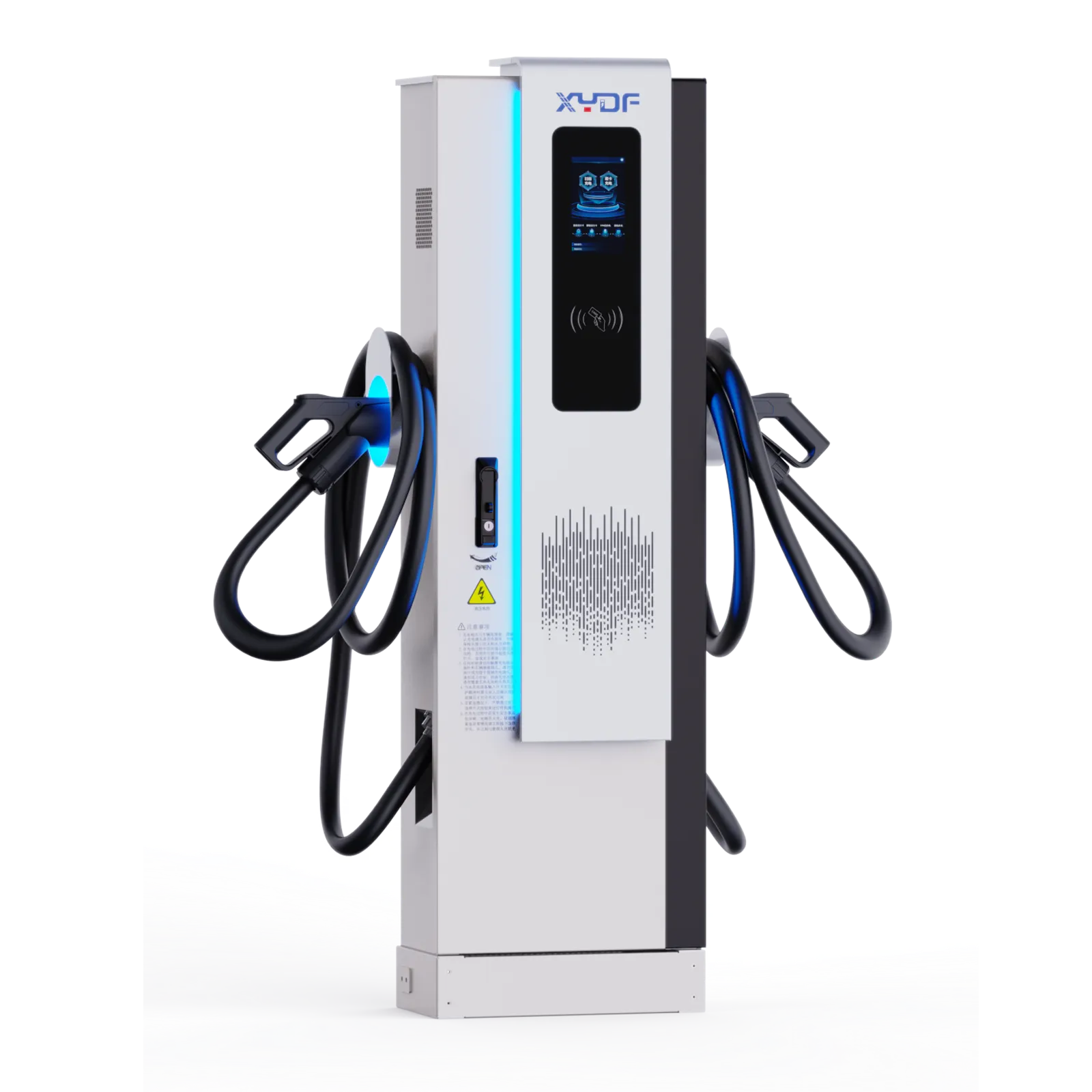
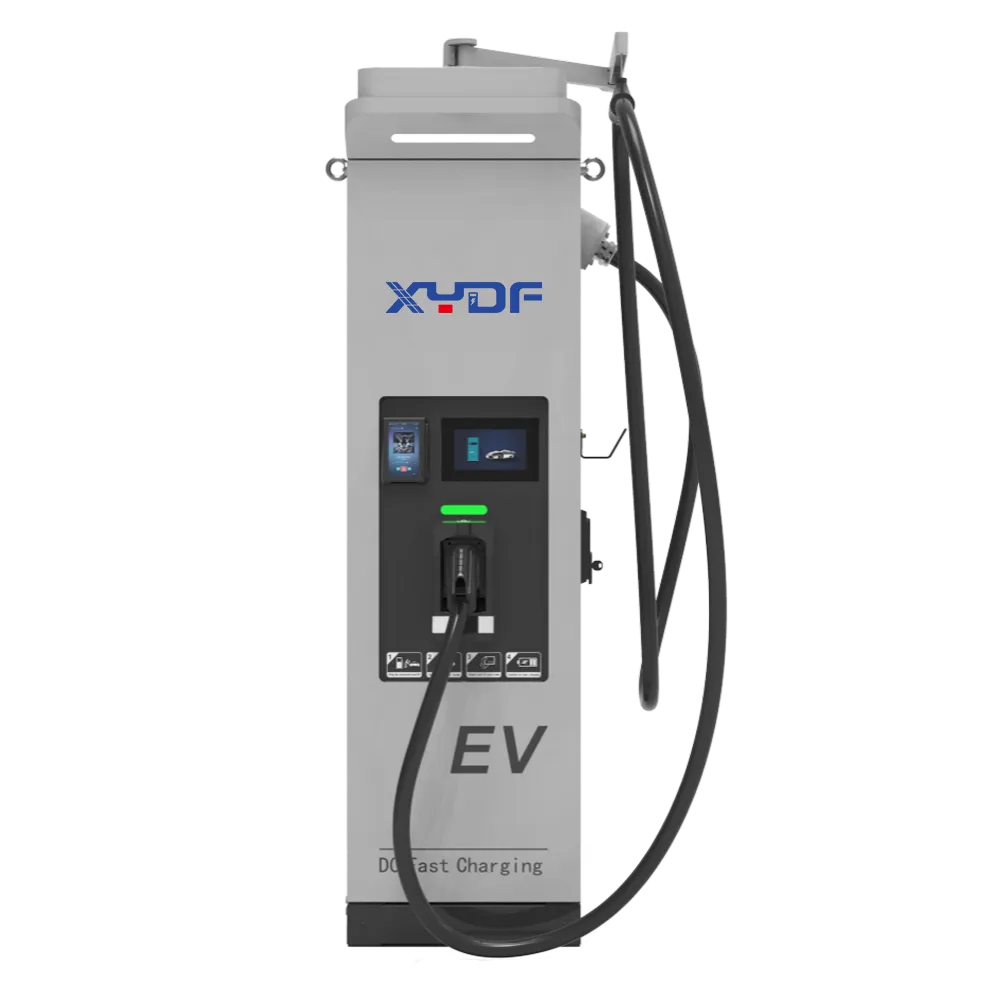
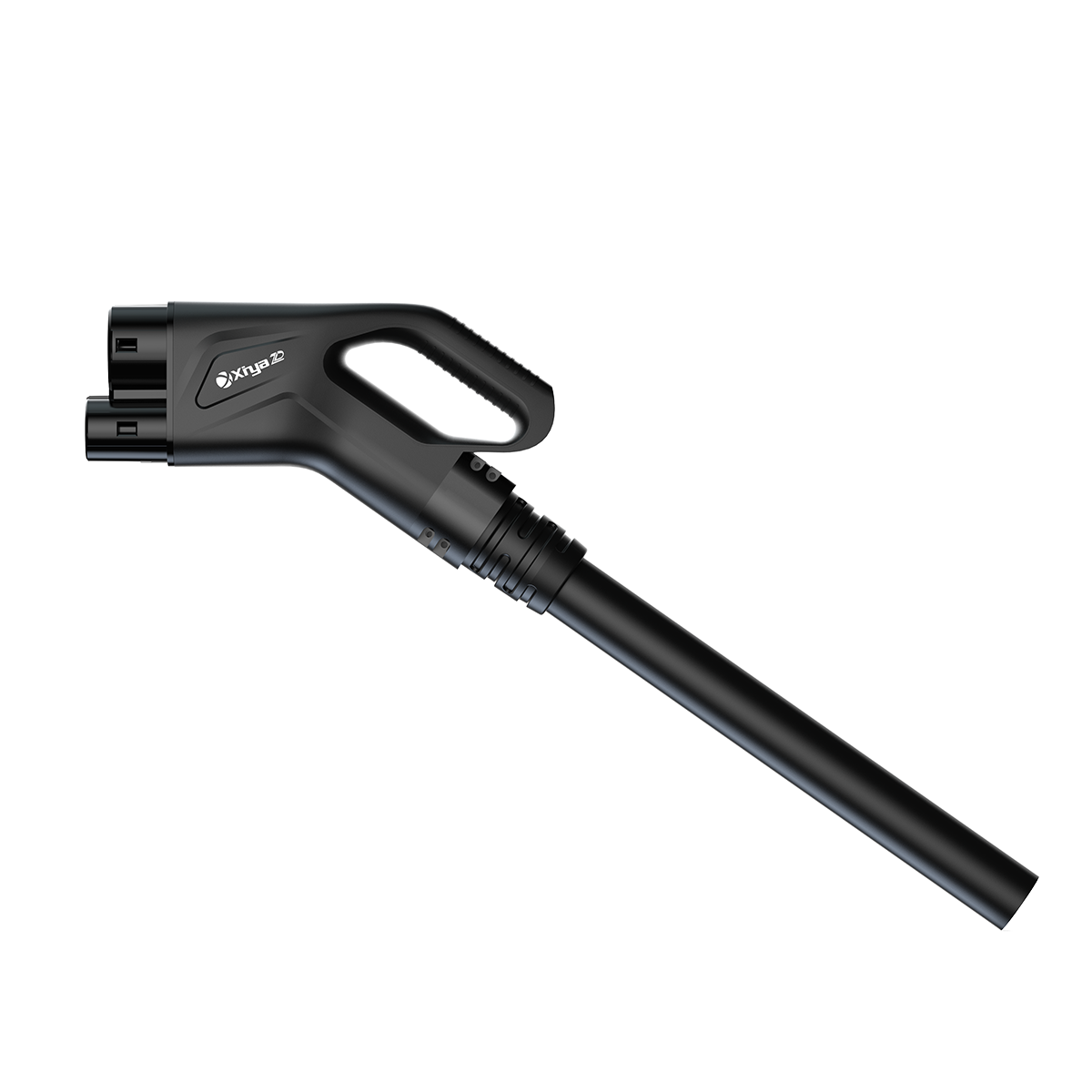
How to save money on EV charging is a common question from XYDF customers. As an EV charger manufacturer, we have compiled this practical list and will update it as charging options and costs evolve.
This section covers equipment and installation costs only. Everyday charging costs are addressed separately in the next section.
Choose the charger power based on your daily mileage, the vehicle’s AC charging limit, and how long it remains parked overnight. A rating above the vehicle’s maximum will only add to the equipment and installation costs.
Related guide: How to Choose the Right EV Charger
Ask suppliers or installers to itemize the charger, cables, electrical protection, labor, and commissioning. A low equipment price does not always result in a low final cost.
Where it is safe and compliant, position the charger close to both the electrical panel and parking space. Longer cable runs and more complicated construction usually increase installation costs.
Prioritize useful functions such as scheduled charging, energy monitoring, and adjustable current. Premium displays, decorative lighting, or paid connected services should not be priorities if they will rarely be used.
Confirm that the product meets local certification requirements, and check vehicle compatibility, warranty coverage, spare-parts availability, and after-sales support. Failures, replacements, and rework may cost more than the original saving.
Local governments, utilities, or energy providers may subsidize the charger, the installation, or both. Check application deadlines, eligible products, and installer requirements before placing an order.
From this point onward, the tips cover electricity and additional charging costs after the charger is in service.
If time-of-use electricity pricing is available, use the vehicle or charger schedule to move most charging into off-peak hours. When comparing plans, also check the peak rate and the length of the discounted window.
Home AC charging is generally less expensive than public DC fast charging. Some utilities also offer EV-specific electricity plans, so check with your local provider. When possible, complete routine charging at home and reserve public fast charging for road trips and unexpected needs.
Use EV charging maps to find well-reviewed and reasonably priced stations near your route. Before starting a session, confirm the current tariff and access conditions.
Look beyond the price per kilowatt-hour. Connection fees, parking charges, and idle or overstay fees can all increase the final cost. The same charger may also have different prices depending on whether you pay through the operator’s app, a roaming service, or a bank card.
If you use the same network frequently, a subscription may be worthwhile.
XYDF tip: Newly opened charging stations and new-user registrations often come with introductory promotions.
A cheaper station may not save money if it adds mileage, has long queues, or is frequently out of service. Favor reliable chargers located close to your planned route.
Many vehicles charge much more slowly as they approach 80% SOC. On a road trip, charge only enough to reach the next suitable stop rather than automatically waiting for a full battery. Once charging is complete, end the session and move the vehicle promptly to avoid idle, overstay, or parking fees.
Related guide: EV Charging Time
Identify the certifications, connector standards, and electrical requirements for the destination market. Verify that the certificates cover the exact model and power rating to avoid product modifications, failed incentive applications, or inventory that cannot legally be sold.
Related guide: EV Charger Certification Guide
In addition to the factory price, include certification allocation, freight, duties, software platform fees, spare parts, and return shipping. Some manufacturers may also offer paid extended-warranty options.
Favor core platforms that can serve several markets through power settings, cable options, or connector configurations. Fewer SKUs and shared components help reduce slow-moving inventory, spare-parts complexity, and repair costs.
Importers and distributors can provide XYDF with the destination country, required power, connector, certifications, and order quantity to evaluate a suitable product configuration and overall purchasing cost.
Not automatically. Power affects charging speed, not the price of each kilowatt-hour, and a higher rating may increase equipment and installation costs.
Yes, but they are uncommon. Data from some mature charging markets suggests that free chargers account for only a small share of public infrastructure, and many require another service, such as parking, shopping, or a hotel stay. Completely free stations may also offer slower charging or a less predictable experience.
Scheduled charging and energy monitoring can provide real savings when they help you use lower-cost electricity. Other connected features are worthwhile only if they match your actual needs.
Controlling purchase and installation costs, making home charging the default, using lower-cost hours, and avoiding public-charging add-on fees are the most reliable ways to save money on EV charging.
This guide combines EV charger product knowledge with public-charging pricing rules, utility guidance, and recent questions from EV drivers. Incentives, electricity tariffs, certification requirements, and public charging prices vary by country and operator, so always verify the latest local information before purchasing or charging.
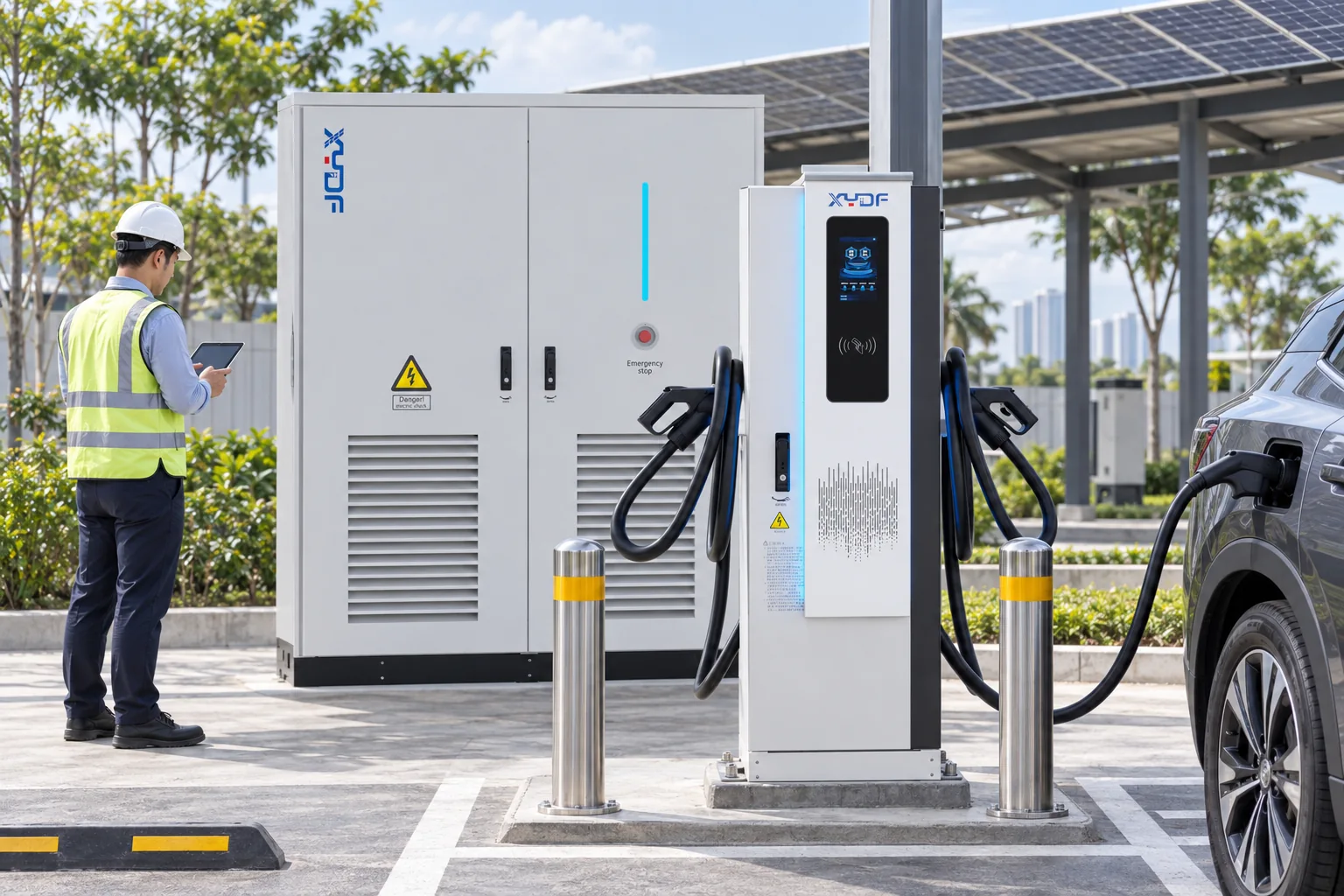
 Xinya Dongfang Electricity Technology Co., Ltd.