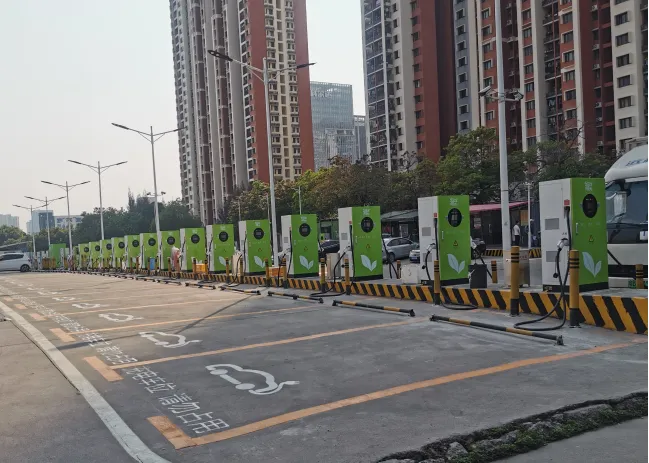
So you’re thinking about going electric. Or maybe you already own one and want to understand your EV charger better. Either way, the world of EV charging stations can feel like a maze of numbers, acronyms, and conflicting labels.
Your car’s inlet decides everything. In Europe, three connectors cover nearly every scenario you’ll face.
Type 2 is the European standard for AC charging. It handles single-phase and three-phase power, topping out around 43kW on commercial posts. Most public AC stations are untethered, so you’ll need your own Type 2-to-Type 2 cable. At home, a wallbox with a tethered Type 2 gun is the norm.
This is the connector you’ll use for overnight charging, workplace top-ups, and destination charging at hotels or shopping centres. (Type 2 EV charger details )
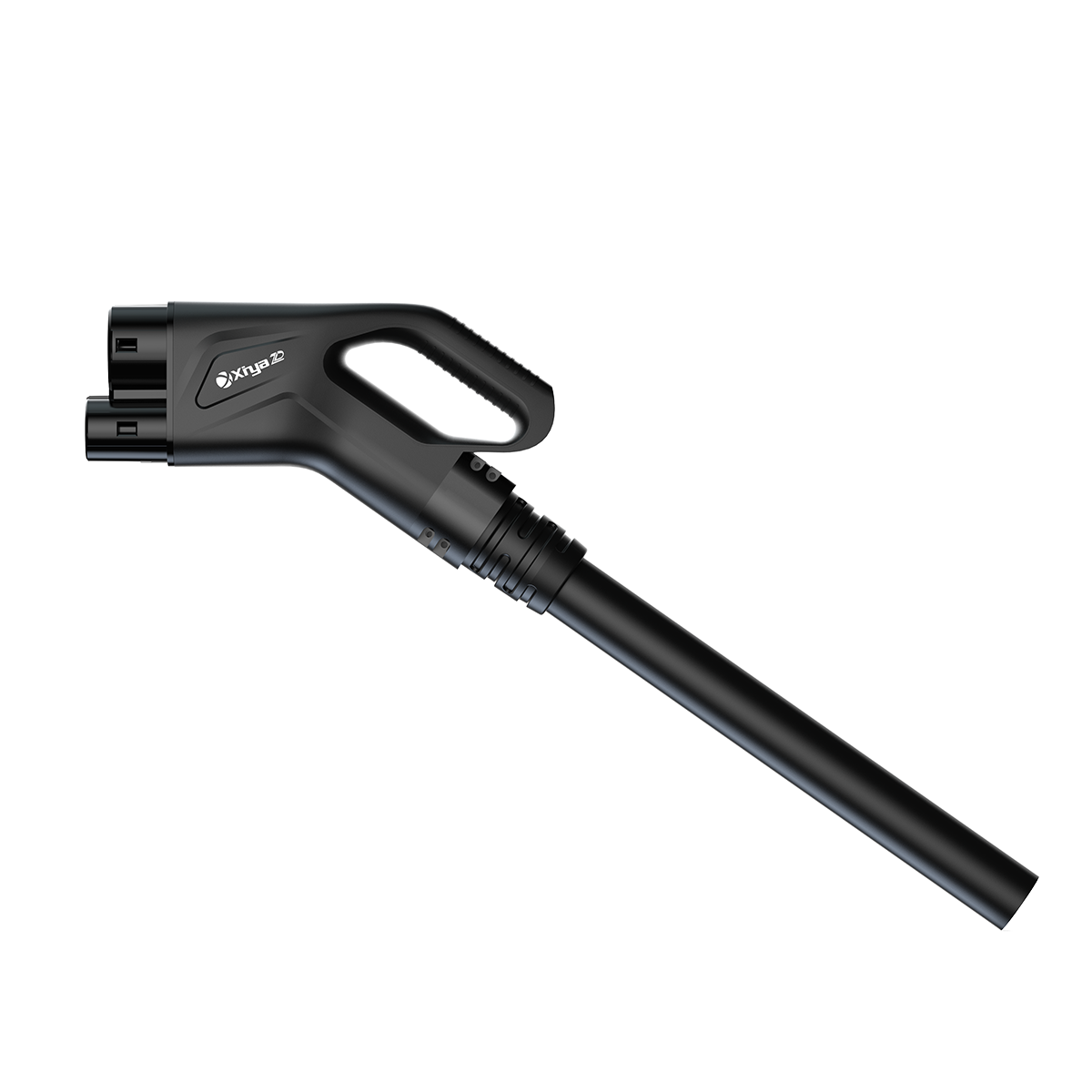
CCS2 takes the Type 2 base and adds two DC pins underneath. Same plug for AC, extra capacity for DC. It’s the standard for virtually every new EV sold in Europe, supporting 50kW up to 350kW and beyond.
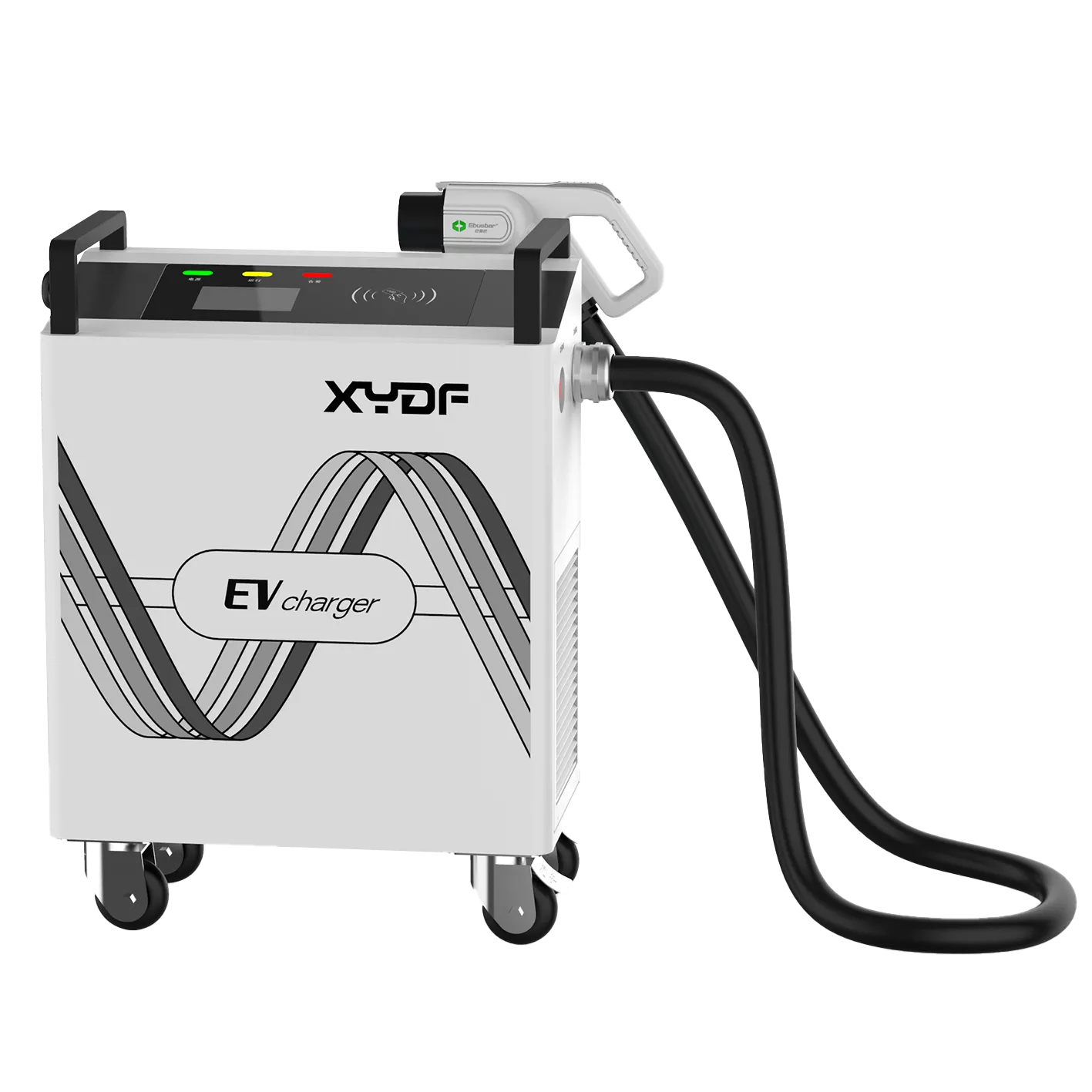
The charger is always tethered—just grab the gun and plug in. No cable to carry. (CCS2 EV charger details)
Developed in Japan, CHAdeMO delivers 50–100kW through a separate, was quite common in the early European EV charging market, but today it only makes up 5%–10% of the total installed base.
| Connector | Current Type | Power Range |
|---|---|---|
| Type 2 | AC | 3.7–43kW |
| CCS2 | DC | 50–350+kW |
| CHAdeMO | DC | 50–100kW |
The EU’s Alternative Fuels Infrastructure Regulation (AFIR) sets the official framework for how charging speeds are classified across Europe. Here’s how the European Alternative Fuels Observatory (EAFO) breaks it down:
| Category | Sub-category | Power Output | Connector |
|---|---|---|---|
| AC Charging | Slow AC | P < 7.4kW | Type 2 |
| Medium-speed AC | 7.4kW – 22kW | Type 2 | |
| Fast AC | P > 22kW | Type 2 | |
| DC Charging | Slow DC | P < 50kW | CCS2 / CHAdeMO |
| Fast DC | 50kW – 150kW | CCS2 | |
| Ultra-fast Level 1 | 150kW – 350kW | CCS2 | |
| Ultra-fast Level 2 | P ≥ 350kW | CCS2 |
In February 2026, the UK’s Department for Transport and Zapmap adopted a simplified four-band system that’s gaining traction as a consumer-friendly reference: Standard (3–7.9kW), Standard Plus (8–49kW), Rapid (50–149kW), and Ultra-rapid (150kW+). While UK-specific, the power bands map neatly onto European infrastructure and are increasingly used in cross-border discussions.
Adding people’s own interpretations, this is also one of the main reasons why you may feel that EV chargers have so many different names.
This is where most EV owners do 80% of their charging. A 7kW wallbox adds roughly 25–30 miles per hour. Plug in at 7pm, leave at 7am with a full battery. Cost? Around €0.25–0.35 per kWh on a standard domestic tariff—far cheaper than any public option.
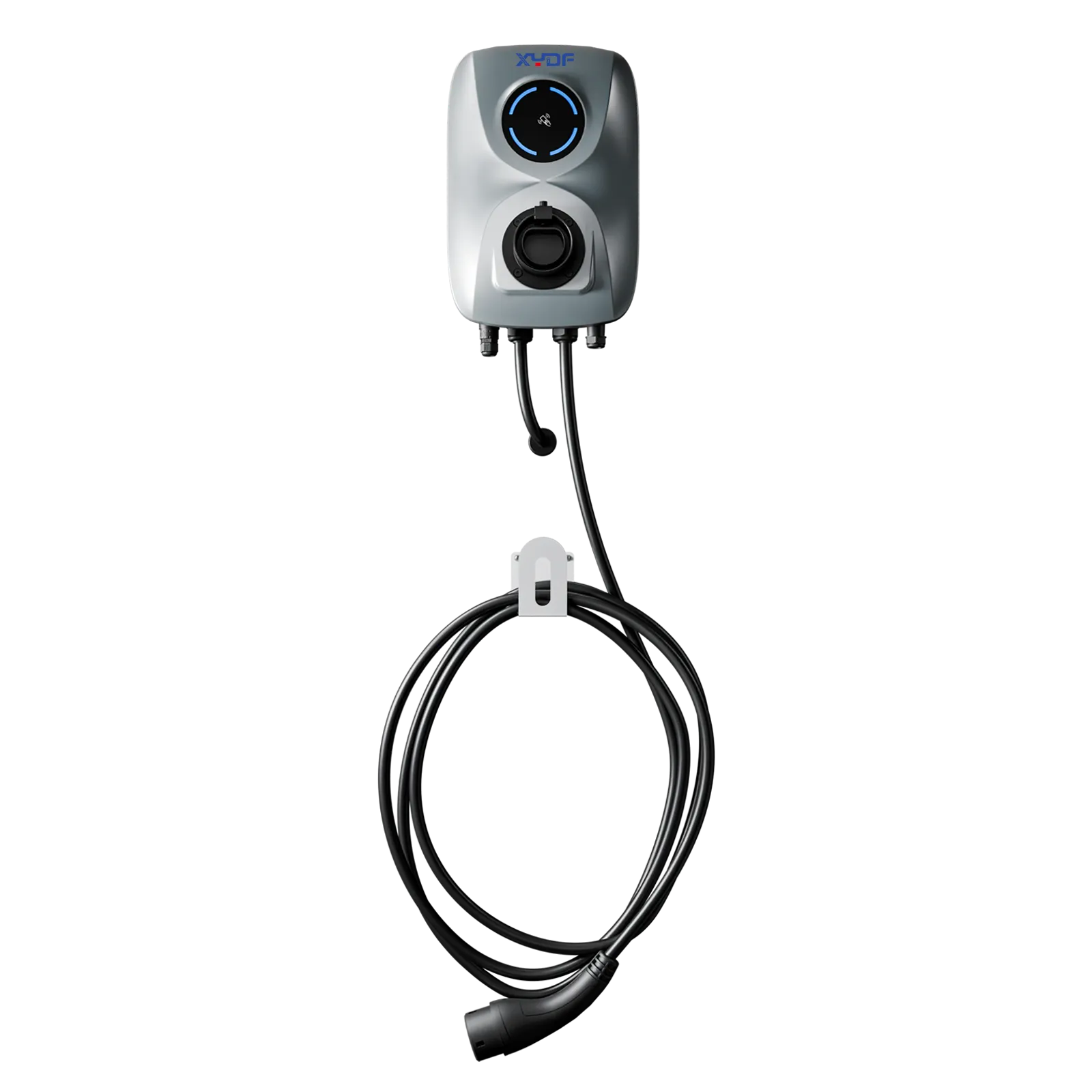
Home setups use Type 2 AC connectors. The wallbox is either tethered (cable attached) or untethered (you supply your own).
Shopping centres, hotels, gyms, office car parks. You park for two hours and add meaningful range. These are AC posts, usually untethered Type 2 units running 11kW to 43kW. Power varies based on the site’s electrical supply. Some locations install DC units at 50–60kW for faster turnaround.
Logistics depots, bus terminals, highway corridors. These sites need chargers that can cycle multiple vehicles quickly. DC fast charging at 150kW to 400kW is the norm. AFIR mandates that TEN-T core corridors must have charging pools with at least 150kW per point by 2025, scaling to 350kW for truck-dedicated infrastructure.
| Use Case | Typical Power | Connector | Charging Time |
|---|---|---|---|
| Home | 7–22kW AC | Type 2 | 6–12 hours (full charge) |
| Commercial | 11–60kW AC/DC | Type 2 / CCS2 | 1–4 hours |
| Industrial / Fleet | 150–400+kW DC | CCS2 | 15–45 minutes |
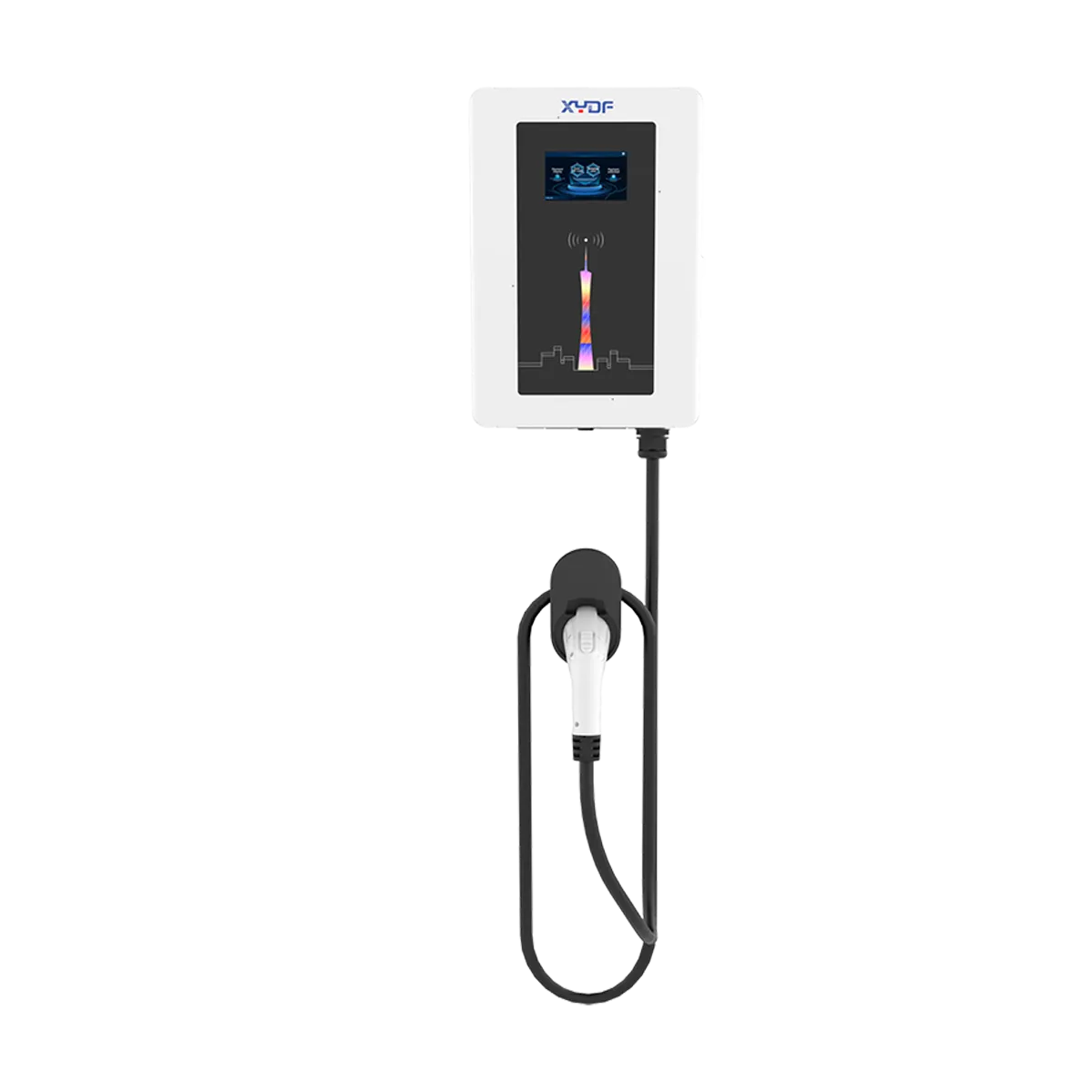
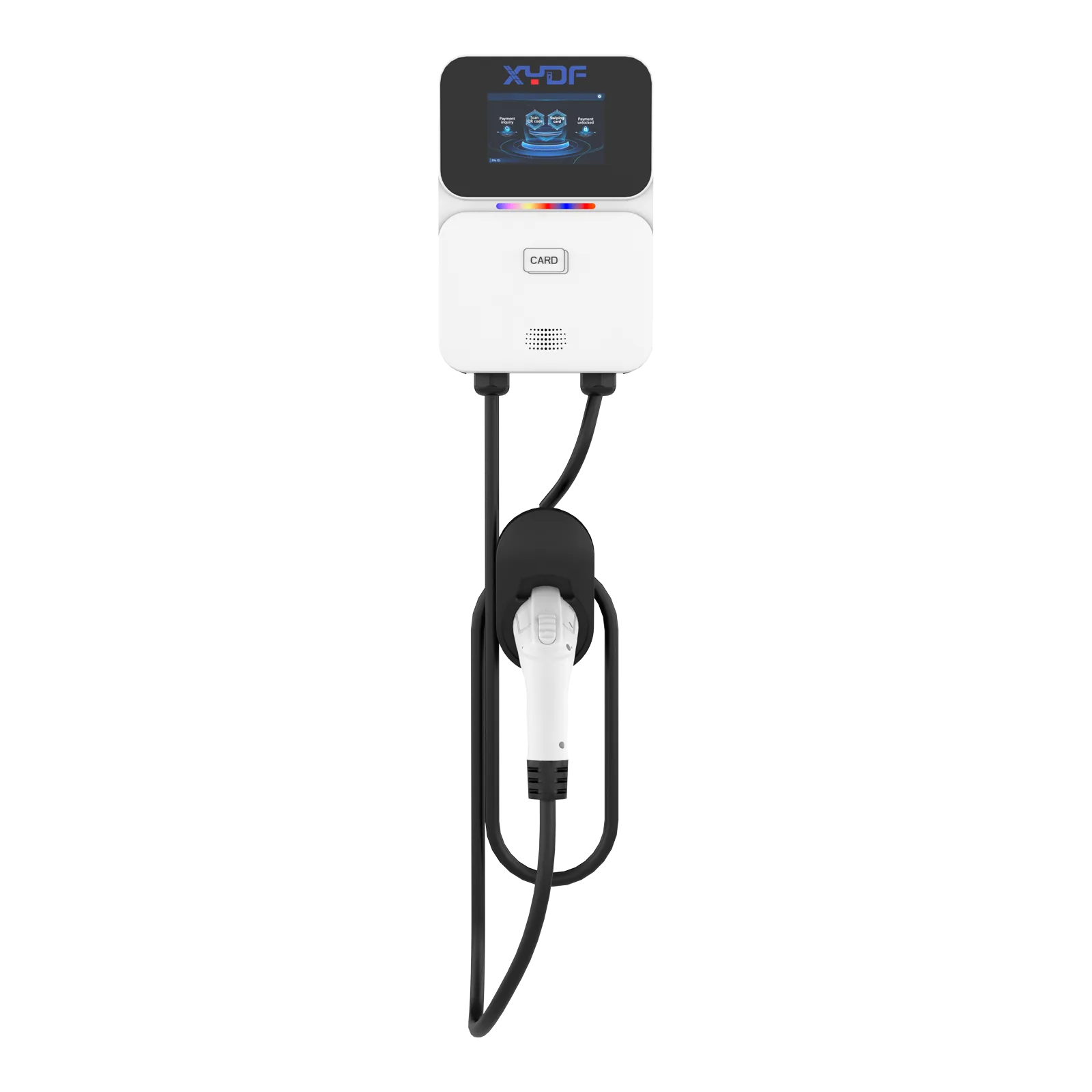
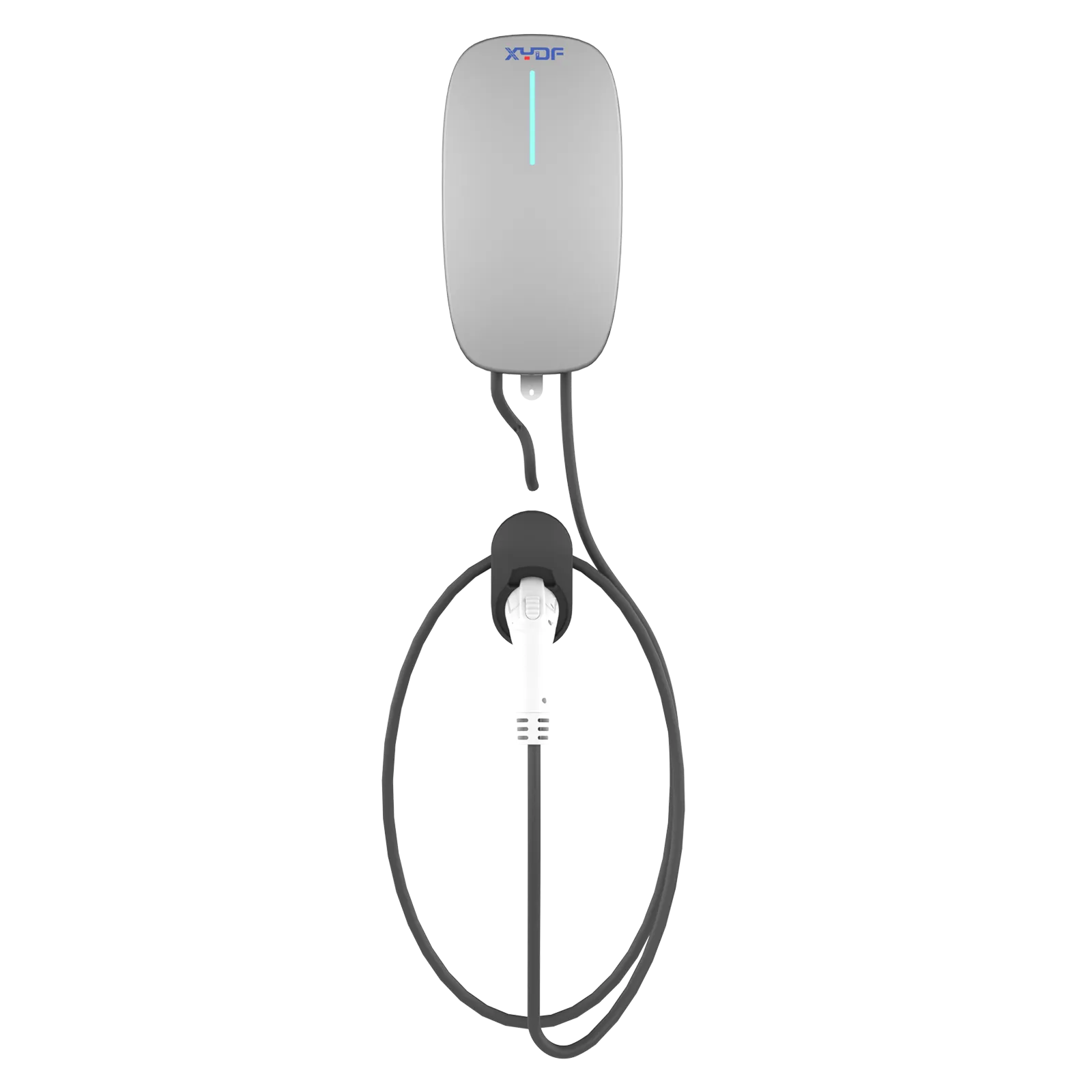
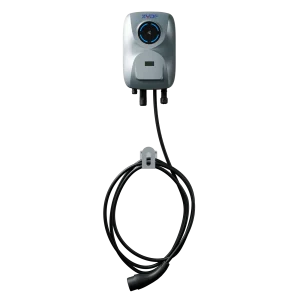
Small AC units, usually 7–22kW, designed for residential garages or driveways. Most are tethered with a fixed Type 2 cable. Some are untethered, requiring you to supply your own. They’re simple, weatherproof, and often smart—scheduling charging during off-peak hours and tracking consumption through an app.
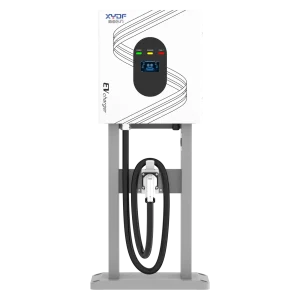
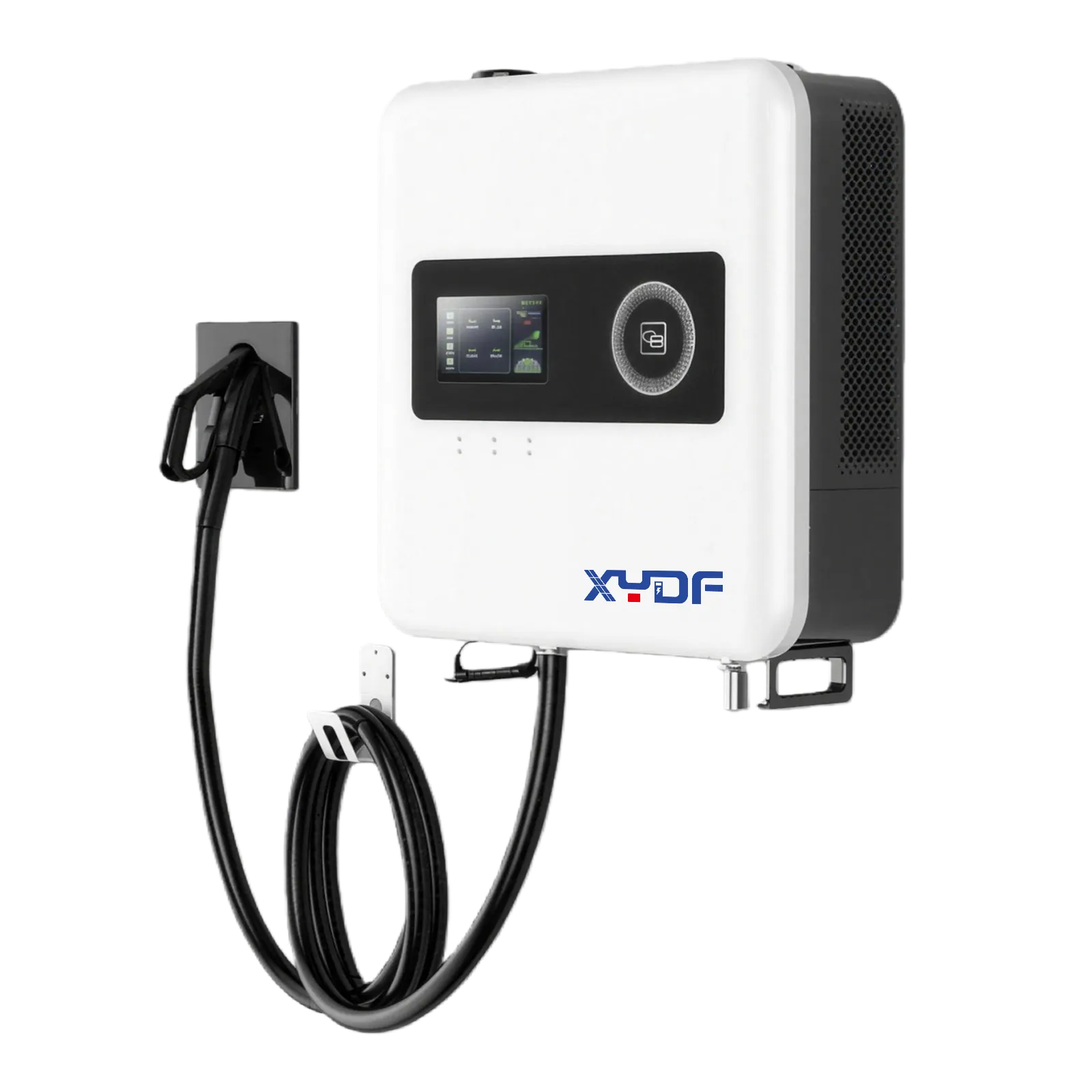
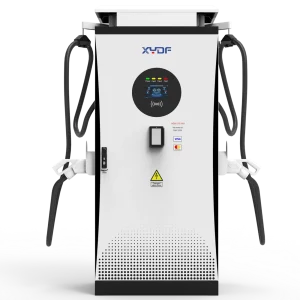
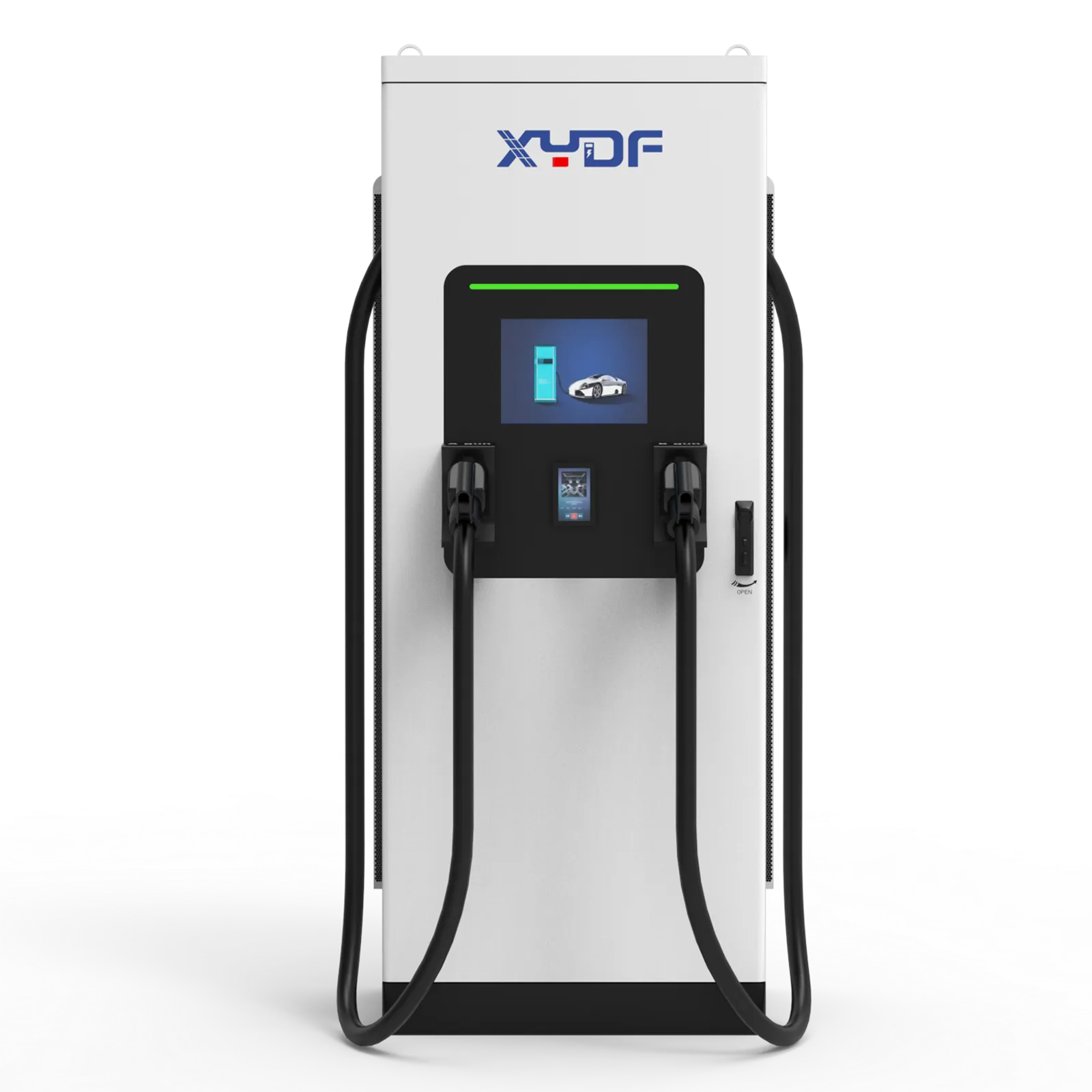
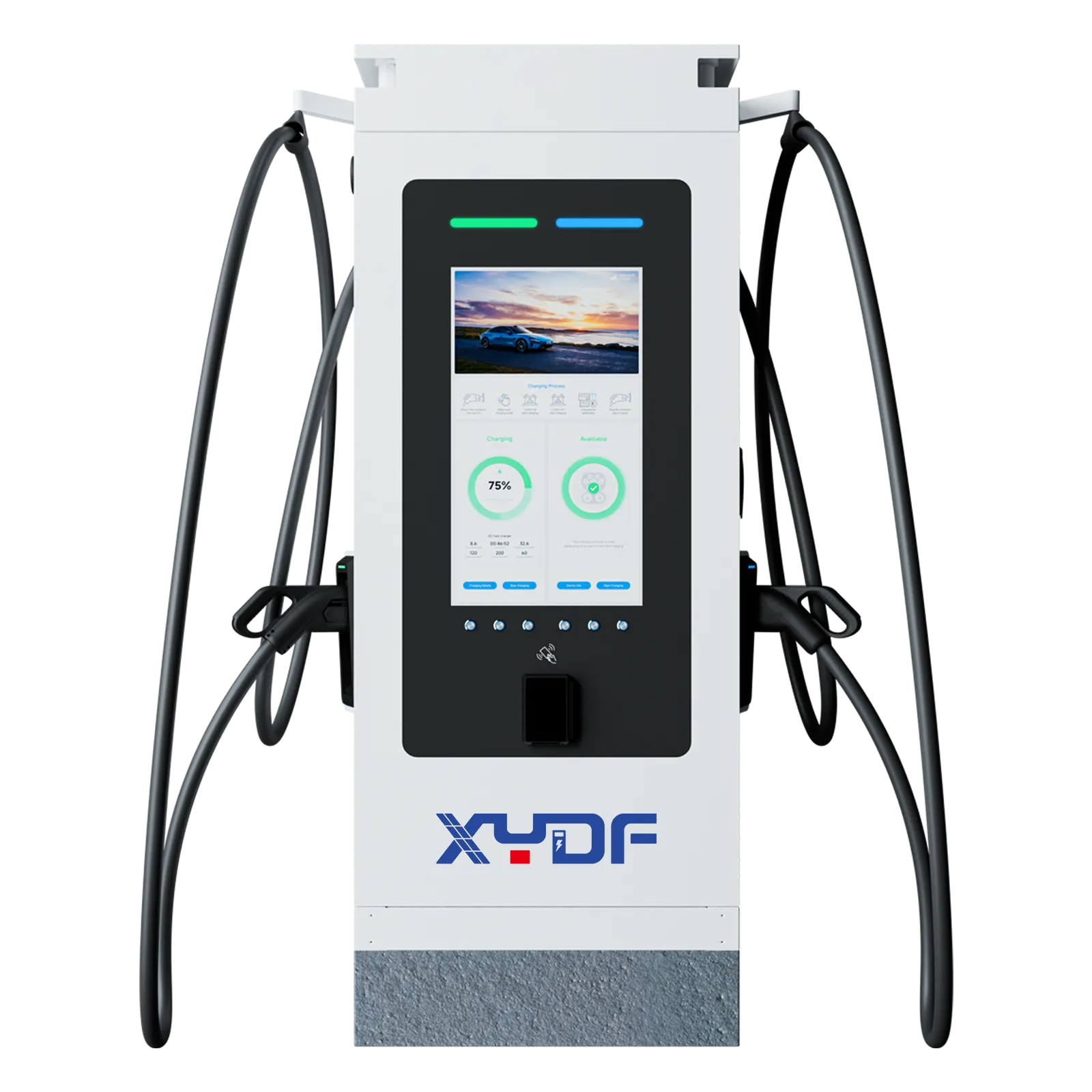
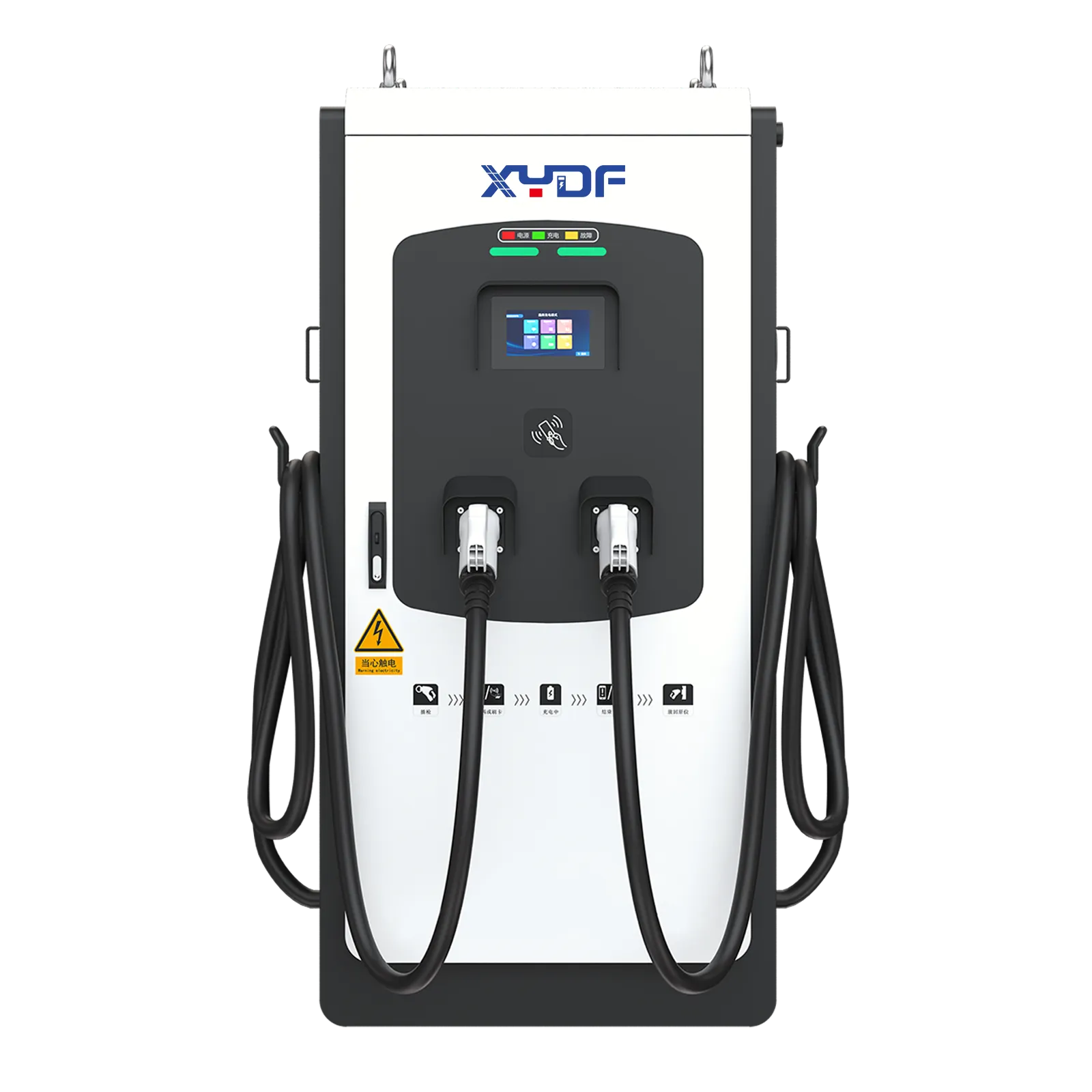
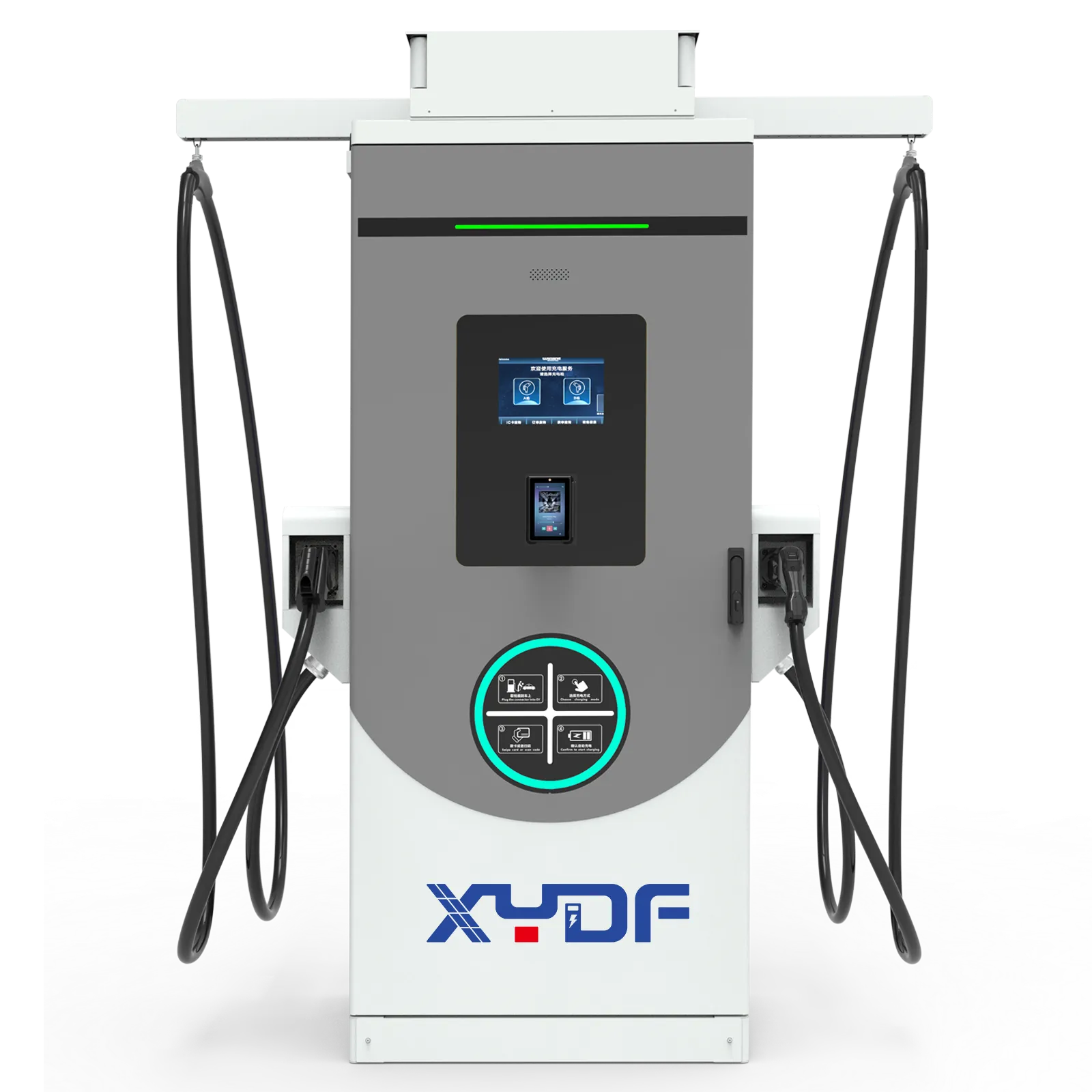
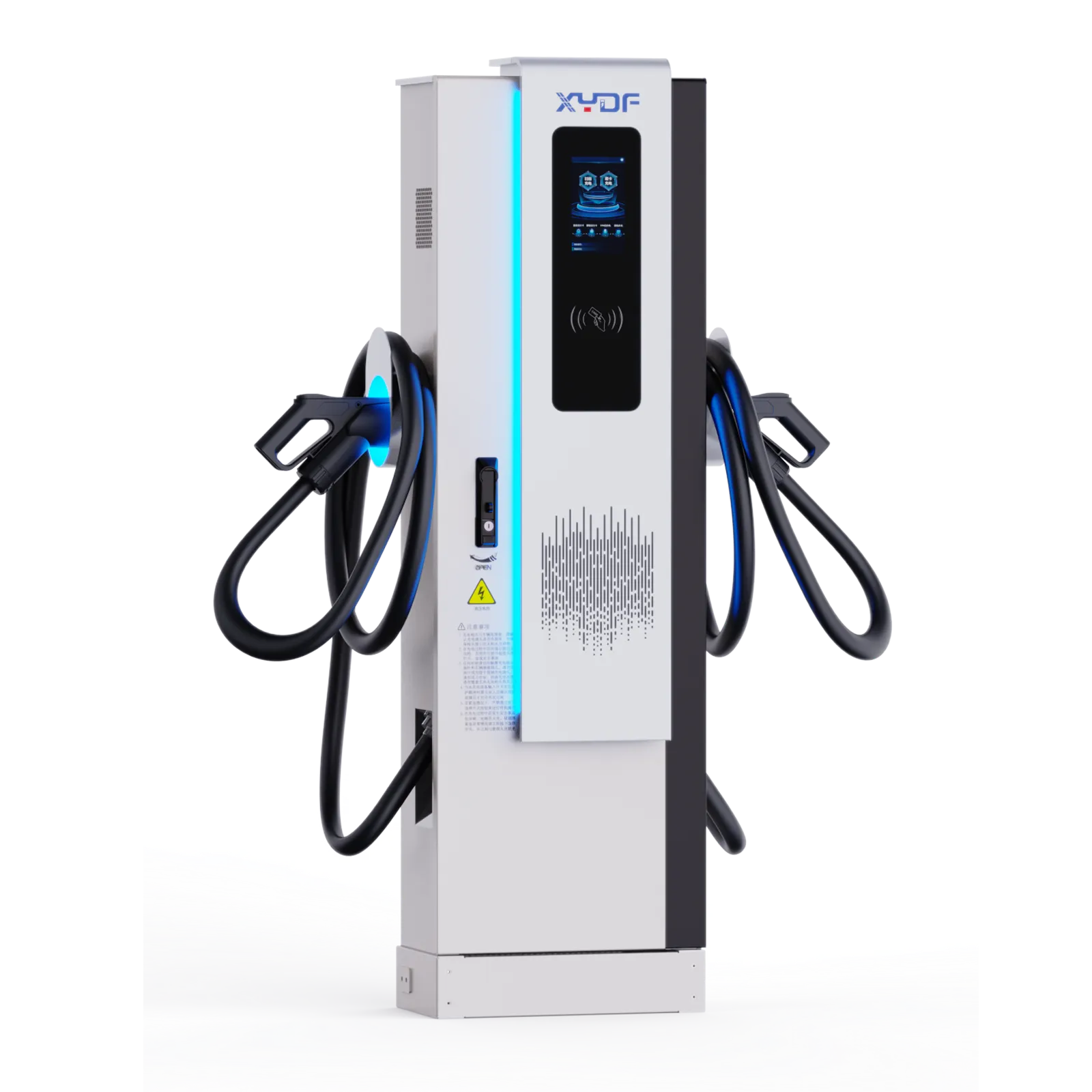
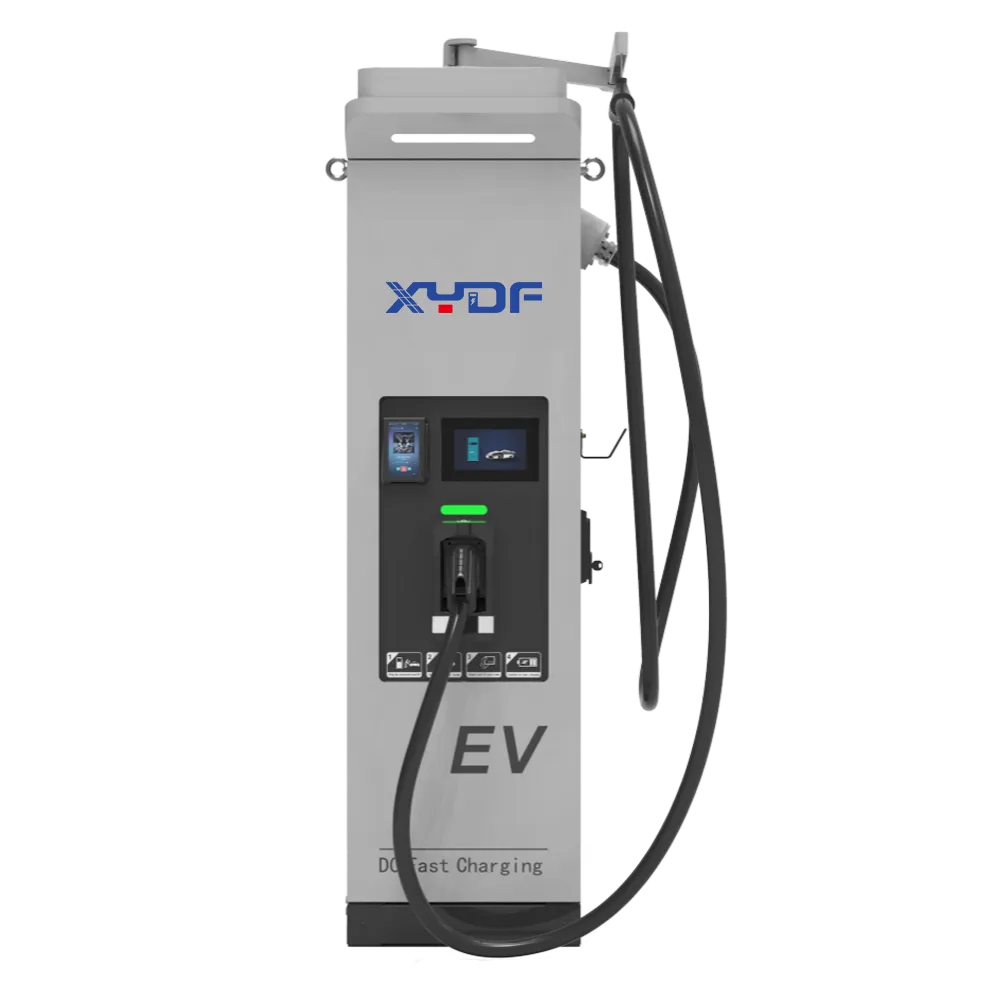
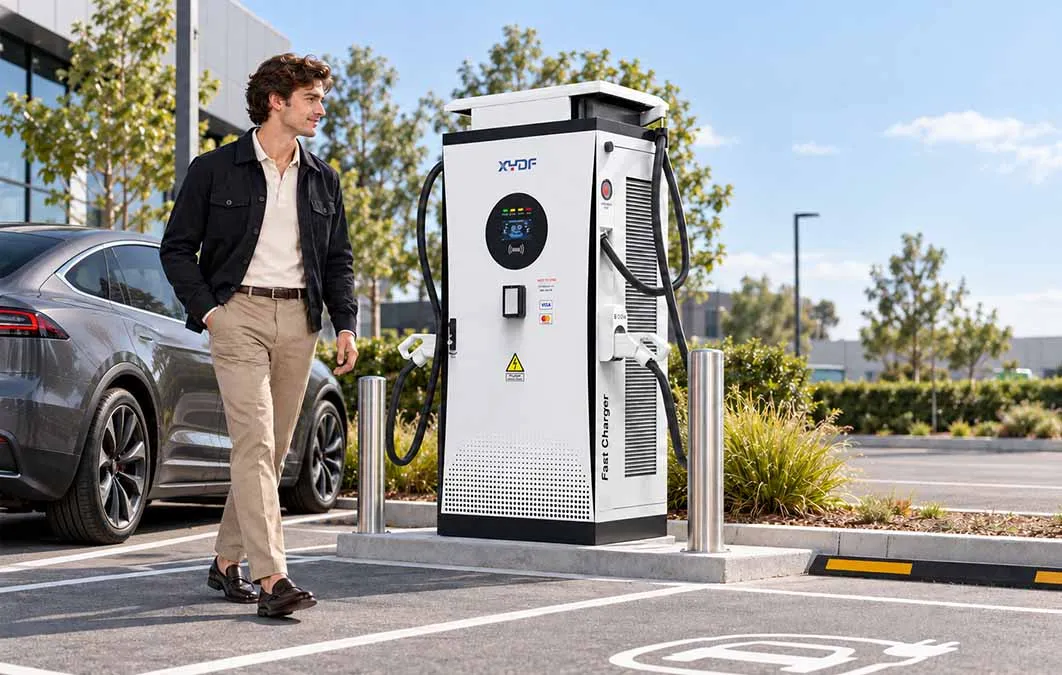
Everything lives in one box. Power modules, controller, display, and gun cable are sealed inside a single enclosure. These are the units you see at retail parks, hotels, and smaller commercial sites.
Integrated DC chargers typically run 60–180kW with one or two guns. Straightforward to install—connect power, bolt it down, and go. The downside? If a power module fails, you’re often replacing the whole unit or waiting for specialist repair.
The heavy lifting happens in a central power cabinet, usually tucked against a wall or in a service room. Slim charging terminals—just the gun, screen, and controller—sit at the parking bays, connected by thick DC cables.
This is the architecture behind most Ultra-rapid hubs. A 360kW or 480kW cabinet can feed multiple terminals, dynamically splitting power based on demand. One car pulls 200kW, another gets 100kW, and the system balances in real time. Maintenance is modular: swap a power module in the cabinet without touching the terminal.
| Structure Type | Typical Power | Best For | Key Advantage |
|---|---|---|---|
| Home Wallbox | 7–22kW AC | Residential, overnight | Compact, smart scheduling |
| Integrated Unit | 60–180kW DC | Retail, workplace, small fleet | Simple install, ready to go |
| Split-System | 360kW+ DC | Highway hubs, large fleet depots | Modular, dynamic power share |
The heavy lifting happens in a central power cabinet, usually tucked against a wall or in a service room. Slim charging terminals—just the gun, screen, and controller—sit at the parking bays, connected by thick DC cables.
This is the architecture behind most Ultra-rapid hubs. A 360kW or 480kW cabinet can feed multiple terminals, dynamically splitting power based on demand. One car pulls 200kW, another gets 100kW, and the system balances in real time. Maintenance is modular: swap a power module in the cabinet without touching the terminal.
AFIR has been in force since April 2024, and 2026 is when several mandates bite:
Source: AFIR Regulation (EU) 2023/1804; European Parliament background paper, February 2026
For AC charging—yes. Most public Type 2 posts are untethered. A 5-metre Type 2-to-Type 2 cable lives in most EV boots for good reason. For DC fast charging—no. CCS2 chargers always have the gun attached.
Technically possible, practically pointless. A 50kW DC unit needs a three-phase industrial supply, costs tens of thousands, and demands professional maintenance. A 7–22kW AC wallbox covers 99% of home needs.
If you’re adding 2–4 charging bays at a hotel or retail site, integrated units are simpler and faster to deploy. If you’re building a 10-bay charging hub with 300kW+ capacity, split-system is the only sensible choice. Power sharing, modular maintenance, and future expansion all favour the split approach.
The EV charging station landscape in 2026 comes down to four practical questions. What connector does your car take? How fast do you need to charge? Where are you charging? And how is the hardware built?
If you’re planning purchase EV charging stations — home, commercial, or fleet—we can help you spec the right connectors, structure, and power output for your site. Get in touch and we’ll cut through the specs for you.
 Xinya Dongfang Electricity Technology Co., Ltd.