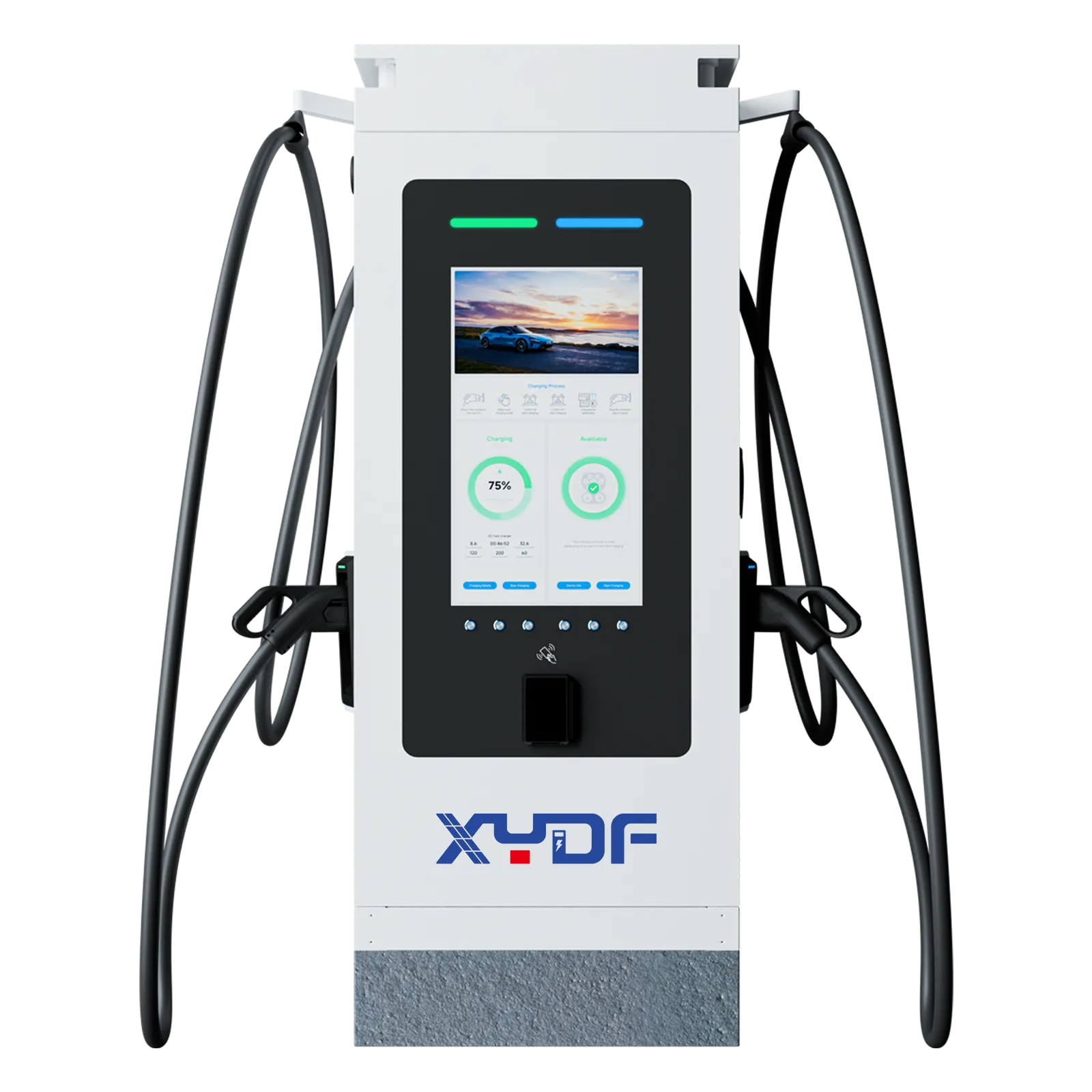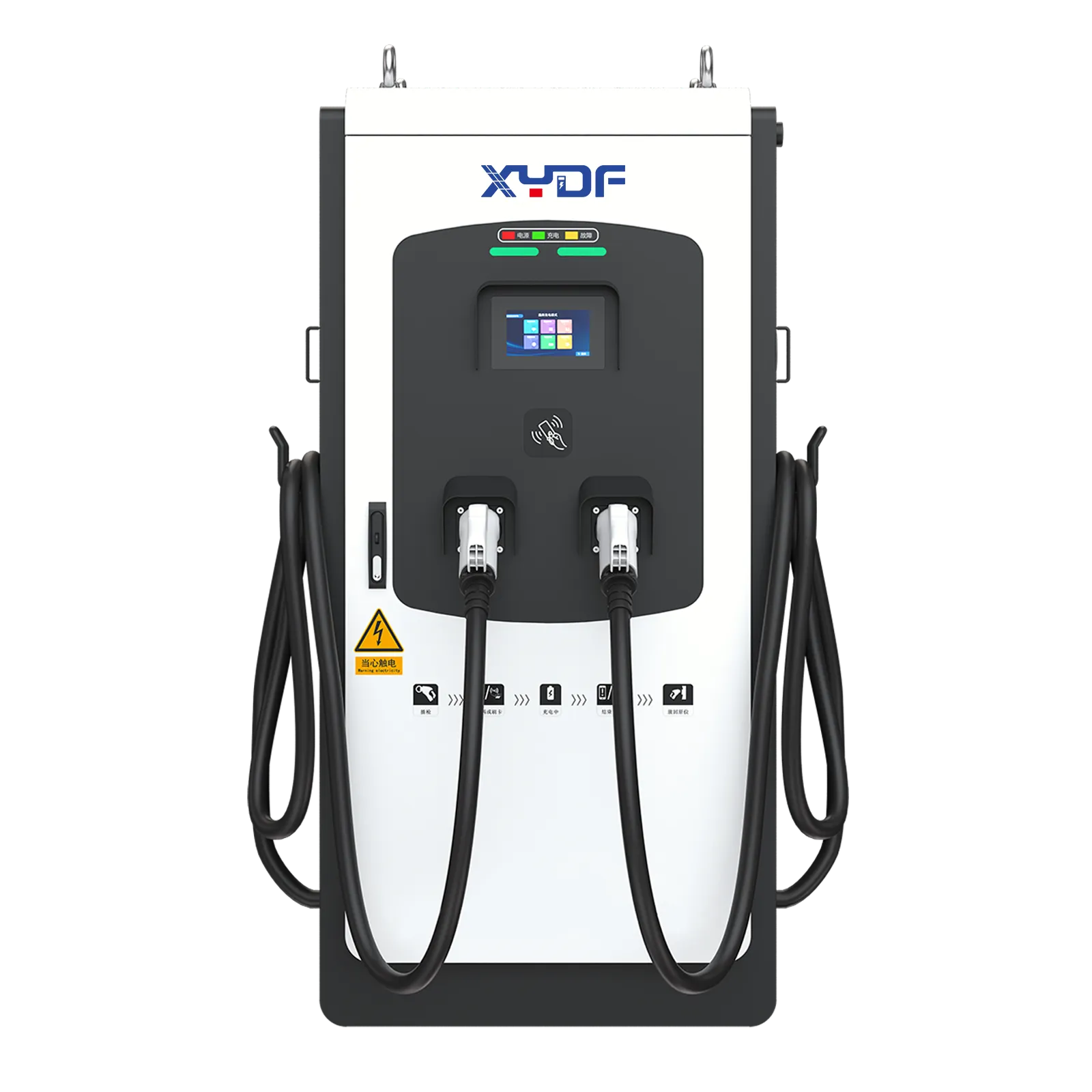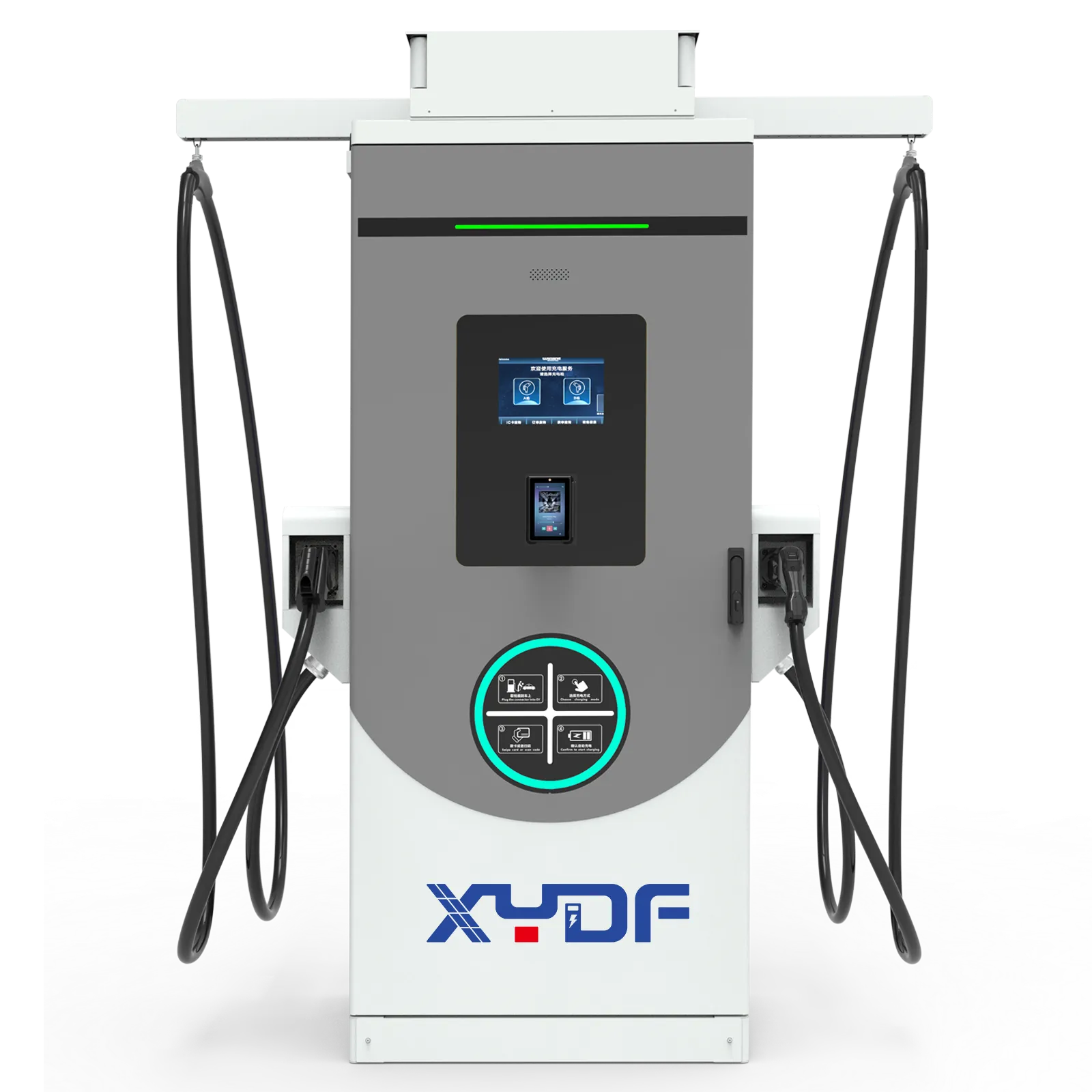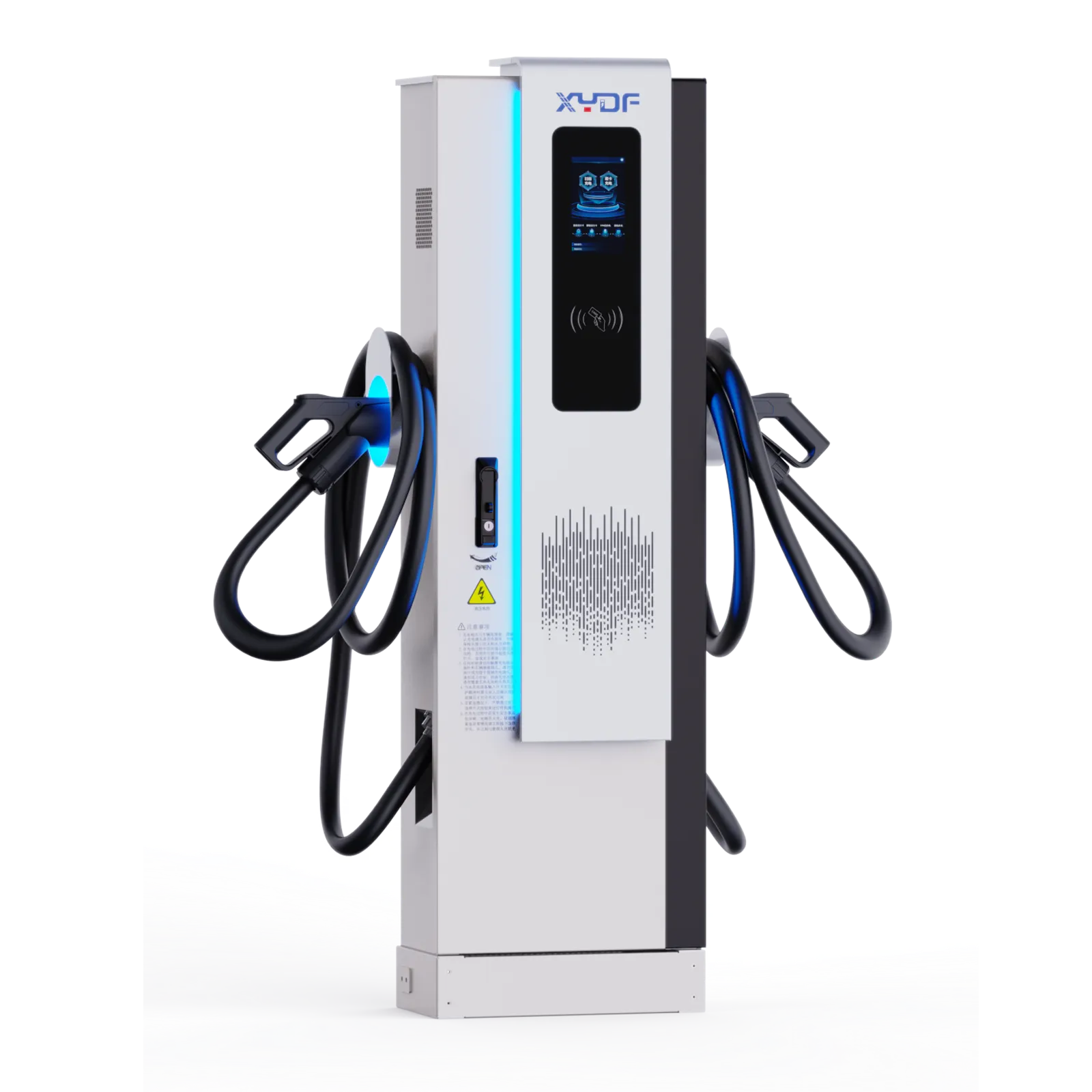

Commercial

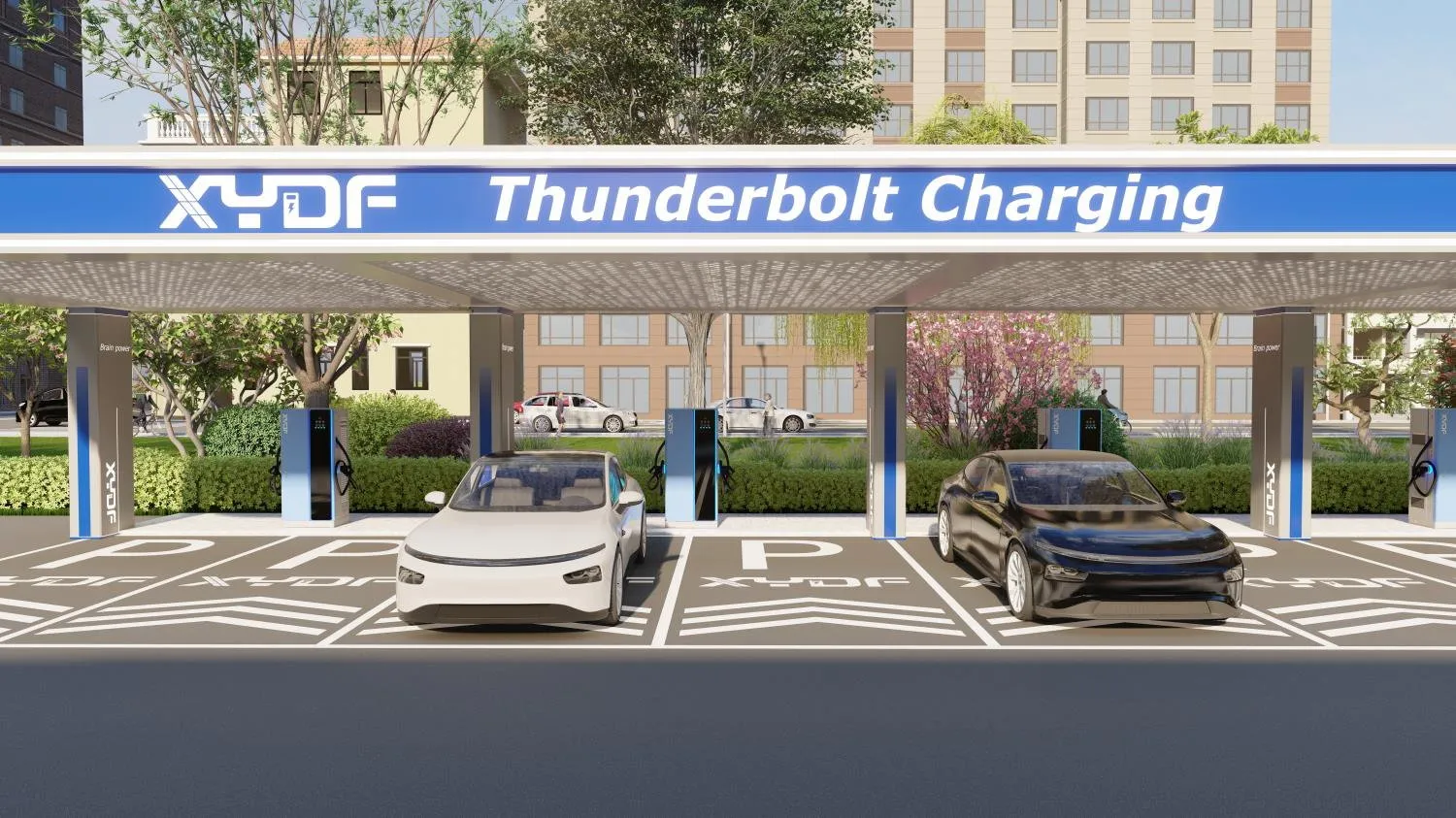
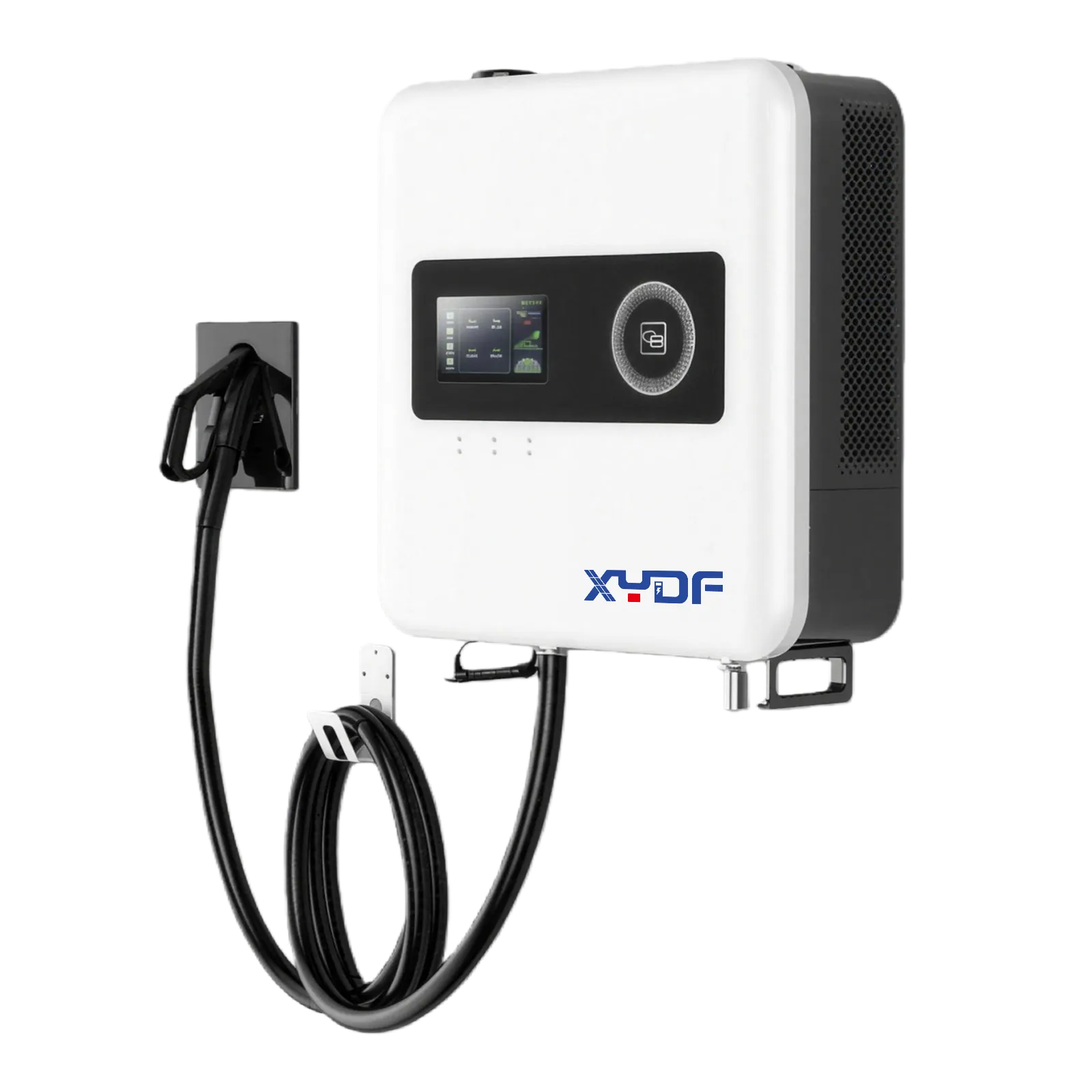
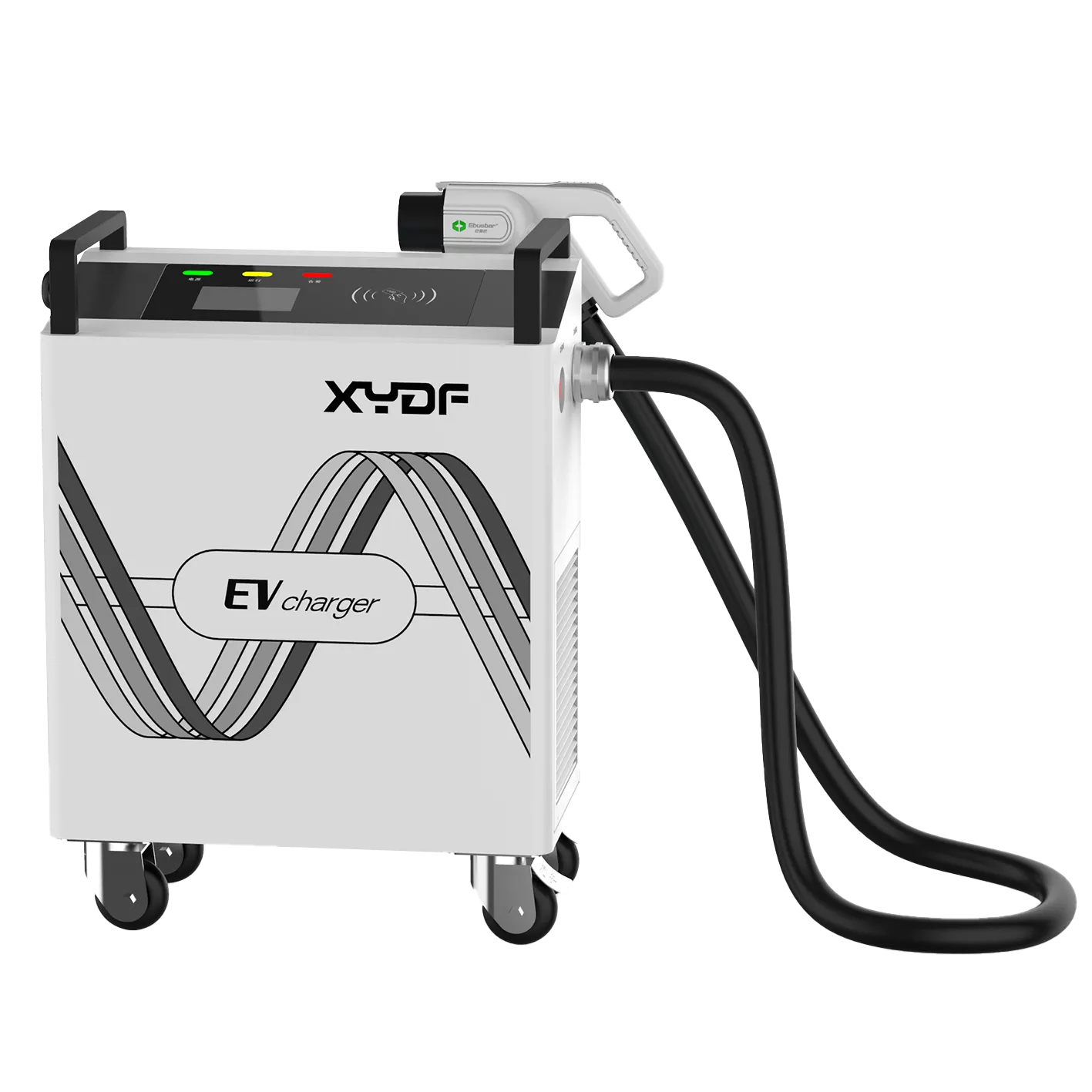
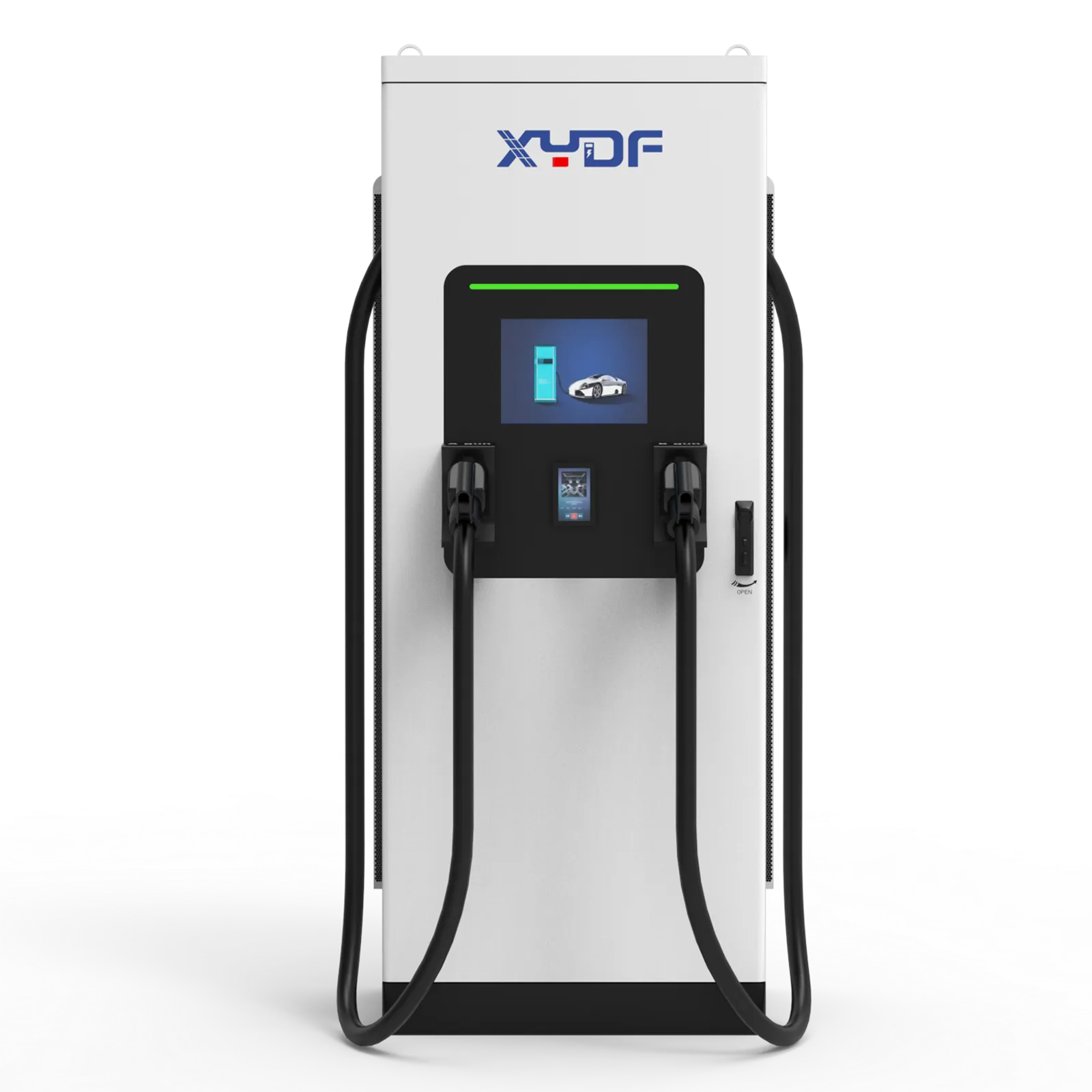
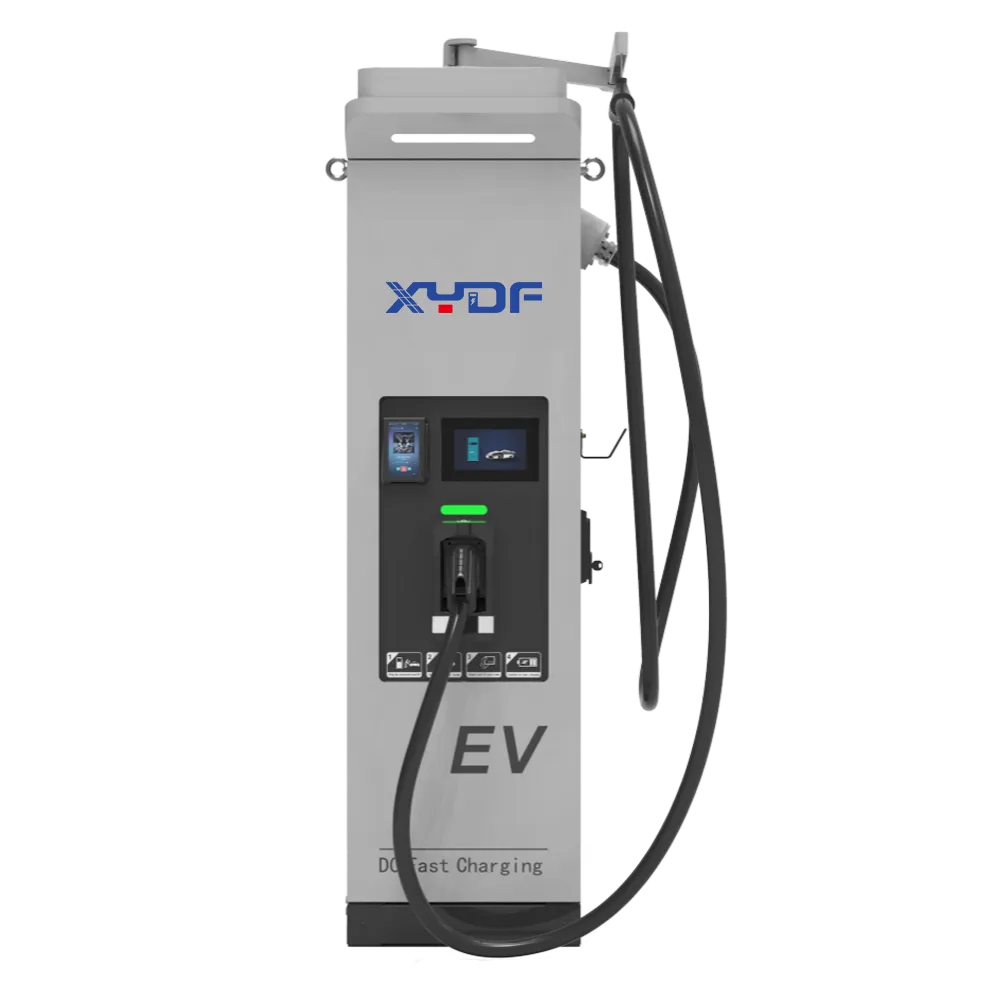
Power your business with our tailored commercial EV charging solutions. We provide reliable charging equipment combined with intelligent energy distribution and back-end management systems to reduce costs, increase equipment utilization, and drive long-term business growth and operational excellence.
  • Airport

    Airport

  • Shopping Mall

    Shopping Mall

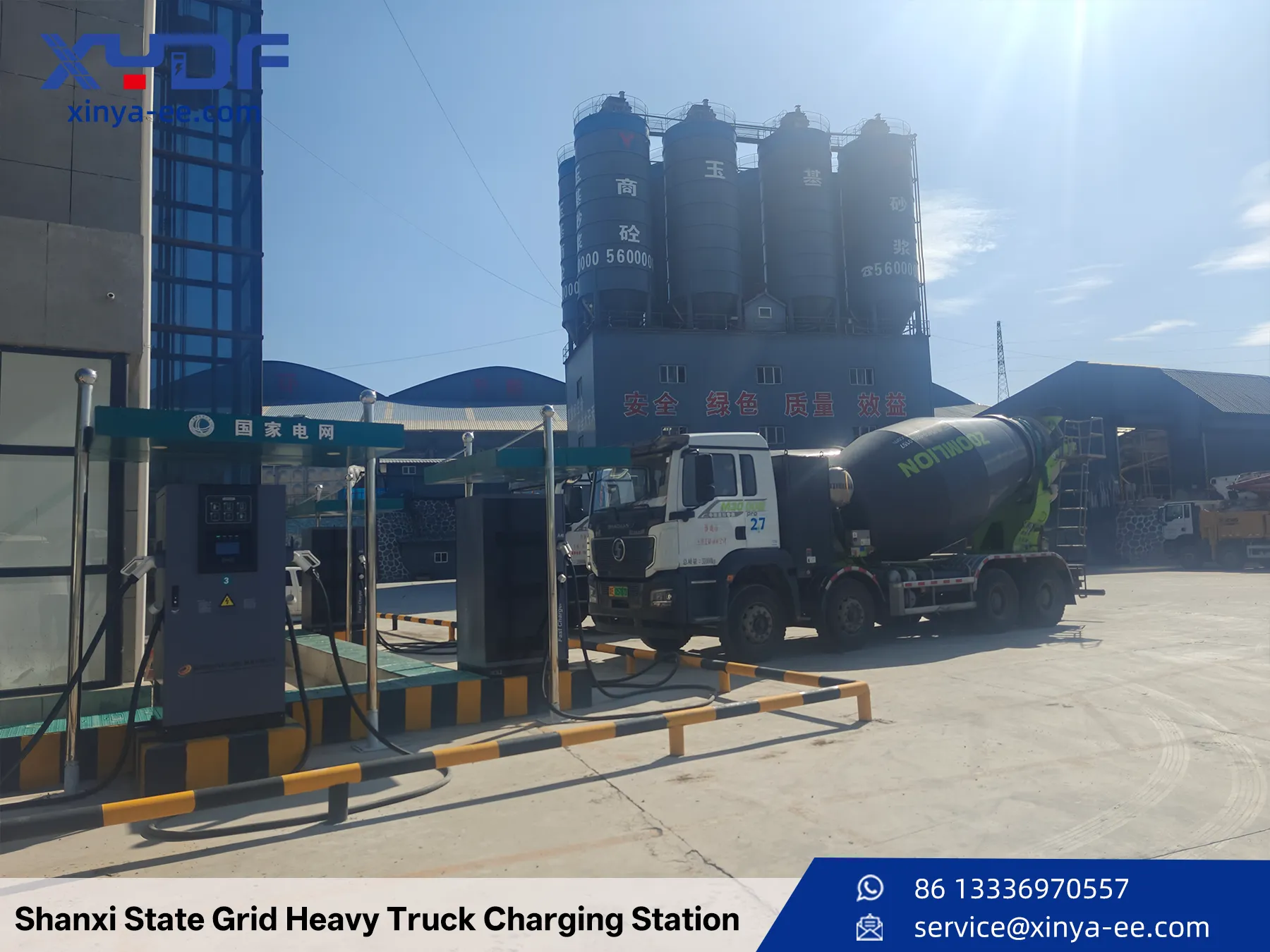
  • Fleet Depot

    Fleet Depot

  • Highway

    Highway

  • Office

    Office

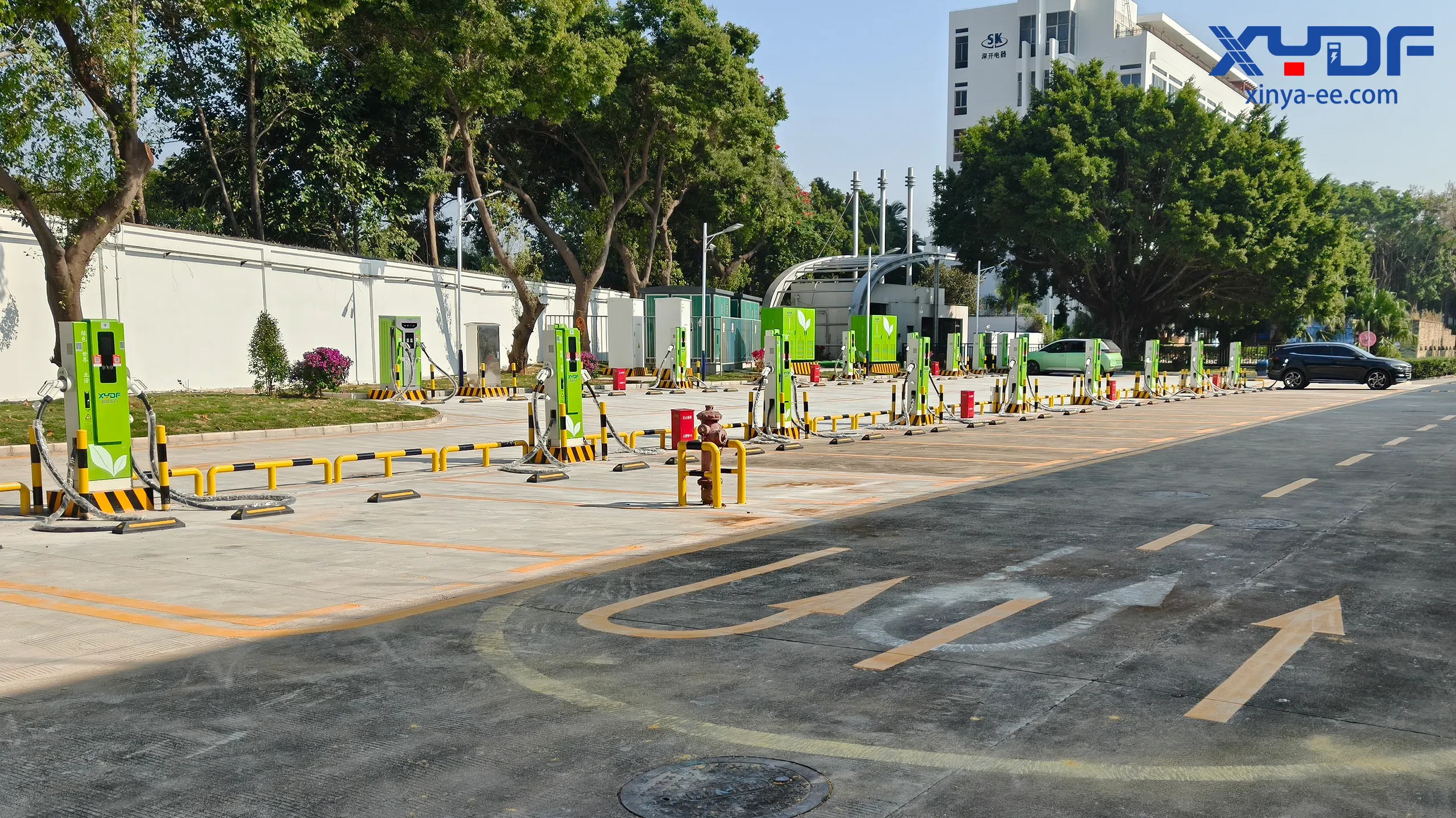
  • Public Parking

    Public Parking

TALK TO AN EXPERT
Commercial

Commercial Charging Benefits

Reliable Charging Experience

Boost ROI

TCO Optimization

We focus on how our charging station products can drive your business forward; green sustainability is the direction we keep moving toward.

RELIABLE OPERATION

Reliable Charging Experience

01

Broad Vehicle Compatibility

Supports major EV models and common charging standards, with regular software updates for long-term compatibility.

02

Flexible Payment Options

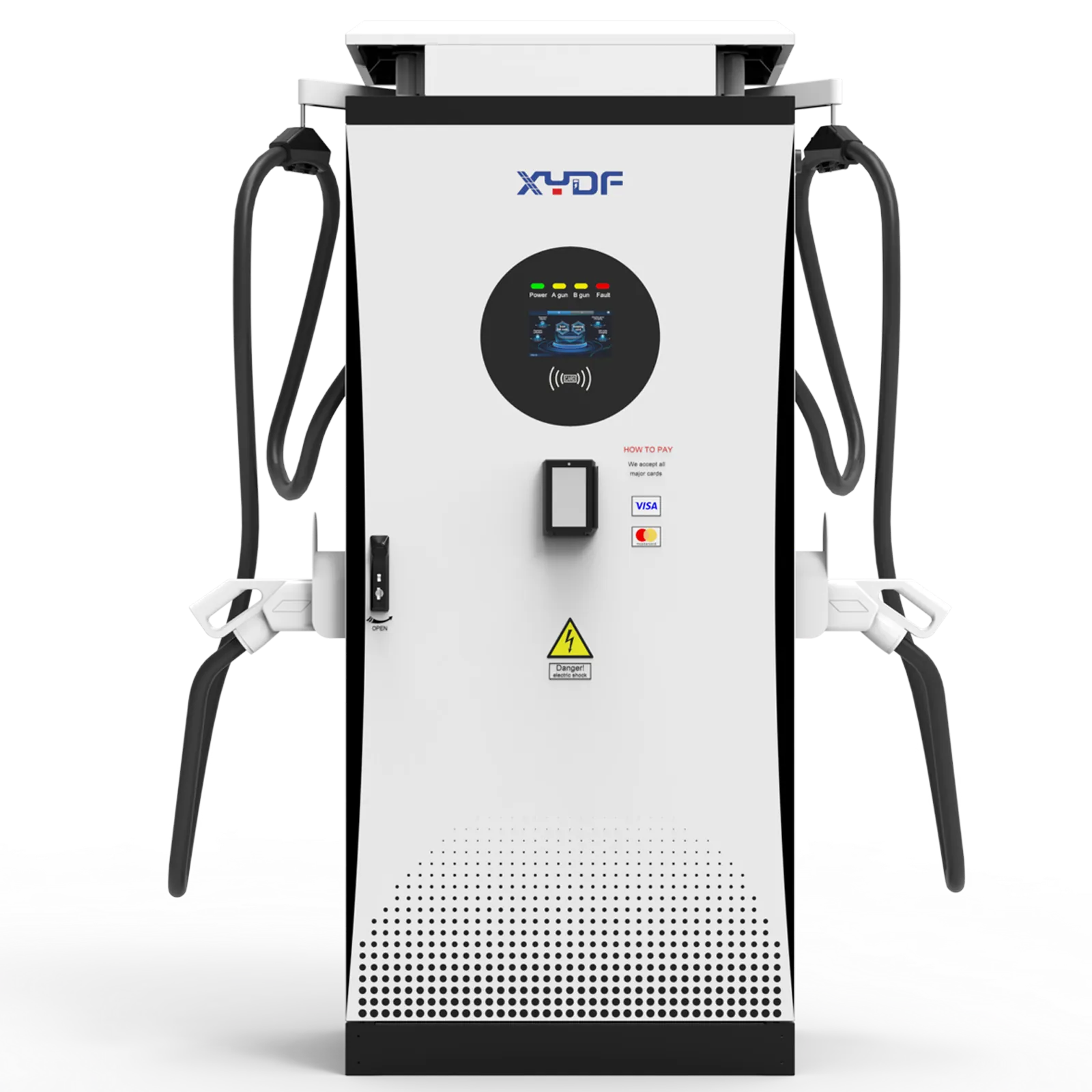
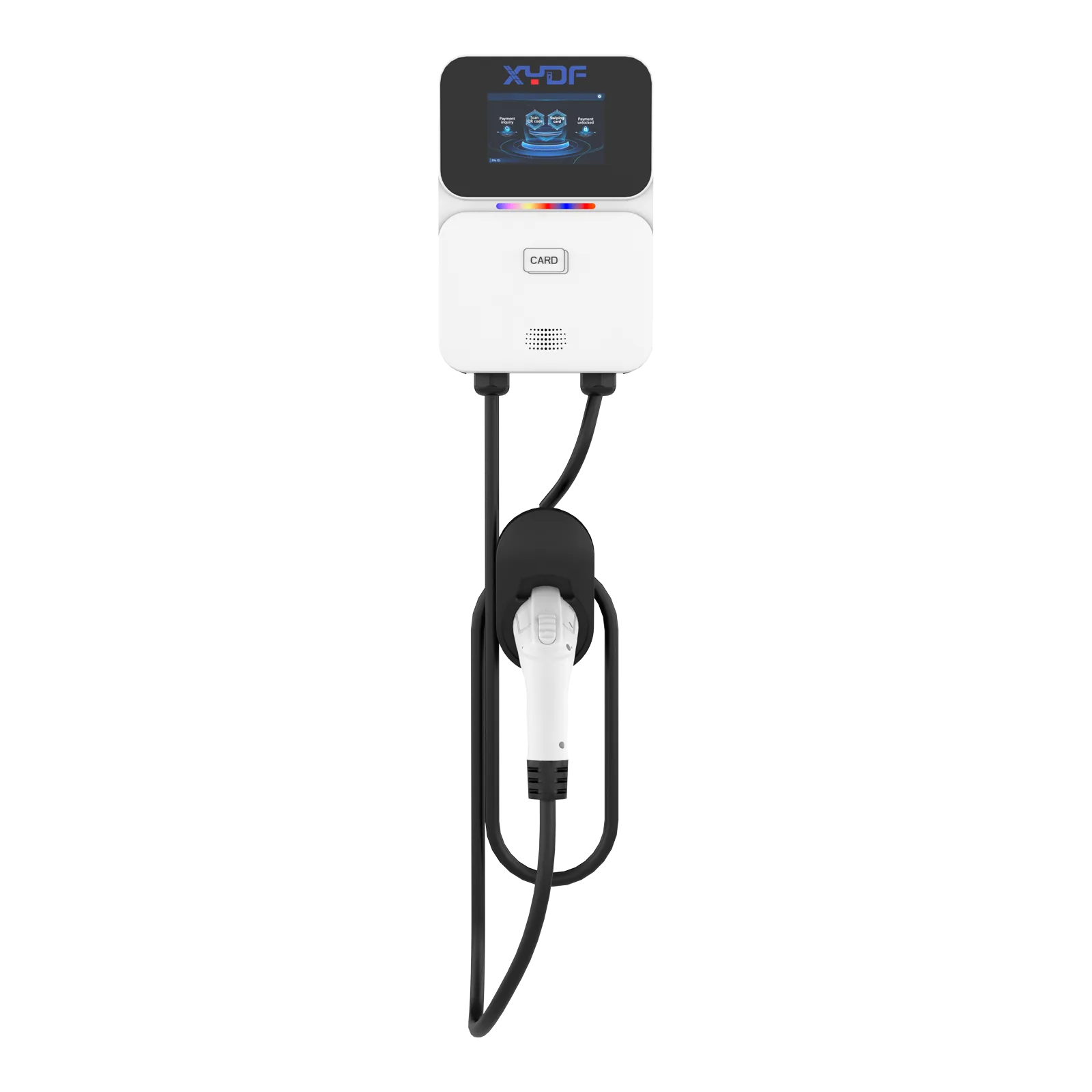
Supports RFID cards, QR-code payments and optional POS terminals for a convenient charging experience.
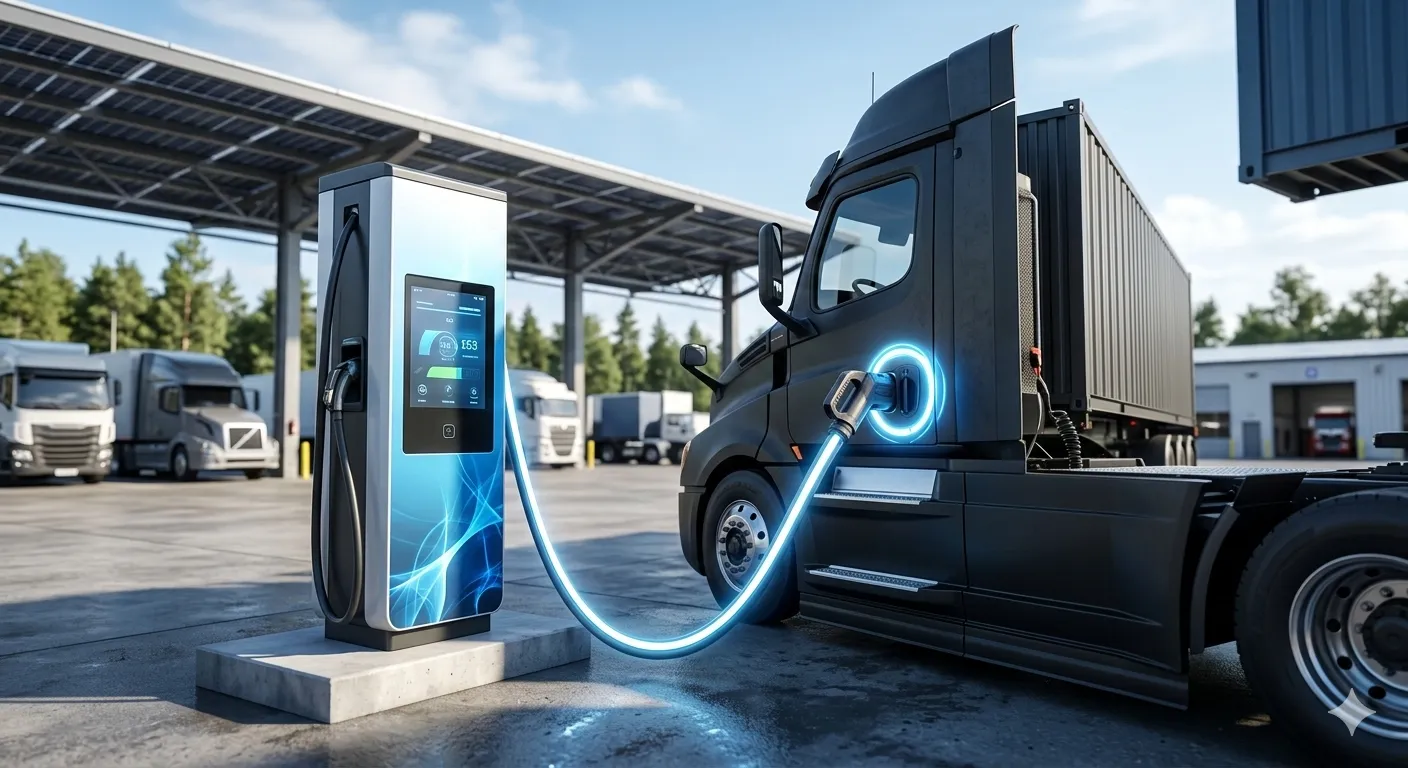

Reliable commercial EV charging experience
Commercial EV charging return on investment
REVENUE & ENERGY VALUE

Boost Your ROI

01

Dynamic Load Management

Optimizes power distribution to prevent grid overloads and increase charger utilization without unnecessary transformer upgrades.

02

DOOH Advertising

Optional large-format displays create an additional advertising channel and can be customized to match your brand.

03

Energy Cost Optimization

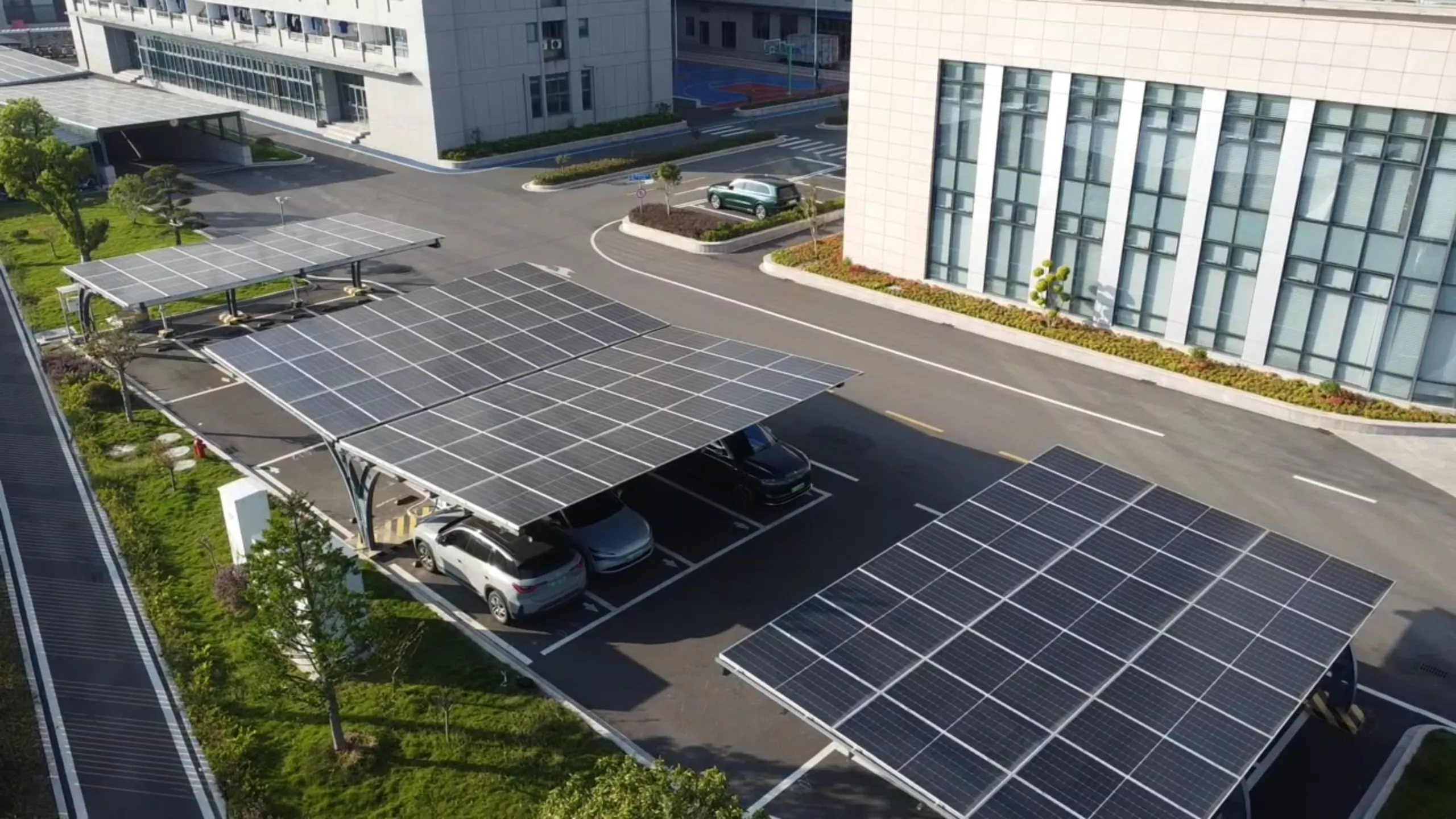
Integrates with energy storage to use off-peak electricity during high-demand periods, with optional V2G support.

LOWER LIFECYCLE COST

TCO Optimization

01

Integrated Supply Chain

XYDF’s integrated supply chain helps maintain stable production and control equipment procurement costs.

02

Modular Maintenance

Modular components simplify troubleshooting and replacement, reducing service time and maintenance costs.

03

Remote Management

Ethernet, 4G, Wi-Fi and OCPP integration enable centralized monitoring and more efficient daily operation.
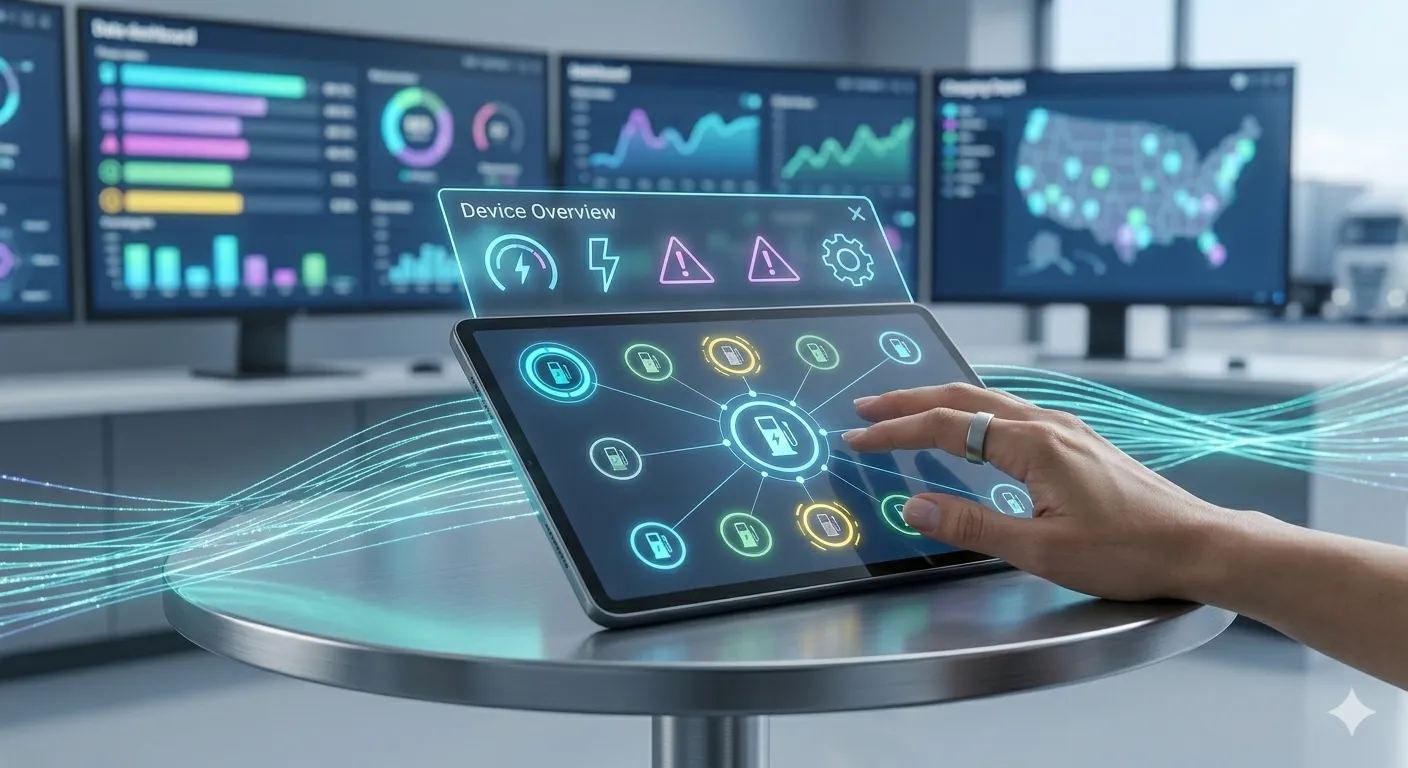
EV charger total cost of ownership optimization
PLATFORM CAPABILITIES

Operate Every Charger with Greater Visibility and Control

Connect charging equipment, site power and daily operations through one flexible management layer.

Remote Monitoring

View charger status, charging sessions, alarms and energy use from one platform.

Flexible Payment

Integrate RFID, QR code, POS and operator-specific account or billing services.

Dynamic Load Control

Allocate available site power without exceeding the configured grid or transformer limit.

OCPP Integration

Connect chargers with compatible third-party operation, monitoring and billing platforms.

Flexible Connectivity

Use 5G, Wi-Fi or Ethernet according to the network conditions at each site.

Advertising Options

Use configurable displays for advertising campaigns, promotions and site messaging.

PROJECT DELIVERY

A Clear Route from Site Assessment to Daily Operation

Coordinate equipment, site power and operating requirements through a structured commercial charging deployment process.

Site Assessment

Review parking layout, user demand, grid capacity, dwell time and daily charging targets.

Solution Design

Define the charger mix, power distribution, access methods and load-management strategy.

Installation

Coordinate equipment placement, electrical works, protection and onsite safety checks.

Integration & Commissioning

Connect chargers, management platforms, payment services and network communication.

Operation & Support

Support remote monitoring, preventive maintenance, issue response and future expansion.

WHY XYDF

Built for Reliable Operation and Sustainable Growth

From charger selection to network expansion, XYDF supports commercial charging projects with coordinated products, integration and lifecycle service.

Flexible Charger Portfolio

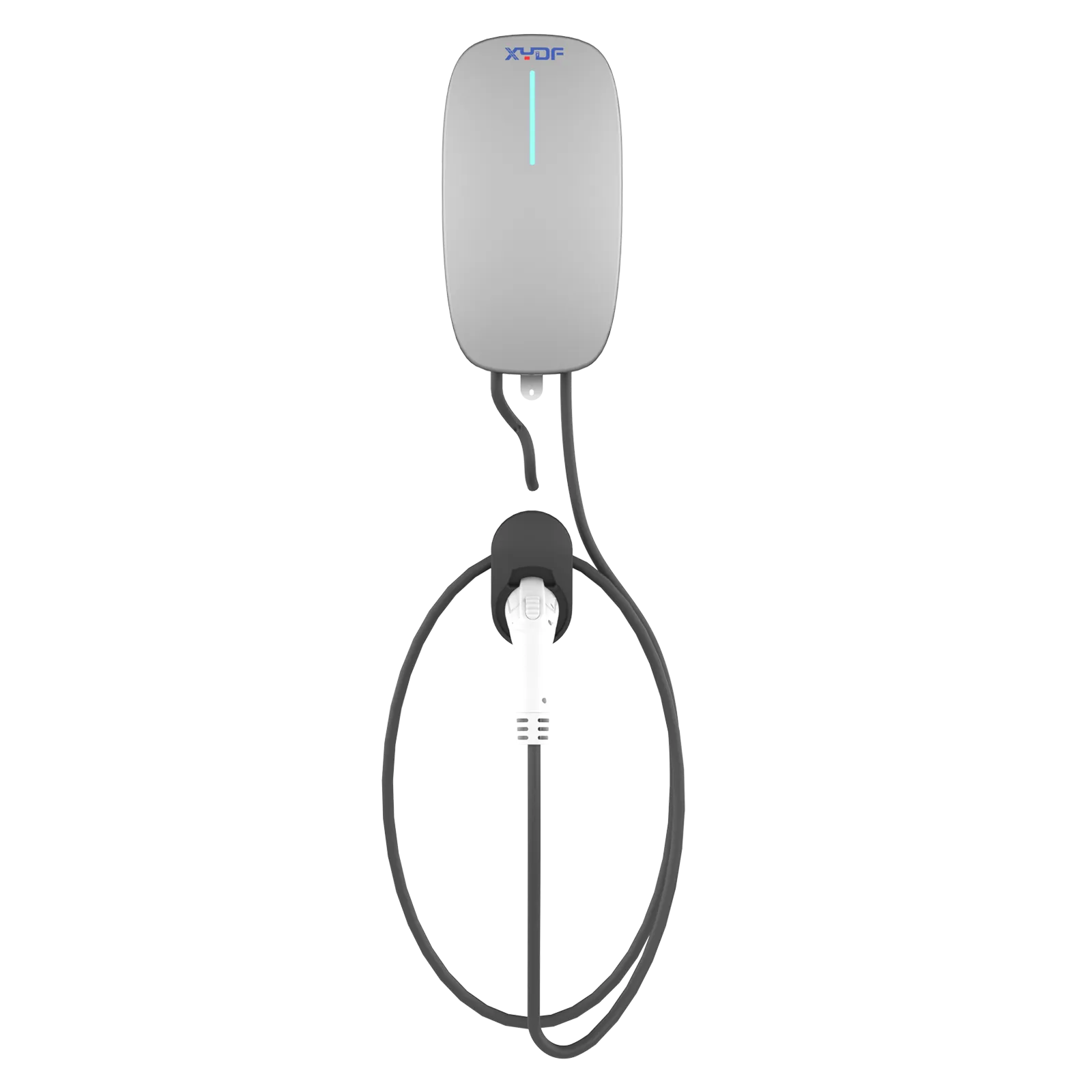
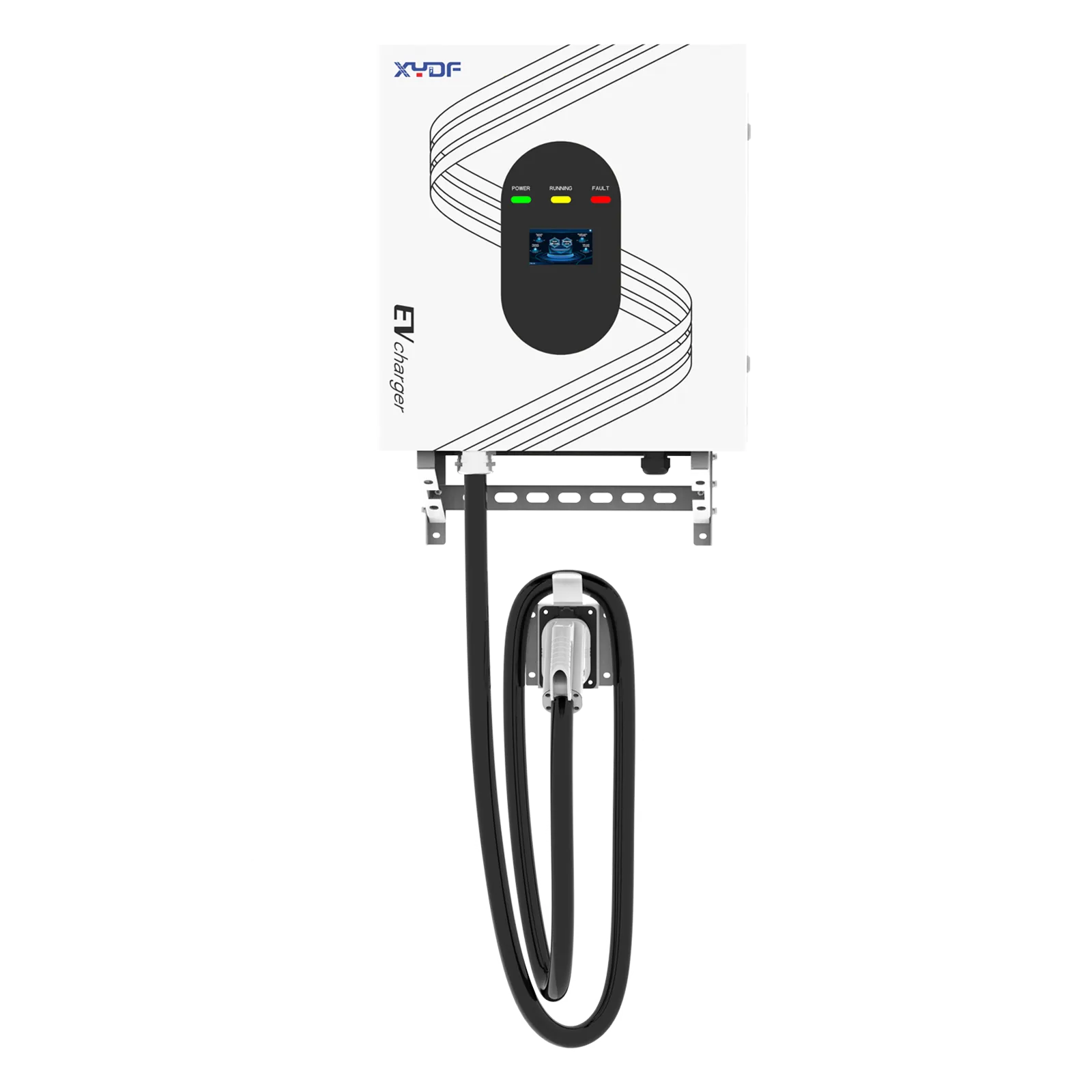
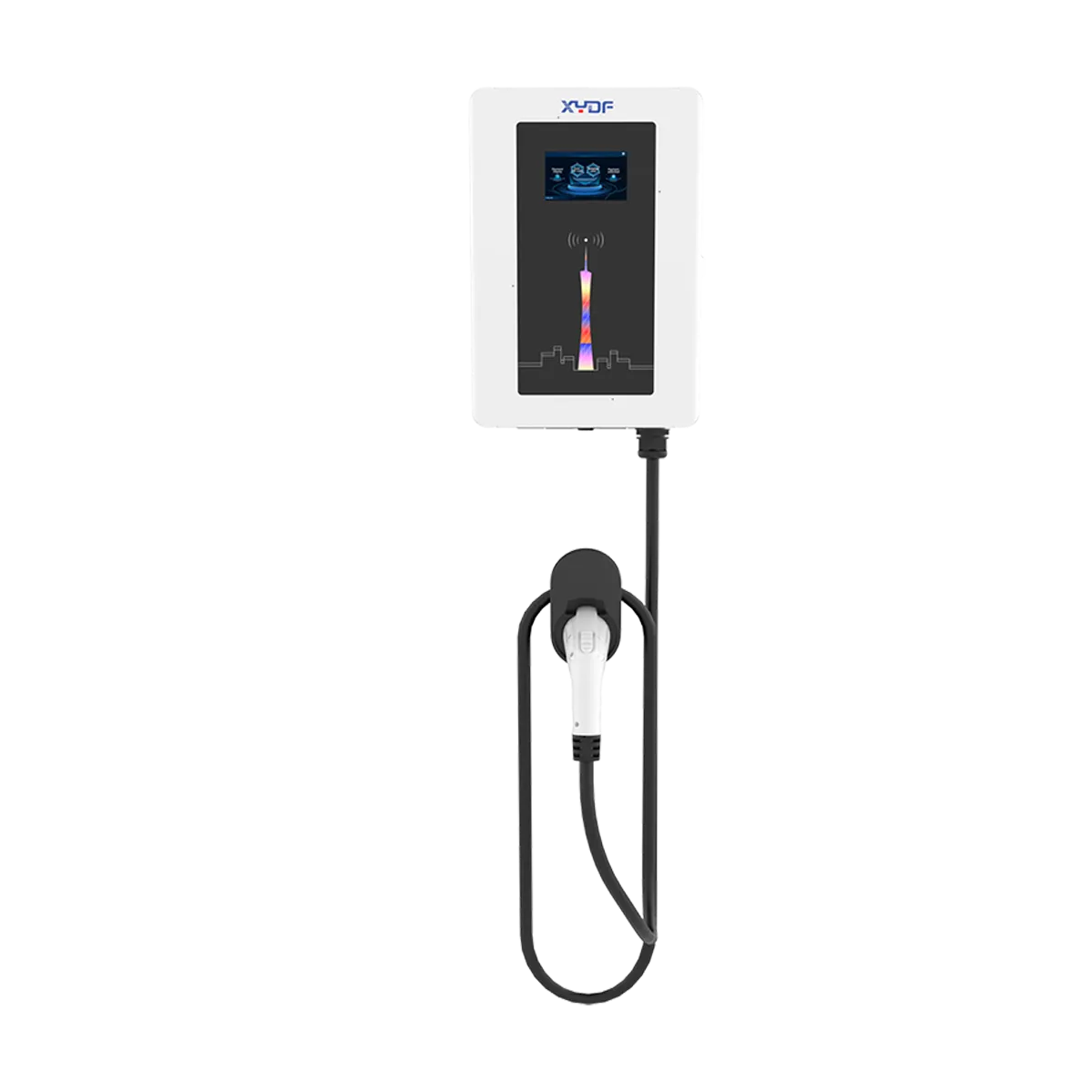
AC and DC charging options for workplaces, destinations, public hubs and fleet operations.

Integrated Supply & Service

Coordinated equipment sourcing and serviceable modular designs simplify project delivery and maintenance.

Open Platform Compatibility

OCPP support and flexible connectivity enable integration with compatible management platforms.

Lifecycle Project Support

Configuration guidance, commissioning support and remote service help maintain long-term performance.

FREQUENTLY ASKED QUESTIONS

Planning a Commercial Charging Project

Key considerations for charger selection, site capacity, platform integration and long-term operation.

How do I choose between AC and DC chargers?
Choose AC charging for locations where vehicles remain parked for longer periods, such as workplaces, hotels and residential facilities. Choose DC fast charging where rapid turnaround and higher daily throughput are required, such as public hubs, fleet depots and highway service sites.
Can chargers operate when the site has limited electrical capacity?
Yes. Dynamic load management can distribute the available power among connected chargers and keep combined demand within the configured grid or transformer limit.
Which payment and user-access methods are supported?
Commercial projects can support RFID, QR code, POS and operator-specific account or billing integrations. The final configuration depends on the charger model and selected management platform.
Can the chargers connect to an existing management platform?
OCPP support enables integration with compatible third-party charging management platforms. Protocol version, required functions and platform compatibility should be confirmed during project planning.
How is ongoing maintenance managed?
Remote monitoring, alarms and diagnostics help identify issues early, while modular equipment design simplifies onsite troubleshooting, component replacement and preventive maintenance.
Can the charging site be expanded in the future?
Yes. A phased design can reserve electrical capacity, distribution interfaces, parking positions and platform resources for additional chargers as demand grows.
PLAN YOUR COMMERCIAL CHARGING SITE

Build a Charging Solution Around Your Business

Share your site capacity, parking layout, vehicle mix and operating goals. The XYDF team will help define the right charger portfolio and control strategy.
TALK TO AN EXPERT
Related Cases
XYDF FAQs
  • Should I choose an AC or DC EV charger?

    AC chargers: Slower charging, lower cost, ideal for homes and offices.

    DC fast chargers: Faster charging, higher cost, suitable for high-traffic locations.

  • What should be checked before installing an EV charger?

    Power capacity, site wiring, and local approval requirements. A local installer can provide a detailed assessment.

  • How do I know if an EV charger is compatible with my vehicle?

    Check the charging connector standard. Common types include CCS1, CCS2, NACS, and CHAdeMO.

  • What are common EV charger installation challenges?

    Electrical capacity, site conditions, and compliance approvals.

  • How do I start an EV charging station business?

    Plan equipment sourcing, site setup, installation, and maintenance. Consulting a sales engineer is recommended.

Want to know more? Let’s talk
Contact Form
+86 133 3697 0557
service@xinya-ee.com