Electric vehicles (EVs) are continuously changing the face of the automotive industry. Understanding the different types of EV chargers will be necessary to make an informed decision about your transition to electric. The following guide will give everyone from future EV owners to businesses planning to create charging station infrastructure to anyone who is just curious about EV chargers the information they need to differentiate the available types of EV chargers. In this guide, we will examine the basic specifications of the charger so you can better understand where they are most adept in meeting your needs, as well as their charging capabilities.
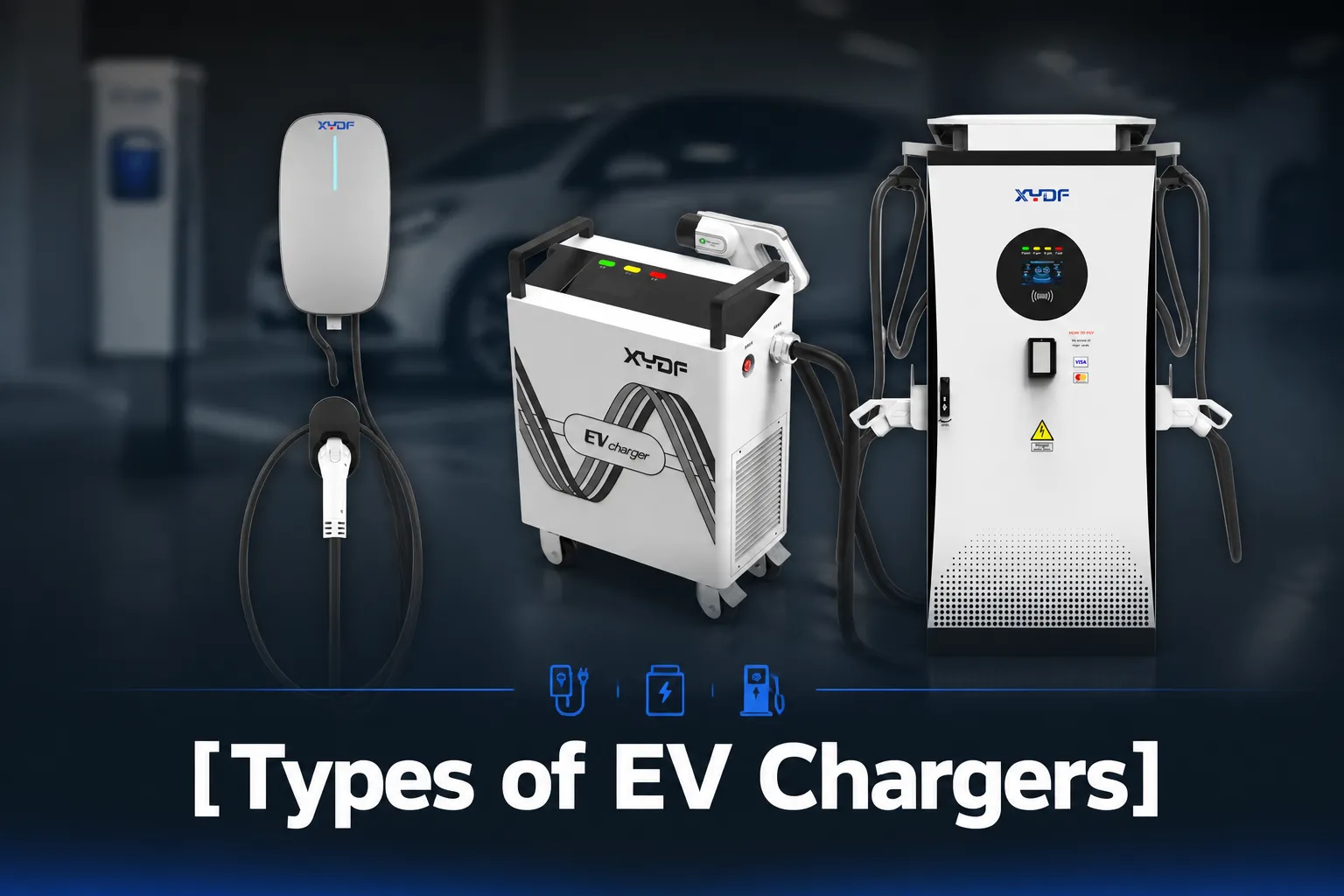
The separate types of EV chargers are organized by their level of charging speed and the power rating they have. Let’s investigate these three levels further:
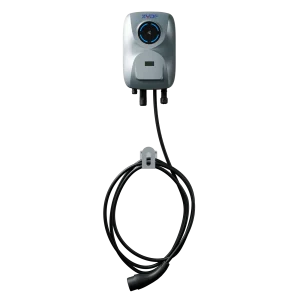
A Level 1 charger is considered to be the most basic charger and is most commonly located in residential areas. The charger utilizes a standard household 120-volt outlet and does not require an installer. Although this type of charger operates at the slowest speed, providing you with an estimated 4-5 miles of range for every hour you are charging, it can provide a cost-effective charging solution for EV owners that drive short distances or that charge their vehicles overnight.
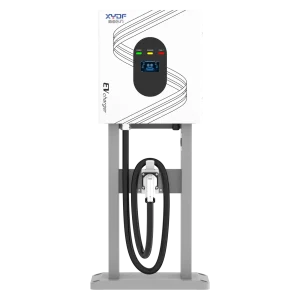
A Level 2 charger operates on a 240-volt circuit and will charge your EV faster than a Level 1 charger. In fact, a Level 2 charger can provide an estimated additional 15-25 miles of range for every hour you charge the EV. This level of charger is an ideal solution for both residential charging needs and charging needs at commercial charging stations. Installing a home Level 2 charger necessitates the installation of a dedicated circuit, along with hiring a qualified installer, both of which will add to the cost of charging at home.
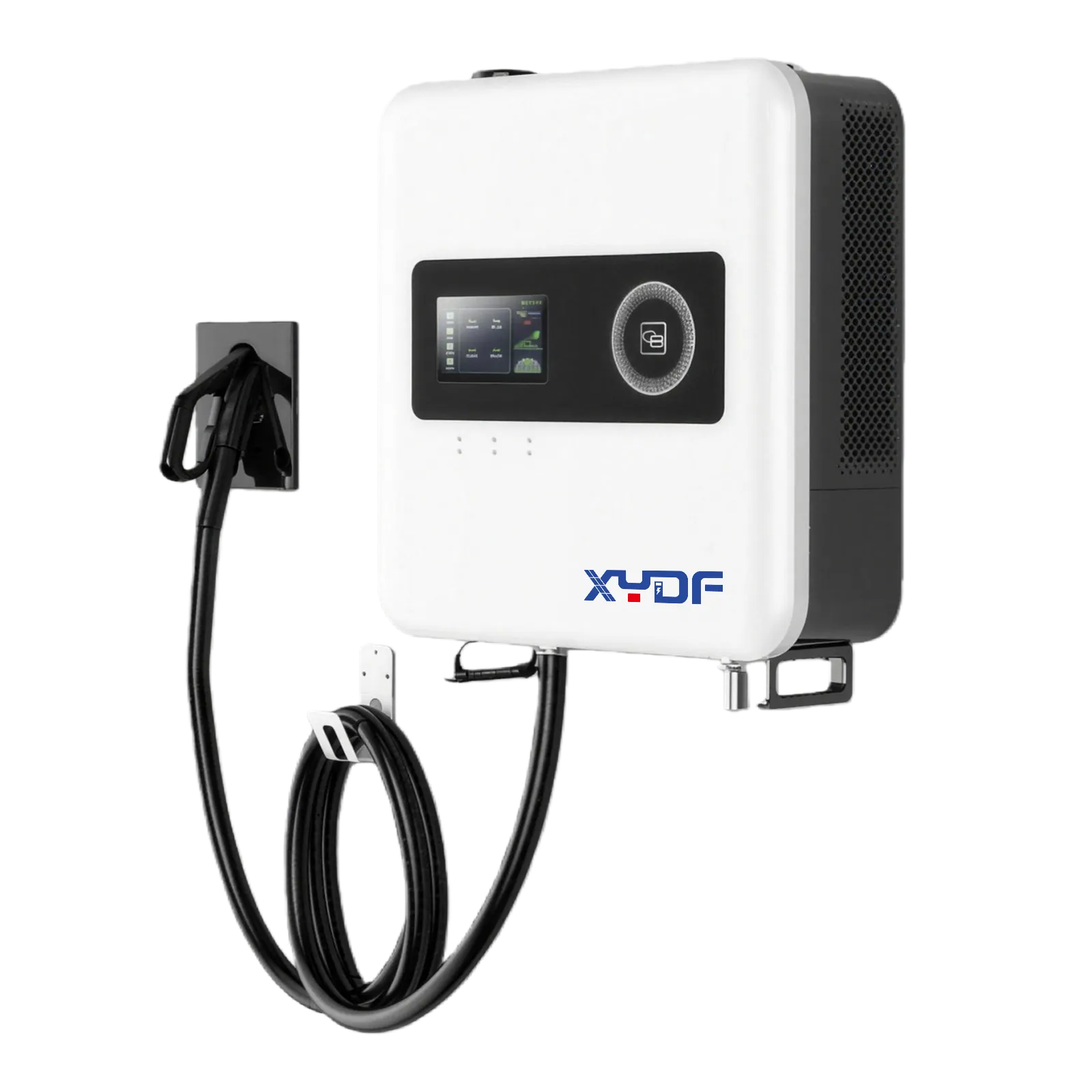
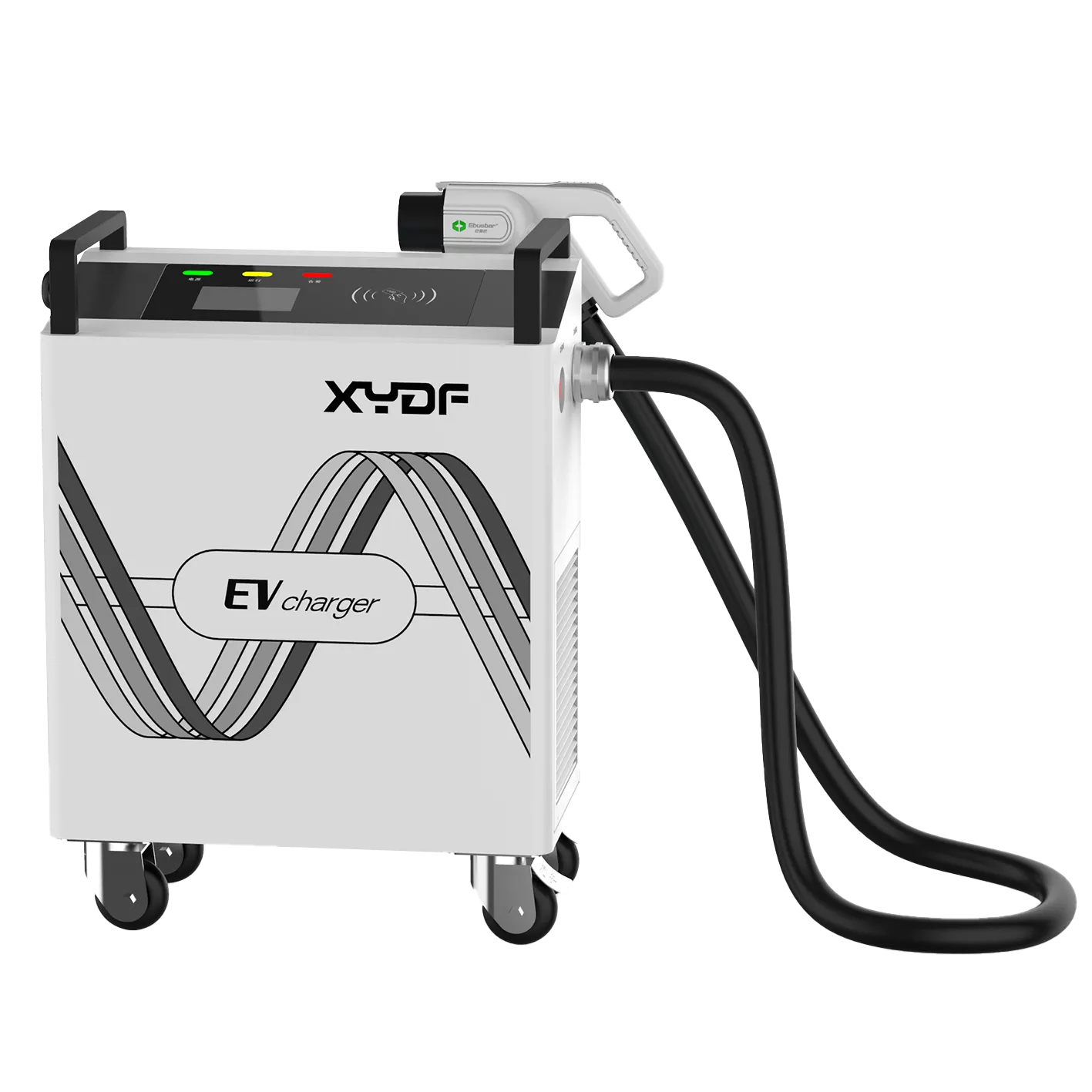
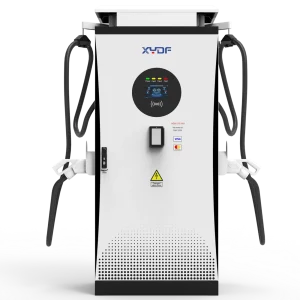
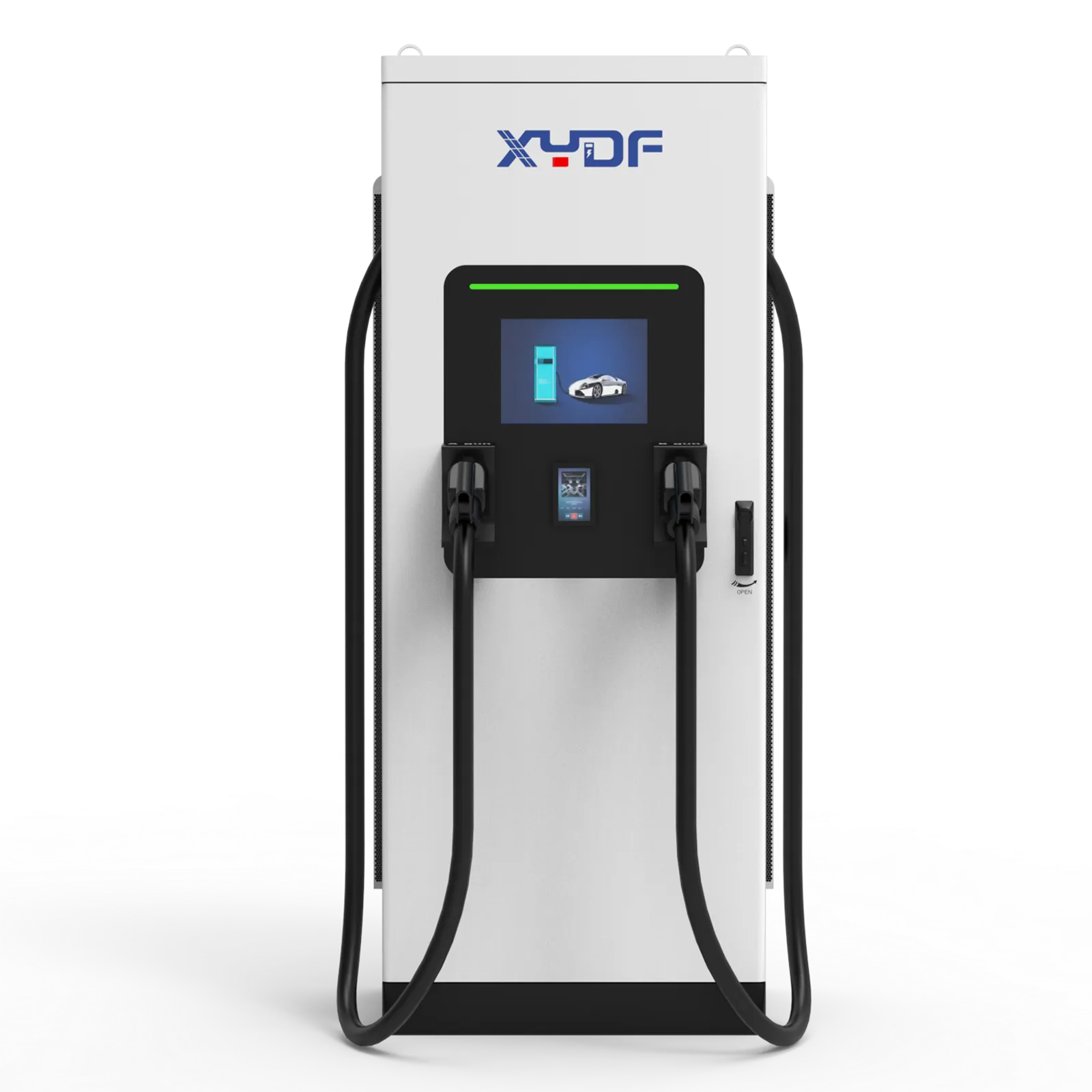
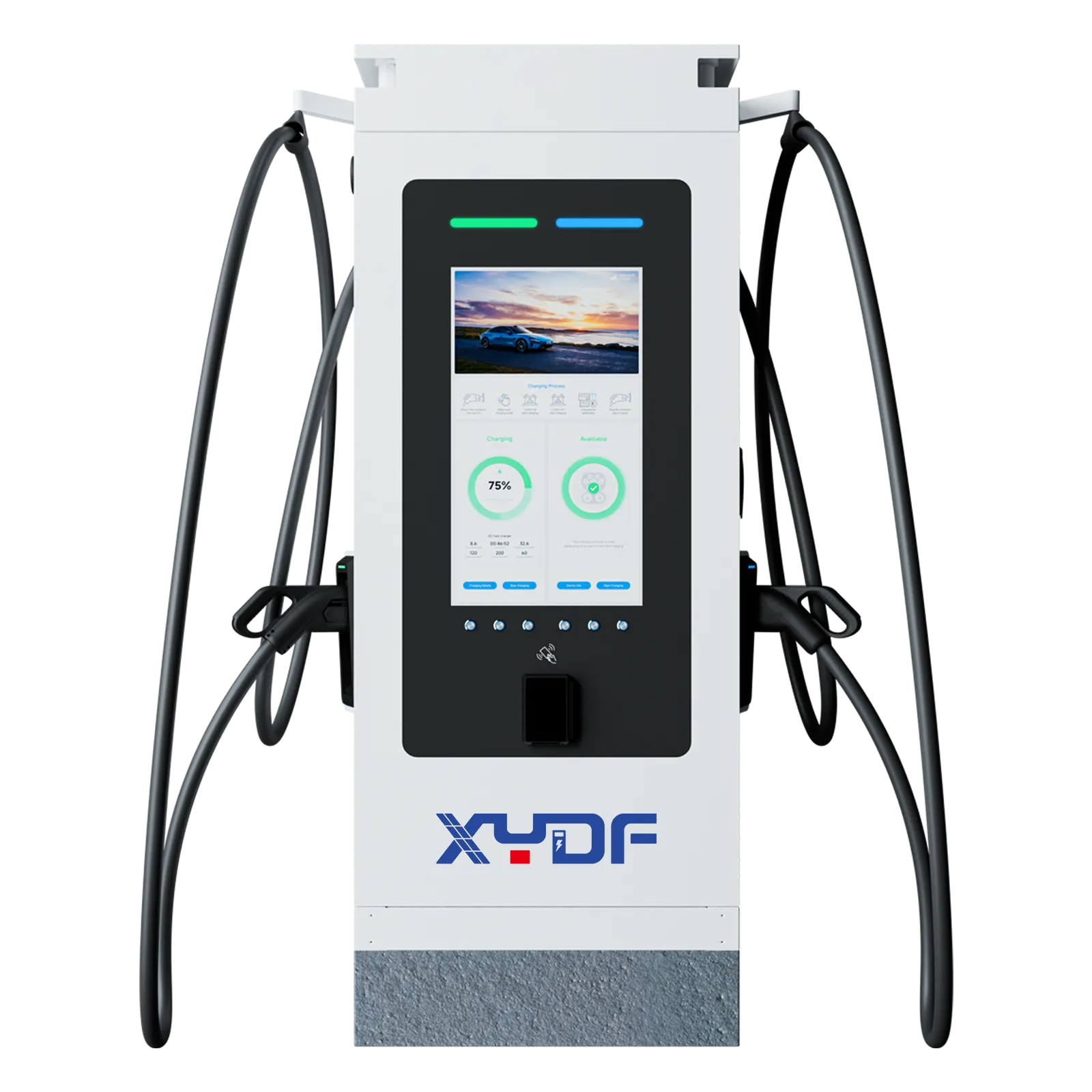
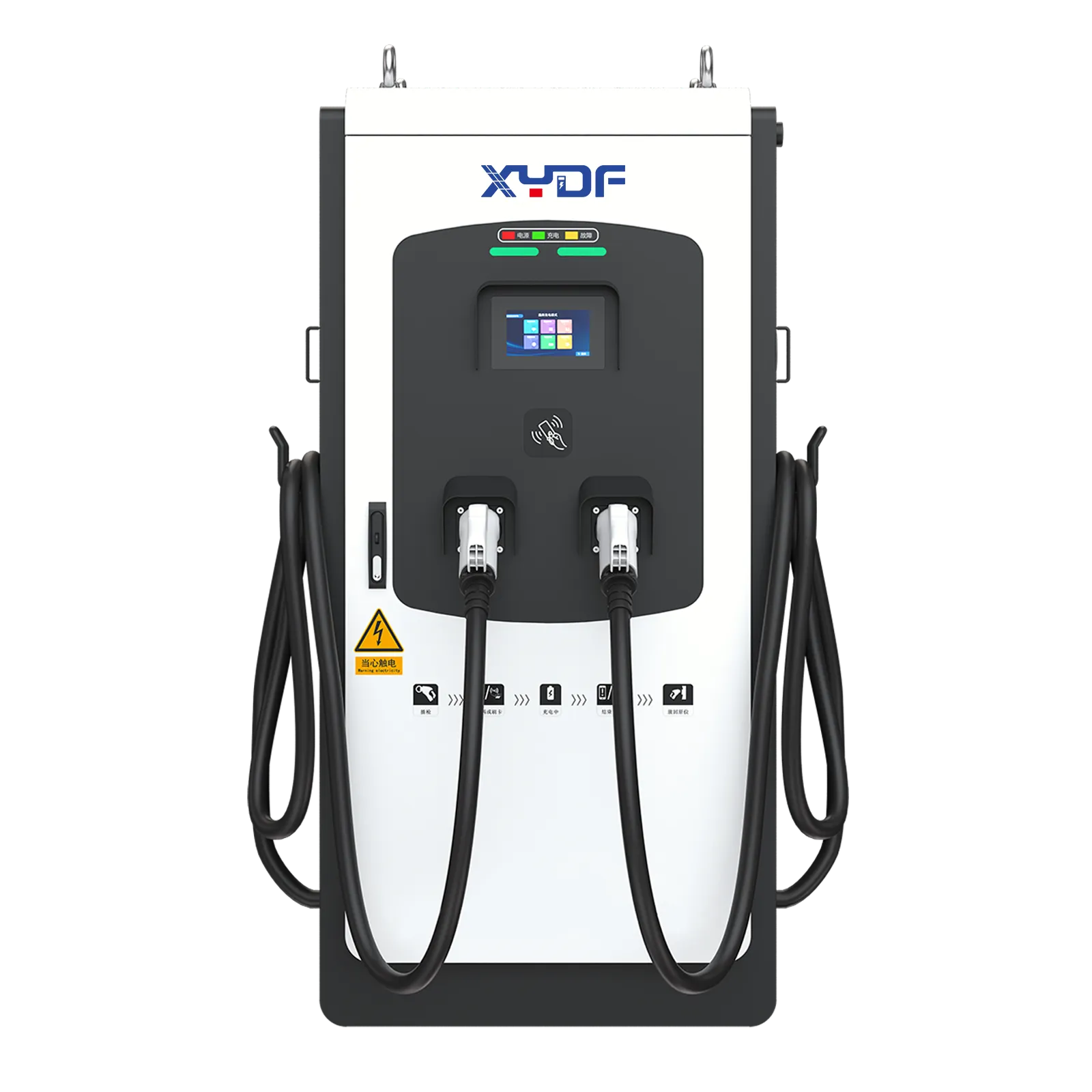
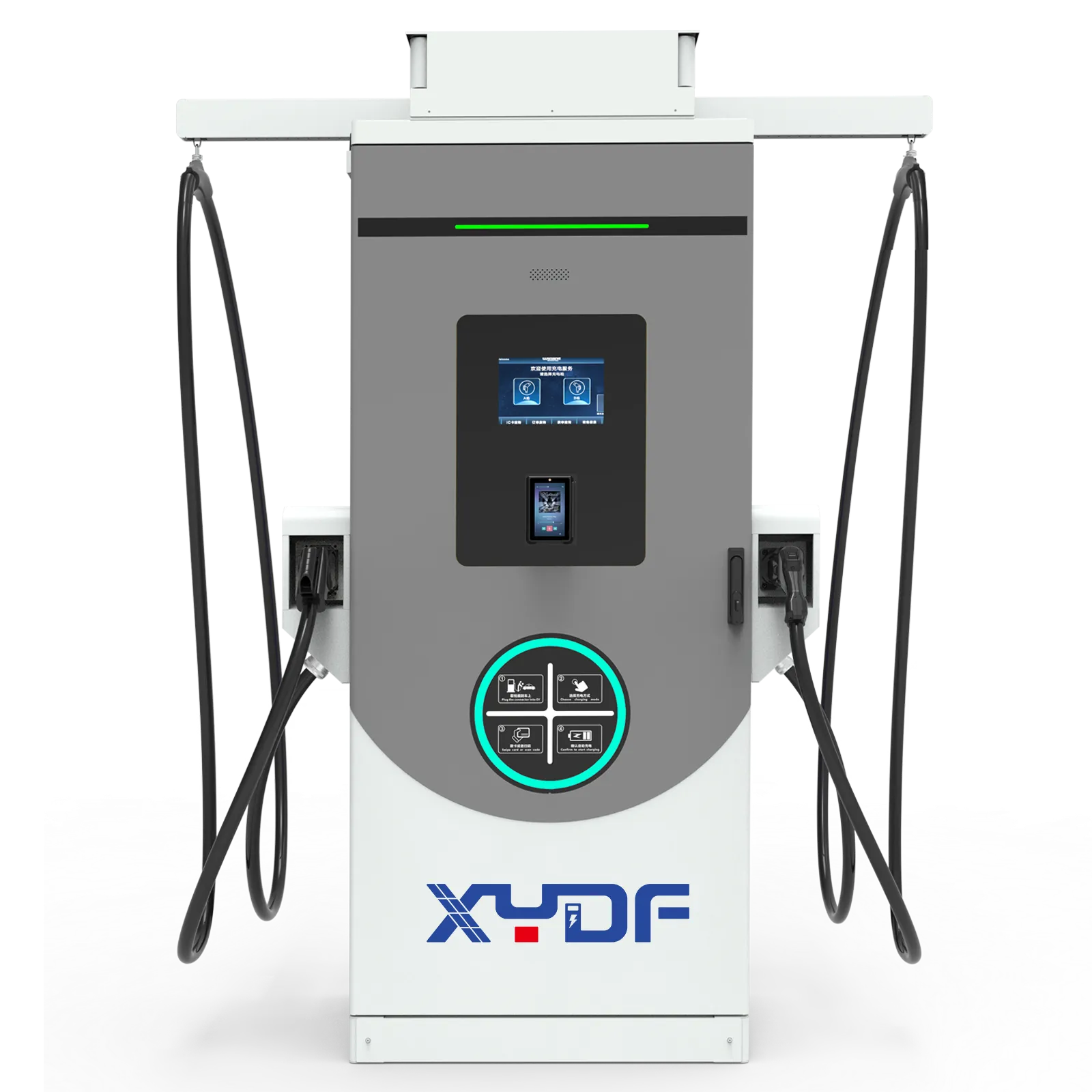
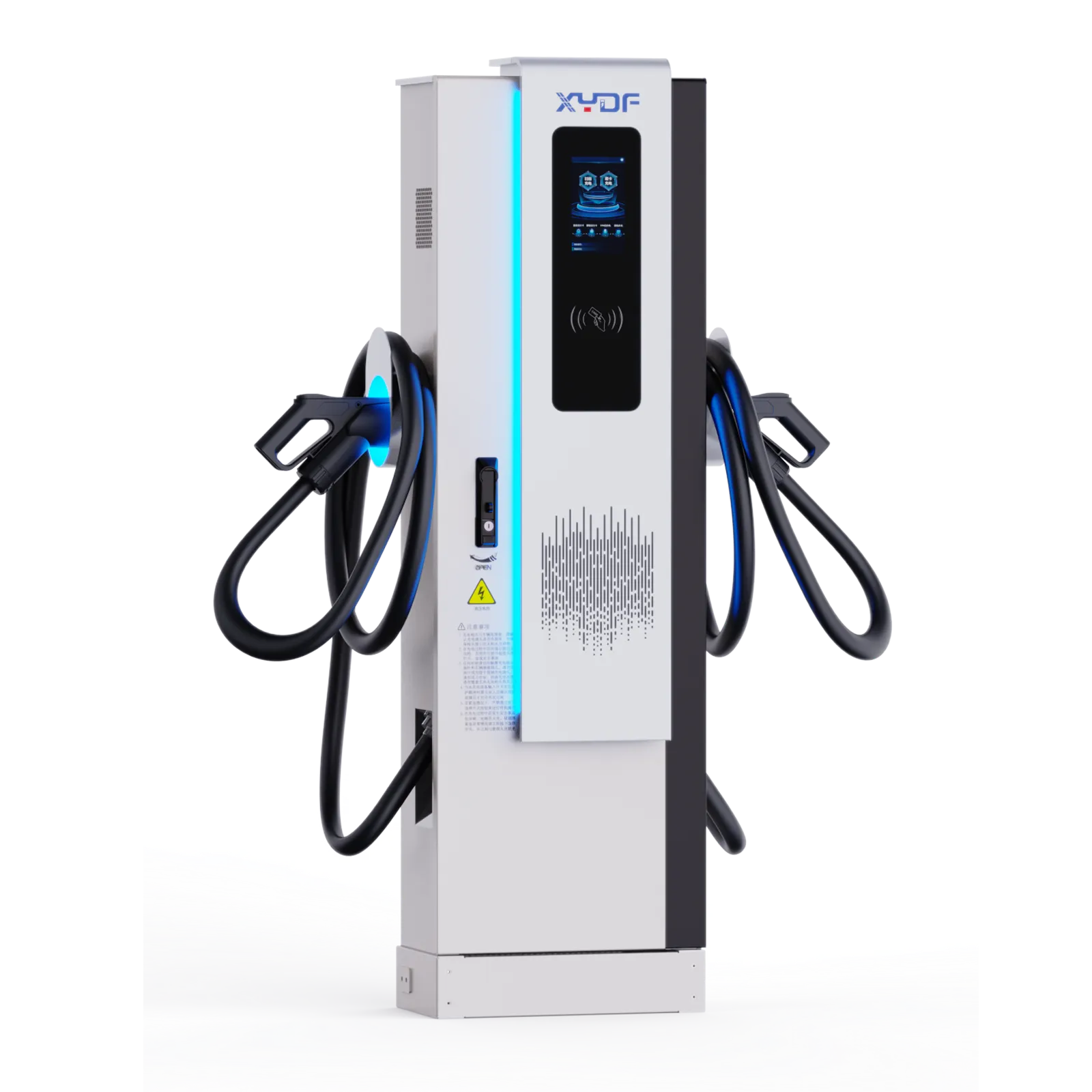
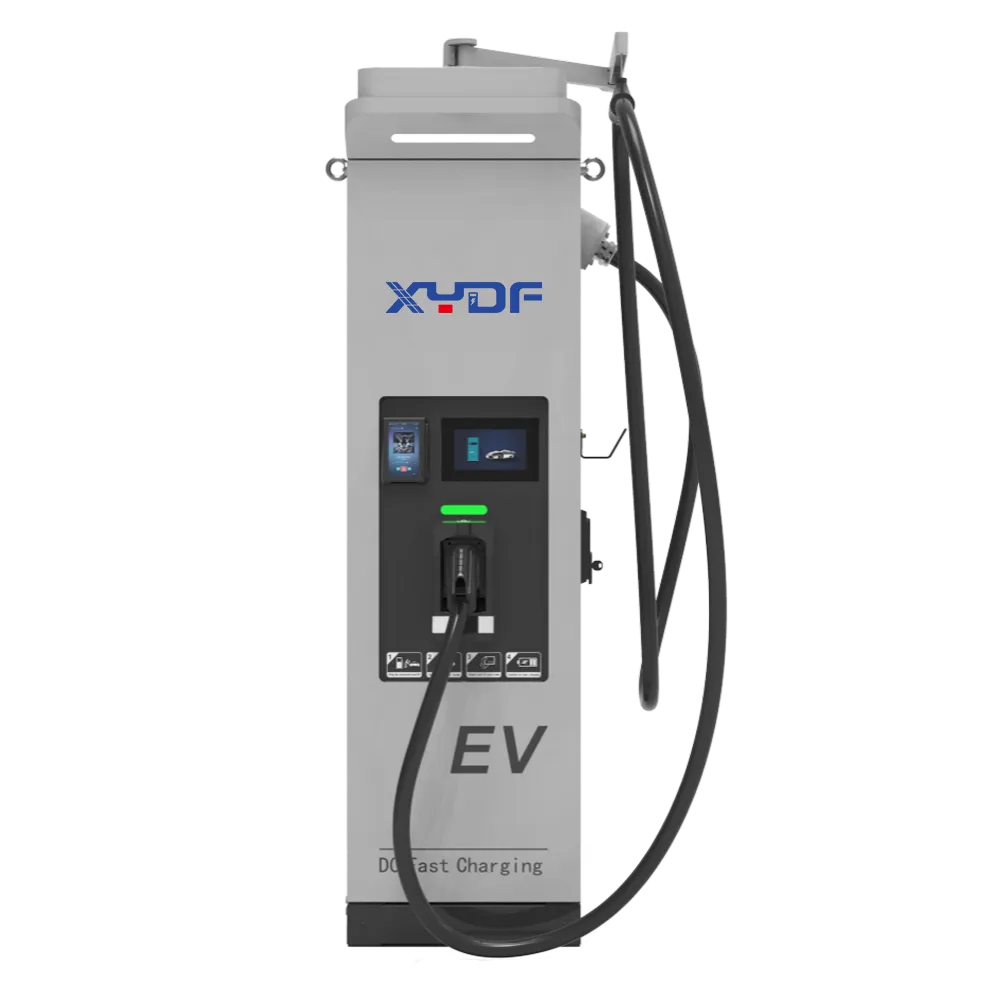
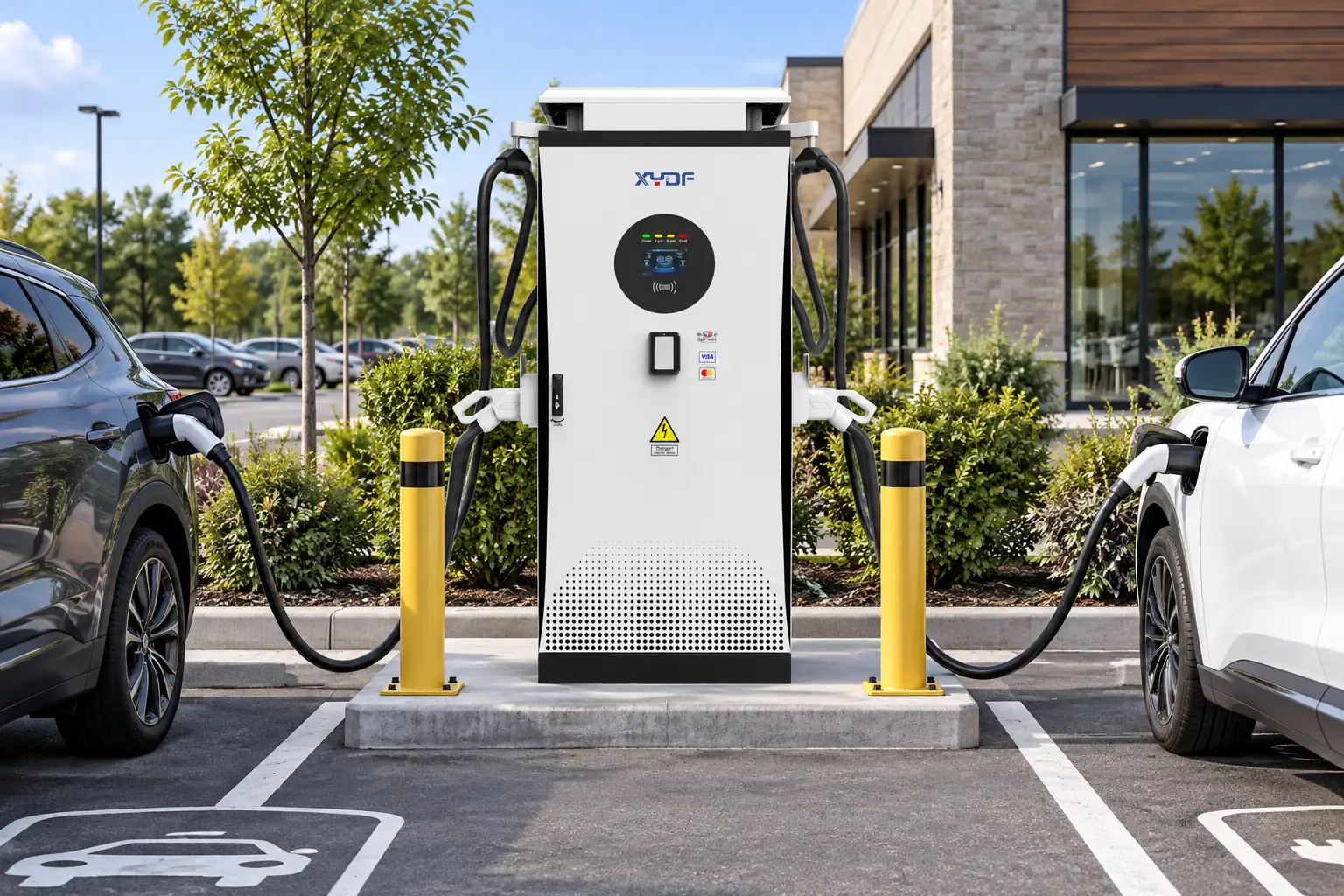
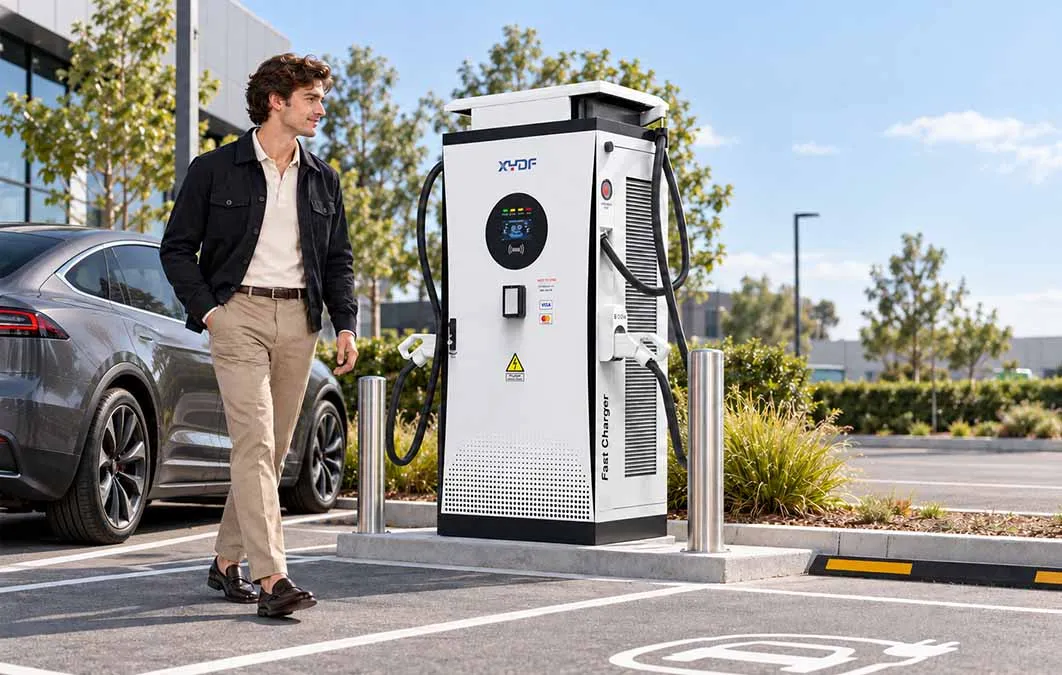
DC fast chargers, or Level 3 chargers, represent the method by which to charge an EV in the least amount of time. Unlike Level 1 or Level 2 chargers that operate using alternating current (AC), Level 3 chargers utilize direct current (DC) to charge your electric vehicle, providing approximately 60-100+ miles of range in 20 to 30 minutes (depending on the vehicle), and therefore being ideal for charging while on long road trips or for quick “top-ups” in order to allow you to continue your route. Most Level 3 chargers are located at public charging stations and major highways. However, some EVs do not support the use of Level 3 chargers, so before attempting to utilize Level 3 charging, verify that your electric vehicle supports this type of charging.
Having learned about the three types of chargers for an electric vehicle, there are still important pieces of information that you should review prior to making a decision:
Charging Speed
Estimate how fast you need to charge your vehicle based on your driving experience, distance traveled, etc. For instance, if you frequently need to drive extended distances or have an electric vehicle with a large battery, you would benefit from the use of a Level 2 charger as opposed to a Level 1 charger.
Charging Location
Determine where the charger will be located (home, business, or public), as home installation may require renovations and cost enhancements, while public charging may also have usage fees which will have to be covered by you.
Compatibility
Make sure that the charger you select is compatible with your electric vehicle. Some electric vehicles are not certified for use with Level 3 chargers. While most modern electric vehicles (EVs) use the same standardized connectors, you should also double-check whether or not yours is in good shape before charging it.
Costs
Level 1 chargers are typically inexpensive and may not require new installation; however, Level 2 and Level 3 chargers require additional capital expenditures to purchase new hardware, install the new equipment, and maintain ongoing electricity usage.
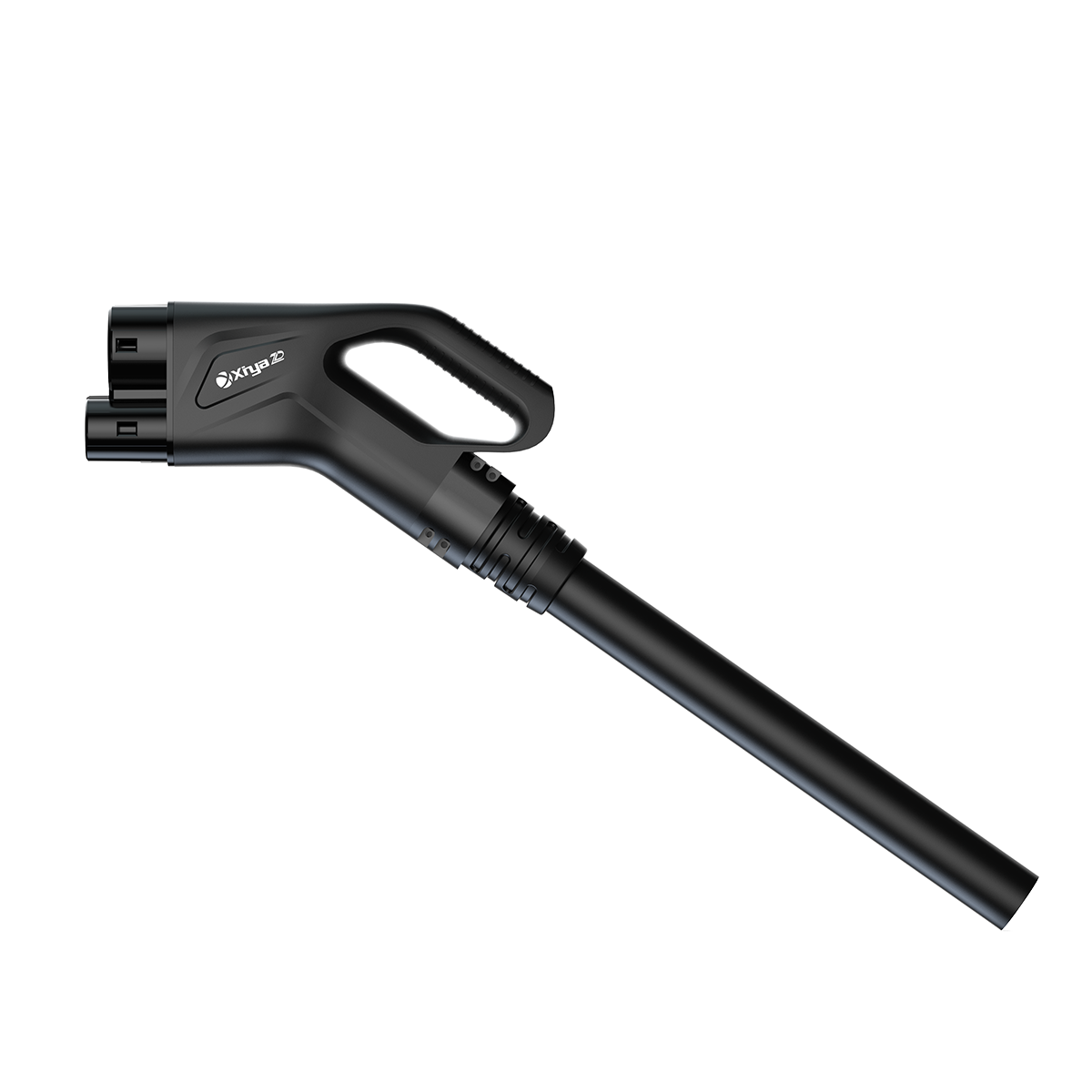
One of the most common questions asked by an inexperienced EV adopter is “Are EV charging stations universal?” The answer is “Yes and No.” Most EVs use standardized charging connectors. For example, the J1772 standard connector is used for Level 1 and Level 2 charging in North America, meaning that EVs will easily charge at these two levels regardless of manufacturer. On the other hand, Level 3 charging (DC Fast Charging) will depend on the different kinds of networks or connectors used by the various manufacturers. For example, while Tesla EVs are generally charged at the Tesla Supercharger Network, there is a way to adapt a Tesla connector to be used with other types of DC fast chargers, so it is necessary to know what connector type your EV has and which kinds of DC fast charging software and connectors are available at the DC fast charging station you are using.
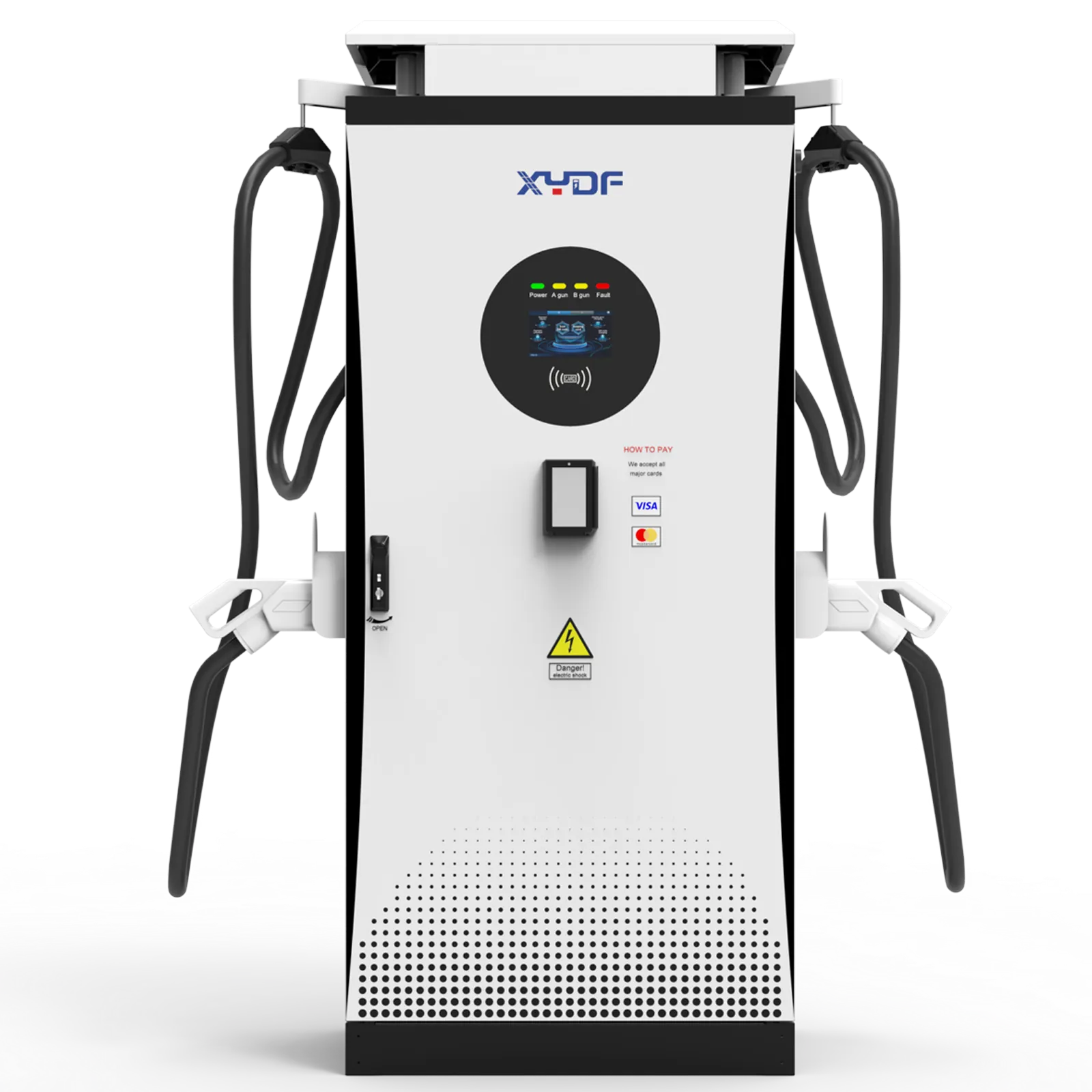
The total time to charge an EV depends on which level charging station you are using and on the battery capacity of your EV. Using a Level 1 charger, it could take about 20 hours to fully charge; a Level 2 charger would take about 4 to 8 hours; a Level 3 charger would take about 20 to 30 minutes to provide an 80% charge in most vehicles.
It is possible to charge an electric vehicle (EV) using a standard U.S. household 120-volt outlet. Most EVs come equipped with a standard charging adapter; however, charging an EV with a standard outlet operates at the slowest rate of charge. If you desire a faster rate of charge, consideration should be given to installing a 240-volt Level 2 charger.
The cost of charging your EV will depend on electricity rates in your region, along with the size of your EV’s battery. However, charging at home will usually cost much less than refueling a gas-powered vehicle. Charging at public locations may involve fees, which could be flat rates or based on the number of kilowatt-hours (kWh) consumed while charging.
No. Some public EV charging stations are free to use, especially those provided by retailers or shopping malls looking to attract customers. However, fast charging networks often charge a fee, which may vary based on usage, membership options, or location.
EV charging can be supplied to an EV at both AC (alternating current) or DC (direct current) levels. For Level 1 and Level 2 charging, AC power is converted by the car’s onboard converter. For Level 3 charging (fast charging), the charging process bypasses the onboard converter and supplies DC power directly to the EV battery, enabling much quicker charging.
As EVs continue to rise in popularity, the future of EV charging is filled with potential. Exciting advancements like wireless charging, ultra-fast charging solutions, and the integration of renewable energy into charging stations are being developed. These developments aim to make EV ownership more convenient and sustainable while addressing issues like range anxiety and charging infrastructure availability.
Becoming familiar with the differences between the various types of EV chargers will optimize your electric vehicle (EV) experience. Whether you choose a cost-effective Level 1 charger or a high-speed Level 3 charger, the right choice depends on your individual needs, charging habits, and budget. As the EV market continues to expand, chargers are growing faster, more efficient, and easier to access. Whether you’re charging at home or on the road, a suitable EV charging solution is available for everyone. By staying informed and planning ahead, you can ensure seamless and efficient charging for all your journeys.
 Xinya Dongfang Electricity Technology Co., Ltd.