 شركة شينيا دونغفانغ لتكنولوجيا الكهرباء المحدودة.


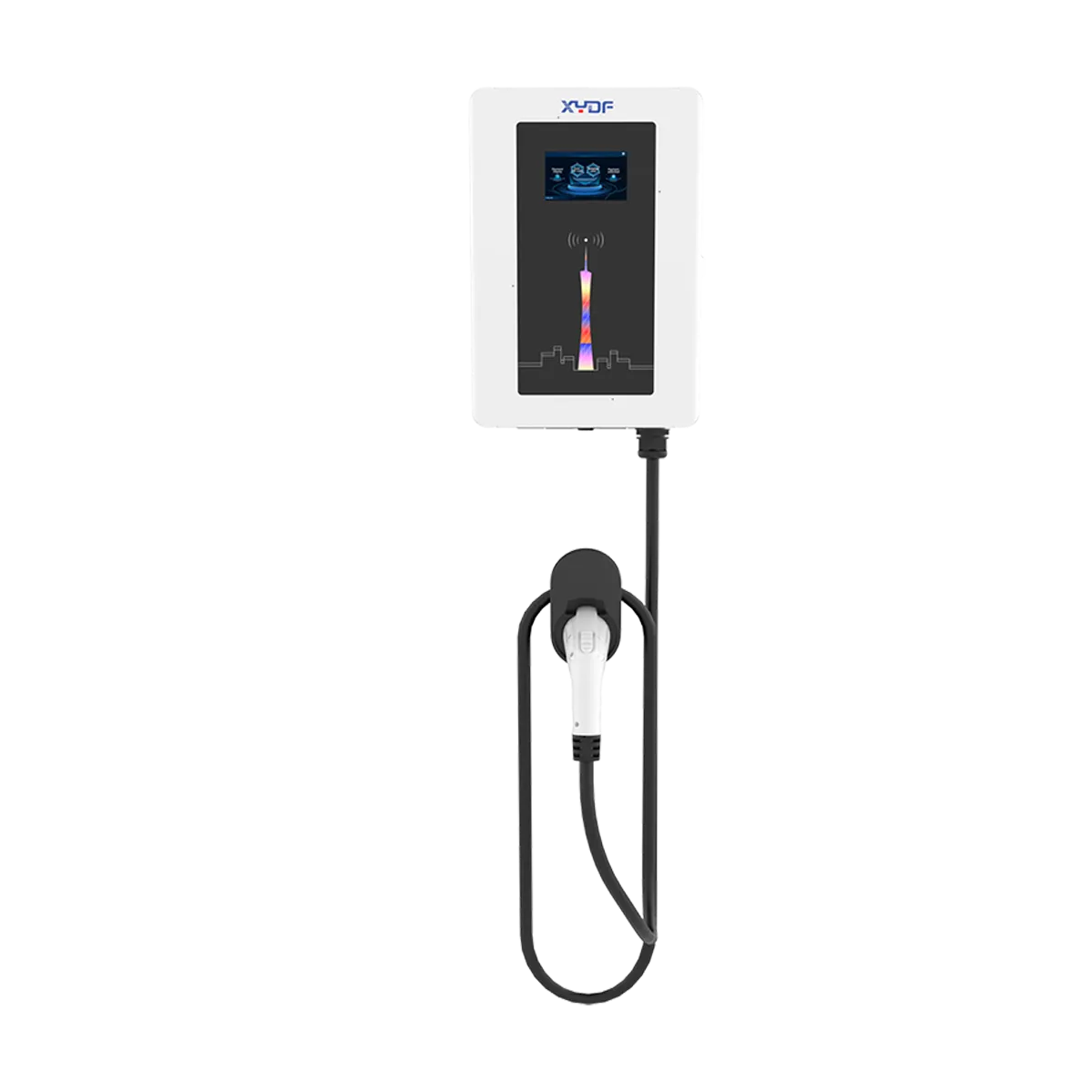
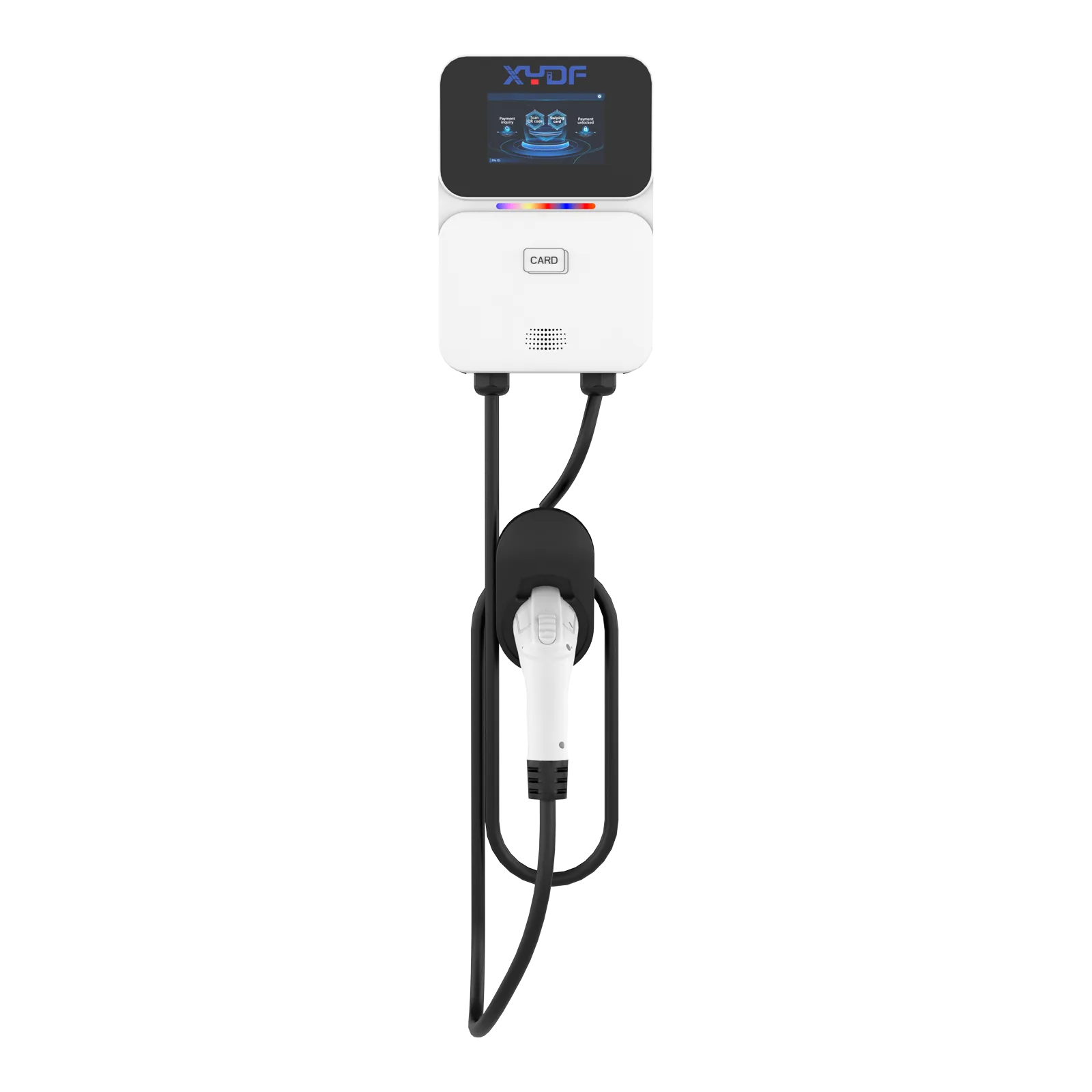
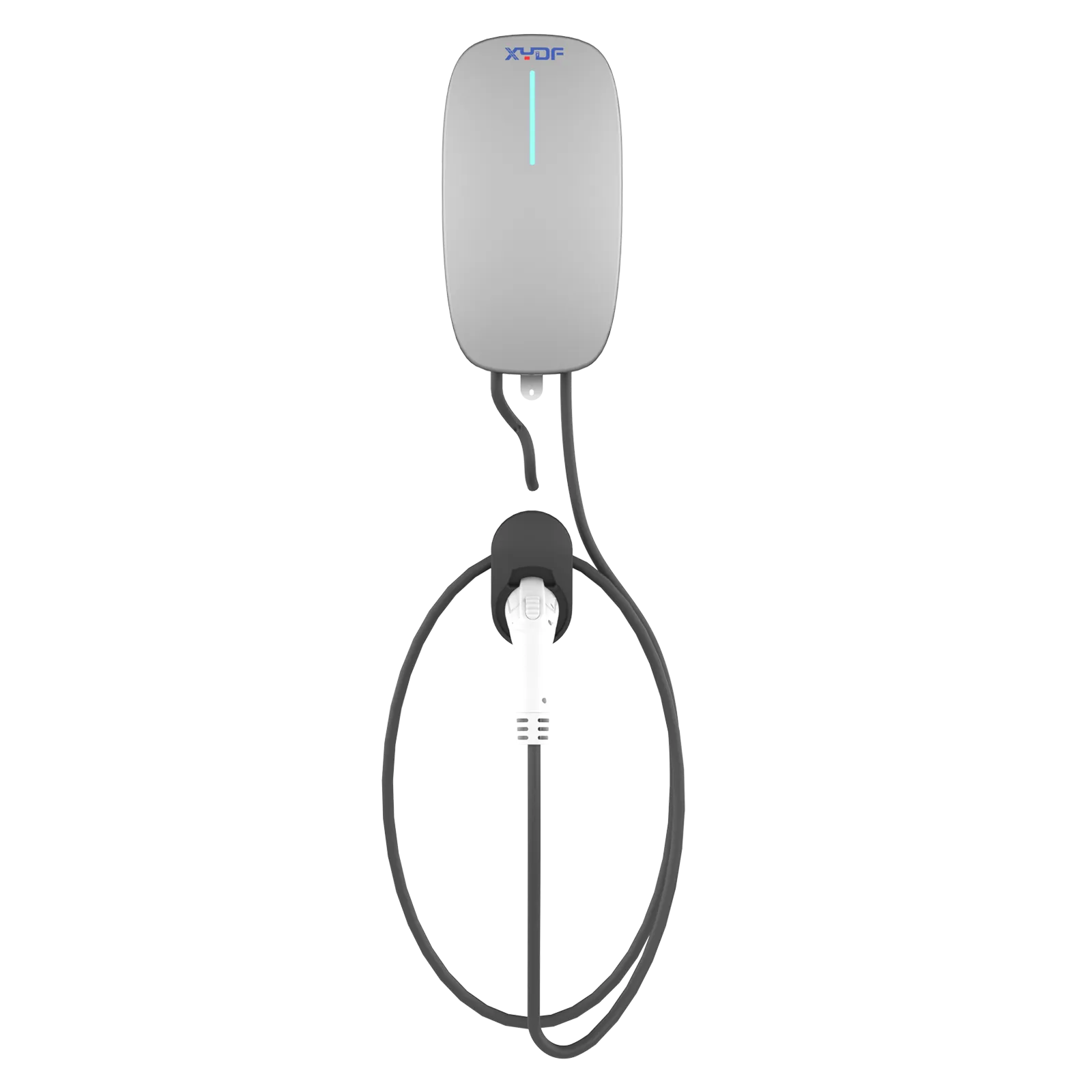
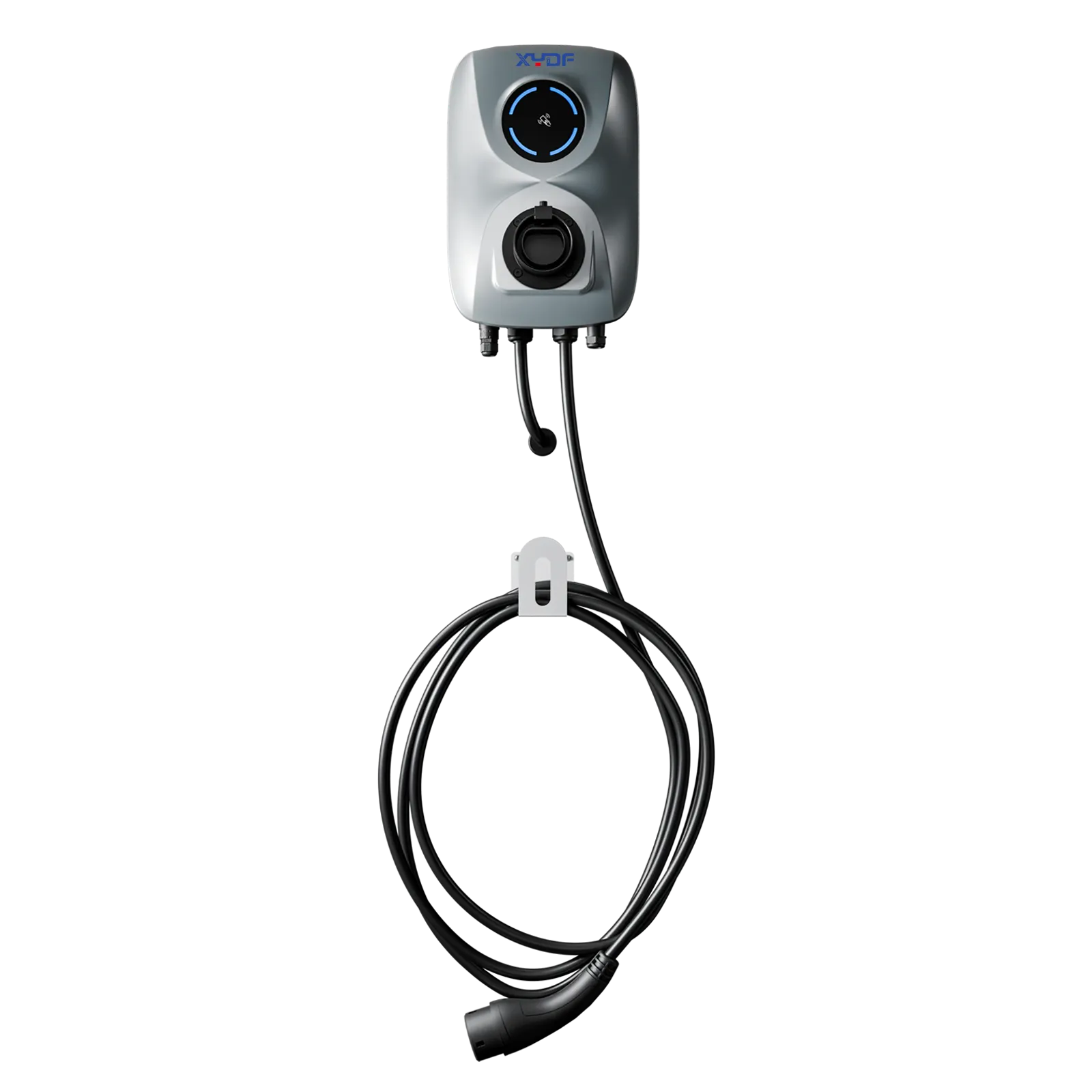
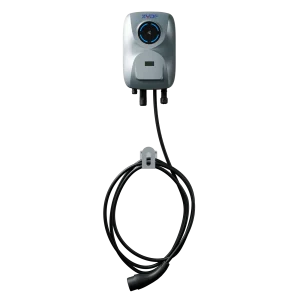
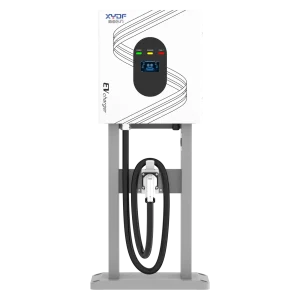

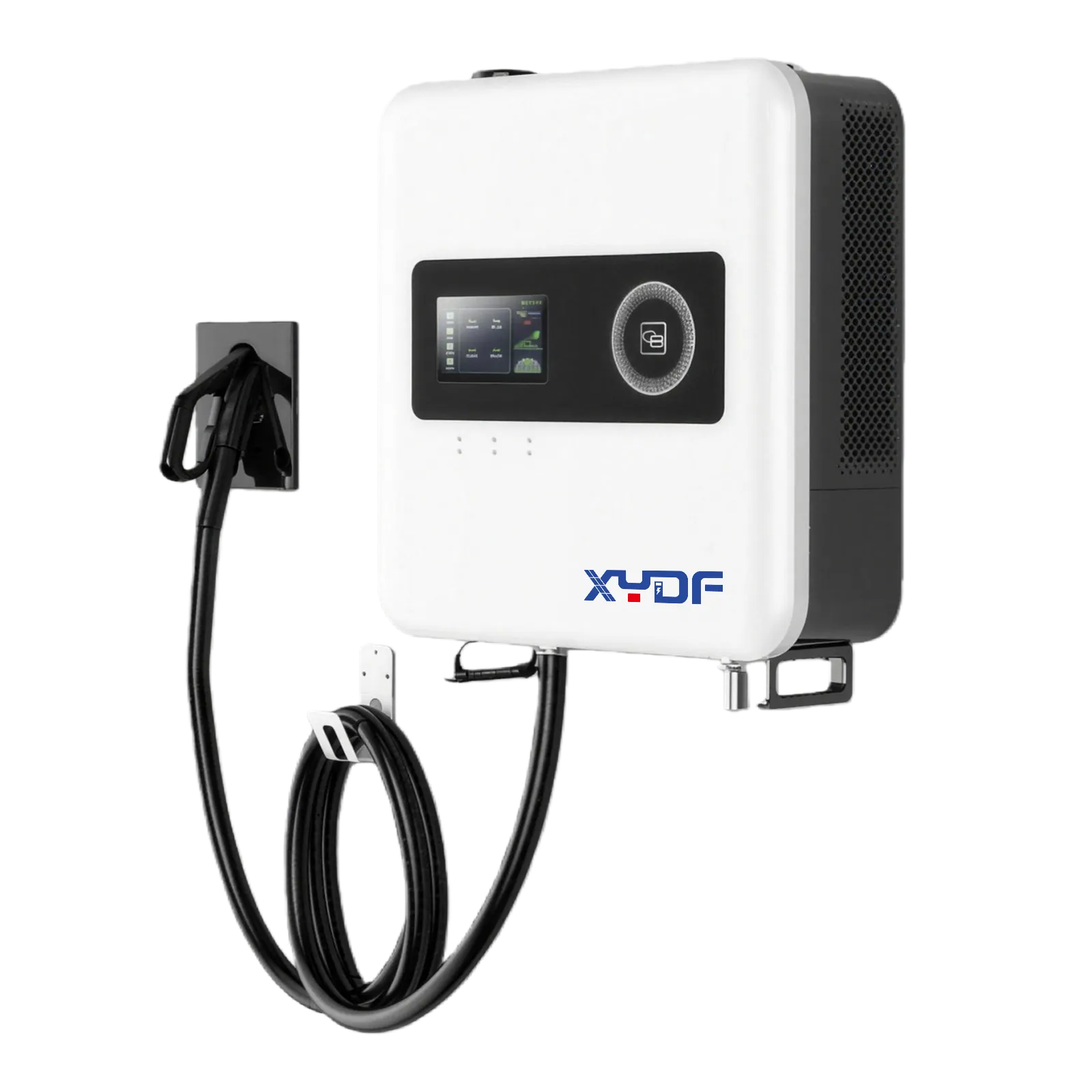
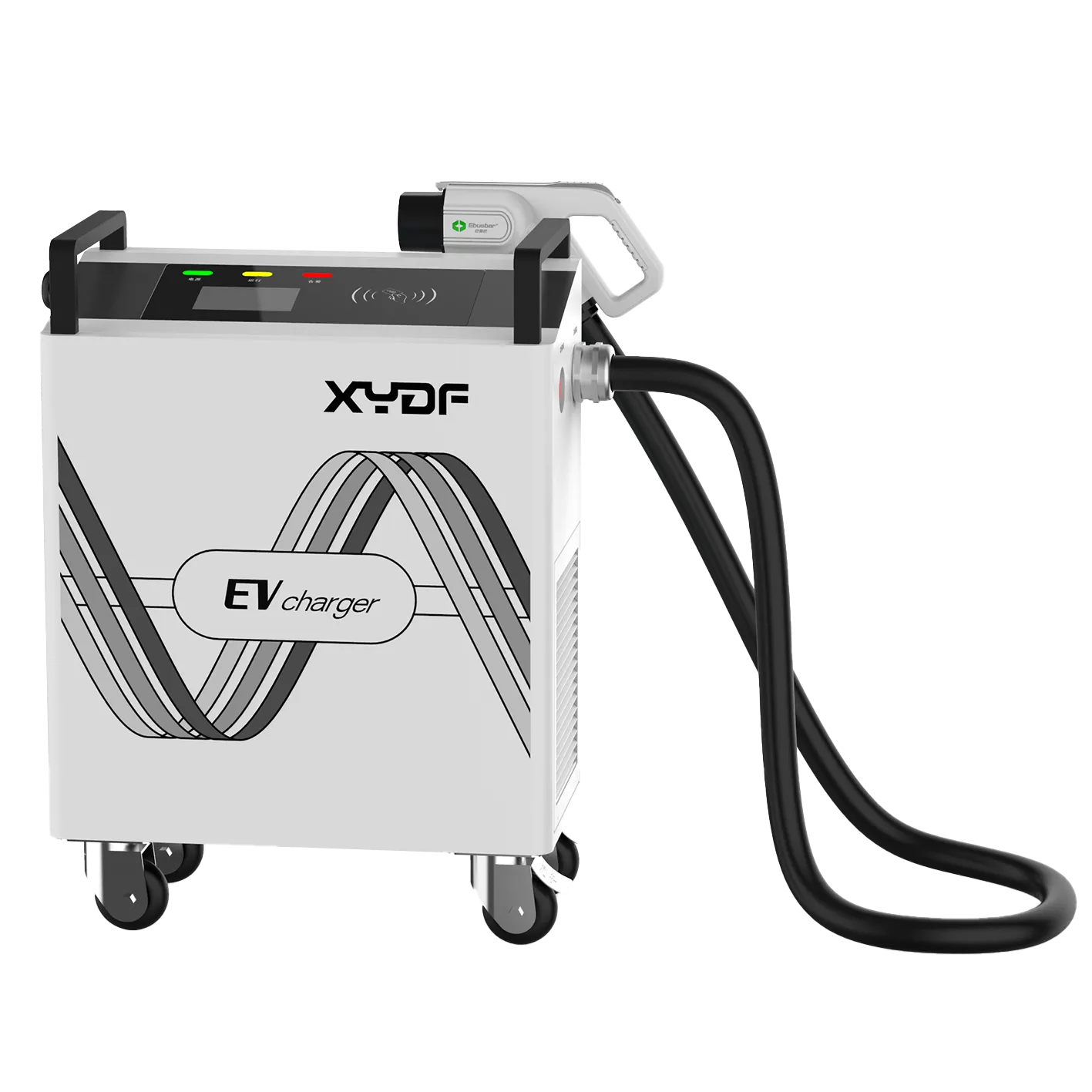
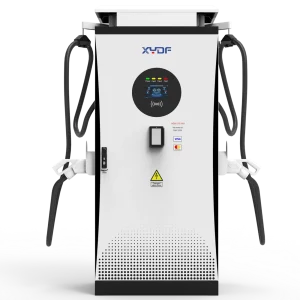
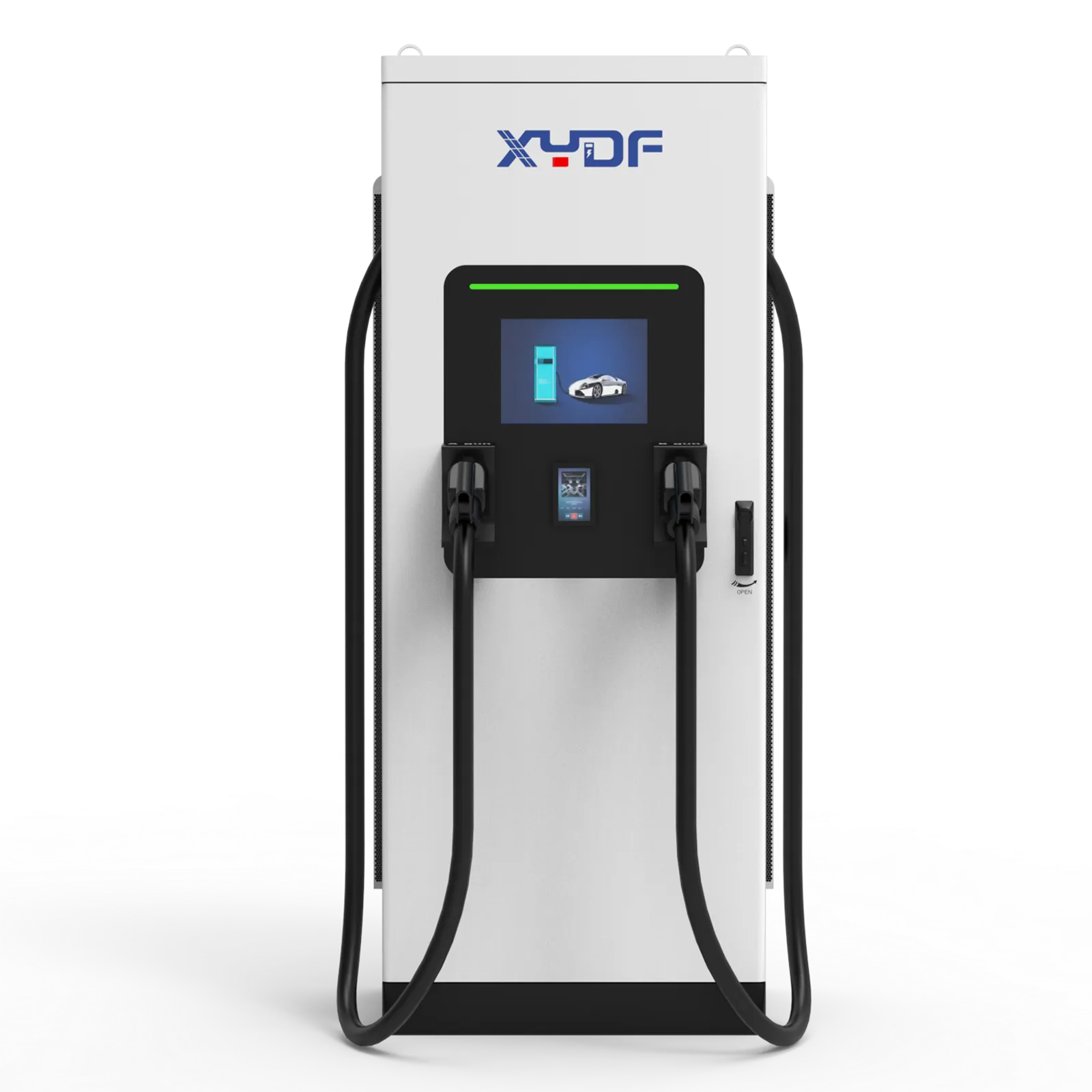
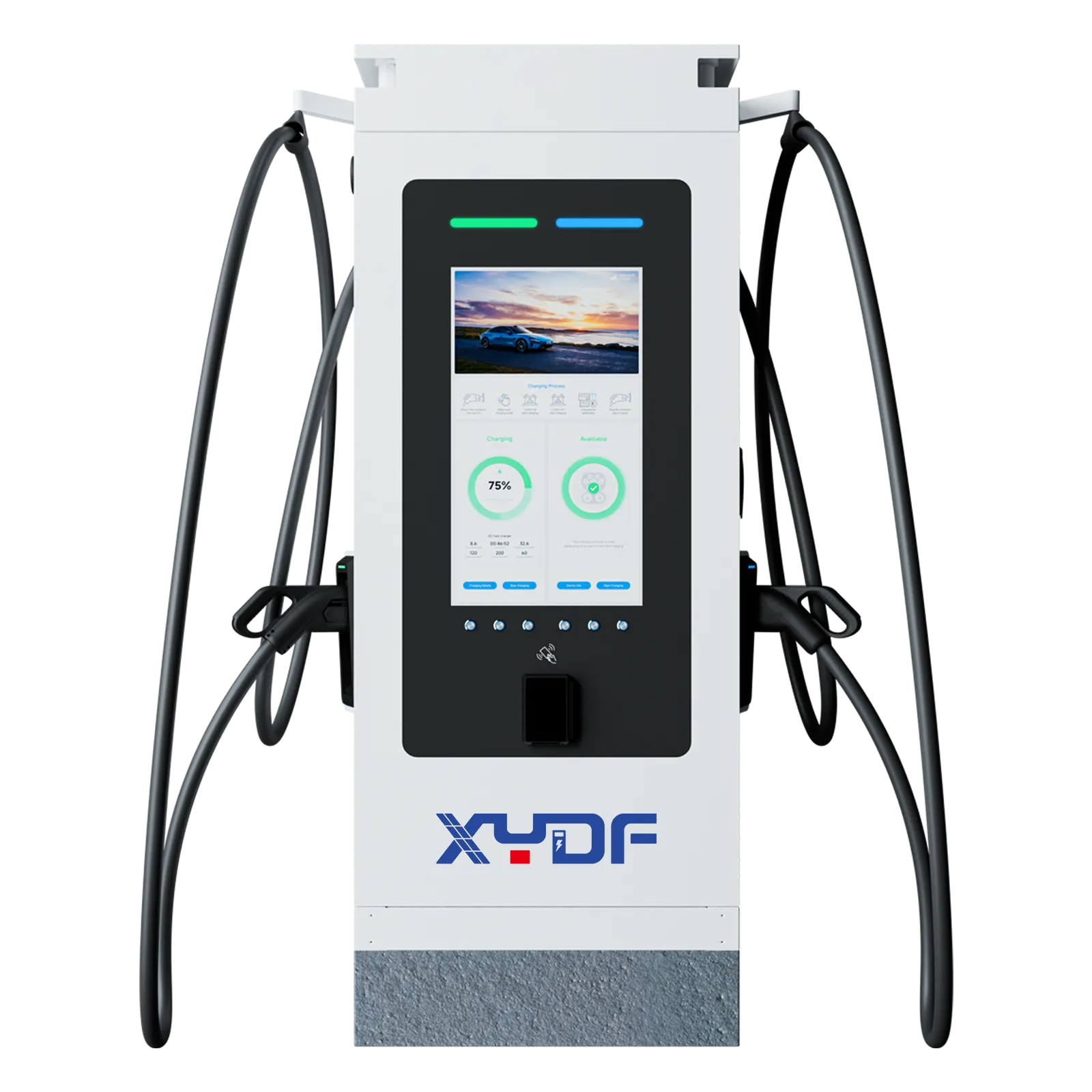
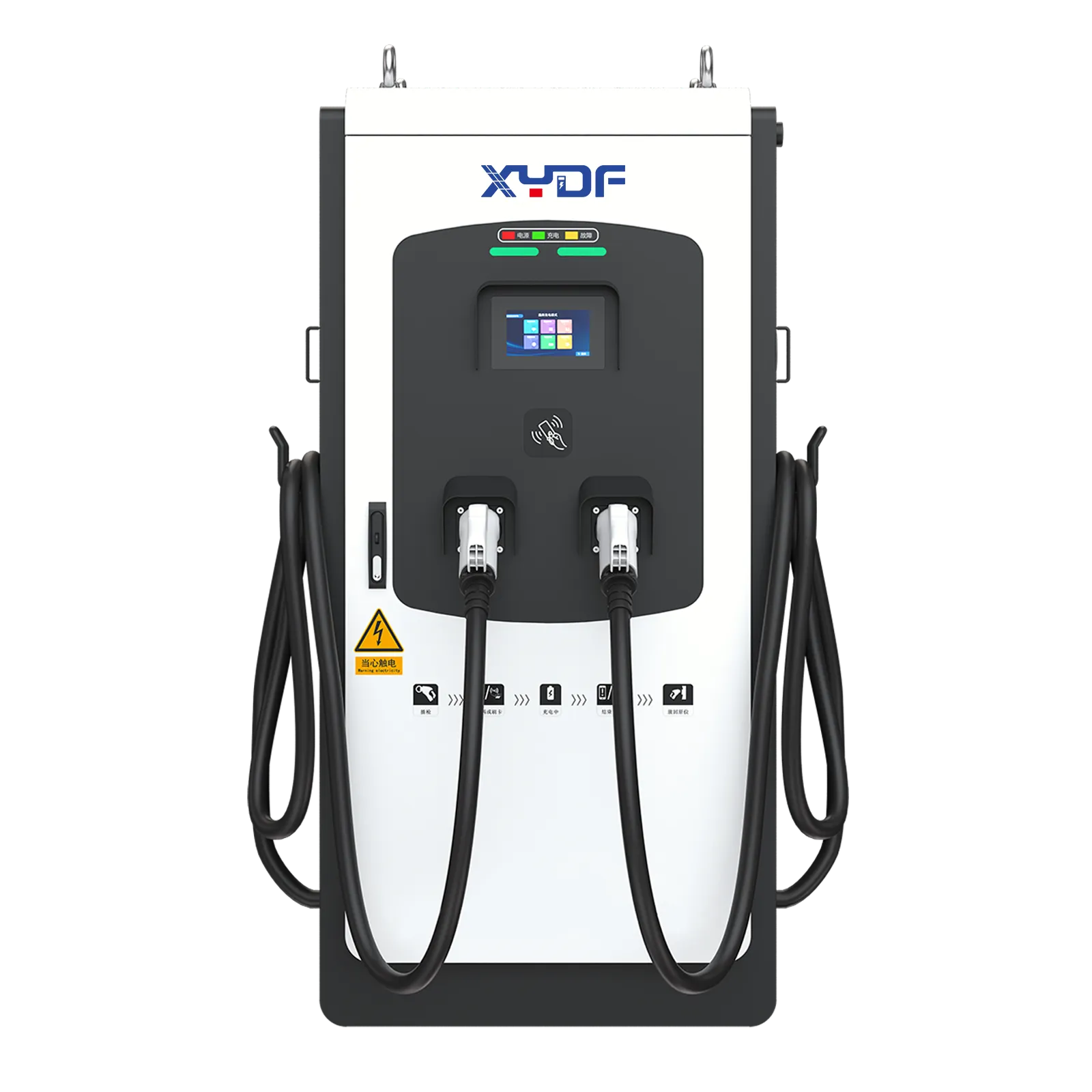
What amenities should an EV charging hub have at a convenience store or retail site? Start with usable restrooms, refreshments, clear payment instructions, good lighting, and an accessible route between the charging bay and the store. The question is not how many extras fit into the car park, but whether drivers can use essential services during a charging stop. A restroom behind a locked door or seating reached only by crossing delivery traffic adds little practical value. Poorly planned EV charging hub amenities can create cleaning costs, pedestrian conflicts, and disappointed visitors. The useful approach is to match services to actual charging duration, opening hours, and the site’s operating responsibilities.
The short answer is to provide essential services first, then add comfort features where demand and operating capacity justify them. Prioritize restrooms, food or drinks, accessible circulation, lighting, visible assistance, and understandable prices; assess shelter, seating, and guest Wi-Fi separately. The U.S. Access Board’s design recommendations connect accessible charging with routes to on-site amenities, so layout matters as much as the amenity list. A quick-stop store and a longer-stay retail destination need different provisions. Before purchasing extras, verify which services remain available throughout charging hours, who maintains them, and how customers return promptly when charging finishes.
Which amenities should come first?
Separate essential access from optional comfort. Restrooms, refreshments, usable walking routes, understandable payment, and assistance address practical tasks; lounges and Wi-Fi do not compensate for their absence. The Alternative Fuels Data Center’s Procurement and Installation for Electric Vehicle Charging Infrastructure identifies proximity to amenities, lighting, safety, signage, and operation costs as planning considerations.
Use the following planning priorities for EV charging station amenities, rather than treating every item as a universal legal requirement. Existing store facilities may be sufficient if their hours, capacity, cleanliness, and accessibility support charging visitors. These are functional comparisons, not measured utilization rankings.
| Amenity | Practical priority | Condition to verify |
|---|---|---|
| Restrooms and handwashing | Support basic needs during a stop | Access, cleanliness, and hours match the advertised service |
| Food, drinks, and essential retail | Provide a useful activity while charging | Service time fits the intended visit |
| Lighting and assistance | Support operation and orientation | Bay, controls, pedestrian route, and help details remain visible |
| Shelter and seating | Add comfort where exposure or waiting warrants it | Do not obstruct movement, visibility, or charger service access |
| Guest Wi-Fi and digital information | Reduce avoidable information friction | Basic charging remains usable without guest-network registration |
Budget for the service, not just installation: restroom cleaning, waste collection, seating upkeep, canopy inspection, and support all need an accountable operator. An amenity that cannot be maintained during charging hours should not be promoted as consistently available.
How should parking and accessible routes connect chargers to the store?
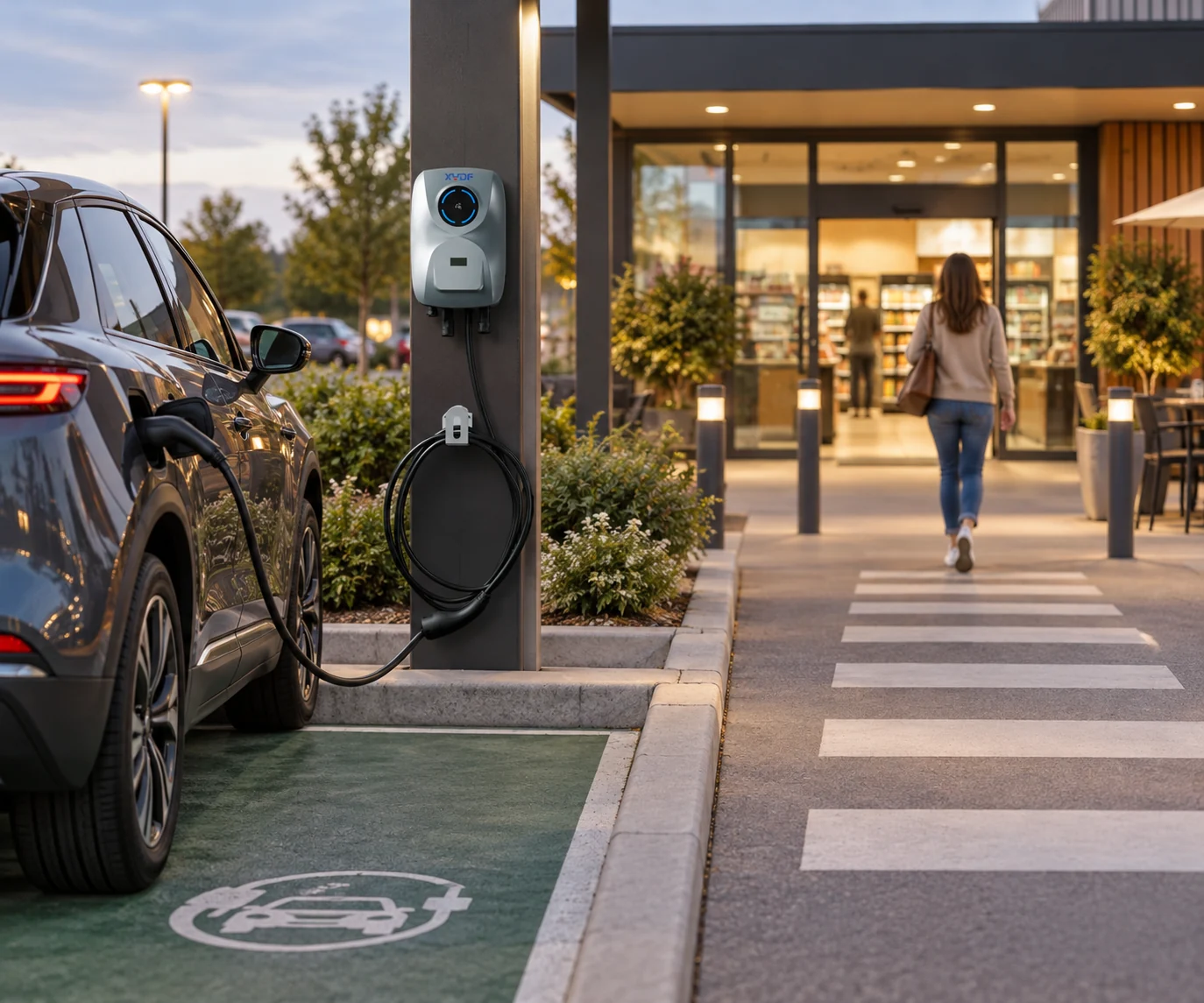
Plan the complete journey from vehicle to charger, entrance, restroom, and back. Keep access aisles separate from queueing, trolley storage, and delivery movements. Check that bollards, wheel stops, cable slack, and canopy columns do not obstruct the route or access to charging controls.
The U.S. Access Board’s توصيات التصميم لساحات شحن المركبات الكهربائية المتاحة للجميع, updated July 17, 2023, recommends a mobility-accessible charging space at least 11 feet wide and 20 feet long, with an adjoining access aisle at least 5 feet wide. These are U.S. technical-assistance recommendations, not globally applicable parking dimensions. The document distinguishes existing ADA and ABA requirements from additional recommendations; the applicable design must be checked against local rules and project conditions.
Verify the Access Board guidance against the whole site layout, not the equipment footprint alone. Test different vehicle inlet positions and the pedestrian crossing arrangement. Charging bays should not become overflow parking simply because they sit near the entrance.
How much dwell time should food and retail services support?
Use expected visit patterns and actual charging behavior, not a single universal session length. Vehicle capability, arrival charge level, battery temperature, shared power, and the driver’s target influence charging duration. Charger nameplate power is not a promise of a fixed stop time.
For a quick-stop format, favor services with short ordering and collection steps. For a shopping destination, coordinate the charging policy with the store visit so a driver can finish charging without abandoning a purchase. The AFDC’s State and Local Planning for Electric Vehicle Charging Infrastructure identifies retail and food services as useful neighboring amenities; it does not establish a guaranteed sales uplift.
| Visit pattern | Useful amenity mix | Operating question |
|---|---|---|
| Short refreshment stop | Restroom, grab-and-go food, drinks | Can customers complete the visit without a long service queue? |
| Shopping visit | Retail access, seating, clear session information | How are completion and bay-turnover expectations communicated? |
| Evening or reduced-service hours | Lit routes, assistance, accurately advertised services | Which facilities remain open when the store closes? |
| Exposed outdoor waiting | Suitable shelter and a usable covered route | Does protection cover the customer’s journey, not just the charger? |
These are planning scenarios, not prescribed charging-time bands. Review session duration alongside store visits and queueing after opening. Publish any parking limits and idle fees before a session starts, rather than using an amenity offer that unexpectedly conflicts with bay turnover.
What lighting, security, and weather protection are useful?
Lighting should make charging controls, cable handling, pedestrian crossings, and the store entrance understandable after dark. Avoid glare that makes screens difficult to read or creates sharp contrasts along the route. The Access Board recommends lighting to support charger operation and shelters against rain, snow, ice, and extreme sun or heat.
Specify lighting through a site-specific design assessment rather than inventing one universal illumination level. Review CCTV coverage, sightlines, staff visibility, and incident response together. Cameras can support monitoring and investigation, but their presence does not guarantee personal safety. Establish who receives alerts and what help is available when store staff are absent.
Assess a canopy for pedestrian coverage, drainage, structural design, clearances, lighting, and maintenance. A roof over equipment alone may leave customers exposed while plugging in or walking to the store. Keep shelter supports and furniture out of accessible routes, vehicle movements, and service clearances.
Should Wi-Fi, seating, payment, and loyalty services work together?
Guest Wi-Fi and seating can make a wait more comfortable, but neither should become a barrier to starting a charge. Distinguish customer internet access from the charger network connection. The AFDC’s procurement and installation guidance explains that networked charging can support payments, usage monitoring, and customer assistance; actual functions depend on the selected system.
Physical signs should identify the charging area, store entrance, facilities, parking rules, and support number. Digital wayfinding should show accurate access hours and available amenities, including any out-of-hours limitations. Give customers clear completion information without requiring them to remain beside the charger.
For loyalty integration, define who applies a discount, how charging and retail receipts are reconciled, and what happens if the loyalty service fails. Keep participation optional unless a clearly disclosed, lawful access model says otherwise. Test guest payment, declined payment, refunds, and session completion separately from rewards registration.
In the UK, Public Charge Point Regulations 2023 guidance, updated October 21, 2024, sets out pricing, contactless payment, and assistance obligations for in-scope public charge points. It includes a free-to-use 24/7 staffed telephone helpline and contactless requirements for specified charge points, with stated exemptions. These are market-specific obligations, not optional amenities or proof that any particular charger complies.
What should be checked before opening and during operation?
Before commissioning, assign responsibility across the landlord, retailer, charging operator, installer, and equipment supplier. The commercial boundary is important: someone must resolve blocked bays, closed facilities, payment disputes, and damaged shelter even when charging hardware is functioning.
- Walk the entire customer route in daylight and after dark, including access to facilities and the return journey.
- Test charging, guest payment, help calls, session completion, and any loyalty offer under normal and failure conditions.
- Confirm that published hours, signs, prices, and digital listings match the services actually available.
- Assign inspection, cleaning, repair, and escalation ownership; include foreseeable recurring costs in the operating budget.
During operation, track successful session starts, unavailable bays, complaints, service closures, and waiting. Review the EV charging customer experience alongside utilization, recording changes to pricing, charger availability, and local demand. Amenities may help customers choose or revisit a site, but an improvement cannot automatically be attributed to a new canopy or coffee offer.
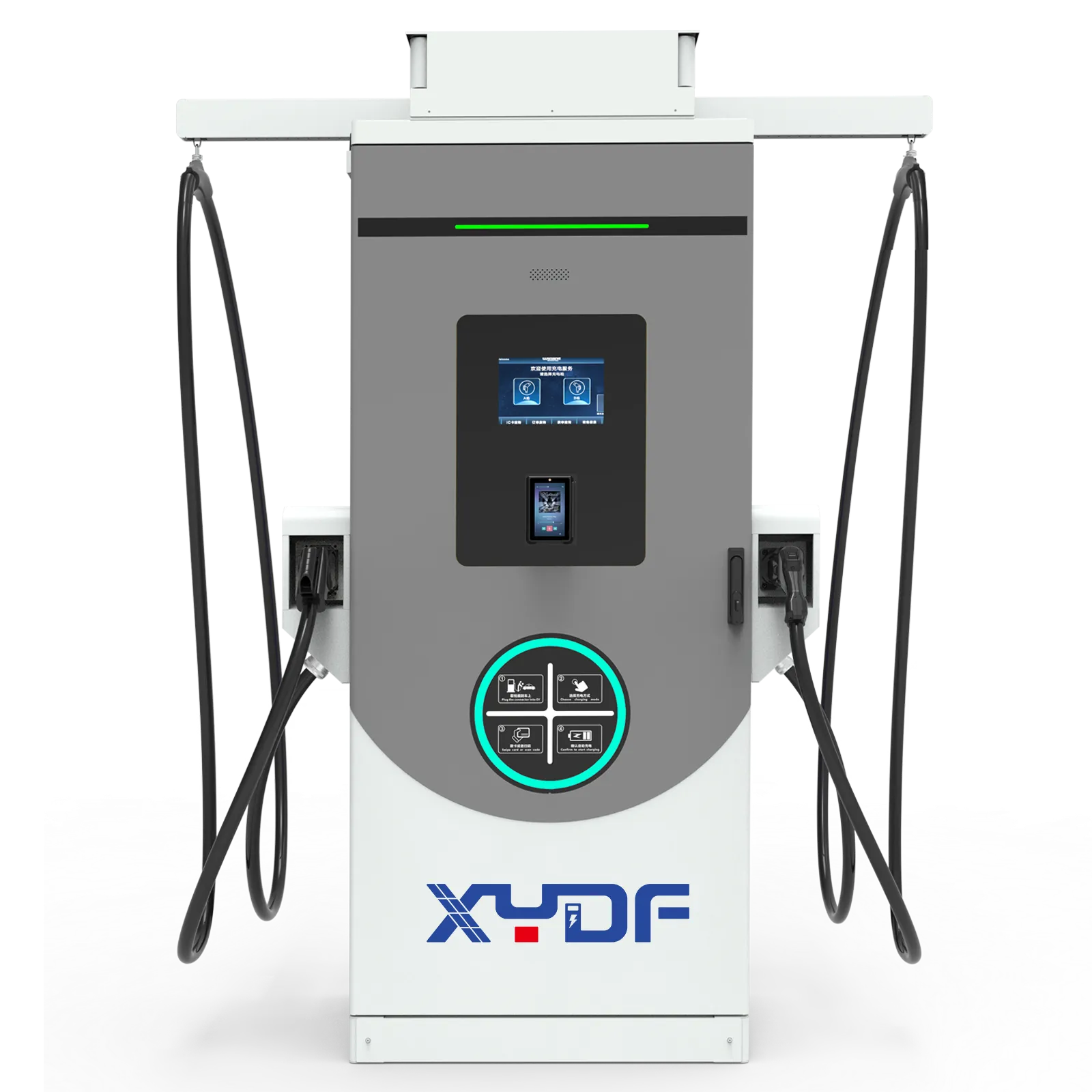
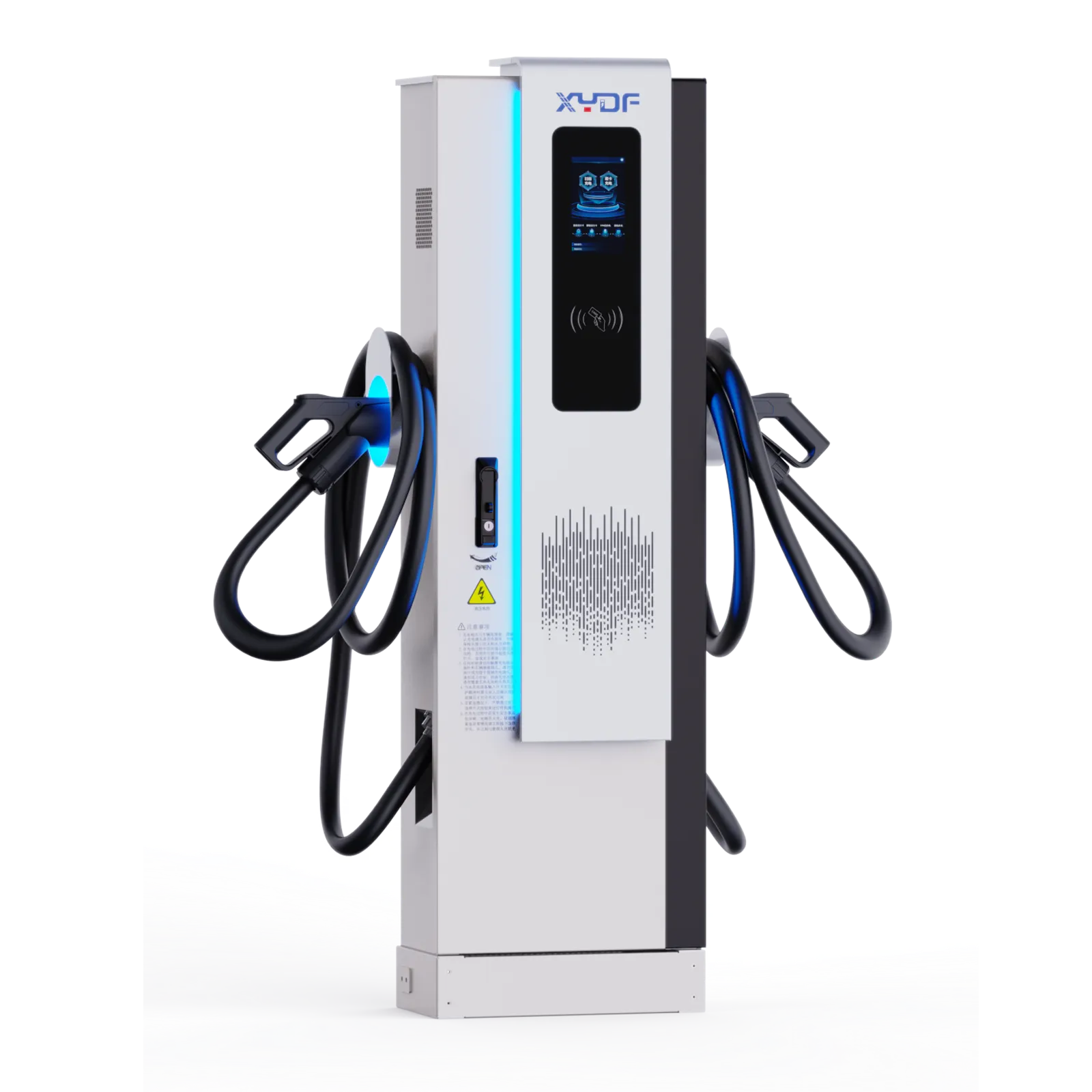
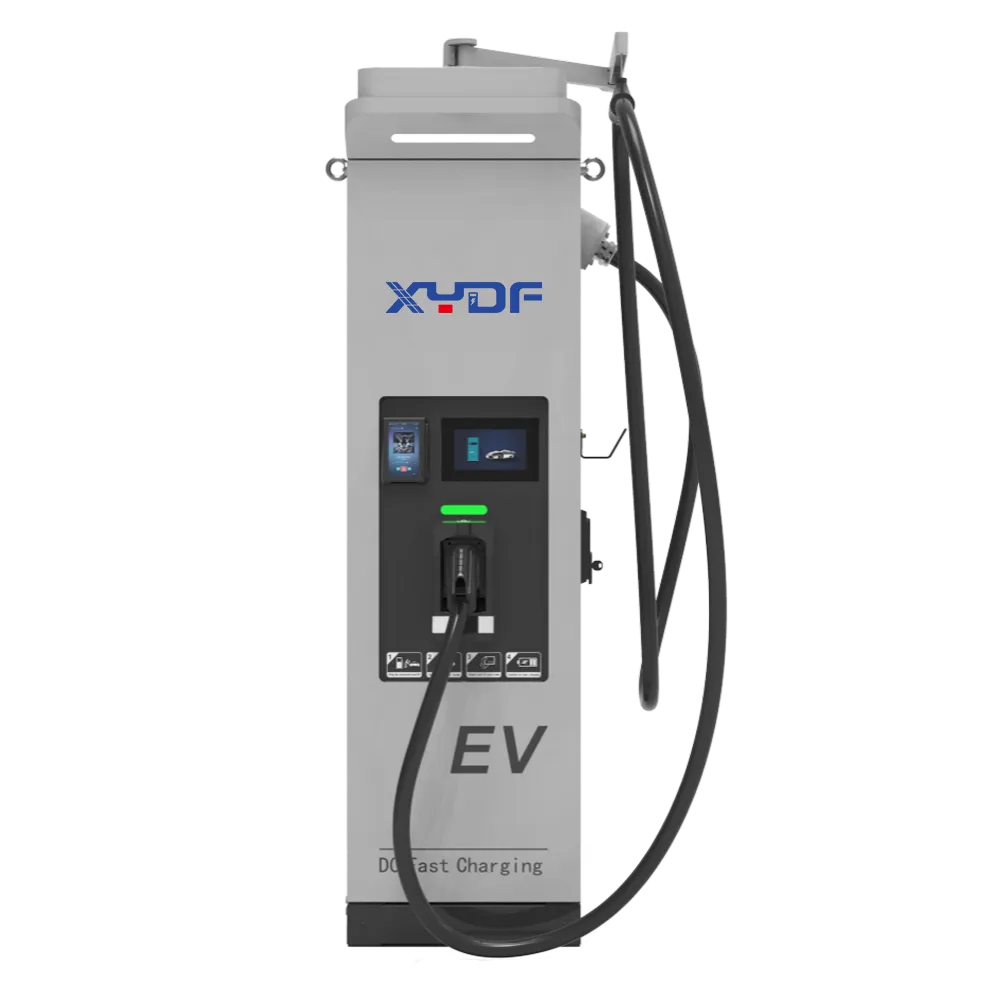
For an XYDF equipment discussion, separate the hardware decision for retail EV charging from the site’s amenity plan. Review حلول شحن المركبات الكهربائية و شواحن السيارات الكهربائية بالتيار المتردد for convenience store EV charging against the required layout, intended vehicles, payment system, and operating model; verify product-specific documentation before specifying equipment.
What else should retail charging operators consider?
What amenities make an EV charging hub more useful to drivers?
Prioritize restrooms, refreshments, clear payment, accessible routes, lighting, and assistance. Add seating, shelter, and Wi-Fi where they address the site’s actual waiting conditions.
Should a convenience store add restrooms and food service near chargers?
Where feasible, these support practical needs during a stop. Existing store facilities may suffice if their capacity, access, opening hours, and cleaning arrangements fit charging demand.
How much dwell time should retail amenities support?
Support the expected range of visits, not a fixed charging duration. Check actual session data and service queues, then align food service, parking rules, and completion information.
What lighting and security features are expected at an EV charging hub?
Provide usable lighting, clear sightlines, visible assistance, and an incident-response arrangement. Consider CCTV through a site-specific assessment; monitoring alone does not guarantee safety.
Should a retail charging site provide Wi-Fi, seating, or covered parking?
Provide them when exposure, visit patterns, and maintenance capacity justify them. They remain secondary to essential access and should not obstruct circulation or become a condition of basic charging.
How can amenities improve charger utilization and customer satisfaction?
Useful, available services may make a stop easier to choose and repeat. Evaluate results alongside reliability, prices, and demand; amenities do not guarantee increased utilization.
Which sources support these planning decisions?
- U.S. Access Board, توصيات التصميم لساحات شحن المركبات الكهربائية المتاحة للجميع, updated July 17, 2023.
- Alternative Fuels Data Center, Procurement and Installation for Electric Vehicle Charging Infrastructure, accessed October 12, 2026.
- Alternative Fuels Data Center, State and Local Planning for Electric Vehicle Charging Infrastructure, accessed October 12, 2026.
- Alternative Fuels Data Center, Operation and Maintenance for Electric Vehicle Charging Infrastructure, accessed October 13, 2026.
- U.S. Department of Justice, معايير ADA لعام 2010 للتصميم المتاح, official standards text.
- Office for Zero Emission Vehicles and Department for Transport, Public Charge Point Regulations 2023 guidance, updated October 21, 2024.
- European Union, المقرر (EU) 2023/1804 بشأن نشر بنية تحتية لتشغيل الوقود البديل, official journal text.
How should the final amenity package be chosen?
The strongest amenity package is one that drivers can actually use, not the longest list of facilities. First establish charging access hours, the intended visit pattern, and a usable route into the store. Then choose services that fit that journey, with explicit responsibility for cleaning, support, weather protection, and repairs. Verify accessibility, payment obligations, and local site requirements before treating the layout as complete; a comfortable waiting area cannot compensate for an unusable charger or a blocked route. After opening, adjust the offer using observed sessions and customer feedback rather than promised utilization gains. XYDF equipment selection belongs within that wider operating plan. To discuss the charging hardware and documentation needed for a defined retail project, اتصل بـ XYDF.