As more people buy electric cars (EVs), more people want to learn about how to charge their cars. In fact, even if you just bought an EV or have just begun driving one, learning about the various options for charging your EV and finding charging locations will help you keep your trips short and smooth. This article provides you with a complete guide on the different types of EV chargers available to give you an overview of how they work and answer any questions you have about the world of EVs.
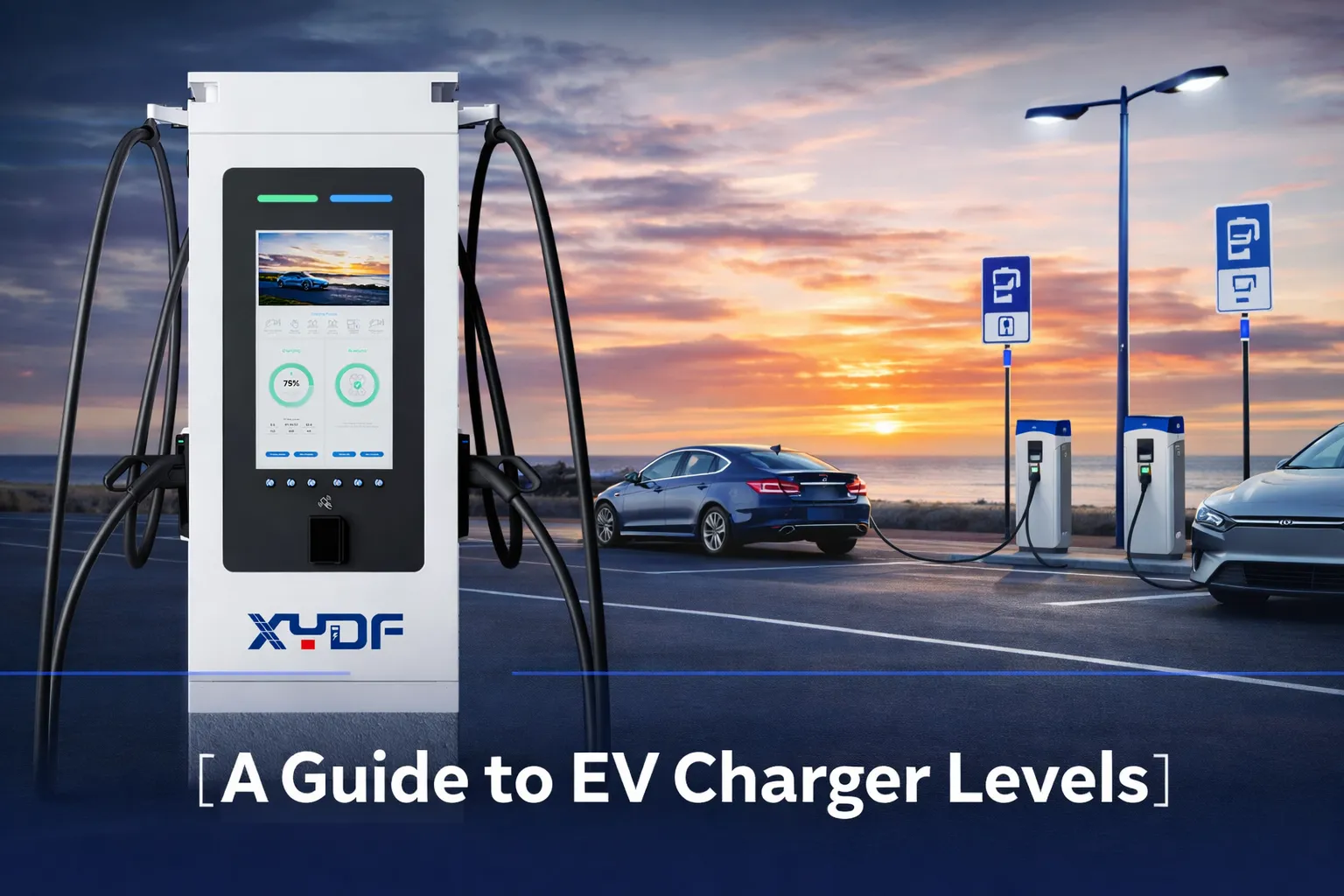
There are 3 charging levels for EVs: Level 1, Level 2, and Level 3 (DC fast charging). Depending on the charging equipment you use and the type of electricity they receive, each charging level has a different amount of electricity they can charge.
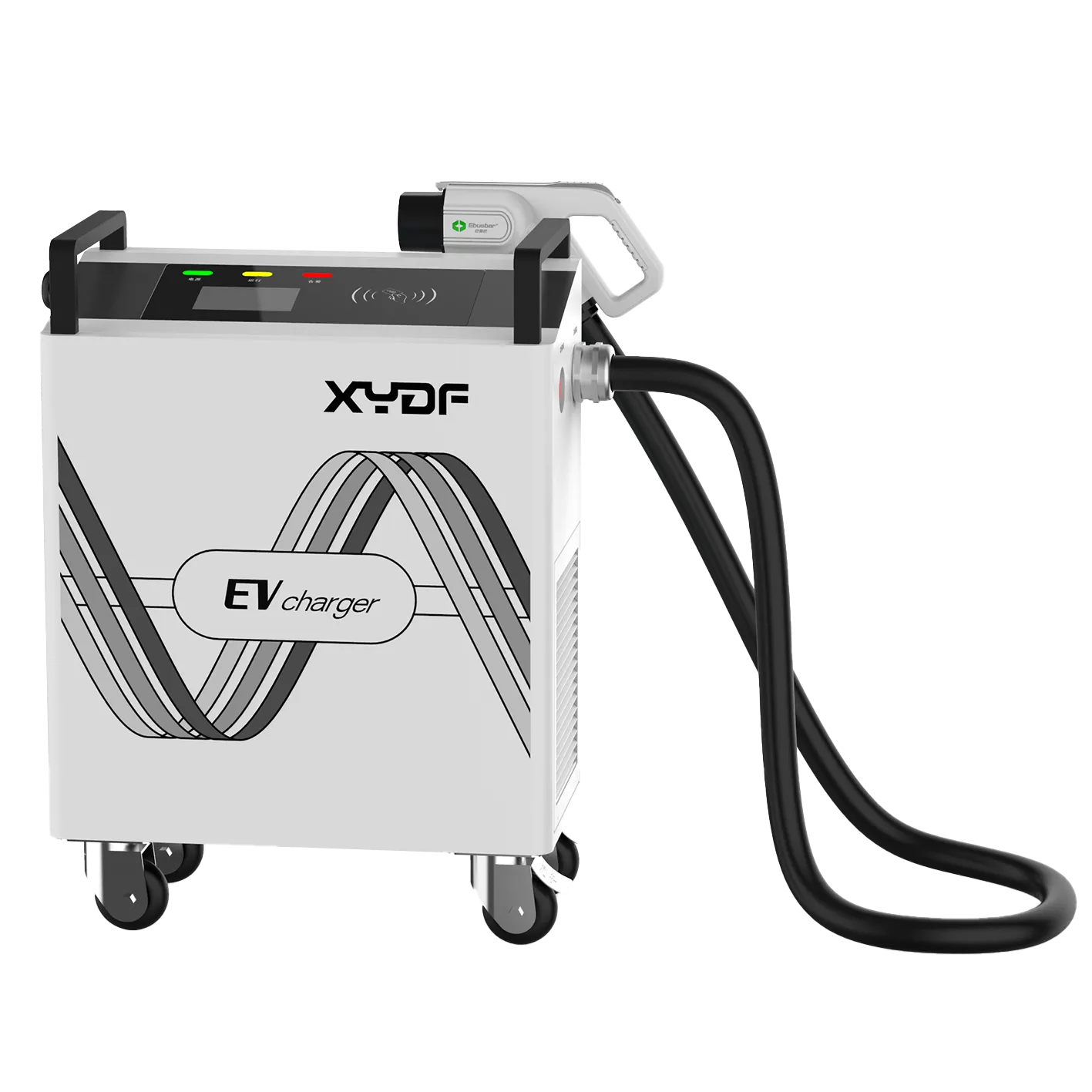
Level 1 charging is the same as charging with a regular 120V plug; this is the so-called “trickle” charge. Use of a plug socket may suit your needs for charging with this type of charger when your daily distance traveled is short.
You may find Level 1 chargers appealing because they offer numerous advantages when compared with other kinds, however, they do have their limitations for those that are looking for a quicker solution to get away from home.
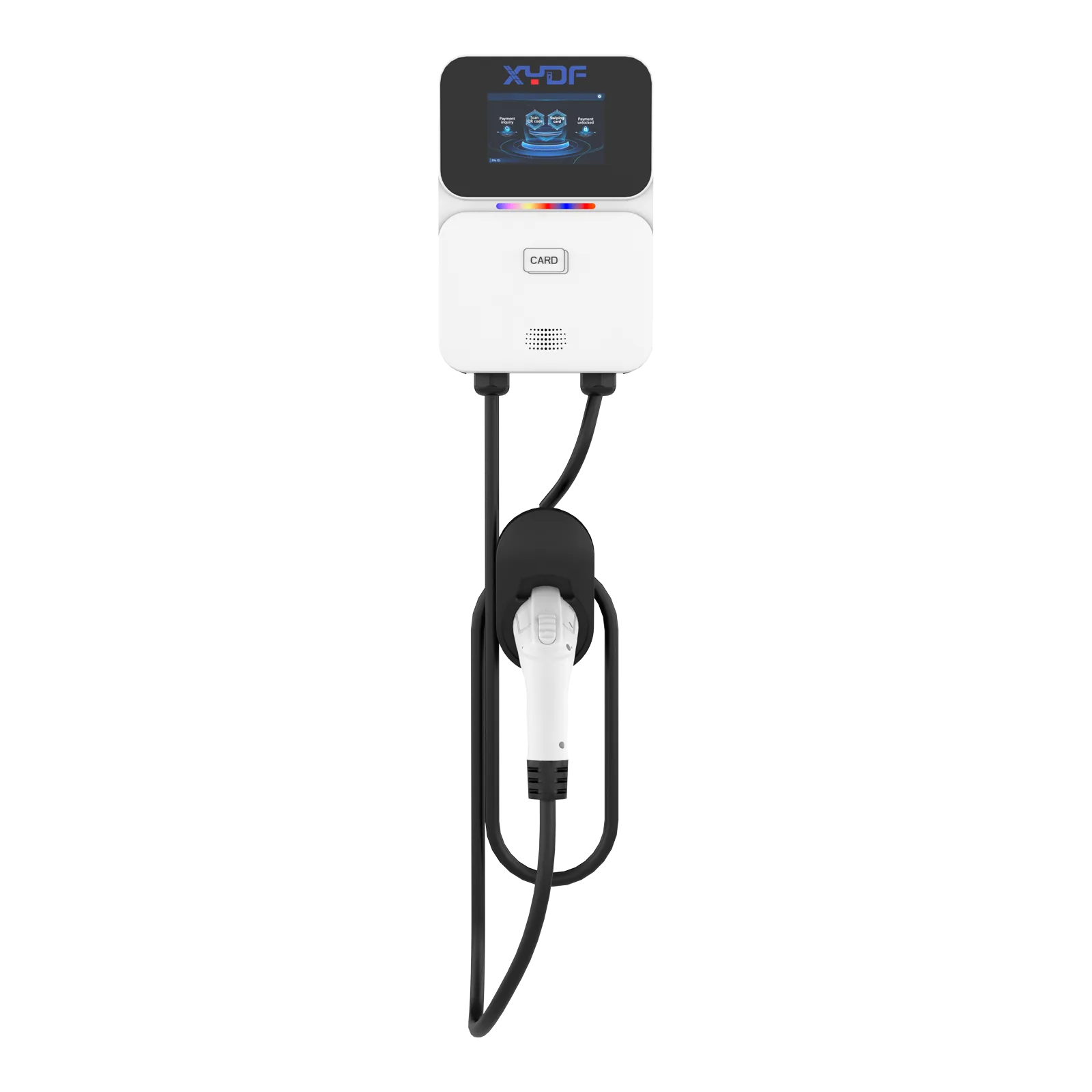
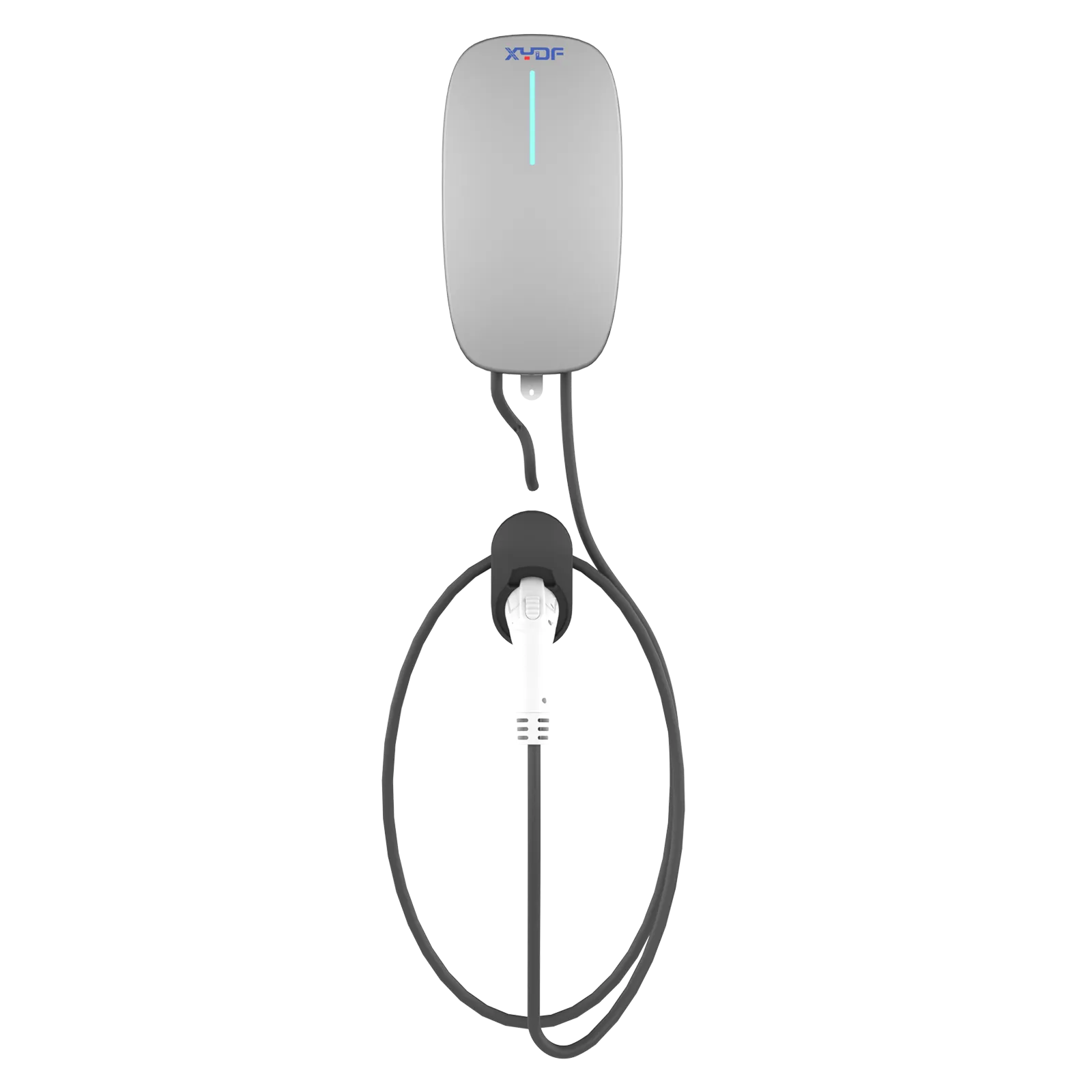
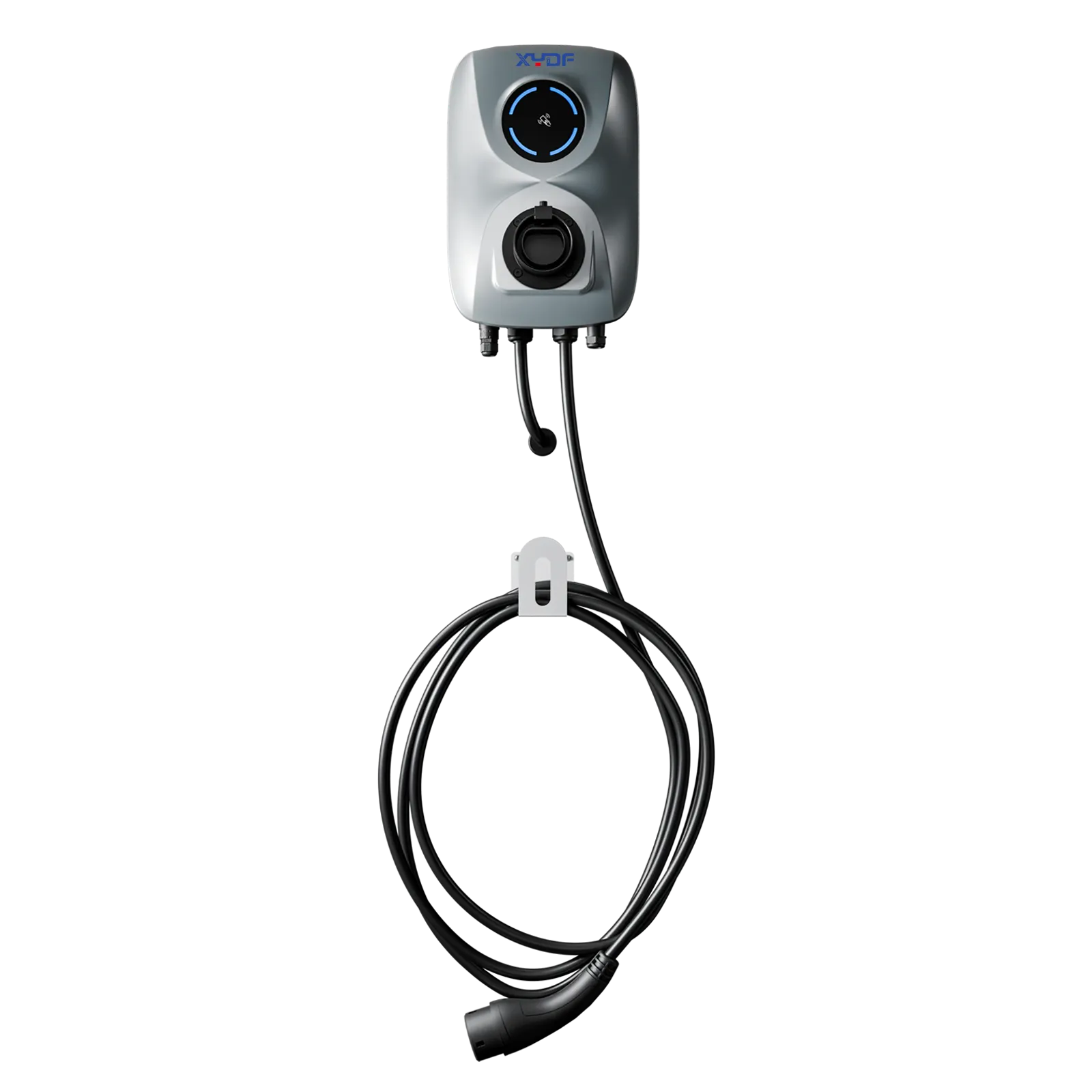
Level 2 chargers provide 240 volts to charge the battery, creating a charge time that is much quicker in comparison with Level 1 chargers. You can find these stations at home, businesses, and public places; they’re easy to use by many electric vehicle drivers every day.
Level 2 chargers are the type most commonly used due to providing the best value compared with convenience.
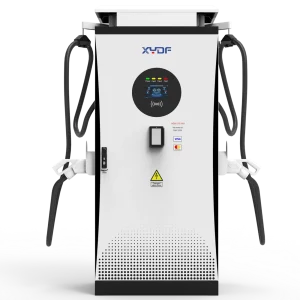
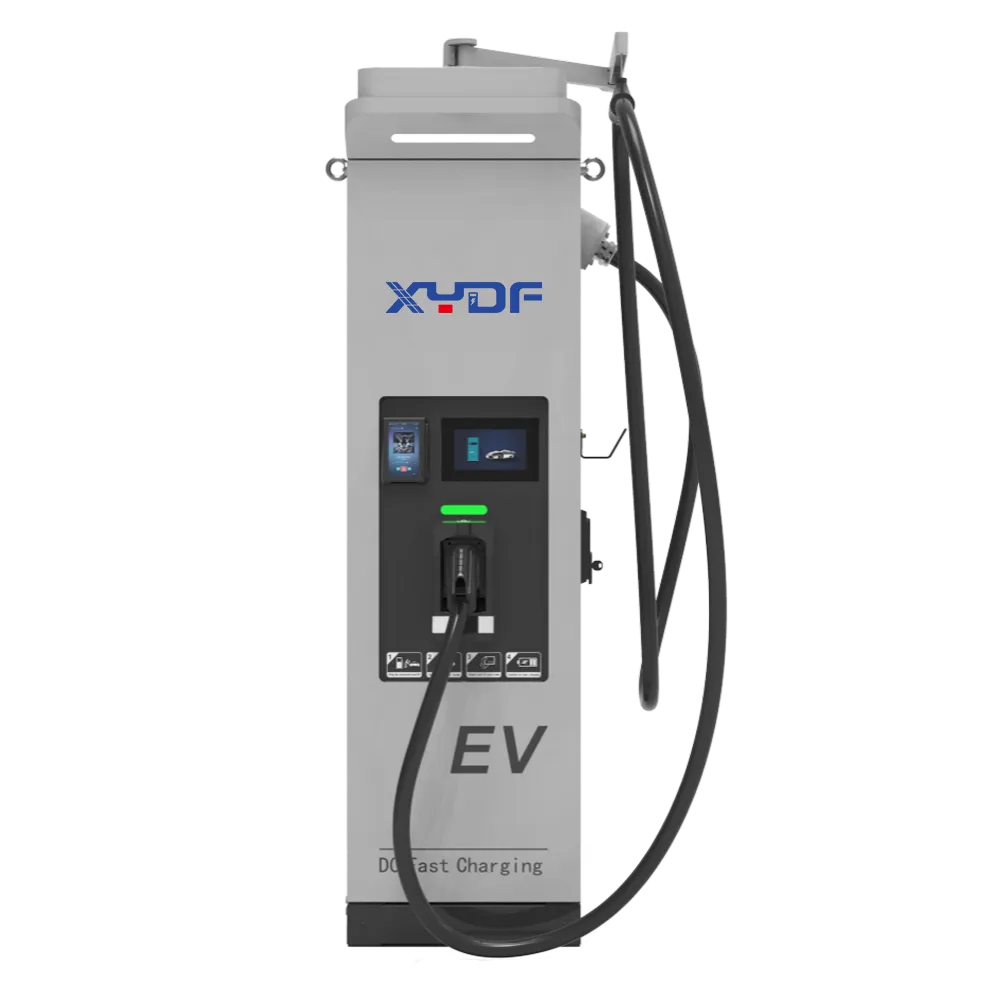
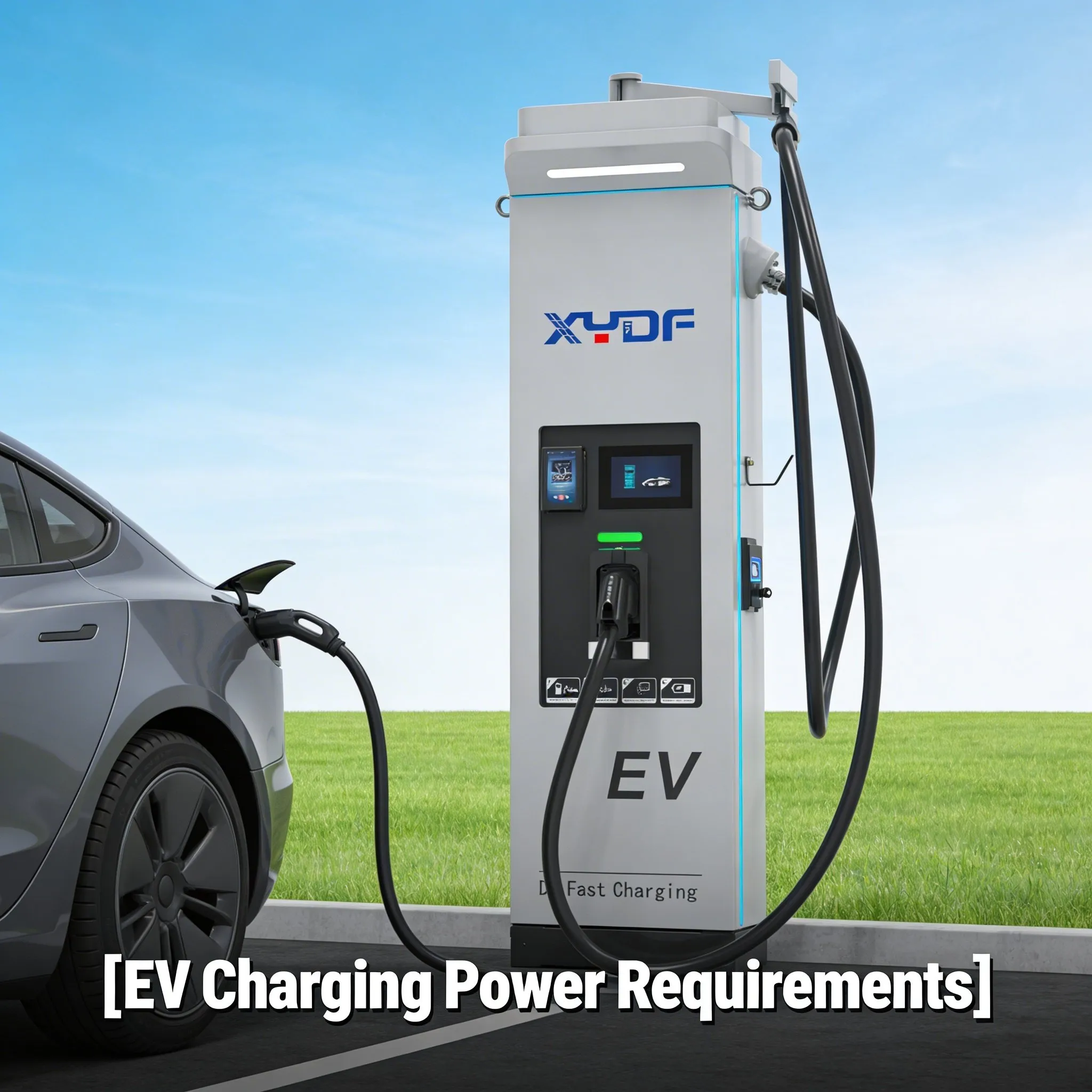
Level 3 chargers or DC Fast Chargers are designed to utilize DC voltage instead of AC, allowing you to charge your vehicle much faster than either Level 1 or Level 2 chargers.
Level 3 chargers are not recommended for residential use because of the equipment level and the cost of running those types of chargers.
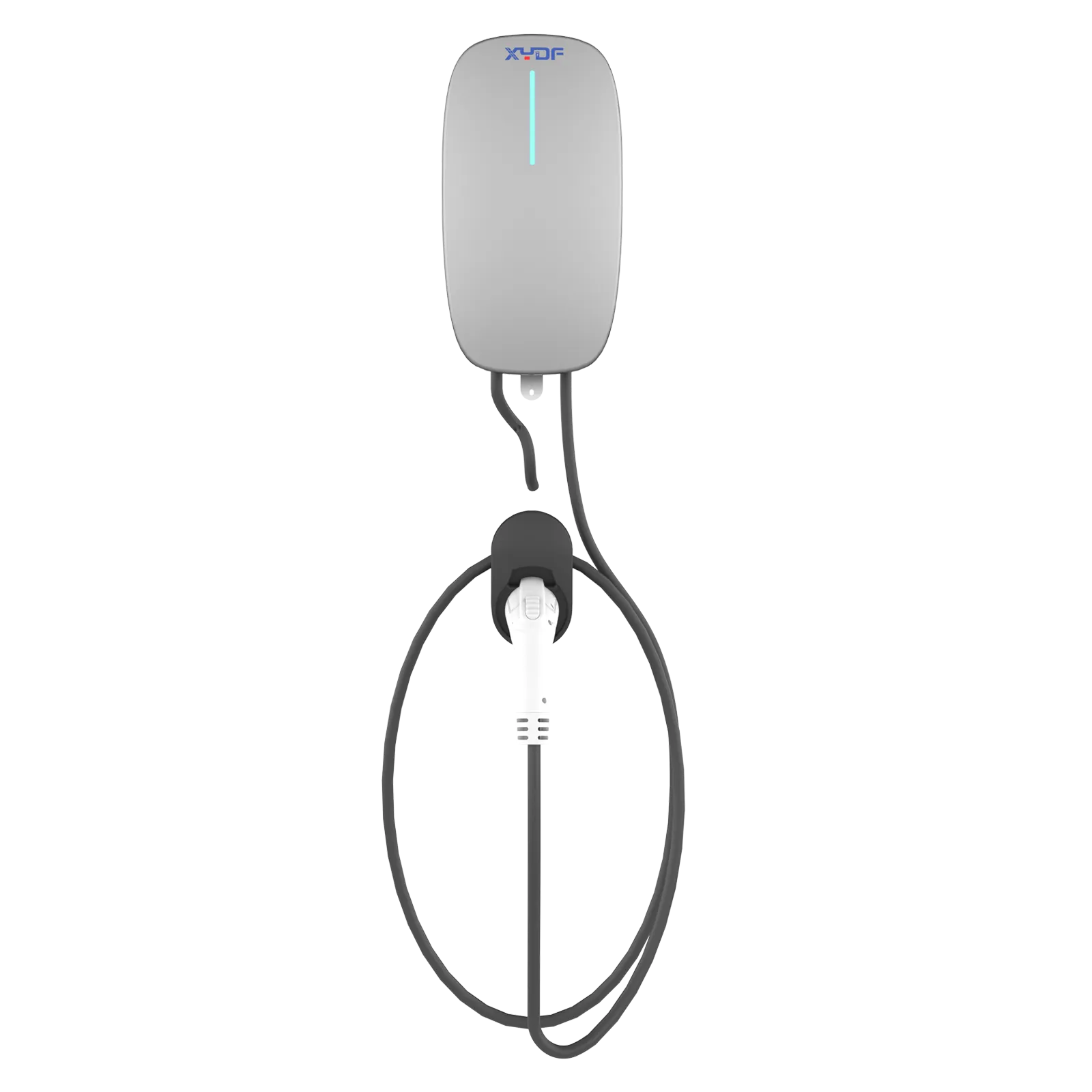
Many owners of electric vehicles ask about a so-called “Level 4 EV charger.” However, there has been no Level 4 EV charger developed yet, though this term can refer to ultra-fast charging solutions. There are solutions being developed now to provide EV users with charging solutions at speeds faster than Level 3 chargers.
Ultra-rapid chargers are being designed and are capable of providing EV users with charging solutions at rates of up to 350 kW or more, which would enable compatible electric vehicles to charge in 15 minutes or less. These advanced charging systems are currently in the design and testing phases; however, these systems may have limitations due to a lack of substantial infrastructure and their complexity, as the systems are not compatible with all EV models.
One more thing EV owners should consider when charging their EVs is whether the EV charger and EV are compatible. As noted above, there are a number of connector types used to connect EVs to EV chargers, which may present problems for the EV owner when trying to connect to an EV charger. Owners need to be diligent in choosing the appropriate connector(s) to use with their EVs.
Common Connector Types Used for EVs Charging:
Make sure to check what connector your EV has before you leave home so that you don’t get stuck at public charging stations without the appropriate connector for your EV.
Q: I have a standard garage with a Level 1 outlet; can I have a Level 2 charger added?
A: Yes, you can have an electrician install a 240-volt outlet for use with a Level 2 charger!
Q: What is the cost of a home Level 2 charger?
A: $500-$2,500 depending on the specific particulars of your home’s wiring capacity, choice of charger, and local labor rates.
Q: Will the use of a DC Fast Charger damage my battery?
A: Yes, somewhat, but DC fast charging has been specifically designed into most electric transport technologies and, therefore, should not affect the lifespan of your battery in a significantly negative way.
Q: Will a charging station charge me a fee to use its services?
A: Some service providers charge for using their services, and some do not; fees are dependent upon the service provider and location.
When determining what type of charging level you will use, you should take into account how frequently you will be using your EV, your costs, and proximity to charging stations. If you usually drive less than 100 miles a day, Level 1 charging will work well for you, while if you are a commuter in the suburbs and drive approximately 60 miles a day, you should probably invest in Level 2 charging. For those who travel extensively, either a Level 3 or ultra-fast charger would be most suitable.
If you are considering charging equipment to be added to your house, check with the government for available rebates and incentives; doing so could save you lots of money. When choosing which charger to use, speed of charging, compatibility, and ease of operation are all factors to consider.
It is our hope that the information we have provided regarding the differences between the different levels of EV charging will help answer any questions you may have about this new technology. We want your experience of owning an electric vehicle to be as convenient as possible, whether that means using Level 1 charging or enjoying the exceptional speed from Level 3 chargers. Whatever your charging needs, we feel confident there will always be the ability for you to comfortably and reliably travel with your EV.

 Xinya Dongfang Electricity Technology Co., Ltd.