Eco-minded drivers are turning toward electric vehicle (EV) technology because of its cleaner impact on the planet and lower overall cost than conventional gasoline-powered cars; however, there are concerns regarding how secure these vehicles are due to several examples of EVs catching fire while they’re plugged in for recharge. These types of incidents, though infrequent, have gained a lot of press and have caused both current EV drivers and future potential EV buyers concern about their safety if something similar should happen to them, as well. This article will discuss some of the possible reasons for EV catch fires during charging, prevention, and whether or not EVs pose a significant risk.
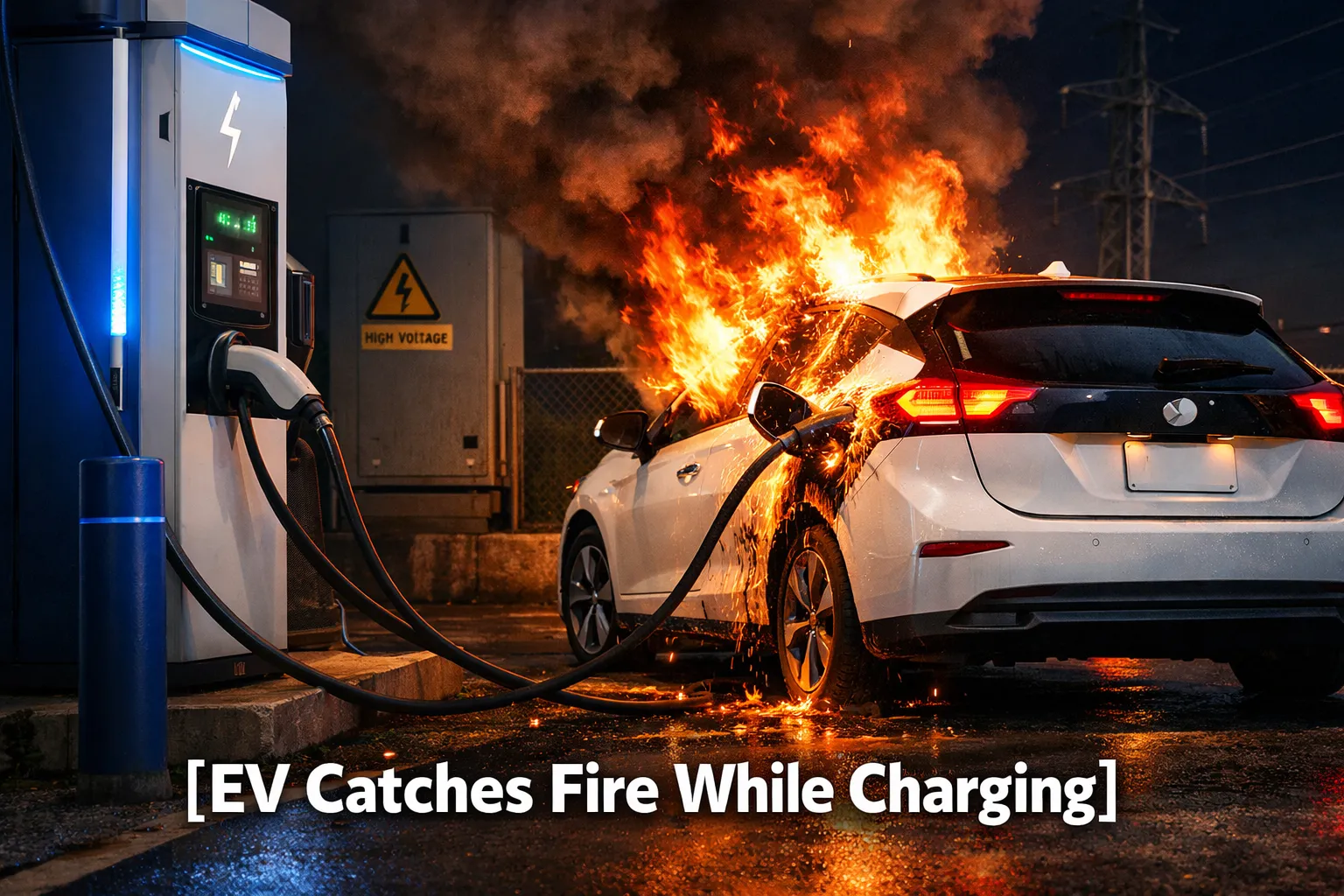
An EV can catch on fire while charging for a variety of reasons, but it’s also crucial to keep in mind that these incidents are less frequent than the number of fires caused by gasoline-powered cars catching on fire. Some common reasons include:
EVs utilize a lithium-ion battery type that provides high efficiency from energy use but they can experience overheating issues if they are damaged, fail to be cooled properly, or are exposed to extremely hot temperatures. If an EV battery overheats, there is the possibility of it entering into thermal runaway during charge-up (rapid temperature rising via energy production causing flames to occur).
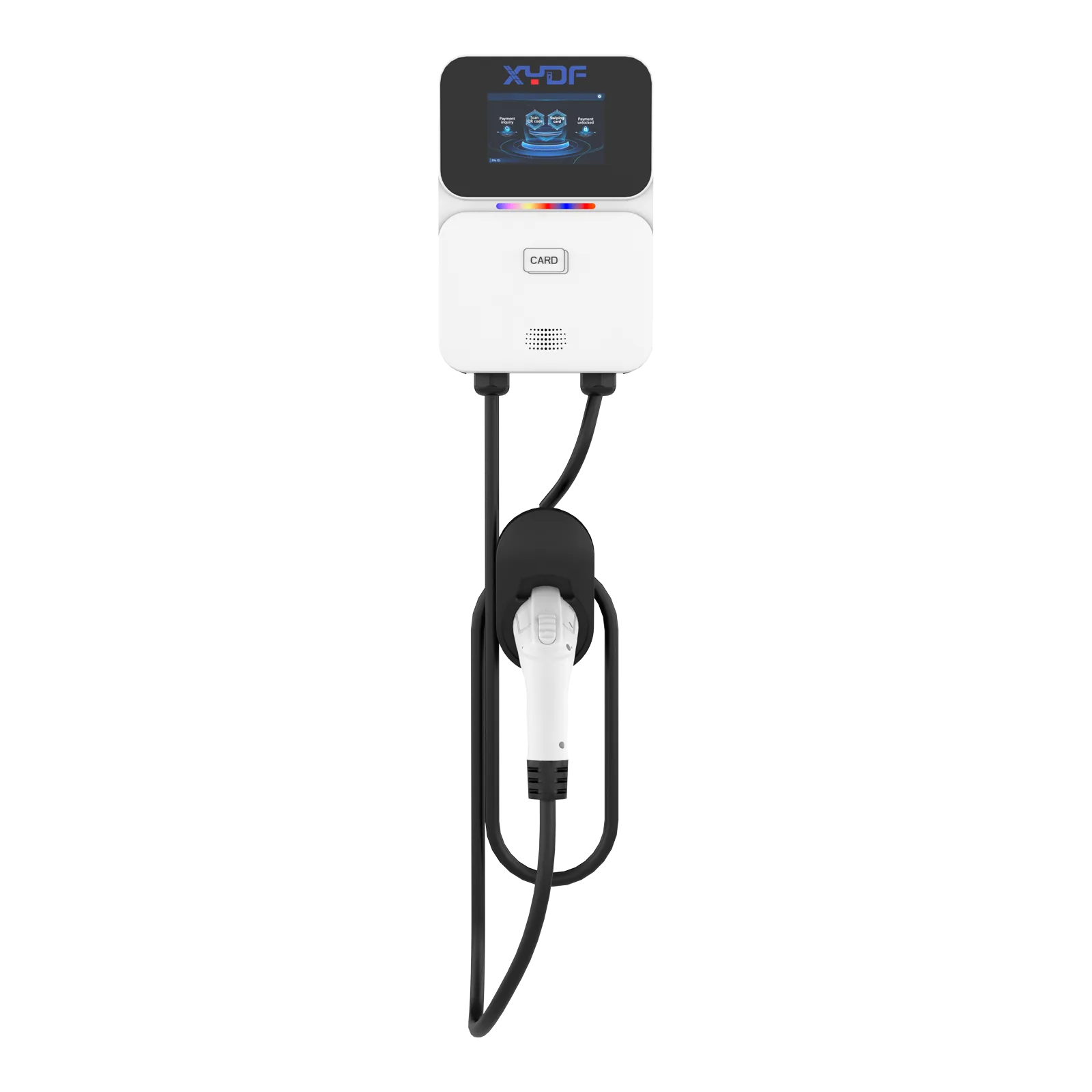
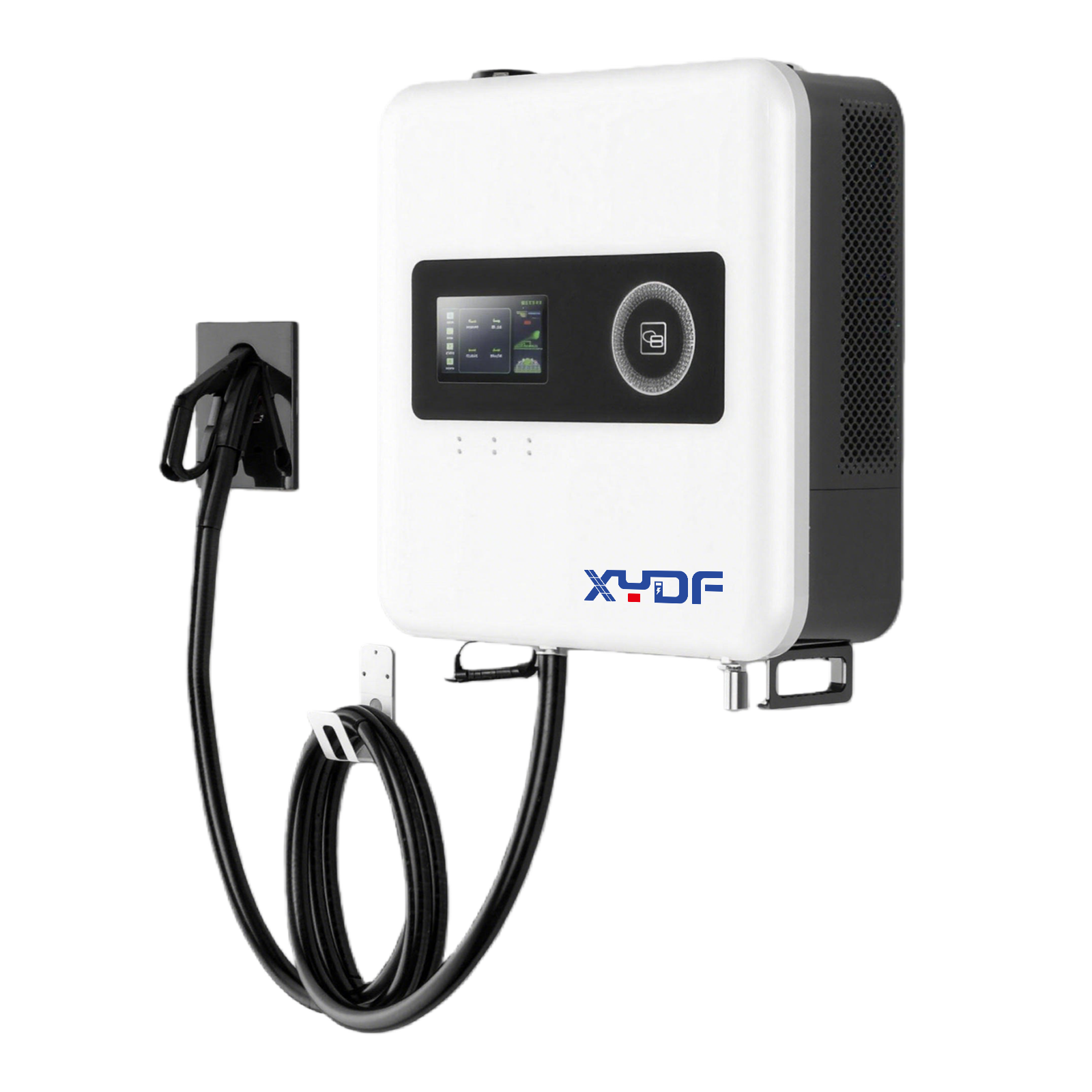
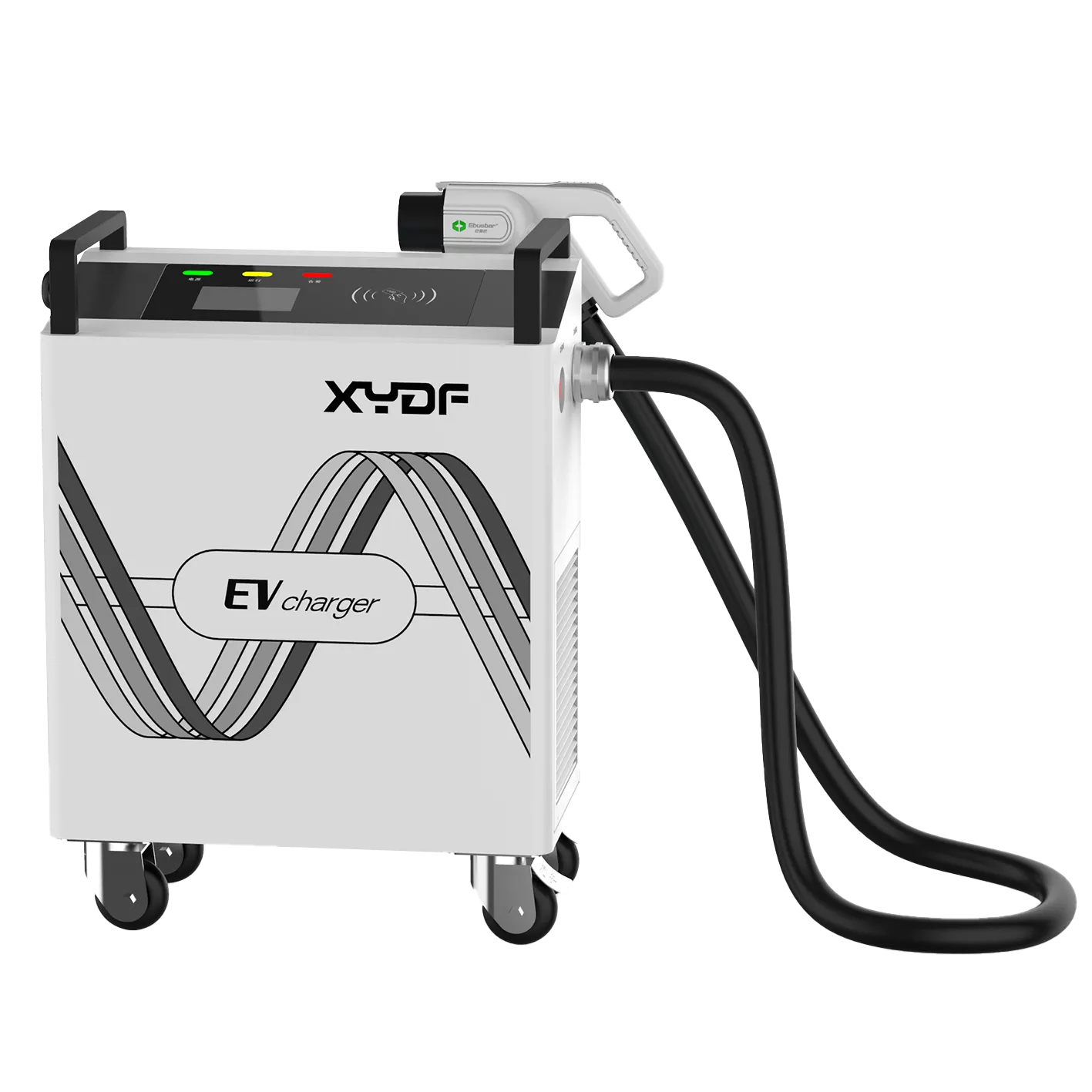
If the charger used is not appropriately designed, damaged by being dropped, or incompatible with an EV, it may not function properly which may cause an electrical malfunction. An electrical malfunction may create a spark or short circuit which could set the EV on fire.
Most EV manufacturers test their software and vehicle for safety purposes prior to selling to consumers but on occasion, both the software and/or electrical component may develop faults that affect their ability to function with respect to charging. If an issue arises that is likely to cause a fire or a major failure, it may not show itself until an incident occurs.
The odds of your Electric Vehicle (EV) catching on fire while charging are very low (approximately 0.01% of all EVs will ignite while being charged); however, it’s wise to take preventive steps to avoid unpleasant surprises. Consult this list for tips on safe charging:
It’s important to only use chargers and charging equipment, such as cables, certified and approved by your manufacturer. By utilizing only safe, dependable chargers and charging stations, you greatly enhance your ability to avoid a potential electrical issue.
The majority of all EVs have Built-In Battery Management Systems (BMS) to prevent an EV battery from overcharging; however, it is always best to follow your manufacturer’s recommended maximum limit for your battery (for example, not leaving your vehicle plugged in for extended periods of time, such as overnight or while at work for 8–10 hours). Failure to do so does put your vehicle at risk of catching fire.
With time and use, the electrical systems in all EVs do require routine maintenance, and by checking these systems and your vehicle’s battery regularly (i.e., monthly), you can identify potential problems at an early stage. If you see an abnormality (i.e., smell an odd, strong odor, feel an excessive amount of heat from your vehicle, experience a disruption in charging), take your EV to a certified EV technician as soon as possible.
Charging your EV in an extremely high heat environment can cause your battery to heat up more than normal. If possible, always park and charge your EV in the shade or during temperature-controlled conditions.
If your EV catches on fire while charging, protecting yourself is the most important thing. Here’s a list of things you should consider doing:
It’s important to note that there are no huge explosions when an EV battery ignites (as shown by movies and viral videos). Although challenging to extinguish, EV battery fires can reignite after they have been extinguished using water or fire-extinguishing foam. Therefore, having professional assistance during an incident is crucial.
As concerns arise about the safety of EVs, research shows that EVs are just as safe, if not safer than ICE cars, with a significantly lower likelihood than ICEs to catch fire due to gasoline being a common cause of fire in ICEs.
EV manufacturers continue to innovate new designs for battery and charging systems that increase safety. For example, using battery thermal management systems and fire-resistant materials in the EV design have added advanced features to increase safety.
Fires occurring in EVs when charging are very rare. Manufacturers of EVs design their equipment with robust safety features, which makes such fires statistically less likely than gasoline vehicles catching fire while otherwise being used or charged.
If you notice your EV has excessive heat while charging, stop charging and call an authorized technician for assessment. You should not try to use the charging equipment until it has been evaluated.
Yes, as long as you are using a certified component charging station and a designated home charger. EVs manufactured after 2010 have built-in safety features to prevent overcharging; however, you should not allow your EV to remain plugged in longer than necessary once it reaches a full charge.
Most public charging stations meet or exceed typical safety standards; however, you should always look at the charging equipment prior to using it. If any signs of damage are observed, you should report them to the operator of the charging station.
If at all possible, you should put incidents of EV catching fire while charging into perspective. The EV manufacturers put in a lot of research and design effort to ensure that EVs comply with safety protocols, and using EVs properly will further lower the fire risk associated with EVs. In addition to this, you can continue to reduce the likelihood of an incident by using certified chargers, performing routine maintenance, and charging your EV in controlled environments.
As technology continues to develop, EV manufacturers are putting a lot of resources into improving EV reliability and safety. Overall, EVs are a very safe, environmentally friendly, and innovative way to meet the transportation needs of the present and future.


 Xinya Dongfang Electricity Technology Co., Ltd.