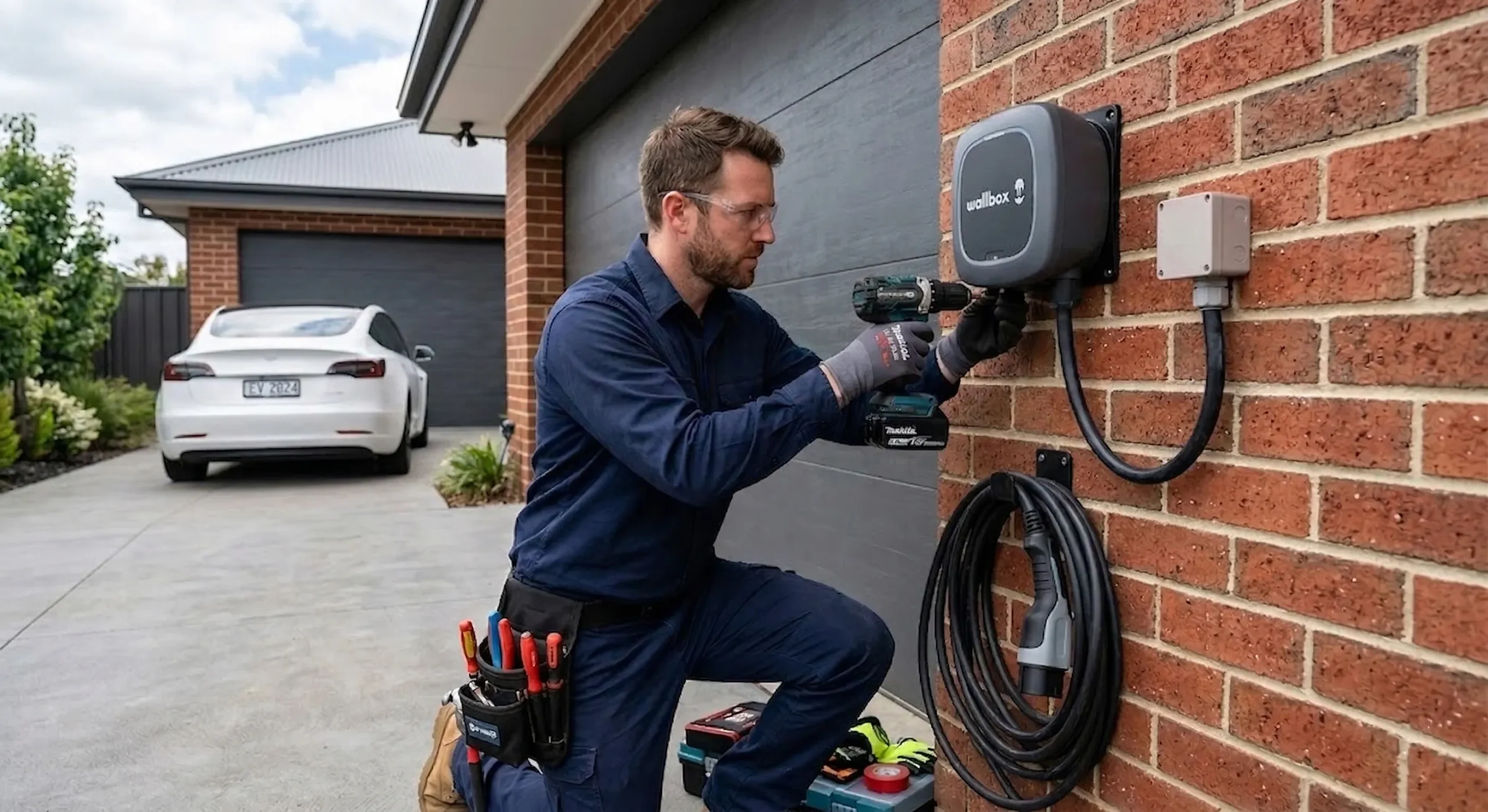
In the first half of 2026, the UK government updated EV charging grants and regulations. Explore the 2026 EV chargers England regulation change in this article.
From 1 April 2026, the UK’s Office for Zero Emission Vehicles (OZEV) will raise the maximum subsidy rate for most installations from £350 to £500 per charging socket. An application channel for EV chargers has also been added to the ‘find a grant’ portal. Allowing users to search for eligible subsidies and their specific requirements simply by entering “ev charger”. (Find UK EV Chargepoint Grant)
| Grant Category | Old Maximum Rate (until 31 March 2026) | New Maximum Rate (from 1 April 2026) | Limits |
|---|---|---|---|
| Workplace Charging Scheme | Up to £350 per socket | Up to £500 per socket | Max 40 sockets per business |
| Households with On-Street Parking | Up to £350 per socket | Up to £500 per socket | 1 socket per house |
| Tenants & Flat Owners | Up to £350 per socket | Up to £500 per socket | 1 socket per person |
| Residential Landlords | Up to £350 per socket | Up to £500 per socket | Max 200 sockets per person |
| Educational Establishments (Schools) | Up to £2,500 per socket | Reduced to £2,000 per socket | Max 40 sockets per school site |
From 10 April 2026, according to the amend of Traffic Management Permit Scheme (England) Regulations 2007(S.I. 2007/3372). EV Charge Point Operators (CPOs) in England will gain simplified road works powers for specific EV charger installation scenarios, eliminating the complex Section 50 approval process. This will significantly shorten permit approval times, with associated fees reduced from several hundred pounds to a minimum of tens of pounds.
The OZEV dedicated EV Infrastructure Grant was officially terminated at the end of Q1 2026. Only the per-socket chargepoint subsidy will be retained (until 2027). Affected parties include staff and fleet operators, commercial landlords and residential landlords
Starting in 2026, compliance with the ISO 15118 protocol will become mandatory for all newly installed public EV chargers across the European Union, under the AFIR Regulation (EU) 2023/1804 – Clause 2.1.1
While this regulation does not legally apply to the UK, ISO 15118 already meets UK EV charger regulatory requirements and has become the de facto standard. This means Plug & Charge functionality is now formally a prerequisite for charger approval.
In addition, ISO 15118 features high-level data encryption (TLS 1.2/1.3 communication protocols) and provides initial support for V2X (bidirectional charging).
In terms of timelines:
Based on annual reliability reports submitted by CPOs in January, the UK government will begin issuing penalties in April 2026. CPOs operating chargers of 50 kW and above with a reliability rate below 99% in 2025 will face fines of up to £10,000.
99% reliability regulations (Part 3.4)
Q1: Do existing installed EV chargers need to comply with ISO 15118?
No, compliance is only required for new installations or major refurbishments.
Q2: Can I still receive the subsidy if installing older non-ISO 15118 chargers after 2026?
No. The 2026 verification system will be directly linked to charger serial numbers and smart cloud certification. Non-smart equipment will not only be ineligible for OZEV subsidies but may also not be legally connected to the UK national power grid.
Q3: How can EV charger manufacturers ensure software compliance?
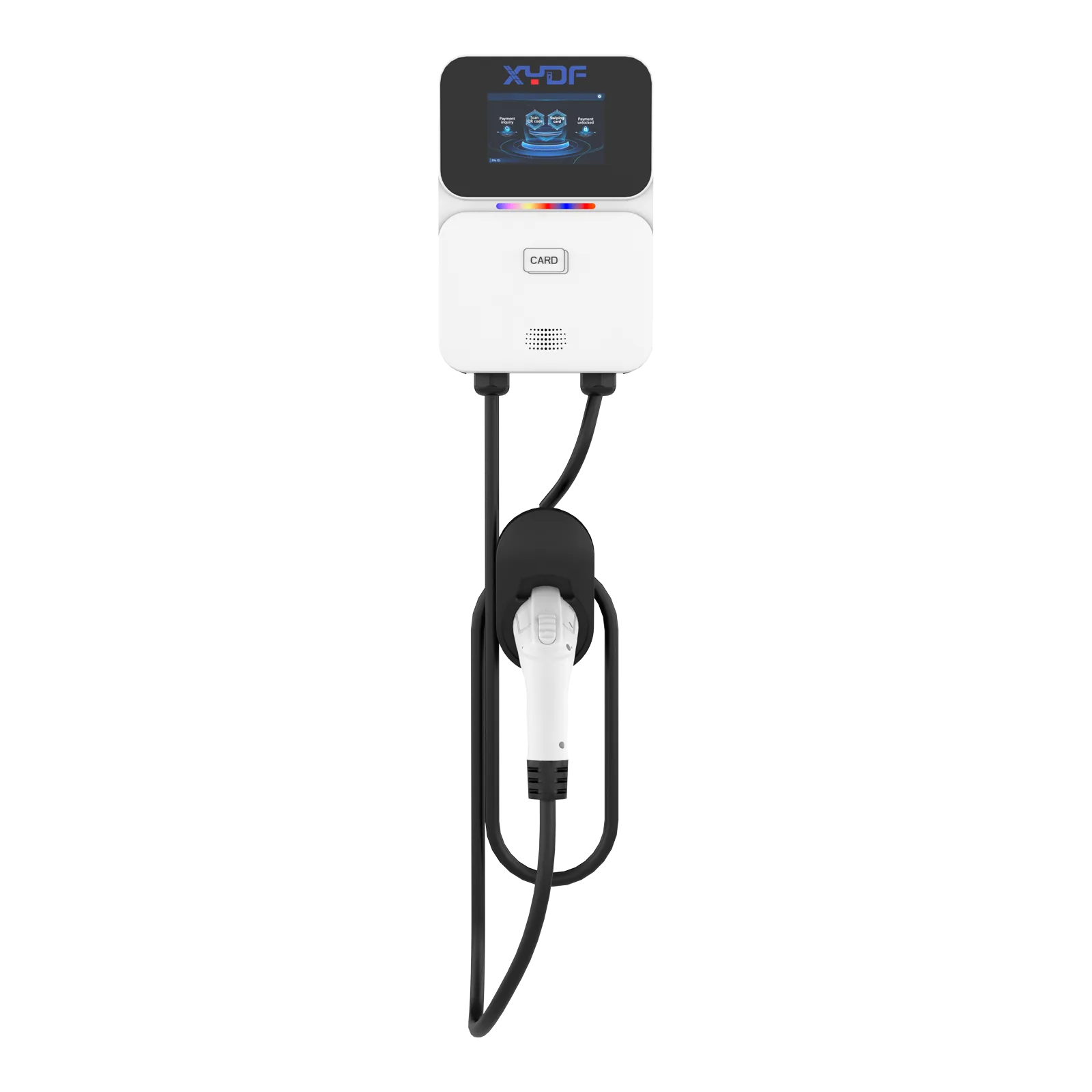
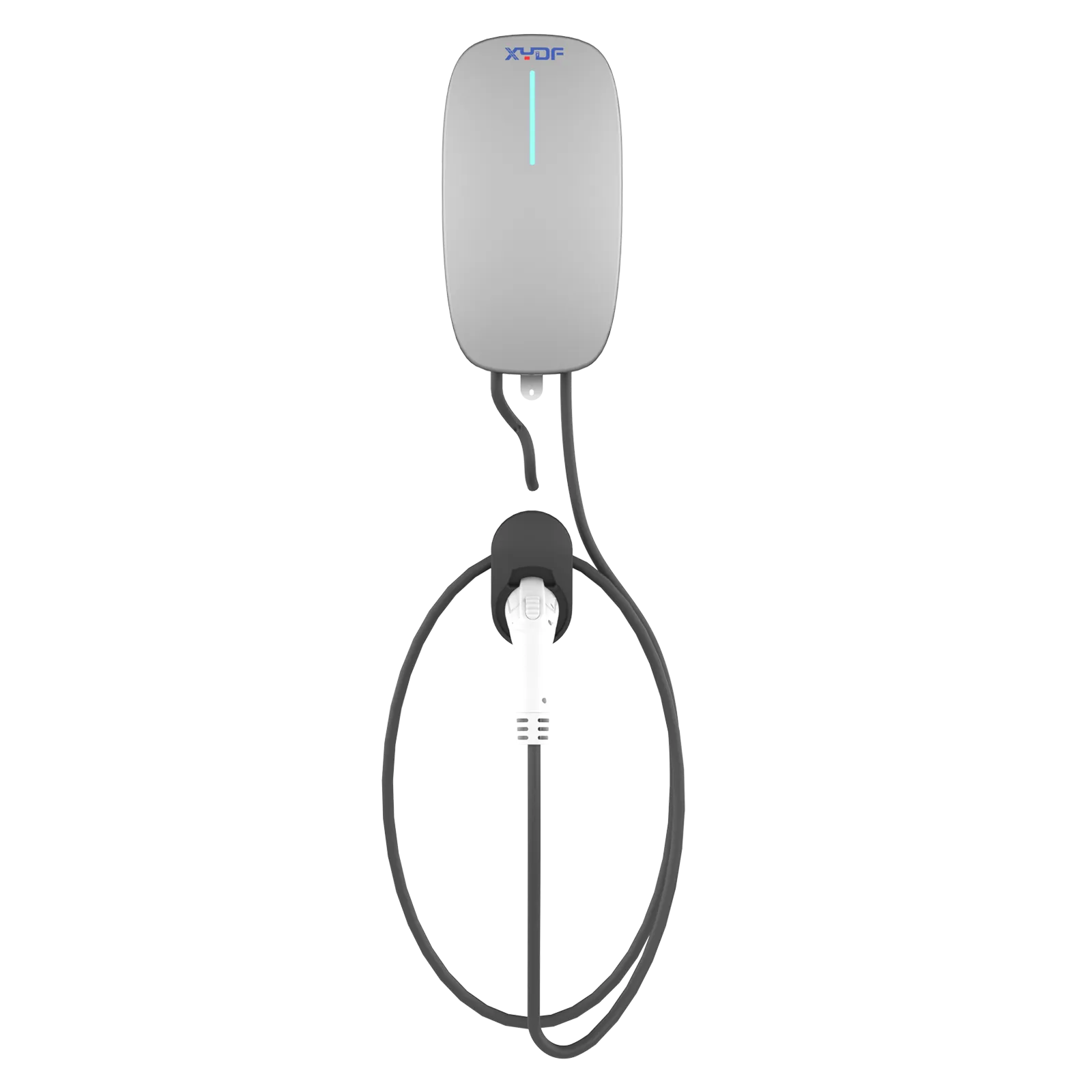
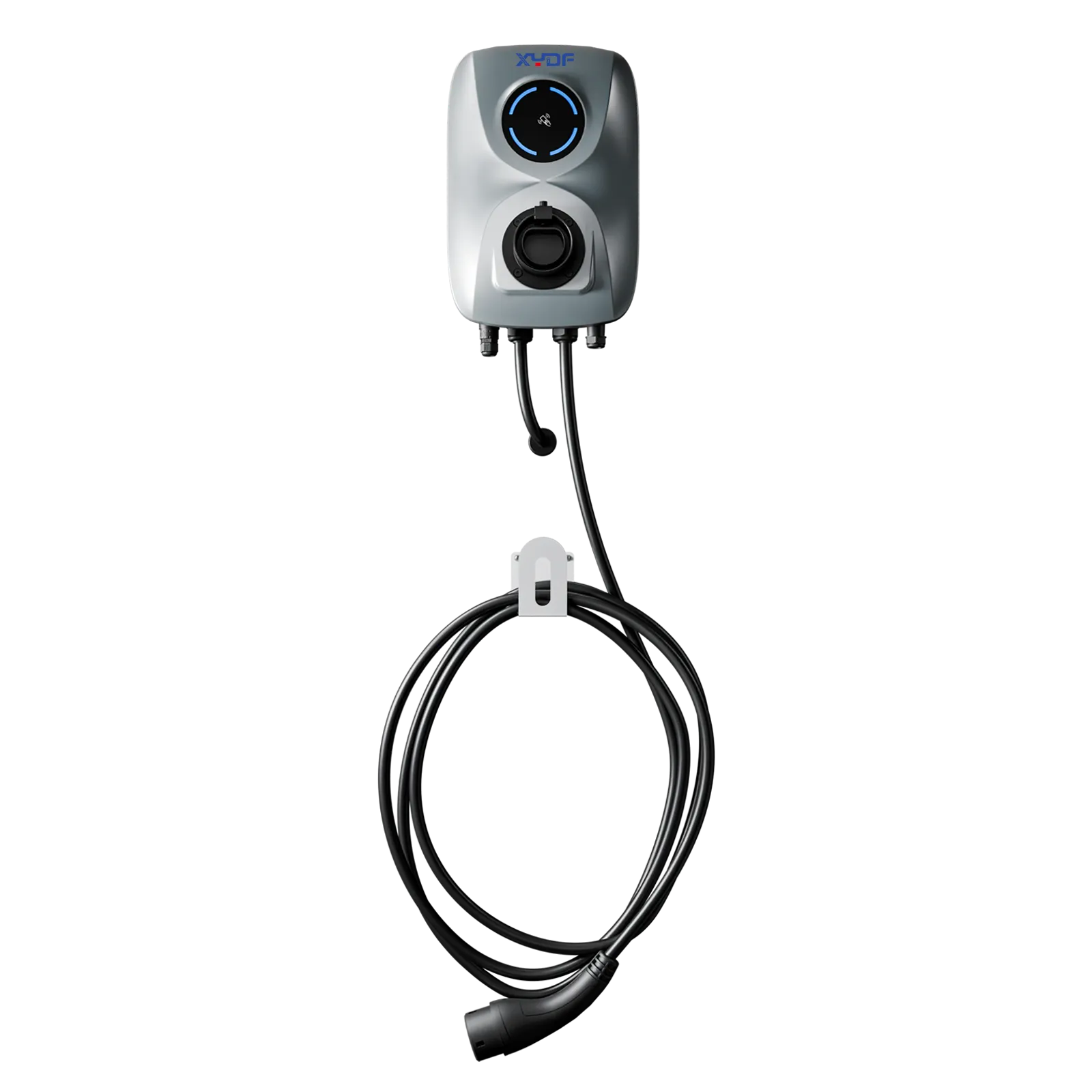
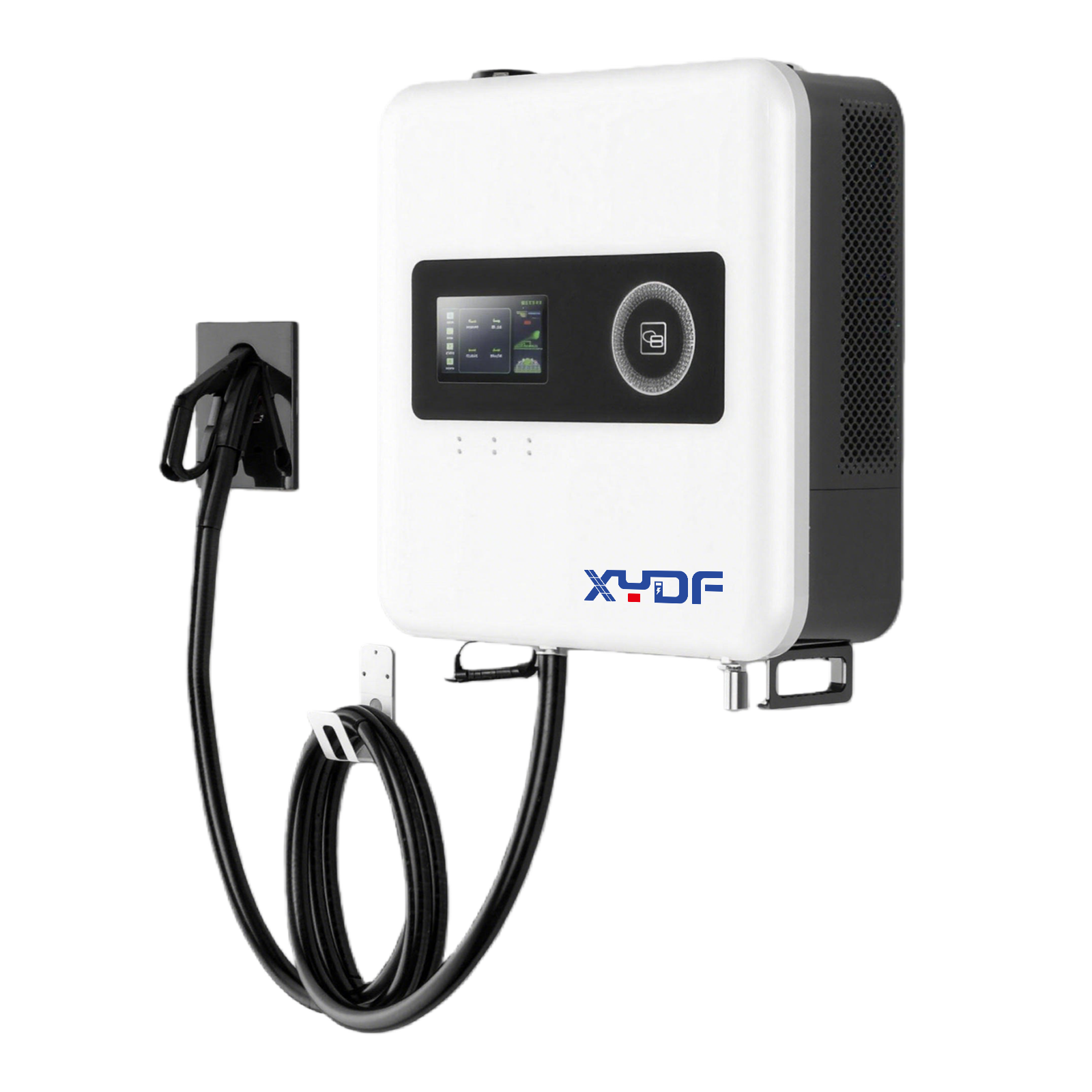
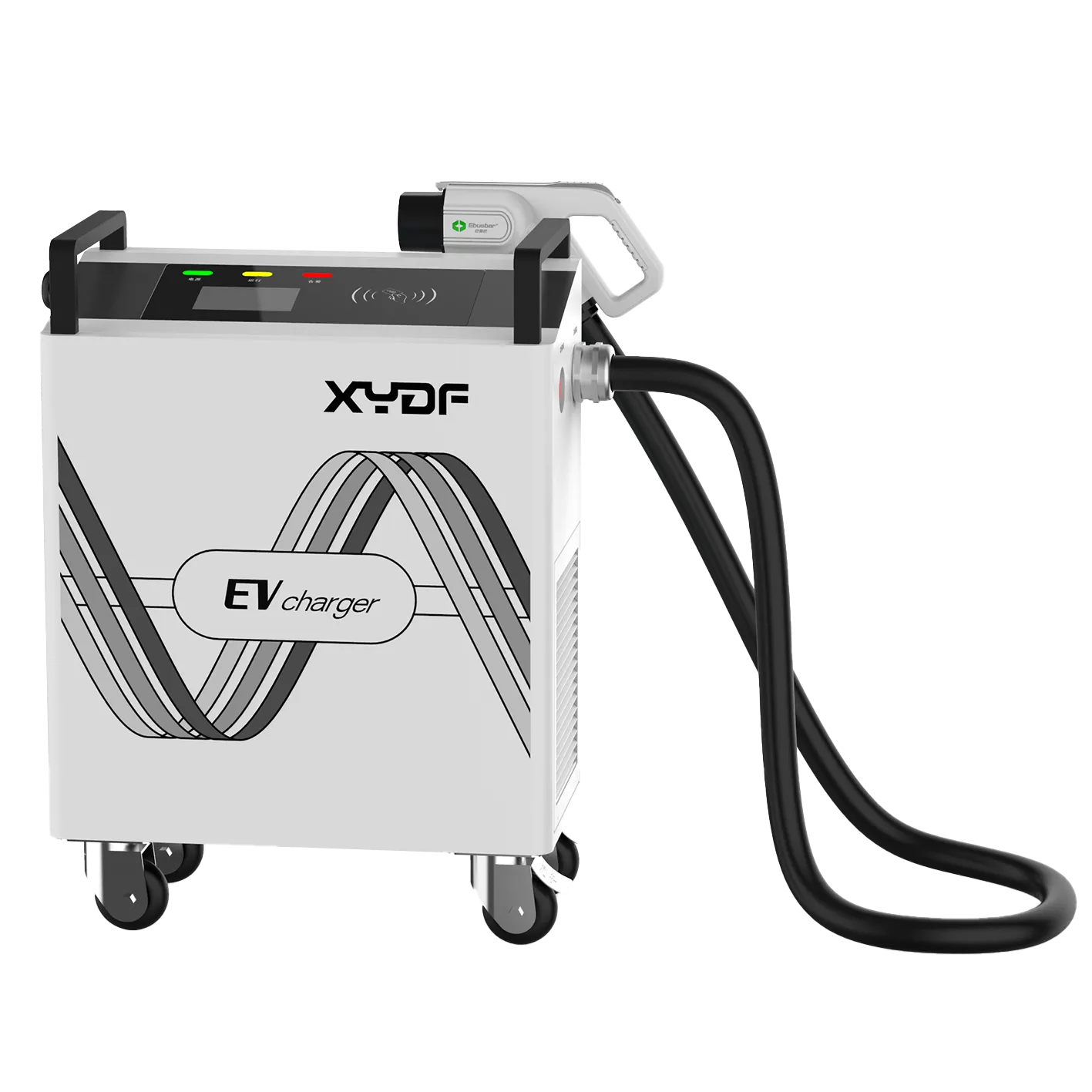
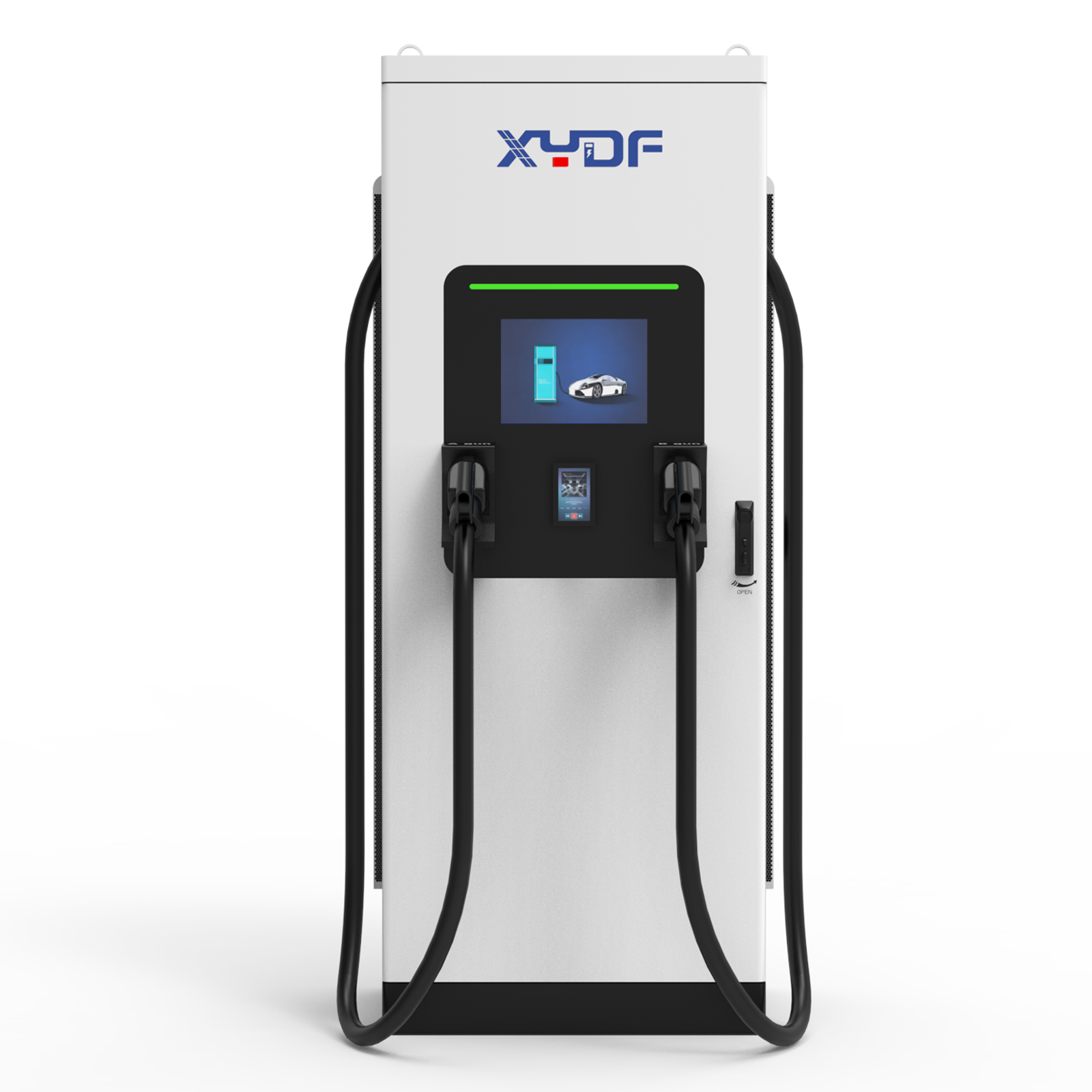
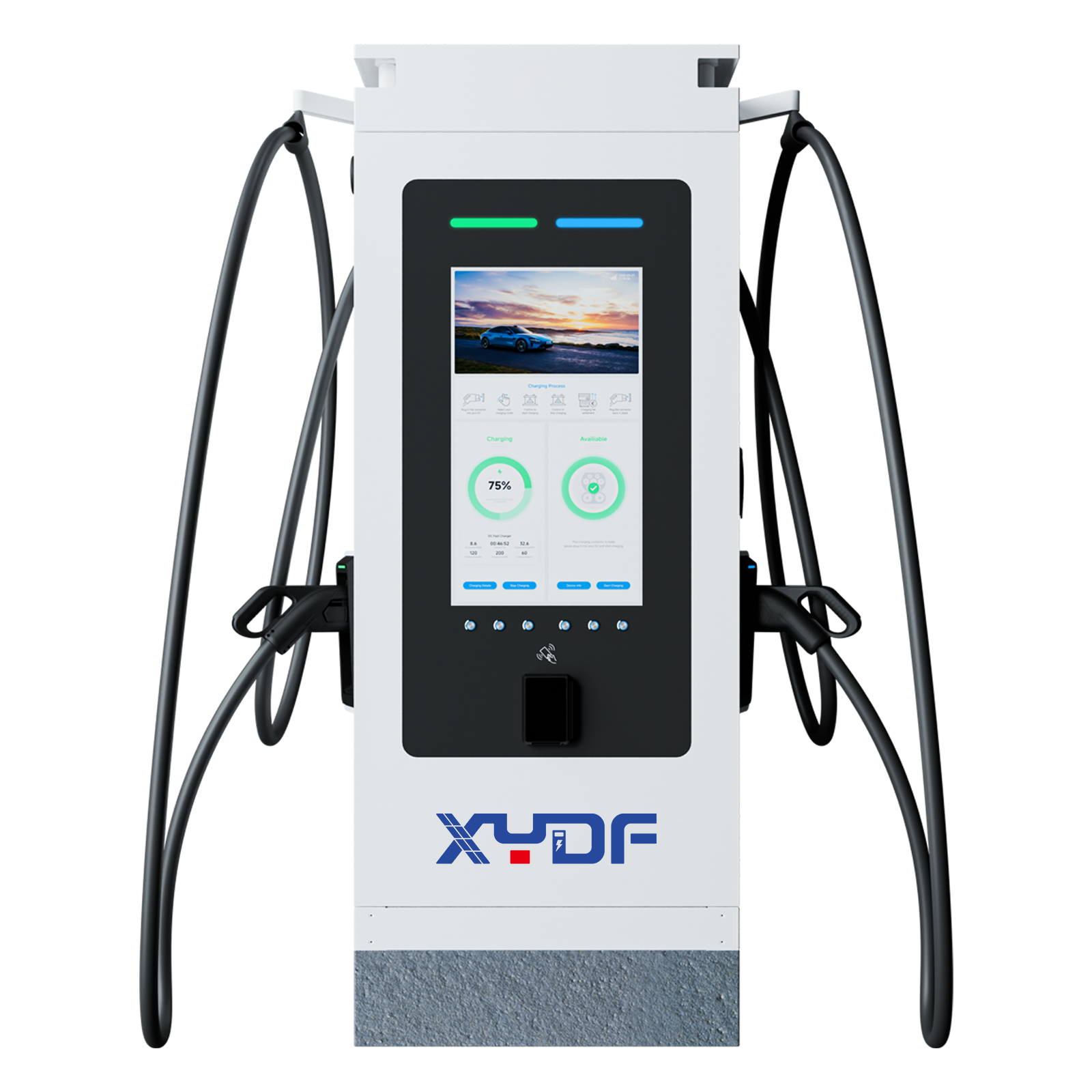
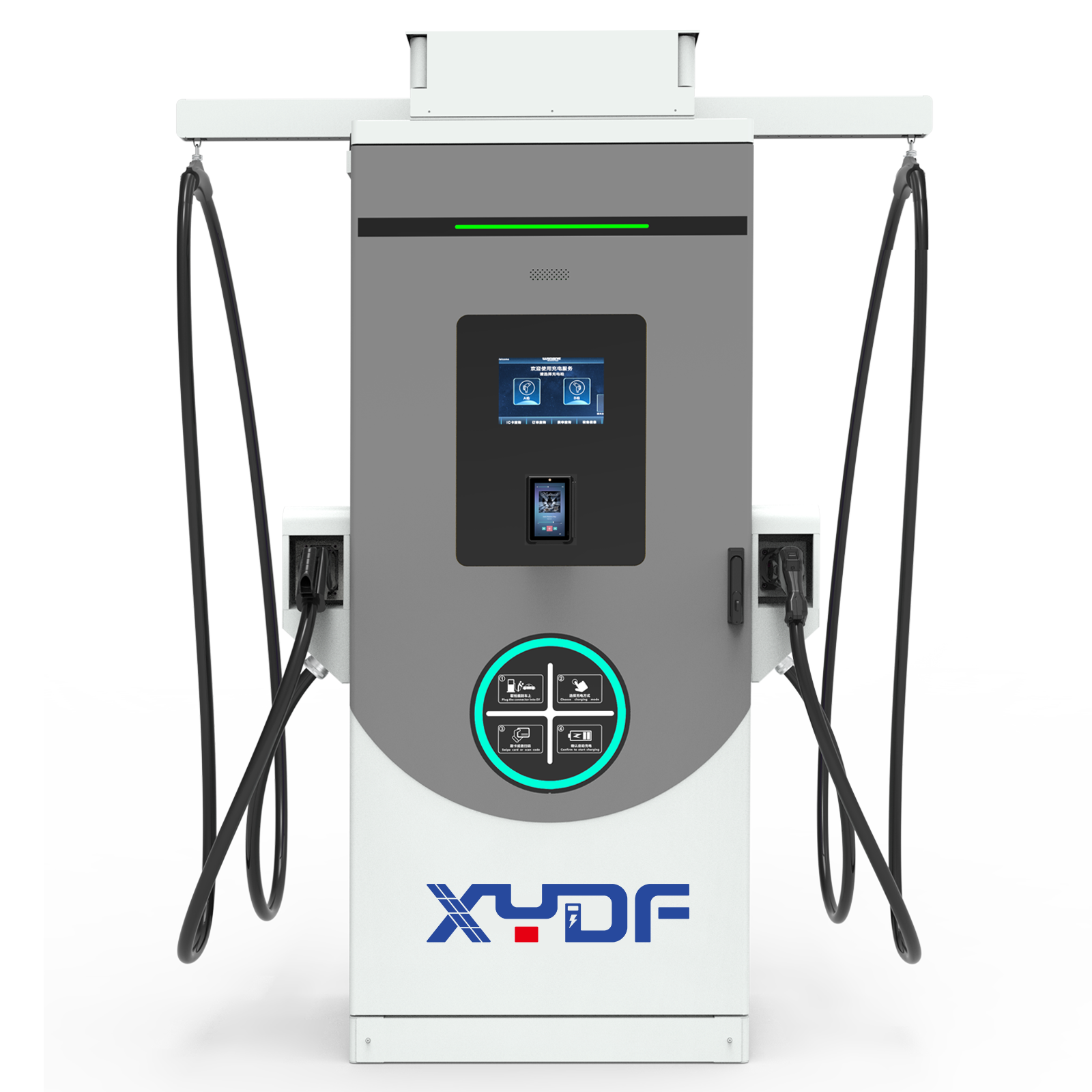
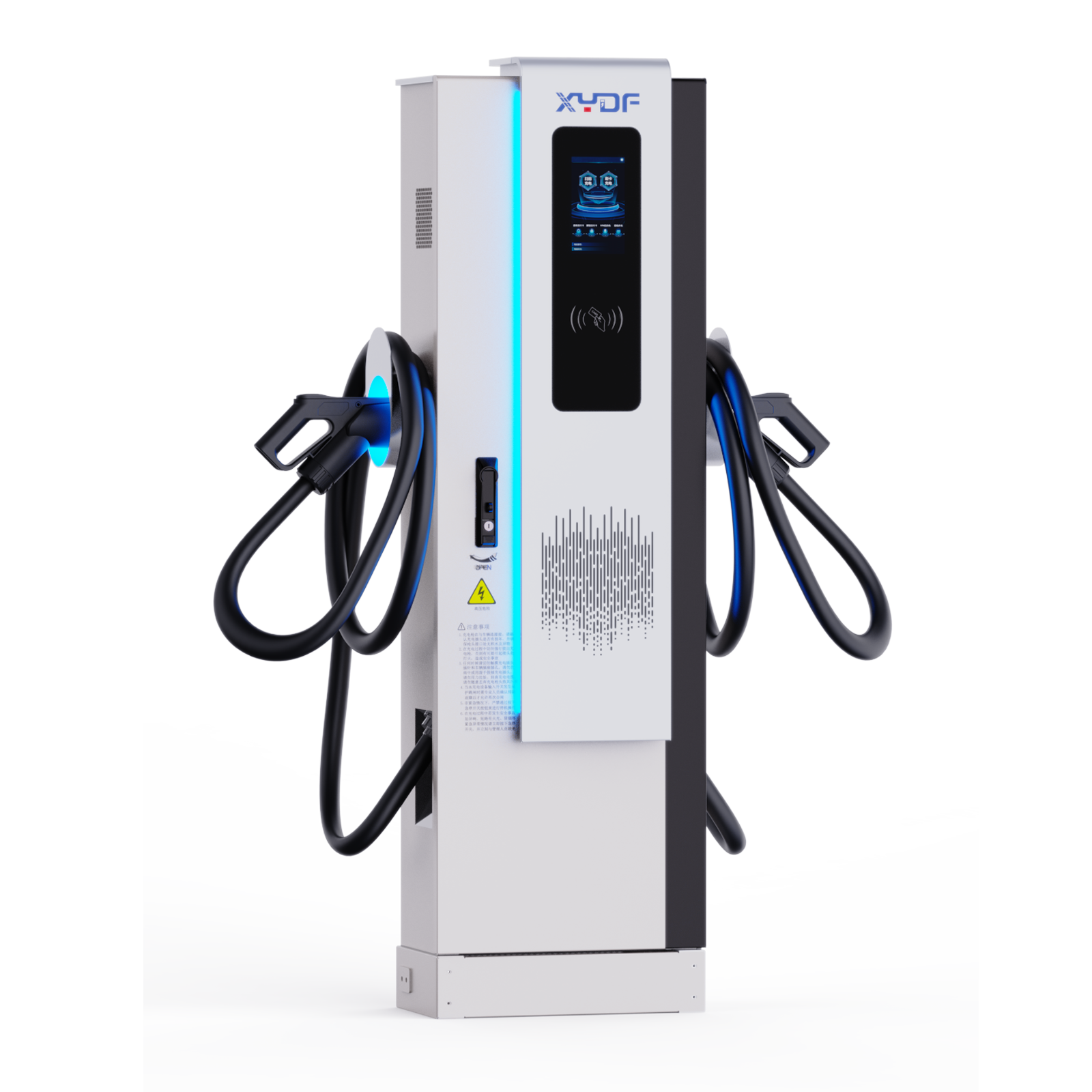
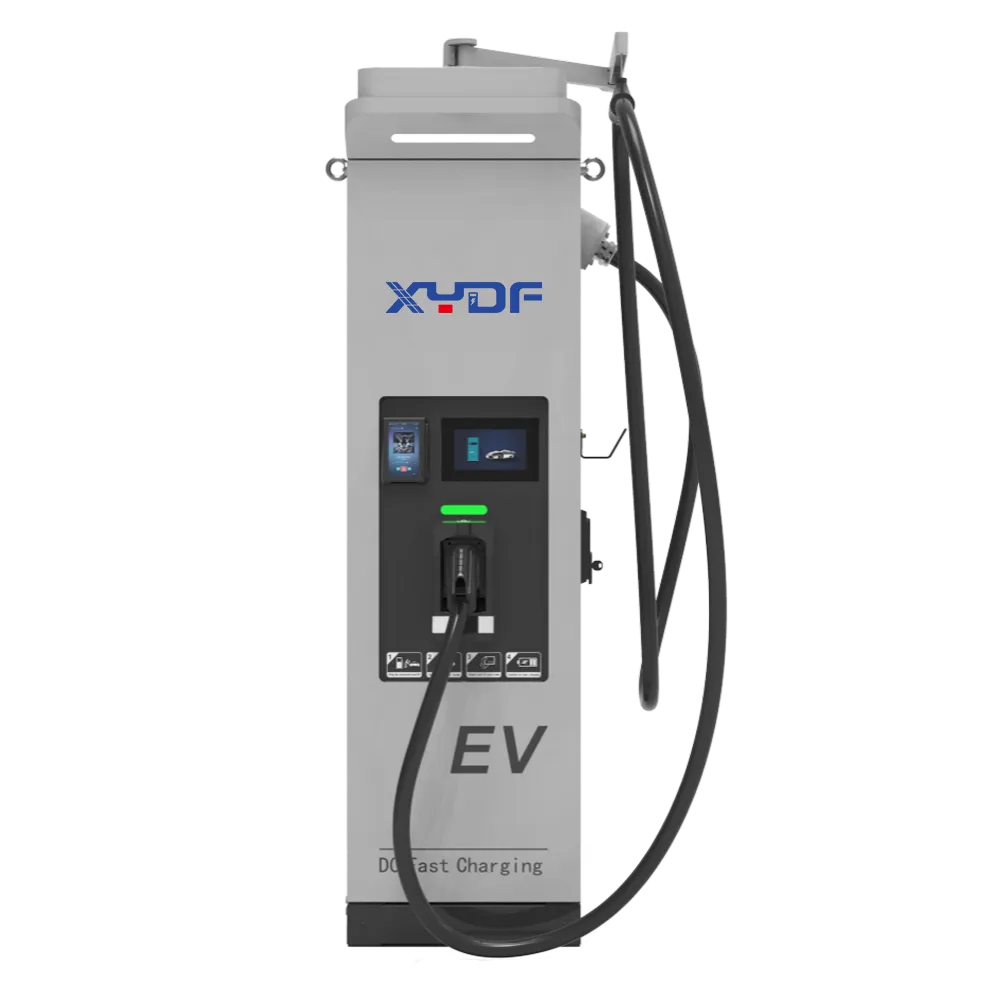
XYDF’s EV Charger adopts the ISO 15118 protocol and a modular architecture as standard. This ensures every charger sold by distributors will remain compliant and future-proof for the next 5–10 years.
The overall direction of 2026 EV charger regulation changes in England remains consistent. If you are interested in purchasing EV chargers, please contact an XYDF professional sales engineer for further details.


 Xinya Dongfang Electricity Technology Co., Ltd.