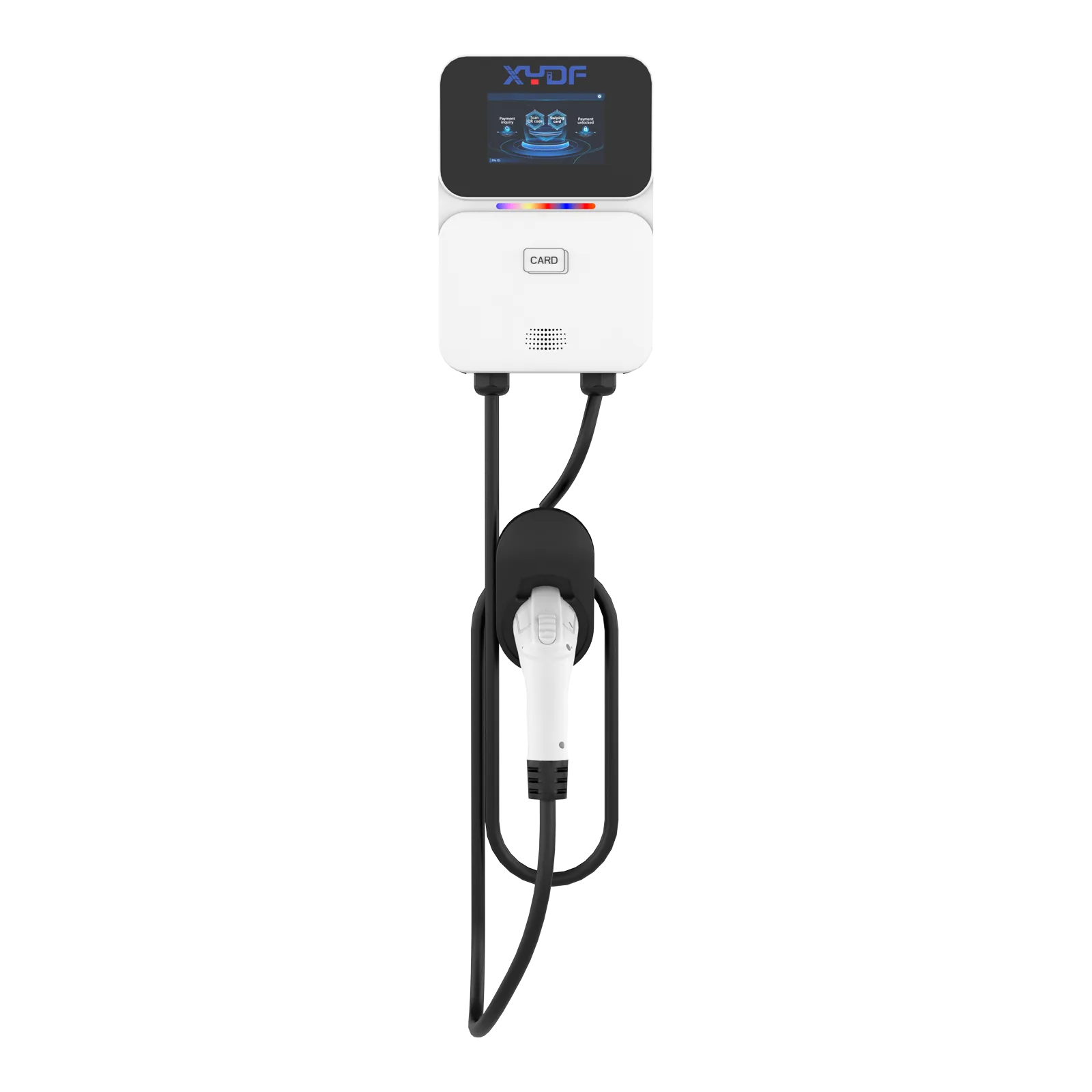
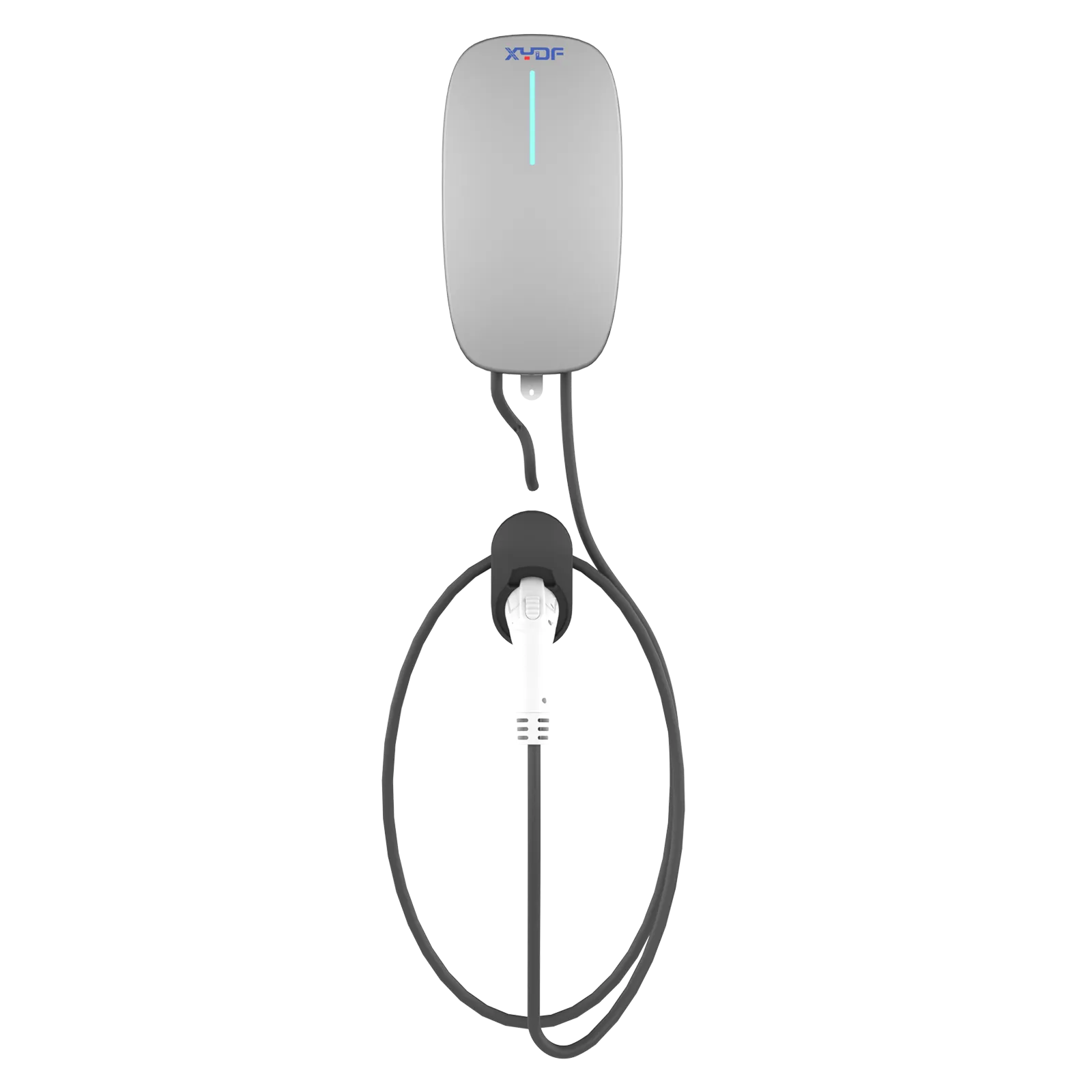
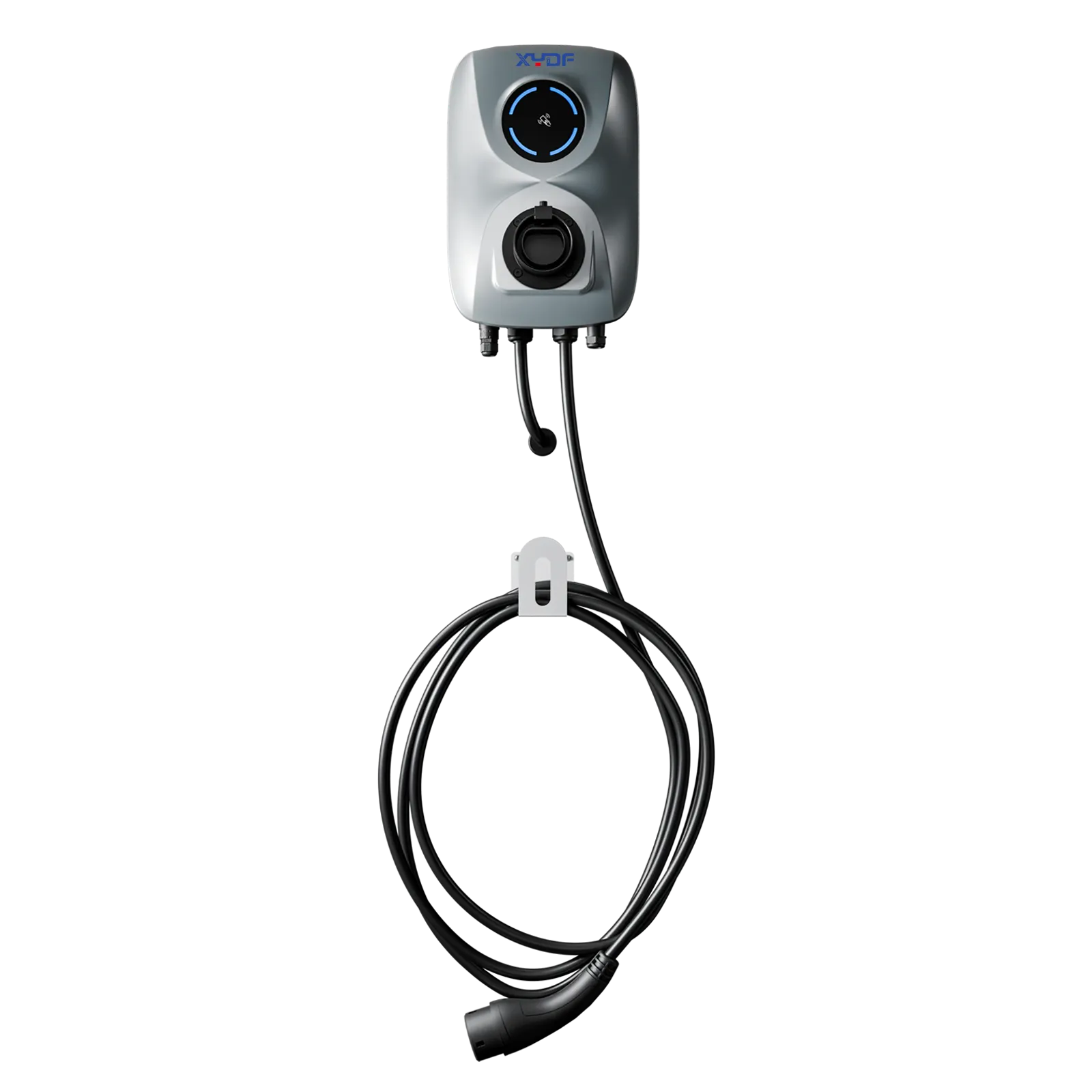
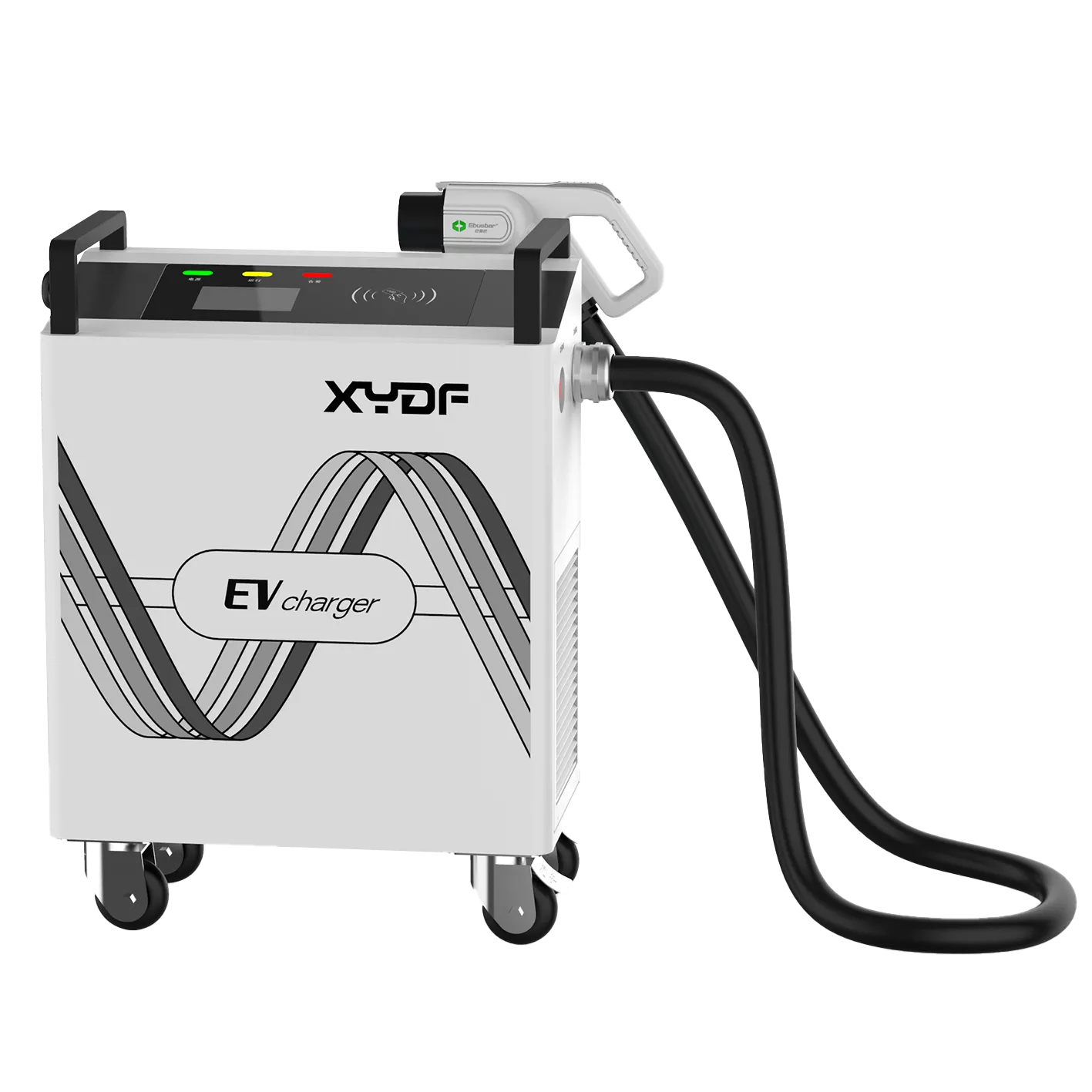
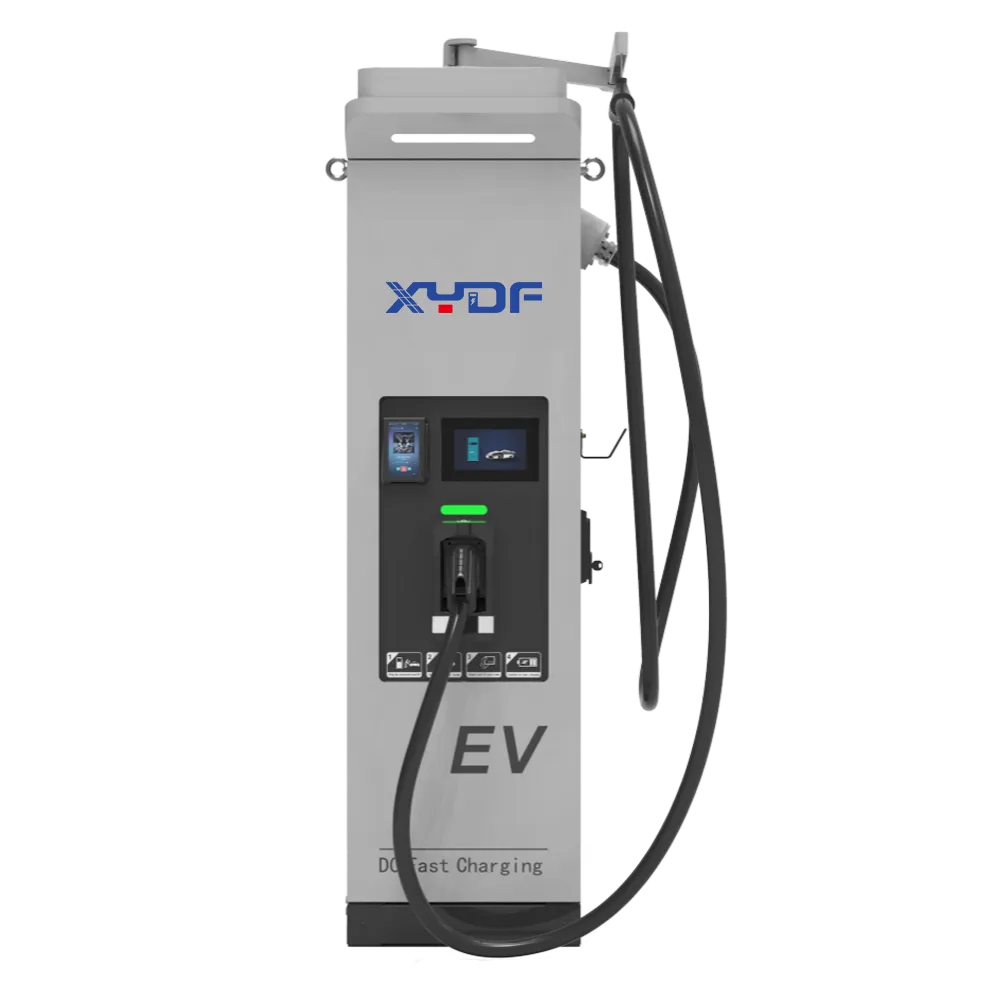
Electric Vehicles (EV’s) are a trend that seems to have grown into a large scale shift in the Car industry. However, as more people are switching over to Electric Cars, many drivers will find themselves asking the same thing when it comes to the safety and practicality of charging an Electric car in certain conditions like whether or not you’re able to charge your vehicle on a rainy day. If so, then you’ll find this article to be informative, and give you the answers to the questions you’re looking for. I’m hoping that you’ll end up feeling more informed and confident about the Charging EV experience while charging your vehicle on a rainy day.
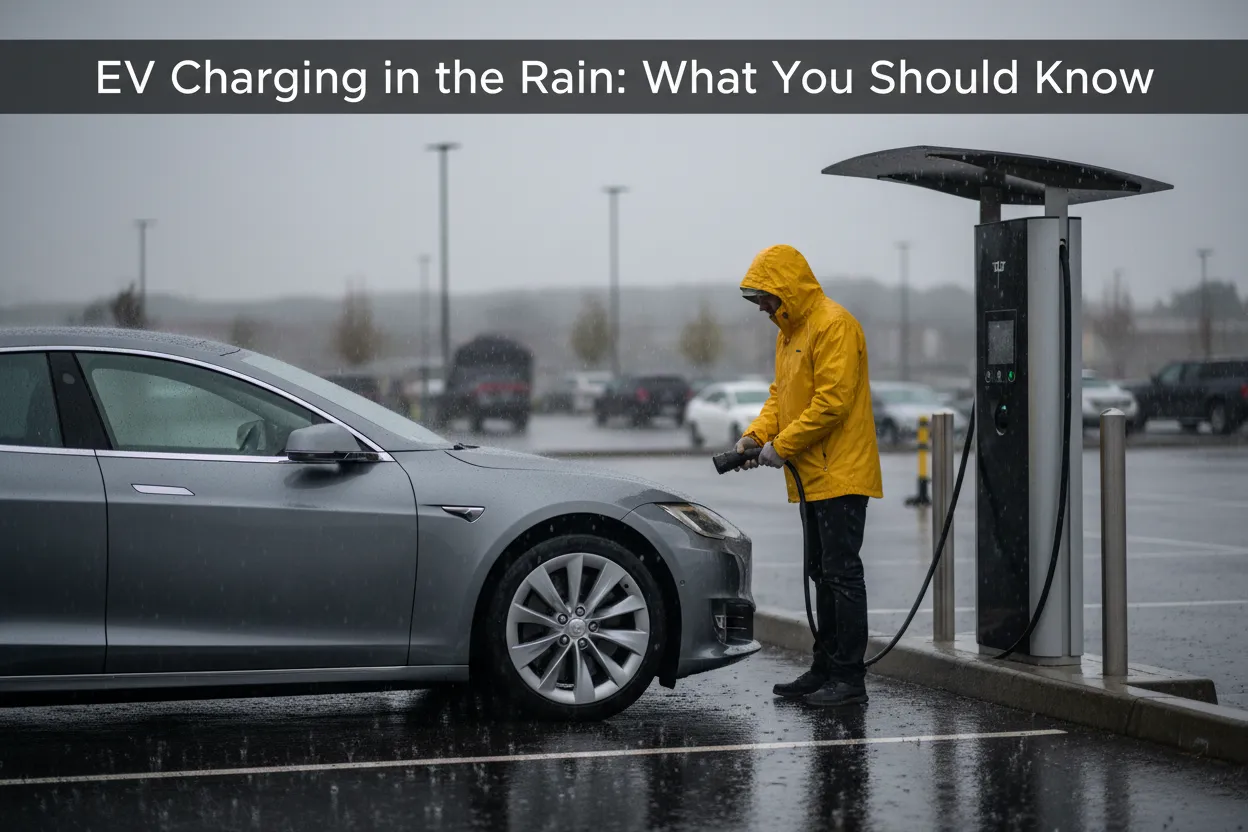
The short answer is yes. The modern EV charging system is designed to be safe and provide charging services during rain or other weather conditions.
Under no circumstances would an electric vehicle become unsafe when connected to its charger because of the unknown ability of the device/connection to withstand exposure to rain—similar to the safety provided for outdoor use of weather-proof outlet receptacles.
Though charging your EV could be considered generally safe under any wet condition, please review the following helpful tips to ensure your charging process is smooth and worry-free:
Use only properly manufactured charging apparatus and certified supply cables from a reputable company. Furthermore, you should visually check the charging apparatus for proper connection prevention by ensuring there are no missing seals, or damaged, cracked, or split cases before using.
Check your EV charger to make sure it has not sustained damage due to wet conditions. Various styles of incidental condition (cracks in cables, damaged connections) could put you at risk for unsafe conditions.
If at all possible, use a shelter or overhanging protection while charging. Although parking under cover isn’t strictly required, it is recommended to avoid molten pools or other flood-prone zones however possible.
It’s perfectly safe to connect an EV charger while it rains; always try to keep your hands generally dry before using any type of EV charger cables.
Read your OEM’s manual pertaining to your specific EV and follow their instructions for charging and maintenance procedure in accordance with each OEM’s specifications to ensure optimal performance and safety.
No matter how technically advanced any brand of electric vehicle charging stations become, there will continue to be some misconceptions regarding EV charging whilst it is wet outside. Here are three examples of those misconceptions and true facts concerning them:
Beyond understanding how to charge EVs in the rain, here are a few related topics EV owners might find useful:
It is essential to understand that wet or cold weather will slightly reduce battery performance, so the best way to extend battery life is to charge the battery between 20%-80% full, precondition the EV before driving, and avoid frequent use of fast chargers.
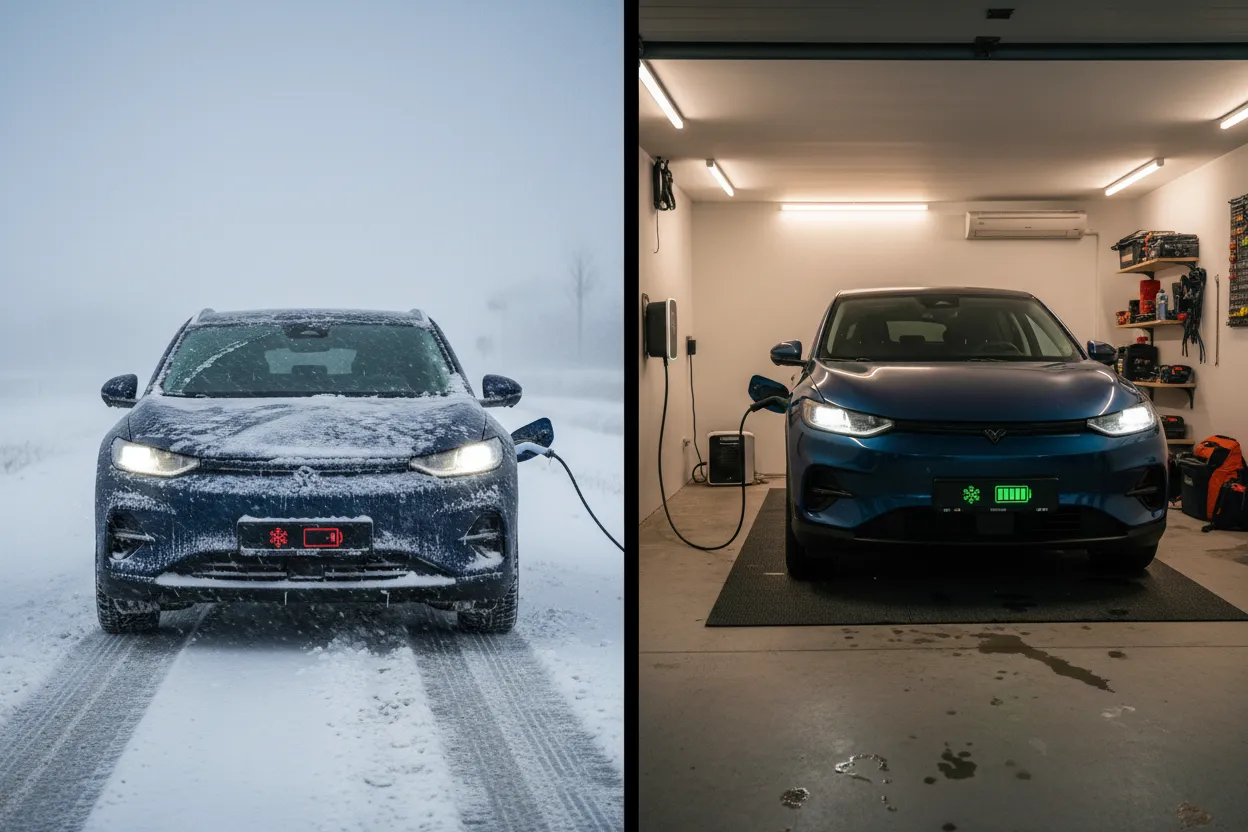
Most importantly, never mix water with any active electrical connection. It is not recommended to wash an EV while charging, especially under high-pressure conditions such as an automatic car wash.
Most modern EVs have been designed to drive under wet conditions, including driving through large puddles, as modern EVs are adequately sealed against the elements. However, it is best to avoid driving through deep pools of water to prevent damage to your components.
Yes; all modern public chargers are built with safety features such as weatherproof casings and ground fault protection and are safe to use when it is raining.
Charge at a safe distance from a puddle, be sure to use properly certified charging equipment, and, most importantly, ensure your hands are dry before plugging in. To provide additional safety, you can follow all manufacturer-recommended guidelines.
EV chargers are built with surge protection and grounding, which will minimize the risk of injury; however, it is still recommended not to charge during severe thunderstorm activity.
Yes, as long as the public charging station is built to comply with standard safety requirements, all EV public charging stations are built to survive all weather conditions, including rain and snow.
Using the information and tips provided above, EV owners can charge their EVs no matter what the weather is like (rain or shine) and know that they will have a safe and effective charging experience while charging is taking place.
In conclusion, it is completely safe to charge your EV while it is raining due to high-tech and safe features of today’s EV chargers. By using very good charging equipment and thoroughly understanding how to use your EV charger according to the manufacturer’s recommendations, you should feel confident that you will have no issues charging in rainy conditions. With the increasing growth of electric vehicle (EV) adoption, it has never been more important for EV owners to understand that there are many things EV owners should consider when charging or maintaining an EV in wet weather.

 Xinya Dongfang Electricity Technology Co., Ltd.