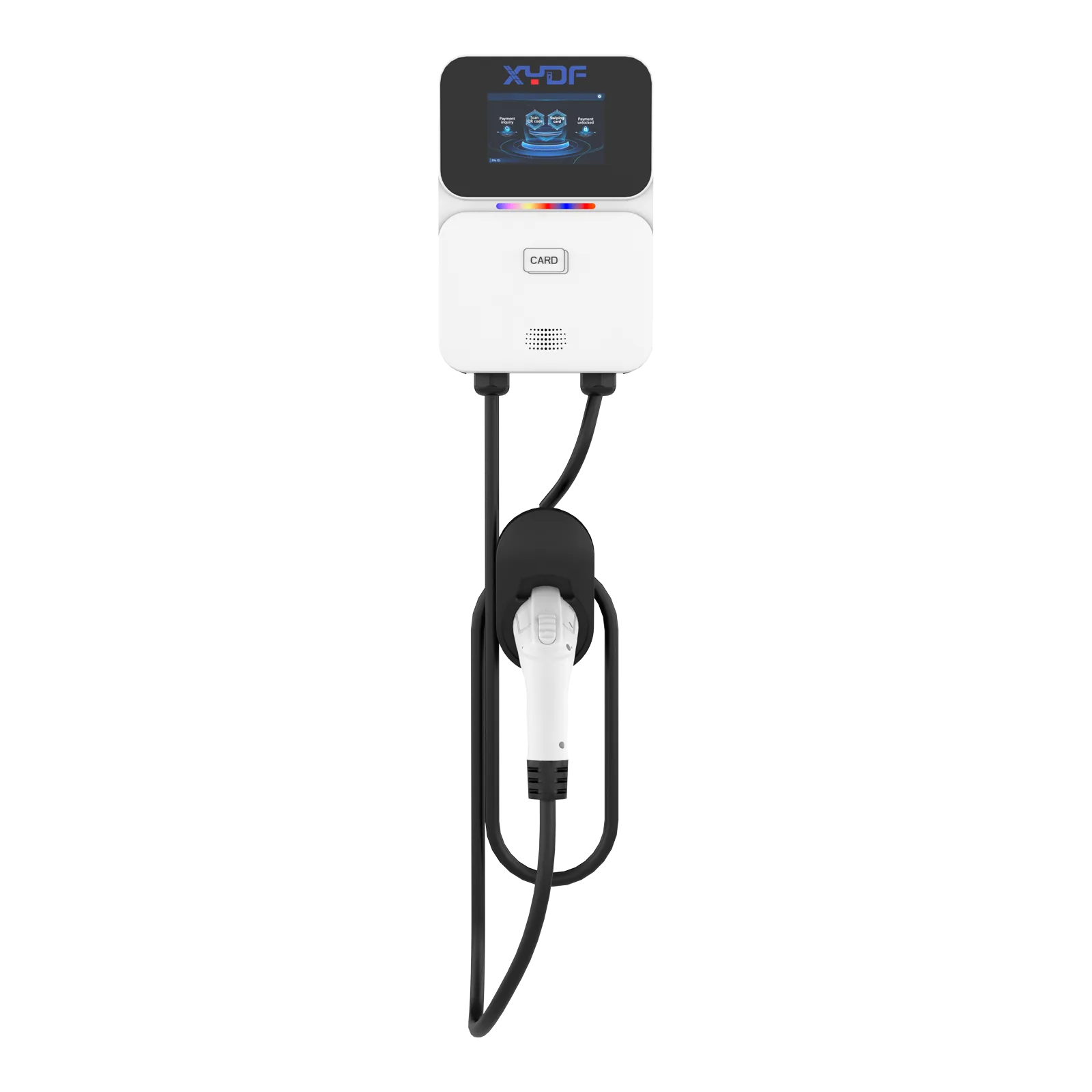
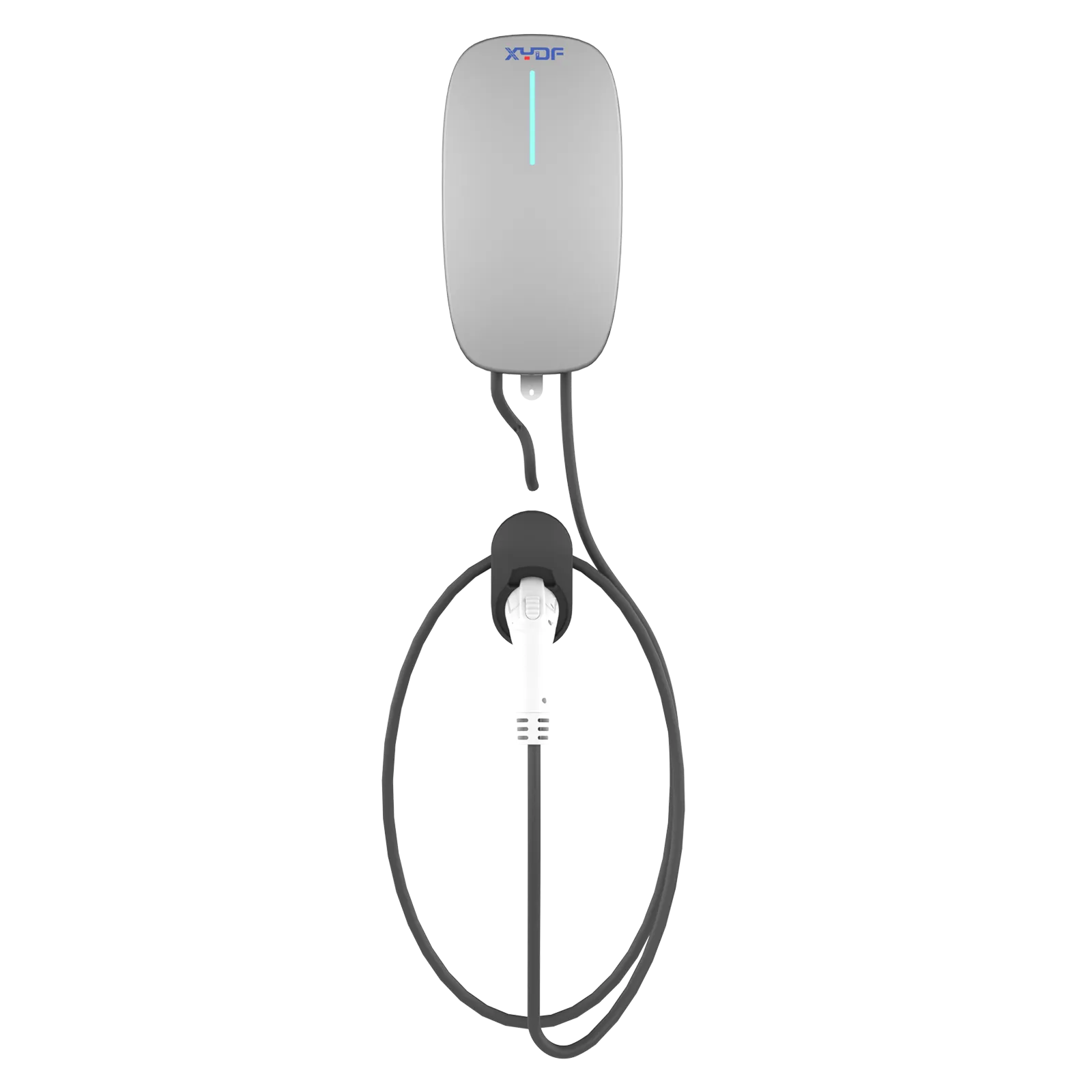
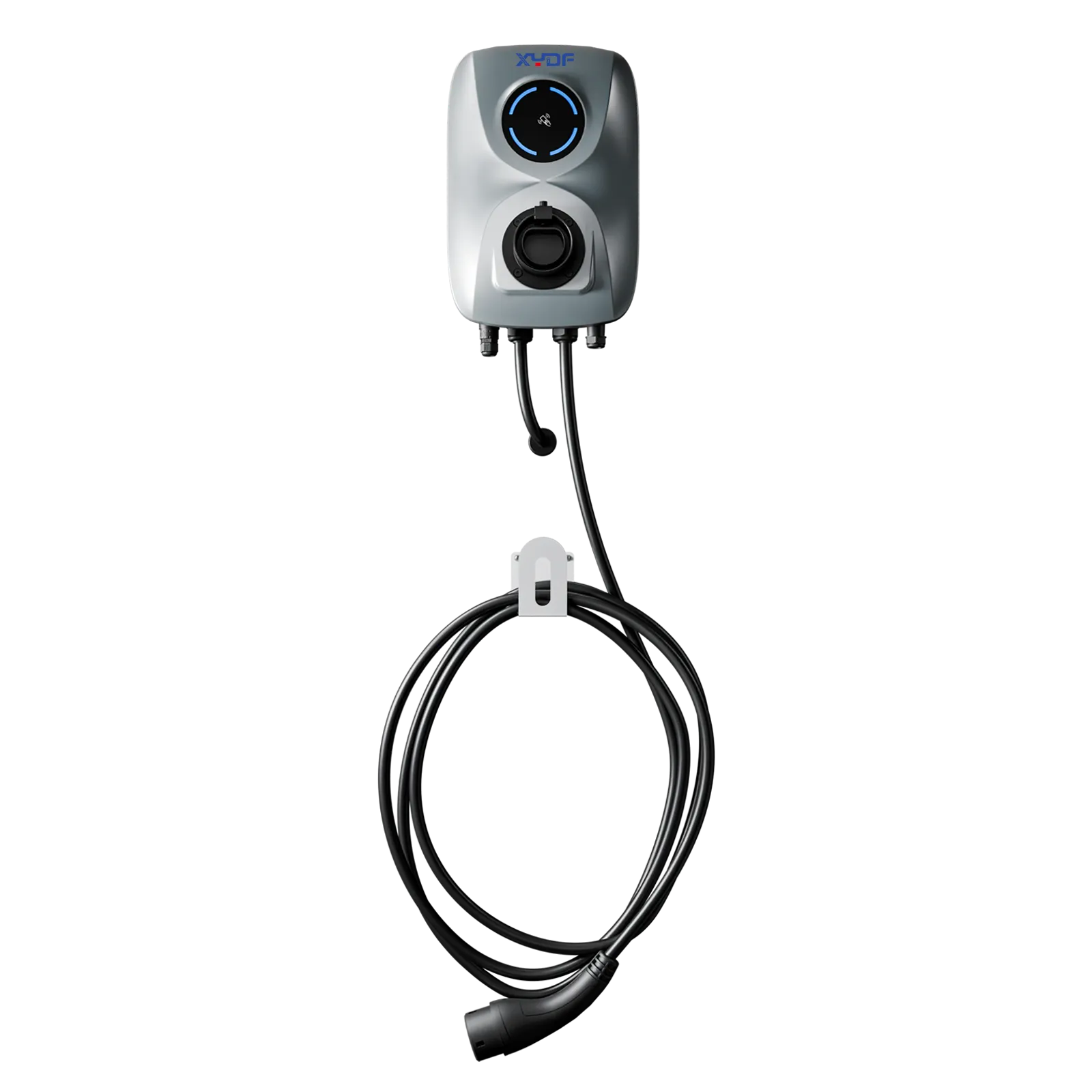
As the electric vehicle market continues to expand, the charging infrastructure is more than the hardware itself; the software of EV charging station operations, property ownership, fleet management, and energy commercialization is what sets them apart. The software of EV charging stations creates a seamless bridge between the charger, the driver, payment processing, operational management, and energy management into one smooth and efficient system. EV charging station software is responsible for tracking the station’s uptime, providing the driver with a convenient and pleasant charging experience, for controlling the costs of electricity, and enabling the operation and growth of the business.
For those looking to make an EV charging station purchase and invest in a new revenue source, the focus should be on the type of software that will convert the charging station from being just a stand-alone piece of equipment to a dependable and valuable asset capable of producing income for the future. The answer to this question will encompass more than monitoring a station’s performance. The most efficient EV charging station software solutions will provide the ability to remotely control and monitor the charging station, manage smart charging, facilitate billing, grant or restrict user access to charge, maintain a charging station, produce report data, and integrate with other systems utilized for daily business operations. With a marketplace where uptime and trust in your customers are paramount, the software of EV charging stations is the foundation to establishing a long-lasting success story.
This participation will discuss the introduction of the software of EV charging stations, the functional components of the software of EV charging stations, the software of EV charging stations that should be evaluated, and how to determine the software of EV charging stations that support operational efficiency and business development.
What is Software of EV Charging Stations?
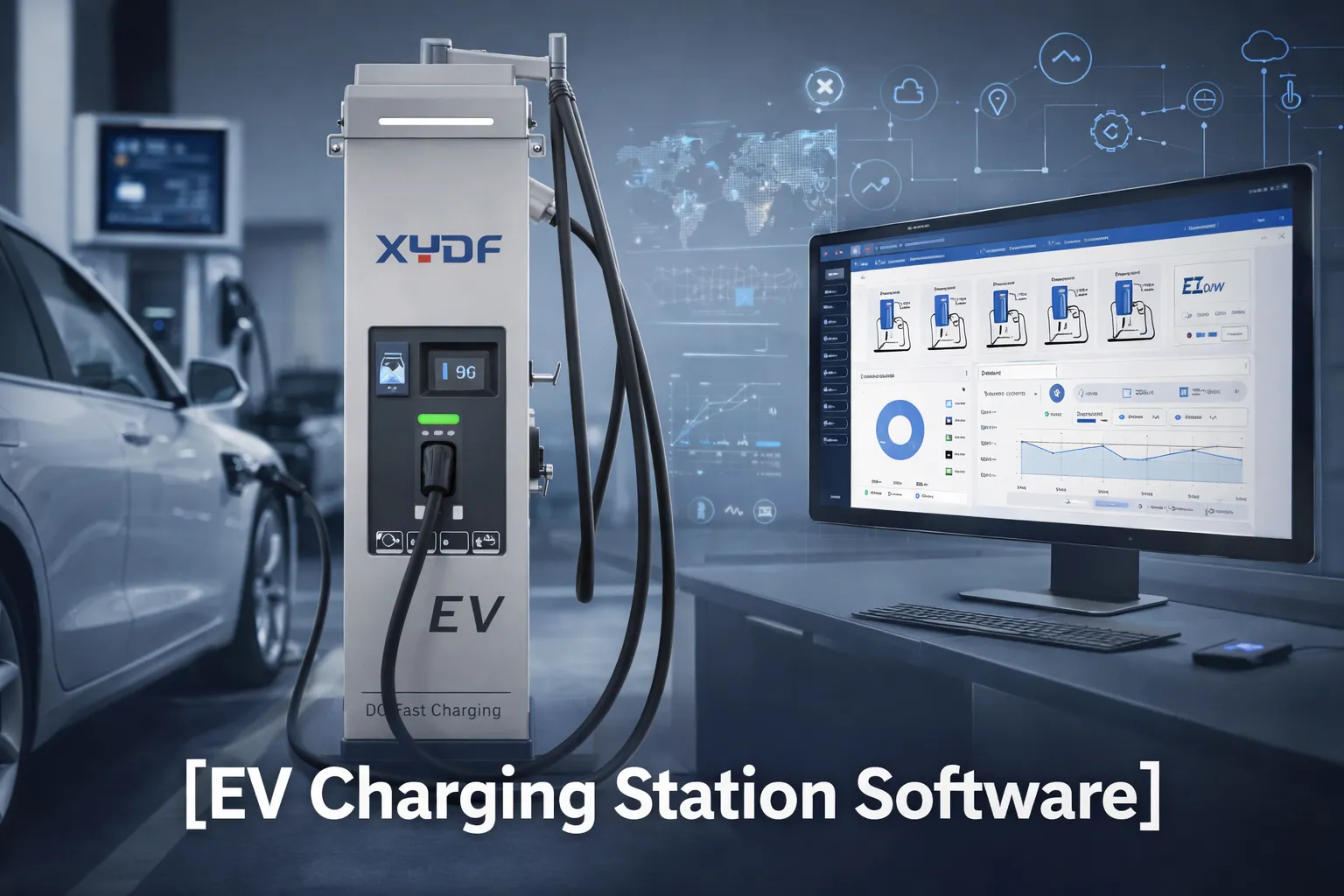
The software of the EV charging station contains a digital platform that provides for the operation, management, and optimization of the electric vehicle charging infrastructure. It acts as a command center behind the chargers, providing operators the ability to monitor the status of the EV charging stations, start and stop the EV charging cycle, manage users, process user charges, report on performance, and control how much energy is consumed by each EV charging station.
The software of EV charging stations transforms the separated EV charging equipment into a connected EV infrastructure. For customers, this software will make daily operations effective and significantly more automated, regardless of whether there are several chargers at a hotel or a large number across a commercial charging network.
Modern consumers are not simply in search of working chargers; they also want their systems to be manageable, scalable, and simple for drivers (the end users) to use. This is precisely the area that strong software provides the biggest impact in.
Importance of Software to EV Charging
High-quality charging hardware may not be functional if the software that drives the operations behind it is defective or limited in capability/functionality. A charger can have a physical installation and can be a fully working piece of equipment, yet; if a user experiences issues or if issues can’t be diagnosed remotely, if the operator can’t manage the prices or access functionality, the overall EV charging experience will suffer.
Software impacts almost every aspect of the EV charging journey. For a driver, software can mean whether or not they are able to locate or utilize a station. For operators, software can dictate if chargers stay online and remain profitable. Lastly, for a facility, software can dictate if/how many more chargers can be installed to support increased demand without adding operational difficulties.
For companies investing in EV Infrastructure, treating software as a secondary consideration for investment purchases is not acceptable. You should treat software as the primary focus of your purchasing decision.
How Software Works with EV Charging Stations
The software at its most basic level will connect charging hardware to a centralized platform either via a physical connection or through the cloud. This feature enables operators to interact with chargers instantly, gather usage statistics, establish pricing standards, verify users, and observe equipment malfunctions across one or more locations.
The application allows users to verify access, approve payment methods, initiate charging, measure power use and record charge running amounts, as well as update the charger’s availability to both the customer and the operator in real time whenever there is a failure.
Much like with the customer-facing functions of the charger, from the operator’s perspective, the application can manage firmware upgrades, fix faults by means of remote troubleshooting, manage group attainment, administer tariffs, define user roles, process fleet permits, and provide reporting.
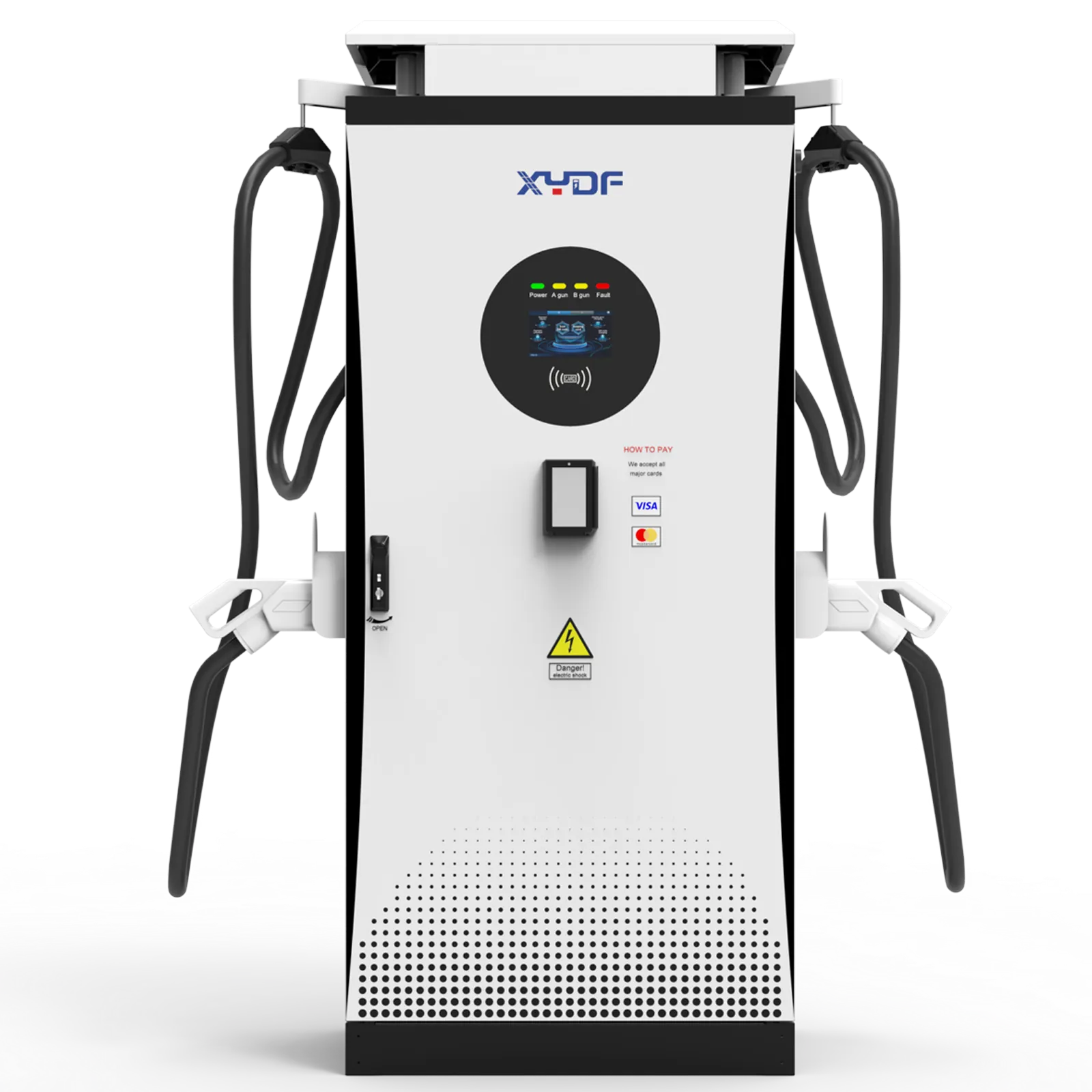
Key Features to Look for in EV Charging Station Software
When selecting an EV charging station software, buyers should conduct an evaluation based not only on the look of the visual dashboard but also on how the underlying platform is built to solve real-time operational issues and to scale to support future growth. The market-leading features of an EV charging station platform will include the ability to provide remote visibility, flexible payment processing capability, managing energy consumption intelligently, providing reporting tools, controlling access to EV charging equipment, and compatibility across multiple manufacturers.
Real-Time Monitoring and Remote Control
Real-time visibility is one of the key benefits of a fully integrated EV charging management system, and one of the most important features. Operators should be able to determine the current status of every charging unit without visiting the physical location of every charger. This reduces costs and supports operators’ speed to respond to equipment failures.
Remote visibility and control of the charger is equally important. The ability to remotely manage charging stations, including restarting chargers, changing configurations, pushing out updates, and diagnosing issues from a central location, is critical to improving the availability of charging stations and reducing the time required for maintenance.
Dynamic Charging and Load Management
One of the largest limiting factors in deploying EV chargers is the physical constraints associated with the capacity of the existing electrical grid. Dynamic charging software helps manage the distribution of available electrical capacity across multiple chargers to reduce the likelihood of overloading the grid and to avoid the need for costly electrical infrastructure upgrades.
This is particularly important in buildings with limited grid capacity such as apartment complexes, office parks, distribution centers, hotels, and retail locations. Rather than simply adding capacity, operators can deploy dynamic charging software to manage the available capacity in a more efficient manner, while at the same time ensuring the service they provide to their customers remains consistent during peak demand periods.
Flexible Billing and Payment Processing
Dynamic charging software should allow operators to monetize their charging stations in a manner conducive to their business model. For example, some operators charge by kWh, while some charge by minute, while some charge per session and/or utilize a combination of rates (e.g., idle charges, subscription fees, loyalty rewards, and/or incentives for off-peak usage).
Both the most advanced platforms support multiple forms of payment, including app payments, contactless card payments, RFID access, invoicing, and corporate billing. The flexibility in payment processing improves the customer experience and provides operators with an increased level of control over their revenue streams.
User Management and Access Control
Because not all charging stations provide the same opportunity for their customers, some stations are publicly accessible, while others are designated for use by employees, tenants, hotel guests, residents, and/or fleet drivers.
Operators must have the ability to create access restrictions that can be defined by user group, charging station or time of use (for example, early morning hours). This functionality is especially important in locations where charging will be shared amongst multiple users and charging is not reserved specifically for a designated user, or pricing will be determined differently based on user type.
Reporting and Business Intelligence
Software that has strong reporting capabilities will provide operators with visibility into their performance. Operators will want the ability to monitor usage data, charger performance rates, revenue per charger, session lengths, maximum downtime, kWh used, and customer behavior through easy-to-use reporting tools.
With this data available, operators can make informed decisions on equipment placement, revenue generation, maintenance schedules, or future equipment expansion. Additionally, these performance metrics can assist the operators with their internal planning, sustainability reporting, and return-on-investment tracking.
OCPP Support and Interoperability
Utilizing an Open ChargePoint Protocol or Open Charger Control Protocol (OCPP) standard gives end-users greater flexibility to utilize multiple charger manufacturers and, therefore reduce their risk of equipment failure and make future expansion easier as their business requirements change and develop.
OCPP-compliant equipment should be a high priority for any end-user that is contemplating investing in an EV charger infrastructure to ensure compatibility with other manufacturers and equipment.
Who Needs EV Charging Station Software?
The need for electric vehicle (EV) charging station management software is emerging in an extensive array of industries. Real estate owners who plan to use EV charging stations as amenities for tenants will require an EV charging station management software solution. Fleet managers who rely on EVs for operations will require a software solution that can assist them in scheduling and ensuring that EVs are charged and ready for operation.
Hotels and retail establishments will utilize EV charging station management software to improve customer service and to draw more visitors to their businesses. Employers who are implementing workplace EV charging will require a software solution. Cities, municipalities, and utilities are utilizing public infrastructure as well as energy strategies to coordinate their charging efforts.
Depending on the software needed, each organization will have slightly different needs but will all share the same high-level business objective: to streamline the day-to-day operations of charger installations, make them scalable, and to instill user confidence in completing their sessions with ease.
Selecting the appropriate software can provide benefits to an organization across normal operations, customer experience, and long-range planning. By making faults easier to locate and fix, the right platform improves uptime. By providing centralized control and automation, it may reduce manual workload for the organization. Lastly, by providing users smoother payment processing, easier station availability to find, and more accurate session completion, user satisfaction should improve.
Moreover, the right software can help organizations manage utility tariffs, reduce idle charger time, optimize electrical consumption, and recognize underutilized assets. For organizations looking beyond just the installation of the charger, these benefits are frequently the distinctions between a charging network that simply exists and a network that functions strategically.
How to Choose the Best EV Charging Station Software for Your Business
There is no universally “best” EV Charging Management platform to select. As a buyer, the “best” selection will depend on the type of charging environment being deployed, the anticipated scale of the deployment, the user journey, and the other internal systems with which the selected platform will communicate.
As a public charging network owner/operator, you may want to focus on app user experience, roaming capabilities, variety of payment options, and the ability to manage an extremely high volume of charging sessions. On the other hand, as a fleet owner/operator, you may be more concerned with energy scheduling, visibility of your depot, and prioritizing your vehicles for charging availability.
When comparing vendors, the customer should look at the entire solution set, not just the features listed but also how well the platform works in terms of stability, how responsive the support staff is, how easy/judicious it would be to integrate into existing systems through APIs, how good the reporting capabilities are, how strong the cybersecurity measures are, how well the onboarding of new customers will be, and lastly how new features are planned (road map). A great demo would help with initial customer acquisition, but how well the product will function from day-to-day and if it will scale based on future needs is much more important in the long run.
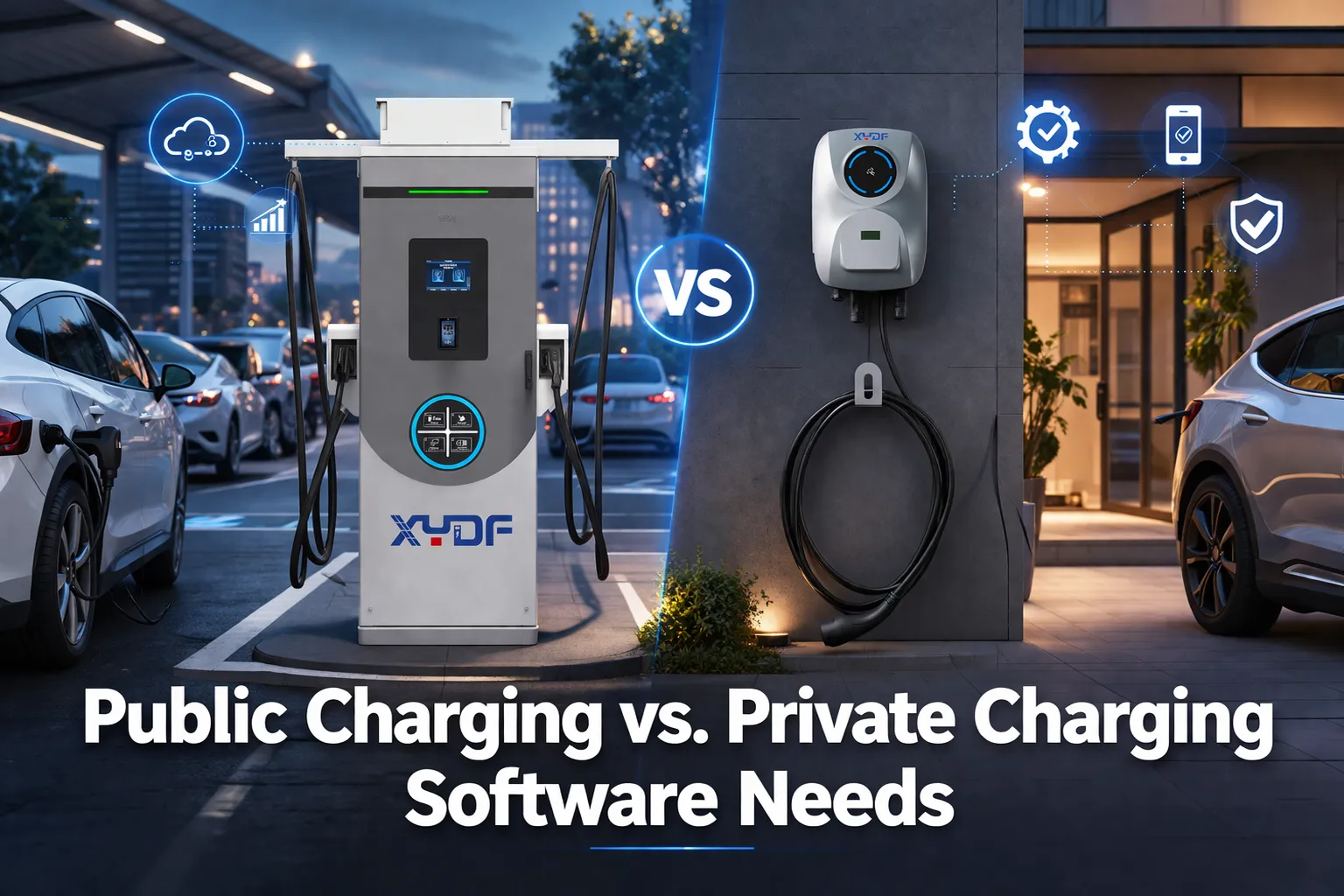
Public Charging vs. Private Charging Software Needs
When comparing public versus private charging, charging software will differ due to the needs of both public and private use cases. Public charge point operators will tend to require more robust customer-facing features such as real-time availability of charge stations, ease of making a payment for charging at a specific charge station, the ability to use/roam between multiple public charge point operators, session notifications, and overall mobile customer experience to decrease friction on as many users as possible.
Private charging customers who use charging for fleets, workplace, multi-family residences or managed parking locations will tend to have higher priority requirements related to operational efficiencies that they will need, including, but not limited to: allowing users to have access based on their credentials and who they are, charge back the user who has charged for usage during a specified time period, the ability to group users, when the specific users would charge, and energy balance of the charging usage.
Why Integration Matters in EV Charging Software
Many businesses will need their charging software to integrate with many other tools/systems to achieve operational efficiencies. Some of these 3rd party systems would include: payment gateways, building management systems, fleet telematics systems, CRM systems, utility tools, accounting systems, and customer usage applications. The easier these systems integrate or work together, the more efficient the overall operation becomes.
This is why an open API and/or good integration support has a lot of value. Manual data handling is minimized, operational consistency increases, and a connected charging ecosystem can now be established more easily alongside your overall business.
Security, Reliability, and Scalability Considerations
When using EV charging platforms to process payments, hold customer information, control charging stations, and collect network data, security must be paramount from the outset. Buyers should only consider EV charging platform providers with proven track records for secure communications, role-based access control, appropriate update practices, and an established approach to data protection.
Equally important is reliability. If the platform cannot reliably serve its users, as additional chargers are added, the business will bear the impact of downtime, revenue loss, and damaged trust. Additionally, scalability is much more than just an increase in the number of chargers supported. Scalability ensures the same level of performance, control, and overall customer experience through growth of the overall network.
Future Trends Buyers Should Watch
The EV charging software market continues to accelerate at a rapid rate. An increasing number of buyers want to see platforms that utilize AI for diagnostics and predictive maintenance, offer advanced load optimization capabilities, have a means for integrating renewable energy, capabilities for vehicle-to-grid applications, and the ability for customers to enjoy plug & charge experiences.
As these markets continue to grow and mature, software is becoming more intelligent, more connected, and playing a more central role in the overall success of EV charging businesses. Buying flexible, forward-thinking platforms today gives buyers the best chance to adapt to changing user expectations and increasing energy requirements in the future.
FAQ: EV Charging Station Software Challenges
What are common challenges with electric vehicle Charging Station Software?
Common challenges include reliability, scalability, interoperability, and user experience. Some platforms perform well with a small number of chargers but do not scale as the network gets larger. Others do not integrate well with payment systems, fleet systems, or energy management systems. In many cases, the challenges are not due to missing features but due to the inability to handle the real-world complexities associated with multi-site and multi-user scenarios.
Why are some charging stations so poor for the customer?
Many of the problems are software-related, not hardware-related. Some of the issues drivers will face include failed payment auths, unclear pricing, app login issues or problems with using the app, charging stations shown as being available but not available when they get to the station, or sessions being terminated prematurely. These issues may undermine confidence in the equipment even if the charging equipment is functioning correctly.
How can operators reduce charger downtime?
By using software with real-time monitoring, remote diagnostics, automatic alerts, detailed fault reports, and over-the-air firmware updates, operators can greatly reduce the amount of time chargers are down. By detecting issues more quickly, operators can respond to issues more quickly. Also, predictive maintenance software can help operators identify and prevent repeating failures before they affect too many users.
Why is OCPP so important to consider in selecting software?
OCPP allows buyers to avoid being locked into a hardware vendor and provides increased flexibility and interoperability when scaling and adapting their charging network to support future growth. Buyers will benefit from the OCPP standard since this will protect their long-term investment.
Will EV charging software reduce energy costs?
Yes, especially when the software has smart charging and load balancing features. Smart charging and load balancing allow the charging load to be flattened, reducing peak load demand. Over the long run, this will have a major impact on operational costs, especially for large station sites and fleet depots.
What should potential buyers ask suppliers prior to making a purchase decision?
Potential buyers should ask about hardware compatibility, OCPP compliance/compatibility, uptime performance, payment flexibility, reporting features, API access, customer support, cybersecurity compliance, deployment experience, and future product plans/roadmap. The objective is to select a software partner that provides both the resources necessary to meet your immediate needs and the capability to meet your future needs.
The best platform will be the platform that best exemplifies reliability, ease of use, operational flexibility, and scalability. Strong software provisions the maximum usefulness to both drivers and operators, provides an overall simplification of energy and charger management, supports flexible business models, and minimizes the friction that inhibits growth.
Ultimately, the best EV charging software is more than just a management tool. It provides the operational support necessary to deliver an improved customer experience, improved network performance, and improved long-term growth. Businesses that make the right choices will be able to increase uptime, manage costs, better serve their customers, and develop EV charging infrastructure that maintains value as the market evolves.
 Xinya Dongfang Electricity Technology Co., Ltd.