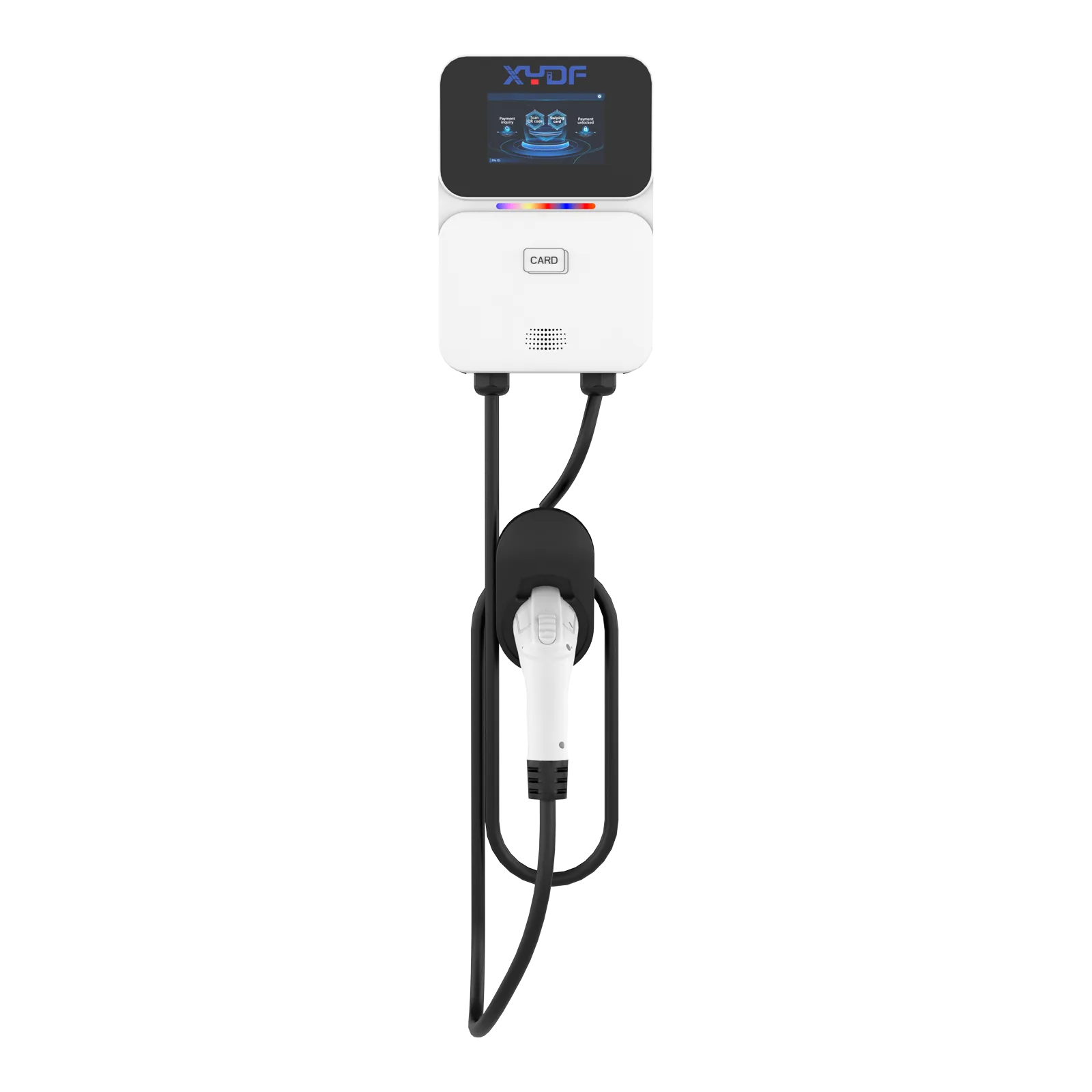
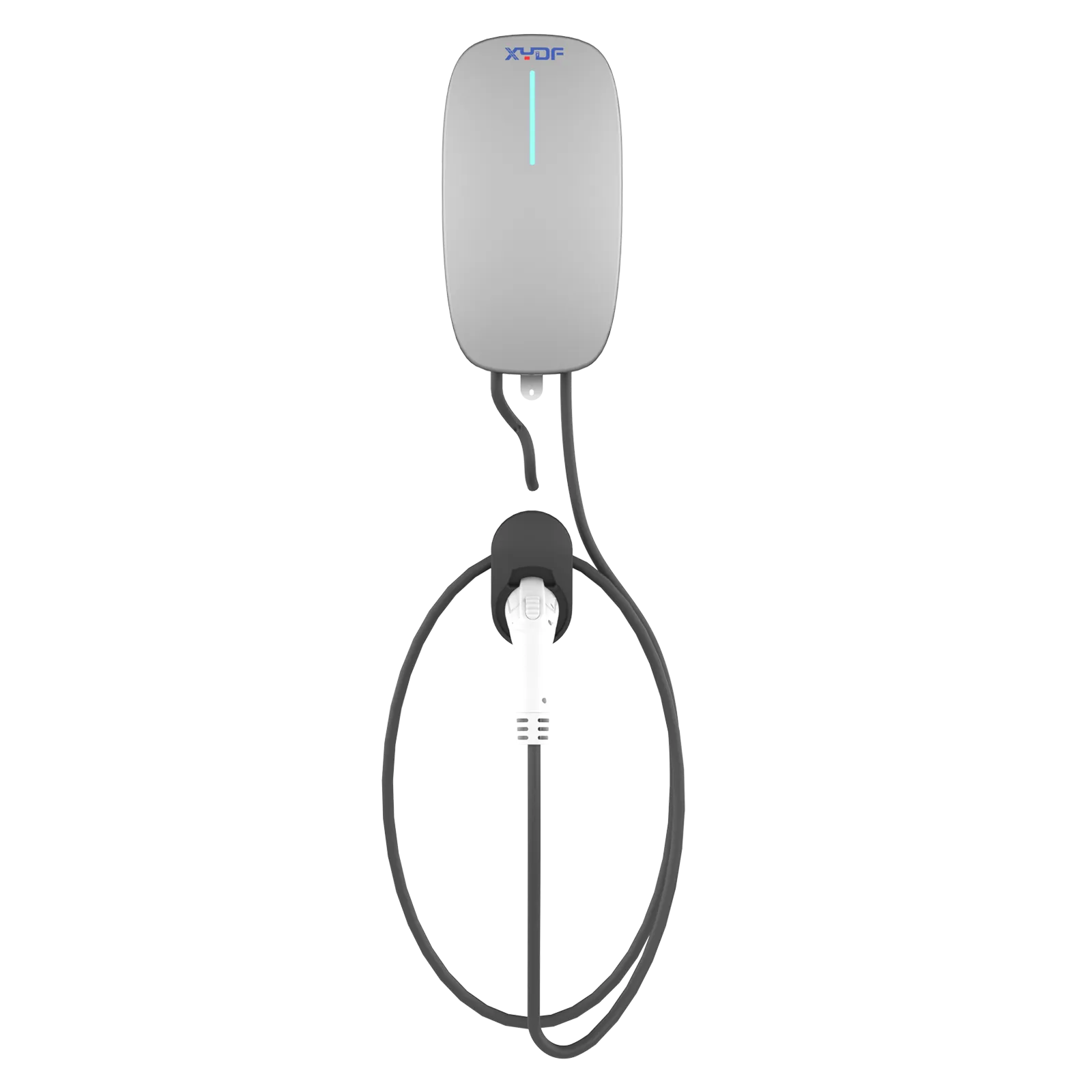
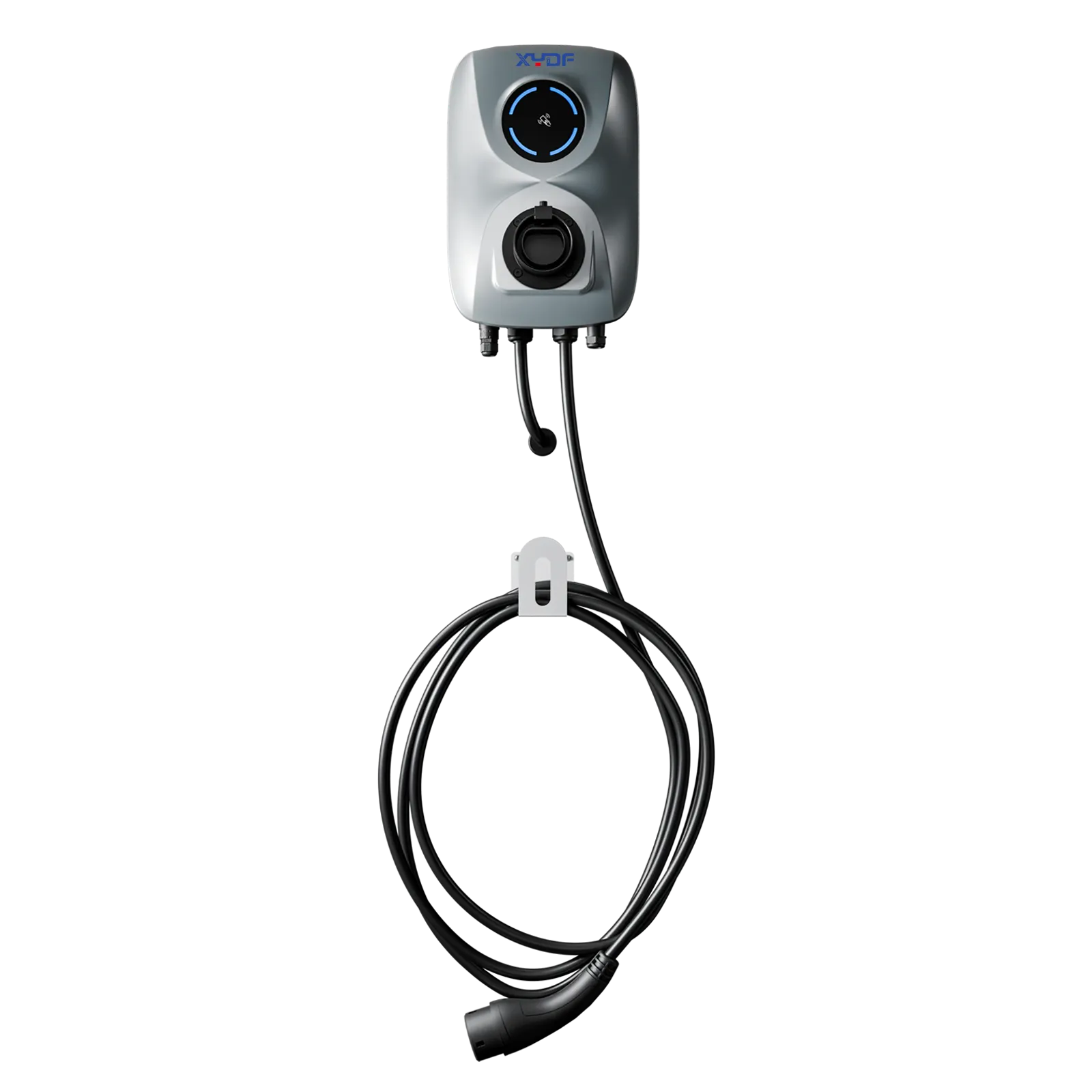
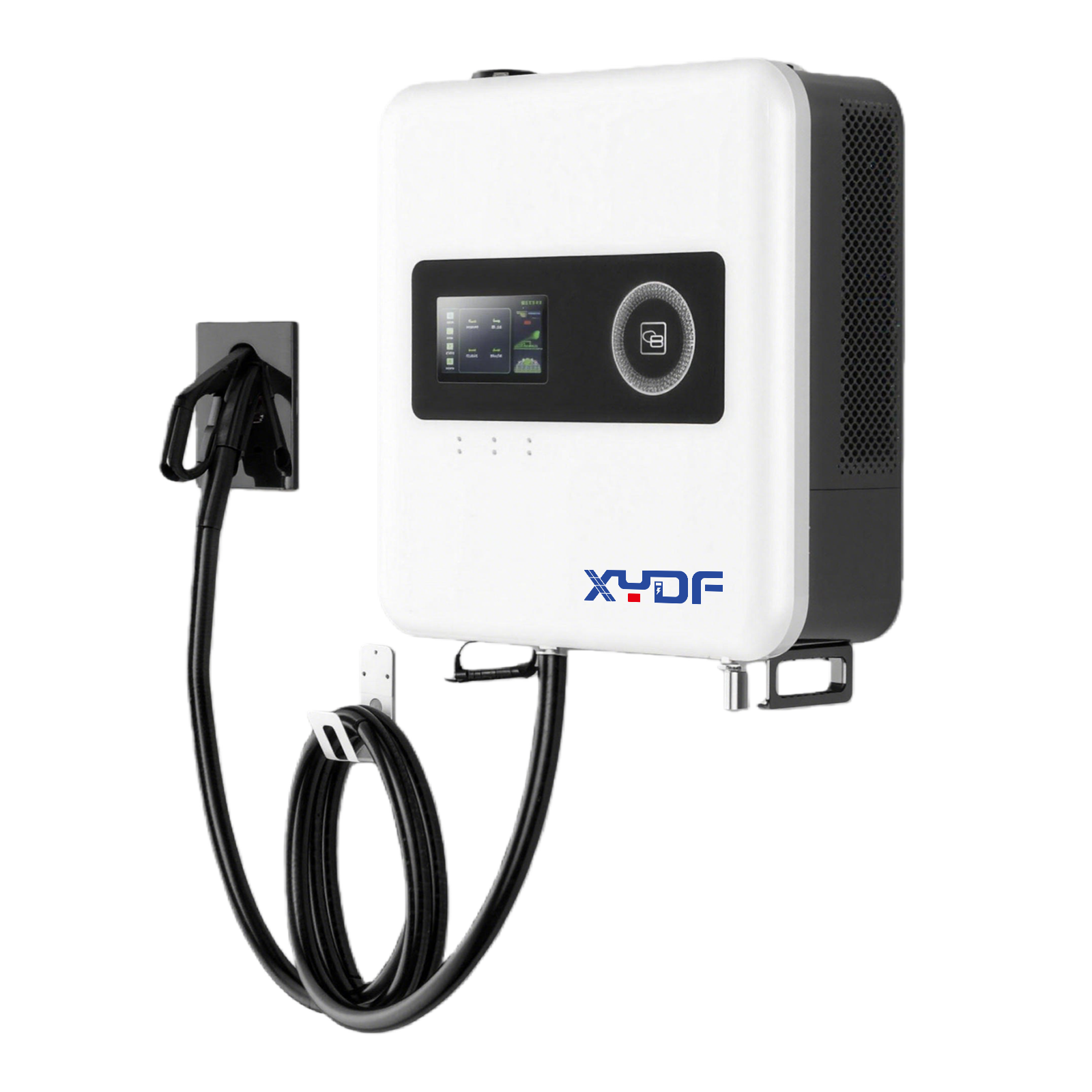
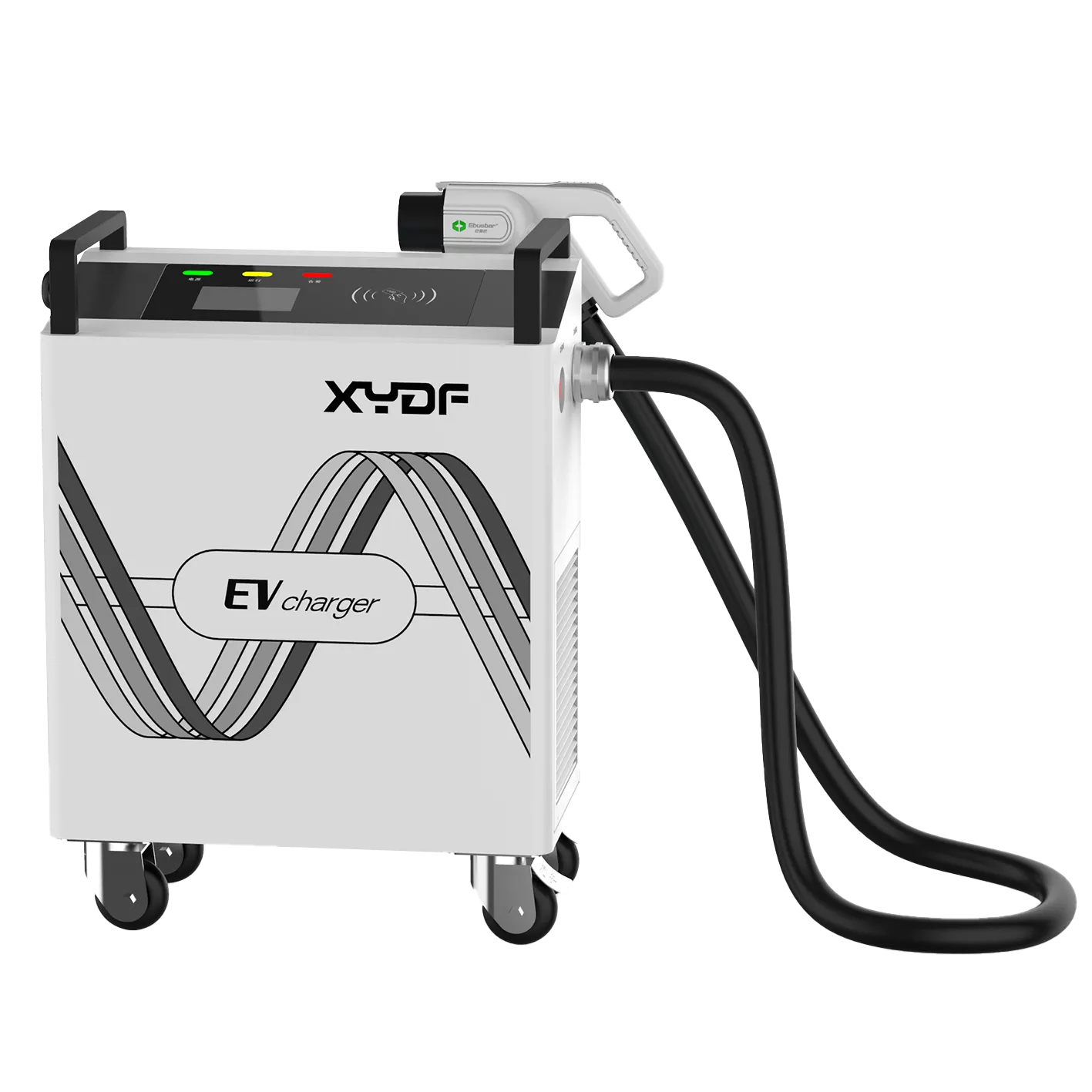
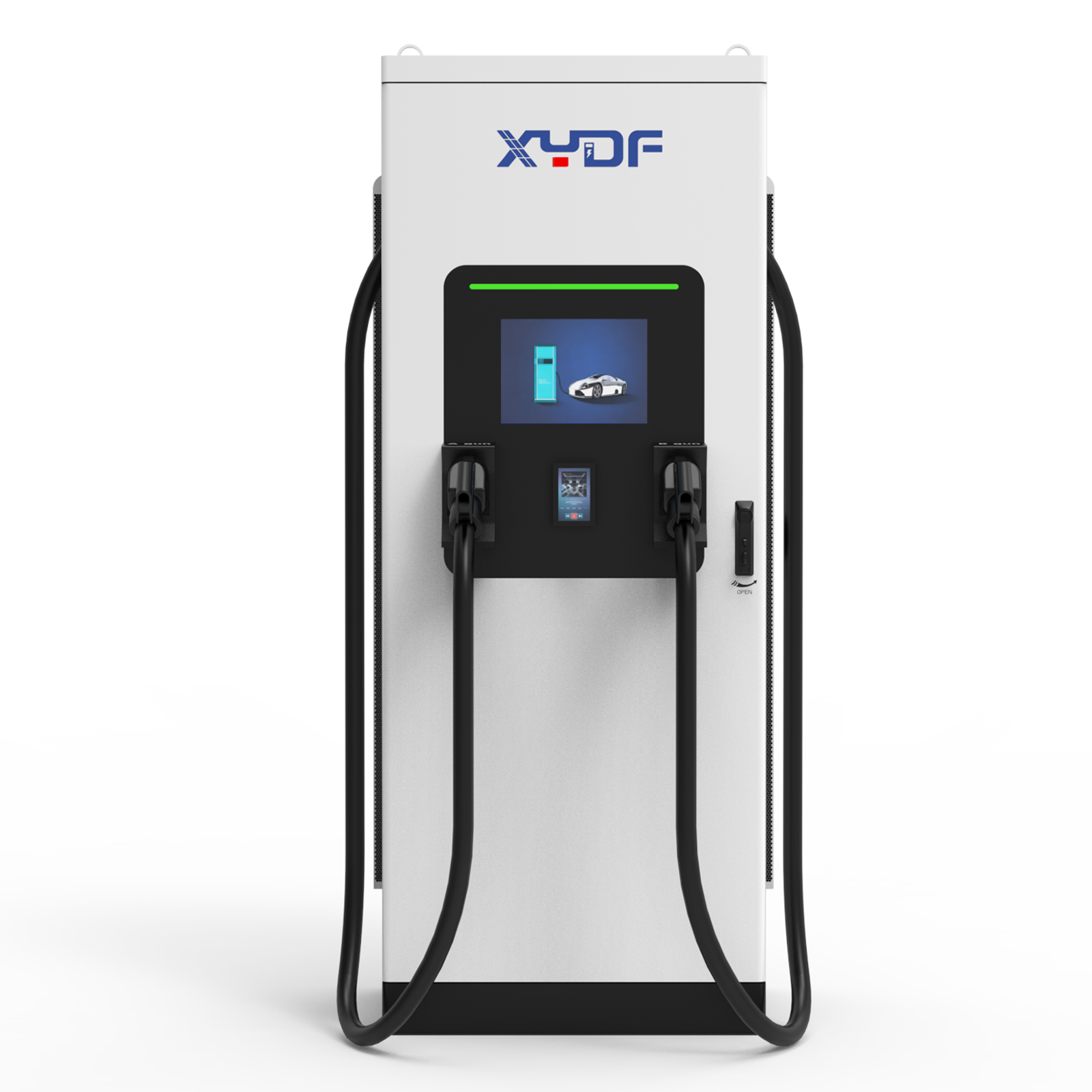
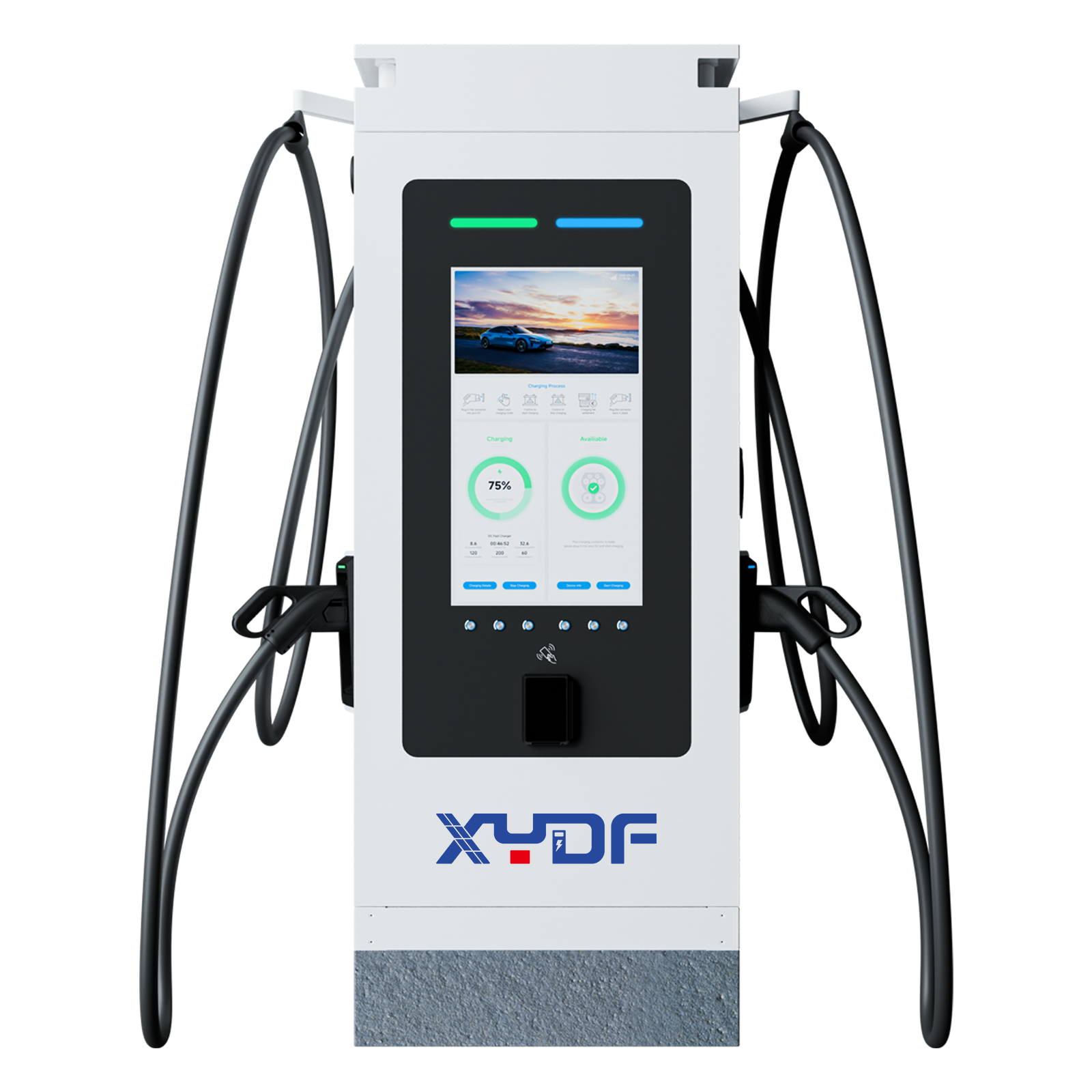
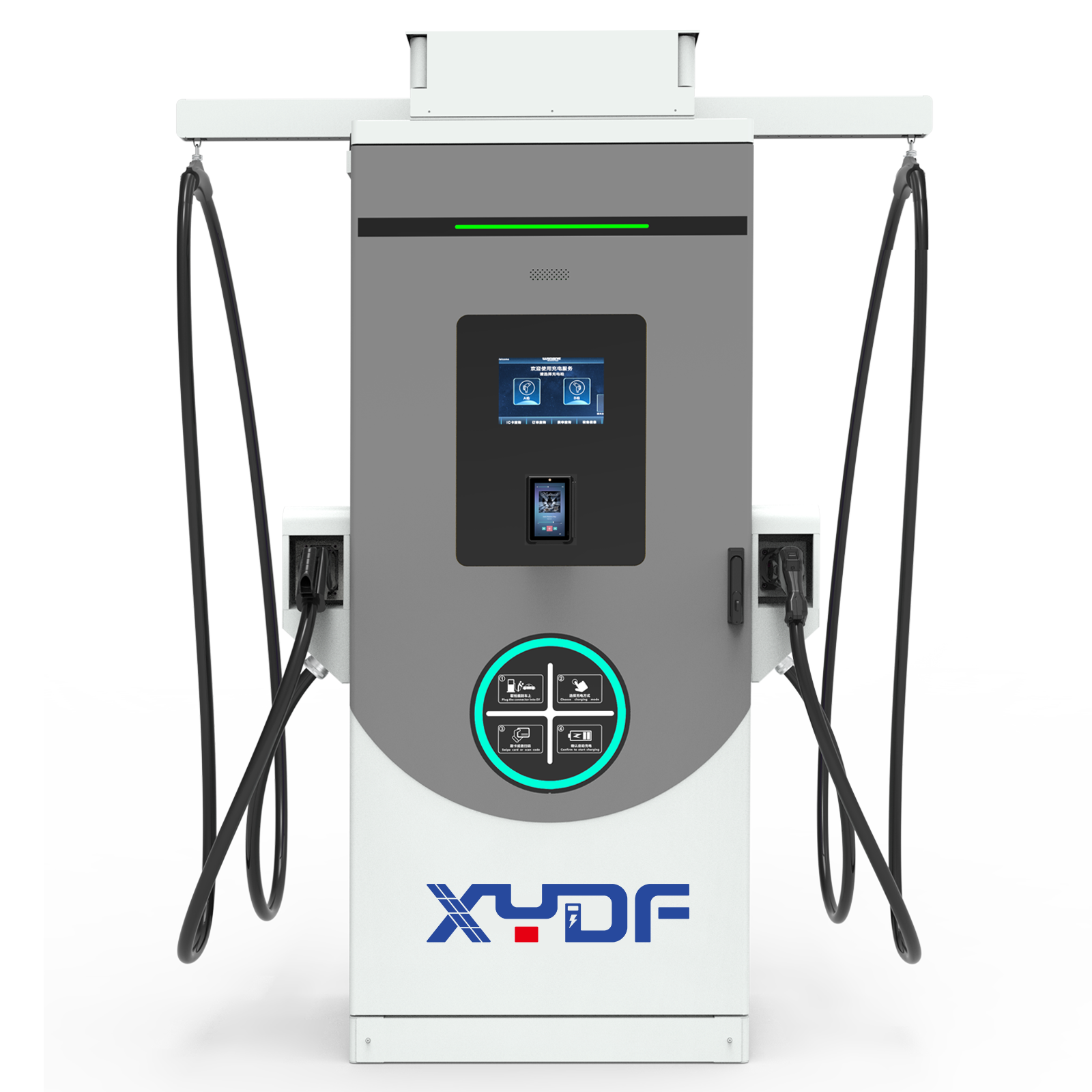
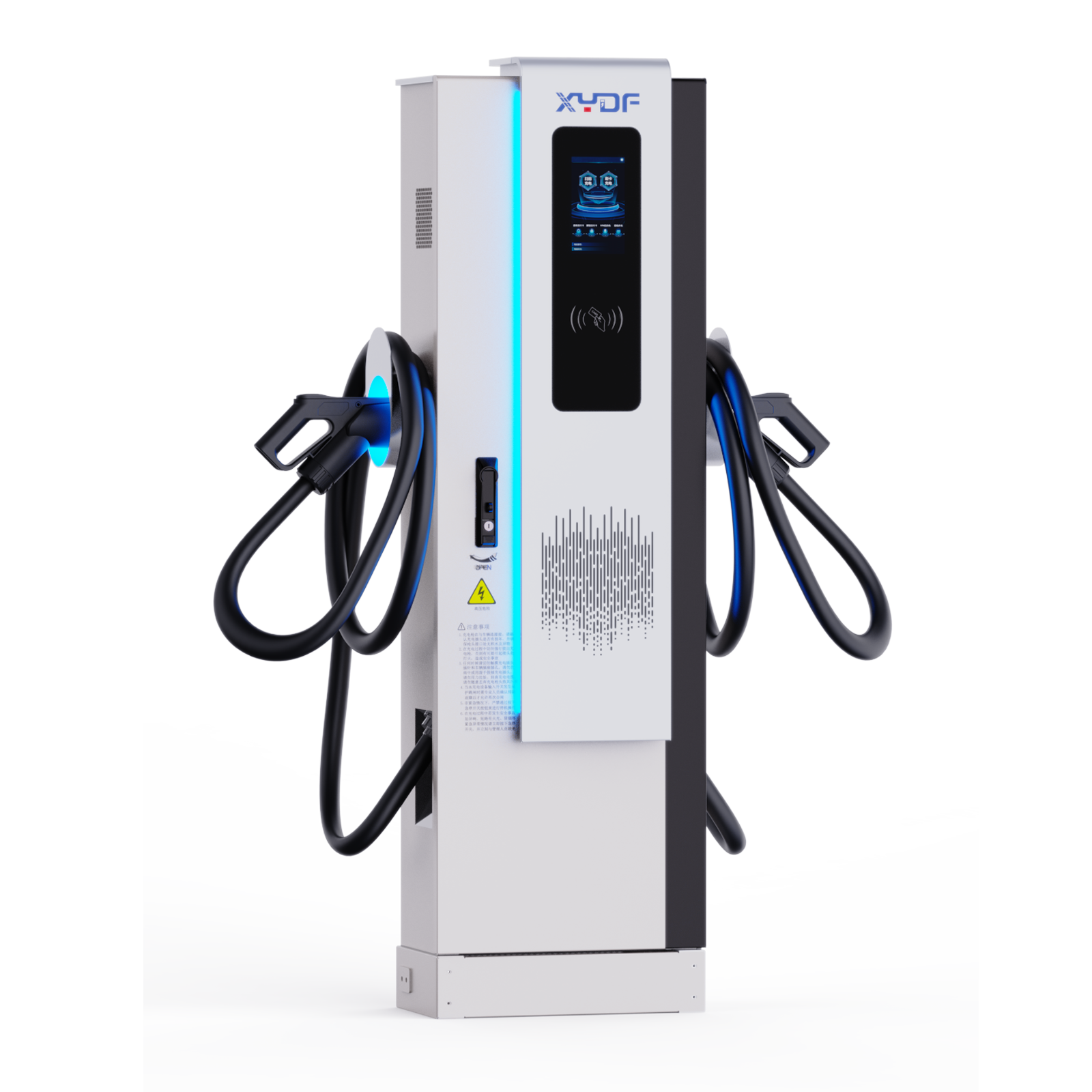
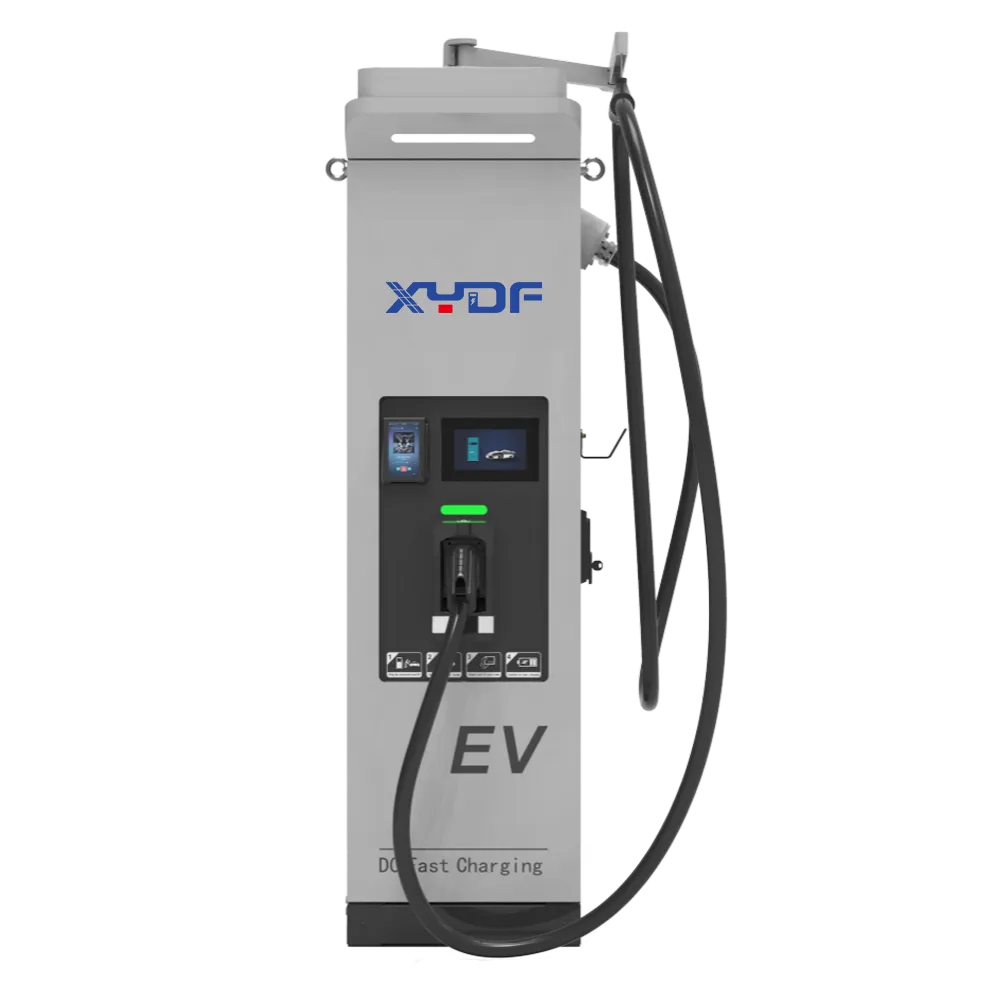
The popularity of EVs is creating a growing customer base of electric vehicle owners who want to charge their electric cars at home, resulting in increased demand for residential outdoor chargers and other types of residential chargers. There are many different types of fast charging stations available, each has its advantages and disadvantages. It is very important to research all of the available options for outdoor EV charging in a residential setting before deciding on the right option for your budget and situation.
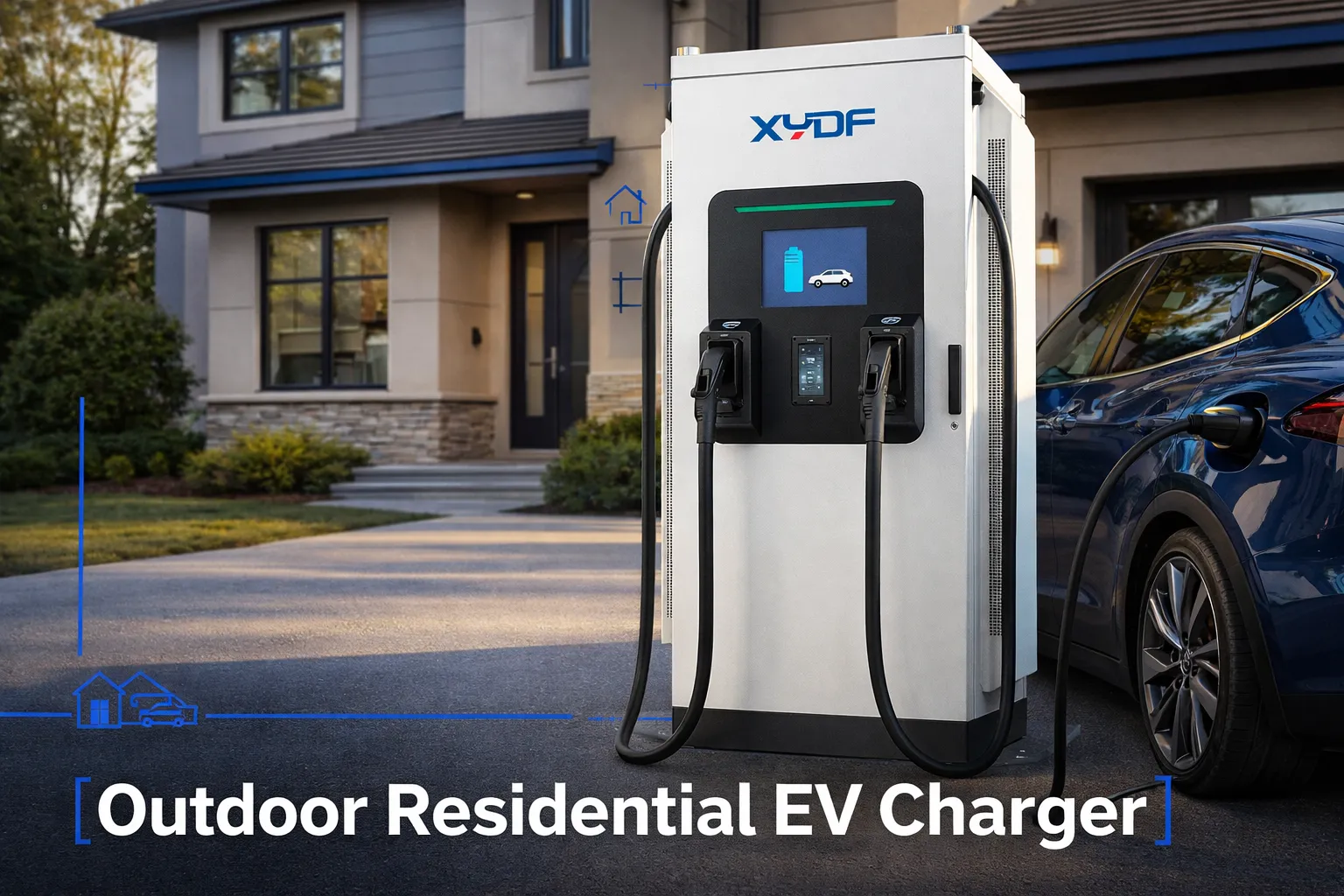
Not very many people have easy access enough to garages, basements, or other sheltered locations to install fast chargers. For homeowners that do not have this type of access and is having difficulty running an acceptable compliant electrical wire installation, an outdoor electrical vehicle charger is the best option. Outdoor residential EV chargers allow residential EV owners with driveway/parking areas or unprotected areas to charge their vehicles conveniently at home either day or night, and outdoor residential EV chargers are preferred for homes where no garage or basement exists because ease of access to the vehicle’s charge port is of utmost importance. Therefore, outdoor residential EV chargers are practical and functional solutions for residential EV owners who need clear access to charging at their homes.
One of the first considerations when selecting an outdoor specific residential EV charger is the key features associated with those chargers. Having knowledge about certain characteristics of various outdoors type charger will give you an advantage while searching for a suitable outdoor charger for your specific needs.
Being made from weather resistant/waterproof materials will allow an outdoor charger to withstand tough weather elements such as rain, snow, dirt and extreme temperatures ensuring that it continues functioning well at anytime during the year.
It is extremely important to purchase a charger that has been certified by either UL or CE. These certifications mean that the charger has passed a series of tests proving that it meets safety standards and is safe to use for charging purposes.
There are many different types of chargers with varying speeds of operation. By far the best type of charger for home use would be a Level 2 (240 volt) as they typically charge much quicker than a Level 1 (110 volt). A Level 3 charger (480 volt) would charge even quicker than both Level’s one and two, but usually would be found in a commercial setting. For a residential use, Level 2 would be your best option when considering cost versus charging speed.
Many new outdoor EV chargers come equipped with smart technology. With the smart technology you can control the charger through app, Wi-Fi or Bluetooth. Other features included with the smart technology include tracking how much energy is being consumed, setting the time you want to charge, calculating the range left on your EV and many other features which provide for an easy way to charge your electric vehicle.
Before purchasing an EV charger, please check that the charger is compatible with your vehicle. Most Level 2 charging stations can charge most types of electric vehicles, but some electric vehicles may need an adapter to use a Level 2 charging station.
The installation of your EV charger will determine how much electricity it uses and whether it works at its best. Here are a few things that will be good to know before an outdoor EV charger installation:
1. Hire an experienced and licensed electrical contractor to do the installation for you. The contractor will be able to assess the electrical system of your home and let you know about any potential upgrades needed before you use the EV charger. A quality installation will reduce the possibility of an electrical fire and will add to the life of the EV charger.
2. Choose a location with sufficient protection from unauthorized access to your charger from the outside of the home. The charger should be easy to get to for plugging your vehicle in to charge, and it should also be protected from the environment as much as possible.
3. Use a charger that has a retractable cable or cord organizer to eliminate the possibility of having a messy, tangled charging area and the potential hazards that can come from tripping over cords, etc.
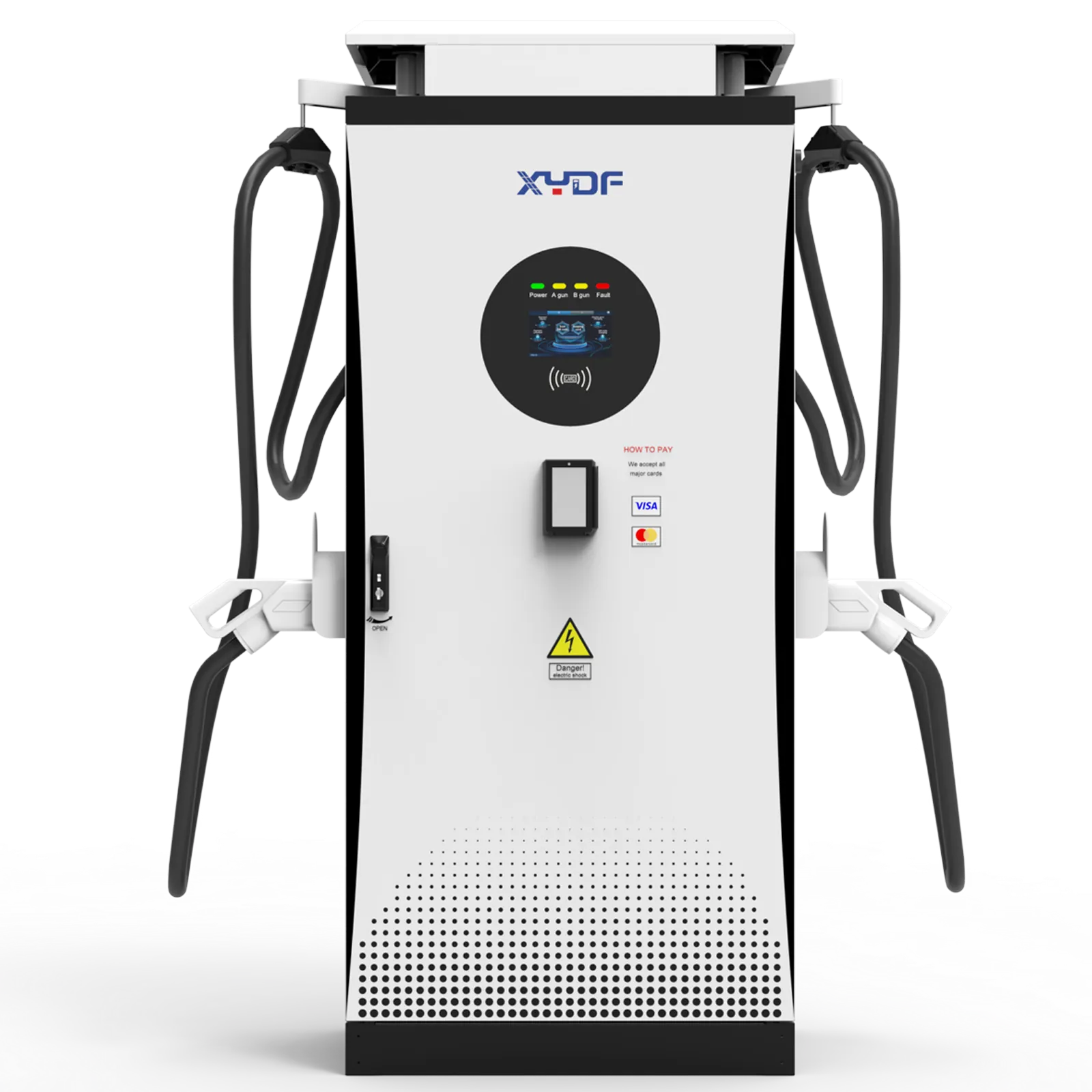
Yes, they will not be damaged by getting wet. Look for a charger with a rating of IP65 or higher for rainproof design.
Pricing ranges are from $500 to approximately $2,000, depending on the complexity of the installation, and if any upgrades are required to the house’s electrical system to allow the charger to be used.
Most outdoor chargers have locking devices or an ability to disable the charger using an app on your smartphone. Securing the charger to a fixed object will provide an additional deterrent to theft.
Yes, as long as the plug type and voltage match. Some smart EV chargers will keep track of the EV that will be charged, including how much power they have consumed during charging, and other useful data if you have multiple EVs.
Determine your future charging needs for your EV(s). For example, if you will be buying any additional EVs or will be upgrading your current EV(s), purchase an EV charger that has a much larger capacity than you currently need. Also, inquire about the manufacturer’s warranty, and if they provide any special services or customer support.
Additionally, you should also look into possible rebates or incentives that may be available in your region from your utility provider or local government agency that will help reduce the installation cost of your electric vehicle charger.
By purchasing a quality outdoor residential electric vehicle charger, you can help create a more enjoyable experience with your EV. A good weather-resistant, safety code compliant, fast charger with smart features for monitoring, and easy access will, when properly installed and cared for, provide many years of excellent service, thereby improving the experience for the EV driver and passenger. Adding an outdoor electric vehicle charging station to your home will also promote clean transportation—both now and into the future.

 Xinya Dongfang Electricity Technology Co., Ltd.