Bus

Logistics

Taxi

Corporate

Truck depots




We focus on how our charging station products can drive your business forward; green sustainability is the direction we keep moving toward.
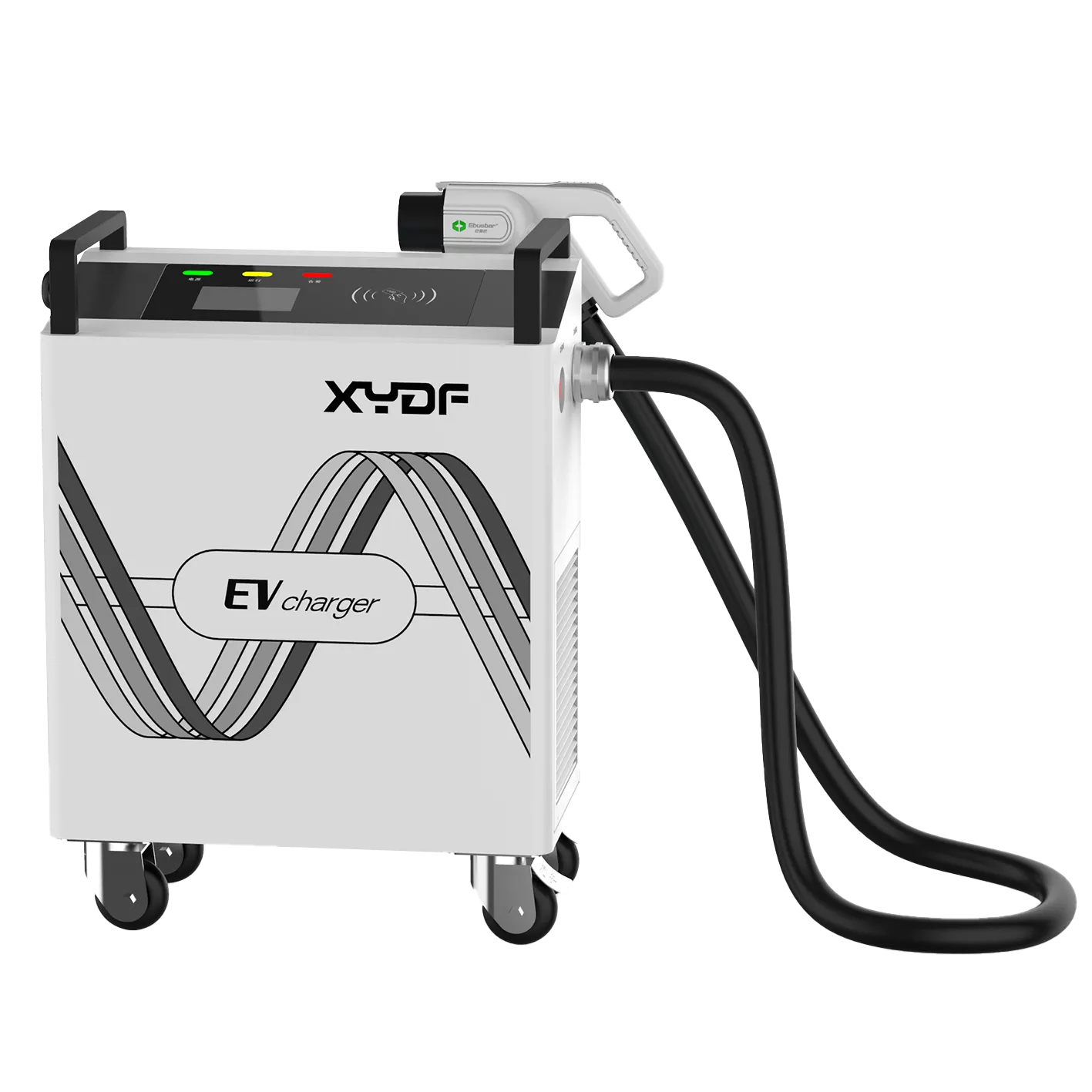
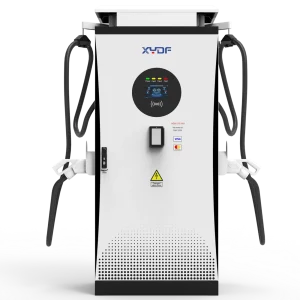
XYDF’s EV Charger supports 99% of vehicle models, ensuring high uptime, with annual updates.
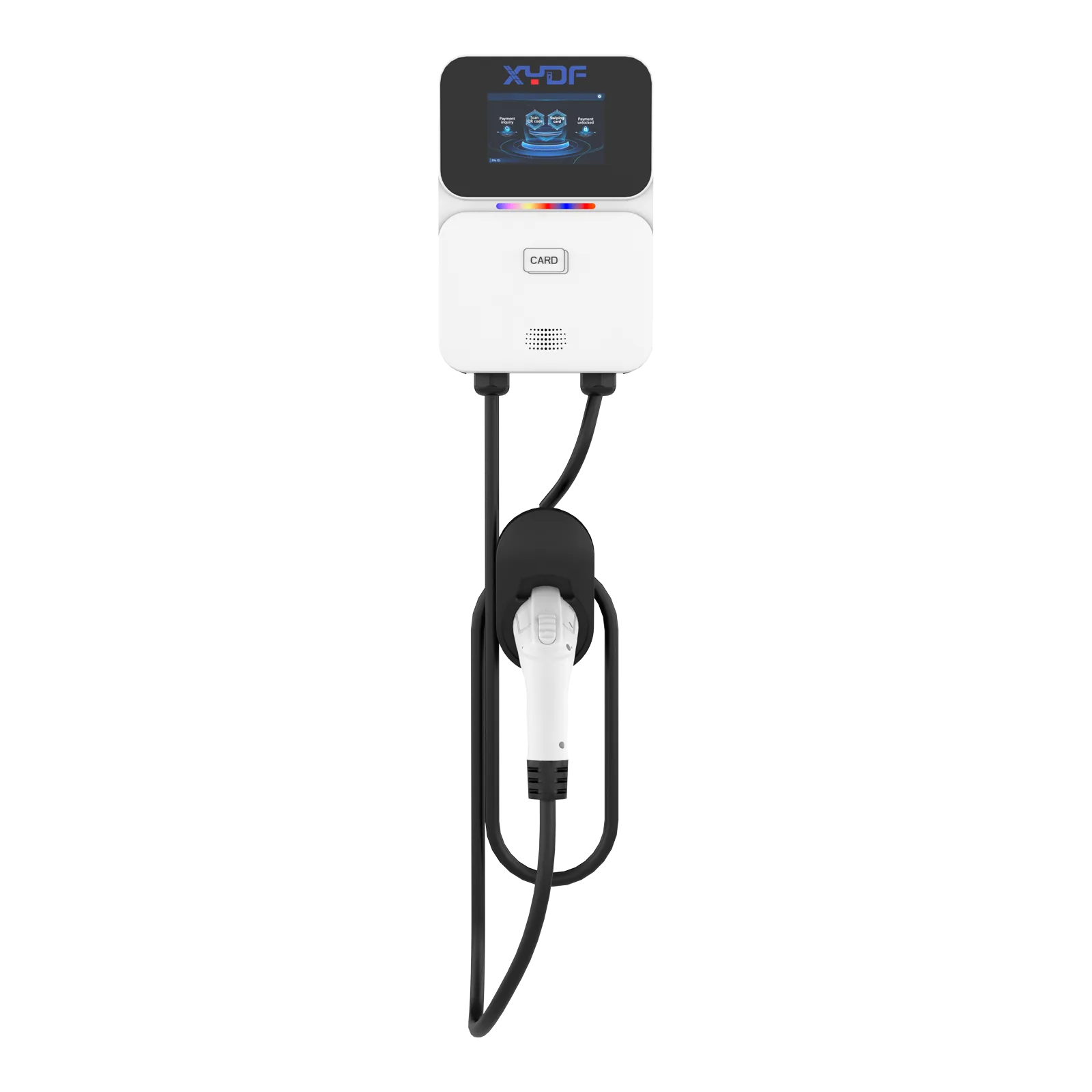
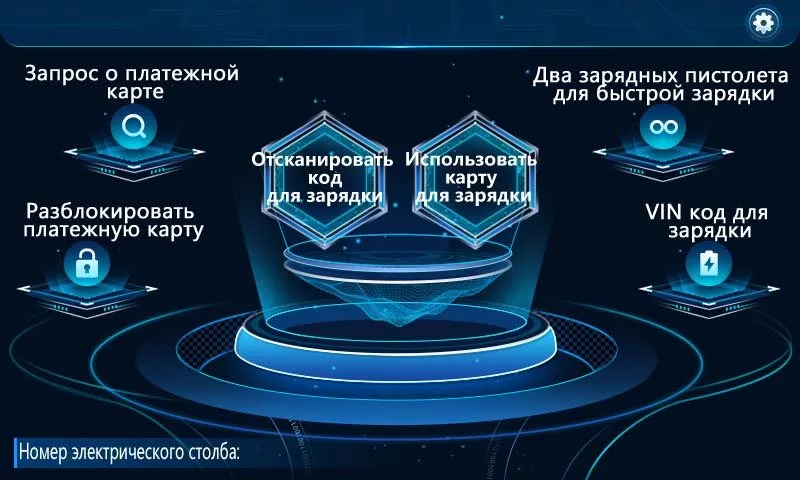
Convenient payment options: Rail card, QR code, and POS terminal.

Dynamic Load Management: dynamically optimizing power distribution, eliminating grid overloads, reducing demand charges, and maximizing charger utilization without costly transformer upgrades.
DOOH Advertising Module: XYDF offers customizable large-size advertising screens, you can switch advertising plans at any time. We also support appearance customization to improve your brand competitiveness.
Peak–valley electricity trading
With our MSS solution, you can store electricity during off-peak hours, use it during peak periods, and even trade power with the grid. XYDF also support optional V2G modules.

EXYDF benefits from a robust, highly integrated supply chain ecosystem; reduce your procurement costs
Modular design reduces maintenance costs
Supports 5G & Wi-Fi connectivity and OCPP protocol integration, enabling easy remote integrated management; reduce your operating costs.


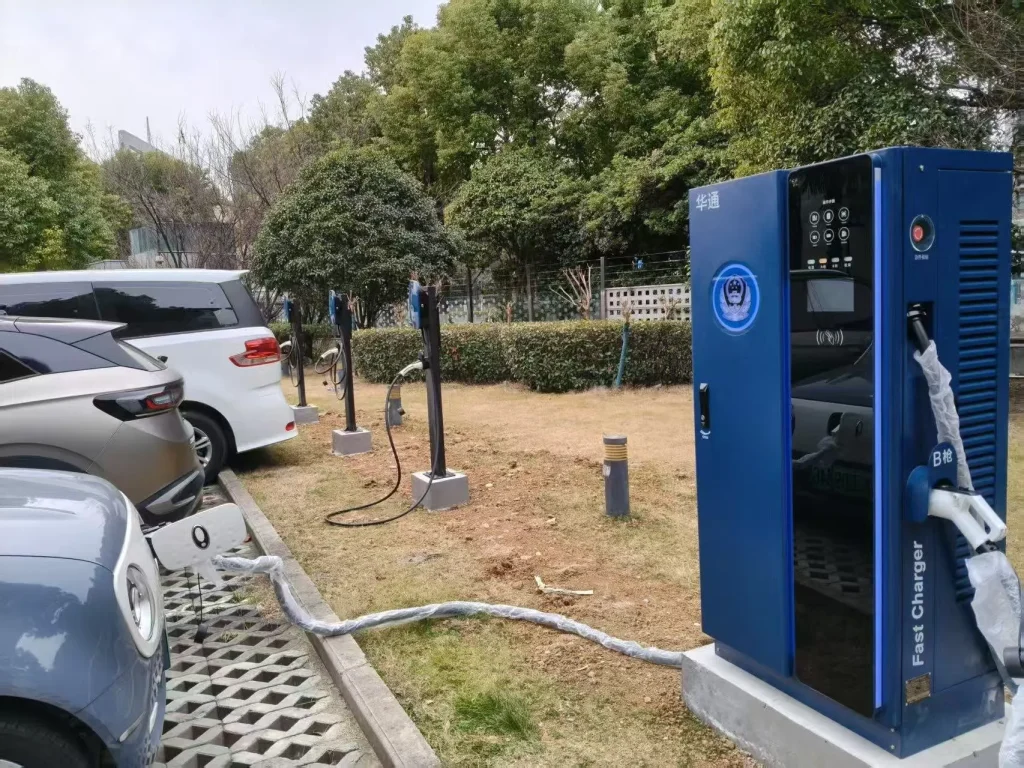

AC chargers: Slower charging, lower cost, ideal for homes and offices.
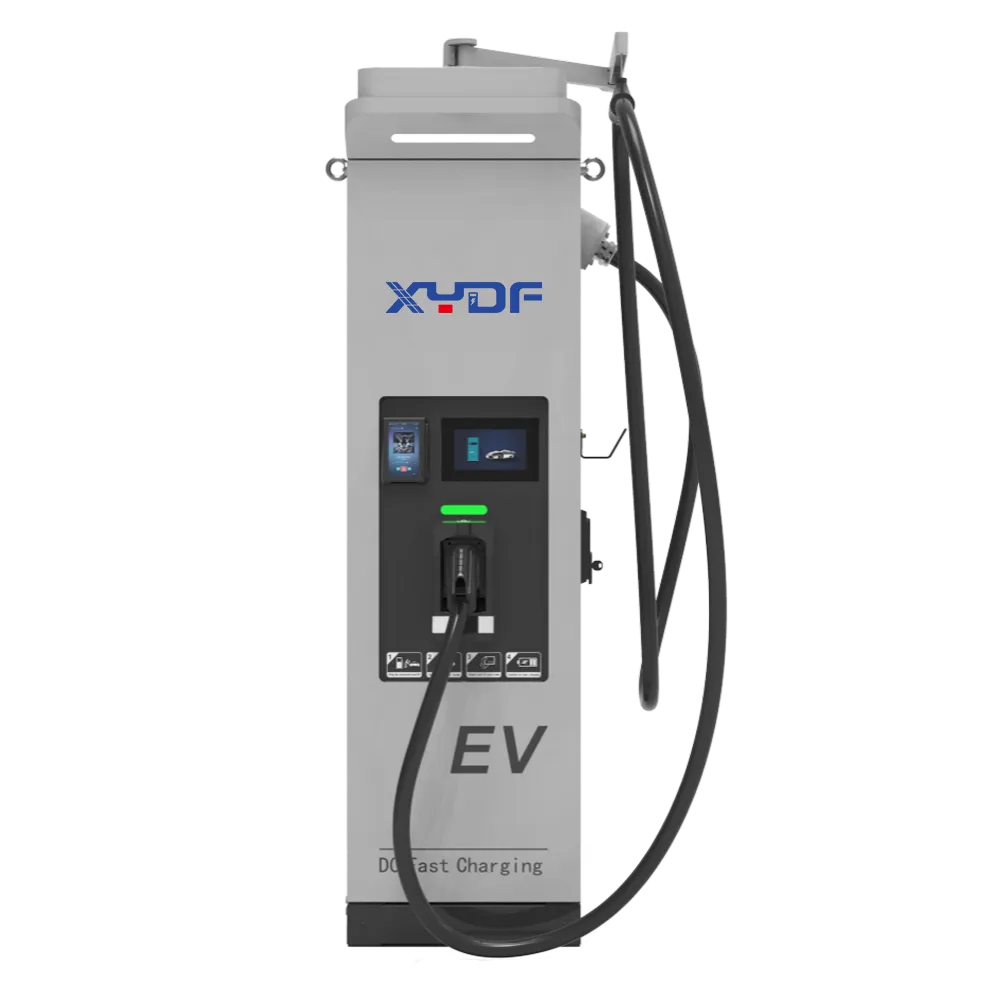
DC fast chargers: Faster charging, higher cost, suitable for high-traffic locations.
Power capacity, site wiring, and local approval requirements. A local installer can provide a detailed assessment.
Check the charging connector standard. Common types include CCS1, CCS2, NACS, and CHAdeMO.
Electrical capacity, site conditions, and compliance approvals.
Plan equipment sourcing, site setup, installation, and maintenance. Consulting a sales engineer is recommended.

 Xinya Dongfang Electricity Technology Co., Ltd.