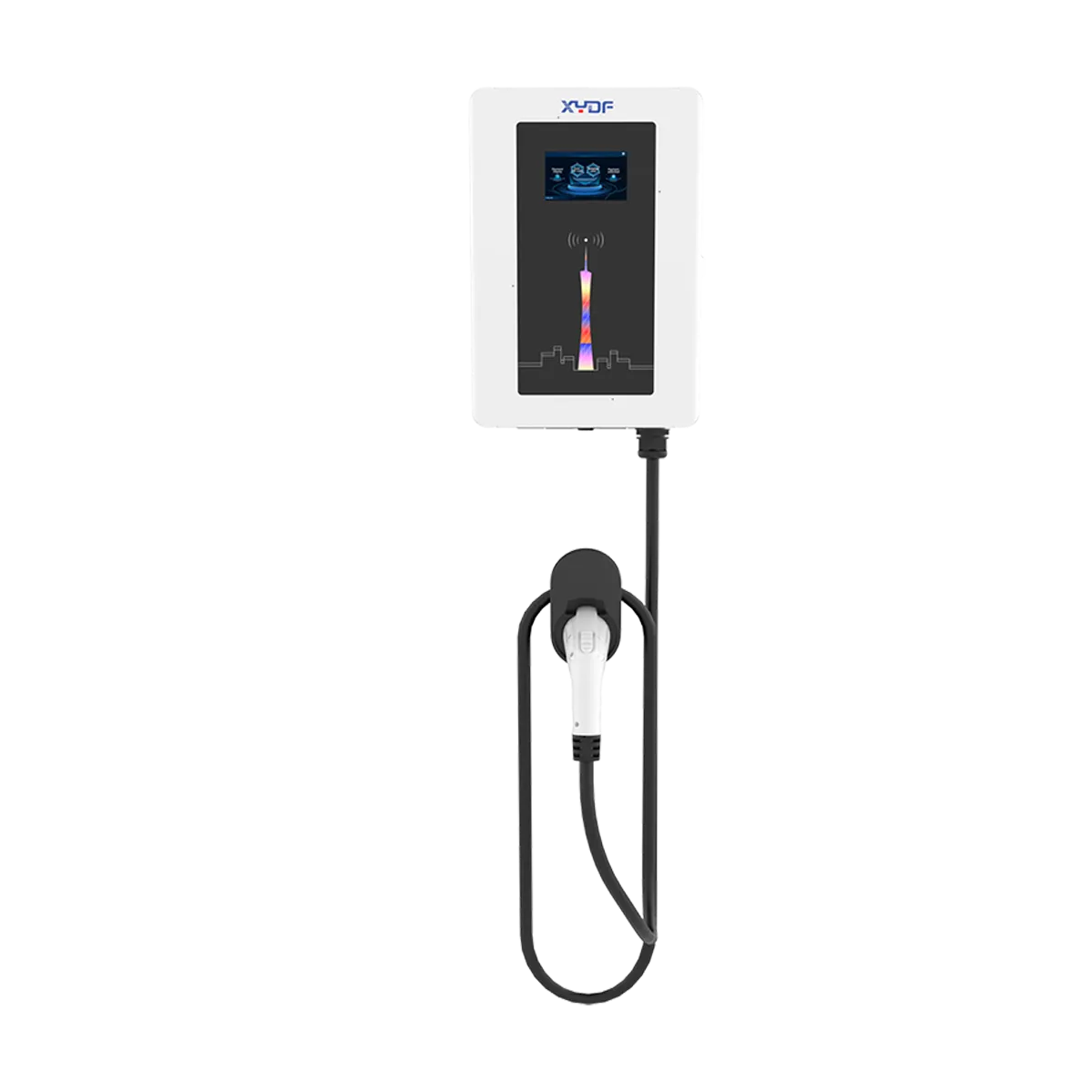
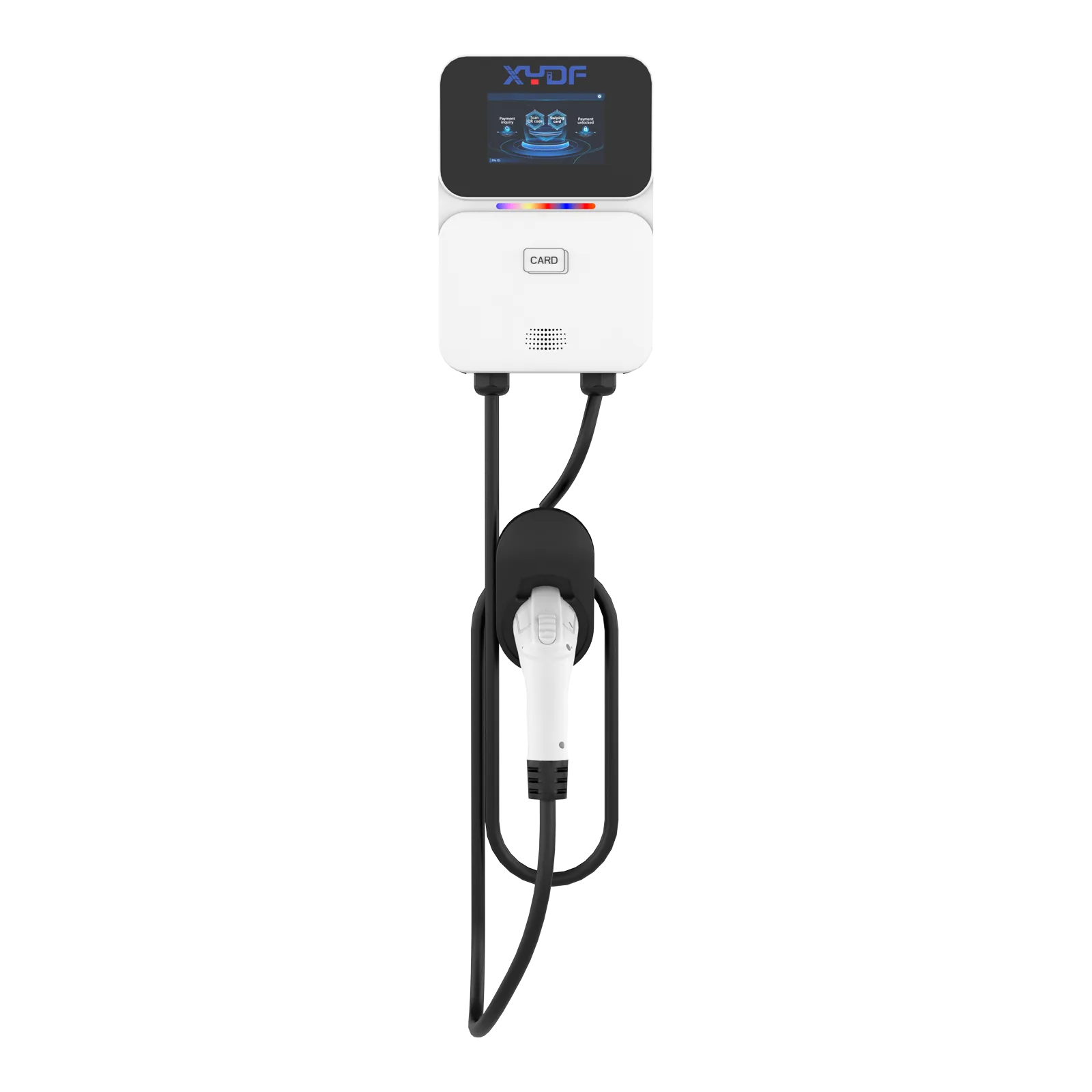
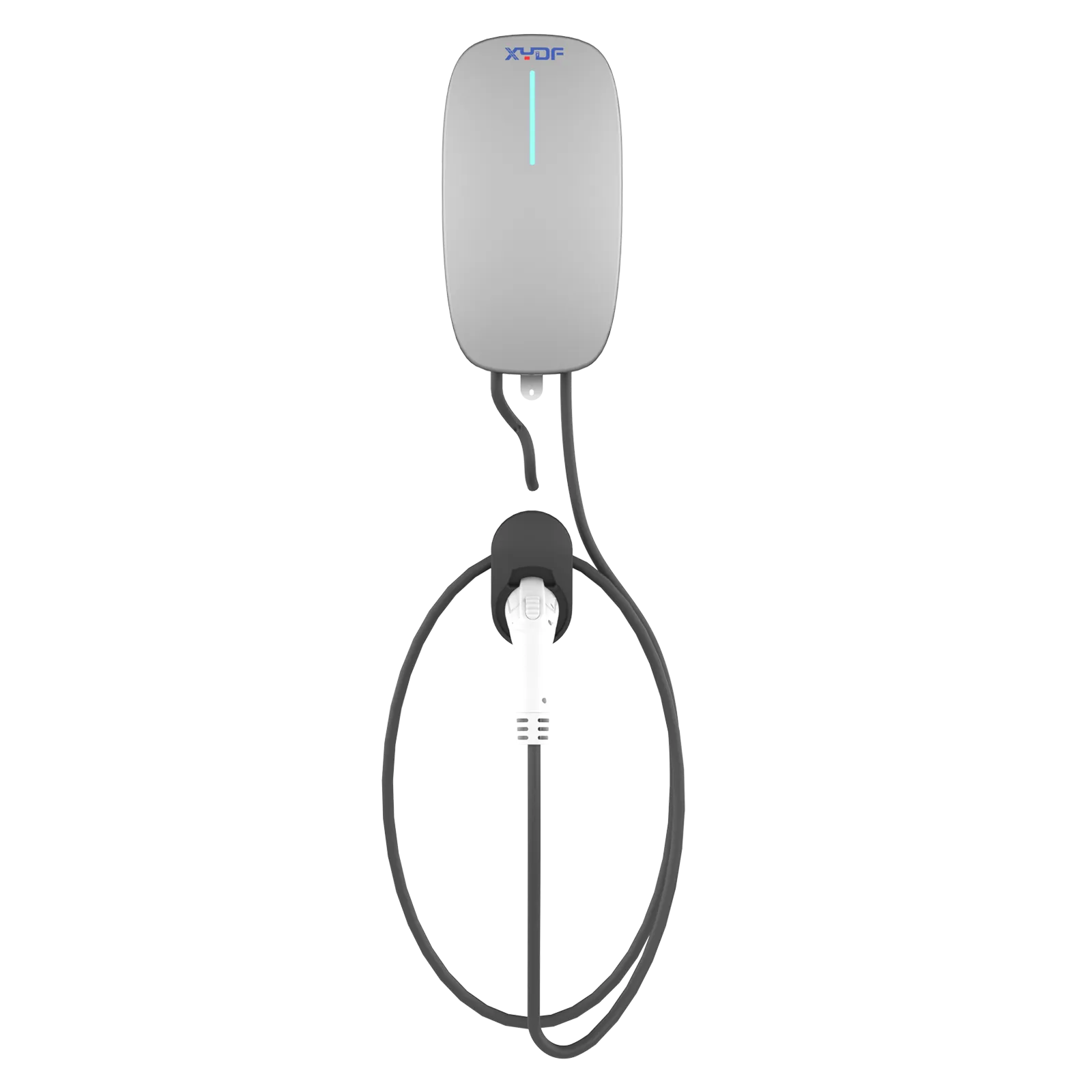
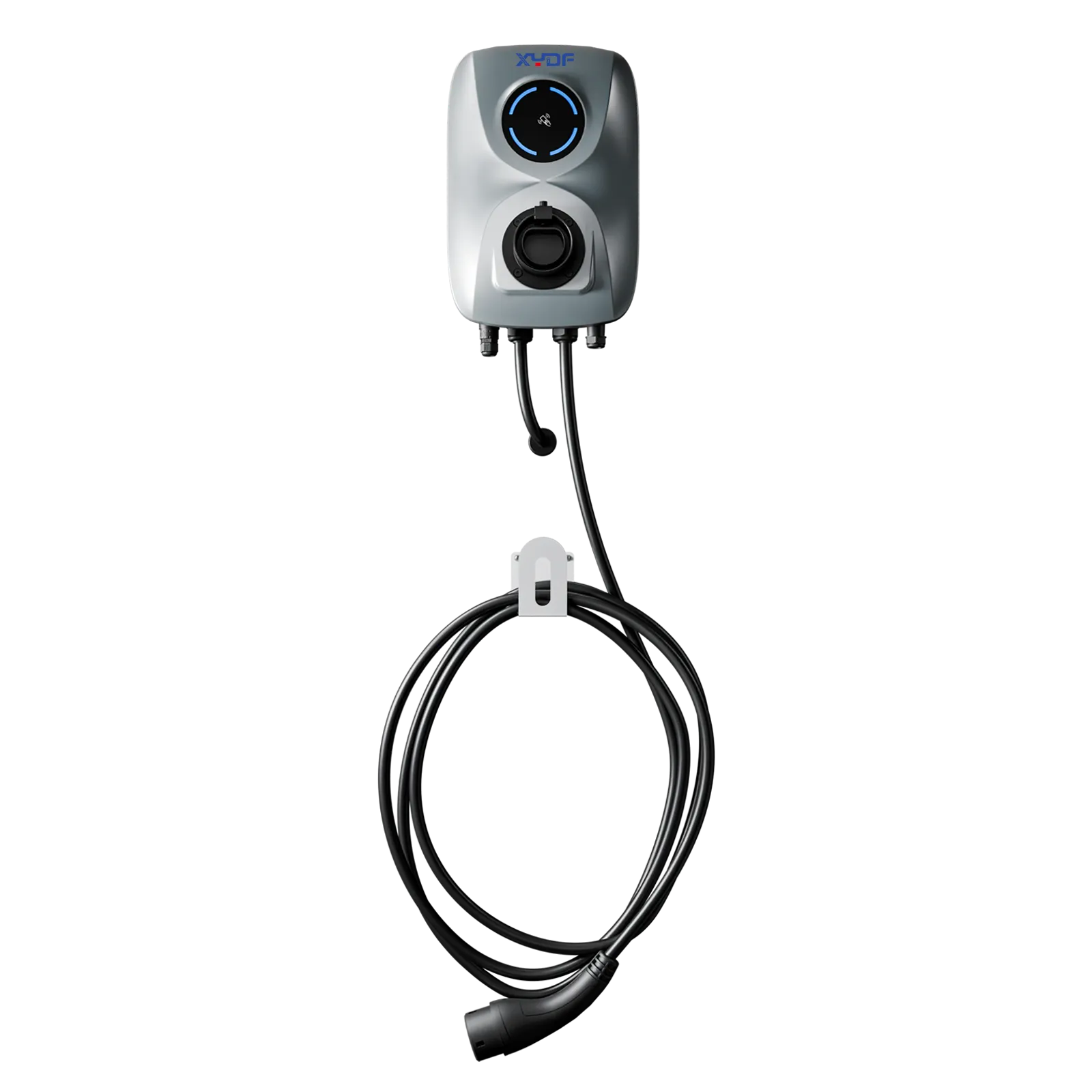
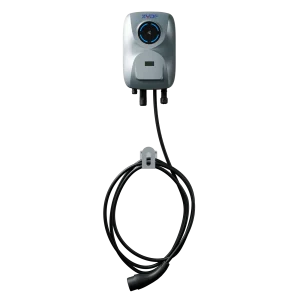
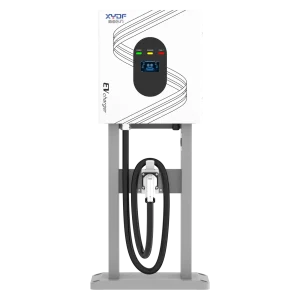
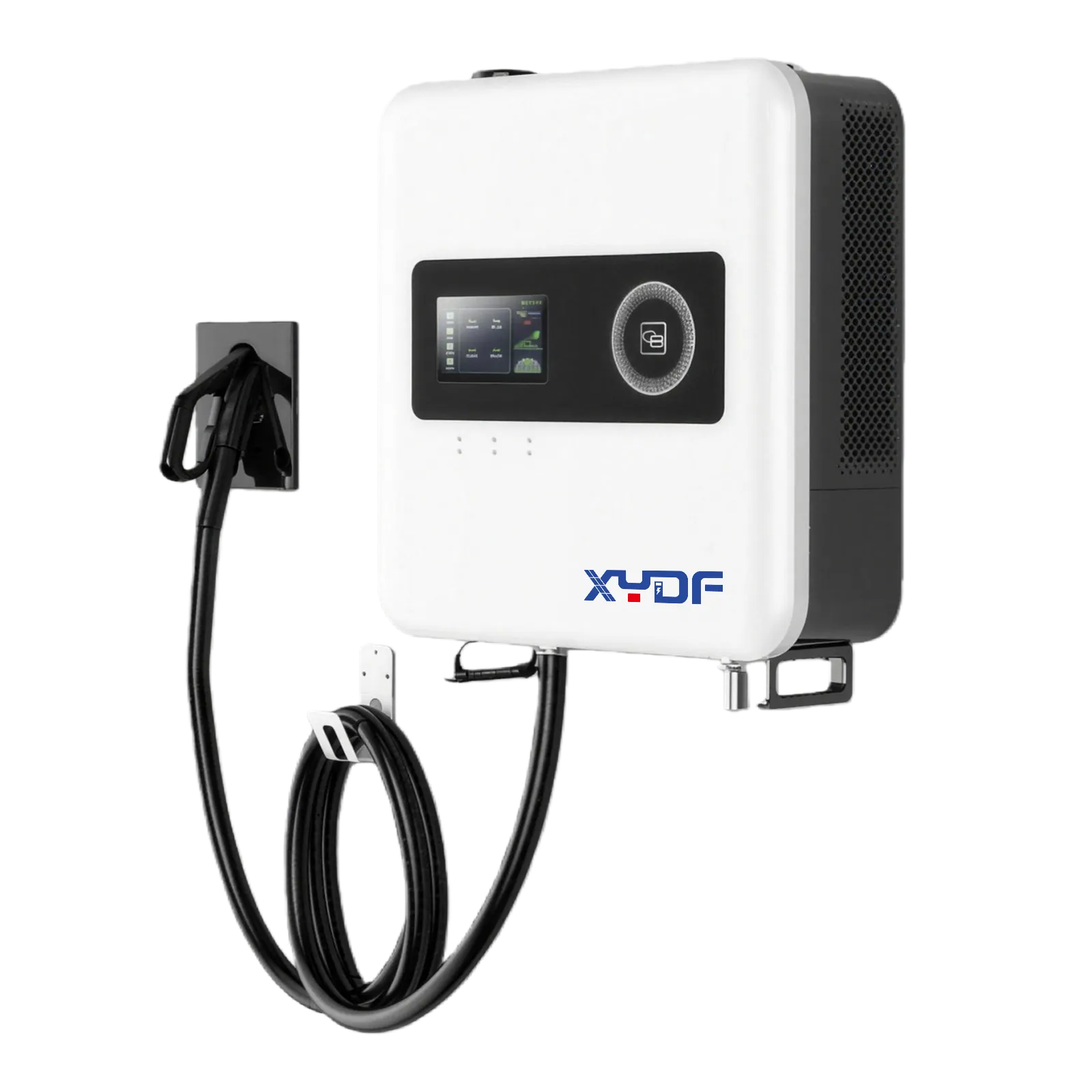
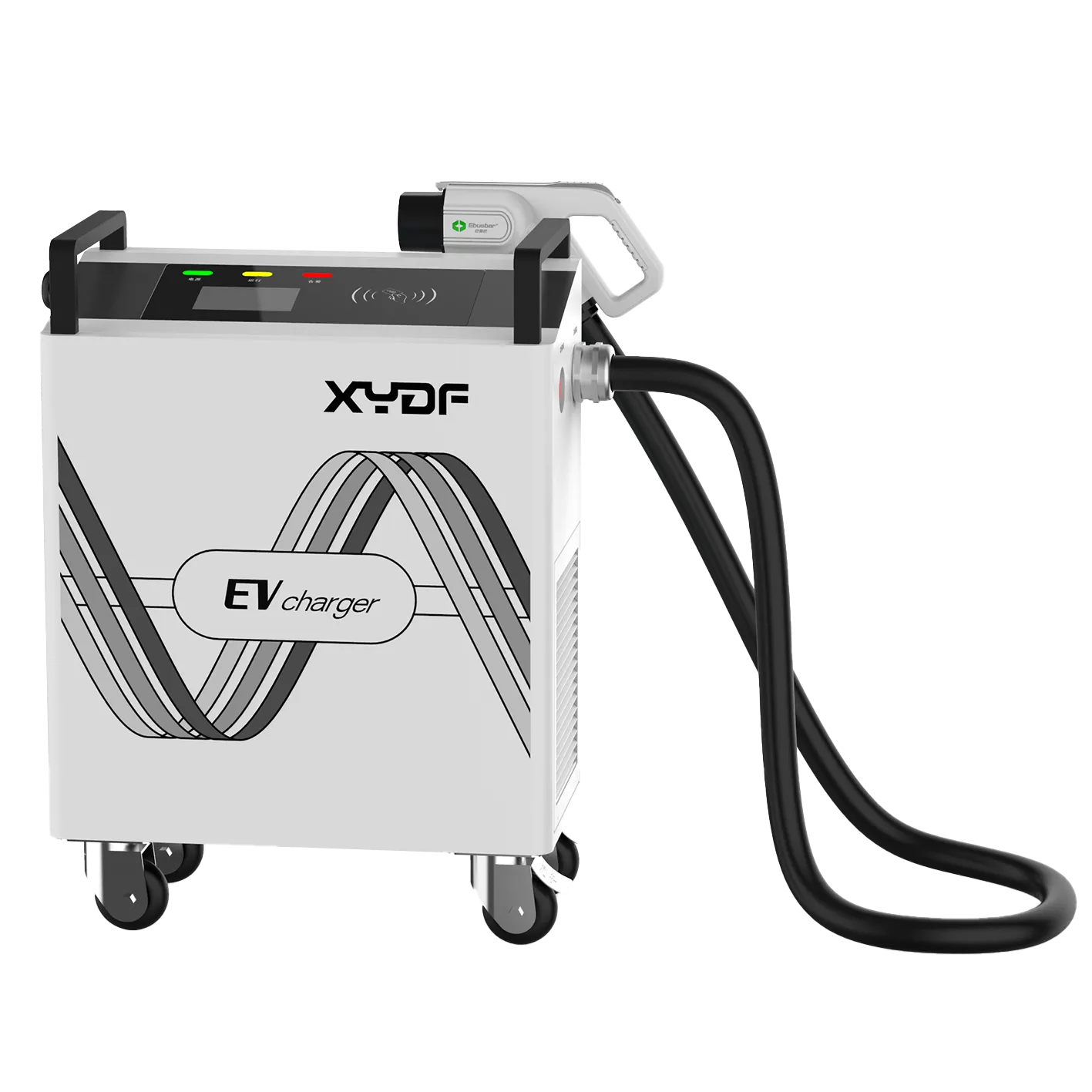
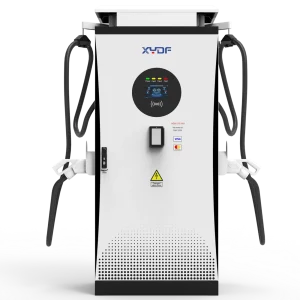
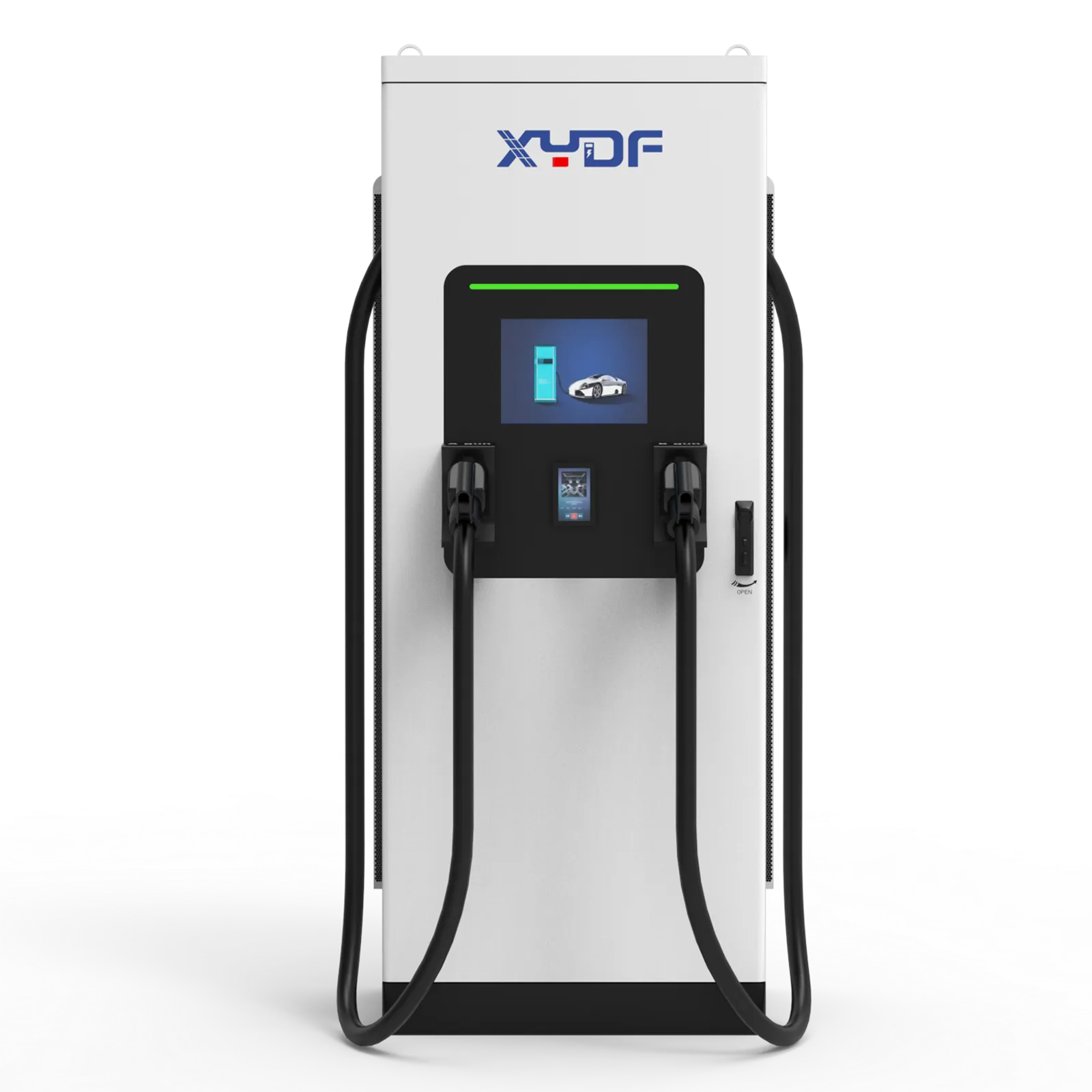
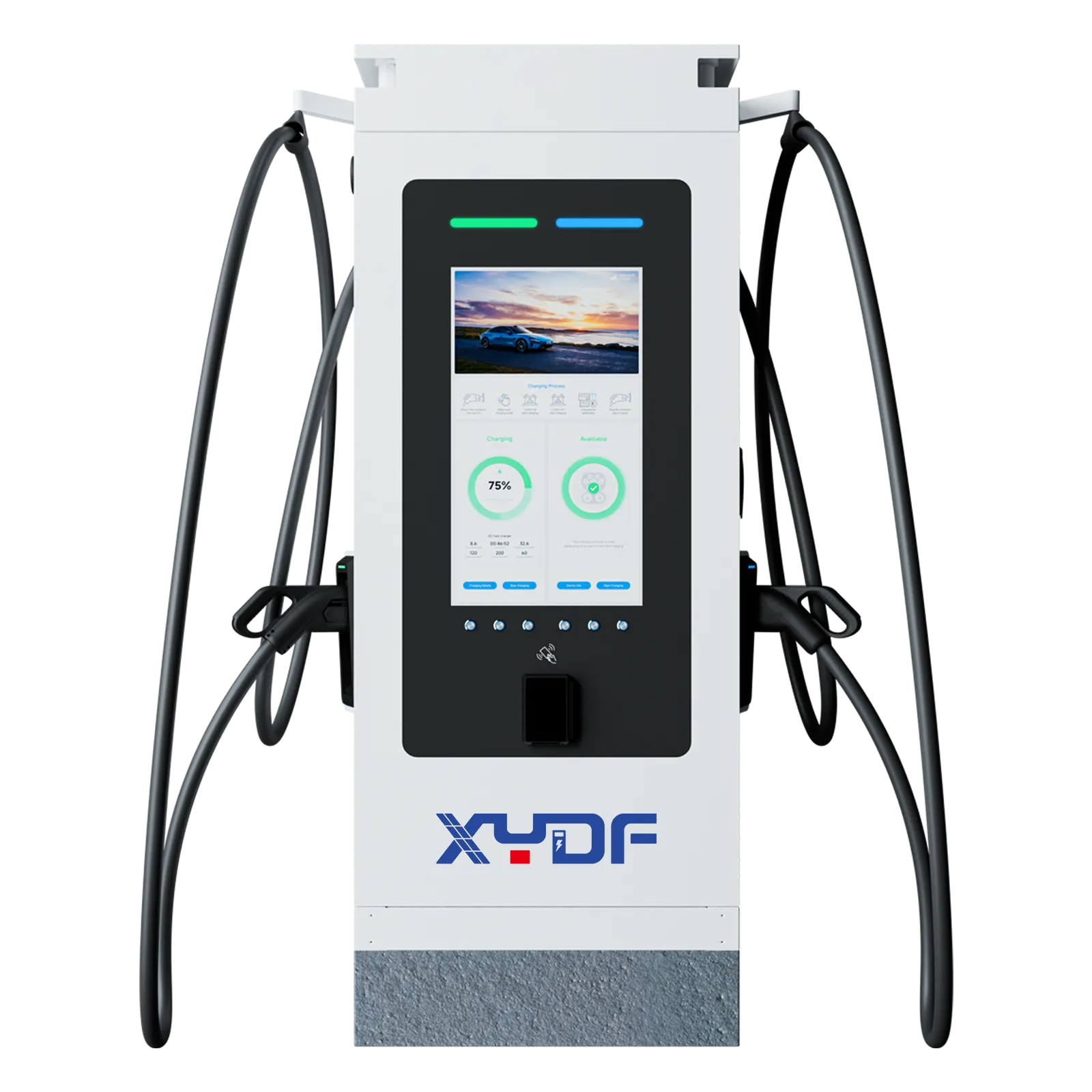
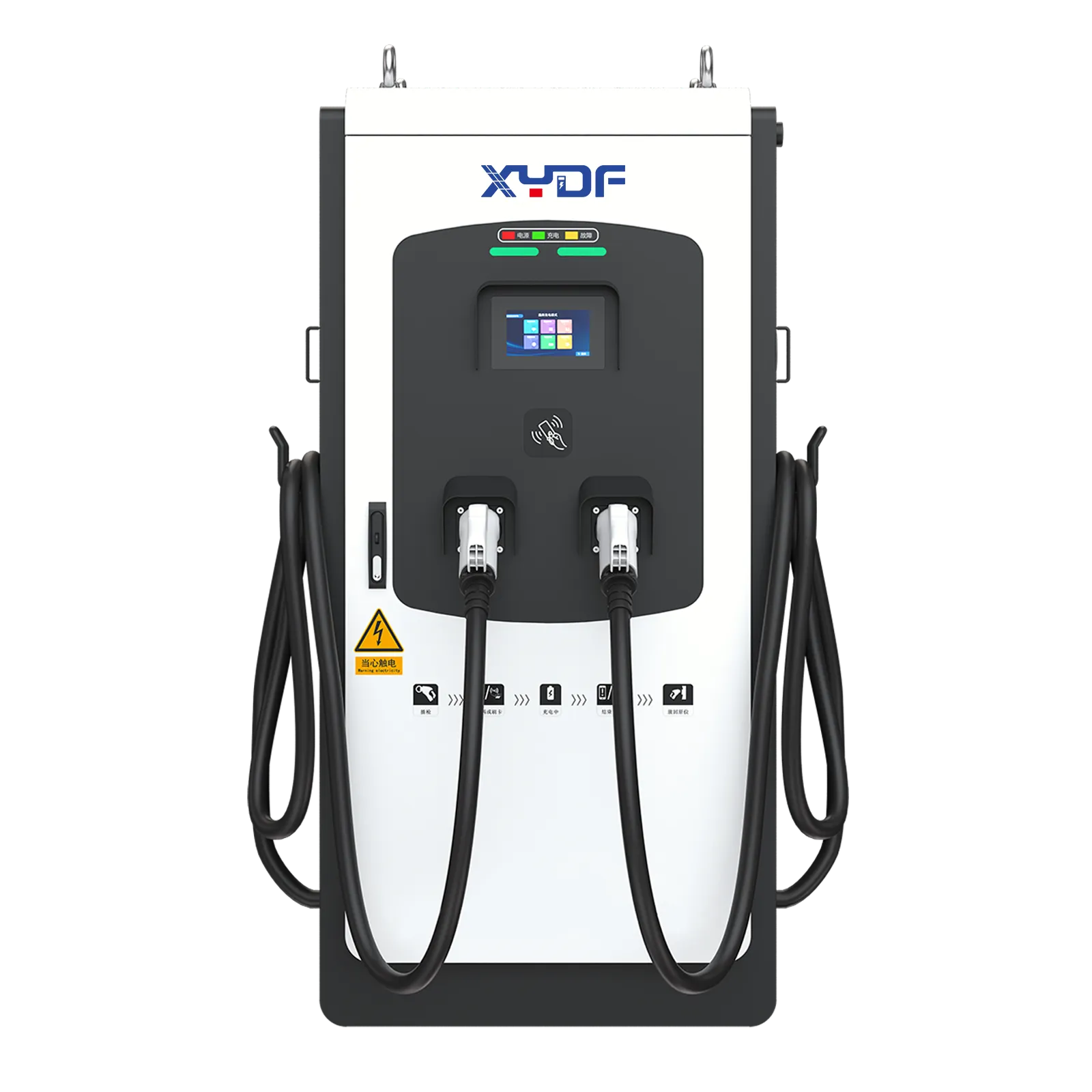
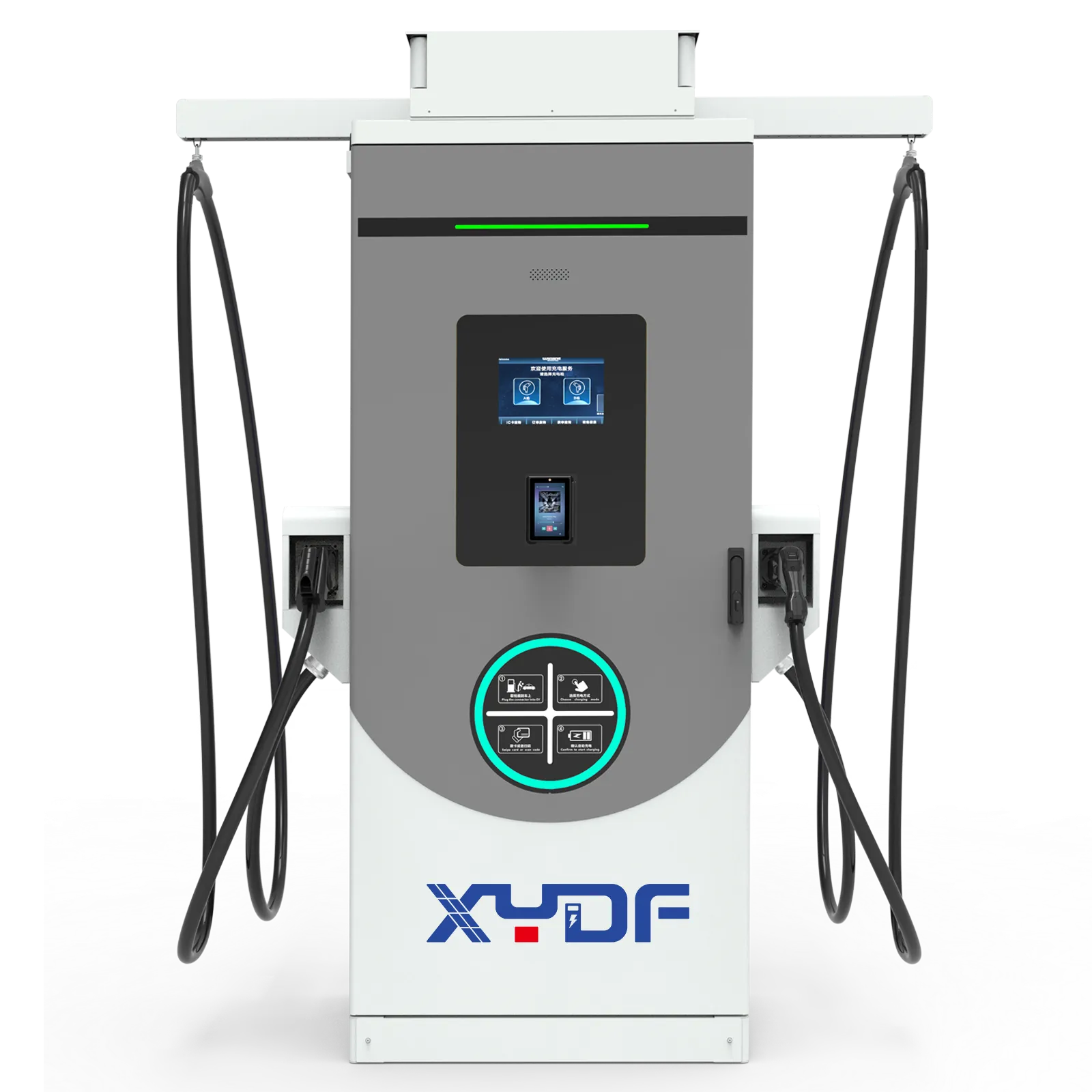
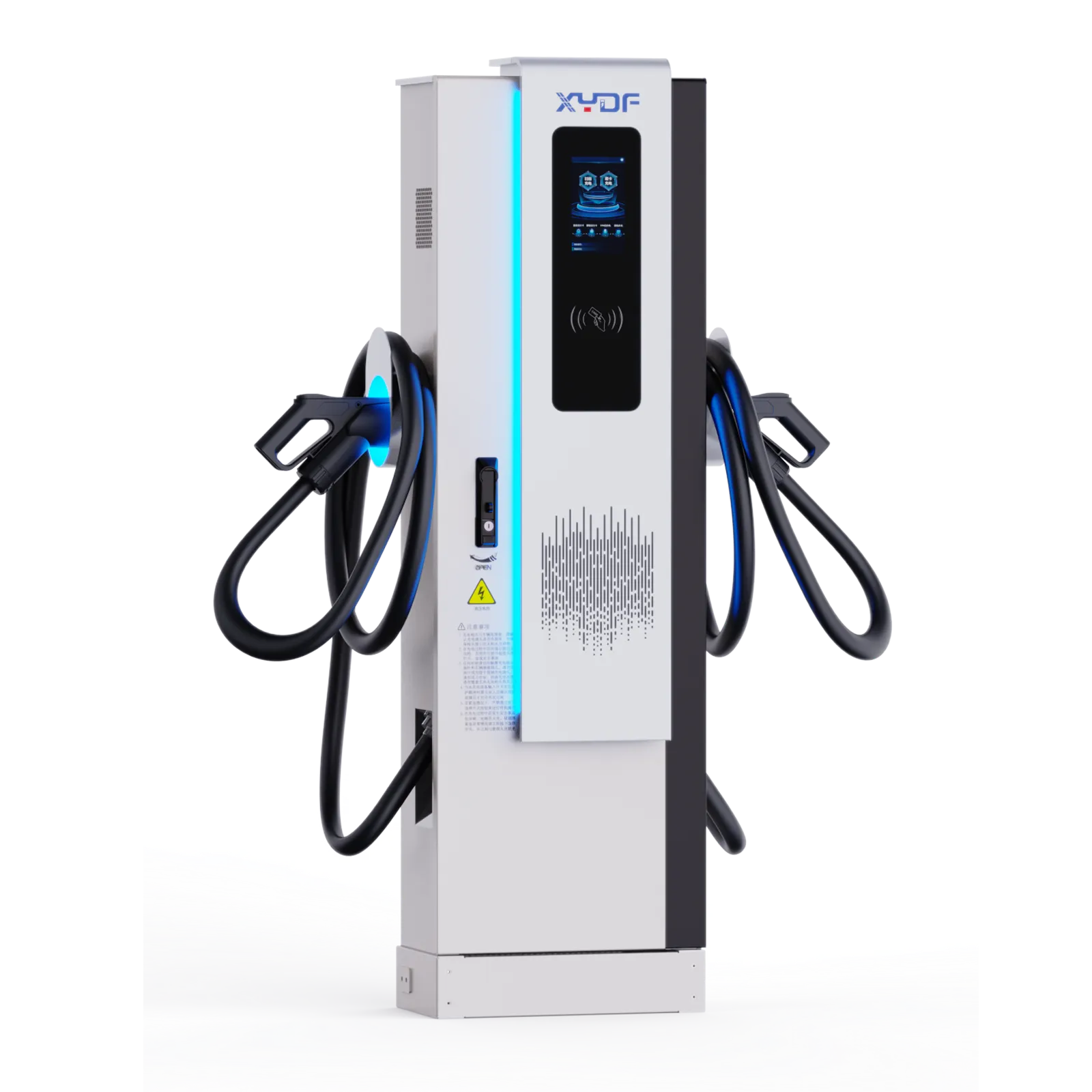
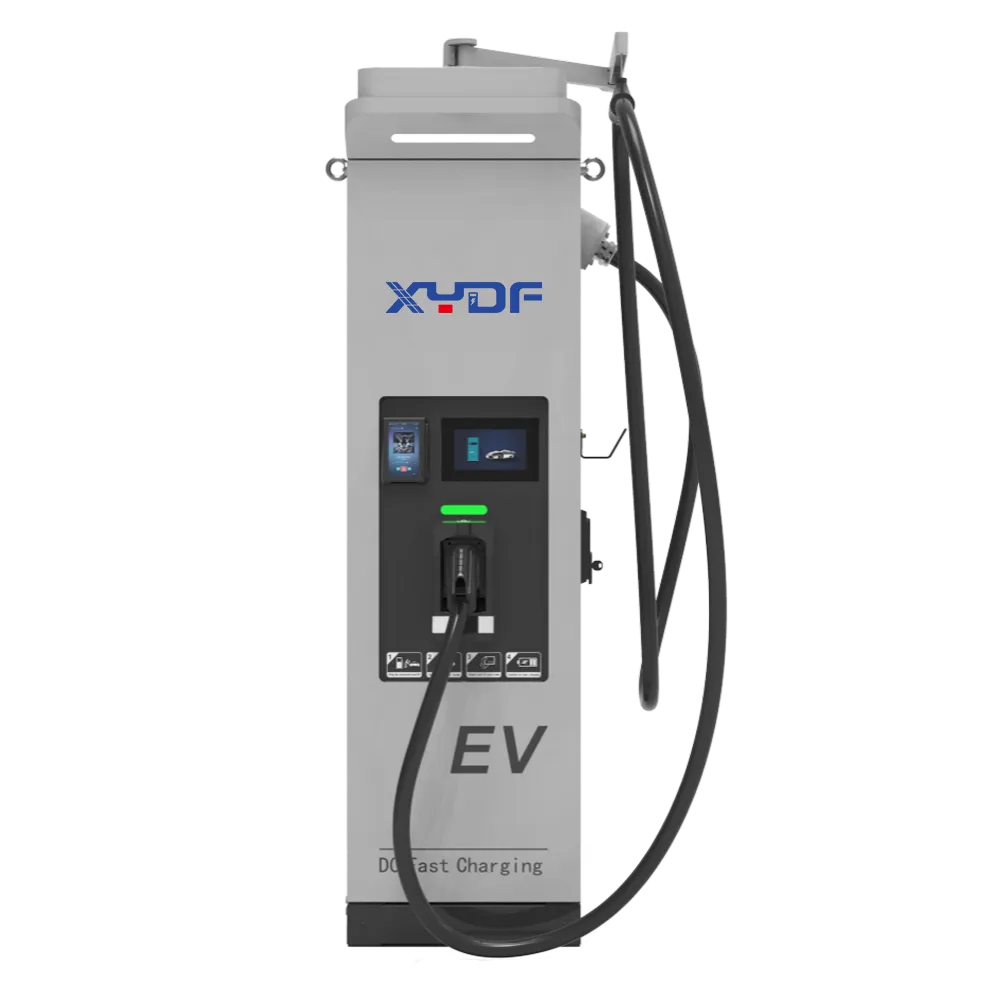
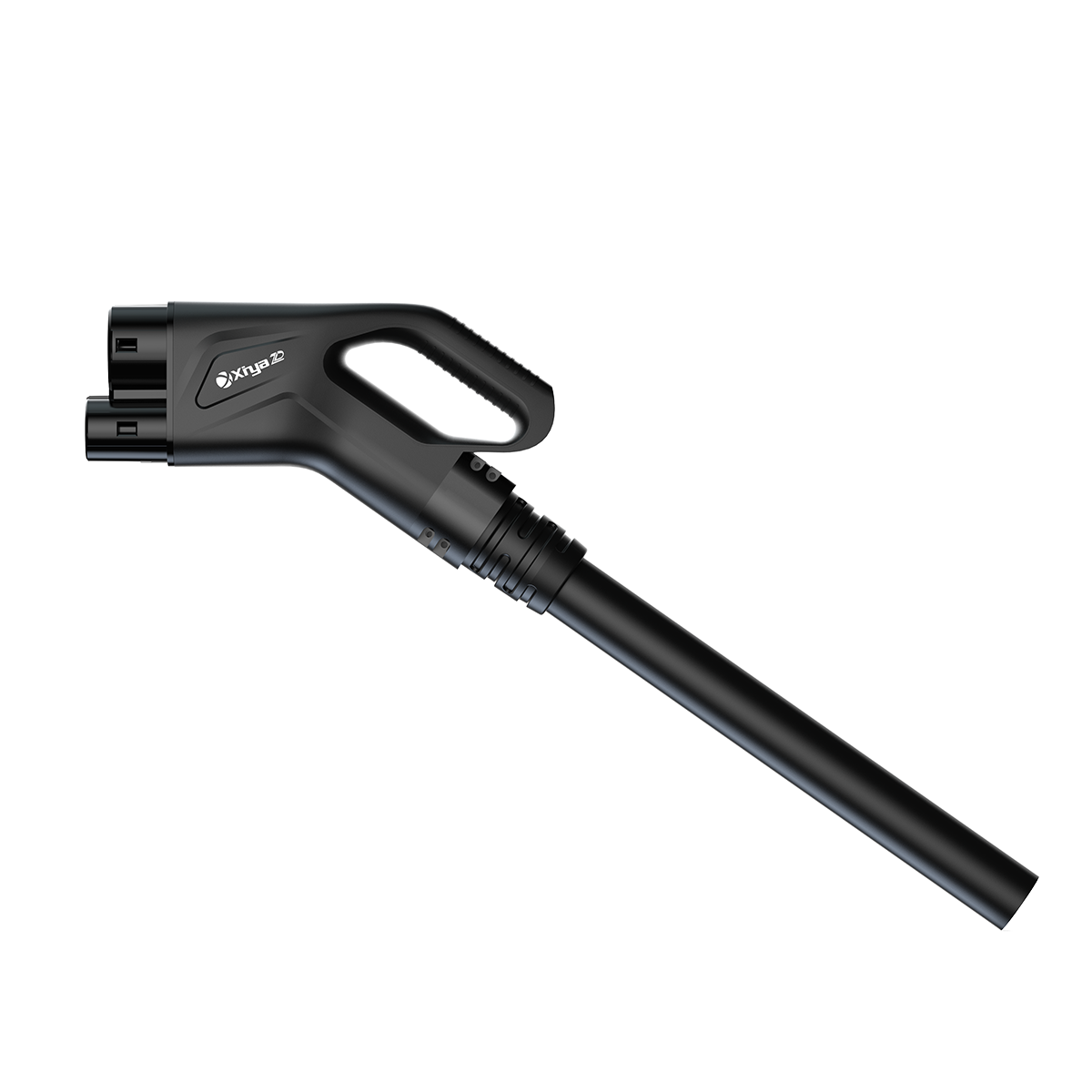
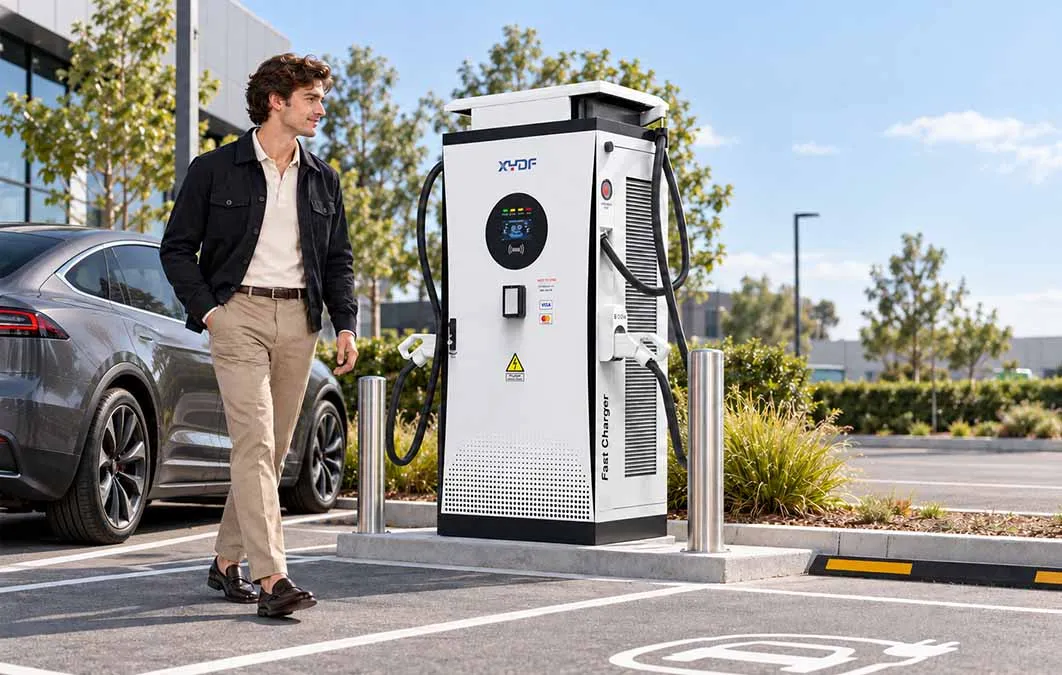
With the rapid growth in electric vehicle adoption, EV charger networks has also expanded across Europe. To ease pressure on the power grid and support long-term sustainability goals, the EU has introduced regulations that standardize key functions for public EV chargers. As a result, smart EV charger is no longer just a marketing feature—it is becoming a mandatory requirement for market access. This is especially important for operators of public and commercial charging stations.
If you are looking for a smart EV charger that is easy to manage, simple to use, and cost-effective to operate, focusing only on features like app control or remote start/stop may not be enough.
According to the EU AFIR Regulation (EU) 2023/1804, smart charging in public spaces must include the following two core capabilities:
To achieve the smart charging capability defined by the regulation, a charging station requires communication protocols (the “brain”) and the hardware to implement the adjustment (the “body”). Currently, the primary communication protocols in the EU are OCPP (responsible for the station-to-CMS management platform) and ISO 15118 (responsible for the station-to-vehicle communication), which have become the industry default standards . On the hardware side, different manufacturers utilize various solutions to implement power control and charging output.
Beyond regulatory compliance, smart EV chargers can actually save your money. Charging during off-peak hours significantly slashes your electricity bills, while advanced load management prevents overloads, thereby minimizing long-term maintenance costs and mitigating safety risks.
Moreover, securing lucrative government subsidies often requires the installation of certified, compliant hardware. For CPOs, these intelligent systems not only enhance the end-user experience through seamless connectivity but also streamline remote diagnostics, making equipment maintenance far less demanding.
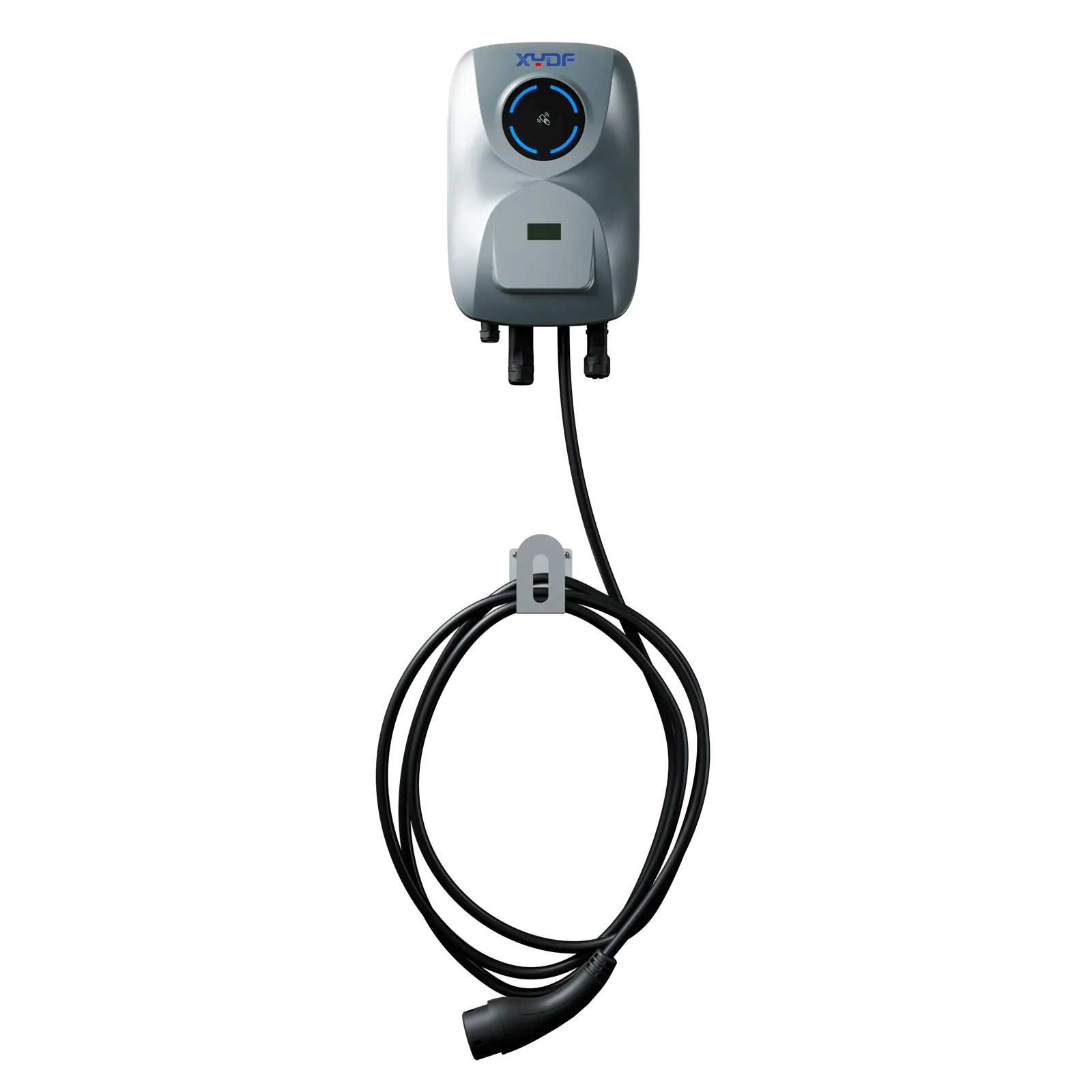
| Category | Requirement | What to Check |
|---|---|---|
| CE Conformity | CE marking | Include EMC / LVD / RoHS /RED compliance |
| Smart Charging Function | OCPP support | Version 1.6J(the most prevalent) or Version 2.0.1(future proof) |
| ISO 15118 support | ISO15118-2 (current mainstream)or ISO15118-20(2027 trends) | |
| Wireless Connection | 4G/LTE + Wi-Fi + Bluetooth | |
| Power control | Dynamic load balancing / current adjustment | |
| Energy Metering (Commercial Use) | MID meter | Required for billing & reimbursement accuracy |
depends on local regulations; for instance, the UK mandates smart functionality for new home installs, while in other regions, it is often a prerequisite for claiming subsidies or accessing off-peak tariffs.
Existing chargers can still be used, but a compliant smart model may be required if you perform major electrical upgrades or apply for new energy incentive programs.
They are not yet universal laws, but have become “de facto” standards; governments often require these protocols for EV chargers to integrate with public energy management platforms or to receive official certification.
Yes, it will function as a standard charger, but you will lose the ability to remotely monitor the device or utilize automated smart scheduling to avoid peak electricity rates..
Not necessarily for all, but it is mandatory if you intend to charge users based on their energy consumption (billing); for purely private, non-commercial home use, it is usually optional but recommended for accuracy.
Choosing compliant and smart EV charger is not only about meeting industry standards, but also about laying a foundation for long-term technological iteration and user trust. Within such a robust framework, business growth follows as a natural progressio.
 Xinya Dongfang Electricity Technology Co., Ltd.