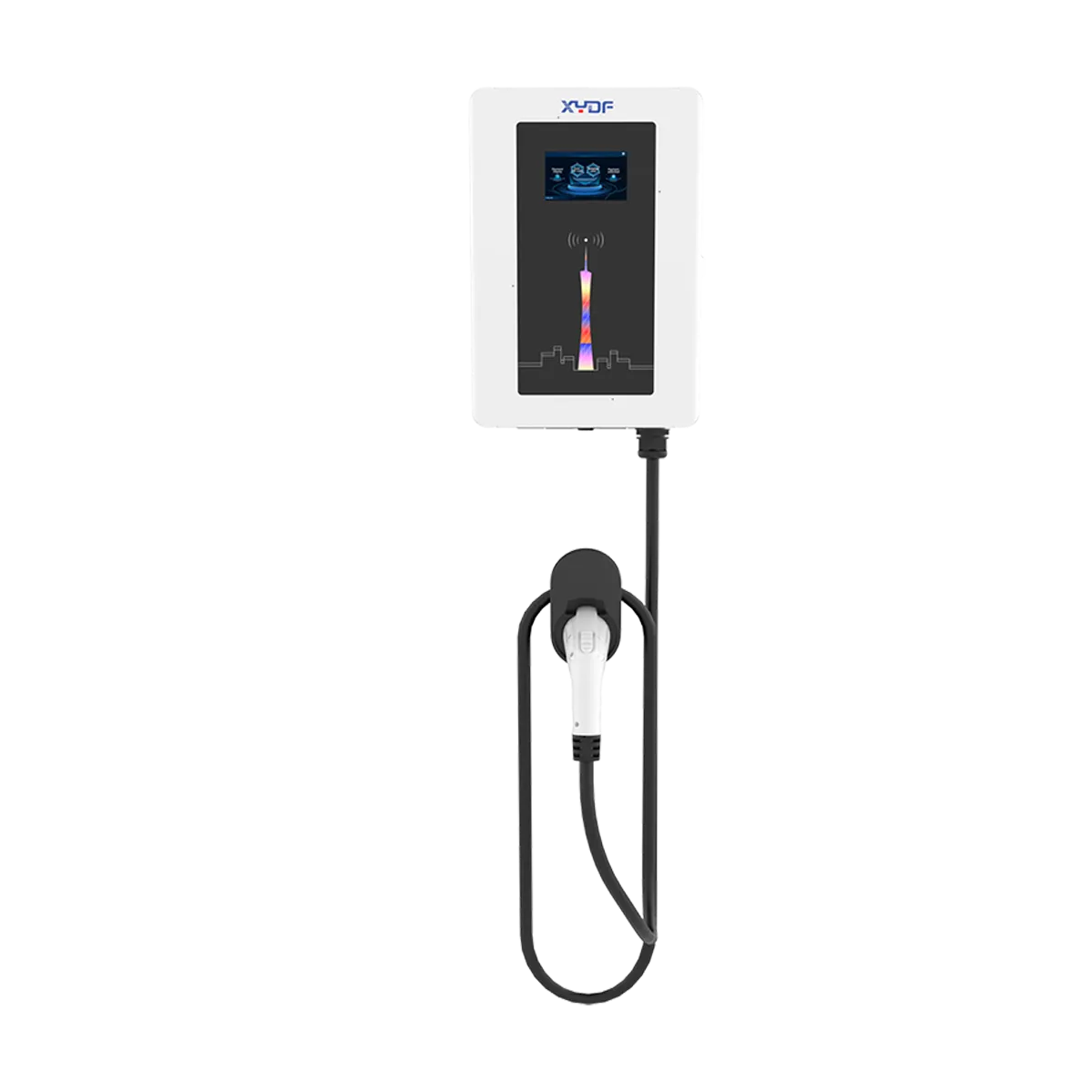
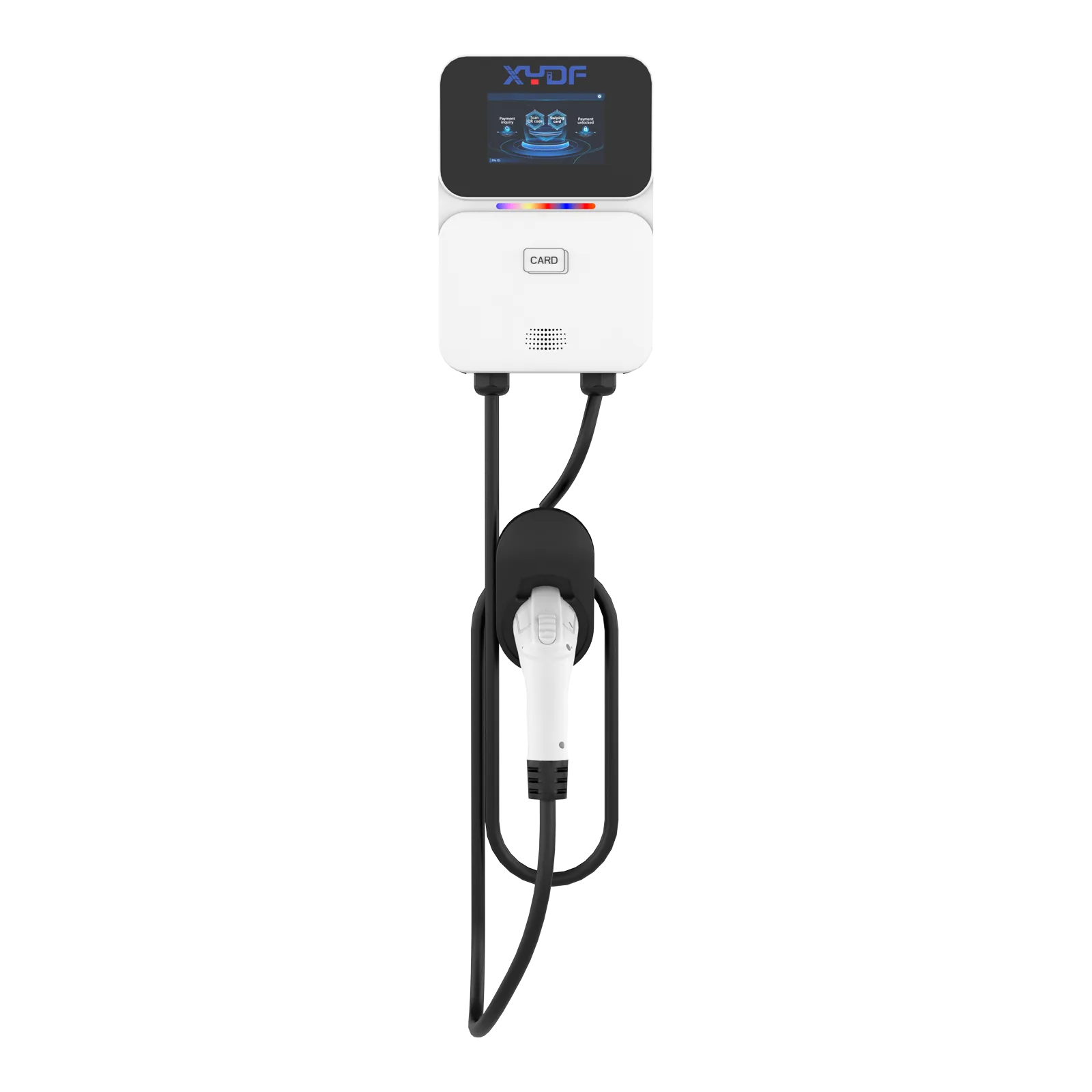
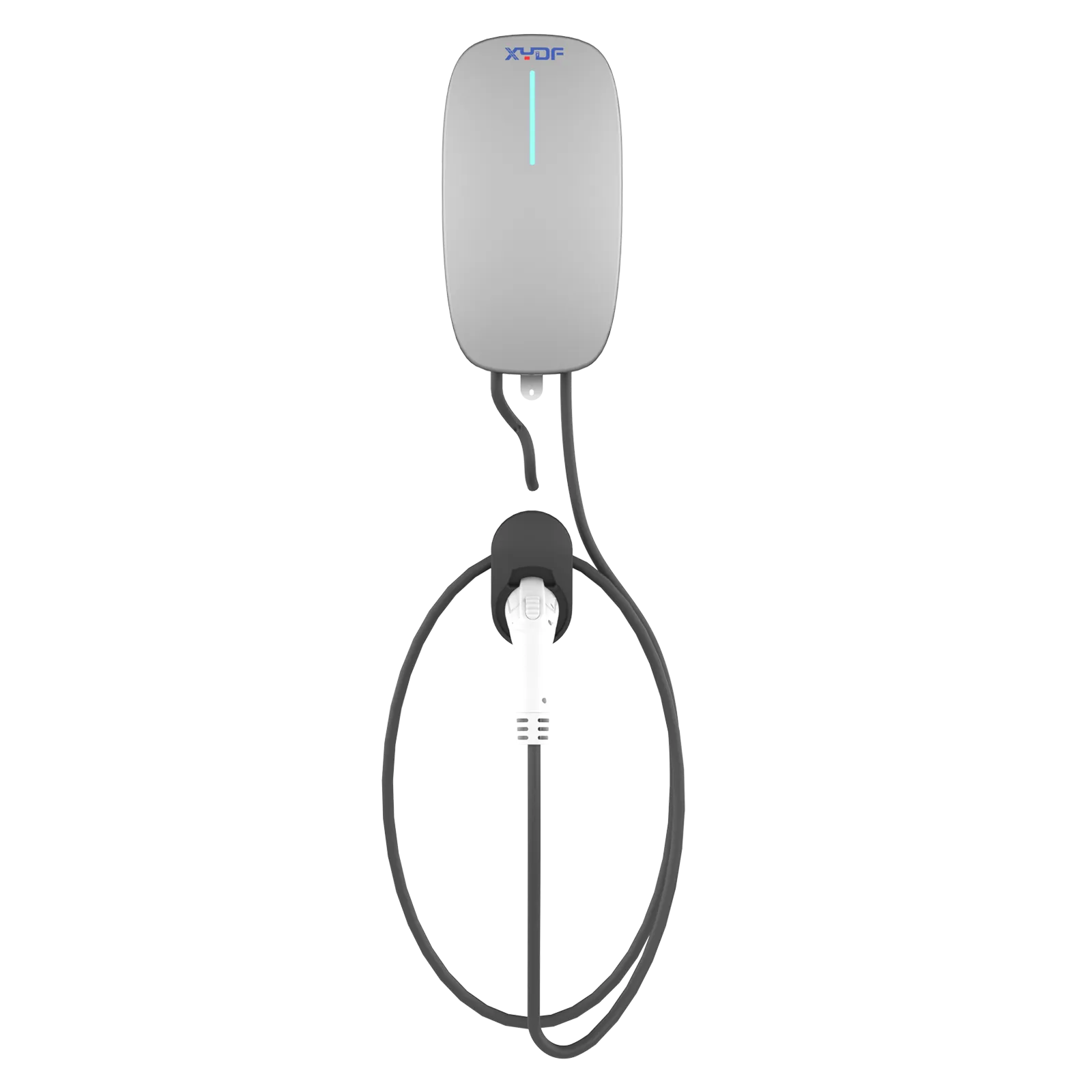
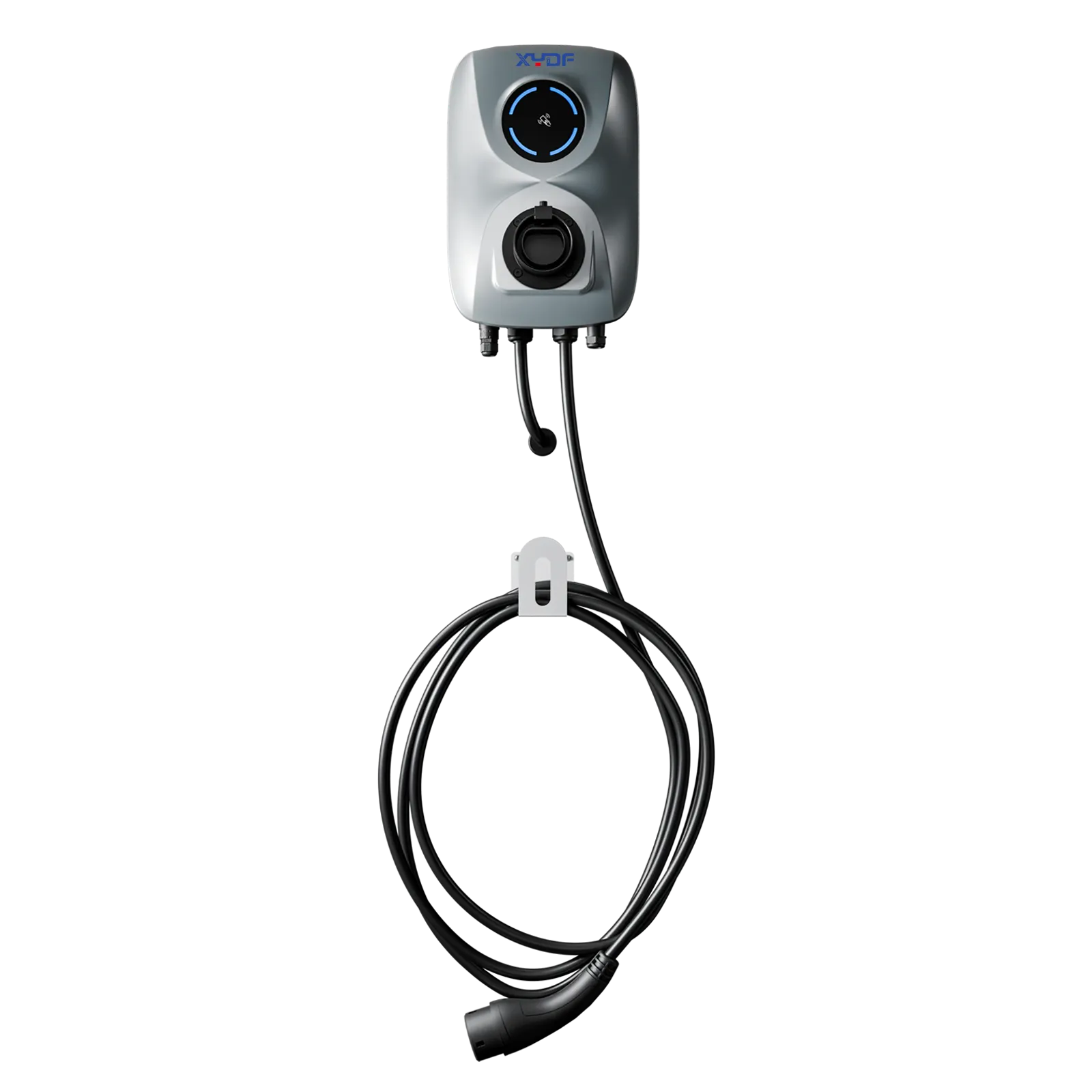
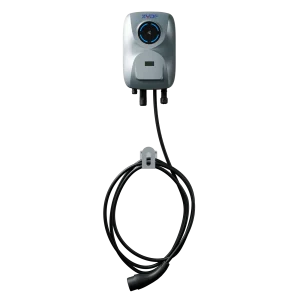
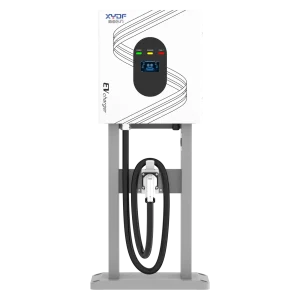
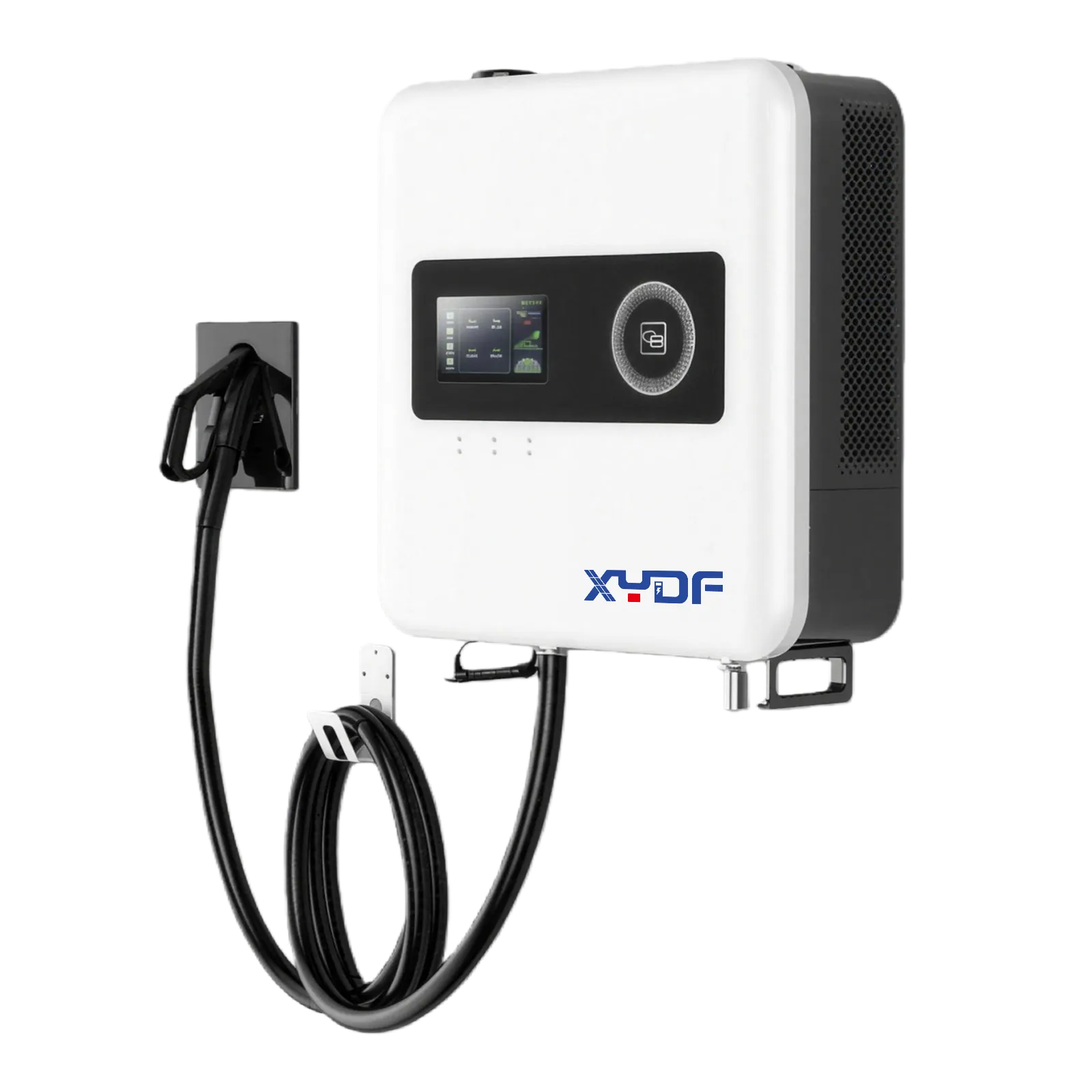
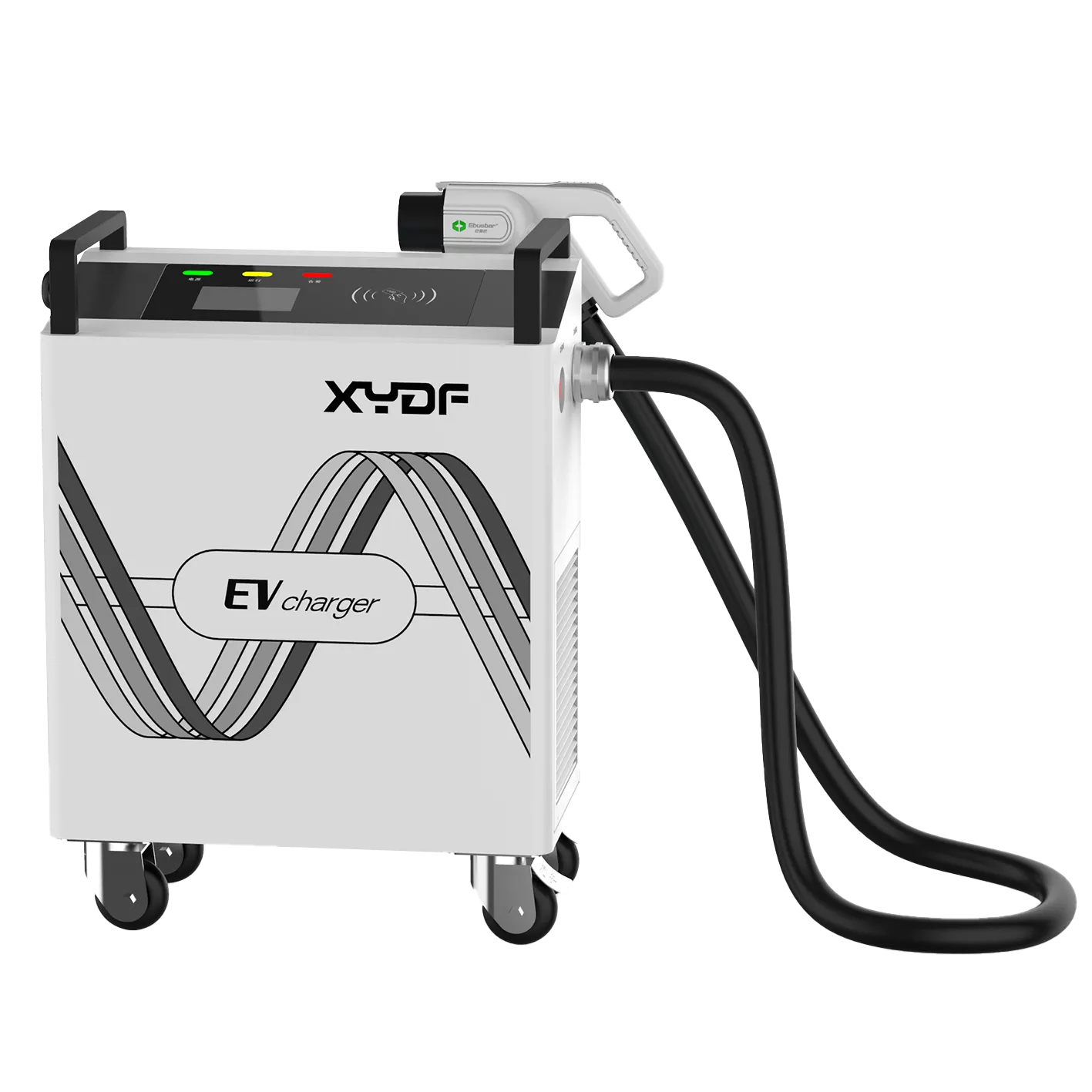
As more people are buying electric vehicles (EVs), there is an increasing demand for information about the different types of EV chargers. If you are looking for the right type of charger, you probably heard about type 1 vs type 2 chargers too. This article will cover the differences, advantages and uses of each charger type so that by the end you’ll feel comfortable selecting the correct type of charging equipment to meet your needs.
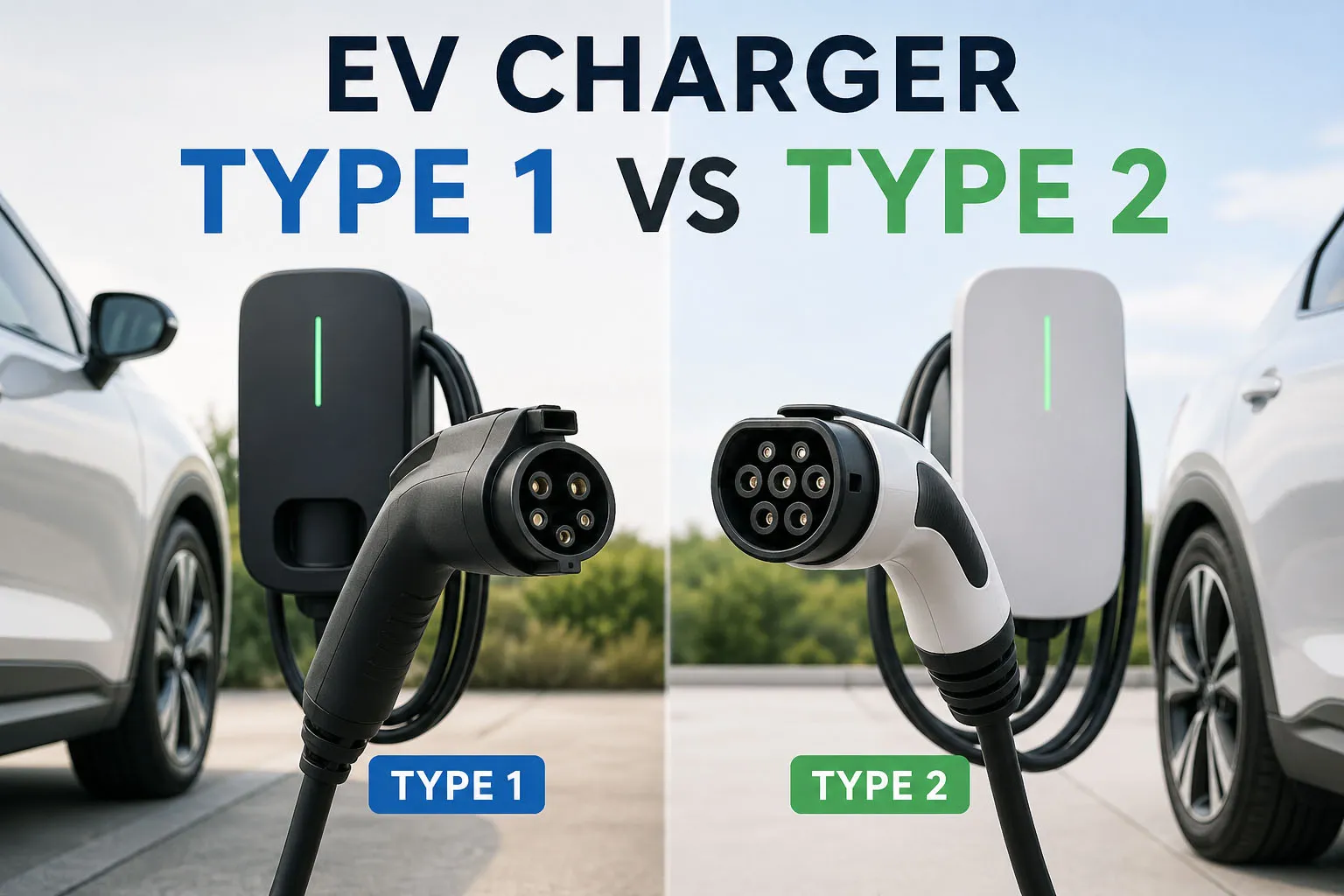
Type 1 EV chargers are single-phase plugs that function at a low to moderate rate in North American and Japanese markets (5-pin connector). These chargers can be connected to either level 1 or level 2 charging stations; they are most commonly seen on older electric vehicle models and some cars manufactured outside of Europe.
Another reason why many people use type 1 chargers for charging at home is because they are able to charge from a standard electrical outlet (a.k.a. Level 1). This means that you can charge your electric car from home while you sleep without having to install any special connection point. Unfortunately, charging with a type 1 charger at Level 1 will take a long time (8-12 hours) to completely charge a vehicle’s battery. Type 1 connectors should only be used by individuals who won’t be covering large distances and will have access to an appropriate home charging setup.
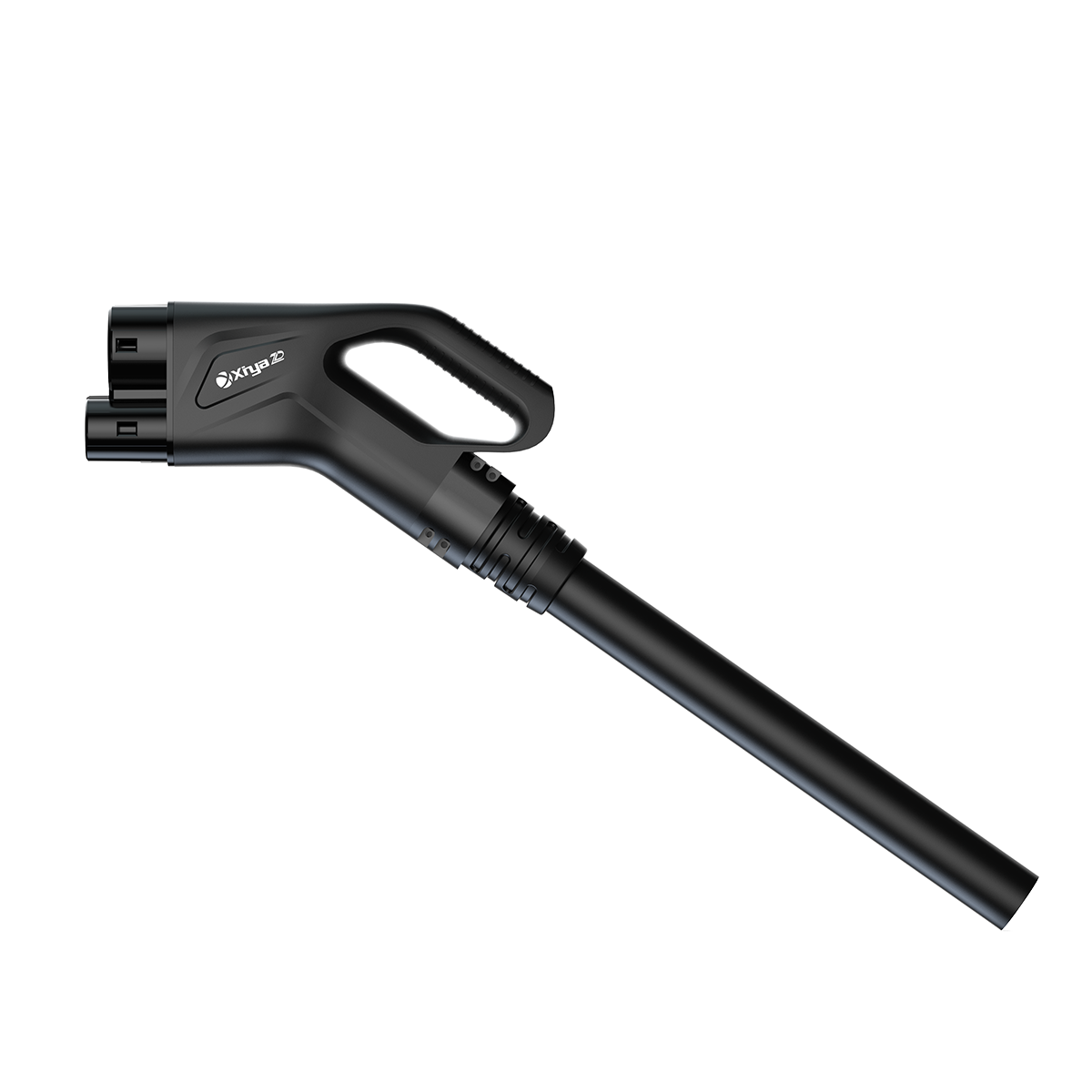
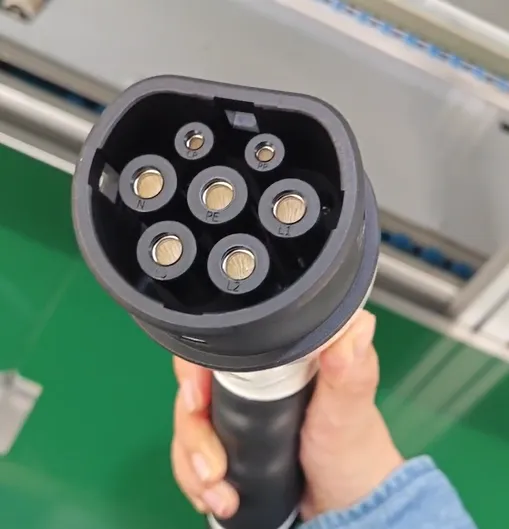
The type 2 EV charger, commonly referred to as the Mennekes connector, is a three-phase plug. Although it is commonly used in Europe, these units are quickly becoming popular throughout the world, as they have faster charging capabilities than type 1 chargers. Type 2 chargers support both Level 2 and Level 3 charging, and as such, they are very flexible for a variety of needs.
The seven pins on a type 2 charger can transmit more power than a type 1 charger, which means that a type 2 can charge an electric vehicle’s battery at a much faster rate than a type 1 charger. Depending on the amount of power being supplied, a type 2 EV charger can fully recharge an electric vehicle’s battery in 4-6 hours (Level 2 Charging), or as quickly as 30 minutes (Level 3 Rapid Charge). They are ideally suited for public fee-based charging stations, commercial applications, or use by EV owners wanting quicker solutions.
A large number of the most recent electric vehicles manufactured today (including Tesla’s sold in Europe) utilize a type 2 connector; therefore, they are the preferred choice of consumers who are looking for speed and efficiency.
Differences between type 1 and type 2 EV chargers include the following:
In order to choose between a type 1 or type 2 electric vehicle charger, consider your electric vehicle, where you plan to charge, and how frequently you will need to charge. For example, if you have an older electric vehicle and you’ll primarily be charging at home using a Level 1 charger, then a type 1 charger would likely be a good fit for you. This option is practical for EV owners in the North America region.
If you are looking for a quicker way to charge your electric vehicle or you have decided to purchase a newer electric vehicle, then investing in a type 2 charger may be your best option. With faster charging capabilities, versatility, and increased compatibility with many different vehicles, type 2 chargers are the preferred choice for charging stations in public areas and for modern installations.
Type 1 chargers offer a single-phase connection for delivery purposes, which means that the rate of charge is slower than other types of chargers, making these types of chargers suitable for home or personal use. Type 2 chargers use a three-phase connection, which is faster than the single-phase type, and they support Level 2 and Level 3 charging stations. Your decision will depend on factors such as your type of vehicle, your charging needs, and your location.
If you have a type 1 electric vehicle, you cannot charge it directly with type 2 connectors. However, some adapter devices are available to bridge compatibility gaps. For instance, if you use a type 2 charger but own a type 1 EV, you may require a specific adapter designed for this purpose.
Level 1 chargers are the slowest form of electric vehicle charging and typically use a standard 120-volt wall outlet. They are widely compatible with type 1 connectors and can take up to 12 hours to fully charge a vehicle. Level 2 chargers use 240-volt power sources, offer much faster charging speeds, and are often used with type 2 connectors in homes or public spaces.
Certainly! Due to the exciting growth in the global demand for EVs, type 2 charging systems are widely considered the future of EV charging. With the EV market evolving, type 2 chargers are better equipped to handle the needs of modern vehicles and infrastructure improvements.
When you make your selection for a type 1 vs type 2 EV charger, your choice should be based upon your own individual needs and situation. Type 1 chargers are great for older EV models and home-based charging setups, particularly in North America. On the other hand, type 2 chargers offer faster charging, greater compatibility, and are ideal for public spaces and updated installations.
Before making a final decision about your EV charger type, consider your vehicle’s specifications, how frequently you’ll need to charge, and your budget. Both types of chargers play unique roles in the EV ecosystem, ensuring users have flexible options for powering their electric vehicles. By understanding the differences, you’re equipped to make a smart and informed choice for your charging needs.


 Xinya Dongfang Electricity Technology Co., Ltd.