Type 1 vs Type 2 EV Charging Cable: How to Choose the Right One
May 08,2026
Blog
Driving an electric vehicle has become a common lifestyle.Charging needs to be smooth and uninterrupted.Choosing the wrong EV charging cable can turn what should be an easy charge into a frustrating wait of several hours. Most new EV owners struggle with technical jargon.They see various plugs.They hear about phases and amps. Understanding the hardware is the first step toward true road freedom and vehicle safety.
How to identify interfaces: The difference between Type 1 and Type 2
Interface standardization is an inevitable trend. A unified standard has already been established in Europe. Although early electric vehicles mostly used the J1772, or Type 1 interface, the entire industry has clearly shifted to the Type 2 Mennekes standard.
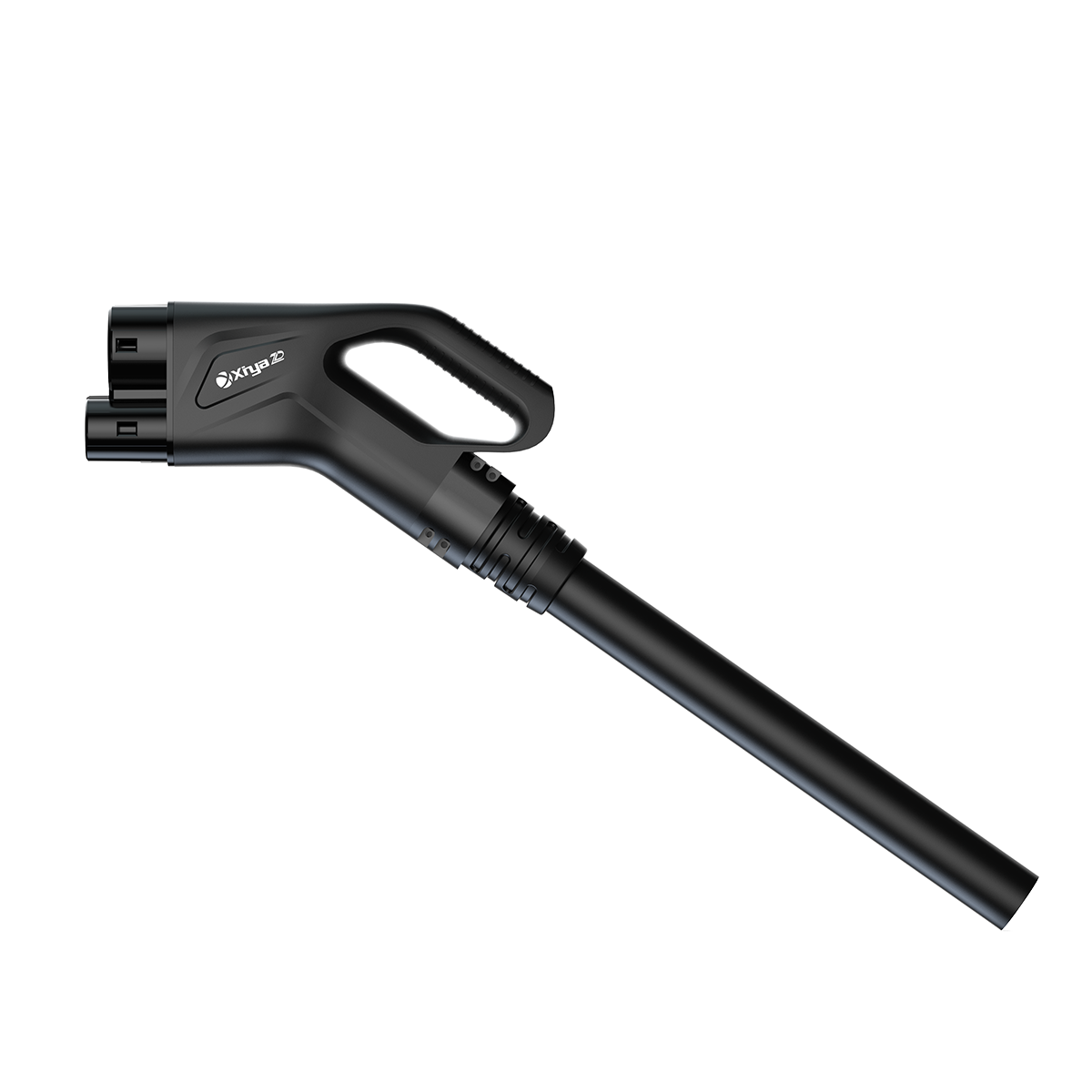
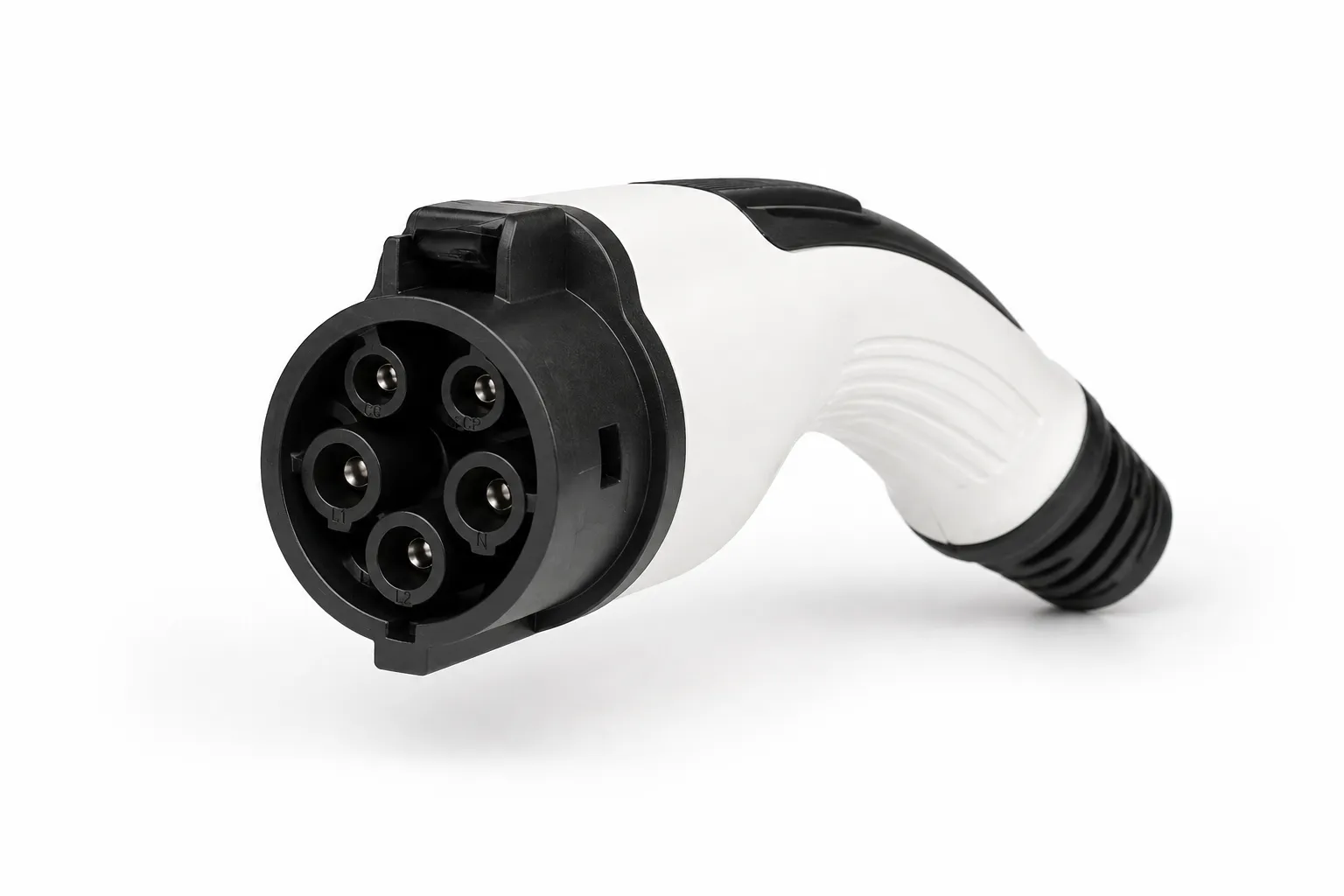
Type 1 plugs have a circular five-pin design. This interface only supports single-phase charging. This type of interface is mostly found in older Japanese or American imported cars, such as the early Nissan Leaf. If your charging gun handle has a mechanical locking switch, it’s most likely Type 1.
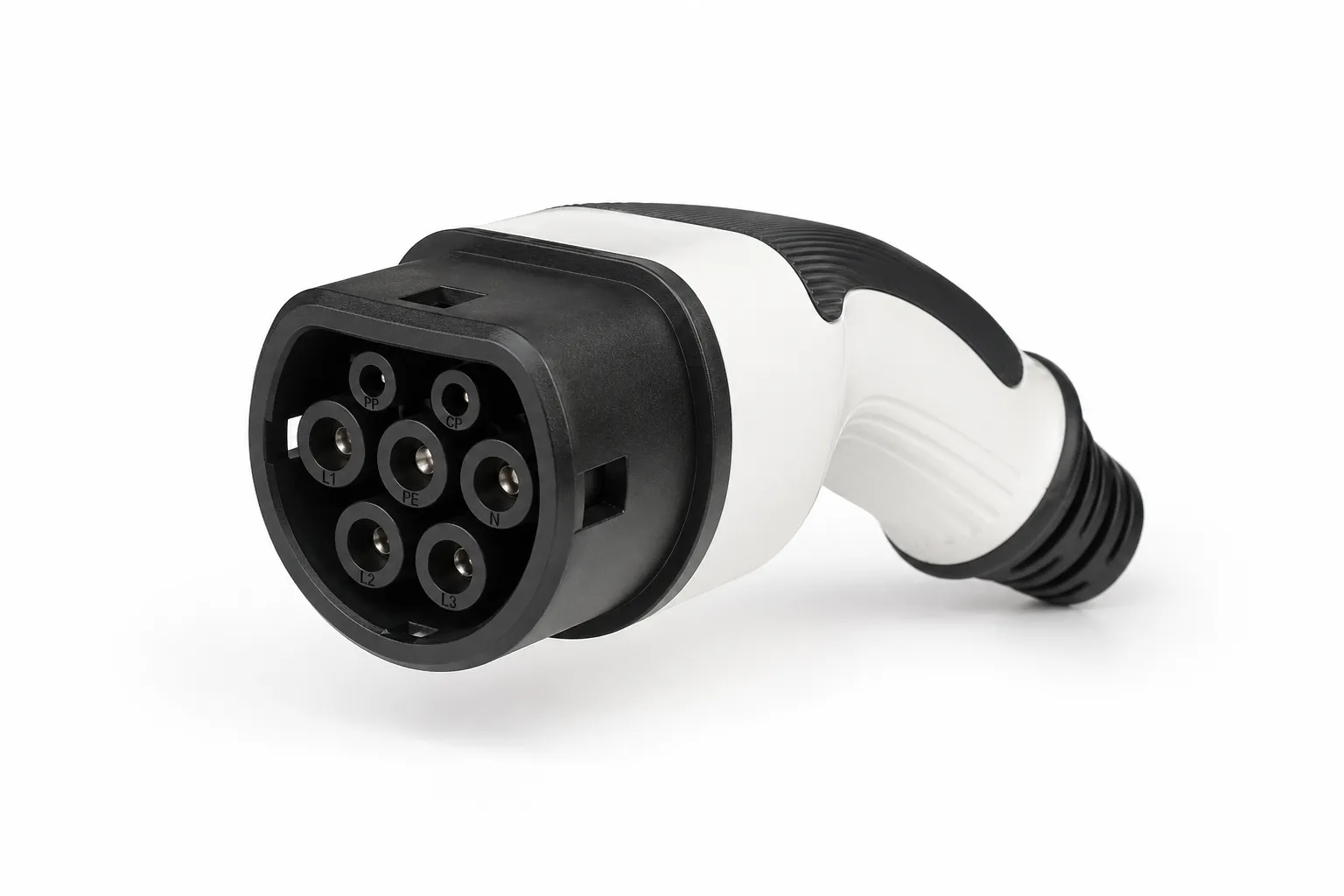
Currently, electric vehicles sold in Europe generally use Type 2 interfaces. This seven-pin connector is more comprehensive. It supports both single-phase and three-phase power, significantly improving charging speed in homes and public spaces.Within the EU, it’s a fixed standard in public infrastructure that’s difficult to change.
Core parameter breakdown: Current, phase, and power matching logic.
Different cables have different logic.Safety always comes first. When selecting type 2 cable, ensure that the current throughput can be completely aligned with the vehicle’s built-in charger (OBC). 16A single-phase cable can give about 3.7KW power. It can reach 7.4kw with 32A single phase. However, the three-phase 32A cable is a good choice for long-term use. It can deliver up to 22KW of power to high-performance vehicles.
Be sure to check the vehicle manual. Confirm that the upper power limit of OBC is clear. Buying 22KW cable for a car that only supports 7KW will not cause problems, but it will add unnecessary weight and increase the purchase cost.
European compliance requirements: why CE and TUV certification are mandatory requirements
The power grid can output a large amount of energy. Heat is the number one enemy here. In the European market, if the charging equipment without certification is used, it will bring great legal risks and safety problems. A qualified EV charging cable must bear the CE mark. It would be better if there were TUV certification. These certification marks can prove that this cable has passed the strict test of flame retardancy, impact resistance and waterproof grade (generally IP55 or higher). Never save money in this place. Poor quality pins can easily overheat. They will directly burn the expensive vehicle charging interface.
Actual scene reference: what aspects should be considered in selecting length and durability
First see how much space there is in the driveway where you park. How far is the charging point from the parking space after parking? The conventional length of 5 meters is generally enough, but if it is a crowded public parking lot, the length of 7 meters or 10 meters can give more flexible use space.
The spring wire can retract by itself. This kind of thread is not easy to get dirty. The straight-line cable is convenient to put away, but it is easy to get entangled when walking on wet roads, and it will also dirty clothes. TPU (thermoplastic polyurethane) is generally preferred as the outer skin. Even in extremely cold weather, TPU can remain soft and will not harden.
Compared with the cheap PVC material, it is not easy to be eroded by oil and can withstand the wear and tear of daily use.
Key list to be checked before purchase
Finding reliable suppliers is not just about comparing prices. You need to find a partner who understands the mechanical details of evse (electric vehicle power supply equipment).
Pin coating: confirm that the pin is silver plated, which can avoid oxidation and ensure that the conductivity is still stable after tens of thousands of times of plugging.
Weight and feel: the high-power cable itself is heavier. It is necessary to ensure that the head of the charging gun conforms to the ergonomic design, so that it can be easily used in daily use.
Dust cap: a simple rubber cap can block water vapor from entering the pin, and water vapor is the main reason for triggering the “charging fault” alarm.
FAQ
Can I plug a Type 2 cable into a Type 1 car? Directly, no. The pin configurations and communication protocols differ. You would need a specific “Type 2 to Type 1” adapter cable, though these are generally recommended only for temporary use or specific home setups.
Is a 22kW cable always better than a 7kW cable? Not necessarily. While a 22kW cable is more versatile, it is significantly thicker and heavier. If your car only supports 7kW and you value ease of handling, the lighter 7kW version might be the more practical daily choice.
Does the cable length affect charging speed? For standard lengths (5m to 10m), the speed difference is negligible. However, extremely long cables can experience a slight voltage drop, though quality manufacturers compensate for this with thicker internal copper wiring.
We use cookies to keep this website working and, with your permission, to measure how visitors use our EV charging site. See our Privacy Policy for details.
 Xinya Dongfang Electricity Technology Co., Ltd.