Level 3 EV Charging Stations: 2026 Overseas Investment Guide
Jun 02,2026
Blog
Sourcing cost-effective, durable, and stable commercial EV charging stations for global overseas deployment is challenging for cross-border buyers and project developers. This industry-specific guide unpacks overlooked market pitfalls, professional vendor selection benchmarks, and practical field operation strategies. It helps investors avoid homogeneous investment errors and build highly competitive, revenue-stable Level 3 charging station projects across all over the world.
What Is Level 3 EV Charging Station?
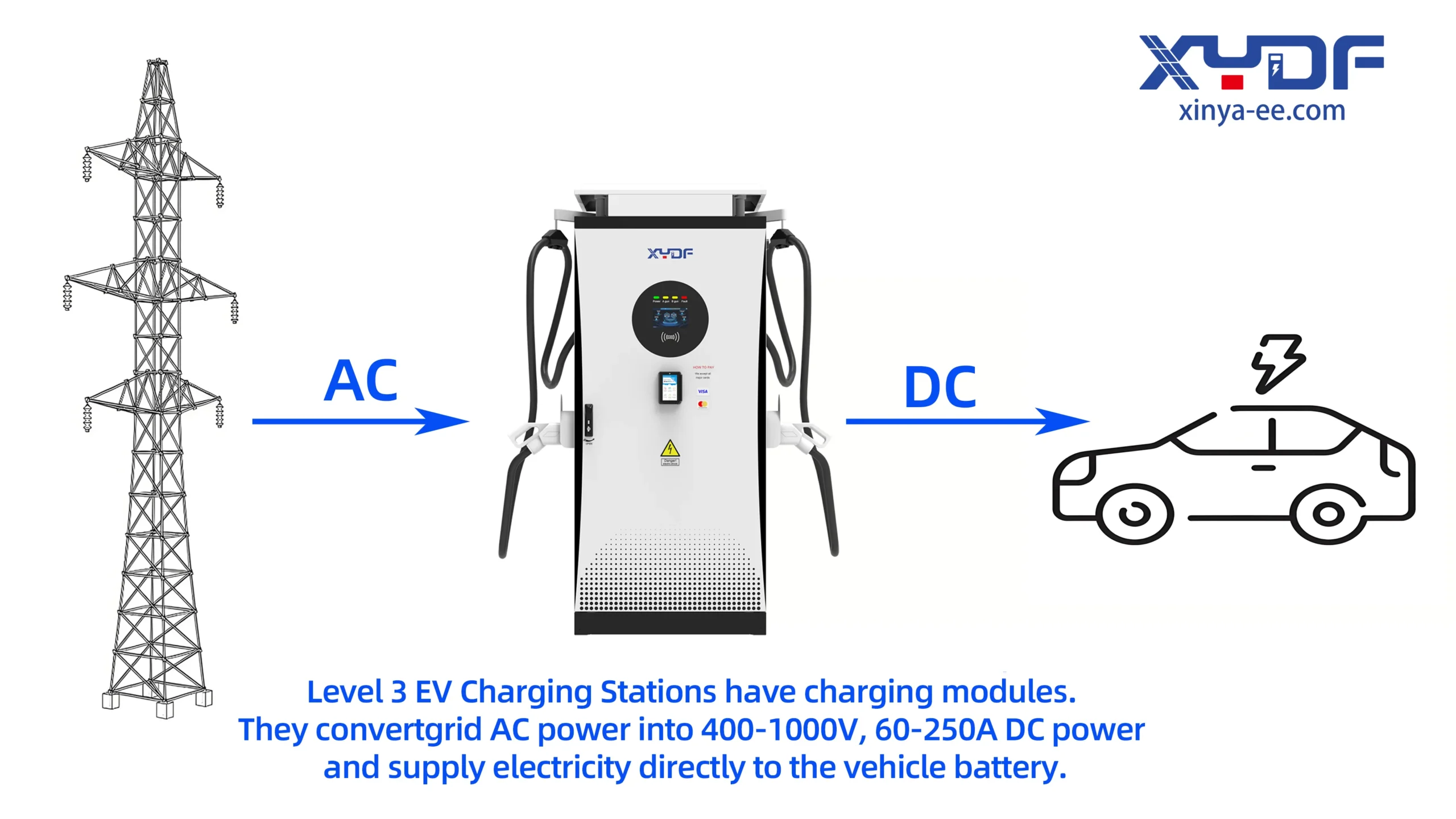
Per global EV infrastructure standards, a Level 3 EV charging station refers exclusively to a DC Fast Charger. It is a high-power charging solution purpose-built for public and commercial deployment. Unlike residential low-speed chargers that rely entirely on a vehicle’s onboard charger for power conversion, Level 3 EV Charging Stations integrate built-in off-board rectifier modules. They independently convert AC grid power to DC power and deliver high-voltage direct current to EV traction batteries.
Level 1 and Level 2 AC chargers are low-power residential-grade devices designed only for overnight private charging. They cannot support high-frequency, high-throughput commercial operations. In contrast, Level 3 DC EV Charging Stations deliver high power output and rapid energy replenishment, supporting long-duration, high-frequency, unattended commercial cycling. They serve as the mainstream infrastructure for public charging networks, commercial real estate, highway corridor charging hubs, electric fleet depots, and corporate campus charging facilities worldwide.
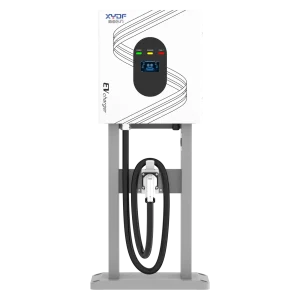
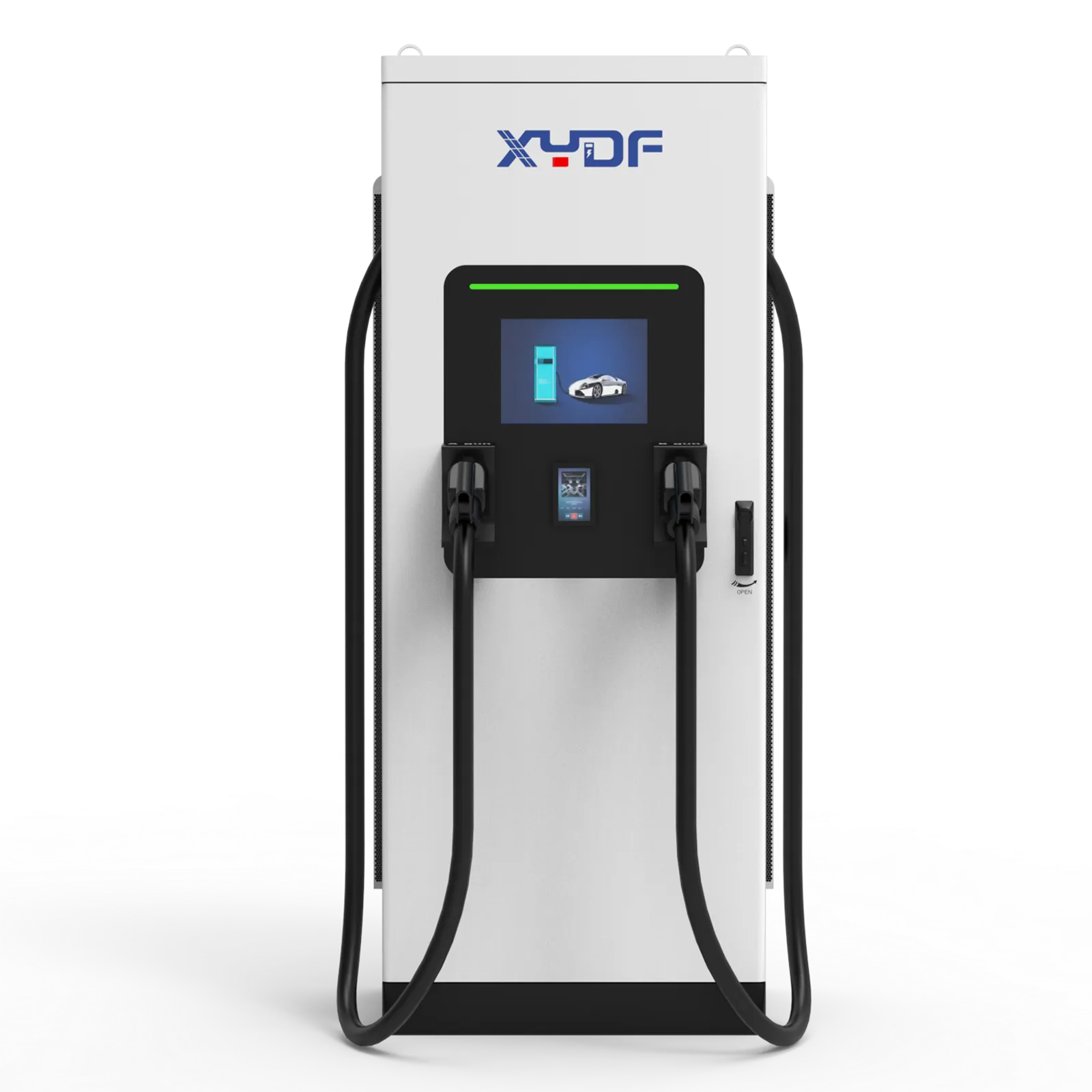
Schematic diagram of Level 3 EV charging stations
Hidden Risks of Low-Cost Level 3 EV Charging Station
The critical drawbacks of budget non-compliant Level 3 EV Charging Stations are not immediate hardware failure, but insufficient poor regional environmental and grid compatibility, and excessive long-term operational and maintenance costs. These latent issues are the leading causes of overseas project rejection, compliance failure, and continuous operational losses. Key industry risks are outlined below:
Incomplete Global Protocol Compatibility & Poor New Vehicle Interoperability: Global EV models and charging protocols (CCS1, CCS2, CHAdeMO) undergo continuous iterative updates. Low-cost chargers adopt static, outdated protocol databases without long-term firmware iteration support. They frequently experience handshake failures, intermittent charging disconnections, and unexpected session termination when interfacing with late-model EVs. In competitive overseas charging markets, inconsistent user charging experiences directly reduce customer retention and damage station brand credibility.
Weak Grid Compatibility With Diverse Overseas Power Grids: Global grid quality varies significantly by region. European and North American power grids feature standardized, stable voltage and frequency parameters. Southeast Asian grids commonly suffer from frequent load fluctuations, line voltage drops, and unstable power supply in remote areas. Most African power infrastructure is underdeveloped, characterized by voltage surges, frequent power flickers, and transient overloads. Generic budget chargers only adapt to ideal grid conditions. When deployed overseas, they suffer from unstable power output, failed startup, severe full-load power derating, and frequent breaker tripping, substantially reducing vehicle throughput and effective operational uptime.
Insufficient Environmental Durability for Extreme Global Climates: Overseas operational environments feature extreme and diversified climatic conditions. North America undergoes severe freezing winters; Europe maintains persistent humid and foggy weather year-round. Southeast Asia faces perennial high temperature, high humidity, and torrential rainfall, causing internal condensation inside charging equipment. Most African regions endure intense solar radiation, sustained high heat, and heavy sandstorms, while coastal territories suffer from severe salt spray corrosion. Although low-cost chargers claim basic IP54 ingress protection, they lack specialized anti-condensation, dust-proof, sand-resistant, and anti-corrosion structural designs. Long-term outdoor deployment accelerates circuit aging, short-circuit faults, and mainboard damage. Given the extremely high labor and component replacement costs in overseas markets, these latent failures generate substantial long-term operational expenditures.
Obsolete Communication Modules Leading to Platform Interoperability Failure: All commercial overseas charging operations require standardized OCPP protocol networking, centralized data logging, and compliant billing settlement. Low-cost chargers deploy consumer-grade communication modules and outdated protocol versions, resulting in incompatibility with mainstream global charging management platforms. Frequent offline disconnection, data synchronization errors, and billing discrepancies not only erode operational revenue but also trigger official compliance inspection failures and disqualify projects from local government subsidies.
Procurement Benchmarks for Global Overseas Charging Projects
Professional cross-border procurement rejects price-only or power-only selection logic. Authorized contractors and commercial operators evaluate charging equipment based on four core industrial dimensions: global certification compliance, cross-region vehicle interoperability, extreme environmental resilience, and low lifecycle maintenance costs for long-term standardized overseas operation.
Full-Spectrum Climate Adaptability for Global Deployment: Premium export-grade Level 3 EV Charging Stations support stable continuous operation across an ultra-wide temperature range of -20°C to 55°C. They fully adapt to global extreme operating conditions, including freezing winters in North America, humid and rainy European climates, year-round high heat and humidity in Southeast Asia, intense solar exposure and sandstorms across Africa, and salt spray corrosion in coastal regions. These units sustain full-rated power output without thermal derating under high temperatures, support reliable cold-start operation in frigid environments, and effectively prevent internal condensation, dust accumulation, and short-circuit faults, ensuring stable year-round operational performance worldwide.
Full Global Protocol Coverage & Sustained Firmware Iteration: Industrial-grade charging stations natively support all mainstream global charging protocols, including CCS1, CCS2, CHAdeMO, and GB/T, covering nearly all EV models circulating across Europe, America, Southeast Asia, and Africa. Reputable manufacturers provide long-term OTA firmware updates to synchronize the latest vehicle models and upgraded protocol standards, eliminating premature equipment obsolescence and ensuring cross-regional long-term compliance and compatibility.
Adaptive Compatibility for Diversified Global Grid Conditions: Equipped with wide-voltage and wide-frequency adaptive systems, professional export-grade chargers adapt to both standardized stable grids in Europe and North America and unstable power infrastructure prevalent in Southeast Asia and Africa. The built-in grid stabilization mechanism effectively resists voltage fluctuations, line drops, and transient overloads, resolving common operational issues such as startup failure, sudden power cutoff, and load-based power derating caused by poor local power quality.
Modular Architecture Optimized for Overseas Low-Lifecycle Maintenance: Featuring independent modular design for power conversion and communication units, faulty modules can be diagnosed and replaced individually without complete equipment disassembly. This modular maintenance mechanism drastically reduces on-site service duration and high overseas labor costs, perfectly aligning with the high-cost after-sales service environment prevalent in most global markets.
XYDF Level 3 EV Charging Station In Snow
XYDF: Core Competitive Advantages of Export-Grade Level 3 EV Charging Stations
Competition in the global charging equipment market has shifted from low-price rivalry to comprehensive competitiveness based on export certification compliance, cross-region scenario adaptability, long-term operational stability, and global after-sales service capability. As a professional manufacturer specializing in commercial high-power charging equipment exports, XYDF has tailored its products to meet technical and compliance standards all over the world, fully matching the standardized and refined operational requirements of the 2026 global EV charging market.
XYDF Level 3 EV charging stations adopt industrial-grade hardware configurations optimized for diversified global grid conditions, extreme climatic environments, and local compliance regulations. Self-developed power conversion modules feature advanced heat dissipation and precise temperature control algorithms, maintaining controllable power derating and consistent full-load output under extreme high-temperature continuous operation and low-temperature freezing conditions. The integrated fully sealed structure incorporates specialized anti-condensation, anti-salt corrosion, lightning protection, and anti-aging designs, delivering genuine IP54 all-weather durability and reliable long-term outdoor performance for complex global deployment scenarios.
In terms of cross-region interoperability, XYDF devices are preloaded with a comprehensive global protocol database, achieving zero-error adaptive matching with mainstream EV models worldwide and eliminating common operational faults including handshake failure, random session termination, and intermittent charging. The embedded intelligent adaptive charging algorithm dynamically adjusts current, voltage, and charging curves according to the real-time battery status and ambient temperature of different vehicle brands, balancing fast-charging efficiency and battery protection to substantially improve end-user experience and station reputation.
For commercial compliant operations, XYDF Level 3 EV charging stations fully support OCPP 1.6 and OCPP 2.0.1 international open protocols, enabling seamless data interoperability with all types of overseas third-party charging management platforms. The equipment supports customizable time-of-use pricing, intelligent dynamic load balancing, remote fault predictive warning, and fully unattended automated billing. The dynamic power allocation system intelligently distributes fixed grid capacity based on real-time EV connection volume, preventing grid resource idleness and overload tripping, maximizing existing grid utilization, and lifting overall station revenue without additional grid upgrading investment.
In terms of cross-border delivery and after-sales support, XYDF strictly adheres to international export certification standards, supporting standardized bulk export and scenario-based customized project solutions. The brand provides full-lifecycle turnkey services, including pre-project grid assessment, customized scheme design, installation guidance, remote technical training, long-term product warranty, and lifelong firmware iteration. Backed by stable mass production capacity and a responsive global service system, XYDF helps international clients mitigate deployment risks, reduce long-term operational expenditures, and serve both small-batch procurement orders and large-scale infrastructure projects.
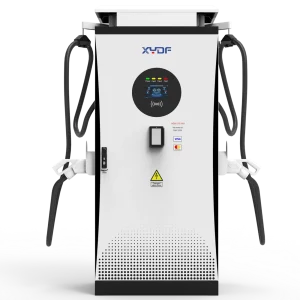
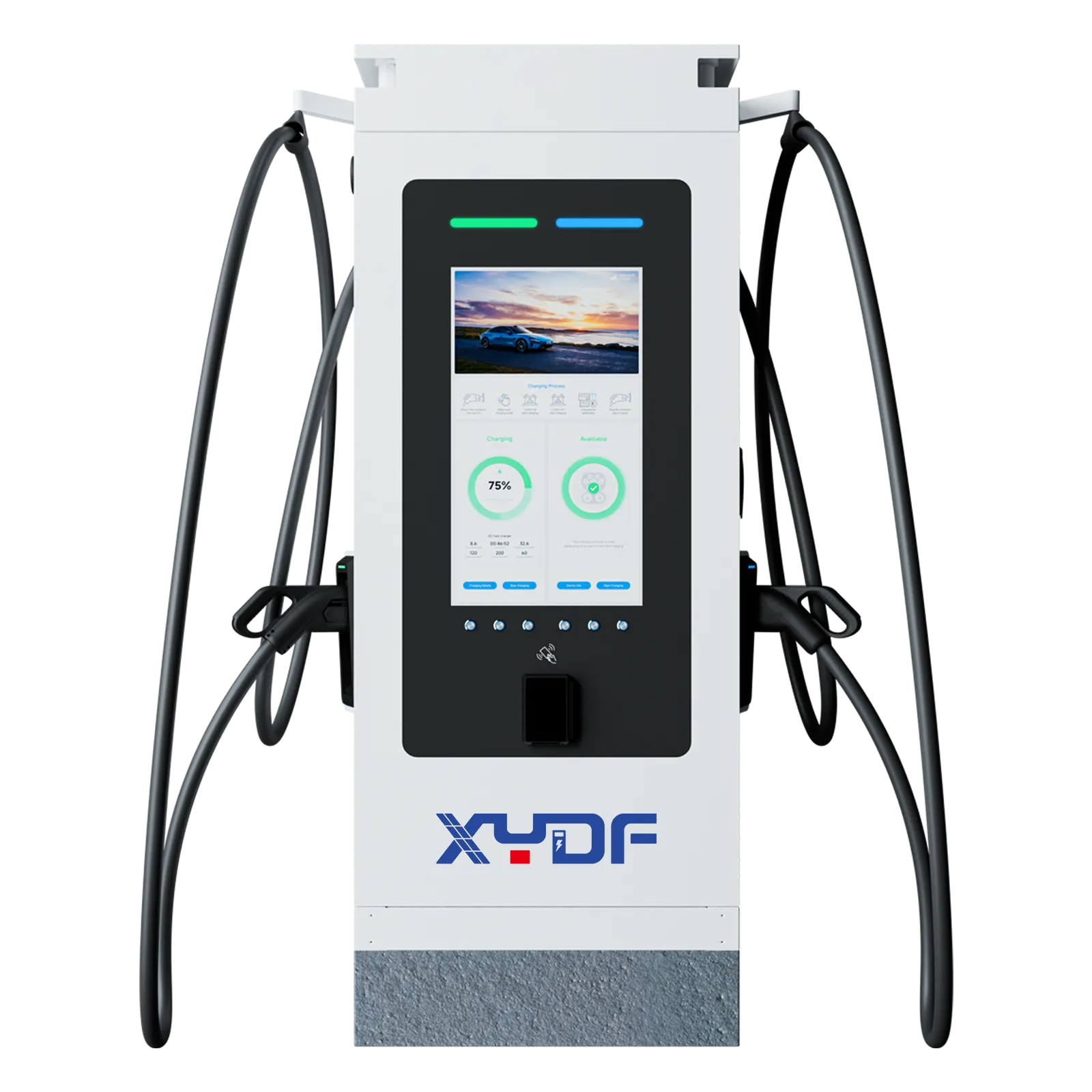
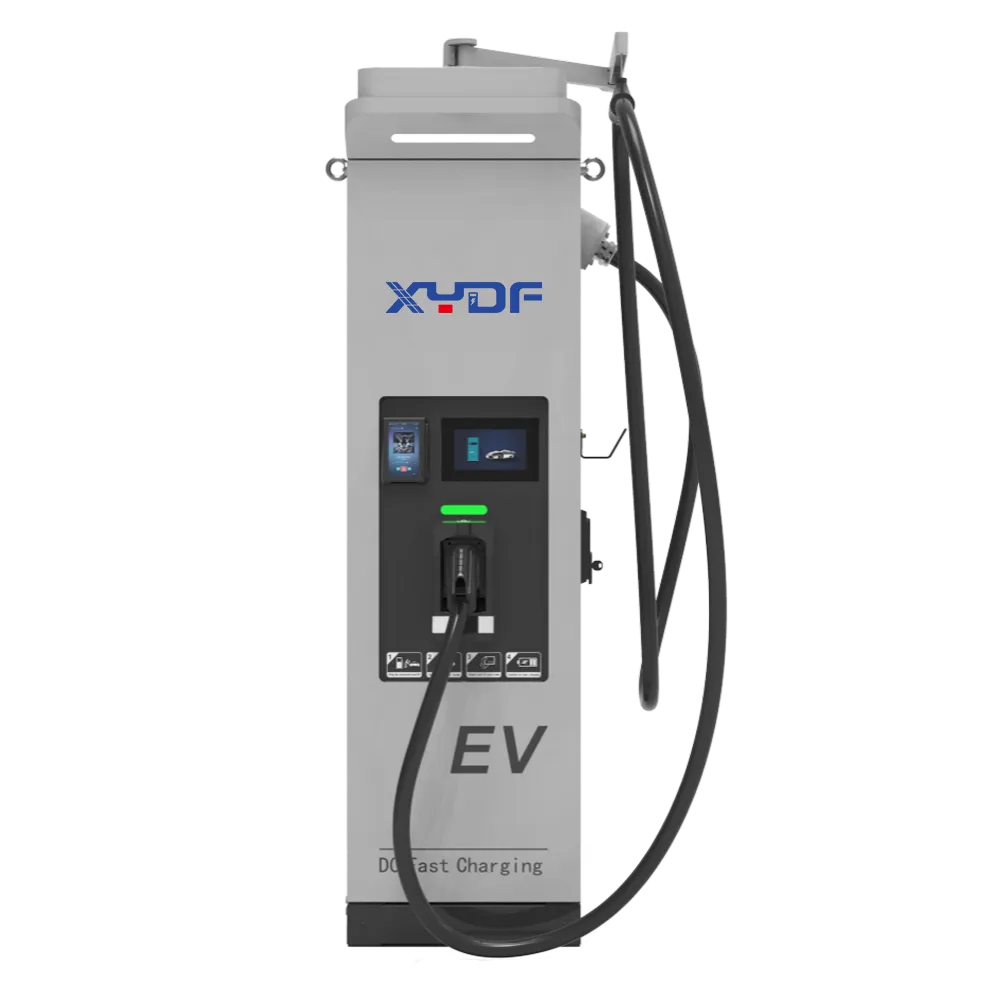
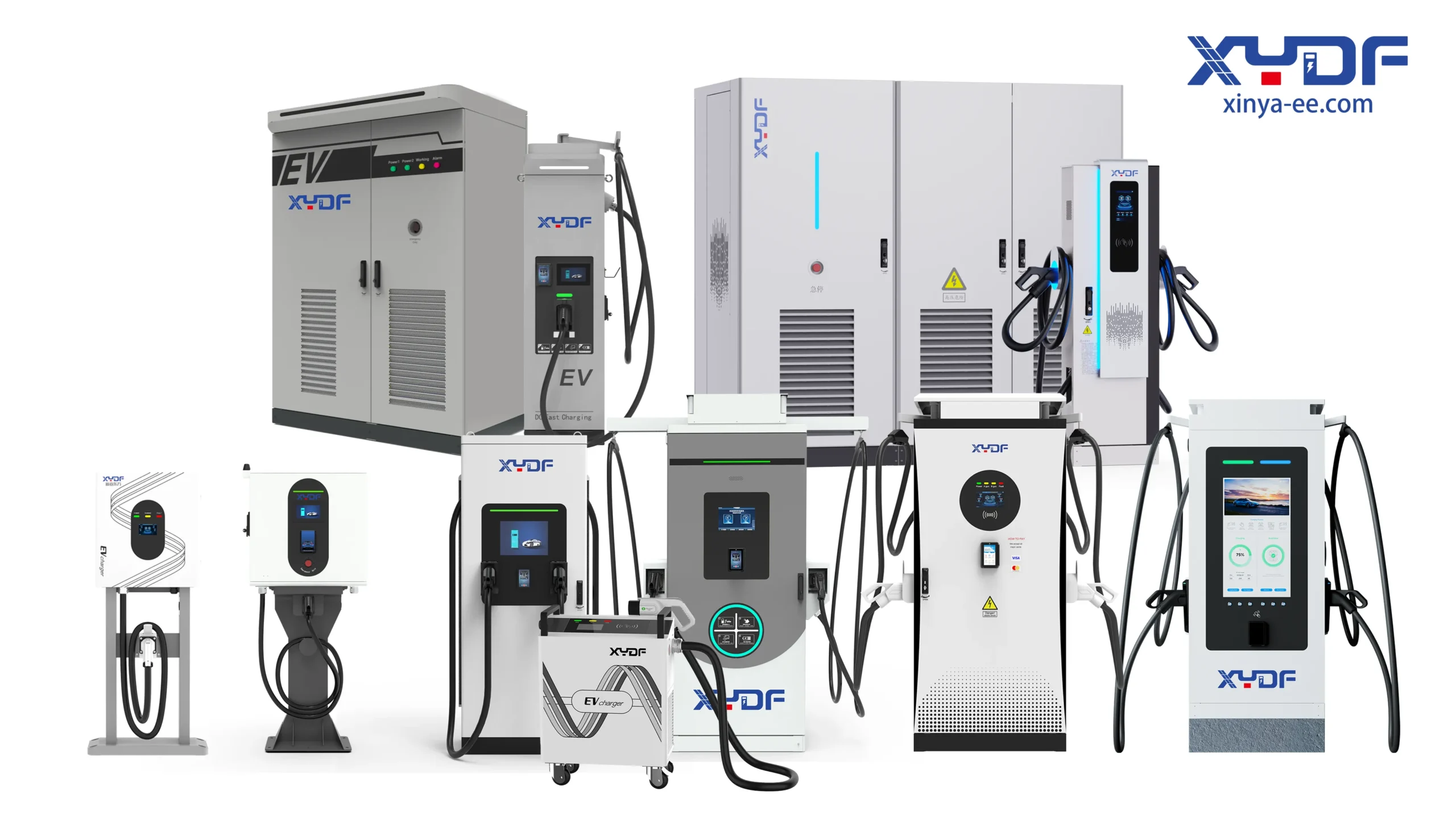
XYDF 20-960KW DC EV Charging Stations
High-Value Overseas Deployment Scenarios in 2026
EU & North American Highway Charging Hubs: Enforced by the EU AFIR mandatory infrastructure regulation and U.S. national electric highway programs, public DC fast-charging infrastructure along European and American trunk road networks remains in acute shortage. Governments mandate high-power fast-charging deployment to serve long-distance private travel and cross-border electric logistics fleets, delivering stable traffic flow and guaranteed policy subsidy benefits.
Southeast Asian Commercial Parks & Transit Hubs: Emerging economies including Thailand, Indonesia, and Malaysia are aggressively phasing out fossil fuel vehicles and advancing 2030 new energy vehicle penetration targets. Rapid growth in private EVs, ride-hailing fleets, and intercity electric commuter vehicles has created a severe public charging infrastructure gap. Urban business districts, industrial parks, and major transit hubs serve as ideal deployment sites for Level 3 EV Charging Stations, supported by local construction subsidies, tax incentives, and tariff exemption policies.
African Urban CBDs & Logistics Nodes: Africa’s new energy infrastructure market is in the early high-growth stage. Core markets including Nigeria, South Africa, and Kenya prioritize charging infrastructure development via tariff relief, EV purchase incentives, and PPP public-private partnership frameworks. Public charging facilities remain extremely scarce, while urban commuter vehicles, government fleets, and electric logistics vehicles generate robust and growing charging demand, featuring low market competition and substantial long-term growth potential.
Global Industrial & Logistics Fleet Charging Terminals: Universally applicable across Europe, America, Southeast Asia, and Africa. Industrial zones and logistics hubs worldwide are accelerating fleet electrification, forming closed-loop stable charging demand from corporate official vehicles, electric logistics fleets, and employee private cars, ensuring high and stable annual equipment utilization rates.
Global Tourist Attractions & Suburban Public Amenity Sites: Most suburban scenic areas in Europe and North America, island tourism zones in Southeast Asia, and characteristic tourist parks across Africa lack complete EV charging infrastructure. Deploying Level 3 EV Charging Stations upgrades local green travel supporting facilities, improves tourist experience, and qualifies operators for regional government renewable energy subsidies, realizing dual revenue streams from service fees and policy dividends.
Overseas Shopping Malls, Hotels & Commercial Complexes: High-end shopping centers and chain hotels in Europe and America, urban commercial cores in Southeast Asia, and central business districts in Africa regard EV fast-charging infrastructure as a standard service upgrade to enhance customer attraction and commercial value. These scenarios feature stable passenger flow, low complaint rates, minimal daily operational workload, and reliable long-term asset appreciation potential.
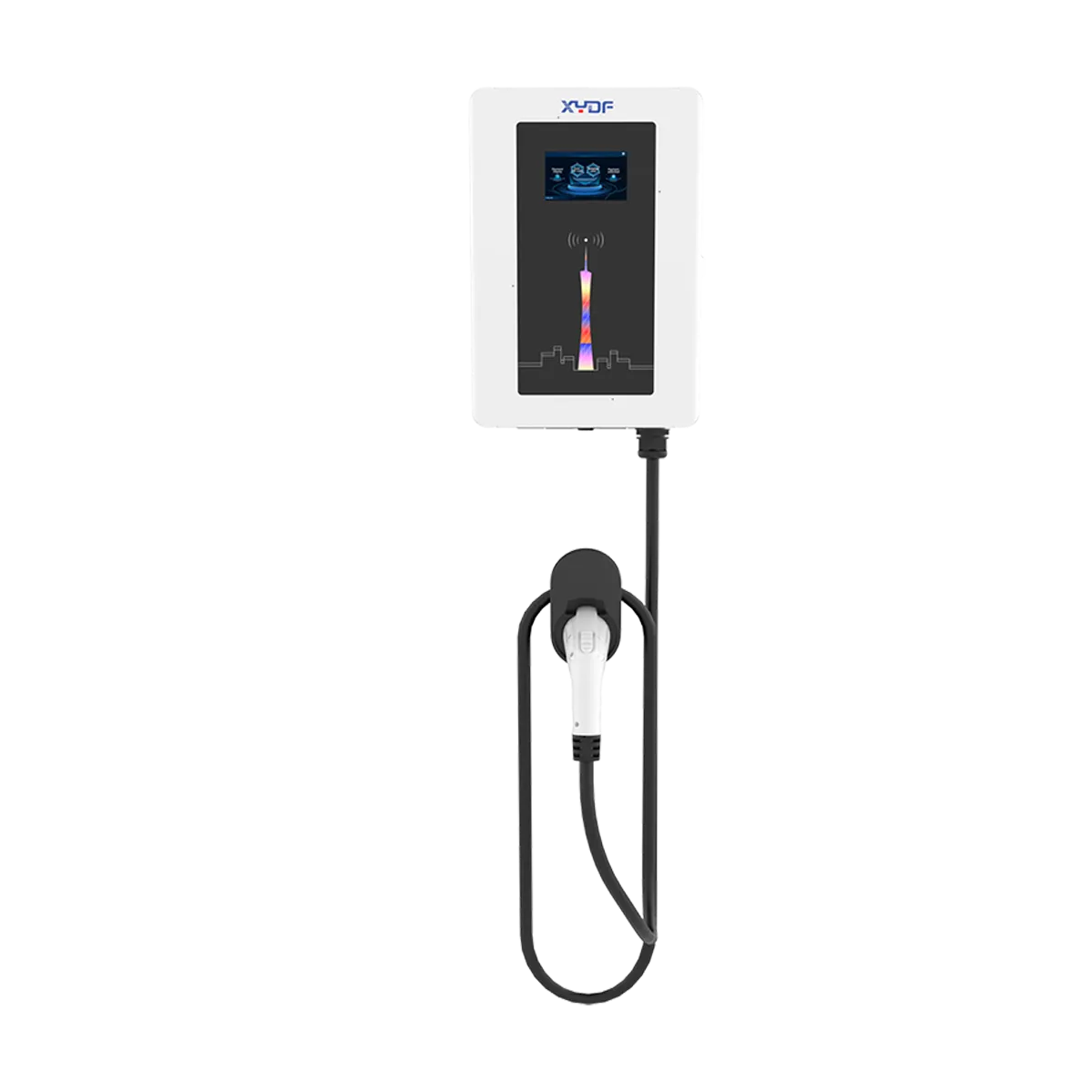
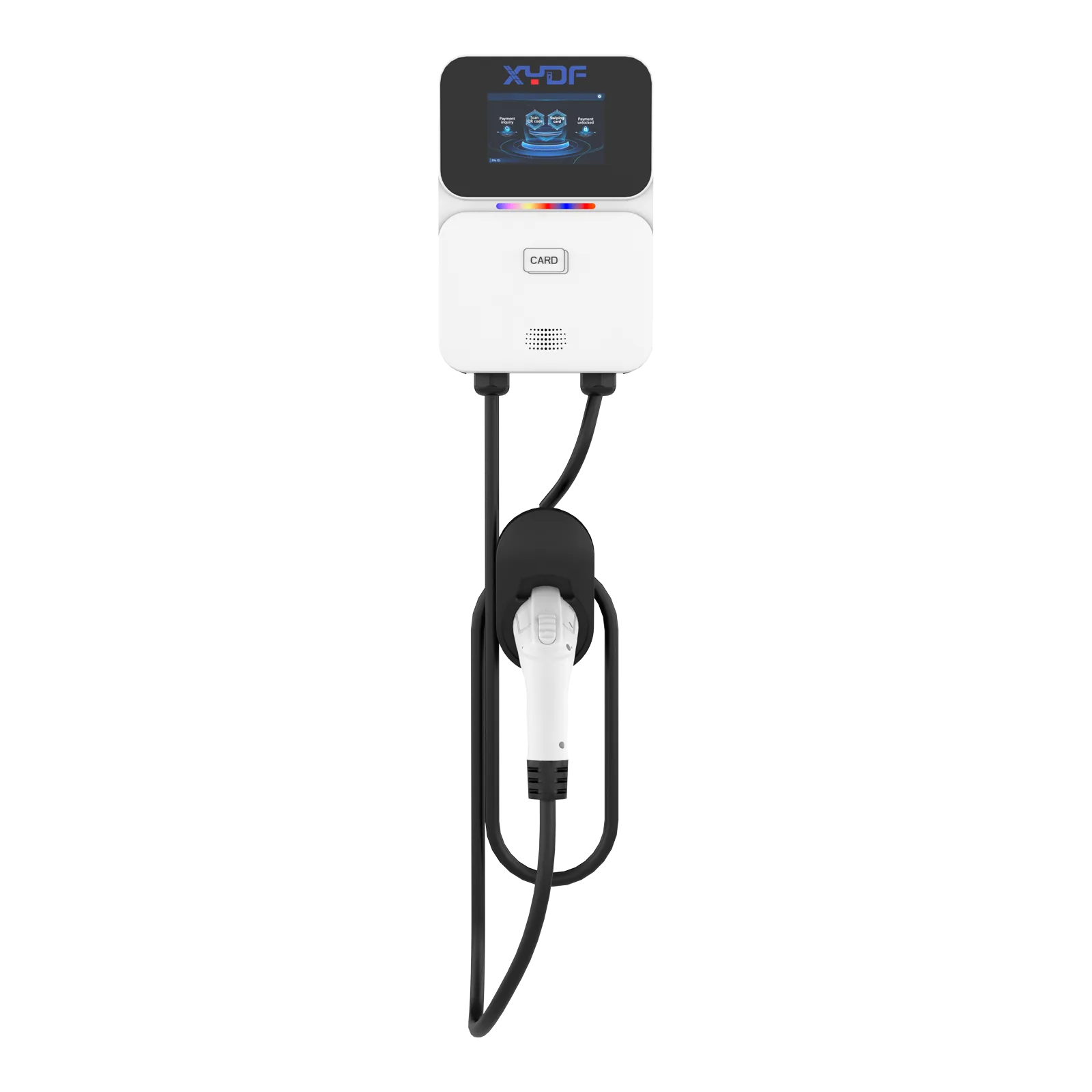
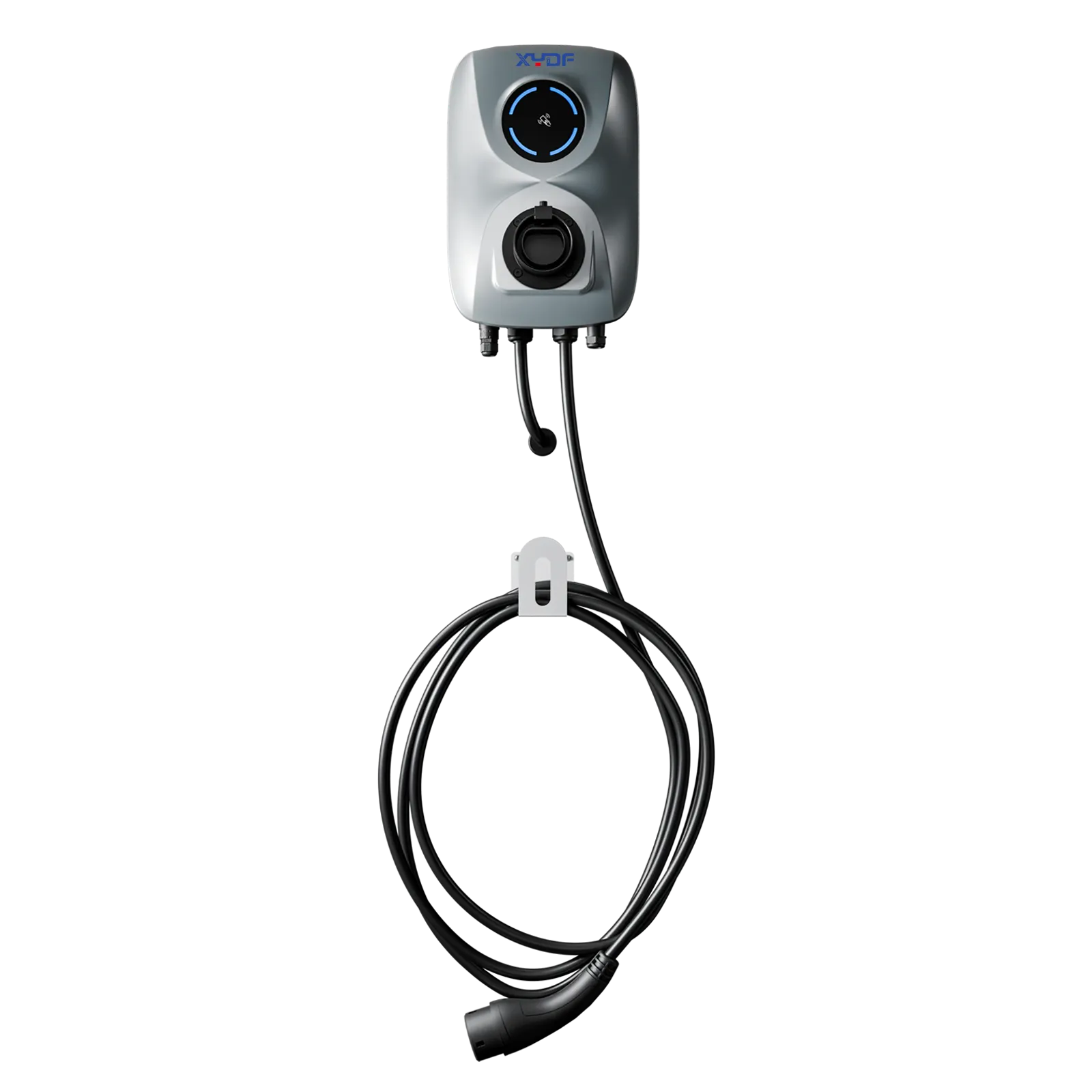
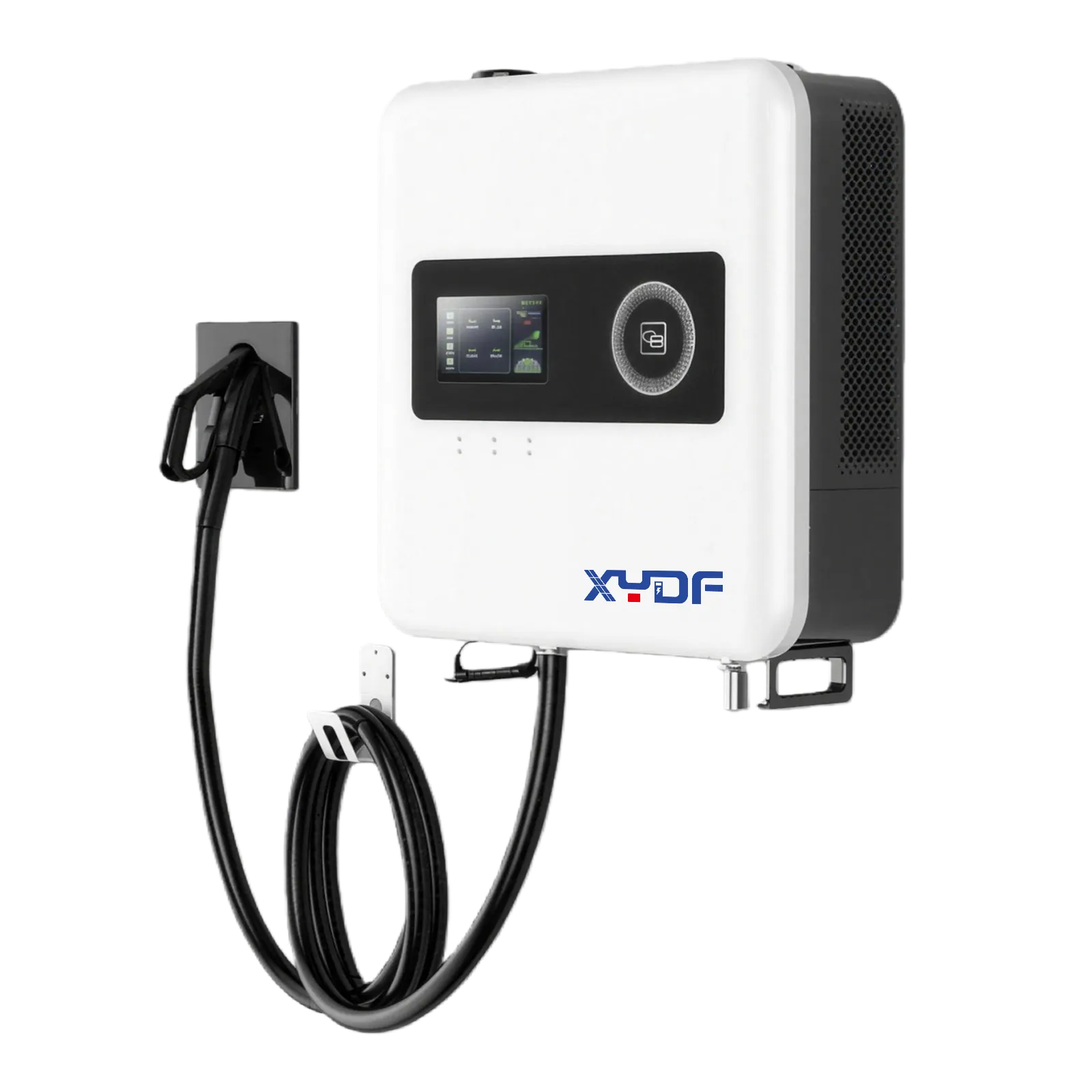
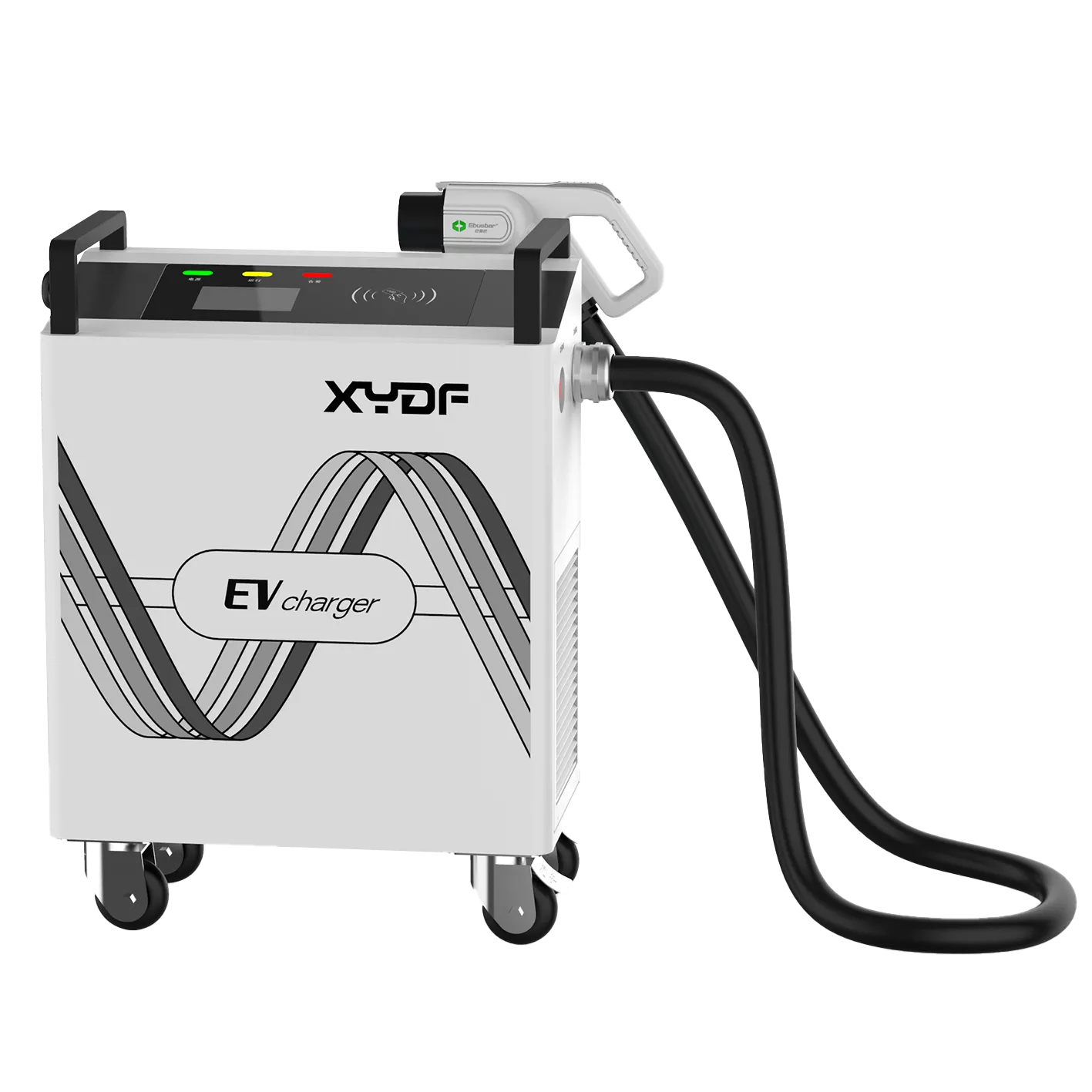
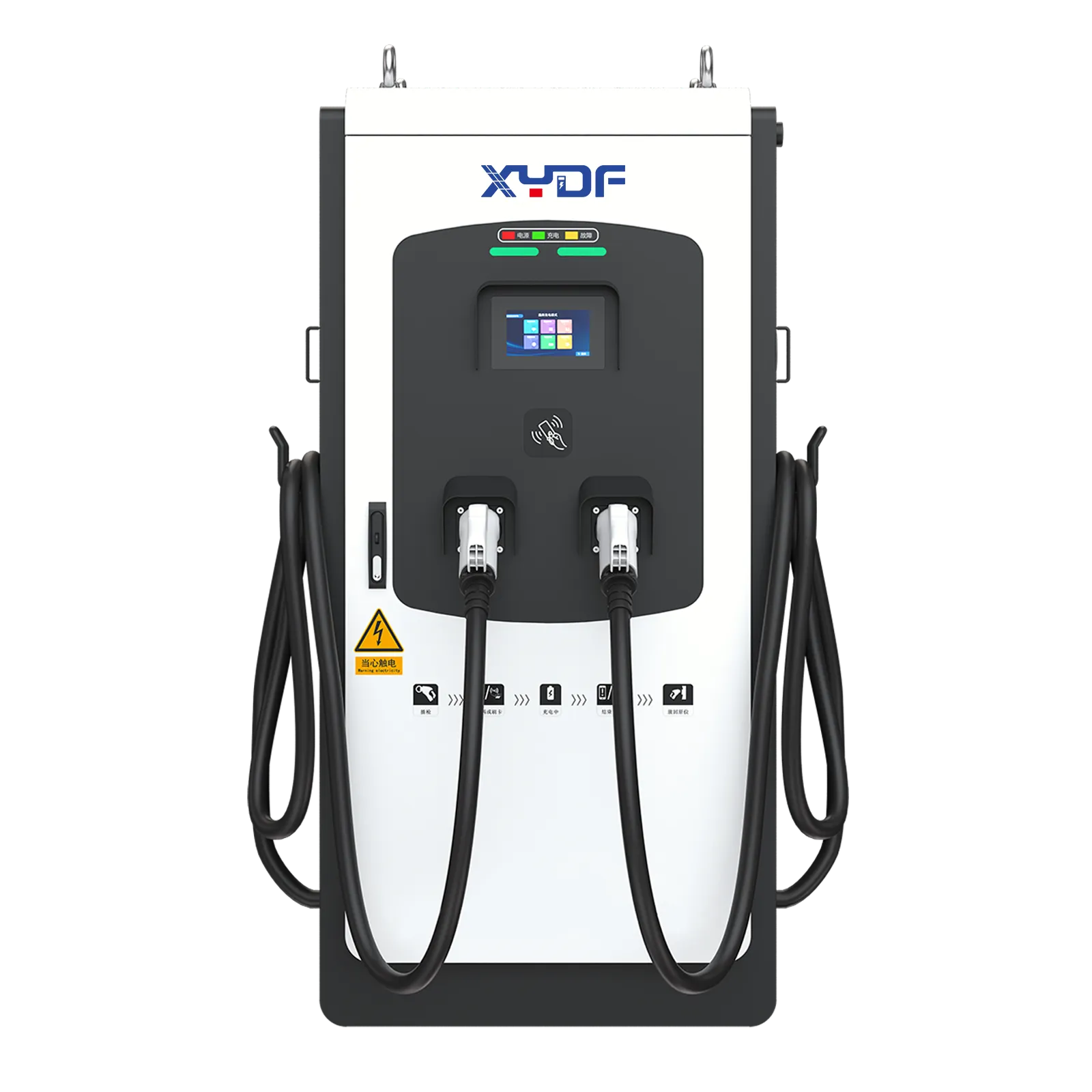
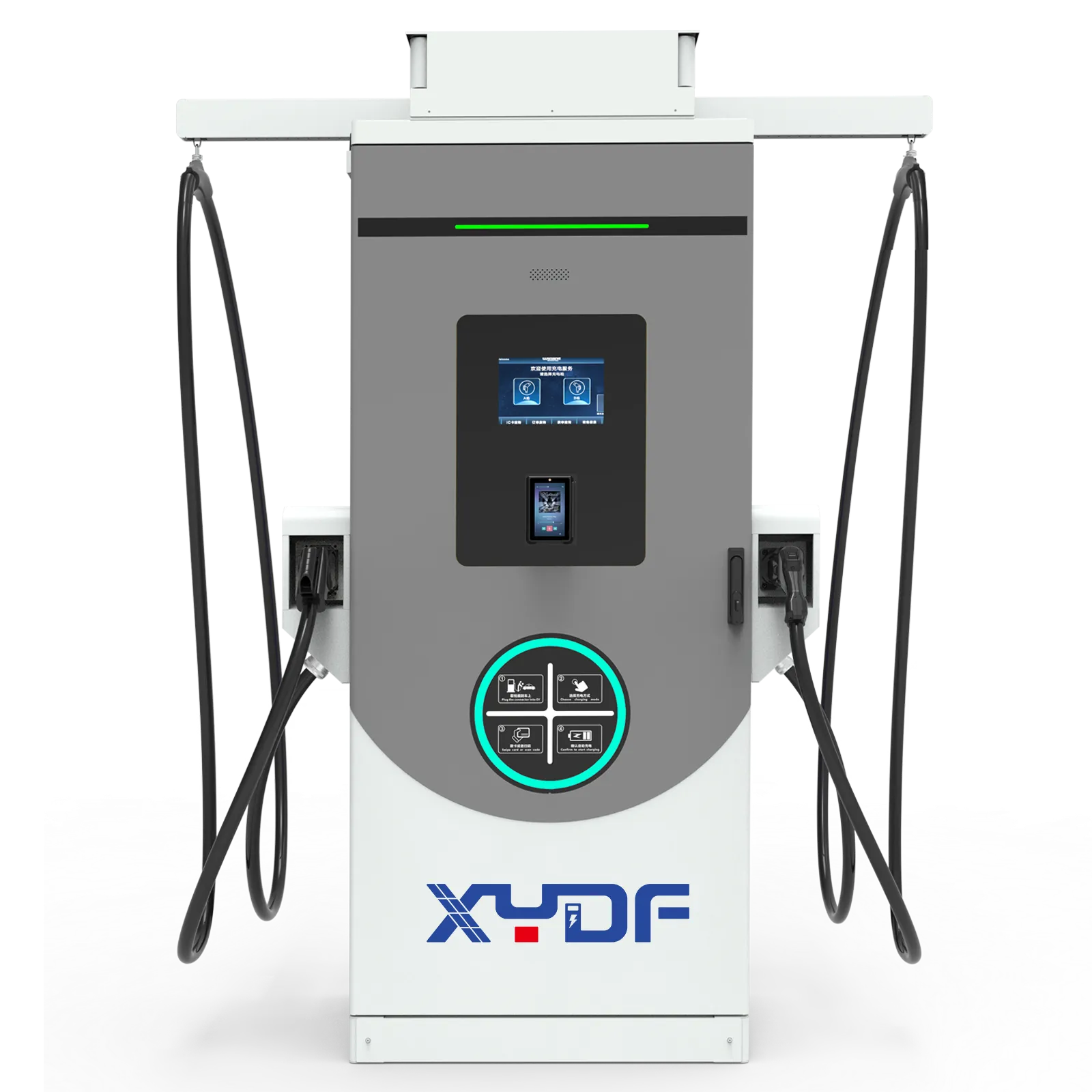
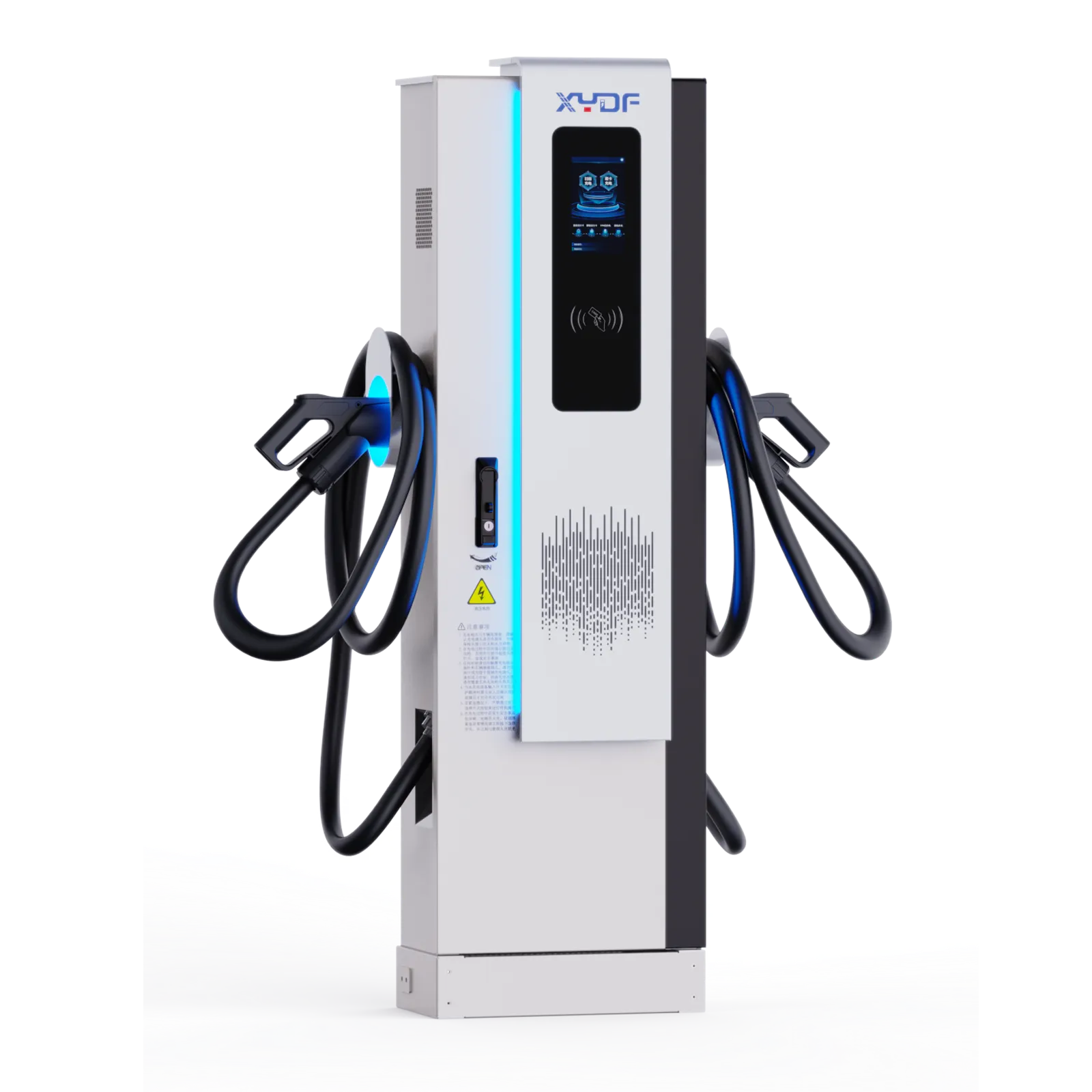
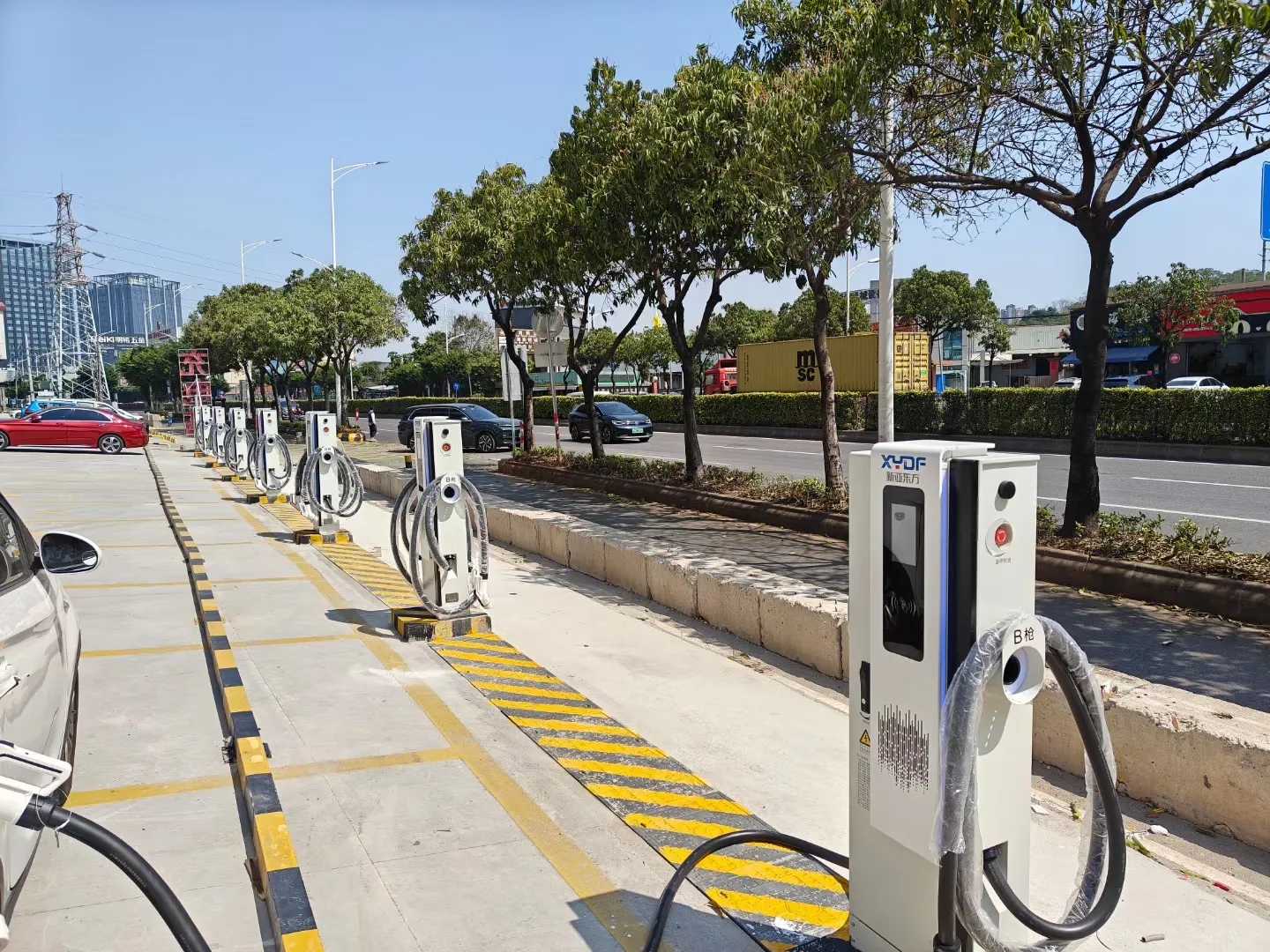
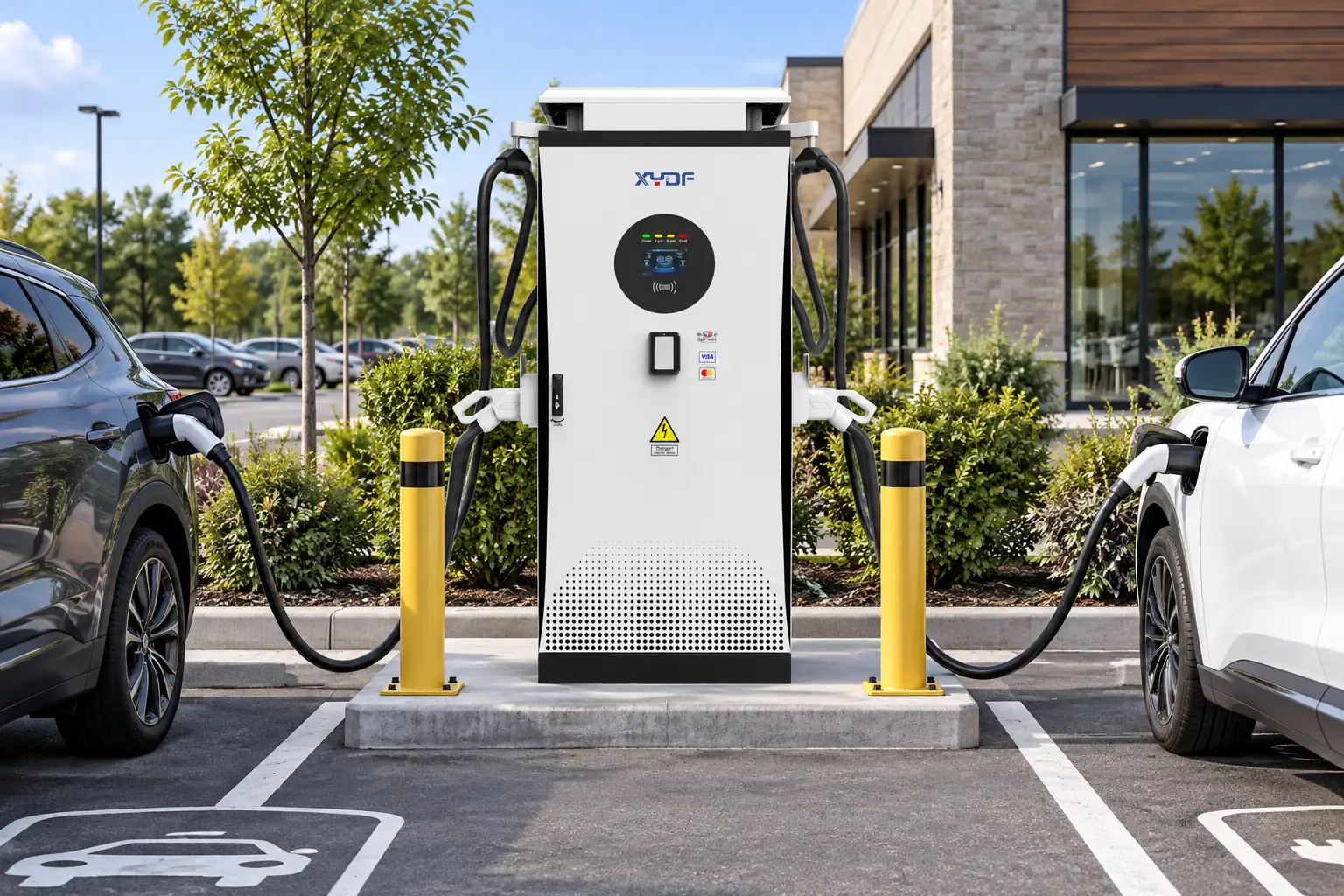
XYDF Level 3 EV Charging Stations
FAQs for Global Level 3 EV Charging Station Investors
Q1: Why do same-power Level 3 EV Charging Stations generate different revenue overseas?
A: Revenue discrepancies do not stem from charging power differences, but from equipment stability and cross-region adaptability. High-quality export-grade chargers deliver full protocol interoperability, low failure rates, and minimal operational downtime, maximizing effective charging throughput. In contrast, low-cost non-compliant devices frequently suffer from protocol incompatibility and grid adaptation failures, reducing service volume. Most critically, non-certified equipment may fail official compliance audits, leading to project suspension and substantial revenue losses.
Q2: What is the biggest investment risk for overseas Level 3 EV Charging Station projects in 2026?
A: The dominant risk is not market competition or equipment iteration obsolescence, but non-compliant hardware, platform interoperability failure, and poor regional adaptability that cause project rejection and excessive lifecycle maintenance costs. Overseas labor, component replacement, and on-site service expenses are extremely high. The long-term hidden operational costs of budget non-standard chargers far outweigh the upfront price gap of certified industrial-grade equipment.
Q3: What is the core commercial value of dynamic power distribution?
A: Grid capacity approval and infrastructure expansion incur extremely high costs in overseas markets. Dynamic load balancing technology intelligently distributes power output according to real-time EV connection volume under fixed grid quota constraints. It eliminates idle grid capacity waste for single-vehicle charging and overload tripping during multi-vehicle simultaneous charging, fully tapping existing grid potential and lifting station profit ceilings without costly grid renovation.
Q4: How to avoid equipment obsolescence in global overseas markets?
A: Global EV charging protocols and vehicle models iterate continuously. Long-term equipment value depends entirely on the manufacturer’s sustainable technical iteration capability. Premium export brands like XYDF support remote OTA protocol and functional upgrades. The scalable modular hardware architecture adapts to newly released vehicle models and updated regional compliance standards without full equipment replacement, protecting clients’ long-term investment assets.
Final Thoughts
In 2026, overseas Level 3 EV charging station investment is a standardized, compliance-driven, low-risk sustainable green infrastructure track, backed by global energy transition policies and continuous market increments. The profitability of cross-border projects no longer relies on low-price competition, but on equipment international certification compliance, global scenario adaptability, low lifecycle operational costs, and sustainable technical iteration capabilities. High-quality commercial EV charging stations fully adapt to the diversified grid conditions, extreme climates, unified protocol standards, and standardized operational specifications of Europe, America, Southeast Asia, and Africa, effectively avoiding compliance risks and high hidden maintenance expenditures. As a professional global charging equipment exporter, XYDF focuses on solving cross-border adaptation pain points, compliance access barriers, and high operational costs. With industrial-grade operational stability, full global protocol interoperability, customized regional environmental optimization, and a complete global service system, XYDF provides cost-effective and reliable Level 3 EV Charging Station solutions for international contractors and investors, supporting standardized project deployment, refined operational management, and sustainable long-term profitability in global overseas markets.
We use cookies to keep this website working and, with your permission, to measure how visitors use our EV charging site. See our Privacy Policy for details.
 Xinya Dongfang Electricity Technology Co., Ltd.