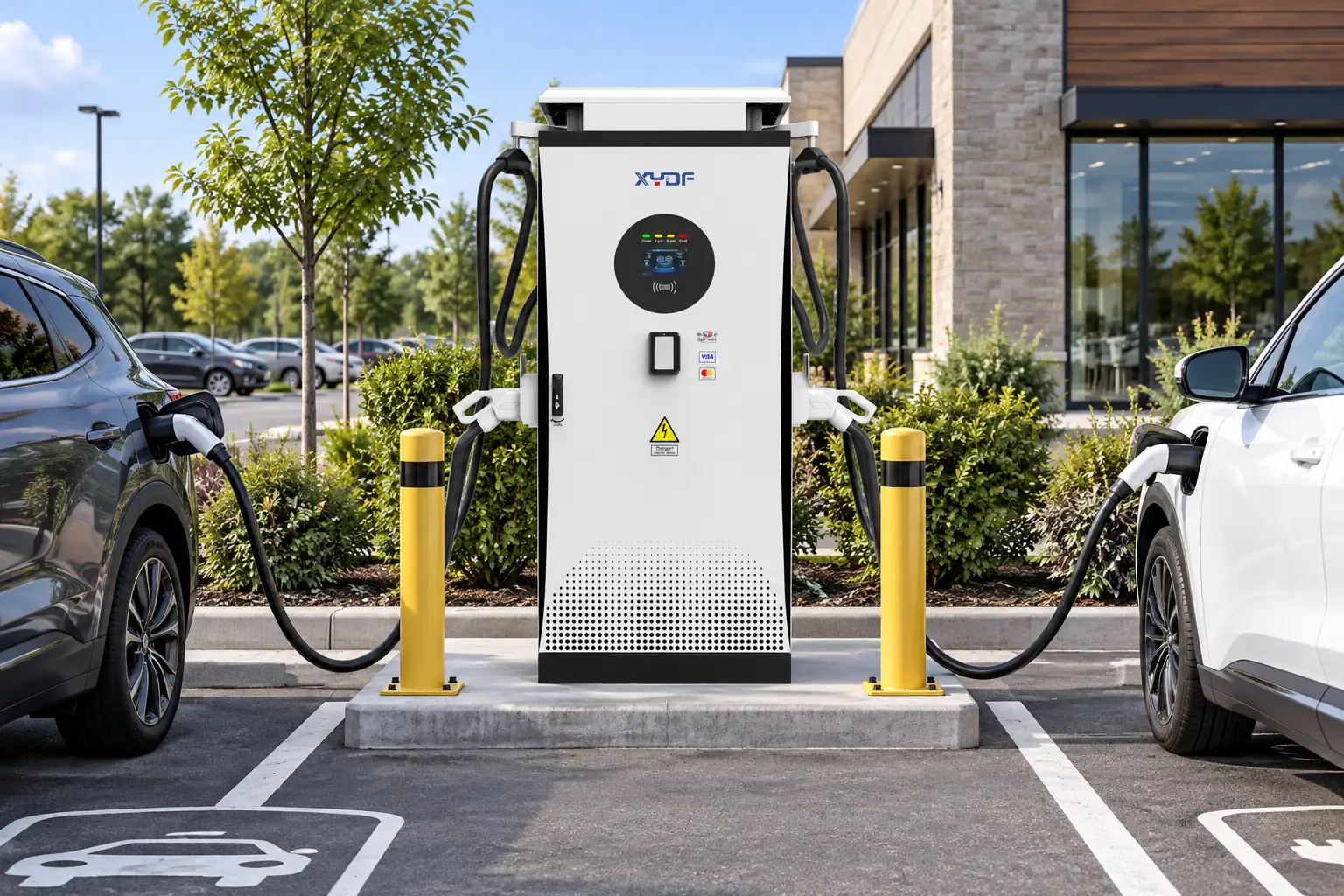
How EV Charger Improve Your Business: EV Charging Solutions For Commercial Properties
Jun 06,2026
Blog
Building an EV charging station at your commercial property is undoubtedly one of the most promising investments today. However, poor planning can extend the payback period and limit its performance. As an EV charger manufacturer, XYDF will walk you through the essential framework for planning and operating a commercial EV charging station.
Why EV charging Reshaping the ROI of Commercial Properties?
In today’s commercial real estate (CRE) market, EV chargers have evolved from a “nice-to-have” feature into essential infrastructure. Government incentives, sustainability initiatives, and changing tenant expectations are all contributing to the demand for EV-ready properties.
Recent market trends shows that EV charging can provide measurable benefits across different property types:
Property Type
Main Pain Point / User Need
Direct Benefits After Installing EV Charging
Data Support / Source
Office Buildings / Business Parks
Attract high-quality tenants and improve employee satisfaction
Increase tenant retention and support corporate ESG compliance
Approximately 70% of employees prefer employers that provide EV charging (Source: CleanTechnica)
Retail Centers / Shopping Malls
Reduced foot traffic due to online shopping and short customer dwell time
Increase customer stay duration and average spending
EV drivers stay approximately 30–50 minutes longer on average (Source: U.S. DOE)
Apartments / Multi-Family Housing
High tenant turnover and strong market competition
Increase rental premiums and attract higher-income tenants
Apartments with EV charging reach full occupancy 15% faster than traditional apartments (Source: NAA)
Why Is Now the Best Time to Invest in EV Charging Stations?
For commercial property owners and managers, installing EV charging stations is not only about supporting sustainability trends. It is also about securing a long-term competitive advantage. Commercial real estate is currently at a critical stage of transformation.
Create New Revenue Streams
Charging infrastructure not only increases property value and competitiveness but also creates multiple sources of revenue.
Generate profit through electricity sales using flexible charging management software.
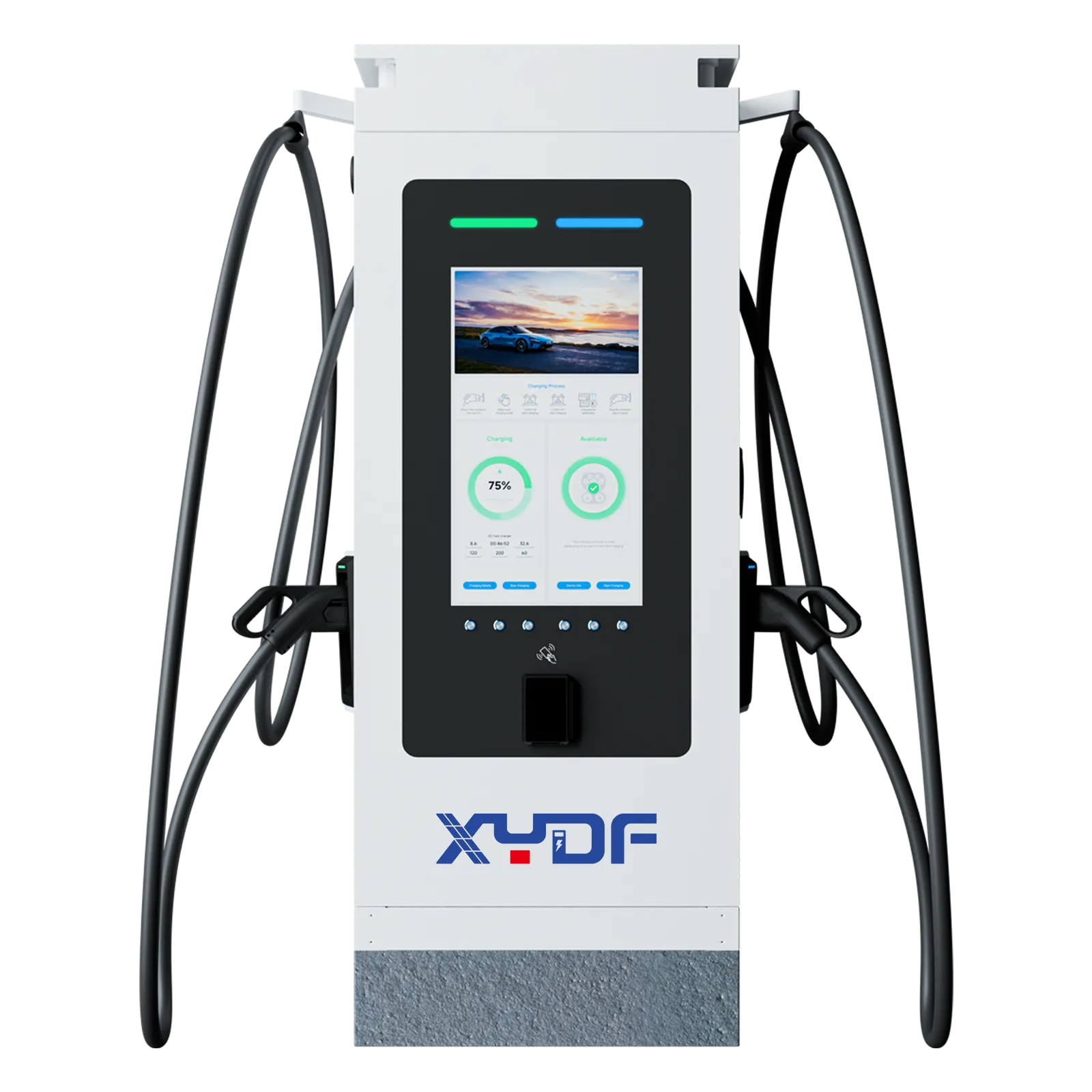
Chargers equipped with large display screens can run rotating advertisements, creating additional income. Ad content can be updated remotely through the management platform by simply replacing image files
Enhance Brand Credibility and ESG Performance
Today, investors and corporate tenants place significant importance on ESG (Environmental, Social, and Governance) performance when evaluating properties.
A modern EV charging solutions for commercial properties can directly reduce the property’s overall carbon footprint and help asset managers obtain international green building certifications such as LEED or BREEAM more easily, leading to higher asset valuations in the capital market.
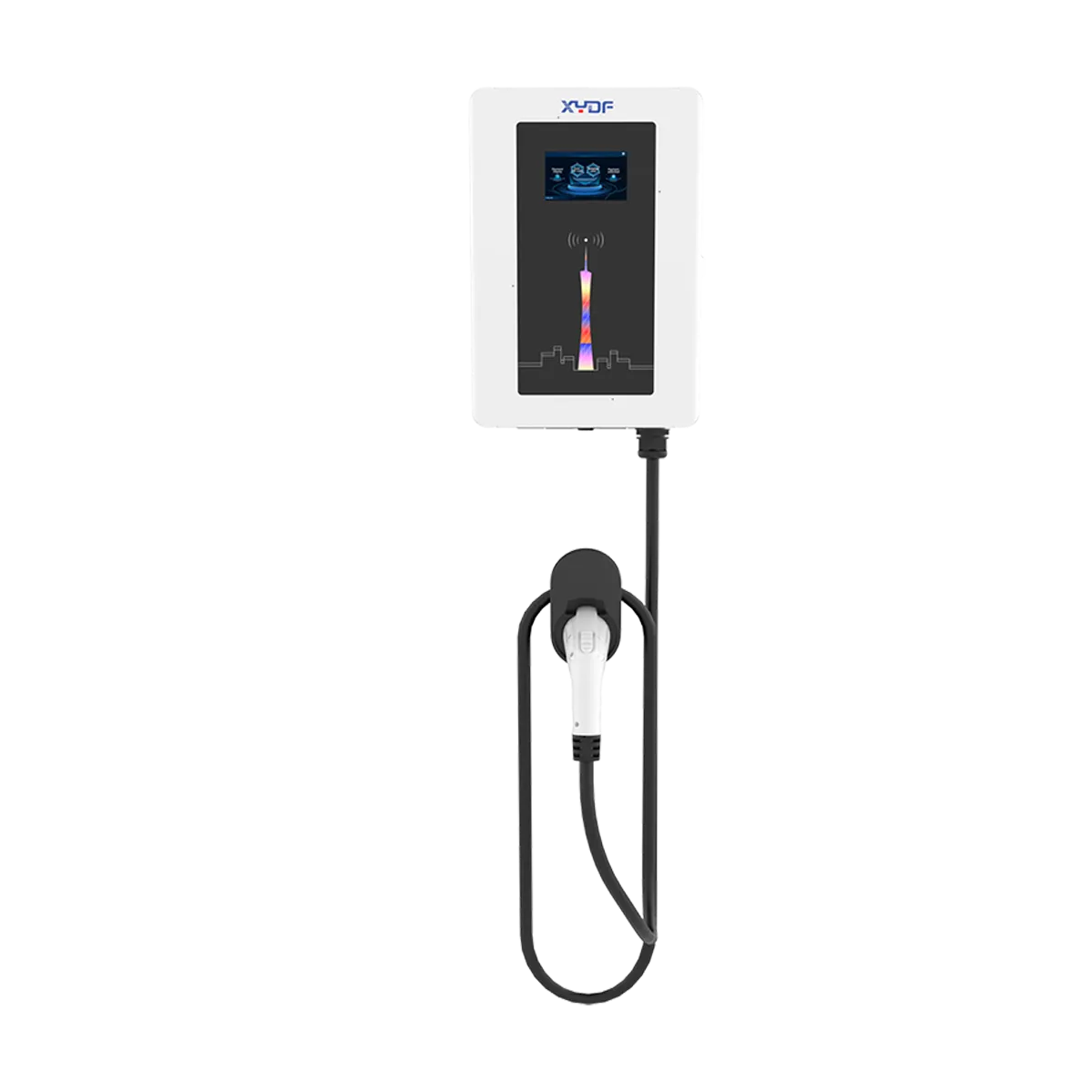
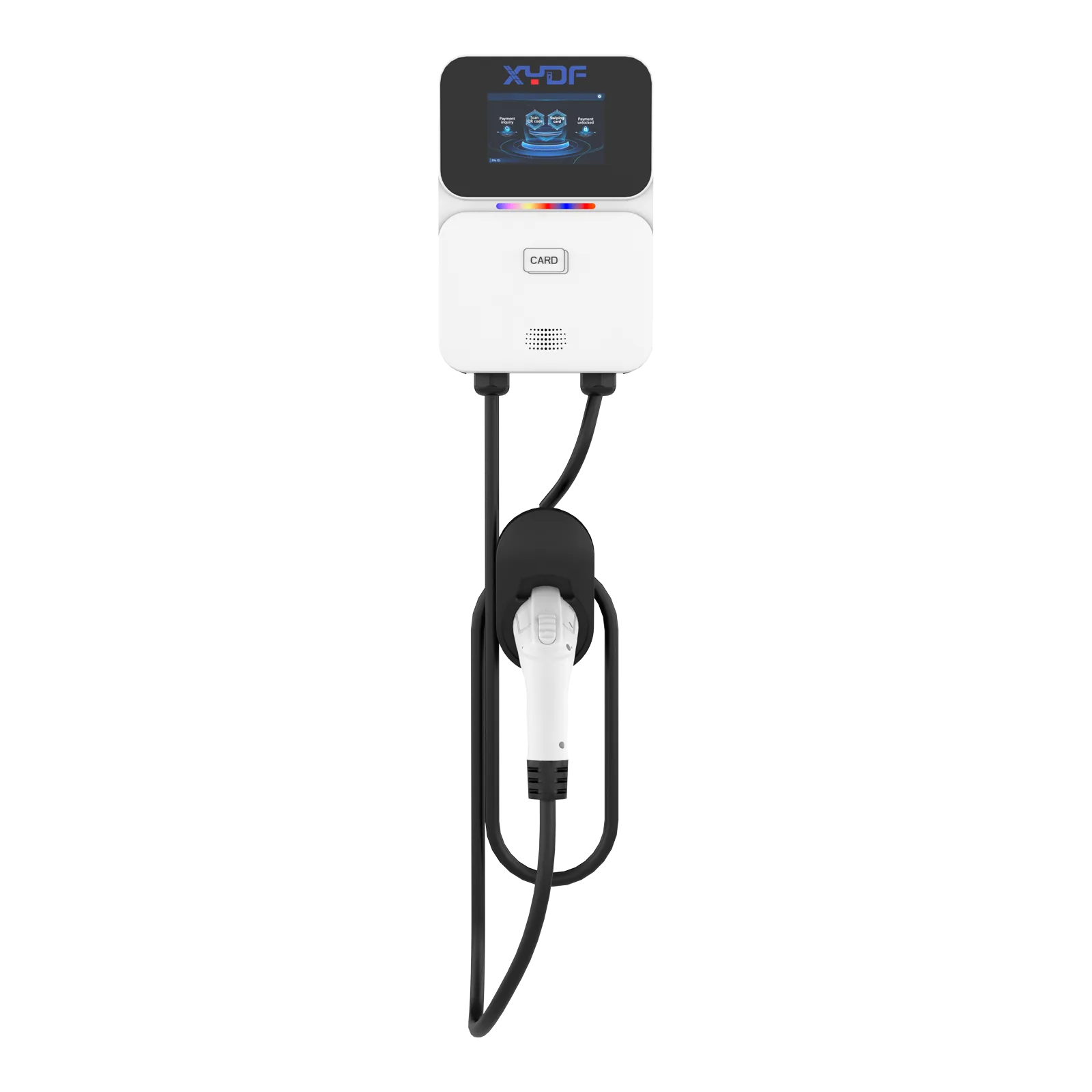
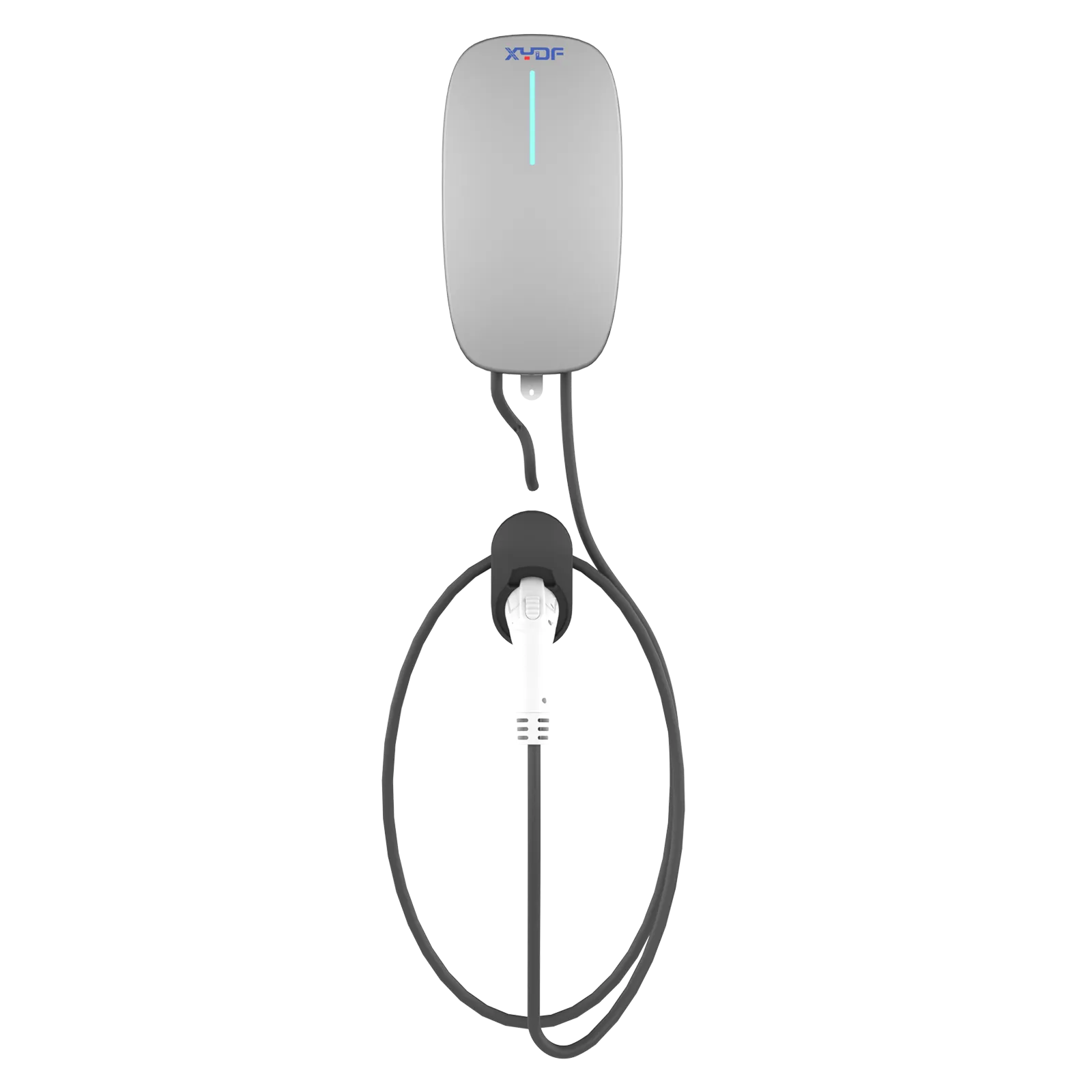
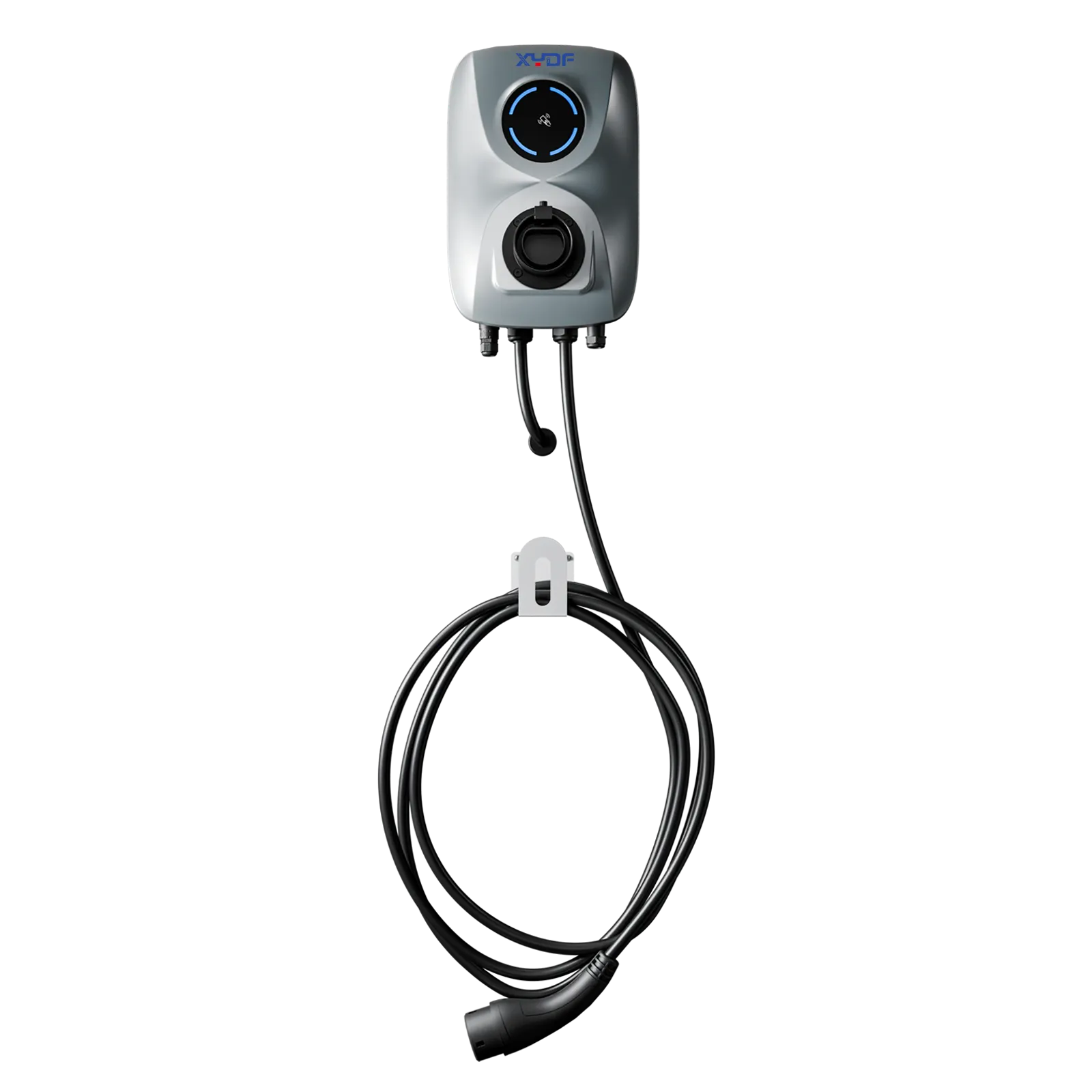
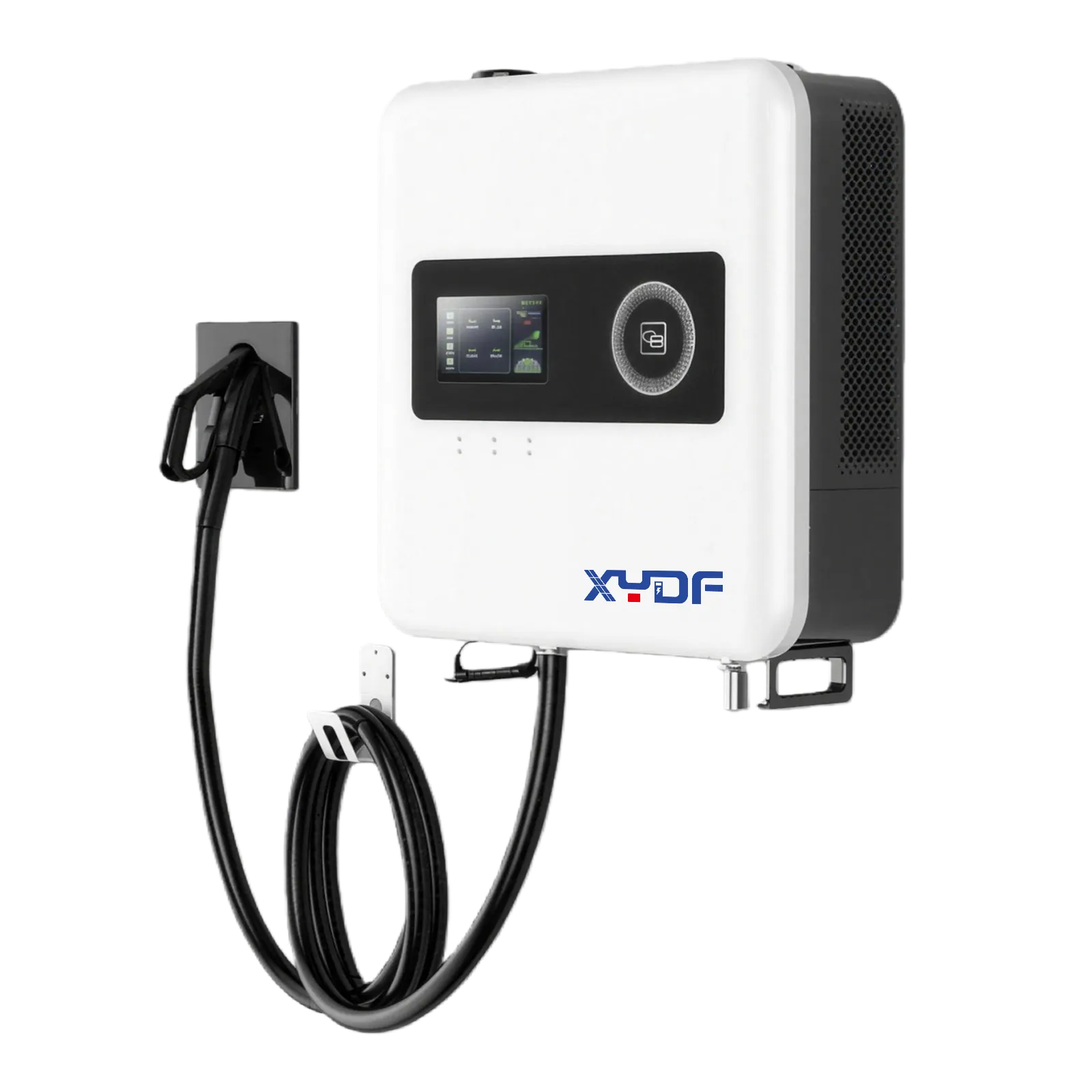
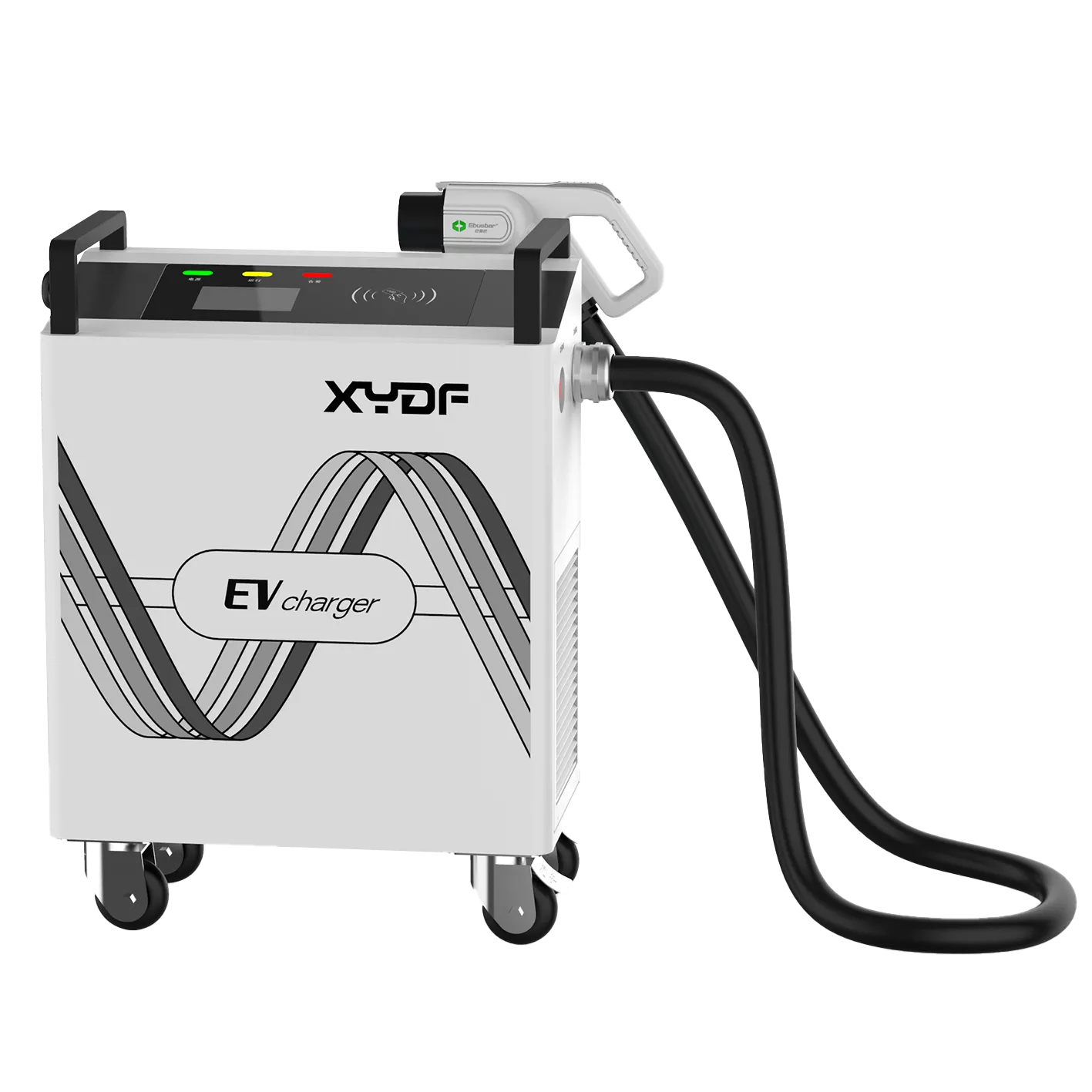
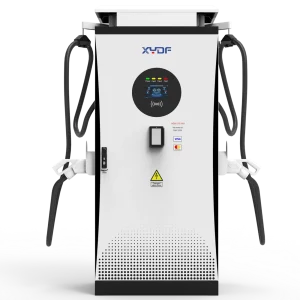
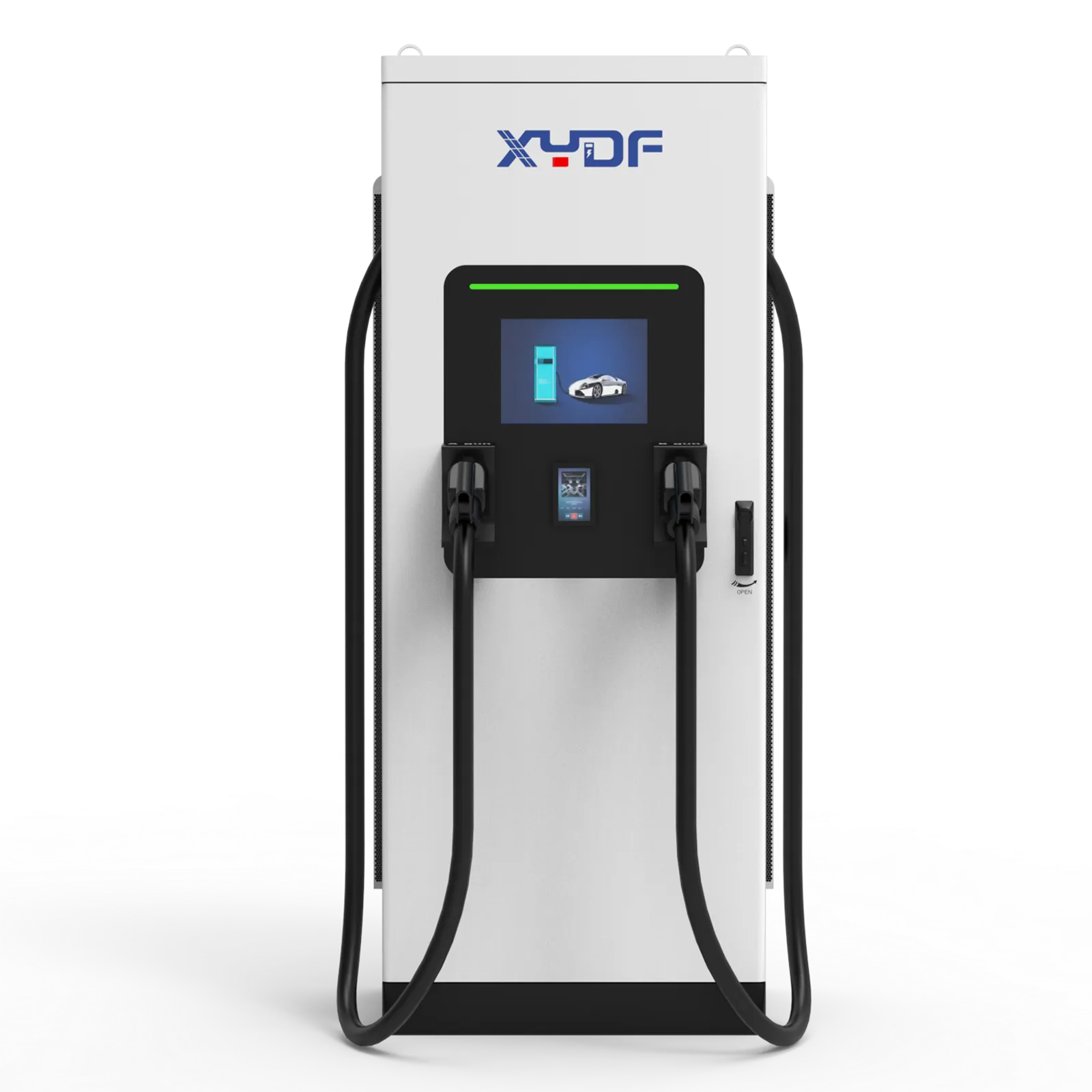
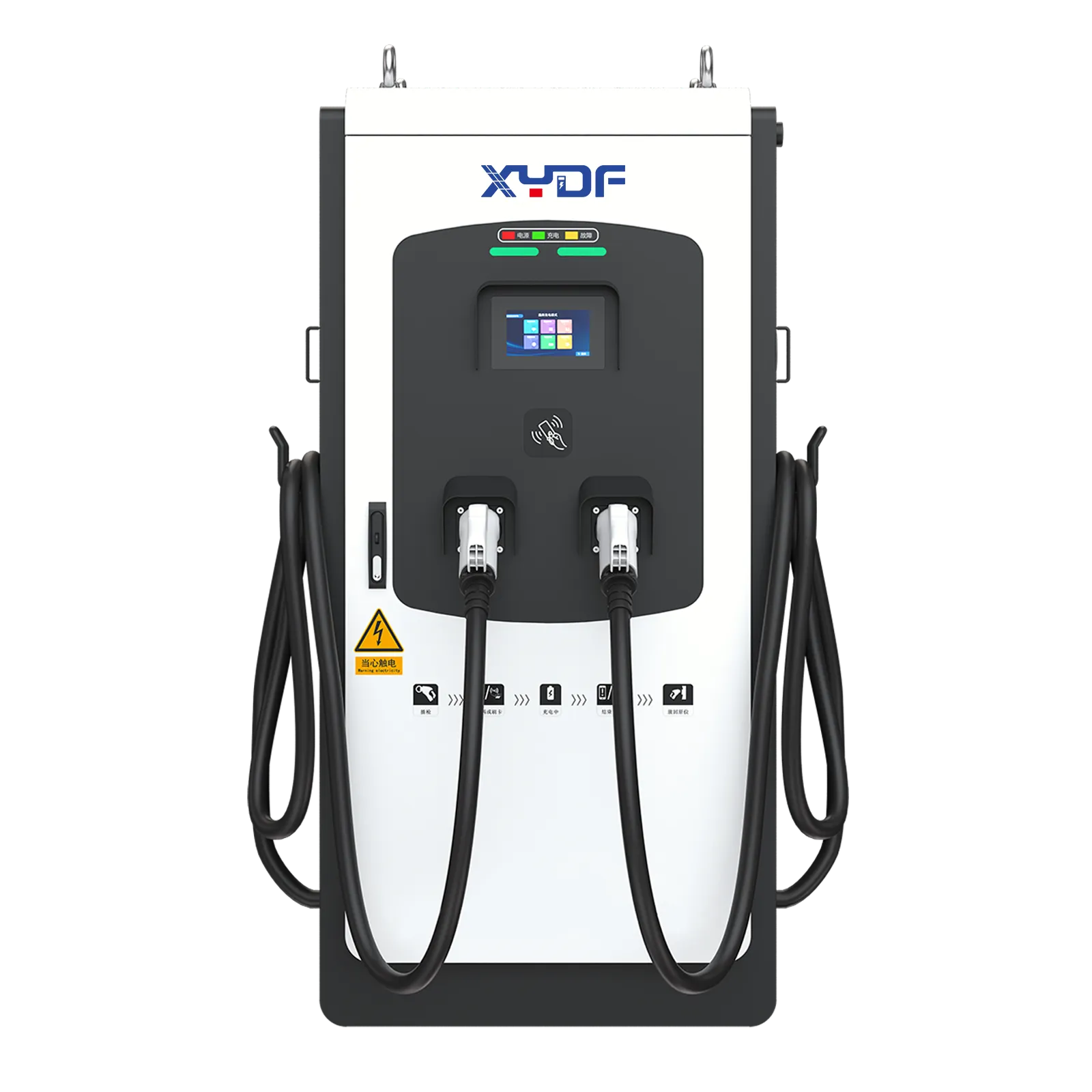
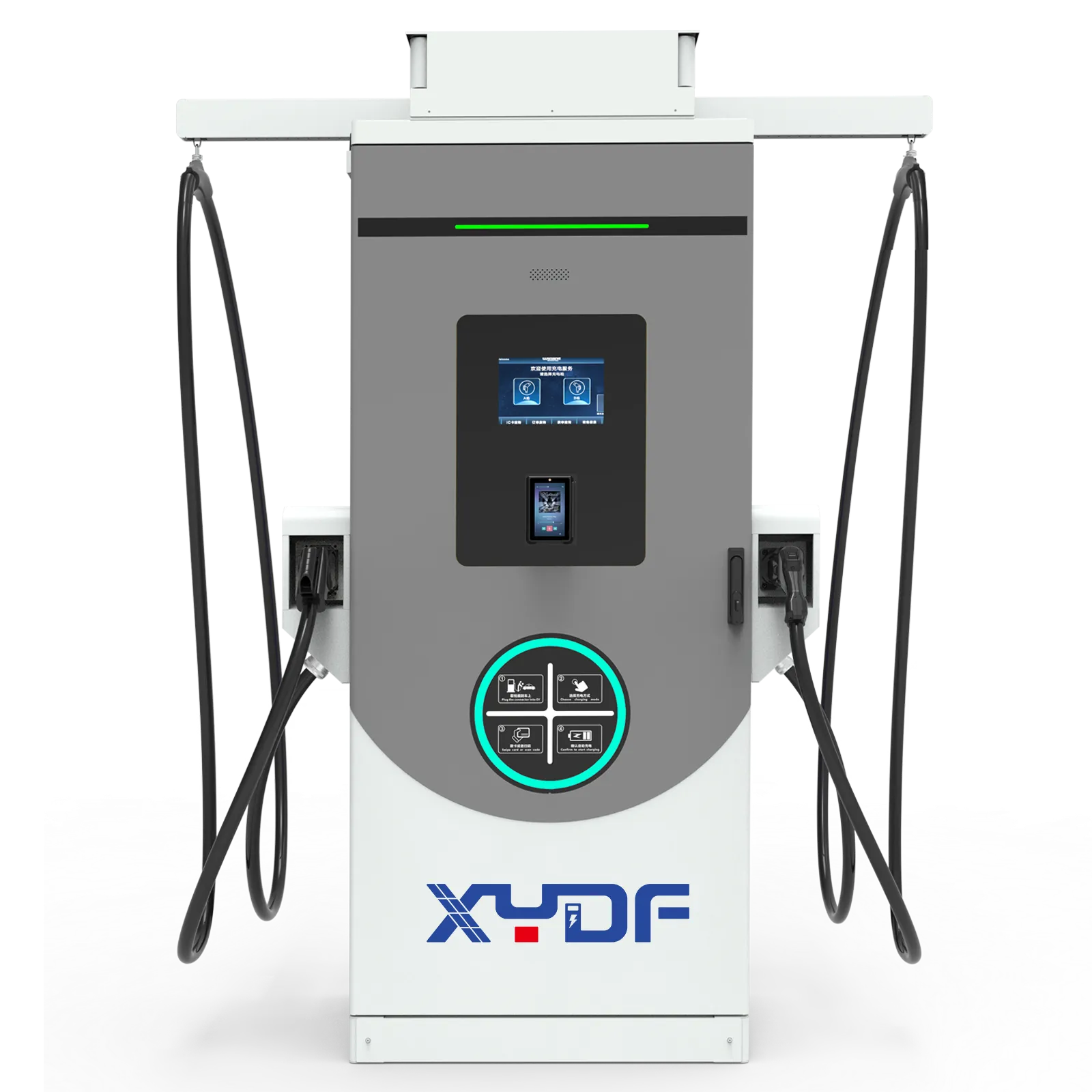
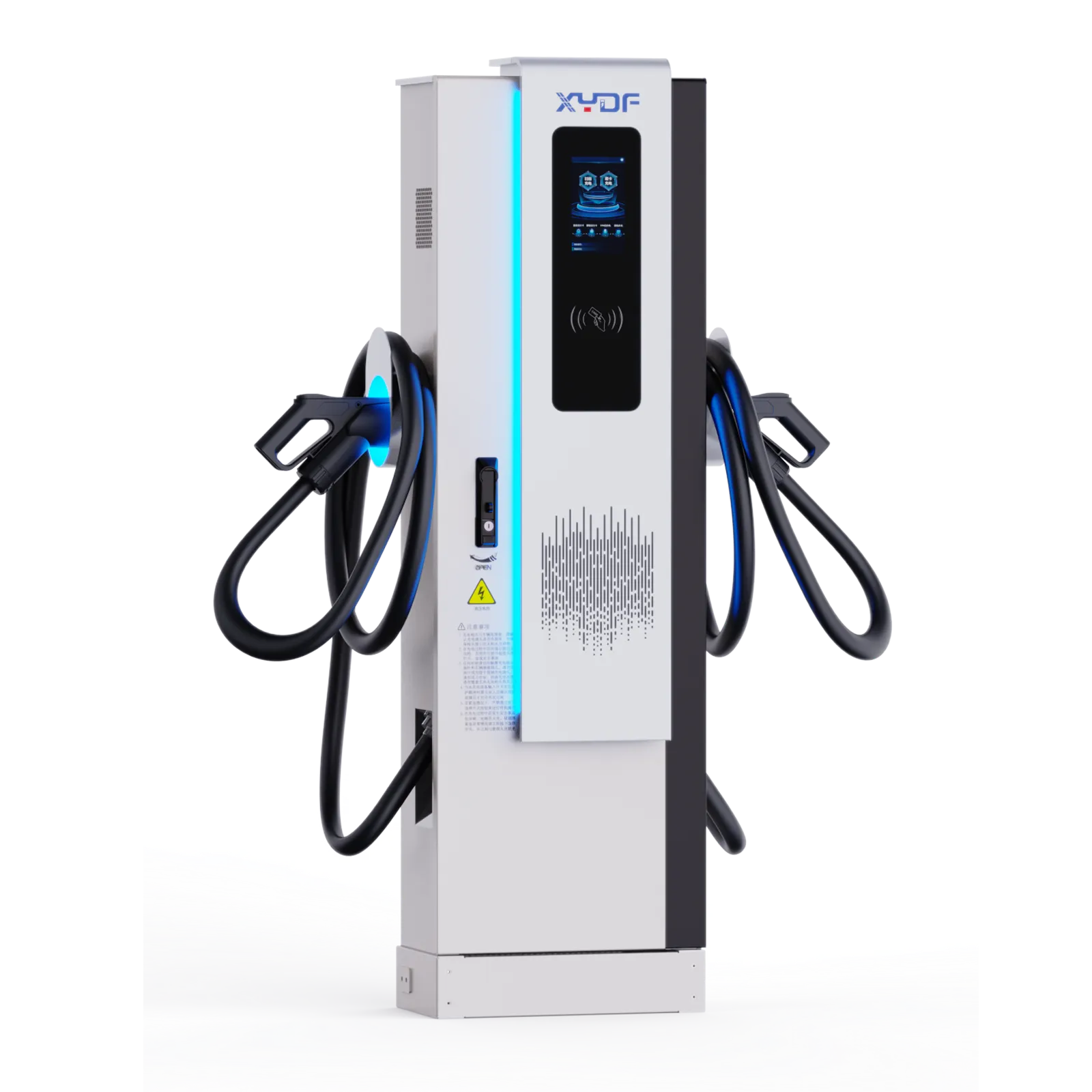
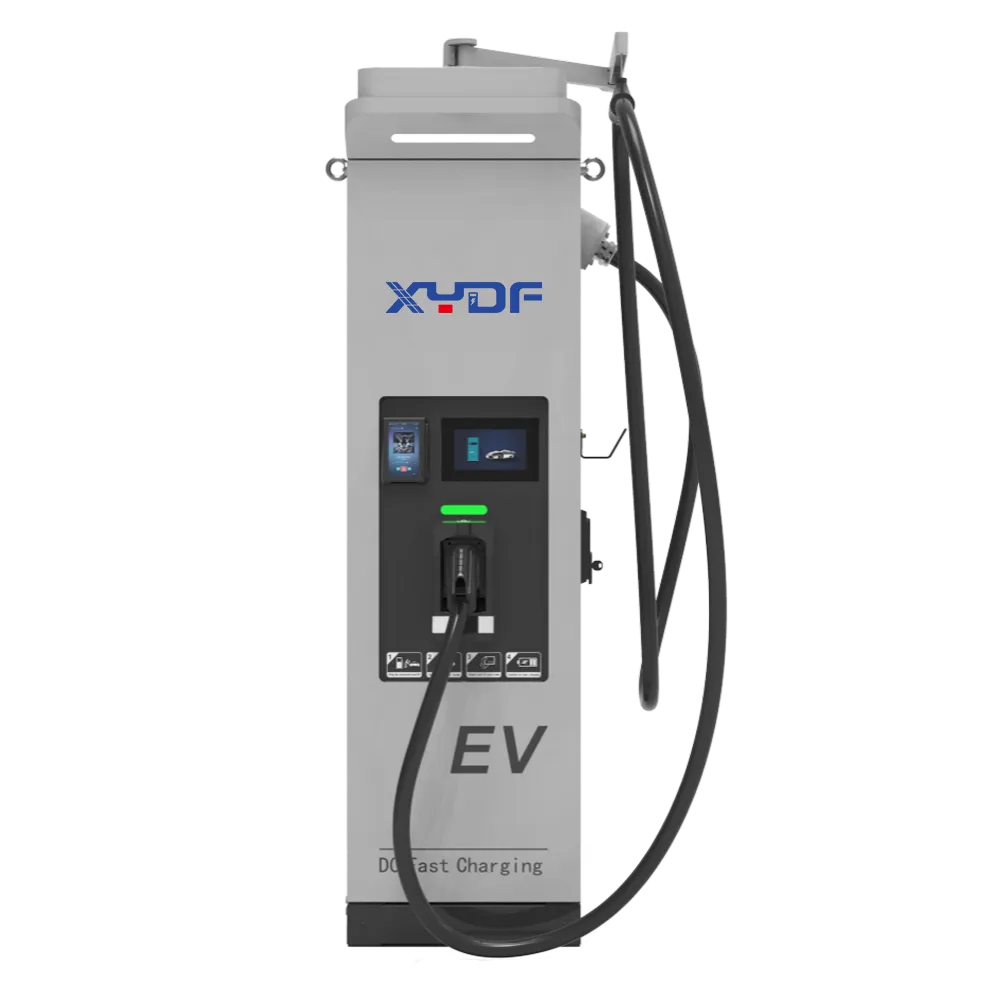
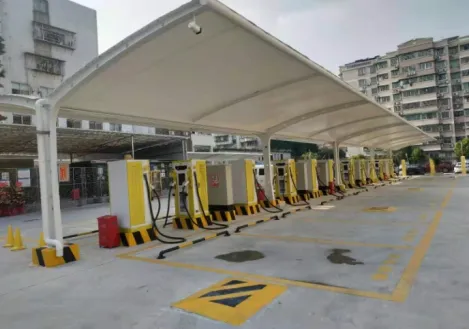
XYDF EV charging solutions for commercial properties
How to Choose the Right EV Charging Solutions for Commercial Properties
Different commercial environments require different charging solutions.
Scenario
Recommended Solution
Shopping Center
AC+DC Charging Station mixed deployment
Office Park
Primarily AC Charging Station
Hotels
AC+DC charging Destination charging
Apartment Communities
Long-dutation AC charging
Public Parking Lots
AC+DC Charging Station
Highway
DC Fast charging station
When selecting an EV charging station manufactuerer, it is recommended to focus on:
OCPP compatibility
Smart energy management capabilities
Remote operation and maintenance functions
Future scalability
Compliance with local regulations
At the same time, prioritize open platforms that support future upgrades to avoid compatibility issues later.
If you are planning a commercial EV charging project, you can learn more on our commercial EV charging solutions page to obtain deployment recommendations for different scenarios.
The Three Most Common Mistakes Commercial Property Owners Make When Implementing EV Charging Projects
Many property managers discover major issues after project deployment because the initial planning lacked a comprehensive strategy.
To maximize ROI, avoid the following three pitfalls:
1.Insufficient Grid Capacity and Expensive Upgrades
Applying for additional electrical capacity from the utility company often involves lengthy approval processes and significant costs.
2.Poor Management and Lack of Intelligent Load Scheduling
Simply installing chargers without smart management can result in overload conditions and inefficient power distribution when multiple vehicles charge simultaneously.
3.Maintenance Problems Caused by Hardware and Software Incompatibility
Using equipment that does not support standard protocols such as OCPP can create major compatibility issues if you need to switch software providers in the future.
Professional Recommendation
The key to solving these challenges is implementing Dynamic Load Balancing technology.
This technology automatically adjusts the output power of each charger based on the building’s real-time electricity consumption, allowing safe and efficient operation without upgrading the existing grid connection.
To simplify the technical evaluation process, we provide a one-stop modular solution. From initial power assessment to intelligent operation platform deployment, our solution is designed to match your property’s specific requirements.
FAQ on EV charging solution for commercial properties
How long does it typically take for a commercial property EV charging project to achieve ROI?
The payback period for commercial EV charger installations depends on factors such as charger utilization, electricity pricing strategy, local incentives, and project scale.
What if our building is older and has limited electrical capacity?
Whether a grid upgrade is required depends on the specific situation. Dynamic load balancing technology or energy storage systems can effectively ease grid stress, provided the tolerance is kept within a reasonable range.
As a property owner or manager, will we need to spend a lot of time maintaining the chargers?
Usually not.
Modern EV chargers already support mature remote operation and maintenance systems. As long as the equipment supports the OCPP protocol, most monitoring, fault alerts, parameter configuration, software updates, and operational management tasks can be completed remotely through the management platform.
We use cookies to keep this website working and, with your permission, to measure how visitors use our EV charging site. See our Privacy Policy for details.
 Xinya Dongfang Electricity Technology Co., Ltd.