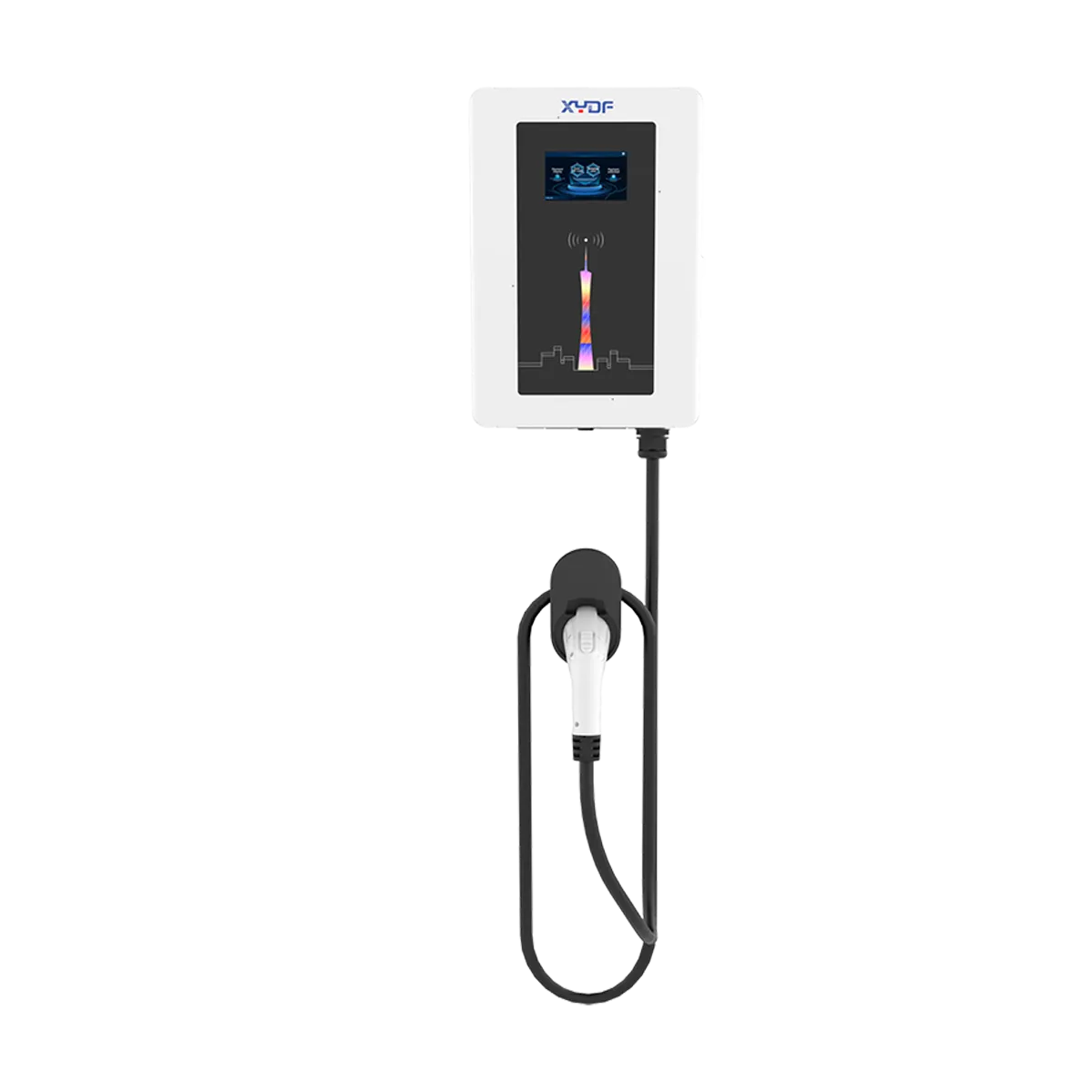
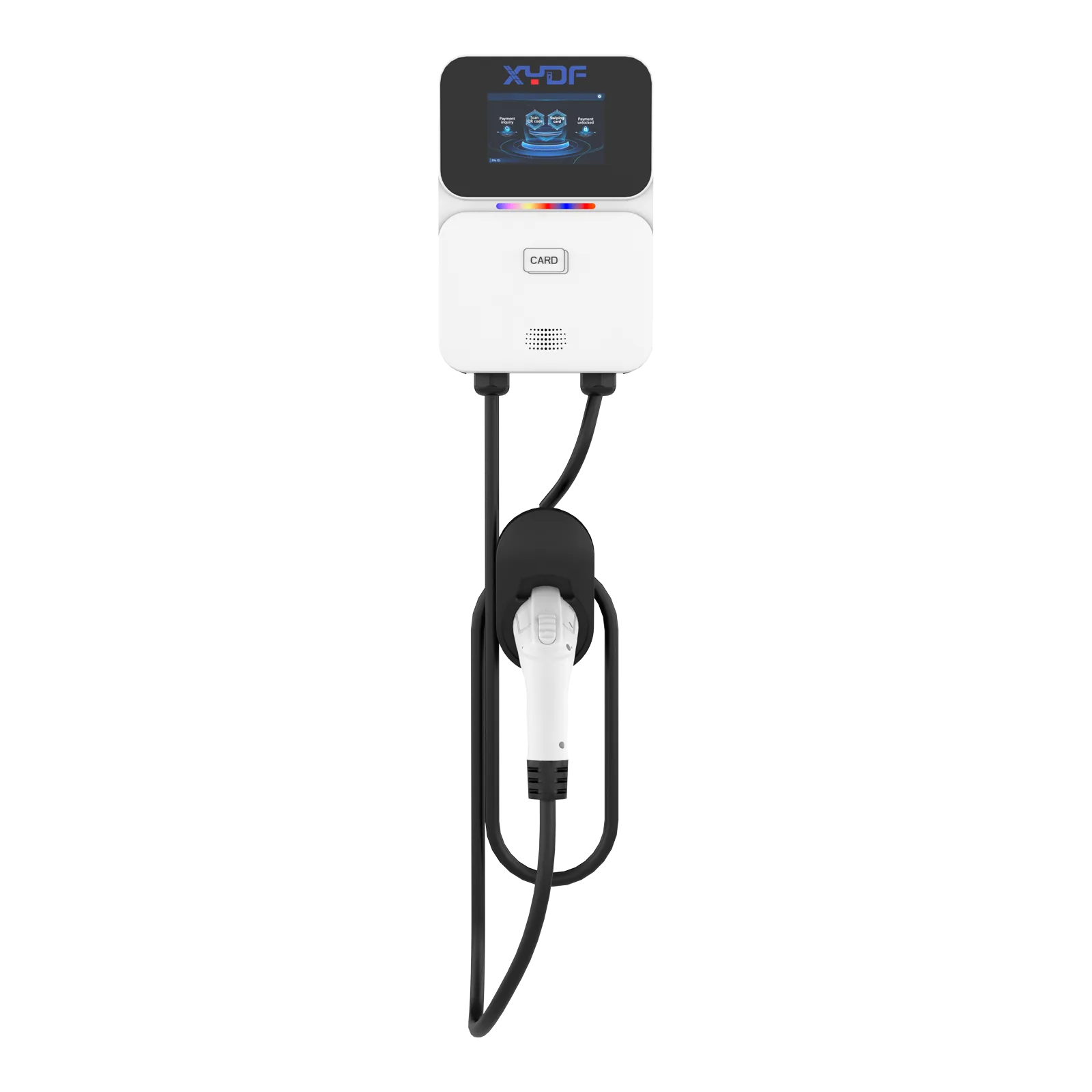
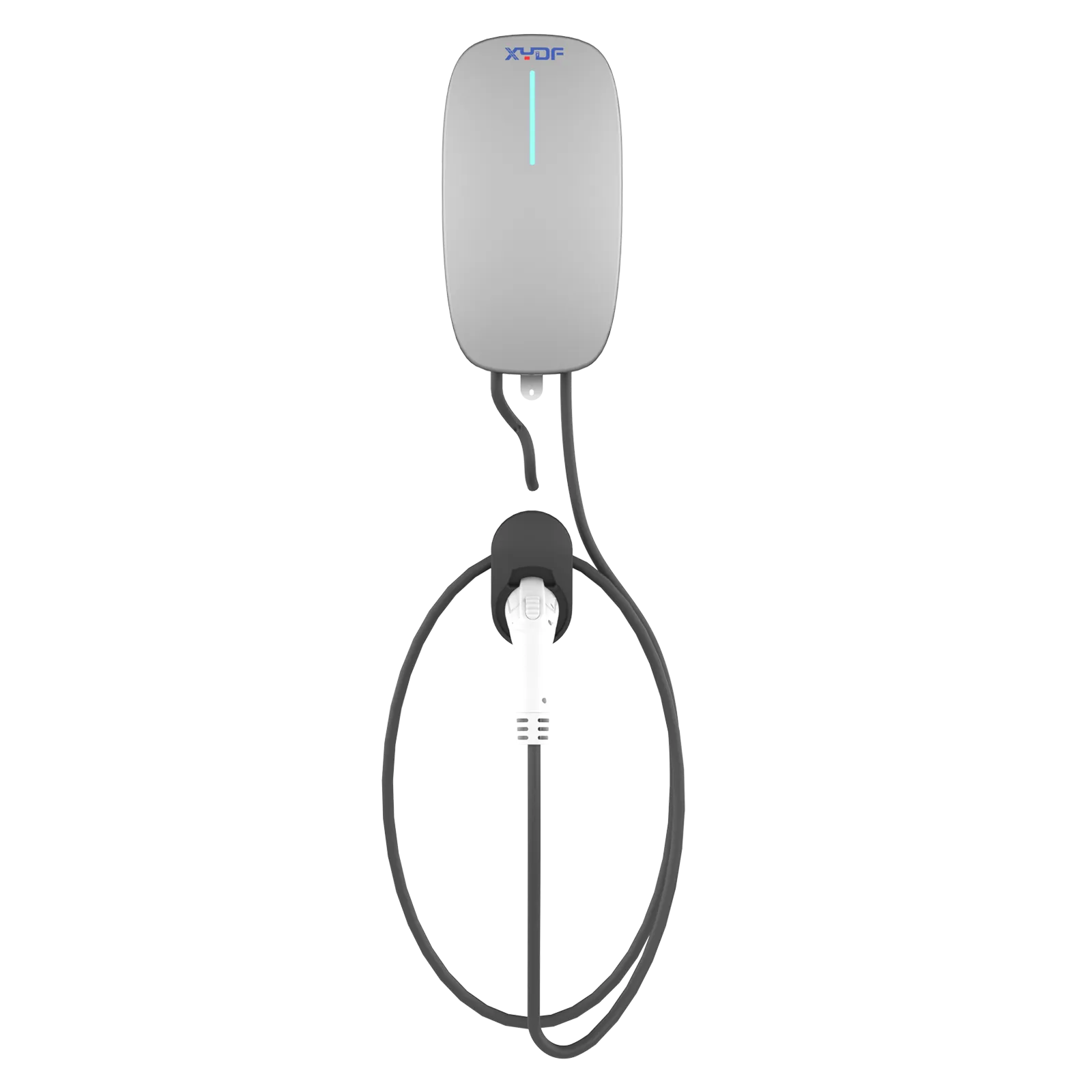
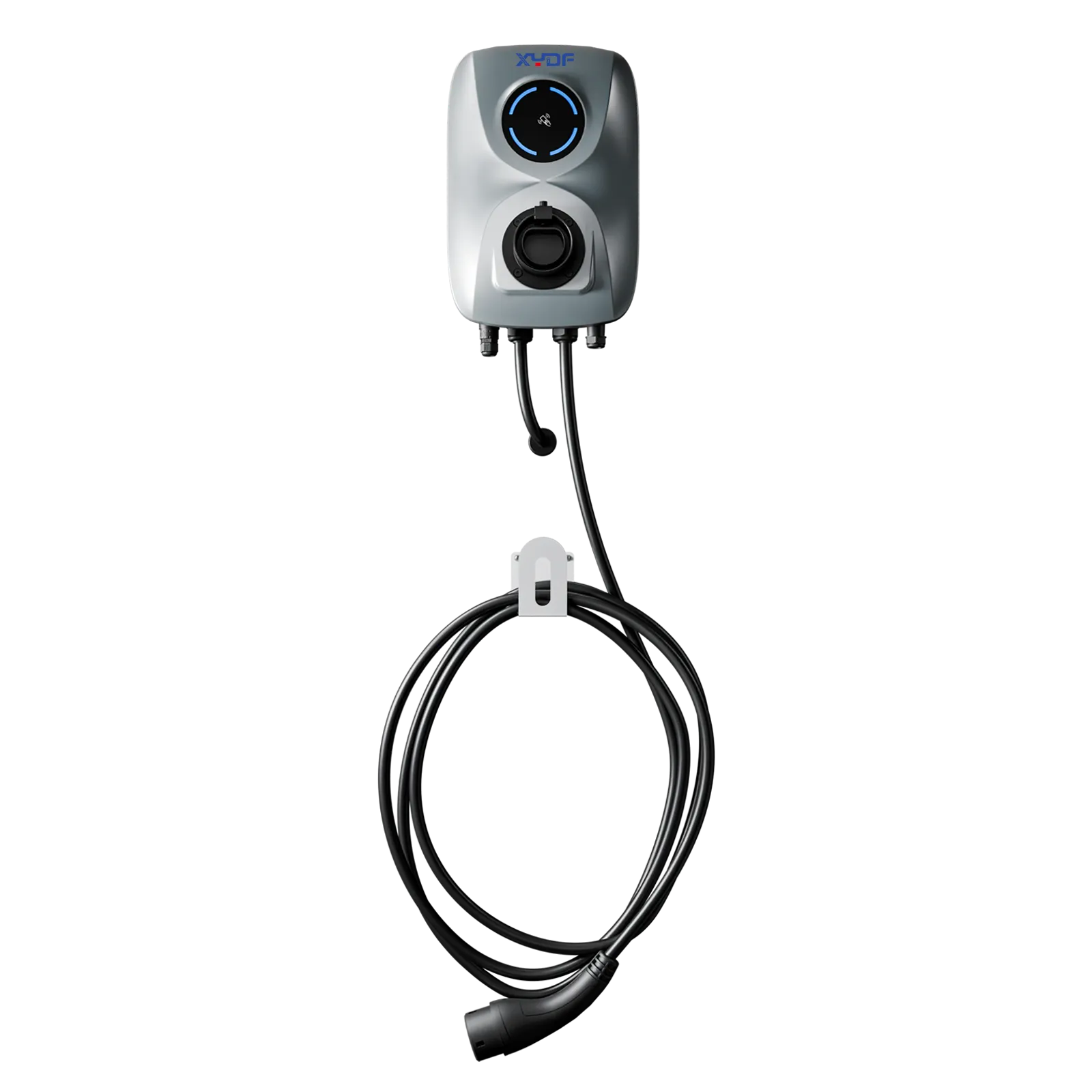
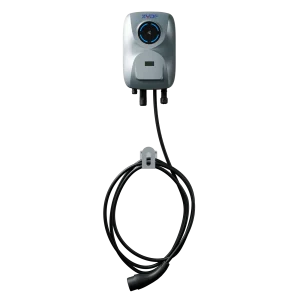
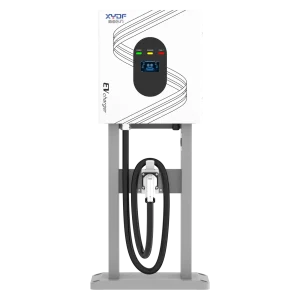
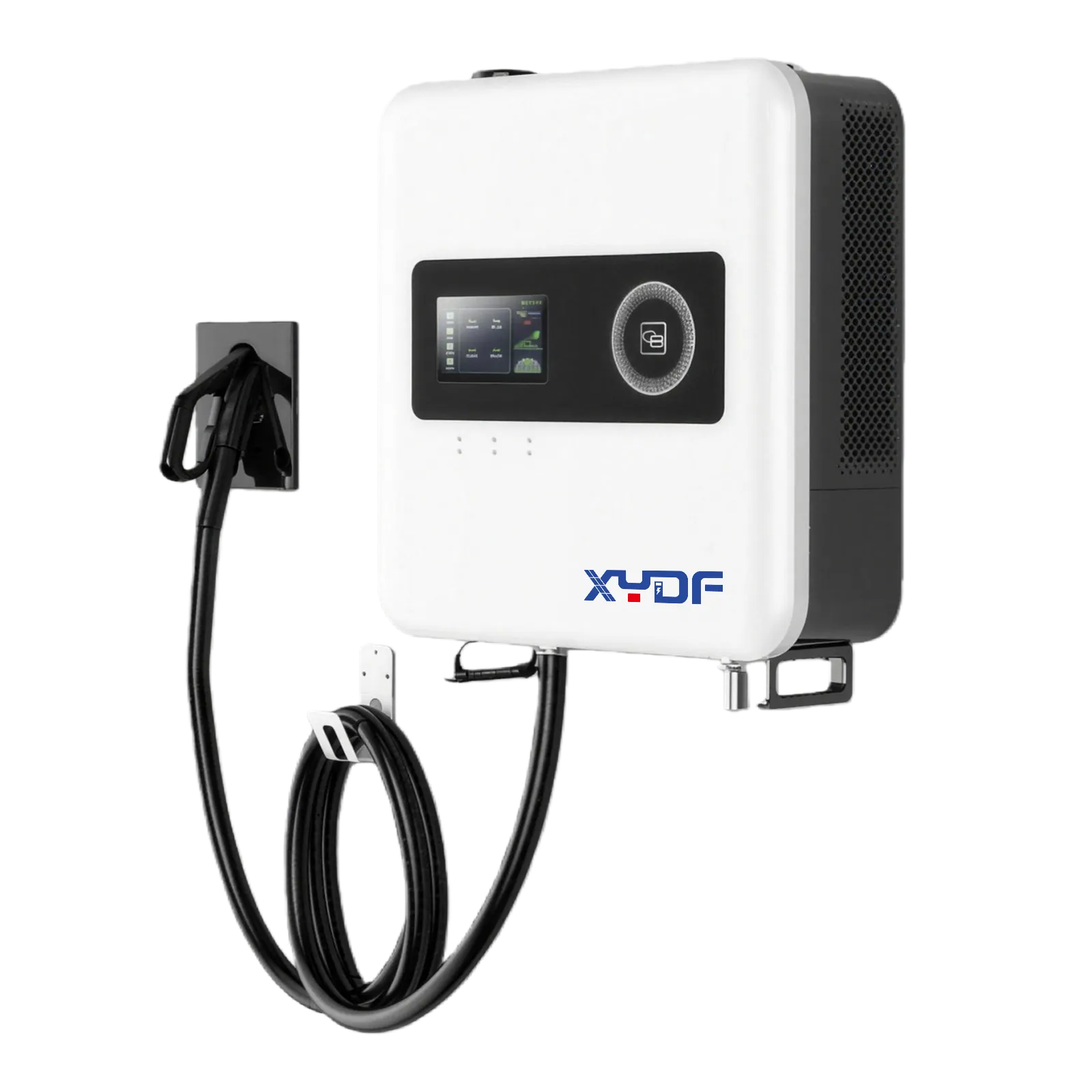
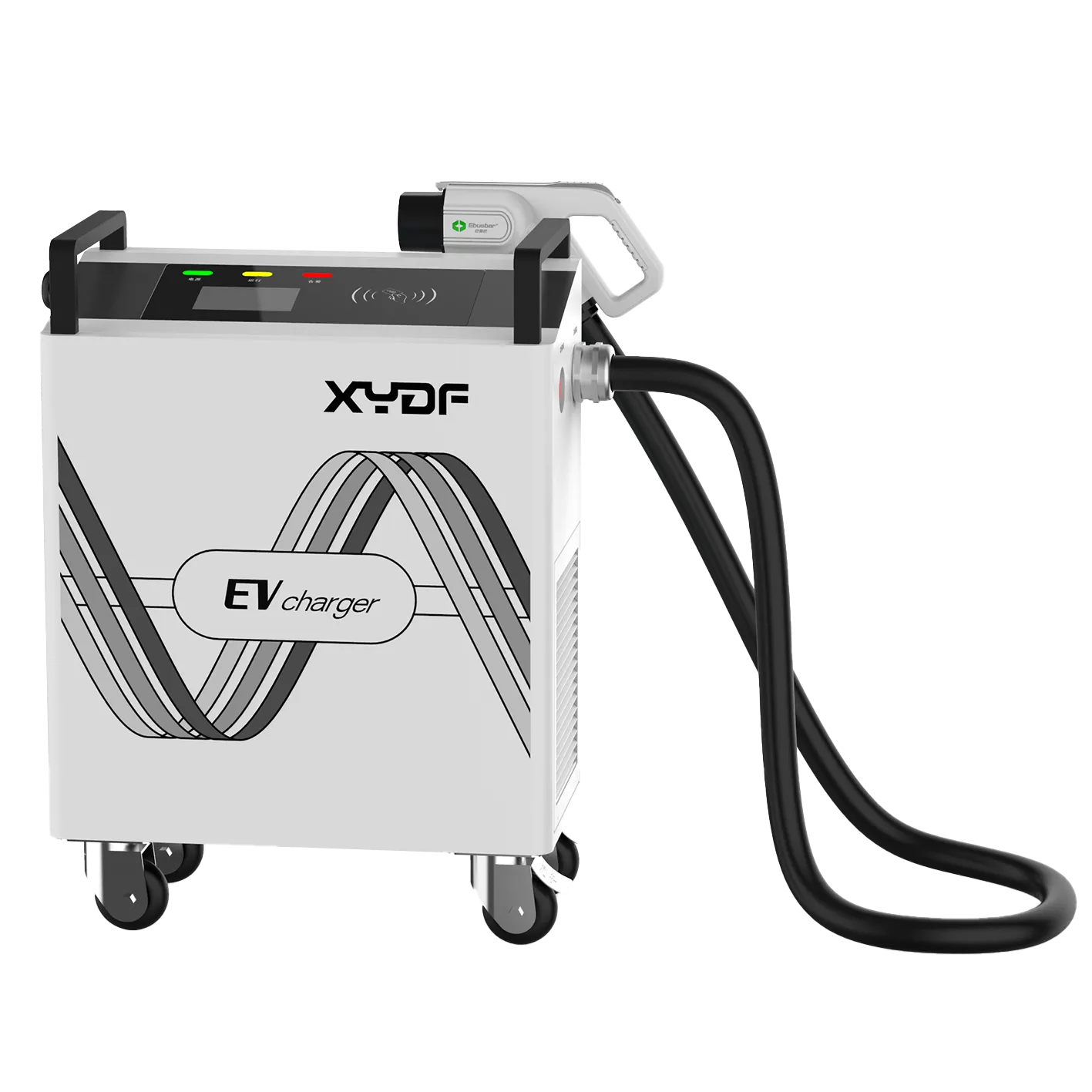
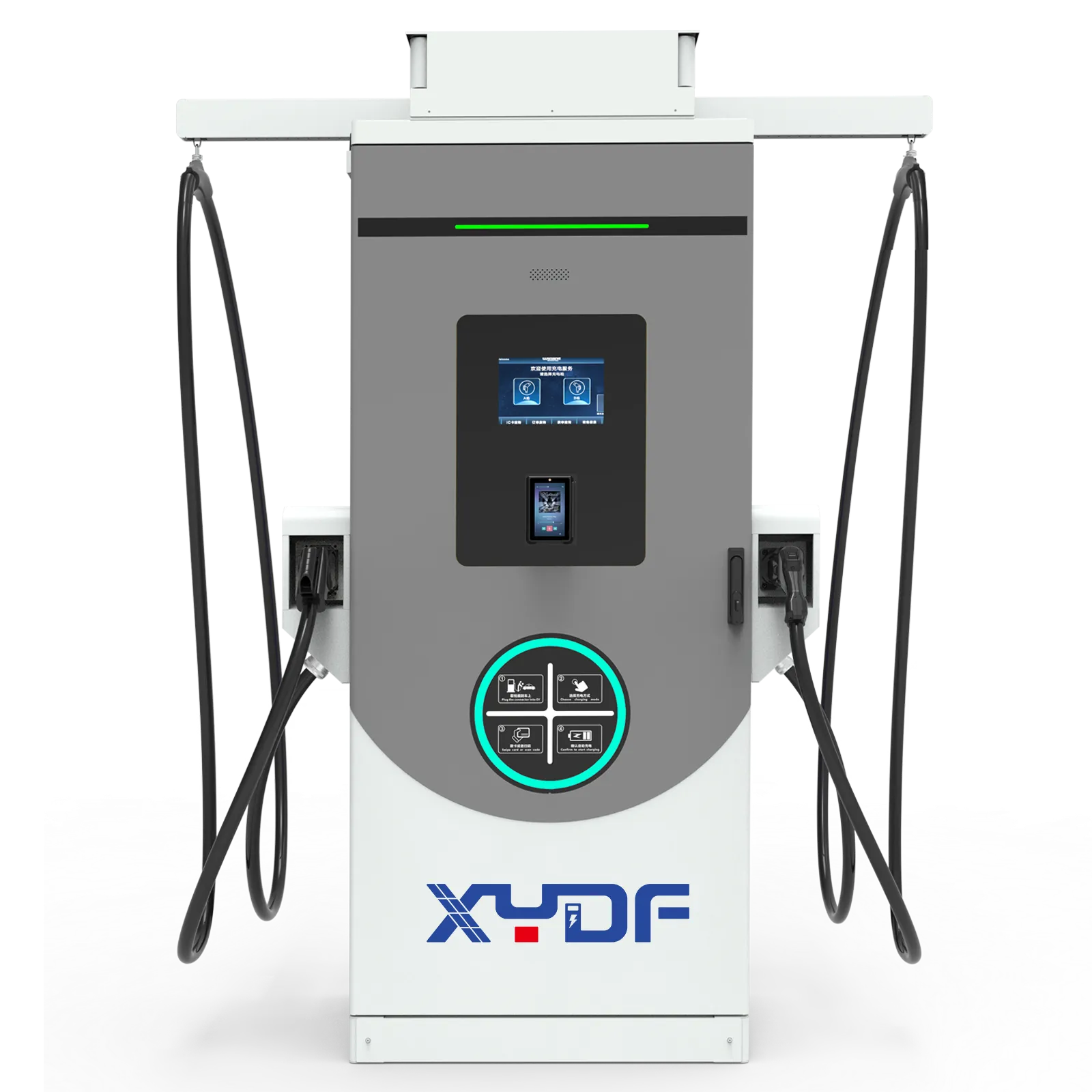
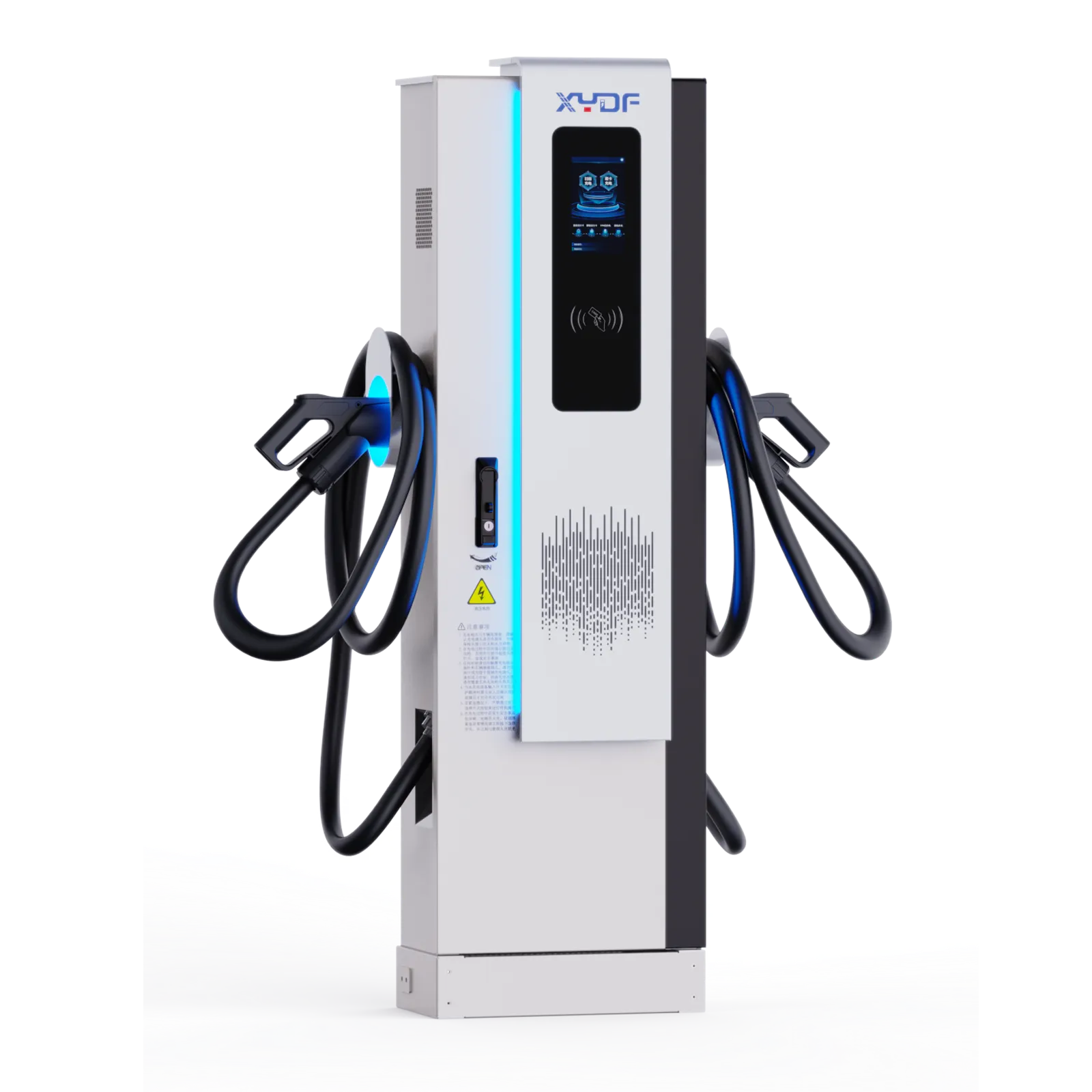
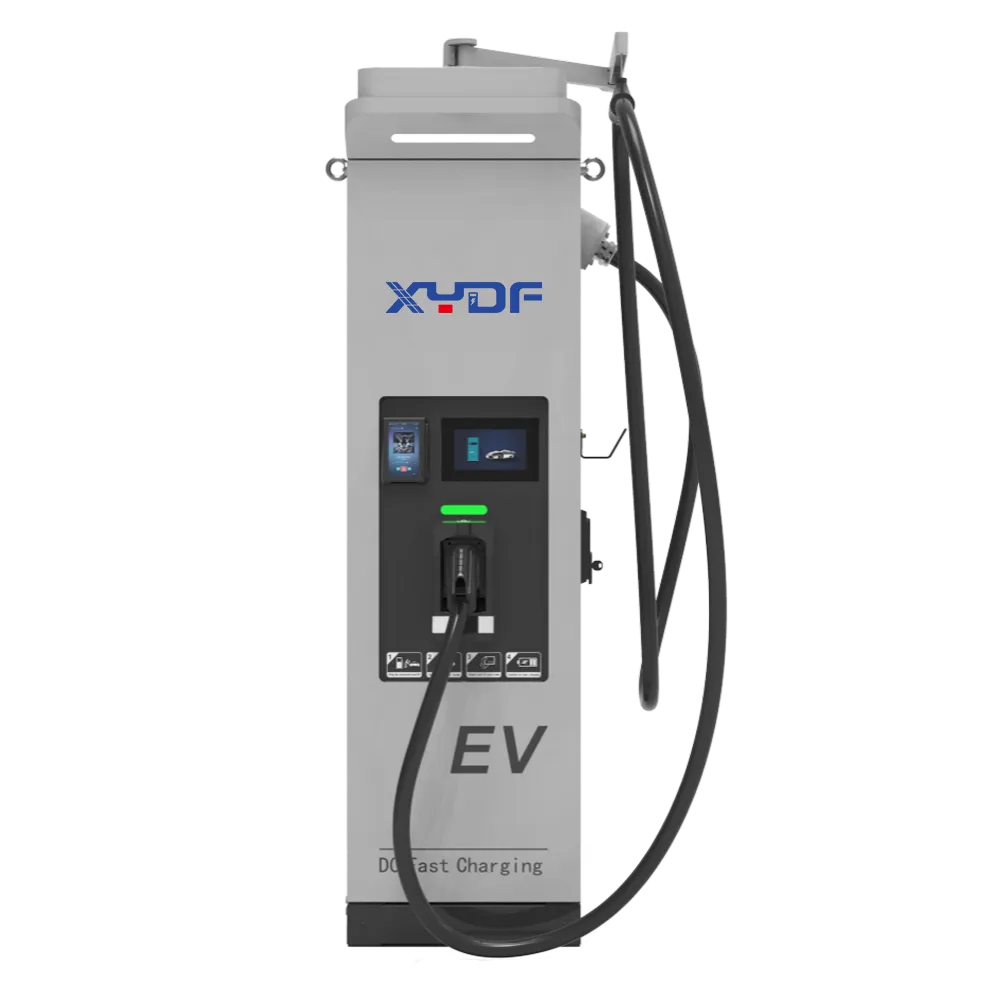
في جميع أنحاء العالم، يؤدي تزايد شعبية السيارات الكهربائية (EVs) إلى زيادة الطلب على شواحن السيارات الكهربائية المنزلية الذكية مع اتجاه المزيد والمزيد من الناس بعيدًا عن طرق الشحن المنزلية الأساسية نحو تركيب شواحن السيارات الكهربائية من المستوى الثاني. مع استمرار ارتفاع عدد الأشخاص الذين يشترون السيارات الكهربائية، ستكون هناك حاجة أكبر لشواحن سيارات كهربائية منزلية أكثر موثوقية لدعم المدى القيادي المتزايد للسيارات الكهربائية ومسافات التنقل اليومية الأطول. هذا الدفع نحو شواحن سيارات كهربائية منزلية موثوقة يخلق فرص نمو كبيرة في أسواق البنية التحتية للطاقة الذكية والأسكنية للسيارات الكهربائية.
يميل اتجاه الصناعة بشكل أكبر نحو محطات الشحن الذكية التي يمكن برمجتها وتتمتع بإمكانيات تتبع استهلاك الطاقة وإدارة الأحمال الذكية عبر تطبيق. أجهزة شحن السيارات الكهربائية الذكية اليوم ليست مجرد مصادر طاقة بسيطة، بل بدأت تعمل كجزء من نظام متكامل لإدارة الطاقة من أجل الاستخدام الفعال للكهرباء، والشحن بتكلفة منخفضة، والكفاءة الإجمالية لشبكة الكهرباء. وقد تسارع هذا الاتجاه بسبب الارتفاع المستمر في أسعار الكهرباء، وشعبية تعريفات رسوم الساعة.
تُعد الراحة، وتوفير التكاليف، والاستقلال عن أنظمة الشحن العامة هي الأسباب الرئيسية التي تدفع أصحاب المنازل إلى اختيار خيارات الشحن المنزلية. يسمح لك شاحن السيارة الكهربائية المنزلي من المستوى 2 بشحن سيارتك بشكل أسرع بكثير من شحنها بمقبس عادي، مما يسهل الشحن طوال الليل للاستخدام اليومي. ومع ذلك، قبل شراء شاحن، يشعر العديد من المشترين بالقلق بشأن مدى تعقيد تثبيته، وما إذا كان لوحة الكهرباء المنزلية متوافقة مع طاقة 240 فولت، وكم ستكلف عملية التثبيت، ومدى الأمان في عملية التثبيت على المدى الطويل. بالإضافة إلى ذلك، يتساءل العديد من المشترين أيضًا عما إذا كان منزلهم سيحتاج إلى ترقيات كبيرة لاستيعاب شاحن سيارة كهربائية بجهد 240 فولت قبل شرائه.
على الرغم من وجود قلق بشأن نموذج الشحن الجديد هذا، إلا أن هناك أسبابًا وجيهة للاعتقاد بأن القيمة في نظام الشحن المنزلي الذكي ستستمر في الزيادة؛ وسوف يوفرون أوقات شحن أسرع، وتكاليف ملكية إجمالية أقل، وهم أكثر كفاءة في إدارة استخدام الطاقة. لذلك، أصبحت أنظمة الشحن المنزلية الذكية ترقية “لا غنى عنها” لمعظم مالكي السيارات الكهربائية الجدد بدلاً من كونها ملحقًا.
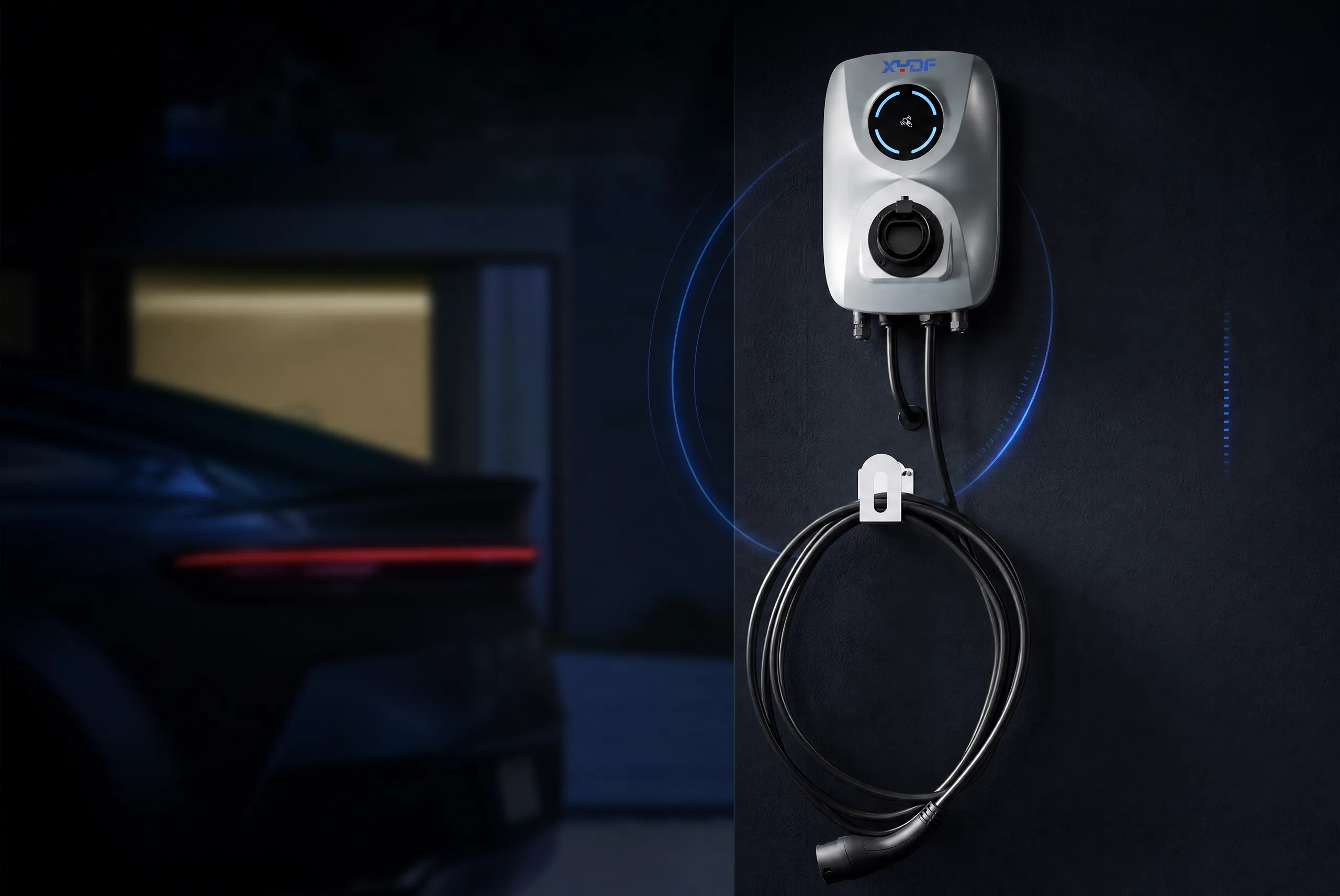
من شاحن المركبات الكهربائية المستوى 1 إلى المستوى 2: متى ولماذا يجب الترقية
الغالبية العظمى من مالكي السيارات الكهربائية التي تعمل بالبطارية (BEVs) يستخدمون قابسًا قياسيًا من المستوى 1 (120 فولت تيار متردد) باعتباره وسيلتهم الأسرع والأكثر أمانًا لشحن سياراتهم. إنها مريحة؛ ومع ذلك، فإن شاحن المستوى 1 وهو أيضًا أبطأ جهاز شحن من حيث الأميال المضافة لكل ساعة (3-5 أميال في الساعة).
A شاحن سيارات كهربائية مستوى 2 (240 فولت) هو ترقية كبيرة.
- عندما يجب عليك التفكير في الترقية:
- أنت تقود أكثر من 30-50 ميلاً يوميًا
- الشحن طوال الليل غير كافٍ
- أنت تمتلك سيارة كهربائية ذات مدى طويل (سيارة دفع رباعي أو من طراز تسلا)
- تريد شحنًا أسرع بين الرحلات
الميزة الرئيسية: شواحن المستوى 2 تسرع الشحن 5-10 مرات أسرع من أجهزة الشحن من المستوى الأول، مما يجعلها قابلة للتطبيق كوضع أساسي لشحن سيارتك الكهربائية بدلاً من اقتصارها على حالات الطوارئ فقط.
| ميزة |
شاحن المستوى 1 |
شاحن المستوى 2 |
| الجهد |
120 فولت |
٢٤٠ فولت |
| سرعة الشحن |
بطيء (3-5 ميل/ساعة) |
سريع (20-60 ميل/ساعة) |
| تثبيت |
توصيل وتشغيل |
مطلوب كهربائي |
| مناسب للاستخدام المنزلي |
استخدام النسخ الاحتياطي |
حلول الشحن اليومي |
| فعالية التكلفة |
كفاءة منخفضة |
كفاءة عالية |
شاحن المستوى 2 مشروح: لماذا هو الخيار الأفضل للمنزل
A شاحن سيارات كهربائية المستوى 2 يستخدم دائرة مخصصة بقوة 240 فولت، مشابهة لمجفف كهربائي أو فرن.
لماذا يُفضل للاستخدام المنزلي:
- شحن أسرع (عادةً 20-60 ميلًا في الساعة)
- متوافق مع جميع السيارات الكهربائية الحديثة
- ميزات الشحن الذكية المتاحة (التحكم عبر التطبيق، الجدولة)
- كفاءة طاقة أفضل مقارنة بالشواحن المحمولة
بالنسبة لمعظم أصحاب المنازل، يمثل المستوى 2 التوازن الأمثل بين التكلفة والسرعة والراحة.
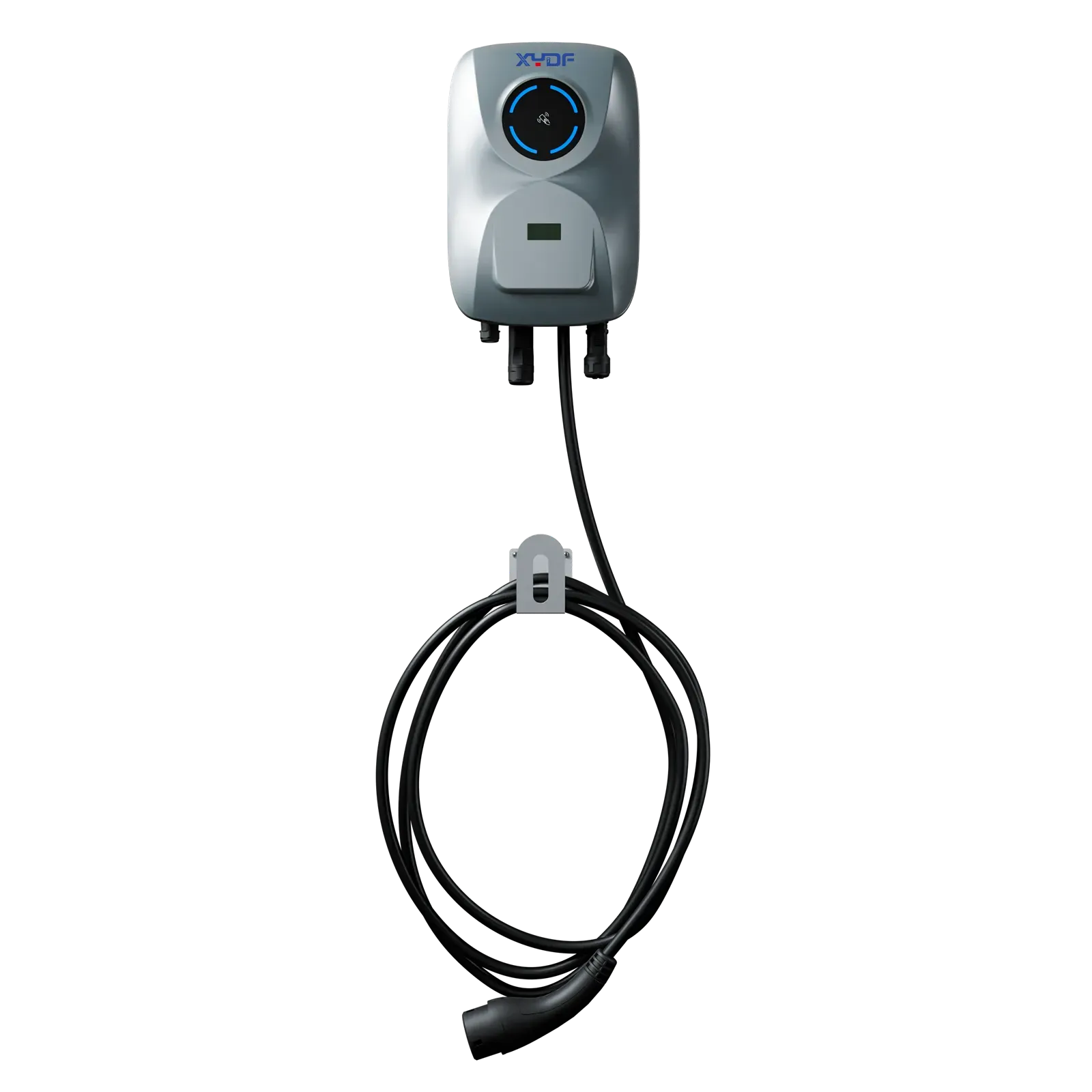
سيناريوهات تركيب مختلفة لأنواع المنازل
ليست كل المنازل متشابهة، وتختلف ظروف التركيب بشكل كبير:
منازل عائلية فردية
- أسهل تثبيت
- تركيب في المرآب أو الممر
- عادة ما تكون هناك حاجة إلى الحد الأدنى من الترقيات الكهربائية
شقق / تقسيمات شقق
- يتطلب موافقة المالك أو جمعية أصحاب المنازل
- تحديات مواقف السيارات المشتركة
- قد يتطلب أنظمة مشاركة الحمل
منازل قديمة
- قد تحتاج إلى ترقية لوحة الكهرباء (من 100 أمبير إلى 200 أمبير)
- قد تحد الأسلاك القديمة من سعة الشاحن
منازل بمواقف خارجية
- شواحن مقاومة للعوامل الجوية (IP65+)
- توجيه كابل أطول مطلوب
تكلفة شحن السيارة الكهربائية في المنزل
سيعتمد سعر شحن سيارتك الكهربائية (EV) في المنزل على سعة بطارية السيارة (كيلوواط/ساعة)، والتعرفة المحلية التي تدفعها لشحن السيارة الكهربائية، وكمية الطاقة اللازمة لشحنها. بشكل عام، في معظم المناطق، سيكون استخدام شاحن من المستوى 2 في المنزل أقل تكلفة بكثير من استخدام البنزين لتزويد سيارتك بالوقود؛ وعادةً ما تكون تكلفة شحن سيارة كهربائية بالكامل أقل من تكلفة ملء جزء من خزان الوقود. وباستخدام المتوسطات الوطنية الشائعة، قد يتراوح السعر الإجمالي لشحن سيارة كهربائية بين بضعة دولارات وحوالي $20، اعتمادًا على تكلفة الكهرباء؛ وبالتالي، فإن شحن السيارة الكهربائية في المنزل يوفر وسيلة نقل اقتصادية على أساس يومي، خاصةً لأولئك الذين لديهم مسارات تنقل يمكن التنبؤ بها.
المشاكل الشائعة بعد التثبيت وكيفية إصلاحها
حتى بعد التثبيت، قد تحدث مشاكل:
قاطع الدائرة الكهربائية يفصل باستمرار
- السبب: دائرة كهربائية مفرطة التحميل أو حجم قاطع غير صحيح
- إصلاح: تحقق من سعة اللوحة أو قلل الحمل
سرعة شحن بطيئة
- السبب: إعدادات أمبير خاطئة أو دوائر مشتركة
- إصلاح: التحقق من تهيئة المستوى 2
الشاحن لا يتصل بالتطبيق
- السبب: عدم استقرار شبكة واي فاي
- إصلاح: إعادة تعيين الشبكة أو ترقية مكان جهاز التوجيه
يتوقف الشحن فجأة
- السبب: ارتفاع درجة الحرارة أو الفصل الآمن
- تحسين التهوية أو فحص الأسلاك
الحمل الكهربائي وإدارة الطاقة المنزلية
عامل حاسم لكنه غالبًا ما يتم تجاهله هو سعة الكهرباء المنزلية.
مفاهيم أساسية:
- معظم المنازل لديها ألواح خدمة بقدرة 100 أمبير - 200 أمبير
- يمكن لشواحن السيارات الكهربائية أن تسحب 30 أمبير - 80 أمبير بشكل مستمر
- الأجهزة الأخرى (مكيف الهواء، سخان المياه) تنافس على الحمل
الشواحن الذكية للمركبات الكهربائية تساعد في:
- موازنة الحمل الديناميكية
- منع إيقاف التشغيل بسبب الحمل الزائد
- تحسين توزيع الطاقة عبر الأجهزة
بدون إدارة مناسبة للحمل، قد يفشل التركيب أو يتطلب ترقيات باهظة الثمن.
توازن الحمل: تقنية ذكية لإدارة الطاقة مصممة جيدًا قادرة على إدارة كمية الكهرباء المقدمة للمنزل بحيث لا يحدث حمل كهربائي زائد أبدًا، مع توفير أقصى مستويات شحن السيارات الكهربائية في جميع الأوقات.
فشل التثبيت والمشاكل الواقعية
1. مشاكل لوحة كهربائية ذات حجم صغير
أحد أكثر أسباب فشل التركيب شيوعًا هو عدم كفاية لوحة الكهرباء المنزلية.
- غالبًا ما تحتوي المنازل القديمة على لوحات خدمة بقوة 100 أمبير فقط
- قد تتطلب شواحن المركبات الكهربائية حملًا مستمرًا يتراوح بين 30 أمبير و 80 أمبير.
- عند الجمع بين مكيفات الهواء والأفران وسخانات المياه، يصبح الحمل الزائد مرجحًا
النتيجة:
- انقطاع متكرر لقاطع الدائرة
- انقطاع الشحن
في بعض الحالات، عدم القدرة الكاملة على تفعيل الشحن من المستوى 2
2. قاطع دائرة كهربائية خاطئ أو تكوين أسلاك غير صحيح
يمكن أن يؤدي التركيب غير الصحيح من قبل كهربائيين عديمي الخبرة إلى مشاكل خطيرة في الأداء:
- حجم قاطع خاطئ (صغير جدًا أو غير متطابق)
- أسلاك غير مناسبة لحمل 240 فولت
- اتصالات طرفية ضعيفة تسبب تراكم الحرارة
النتيجة:
- سرعة شحن مخفضة
- إيقافات الأمان
- مخاطر طويلة الأمد للتلف الكهربائي
تحسين تكلفة الكهرباء والشحن الذكي
تحسين أسعار كهرباء شحن المركبات الكهربائية المنزلية يوفر فرصة لتوفير التكاليف من خلال أسعار الكهرباء حسب وقت الاستخدام واستخدام طرق الشحن الذكية. توفير المال من خلال الجدولة الذكية للشحن في أوقات الذروة عندما تكون أسعار الكهرباء أقل تكلفة سيقلل من المبلغ الإجمالي الذي يتم إنفاقه على الشحن لأصحاب المنازل. استخدام شاحن مركبات كهربائية ذكي يمكن زيادة المدخرات عن طريق الجدولة التلقائية للشحن بناءً على أسعار المرافق، واستهلاك طاقة المنزل، وتفضيلات المستخدم. نتيجة للجدولة الذكية هي انخفاض فواتير الكهرباء، وتحسين كفاءة شبكة الكهرباء، وتجنب الضغط الأقصى على نظام كهرباء المنزل عن طريق تقليل الطلب في تلك الأوقات.
| استراتيجية |
وصف |
فائدة |
| الشحن خارج أوقات الذروة |
الشحن ليلاً أو في ساعات انخفاض الطلب |
خفض تكلفة الكهرباء |
| تحسين تسعير أوقات الاستخدام |
استخدام أسعار الكهرباء حسب الوقت |
تقليل فواتير الشهر |
| موازنة التحميل |
ضبط قوة الشحن تلقائيًا |
منع الحمل الزائد |
| دمج الطاقة الشمسية |
استخدم الطاقة الشمسية للشحن |
تكلفة طاقة قريبة من الصفر |
خطة الأسعار حسب وقت الاستخدام (TOU): تعتمد خطة الأسعار هذه على مقدار استهلاكك للطاقة؛ لذلك، سيتم احتساب تكلفة الطاقة التي تستخدمها بأسعار مختلفة بناءً على الوقت من اليوم وعند استخدام الكهرباء (على سبيل المثال، أسعار ساعات الذروة) أو عندما تستخدم الحد الأدنى من الطاقة أو لا تستخدمها على الإطلاق (على سبيل المثال، أسعار خارج أوقات الذروة).
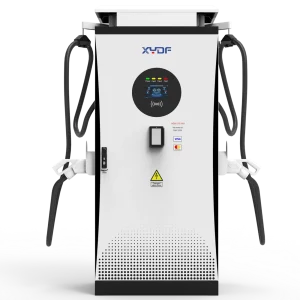
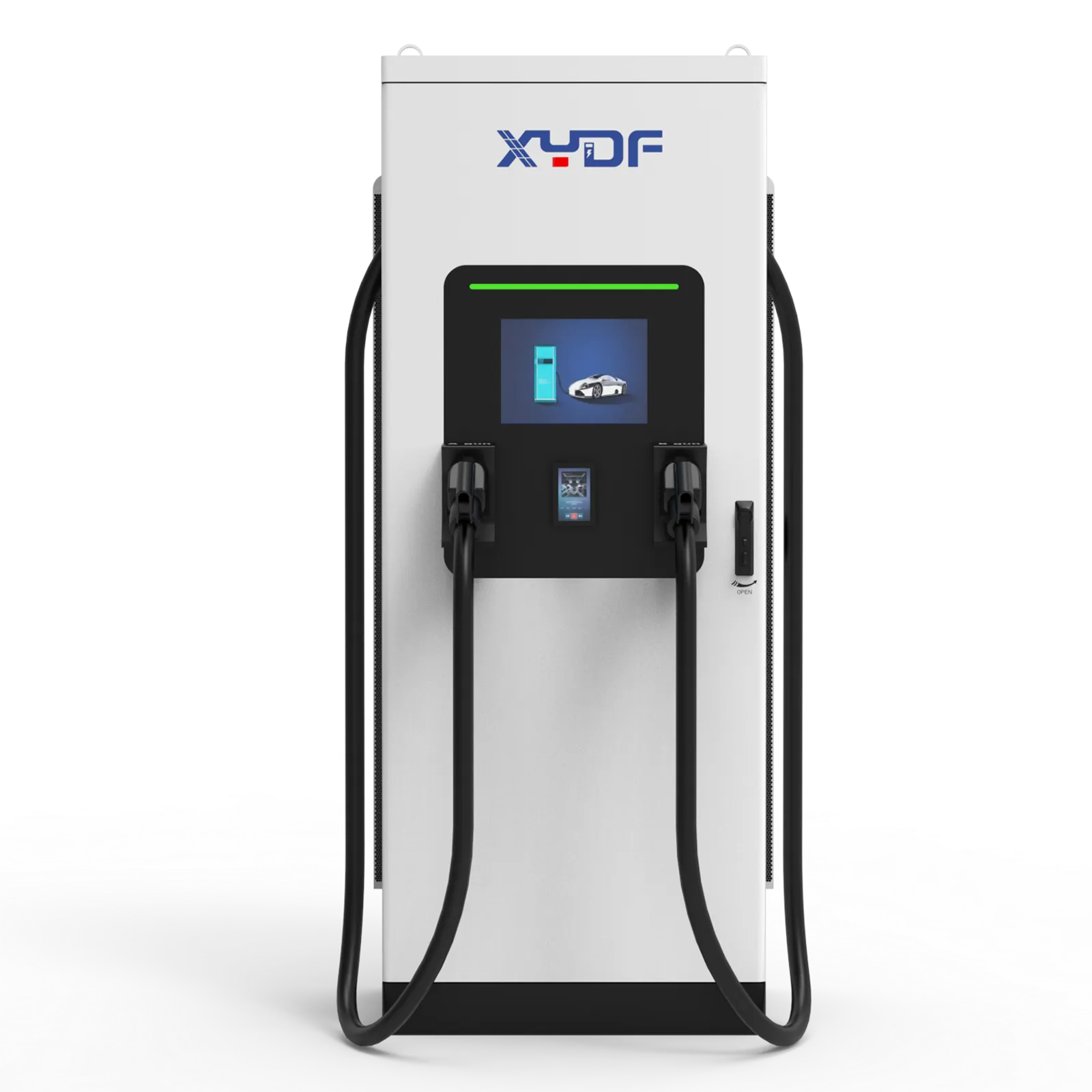
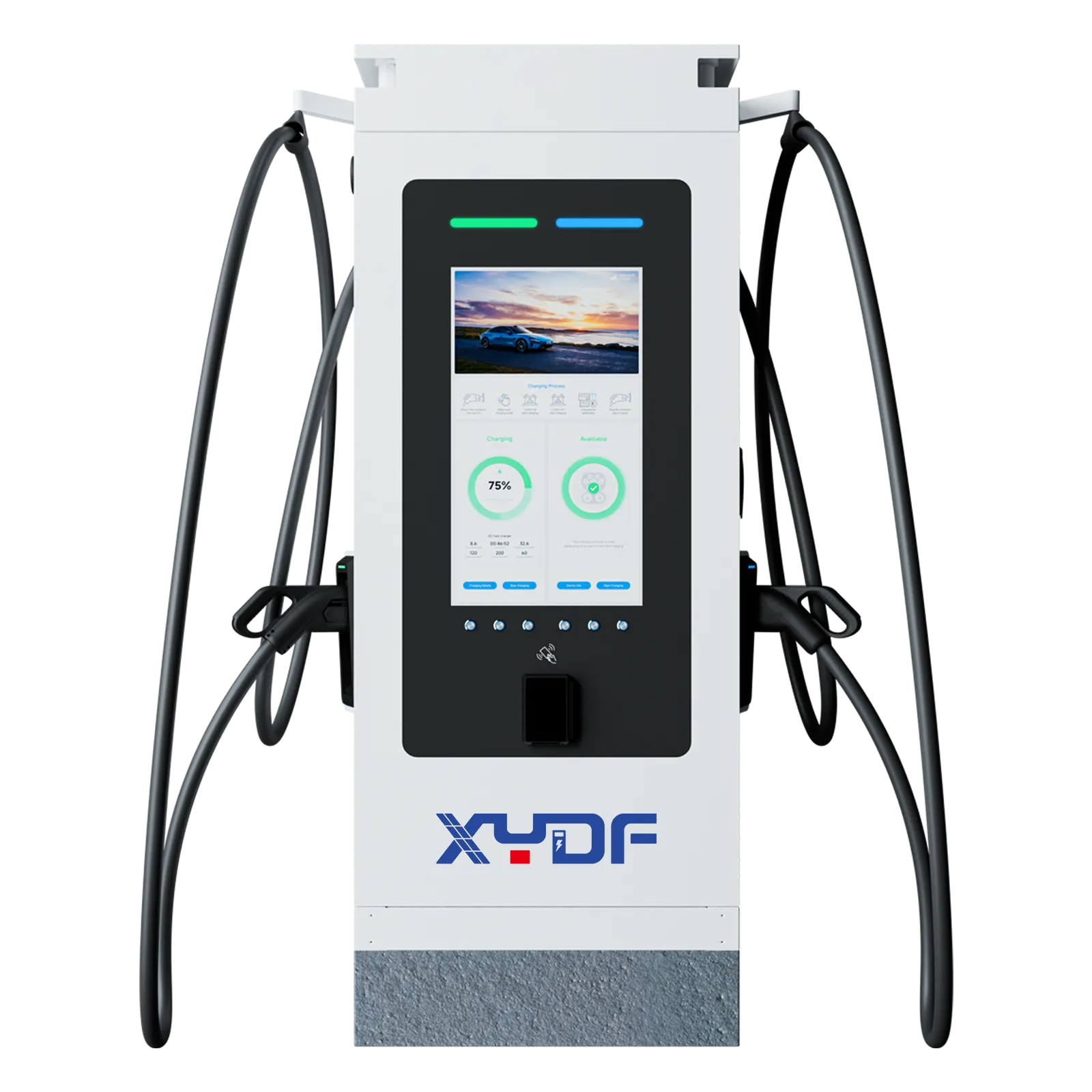
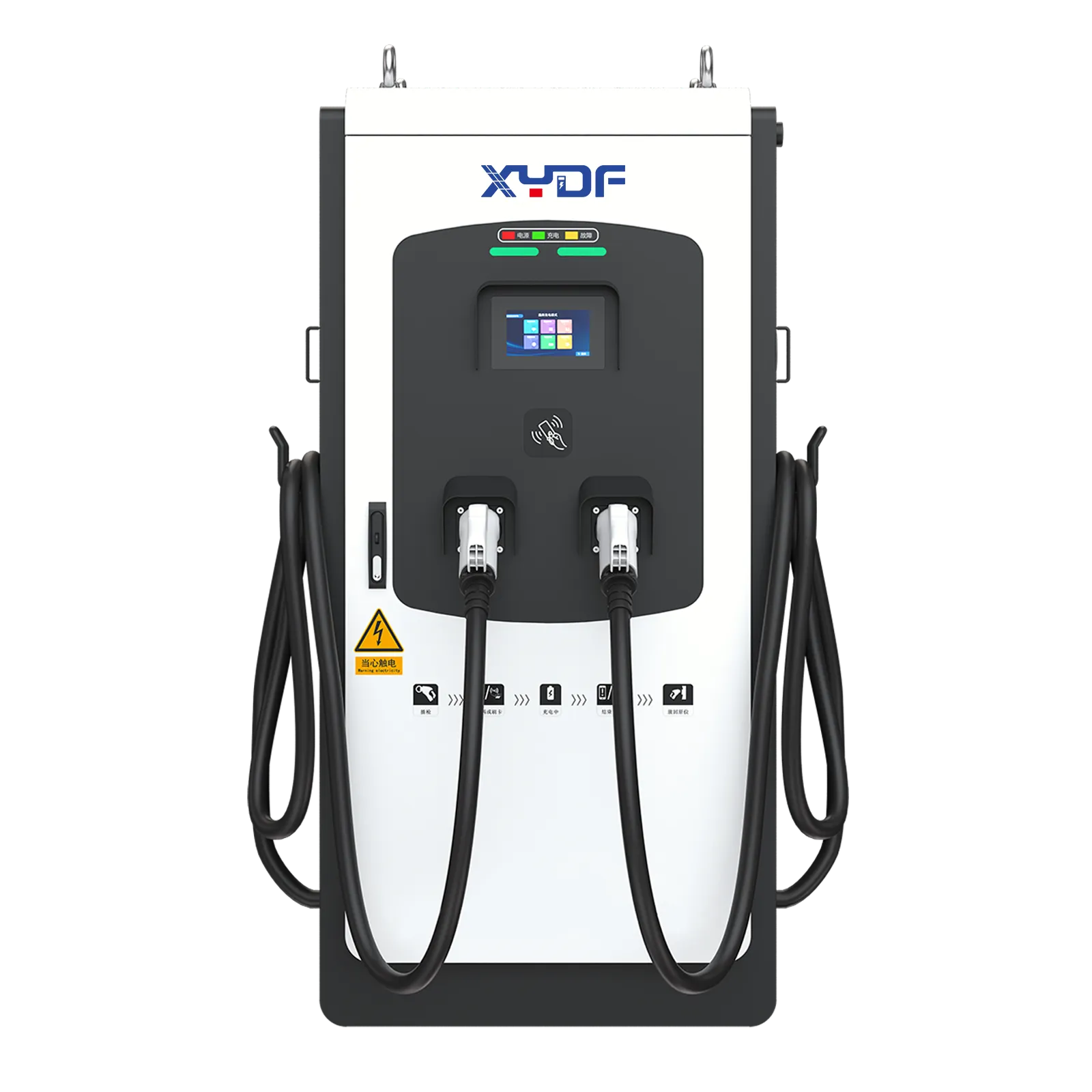
كيف تقدم XYDF حلول شحن سيارات كهربائية ذكية مخصصة للاستخدام المنزلي والتجاري
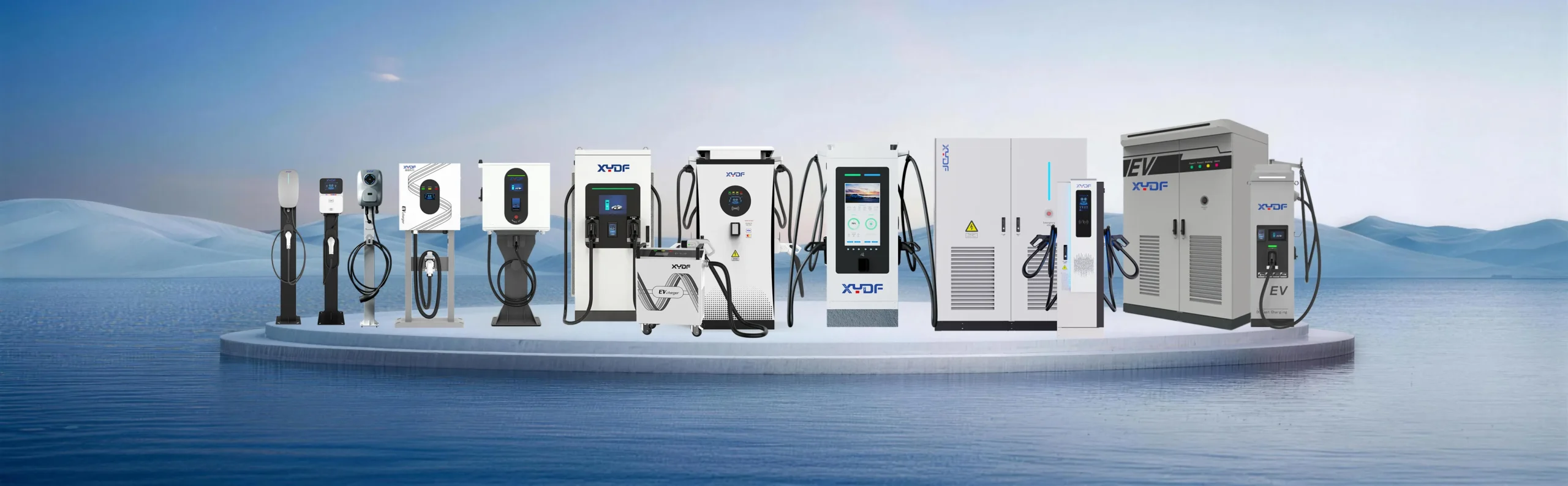
بصفتنا الشركة المصنعة والموردة لحلول شحن المركبات الكهربائية الاحترافية،, اكس واي دي اف تمتلك شركة ممتازة كدعم لها في قدرتها على بناء محطات شحن مركبات كهربائية منزلية مخصصة لتلبية احتياجات الأسواق المختلفة؛ سواء كانت أنظمة سكنية بجهد 240 فولت، أو شبكات شحن تجارية، أو تطبيقات أساطيل. هذا يسمح لنا بتقديم أفضل خدمة ومنتج ممكنين لعملائنا.
A شاحن منزلي ذكي للمركبات الكهربائية عادة ما يكون أكثر من مجرد قطعة من الأجهزة - بل يمتلك أيضًا نموذج OEM/ODM يغطي التطوير الشامل؛ من التصميم الهيكلي، مروراً باختيار الأجهزة، وتطوير البرامج المدمجة، وصولاً إلى التكامل النهائي مع المنصات الأخرى واختبارات مستوى النظام. يتيح هذا النوع من التطوير للشركاء تقديم حلول مخصصة بناءً على احتياجات المستخدمين الإقليميين، مثل التحكم في الشحن القائم على تطبيقات الهاتف المحمول، ومراقبة استهلاك الطاقة، والتحكم في الوصول باستخدام تقنية RFID، وإدارة الأحمال الديناميكية.
أسئلة متكررة
كيف يختلف الشاحن من المستوى الأول عن الشاحن من المستوى الثاني؟
تُستخدم المقابس القياسية 120 فولت للشحن باستخدام شاحن من المستوى الأول وتوفر معدلات شحن أبطأ من شاحن المستوى 2، الذي يستخدم مقبس 240 فولت ويوفر معدل شحن أسرع بكثير يستخدمه معظم أصحاب المنازل على أساس يومي.
هل يمكنني تركيب محطة شحن كهربائية من المستوى الثاني في منزلي؟
في كثير من الحالات، تحتاج تركيبات شحن السيارات الكهربائية من المستوى الثاني إلى أن يقوم بها كهربائي مرخص حسب الأصول لكي تمتثل لأكواد الكهرباء ومتطلبات السلامة.
تعمل شواحن السيارات الكهربائية المنزلية النموذجية بقدرة تتراوح بين 7 كيلوواط و 22 كيلوواط، اعتمادًا على إمدادات الكهرباء الممكنة وكذلك قواعد الشبكة الإقليمية.
هل الشواحن الكهربائية الذكية للمركبات ملزمة بالاتصال بالإنترنت؟
نعم. معظم شواحن السيارات الكهربائية الذكية متصلة إما عبر شبكة Wi-Fi أو Ethernet ويمكن التحكم فيها عبر تطبيقات الهاتف المحمول، وجدولة أوقات الشحن، ومراقبة استهلاك الطاقة.
ما هي الشهادة التي يجب أن يحصل عليها شاحن السيارة الكهربائية لضمان الموثوقية؟
الشهادات المقبولة بشكل شائع ستكون CE أو TÜV، بالإضافة إلى شهادات محلية/إقليمية إضافية للسلامة الكهربائية وفقًا للمكان الذي تخطط لبيع منتجاتك فيه. .
هل من الممكن أن يعمل شاحن سيارة كهربائية ونظام طاقة شمسية معًا؟
نعم! الشواحن الذكية القادرة على الجمع بين الاثنين ستساعدك على زيادة استهلاكك للطاقة المتجددة.
عندما يتعلق الأمر بإنتاج شواحن السيارات الكهربائية، فإن OEM/ODM ترمز إلى:
* **OEM (Original Equipment Manufacturer - الشركة المصنعة للمعدات الأصلية):** هذا يعني أن الشركة تصنع منتجًا وبيعه تحت علامتها التجارية الخاصة. قد تقوم الشركة بتصميم المنتج بالكامل، أو قد تستخدم تصميمًا من طرف ثالث.
* **ODM (Original Design Manufacturer - الشركة المصنعة للتصميم الأصلي):** هذا يعني أن الشركة تقوم بتصميم المنتج وتصنيعه. ثم تبيع هذا التصميم لشركات أخرى، والتي بدورها تقوم بوضع علامتها التجارية عليه.
إذن، في سياق شواحن السيارات الكهربائية:
* **OEM:** شركة تصنع شواحن السيارات الكهربائية وتبيعها تحت اسمها الخاص.
* **ODM:** شركة تصمم وتصنع شواحن السيارات الكهربائية، وتسمح لشركات أخرى بوضع علامتها التجارية عليها وبيعها.
إن OEM و ODM كلاهما نوعان من التخصيص يوفران مجموعة من خدمات التصنيع، مثل تصميم الأجهزة، ودمج البرامج، والعلامات التجارية، بناءً على المواصفات المقدمة من العميل.
المراجع
وكالة الطاقة الدولية, النظرة العالمية للسيارات الكهربائية 2025
https://www.iea.org/reports/global-ev-outlook-2025
كوشيك، إتش. وآخرون،, تخطيط البنية التحتية لشحن المركبات الكهربائية: تقدير الطلب وتحسين الشبكة, 2025
https://arxiv.org/abs/2509.23699
المختبر الوطني للطاقة المتجددة (NREL), دراسة متطلبات البنية التحتية لشحن السيارات الكهربائية
https://www.nrel.gov
 شركة شينيا دونغفانغ لتكنولوجيا الكهرباء المحدودة.