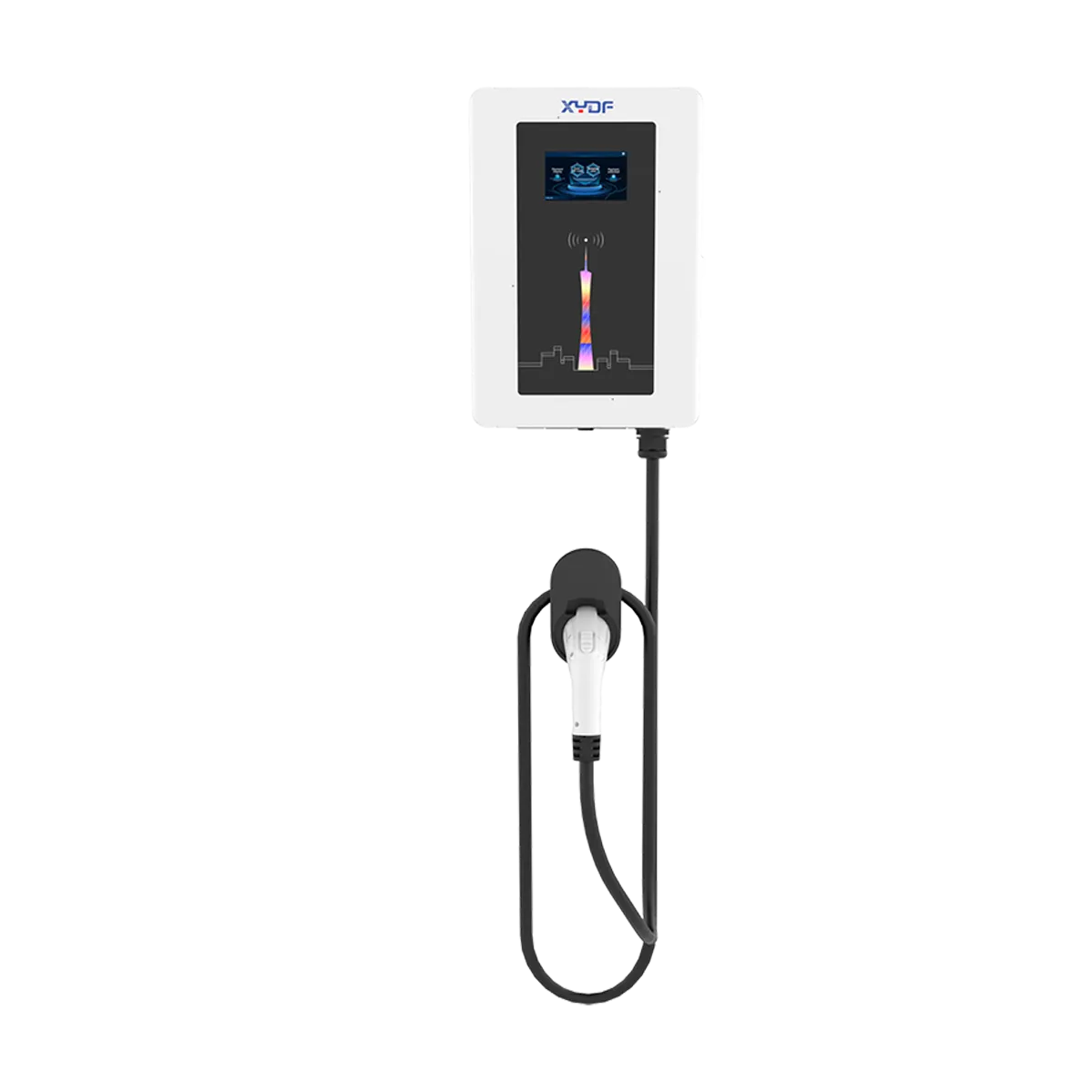
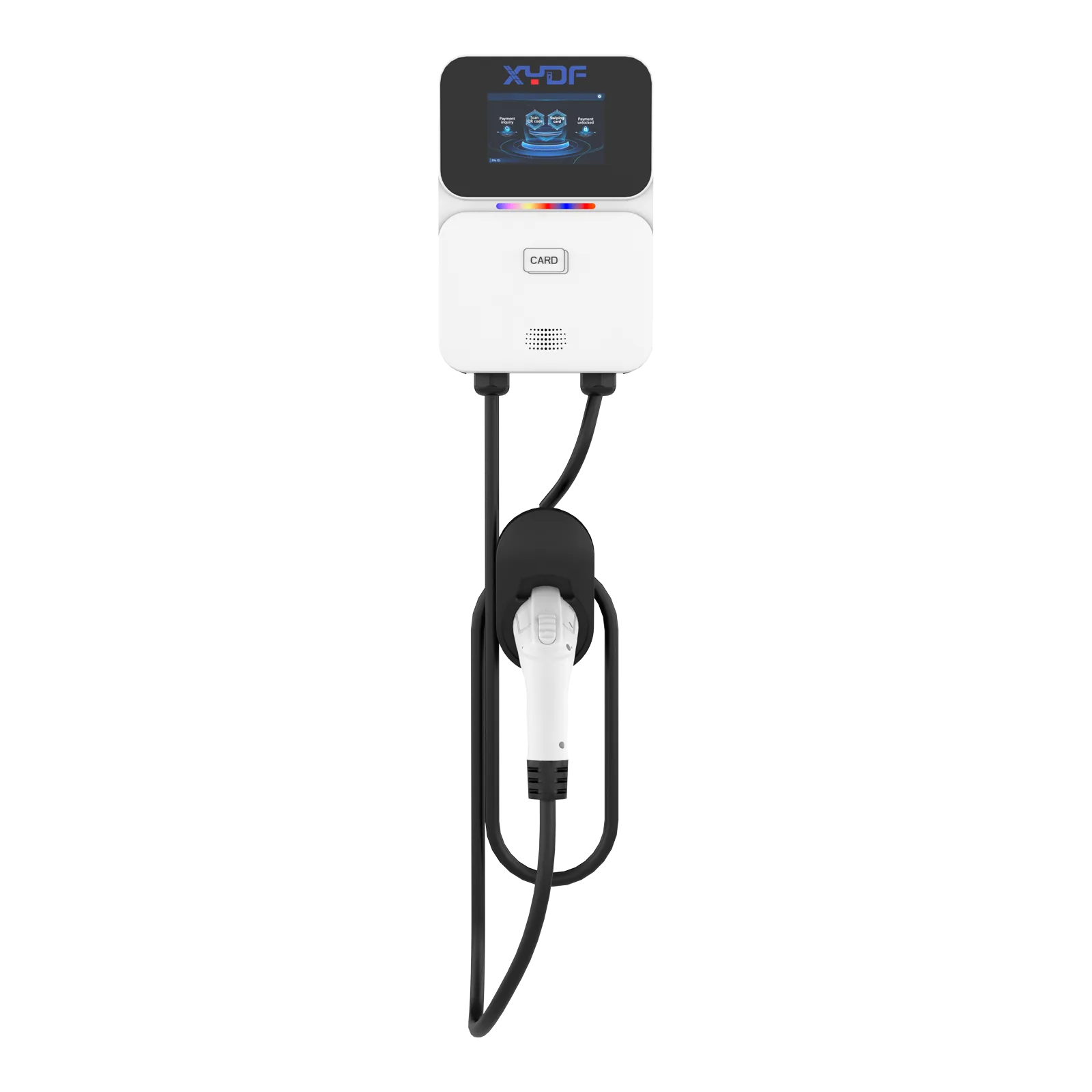
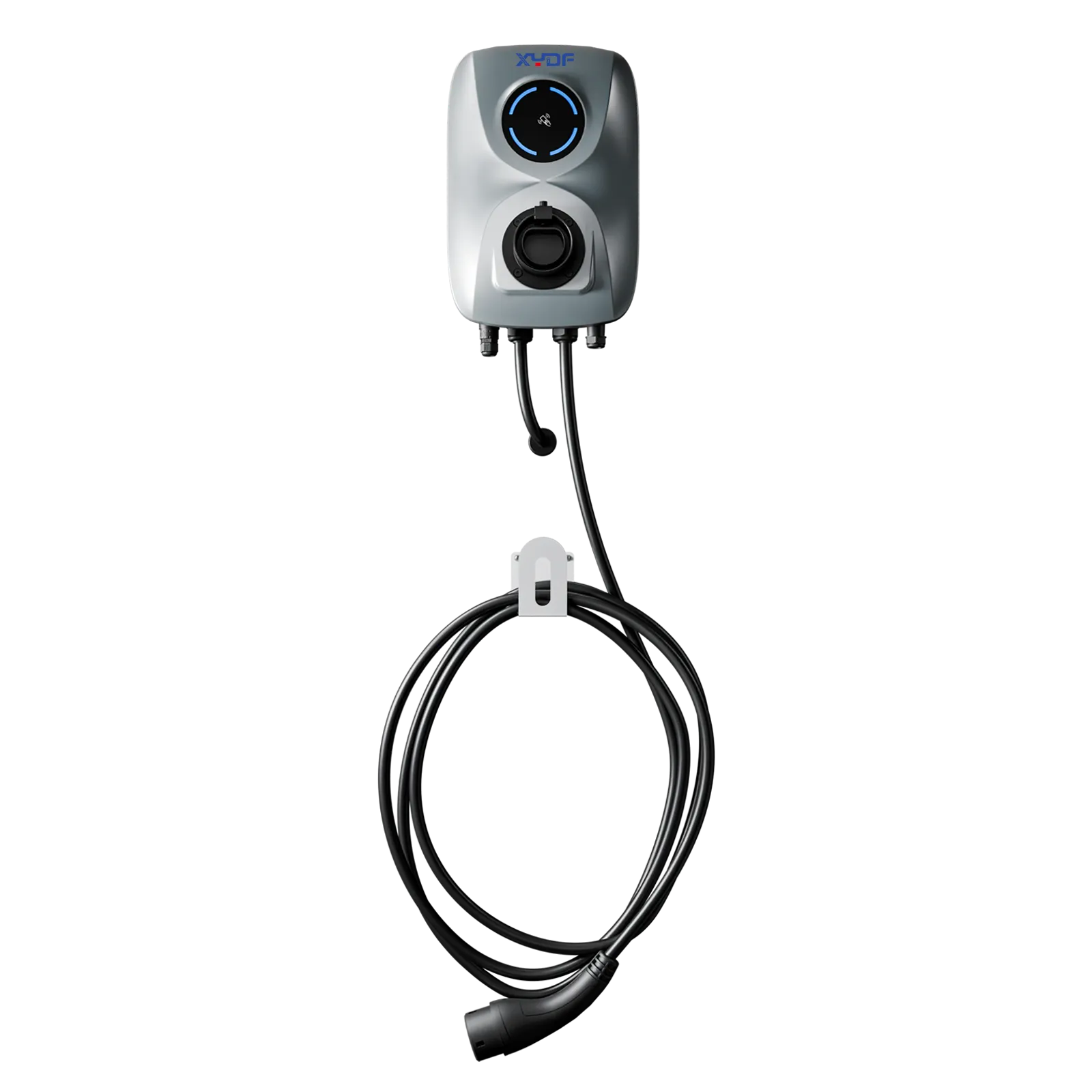
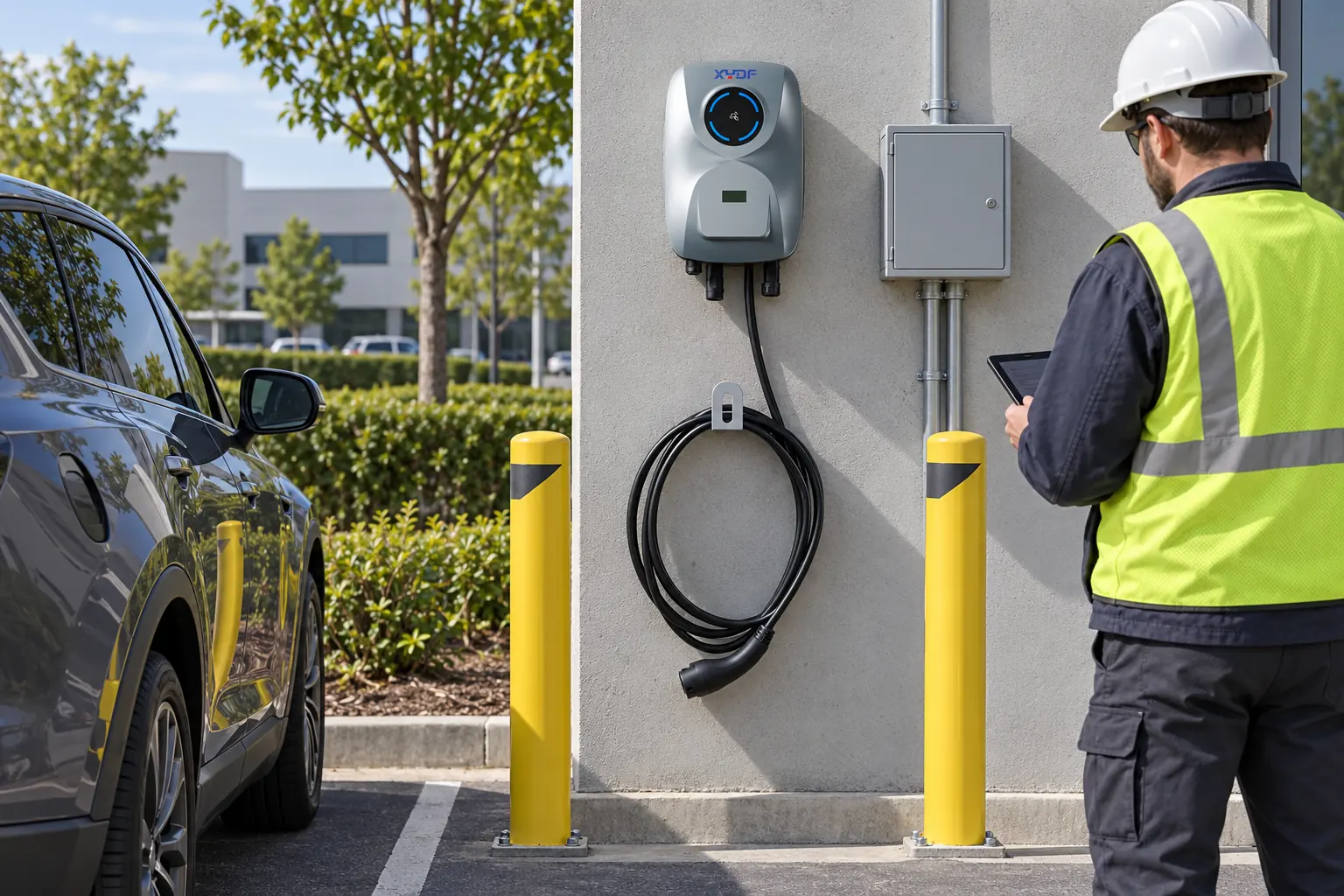
Due to their complex product architecture, EV chargers must comply with a range of compliance requirements before entering the European market. Missing any applicable requirement may delay a project or result in penalties. Understanding EV charger compliance is essential for buyers and operators.
Disclaimer: This article is based on official information available as of August 14, 2026. Always confirm the latest applicable regulations, standards, and local authority requirements before implementing a project.
CE Marking: The Core Compliance Process for EV Chargers
Although many buyers and manufacturers refer to CE as a certification, it is not simply a product certificate. CE marking is a conformity assessment process supported by multiple test reports and compliance documents.
Based on the final product configuration and the applicable legislation, the EV charger manufacturer should prepare the relevant test evidence, Technical Documentation, and an EU Declaration of Conformity (EU DoC) before affixing the CE mark to the product.
Key EU legislation
لماذا هذا مهم
When it generally applies
LVD
السلامة الكهربائية
Typically applies to EV chargers without wireless communication functions such as Wi-Fi, Bluetooth, 4G/5G, or wireless RFID/NFC.
EMC
Electromagnetic compatibility
Typically applies to EV chargers without wireless communication functions such as Wi-Fi, Bluetooth, 4G/5G, or wireless RFID/NFC.
RED
Radio, EMC and electrical safety requirements
Applies to chargers equipped with Wi-Fi, Bluetooth, 4G/5G, wireless RFID/NFC, or other radio transmitting or receiving functions
روهس
Hazardous substance restrictions
Generally needs to be considered for both AC and DC chargers
منتصف
Legal metrology
Applies to charging equipment used in legally regulated metering scenarios, such as billing based on electricity consumption
Important points to note:
The standard families listed in a test report can help identify the technical scope covered by the testing.
For products within the scope of RED, electrical safety and EMC are assessed under RED rather than separately under the LVD and EMC Directives. Chargers without radio transmitting or receiving functions are assessed under the LVD and EMC Directives.
LVD, EMC and RoHS allow manufacturer self-assessment based on adequate technical documentation and evidence. RED also allows internal production control in many cases. Manufacturers often use third-party laboratories to support testing and technical documentation, even when third-party certification is not mandatory. Certain RED and MID conformity assessment routes require the involvement of a Notified Body.
MID is part of the CE framework, although many buyers list it separately in their procurement requirements.
AFIR Requirements for Public EV Charger Compliance
AFIR primarily regulates the deployment and operation of public charging infrastructure in the EU. It does not provide a single unified certification certificate. AFIR Article 5
When purchasing public charging equipment, buyers should confirm:
whether public charging points publicly accessible recharging points deployed from 13 April 2024, 2024 support ad hoc charging without requiring a long-term contract;
whether public charging points rated at 50 kW or above support payment by card reader or contactless payment;
whether public charging points below 50 kW provide a compliant and secure payment method;
whether public charging points rated at 50 kW or above can display the ad hoc charging price per kWh;
whether public DC charging points are equipped with permanently attached charging cables where required;
whether the equipment supports digital connectivity, smart charging, and the required static and dynamic data output.
The charging point operator is normally the party directly responsible for AFIR compliance. However, if the purchased hardware, display, payment terminal, or backend interface does not support these functions, the operator will still be unable to meet the regulatory requirements.
ISO 15118 Requirements for EV Charger Compliance
The EU has incorporated ISO 15118 into the technical requirements under AFIR according to the type of charging point and its deployment date.
What Additional EV Charger Compliance Requirements Apply in Different European Countries?
Germany – Eichrecht
Germany applies additional legal metrology requirements for EV charging under its national Eichrecht framework. When EV charging fees are calculated from metering results, buyers and operators should confirm compliance with applicable Eichrecht requirements covering measurement accuracy, transaction data, tamper protection, and user verification.
France – IRVE
France applies additional national requirements for EV charging infrastructure under its IRVE framework (Infrastructure de Recharge de Véhicules Électriques). IRVE mainly covers the installation and qualification requirements for EV charging infrastructure rather than product certification. Charging facilities generally need to be installed by professionals holding an appropriate IRVE qualification, although certain low-power private residential installations may be exempt. New grid connections or specific building projects may also involve CONSUEL requirements.
United Kingdom – Smart Charge Points and Public Charge Point Regulations
The UK applies additional national requirements for EV charging under the Electric Vehicles (Smart Charge Points) Regulations 2021 and the Public Charge Point Regulations 2023. The Smart Charge Points Regulations mainly apply to certain private charge points sold for domestic and workplace use, covering smart functionality, off-peak charging, randomised delay, cybersecurity, and user control requirements. Public charging operators are separately subject to requirements on payment, pricing transparency, reliability, and data under the Public Charge Point Regulations 2023
Other European Countries
Other European countries may apply additional national requirements for EV charger installation, metering, grid connection, payment, or public charging operation. These requirements vary by country and project type, so buyers and operators should confirm applicable local regulations before deployment.
أسئلة متكررة
Is CE marking enough for an EV charger compliance to be used in a European public charging project?
No. CE marking mainly addresses EU product-level regulatory requirements. Public charging projects must also consider AFIR, legal metrology, payment systems, ISO 15118, backend systems, charging-site registration, and grid-connection requirements.
Does an EV charger with Wi-Fi, Bluetooth, or 4G need to be assessed under RED?
Generally, yes. A test report for the wireless module alone cannot replace an assessment of the complete charger under RED. The antenna, installation position, complete-product EMC performance, wireless coexistence, RF exposure, and cybersecurity must still be evaluated.
Are TÜV, CB, or OCPP Certification universally mandatory?
Generally, no. These certifications may be recognised or required by customers, platform providers, insurers, or tender specifications, but they cannot replace the applicable CE process, EU DoC, or operational compliance requirements.
For buyers and operators, reliable شهادة شاحن السيارات الكهربائية assessment is not about counting how many certificates a supplier can provide. It is about confirming that:
The purchased configuration, applicable legislation, test standards, report scope, deployment scenario, and operational requirements all correspond with one another.
نستخدم ملفات تعريف الارتباط (الكوكيز) لضمان عمل هذا الموقع، وبإذنك، لقياس كيفية استخدام الزوار لموقع شحن المركبات الكهربائية الخاص بنا. انظر إلى سياسة الخصوصية للتفاصيل.
 شركة شينيا دونغفانغ لتكنولوجيا الكهرباء المحدودة.
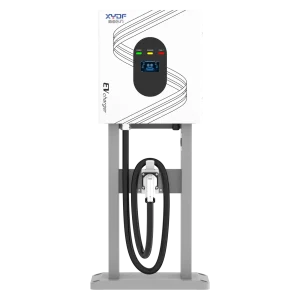 30-40 كيلوواط
 30-40 كيلوواط
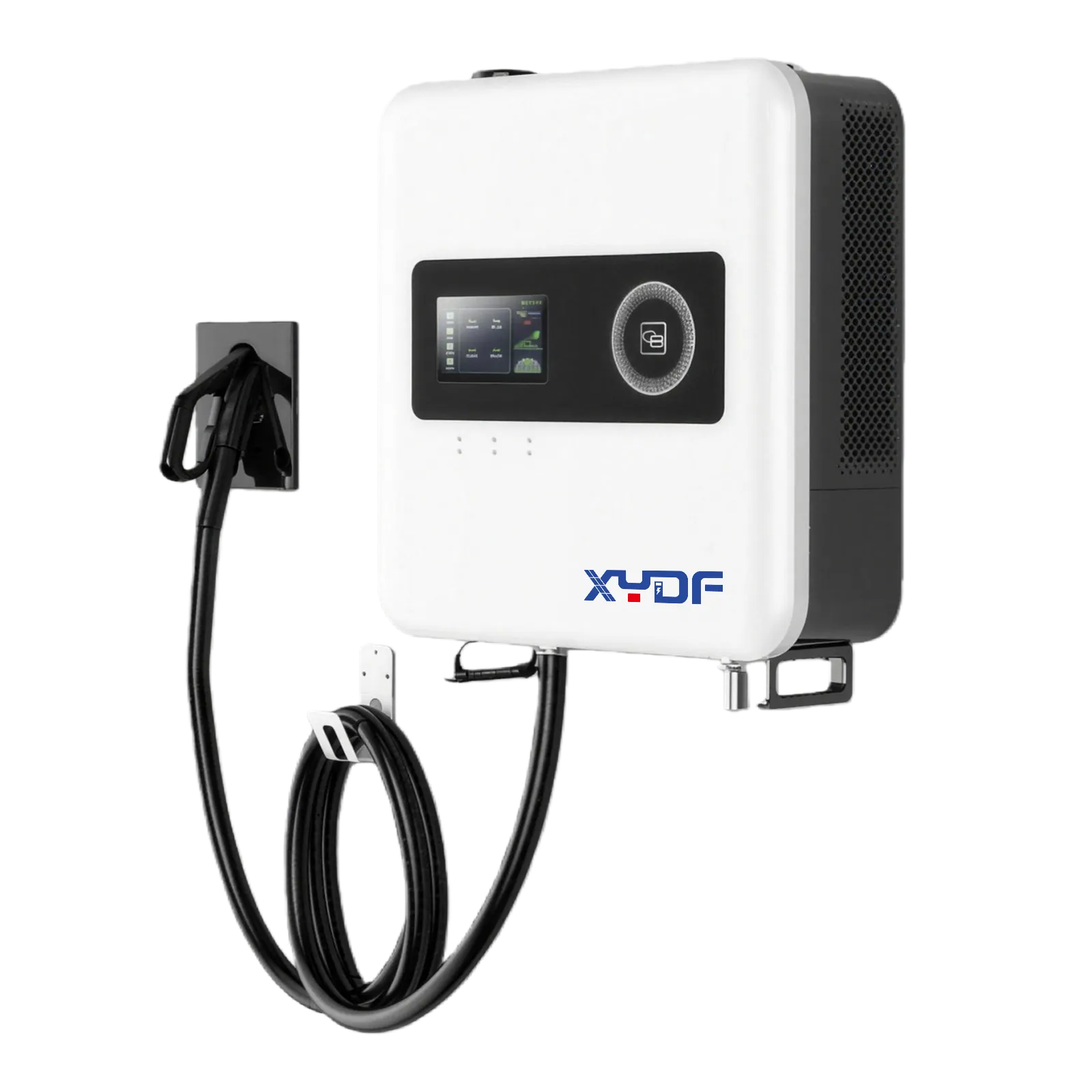 30 كيلوواط
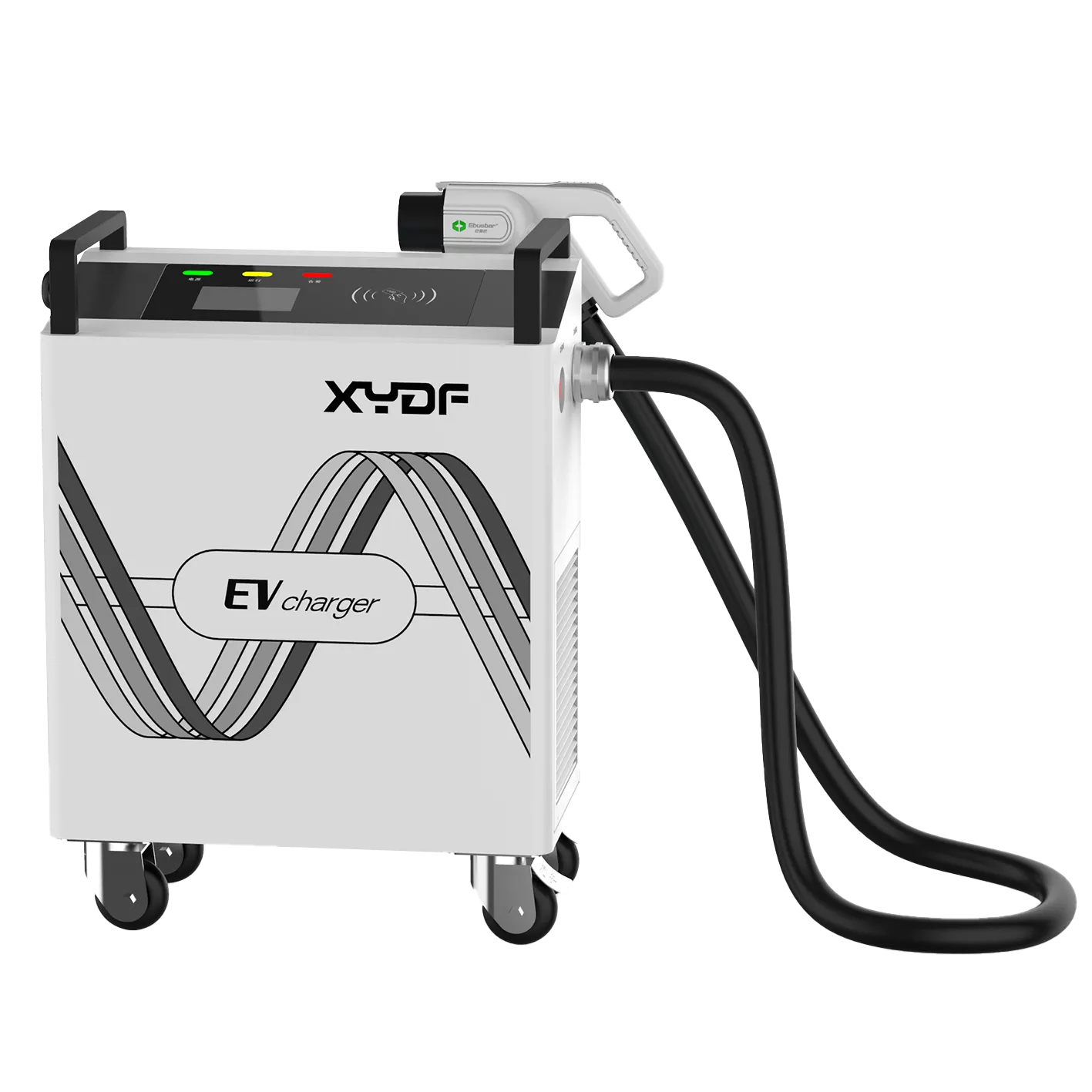 30-40 كيلوواط
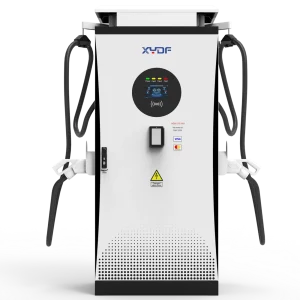 80 كيلو واط - 240 كيلو واط
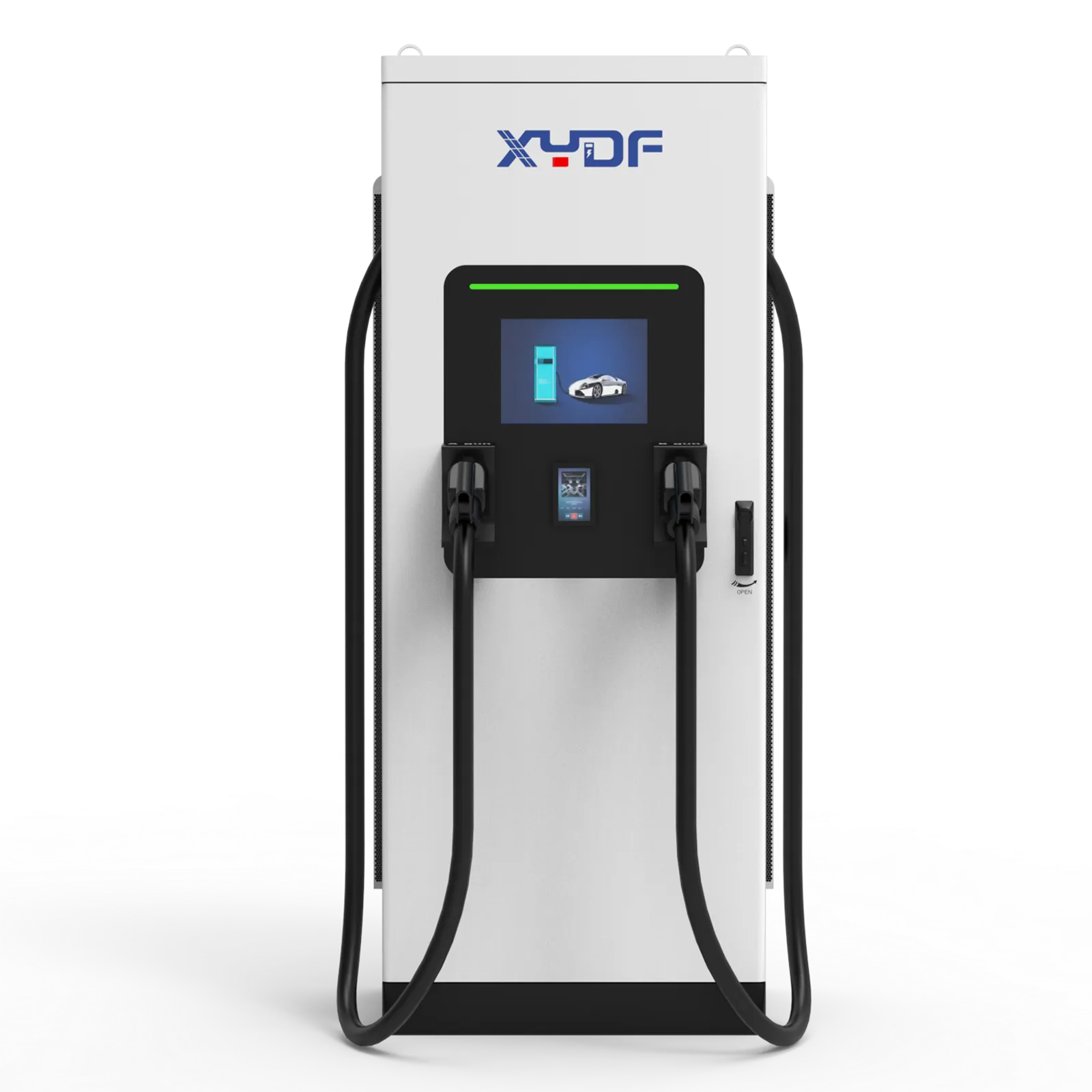 60-240 كيلوواط
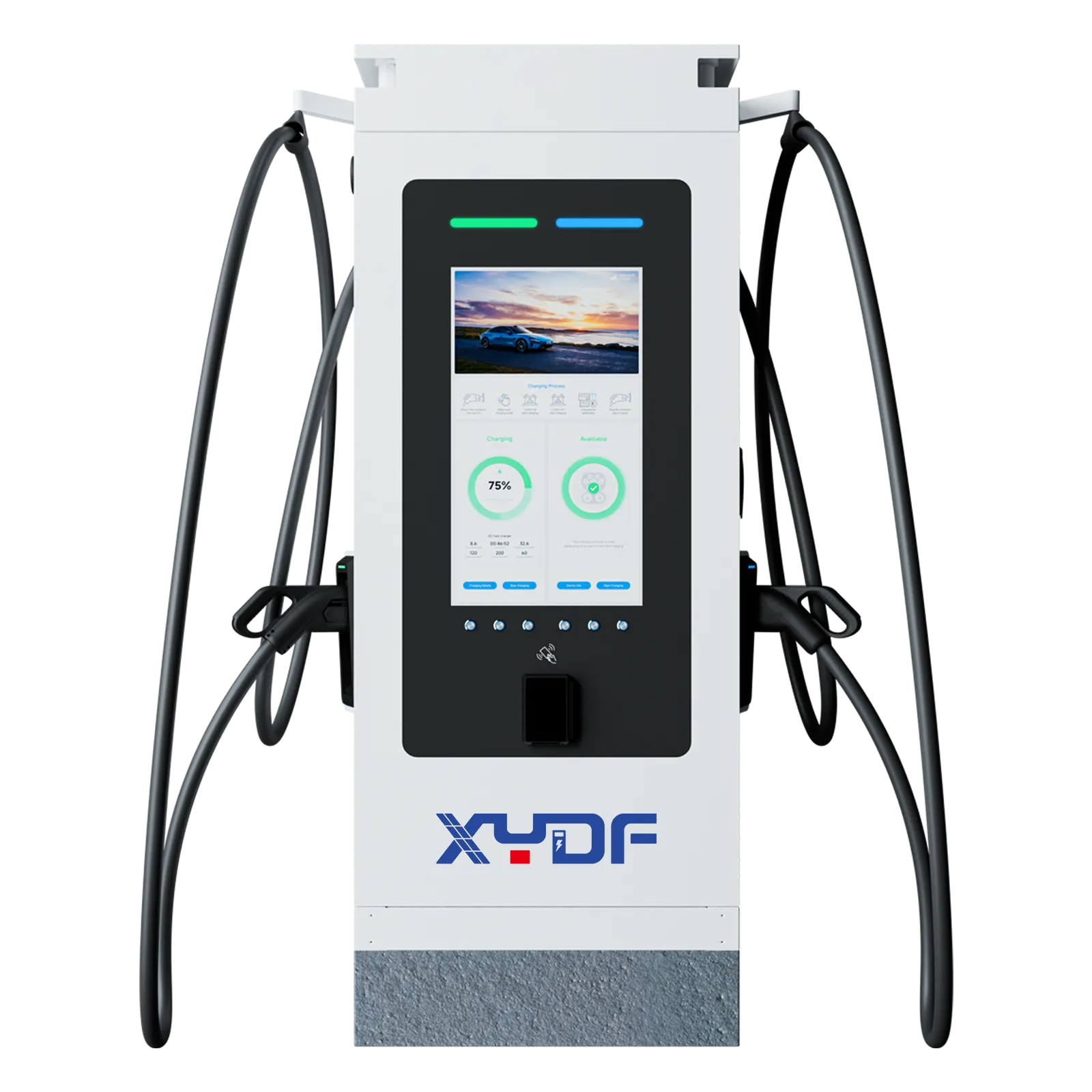 60 كيلوواط - 240 كيلوواط
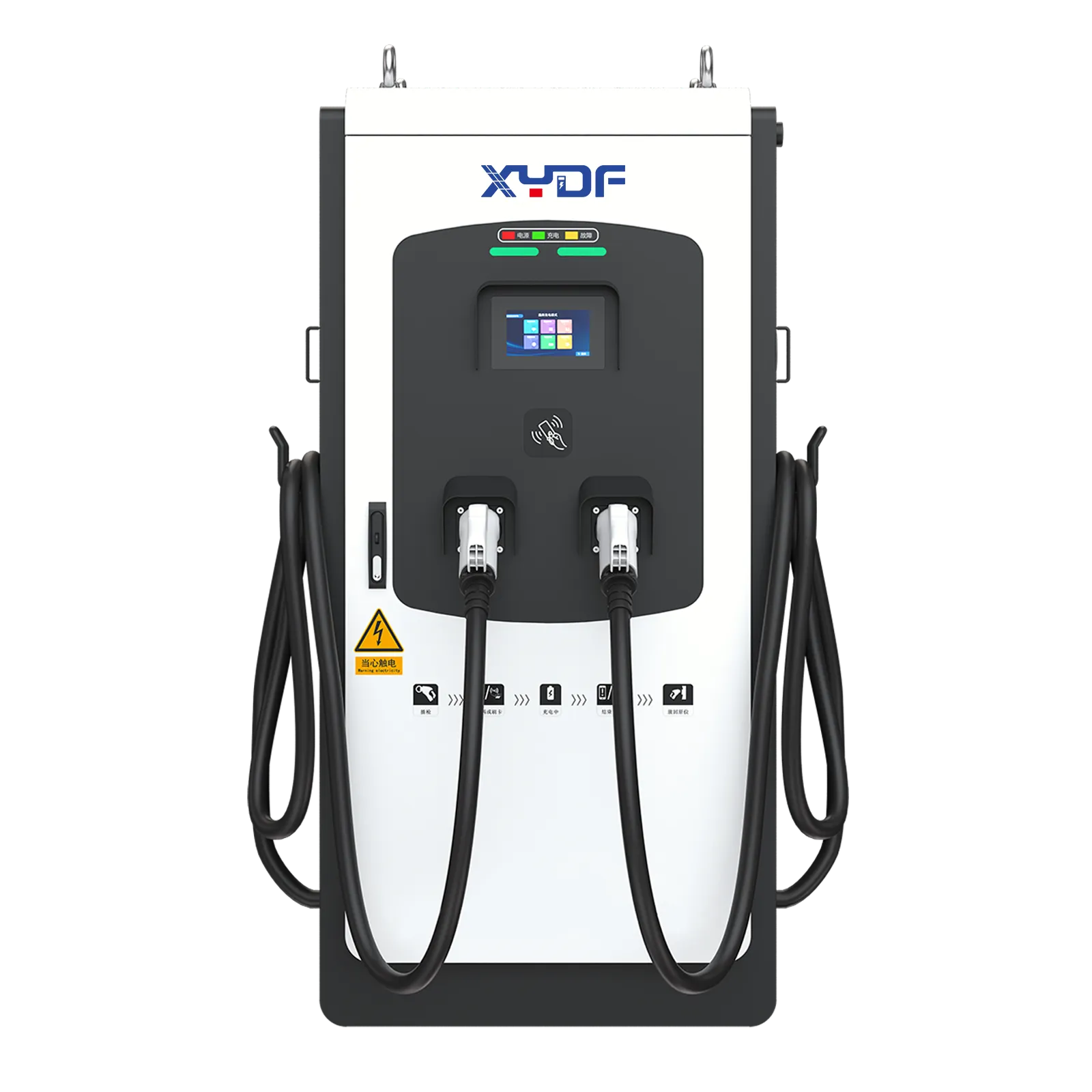 400-520 كيلوواط
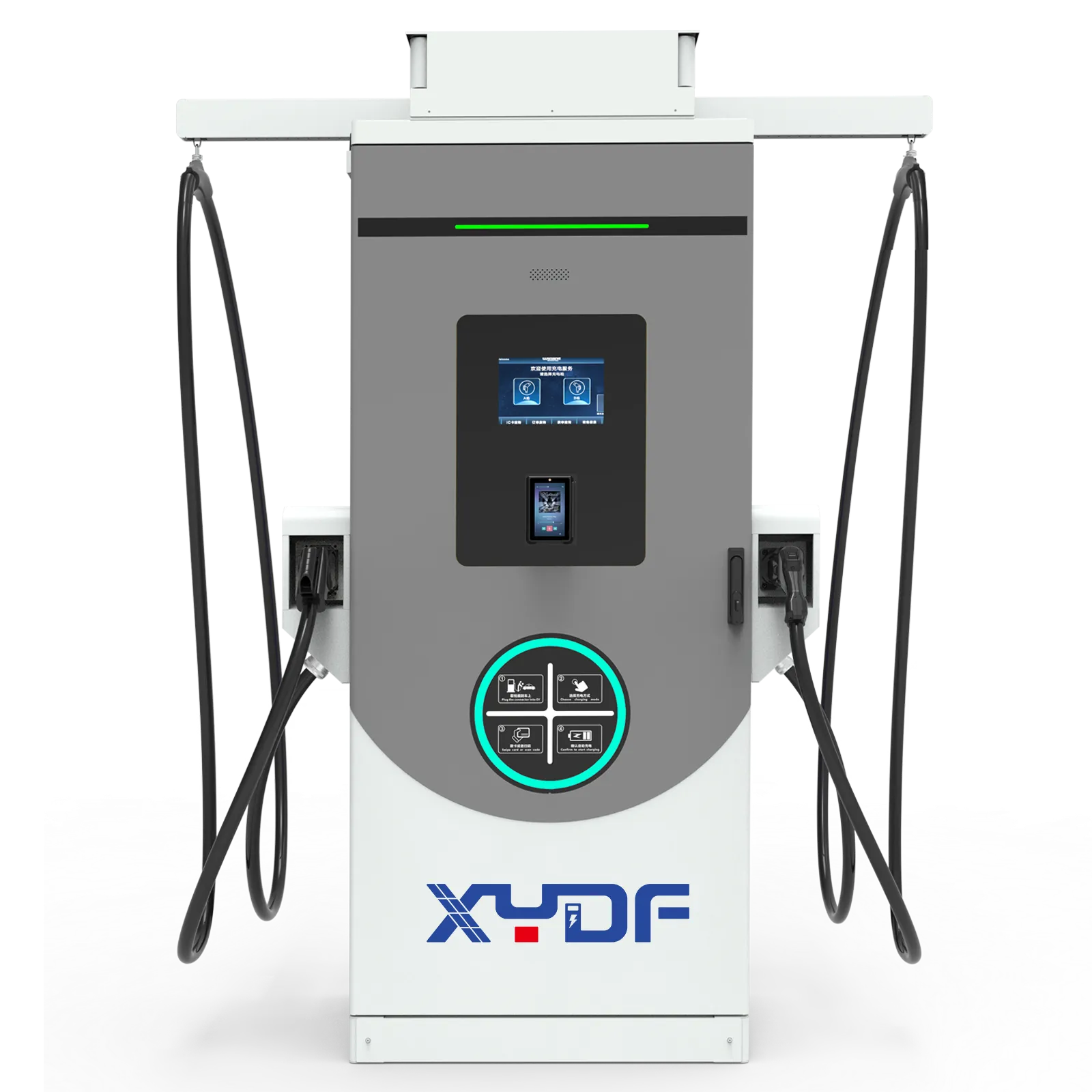 320-400 كيلوواط
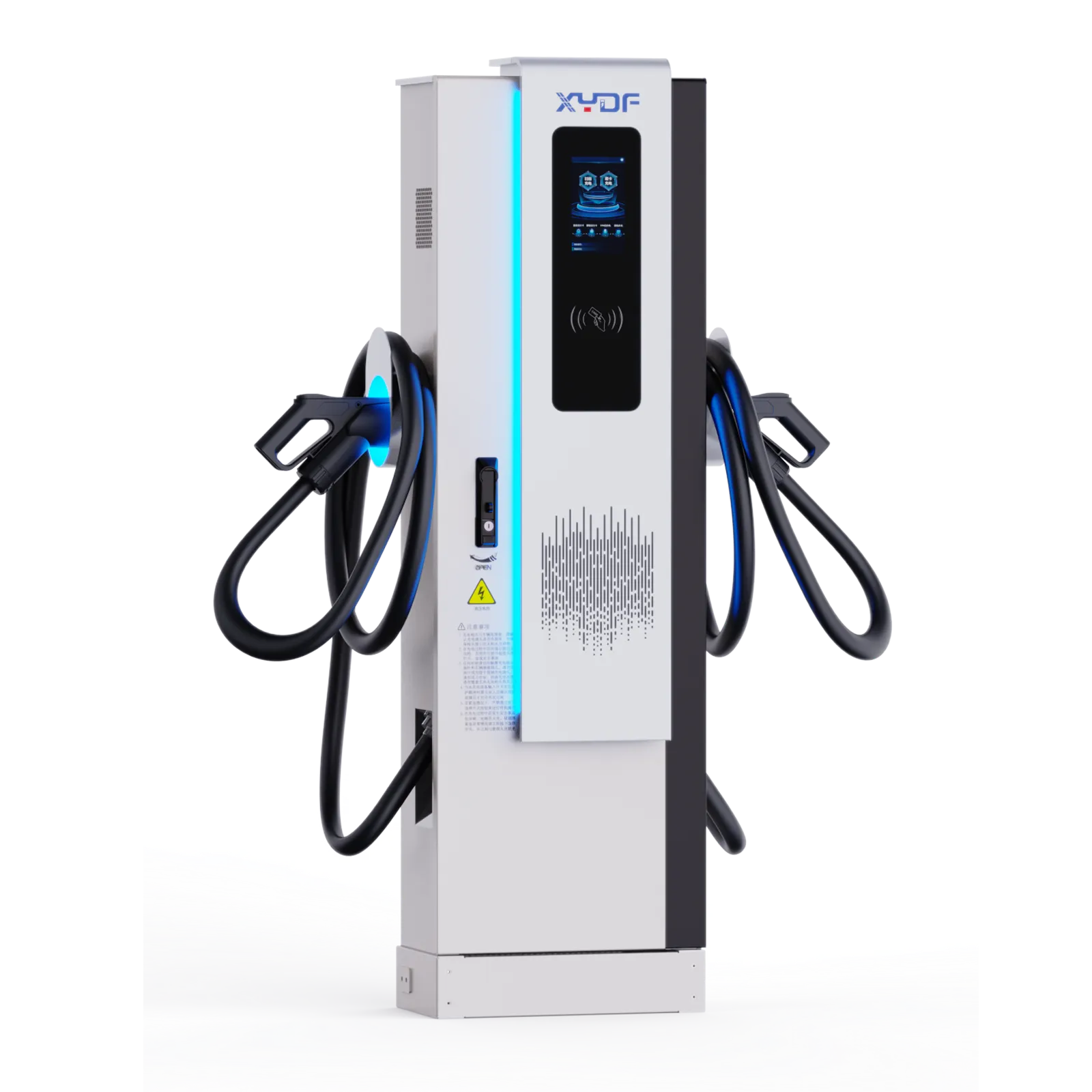 480 كيلوواط - 960 كيلوواط
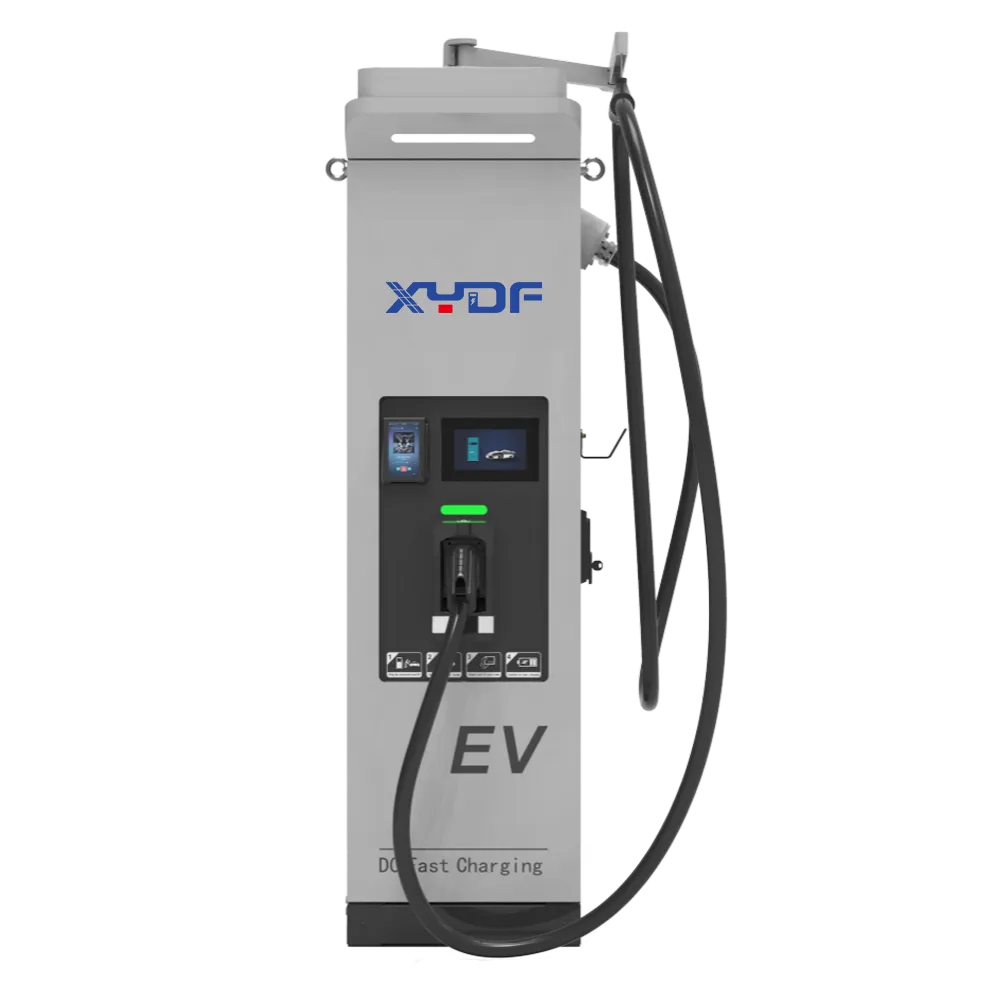 360 كيلوواط - 600 كيلوواط