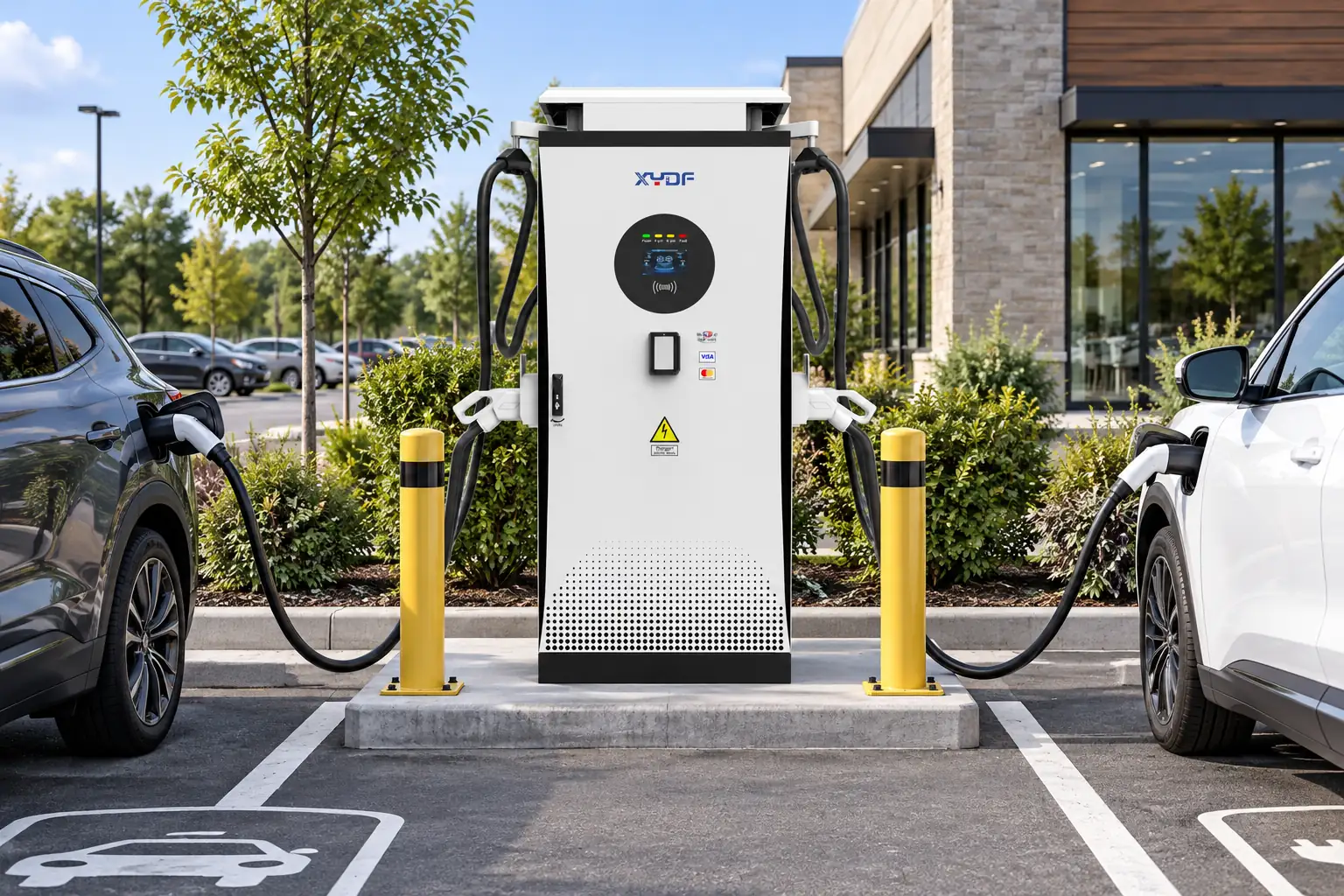
EV Charging Site Commissioning: Records for a Clear Handover
12 أغسطس 2026
مدونة
EV charging commissioning should create a clear record of what was installed, what the responsible project process checked, and what operations need after handover. A vehicle beginning to charge is useful functional evidence, but it is not by itself the complete electrical, operational, or local-approval record.
Equipment context only; commissioning requirements and approval must be confirmed for the actual project.
Part 1. What is the purpose of commissioning and handover?
Commissioning connects the installed charging arrangement to the project requirements and responsible operating process. Handover makes the resulting information usable by the people who will operate, maintain, and escalate issues after the project team steps back.
The aim is not to create one universal checklist. Local rules, utility requirements, equipment, site conditions, and contract scope determine the final process. The common principle in infrastructure guidance is that additional demand, installed equipment, and associated responsibilities should be assessed and documented rather than assumed.
Separate acceptance from operational readiness. Acceptance asks whether the defined contract tests and documents meet their criteria; readiness asks whether trained operators, portal access, support routes, tariffs, communications, service arrangements, and unresolved defects permit dependable use. Record each decision, approver, date, conditions, and permitted exceptions.
Part 2. Which installed-condition records should be collected?
مناسبة الاستخدام في الهواء الطلق هي شرط نظامي، وليس عبارة على لوحة الإشراف الخاصة بالمختبر. يجب أن يتضمن عبارة منفصلة عن الحماية من الصدمات والصدأ والاهتزازات والأساسات وتوجيه الكابلات والتصريف والتقييد في حالات الطوارئ والوصول والتدقيق في الدليل. يجب أن يوضح عبارة شراء العقد التعرّض الفعلي والتحقق من المقبولية، لأن رمز IP أو وصف للمواد لا يثبت أن كامل التركيب سيبقى صالحًا للاستخدام في الموقع. للاطلاع على السياق العام للتخطيط العام، انظر معيار حماية الغلاف IEC 60529; لا يزال سجل القبول المخصص للموقع يحدد القرار النهائي.
Begin with a record that identifies what is actually in place. A procurement specification may describe intent, while the handover pack needs to identify the installed configuration and the information needed to operate it safely through the responsible process.
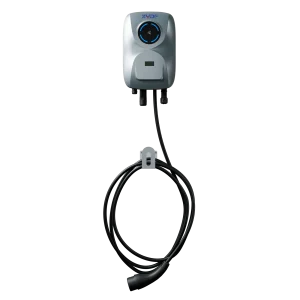
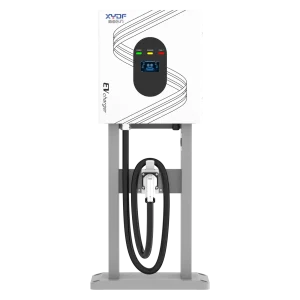
Build an equipment baseline at charger level: manufacturer and model, serial number, connector arrangement, installed firmware and configuration revision, charger or station identifier, and its mapped backend asset ID where a management system is used. These handover records let a maintainer distinguish the accepted state from a hardware or software change without assuming that all units share one configuration.
Record area
Why it matters at handover
Project question
Equipment identity
Links supplied equipment to the project record
Which product and connector arrangement was installed?
Site and distribution information
Provides the electrical context for future work
Which drawings and labels are controlled documents?
Applicable approvals and inspections
Keeps evidence within its local process
Who holds the current records?
Operating and fault contacts
Gives users a clear escalation path
Who responds to which issue?
As-built changes
Separates installed condition from early design assumptions
What changed during delivery?
The drawing set should show the final single-line arrangement and controlled revisions, not only the tender design. Cross-reference feeder and protective-device labels, isolation points, earthing or bonding arrangements, meter and communications equipment, charger positions, and underground or concealed cable routes. Record deviations and accessible inspection evidence so future work does not depend on memory.
Do not convert this list into a claim that every project requires the same documents. The responsible project parties and local authority determine what is required and who may sign it.
Part 3. How should teams plan functional checks and evidence?
Plan checks around the agreed scope, then preserve the evidence in the handover record. The check sequence may include the installed arrangement, isolation and safety process, connector and user interaction, communications where applicable, and the project’s defined fault-response path. The exact tests belong to qualified personnel and the applicable local process.
For electrical verification, the record should identify the circuit and equipment tested, method, instrument and calibration status, date, competent person, measured or observed result, acceptance criterion, and disposition. Depending on the jurisdiction and design, site acceptance testing may address supply and phase checks, protective-conductor continuity, earthing and bonding, insulation resistance, protective-device operation, and RCD or GFCI functions. Values and pass limits must come from the applicable design, manufacturer instructions, and local rules; they should not be copied from a generic checklist.
Functional evidence should cover the agreed EV-to-EVSE combinations and user paths, capturing authorization, start, power delivery, normal stop, energy or meter record, alarms, and the matching charger and backend timestamps. Include defined fault cases and recovery evidence where these can be tested safely. A passed session shows that scenario worked; it does not prove every vehicle, connector, load condition, or failure mode.
Where OCPP is in scope, verify the configured charger identity, connection to the intended charging-station management system, status and transaction messages, remote actions required by the contract, loss-and-restoration behavior, and clock or time-zone alignment. The تحالف الشحن المفتوح defines OCPP as communication between charging stations and management systems; it does not make a successful connection proof of the site’s electrical acceptance.
Equipment context only; the test method, electrical work, and approval path are project specific.
Important: A successful first charging session is not a substitute for the complete responsible commissioning process. Electrical safety, protection, approvals, records, and operating instructions must be addressed according to the actual project and local requirements. IAEI infrastructure planning guidance provides the planning context.
ال EMC requirements for project acceptance article is related where electromagnetic-compatibility evidence belongs within the defined project scope. It should not be treated as proof that every installation has the same requirement or that a particular charger has been accepted.
IEC 61851-1 describes general requirements for conductive EV charging systems, but a standard’s scope and a project test record are not a product certificate. Any compliance or certification claim needs its own applicable edition, assessment scope, issuer, and traceable evidence.
Part 4. What information should operations receive at handover?
Operations need information they can use on the first normal day and the first abnormal day. That normally means the operating boundary, access rules, any known restrictions, a fault-reporting route, and the current controlled records. The دليل الاختبارات في المصنع والتفتيش الوارد covers an earlier manufacturing-quality stage and should not be confused with site handover.
Keep the handover language specific. “Contact support” is less useful than identifying the appropriate contact path for user issues, site access, electrical incidents, and changes to the operating model. Where manuals or training are part of the contract, record their version and owner rather than assuming a generic document applies.
For a networked site, the charging station handover should name the organization that owns each portal account and assign role-based access for operators, maintainers, billing staff, and administrators. Record how access is reviewed and revoked, along with approved tariffs, operating hours, support service levels, communications ownership, and the escalation route. Avoid shared administrator credentials in the handover pack.
Agree how long charger and backend logs are retained, who may export them, the export format, and which clock source and time zone apply. This makes transaction, alarm, and support records correlatable after an incident. The U.S. Department of Energy’s Alternative Fuels Data Center infrastructure guidance also treats network, software, operation, and maintenance choices as part of deployment planning rather than afterthoughts.
Maintain one open-item register with severity, affected asset, operational consequence, temporary control, owner, deadline, and closure evidence. The authorized signatory should state which items block acceptance or operational release and which may be deferred; a signature should never hide an unresolved safety-critical defect.
Part 5. When should a change trigger a review?
A change can affect the basis of the handover. Examples include a modified supply, replacement hardware, altered parking layout, a connector change, a new operating scope, or a changed site access arrangement. The change may require review before the equipment returns to service, depending on the project’s responsible process and local requirements.
Firmware updates, protection-setting changes, cable repair or replacement, network or backend migration, and civil work that affects foundations, drainage, vehicle impact protection, or buried services are specific re-commissioning triggers to assess. Define the affected tests from the change and its risk: a portal configuration update may require communications and transaction checks, while cable or protective-setting work can require renewed electrical verification. Preserve the previous and new baselines, impact assessment, test results, approvals, and return-to-service decision.
Use a controlled question: what changed, who must assess the impact, what record changes, and who authorizes the return to the agreed operating state? That approach avoids treating commissioning as a one-time event disconnected from later site changes.
Part 6. How should project responsibilities be recorded?
Before handover, make the roles visible. The buyer or owner defines the project need, qualified electrical professionals handle their assigned design and verification duties, installers provide the information within their scope, and operations accepts the ongoing operating responsibilities defined by the project.
Jurisdiction and contract scope determine the legal roles, so a generic article cannot assign them. Instead, the project record should name the contacts, evidence owner, escalation path, and person authorized to control changes.
Use separate sign-off fields when responsibilities differ: installer completion, electrical verification, network or backend acceptance, owner acceptance, and operational release. Each signatory should be accepting a named scope and revision, not an undefined statement that “the site is complete.”
Part 7. What should buyers request before a charging project is released?
Ask for project information that enables a supplier and the responsible project team to define the scope, not a blanket assurance that equipment is “approved.” The following inputs give the conversation a usable technical and operational boundary.
ينبغي على المشتري تقديم أو طلب
لماذا هذا مهم
Site scope and vehicle/connector context
Defines the intended operating use
Equipment identity and proposed layout
Connects the requirement to the physical arrangement
Electrical and as-built record expectations
Clarifies documentation ownership
Applicable local process and approval path
Prevents unsupported compliance assumptions
Functional-check and evidence expectations
Makes acceptance scope discussable
Operations, maintenance, and escalation contacts
Creates a usable handover path
Change-control contacts and trigger events
Keeps later alterations traceable
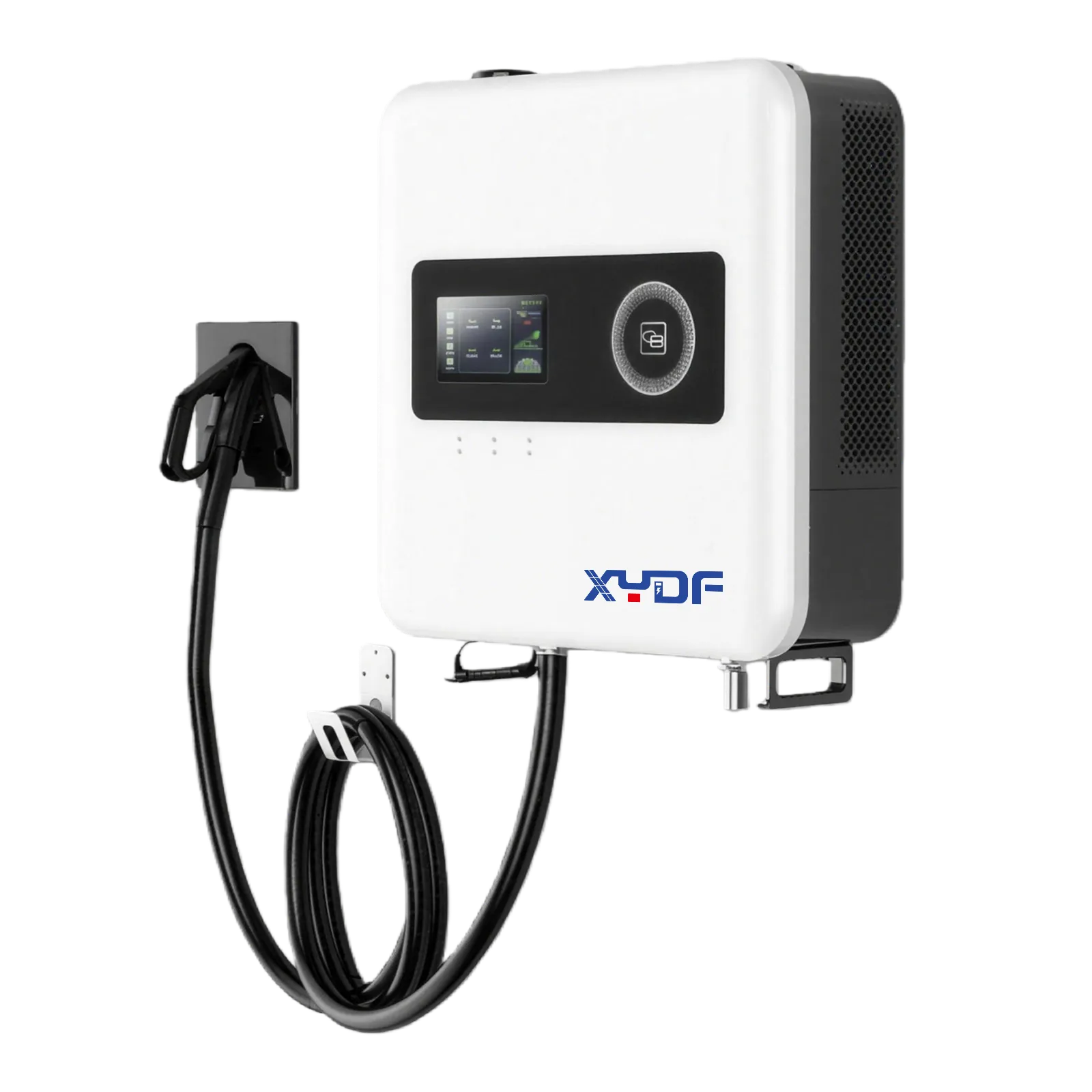
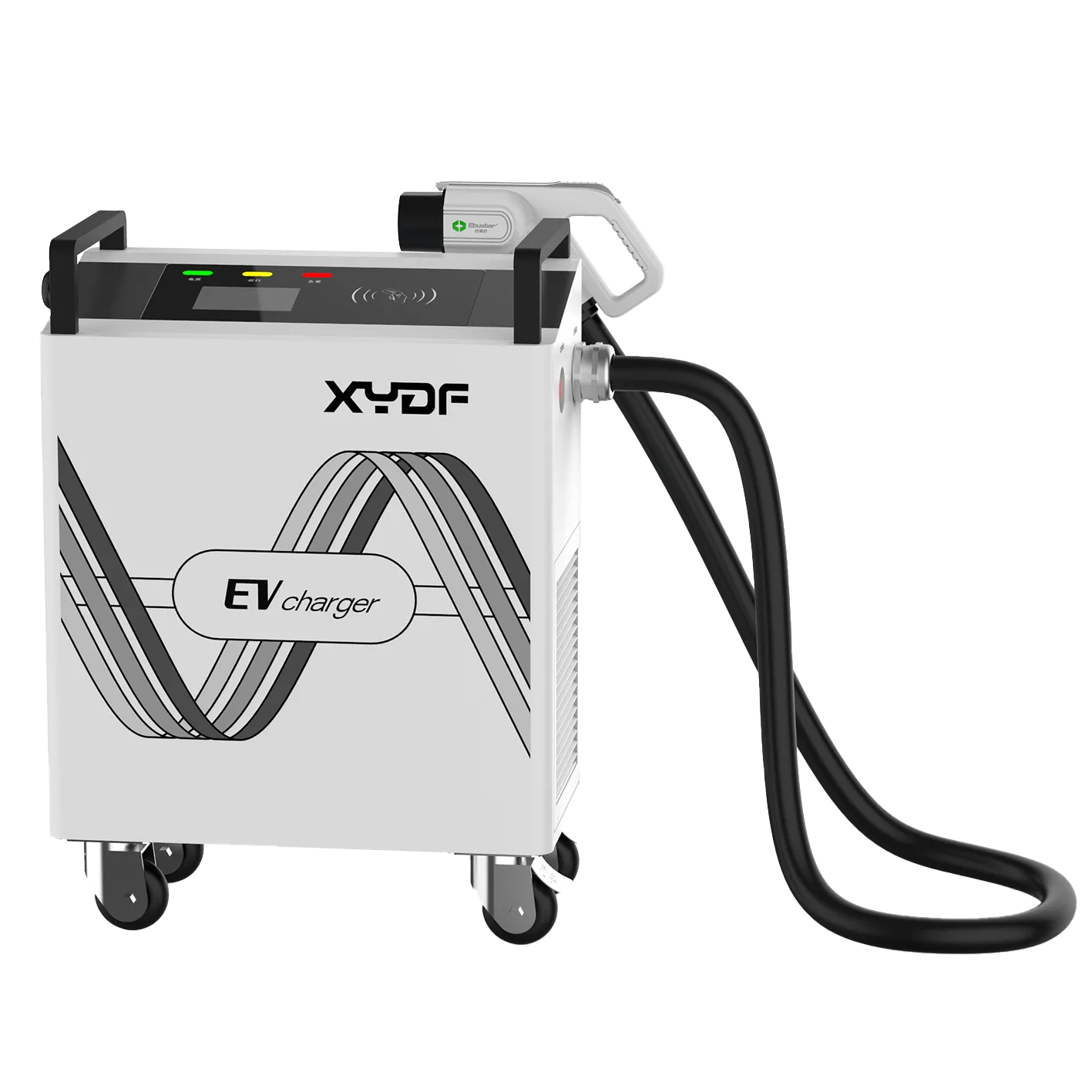
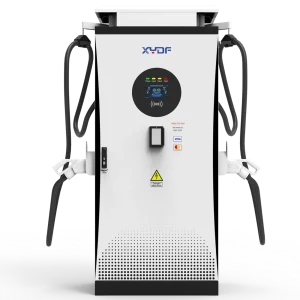
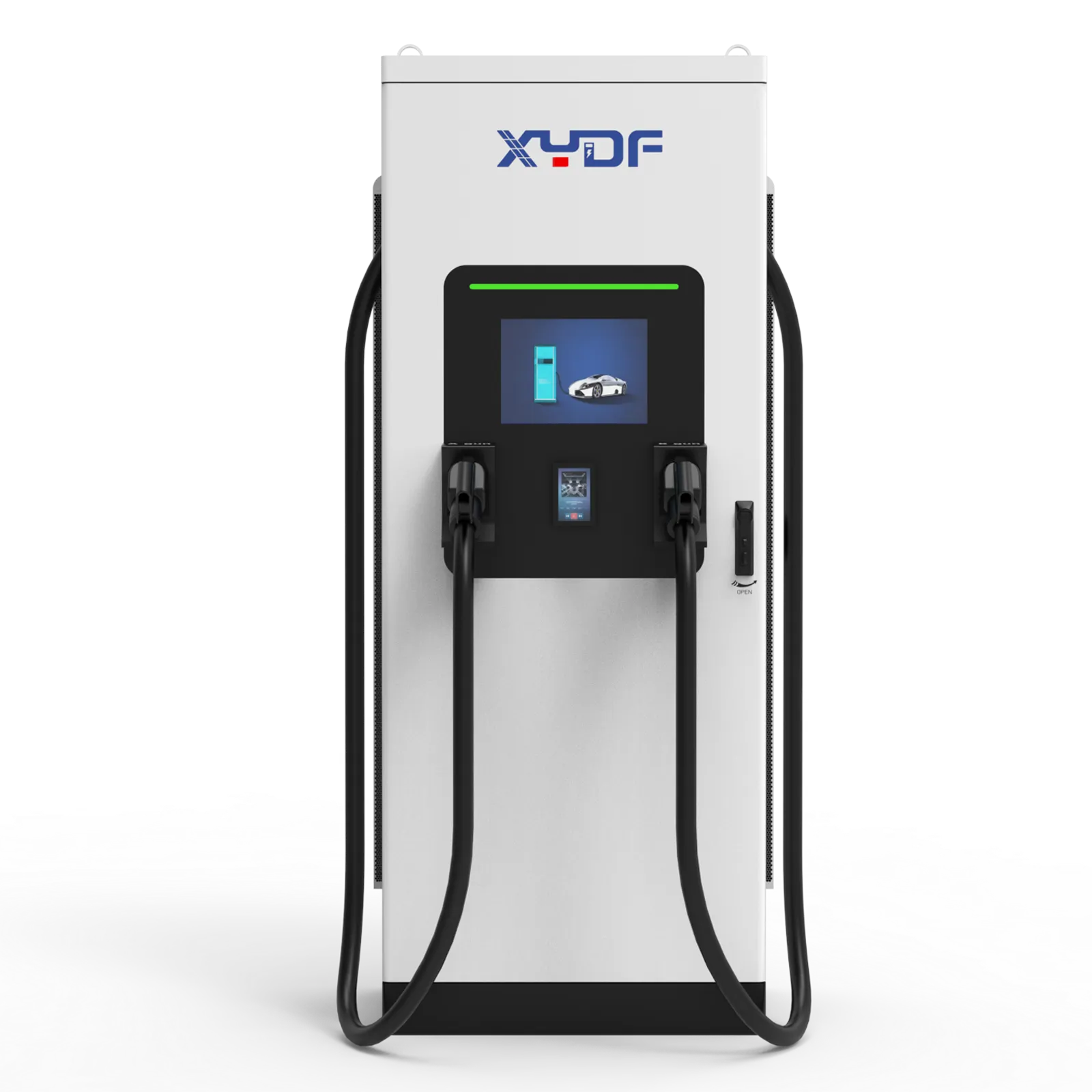
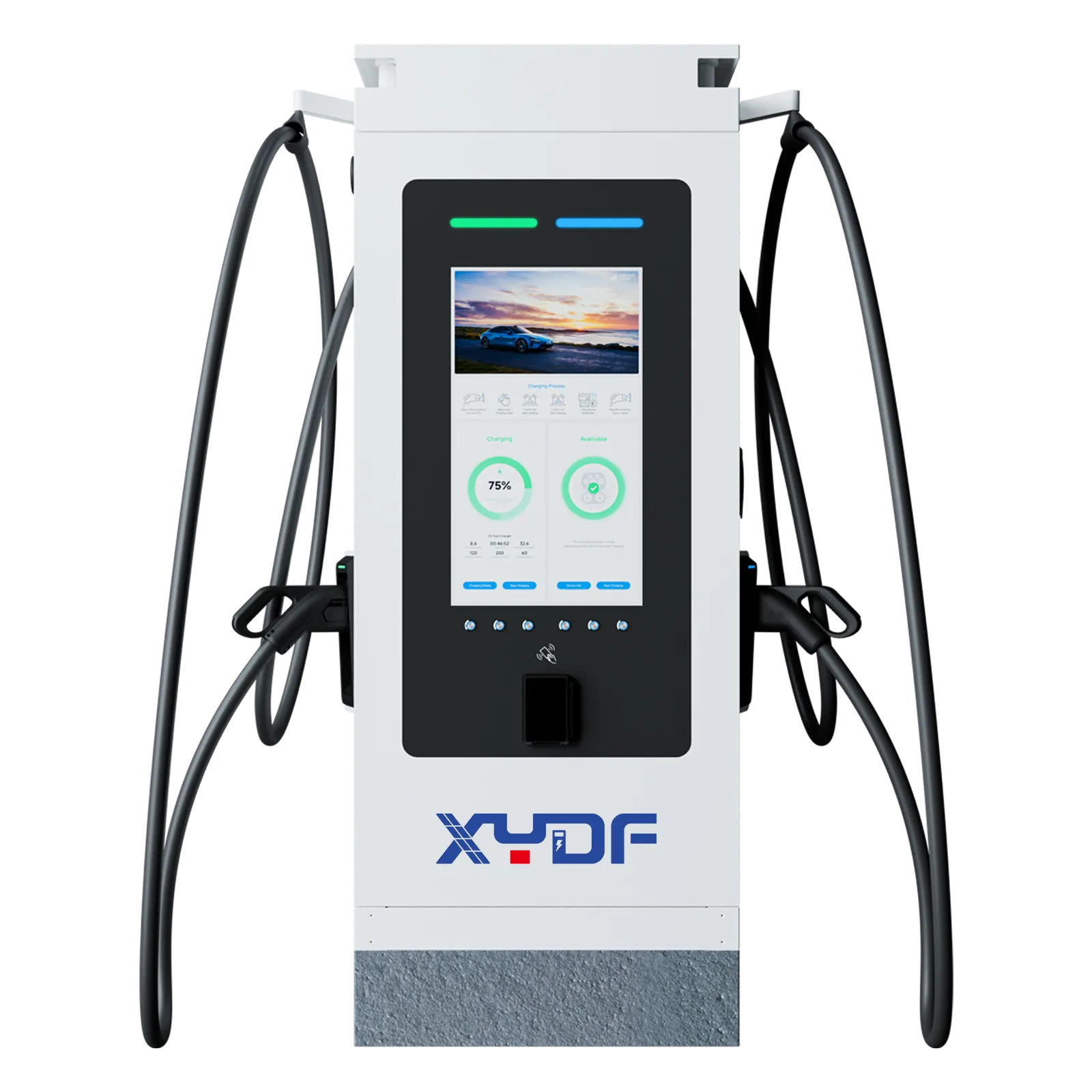
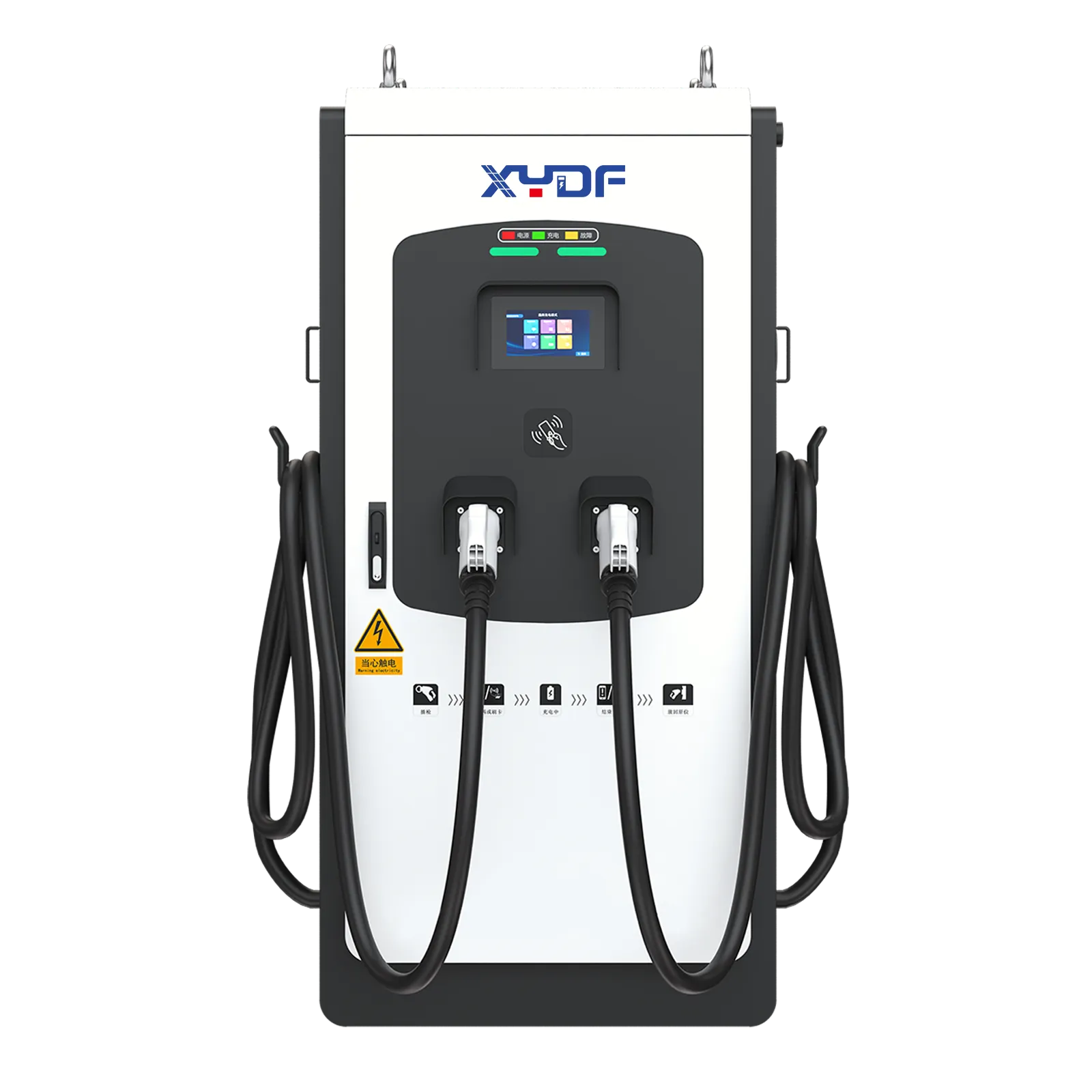
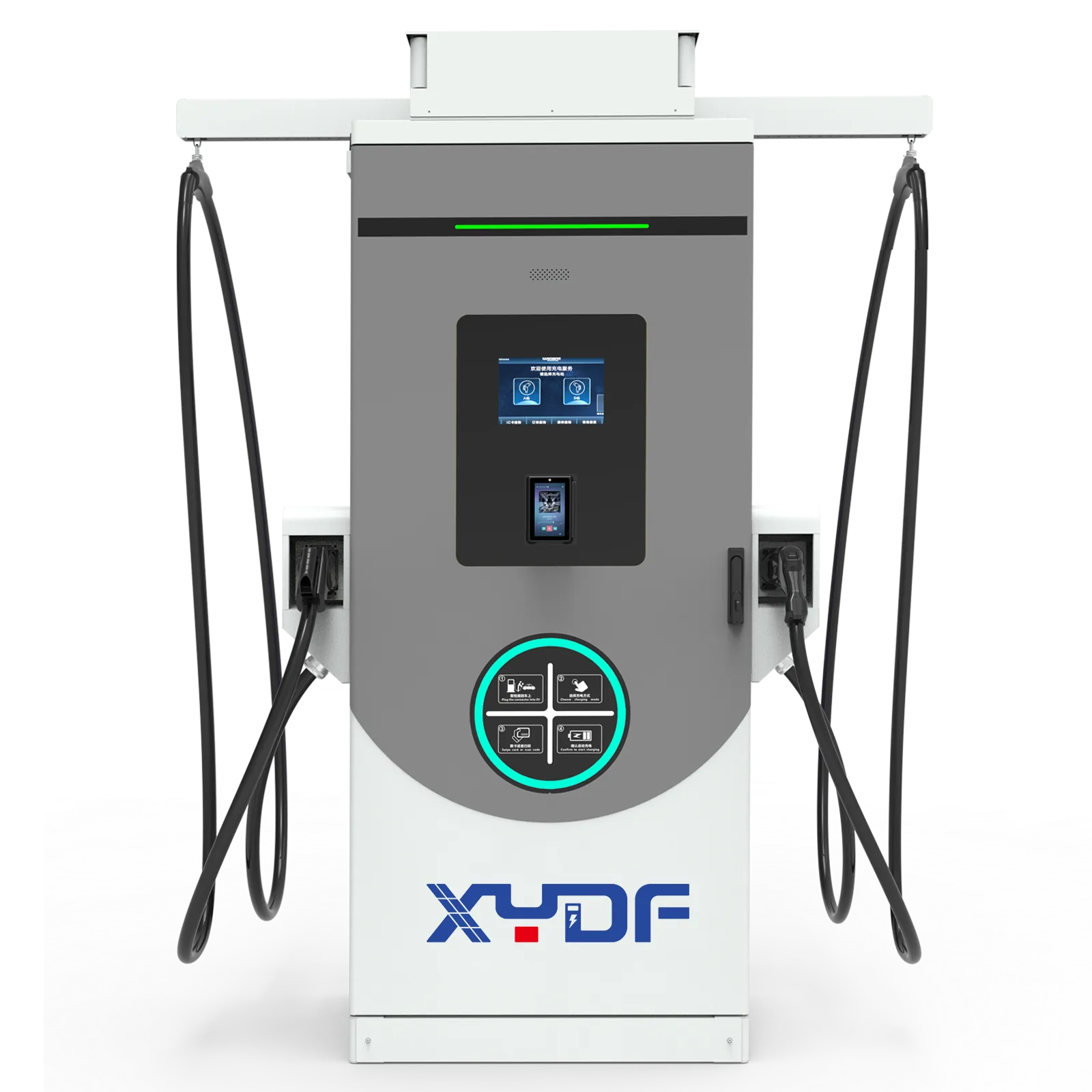
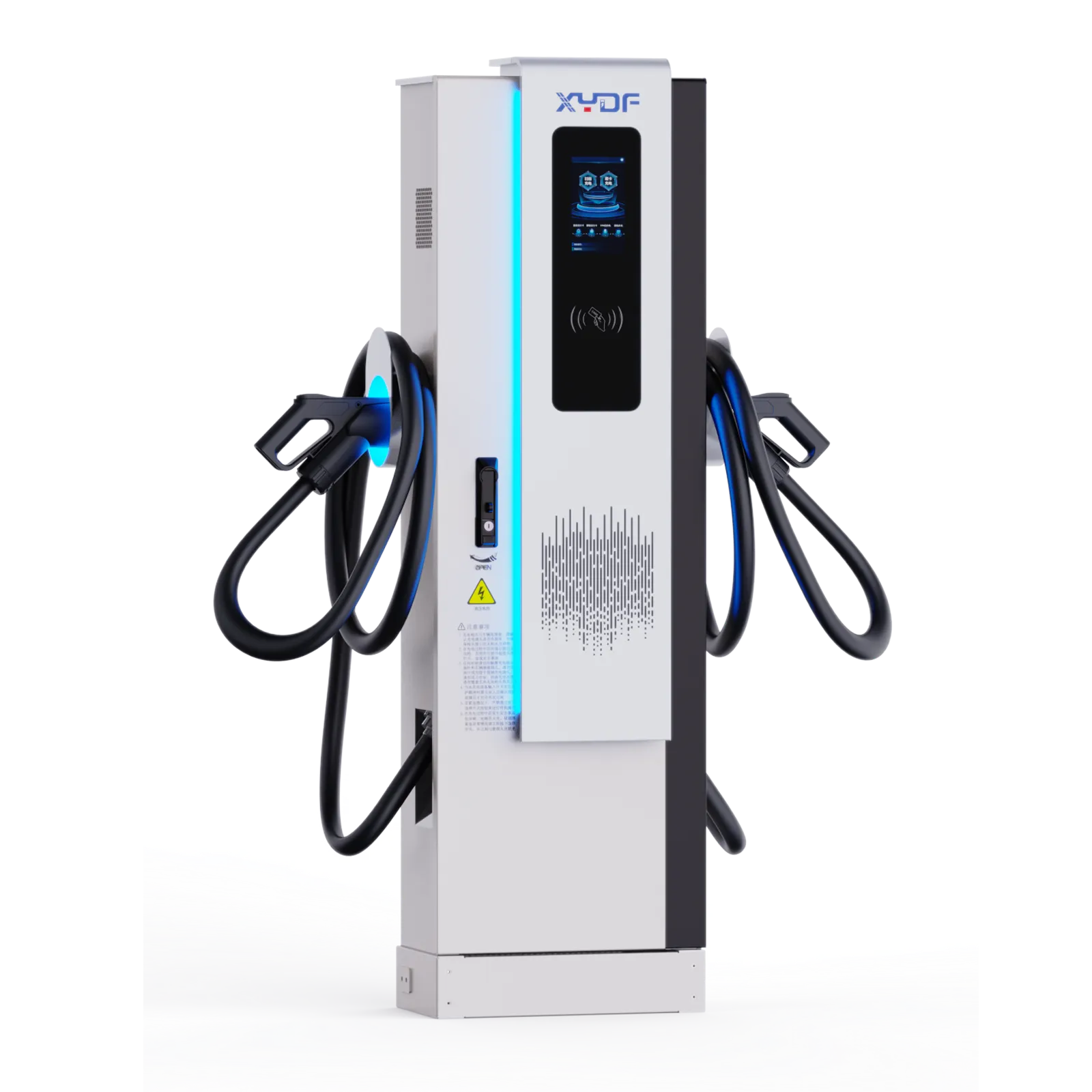
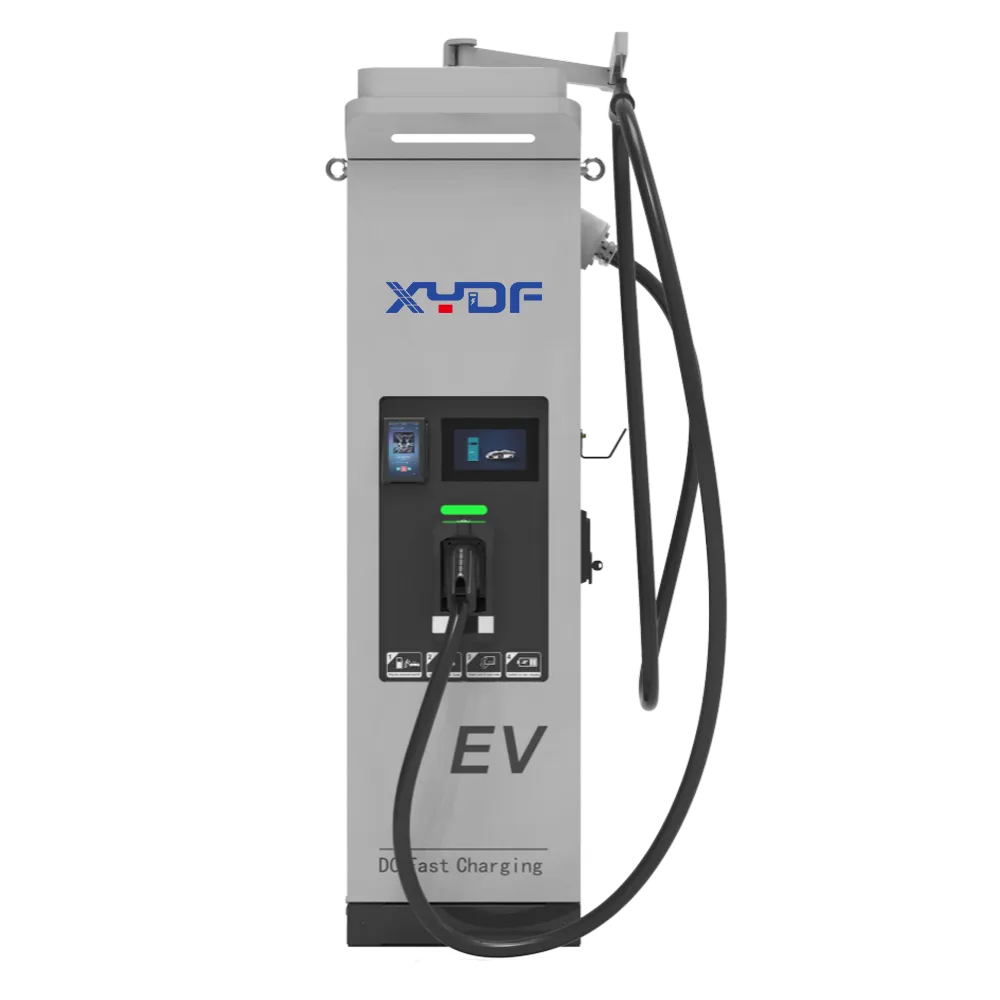
Once these inputs are available, buyers can review the مجموعة شواحن DC السريعة in the context of the actual project. A request sent through the صفحة الاتصال should include the site scope, operating conditions, local-process requirements, and documents expected. XYDF should respond to the documented request; this guide does not claim that a named product is commissioned, certified, or approved for a location.
Product context only; final equipment, installation, and approval suitability depend on verified project requirements.
الأسئلة الشائعة
ما الذي يجب التحقق منه قبل تشغيل موقع شحن المركبات الكهربائية؟
ينبغي أن يتناول عملية المشروع المسؤولة الترتيبات المثبتة، ومتطلبات السلامة الكهربائية والحماية، والسجلات المعمول بها، وحدود التشغيل المحددة. وتحدد الفحوصات النهائية المهنيين المؤهلين والمتطلبات المحلية.
ما هي الوثائق التي ينبغي أن تكون ضمن حزمة التسليم؟
ينبغي على العبوة تحديد الحالة المثبتة والسجلات المدارة للموقع، والجهات المسؤولة، والموافقات أو عمليات التفتيش المعمول بها، ومعلومات التشغيل، والتغييرات التي تم إجرائها أثناء التسليم. تعتمد الوثائق الدقيقة على المشروع والسلطة القضائية.
من يوقع على تركيب نظام شحن المركبات الكهربائية؟
The authorized parties are determined by the local process, contract scope, and responsible professional roles. A supplier or article cannot replace the project’s required approvals or sign-off path.
هل كافية جلسة الشحن الناجحة لتشغيل الجهاز؟
لا. يمكن أن يكون جزءًا من الأدلة العملية، لكنه لا يحدد بمفرده متطلبات الكهرباء والسلامة والموافقات والسجلات والإجراءات التشغيلية بشكل كامل.
ما هي التغييرات التي قد تتطلب مراجعة جديدة؟
قد تؤثر التغييرات في الإمدادات أو المعدات أو التصميم أو ترتيب المنافذ أو نطاق التشغيل أو شروط الوصول على أساس التسليم الأصلي. يجب على فريق المشروع المسؤول تقييم التغيير قبل العودة للتشغيل.
ما الذي يجب أن يتلقاه العمليات عند تسليمها؟
يجب أن تتلقى العمليات حدود التشغيل المتفق عليها والمعلومات الحالية المتعلقة بالتحكم في العمليات، ومراكز الاتصال المتعلقة بالعيوب والتقارير، وقواعد الوصول، وأي قيود أو مسارات للتحكم في التغييرات التي تحددها المشاريع.
هل يمكن للمورد أن يدعي أن الشاحن مرخص محليًا؟
ليس بدون أدلة محددة لمشروع معين. يجب على المشترين التحقق من المتطلبات والوثائق والموافقات وسلامة المنتج من خلال العملية المحلية المسؤولة، بدلاً من الاعتماد على بيان منتج عام.
لماذا لا يكفي تصنيف IP لتصريح باستخدام شاحن خارجي للسيارات الكهربائية؟
يقوم رمز IP بتحديد مستوى الحماية ضد الدخول في ظل ظروف اختبار محددة؛ ولكنه في حد ذاته لا يثبت مقاومة التأثيرات أو التحكم في التآكل أو التحمل للاهتزازات أو استقرار الأساسات أو حماية الكابلات أو الصرف الصحي أو الوصول إلى الصيانة. لا يُمنح التصريح بالتركيب إلا بعد مطابقة تلك المتطلبات المنفصلة لمواصفات الموقع والتحقق منها في سجلات التصميم أو القبول.
نستخدم ملفات تعريف الارتباط (الكوكيز) لضمان عمل هذا الموقع، وبإذنك، لقياس كيفية استخدام الزوار لموقع شحن المركبات الكهربائية الخاص بنا. انظر إلى سياسة الخصوصية للتفاصيل.
 شركة شينيا دونغفانغ لتكنولوجيا الكهرباء المحدودة.