EV Charger Certification: Matching CE, CB and TUV Routes to Markets
يوليو 27,2026
مدونة
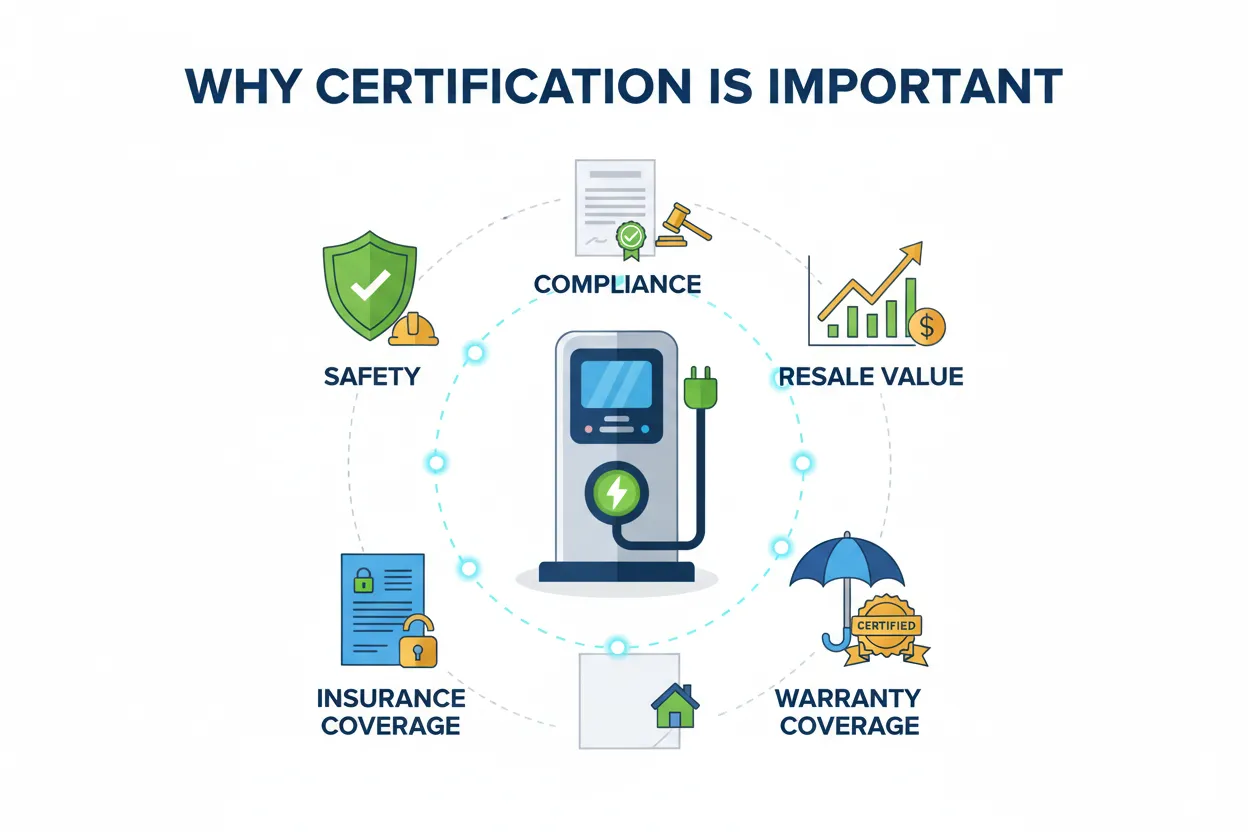
EV charger certification is not one credential but a set of market-specific routes: CE marking declares conformity for the EU and EEA, a CB certificate gives a multi-market test baseline under the IECEE scheme, and TÜV marks add voluntary third-party proof. Buyers who know what each route can prove—and what it cannot—can assess a supplier’s certificate folder instead of taking it on faith.
EV charger certification route—define the destination, intended installation and billing model, radio functions, exact electrical configuration, economic-operator role, and sales brand before requesting documents. Those facts determine which legislation, conformity process, national approval, marking, and evidence apply. Approve an identified configuration and market route, not a badge or a certificate cover page.
Part 1. Why Does the Target Market Decide the Certification Route?
Conformity regimes are national or regional, so the destination decides the paperwork. The same charger platform may ship to one market under CE marking, to another after converting a CB report into a national approval, and to a third with additional local testing — one certificate never covers every export market.
For buyers, the practical consequence is sequencing: name the target markets first, then ask which evidence the supplier already holds for those markets and which gaps a specific order must close. The concept-level background sits in the EV charger attestation explainer; this guide handles the routing decision.
Route
What it is
What it is not
علامة CE
Manufacturer’s declaration of conformity with applicable EU legislation
A certificate issued by an EU authority
CB certificate
IECEE test-report baseline recognized by member bodies
A sales license for any market
TUV mark
Voluntary third-party certification by a TUV body
A legal requirement in itself
Which route should buyers verify for each destination?
The certificate folder should be the output of a destination-market compliance route, not the starting point. Before requesting documents, define the country of sale, the party placing the charger on that market, the intended installation and billing model, radio functions, exact electrical configuration, and the name under which the product will be sold.
Destination or buying case
Route to verify
Minimum decision evidence
Stop the review if
EU or EEA
Applicable EU legislation, required conformity-assessment route, technical documentation, EU Declaration of Conformity, and CE marking
Signed declaration naming the identifiable product, manufacturer, applicable legislation, and standards; supporting reports for the supplied configuration
The declaration identifies another model, omits an applicable function, or relies on a “CE certificate” without the manufacturer’s declaration
Great Britain
The current GB route for the product category; CE continues to be recognized for many product types alongside UKCA
Correct declaration, marking, technical records, and economic-operator details for England, Scotland, or Wales
The supplier treats Great Britain and Northern Ireland as one regime or cannot identify the applicable product rules
Market using an IECEE CB result
National approval through the relevant National Certification Body, using the CB Test Certificate and CB Test Report as inputs
Certificate and report pair, product identity, IEC standard and edition, destination deviations, and the local body’s conversion requirements
Only the certificate cover page is offered, or CB is presented as automatic national market access
Tender or customer asking for a TÜV mark
The named voluntary certification program plus the destination’s mandatory legal route
Issuer record, certificate ID, covered models, certified characteristics, status, and permitted mark use
A logo appears in sales material but no matching issuer record or model scope can be produced
Check the Great Britain row close to shipment because product-marking policy can change. Current UK government guidance distinguishes Great Britain from Northern Ireland and explains continued CE recognition for many product types; it does not make one route universal across every regulated product.
Part 2. What Does CE Marking Actually Declare for an EV Charger?
CE marking is the manufacturer’s own declaration that the product meets all applicable EU legislation, backed by a technical file — the European Commission’s CE marking page defines it exactly that way. Nobody “issues” CE; the manufacturer takes responsibility for it.
For charging equipment, that declaration typically rests on the low-voltage and electromagnetic-compatibility directives applied through the EN IEC 61851 series, with radio equipment rules where connectivity is built in and measuring-instrument rules where billed metering applies — the directive-to-standard mapping is laid out in the Spilma certification guide. Two buyer checks follow directly:
ask for the declaration of conformity and the harmonized standards it cites, with editions;
confirm the cited editions are current, since outdated references weaken the presumption of conformity.
Who carries CE responsibility in a private-label project?
The European Commission states that a business having a product made and selling it under its own name or brand is considered the manufacturer for CE purposes. A distributor that becomes the named manufacturer therefore needs access to the supporting compliance evidence, not merely a supplier statement that a similar charger is “CE certified.”
The Commission’s six-step manufacturer guidance starts by identifying all applicable legislation and product requirements, then completing the applicable assessment, technical documentation, and declaration before applying the mark. The Your Europe CE marking guidance also makes clear that CE marking applies only where harmonized EU rules require it and that no central EU body grants a general CE permission.
What can a declaration, test report, or certificate prove?
An EU Declaration of Conformity is the manufacturer’s legally accountable declaration for the identified product; it is not a laboratory certificate. A test report records the configuration, methods, and results assessed by a laboratory; it may support a conformity decision but does not by itself authorize a mark or market entry. A third-party certificate or certification mark records a certification body’s decision under a defined scheme; its value depends on the issuer, scope, and current status.
Wording matters. “Tested to IEC 61851” identifies a test basis, but it does not say who performed the work, whether the complete applicable program passed, which edition was used, or whether a certification body issued a current certificate. “CE approved” is also incomplete: the evidence chain is the applicable rules, conformity assessment, technical documentation, a signed declaration, and the mark on the product where required.
Part 3. What Does a CB Certificate Prove — and What Does It Not?
ال IECEE CB scheme is an international system for mutual recognition of safety test reports and certificates among member certification bodies. One accredited test campaign against the relevant IEC standards becomes a baseline that national bodies in participating countries can convert into their own approvals with reduced retesting.
“A CB Test Certificate is not permission to sell globally.” National bodies can still require country deviations, local labels, extra EMC or radio testing, factory inspection, or sample retesting. Treat CB as a conversion baseline and budget the national step per market (TrendPower certification guide).
Ask for the CB Test Certificate and its associated test report, then reconcile the product identity, IEC standard and edition, listed deviations, and destination body’s conversion requirements. A cover page without the report is not enough to judge the tested configuration.
For multi-market programs this is exactly why CB matters: it front-loads the expensive testing once. The division of certification ownership between supplier and buyer belongs in the program structure — see the OEM vs ODM buyer questions guide.
Part 4. When Do Voluntary TUV Marks Strengthen a Charger Offer?
TÜV marks are voluntary certification marks issued under named programs by TÜV organizations—independent testing, certification, and surveillance bodies such as TÜV Rheinland. A voluntary mark does not replace the destination’s legal conformity route, but it adds third-party evidence that the product was assessed and that the scheme’s surveillance requirements apply.
Voluntary marks earn their cost in three buyer situations: tenders that score independent certification, markets where self-declared conformity meets skepticism, and private-label programs where the buyer’s brand carries the field risk. If none of those applies, the legal route plus a solid test file may be sufficient — spending on marks is a commercial decision, not a compliance one.
Verify the named program rather than the logo alone. TÜV Rheinland’s Certipedia database allows buyers to search certificate records and tested product features by an individual ID. Confirm the issuer record, exact models, certified characteristics, current status, and permitted mark use, while remembering that the database lookup does not replace the destination-law review.
Part 5. How Should Buyers Verify Certificates Before Contract?
Certificates are verifiable documents, not logos on a brochure. Sourcing guidance is blunt about the failure mode: paid marketplace badges say nothing about quality, and mark misuse is common enough that verification in the issuing body’s database — by model number — is the standard advice from buyer guides such as Hongjiali’s sourcing guide.
A verification pass that fits in one afternoon:
Buyer should request / check
لماذا هذا مهم
Declaration of conformity with cited standards and editions
Anchors the CE route to a checkable technical basis
CB certificate and test report numbers
Convertible baseline; verifiable with the issuing body
Mark certificates (for example TUV) with model and validity
Marks bind to models and expire; scope drift is common
Exact model numbers and variants in your order
Variants can fall outside a certificate’s scope
Database verification by model number
Confirms the paper matches the issuing body’s record
How should certificate scope be matched to the purchase configuration?
Begin certificate scope verification with the quoted model code and compare it with the certificate, report, and nameplate. Reconcile rated input and output, charger mode, connector configuration, protective functions, enclosure option, radio modules, metering option, and any model-family rules. A shared enclosure or product name does not prove that every power level and option belongs to the assessed family.
Ask the supplier to explain every suffix and “similar models” statement in writing. Where a critical component or firmware-controlled safety function differs from the tested sample, request the certification body’s accepted change record or another documented assessment before assuming coverage. Perform this check separately for shortlisted AC charger configurations و DC fast charger configurations, whose power architectures and option sets are not interchangeable.
Validity is more than a date printed on a PDF. Search the issuer’s current database using the certificate number, manufacturer, and model; confirm that the result is active, matches the supplied file, and shows no suspension, withdrawal, or superseding record. If the record is absent, ask the issuer or supplier for clarification rather than declaring it false, because older or restricted records are not always publicly searchable.
What belongs in the tender and shipment document pack?
Create a market-access document checklist for each destination and model. At minimum, the controlled pack should contain:
a route memo naming the destination, use case, importer or responsible economic operator, applicable legislation, local approval, and marking route;
the signed declaration, certificates, and complete referenced test reports, indexed by issuer, number, issue date, status, standard, and edition;
a model-scope matrix mapping every ordered SKU and option to the documents that cover it, including explanations for family-model suffixes;
nameplate, marking, and user-document samples in the required language, with manufacturer and importer details required for the destination;
controlled drawings, bill of materials or critical-component list, software or firmware identification where relevant, and approved change records;
production controls and routine-test records showing that shipped units remain consistent with the assessed design.
A certificate pack answers “was this design assessed?” Production evidence answers “does this shipment still represent that design?” Connect the second question to incoming inspection and factory testing, then place document owners, submission dates, and acceptance criteria into the EV charging tender response.
Before approving the supplier, procurement needs four unambiguous answers: which route is legally required in each destination; who signs or owns each conformity document; which exact order configurations are covered; and what evidence will accompany production and shipment. If any answer depends on “the whole series is the same,” ask for the documented model-family logic. Make document acceptance a release condition and require notification before changes that could affect the approved configuration.
Pair the paperwork with capability evidence — the factory audit checklist covers how production reality is verified on site.
Part 6. How Does XYDF Present Its Qualification Evidence?
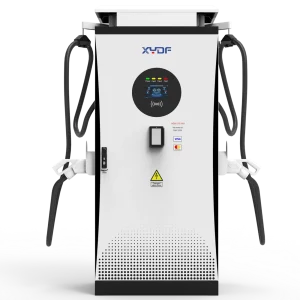
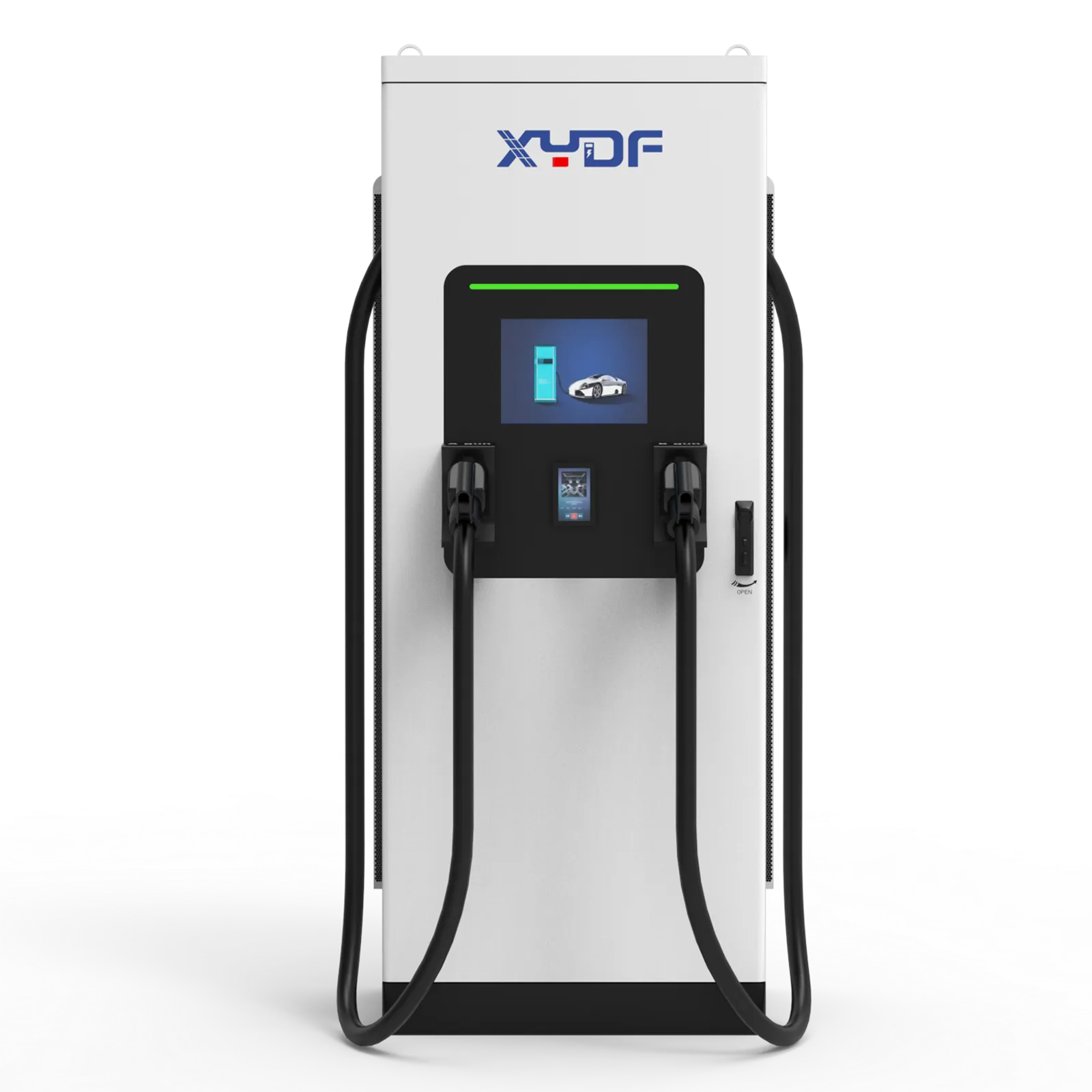
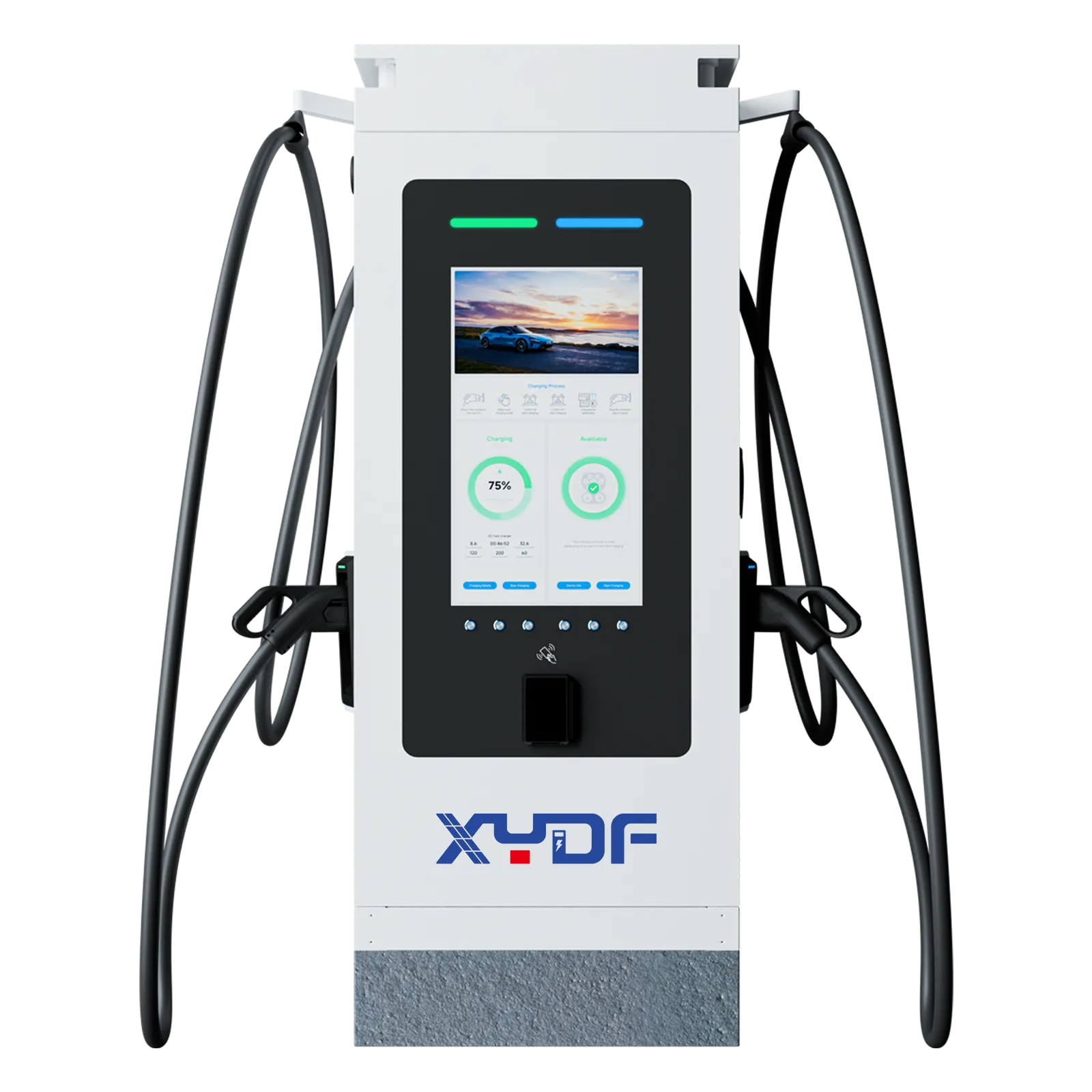
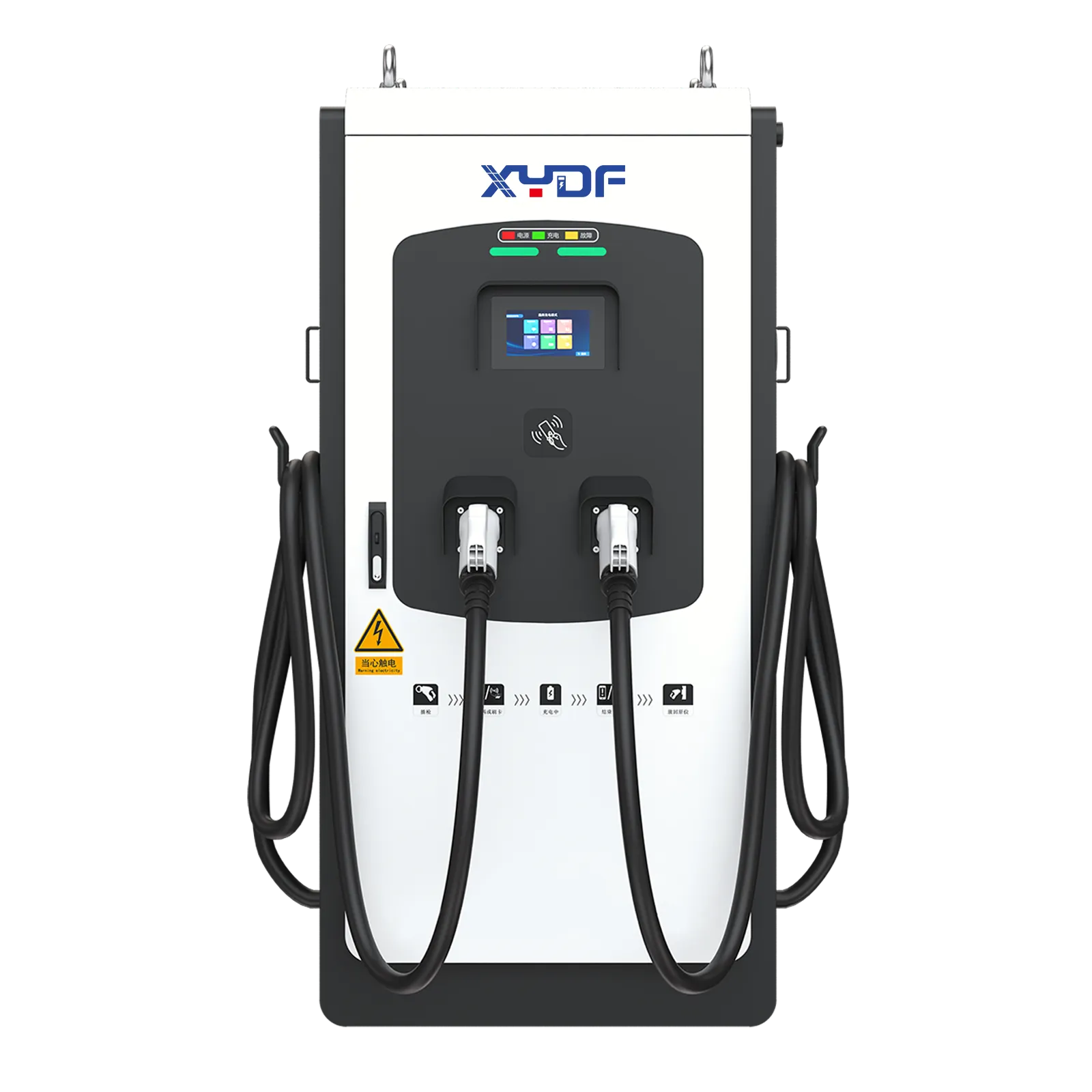
XYDF publishes its certificate records — TUV CE certificate records, a CB test certificate record and ISO management-system certificates — on the XYDF qualification page. Read each record the same way you would any supplier’s: model, standard, edition and validity, checked against the exact units you plan to order.
Use those published records as an index, then request the full record set for the exact quoted model. The page’s existence does not establish that every XYDF charger carries every qualification shown, and no model should be treated as currently certified solely because a logo or related record appears online.
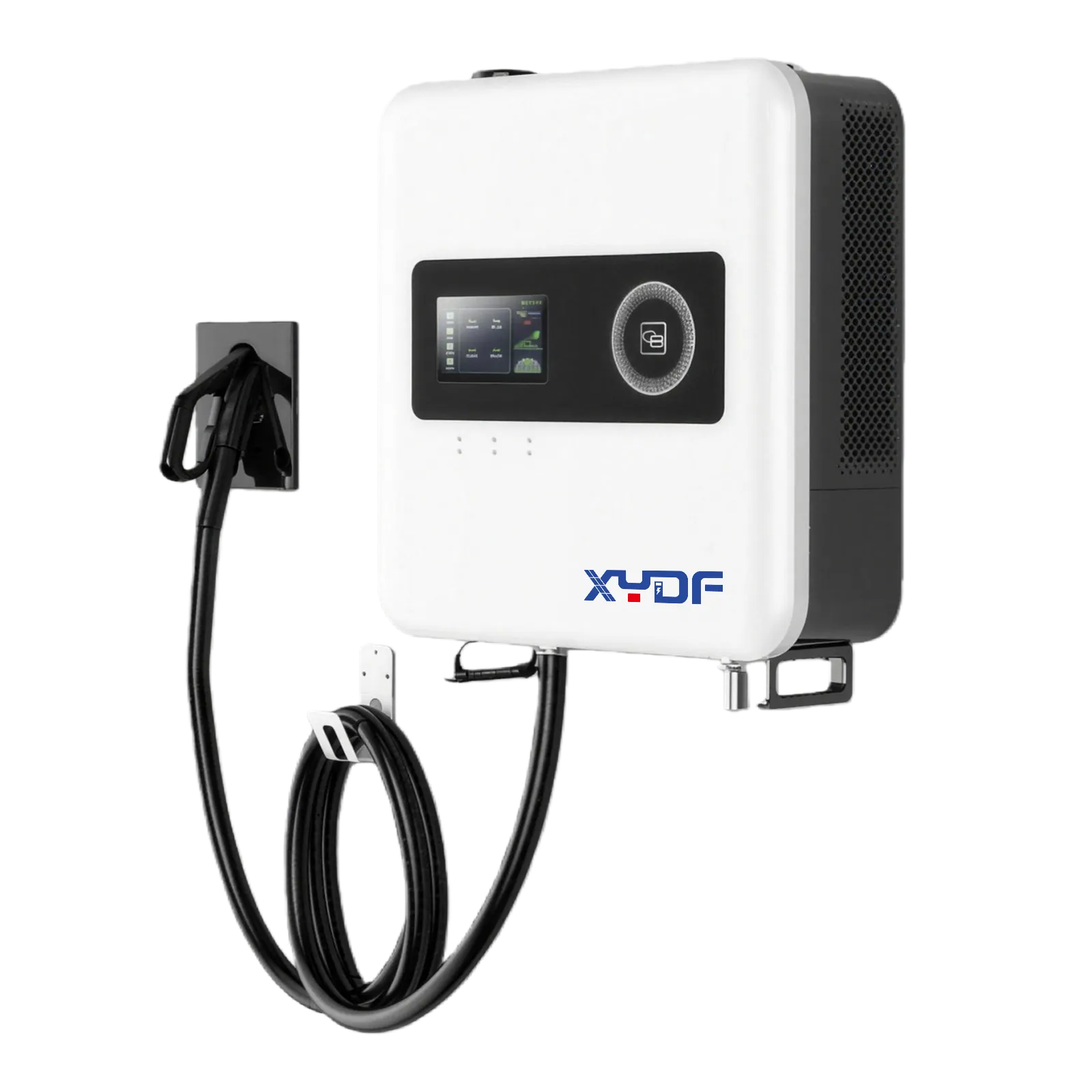
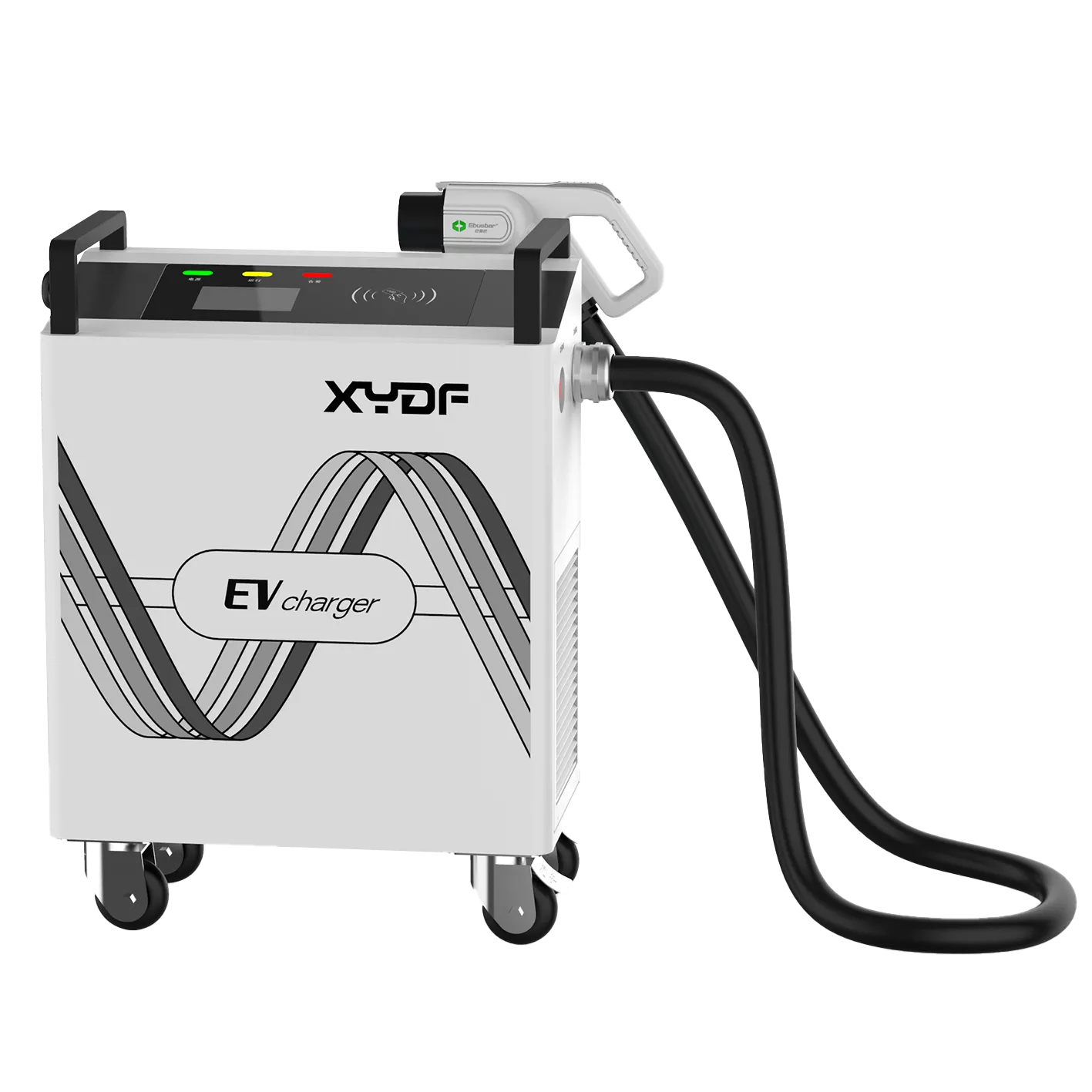
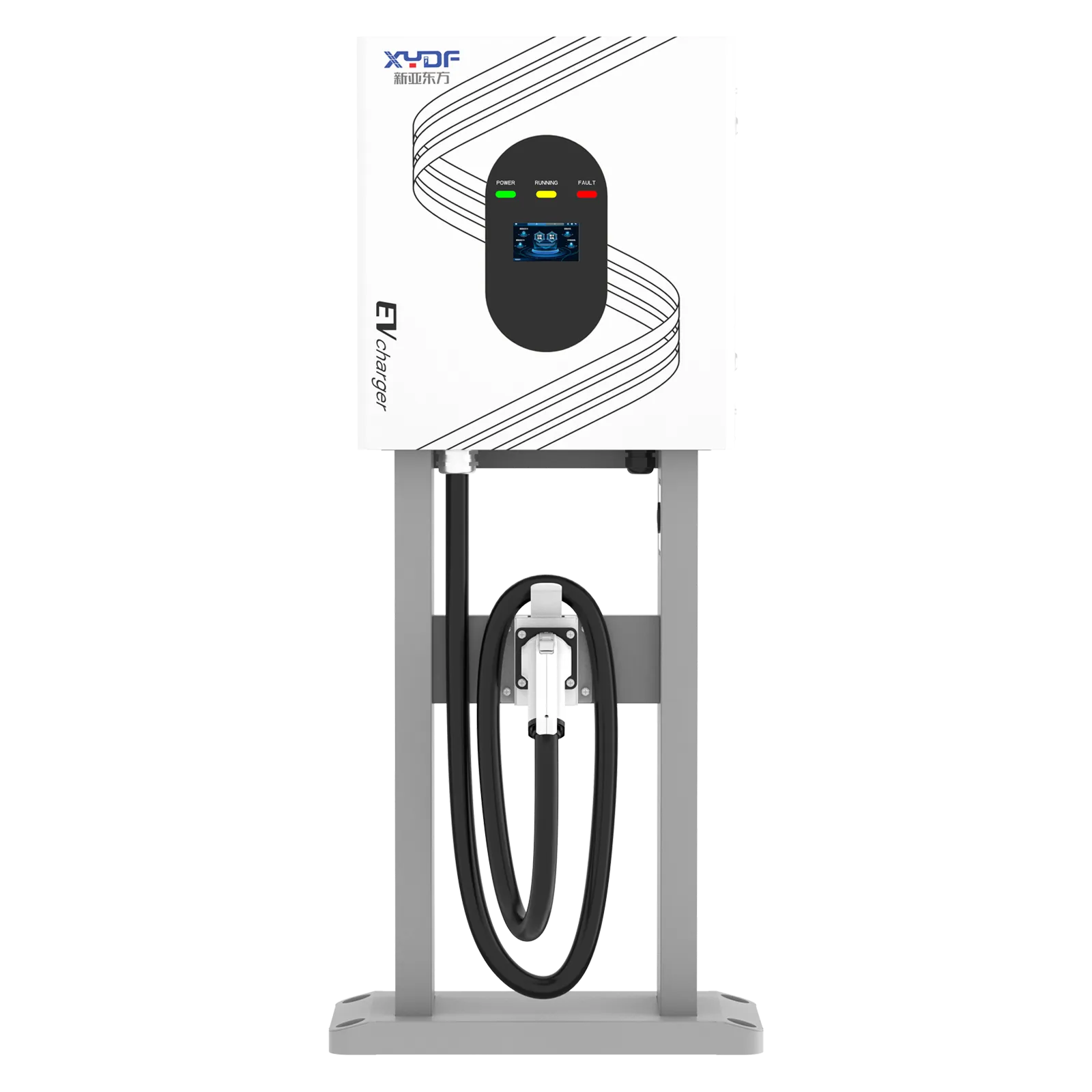
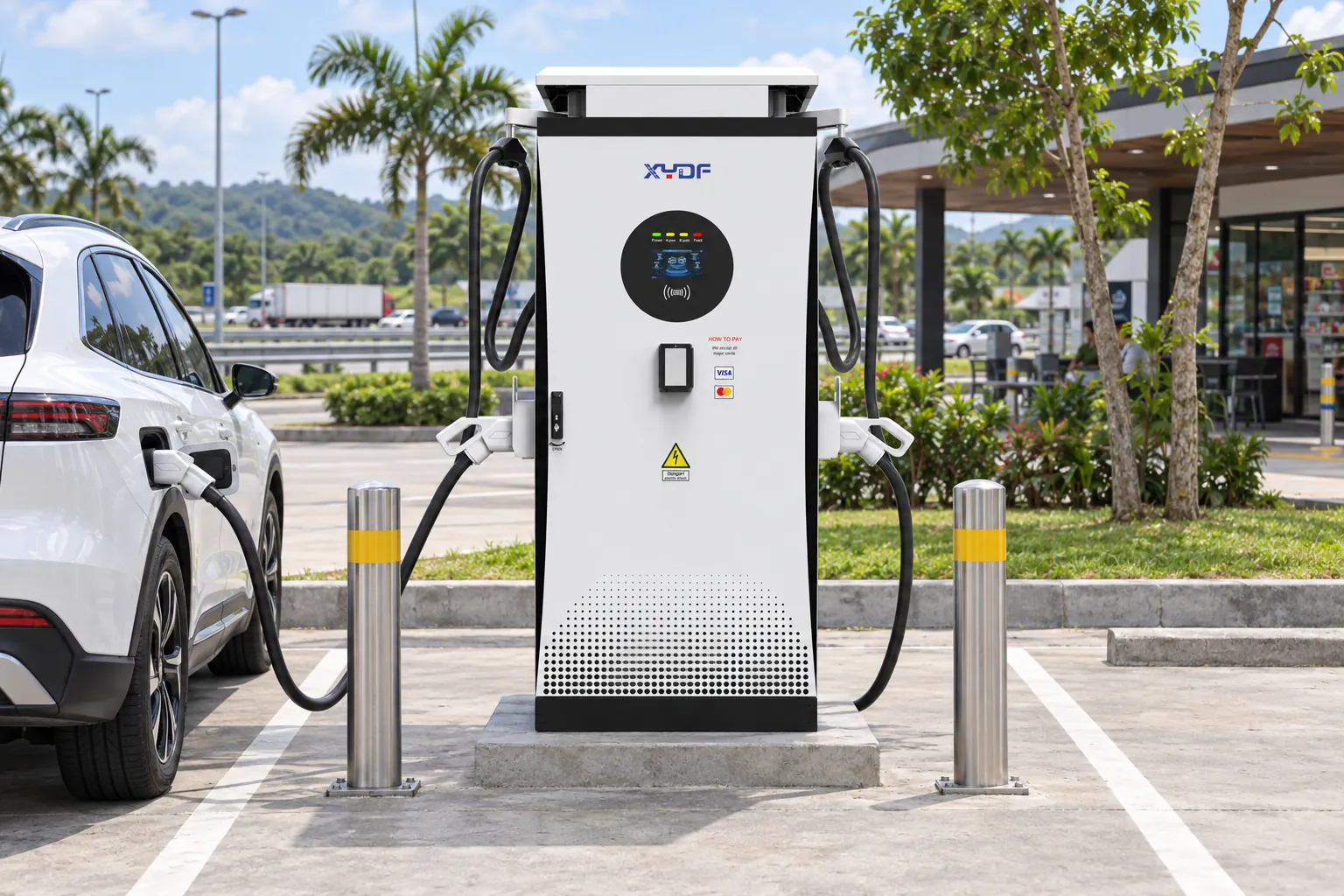
Then make the request model-specific: pick candidates from the XYDF EV charger product range — for commercial fast charging, the DC fast charger range — and ask through the contact page for the certificate set matching the quoted model and your target market. This guide fits buyers mapping compliance evidence to markets; it is not legal advice, it does not list every national scheme, and certificate scope is always what the certificate itself states.
The procurement principle is simple: approve a route and an identified configuration, not a badge. A current issuer-database check and a line-by-line scope review turn marketing claims into evidence that compliance teams, importers, and tender evaluators can use.
أسئلة شائعة
What certification does an EV charger need for the EU?
CE marking: the manufacturer’s declaration of conformity with the applicable directives, typically evidenced through the EN IEC 61851 series plus radio and metering rules where those features exist.
What does a CB certificate actually prove?
That an accredited body tested the product against the relevant IEC standards and issued a report other member bodies can recognize — a baseline for national approvals, not a sales license.
Is a TUV mark required to sell an EV charger?
No. TUV marks are voluntary third-party certifications. They add independent evidence that helps in tenders and brand-risk situations but do not replace the legal conformity route.
Does one certificate cover every export market?
No. Conformity regimes are national or regional; each destination can require its own route, deviations or extra testing. Map markets first, then close gaps per market.
Which standards sit under CE marking for chargers?
Chiefly the EN IEC 61851 series applied under the low-voltage and EMC directives, with radio-equipment and measuring-instrument rules added when connectivity or billed metering is in scope.
How do buyers verify a supplier’s certificates?
Request the documents with model numbers, then check them in the issuing body’s database and confirm validity dates and scope against the exact models in your order.
 شركة شينيا دونغفانغ لتكنولوجيا الكهرباء المحدودة.