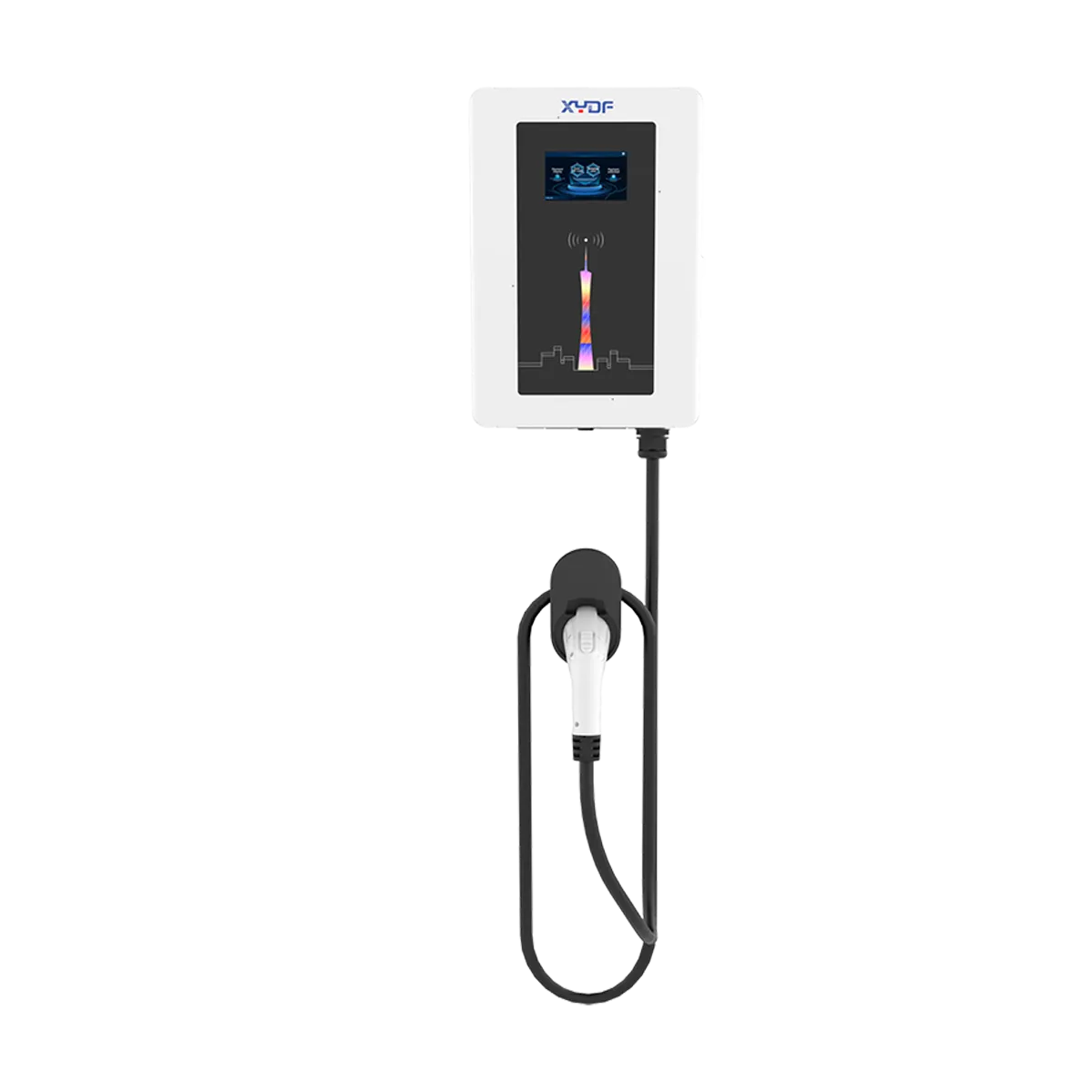
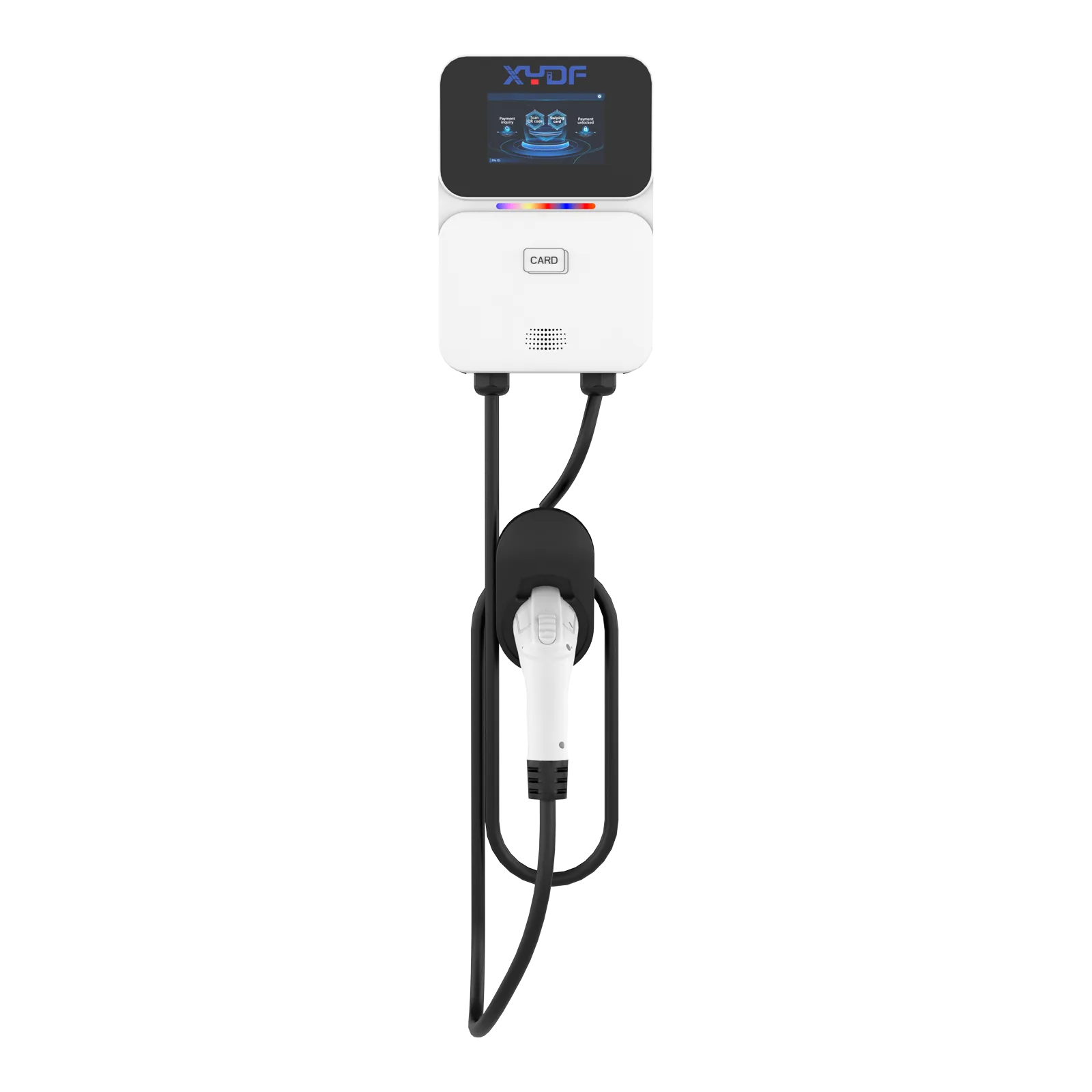
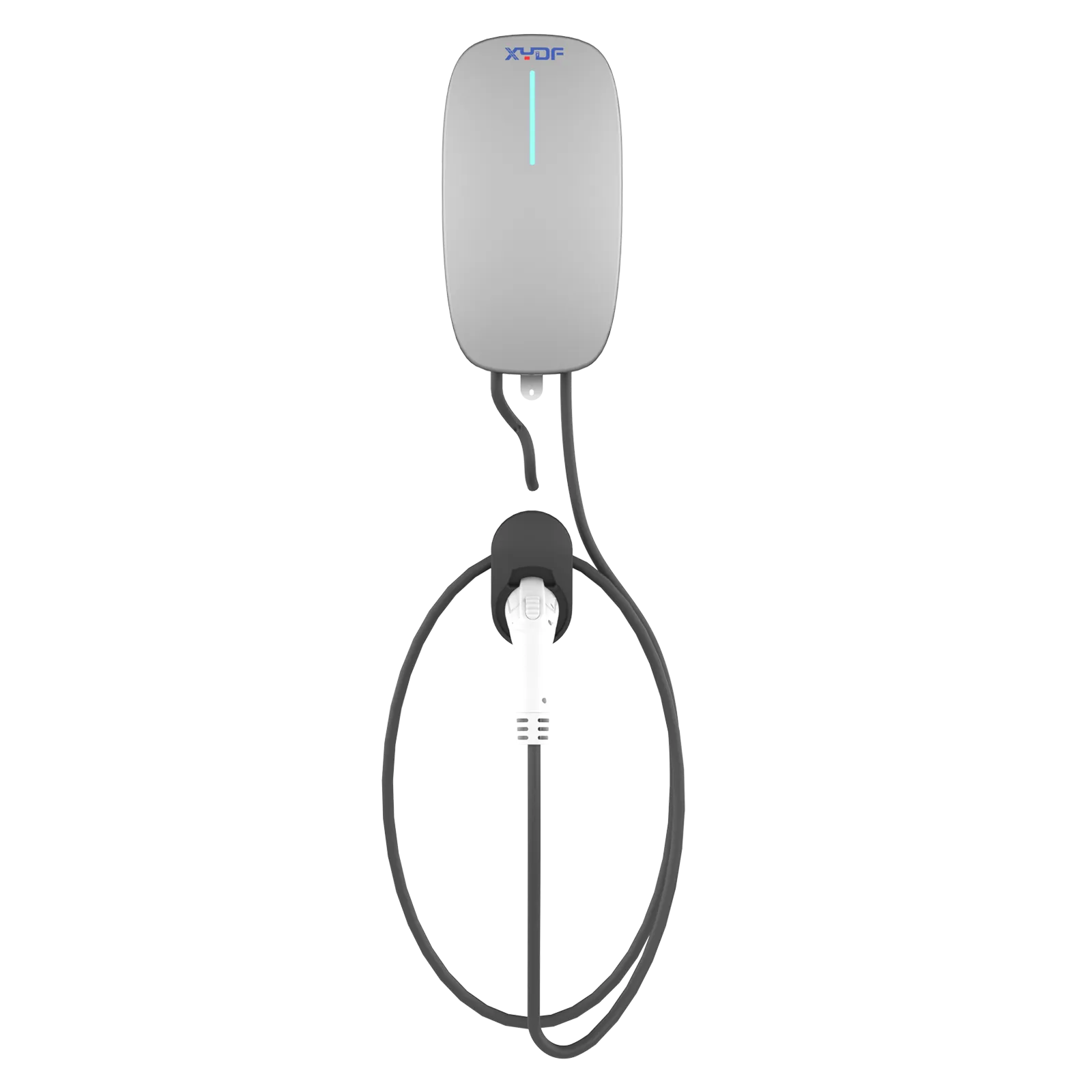
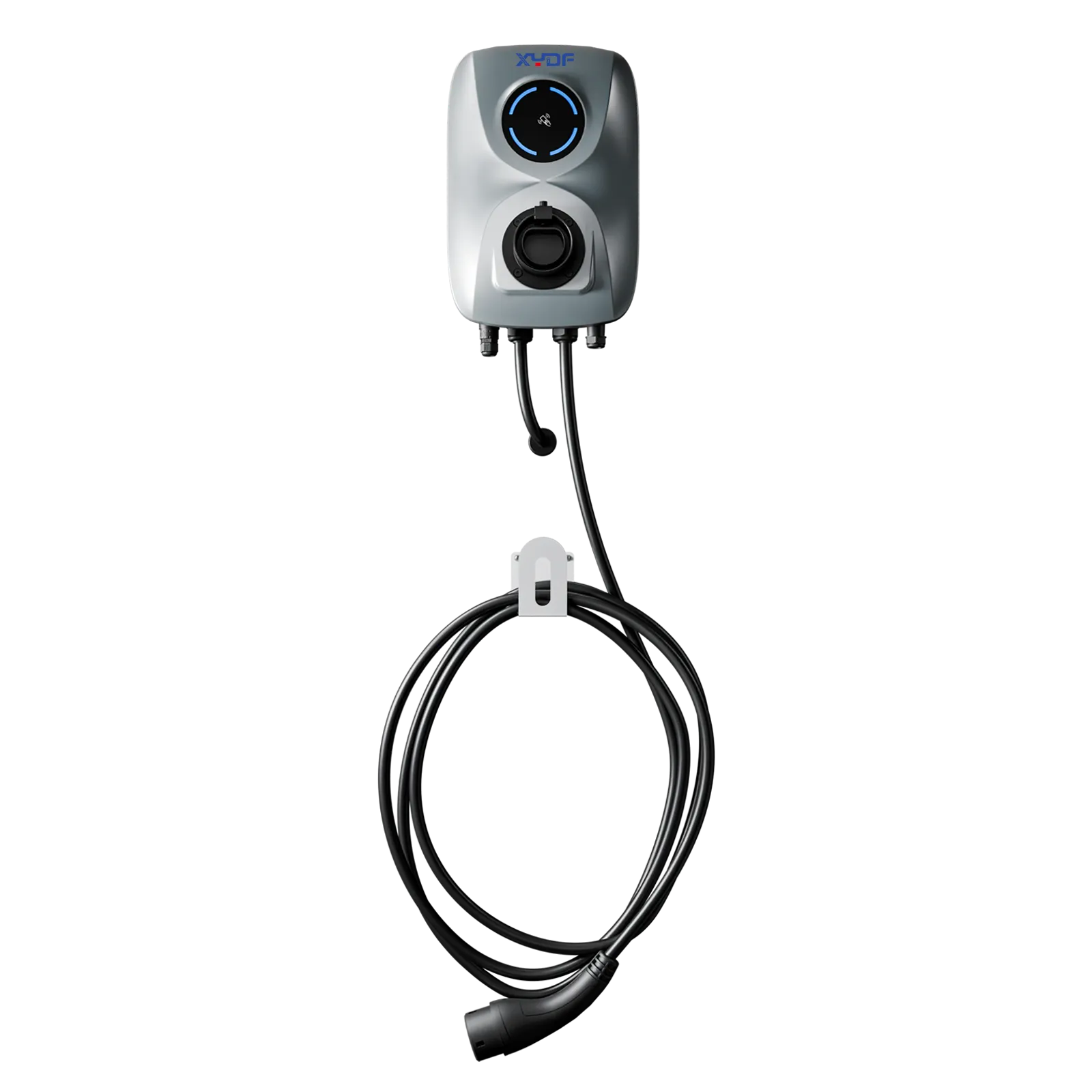
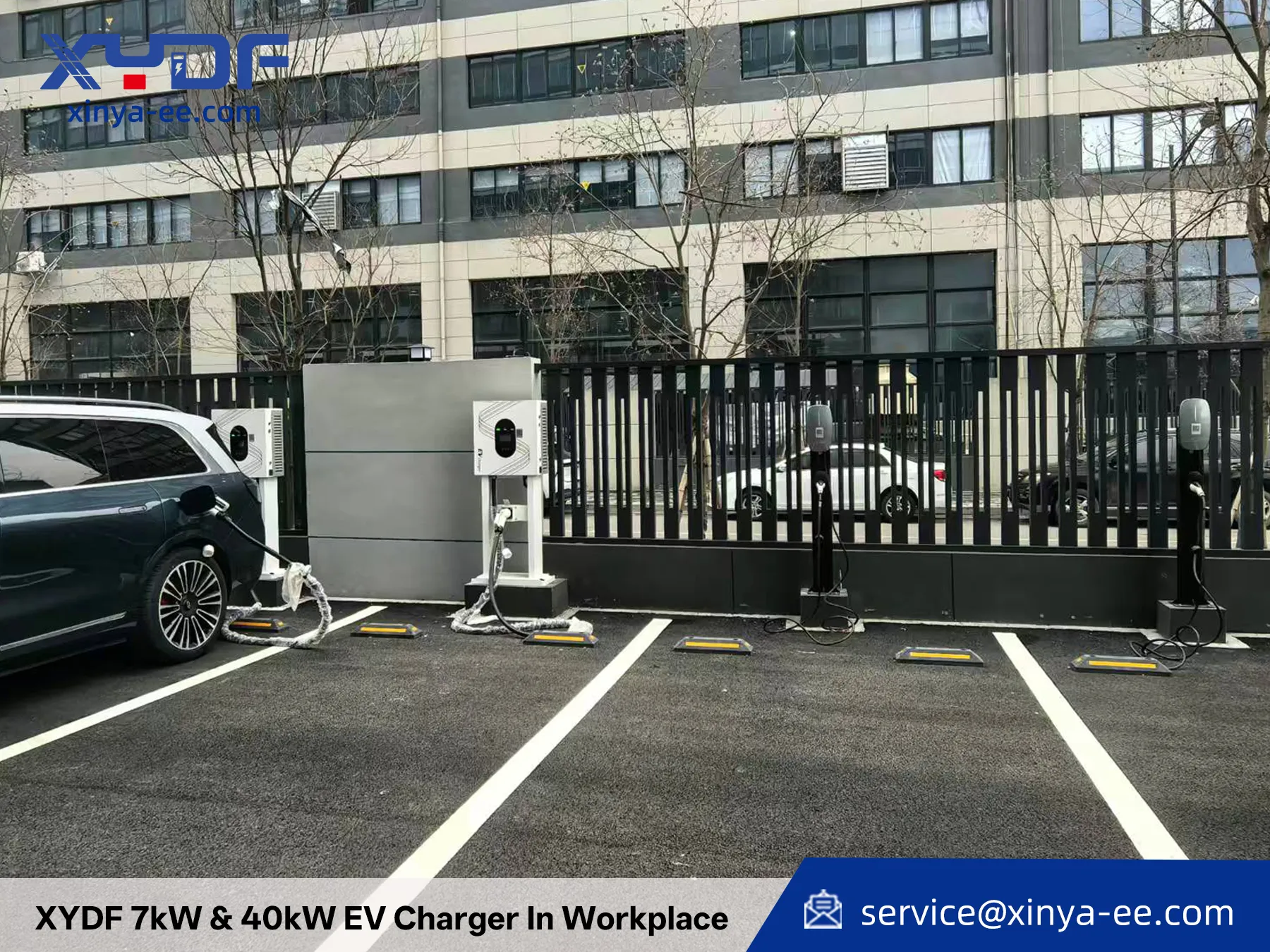
مع تزايد استخدام السيارات الكهربائية (EV)، من المهم أن تكون على دراية بنوع حل الشحن الذي يلبي أسلوب حياة كل فرد على أفضل وجه. يعد الشاحن من المستوى الأول (Level 1 Charger) للسيارات الكهربائية حلاً منخفض التكلفة وسهل الاستخدام. سيقدم هذا الدليل معلومات حول كيفية اختيار شاحن من المستوى الأول مناسب، والميزات الرئيسية الشائعة التي يجب مراعاتها، والسمات الإيجابية للشاحن من المستوى الأول، والإجابة على العديد من الأسئلة الشائعة حول الشواحن من المستوى الأول لتمكين مالكي السيارات الكهربائية من اتخاذ أفضل قرار لديهم بشأن الشاحن المناسب من المستوى الأول لتسهيل الاستمتاع بفوائد امتلاك سيارة كهربائية.
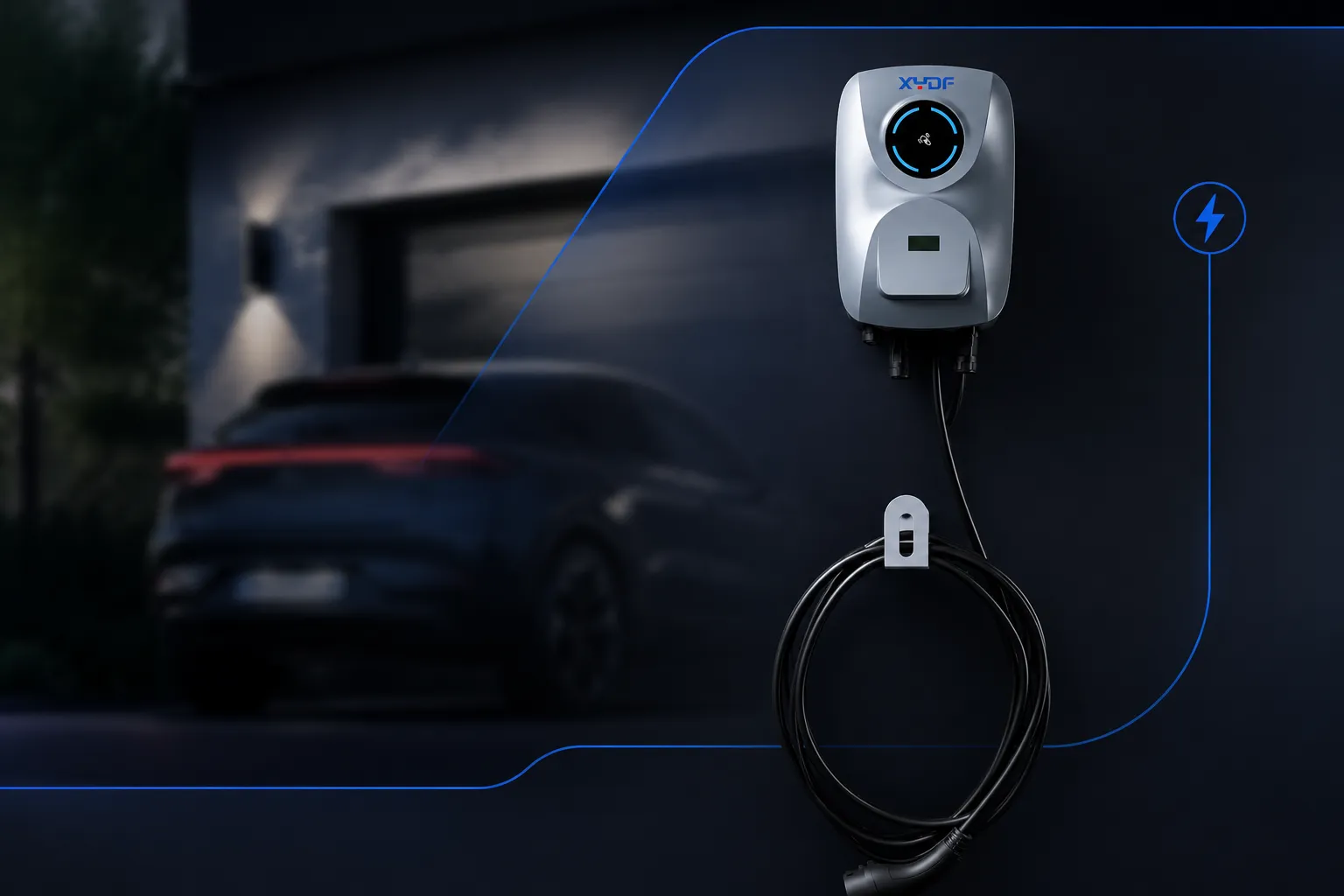
ما هي شاحن المستوى 1 لمركبة كهربائية؟
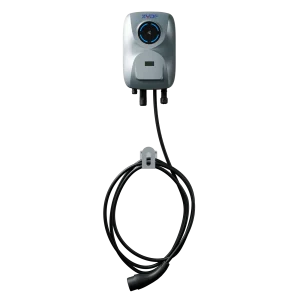
تستخدم محطة الشحن من المستوى الأول منافذ كهربائية قياسية (120 فولت) لشحن السيارات الكهربائية، وبالتالي فهي طريقة سهلة للغاية لشحن سيارة كهربائية. على الرغم من أن المستوى الأول هو أبطأ خيار شحن بين جميع طرق الشحن، إلا أنه كافٍ لشحن السيارات الكهربائية بشكل يومي إذا كنت لا تقود لمسافات طويلة في الغالب كل يوم أو إذا كنت تشحن ليلاً. الشحن باستخدام شاحن المستوى 1 يمكن توفير معدل شحن متوسط يبلغ 4-5 أميال لكل ساعة من وقت الشحن.
كيفية اختيار الشاحن المناسب للمستوى 1؟
هناك العديد من المعايير الهامة التي يجب أخذها في الاعتبار عند اختيار نقطة وصول لسيارة كهربائية. يصف هذا الدليل هذه العوامل الرئيسية، والتي ستساعدك على التمييز بين المنتجات وتمكينك بشكل أفضل من اتخاذ قرار مستنير بشأن المنتج (المنتجات) التي سيتم اختيارها كجزء من برنامج الشحن الخاص بسيارتك الكهربائية.
التوافق مع سيارتك الكهربائية
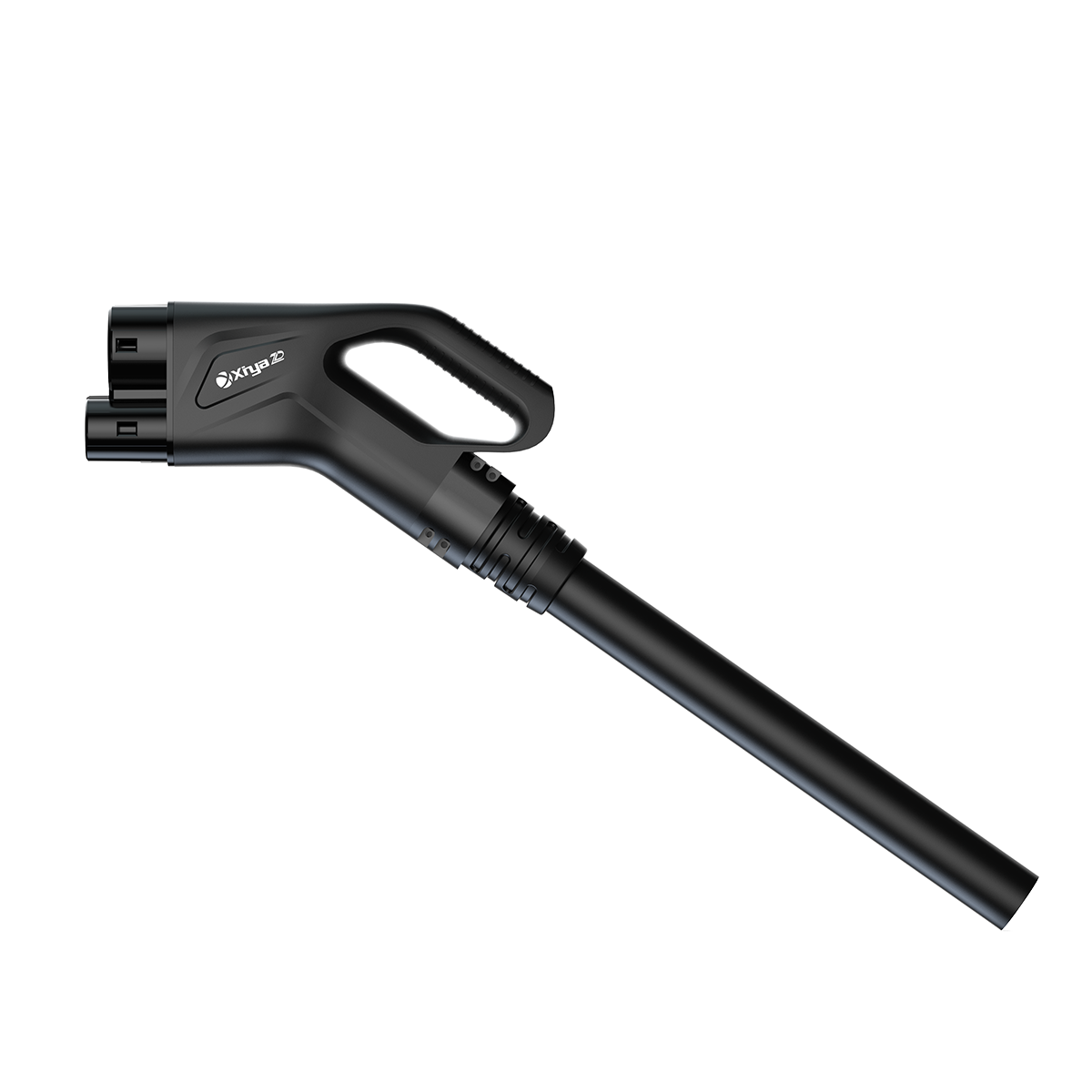
بينما تستخدم معظم المركبات الكهربائية في أمريكا الشمالية موصلات J1772 للشحن من المستوى 1 والمستوى 2، هناك بعض الشواحن التي لن تتناسب مع هذه الأنواع من القابس. تأكد من أن أي شاحن تستخدمه يتوافق مع سيارتك!
طول الكابل
يعد طول الكابل اعتبارًا مهمًا، خاصة إذا كنت تركن بعيدًا عن مصدر طاقة. ضع في اعتبارك اختيار شاحن بطول كافٍ للكابل حتى لا تضطر إلى شد السلك أو سحبه أثناء شحن سيارتك الكهربائية.
ميزات السلامة
اختر الشواحن التي تحمل شهادات السلامة (مثل UL، ETL، إلخ). تعتبر الحماية من زيادة التيار، ومقاومة الماء، والحماية من الحرارة الزائدة ميزات توفر الحماية للشاحن ولمركبتك ضد المشاكل الكهربائية.
قابلية التنقل
إذا كنت تخطط للسفر مع شاحنك أو تحتاج إلى شحن سيارتك الكهربائية (EV) بشكل متكرر، فاختر شاحنًا خفيف الوزن وقابلًا للحمل؛ في بعض الحالات، تتوفر أيضًا حقائب حمل لهذه الأنواع من الشواحن.
ضمان ودعم العملاء
إذا قمت بشراء جهاز شحن يتضمن ضمانًا ممتازًا للمنتج، فستشعر براحة أكبر عند القيام باستثمارك. بالإضافة إلى ذلك، اختر شركة لديها سجل طويل في دعم عملائها بخدمة موثوقة وضمان ممتد لمدة 12 شهرًا على الأقل.
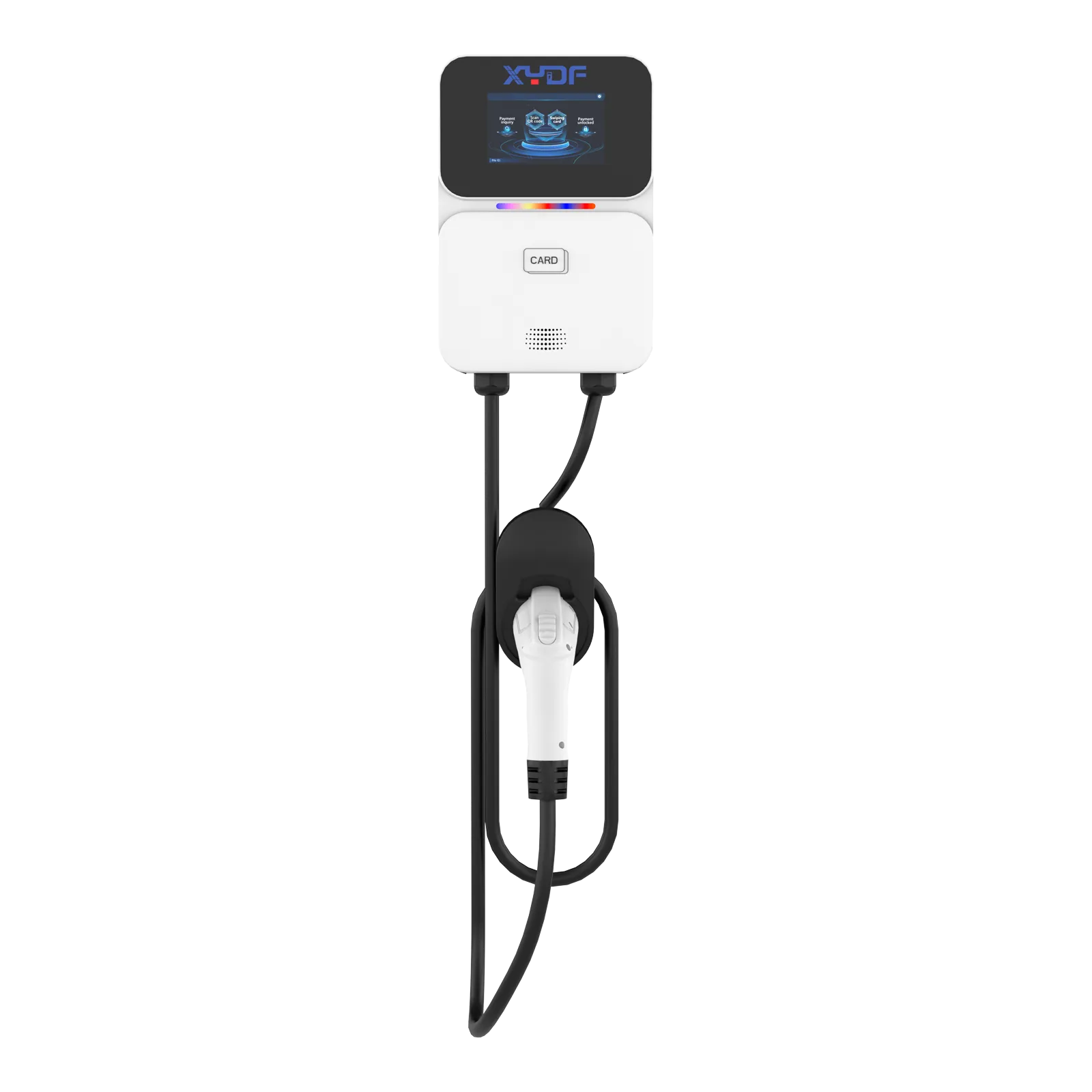
المزايا الرئيسية للشواحن من المستوى الأول
هناك العديد من الأسباب التي تجعل الناس يميلون إلى اختيار شاحن المستوى 1 كخيارهم الأولي لشحن السيارات الكهربائية. وتشمل هذه الأسباب:
خيار بأسعار معقولة
بالنسبة للمالكين الجدد للمركبات الكهربائية وأولئك الذين يرغبون في نهج اقتصادي، يمكن العثور على محطات الشحن من المستوى الأول بأسعار أقل بشكل عام من محطات الشحن السريع بالتيار المستمر أو محطات الشحن من المستوى الثاني.
سهولة التركيب
شواحن المستوى 2 تحتاج إلى خدمة كهربائية مخصصة بجهد 240 فولت، لكن شواحن المستوى 1 تحتاج فقط إلى التوصيل بالمقبس المنزلي القياسي الحالي، مما يوفر إمكانية تثبيتها بسهولة دون الحاجة إلى تركيب احترافي.
سهولة الاستخدام والتنوع
يمكن العثور على شواحن المستوى 1 في أي مكان تقريبًا يوجد به منفذ عادي. يمنحك هذا حرية شحن جهازك بسهولة في المنزل أو في العمل أو أثناء زيارة منزل شخص آخر.
أسئلة متكررة
ما هو متوسط تكلفة شاحن السيارة الكهربائية من المستوى 1 للبيع؟
يمكن أن يتراوح سعر الشاحن من المستوى 1 بين حوالي $200 و$700، اعتمادًا على مجموعة متنوعة من العوامل، بما في ذلك العلامة التجارية والوظائف الإضافية. ومن المهم عند الشراء البحث عن خيارات موثوقة من شركات تصنيع ذات سمعة طيبة، وذلك لتحقيق أقصى استفادة من استثمارك.
كم من الوقت يستغرق شحن سيارة كهربائية باستخدام شاحن من المستوى 1؟
تختلف مدة الشحن حسب حجم بطارية سيارتك. في المتوسط، تستغرق معظم البطاريات من 8 إلى 20 ساعة للشحن بالكامل، لذلك يختار الكثيرون الاعتماد على الشحن طوال الليل.
هل يمكنني استخدام شاحن المستوى 1 إذا كنت أعيش في عقار مستأجر؟
يمكنك استخدامه طالما يمكنك توصيل منفذ بقوة 120 فولت. هذه ميزة كبيرة للمستأجرين الذين ليس لديهم وسيلة لتركيب شاحن من المستوى 2.
ما هو الفرق بين الشحن من المستوى 1 والشحن من المستوى 2؟
يستخدم الشحن من المستوى 1 منفذًا كهربائيًا منزليًا قياسيًا (120 فولت) للشحن البطيء. يمكن لشاحن المستوى 1 أن يمنحك ما بين 4 إلى 5 أميال من المدى لكل ساعة شحن. من ناحية أخرى، يتطلب الشحن من المستوى 2 منفذًا كهربائيًا مخصصًا بجهد 240 فولت للشحن الأسرع - ما يصل إلى 25 إلى 30 ميلًا من المدى كل ساعة اعتمادًا على كيفية إعداد النظام.
هل شواحن المستوى الأول صديقة للبيئة؟
عند دمجها مع مصادر الطاقة النظيفة أو المتجددة، تعتبر السيارات الكهربائية أيضًا صديقة للبيئة، مما يزيد من استدامة ملكية السيارة الكهربائية للفرد.
اختيار جيد شاحن المستوى 1 لـ EV خطوة أساسية نحو تجربة ممتعة وفعالة مع سيارتك الكهربائية. فهم الميزات الأساسية مثل طول الكابل، والتوافق مع مواصفات سيارتك، وميزات السلامة يمكن أن يساعدك على اتخاذ قرار مستنير حول ما إذا كانت أجهزة الشحن التي تناسب احتياجاتك هي أجهزة شحن من المستوى الأول!
 شركة شينيا دونغفانغ لتكنولوجيا الكهرباء المحدودة.
 30-40 كيلوواط
 30-40 كيلوواط
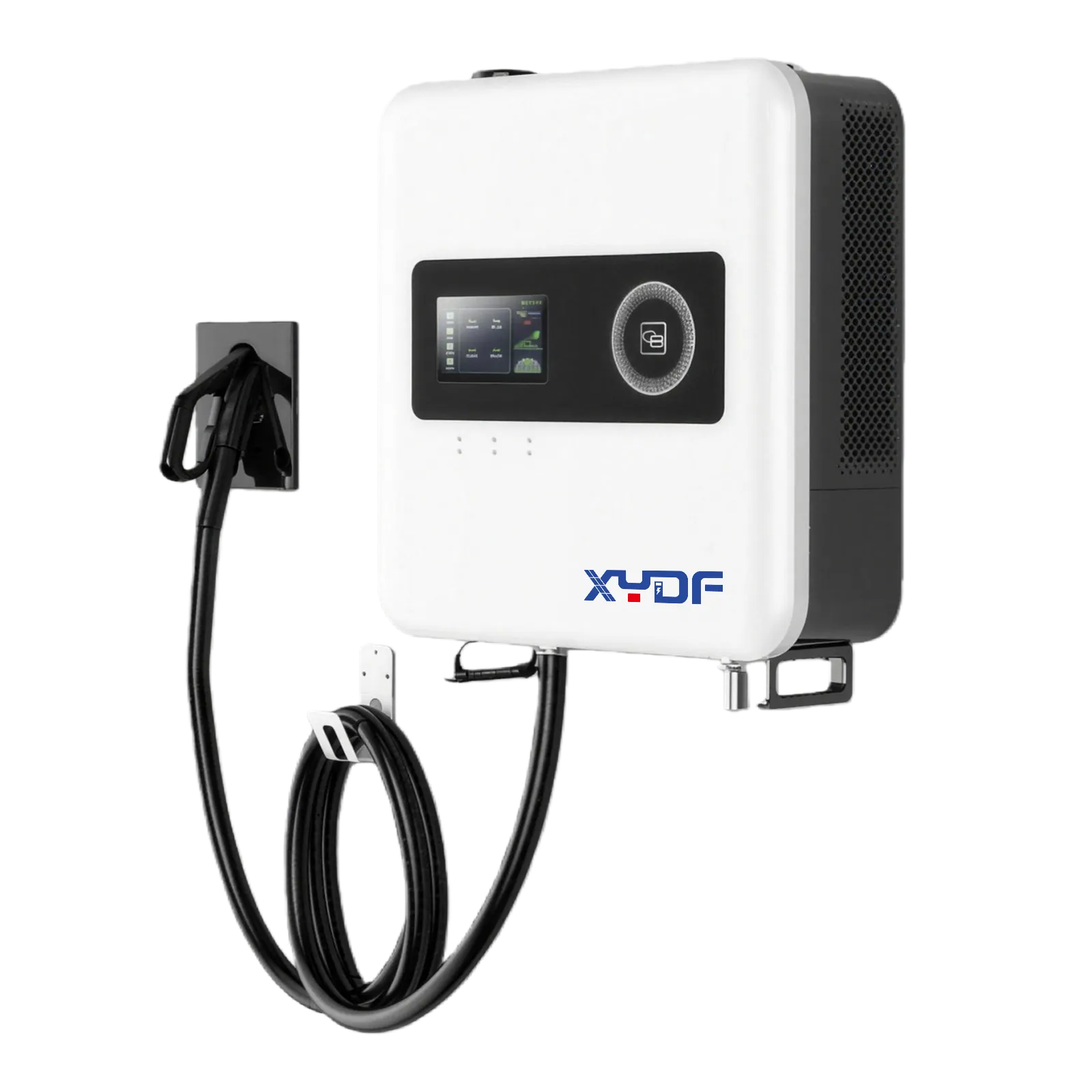 30 كيلوواط
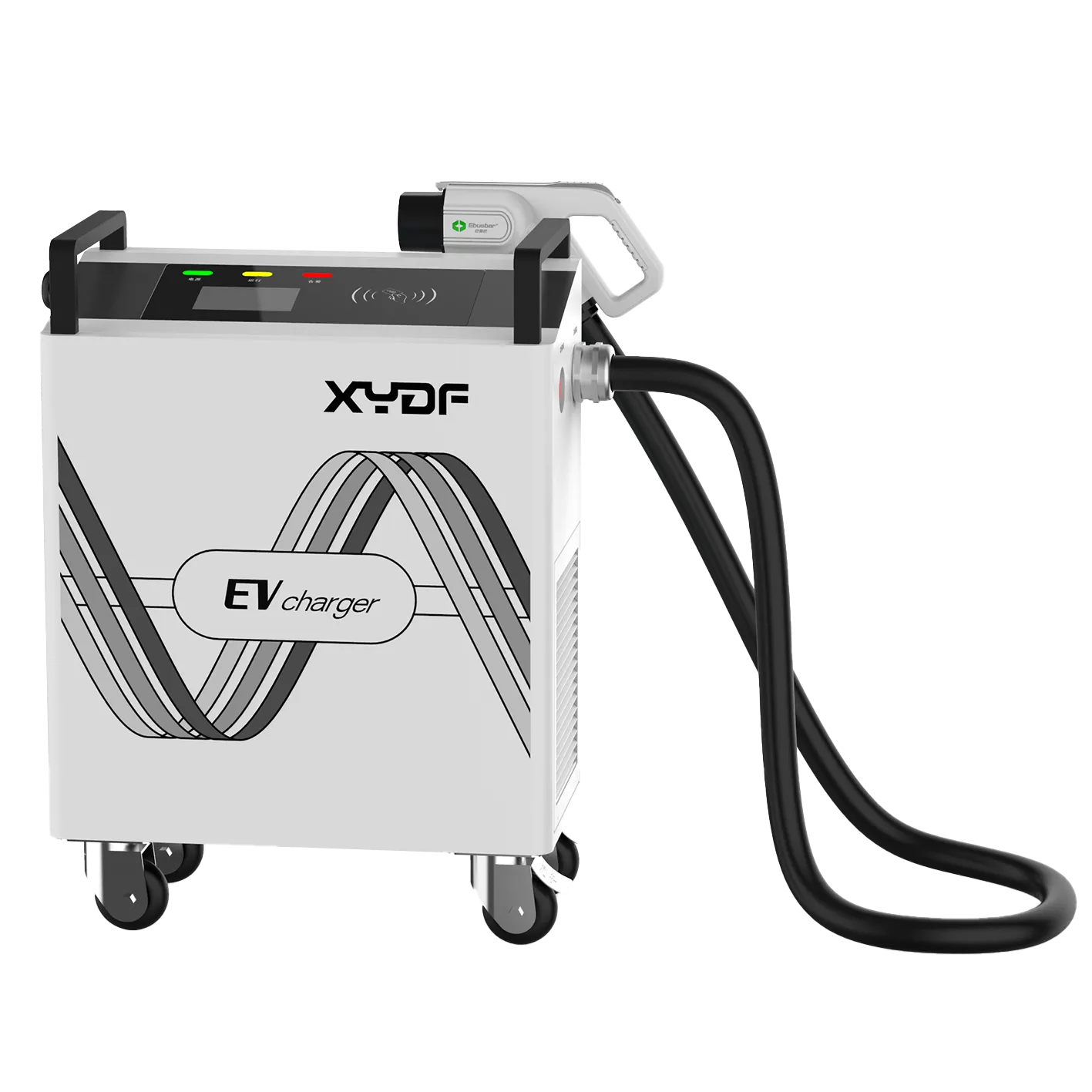 30-40 كيلوواط
 80 كيلو واط - 240 كيلو واط
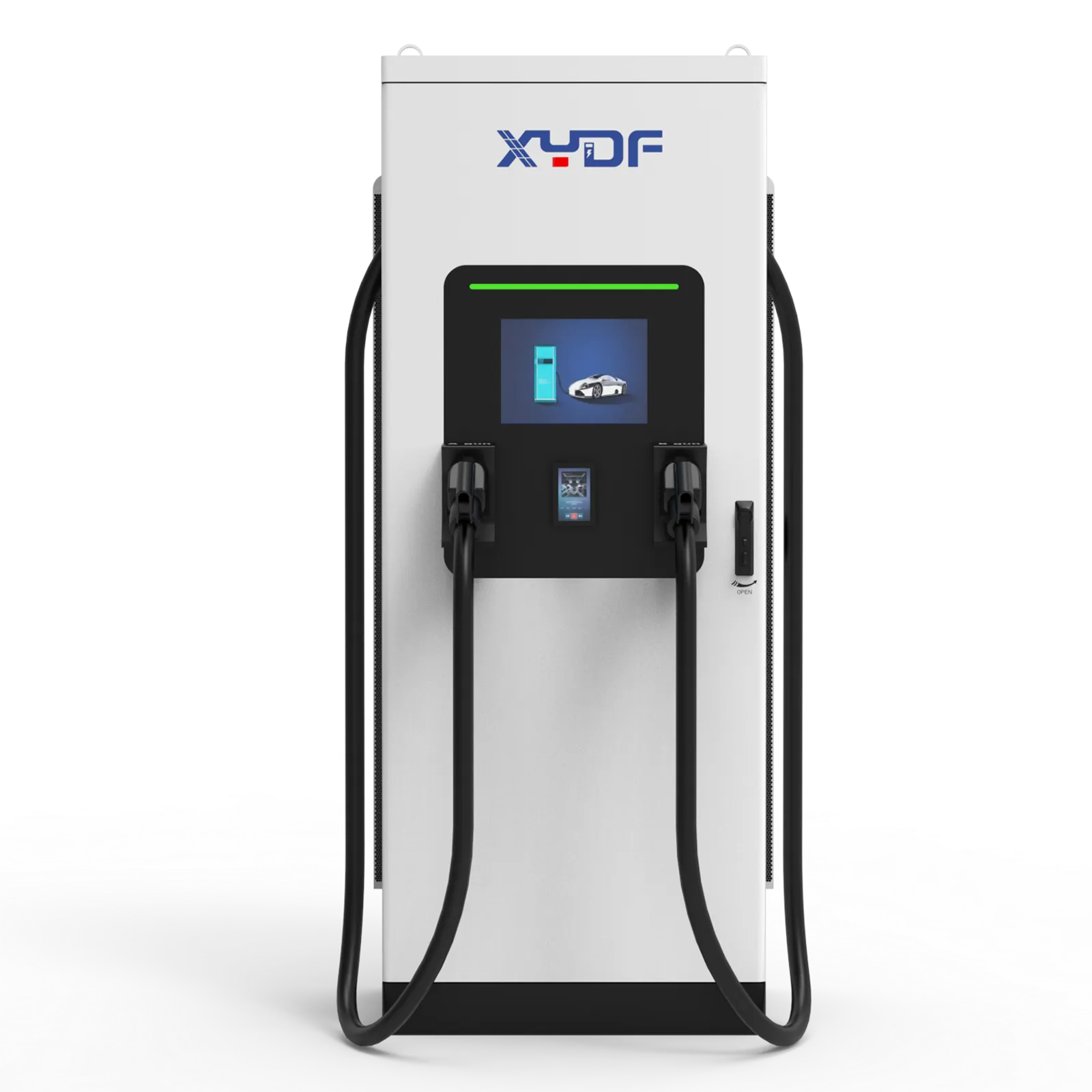 60-240 كيلوواط
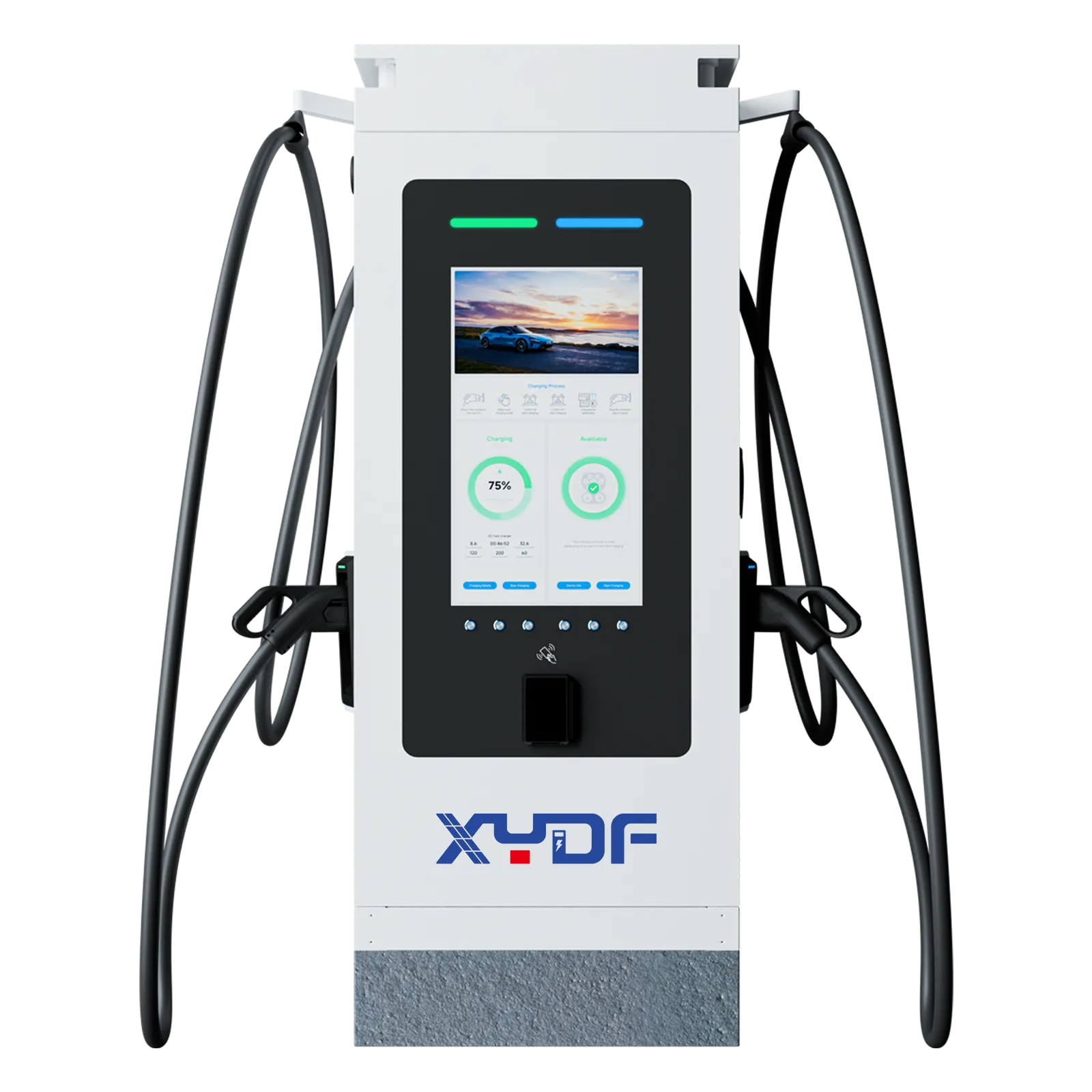 60 كيلوواط - 240 كيلوواط
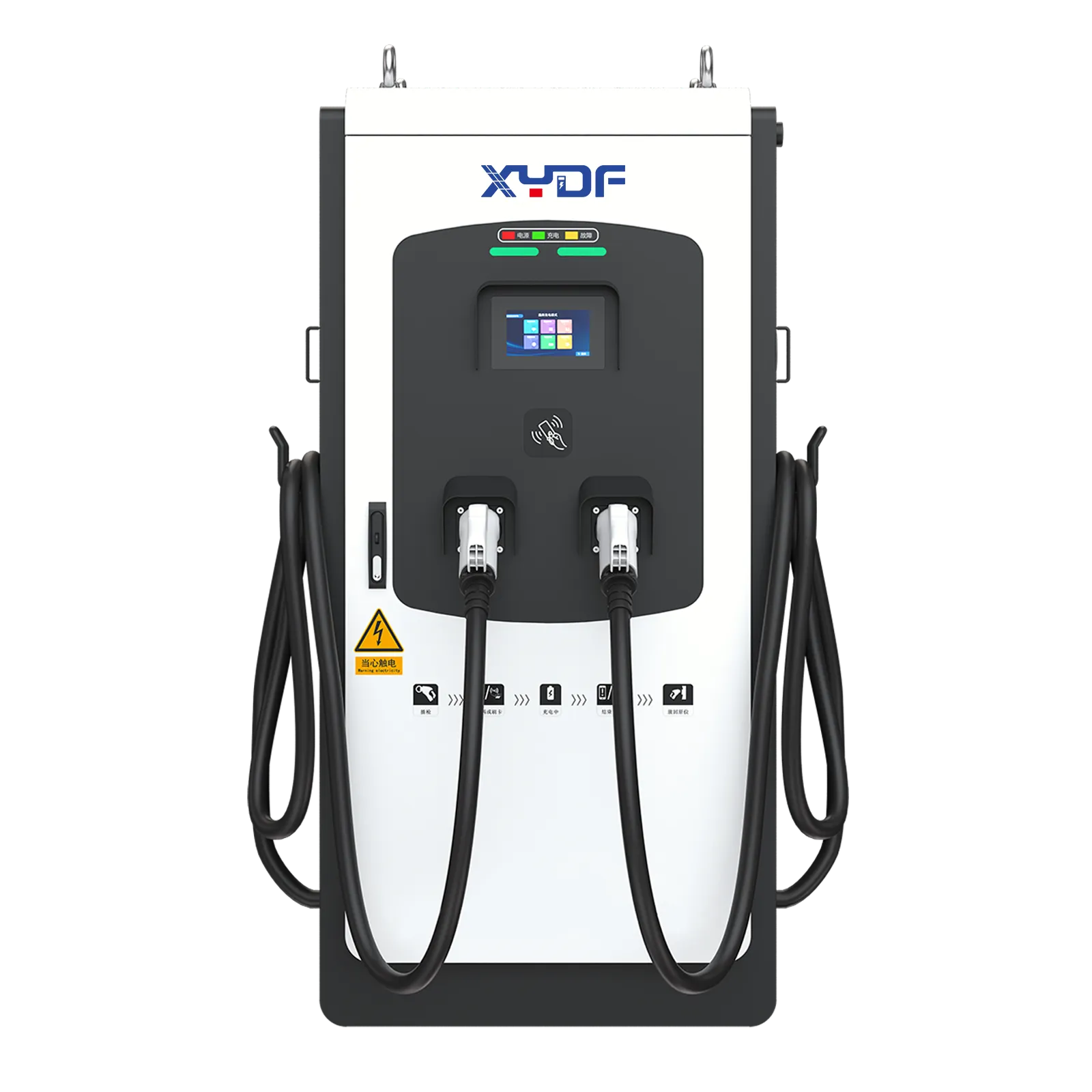 400-520 كيلوواط
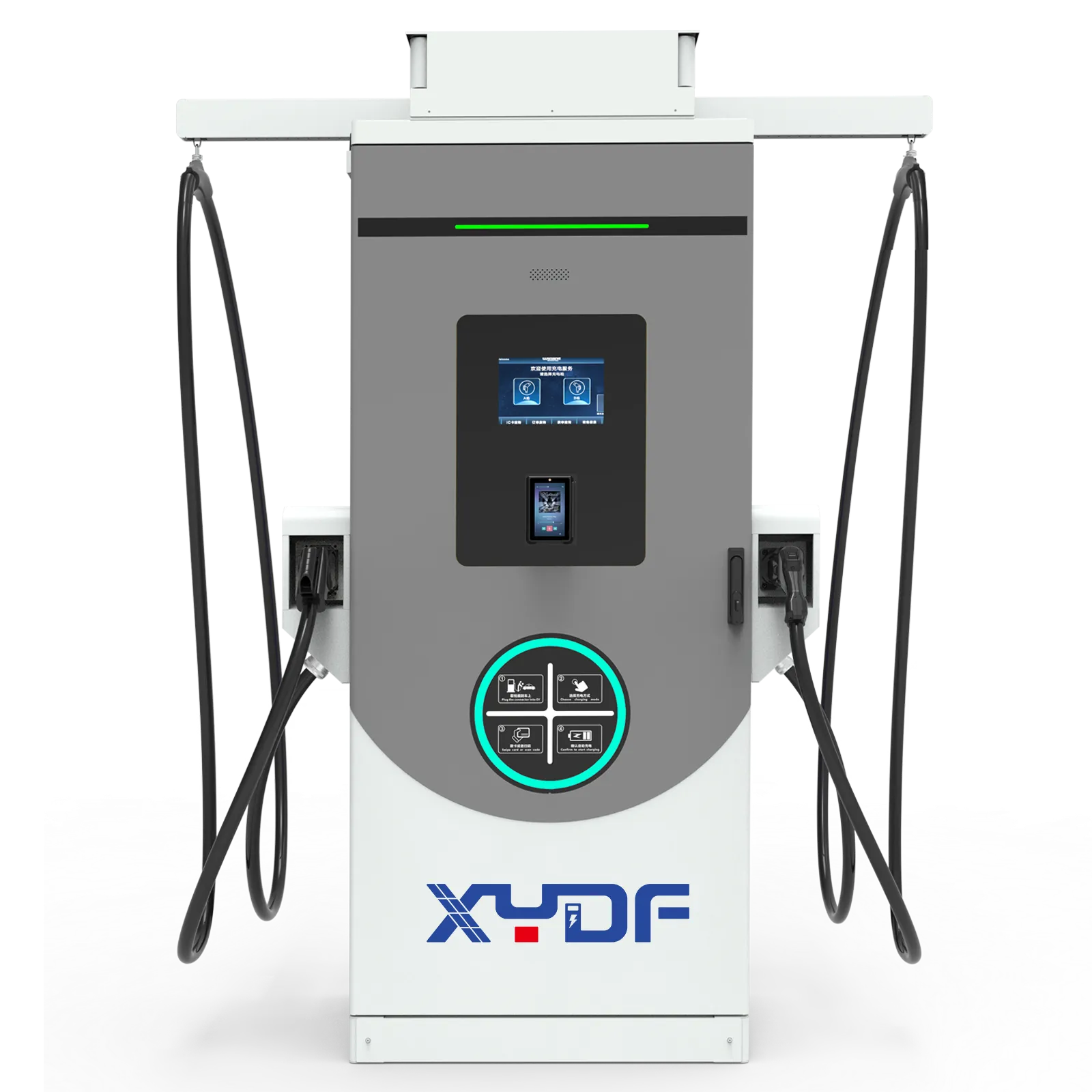 320-400 كيلوواط
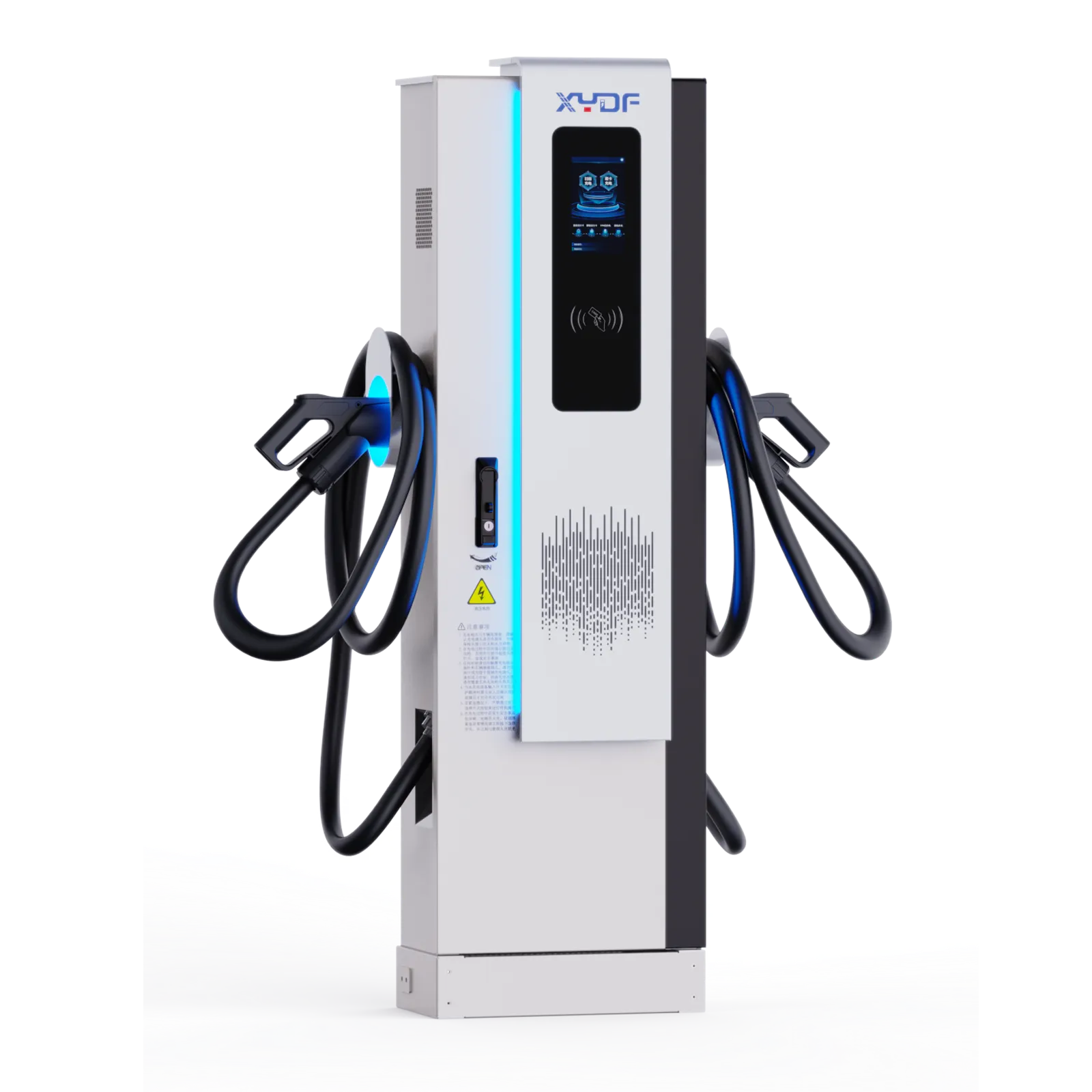 480 كيلوواط - 960 كيلوواط
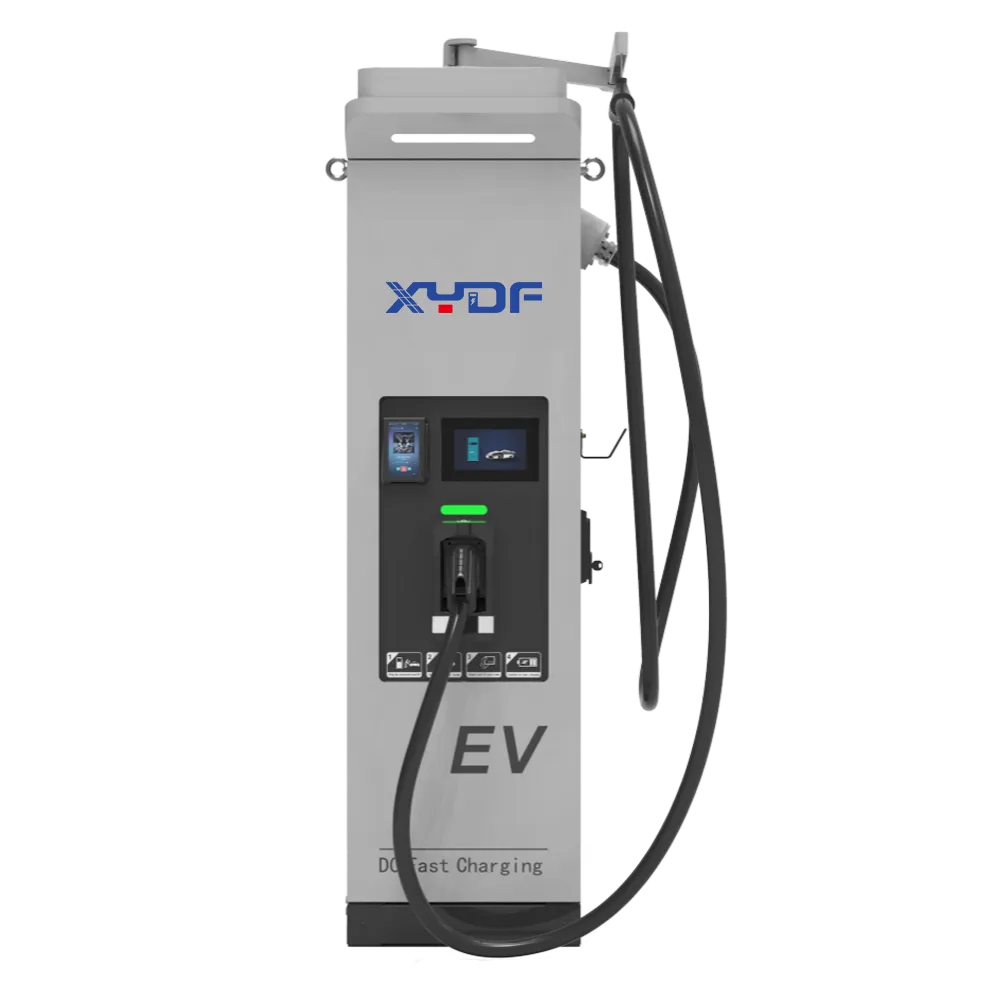 360 كيلوواط - 600 كيلوواط