حل شحن المركبات الكهربائية الصناعي

الفوائد الأساسية

Three Priorities Behind Every XYDF Industrial Charging Solution

Industrial charging infrastructure must deliver dependable power, rapid turnaround and maintainable long-term operation across demanding sites.

Stable System

XYDF configurations help industrial operators maintain charging availability across dust, moisture, corrosion and wide-temperature operating conditions.

  • Protection options selected around the installation environment
  • Configurable modules for demanding temperature conditions
  • Fault isolation helps protect unaffected charging outputs

Ultra-Fast Charging

All-in-one and split DC architectures support rapid energy delivery for high-utilization industrial vehicles and heavy-duty operations.

  • DC systems from compact 40 kW units to 960 kW power cabinets
  • Dynamic allocation shares available power across active vehicles
  • Multi-terminal systems support high-throughput charging bays

Sustainable Operation

Remote visibility, energy data and modular system design help industrial sites improve efficiency and expand charging infrastructure over time.

  • Charging and energy data support operational and ESG reporting
  • OCPP integration keeps compatible platform options open
  • Serviceable modules simplify maintenance and future expansion
RECOMMENDED INDUSTRIAL CHARGERS

Match Charging Architecture to Vehicle Duty and Site Throughput

Final charger selection should reflect vehicle battery size, turnaround time, simultaneous demand, environmental exposure and available site power.

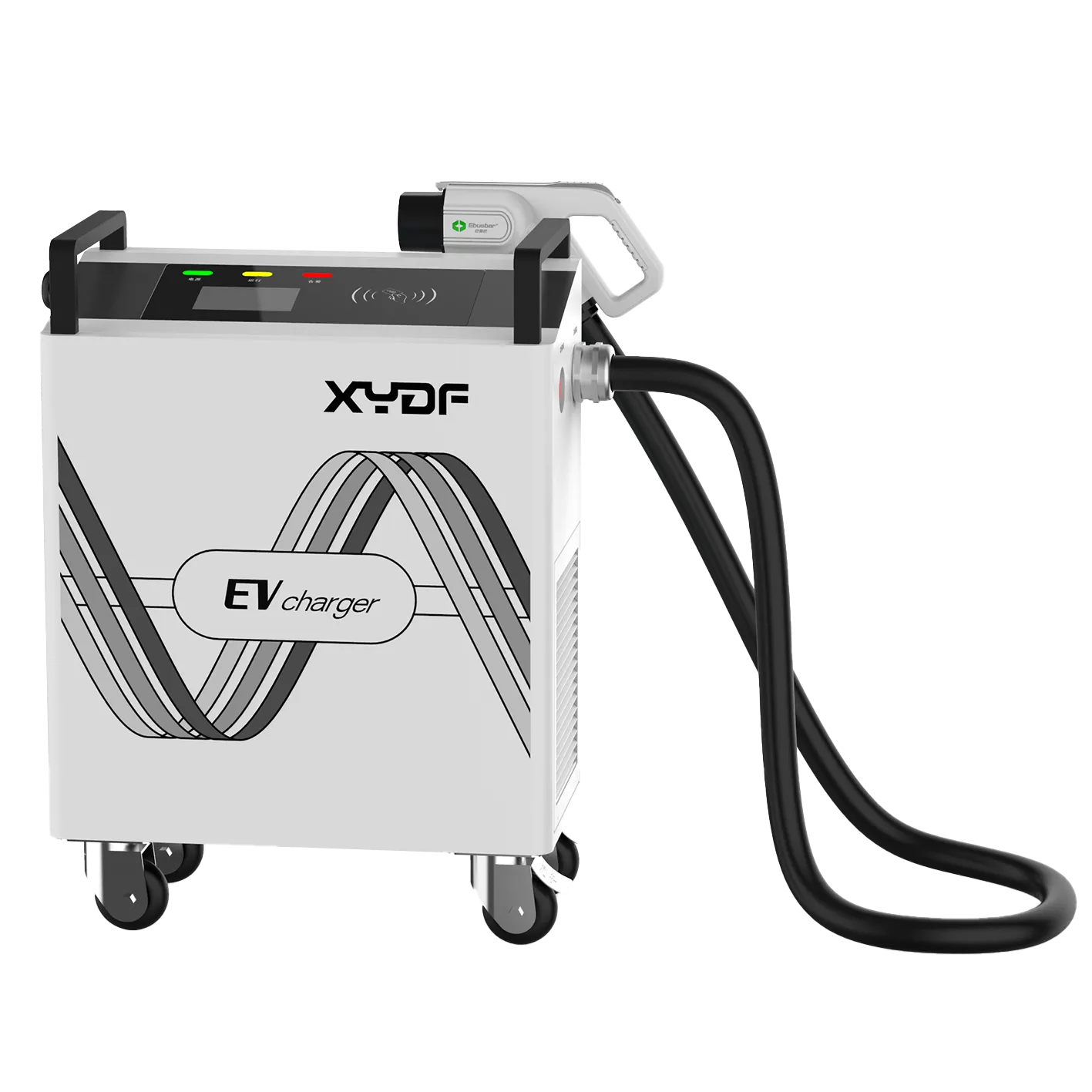
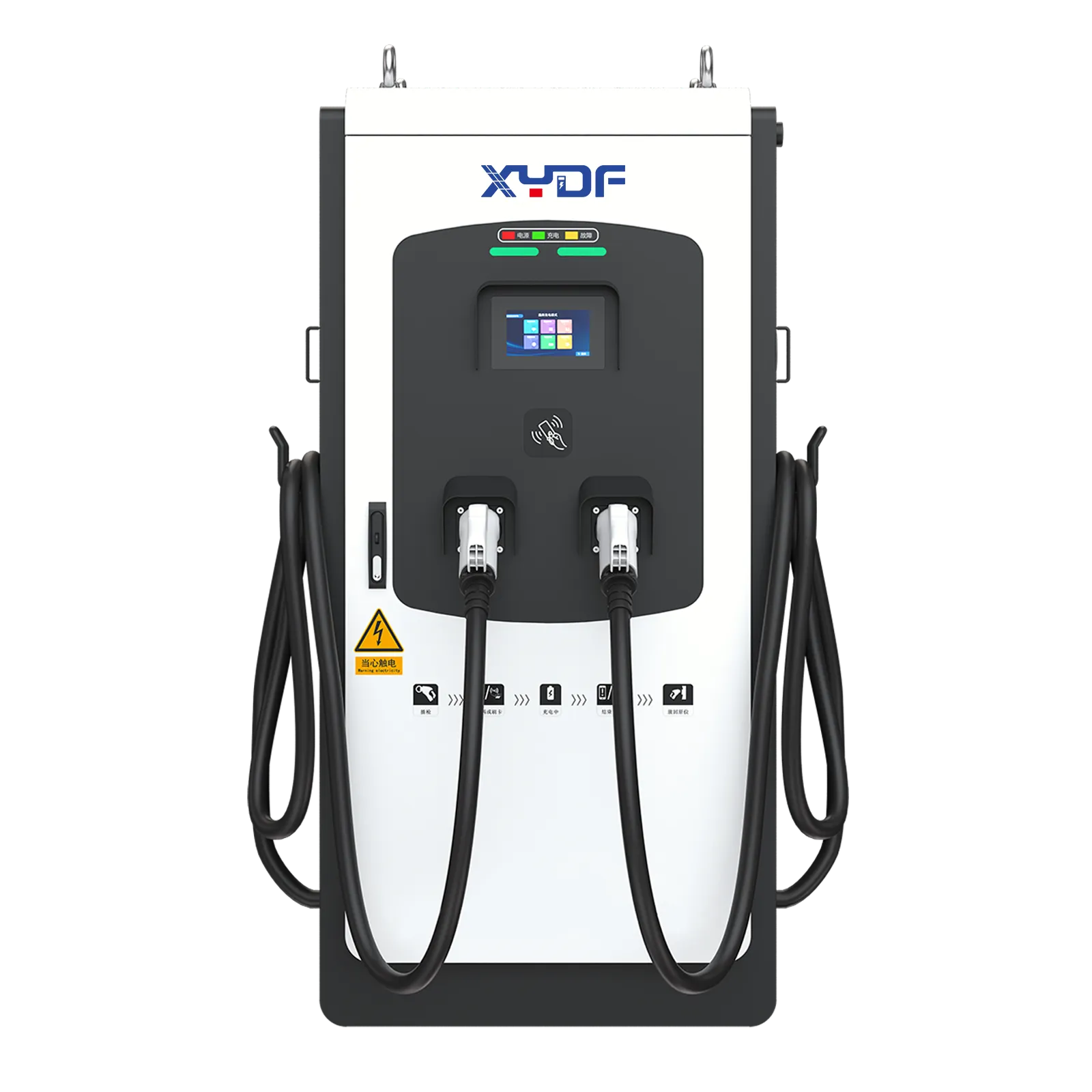
XYDF EC Series all-in-one DC charger for factories and warehouse fleets

Factory & Warehouse Fleets

The EC Series 80–240 kW provides integrated DC charging for industrial parks and supporting fleets that need dependable fast charging in a compact footprint. Vehicle interface compatibility is confirmed for each project.

View EC Series
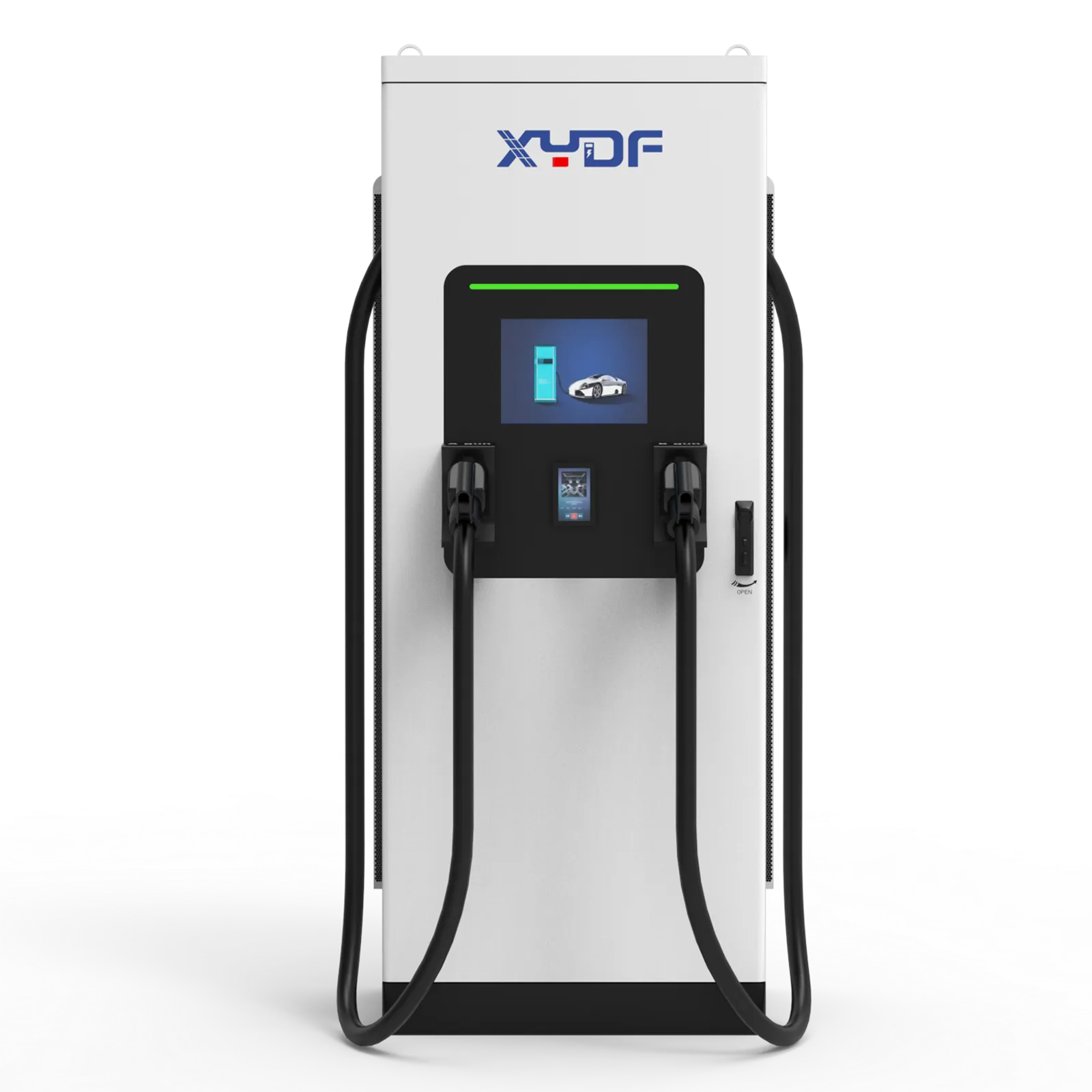
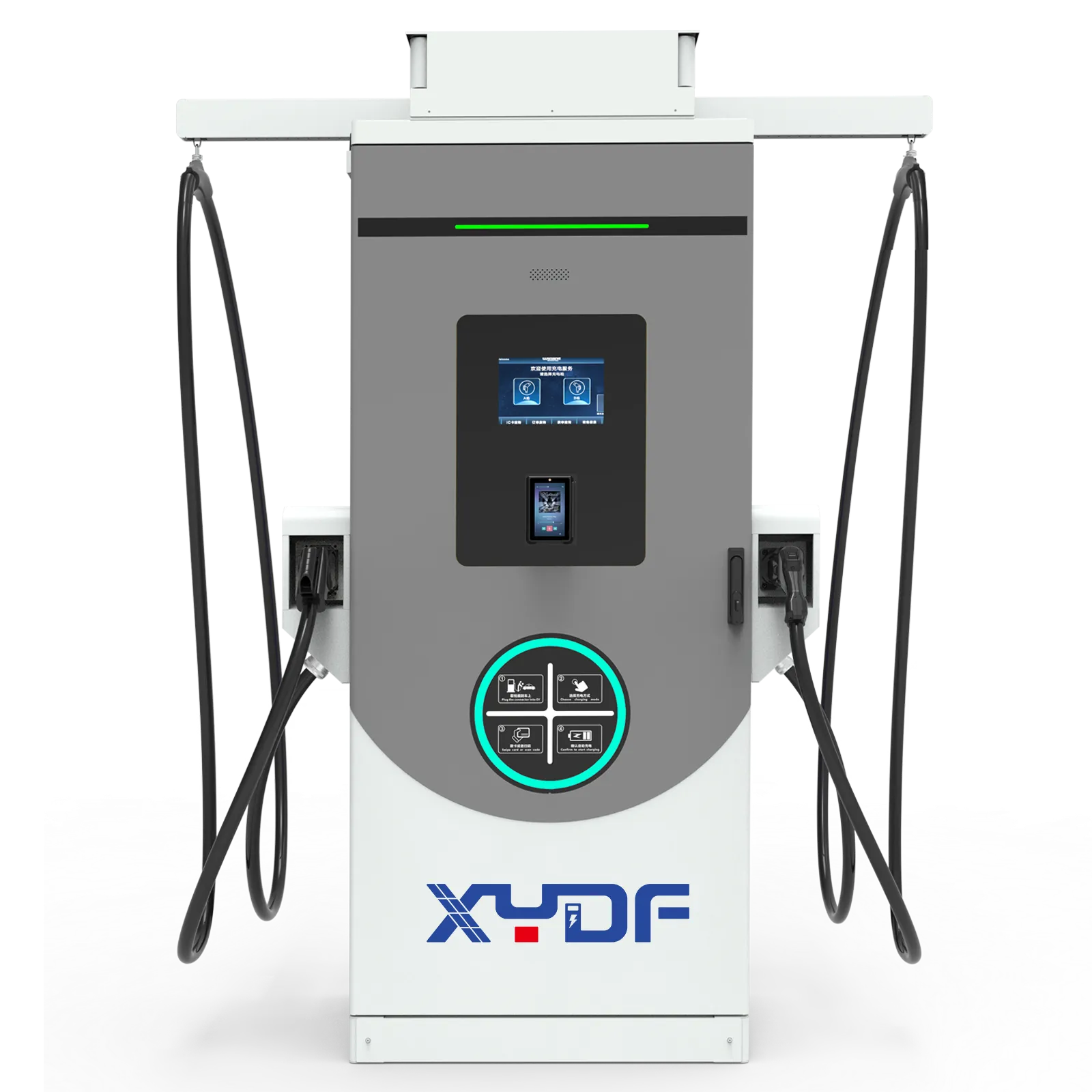
XYDF EYU Series ultra-fast charger for ports and high-utilization industrial operations

Ports & High-Utilization Operations

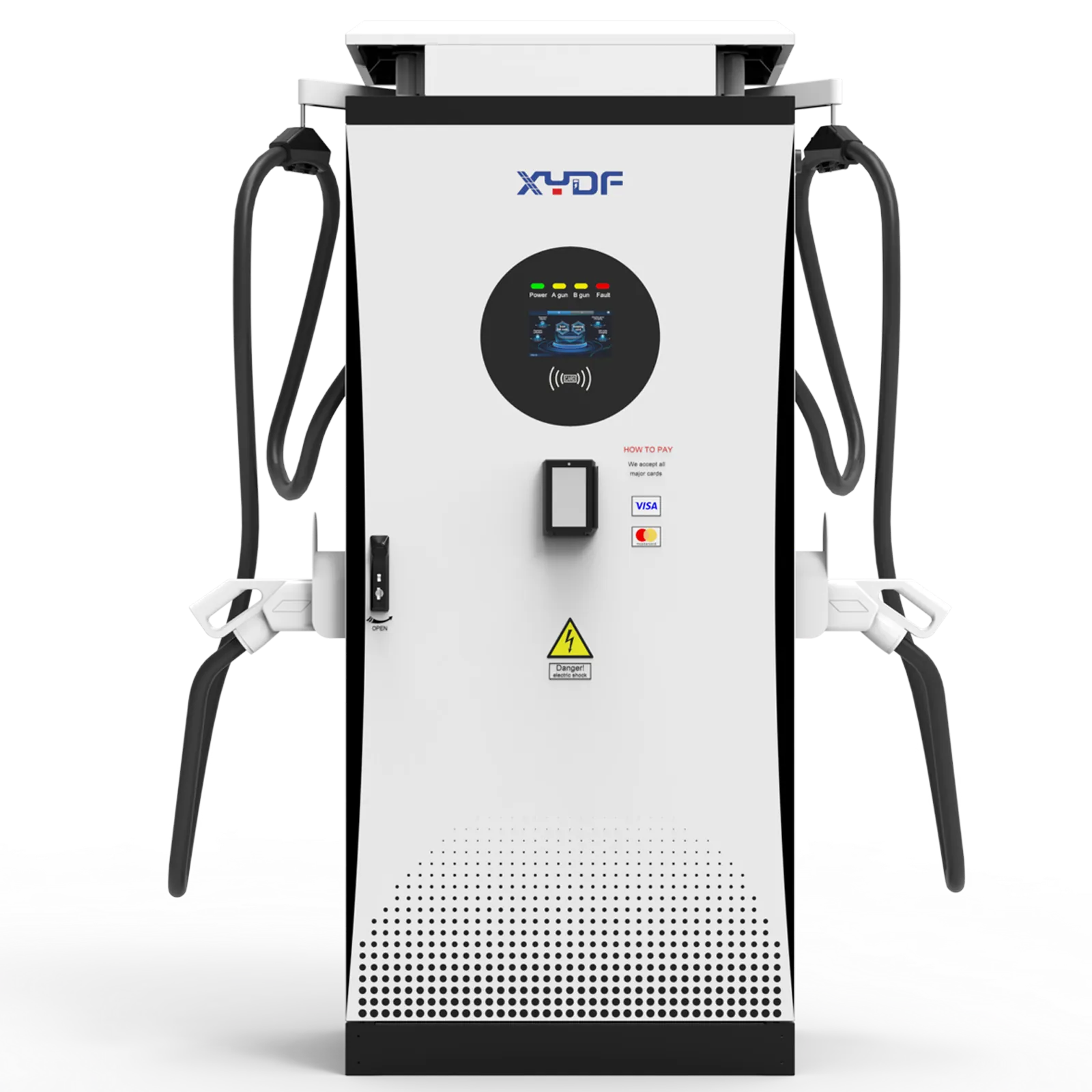
The EYU Series 320–400 kW supports high-power dual-connector charging where compatible industrial vehicles operate across long shifts and charging windows are limited.

View EYU Series
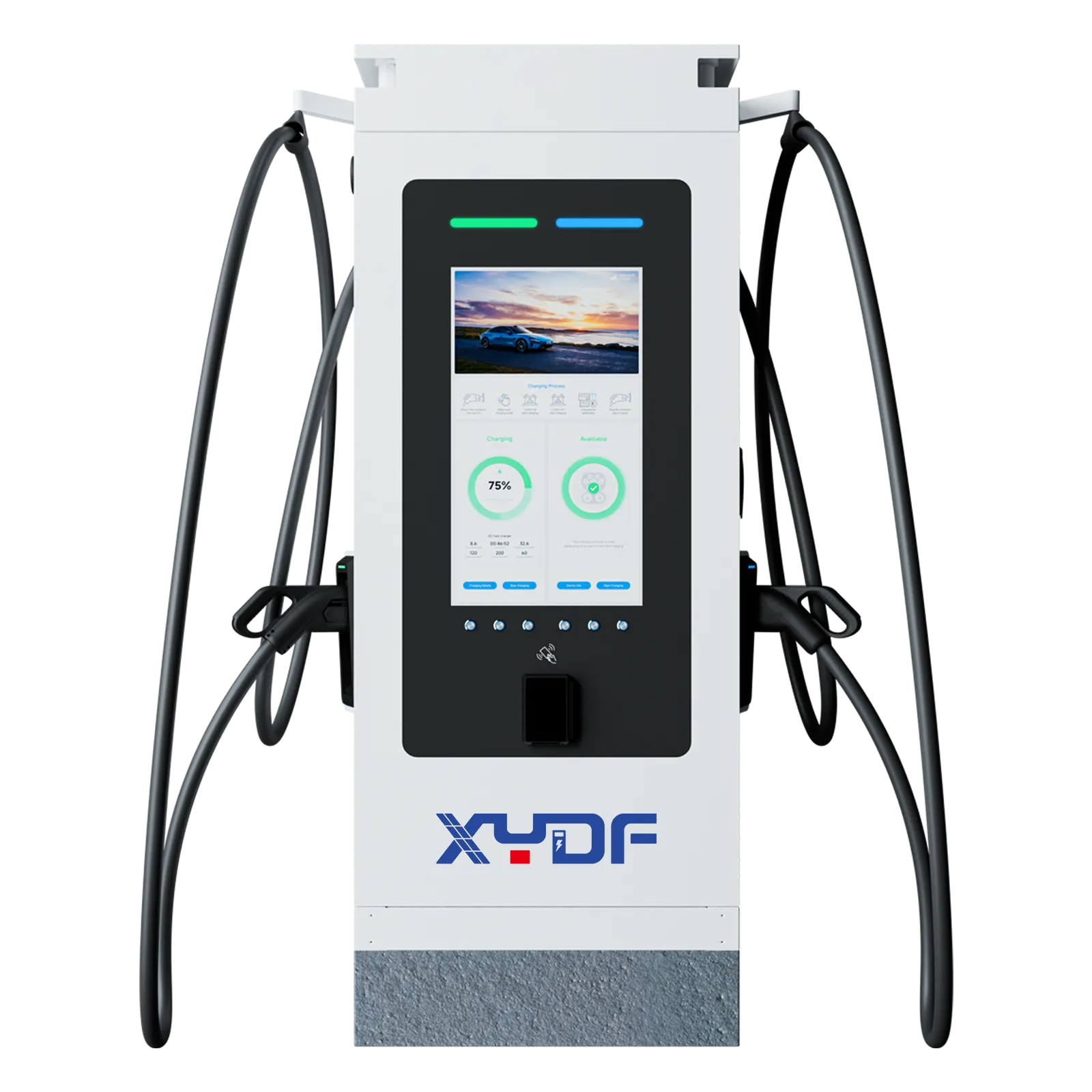
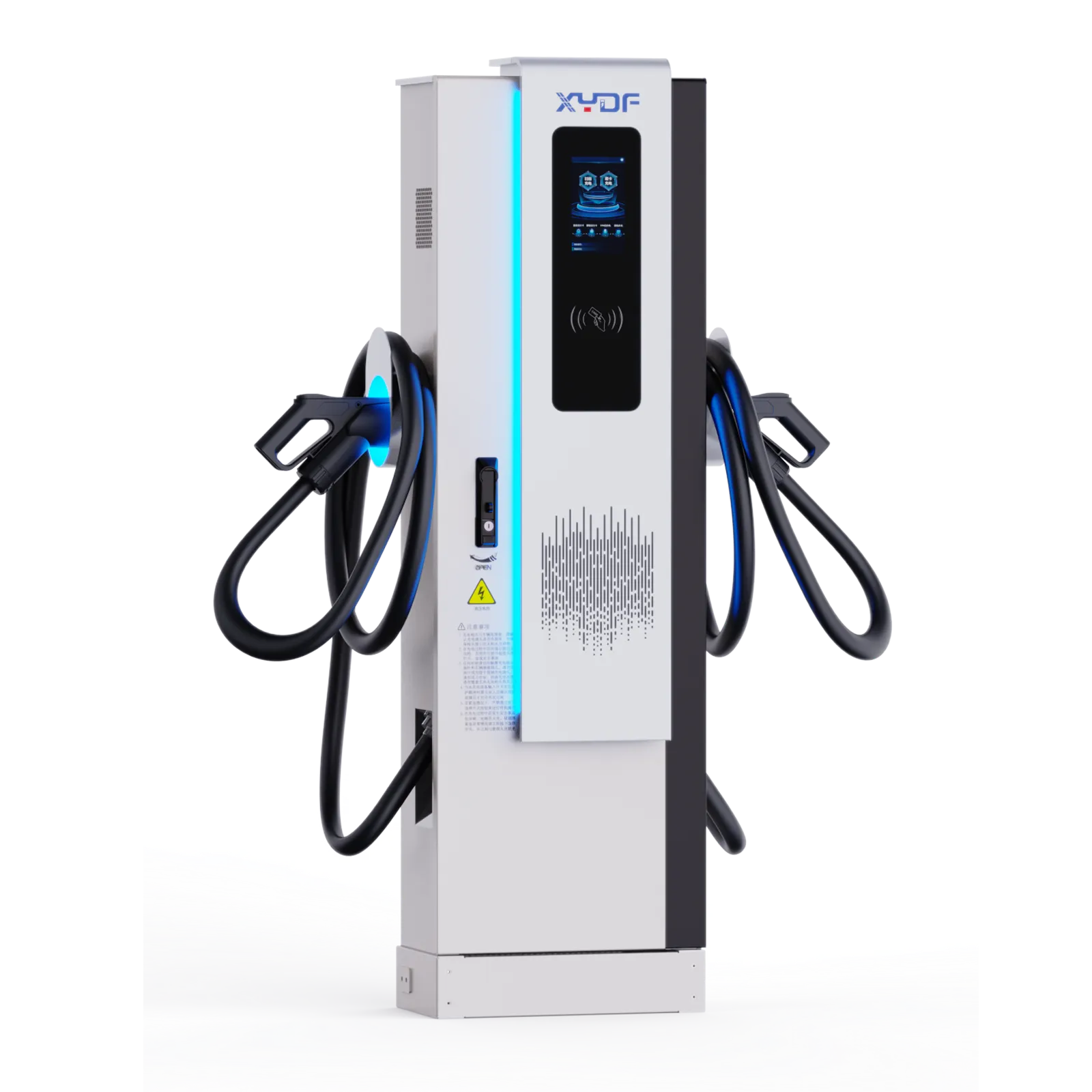
XYDF EH Series split DC charging system for mines and heavy-duty industrial vehicles

Mining & Heavy-Duty Charging

The EH Series provides 480–960 kW of centralized system capacity for distributed charging bays. Power delivered to each vehicle depends on the terminal configuration, vehicle capability and shared site demand.

View EH Series
INDUSTRIAL CHARGING CONTROL

Control Site Power, Equipment Availability and Energy Use

Connect charging equipment with site capacity, maintenance workflows and compatible management systems to support continuous industrial operation.

إدارة الحمل الديناميكية

Share available power across active vehicles and keep combined charging demand within the configured site or transformer limit.

المراقبة عن بعد والتنبيهات

Track charging status, equipment availability and fault events so service teams can respond with clearer operating information.

OCPP Platform Integration

Connect compatible chargers with third-party charging management systems. Protocol versions and required functions are confirmed during integration.

Modular Fault Isolation

Modular architectures support targeted servicing and fault isolation, helping limit disruption to unaffected charging outputs where the configuration allows.

Energy & Operating Data

Use session and energy records to review utilization, operating efficiency and reporting inputs. Carbon calculations depend on the chosen methodology.

Solar & Storage Coordination

Project-specific energy designs can coordinate charging with solar generation and battery storage to manage charging peaks and tariff-based operating strategies.

INDUSTRIAL PROJECT DELIVERY

From Operating Conditions to a Maintainable Charging System

Plan around industrial duty cycles, environmental exposure, electrical capacity and the need to keep critical vehicles available.

Environment Review

Review temperature, dust, moisture, corrosion exposure, installation location and site-specific equipment requirements.

Vehicle & Load Assessment

Confirm vehicle types, battery voltage, connectors, shift patterns, charging windows and simultaneous energy demand.

Power & System Design

Select all-in-one or split charging, terminal quantity, cooling configuration and load-management strategy.

التكامل والتشغيل

Coordinate electrical works, communication, platform integration and charger-to-vehicle functional verification.

Maintenance & Expansion

Plan service access, remote diagnostics, spare modules and phased additions as industrial electrification grows.

لماذا XYDF

Engineering Support for Demanding Industrial Charging Projects

XYDF combines charging hardware, configurable system design and integration support to help industrial operators move from equipment selection to long-term use.

Industrial Configuration Support

Match protection, temperature and cooling options to the operating conditions of each site.

Flexible DC Architecture

All-in-one chargers and centralized split systems support different footprints, power demands and bay layouts.

Open System Integration

OCPP compatibility and configurable communication support connection with suitable management platforms.

Lifecycle Engineering Support

Configuration guidance, commissioning support and serviceable designs help plan for maintenance and expansion.

أسئلة متكررة

Planning an Industrial EV Charging Project

Key considerations for charger sizing, environmental suitability, vehicle compatibility and long-term industrial operation.

How do we select charger power for industrial vehicles?
Start with battery capacity and voltage, daily energy use, shift schedules, available charging time and the number of vehicles charging together. Match the charger and terminal output to the vehicle’s acceptance capability. A system’s total cabinet capacity is not the same as the power available to one vehicle.
Can the equipment operate in harsh industrial environments?
Protection ratings, temperature limits, cooling and corrosion requirements must be matched to the selected model and installation conditions. Extreme-temperature or other special environments require project-specific technical confirmation; standard outdoor protection should not be treated as approval for every industrial location.
Can the same charger serve AGVs, warehouse vehicles and heavy-duty trucks?
Not automatically. Battery voltage, connector type, communication protocol and charging interface must all be compatible. AGVs and specialized warehouse equipment may require dedicated charging interfaces or custom integration, so vehicle specifications should be reviewed before choosing standard DC charging equipment.
How can charging stay within the site’s available electrical capacity?
Dynamic load management can allocate the available power among active charging sessions while respecting a configured connection or transformer limit. The design should also account for other industrial loads and the energy required within each charging window.
Can industrial charging integrate with solar, storage or V2G?
Solar generation and battery storage can be included in a project-specific energy system. V2G is not a standard assumption: it requires compatible vehicles and charging hardware, suitable control functions and applicable grid approval. The operating strategy and expected value should be assessed for the site.
Can charging data support energy and ESG reporting?
Compatible management platforms can use charging sessions and energy records as inputs for utilization reviews and energy reporting. Carbon-reduction figures require an agreed baseline, emissions factors and reporting methodology; charging data alone does not establish a verified reduction.
How can the system be maintained and expanded over time?
Reserve electrical capacity, cable routes, terminal locations and communication resources during initial design. Modular equipment, service access and remote diagnostics can support planned maintenance and phased expansion, subject to the selected system architecture.
PLAN YOUR INDUSTRIAL CHARGING SYSTEM

Build Charging Infrastructure Around Your Industrial Operation

Share your vehicle specifications, duty cycles, charging windows, site power and environmental conditions. The XYDF team will help define the right charging architecture and integration requirements.

TALK TO AN INDUSTRIAL CHARGING EXPERT
+86 133 3697 0557
service@xinya-ee.com