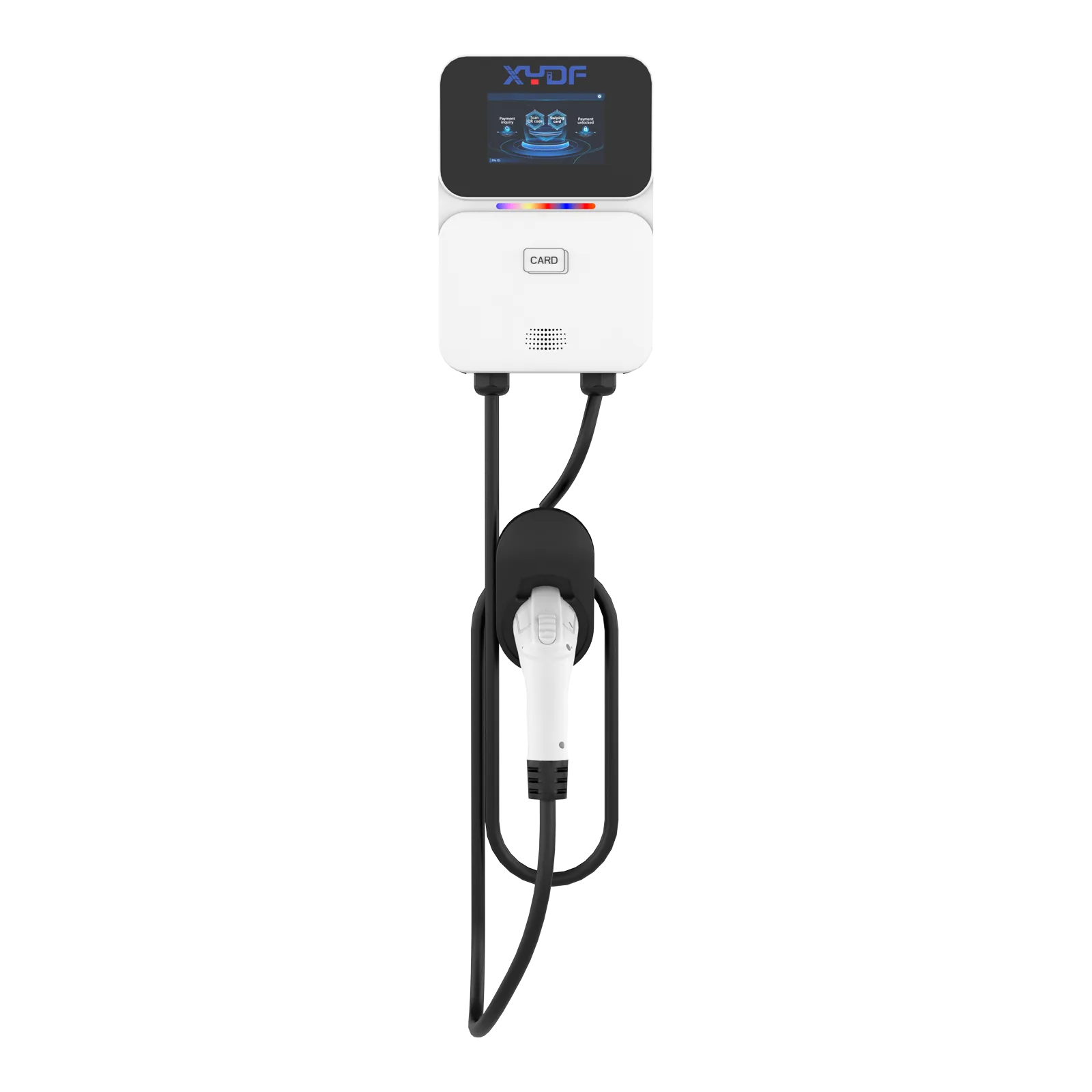
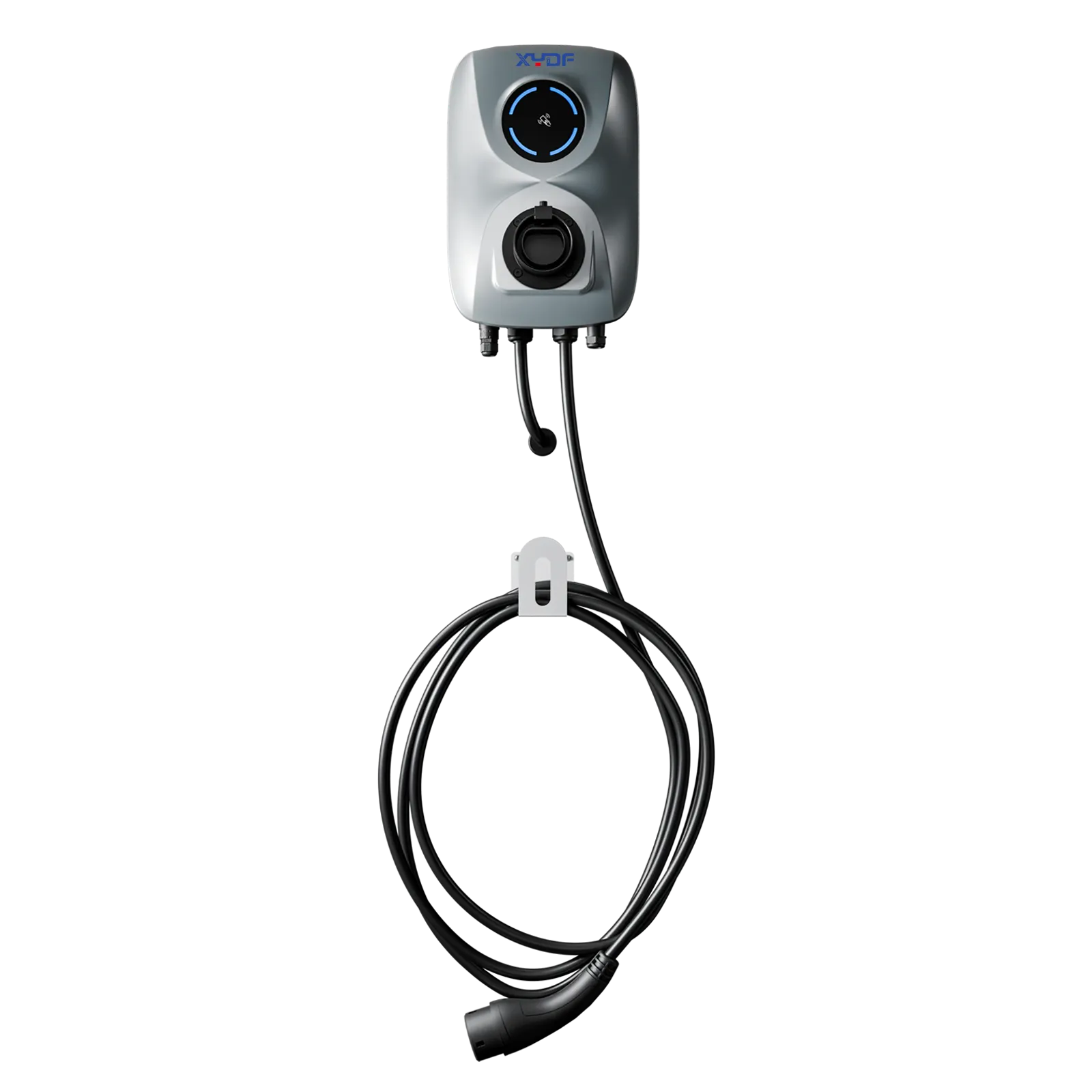
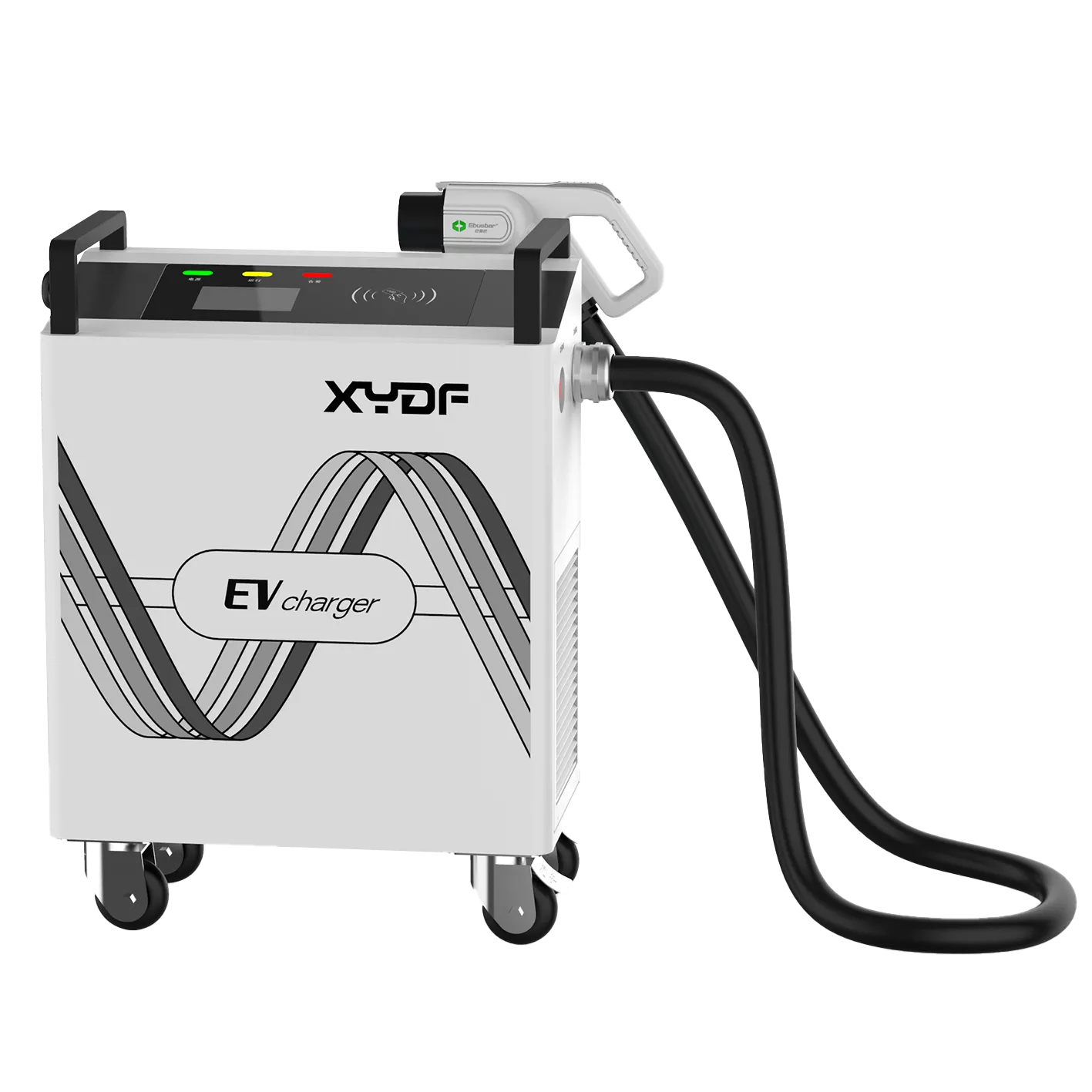
As Electric Vehicle (EV) use continues to grow, an increasing number of car owners are looking into buying an EV Charger to be installed at their homes. However, what price range would you expect when installing an EV charger? Installation costs for home EV chargers can vary greatly based on several different factors. A detailed description of all cost-related factors has provided you valuable information on the subject, and has also included tips for your consideration when deciding whether or not to purchase an EV Charger, along with some solar energy alternatives for the power source of your EV. We’ll take a closer look at home EV charger installation costs below!
What Is It Actually Going to Cost to Install a Home EV Charger?
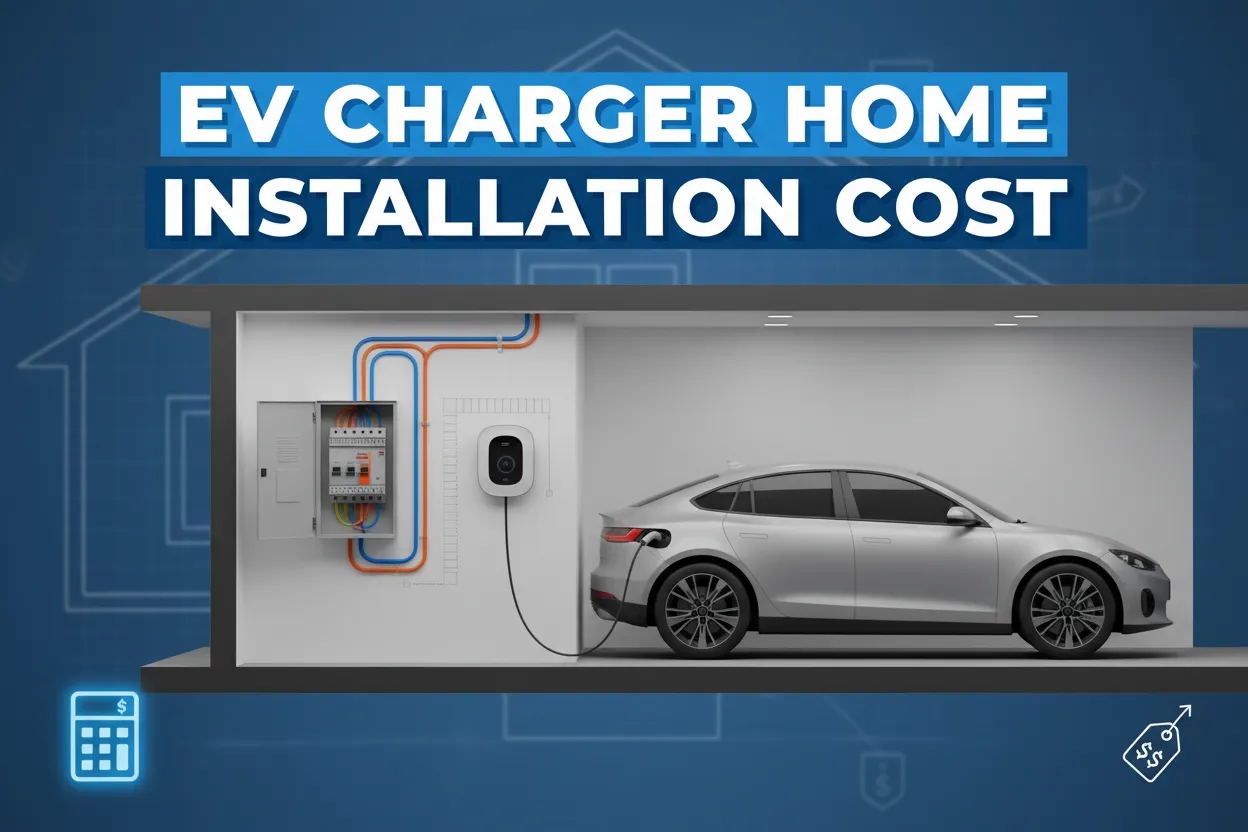
Based on previous research conducted, average installation costs of home EV chargers range from $500 to $2500. Factors that can affect the overall installation cost include charger type/classification utilized, the complexity of the installation job, and area specific contractor labor rates. We’ll briefly highlight each of the four most expensive items that comprise installation costs below:
- Cost of Charger: Generally, Level 1 charger units (120V) should be included with the purchase of the EV but will provide very slow charging. The charge rates of a Level 2 charger (240V) range from $400 to $1,200 normally when upgrading.
- Electrical Work: If your home will need rewiring, a new circuit, or electrical panel upgrades, you should expect to pay an extra $500-$2000.
- Permits & Inspections Fees: Some municipalities require permits and inspections, this may cost you anywhere from $50-$350, depending on the municipality in which you live.
- Labor Costs: Expect to pay even more to hire a licensed electrician. They typically charge between $50-$100/hour and usually take 2-4 hours to install an EV Charger.
Factors That Impact EV Charger Installation Costs
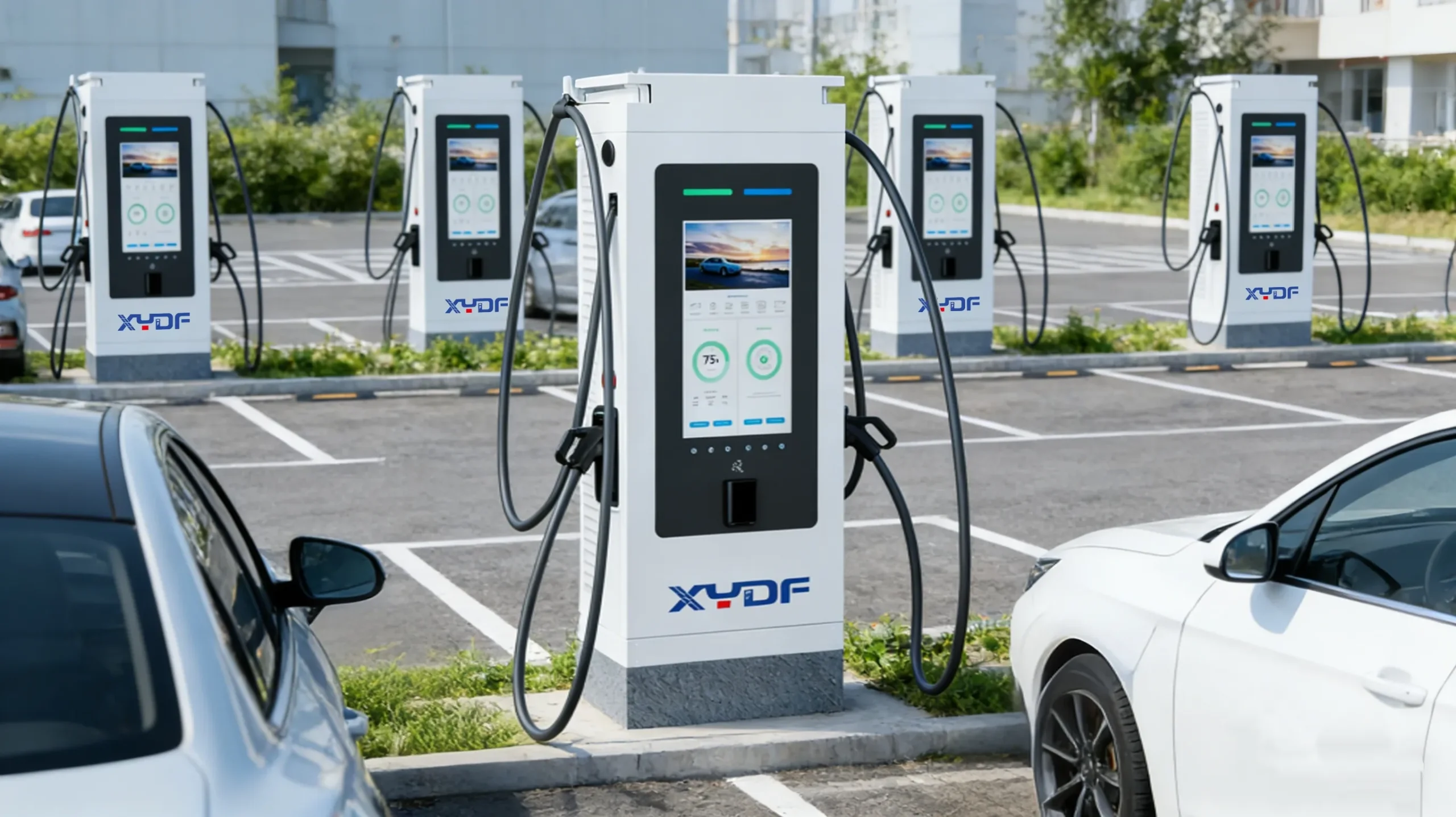
A few factors can affect the costs associated with your EV charger installation.
Distance from the Breaker Panel: The farther away from your electrical panel your charger is located, the more wiring will be needed, and will increase the labor costs.
Charger Features: The more features included in a smart charger with Wi-Fi capabilities, i.e., being able to control charging remotely via an app, the more you will be charged when purchasing.
Home Age & Layout: Older homes may need costly upgrades to accommodate new loads; while more complicated home layouts will require additional installation work as well as increase in labor costs.
Go Green with Solar Panels
Solar panels are a popular option for going green for EV Charging and lowering your utility bills at home. The installation of a solar power system could involve an initial outlay of anywhere between $10,000 and $30,000 depending on how much energy or size of your system, with government incentives at both federal and local levels offsetting those initial outlays significantly.
If you’re interested in going solar, here’s how you could combine it with your home EV charger:
Install a Solar PV System: First of all, you’re going to need to install a solar photovoltaic (PV) system with enough capacity to help offset the energy you will be using for charging your EV.
Pair Solar with Battery Storage: If you also add a solar battery to your system then you could store energy from your solar PV panel during the day for charging your electric vehicle during the evening when there is no direct sunlight available for operating the solar PV panels.
Think About the Long Term: When you purchase a solar PV panel system the average effective lifespan of the solar PV system is 20-25 years which means this can also provide a long-term investment opportunity for both the environment and you as an individual.
Tips On Reducing Your Installation Costs
Here are a couple of examples of how you could keep installation costs as low as possible:
Shop for electricians and compare quotes.
Look into Electric Vehicle (EV) charger and solar power system financial rebates, state and/or federal tax credits.
When selecting an Electric Vehicle (EV) charger, select a charger that meets your current and potential future charging capacity so you don’t pay for features you won’t use.
If you are installing a new electric panel, then combining multiple home upgrades together can save on overall labor costs for each upgrade.
Frequently Asked Questions
Is A Level 2 EV Home Charging Station Worth The Investment?
It’s typically worth the additional cost to have a Level 2 charger at home because it will allow you to fully recharge while you sleep, typically making the EV charging experience more convenient and thus, more appealing.
Can I Install An Electric Vehicle (EV) Charger Myself?
In some cases, yes, however, in most cases, it is recommended that you hire an electrician who is licensed to install the charger safely and according to state code and local code requirements and in order to avoid any type of electrical hazard caused by non-licensed installations.
How To Determine How Much Solar Power You Will Need For Your Electric Vehicle (EV)?
To calculate your solar energy needs, you will need to find out how many kilowatt hours (kWh) you will use per mile of EV use, then multiply that number by the number of miles you drive each day (average), then multiply by 365 (days) to find your annual energy requirements in kWh of solar energy, which you will need to work with a solar provider to help you select the appropriate size solar power system to meet your needs.
Are There Financial Assistance Programs Available For Installing Home Electric Vehicle (EV) Chargers?
Yes, many local governments and/or utility companies offer financial assistance in the forms of tax credits, rebate programs, and grants depending on your location; please check with your local utility company or local government for more specific information about available programs and what their eligibility requirements are.
The most important factor is understanding the EV charger home installation cost because that will impact your decision on whether or not to hook up your electric vehicle to a home charging station. The total installed cost of the EV charger will vary depending on the type of EV charger and the complexity of the installation and whether or not you choose to use/utilize a renewable source of energy such as solar power. By taking the time to plan ahead, looking into the financial assistance programs, and working with the appropriate professionals, you will be able to electrify your home safely and affordably into the future.
 Xinya Dongfang Electricity Technology Co., Ltd.