 Xinya Dongfang Electricity Technology Co., Ltd.


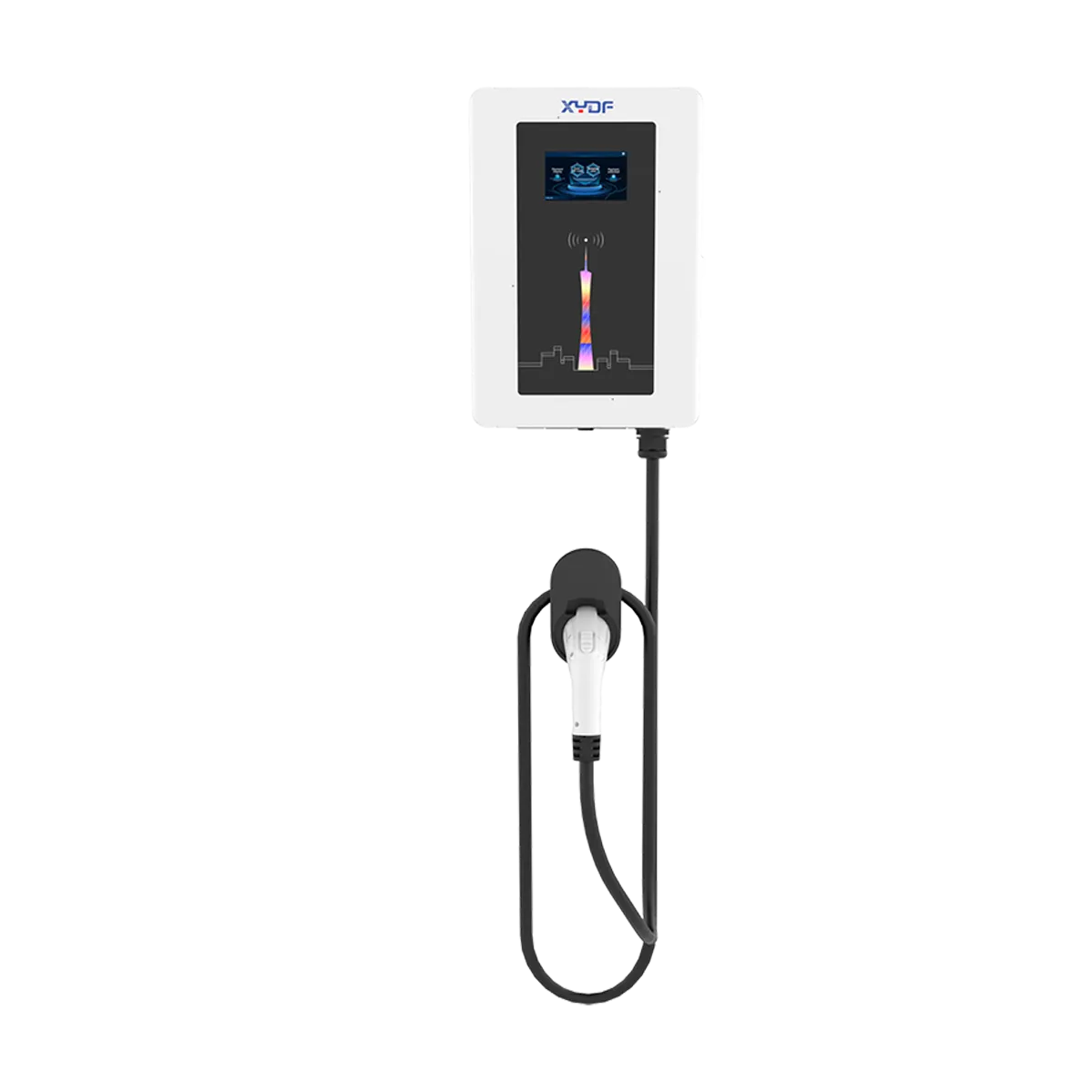
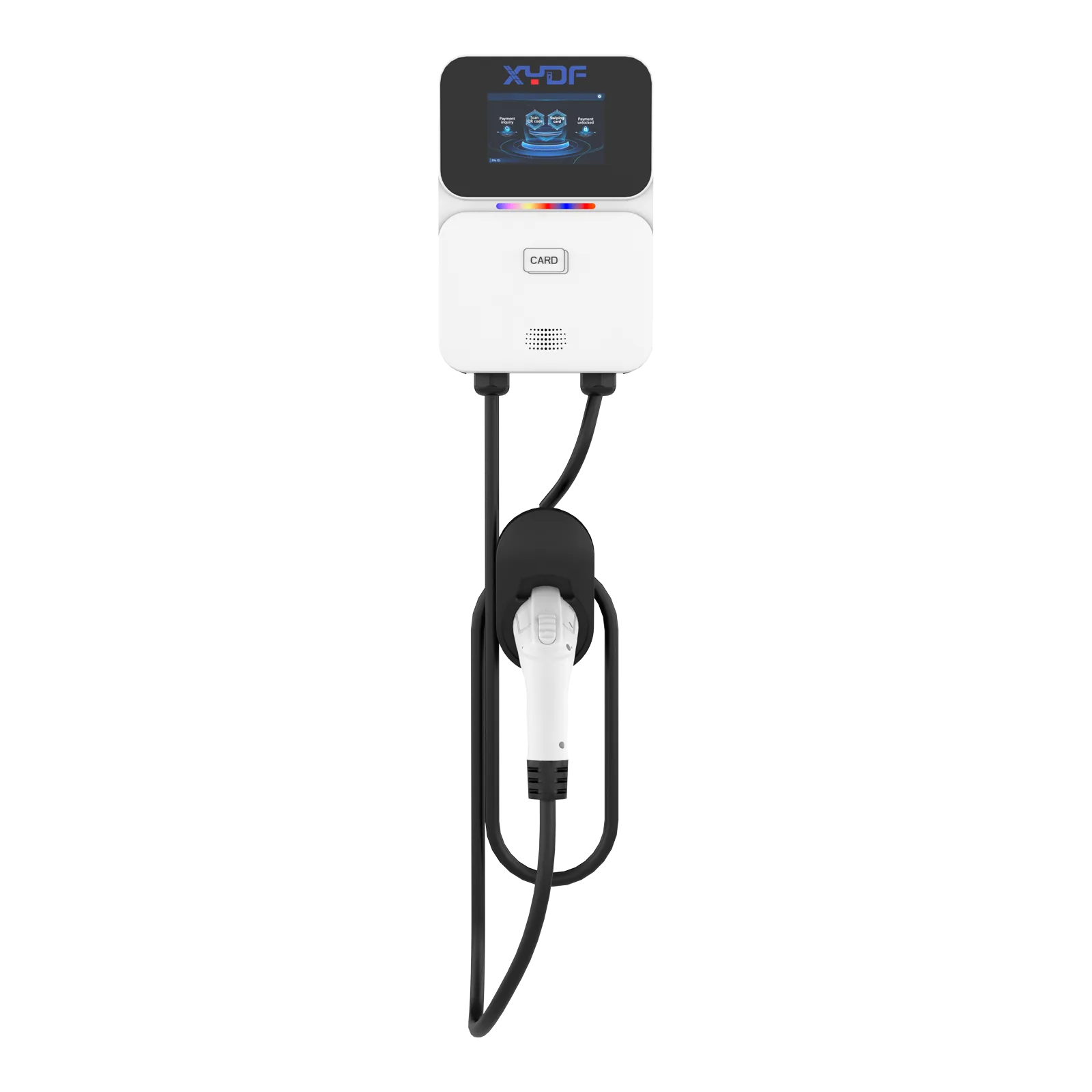
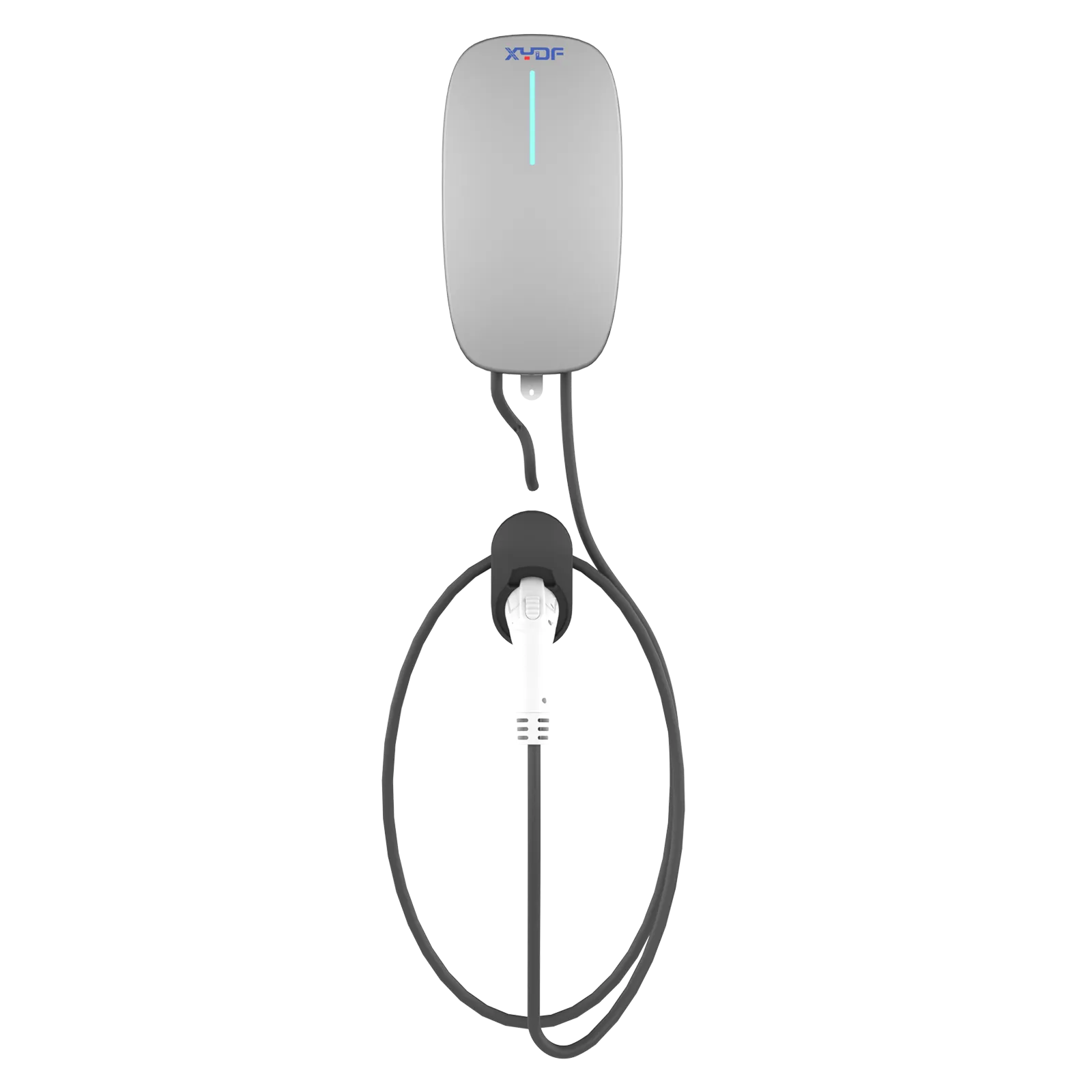
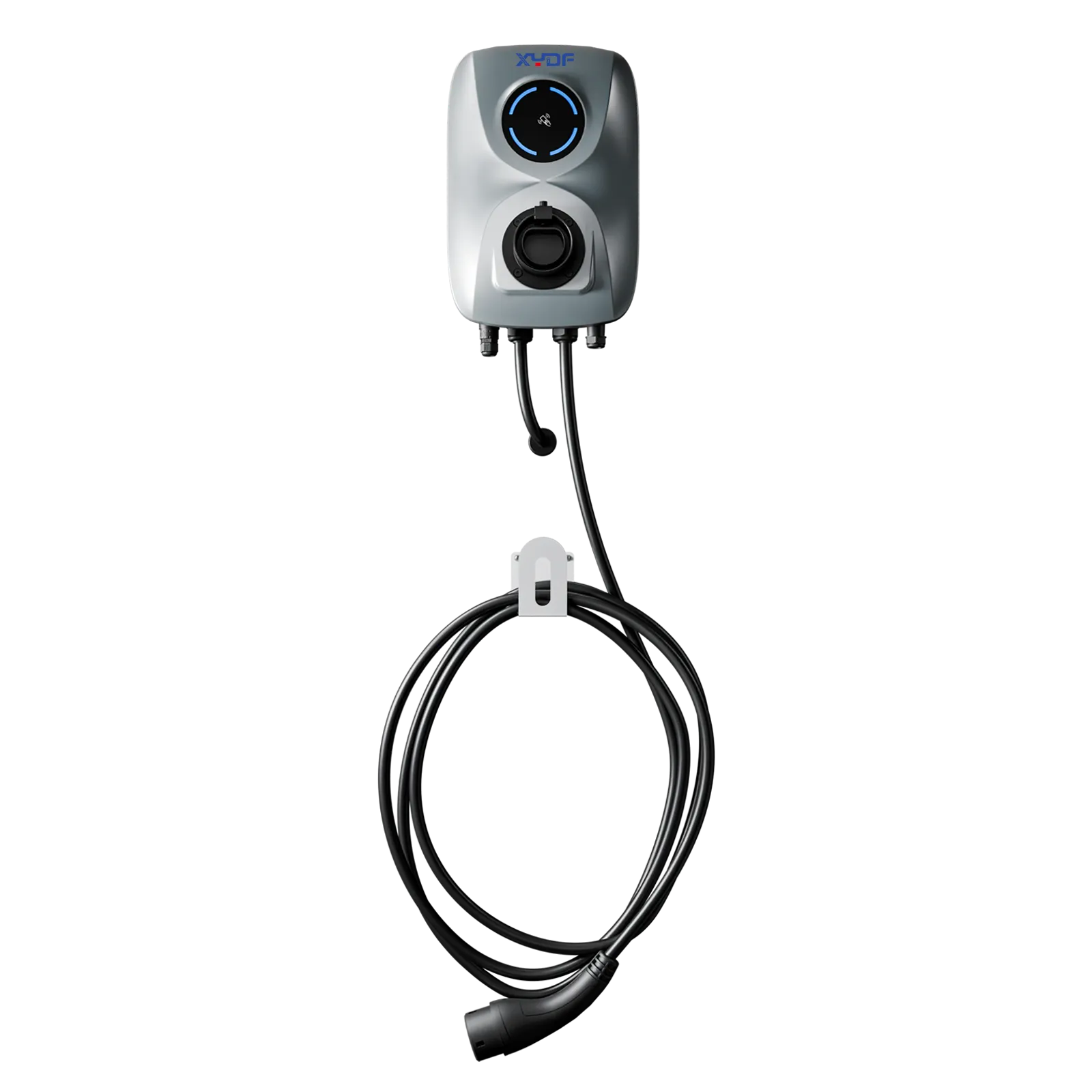
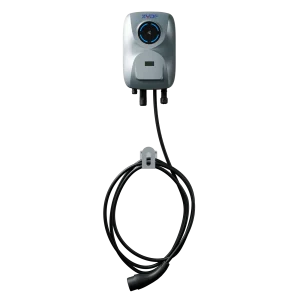
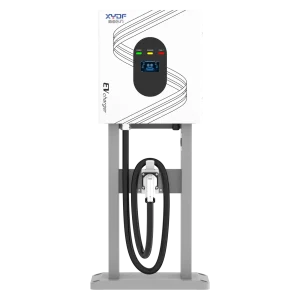

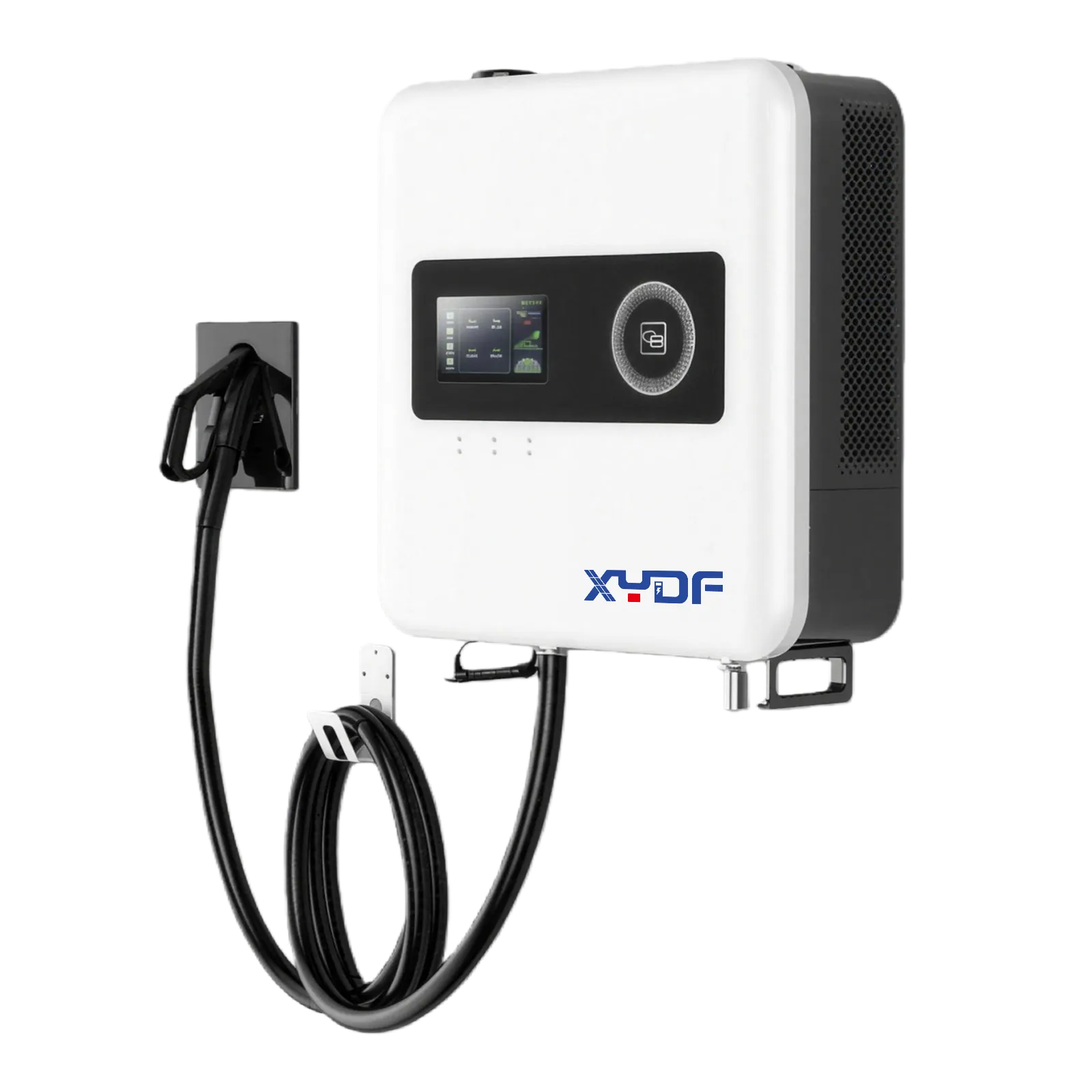
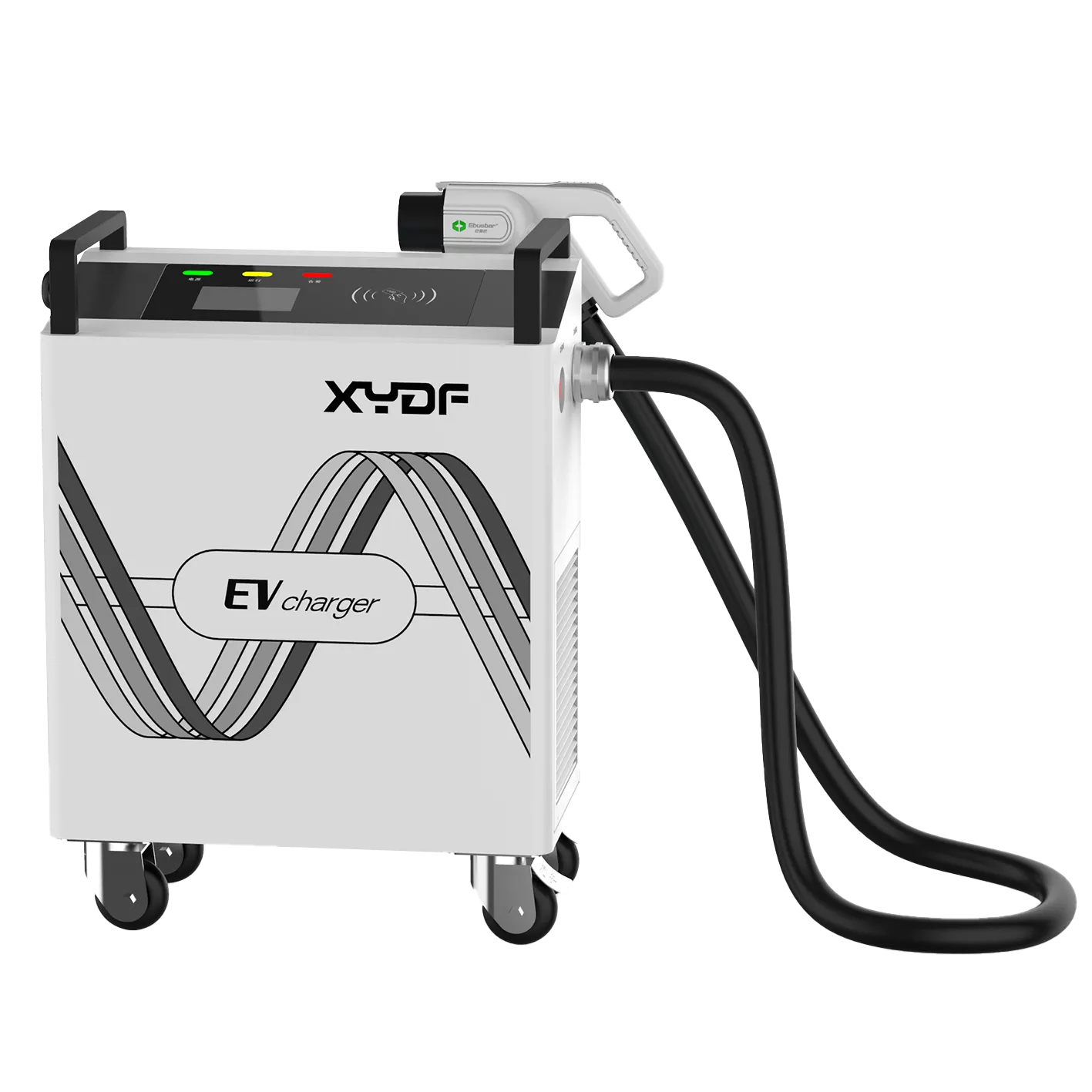
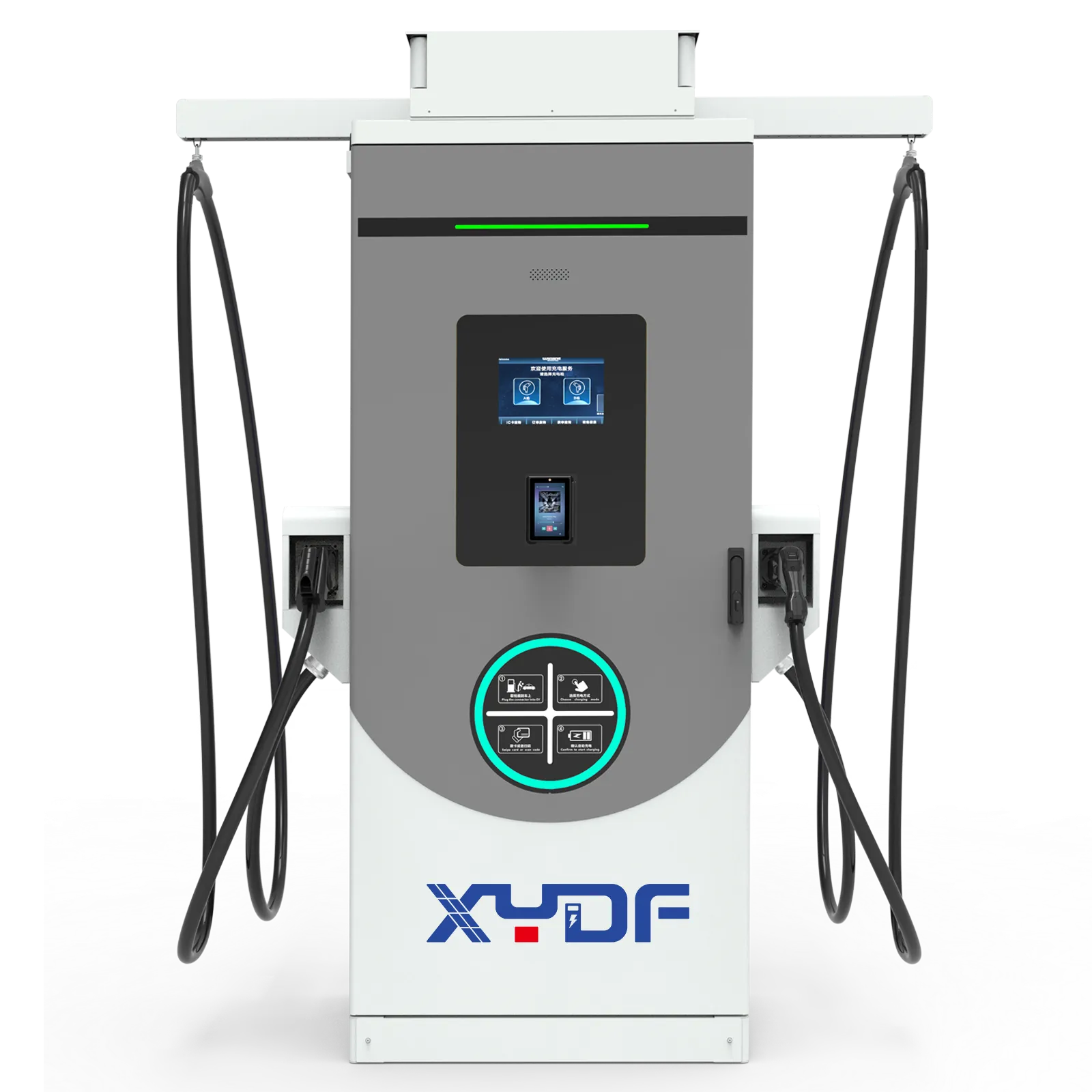
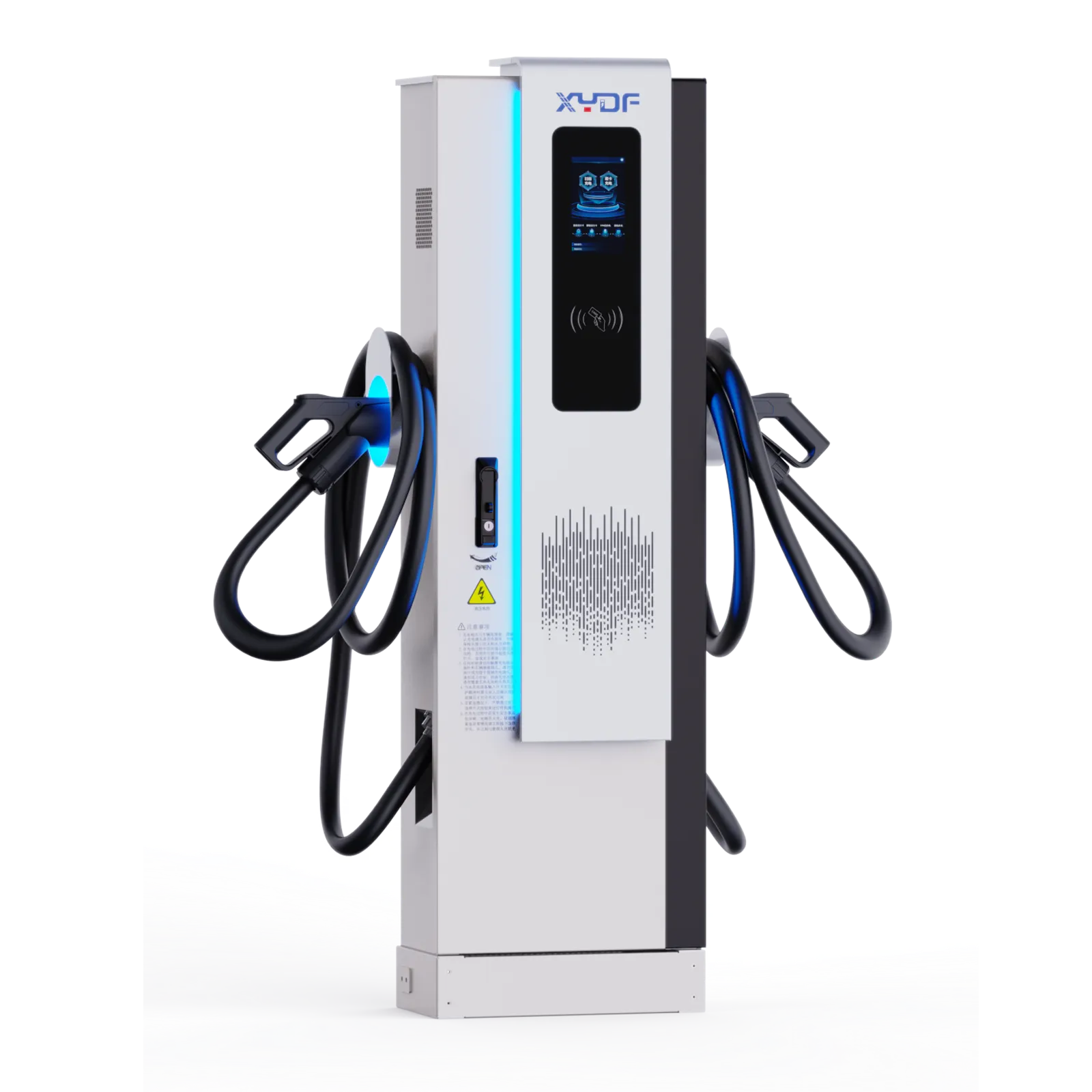
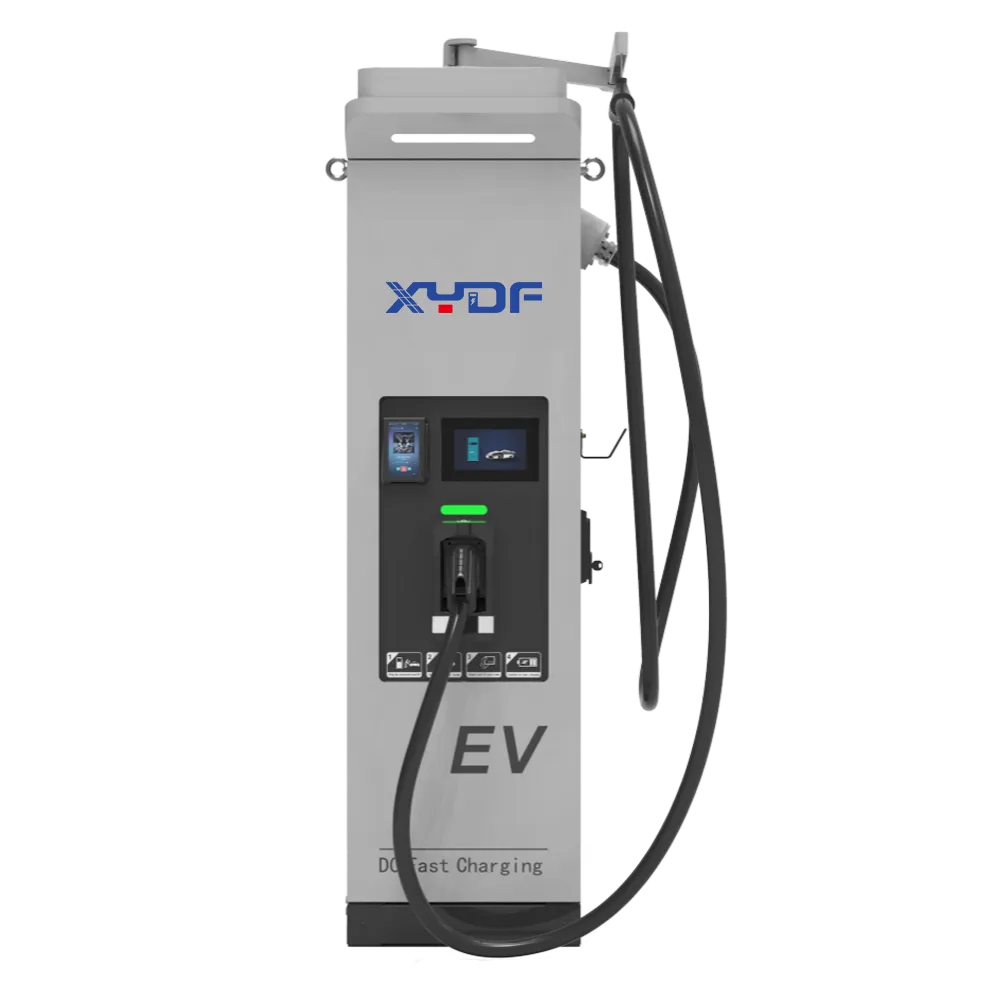
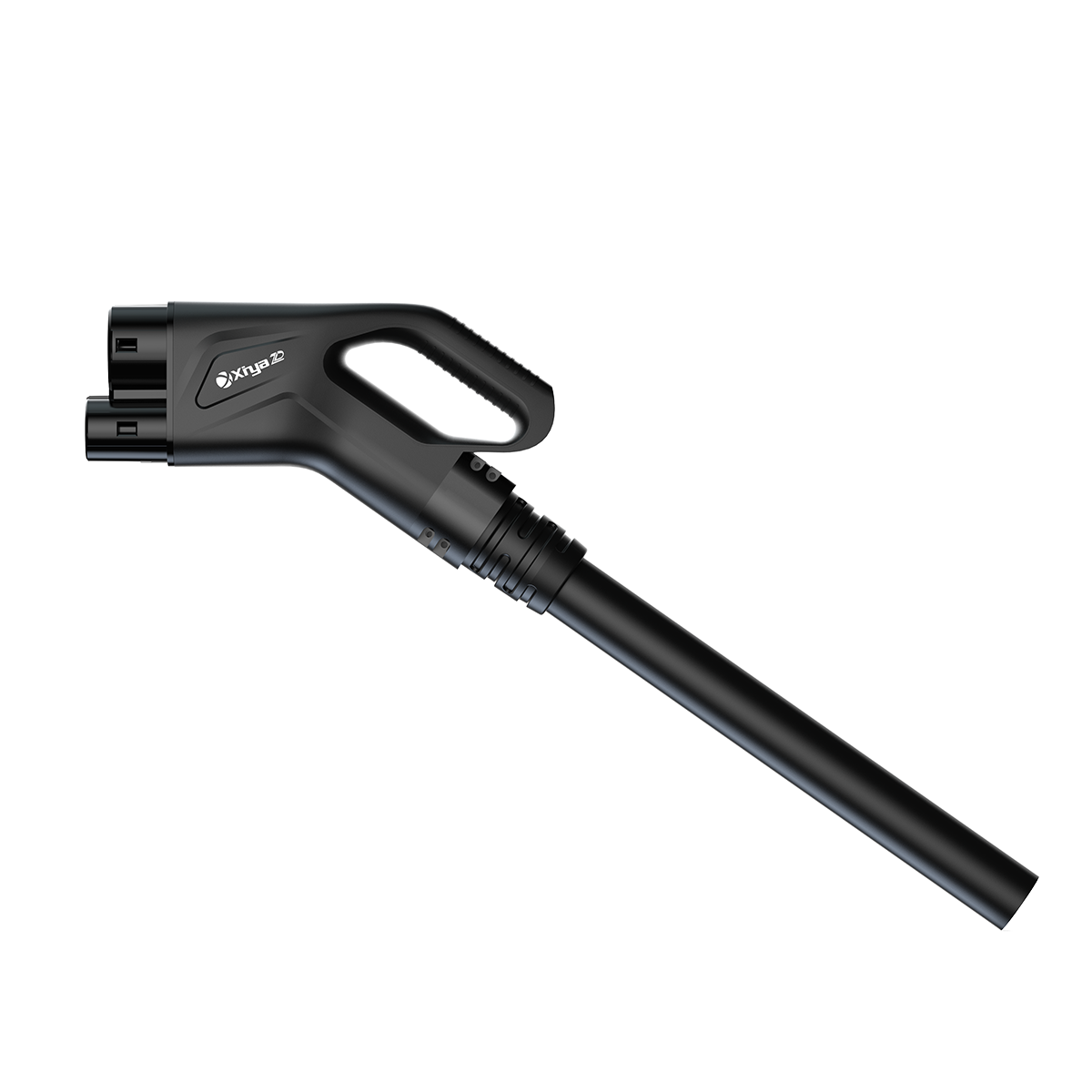
Types of EV Charger Connectors
There are numerous standards established for chargers supplying power to electric vehicles. Below is the list showing these standards with additional clarifying information.
J1772 Type I (First Generation)
The SAE J1772 (often referred to as Type I Level 1 (120 V) or Level 2 (240 V) charger connectors) is comprised of four or five pin connector types that were developed in North America and are used exclusively for Non-Tesla Vehicles. Tesla also provides a converter that permits their cars to be charged with the J1772 charging system.
Combined Charging System (CCS)
The Combined Charging System (CCS) is essentially an upgraded version of the J1772 standard and is referred to as CCS1 & CCS2 in North America and Europe respectively. With extra power pins, it allows for both Level 2 AC and DC (fast) charging capabilities. The CCS has quickly become the dominant and most widely used EV charger connector for fast DC charging by many manufacturers, including BMW, Ford, Volkswagen, and Hyundai.
CHAdeMO
CHAdeMO was developed by Nissan and Mitsubishi in Japan as a global standard and is mainly used for DC fast chargers. While known to be reliable, CHAdeMO is seeing reduced usage worldwide due to its competition with the CCS standard.
Tesla Supercharger Connector
Tesla provides a proprietary connector for North American Supercharger Stations but has adopted the CCS2 standard for Tesla car models sold in Europe. Tesla has also begun adding CCS compatibility to its Supercharger locations, allowing other EV manufacturers to use these charging stations.
Type 2 Connector
The most popular form of AC charging vehicle connectors in Europe are the Type 2 connectors, which are commonly found in residential and public charging stations.
Connecting Your EV
The type of connector you will use for charging your Electric Vehicle (EV) will depend upon your vehicle make/model as well as the type of EV charging station infrastructure that is located in your area.
The following are examples of ways to determine the proper EV connector type for your Vehicle:
- Consult your Vehicle owner’s manual: Look for information regarding the EV charging standards for your vehicle.
- Learn about regional connector standards: For example, CCS is the primary connector type used in North America, while CHAdeMO is more prevalent in Japan.
- Check for adapter options: Many manufacturers, including Tesla, offer adapters that allow EV owners to use multiple types of connectors.
Frequently Asked Questions About EV Charger Connector Types
Are J1772 and CCS the same?
Although both J1772 and CCS are technically the same connector type with identical specifications, the main difference is that J1772 does not have DC fast-charge pins and can only be utilized for AC charging of an EV, making the charging time longer compared to CCS at the DC level.
Can I use a Tesla EV charger for non-Tesla vehicles?
Yes, non-Tesla electric vehicles can often use Tesla Superchargers, as Tesla has started retrofitting its network with CCS connectors to allow compatibility with all EVs. Additionally, some adapters enable the use of Tesla charging stations with compatible non-Tesla EVs.
What is the fastest EV charger connector?
The fastest EV charger connectors are Tesla Superchargers and CCS connectors found at advanced DC fast-charging stations. The maximum charging speed of your EV also plays a role in determining how quickly it can be charged.
Which connector is the most widely used worldwide?
The two most widely used EV connectors are Type 2 Connectors for AC charging and CCS connectors for DC fast charging in regions like the U.S. and Europe, while CHAdeMO is common in Japan.
Future Trends in EV Connector Standards
The expanding electric vehicle market is evolving towards standardizing EV charger connections, moving from multiple types to one or two primary standards. This shift aims to simplify and reduce the time and cost of EV charging. Additionally, advancements such as wireless charging and bidirectional charging solutions are expected to revolutionize EV charging in the future.