Electric Vehicles (EVs) continue to rise and with this, there is an increased need for charging facilities. One of the important decisions that an EV owner makes is whether to choose between a tethered or untethered charger for their EV. In this article, we will provide the differences of these two types of EV chargers and the advantages associated with each type, and we will help you determine which one is best for you by providing a list of considerations for each type of charger.
What are the Differences Between Tethered and Untethered EV Chargers?
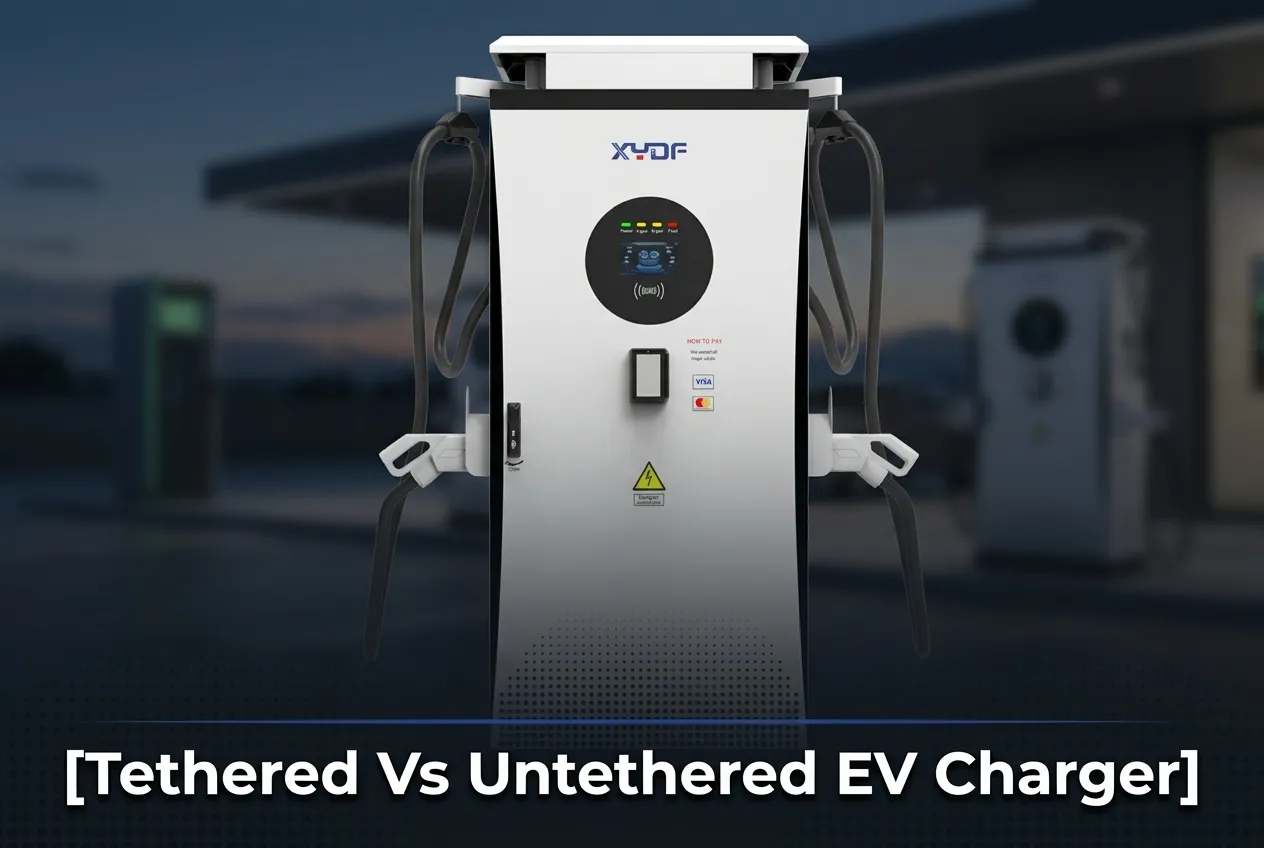
The key difference between these two types of EVs is how the cables are configured:
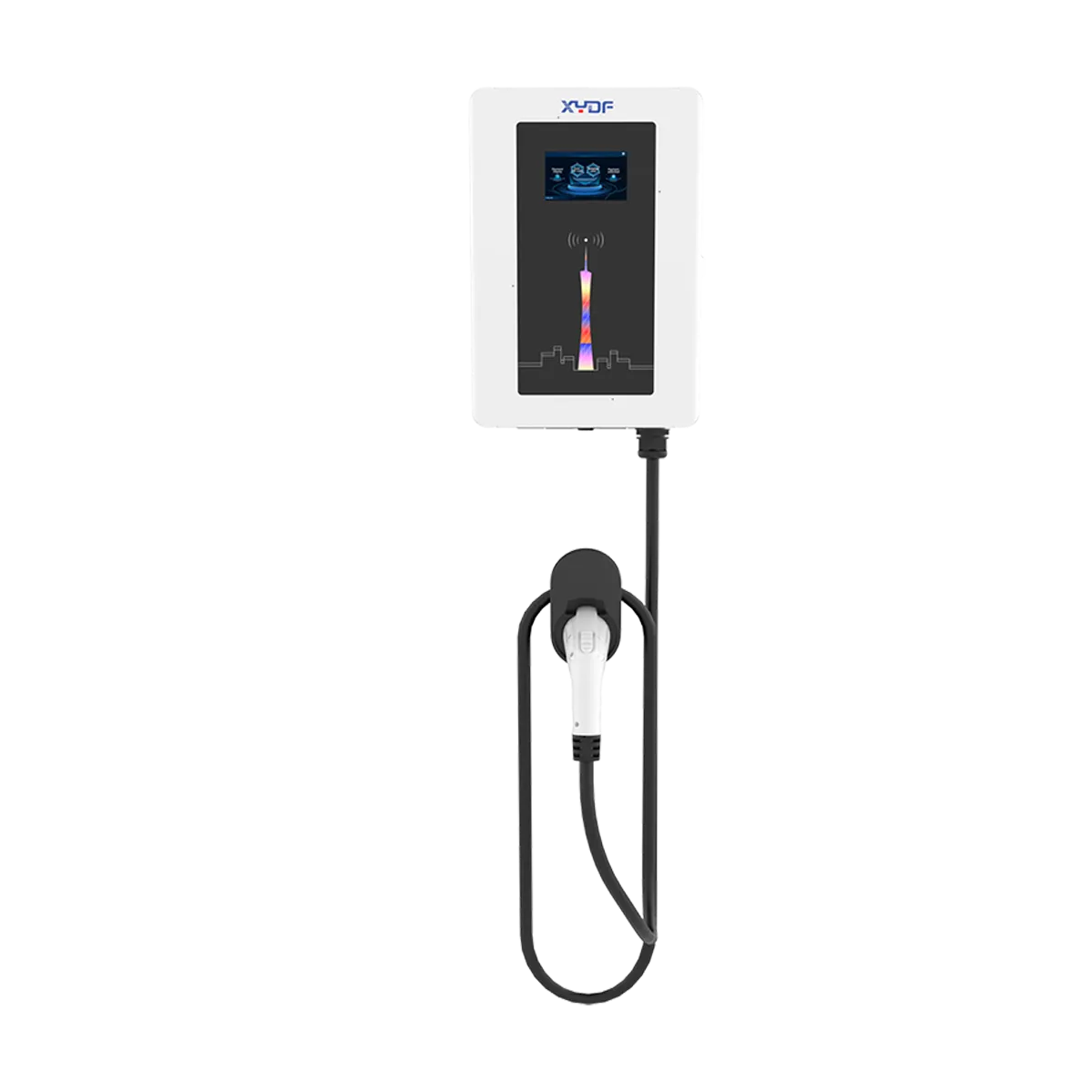
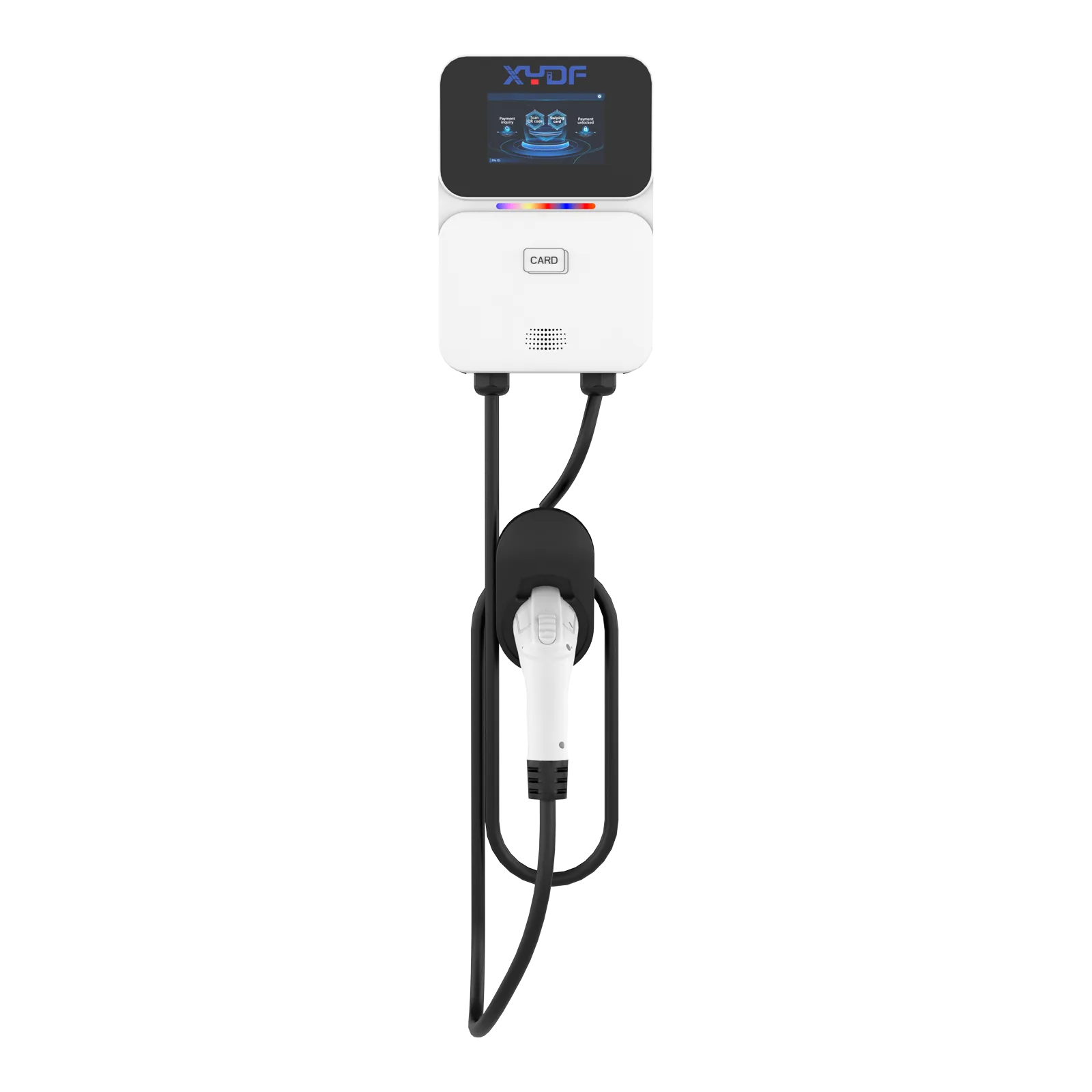
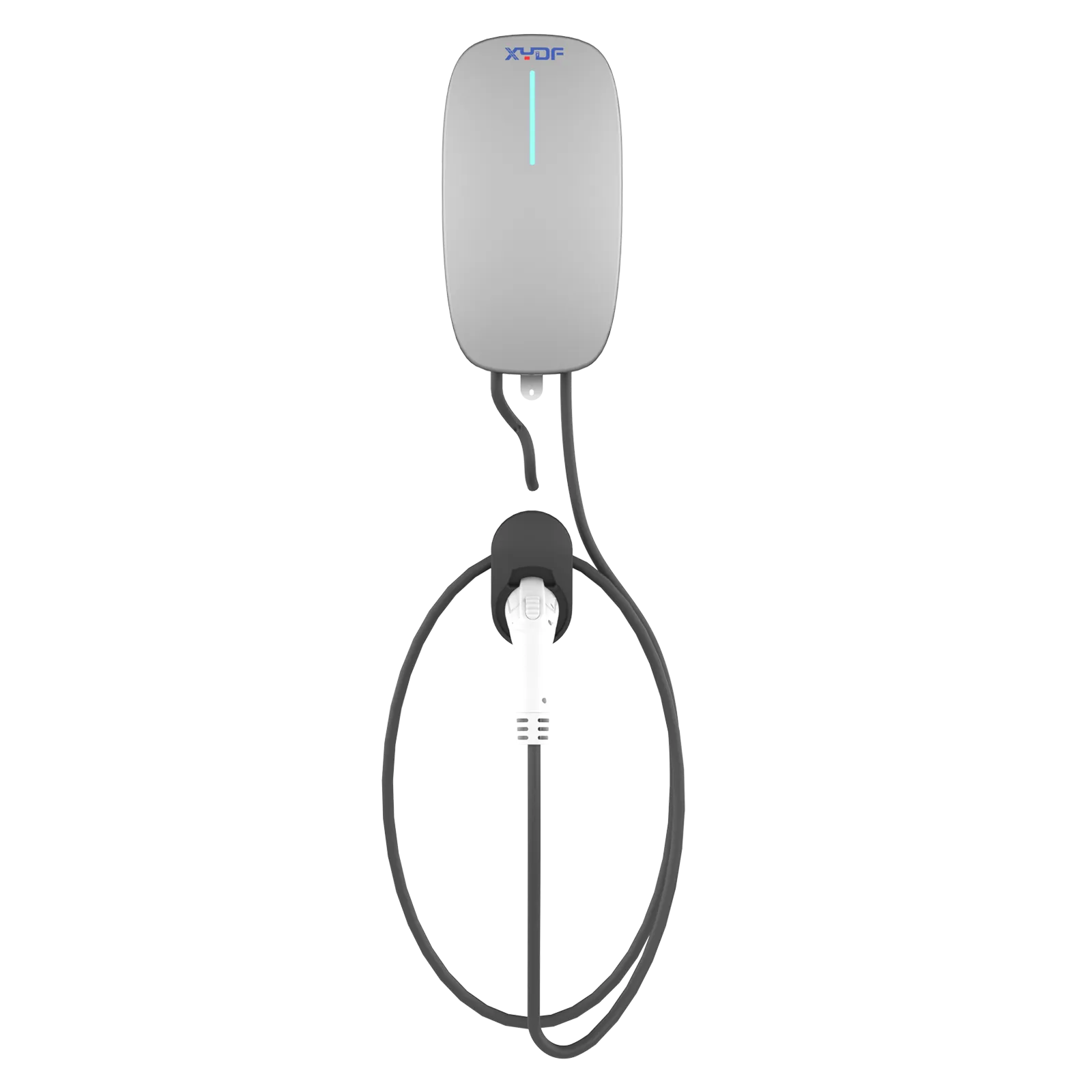
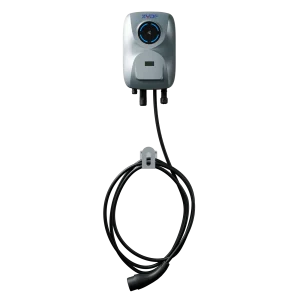
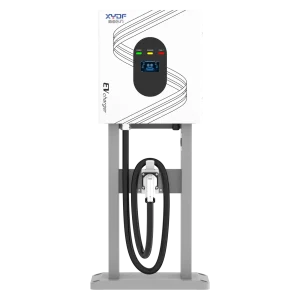
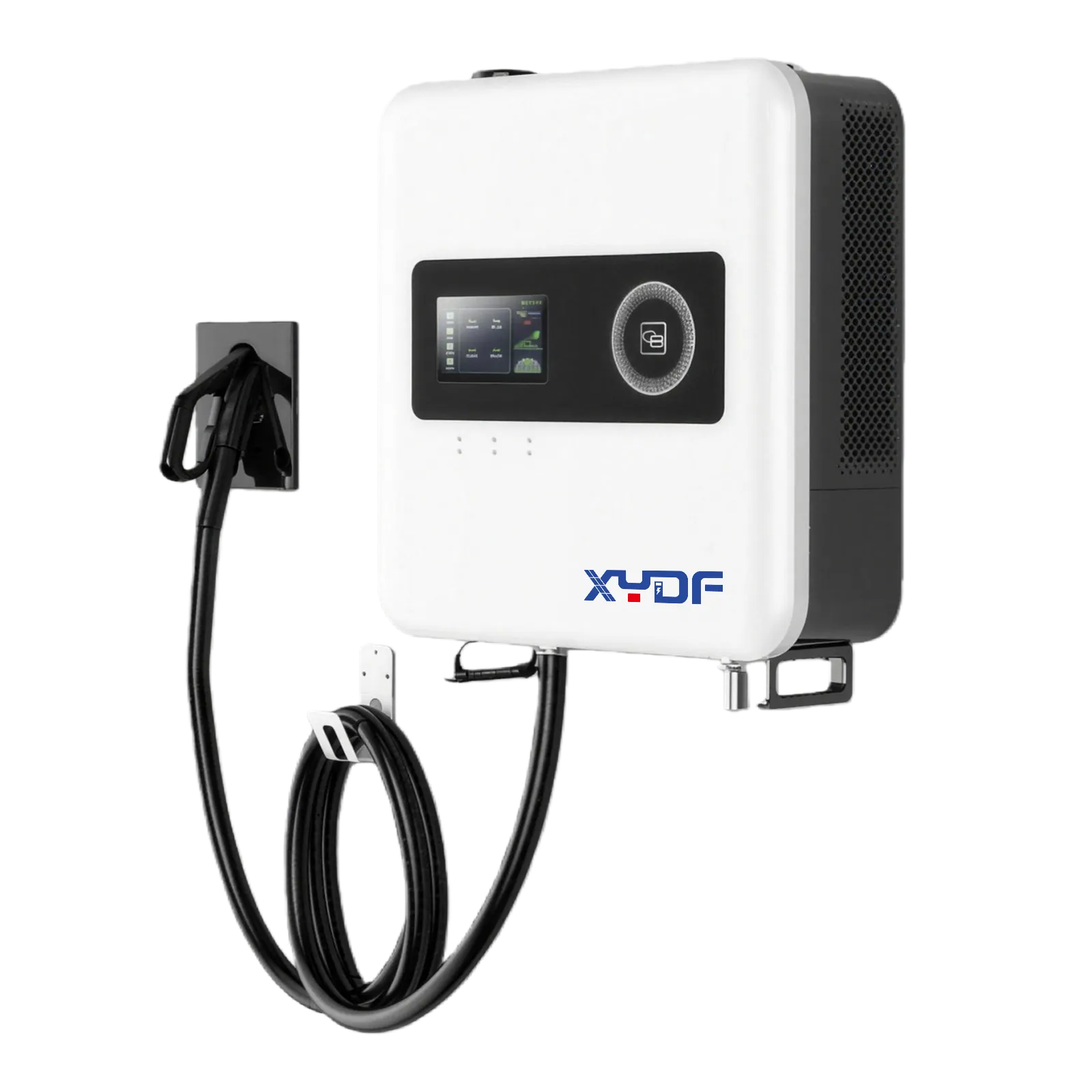
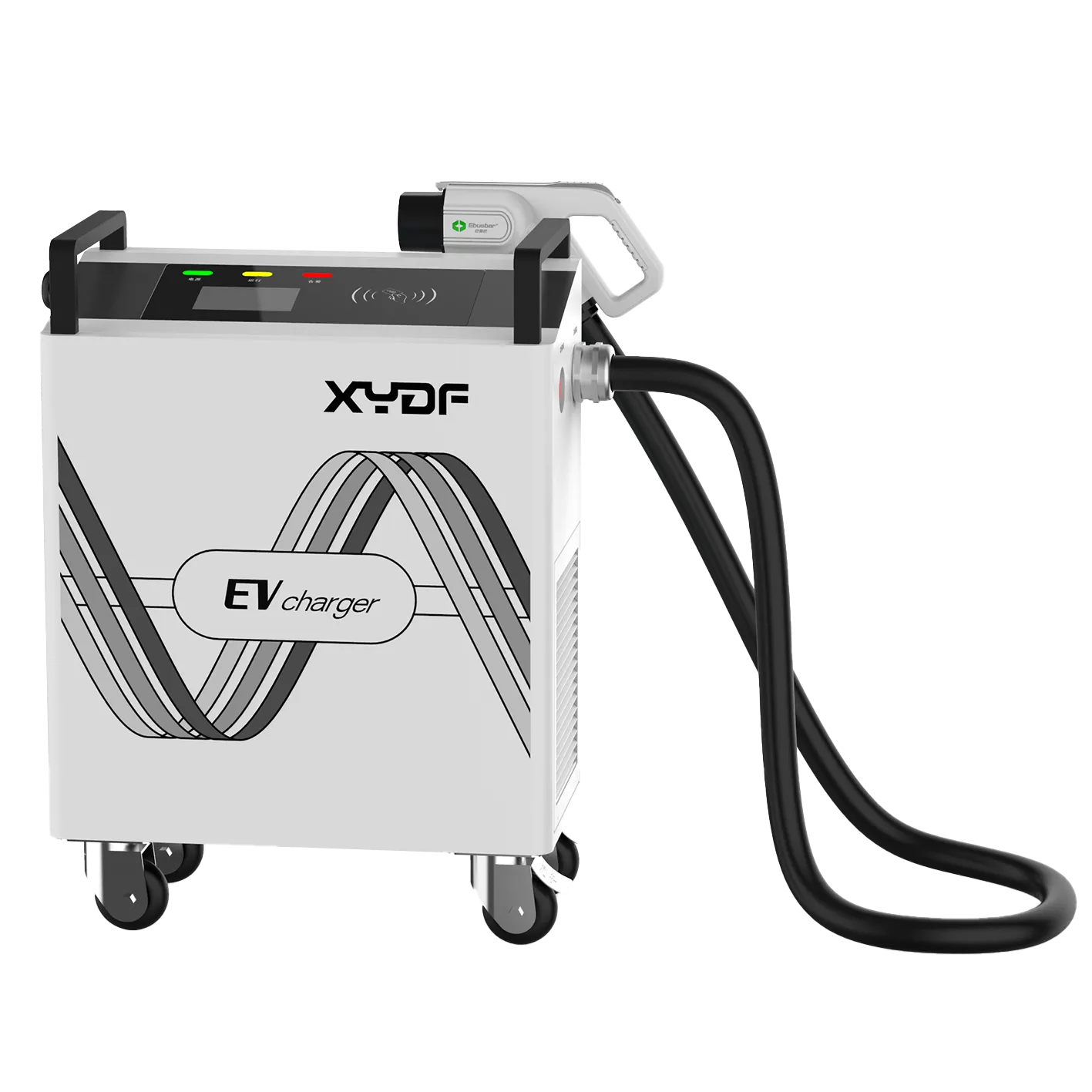
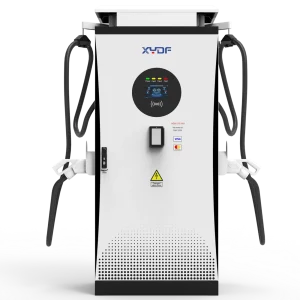
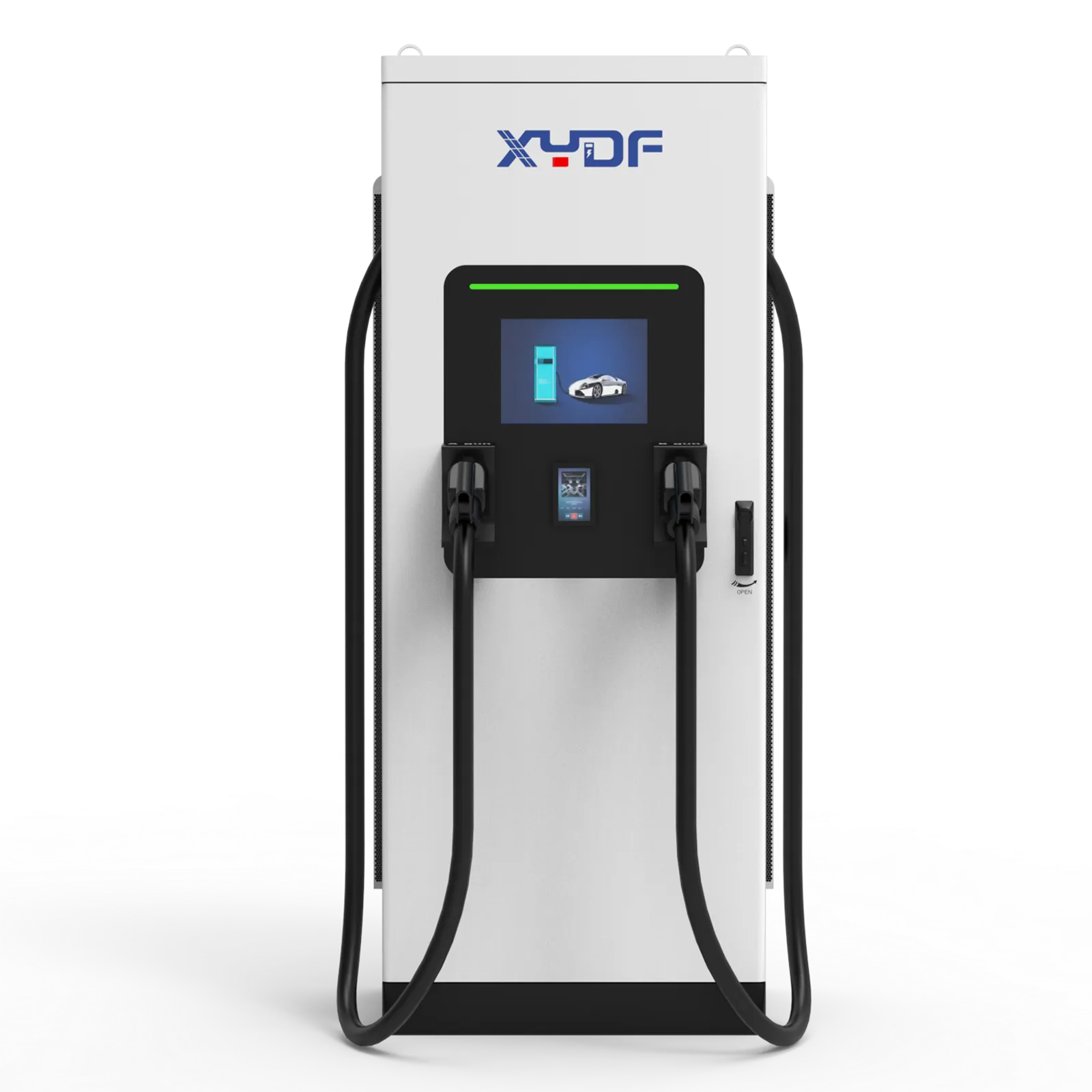
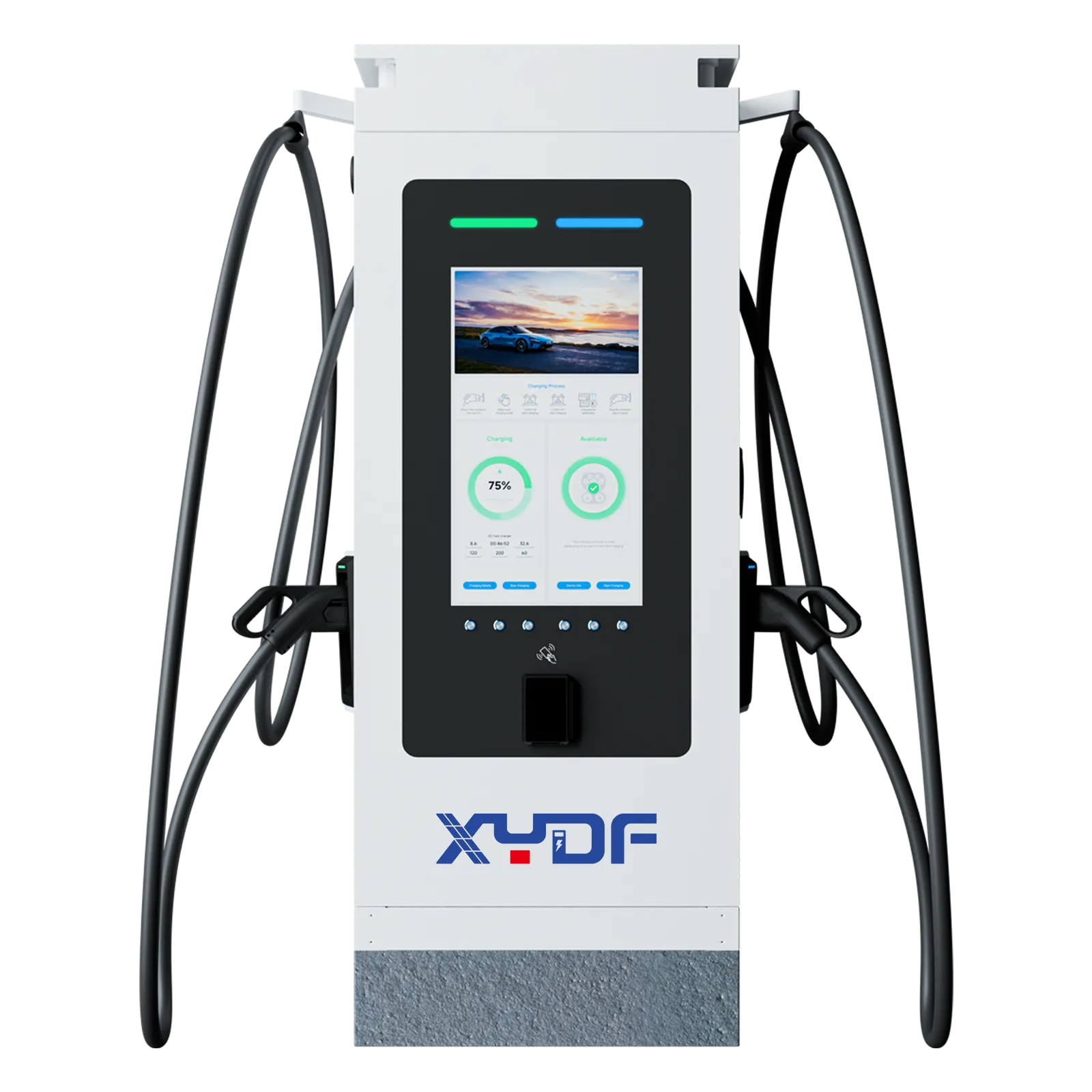
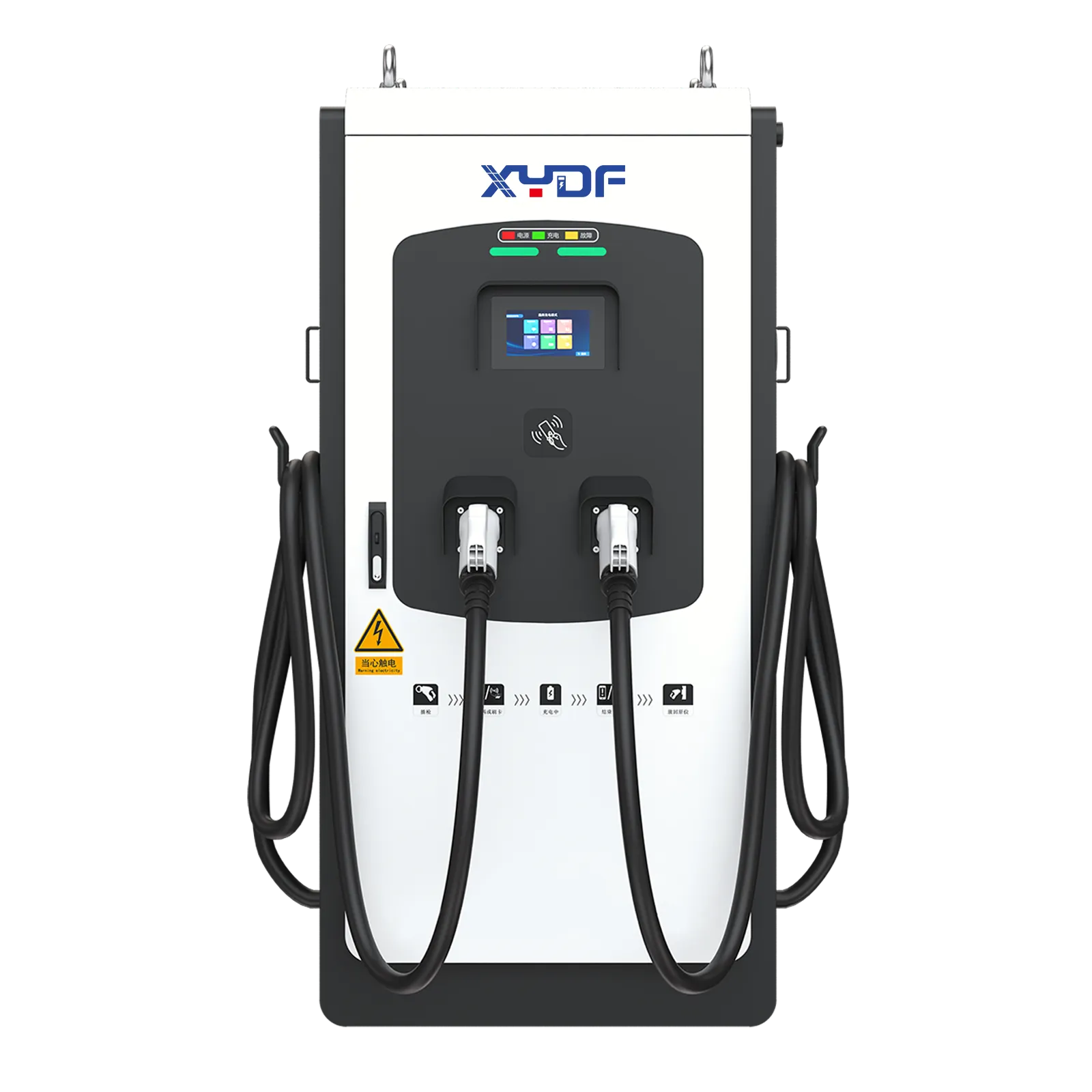
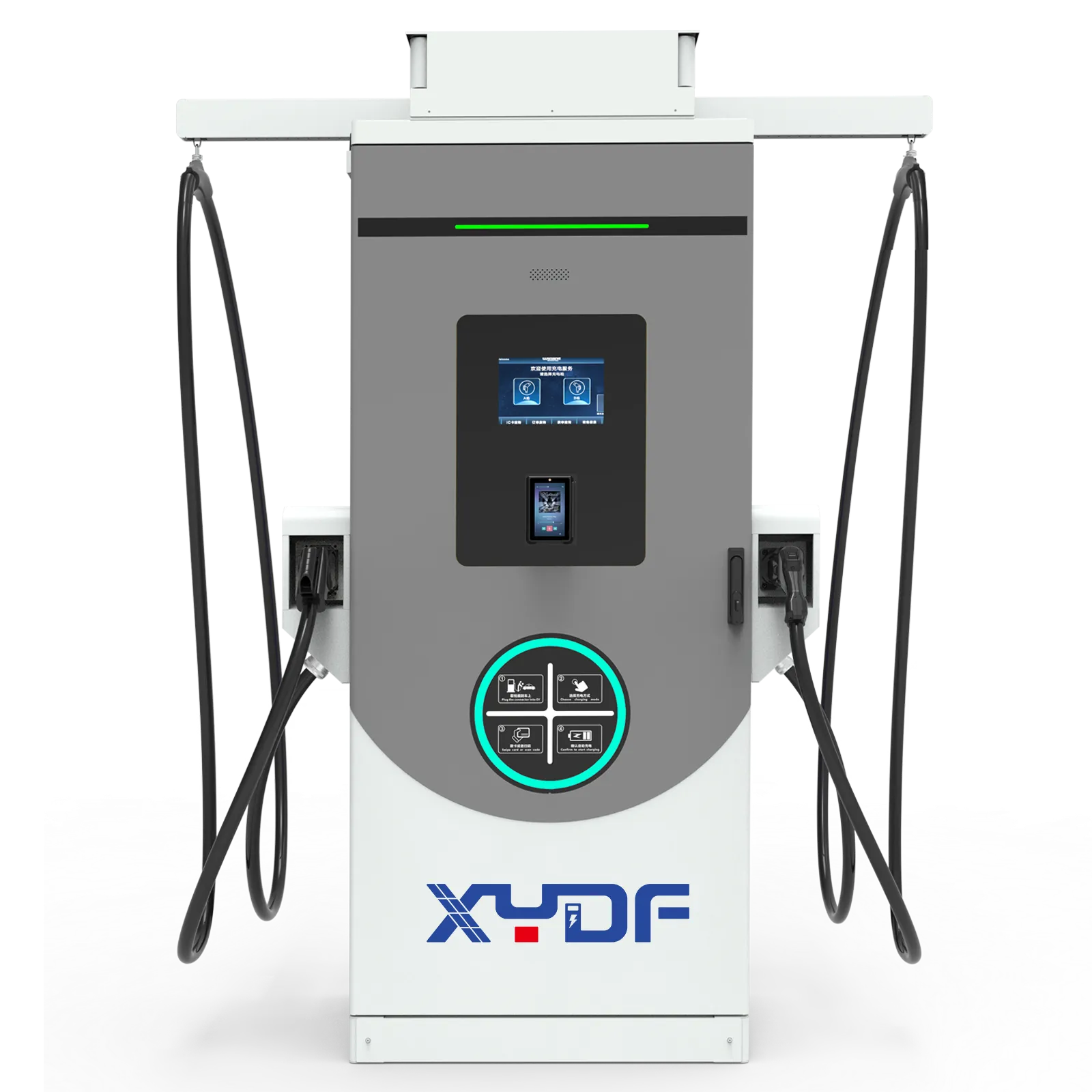
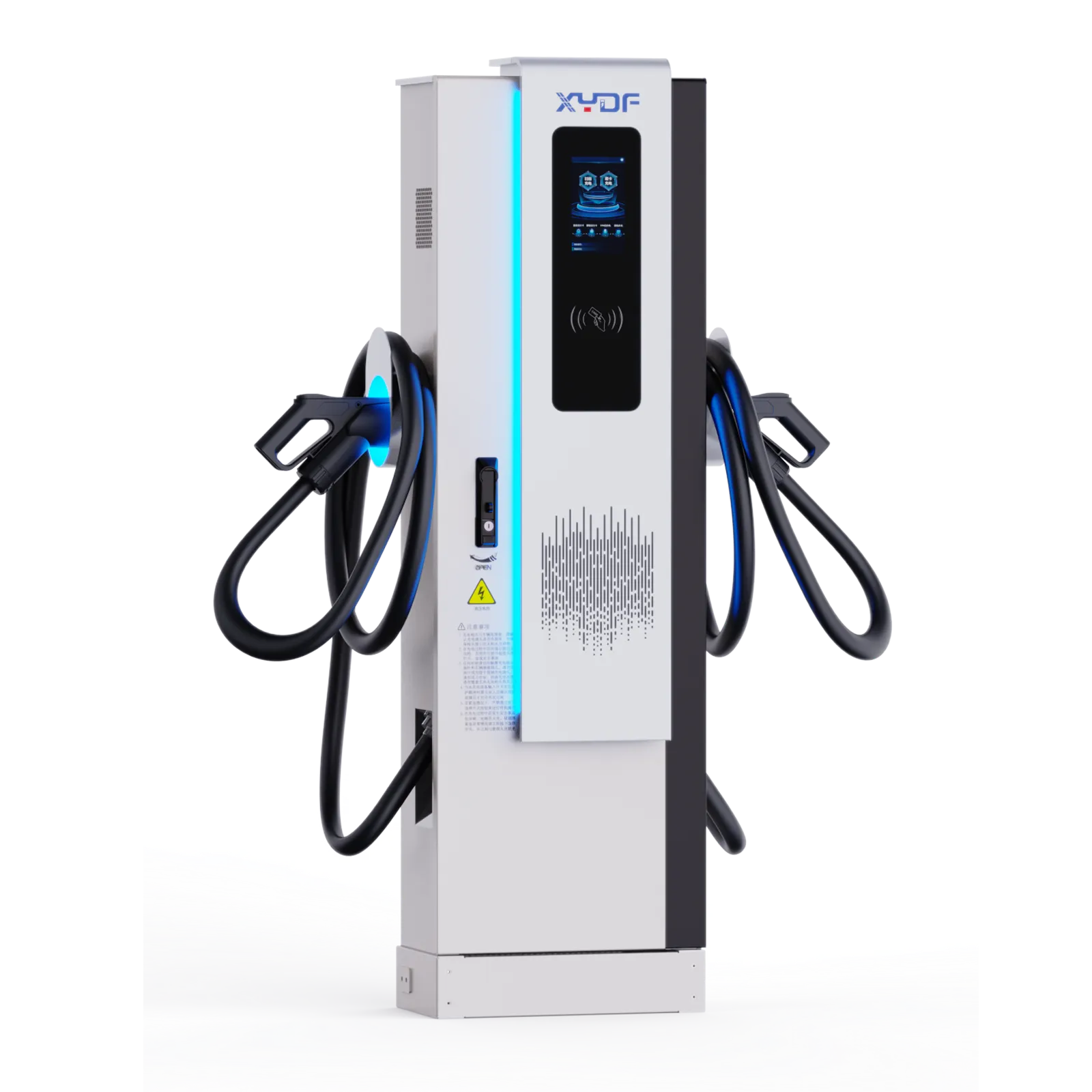
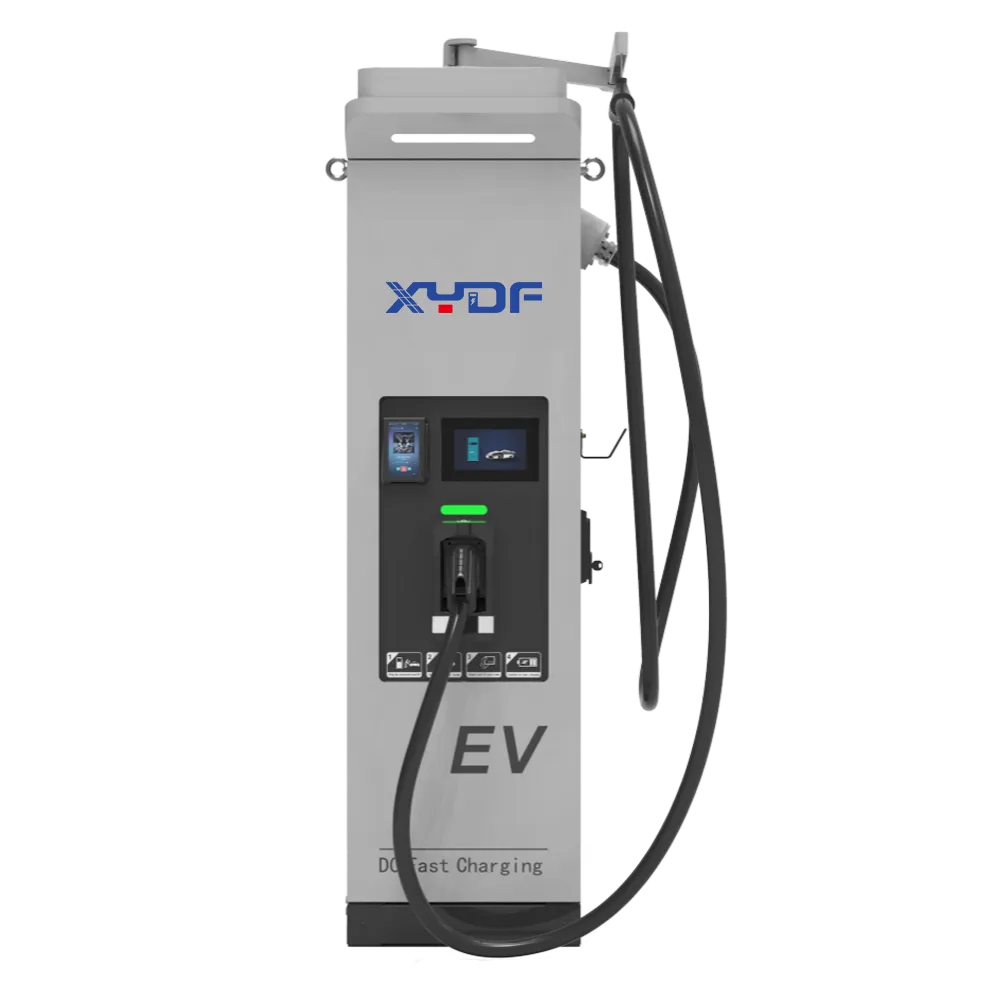
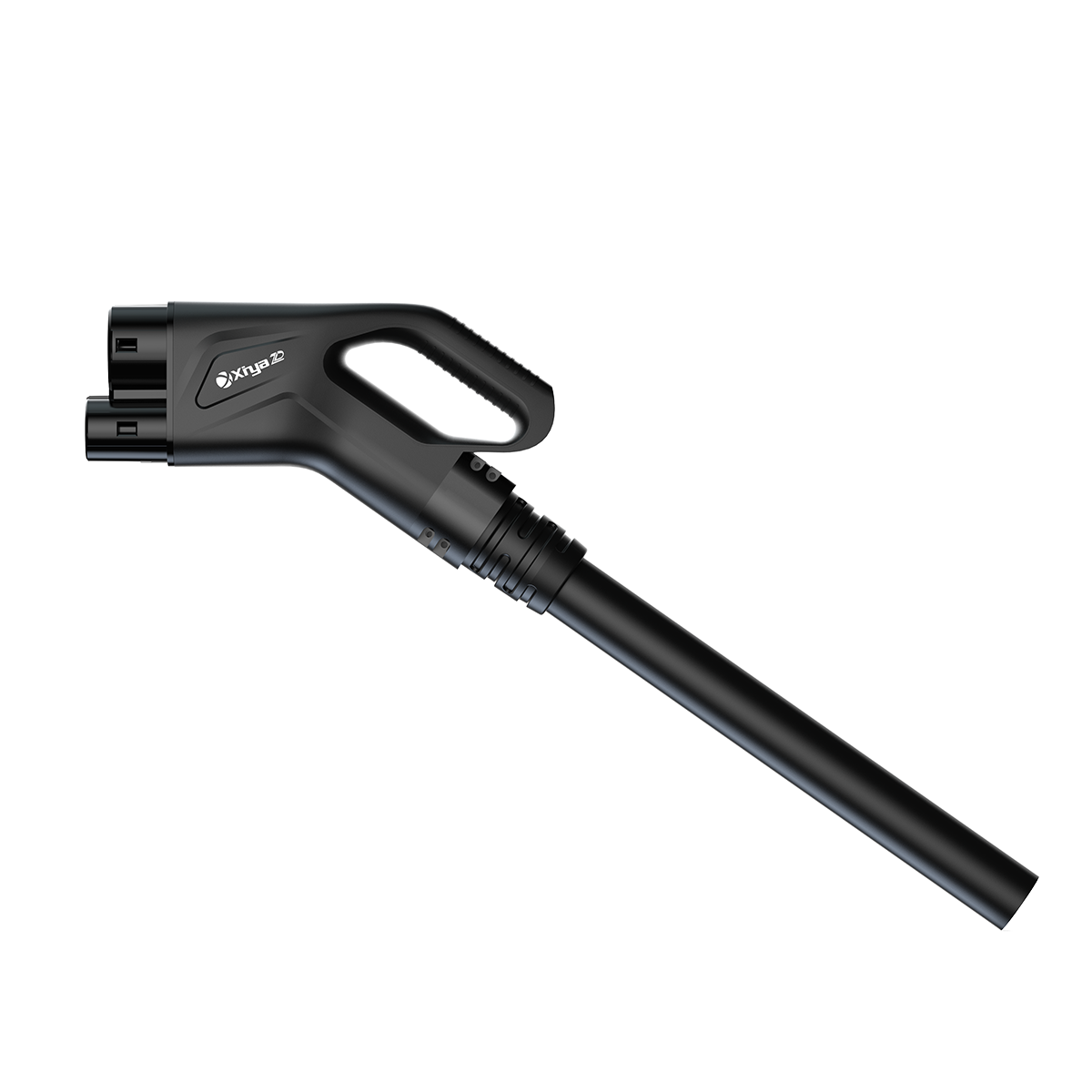
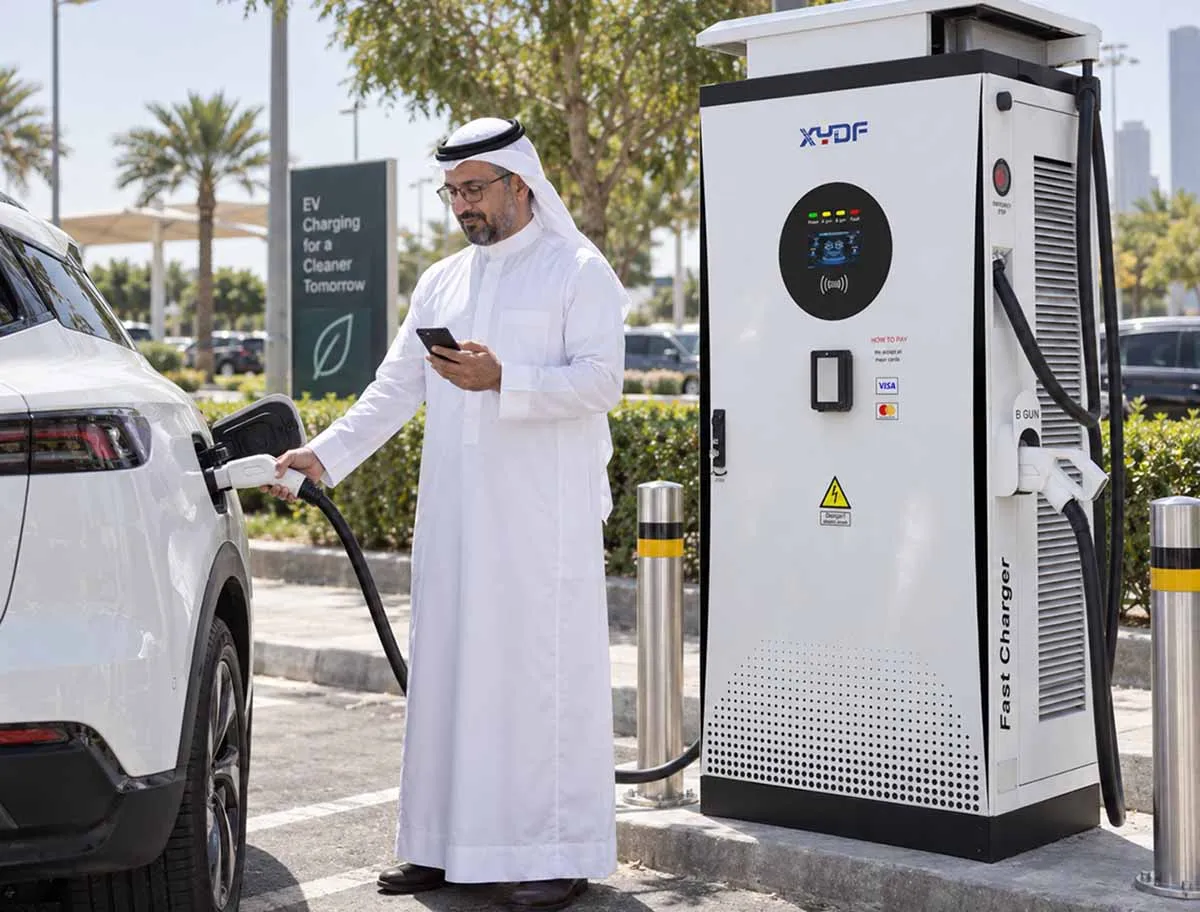
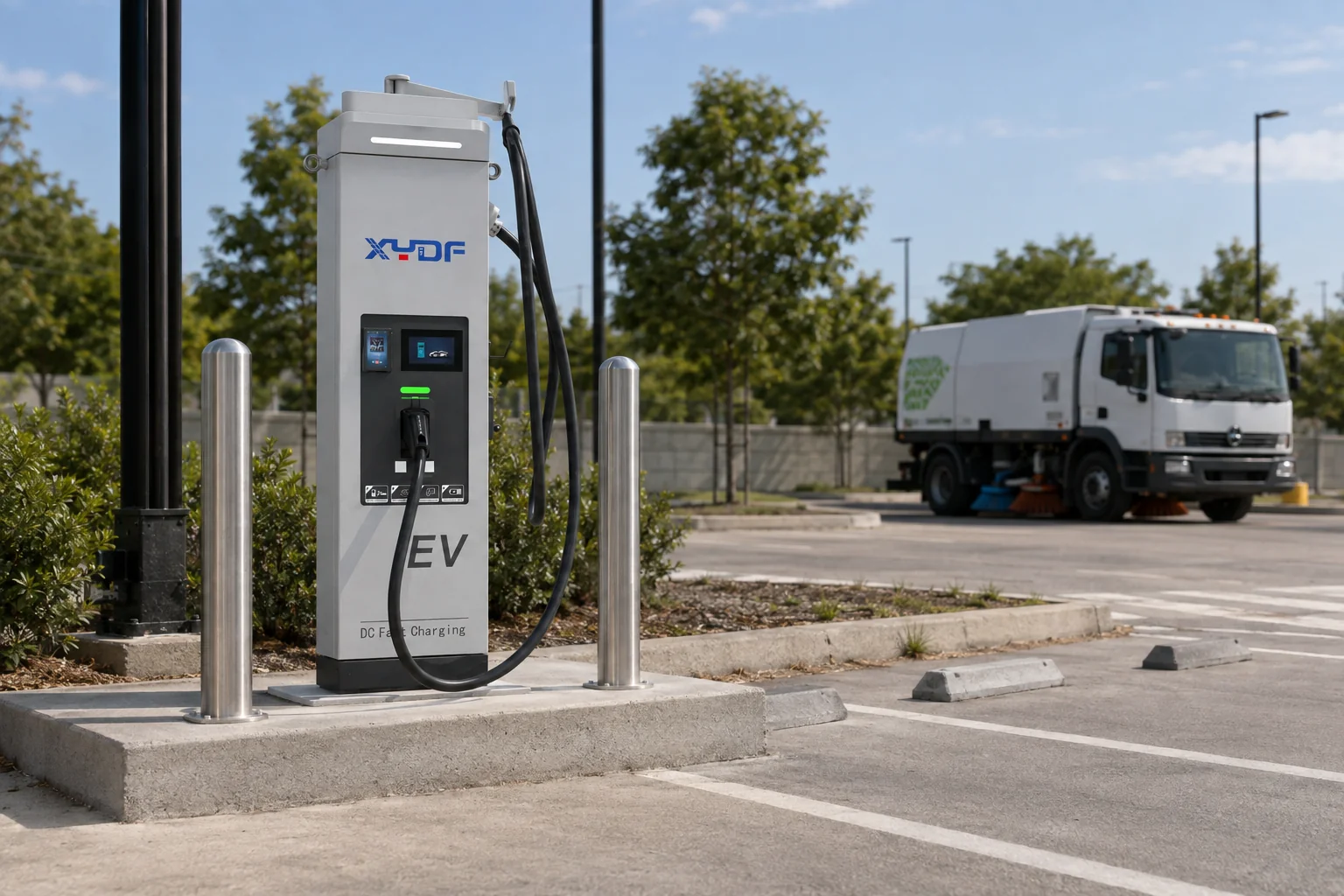
– Tethered EV Charger: Has a permanently attached cable that is included with the charging unit and is ready for use at all times. This means that you do not have to search for or attach a different cable each time you charge your vehicle.
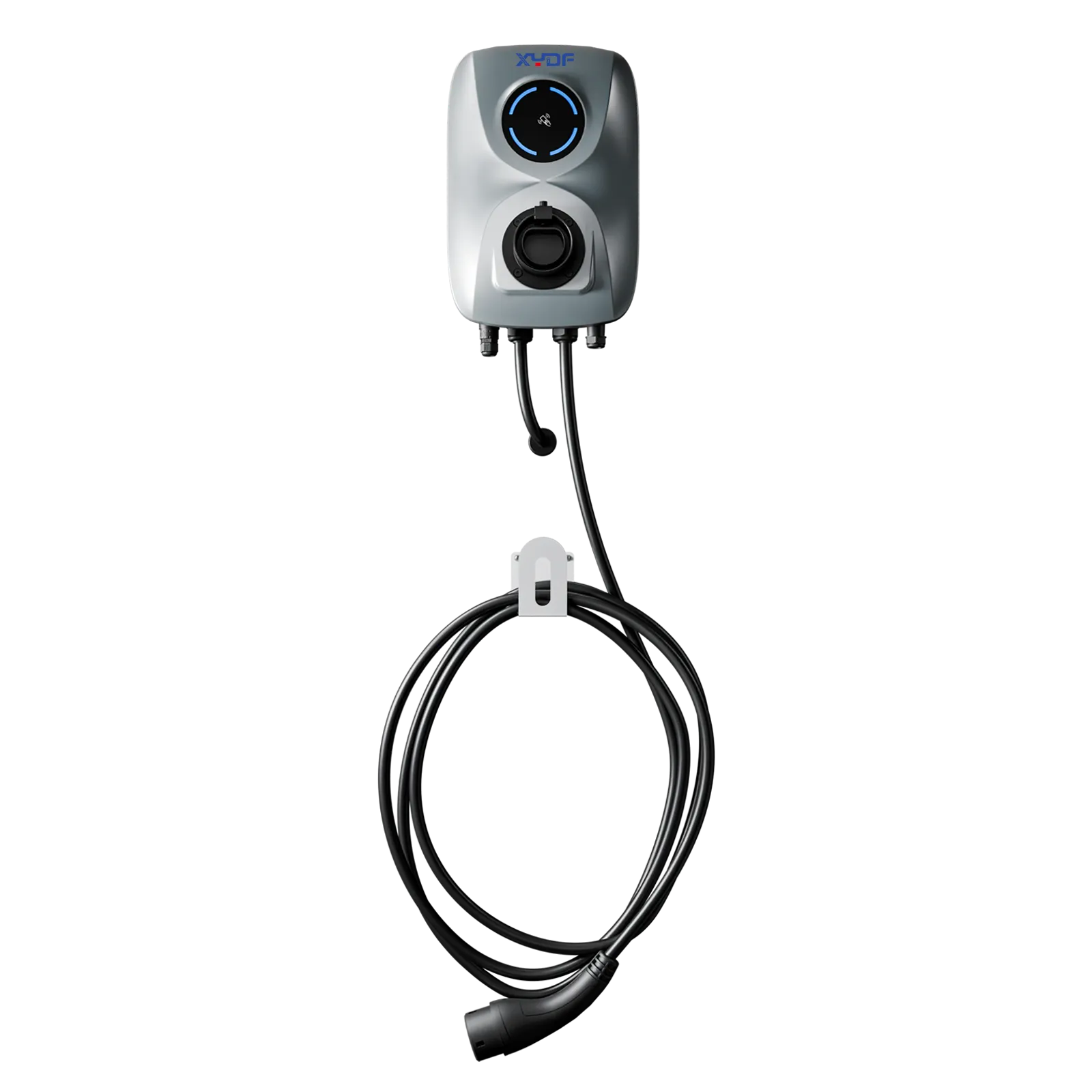
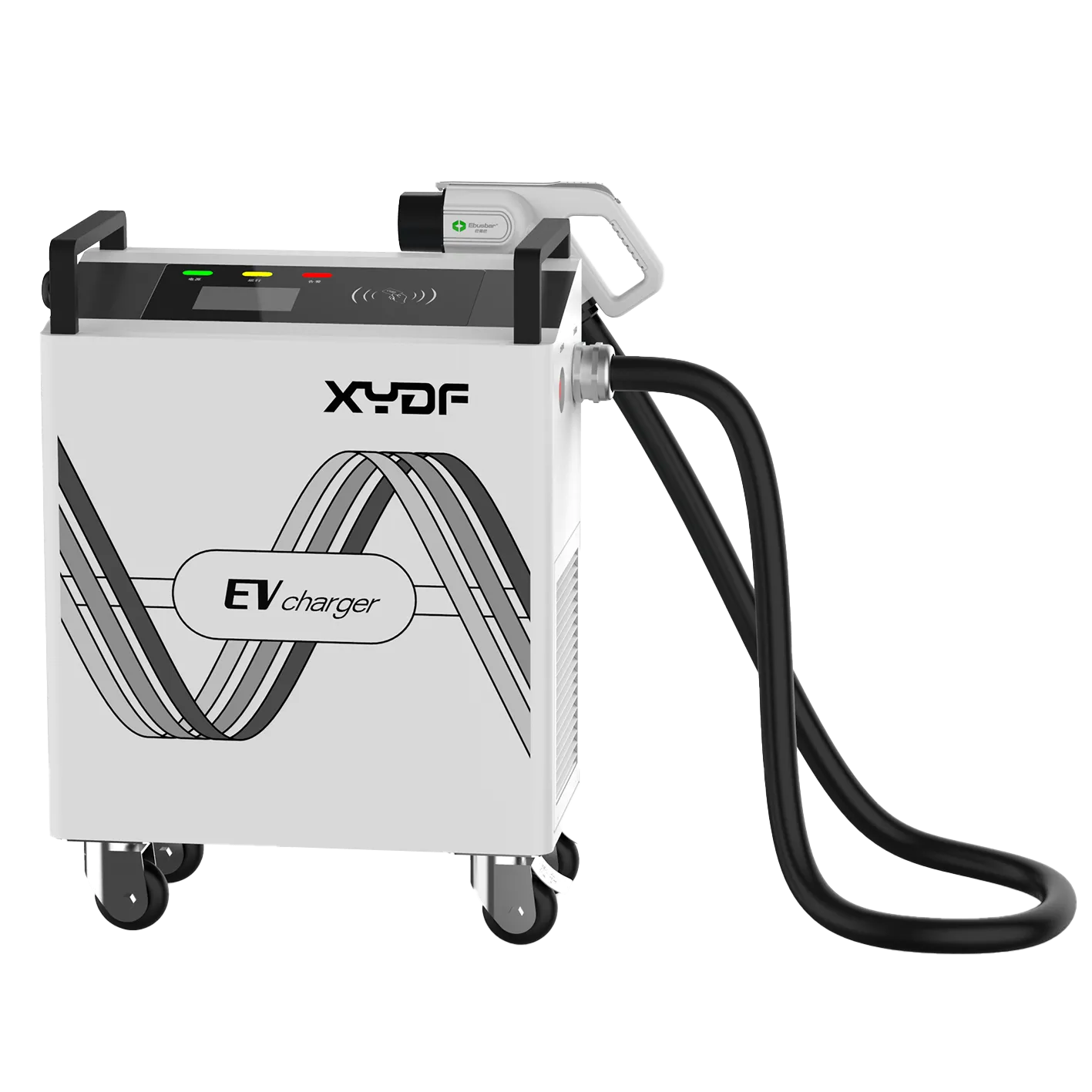
– Untethered EV Charger (also referred to as a Socketed Charger): Has no permanently attached cable; instead, it includes a universal socket in which an individual can insert their own charging cable.
Each of these significant differences in user experience is advantageous in terms of flexibility, user convenience, and charger maintenance.
Tethered Chargers: The Advantages
1. Convenience: A tethered charger is convenient to use because it is always supplied with a charging cable; hence you do not have to search for and plug in another charging cable every time you want to connect to your charger. This saves valuable time and energy.
2. Ready to Use: Tethered chargers must always have a cable attached to them and ready to use. You will not have to search for the proper cable or matching connector as you know that the charging unit has been designed for your vehicle type.
3. Less Wear and Tear: Removing and plugging in cables can cause wear and tear if using an untethered charger. Tethered chargers do not have this problem.
4. Cleaner and Neater: Many tethered chargers have built-in cable management features, like holsters or hooks, to help keep the installation neat, but at the same time will lower the chance of tripping hazards.
Benefits of an Untethered EV Charger
1. Flexibility: The overwhelming majority of untethered EV chargers are compatible with almost all new and used EVs because they fit with most cables. This type of charger is therefore fine for use at multi-EV residences or with any future plans to upgrade to 2 or more EVs.
2. Aesthetic Value: The look of an untethered EV charger appears cleaner with no permanent cable attached, giving the exterior of your home a very modern design.
3. Ease of Repairs: With time, cables will wear out and be in need of replacement. With an untethered charger, it is usually much easier and cheaper to replace a broken cable than having to replace the whole tethered charging unit.
4. Portability: With an untethered charger, if you are moving house, there’s no problem taking your untethered charger with you and using the same cable setup. This is especially useful for electric vehicle owners who have plans to relocate.
Tethered or Untethered Chargers: Which Type of EV Charger is Best?
The right option is really based on your preferences, needs, and lifestyle:
– If convenience is important and you don’t wish to deal with the issue of handling cords or cables, then a tethered EV charger is probably best suited to you.
– If you have more than one EV and plan on expanding your EV fleet further down the line or you just like the idea of having flexible charging options, an untethered charger may be best for you.
Both types are advantageous in their own right and your final choice will likely be governed by your preferences for charging your home garage and your EV in particular.
Factors to Consider When Choosing an EV Charger
Compatibility: Ensure you are using a charger that is compatible with your EV as there are numerous kinds of connectors available. The type of connector that comes with the charger is decided by the type of charger you are buying.
Charging Speed: You need to ensure the power output from the charger is adequate for your EV; charging speeds range from 3.6kW to 7kW to 22kW depending on the charger.
Installation Location: How much room you will have at the location where you install your charger, how much room you need to store the cable, and whether you desire a clean, organized area to keep your charger when it is not being used will all influence your choice.
Ease of Use: When assessing the ease of use of a tethered charger, think about how much extra time you might save. Depending on your lifestyle, an untethered EV charger may provide greater flexibility.
Future-Proofing: With new EVs entering the market, you can adapt to future needs with an untethered solution, if required, without needing to buy an entirely new unit.
Cost: A tethered charger has a higher up-front cost generally since it comes with a cable included—but since you do not need to spend on a separate charging cable, it may save you money overall. Weigh up the total cost of ownership for each type before reaching a decision.
Additional Considerations for Public Charging
For a public charging station or workplace, untethered chargers are usually the order of the day, since a lot of different vehicle models may be rolling in for charging needs. In a car park with a private vehicle and a single EV being charged, however, key benefits lie with tethered chargers.
FAQ
What is the difference between a tethered and untethered EV charger?
An untethered EV charger has a universal socket on it to plug your own charging cable into; a tethered EV charger has an attached charging cable already preconnected to it.
What are the benefits of an untethered EV charger?
Untethered chargers offer flexibility, compatibility with multiple EV models, ease of cable replacement, portability, and a cleaner aesthetic look.
What are the benefits of a tethered EV charger?
A charger for EVs that is tethered provides an always-on available charging solution, reduces wear on cables themselves, and most tethered chargers are wrapped up with cable management kits that keep things looking spick and span too!
Which is better, a tethered or untethered EV charger?
The best one for you of the two is your key to success. If you are looking for simplicity in abundance and a lot of use is its future, go with tethered. For flexibility and future-proofing, untethered is the way to go.
In summary, your choice in the choice between a tethered or untethered EV charger will come down to your personal EV charging use requirements. If you plan to use your charger for convenience and ease of use, a tethered solution will probably be the right one for you. If you wish to adapt to multiple EVs and future needs, an untethered solution may be better. Think about your current requirements and what your future requirements may look like before settling on one or the other.
 Xinya Dongfang Electricity Technology Co., Ltd.