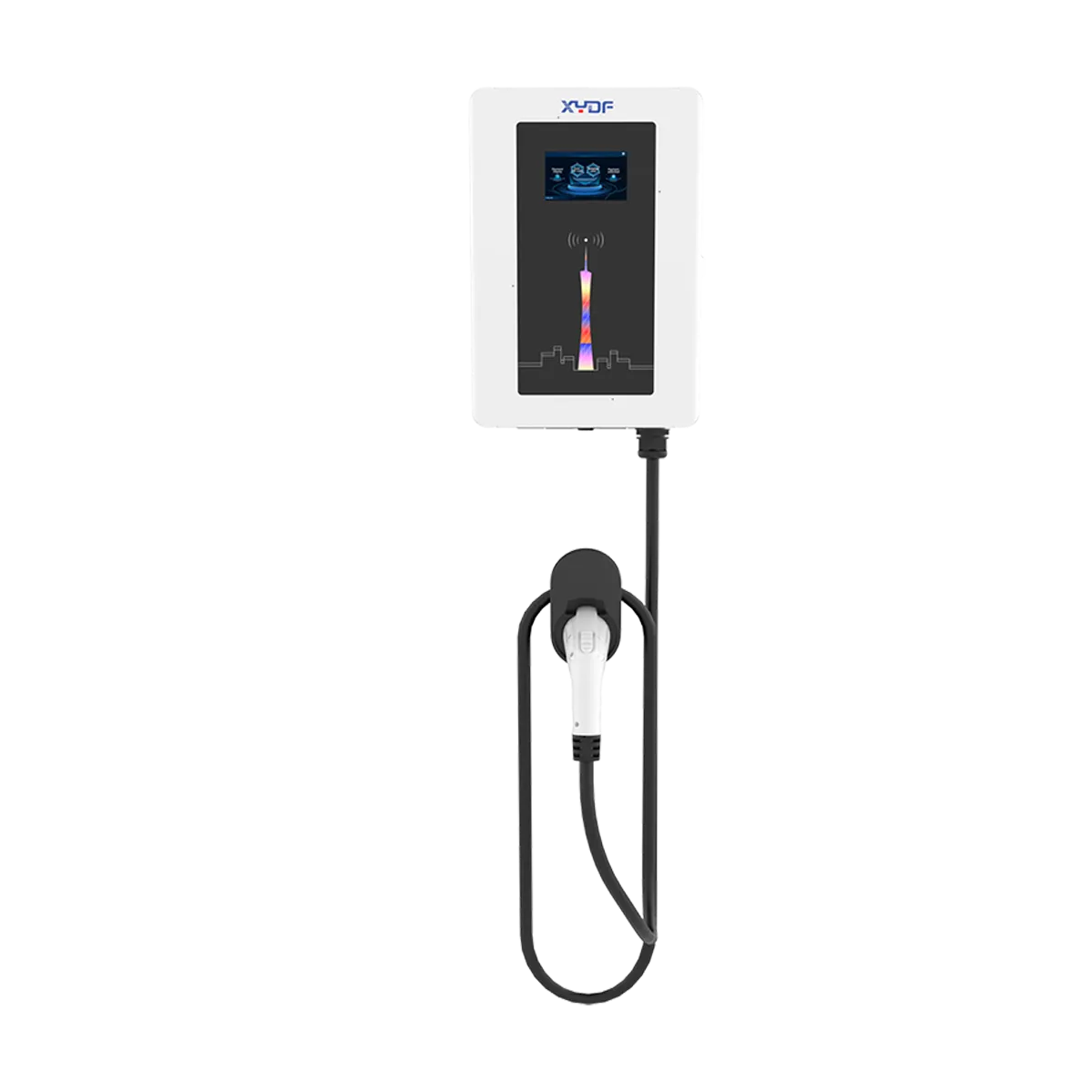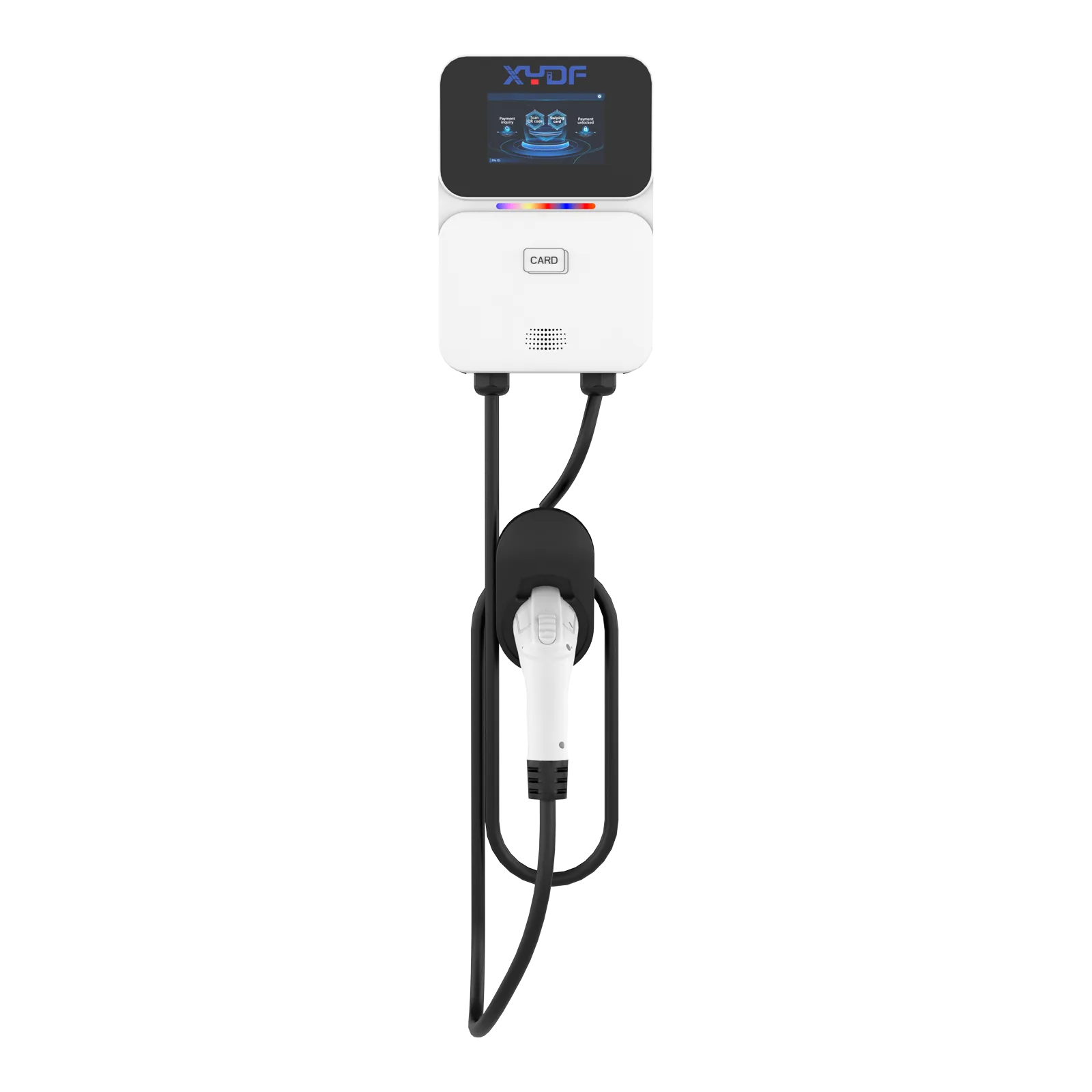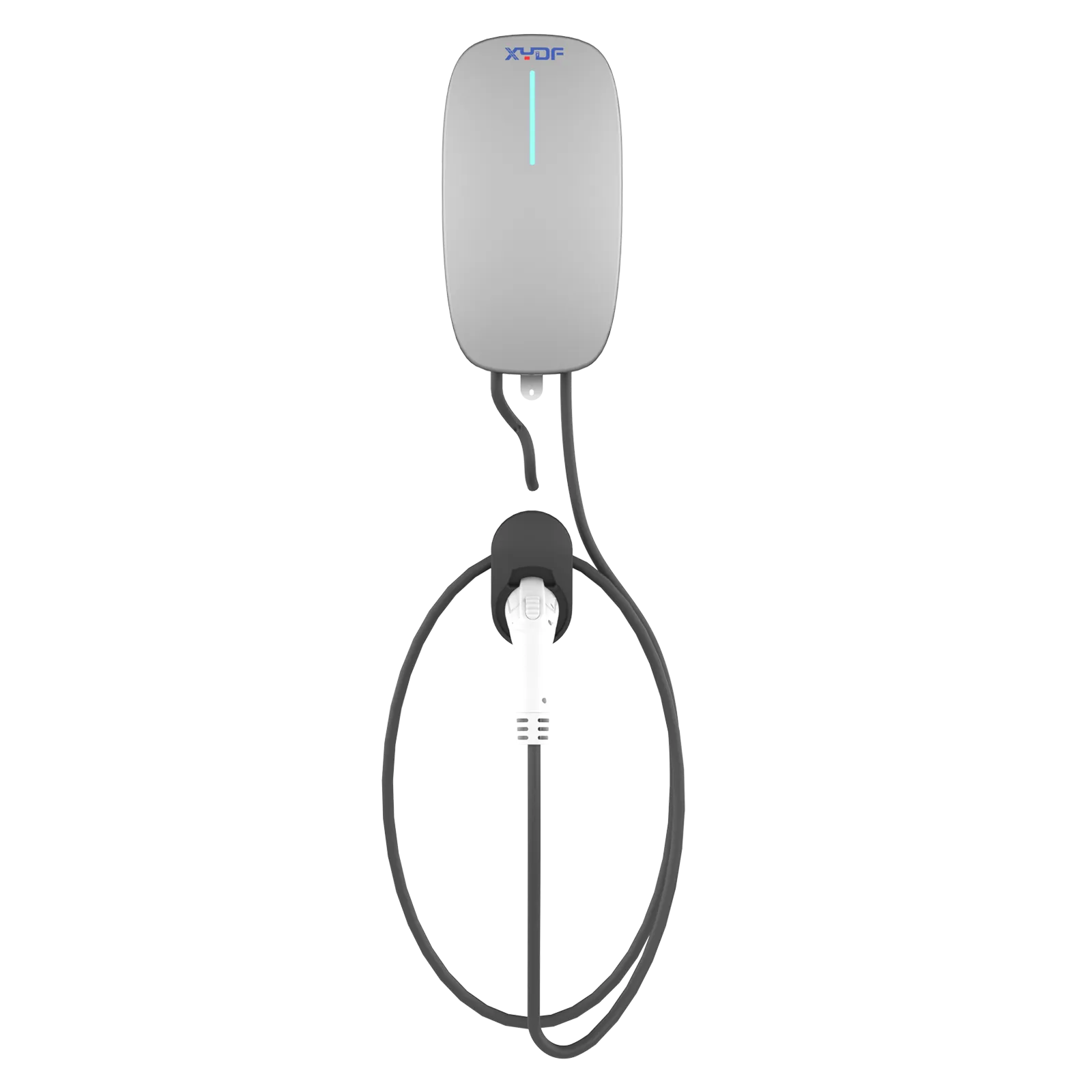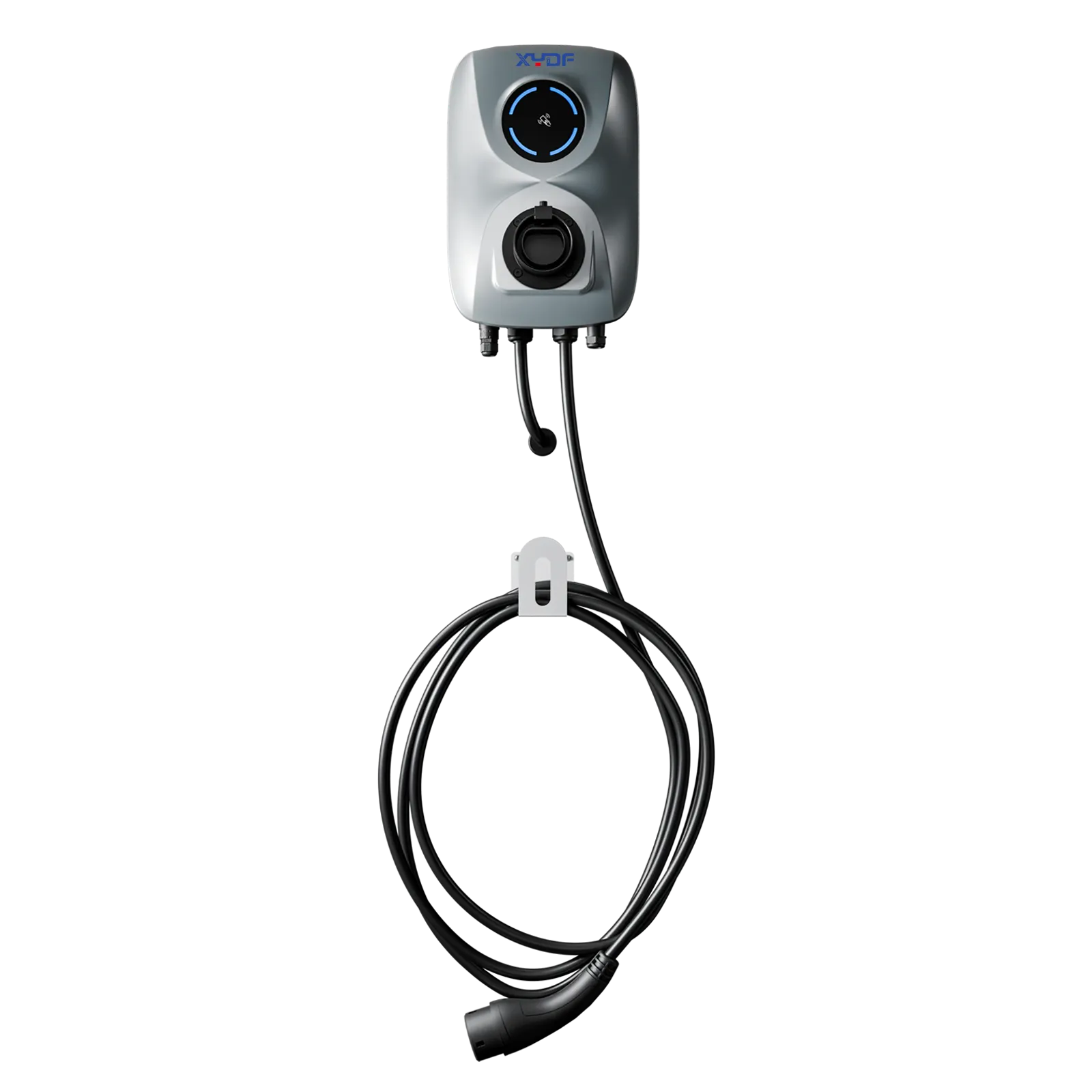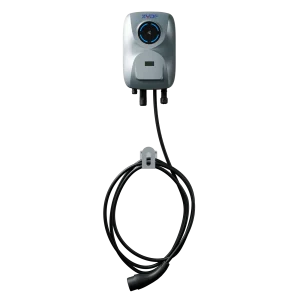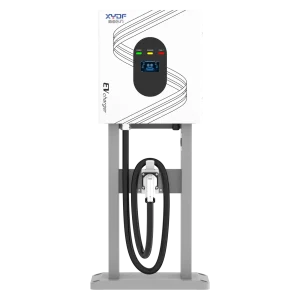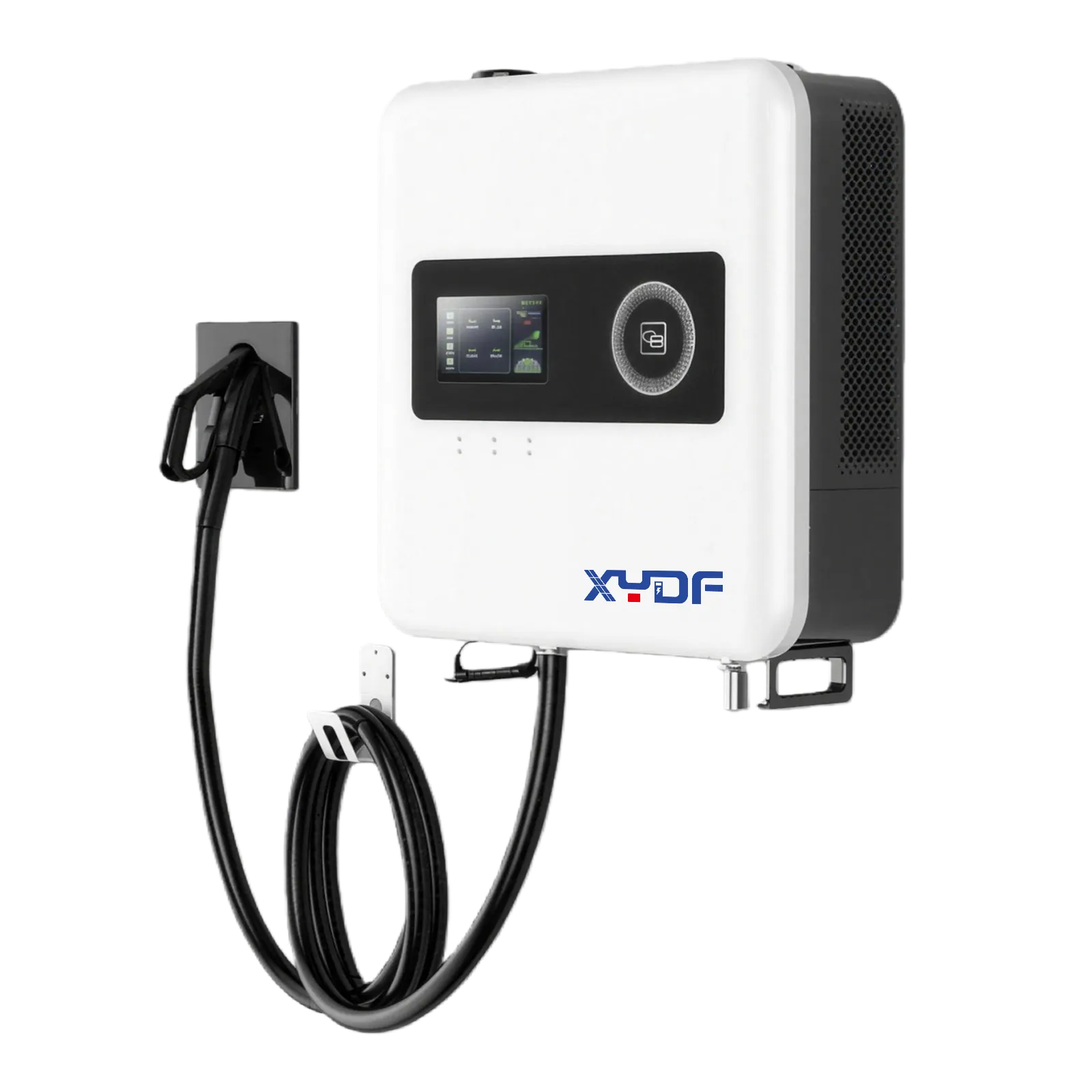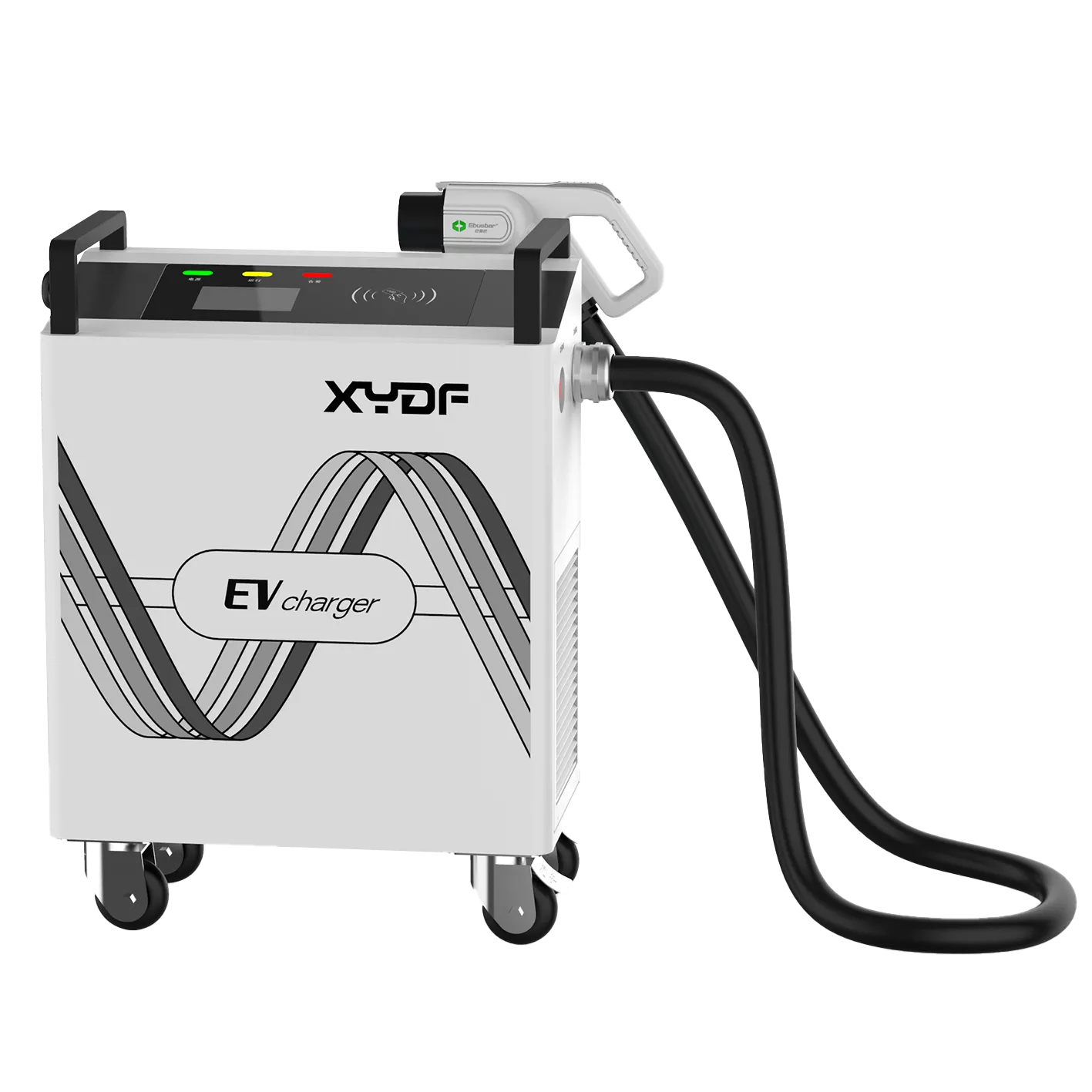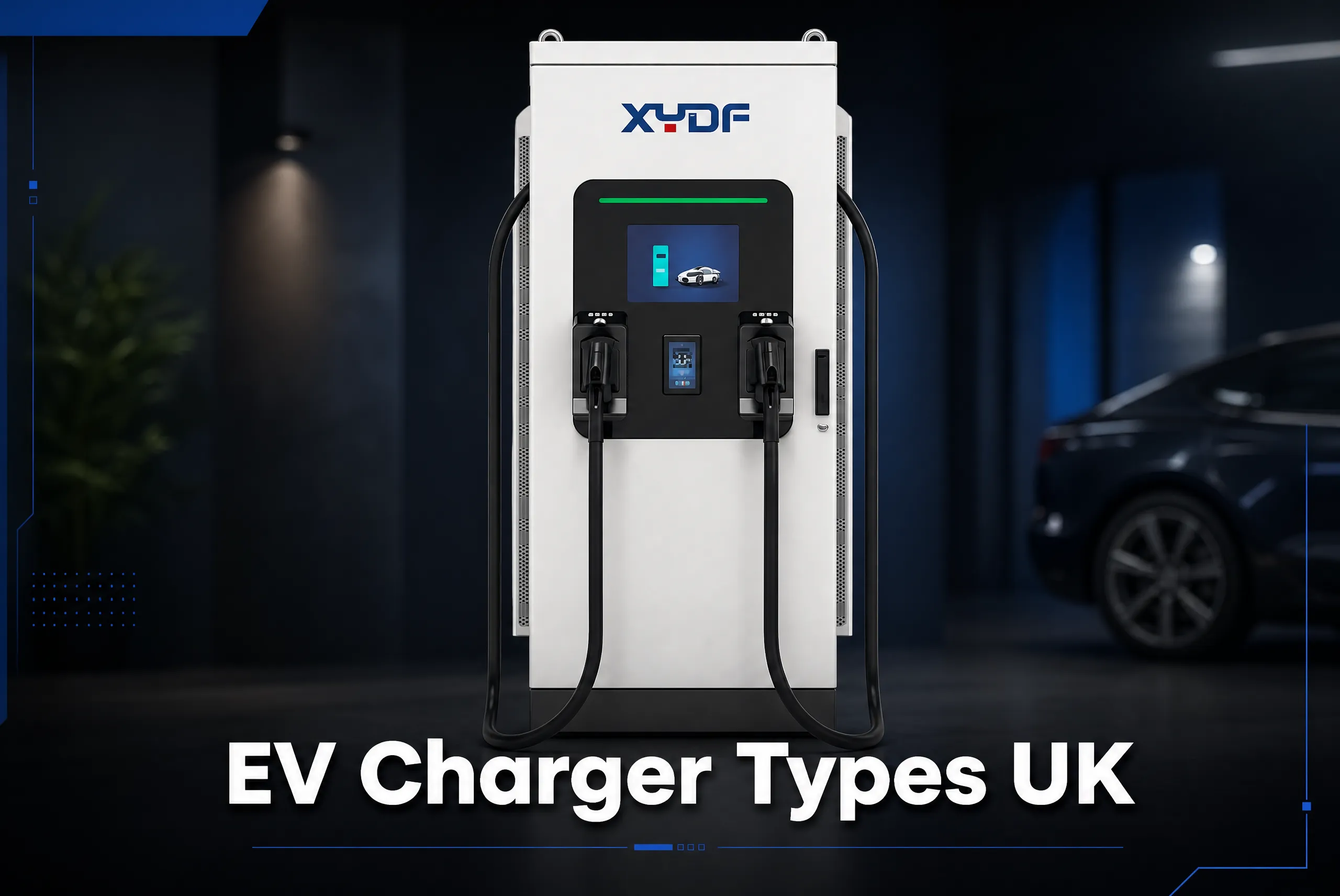
EV chargers fall into three classifications based on their associated charging speed, which is indicative of how much power they supply to the user. These are the three main classifications for chargers available in the UK:
Slow chargers have charging rates of 3,000 watts (3 kW – 6 kW), making them ideal for those who desire an overnight charging solution or who have low average daily mileage (e.g., driving only a few thousand kilometres per year). Generally, it will take approximately 12 hours to completely charge an EV on a slow charger in this case. Therefore, slower chargers are typically the most cost-effective method of charging EVs, as they can also be used in conjunction with smaller plug-in hybrid electric vehicles and standard electric vehicles with smaller batteries, thereby maximizing the efficiency of both types of vehicles.
Fast EV chargers are becoming more common in both business and home charging installations. Compared to slow chargers, fast chargers provide a major reduction in charging time, with a 7kW charger typically being able to charge most electric vehicles within about 4 to 6 hours. Fast chargers are increasingly popular for home charging and provide a good balance of speed and energy efficiency.
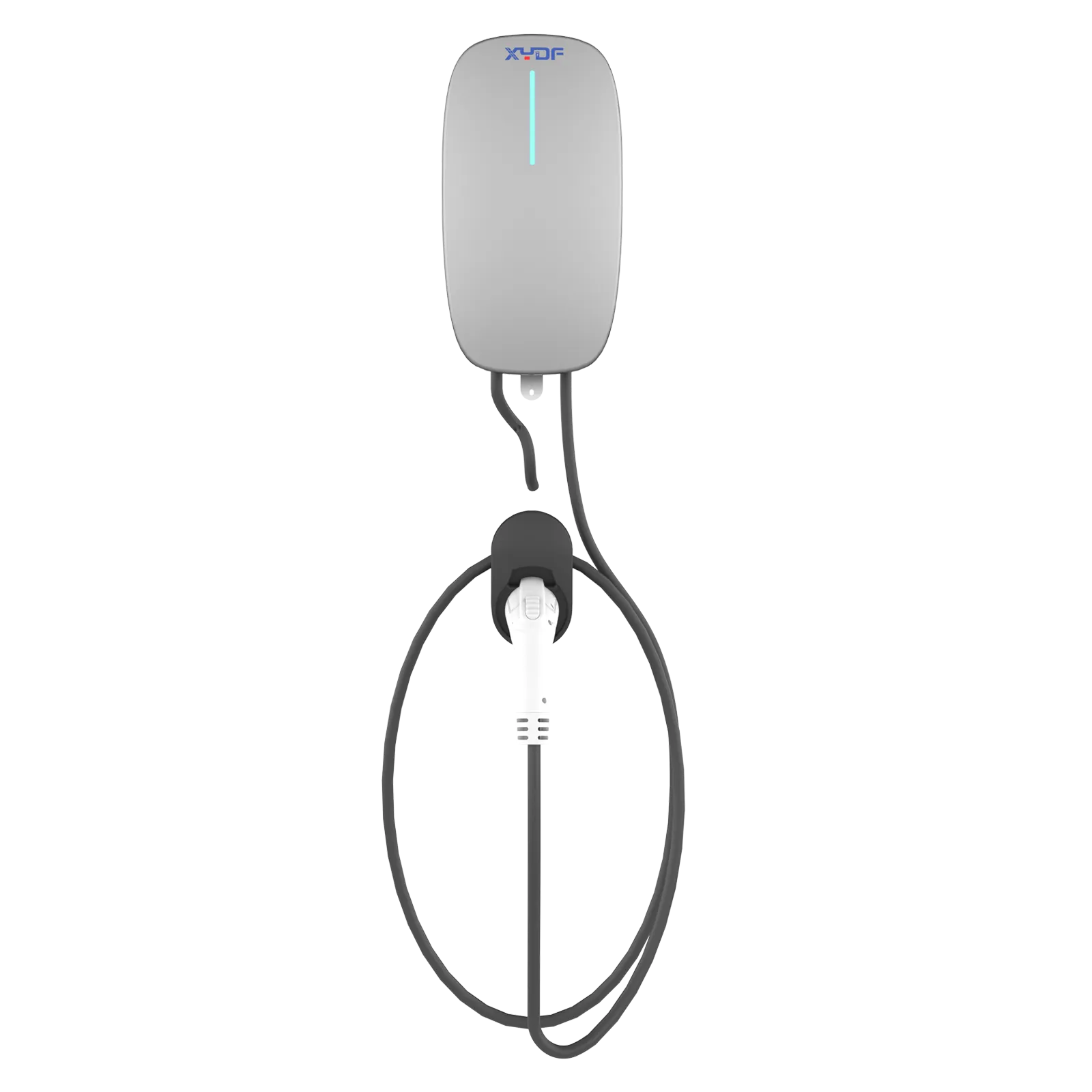
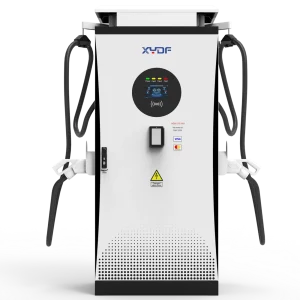
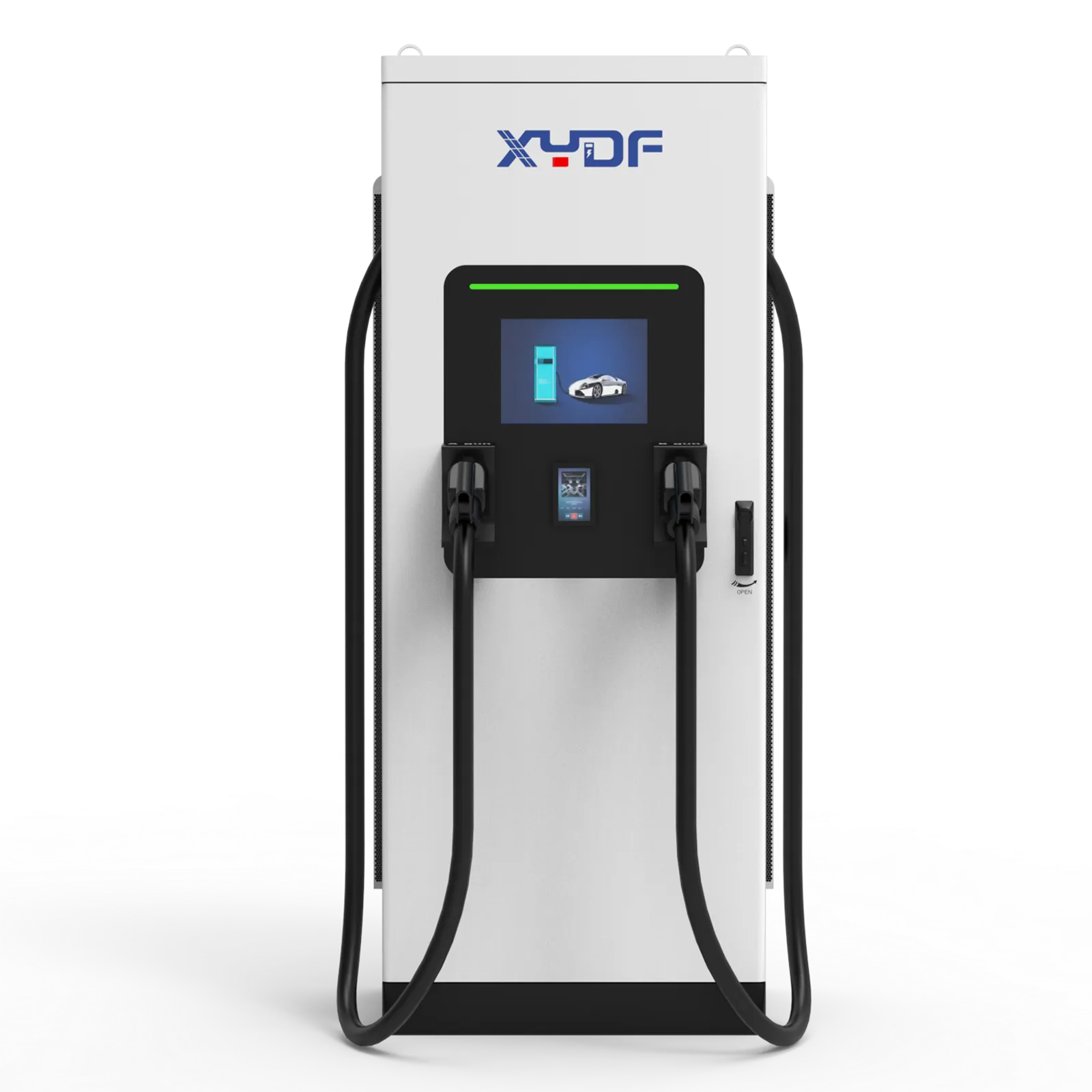
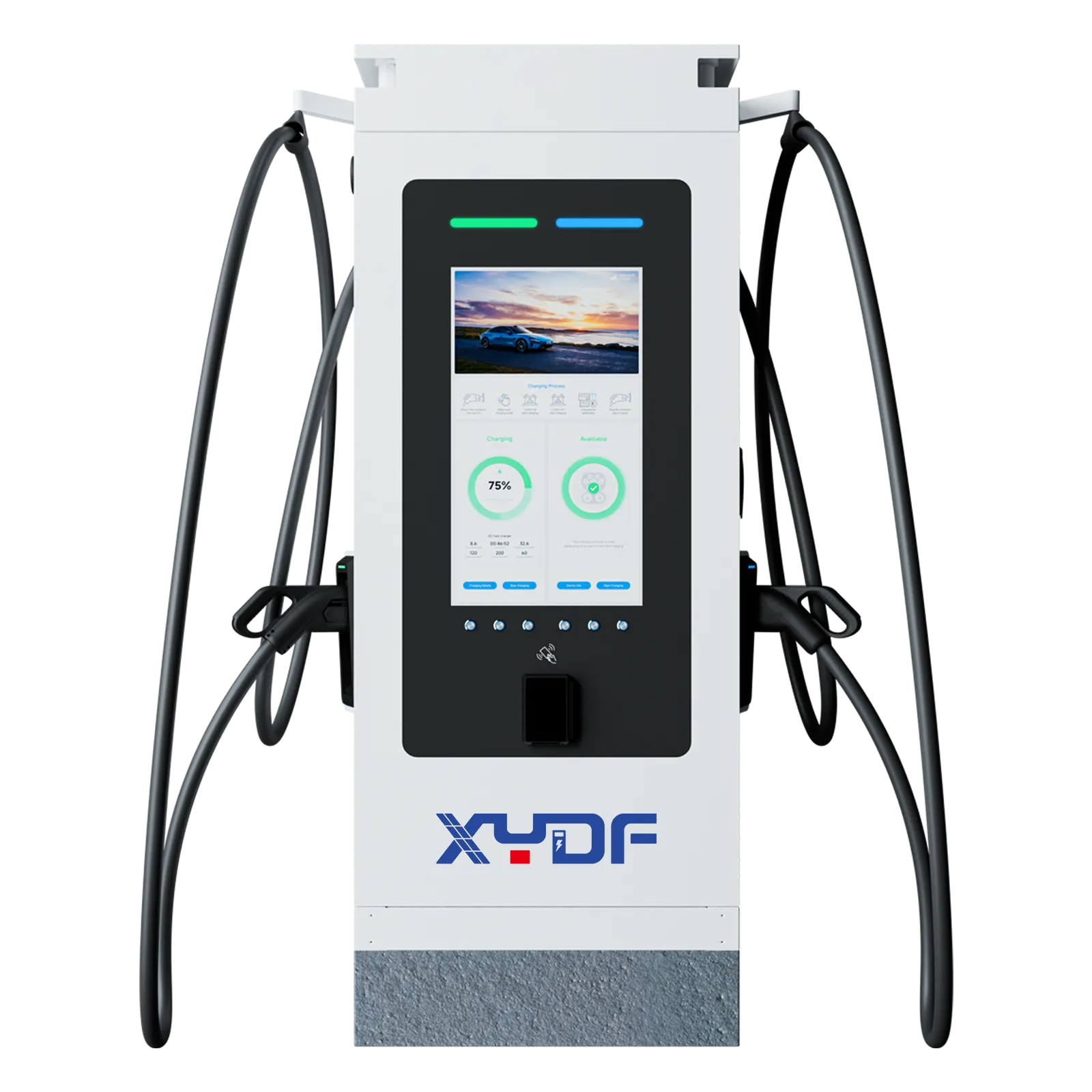
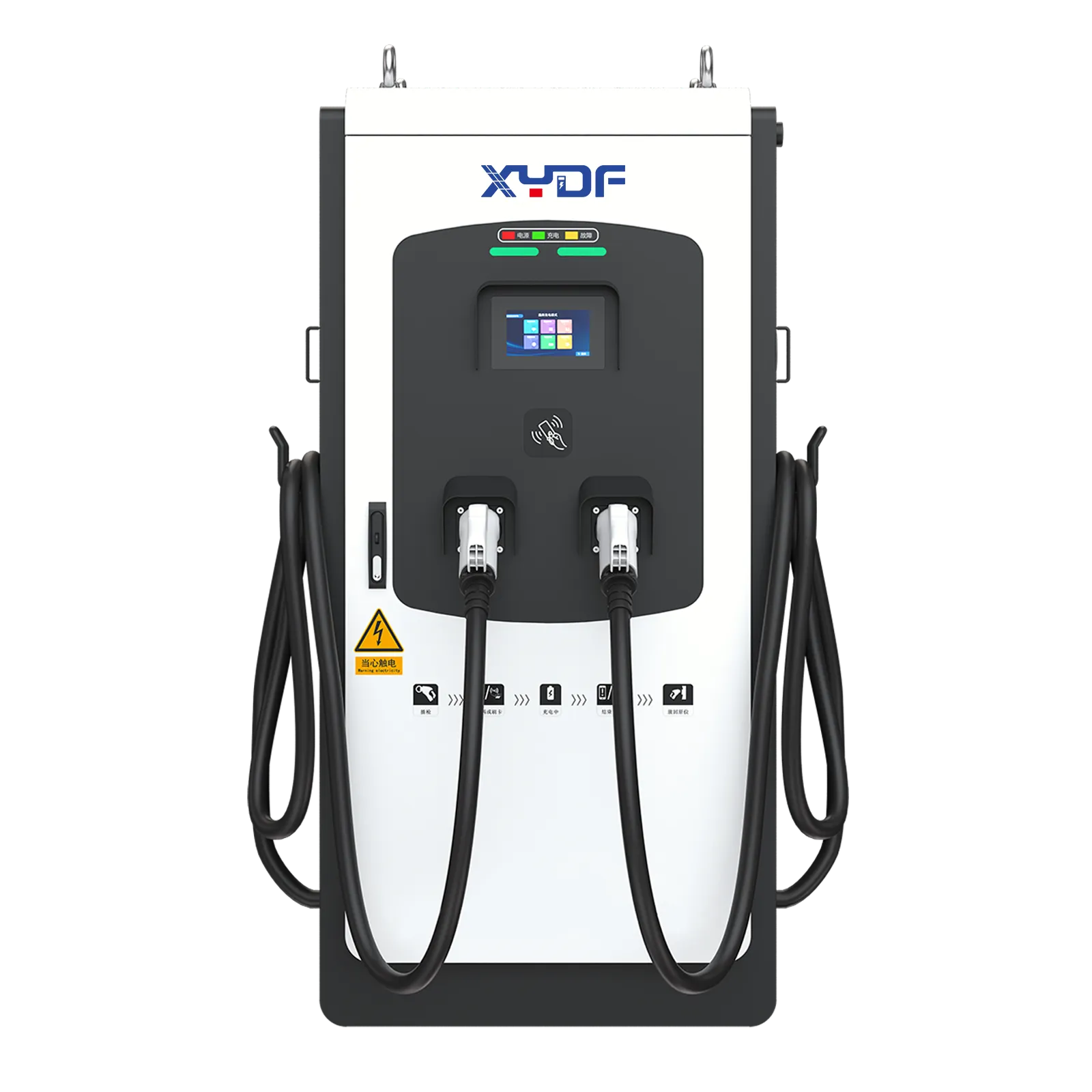
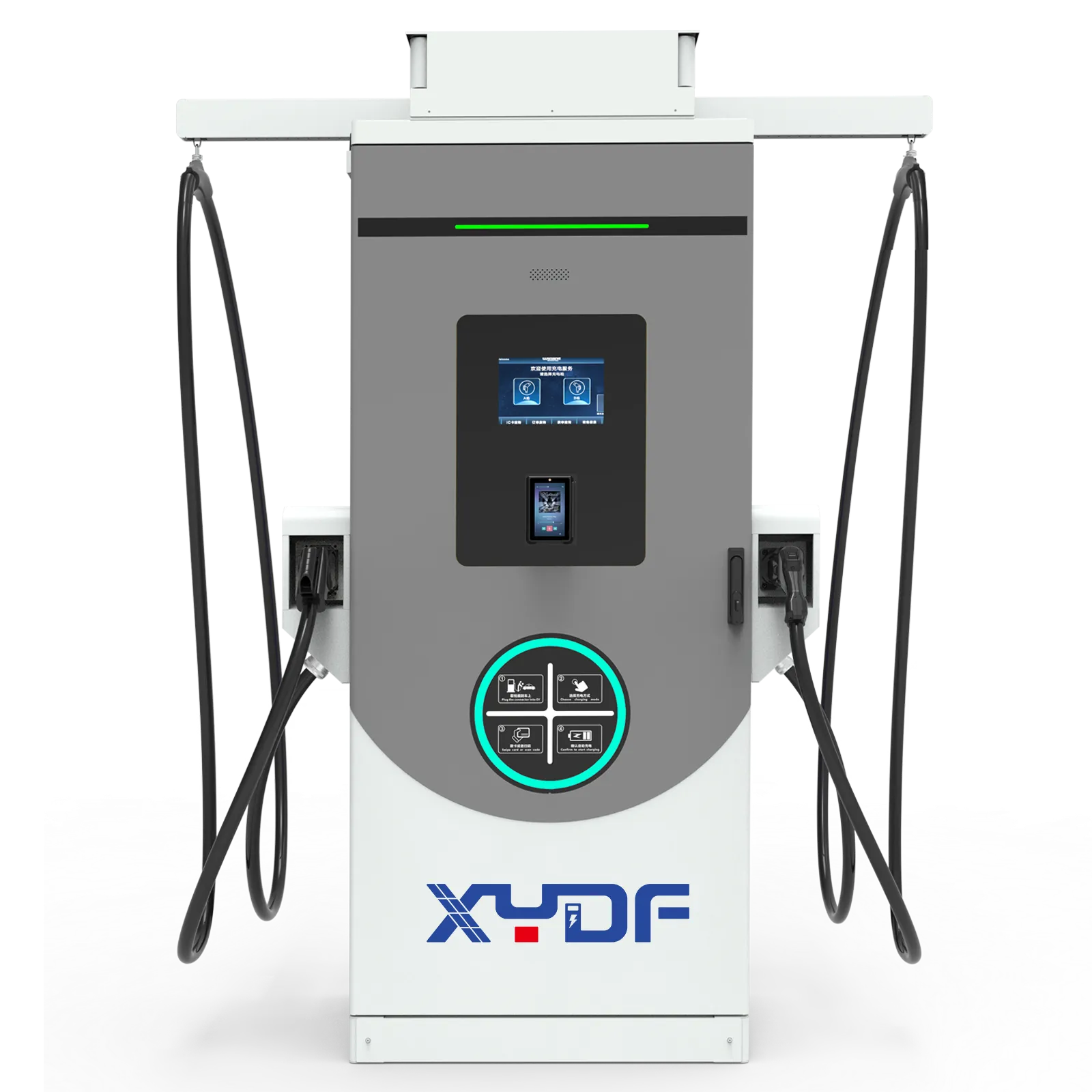
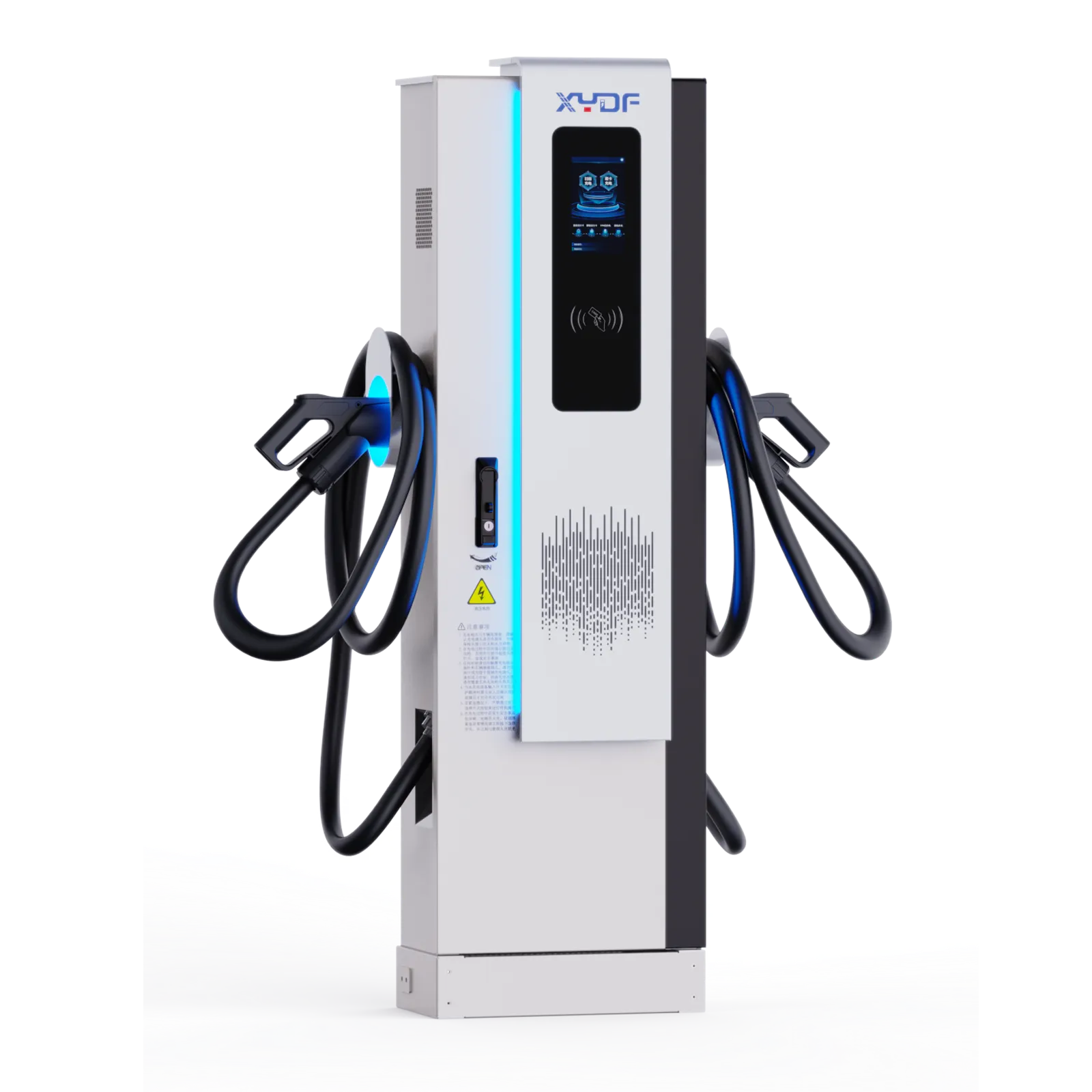
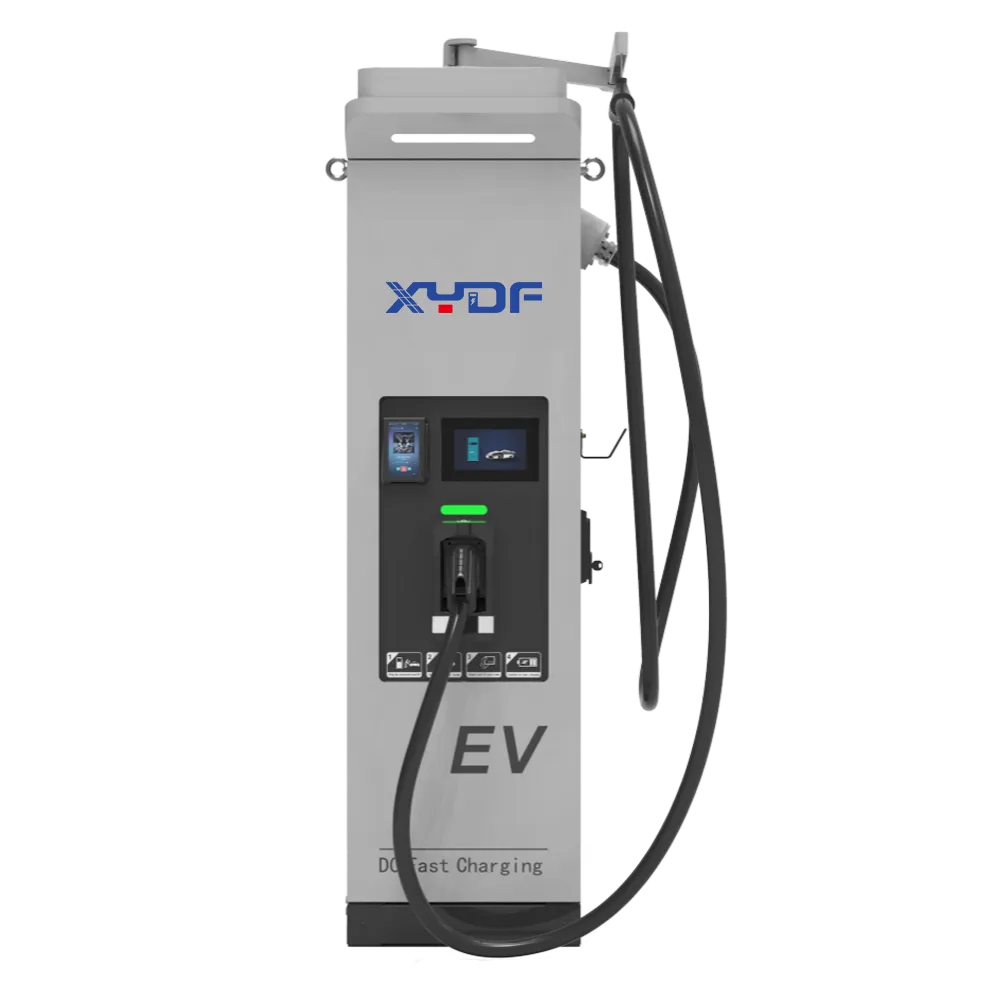
Rapid chargers are the fastest charging option and use DC power to charge your electric vehicle very quickly. Many rapid chargers can provide a minimum of 80% charge in as little as 20 to 40 minutes and are generally available at public charging stations, and some urban areas and service areas along highways. Due to the convenience of using rapid chargers, they are generally more expensive to purchase and operate than both slow and fast chargers.
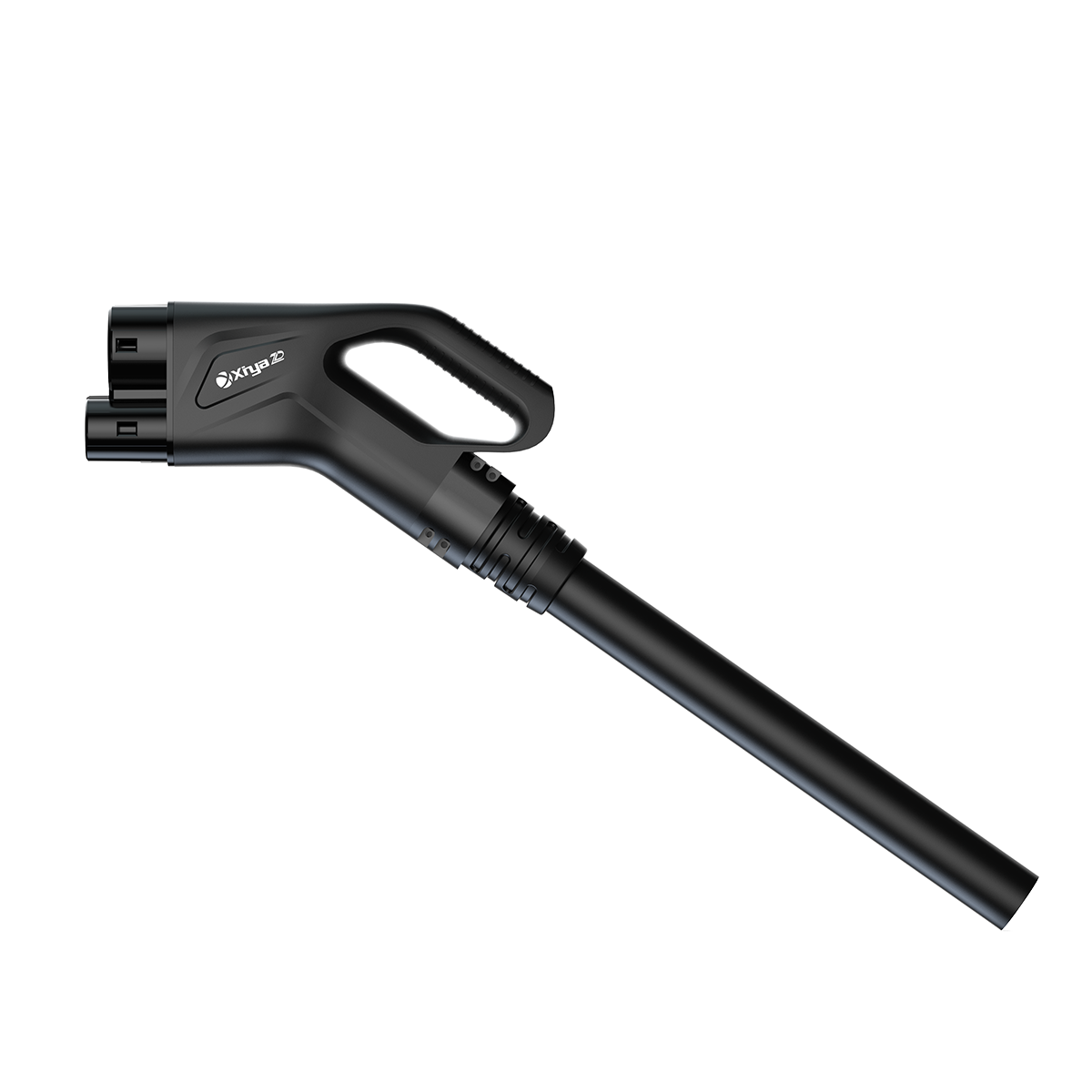
The type of connector used with your electric vehicle determines how compatible your electric vehicle will be with charging stations and chargers based upon how much electricity that electric vehicle can accept with its charging system. The most commonly used electric vehicle connectors in the UK are listed below:
Type 1 electric vehicle connectors are for single-phase use, with the majority of the older models using type 1. Type 1 connectors are becoming less and less common, although they can still be used with either slow or fast charging.
Type 2 connectors for electric vehicles are now the standard in the UK for most European manufacturers. Both slow and fast charging options are able to charge vehicles through their own respective charging processes, with the charging process of all EVs typically using AC rapid charging at a level of 22kW.
CHAdeMO is a fast charger that uses a DC-based charging type; therefore, you will use this type of charger for many EVs, such as the Nissan Leaf and Mitsubishi Outlander PHEV, just to name two of the examples. The popularity of CHAdeMO is decreasing as more people are using CCS connections to charge their EVs.
CCS charging systems support both fast charging AC and rapid charging DC; therefore they are considered a versatile charging method for modern-day EVs. Because CCS is very popular and widely used across Europe, it is compatible with many of the public charging networks throughout Europe.
The type of EV charger you decide to use depends entirely on your own personal style of driving, budget, and available public EV charging infrastructure. Here are some thoughts to help you make the decision:
The EV charger types in the UK differ in how fast they provide electricity thereto: Type 1 and Type 2 are representative of slow and fast chargers respectively; CHAdeMO and CCS, representative of rapid chargers.
If you have an EV battery that has a capacity of approximately 60kWh and you charge with a 7kW fast charger at home, the full charge time will be approximately 4-8 hours, depending on the exact amount of electrical energy required to completely charge the battery.
No, not all EVs have the capability of being charged by a rapid charger due to their design and the way in which they were built. In order to determine your compatibility or charging capability of rapid charging for your EV, be sure to research the manufacturers’ specifications of your EV.
Yes, if you elect or choose to pay for a time-based electricity supplier, such as an Economy 7 contract, charging your EV at night can be less expensive because electric energy suppliers will have reduced charges per kWh of electricity supplied to you during off-peak hours, hence the term “time-based.”
 Xinya Dongfang Electricity Technology Co., Ltd.