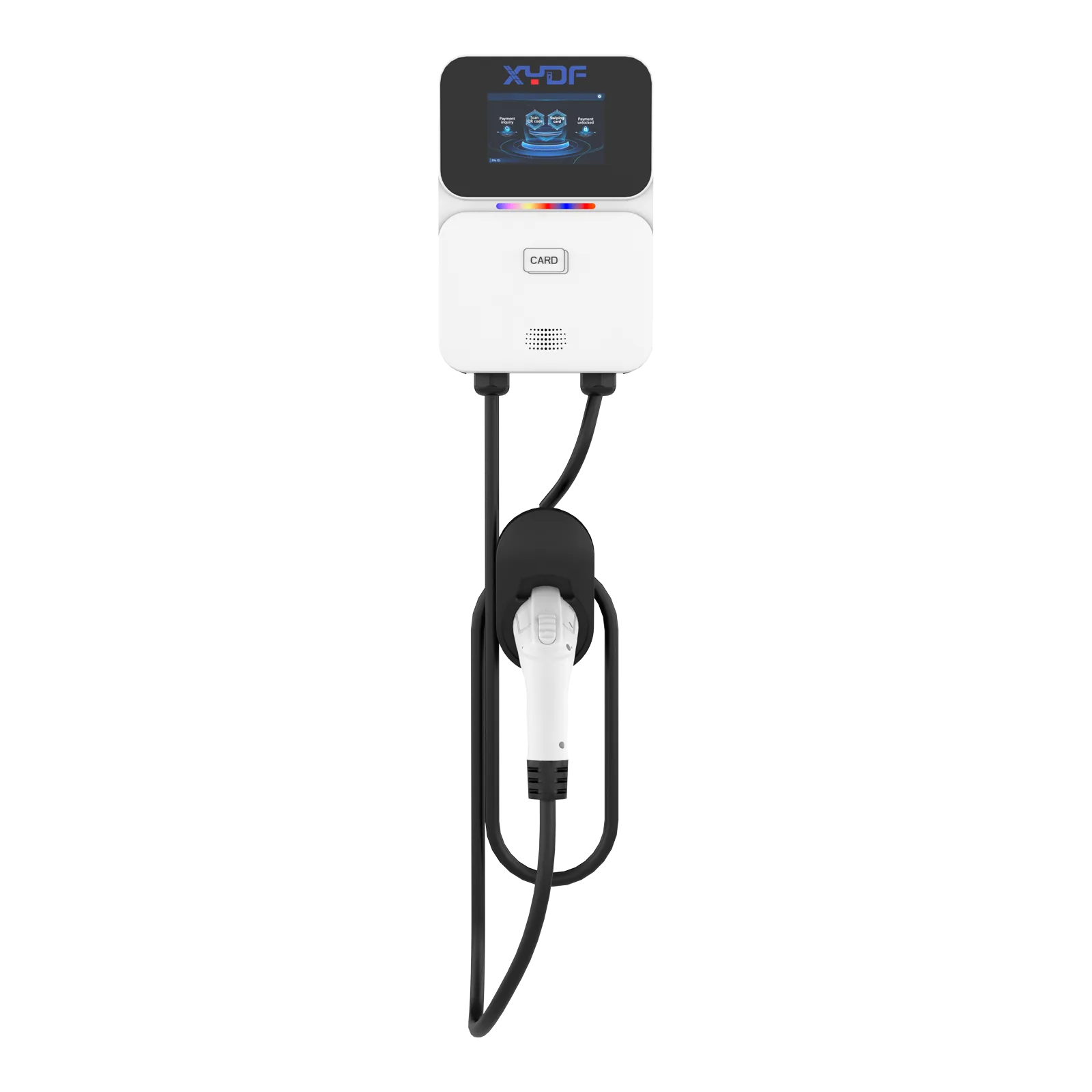
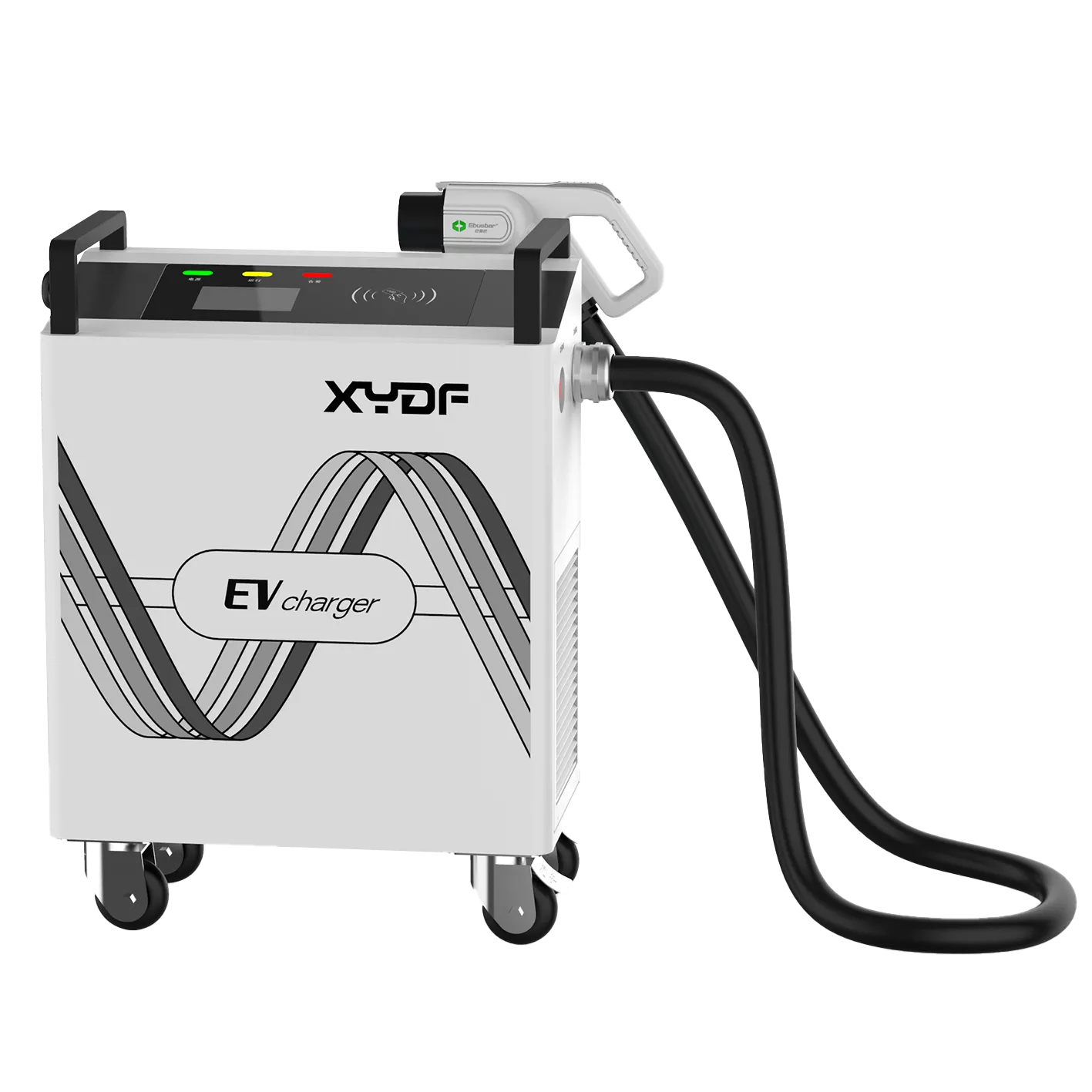
As more individuals choose an EV to reduce their carbon footprint and lessen dependence on fossil fuels, the growth of EV charging will become increasingly significant for everyone – from customers and investors to policymakers. In order to gain insight into what those who own an EV can expect as far as current and future trends affect how they will charge their vehicle with the right technology, we will review four primary drivers of EV charging infrastructure development: battery technologies, wireless charging, ultra-fast charging stations, and smart grid systems. After going through the four areas mentioned above, we will discuss how these innovations may alter the complete EV ecosystem and your experience as an EV driver.
Battery Innovations
A battery is the most important element in every EV, and advances made to date in battery technology are also influencing trends for future EV charges. Solid-state batteries are going to be the next generation of batteries and will offer more energy density (capacity), faster charging speeds, and increased safety than the average lithium-ion battery currently available today. Additionally, the development of lithium-silicon and lithium-metal batteries will provide substantially larger opportunities for storing energy.
According to future projections, EVs will have a larger operating range (distance driven) per charge as a result of these advancing technologies, while also decreasing the frequency that an EV must be recharged and protecting the environment. Vehicle-to-grid (V2G) technology has been a source of increasing attention, as EV battery packs will not only serve as a storage medium for energy but may also return energy back to the grid during “peak” demand times. These advancements play a key role in reducing the level of “range anxiety,” which will facilitate greater numbers of people to adopt EVs.
Ultra-Fast Charge Stations
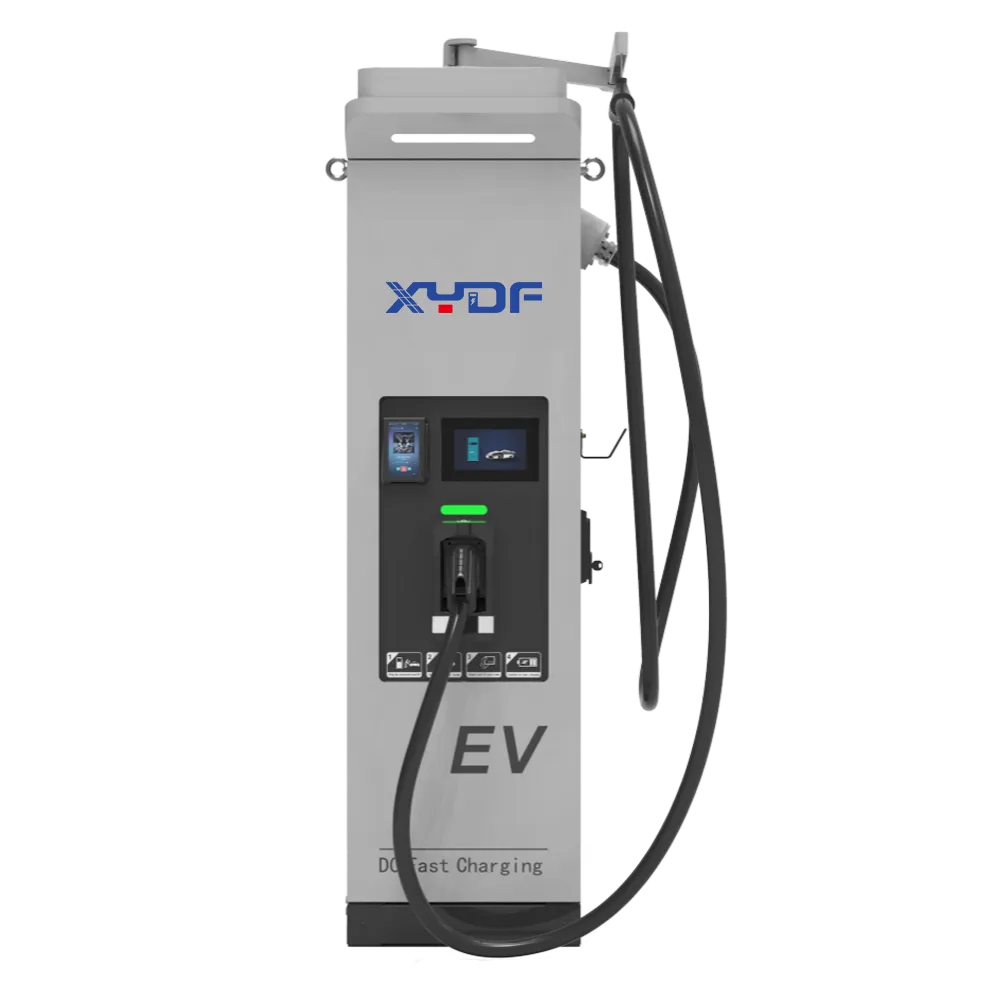
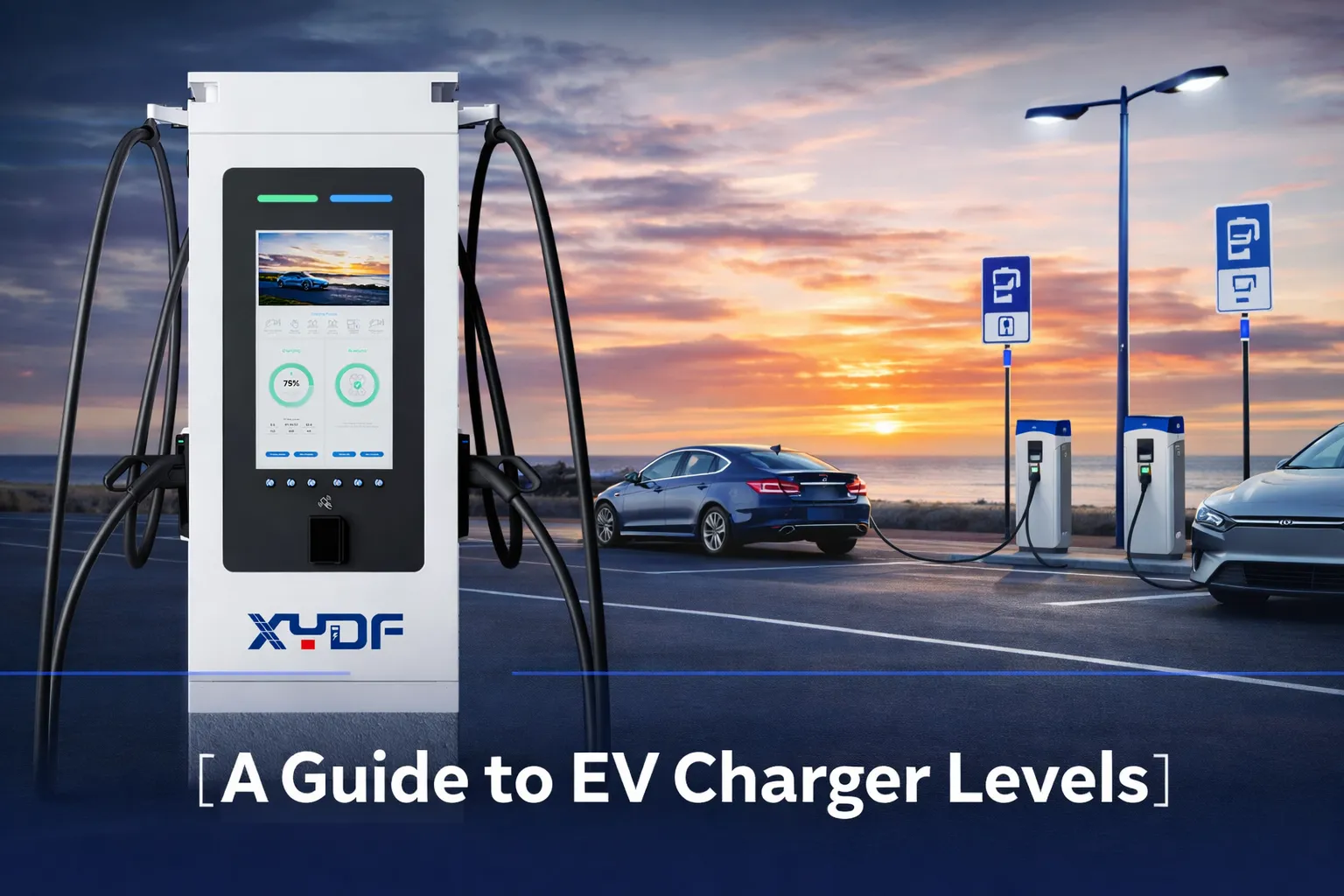
The wide range of potential charge speeds can contribute to the amount of range anxiety experienced by current EV owners. In recent years, ultra-fast charge stations have surged in number and will dramatically shorten the time needed to “refuel” EVs compared to other types of “fueling.” For example, some charging stations are capable of charging to 80% within a time frame of 20 minutes, and with continued growth of charging infrastructure, future charging stations will have an even “faster” rate of charge – providing a charging experience that is more similar to “pit” stops.
With these evolutionary developments, long-distance travel in EVs will be made easier and will therefore increase the number of individuals who are capable of making the transition to driving electric vehicles.
Automotive manufacturers and charging network providers are actively collaborating to expand these ultra-fast charge networks around the globe.
Wireless Charging Systems
Wireless EV charging systems eliminate the need for cables and the inconvenience of not having one. Electromagnetic induction, which is how electricity from a charger is sent to an EV, will make it possible for EV drivers to park on top of wireless charging pads in parking lots and garages, and charge their vehicles without any additional effort.
Wireless charging systems are being developed and tested that would allow EVs to be charged wirelessly while they are moving down the road/highway with a dynamic wireless charging system. Picture being on the highway where embedded wireless charging pads are charging your EV while you are driving. This technology will eliminate all downtime for charging EVs and completely change the dynamic of how EVs will be connected to our infrastructure.
Smart Grids and Electric Vehicle Charging
As EVs continue to grow in popularity, we are going to see a dramatic increase in electricity consumption over the next several years. In order to support this increasing demand, we will need to incorporate smart grid technologies into our electrical infrastructure. Smart grids use data-driven technologies to help improve electricity use and provide power more efficiently, while also providing a way to respond to real-time energy demand. A smart grid system can interface and communicate with an EV charging station to manage how and when EVs will use energy from the smart grid to charge. By doing this, the EV charging station can optimize energy consumption, effectively utilize renewable energy sources, and provide EV owners with savings on their utilities by taking advantage of charging their vehicle overnight when the electricity is less expensive.
Other Interesting Trends in EV Charging Technologies
- Shared Charging Networks: Apps now enable individuals to share their personal charging stations, increasing access to EV chargers in residential neighborhoods.
- AI Technology for Charging Stations: AI allows greater reliability and efficiency for EV charging stations. It is used for predictive maintenance and energy optimization, reducing downtime.
- Solar Charging Stations: Charging stations now integrate solar panels, enabling renewable energy use for recharging and reducing overall operating costs.
FAQs
What are the leading technology developments in the field of EV battery technology?
New advances in battery chemistry that enable higher density to provide power for EVs are being developed. Current examples include solid-state batteries, lithium-silicon batteries, and lithium-metal batteries. These advancements provide an increase in power density, speed of charging, and safety for electric vehicles.
How will ultra-fast charging stations be beneficial to the driving experience of those who use EVs?
Ultra-fast charging stations will dramatically reduce the amount of time it takes to recharge an EV, allowing an EV driver to quickly recharge their EV. The technology will enable users to embark on long road trips without needing to worry about whether or not they’ll have sufficient energy to complete their journey.
Will wirelessly charging systems be readily available in the future?
Right now, some wireless charging systems are already being installed at many different parking facilities, and some dynamic wireless charging systems are currently being tested on roads and highways. If successful, this technology will provide users with a seamless solution that allows them to recharge their EV without ever needing to plug it in again.
What advantages will the use of smart grids provide to EV charging systems?
Smart grids will optimize the distribution and storage of electricity, incorporate renewable power sources, and give EV users a lower-cost alternative to charging their EVs by allowing them to schedule their charging during the non-peak time periods.
All future developments in charging infrastructure, battery technologies, and other smart technologies will help us develop better, more reliable, and environmentally friendly charging solutions for electric vehicles. For both current EV users and those considering making the switch to EVs, staying on top of these new developments will assist you in being able to lead a more convenient, sustainable lifestyle.
In summary, the future of electric vehicle charging is being enhanced by numerous leading-edge, transformational technologies such as ultra-fast charging, wireless charging, and advanced battery systems. Continued growth and success in the EV market will be facilitated by utilizing these and other emerging technologies; therefore, electric vehicle users will enjoy the level of convenience offered by these new technologies unlike anything that has been offered before. Businesses and consumers that keep up with these trends will have an opportunity to be on the cutting edge of growth and have a positive contribution toward creating an environmentally friendly and clean world.
 Xinya Dongfang Electricity Technology Co., Ltd.