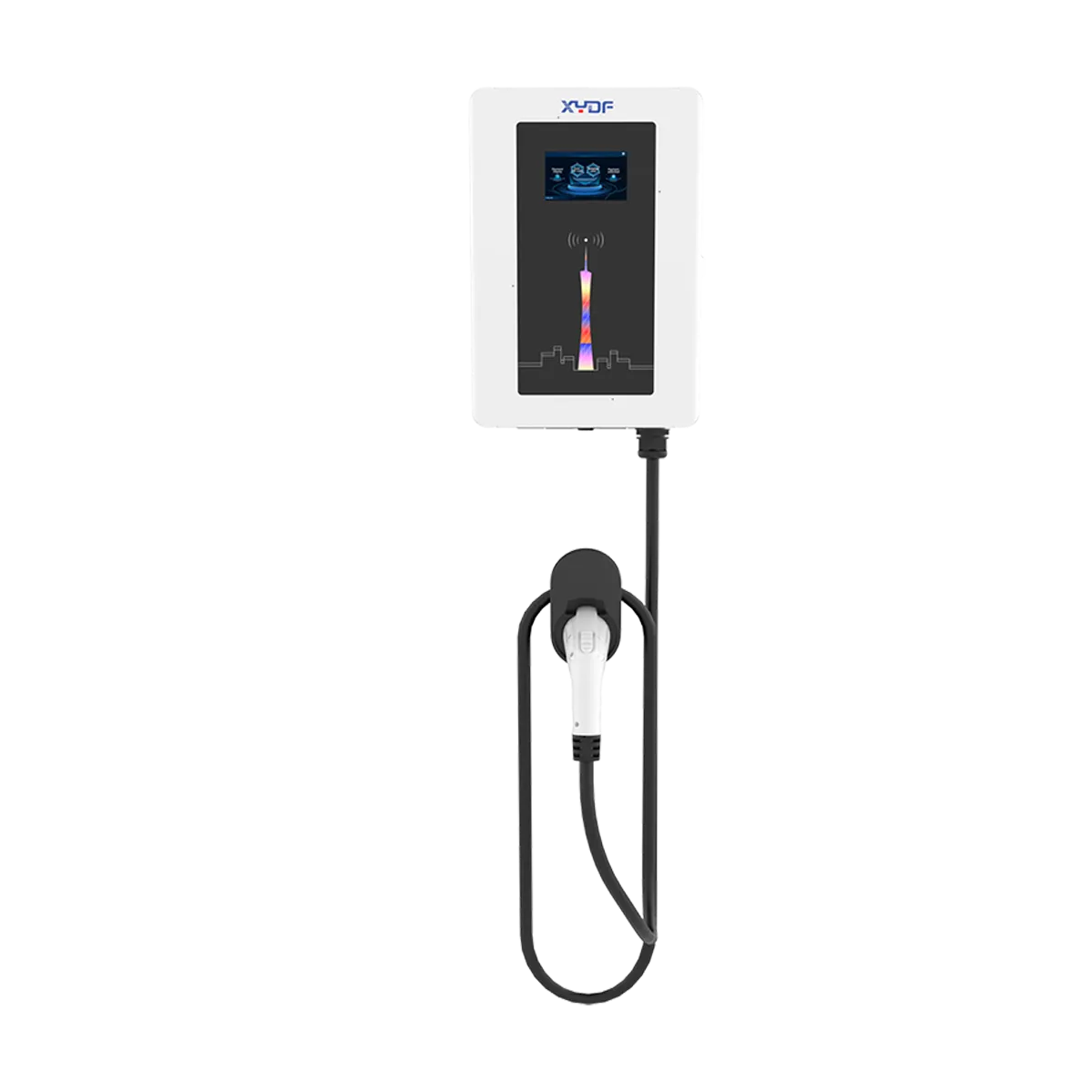
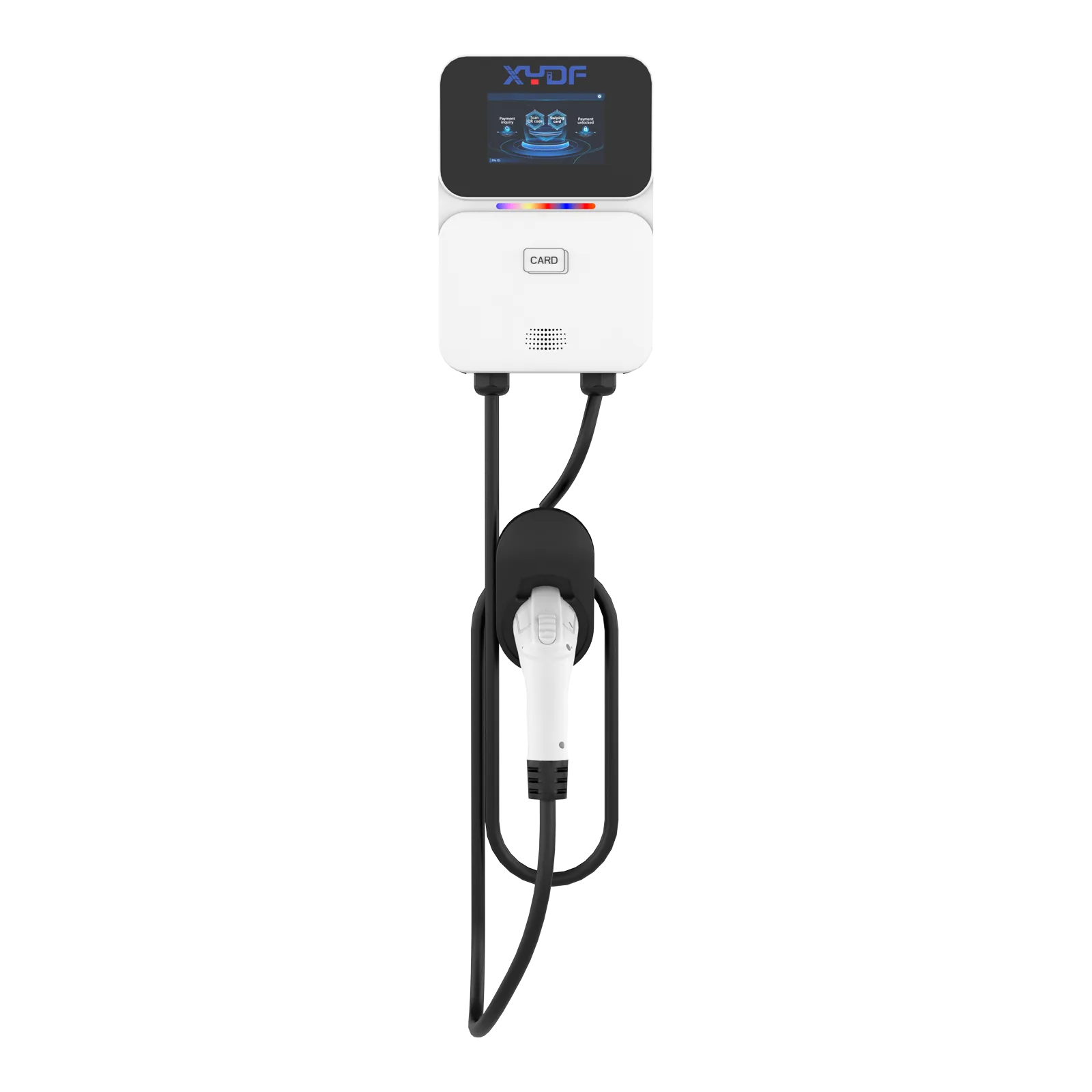
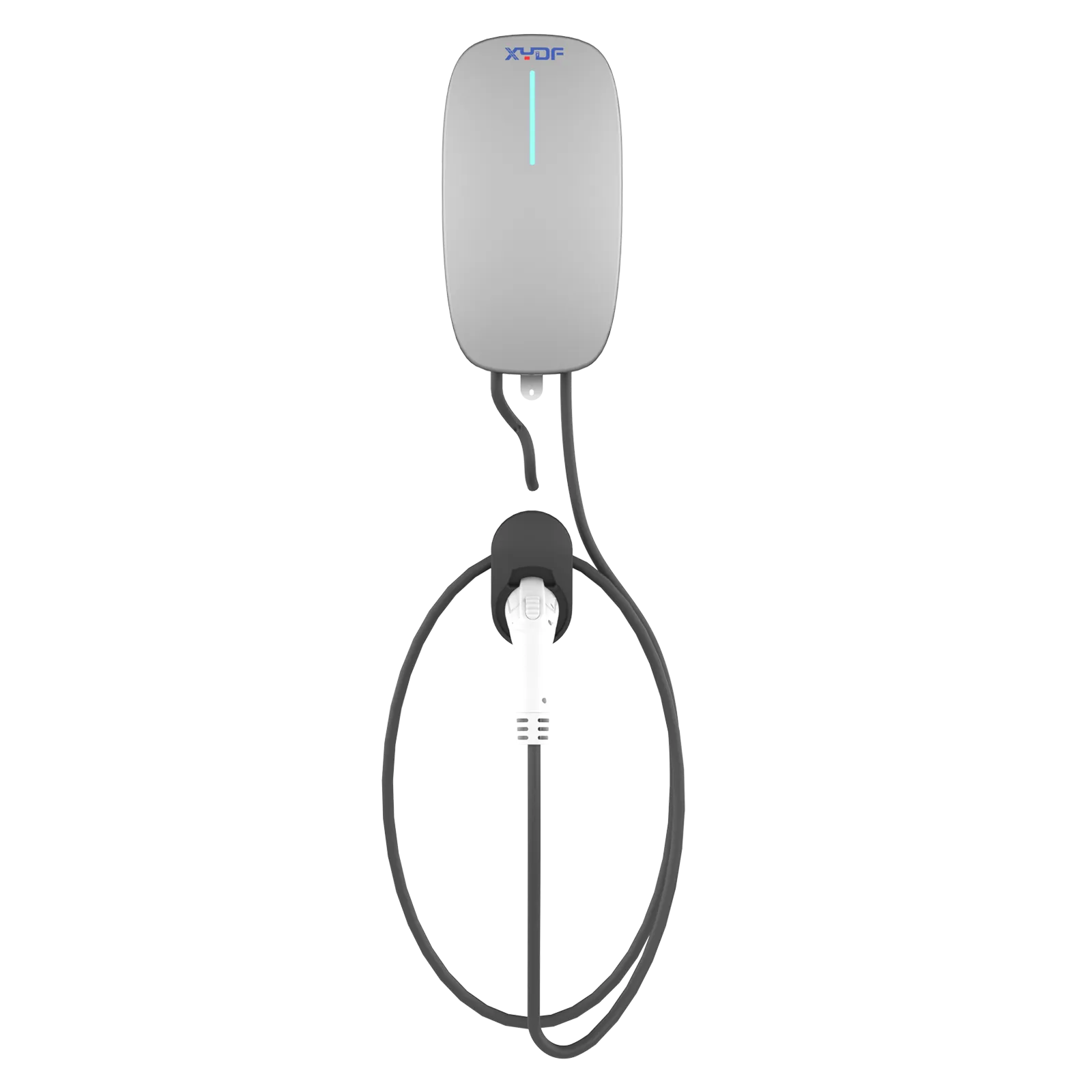
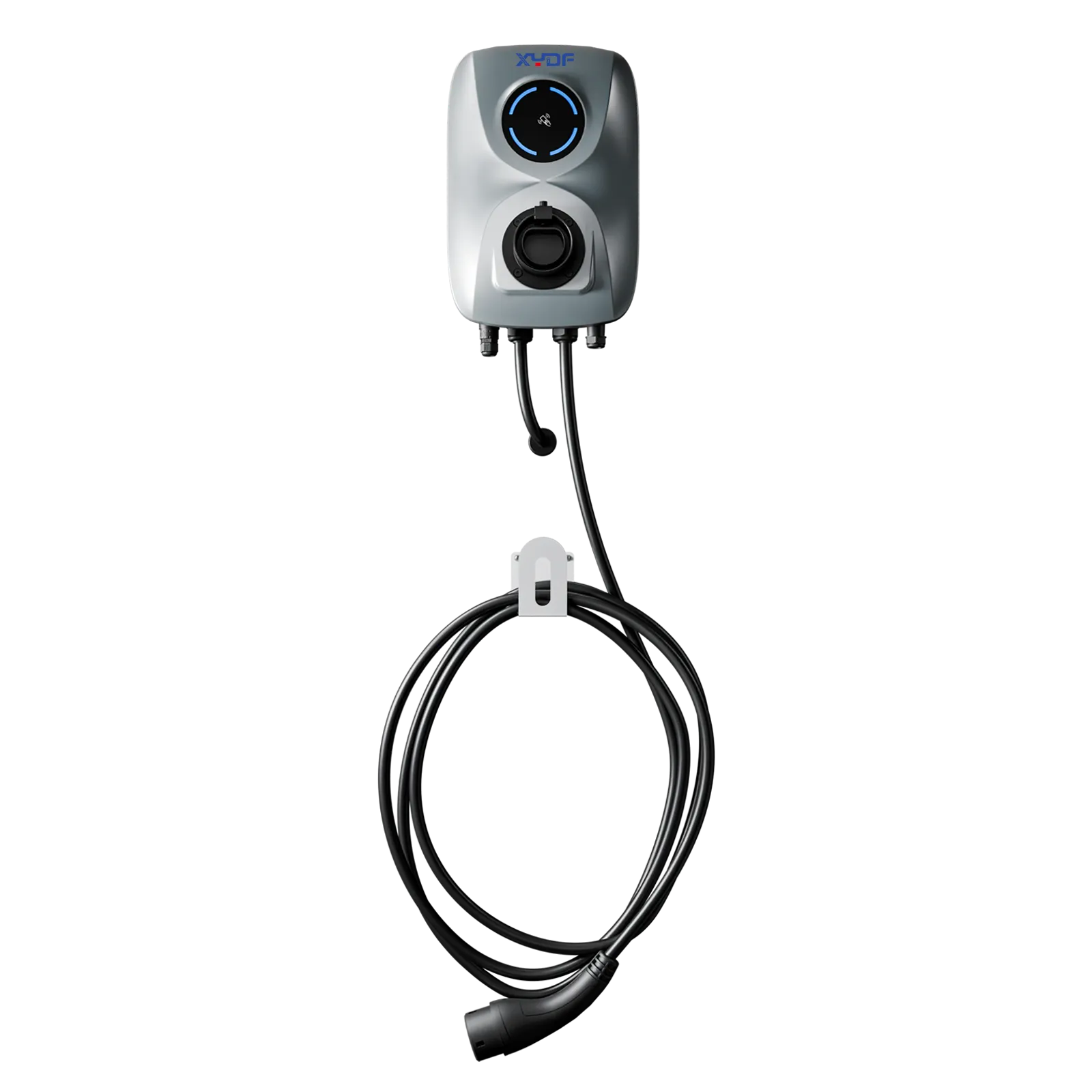
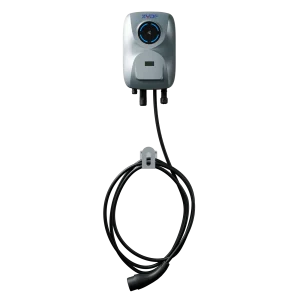
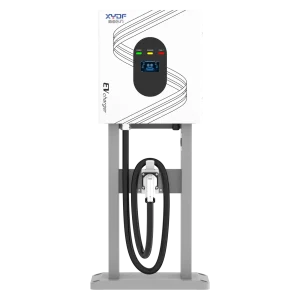
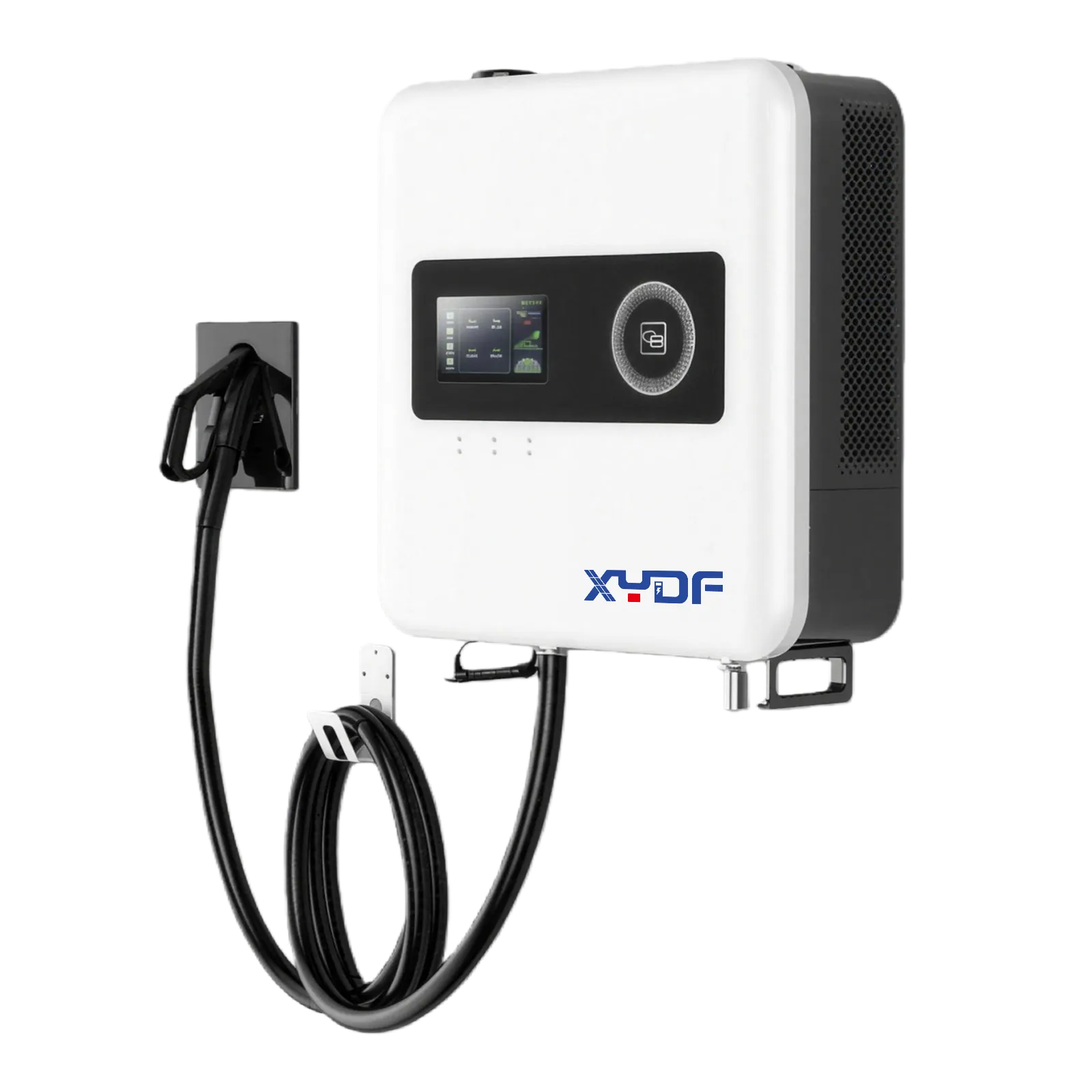
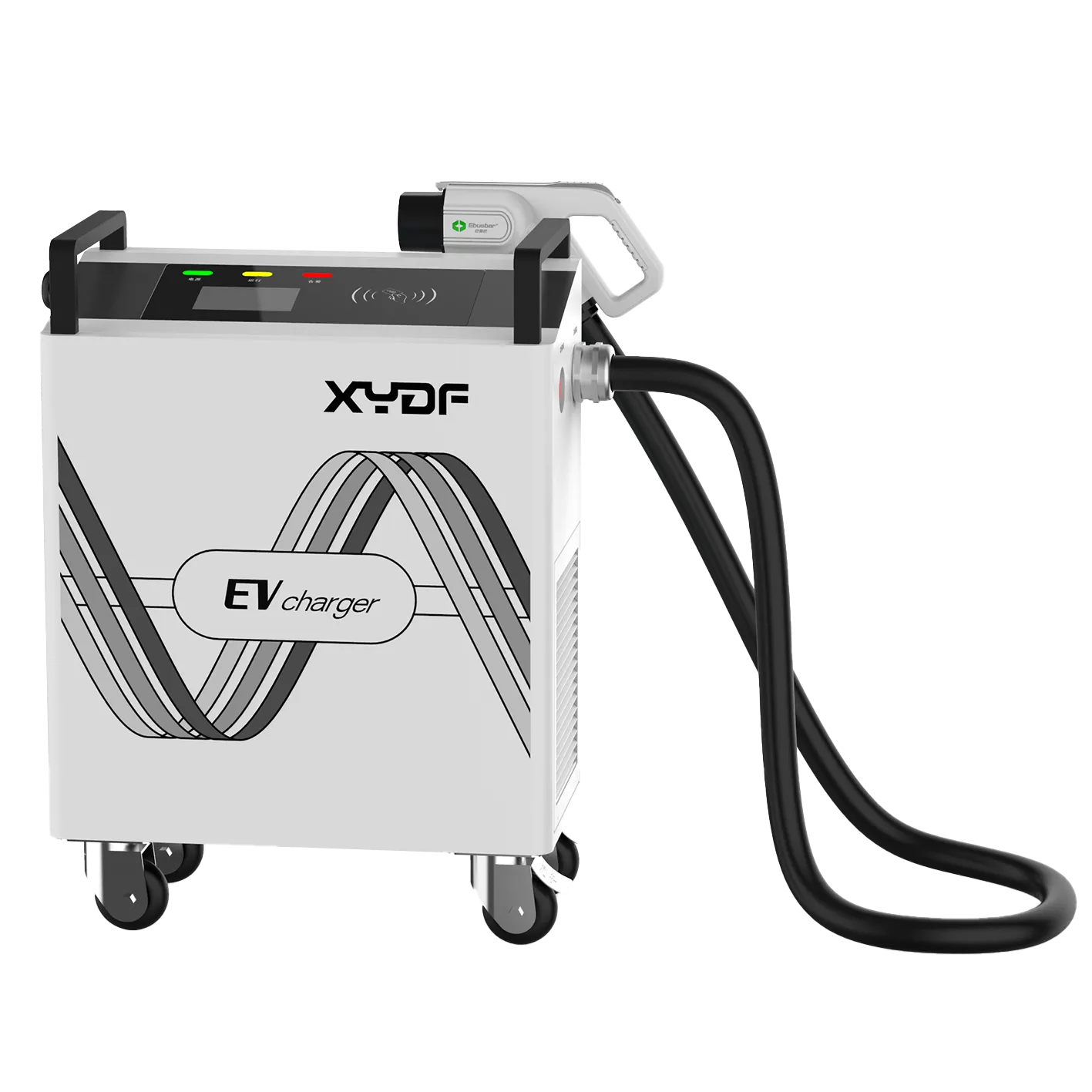
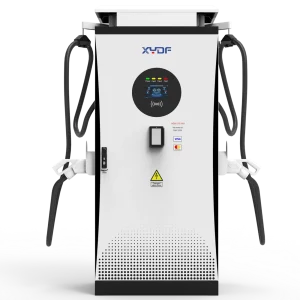
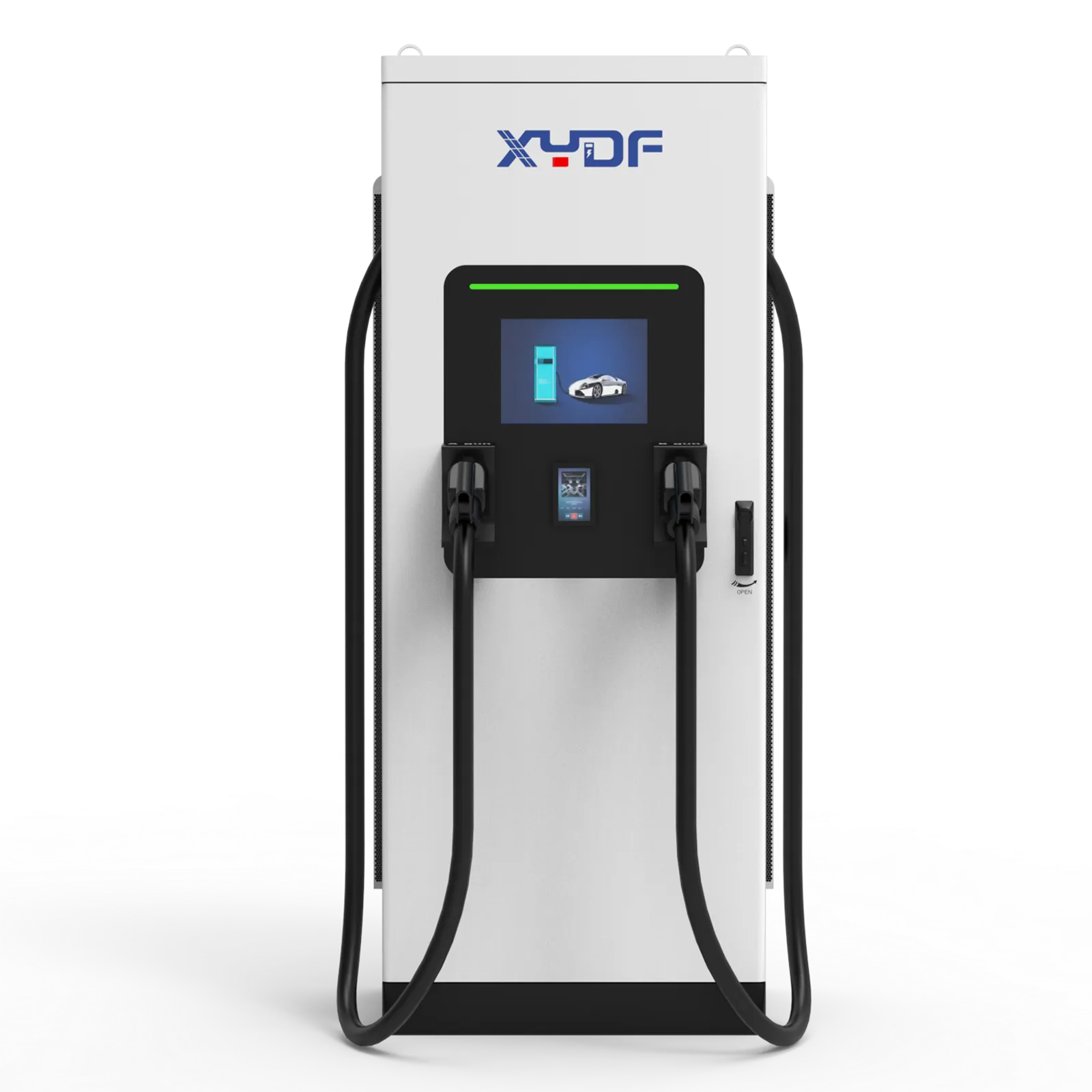
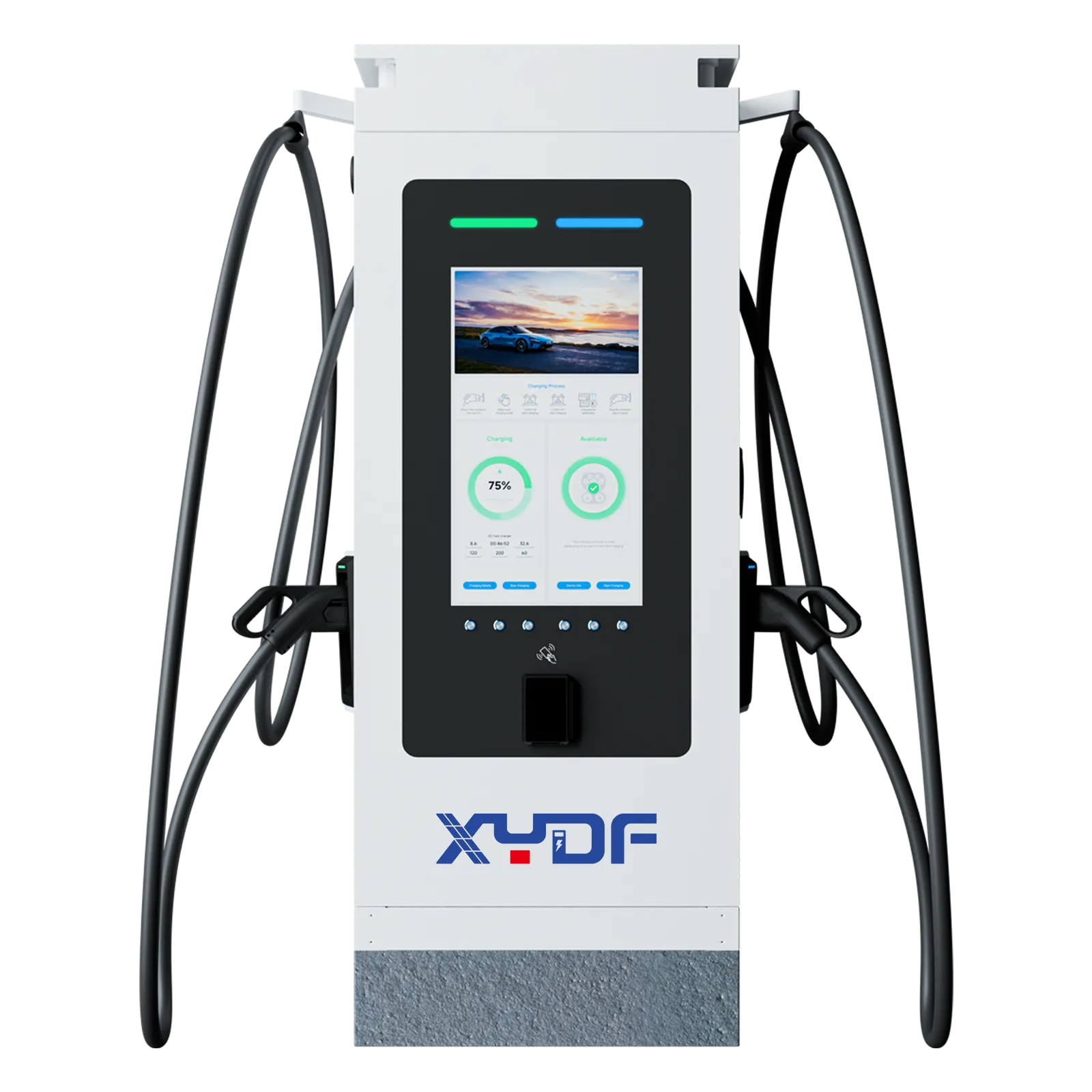
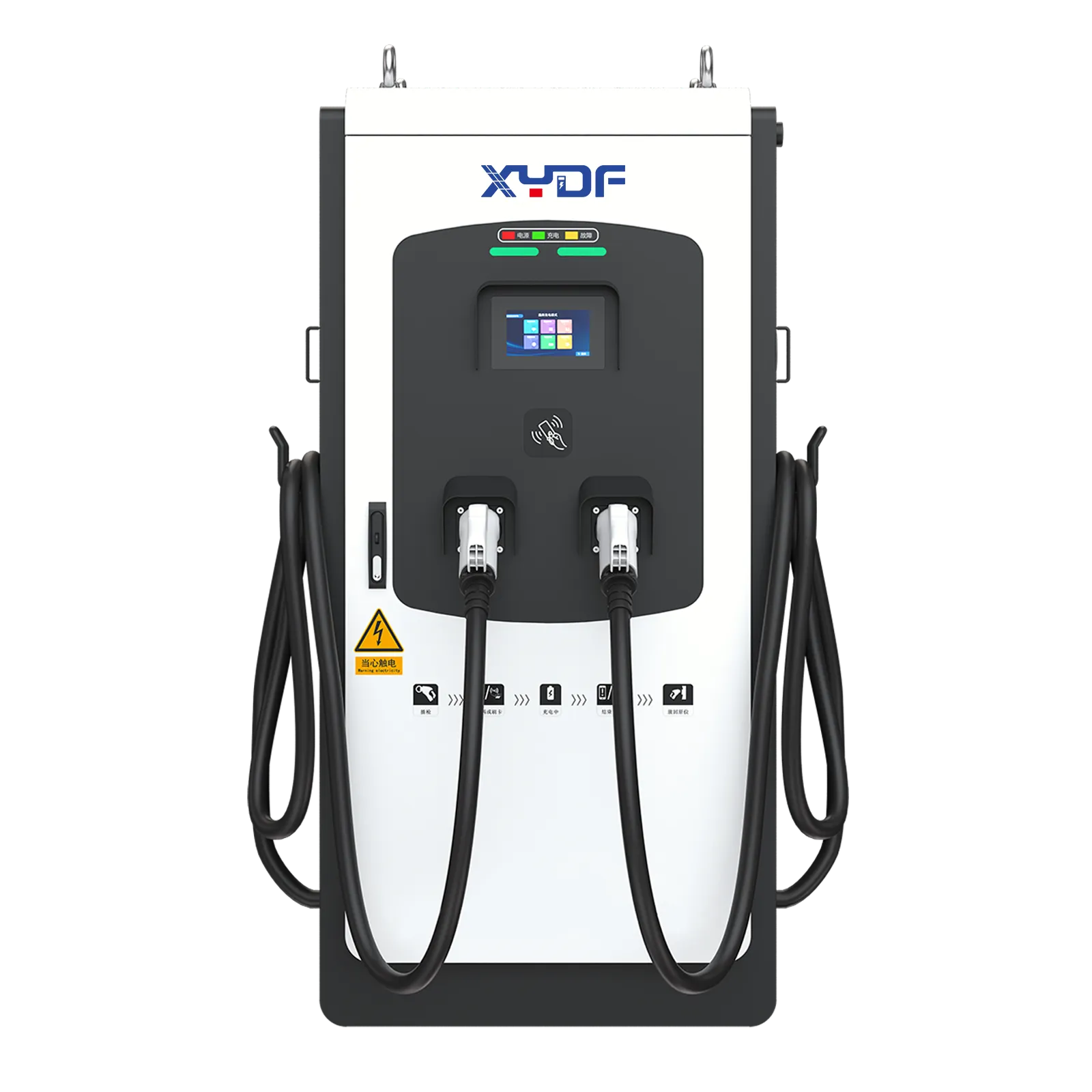
The charge time of electric vehicles is expected to decrease even more in 2025 as the development of new large-scale charge stations by automobile manufacturers continues to be completed. In addition, the creation and commercialization of new types of chargers and charging facilities will make charging more convenient for electric vehicle drivers.
A fast charger allows EV drivers to get in and out of the charging station faster so they can travel longer distances without interruption. As new chargers have been developed with increasing charging rates (for example, 350 kWh and above), it has become progressively easier to find fast chargers. In addition, many manufacturers are constantly improving ways to charge their electric vehicles at rapid rates in a short time period. Fast EV charging will be a critical factor in the mass acceptance of electric vehicles by the general public.
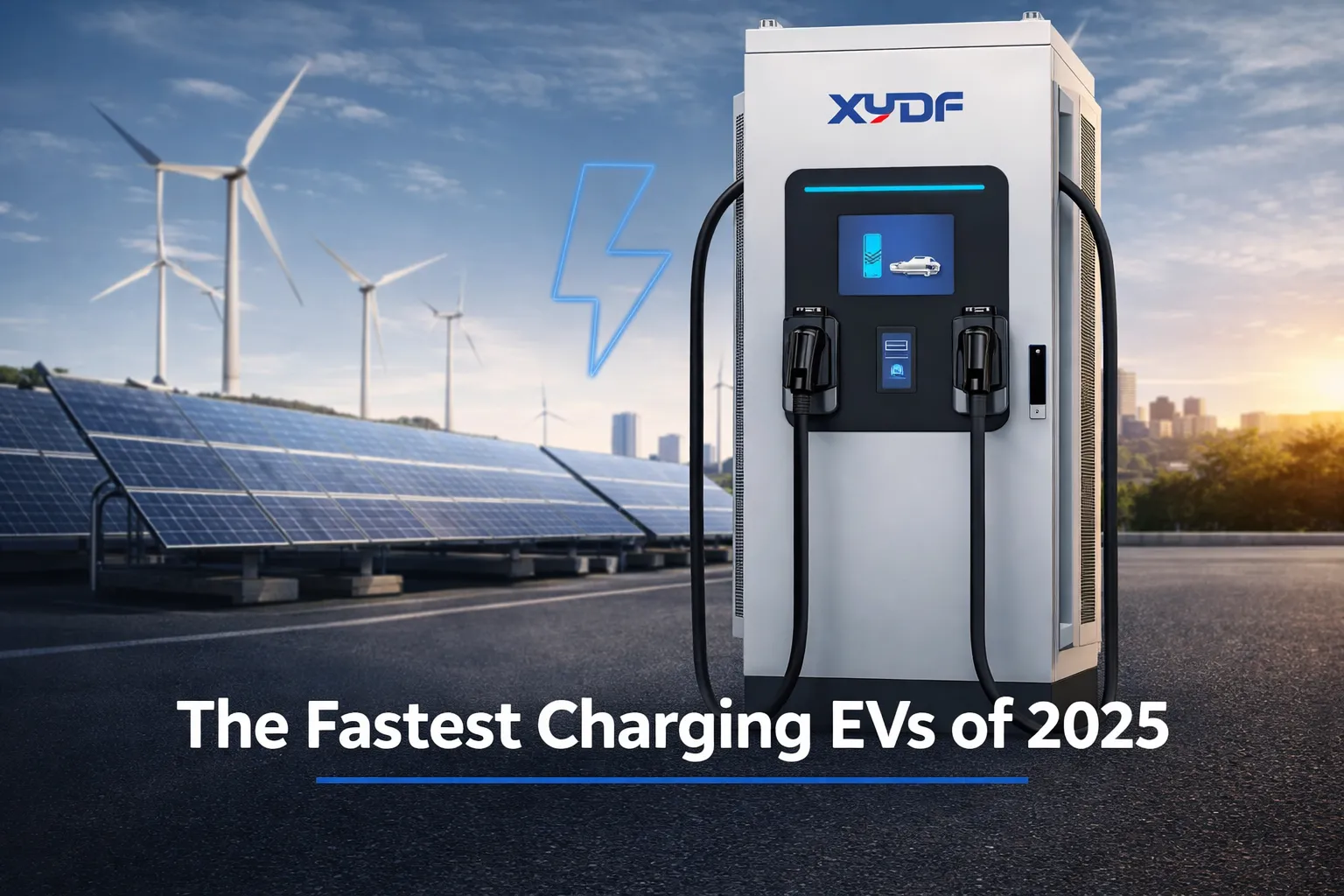
Below are the five electric vehicles with the highest charge speeds that are also breaking new ground in terms of vehicle technology and performance:
With a 361 mile range, the Model X Plaid + can be recharged to provide 200 miles of range in only 10 minutes at a Tesla Supercharger (V4) station. Furthermore, the thermal system of each vehicle and the associated software will allow for quick charging when using chargers that are compatible with this technology.
The Lucid Air Sapphire has a high rate of recharge capability due to having a different battery architecture with 924 volts. This will enable it to utilize Electrify America’s growing network of ultra-rapid EV chargers, providing a recharging rate averaging over 20 miles per minute.
The Porsche Taycan Turbo S utilizes the 800-volt technology to attain a fast charging and recharging rate of 5 to 80 percent in under 18 minutes when using HPC stations that deliver up to 270kW of power.
The 2025 Hyundai Ioniq 7 boasts an impressive charging rate of up to 80 percent in just 20 minutes. It is part of the E-GMP platform and can take advantage of the 800-volt fast charging capabilities, allowing it to use any public fast-charging network that is currently located throughout the world.
Rivian’s R1T (2025 Edition) has been designed for tough conditions and offers incredible performance capabilities; it also offers one of the fastest charging solutions in the pickup category by taking advantage of advanced charging technologies that are compatible with multiple locations and charging networks that deliver up to 500kW of energy.

In addition to understanding fast charging capabilities, it is important to know the different types of charge stations for electric vehicles that are within your region, so you can fully enjoy your electric vehicle experience. The two most common charger types are described below:
Level 1 chargers are typically referred to as simple chargers. These chargers use standard 120V outlets and as such, while they are often convenient to charge a vehicle during the night while you sleep at home, the slow rate of charging associated with these types of chargers make it difficult for the modern electric vehicle to travel long distances.
Level 2 chargers can be found both publicly and privately throughout America and are the currently accepted standard amongst all charging stations in the U.S.A. Like the Level 1 charger, these chargers use a 240V power source, but provide approximately enough power for 25-30 miles of travel for every hour of charge. This makes the Level 2 charger ideal for recharging overnight, regardless of whether it is in your home or at your office location.
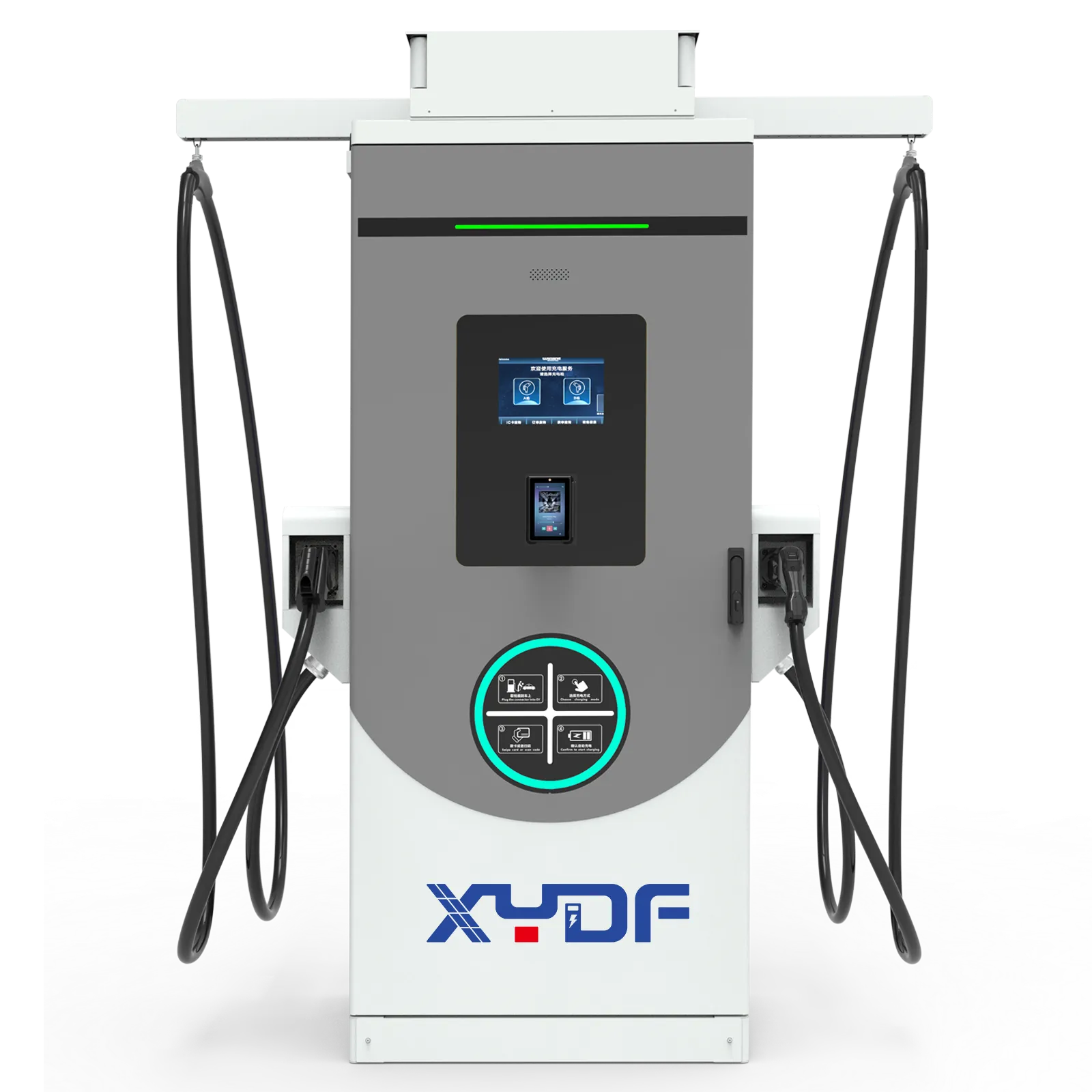
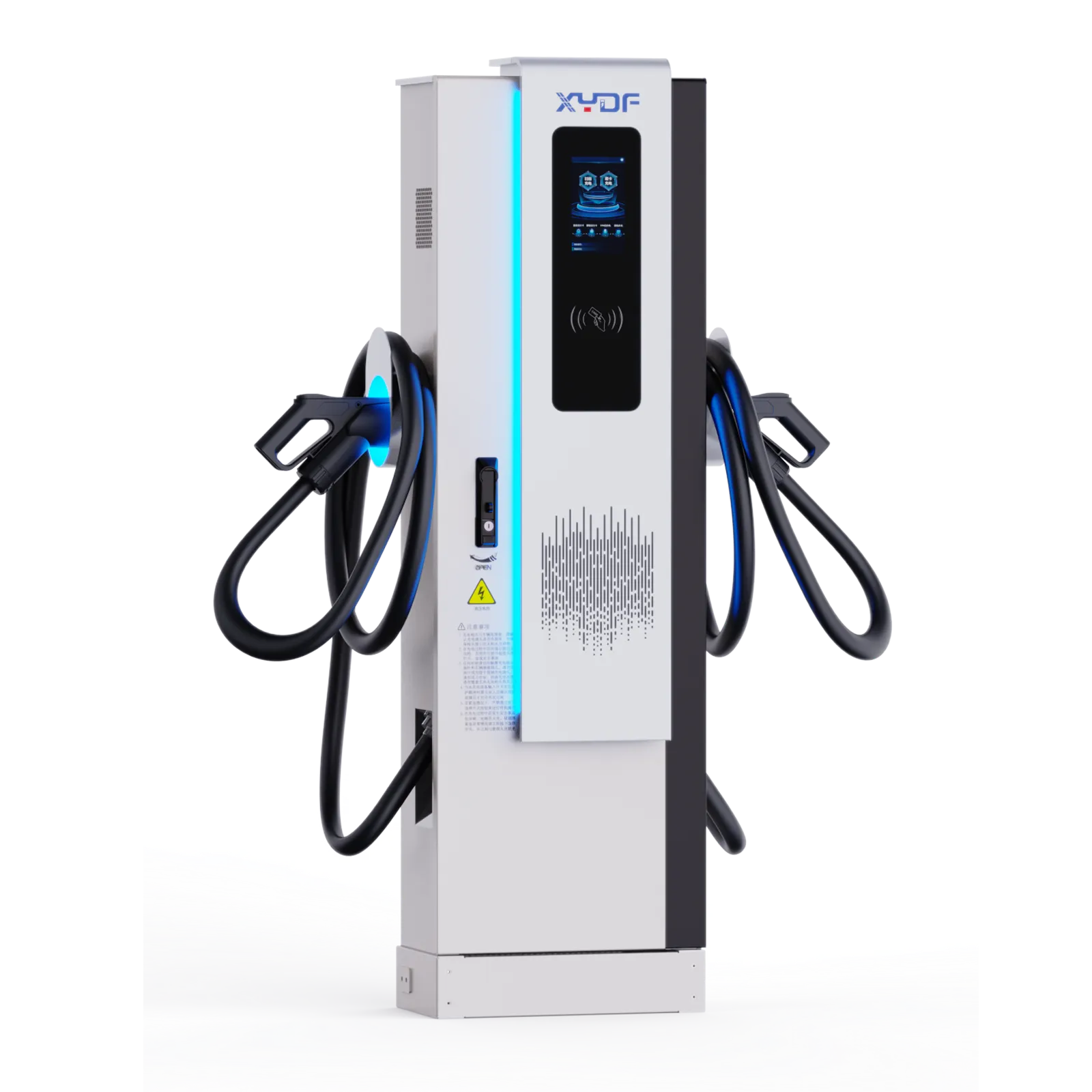
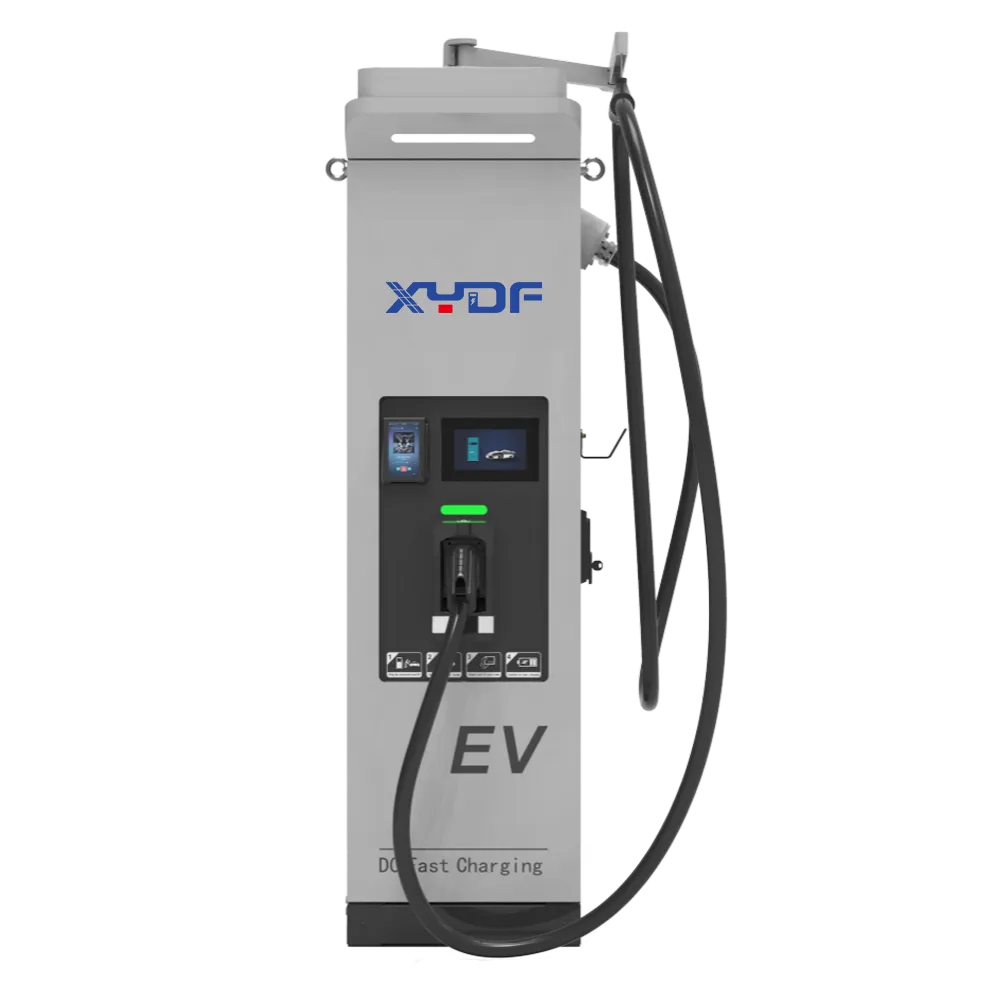
The DC (Level 3) fast charger type represents the most powerful type of electric vehicle charging technology. DC fast chargers range between 50 to over 350 kilowatt combinations. Most of the time, you will use DC fast chargers at convenience stores, and rest areas that line our highways, and specialized electric vehicle charging facilities such as Electrify America, IONITY, or Tesla Superchargers. Most electric vehicles designed to charge at a DC fast charger can be charged from nearly empty (of battery) to nearly complete (of battery) within 15-30 minutes of being plugged into a DC fast charger.
As technological advancements are made in electric vehicle charging technology, ultra-fast and high-power chargers are becoming more readily available to consumers. These ultra-fast/high-power chargers are typically designed to deliver electricity up to and including 500 kilowatts of charge per hour. Some newer types of chargers are capable of extending your range a lot more than with traditional charging methods in a shorter amount of time. However, these newer types of chargers can mainly only be used by the latest electric vehicles built with compatible battery systems.
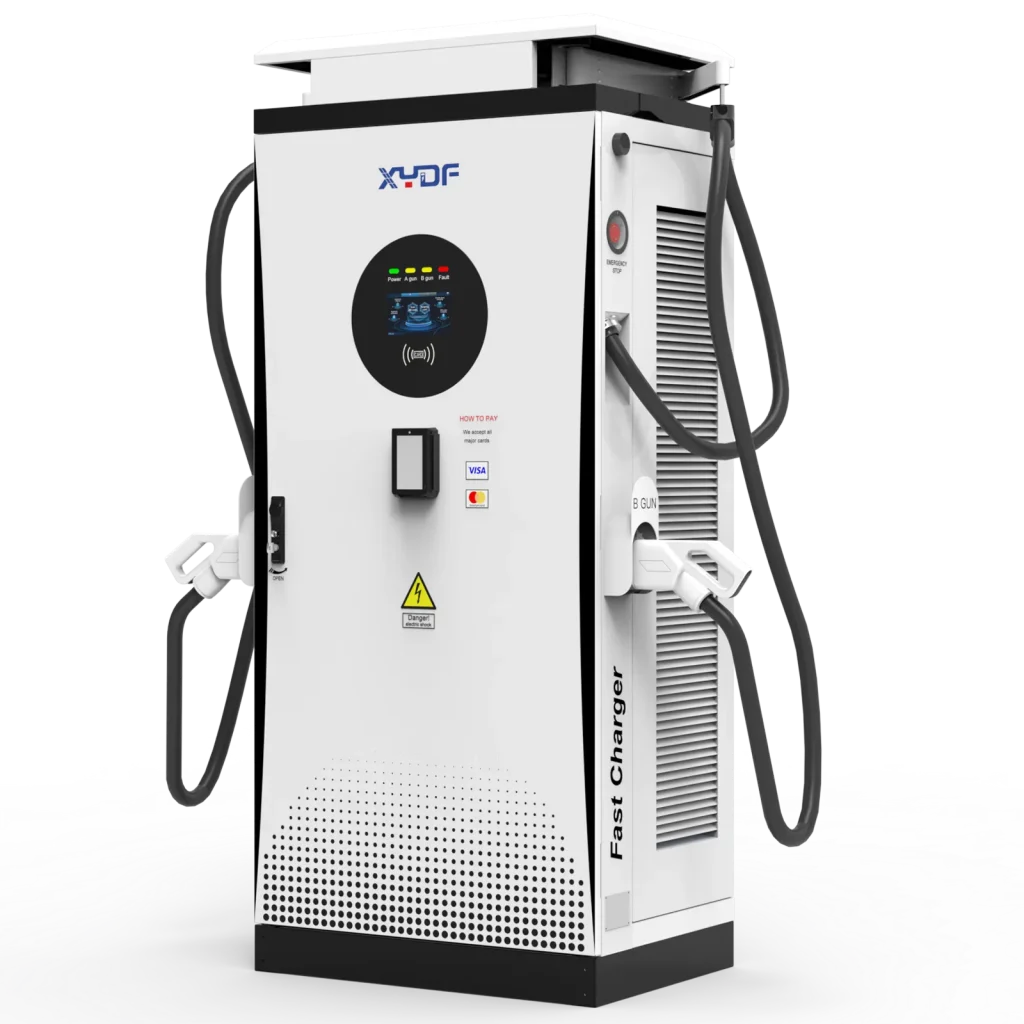
There are many advancements in the area of electric vehicles and charging technology (below) that will provide higher powered charging technologies, create increased convenience for everyday consumers, reduce negative impacts to the environment.
Wireless Charging: Inductive charging is the technology used by many new electric charging stations, that removes the need for traditional cables and allows consumers to charge their vehicle without having to mess with plugging/unplugging their vehicles from the charging station.
Vehicle to Grid (V2G): Future electric vehicles will be able to use the electricity that is stored in their vehicle to contribute power back to the grid, supporting renewable energy and ultimately reducing your cost of electricity to charge your electric vehicle during peak demand periods.
Solar Charging Stations: Use of solar panels with public and private charging stations is expected to greatly benefit the environment when charging electric vehicles.
AI-Based Charging: Use of AI technology provides opportunities to manage how electricity is distributed by charging stations and ultimately helps reduce the waiting time for customers at charging stations.
When looking for electric vehicle fast charging stations, you should consider the following: while reviewing the compatibility of electric vehicle charging networks is essential, it is important to ensure that the following standards are met before you purchase an EV:
The top three EV chargers in 2025 will be appropriate for charging the newest versions of electric vehicles, as they can provide fast levels of charging (i.e. up to 500 kW). Those three chargers are the Tesla Supercharger V4, Electrify America’s Ultra-Fast Charging, and Ionity HPC.
You may not install a fast charger (DC Fast) at home, but you will be able to install a Level 2 charging point; this level will allow you to charge your vehicle at a faster pace than you would using a standard home outlet. However, due to DC fast chargers being more costly and requiring higher power, they will not be available for residential use.
No, there are only some electric vehicles that support ultra-fast charging, specifically EVs that have new battery systems (e.g., 800-volt battery systems) that may support ultra-fast charging options. Always verify your vehicle’s power and compatibility when attempting to utilize any ultra-fast charging station.
There are three different types of chargers to utilize when charging your electric vehicle. Level 1 chargers charge slower compared to DC fast chargers and DC ultra-fast chargers; Level 1 chargers may add only a few miles of range over many hours of charging, while fast and ultra-fast chargers can add hundreds of miles in a short period.
As of 2025, the charging networks providing infrastructure for the current DC fast charger landscape will increase; significant investment has been pouring in from several entities (private and government sources) into high-power station capabilities. By 2025, you will see sufficient fast-charge locations and capabilities in your region.
The combination of the best electric vehicle technology, in concert with a solid electric vehicle charging infrastructure, points to a promising future for electric mobility. As you prepare to transition into electric mobility through all the dynamic options available to you today, your goals must include speed, convenience, and sustainability.
 Xinya Dongfang Electricity Technology Co., Ltd.