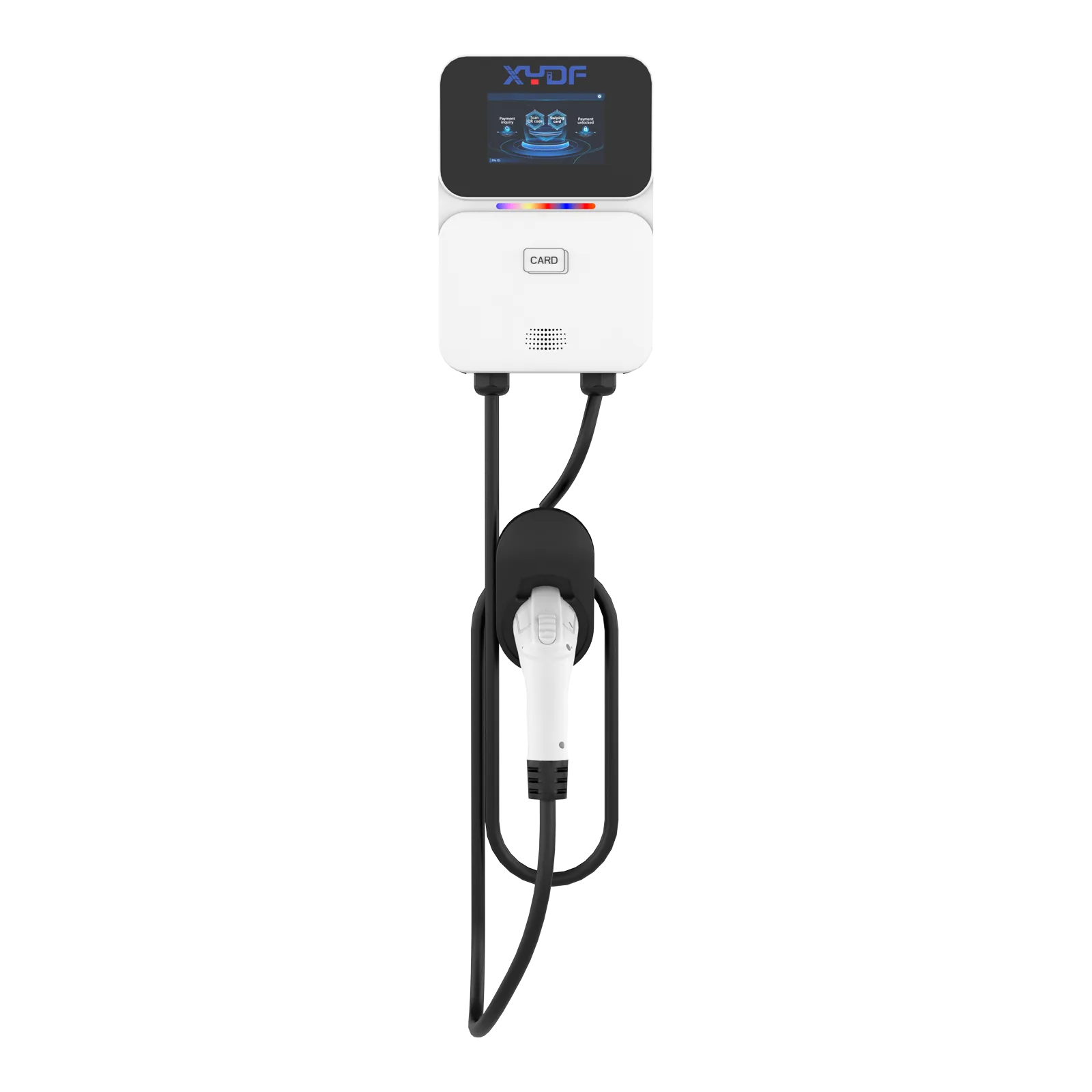
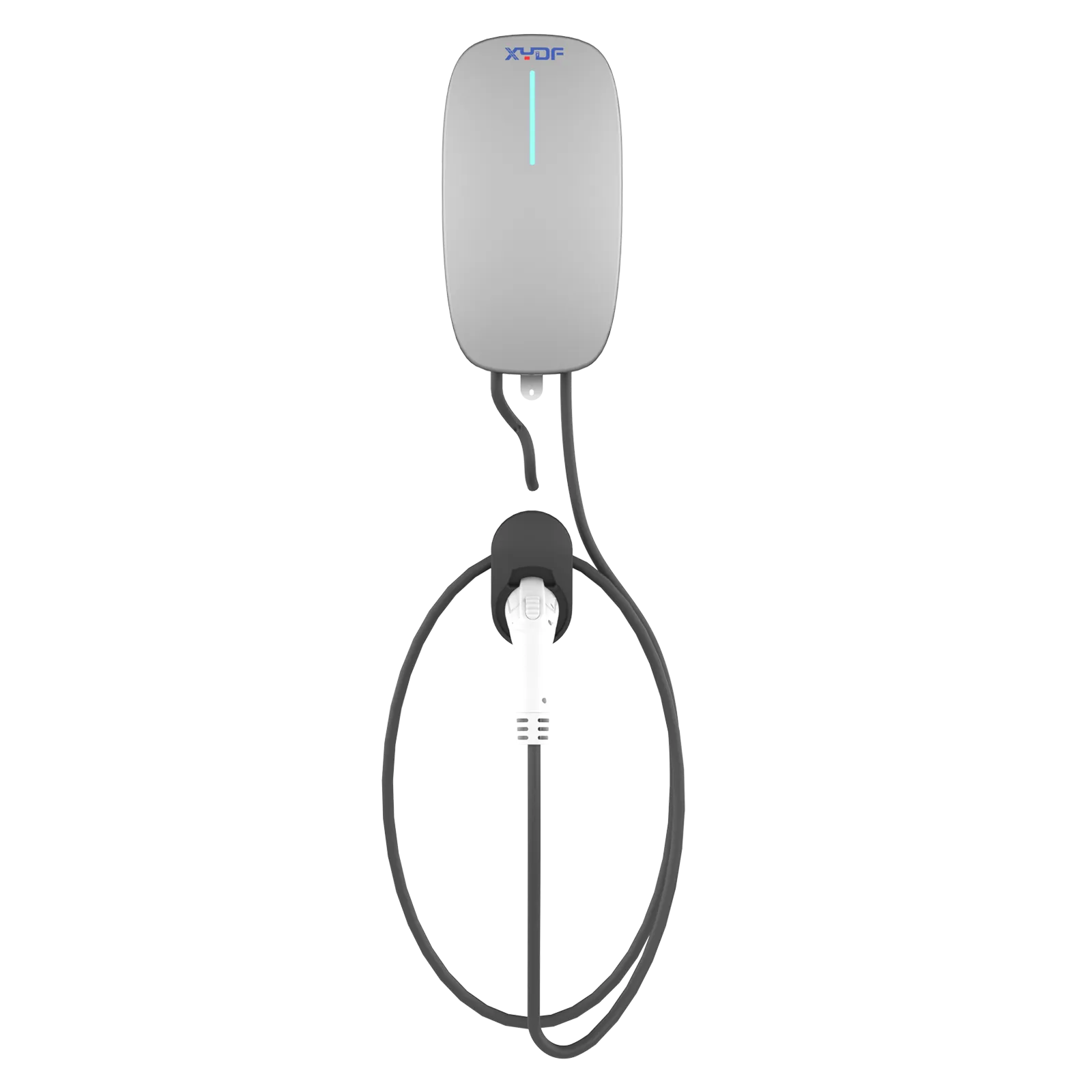
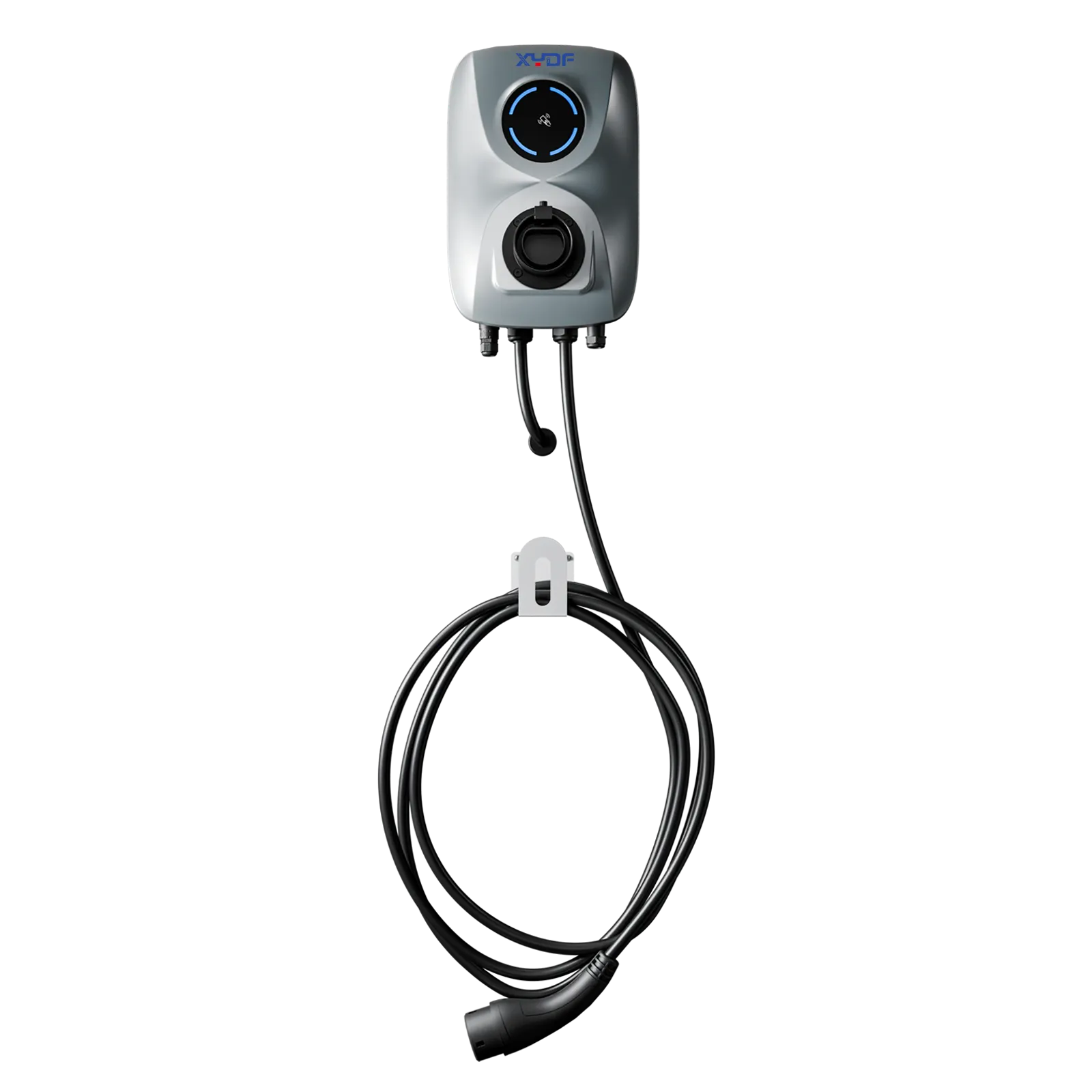
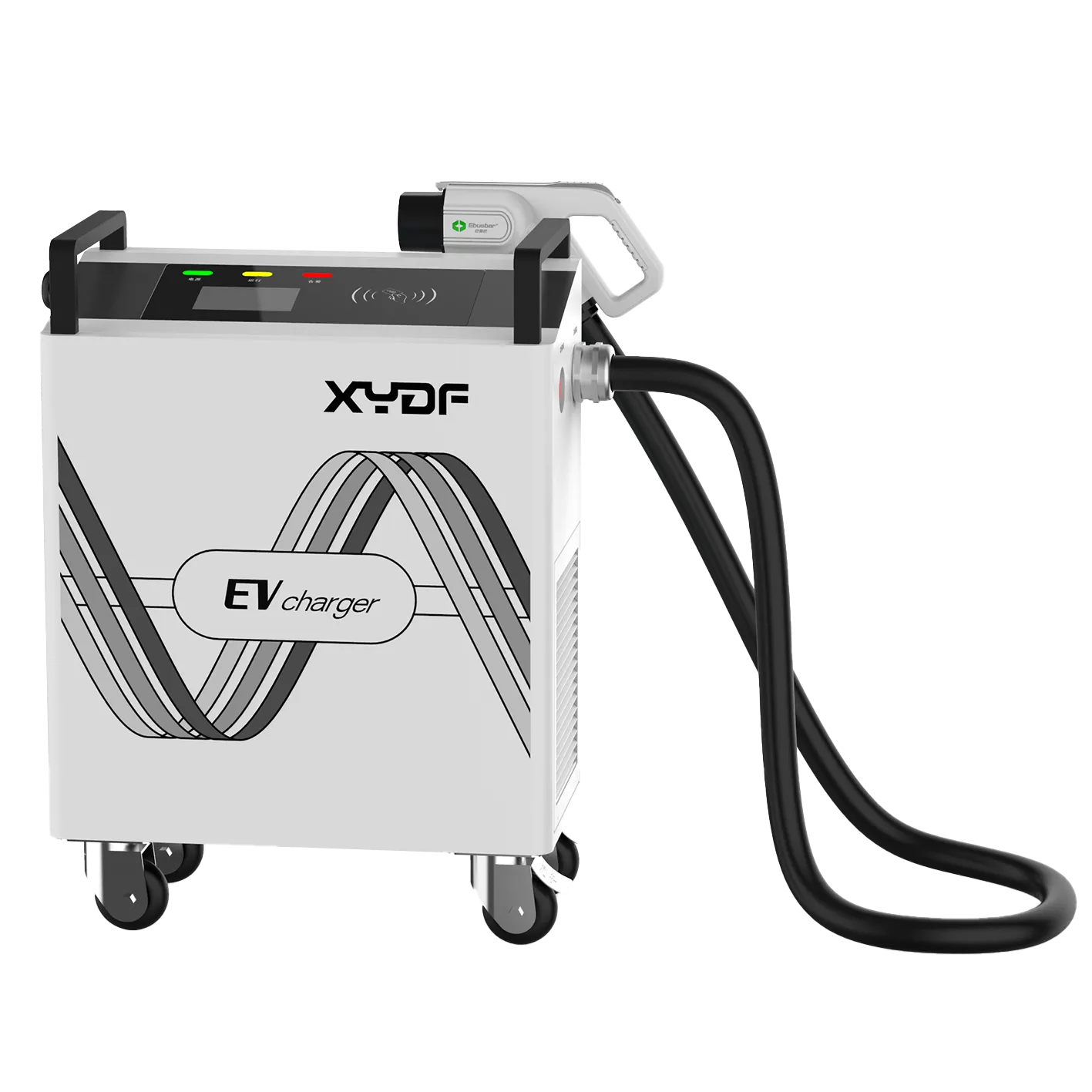
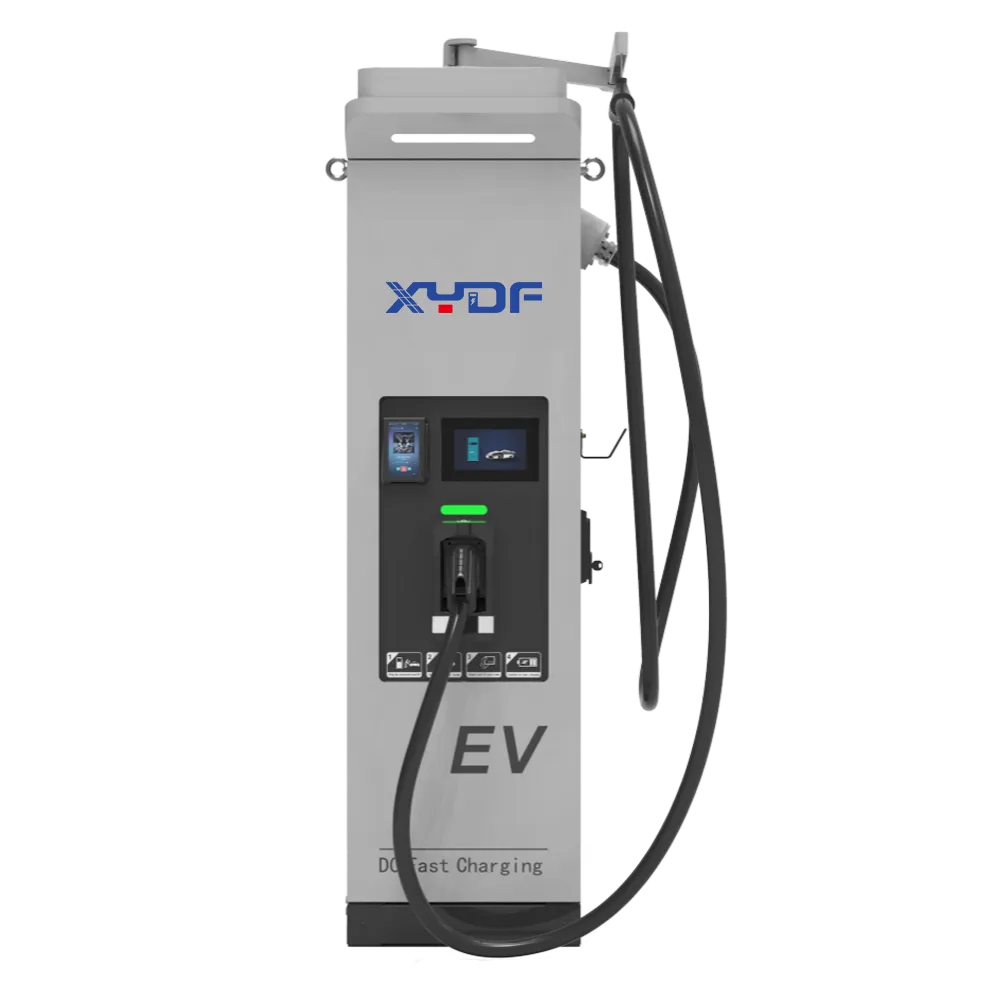
As we look forward to 2025, charge-times will be shrunk even further with improvements in vehicle charging stations, and the introduction of new and innovative types of chargers and charge stations will make this possible. This article will give you an idea of the fastest charging electric vehicles that will be on the market by 2025, cover the various types of EV charger technology you should know about, and answer common questions about selecting an EV and EV charging solution.
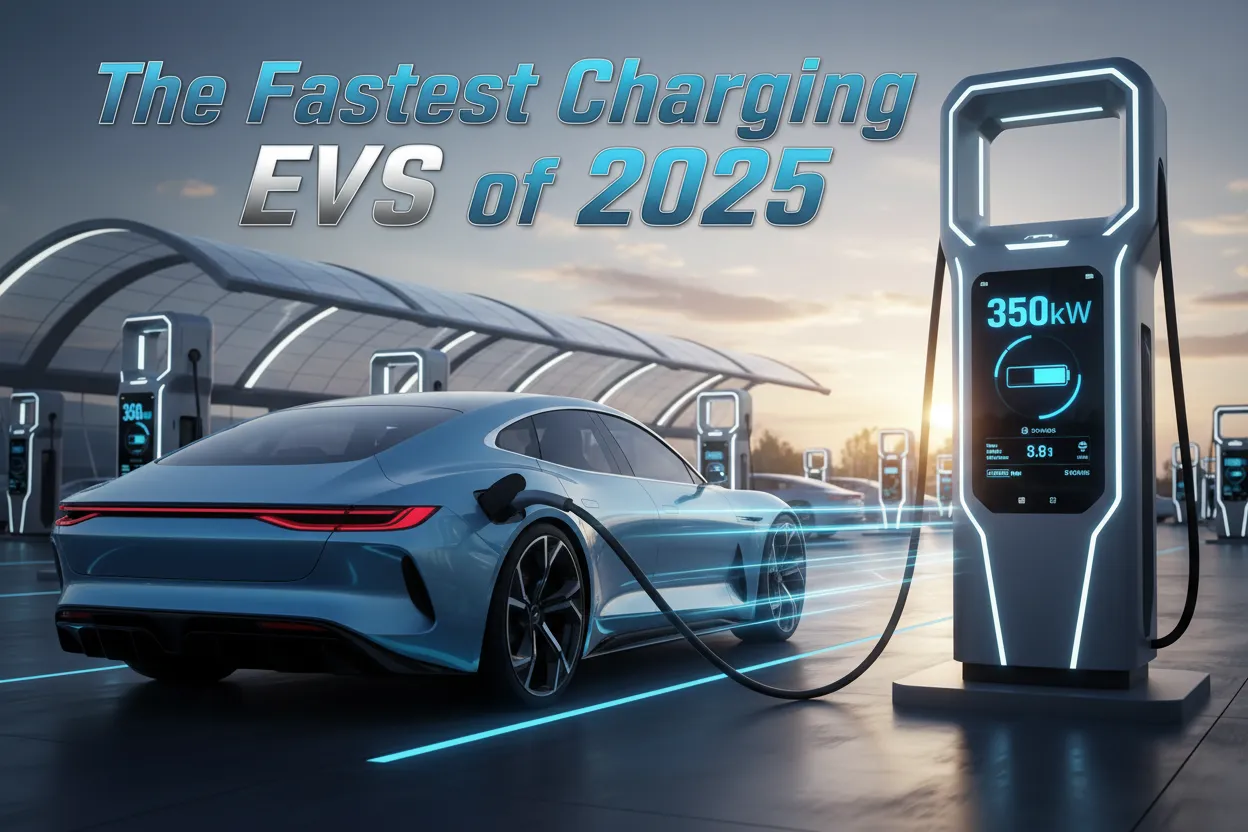
Fast charging allows EV drivers to get through the wait times at charging stations in less time than average, allowing EV drivers to travel longer distances with little interruption to their trip. The introduction of higher capacity chargers, such as 350 kW or higher, have made access to fast charging much easier than in the past. Furthermore, each automobile manufacturer continues to develop new and better ways of recharging its EVs at high speeds in a very short amount of time. This is a key driver behind the mass adoption of EVs.
The following five Electric Vehicles offer fast charge capabilities while combining innovative vehicle technologies with high performance:
Using Tesla’s Supercharger V4 network, the Tesla Model X Plaid+ can get a 200-miles charge in as little as 10 minutes. Additionally, the vehicle’s thermal system and optimized software will enable the vehicle to achieve rapid charge rates at compatible charging stations.
The Lucid Air Sapphire has an exceptional recharge rate, made possible by its 924V battery architecture. It will be able to take advantage of Electrify America’s rapidly growing network of ultra-fast EV chargers, providing the vehicle with the ability to recharge an average of over 20-mile per minute.
The Porsche Taycan Turbo S offers impressive charging capabilities through its 800V architecture, allowing for high-power charging and recharging from 5-80% in less than 18 minutes using HPC stations that offer up to 270kW of charging power.
The 2025 Hyundai Ioniq 7 is capable of achieving an 80% charge in just 20 minutes. It is built on the E-GMP platform and supports 800V rapid charging, making it compatible with all of the most advanced public fast-charging networks.
With rugged designs and powerful performance capabilities, Rivian’s R1T offers one of the fastest charging solutions for electric pickups by utilizing advanced charging technology compatible with many stations and charging networks that provide as much as 500kW of charging power.
In addition to fast-charging capabilities, having the right type of EV chargers or knowledge of EV charging infrastructure located within your region will help you with your electric vehicle experience. The two most common charger types are listed below:
Level 1 chargers are basic chargers that use standard 120V outlets; therefore, while they may be convenient for charging overnight at home, their slow charging speed hinders modern EVs’ ability to travel long distances.
Level 2 chargers exist in both public and home settings and are the current charging standard within the United States. They also use a 240V supply and provide approximately 25-30 miles of range per hour of charging. They are perfect for overnight charging, either at home or at the office.
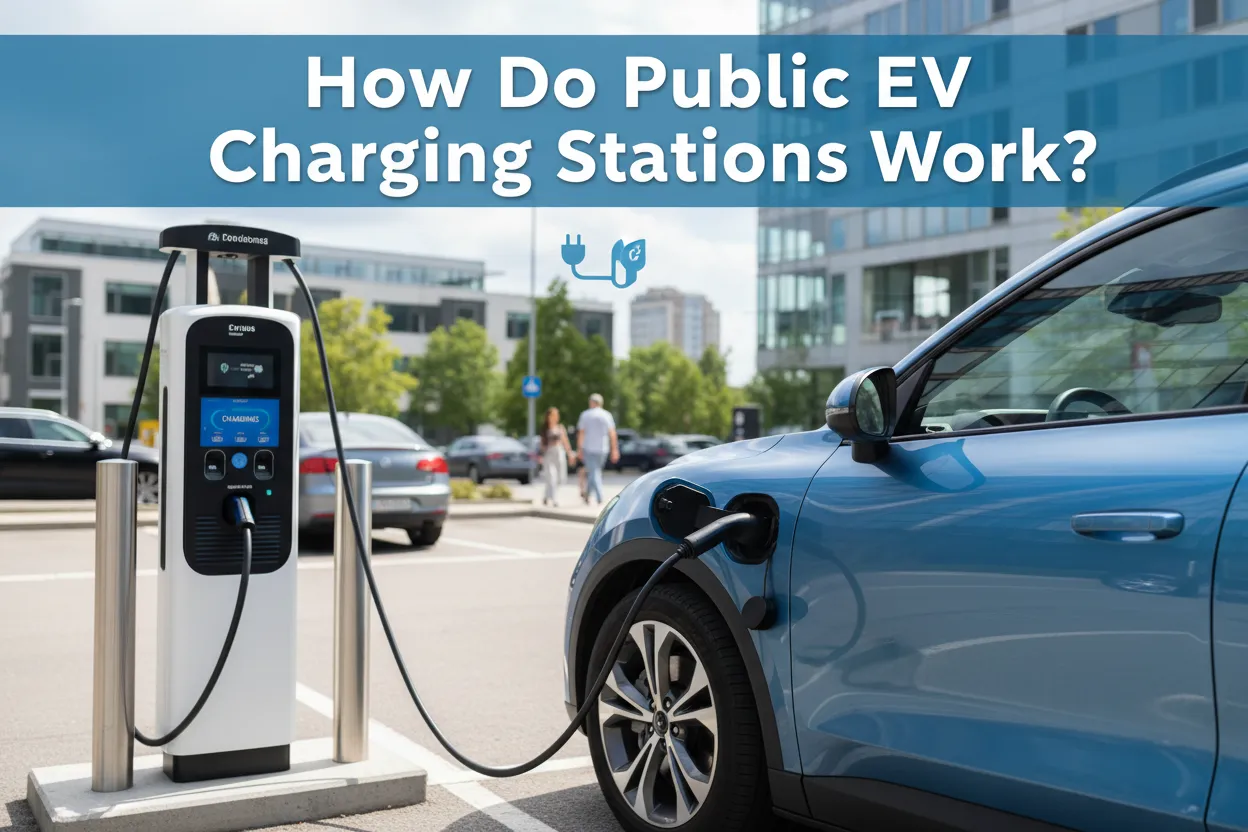
DC (Level 3) fast chargers are the fastest of all types of EV chargers, as they provide charging power between 50 and 350+ kW. They are mostly found at convenience stores, highways’ rest areas, and specialized EV charging facility providers, such as Electrify America, Ionity, and the Tesla Supercharger locations. EVs that meet these EV charging standards typically charge from nearly empty to nearly full in approximately 15-30 minutes when plugged into a DC fast charger.

As technologies improve, ultra-fast / high-power chargers with output capabilities of up to (and including) 500 kW are becoming commonplace. There are newer types of chargers that can significantly increase range with a small amount of charging time; however, they are mostly only suitable for the latest electric vehicles that have the compatible battery systems.
There are numerous improvements being made to EV charging technology that will offer more powerful options for charging, more convenience for everyday use, and reducing negative impacts on the environment.
Wireless Charging: Inductive charging stations help to eliminate cables and make charging a more convenient and usable option for everyday EV owners.
Vehicle to Grid (V2G) Integration: Future electric vehicles will enable owners to use the energy stored in their vehicle to help support the electrical grid by sending power back to the grid, which will support renewable energy and help reduce the cost of charging your electric vehicle during peak usage times.
Solar-Powered Charging Stations: Solar integration of public and private charging stations is expected to enhance environmental benefits of charging an electric vehicle.
AI Based Charging Management: By implementing AI technology there are opportunities to improve how power is distributed for charging by chargers and to reduce the amount of waiting time for customers at charger stations.
The first thing that should be done when looking for fast charging for an electric car is to review the compatibility of the charging network.
In 2025, some of the best EV chargers available will include Tesla Supercharger V4, Electrify America Ultra-Fast Charging and Ionity High-Power Charging (HPC). Each of these provides high-powered charging (up to 500 kW).
Yes, it is possible to install a Level 2 charger at home. A Level 2 charger will charge your EV faster than a conventional outlet would. However, DC fast charging systems typically cannot be installed at home due to their high-powered requirements and cost to install.
No. Only certain EV models with newer battery systems (for example, an EV using an 800-volt battery system) are capable of using ultra-fast charging stations. Always verify your EV’s charging capacity and compatibility when it comes to using high-powered charging stations.
Charging an EV depends mostly on the type of charger being used and the maximum capacity of the EV. Level 1 Chargers charge at the slowest speed, while DC Fast Charging and Ultra-Fast Charging systems charge the fastest and may add hundreds of miles of range in a few minutes to an EV.
By 2025, public charging networks for EVs will have been expanded dramatically, with major companies and government agencies investing heavily in high-powered charging stations. If you are looking for fast charge stations in your region, you should check there will be enough.
The combination of the fastest charging EV available in 2025 and a solid infrastructure for EV chargers is positively impacting the transition to electric mobility. Knowing your options, including your chosen EV and where you can find advanced charging stations, will help you prepare to drive in the future. If you desire speed, convenience or sustainability, now is the perfect time to enter the ever-evolving EV marketplace!



 Xinya Dongfang Electricity Technology Co., Ltd.