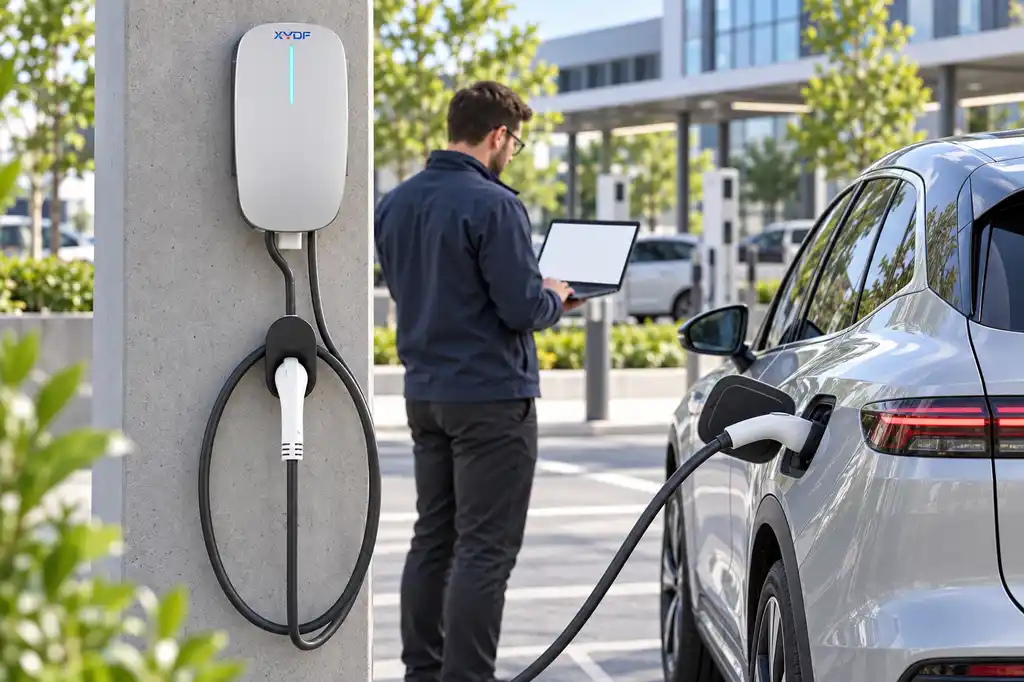
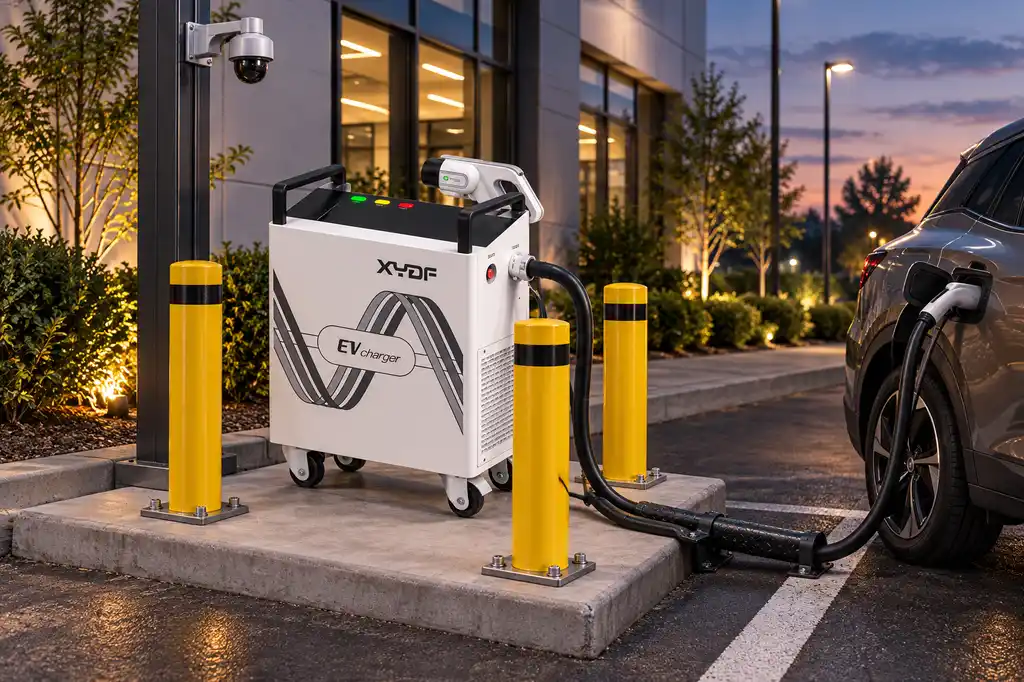
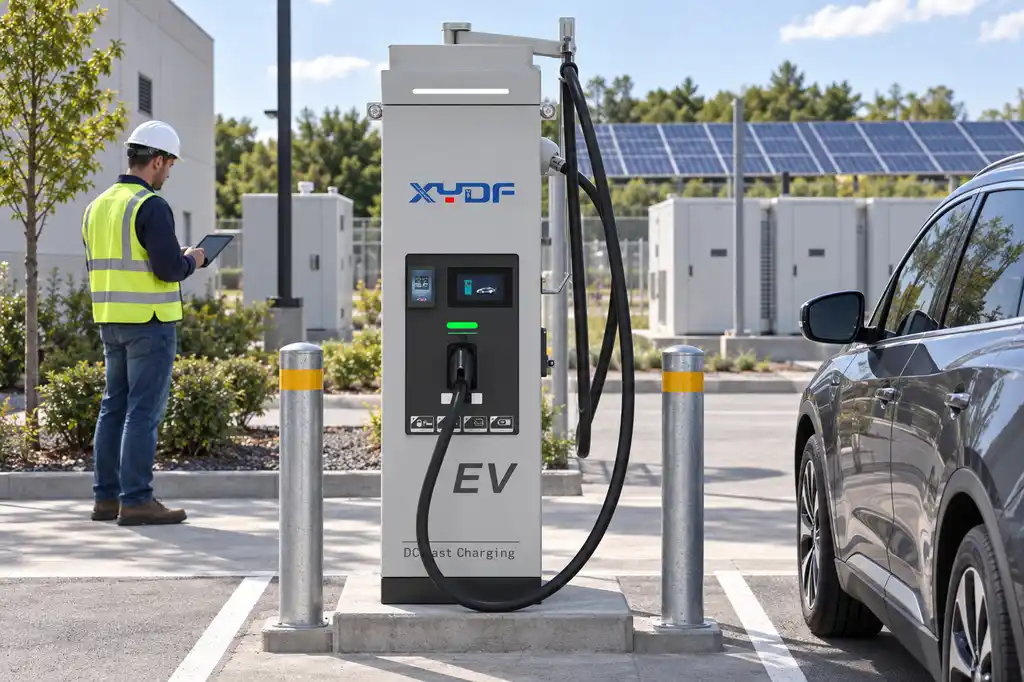
 Xinya Dongfang Electricity Technology Co., Ltd.


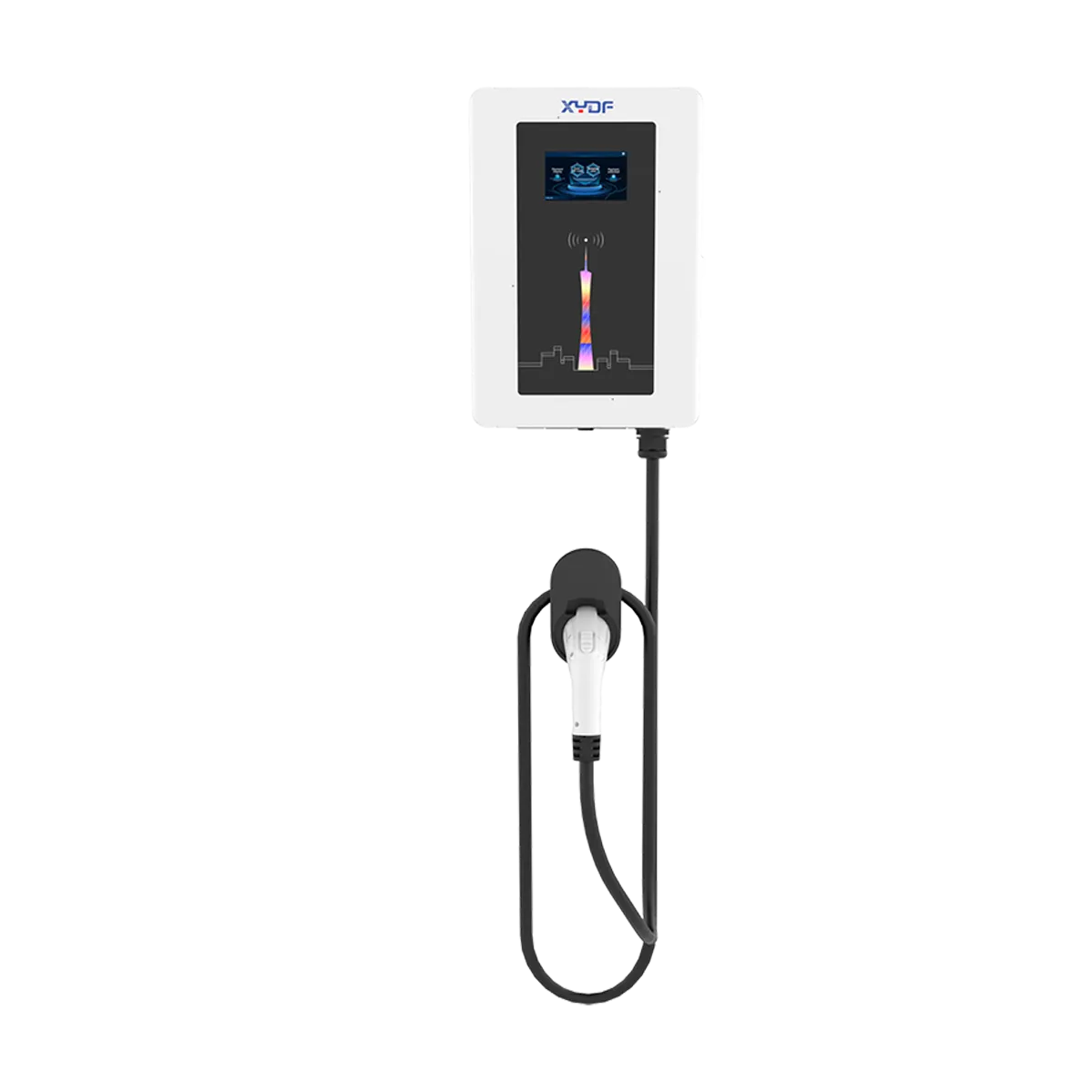
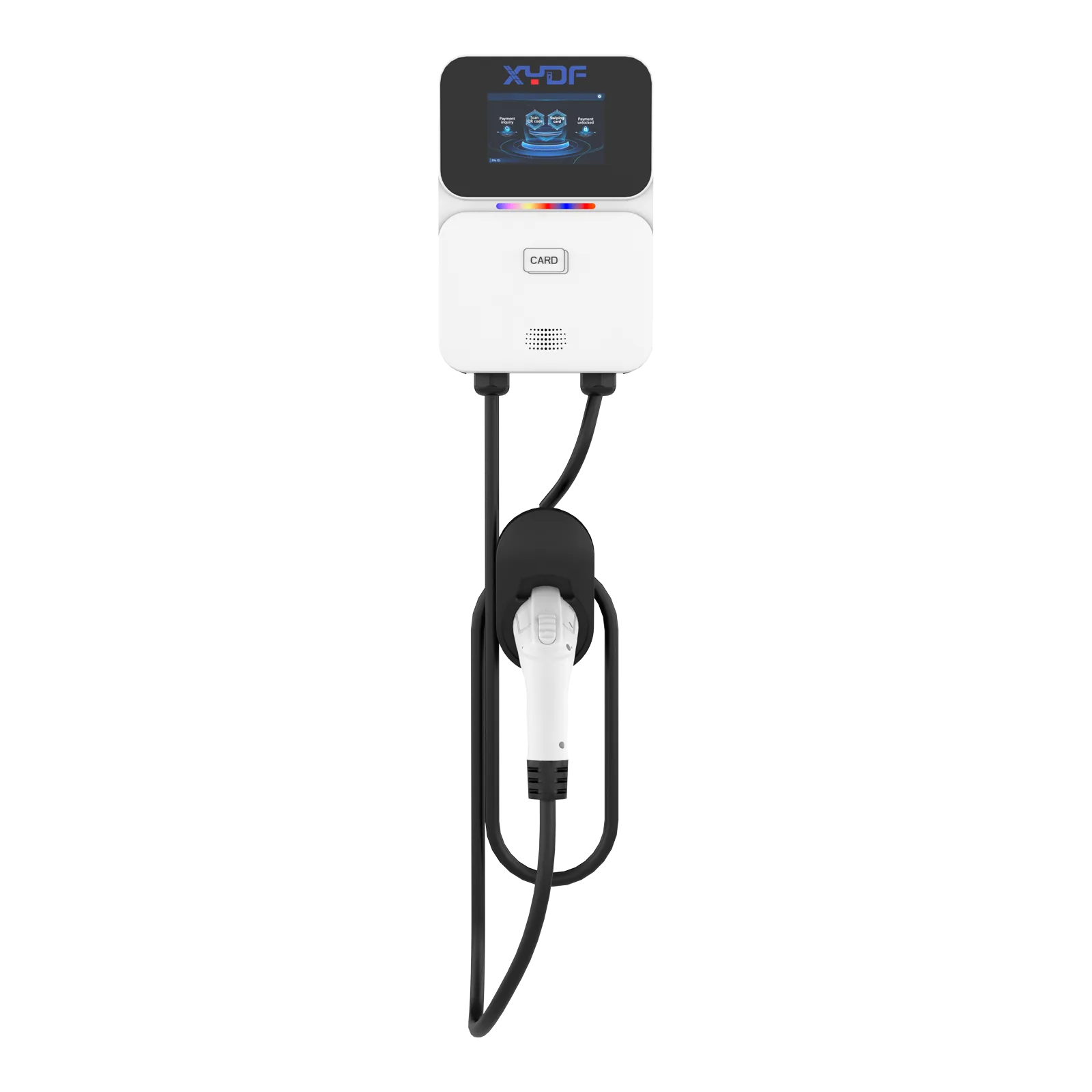
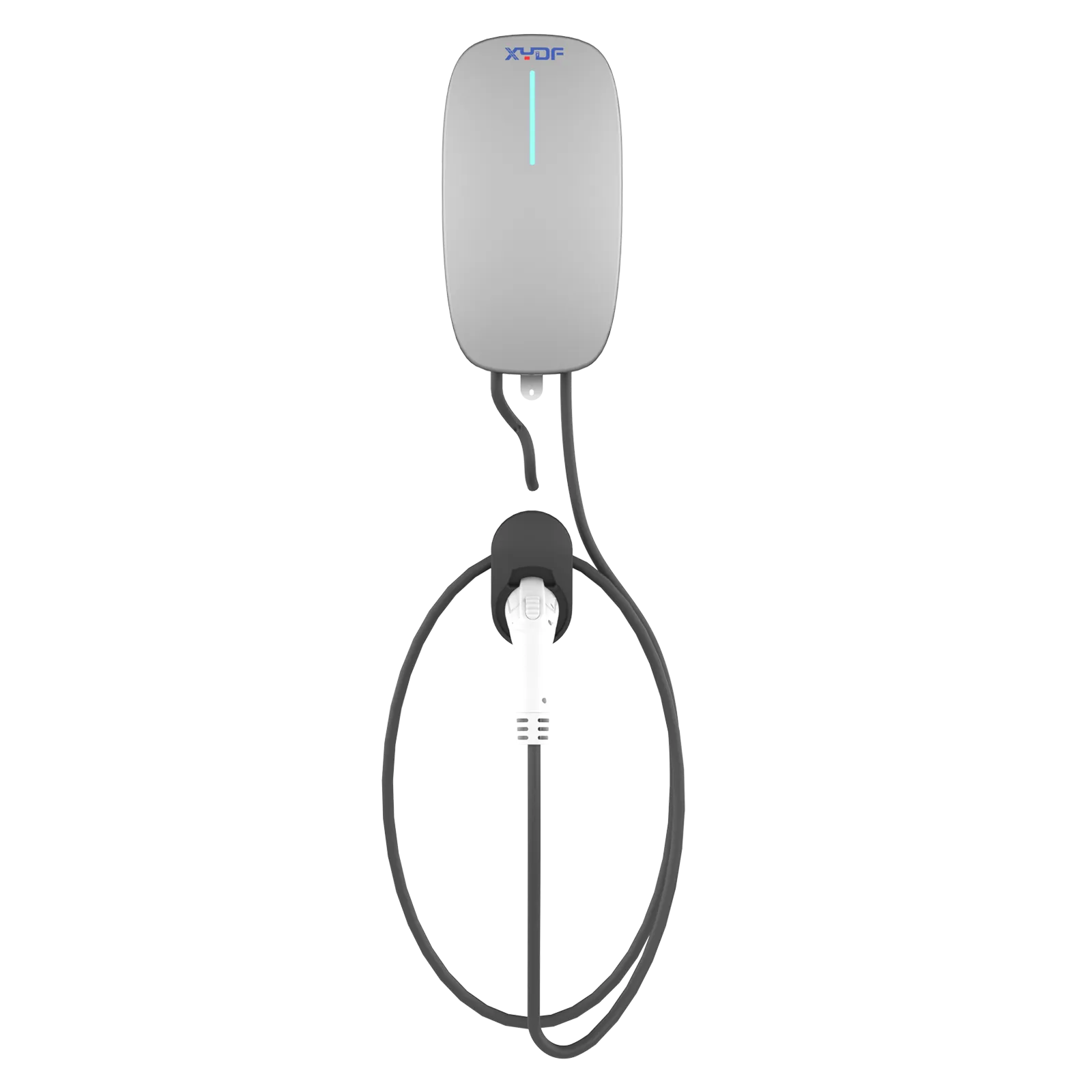
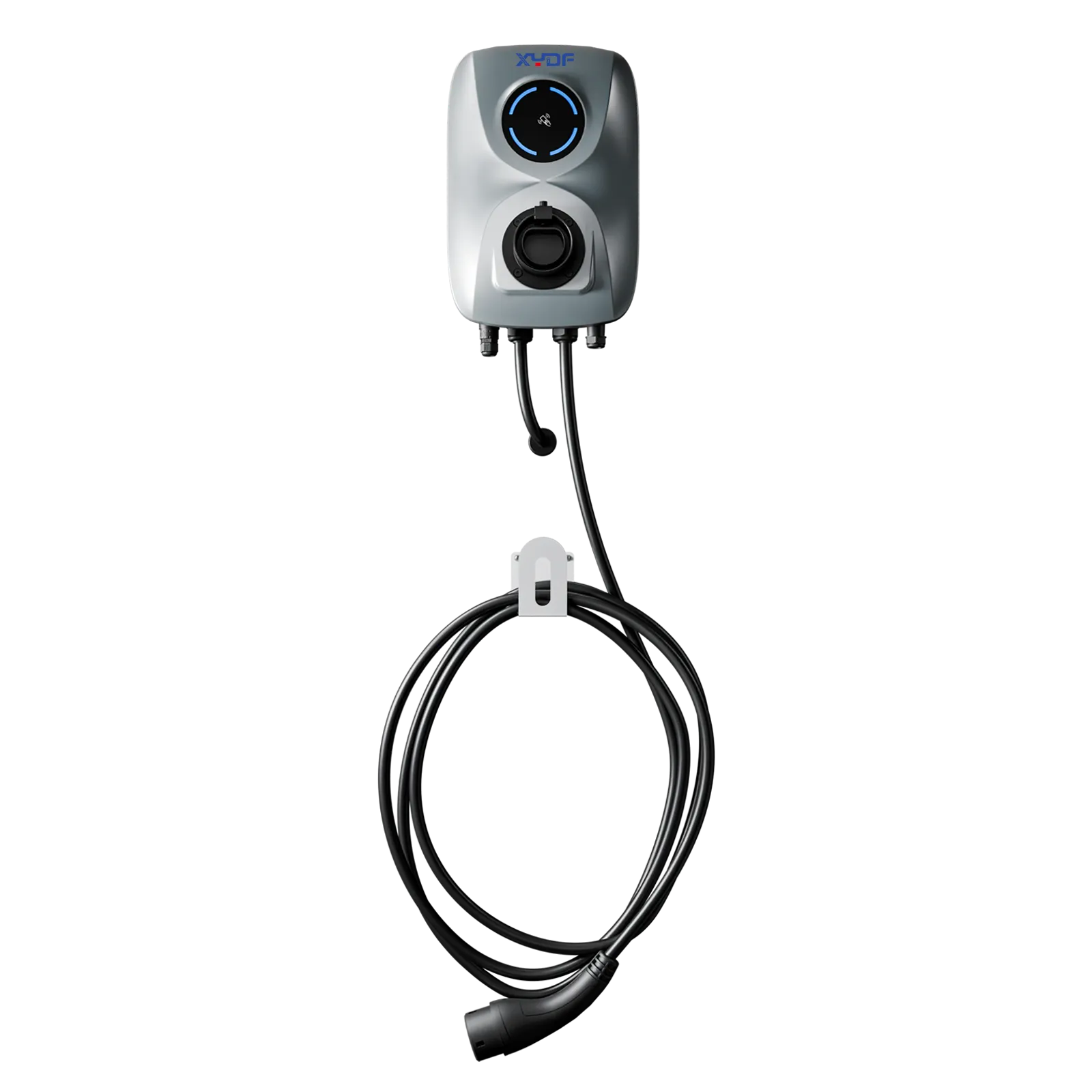
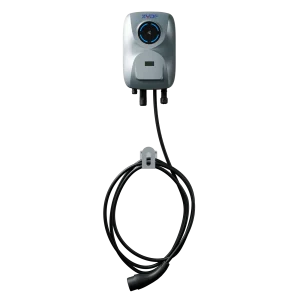
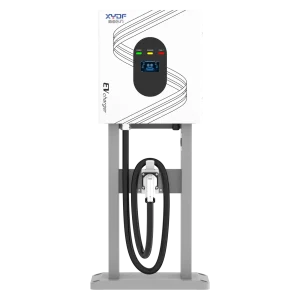

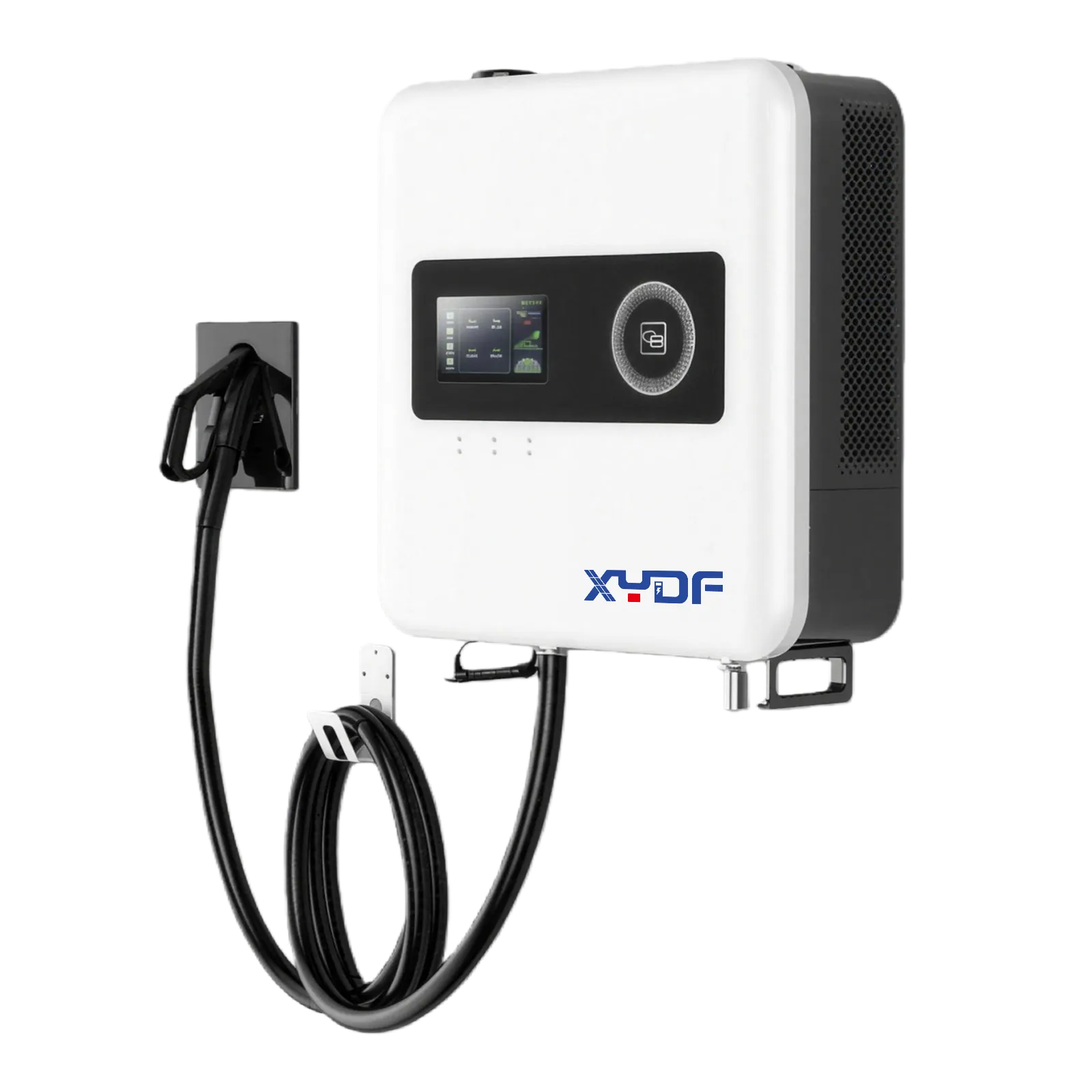
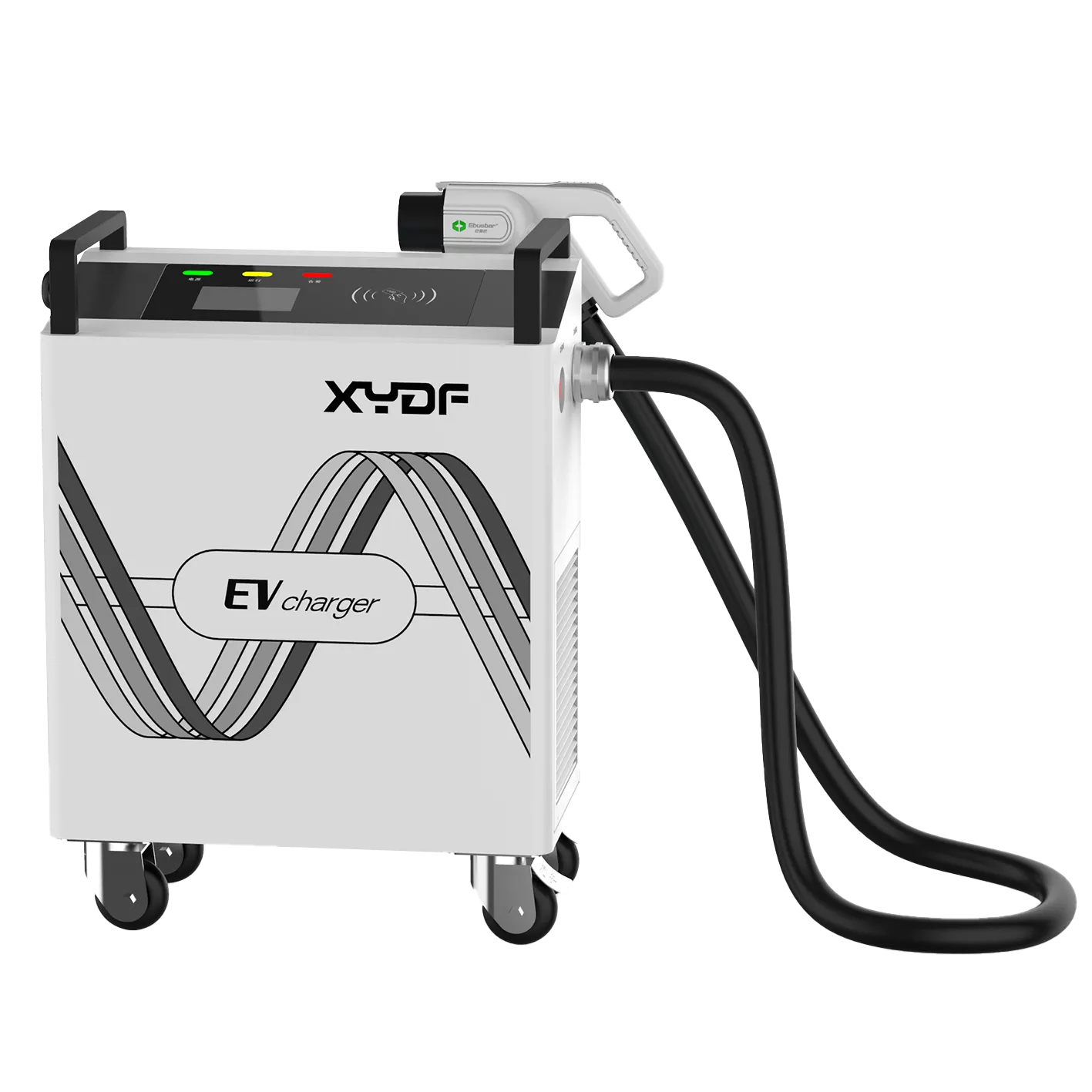
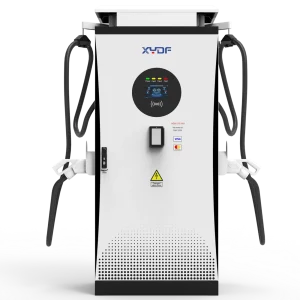
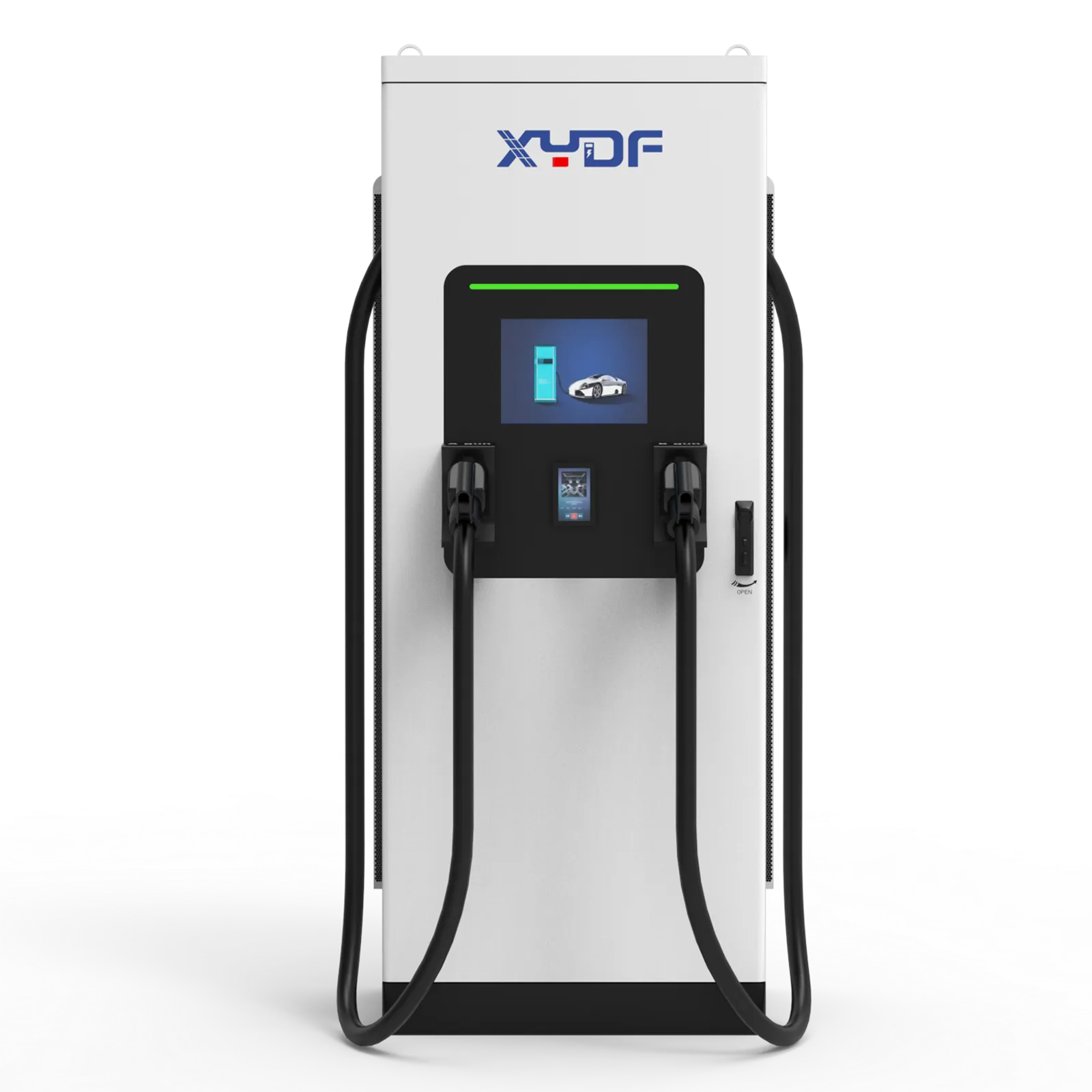
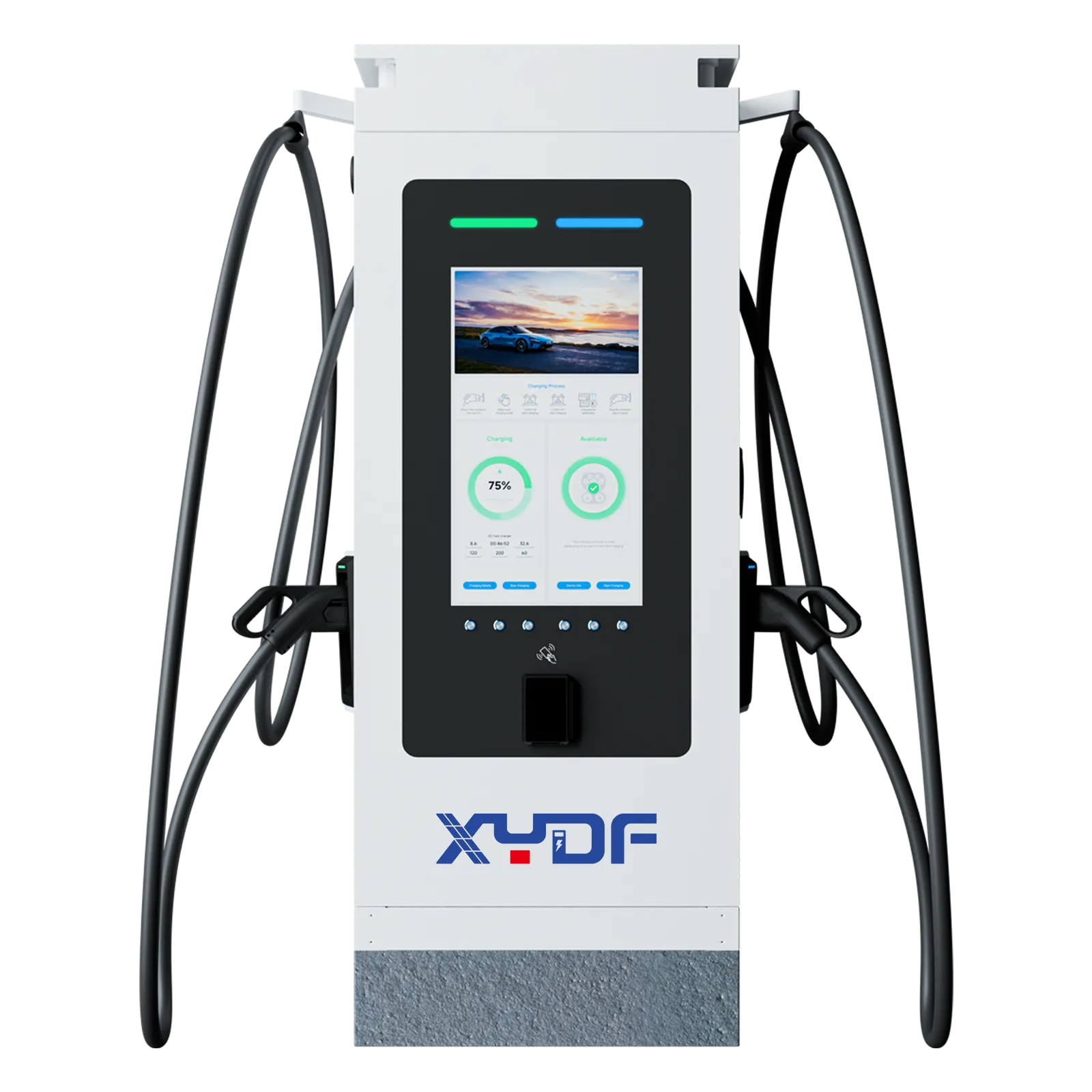
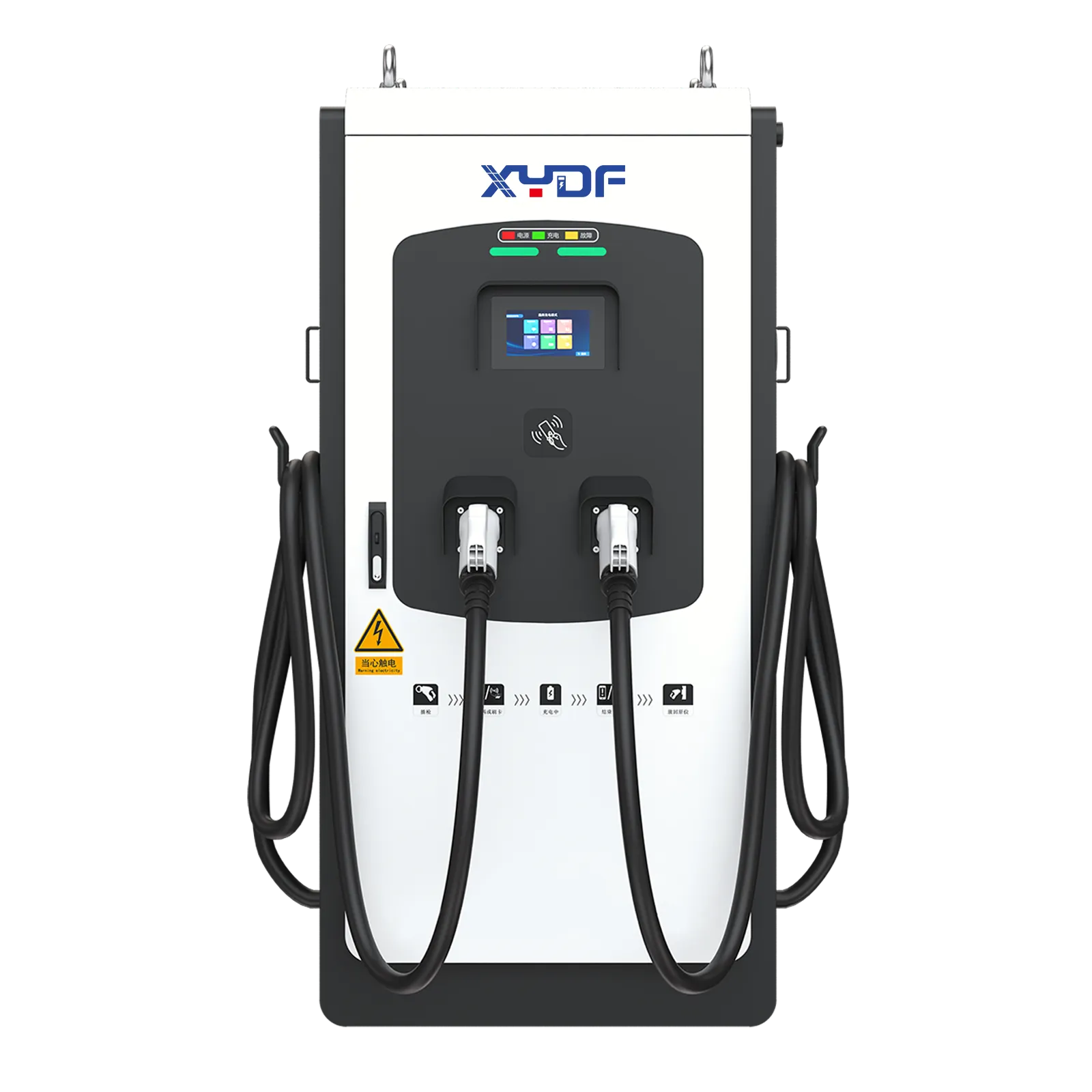
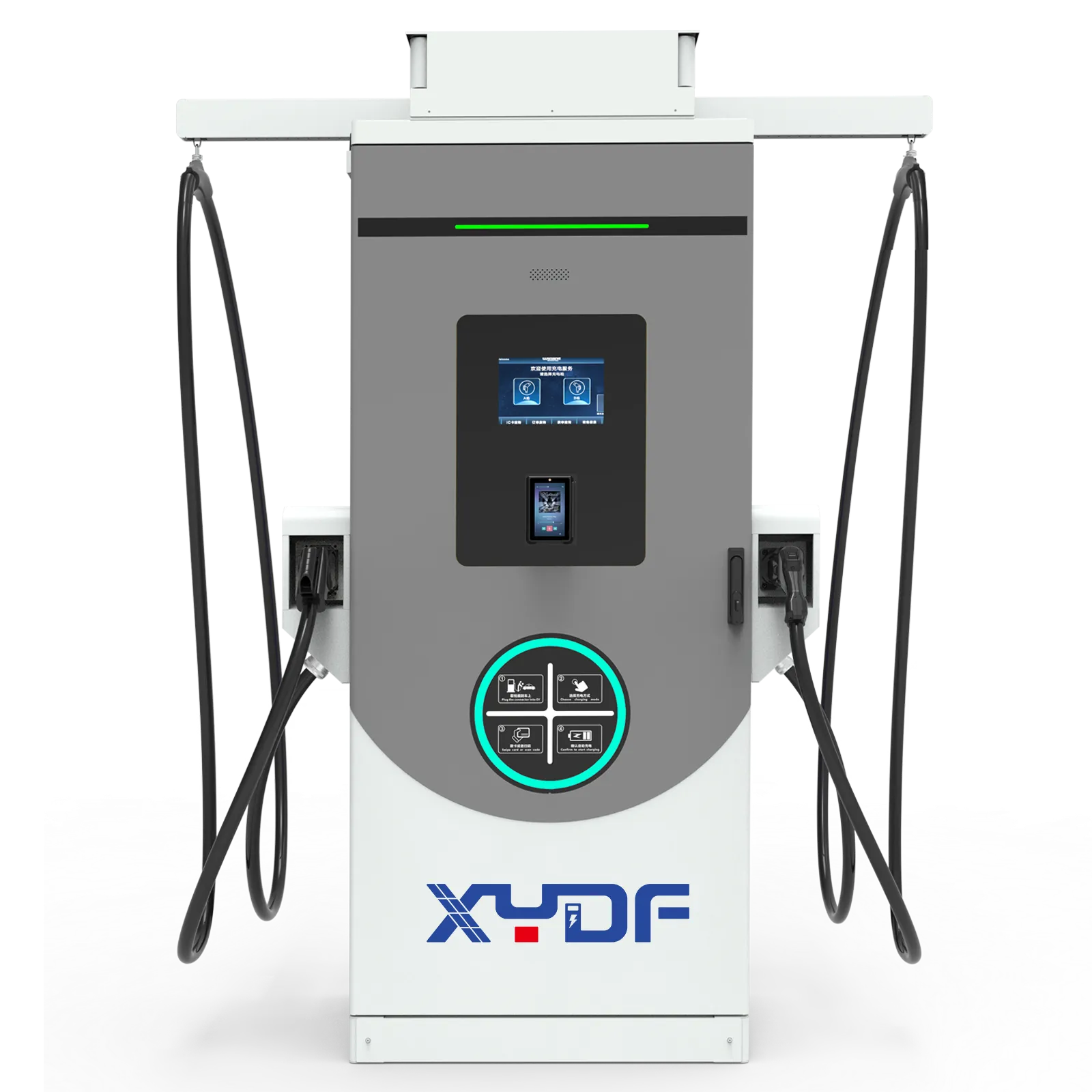
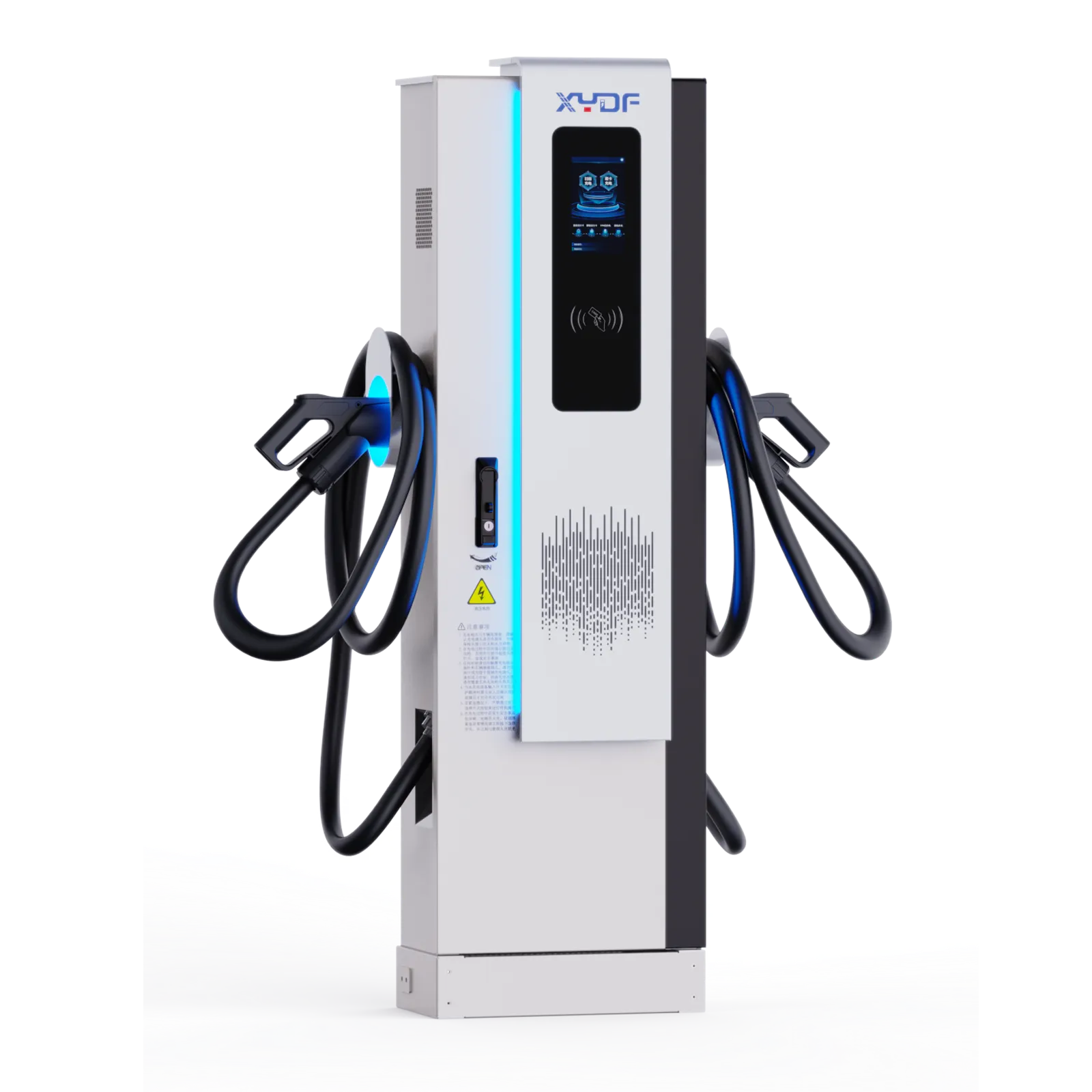
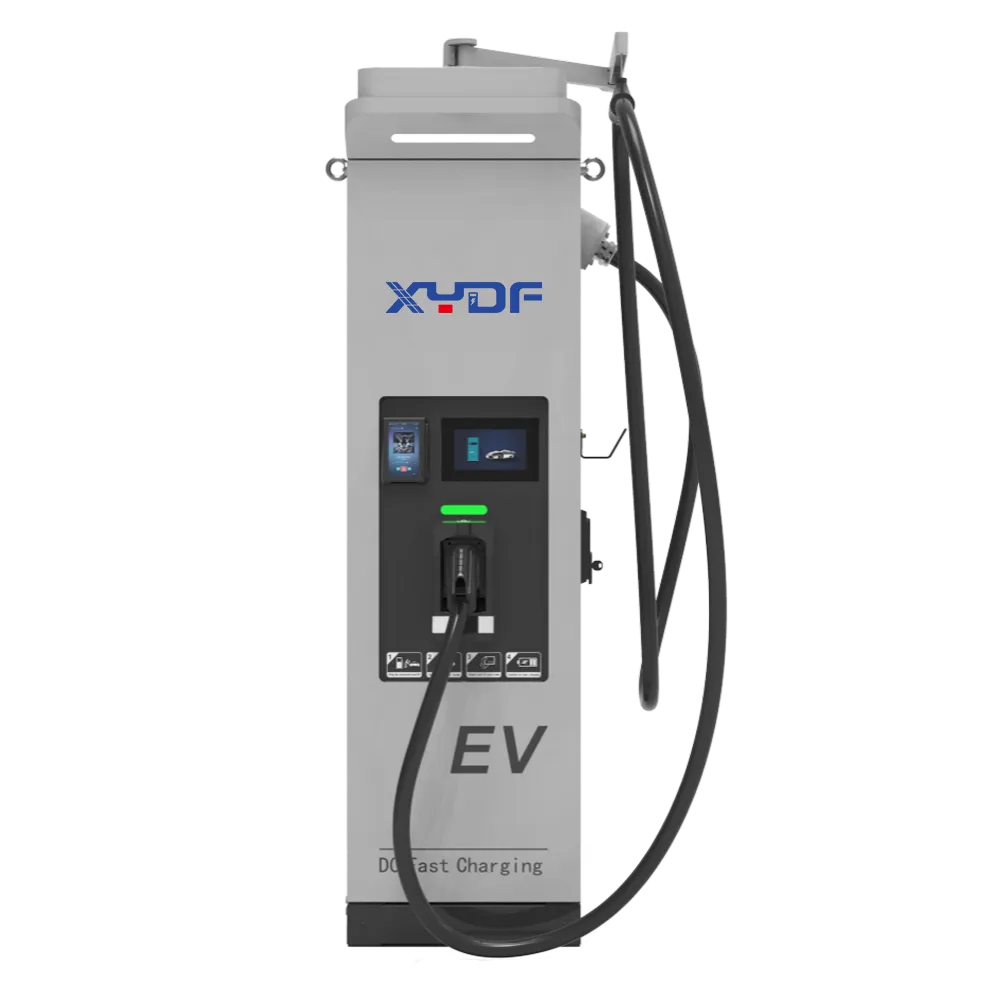
When a curb-management manager in San Francisco moved a parking bay for public charging, the project stalled before energization: a cable crossed the walking line, a utility-pole conflict stopped excavation and no team owned snow clearance. The equipment was not the root cause; site selection, permits and handoffs were. The sequence below is for cities, CPOs, utilities, installers and accessibility teams.
A successful curbside EV charger project treats the curb, accessible route and electrical service as one package. Apply a three-gate review—curb function, movement and grid feasibility—before ordering equipment. The ADA 2010 Standards set a federal baseline where they apply, and the U.S. Access Board’s EV research flags cable reach, controls and circulation. Local authorities still control permits, clearances, winter operations and reservation periods.
How should a city screen a curbside EV charging location?
Map parking, loading, transit, emergency access, bicycle movements, curb ramps, sidewalk pinch points and residents who lack private parking. Use an equity map to test coverage; it informs the shortlist but cannot override safety or utility constraints. The U.S. Department of Energy Alternative Fuels Data Center provides deployment context, not a substitute for a field survey.
Complete four checks before procurement
- Record curb functions and ask parking enforcement how overstays and non-EV vehicles will be handled.
- Walk the route from both directions, including curb ramps, crossings and bike-lane edges.
- Mark utility poles, trees, drainage, manholes, street furniture and planned construction.
- Assign snow storage, plowing, flooding and cable-ramp inspection responsibilities.
San Francisco curbside EV charging examples do not establish rules for another city; street geometry, permits and enforcement are local. Require one agreed user path from curb, accessibility and maintenance leads.
Which permits and parking controls must be coordinated?
The authority having jurisdiction (AHJ) may require right-of-way, electrical, excavation, traffic-control, sidewalk, utility, tree and signage approvals. Request the controlling checklist and inspection order, with an owner and date for each approval. Parking staff set hours, markings and reservation rules; electrical designers set service routing, protection, grounding and isolation. Neither should silently make the other’s decision.
For funded corridors, review current FHWA NEVI standards; for traffic devices, consult the MUTCD. Neither replaces local permits. Before trenching, align the installer, utility, sidewalk contractor, traffic-control provider and enforcement contact on one drawing showing work limits, an accessible detour, restoration and inspection hold points. A cable ramp is a temporary control requiring an approved detail and removal date, not a permanent fix for poor geometry.
How should accessibility and grid design shape the charger location?
Electric vehicle charging accessibility means keeping the route usable while a vehicle is charging, a cable is deployed and maintenance is underway. The ADA 2010 Standards cover accessible routes, parking and operable parts where applicable; state and local codes may add requirements. The Access Board’s EV charging research is a design resource, not a product certification.
Draw the plug-to-vehicle path and extend it to the sidewalk, curb ramp and crossing. Keep cables within the vehicle-side operating area whenever possible. Review control reach, night visibility, door zones and bike-lane buffers with an accessibility professional. If a crossing cannot be avoided, obtain an AHJ-approved protection detail; do not assume a rubber ramp makes a route compliant.
| Choice | Route risk | Best use |
|---|---|---|
| Back of parking bay | Usually less sidewalk conflict; cable reach still needs review | When utility and vehicle geometry permit |
| Near curb ramp | Higher turning-space and route risk | Only after accessibility review |
| Wall or pole mount | Projections, ownership and cable swing require approval | Where the asset owner consents |
| Temporary cable ramp | Raised surface and inspection burden | Time-limited pilot with removal date |
How should the charger and grid connection be specified?
Choose AC or DC architecture after confirming dwell time, vehicle mix, connector policy, communications, metering, isolation and maintenance access. XYDF’s product directory can help compare categories; the final model must match the approved electrical design and destination-market documents.
Give the utility a preliminary load package: charger count, operating assumptions, managed-charging strategy, service point, one-line diagram and metering plan. A nearby pole does not prove capacity, and a nameplate rating does not promise simultaneous output. Record utility conditions; transformer, protection or service-extension work can change the civil route.
| Decision | Evidencias | Owner |
|---|---|---|
| Use case | Dwell pattern, vehicle mix, access and connector brief | City/CPO |
| Public route | Accessibility walk and cable-path sketch | Designer/accessibility lead |
| Grid | Utility conditions, one-line and metering plan | Utility/electrical engineer |
| Civil and winter work | Trench, drainage, restoration and snow plan | Installer/public works |
| Enforcement | Signs, hours, overstay process and data owner | Parking authority |
What should commissioning and maintenance teams verify?
Commission the route and charger together. Verify protective devices, isolation, communications, payment, signage, lighting, cable storage and restoration against approved drawings and the electrical inspection record. Retain an as-built showing the service point, shutoff, trench and contacts.
Inspect connector and cable wear, cabinet seals and drainage, weather or snow damage, alarms, failed sessions, markings and route obstructions. Assign snow, litter and enforcement duties in the operating agreement; many “charger” failures are interface failures between these teams.
Curbside EV charger questions city teams ask
What is a curbside EV charger and who is it designed for?
It is charging equipment in or beside a public right-of-way parking space, often serving drivers without a driveway or garage. The curb owner sets access, payment and turnover rules.
How do cities choose safe locations for curbside EV charging?
They combine curb mapping, accessibility and traffic review, utility screening, construction coordination and equity analysis. Parking demand alone is not a safety test.
What permits are needed to install a curbside EV charger?
Right-of-way, electrical, excavation, traffic-control, sidewalk, utility and signage permits may apply. The AHJ controls the final list and inspection sequence.
How can curbside chargers protect pedestrians, wheelchairs and cyclists?
Keep equipment and cables out of accessible routes, review controls and reach, and protect crossings and bike-lane edges. Get local approval for any detour or cable ramp.
How long should a curbside EV charging space be reserved?
There is no universal period. The parking authority sets hours, grace periods and enforcement using local demand, turnover, accessibility and other curb functions.
What are the common maintenance problems with curbside EV chargers?
Cable wear, blocked routes, water or impact damage, communications faults, payment errors and unclear snow duties are common. Track charger alarms and public-space conditions together.
Practical pre-construction checklist
- Identify curb owner, AHJ, utility and enforcement contacts.
- Complete day-and-night accessibility, cycling and snow-clearance walks.
- Document poles, sidewalks, drainage and planned construction.
- Approve cable, trench, restoration and temporary-protection details.
- Accept permit conditions and utility terms before ordering.
- Publish reservation, payment, enforcement and maintenance ownership.
- Commission, document as-built conditions and schedule inspections.
Referencias
- U.S. Access Board: EV charging research
- U.S. DOJ: 2010 ADA Standards
- U.S. DOE: Alternative Fuels Data Center
- FHWA: NEVI standards
- FHWA: MUTCD
Confirm the curb, route and grid in that order, then choose equipment that fits the approved design. Local authorities—not a product page—decide permits, clearances and reservation periods. Review AC EV charger options, use the EV charger compliance guide to structure the evidence pack, and Contacte a XYDF with the site constraints, utility conditions and operating brief.