How to Reduce Waiting Time at EV Charging Stations
Août 28,2026
Blog
At a busy charging site, the line is only the visible part of the delay. EV charging station waiting time can begin before a driver reaches a usable connector, continue through authorization or payment retries, and return after charging ends if the vehicle remains in the bay. Operators reduce it by measuring each interval separately, then fixing the constraint that is actually limiting throughput.
Summary: Build a 15-minute arrival profile, verify connector status against successful energy delivery, publish accurate availability, and separate charging time from post-charge occupancy. Use reservations for predictable demand, a virtual queue for walk-up demand, and load sharing only after modeling the power each simultaneous session can receive. Treat percentage-of-charge limits and idle fees as site-specific policies, not universal rules.
Charging speed itself depends on the vehicle, battery state of charge and temperature, charger capability, and site conditions. Those variables cannot all be controlled by a charge point operator (CPO), but arrival handling, connector availability, power allocation, bay release, and fault response can be designed and measured.
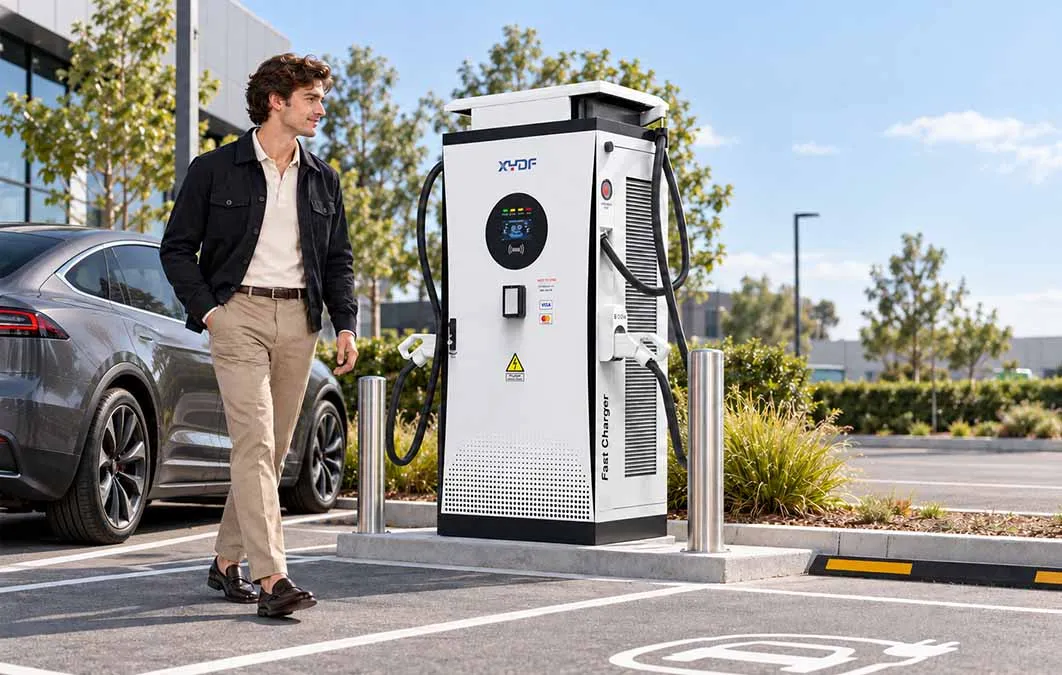
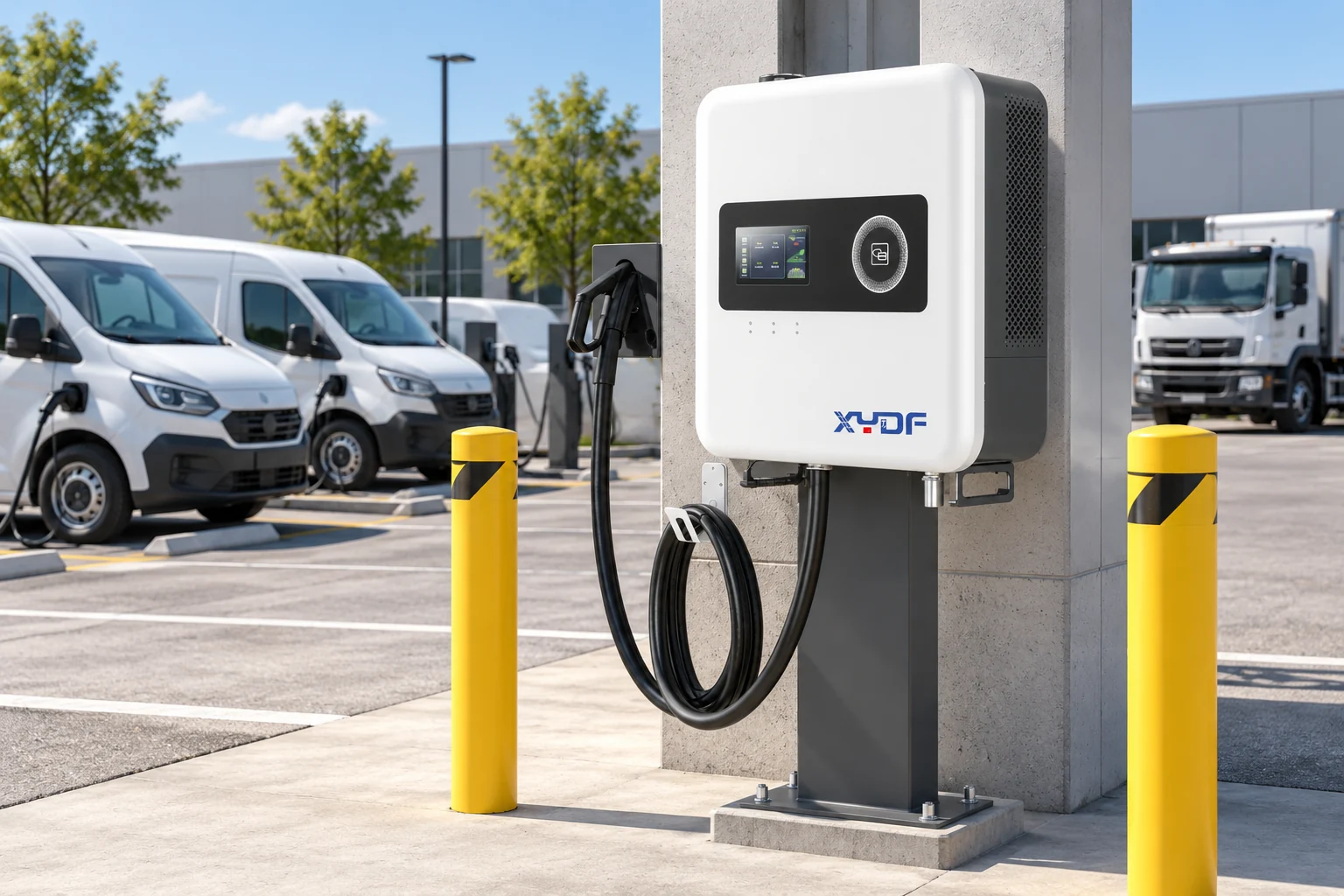
High-power capacity should be paired with accurate status data, a defined queue process, and clear bay-release rules.
Diagnose the constraint before adding chargers
Start with a time-stamped journey: site arrival, queue entry, bay assignment, connector insertion, authorization, first energy delivered, charging end, cable release, and vehicle departure. If only session-start data is retained, the operator cannot see drivers who found the station full, abandoned the queue, or left after a failed start.
Plot arrivals and completed departures in 15-minute intervals by day type. Compare that profile with the number of connectors that were genuinely serviceable, not simply marked online. A queue caused by a short arrival peak requires a different response from one caused by long sessions, repeated authorization failures, or vehicles remaining after energy delivery has ended.
Where delay begins
Evidence to capture
First operating response
Common misdiagnosis
Arrival peak
Arrivals and queue length by interval
Shift fleet schedules, add a virtual queue, or increase peak capacity
Using daily averages that hide the peak
Unavailable connector
Status, authorization, first-energy, and fault events
Remove false availability and escalate repair
Counting an online heartbeat as a successful service
Long charging session
Energy, power, state of charge when available, and session duration
Match charger type to dwell and vehicle demand
Assuming every vehicle can accept nameplate power
Post-charge occupancy
Charge-end, unplug, and departure timestamps
Notify, apply a disclosed grace period, and manage bay release
Treating all plugged-in minutes as charging
Blocked circulation
Site observation and occupancy records
Separate queue staging from charger bays
Trying to solve a layout problem in software
Publish live status and run a fair queue
Real-time charger availability should tell a driver whether a connector can start a session now, is charging, is reserved, or is out of service. For U.S. federally funded projects within 23 CFR Part 680, the data-sharing rule requires real-time port status in Open Charge Point Interface (OCPI) 2.2.1 terms. The UK Public Charge Point Regulations similarly require accurate reference and availability data to be made publicly available in a machine-readable format. These are jurisdiction-specific obligations, but the operating principle is broadly useful: advertised status must match the service a driver can actually receive.
Where supported, Protocole de borne de recharge ouverte (OCPP) messages can help a charger and central management system exchange status, fault, transaction, and smart-charging information. OCPP support is not proof that the mobile app is current or that a physically blocked bay is available. Reconcile backend state with successful starts and periodic site checks, and set a maximum acceptable age for displayed status.
Choose reservations or a virtual queue for the demand pattern
EV charging queue management needs an explicit allocation rule. Reservations fit fleet shifts, airport transfers, scheduled depot arrivals, and other predictable visits. A booking window should have a disclosed check-in method, grace period, release event, and exception process; otherwise, no-shows can hold capacity while walk-up drivers wait.
A virtual queue fits uncertain public arrivals. Show position and a range rather than a false-precision wait estimate, notify the next driver before release, limit duplicate entries, and define what happens after a failed start. Keep a visible on-site process for drivers without the app and for accessibility exceptions. Test cancellations, lost connectivity, late arrivals, and reassignment before peak demand.
Match power and dwell to the vehicles that arrive
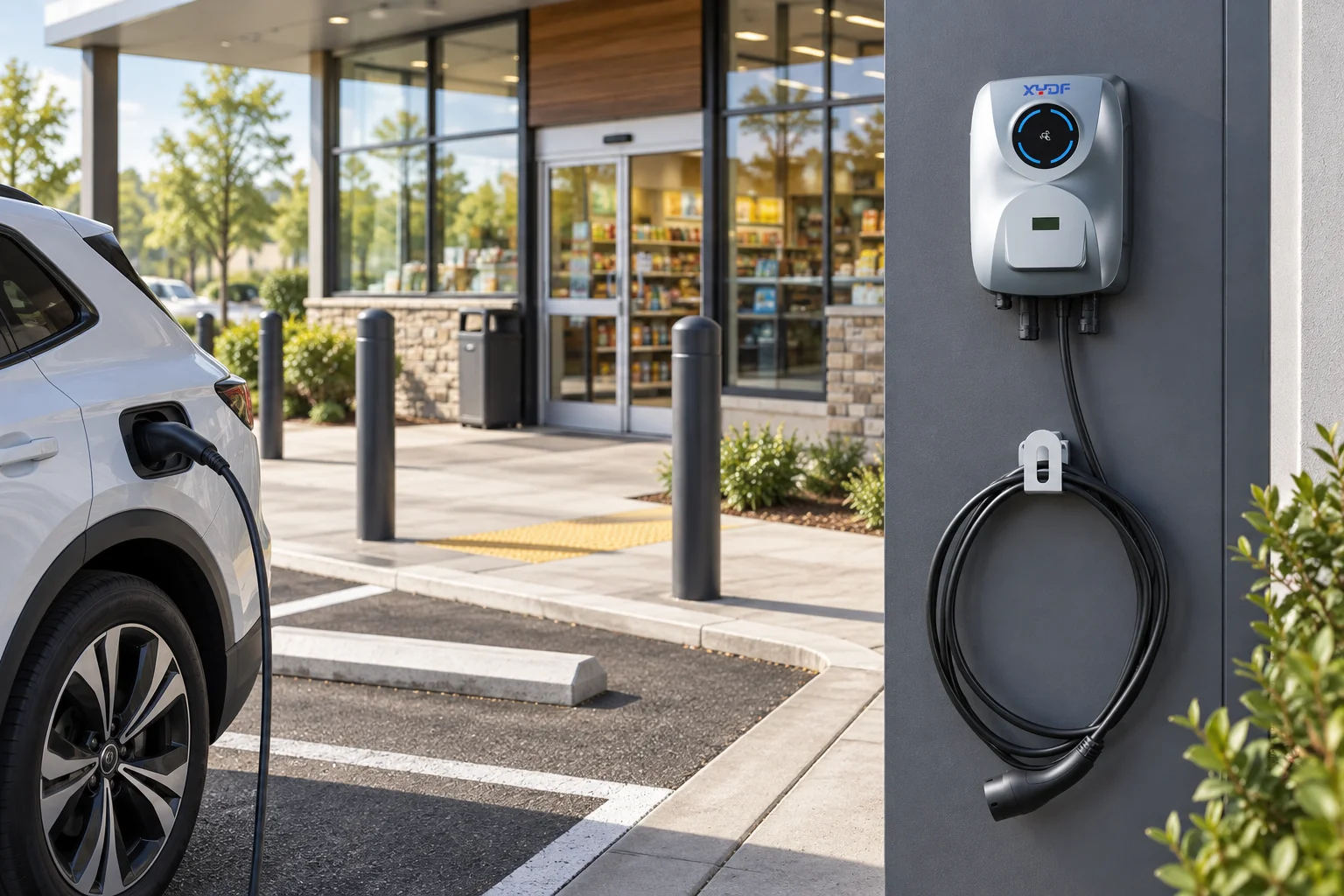
Connector count is not throughput. The useful design input is how much energy each vehicle needs before its next duty or trip, how long it can remain, what power it can accept, and how much site power is available during the arrival peak. Longer parking windows may suit AC charging hardware; short corridor stops and time-critical fleet turns may justify Charge rapide CC. Mixed sites can route vehicles by dwell and energy need instead of sending every arrival to the highest-power bay.
A vehicle may draw well below the charger’s rating because the battery is cold, its state of charge is high, or the vehicle’s own voltage and current limits are lower. Charging commonly tapers toward a high state of charge. The original 80% guidance is best treated as an operating message, not a universal cutoff. Electrify America’s current congestion-reduction program, for example, ends sessions at 85% at selected high-demand locations and gives drivers 10 minutes before idle fees; the operator describes it as a monitored program at identified stations, not a rule for every network or vehicle. For the underlying electrical context, see how a Le chargeur rapide DC de 350 kW délivre de l'énergie de manière sûre.
Use shared power without hiding a new bottleneck
Dynamic load sharing can distribute a site’s or cabinet’s available power among active connectors. It can let more vehicles plug in at once and can redirect power when one vehicle tapers, but it does not create energy capacity. If too many simultaneous sessions push every connector below the power needed for the planned dwell, the queue may move from the driveway into longer charging sessions.
Model at least the normal peak, a connector outage, simultaneous low-state-of-charge arrivals, and tapering vehicles. Set minimum service floors and priority rules for the actual use case, then acceptance-test the allocation with synchronized connector and site-power records. Fleets may prioritize departure readiness; a public site may favor a transparent first-come rule. Document behavior when communications fail or the site power cap changes.
Improve turnover with transparent policies
Notifications, grace periods, state-of-charge guidance, and idle fees should target a measured turnover problem. Send a notice before or at charge completion, state when the post-charge period begins, explain any fee before the session, and provide support when a connector will not release. Separate charger status from bay occupancy: a completed session can leave a bay blocked, while an available connector can be inaccessible because another vehicle is parked there.
Do not copy a reservation window, percentage limit, or fee from another operator without reviewing local consumer, parking, accessibility, and pricing requirements. The UK rules, for example, require pricing and certain consumer information at public charge points; other markets use different definitions and enforcement routes. A policy should also allow documented operational and accessibility exceptions rather than assuming every driver can leave at the same threshold.
Manage waiting time with an operations scorecard
La planification des frais de flotte et de destination doit s’appuyer sur la promesse de service. Convertissez les temps d’attente, les engagements en matière de parcours ou de départ des clients, les groupes d’arrivées, la rotation des places, la tolérance aux retards et l’énergie de réserve en règles opérationnelles testables. Le KPI le plus utile n’est pas le nombre de connecteurs installés en soi, mais plutôt le nombre d’utilisateurs requis qui quittent l’espace ou terminent leur séjour dans les délais prévus dans le cas de pointe réaliste. Pour le contexte de planification publique, voir Perspectives mondiales des véhicules électriques 2025 de l'AIE; Le dossier d’acceptation site-spécifique reste le facteur déterminant de la décision finale.
Report distributions, not just averages. Median wait shows the normal experience; the 90th percentile reveals the peak-period tail. Segment both by time of day, connector type, and site condition. Keep definitions stable so a fall in recorded wait is not caused by excluding abandoned queues or failed starts.
Métrique
Operational definition
What it can reveal
Arrival-to-bay wait, P50/P90
Bay assignment minus verified arrival or queue-entry time
Arrival peaks and insufficient usable bays
Bay-to-energy time
First energy delivered minus connector insertion
Authorization, payment, or start failures
Successful-start rate
Sessions delivering energy divided by valid start attempts, with the attempt rule documented
Failures hidden by a simple online status
Post-charge dwell
Departure or bay release minus charge end
Turnover lost after energy delivery
Port availability
Serviceable port-minutes divided by scheduled service minutes, with exclusions disclosed
Maintenance and status accuracy problems
Bay occupancy
Occupied bay-minutes divided by available bay-minutes
Whether the constraint is parking, charging, or both
Queue abandonment
Verified queue exits without a session divided by verified queue entries
Demand the session log never captures
Regulatory uptime is useful but must be read in scope. Under 23 CFR 680.116, covered U.S. recipients must ensure each charging port has average annual uptime greater than 97%, calculated monthly over the previous 12 months with specified exclusions. UK guidance sets 99% reliability as an annual average across each CPO’s rapid network. These percentages use different populations and rules, so they should not be compared as if they were the same site-level service metric.
For day-to-day service, trace whether a port could authorize, deliver energy, communicate status, and close the session. Assign each fault an owner, response target, parts path, and closure test. Read more about charging-station reliability and failed-session monitoring.
What to specify before procurement
Arrival, energy-need, dwell, and departure profiles by user group and peak interval.
Connector-level status, successful-start evidence, status freshness, remote diagnostics, and fault escalation.
Reservation or queue states, cancellation and no-show handling, notification routes, and offline behavior.
Site power cap, power-allocation priorities, minimum service assumptions, and simultaneous-session acceptance tests.
Session, charge-end, unplug, and bay-release records needed for the scorecard and policy review.
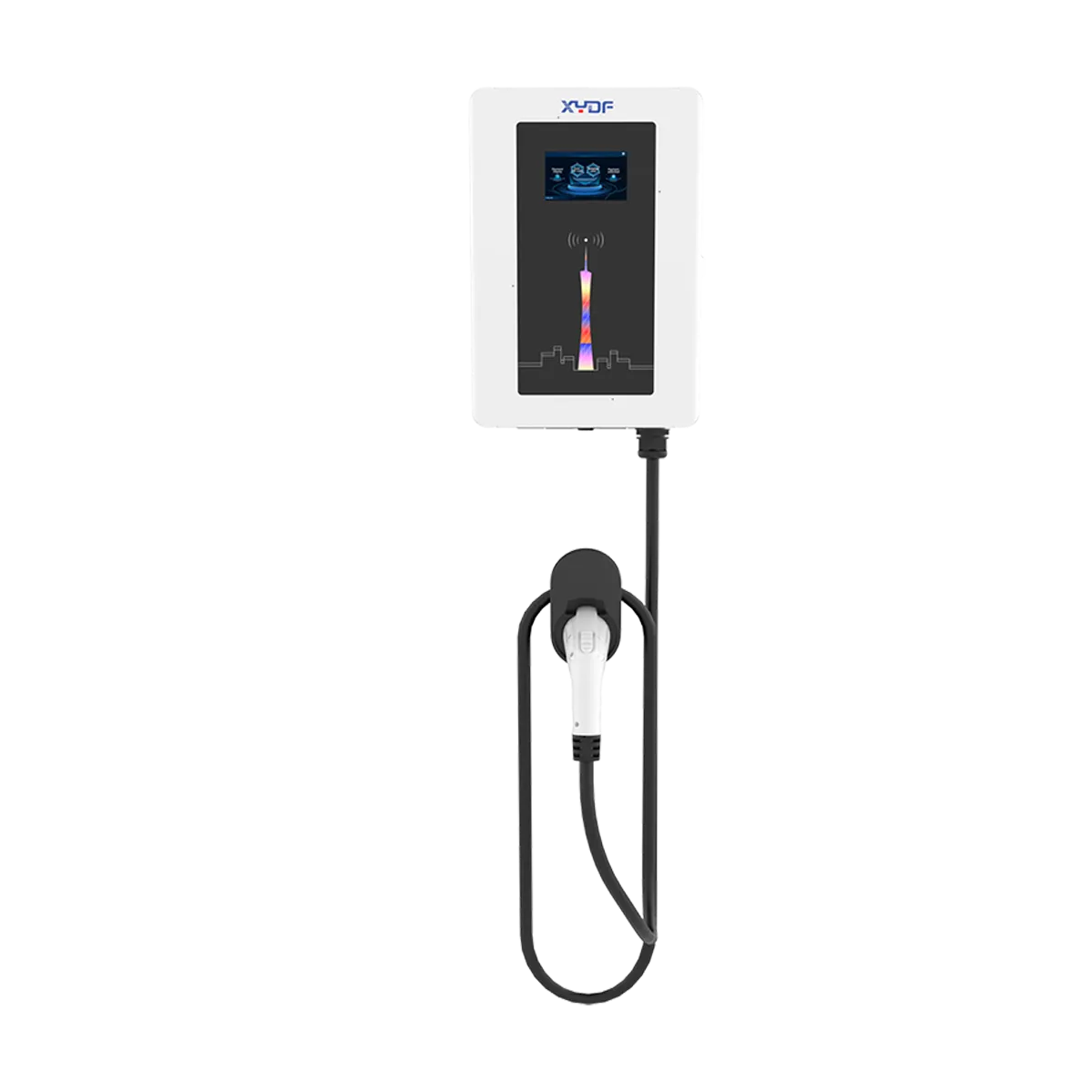
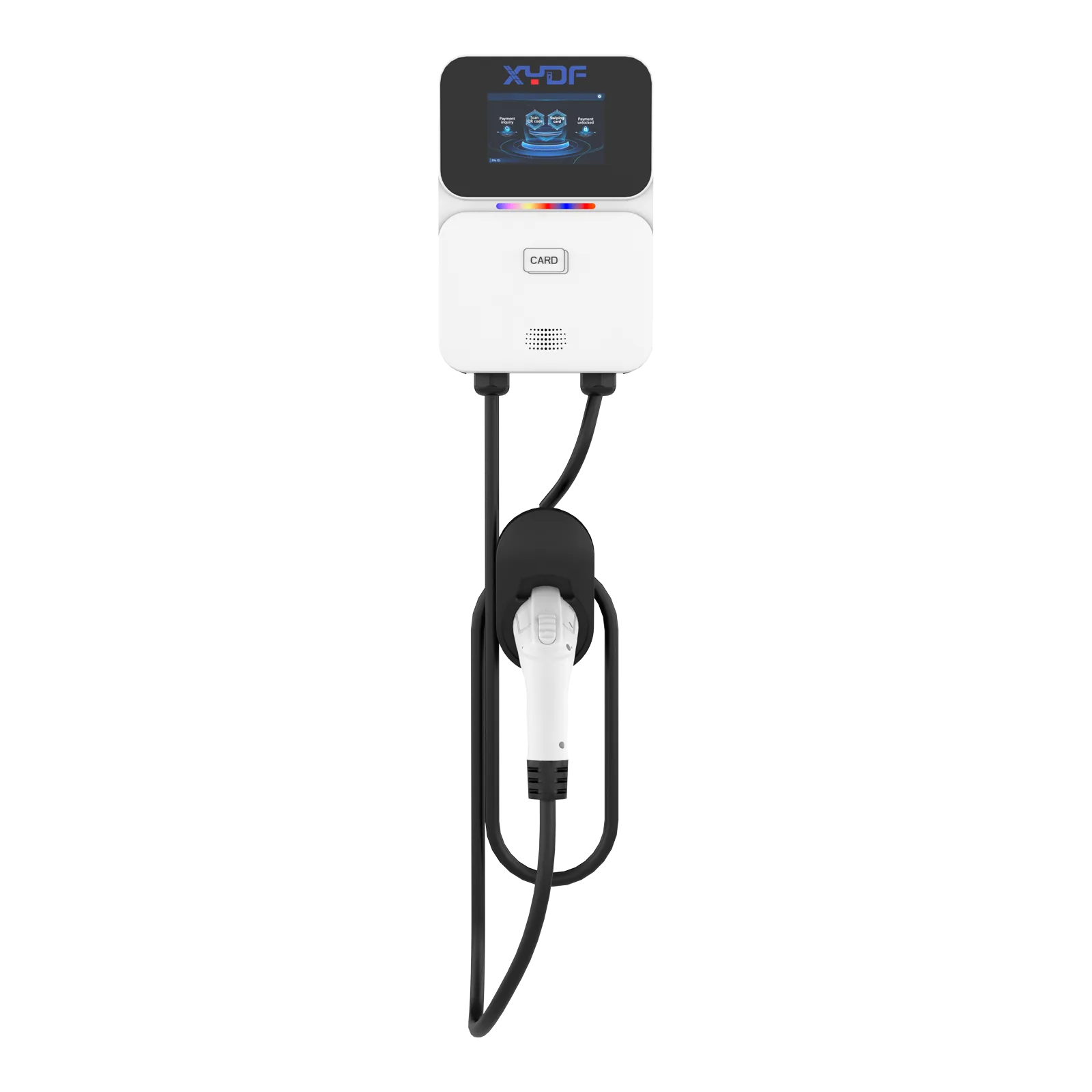
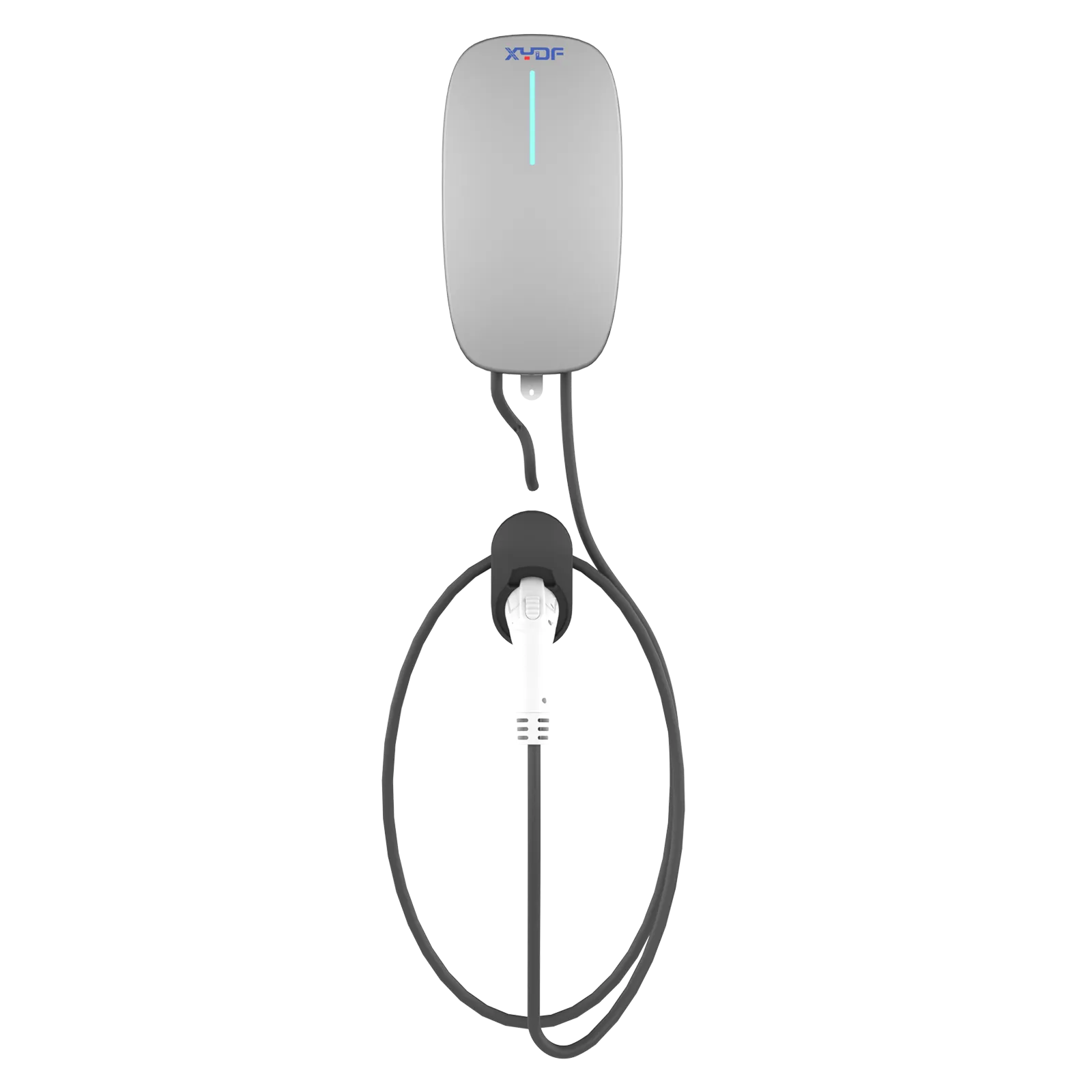
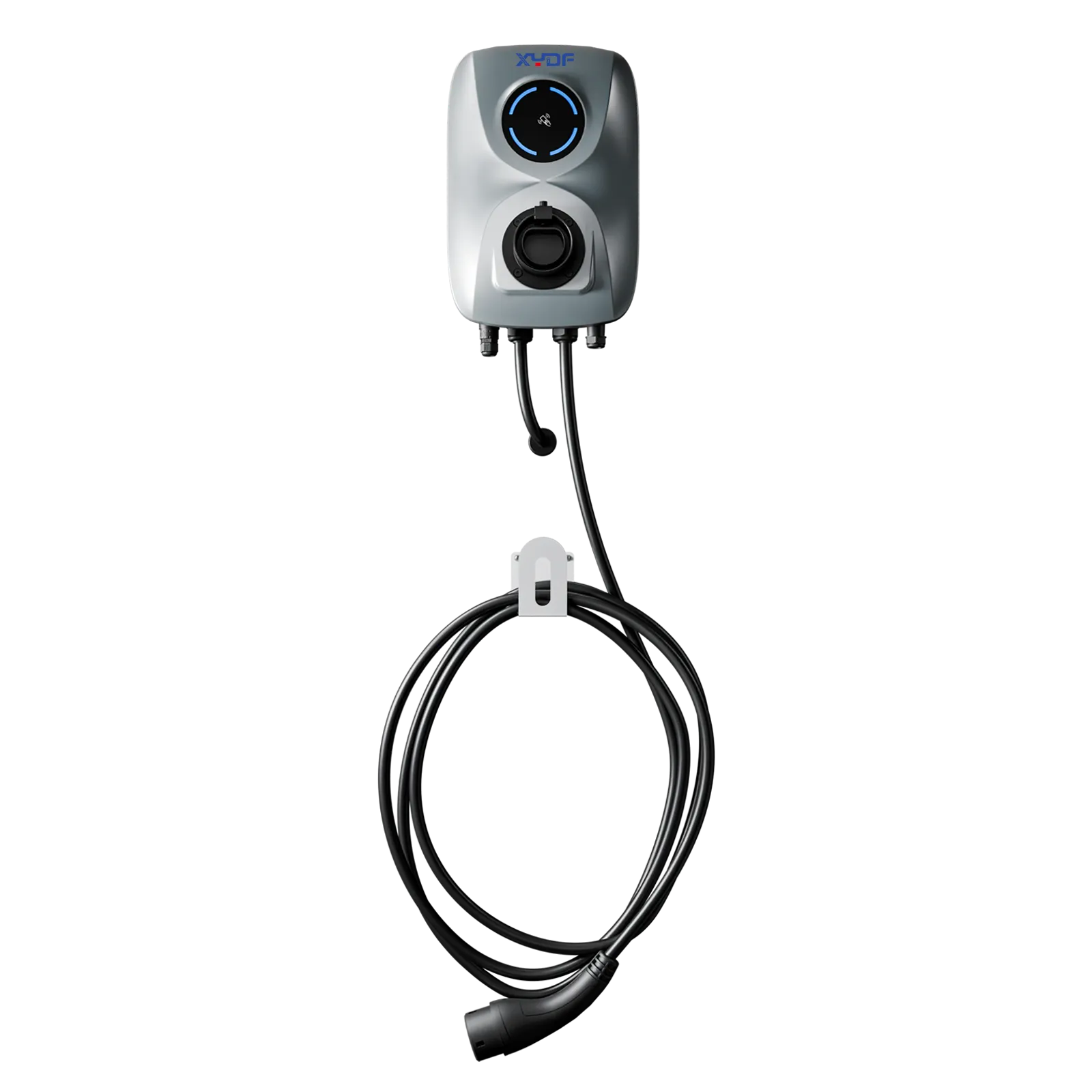
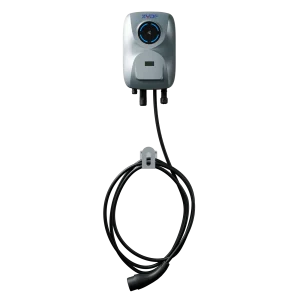
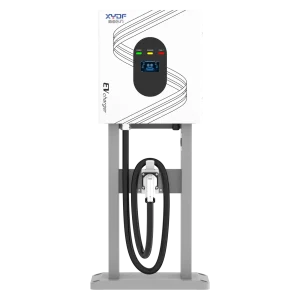
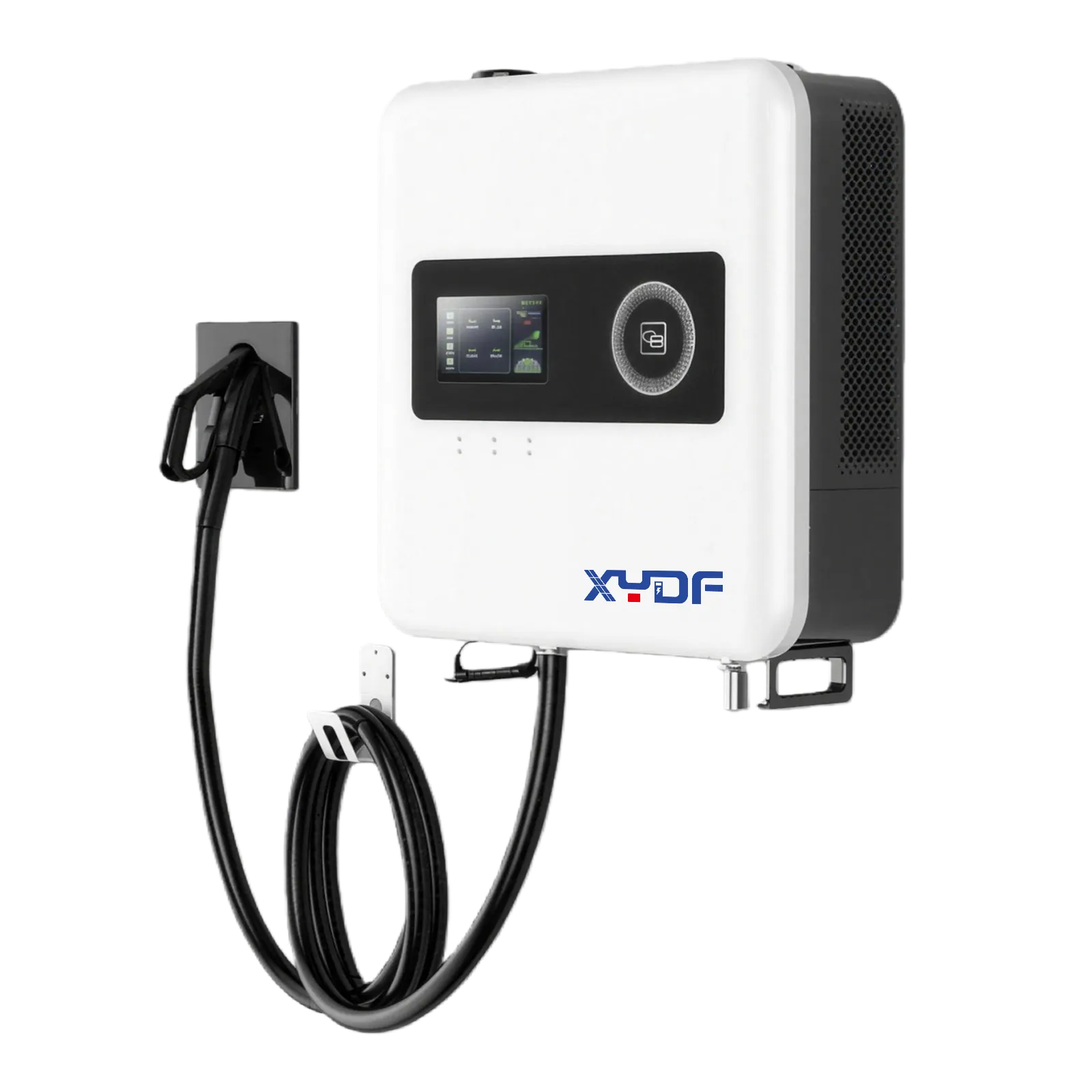
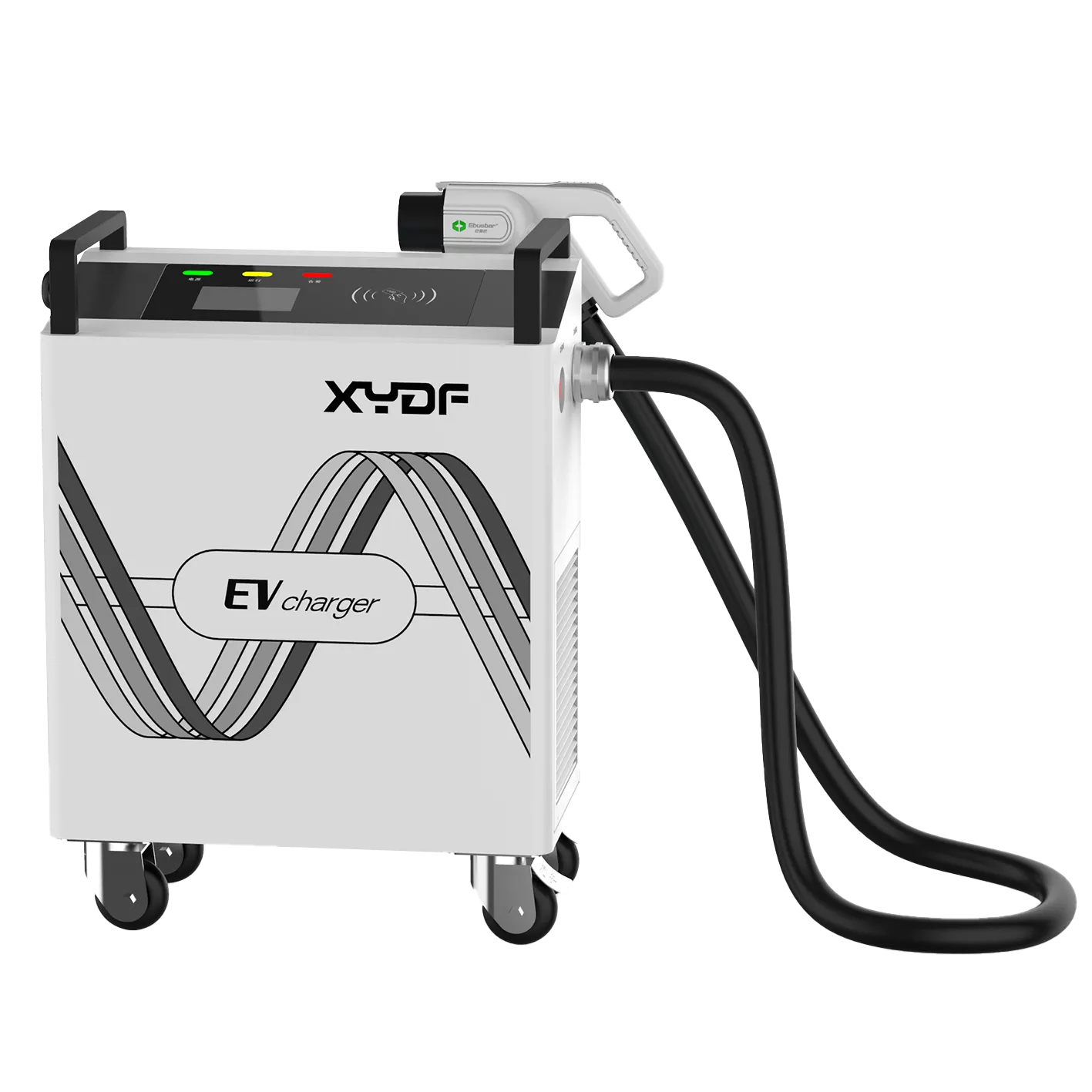
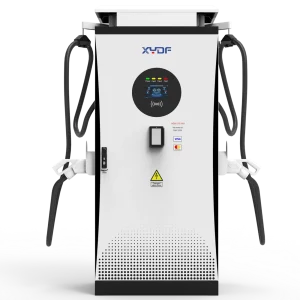
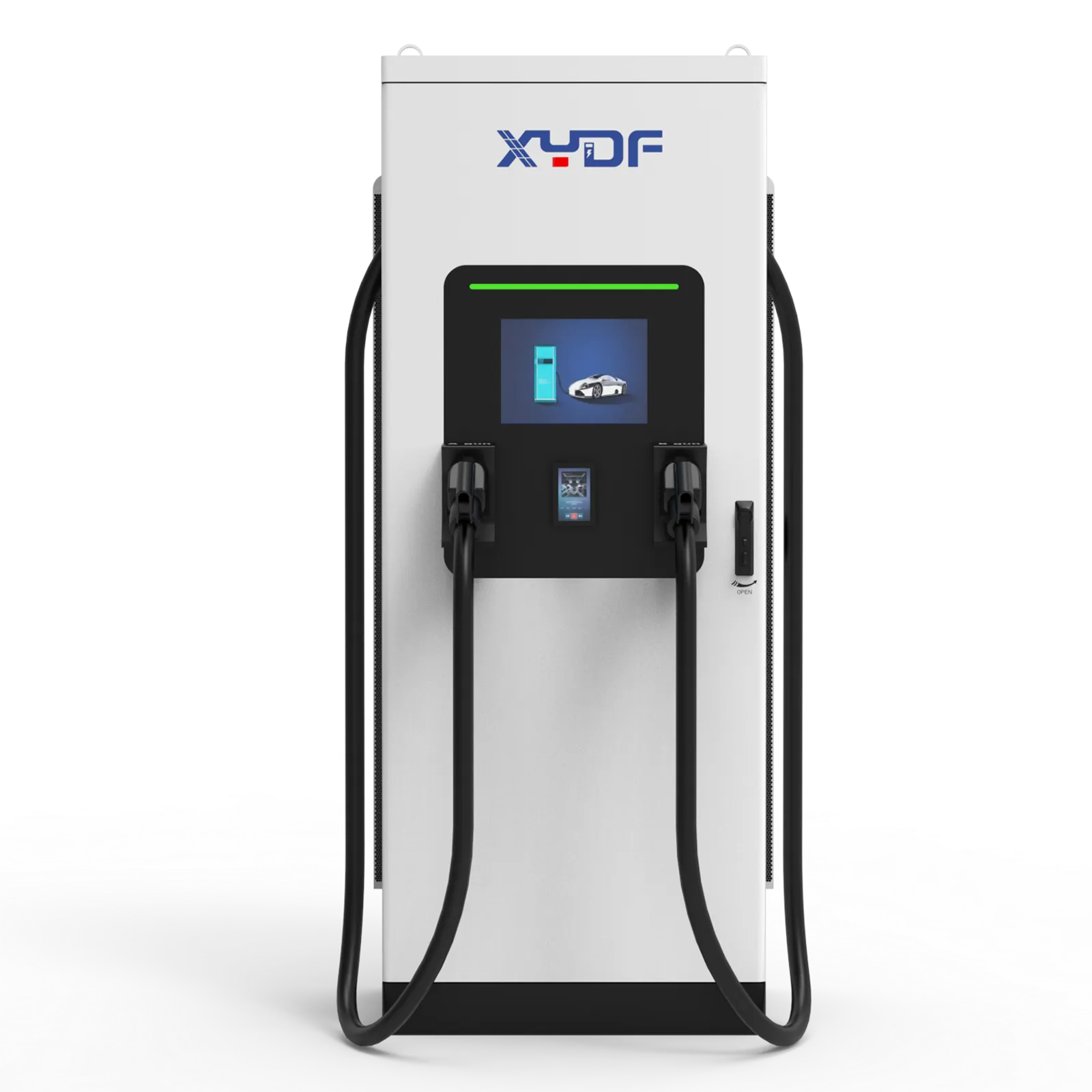
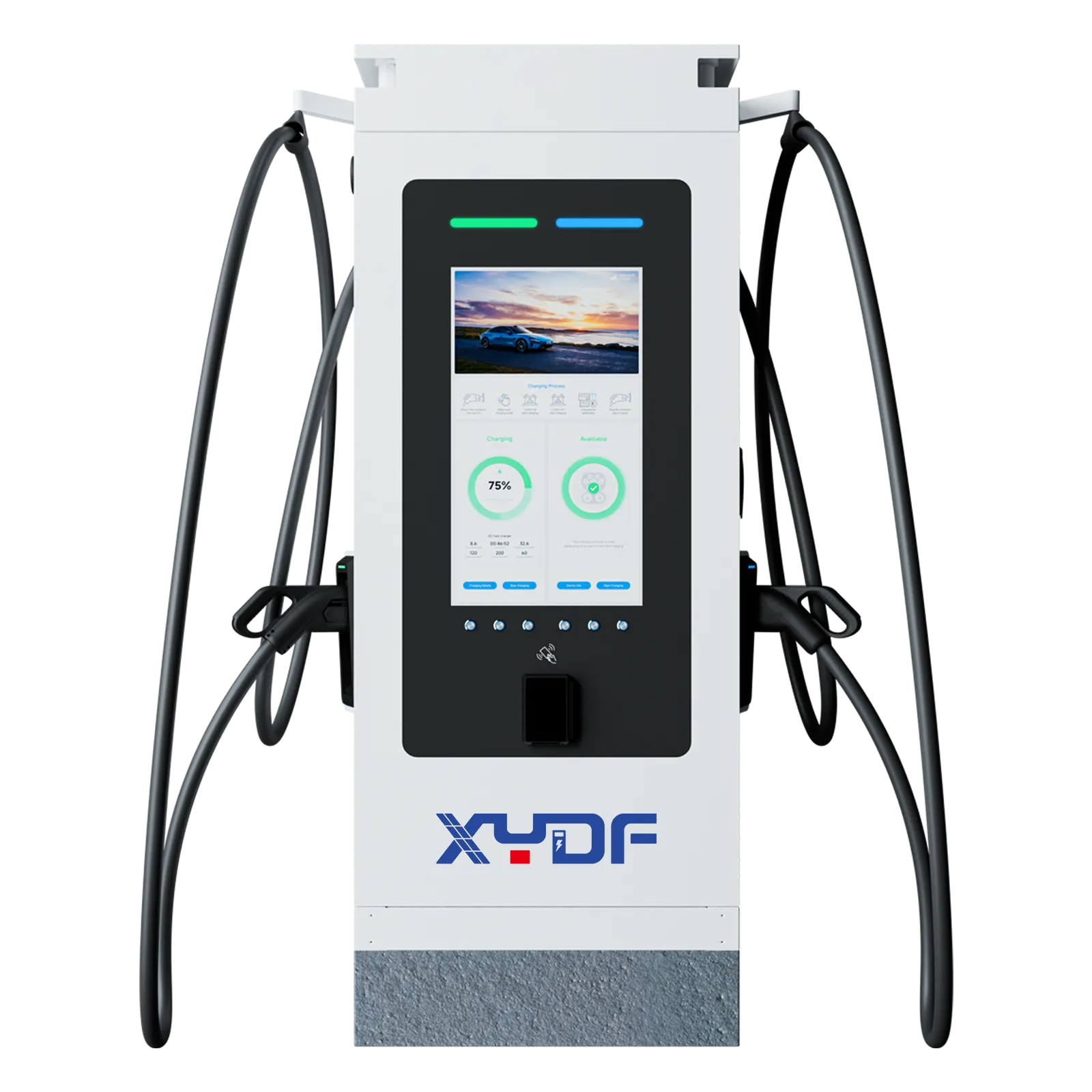
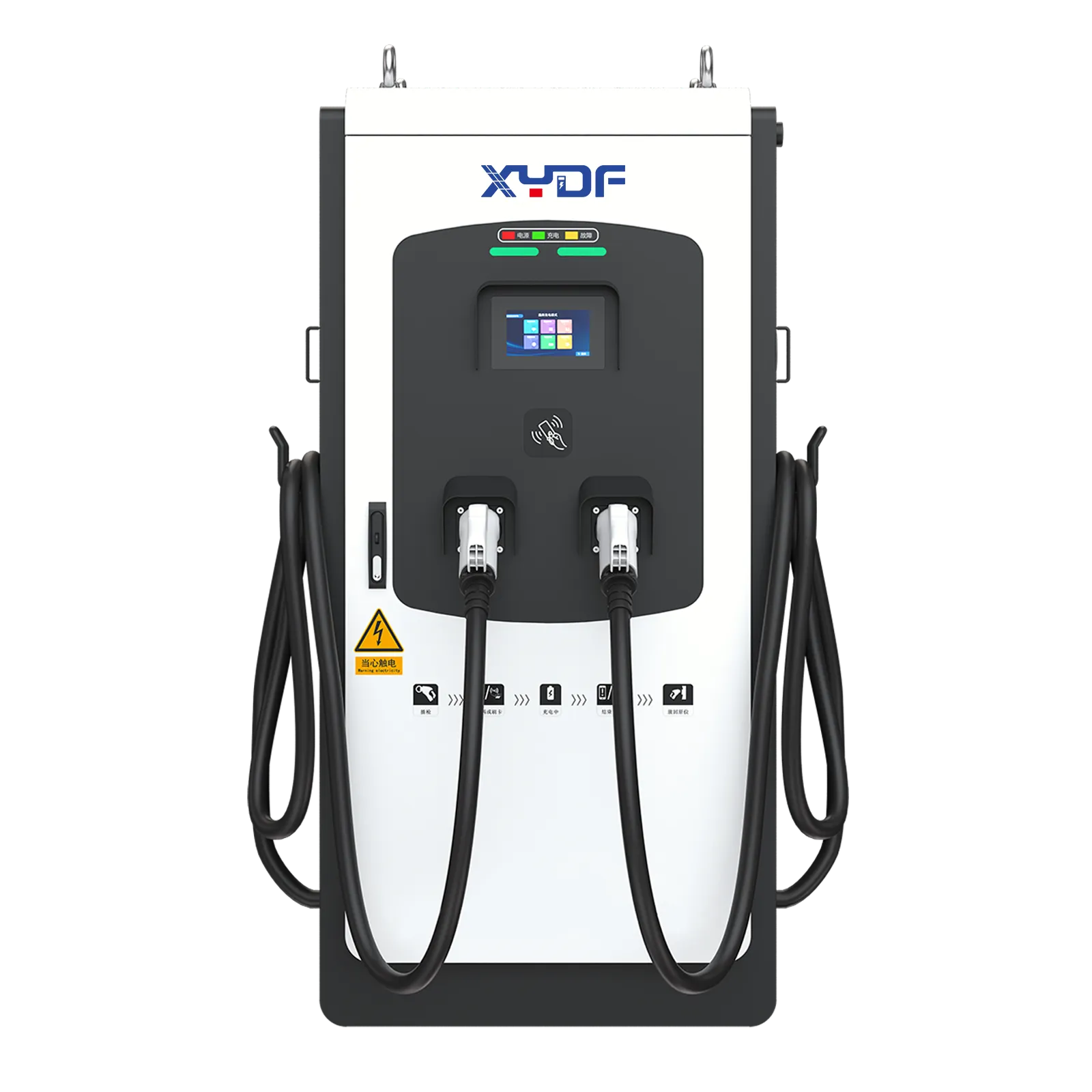
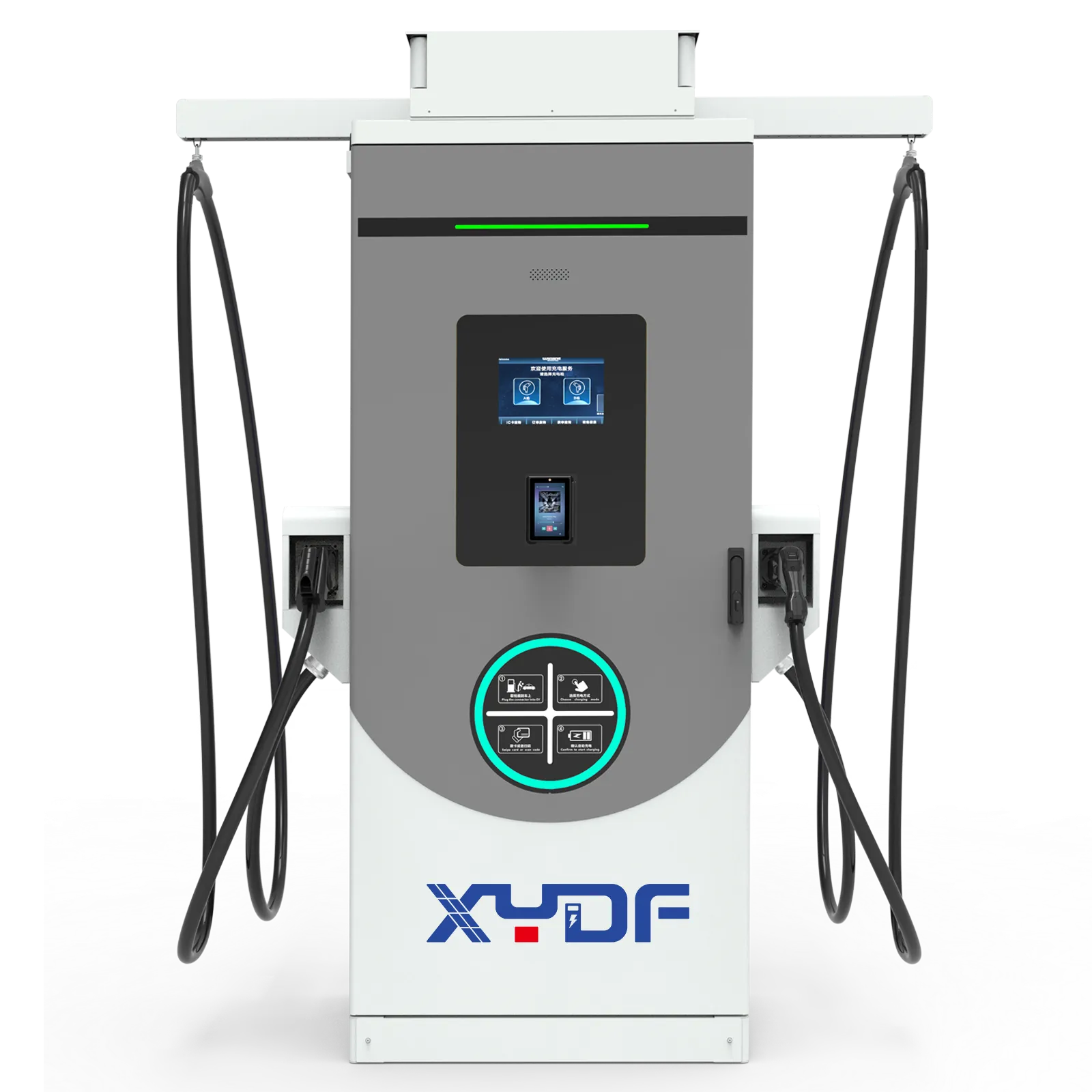
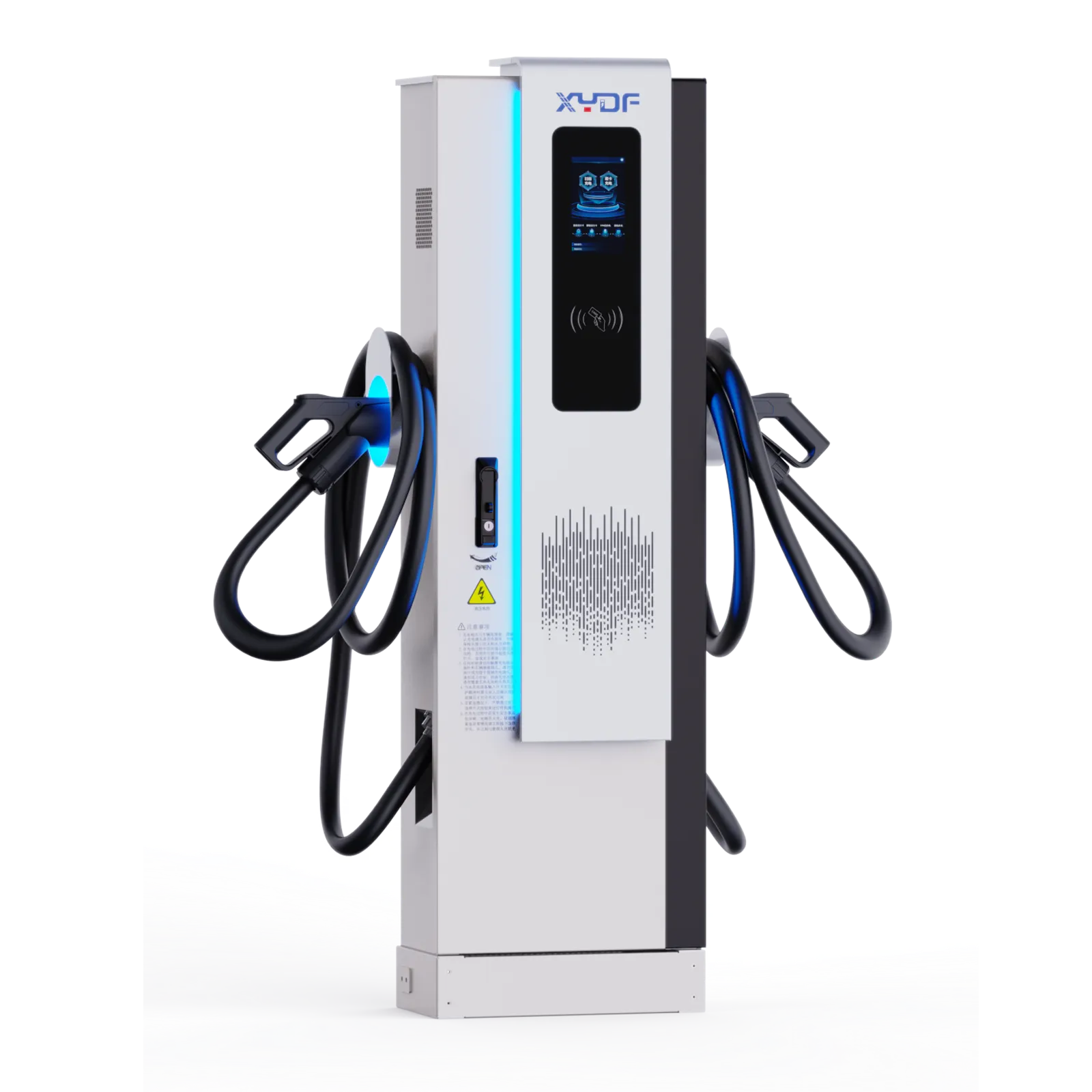
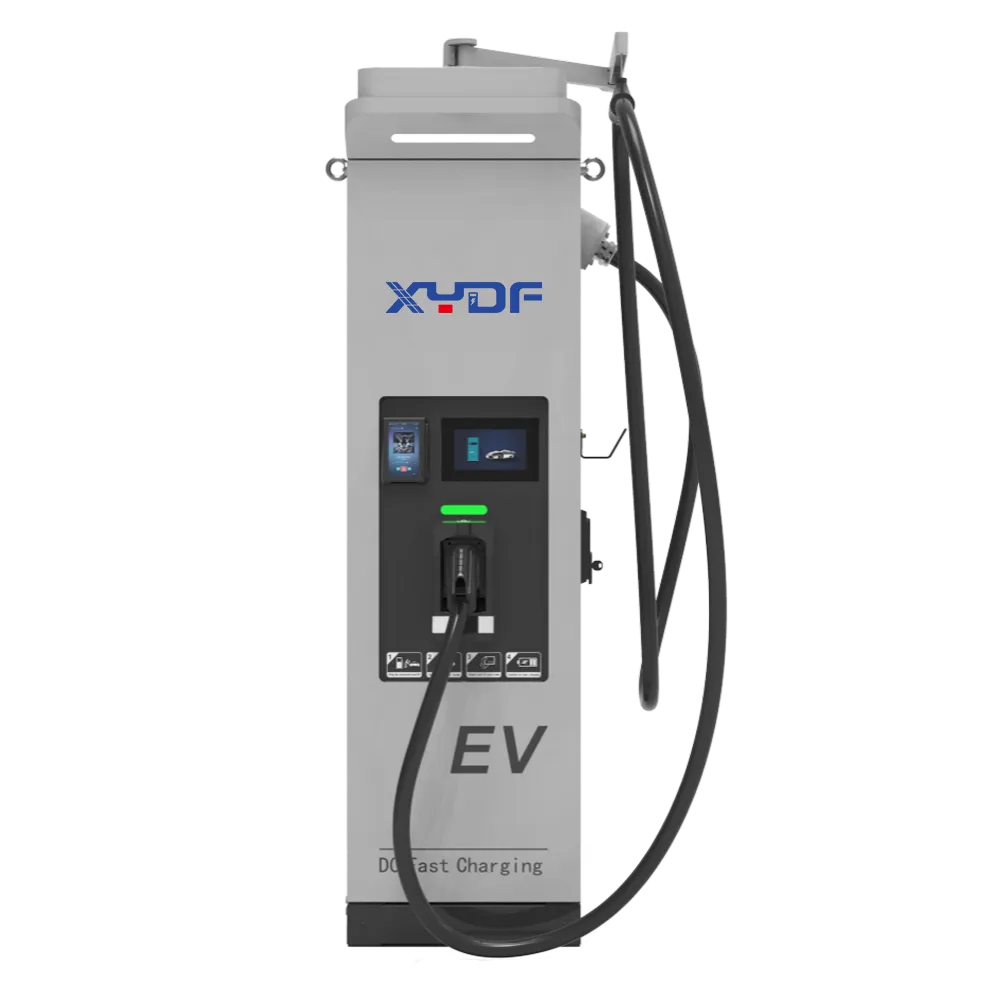
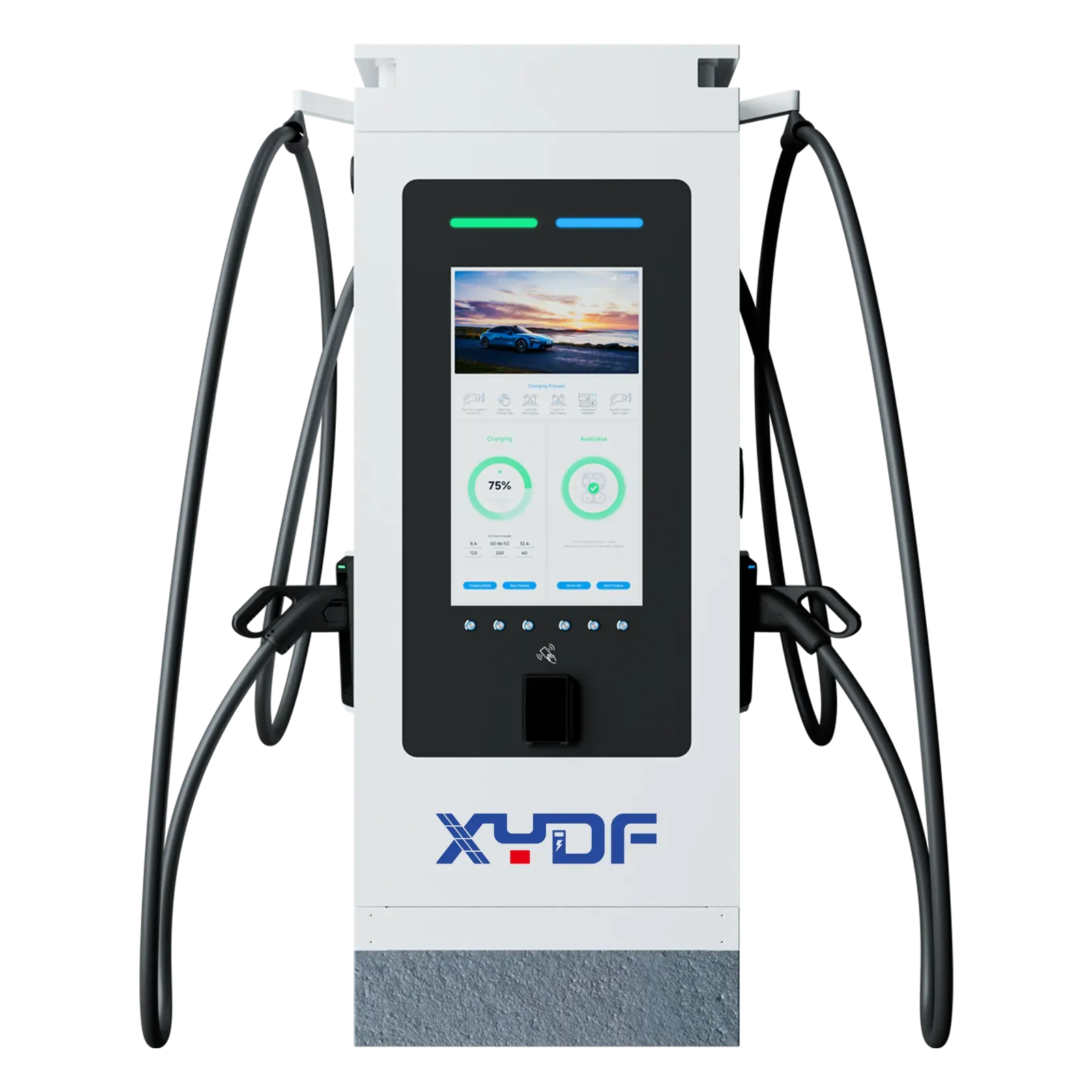
XYDF can discuss configurable AC and DC charging equipment after the operating model is defined. Buyers should confirm the final connector, communications, power-sharing, market, documentation, and testing requirements for the proposed project; no queue, reservation, or live-status function should be inferred from charger power alone.
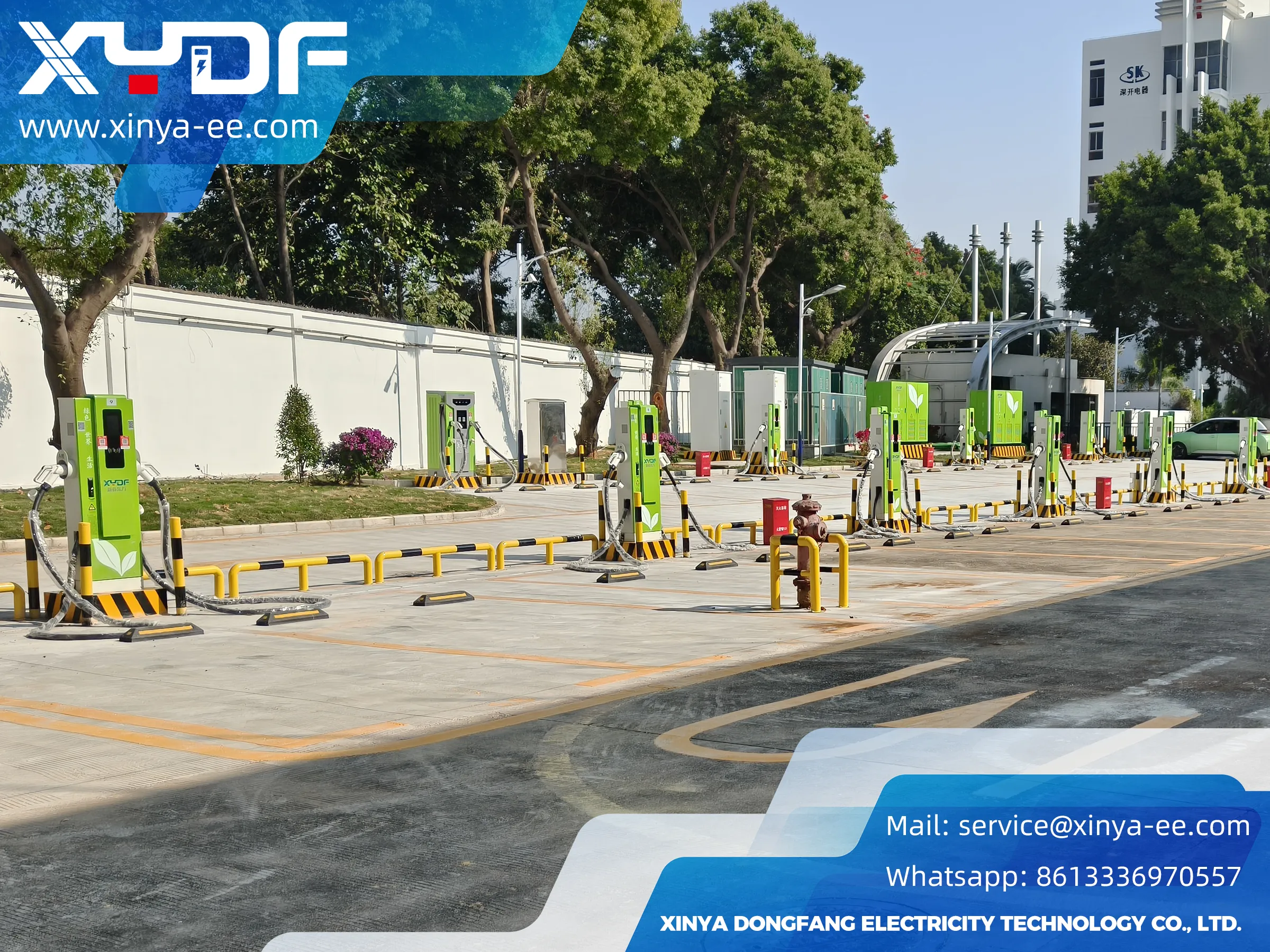
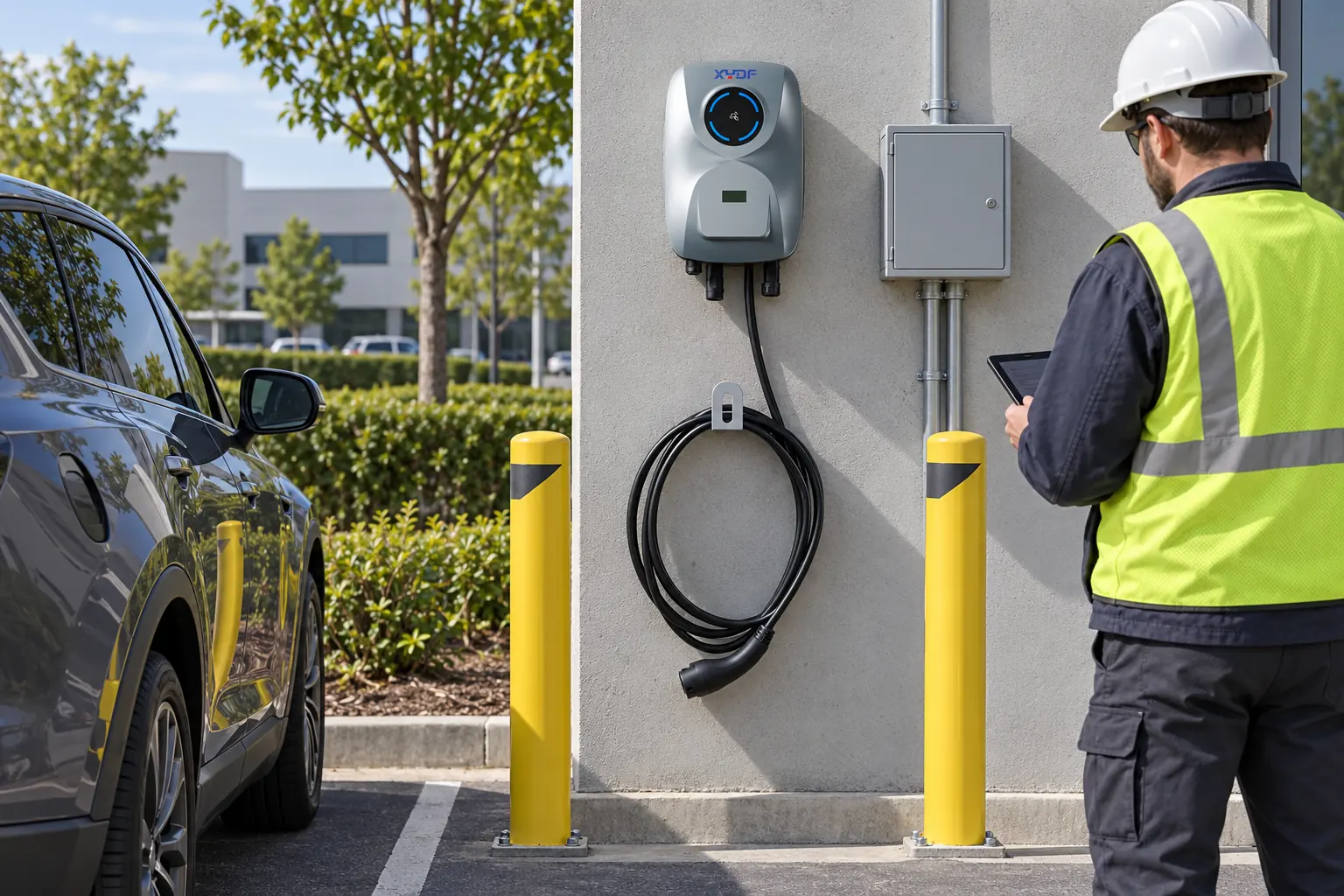
Operating bays need a shared definition of arrival, availability, charging completion, and release.
Foire aux questions
How can a charging station reduce waiting time?
Measure arrival-to-bay, bay-to-energy, charging, and post-charge dwell separately. Then target the binding constraint with better status data, fault response, queue rules, power allocation, turnover controls, or additional capacity.
Do reservations reduce queues at EV charging stations?
They can protect predictable arrivals, especially for fleets and scheduled visits, but unused booking windows can also strand capacity. Define check-in, grace, release, no-show, and exception rules, and compare reserved-bay utilization with walk-up wait time.
Quelle est la règle des 80/20 pour la recharge des véhicules électriques ?
It commonly refers to leaving a busy DC charging bay near 80% because many vehicles taper at higher states of charge. It is etiquette or an operator policy, not a universal battery or regulatory rule; vehicle guidance, trip need, accessibility, and the site’s disclosed terms still apply.
What is a typical EV charging-station wait?
There is no reliable universal figure. Wait varies with arrival peaks, working connectors, charging duration, vehicle capability, local alternatives, and queue rules, so operators should publish a current site estimate and report P50 and P90 wait by time period.
Can load sharing shorten the queue?
It can increase the number of simultaneous connected vehicles and reuse power released by a tapering session. It can also lengthen sessions when the shared power pool is too small, so model the actual vehicle mix and acceptance-test minimum power and priority behavior.
Comment devrait-on dimensionner la tarification d’un moment de pointe d’arrivée ou de départ ?
Utilisez le taux de fréquentation maximal, la durée de présence utilisable, l’énergie requise par utilisateur, les limites de charge pour véhicule ou site, le temps de connexion et un délai de rétention pour les voies occupées ou indisponibles. Testez l’intervalle réaliste le plus fréquenté et un cas de retard d’arrivée. L’énergie quotidienne divisée par le nombre d’heures quotidiennes ou un ratio fixe entre le chargeur et le véhicule ne prouvent pas que la promesse de service sera respectée.
Waiting falls when operators make demand, usable capacity, power allocation, and bay release visible in the same operating record. For a new or upgraded site, review XYDF charging solutions and send the team your arrival profile, dwell targets, available power, connector needs, and required service workflow for a project-specific discussion.
Usine du siège social du Zhejiang :
N° 2, route de Changjiang, parc industriel du pont de Wenzhou, ville de beibaixiang, ville de Yueqing, ville de Wenzhou, province du Zhejiang
Bureau de Shenzhen :
1er étage, Bâtiment A, Parc Industriel Shenkai, Communauté Tangtou, Sous-district de Shiyan, District de Bao'an, Shenzhen
Nous utilisons des cookies pour assurer le bon fonctionnement de ce site Web et, avec votre autorisation, pour mesurer la manière dont les visiteurs utilisent notre site de recharge pour VE. Voir notre Politique de confidentialité pour plus de détails.
 Xinya Dongfang Electricity Technology Co., Ltd.