 Xinya Dongfang Electricity Technology Co., Ltd.


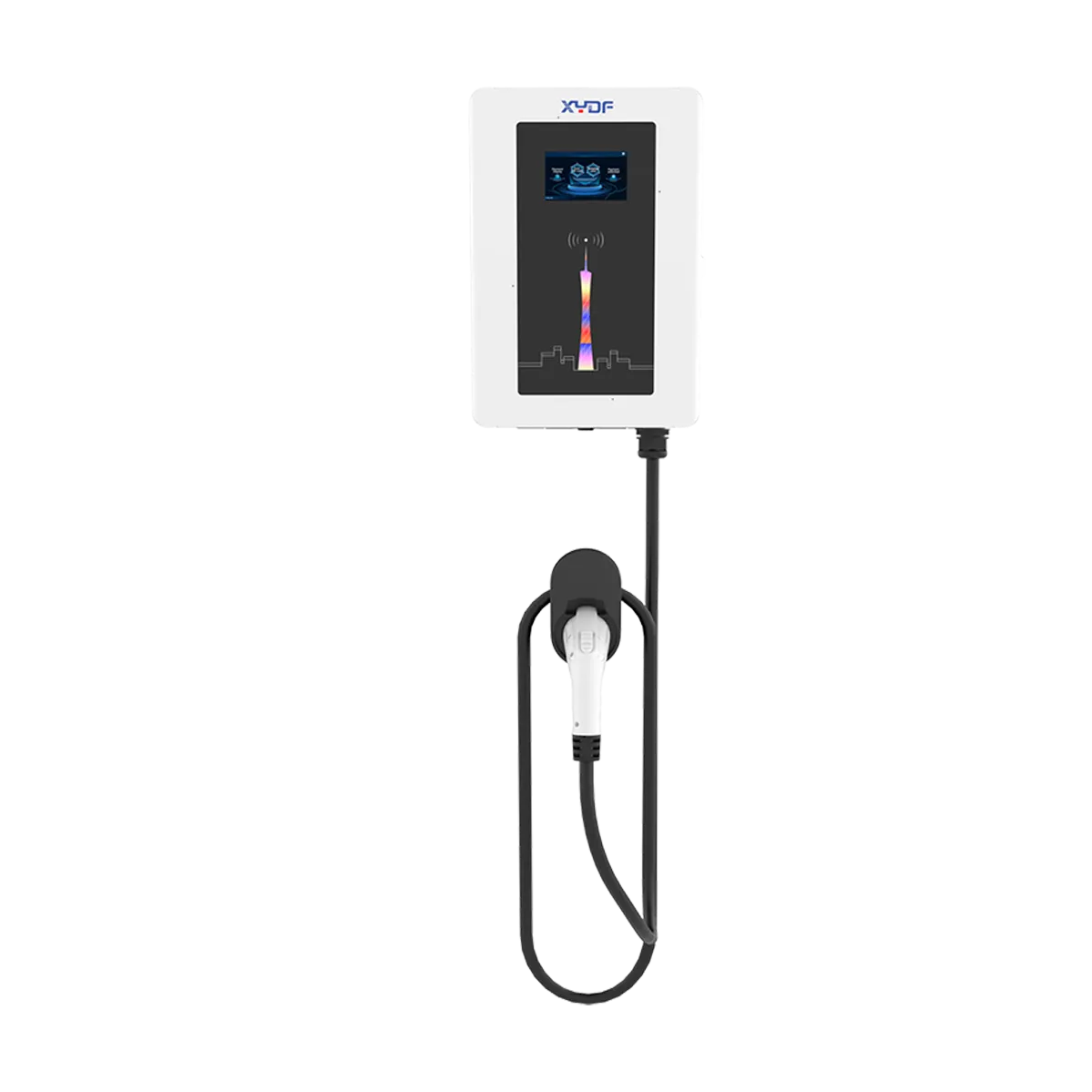
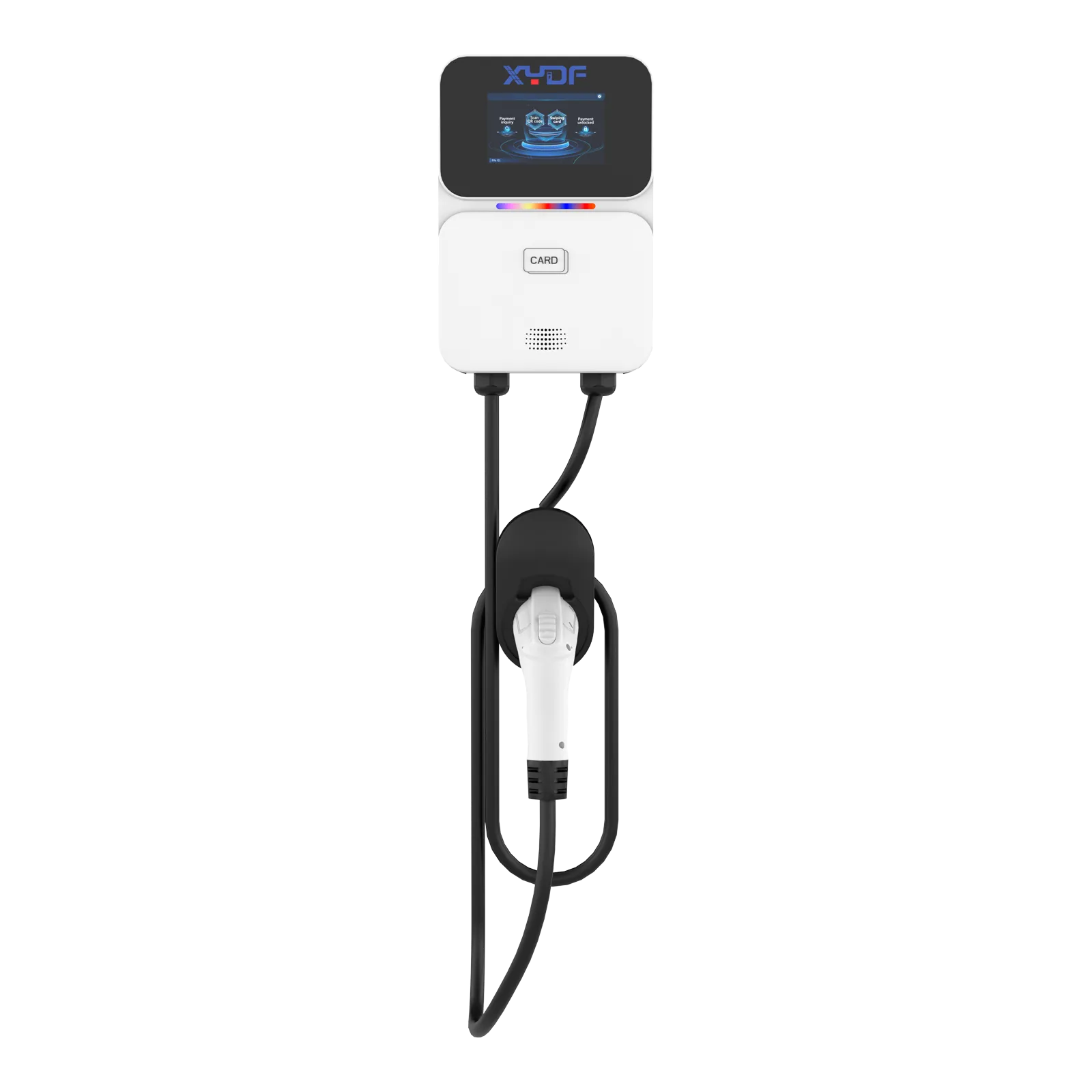
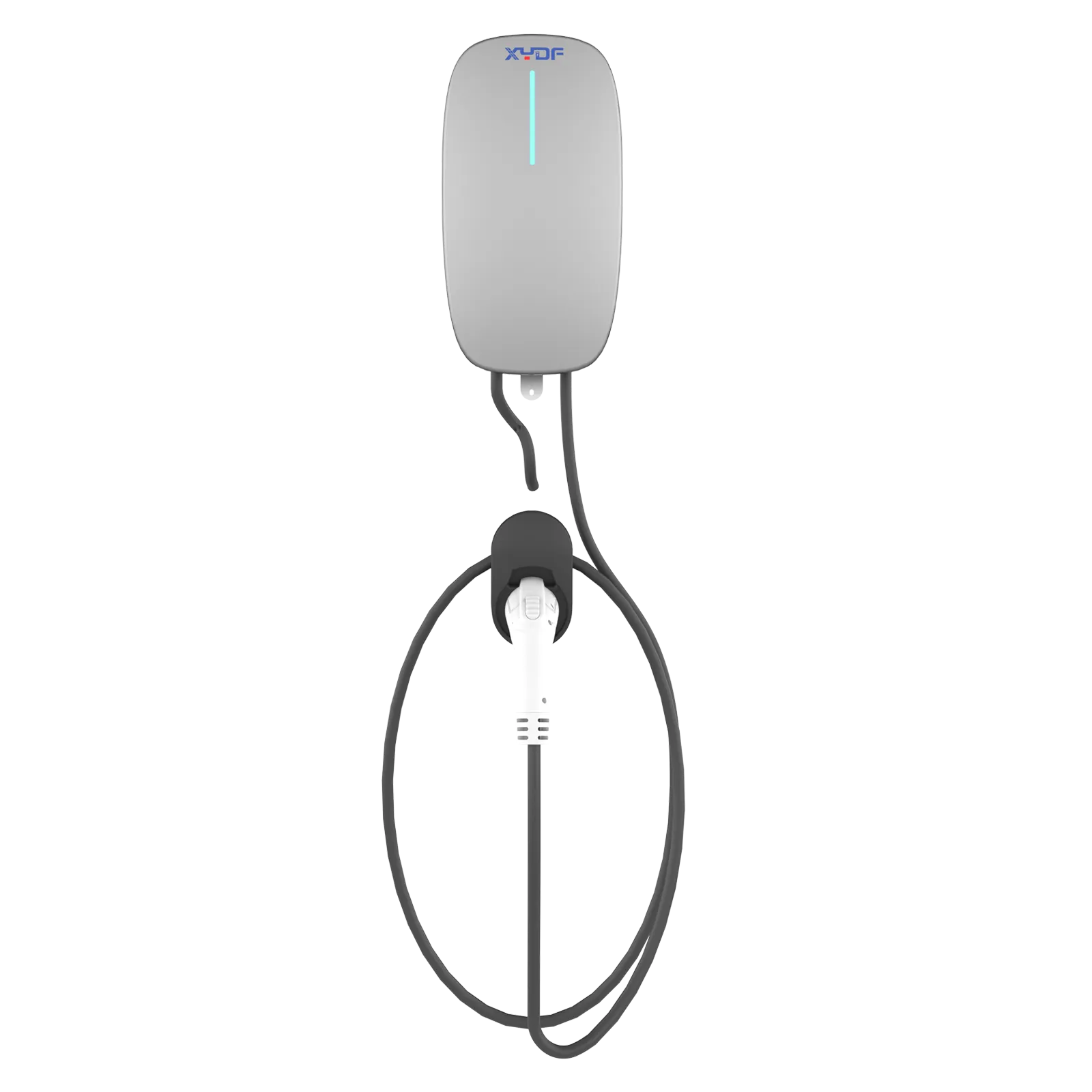
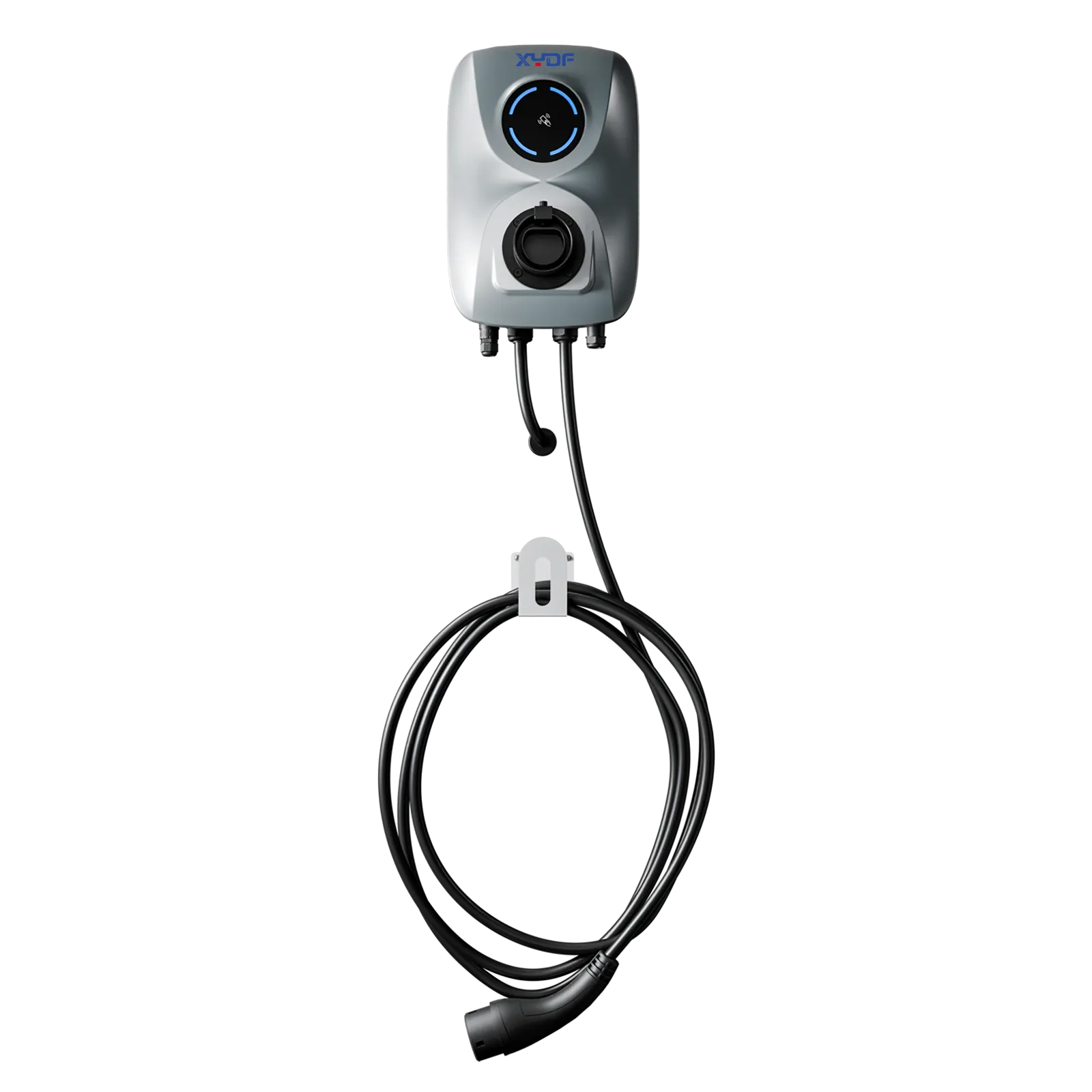
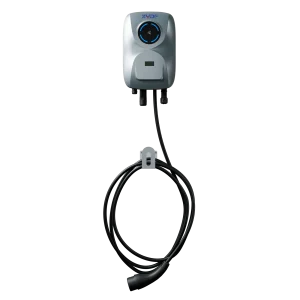
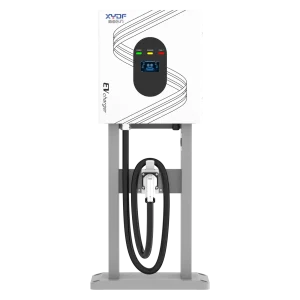

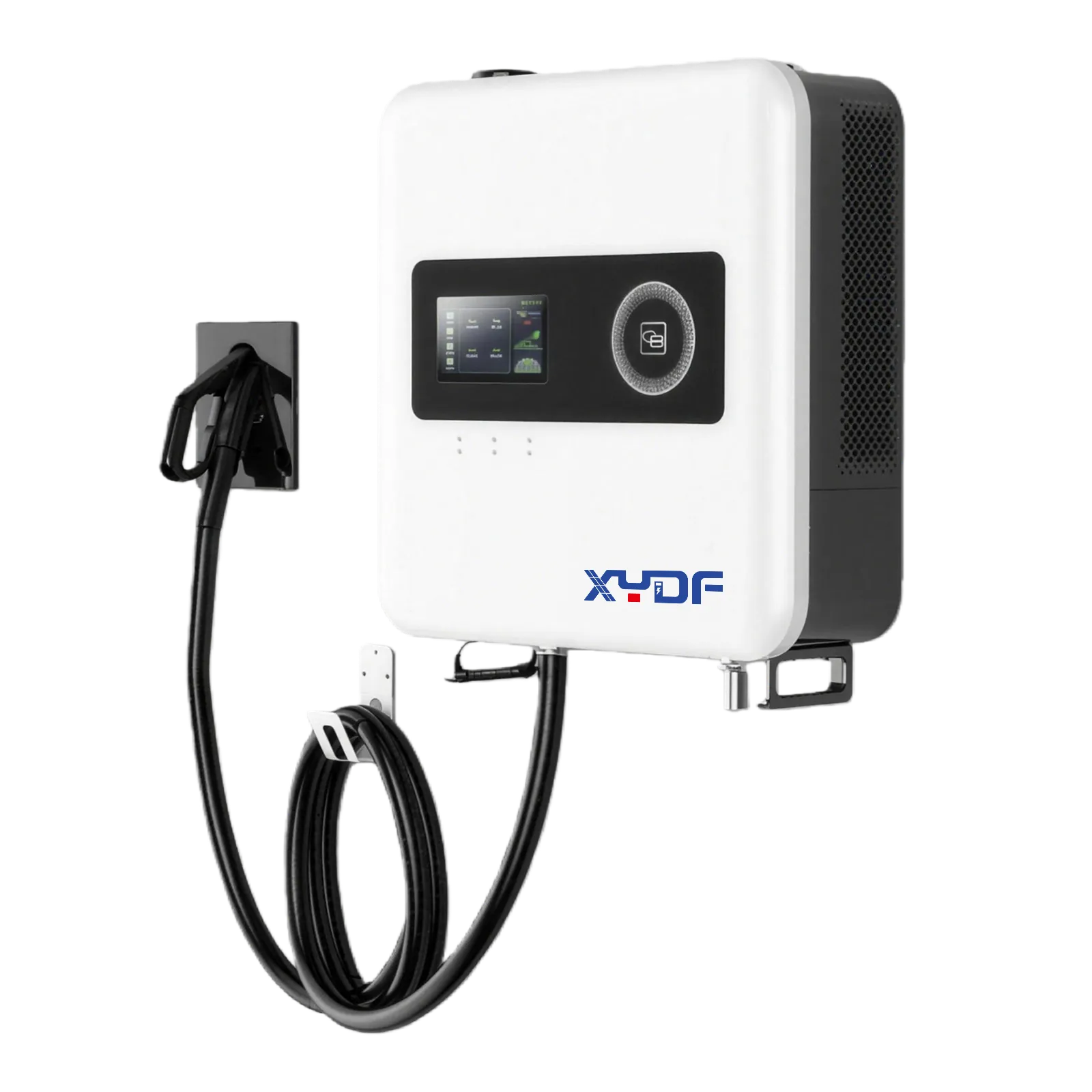
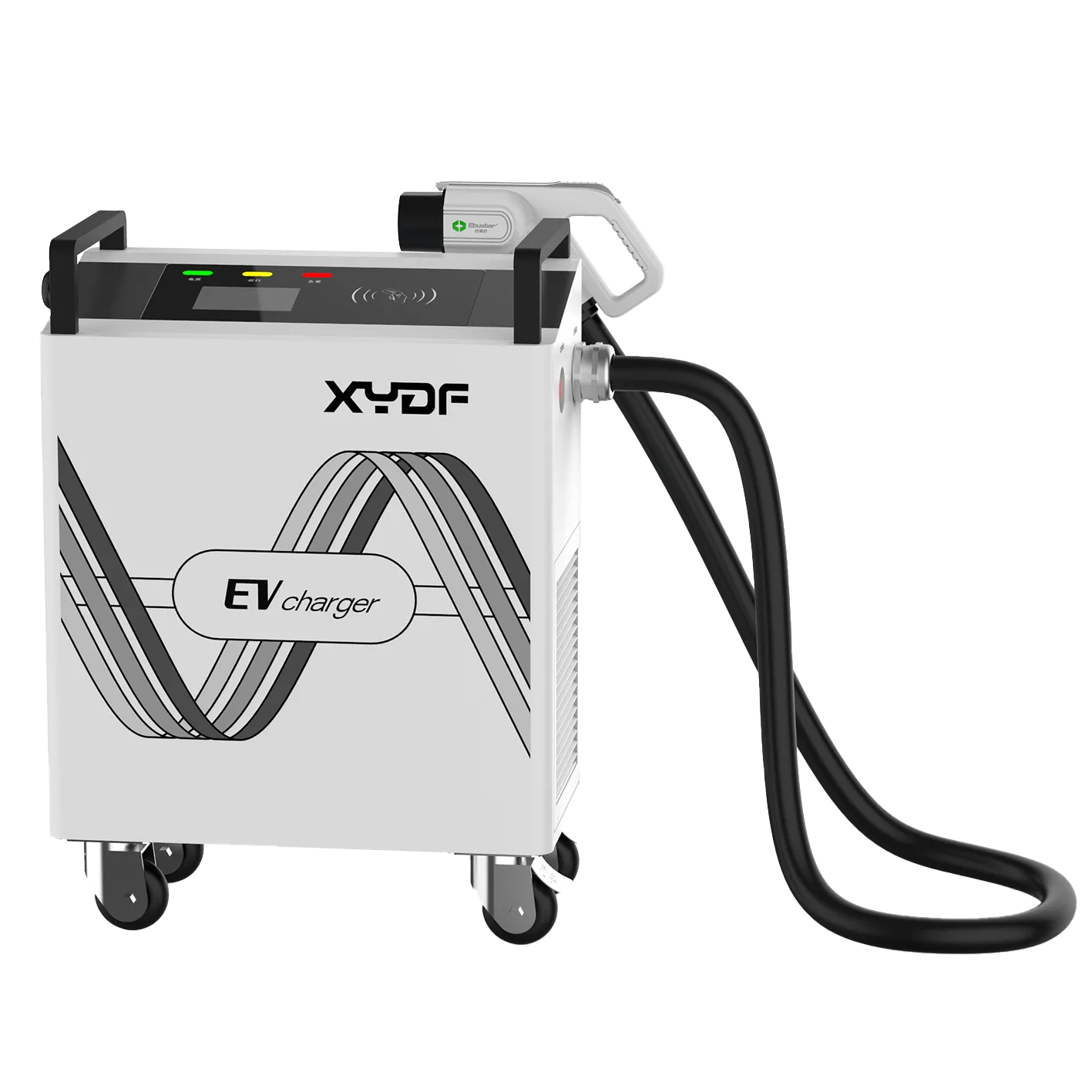
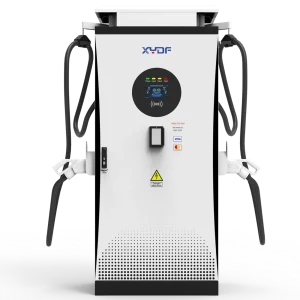
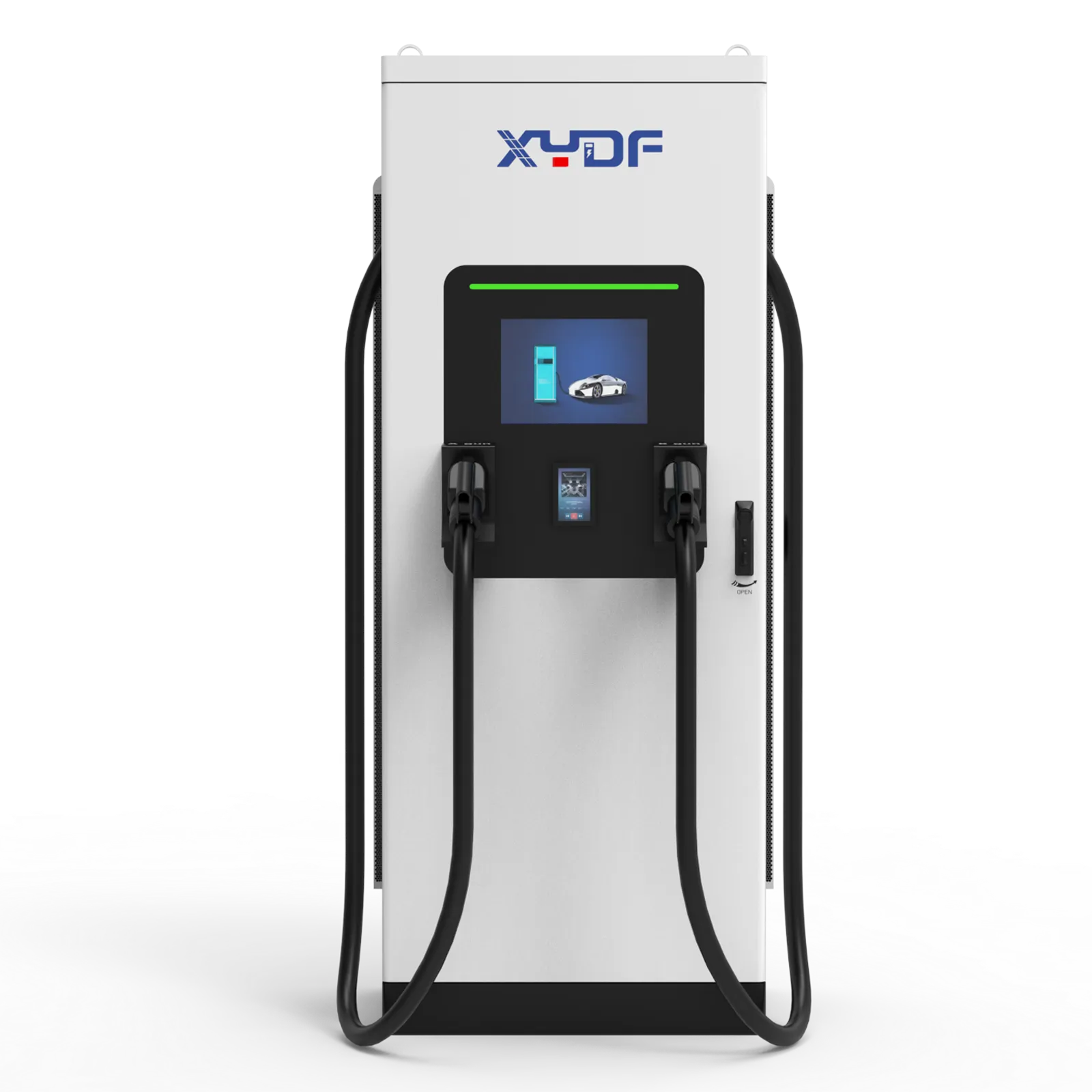
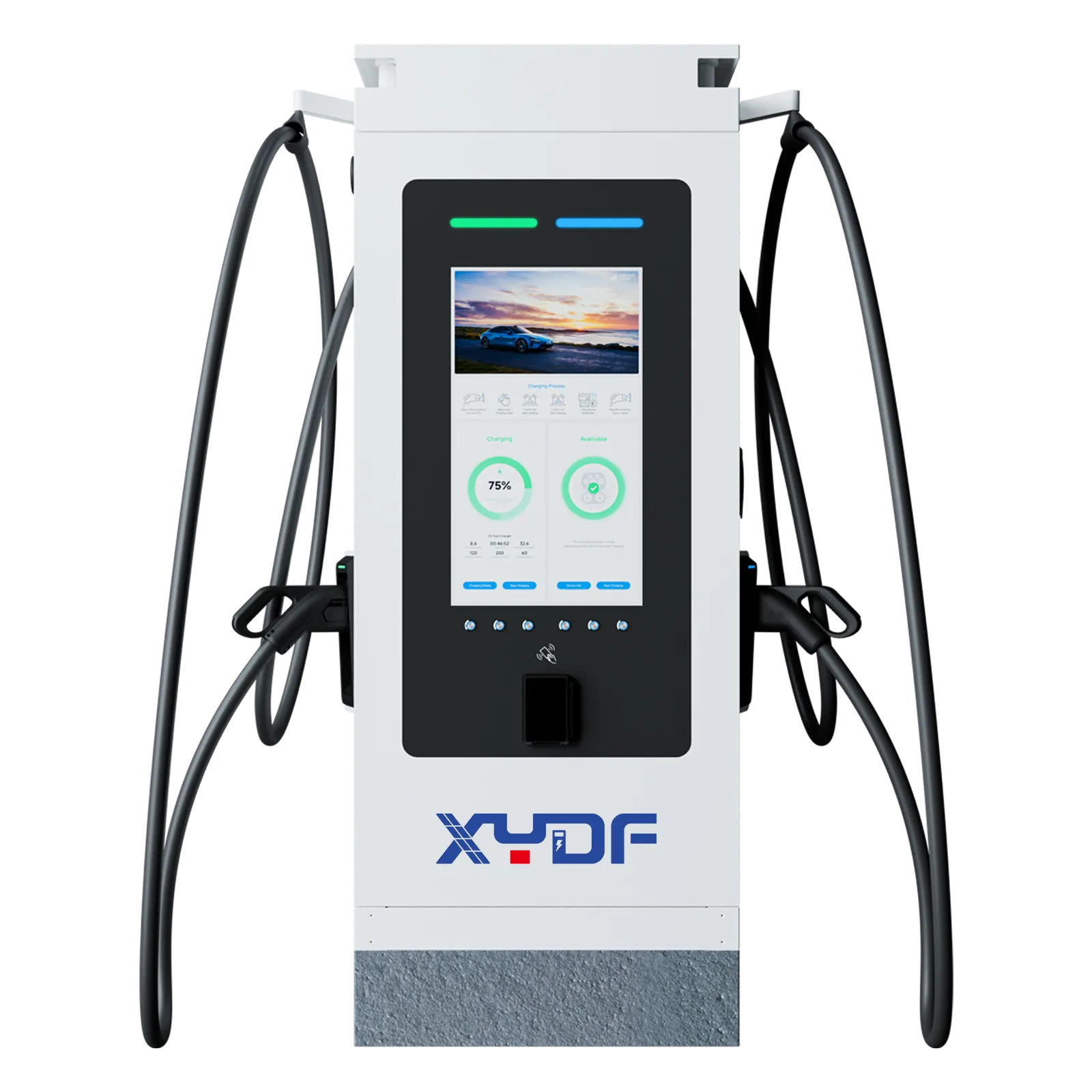
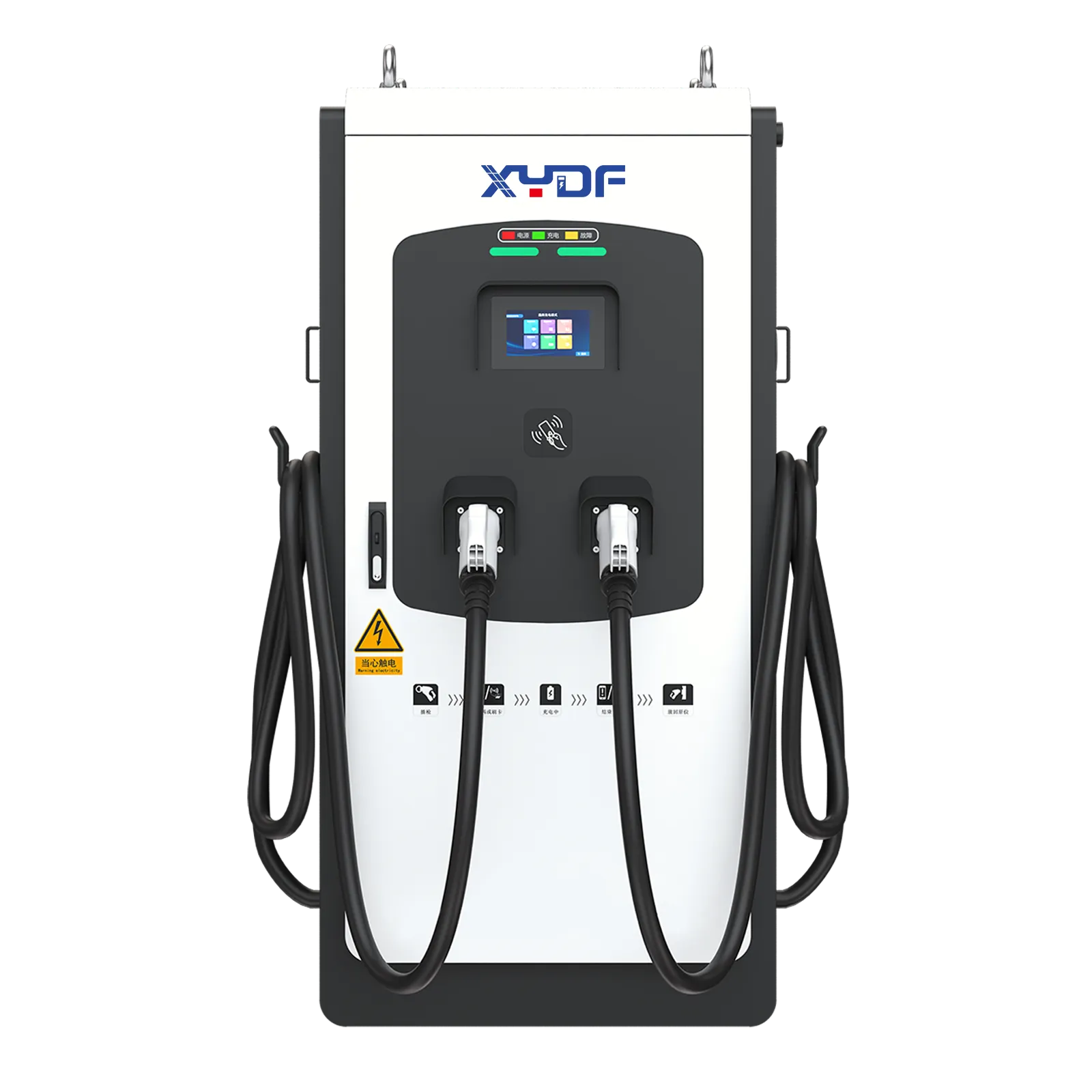
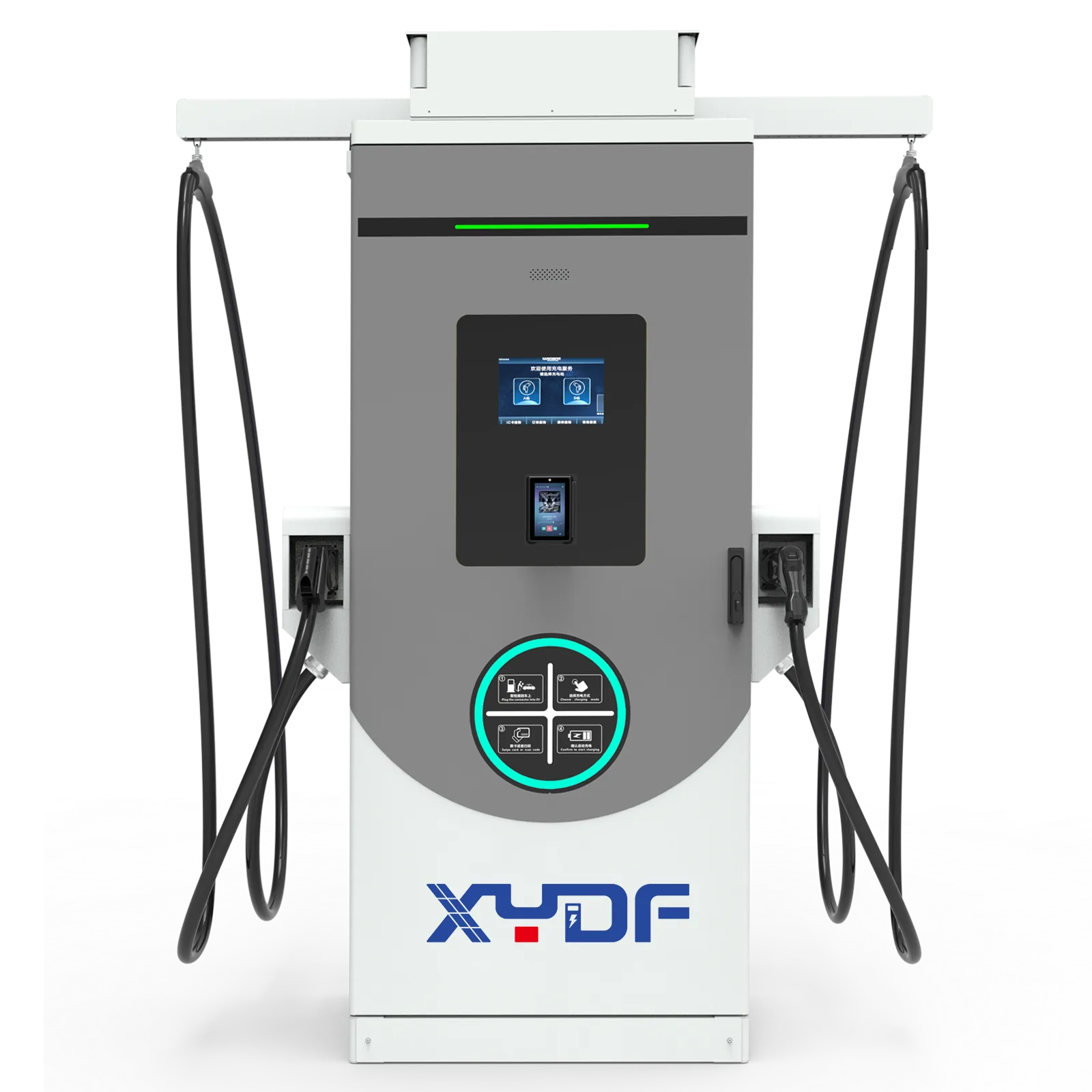
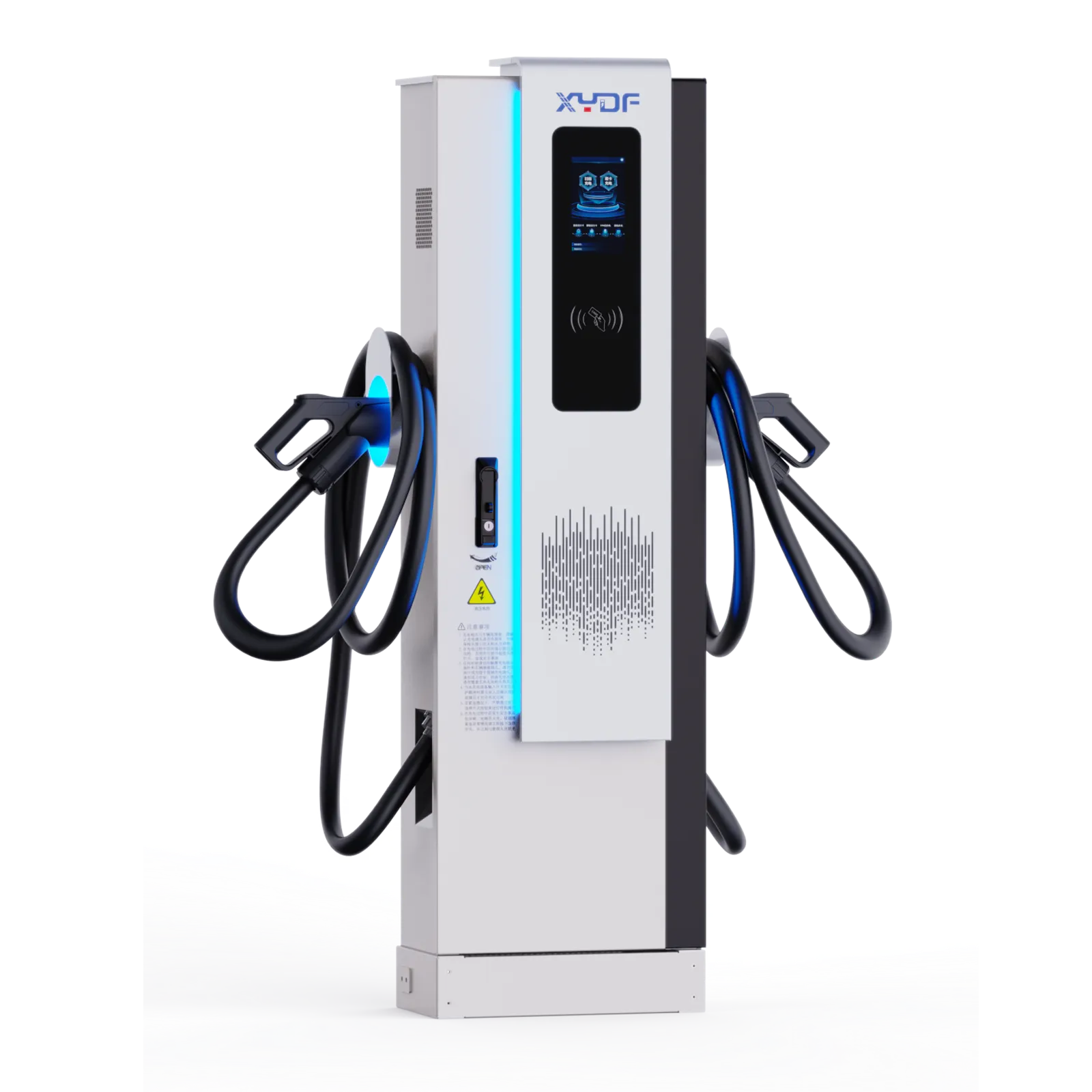
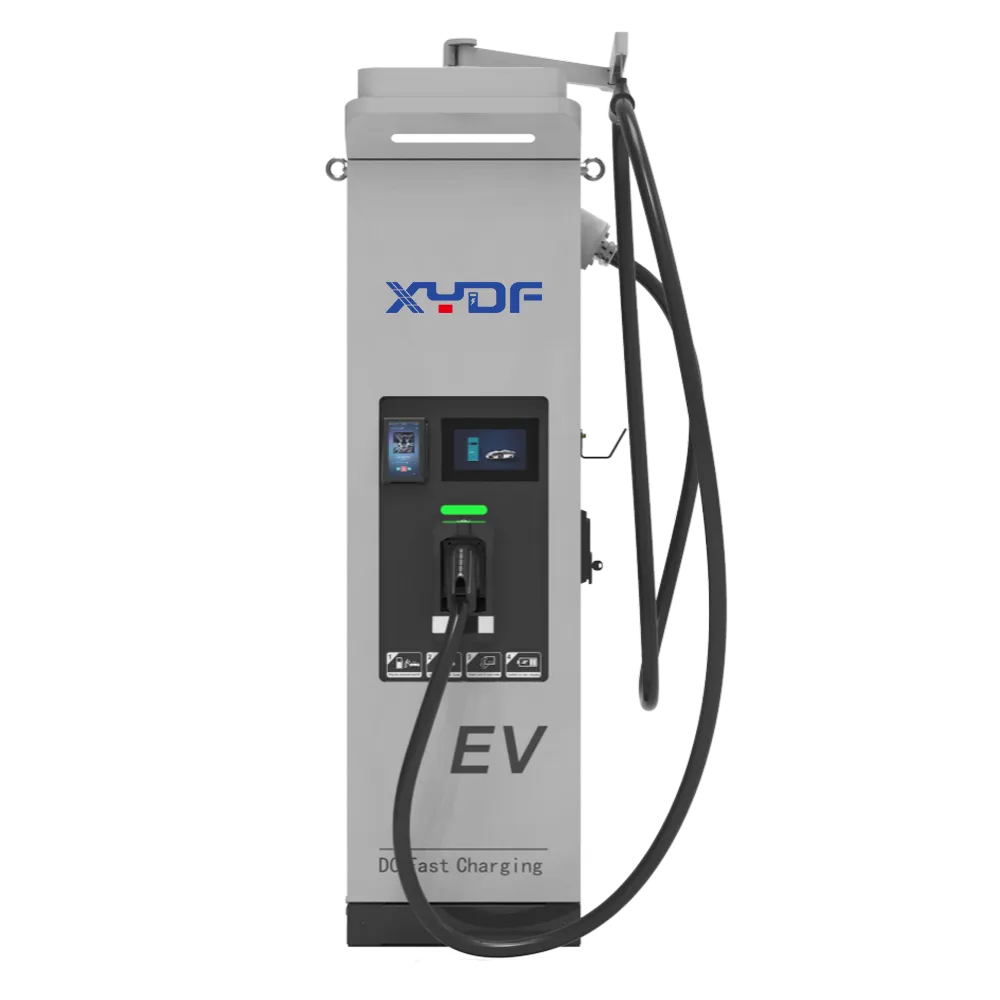
A failed charging session does not automatically mean a charger has reached the end of its useful life. The fault may lie in a replaceable connector assembly, communications service or another identifiable component. Equally, replacing a visible damaged part will not resolve every electrical, firmware or support problem. A sound EV charger repair decision therefore begins with diagnosis and a check that the proposed work can be supported and verified. This guide explains how commercial buyers can compare repair, refurbishment and replacement, check spare parts and acceptance records, and plan responsible retirement when keeping the equipment in service is no longer practical.
The short answer is that many commercial EV chargers can be repaired, but repairability is specific to the model, fault, approved parts and available technical support. Refurbishment may address a wider set of worn or obsolete items, while replacement becomes more attractive when support, suitability or compliance cannot be established. A charger that powers up has not necessarily passed a complete return-to-service check. Before approving work, obtain a written diagnosis, compatible part identification, defined tests and clear warranty terms. Compare the total cost and expected supported service period, rather than the spare-part price alone.
What is the difference between charger repair, refurbishment and replacement?
A repair addresses an identified fault. Refurbishment normally involves a broader assessment and agreed restoration work, but the term alone does not establish which components were renewed or which tests were completed. Replacement supplies another charger and can also require changes to the electrical installation, network integration or site layout.
Ask a seller to define EV charger refurbishment in a work schedule. Cleaning and repainting an enclosure is different from replacing worn assemblies, correcting a known defect and documenting subsequent tests. An advertised age or a fresh exterior cannot establish the condition of internal parts or the remaining software-support period.
| Option | When it is worth investigating | Evidence needed | Cost that is easy to overlook |
|---|---|---|---|
| Targeted repair | A fault is isolated and an approved remedy is available | Diagnosis, approved part and model-specific return-to-service checks | Call-out, fault finding, shipping and downtime |
| Refurbishment | Several issues can be addressed while retaining a suitable supported asset | Condition assessment, work scope, replacement history and acceptance results | Retained aged components and future support obligations |
| Remplacement | The existing asset cannot meet the site’s needs or cannot be maintained with adequate evidence | New equipment requirements, installation review and commissioning plan | Civil work, electrical changes, platform migration and disposal |
Le Département de l’Énergie des États-Unis charging infrastructure maintenance guidance notes that chargers may need repairs and troubleshooting, and that warranty arrangements and responsibility for maintenance costs vary. The practical question is what the supplier and service provider can support for this particular asset.
Which EV charger parts can be replaced?
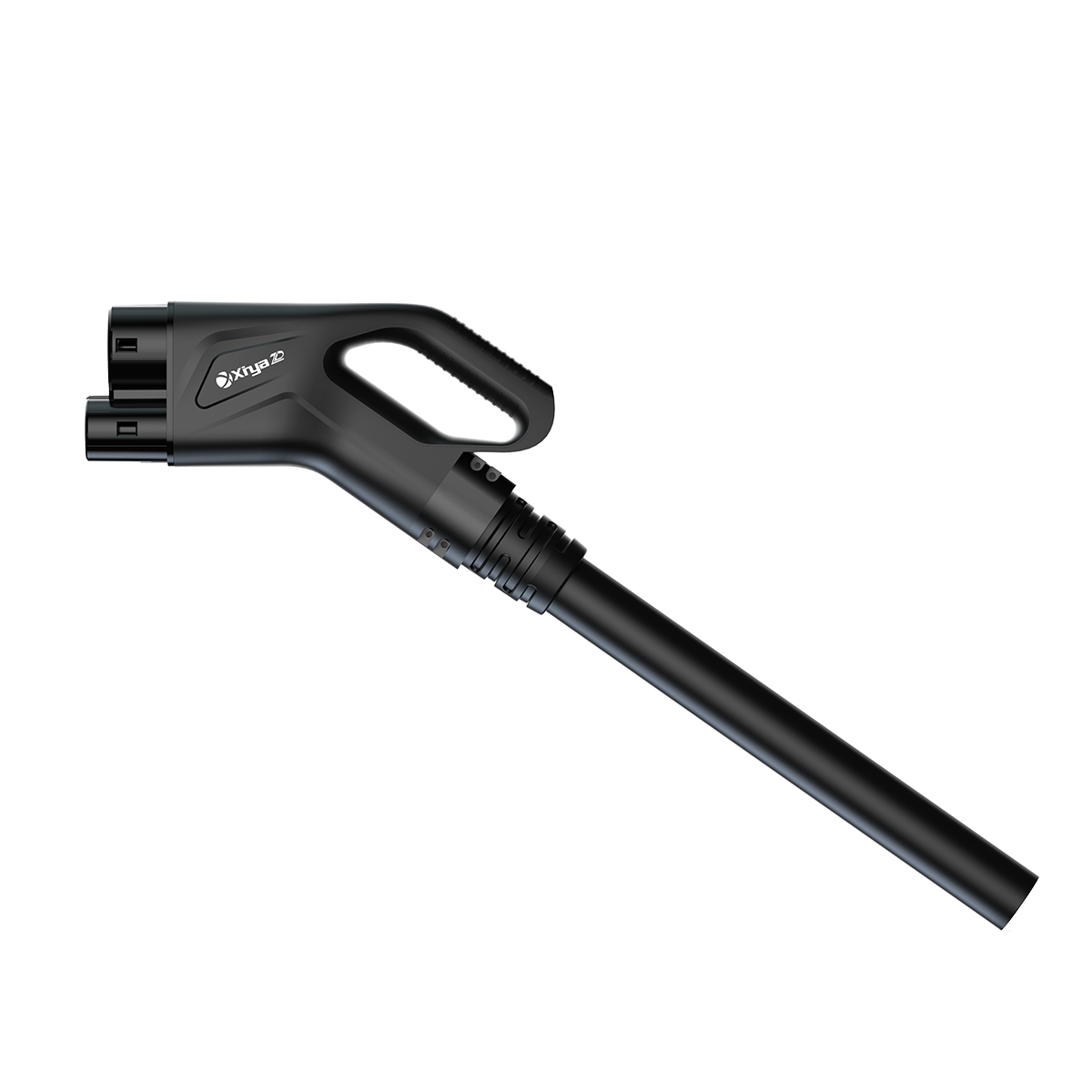
Depending on the design and service instructions, replaceable items may include connector and cable assemblies, cable holders, displays, communications equipment, cooling components, control boards, contactors or DC power modules. This is a list of items to investigate, not a statement that every charger uses separately serviceable versions of them. Some assemblies are sealed, integrated, restricted to authorized service or unavailable for older revisions.
Start with the manufacturer, model, serial number, hardware revision and fault record. The service provider should identify the approved replacement and explain whether a whole assembly is required. A connector with the same outward shape, or a module with a similar power label, is not enough evidence of compatibility. Mounting, thermal management, sensing, firmware and protective functions can also differ.
Some DC charging designs use modular power stages. The site’s modular DC fast charger guide explains why serviceability and the effect on available capacity should be considered separately. A modular description does not authorize hot-swapping, increased output or the use of a substitute module without model-specific instructions.
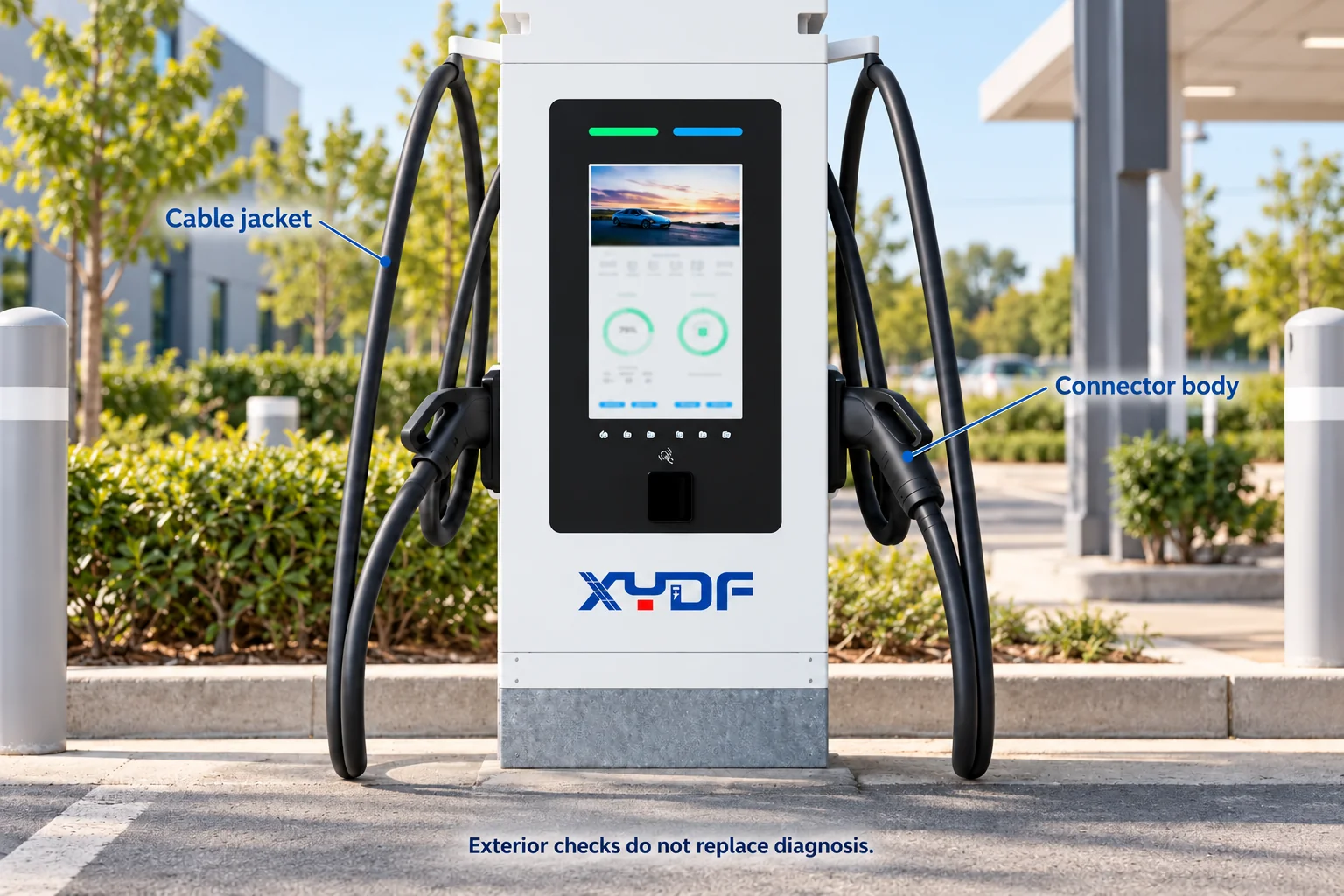
External checks can identify damaged cable jackets, connector bodies, mounting points or enclosure seals, but they do not replace electrical diagnosis. Internal inspection and repair belong to appropriately qualified personnel using the equipment’s isolation and service procedures. A disabled screen or remote stop should not be treated as proof that all hazardous energy has been removed.
When is repairing an EV charger financially practical?
Compare the complete routes to restored service. For repair, include diagnosis, parts, labor, travel, freight, any required evaluation, recommissioning and the effect of downtime. For replacement, include the charger plus removal, installation changes, platform configuration, commissioning and disposal. If one option retains the existing foundations or electrical supply, confirm that they remain suitable rather than assuming they can be reused. The Department of Energy’s charging infrastructure procurement and installation guidance identifies equipment, installation and operating costs as distinct parts of the project budget.
A useful comparison is the total expected cost over the supported service period each option can reasonably provide. Use the site’s own maintenance records, written quotations and support commitments. When a remaining service period is uncertain, show more than one scenario. Do not present a precise payback period based on an unsupported remaining-life estimate.
| Decision question | Evidence supporting a repair | Reason to investigate replacement |
|---|---|---|
| Has the fault been isolated? | A documented cause and a defined remedy | Repeated unresolved faults or a wider unresolved condition |
| Are parts and software supported? | Identified approved parts and an agreed support route | No reliable parts source, missing credentials or discontinued essential services |
| Does the charger still suit the site? | Capacity, connectors and operating features still meet the actual requirement | A repair would preserve an asset that no longer meets the operating need |
| Can the work be accepted? | Defined tests, competent personnel and a documented handover | Unresolved installation or compliance questions |
| Is the commercial offer complete? | Clear exclusions, turnaround, warranty and repeat-fault arrangements | An apparently low quote that leaves essential work unpriced |
Also ask what happens if the diagnosis changes once work starts. Agree an approval limit and a stop-work point before additional parts are ordered. This prevents an initially small repair becoming an open-ended refurbishment without a fresh comparison against replacement.
How should a buyer check spare parts and refurbished equipment?
Pour EVSE parts, request the exact part number and revision, supplier identity, compatibility confirmation and any required firmware or configuration changes. Record whether an item is new, repaired, remanufactured or recovered from another unit. Keep that status in the purchase order and service record instead of relying on a verbal assurance that the part is equivalent.
A refurbished EV charging station needs an asset history as well as a parts list. Ask about previous location and use, known damage, work carried out, retained components, ownership and any limitations on network transfer. Confirm that administrative access, certificates or credentials can be transferred or provisioned legitimately. Missing backend access can leave physically functional equipment unusable.
Check the intended installation separately from the equipment’s previous use. Destination-market documentation, supply characteristics, connectors, environmental conditions and installation approval may differ. A seller’s previous operating record does not establish that the equipment is acceptable at the new site.
Modifications can also affect conformity evidence. Les conseils d’évaluation sur le terrain de UL Solutions distinguishes review of installed or modified equipment from reliance on an existing certification. In the relevant jurisdiction, ask the manufacturer and authority having jurisdiction whether the proposed changes require further evaluation. Do not assume that an original mark covers every later configuration.
What testing and warranty should follow an EV charger repair?
Agree the acceptance plan before approving the work. It should be proportionate to the fault and repair, and follow manufacturer instructions and applicable local requirements. Depending on the equipment and work, the plan may cover visual condition, installation and protective checks, controlled charging operation, stopping behavior, communications and transaction functions. Required test methods and limits must come from the applicable documentation, not a generic internet checklist.
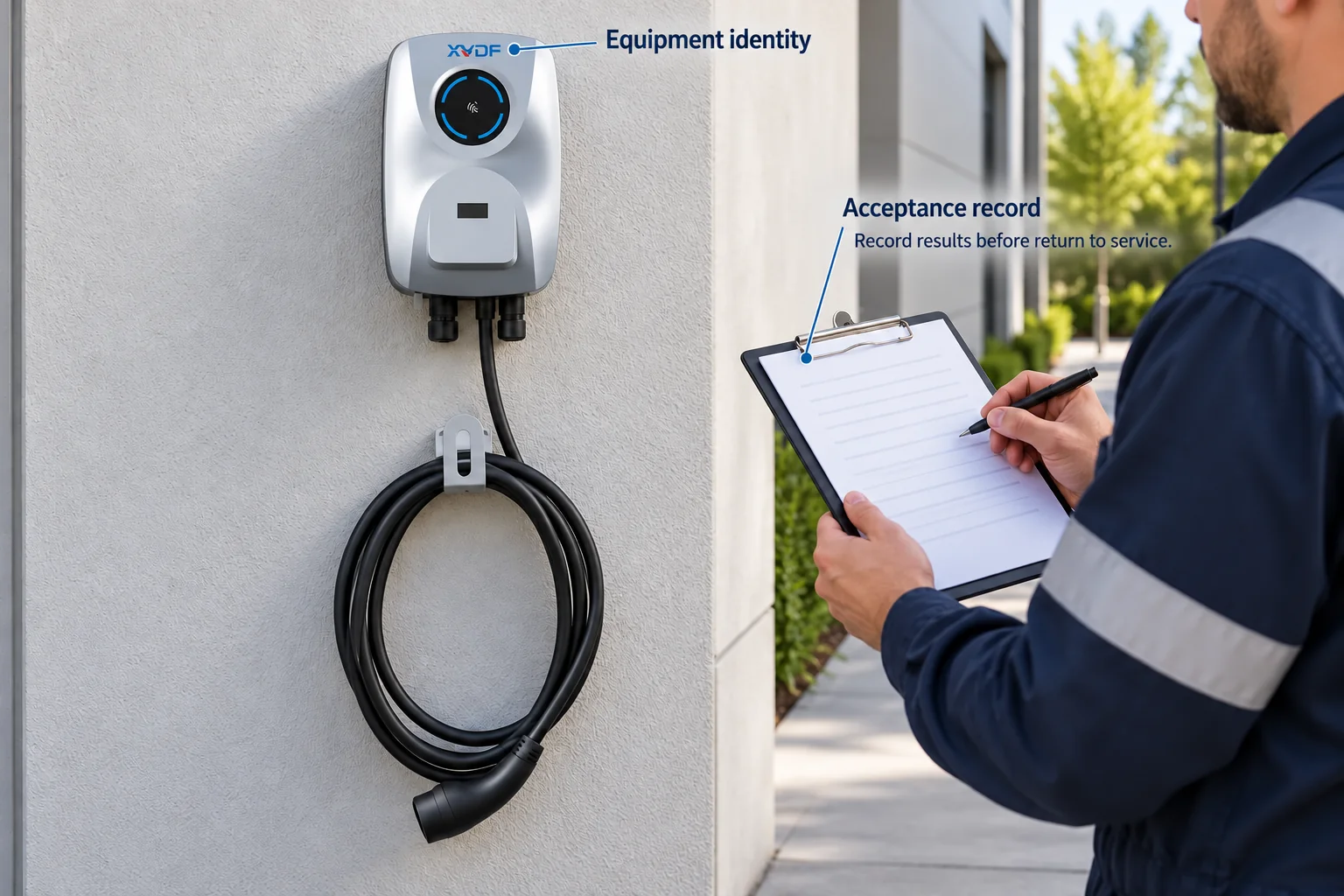
Record the charger and replaced-part identities, technician or service organization, firmware and configuration changes, instruments or test equipment where relevant, and results. A photographed display showing power is useful context but cannot demonstrate that every required check was completed. Where a test cannot be performed, record the outstanding condition and who can authorize release.
The warranty should say which repaired or retained parts are covered, the period, labor and travel treatment, shipping arrangements, claim procedure and exclusions. Clarify how a repeat fault is handled and who pays for further diagnosis if the cause is disputed. Do not assume the original manufacturer’s warranty restarts after a third-party refurbishment.
For a replacement comparison, use a verified Chargeur EV AC ou Borne de recharge rapide CC specification that matches the intended site. XYDF’s published product information can support that equipment comparison, while serviceability, spare-part availability and warranty terms should be confirmed for the exact proposed model and project.
What happens when an EV charger cannot be reused?
EV charger recycling starts with a safe decommissioning plan and an inventory of the equipment being removed. Have competent personnel isolate and disconnect it, establish ownership and preserve the required asset records. Remove or revoke network access, credentials and payment or customer data under the relevant service procedures before transferring the asset.
A qualified downstream recycler should determine how the enclosure, cables and electronic assemblies are handled under local rules. Ask for collection and downstream documentation appropriate to the destination. Reuse is sensible only when the receiving party can establish the equipment’s condition, suitability and support. Moving an unsupported charger to another site does not resolve those issues.
Do not describe every charger as a battery-recycling project. An EV charger is not the vehicle’s traction battery, and some charging sites contain no separate battery storage. If the installation does include energy storage or a component has a battery, identify it and use the applicable specialist removal and recycling route. Keep the retirement scope specific to the assets actually present.
What else should buyers ask about charger repair and refurbishment?
Can commercial EV chargers be repaired instead of replaced?
Often, if the fault can be identified and an approved repair, competent service and suitable acceptance checks are available. The decision also depends on support, site suitability and total cost. Repeated unresolved faults or unavailable essential parts may justify replacement.
Which EV charger parts are commonly replaceable?
Some designs allow replacement of cable assemblies, connectors, displays, communications components, cooling equipment, control boards or power modules. Availability varies by model and revision. Obtain the approved parts and service instructions before assuming that an assembly can be changed independently.
When is EV charger refurbishment financially practical?
When the complete refurbishment cost and expected supported service make sense against a suitable installed replacement. Include diagnosis, downtime, additional evaluation and retained components in the comparison. A low purchase or repair price alone is not enough.
How should a buyer evaluate a refurbished EV charging station?
Check identity, asset history, work scope, parts traceability, support and legitimate network access. Require acceptance results and a written warranty. Review the proposed installation and destination-market requirements separately from the charger’s previous service.
Can old charging hardware be recycled or repurposed?
It can be assessed for reuse or sent through an appropriate electronics-recycling route after safe decommissioning and data handling. Repurposing still requires evidence of suitability at the receiving site. Any battery storage or battery-containing components need to be identified and handled through the relevant specialist route.
What testing and warranty should a repaired EV charger include?
Specify the checks required by the repair scope, manufacturer instructions and local rules, and retain the results against the equipment identity. Define coverage for parts, labor, travel and repeat faults in writing. Powering up or completing one session is not proof of a complete acceptance process.
Références
Ministère de l'Énergie des États-Unis, AFDC : Exploitation et maintenance de l'infrastructure de recharge des véhicules électriques. Maintenance, repairs, warranties and service responsibility.
UL Solutions : Services d’évaluation sur le terrain. Documentation review, inspection, applicable testing and assessment of modified equipment.
U.S. Department of Energy, AFDC: Procurement and Installation for Electric Vehicle Charging Infrastructure. Site requirements, electrical coordination and equipment, installation and operating costs.
How should a buyer decide whether to repair or replace a charger?
A repair is worthwhile when it restores a suitable asset through a supported, verifiable process. Start by confirming the fault, equipment identity and site requirement. Next establish the approved parts, service capability and acceptance work, then compare the complete cost and supported service period against replacement. Do not trade away compatibility, installation approval or a documented handover to obtain a cheaper quote. If those conditions cannot be met, plan removal, data handling and recycling as part of the replacement decision. XYDF can help buyers identify current equipment options and request model-specific product information when evaluating the next installation. Contact the team with the existing charger details, intended use and support requirements to make that comparison specific to the project.