Choisir le bon chargeur AC pour les chargeurs de nuit
Le 20 août 2026
Blog
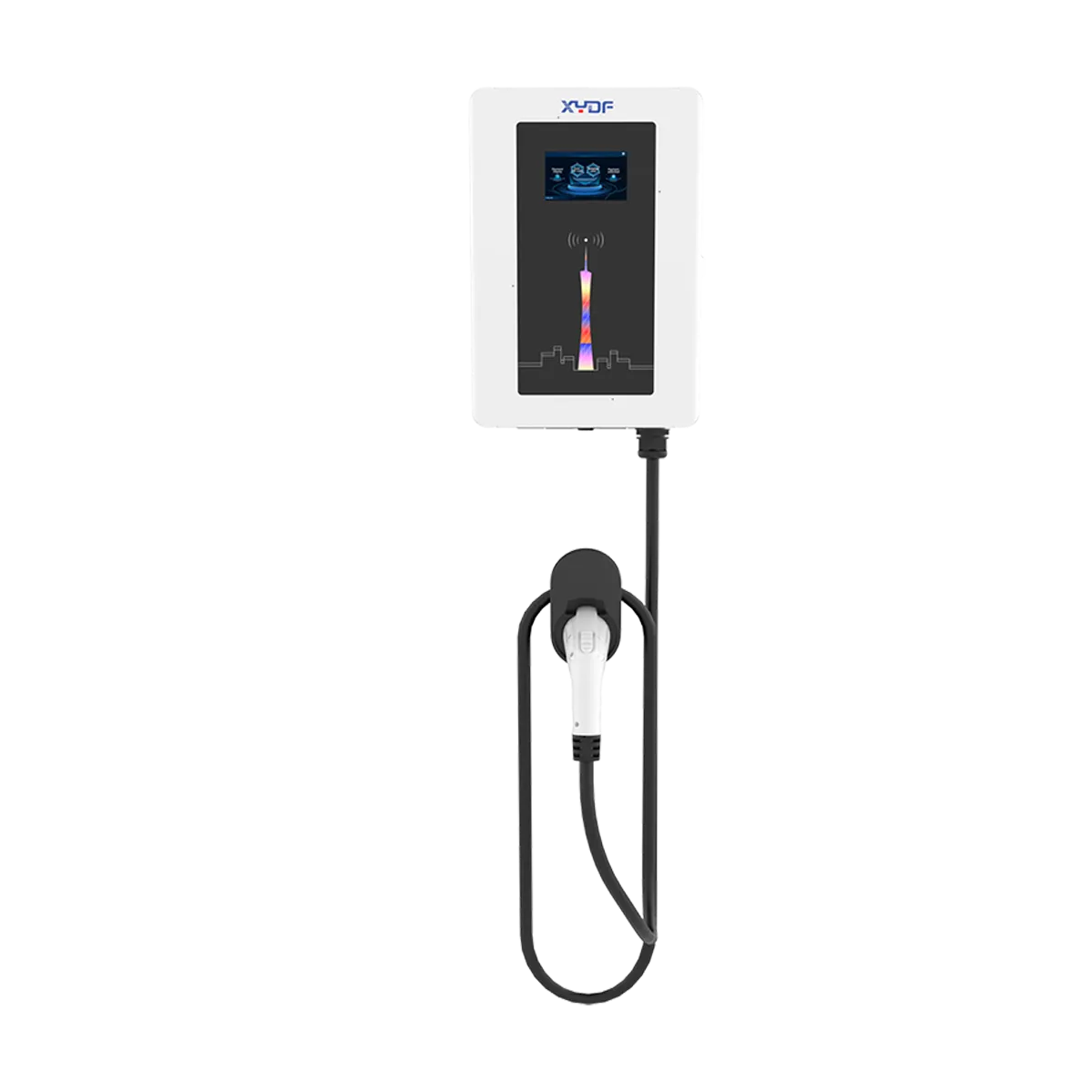
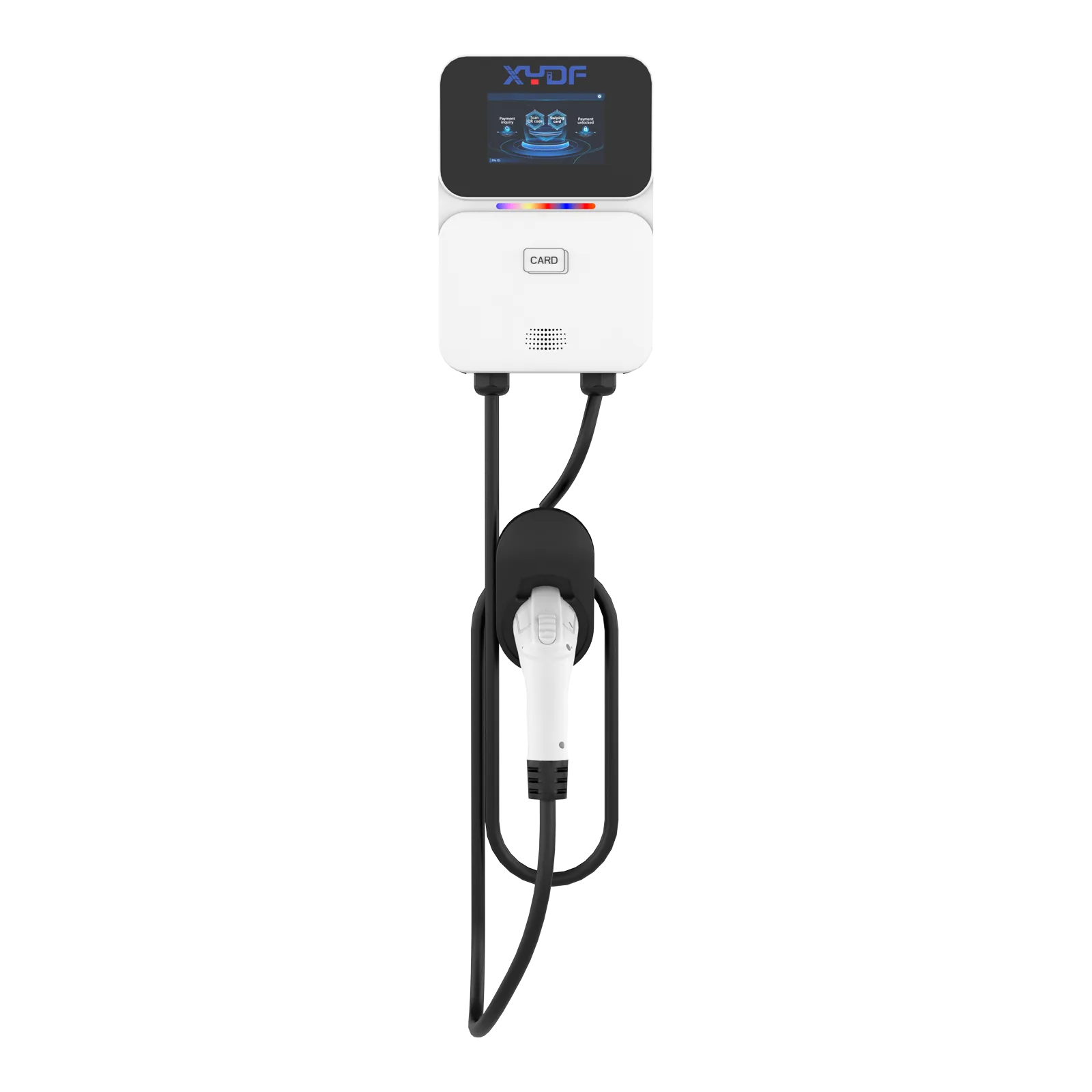
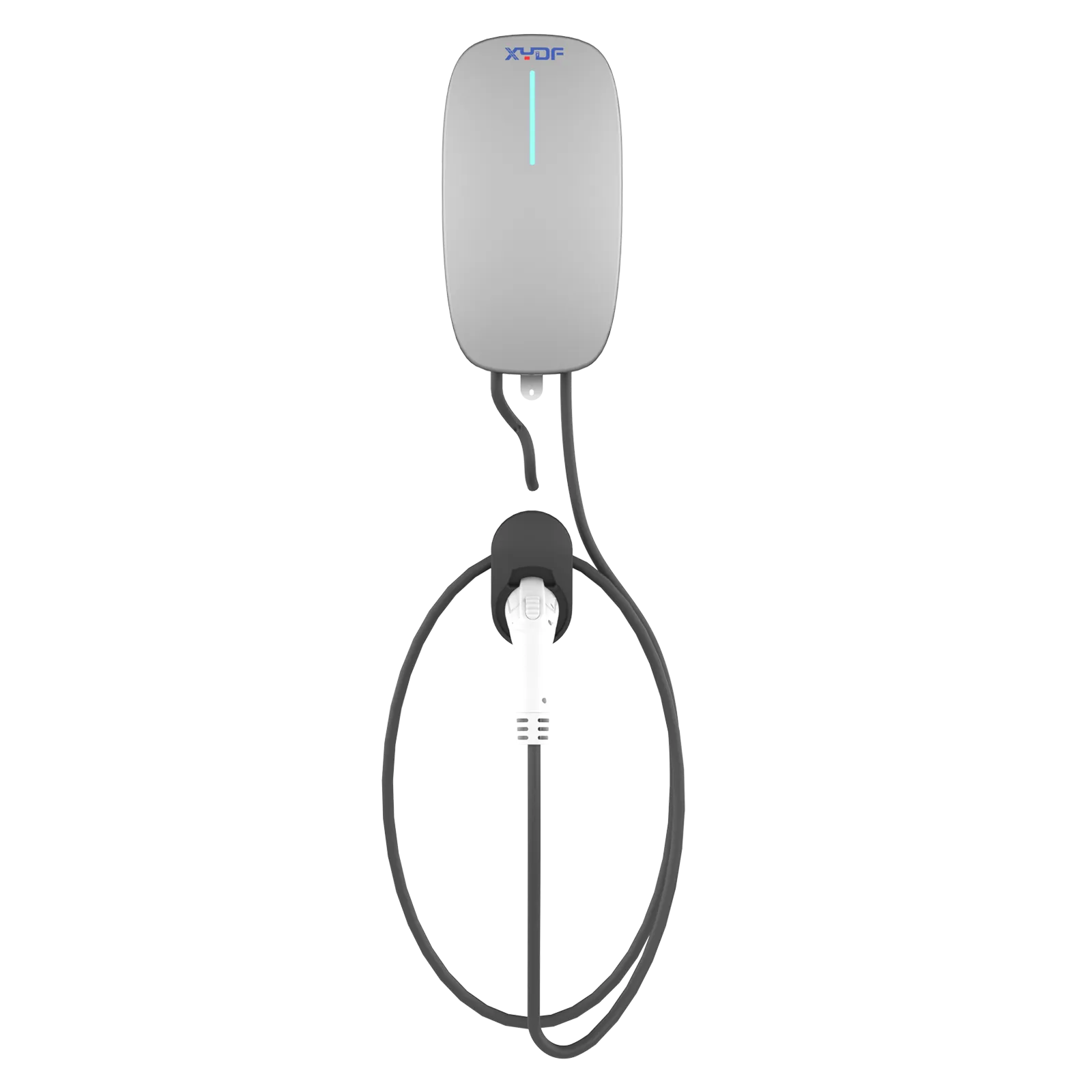
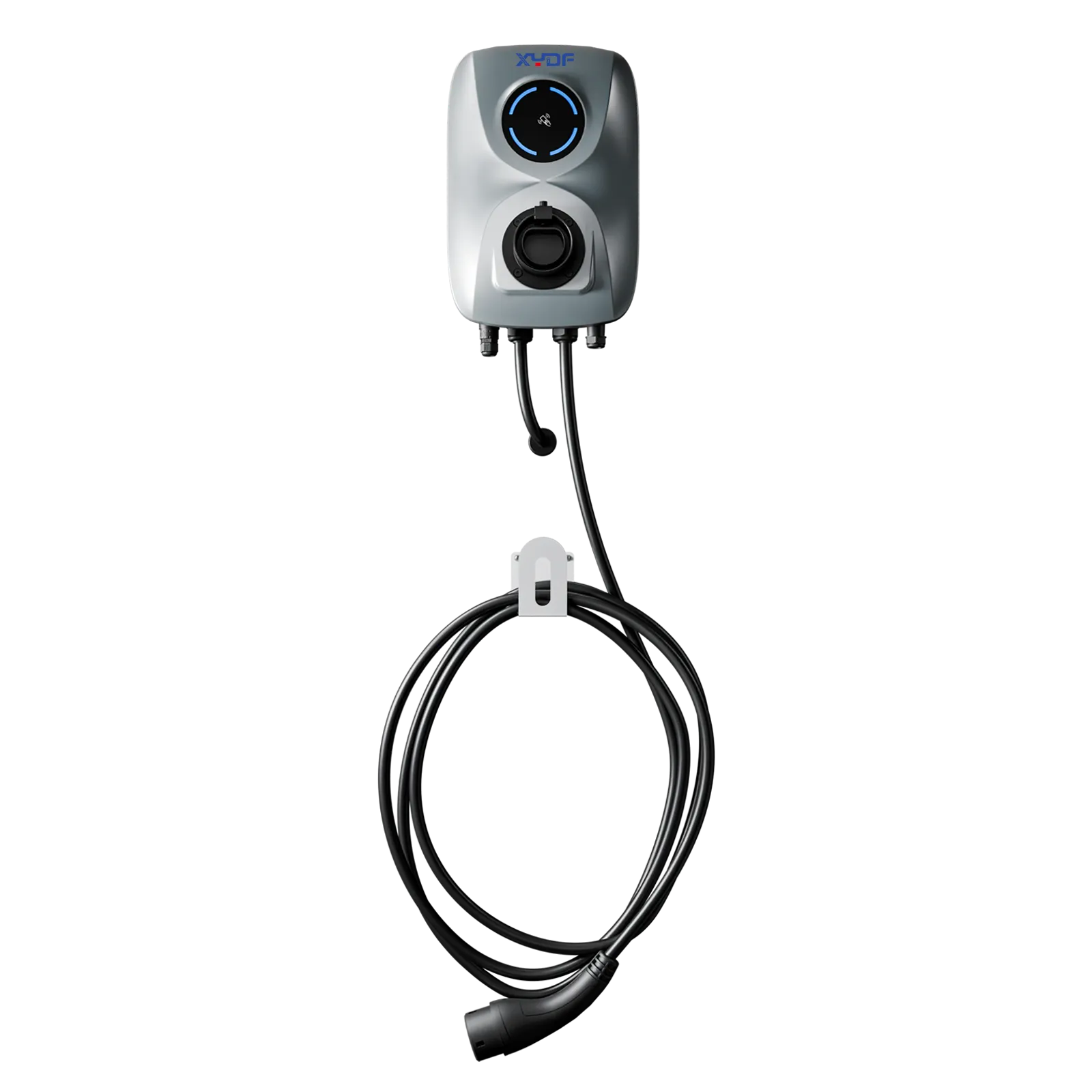
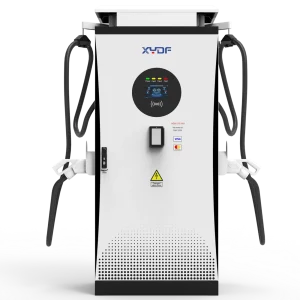
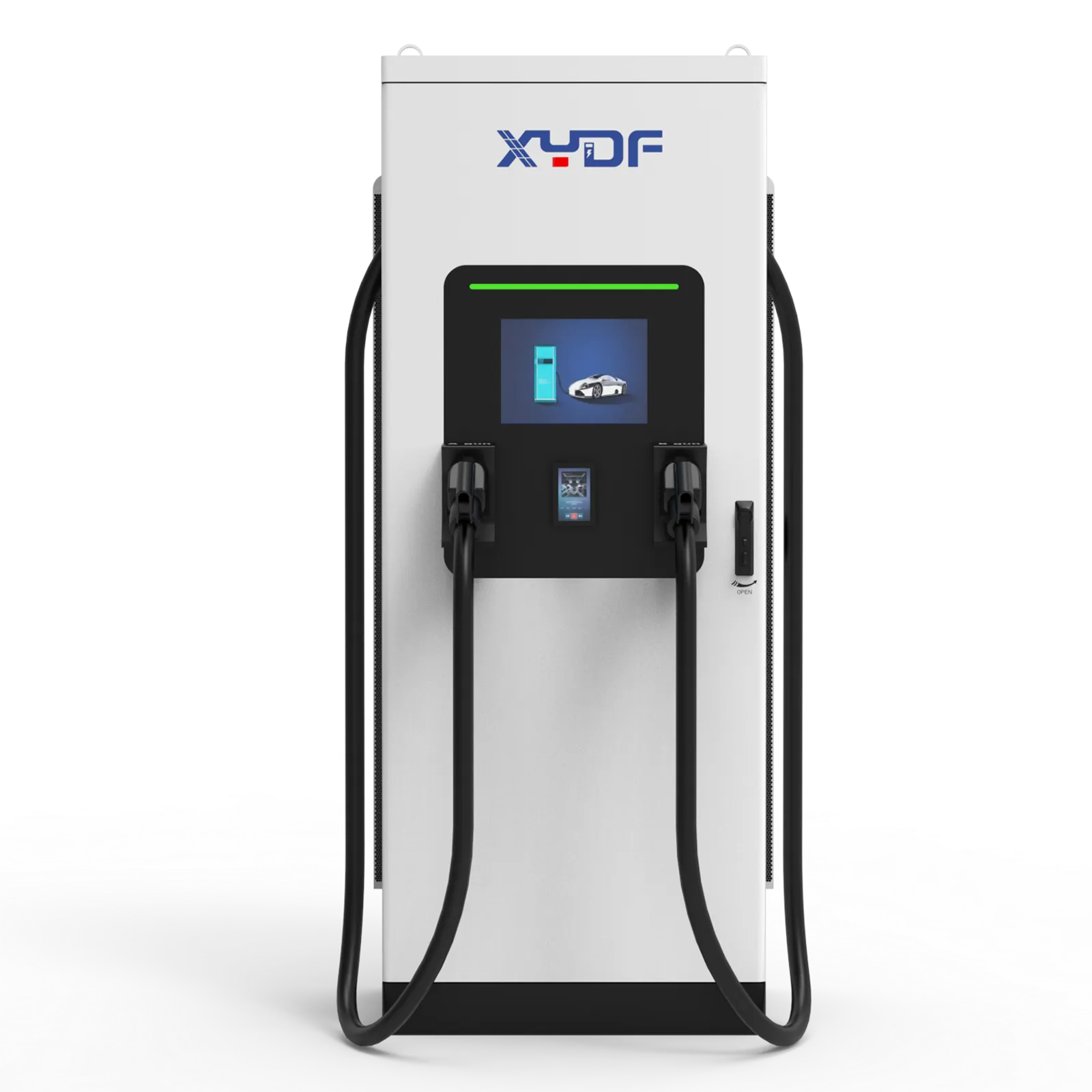
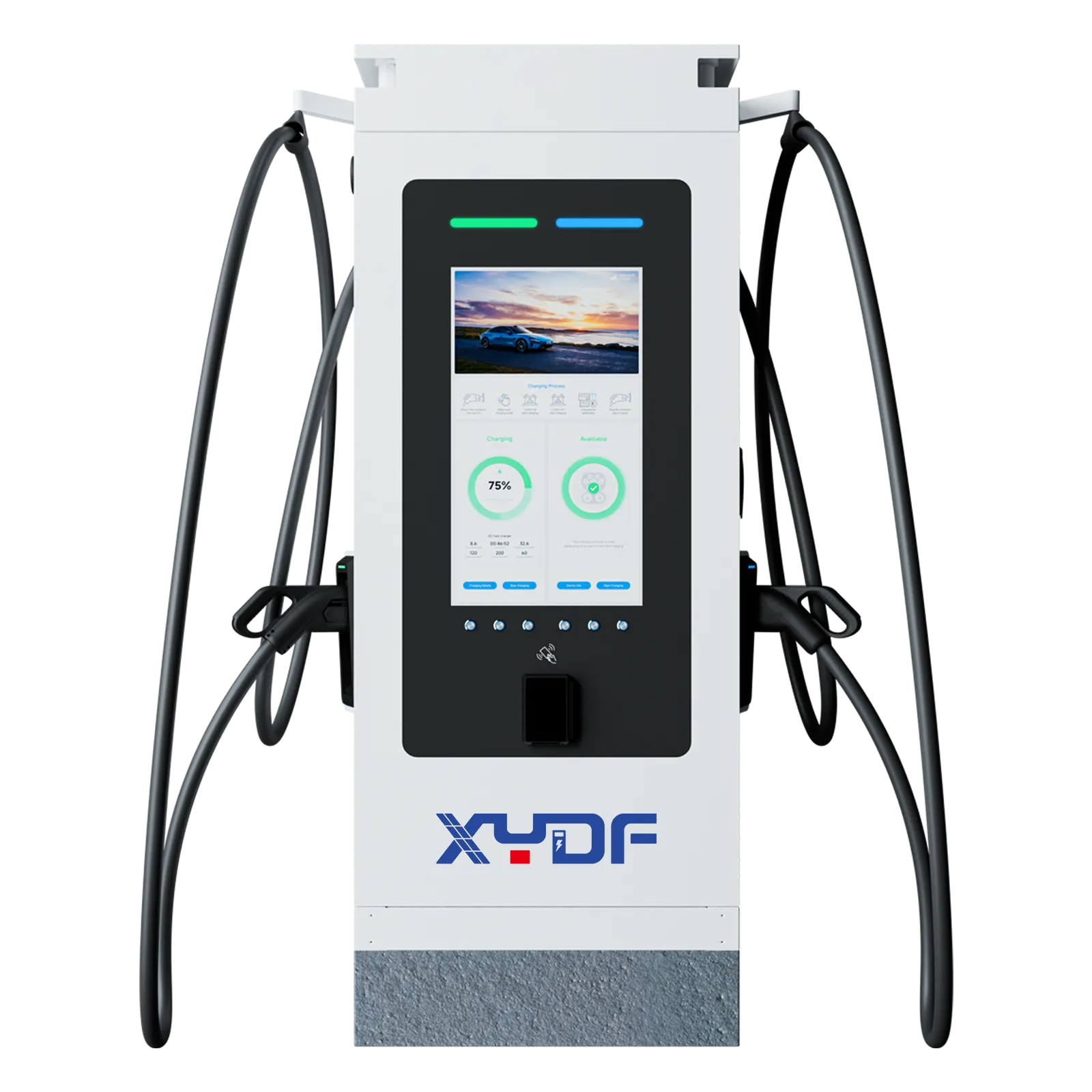
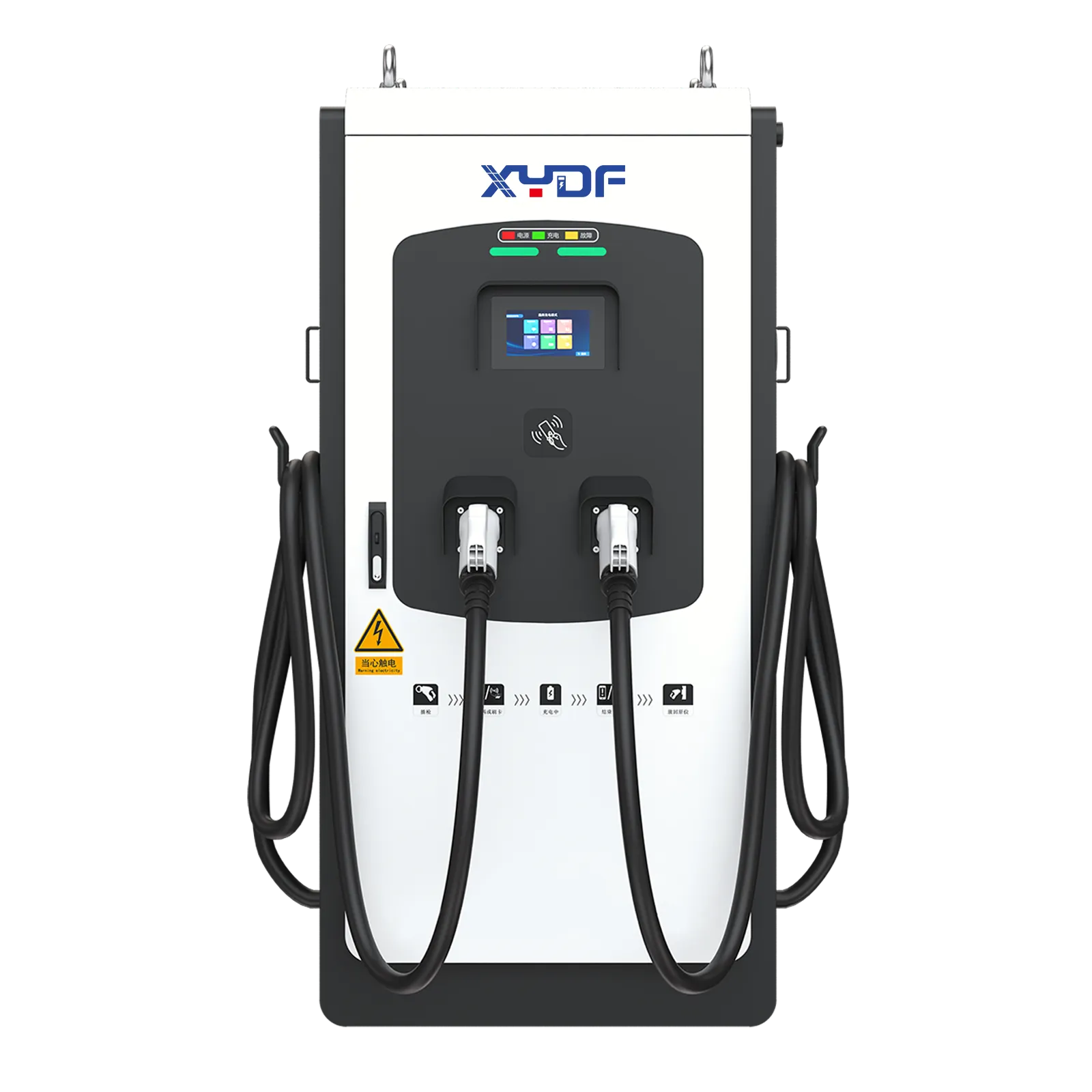
À 7h30 du matin, un gestionnaire immobilier passe dans un parking d’appartement et constate que six véhicules sont encore branchés. Les résidents ont besoin de batteries complètement chargées pour se rendre au travail, tandis que l’exploitant du bâtiment a besoin d’une demande prévisible et d’un plan de maintenance simple. Le bon choix Chargeur EV AC Cela transforme cette fenêtre de 24 heures en un service fiable plutôt qu'en une source de plaintes.
Choisissez un chargeur AC pour EV en fonction du chargeur embarqué du véhicule, de la puissance disponible sur le site, de la stratégie de gestion de la charge, de la norme de connexion et de la durée de stationnement prévue. Une unité de 7 kW convient à la plupart des maisons, tandis qu’un équipement de 11 à 22 kW est mieux adapté aux lieux de travail, aux hôtels et aux dépôts de flotte dotés d’une alimentation triphasée. Une station de recharge AC connectée peut équilibrer les charges, enregistrer l’énergie et protéger le bâtiment contre les surcharges dues à la demande maximale.
1. Commencez par le scénario de charge
Les conseils de recharge spécifiques aux habitations et aux véhicules devraient commencer par le temps de stationnement de l’utilisateur, le service électrique, l’acceptation du véhicule, le connecteur, la route d’installation et l’énergie désirée pour le départ. Expliquez ce qui est universel et ce qui dépend du véhicule ou des codes locaux. Cela évite de traduire une étiquette de chargeur, une classe de tension ou un format de connecteur en une promesse pour chaque logement ou véhicule. Pour le contexte de planification publique, voir Réglementation électrique du U.S. DOE Alternative Fuels Data Center; Le dossier d’acceptation site-spécifique reste le facteur déterminant de la décision finale.
Le Data Center des carburants alternatifs du DOE des États-Unis note que la plupart des conducteurs rechargent leur véhicule pendant la nuit à domicile ; le niveau 2 est utile lorsque le trajet est plus long, que la batterie soit plus importante ou que le temps de stationnement soit moins prévisible. Cela rend la première question d’achat la quantité d’énergie requise au départ — et non la puissance nominale la plus élevée.
Différents types de chargeurs résolvent des problèmes opérationnels différents. Un particulier privilégie généralement un fonctionnement silencieux, un boîtier compact et une recharge programmée. Un lieu de travail nécessite de nombreux ports pouvant partager un service électrique limité. Un hôtel ou un site commercial préférera peut-être une station de recharge pour véhicules électriques qui permet l’authentification des clients, le paiement et le diagnostic à distance. Avant de choisir le matériel, il faut enregistrer le temps de stationnement des véhicules, la demande énergétique quotidienne, le nombre de fois de passage dans le parking et si le site dispose de prises à phase unique ou à trois phases.
2. Défauts techniques : ce qui se passe lors d’une session AC
Le véhicule chargeur embarqué reste la limite pratique de la vitesse dans une session AC. Confirmez sa capacité maximale avant de sélectionner l’EVSE, puis vérifiez la capacité, les dispositifs de protection et la méthode d’installation pour la charge continue prévue.
Lors de la charge en courant alternatif, le réseau électrique fournit une tension alternative à l’EVSE. Le chargeur embarqué du véhicule la convertit en courant continu pour alimenter la batterie. Cela signifie que la voiture – et non seulement le chargeur mural – fixe le taux de charge pratique. Un chargeur EV AC de 22 kW ne peut fournir 22 kW si la voiture accepte seulement 11 kW. Le chargeur EVSE assure néanmoins une protection essentielle : détection de courant résiduel, contrôle du contacteur, surveillance de la température, verrouillage des câbles et signal pilote contrôlé.
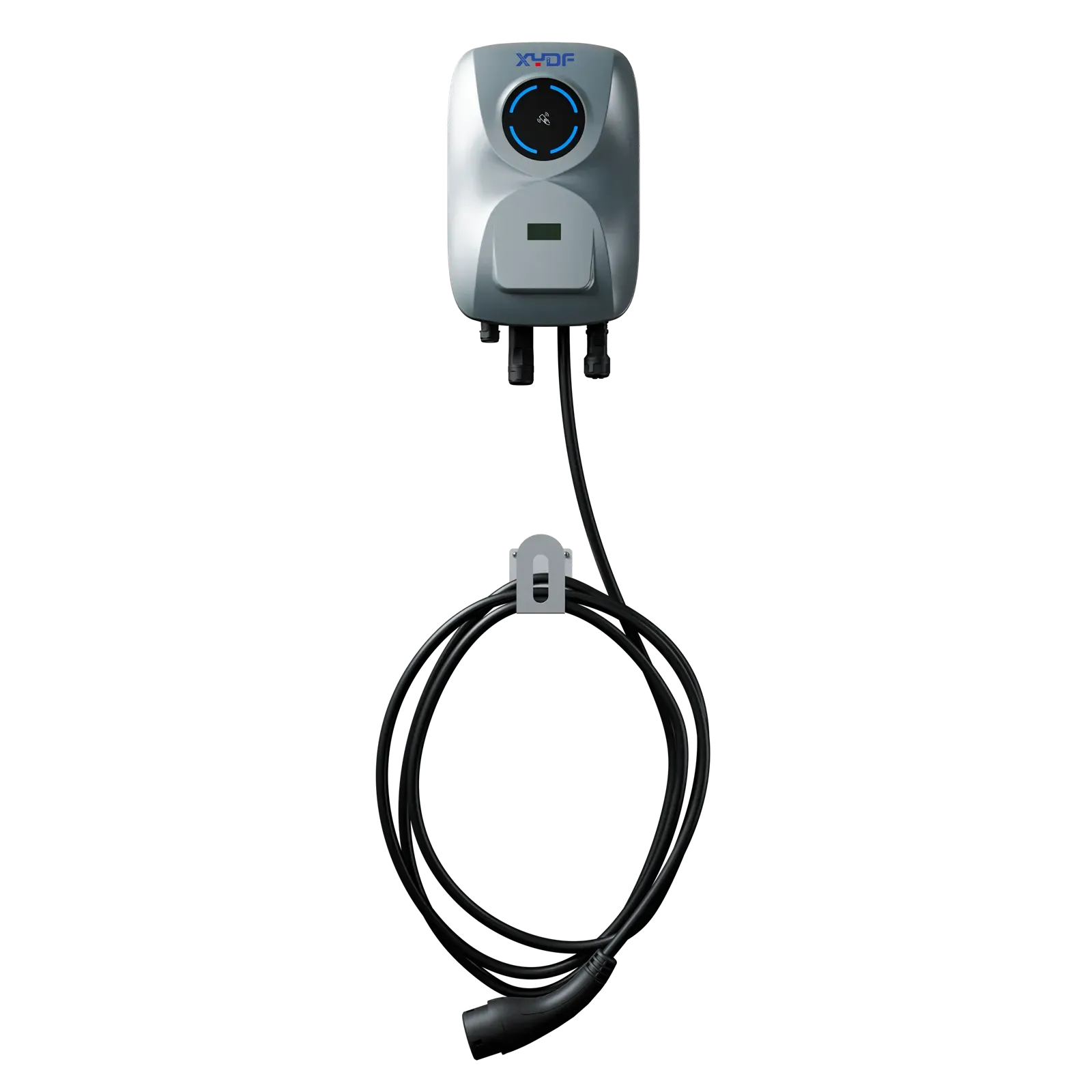
Pour les sites en réseau, chargeur de nuit Il peut être planifié en fonction de fenêtres tarifaires et de dates de départ, mais le plan doit respecter certaines limites locales si le système de gestion de l’infrastructure n’est pas disponible. La communication OCPP permet à un opérateur d’autoriser les utilisateurs, de définir des horaires, de mettre à jour le firmware et d’exporter les données d’utilisation. L’équilibrage dynamique de la charge mesure la charge de l’immeuble et répartit la puissance disponible entre les appareils. Stations de recharge pour véhicules électriques. Le contrôle intelligent en cas de présence de soleil peut augmenter ou réduire la puissance de charge pour consommer l’énergie solaire excédentaire sans dépasser la limite de service.
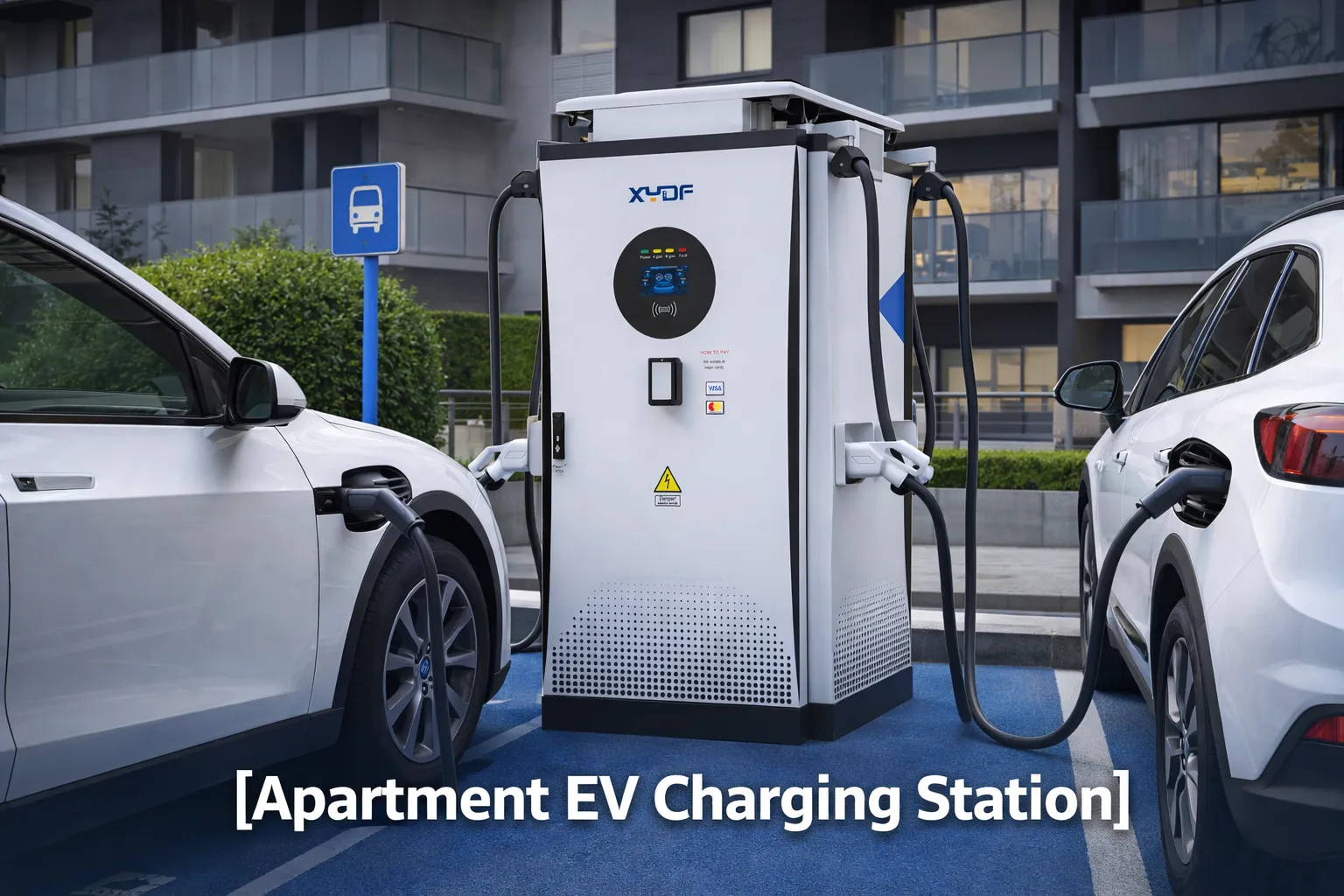
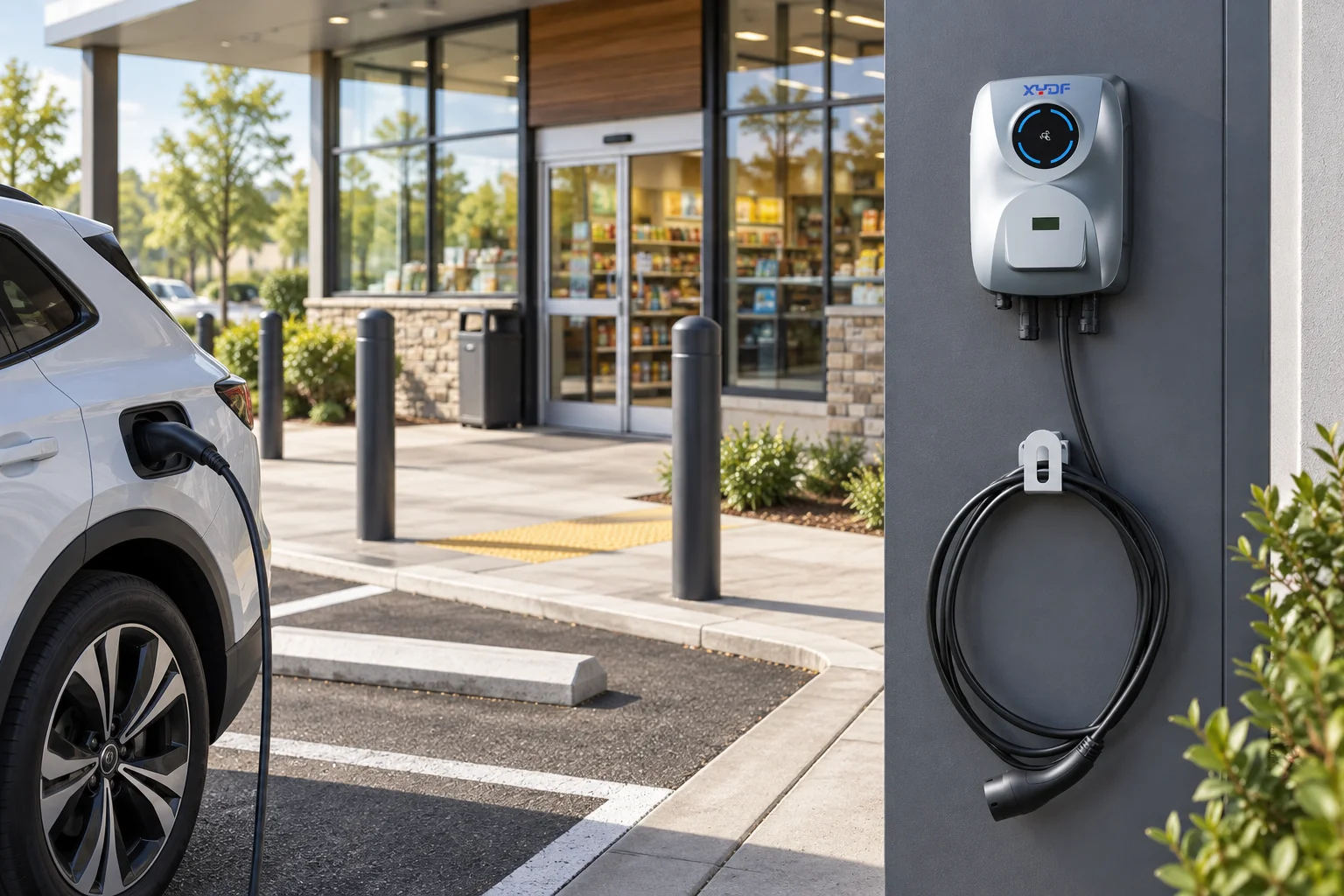
Le stationnement dans les parkings d'appartements illustre pourquoi le temps de séjour nocturne et le partage des charges sont importants.
3. Comparaison des options de recharge AC
Option
Entrée typique
Meilleur ajustement
Note de planification
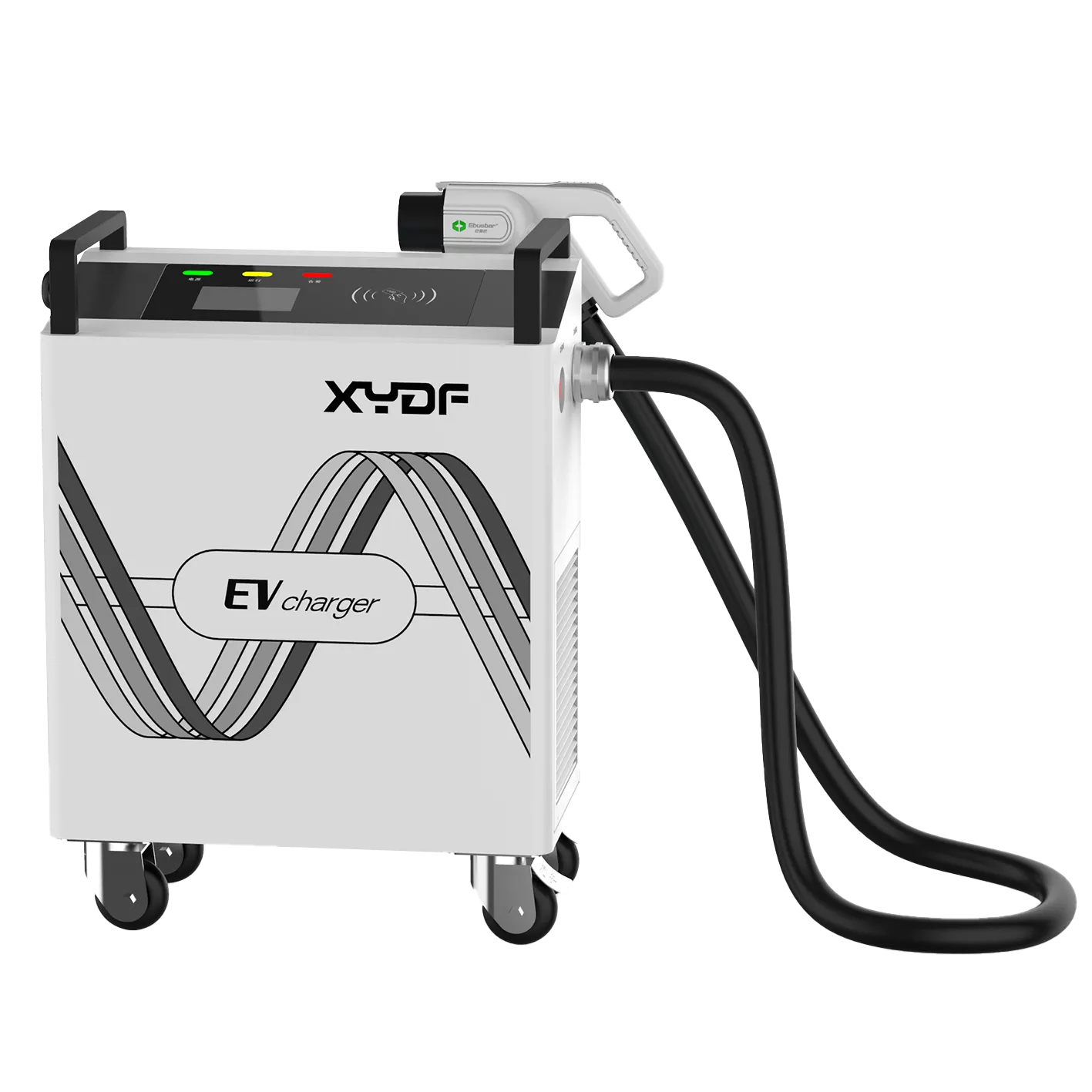
Mode portable 2
1,8–3,6 kW
Utilisation d'urgence ou occasionnelle à domicile
Lent ; éviter une mise en place permanente en extérieur
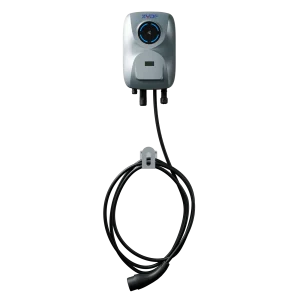
Box murale de 7 kW
230 V monofasique
Habitations et appartements
Installation simple et récupération en une nuit
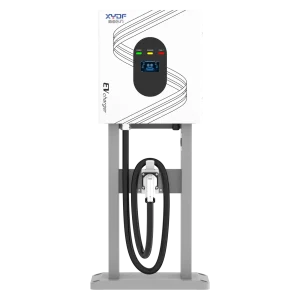
Box mural de 11 kW
400 V triphasé
Les lieux de travail et les hôtels
Bon équilibre entre vitesse et coût de l'infrastructure
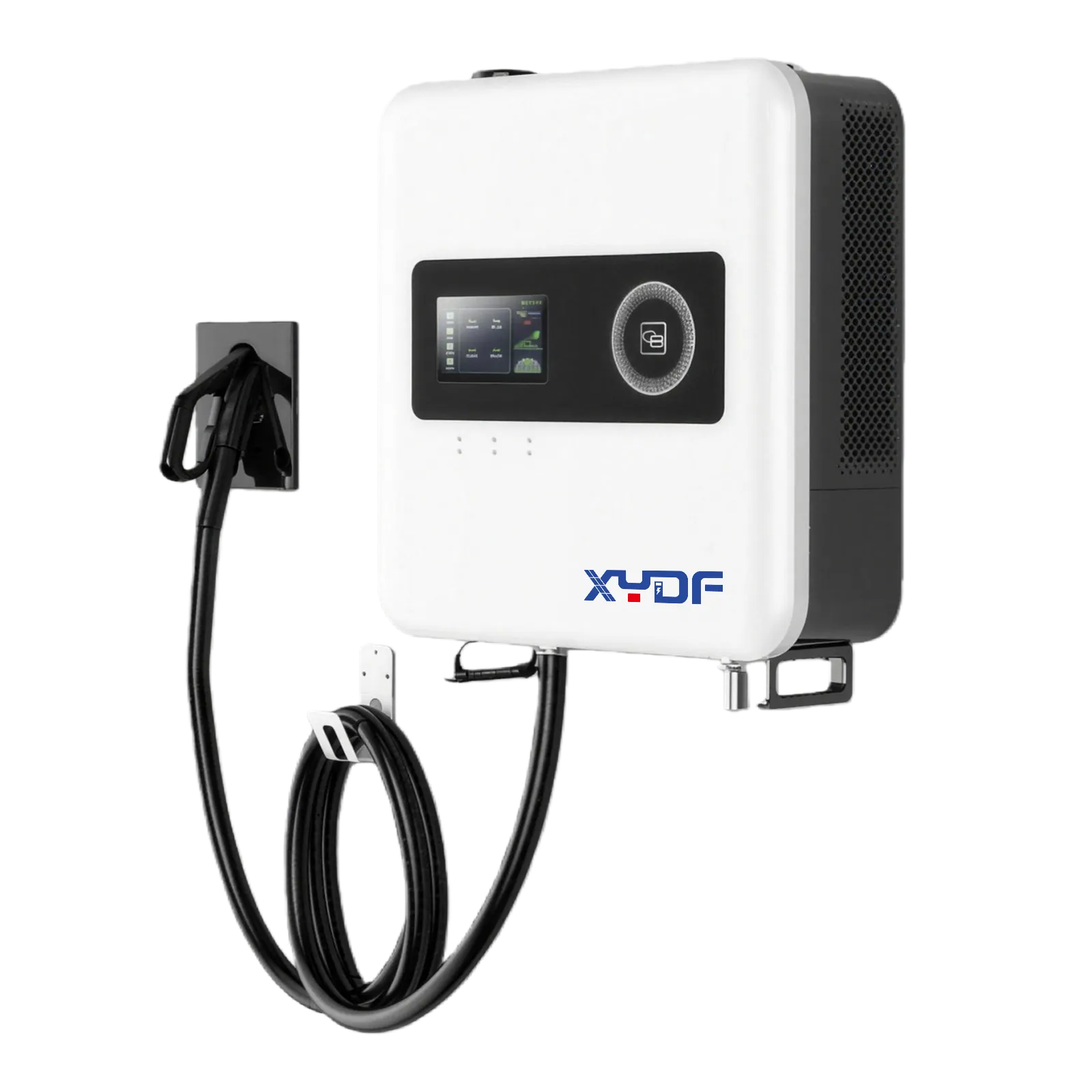
Unité réseau de 22 kW
400 V triphasé
Parking commercial et flottes
Exige des véhicules appropriés, une protection adéquate et une gestion optimale des charges.
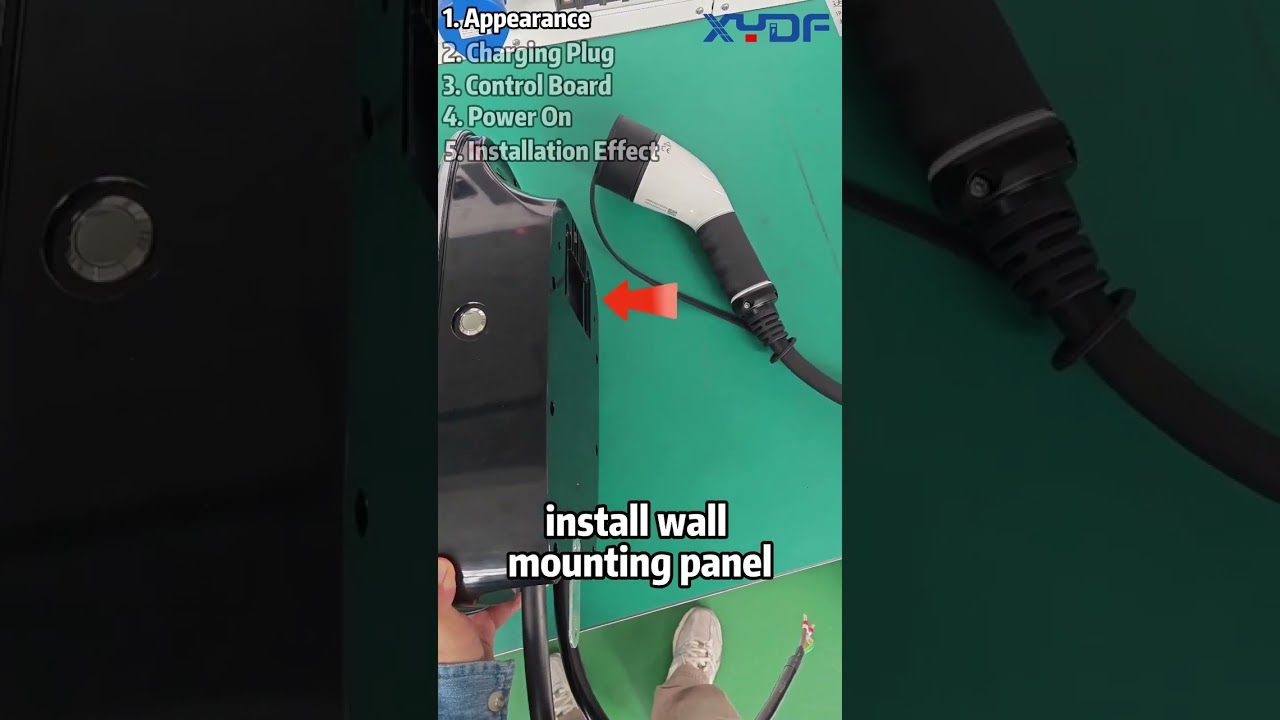
Vidéo : Découvrez comment les chargeurs AC de 7 kW, 11 kW et 22 kW de XYDF répondent aux différentes exigences en matière de charge en courant alternatif.
4. Coût, capacité et tendances futures
Le matériel n’est qu’une partie des coûts totaux. Il faut ajouter un nouveau circuit, des dispositifs de protection, des tranchées, des barrières, le réseau informatique, la mise en service, le logiciel et les frais d’entretien. Une installation de 7 kW peut être le point de départ le moins coûteux, mais un système partagé de 22 kW peut fournir plus d’énergie utilisable par stationnement lorsque les véhicules restent seulement quatre à six heures. Pour les sites à plusieurs ports, une planification intelligente peut retarder souvent une mise à niveau coûteuse des services.
Les tendances actuelles comprennent les architectures conformes à la norme ISO 15118, l’autorisation des applications mobiles, l’intégration de la facturation et des pilotes de recharge bidirectionnels. Choisissez une plateforme qui propose une API ouverte et qui supporte les mises à jour du firmware pour assurer une durée de vie prévue. Gamma de chargeurs AC et Produits commerciaux de recharge pour véhicules électriques Lors de la comparaison des options d'enceinte, de câblage et de réseau.
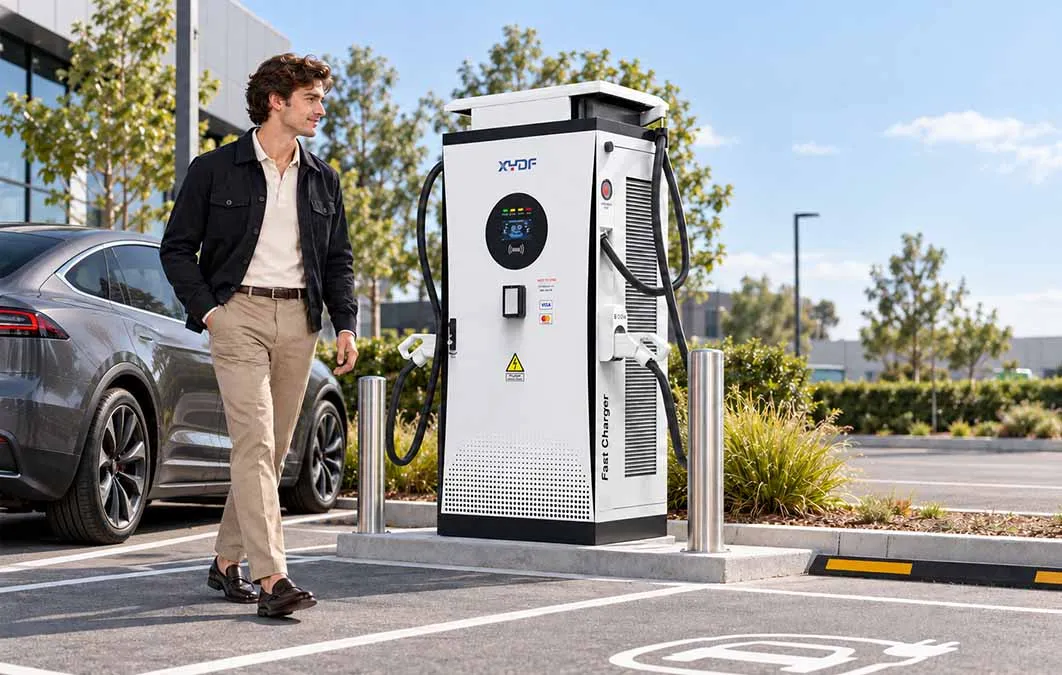
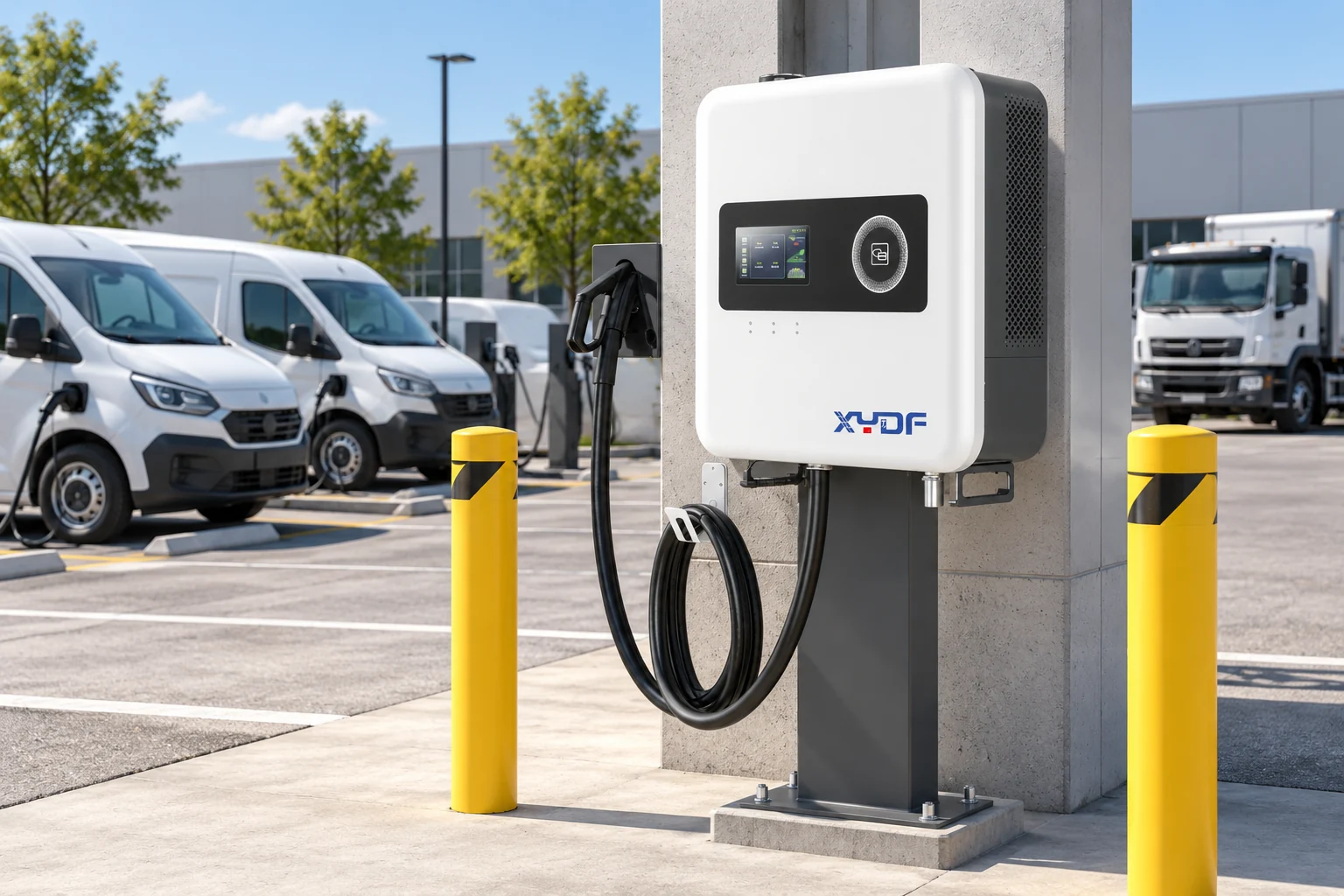
Un système de 22 kW peut être utilisé pour le stationnement commercial lorsque l'alimentation triphasée est disponible.
5. Normes et conformité
Les directives du DOE rappellent également aux installateurs que la charge électrique est considérée comme une charge continue en vertu de l’article 625 du NEC dans les projets américains applicables. La réglementation locale et les autorisations restent à la discrétion des autorités compétentes ; utilisez un électricien qualifié pour effectuer les vérifications nécessaires. Planification de la charge continue et une capacité plutôt que de reproduire l'hypothèse d'un groupe électrogène de 7, 11 ou 22 kW.
Indiquez le connecteur utilisé sur le marché cible, la protection électrique requise par la réglementation locale, les classes de protection contre l’intrusion et les impacts ainsi que les dispositions relatives à l’accessibilité. L’IEC 61851 définit les principes de contrôle de la charge conductrice, tandis que l’IEC 60364-7-722 traite des alimentations pour les installations de charge des véhicules électriques. Pour un logiciel compatible, demandez un support OCPP et un processus de cybersécurité documenté. Chaque projet doit inclure des essais de mise en service, la vérification des dispositifs de protection, des vérifications de la mise à la terre et des procédures claires d’isolement d’urgence.
6. Évitez les erreurs courantes de sélection
Achats effectués en kW par rapport au nombre total de kW sans vérifier la chargeur embarquée du véhicule.
Installation de plusieurs ports sans calcul de gestion de charge.
Ignorant la longueur du câble, la géométrie du stationnement, l’évacuation des eaux, la chaleur ou les conditions hivernales.
Choisir un réseau fermé qui ne peut pas exporter les données de session ni accueillir des utilisateurs itinérants.
Sans laisser de capacité supplémentaire pour une deuxième phase de stations de recharge pour véhicules électriques.
7. FAQ
Savez-vous si votre maison dispose d’une alimentation à phase unique ou à trois phases ?
Consultez la documentation du produit ou faites vérifier par un électricien qualifié la puissance d'alimentation reçue. Cela déterminera si 7 kW, 11 kW ou 22 kW sont pratiques.
Les panneaux solaires sont-ils installés ?
Si c’est le cas, sélectionnez un poste de recharge doté d’une fonctionnalité de gestion de la charge dynamique ou sensible à l’énergie solaire afin que le chargement puisse suivre la production excédentaire.
Est-il nécessaire de recharger votre véhicule électrique la nuit ?
Le chargement nocturne est généralement pratique et doux car le véhicule peut utiliser une tension plus faible et constante pendant plusieurs heures.
Dois-je charger mon véhicule électrique avec une tension AC ou DC ?
Utilisez l’alimentation CA pour les charges quotidiennes à domicile, au travail et en hôtel ; réservez l’alimentation CC pour les trajets longs et les temps de stationnement courts.
Quel est le chargeur AC le plus rapide pour un véhicule électrique ?
22 kW est la puissance maximale courante pour les véhicules à courant alternatif sur de nombreux marchés, mais seuls les véhicules dotés d'un chargeur embarqué de 22 kW peuvent utiliser toute leur puissance.
Qu’est-ce qu’un conducteur devrait vérifier avant de choisir un chargeur EV adapté à sa maison ou à son véhicule ?
Vérifiez le connecteur du véhicule et la puissance acceptée, la route de câblage, la capacité électrique disponible, les dispositifs de protection, les règles d’installation locales, le temps de présence attendu et l’énergie nécessaire pour le départ. Le choix correct est celui qui correspond au véhicule et aux installations existantes ; une puissance annoncée plus élevée ne peut pas réduire la durée réelle de la session.
Usine du siège social du Zhejiang :
N° 2, route de Changjiang, parc industriel du pont de Wenzhou, ville de beibaixiang, ville de Yueqing, ville de Wenzhou, province du Zhejiang
Bureau de Shenzhen :
1er étage, Bâtiment A, Parc Industriel Shenkai, Communauté Tangtou, Sous-district de Shiyan, District de Bao'an, Shenzhen
Nous utilisons des cookies pour assurer le bon fonctionnement de ce site Web et, avec votre autorisation, pour mesurer la manière dont les visiteurs utilisent notre site de recharge pour VE. Voir notre Politique de confidentialité pour plus de détails.
 Xinya Dongfang Electricity Technology Co., Ltd.