 Xinya Dongfang Electricity Technology Co., Ltd.


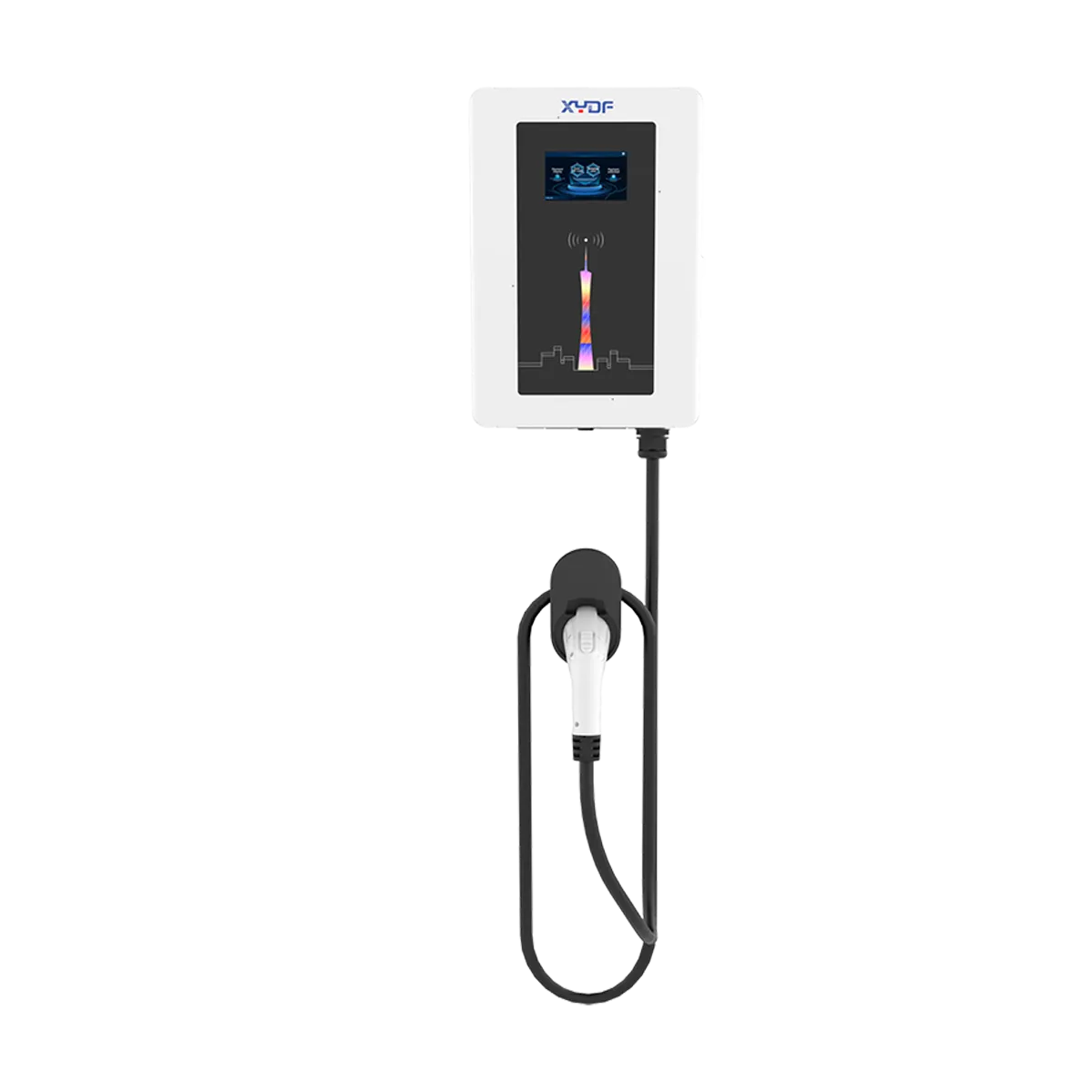
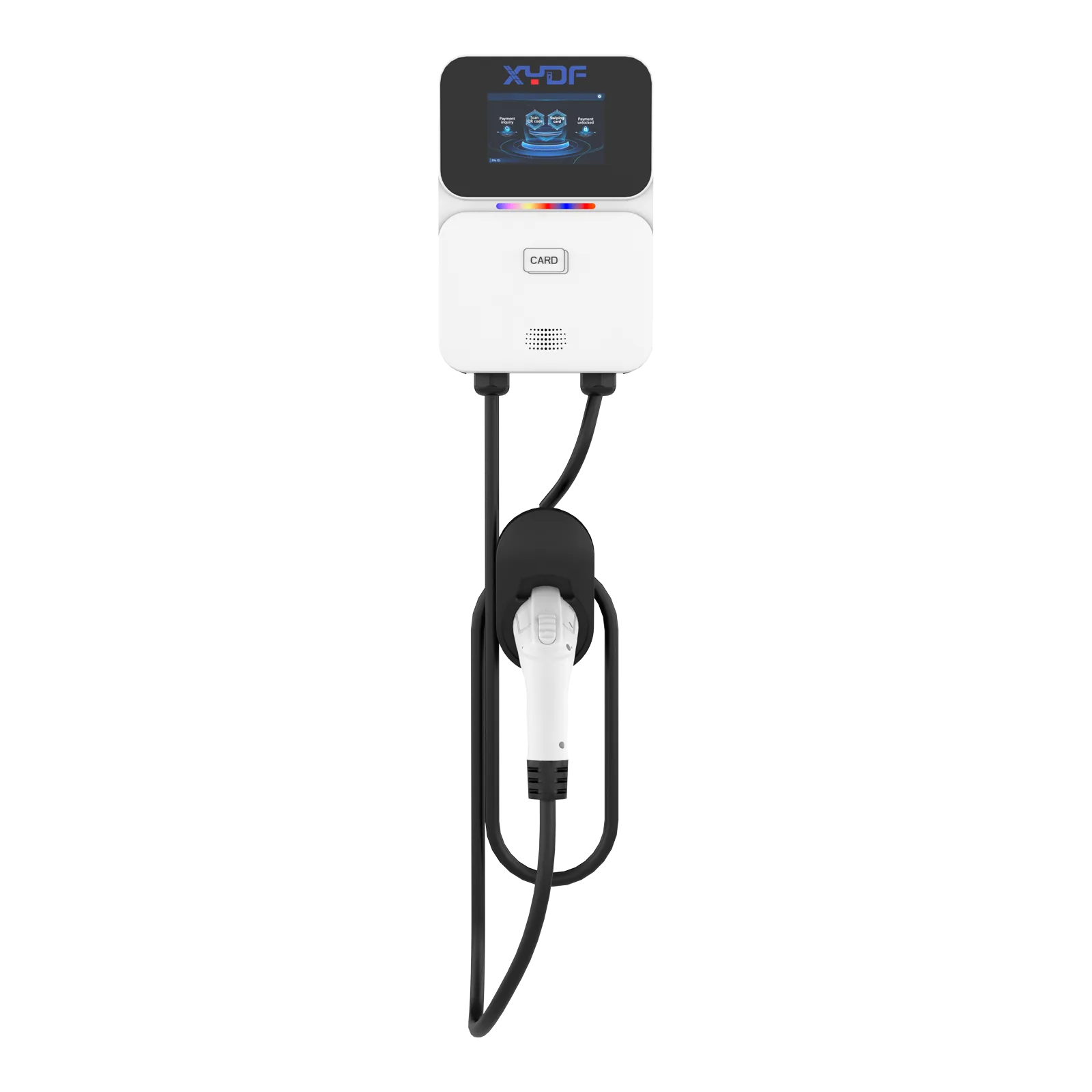
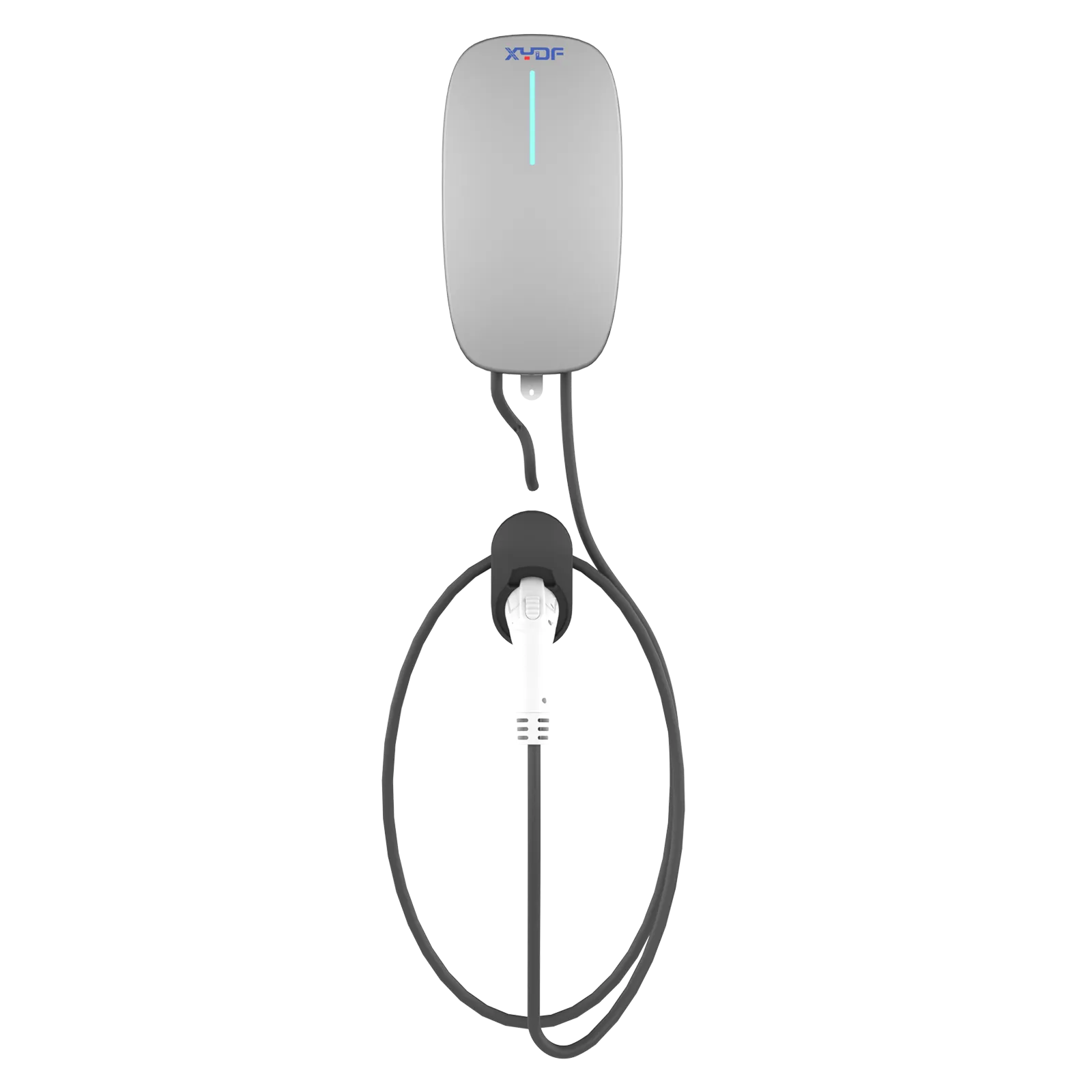
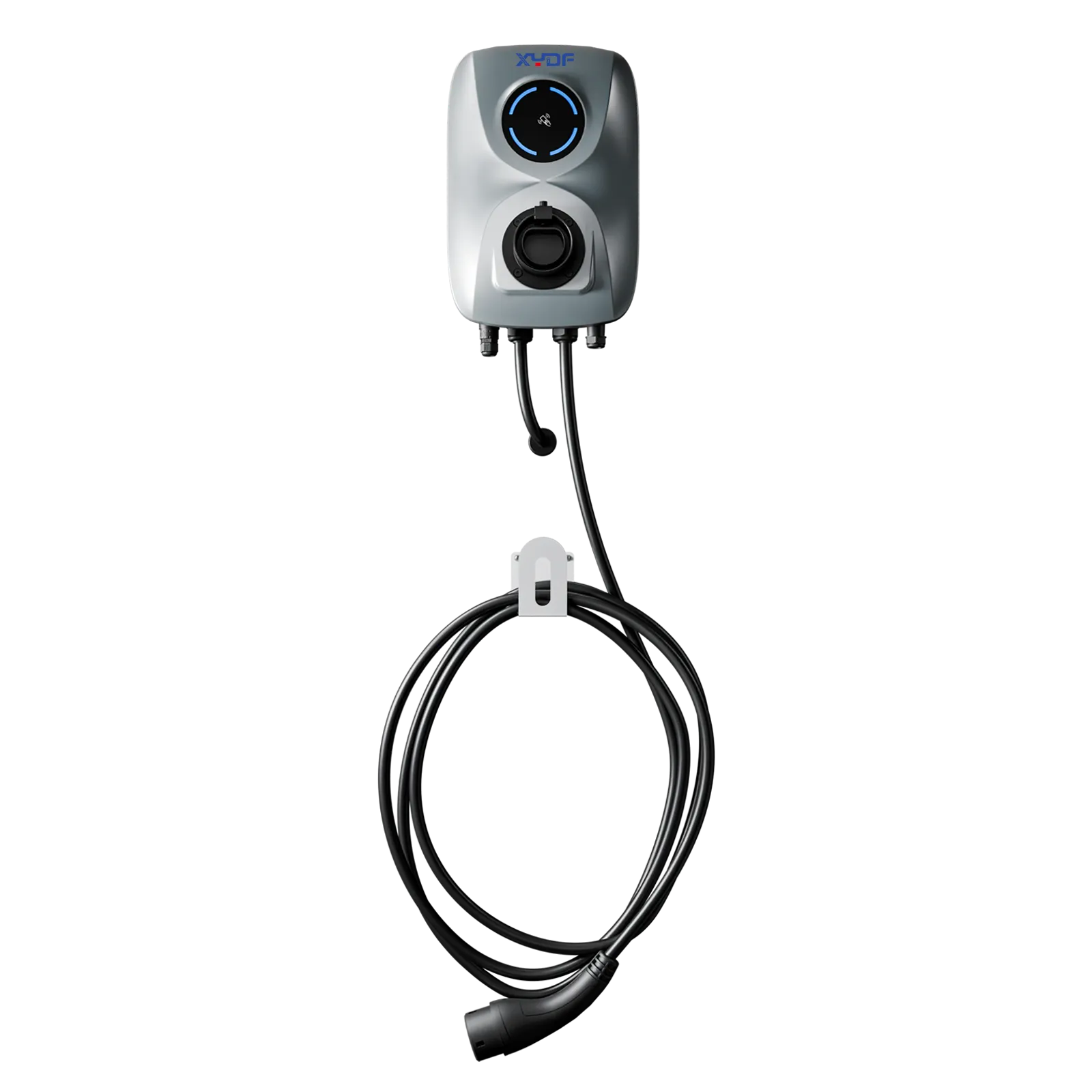
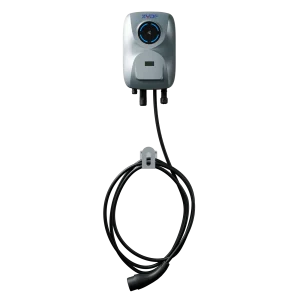
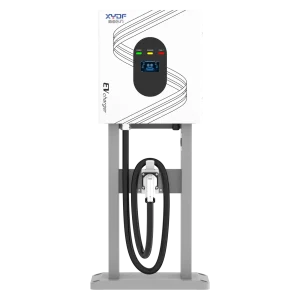

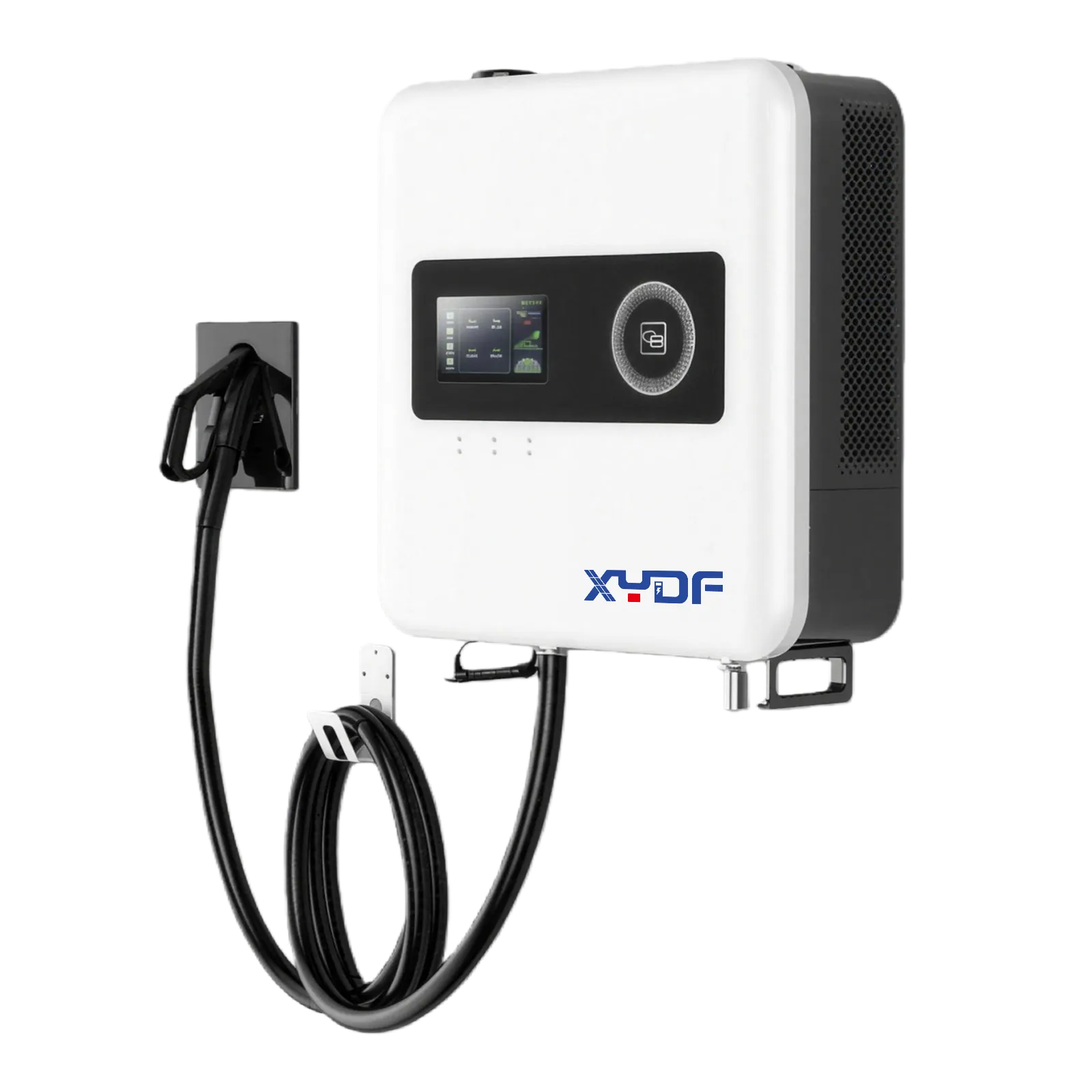
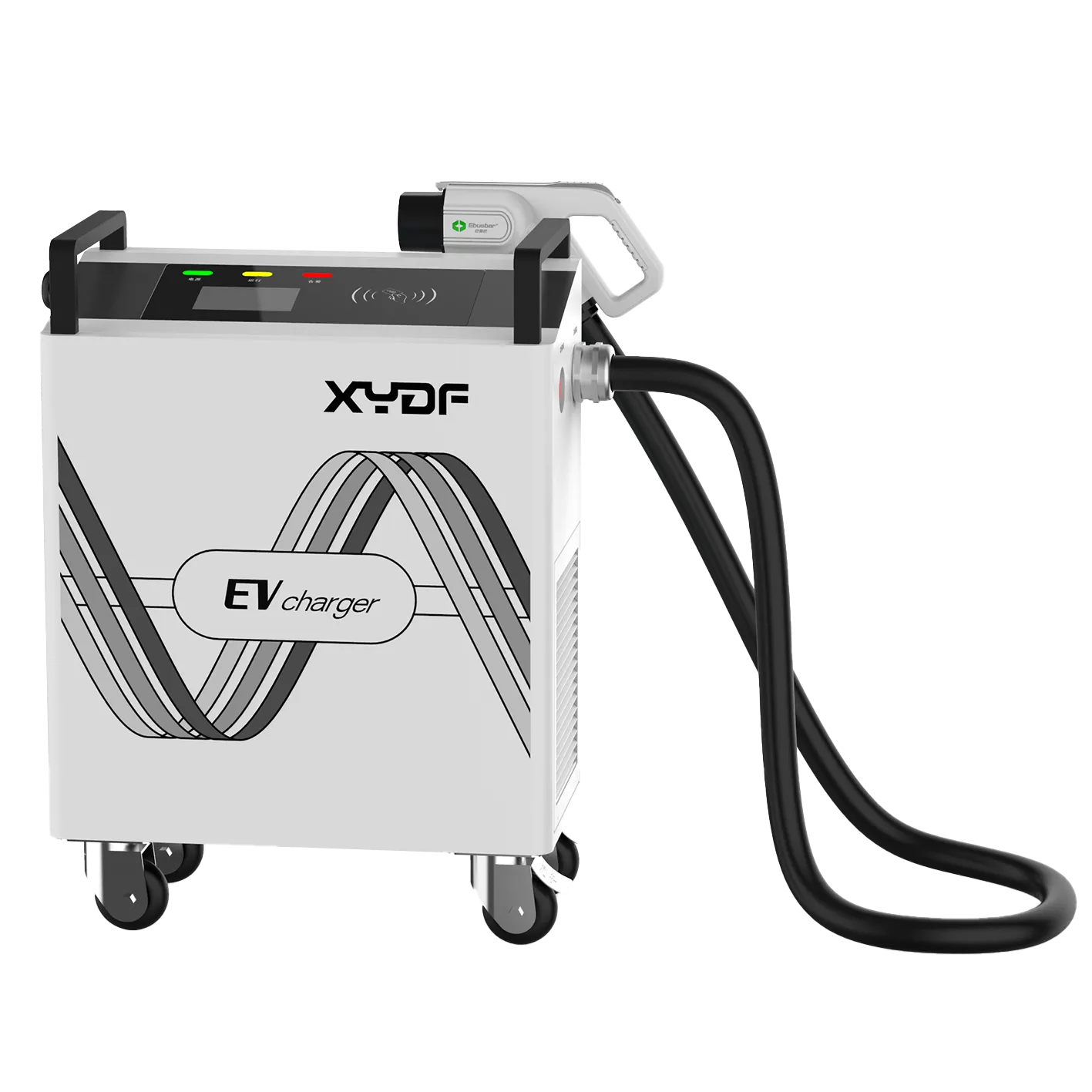
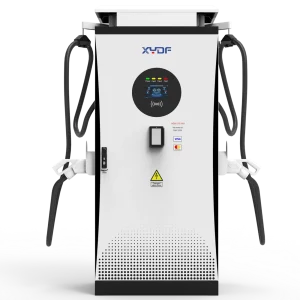
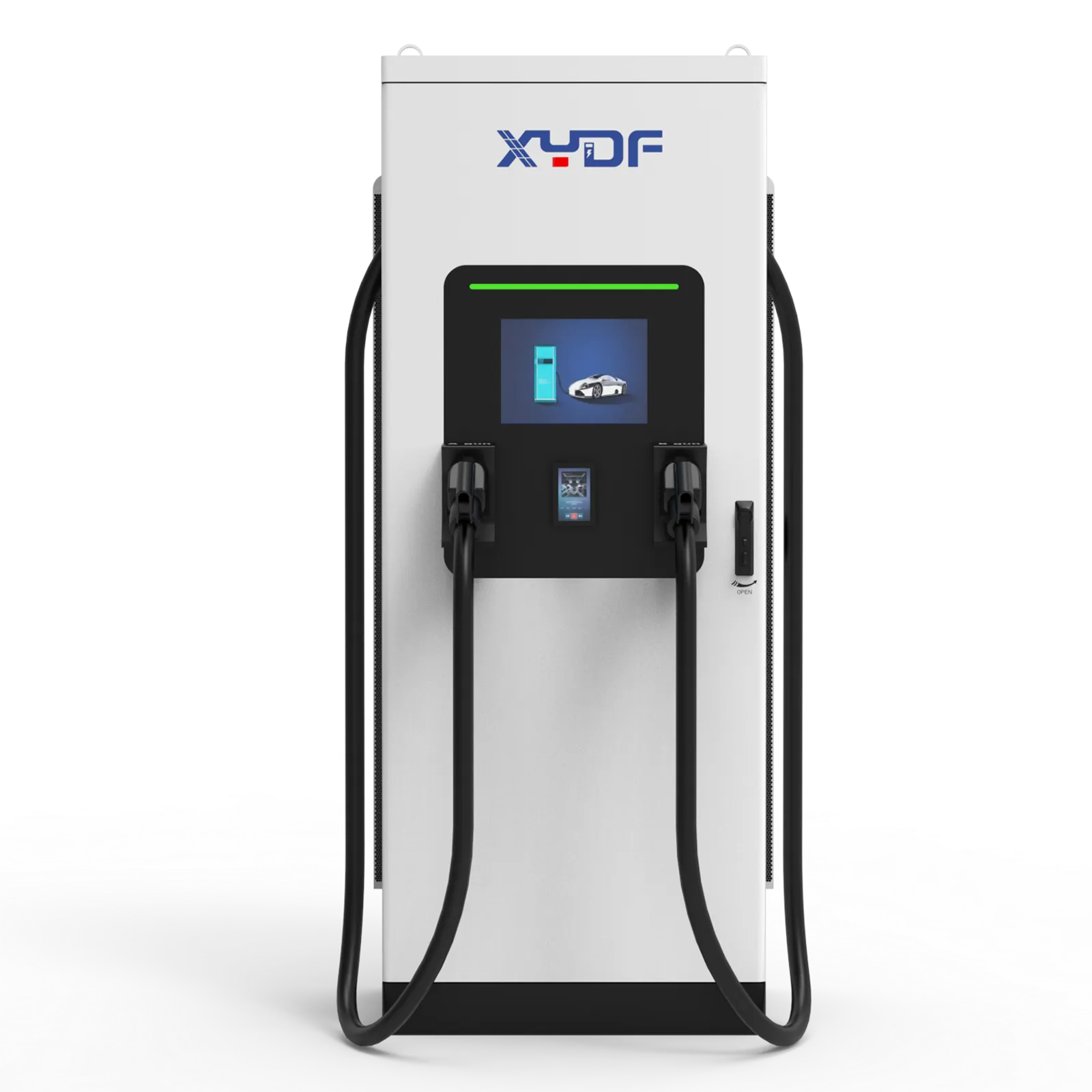
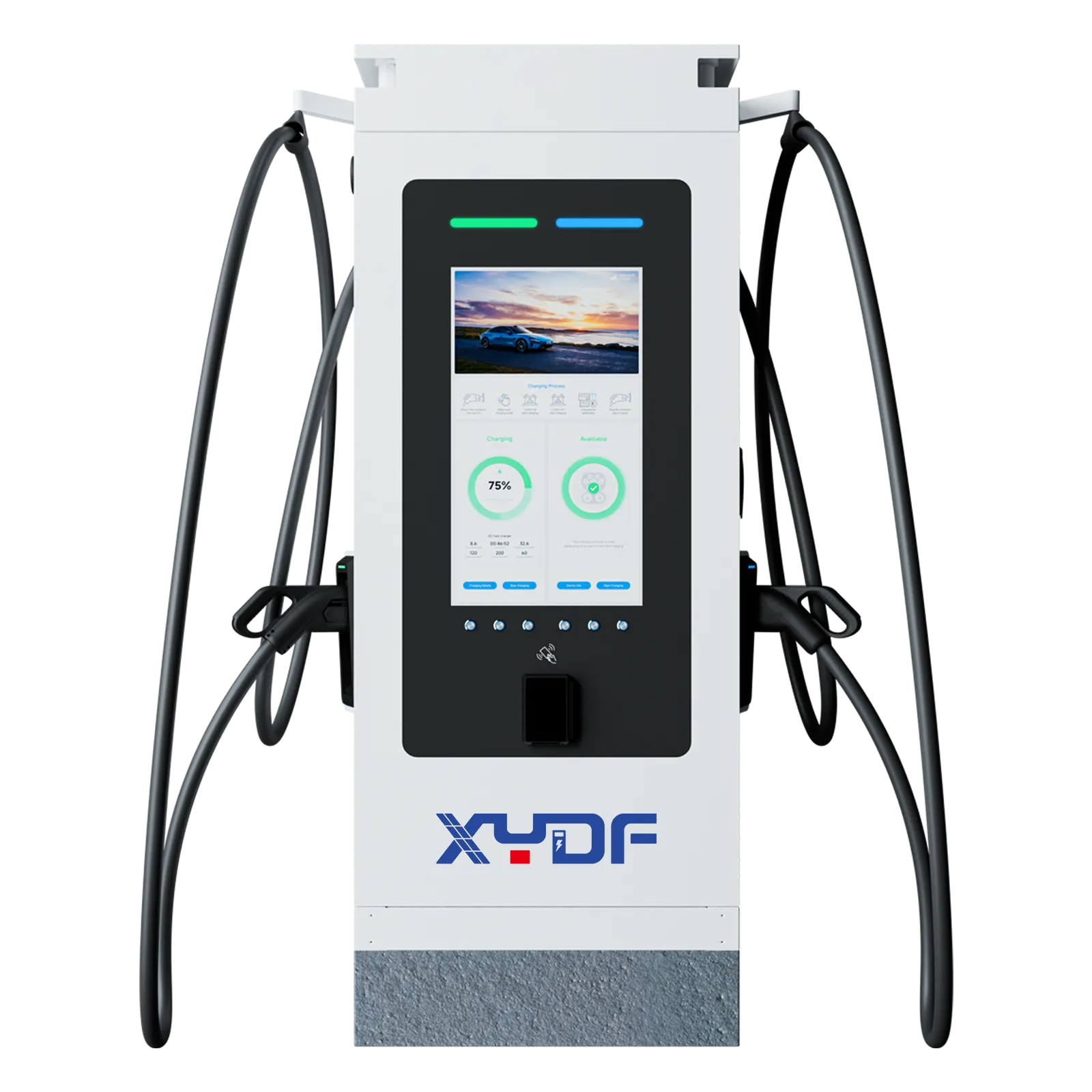
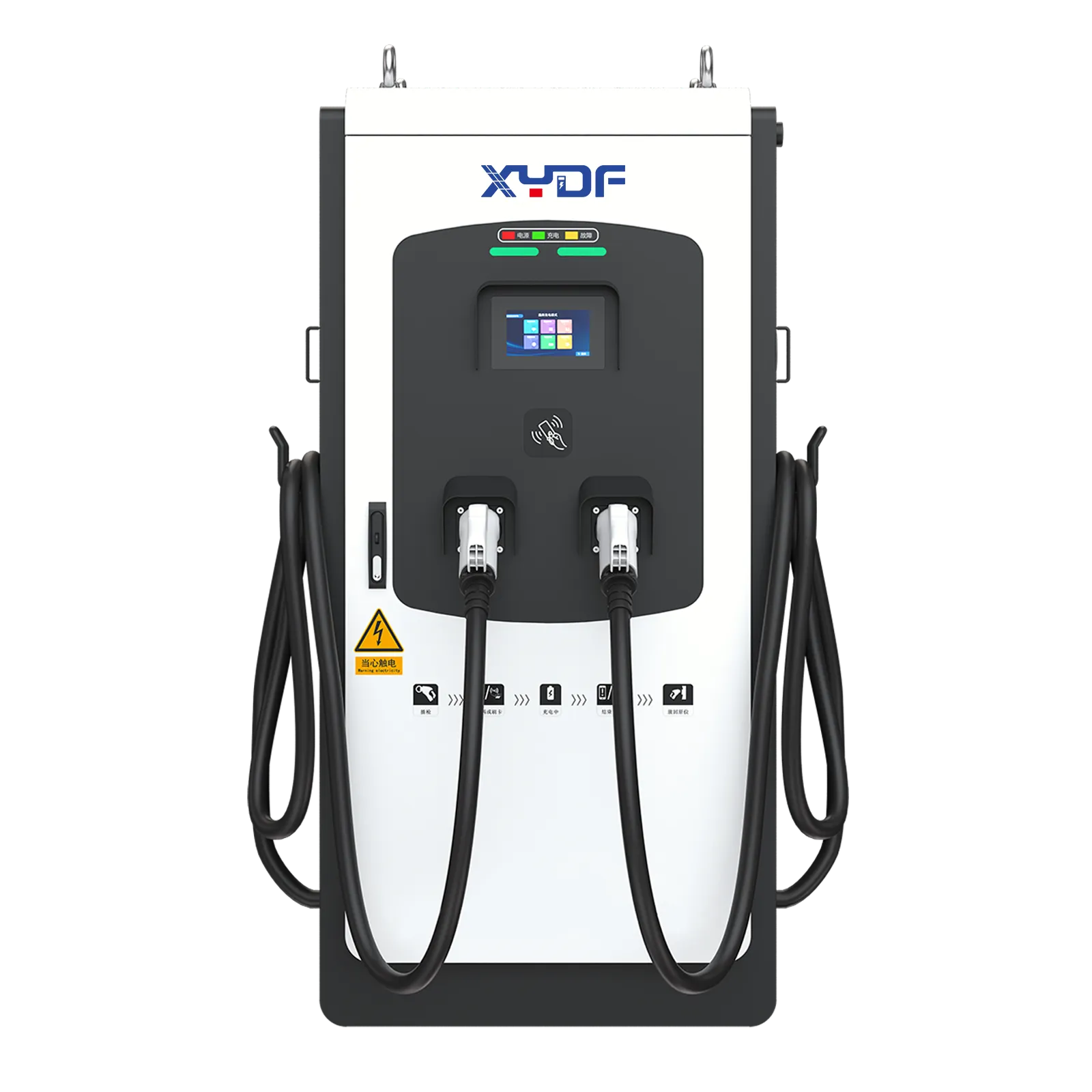
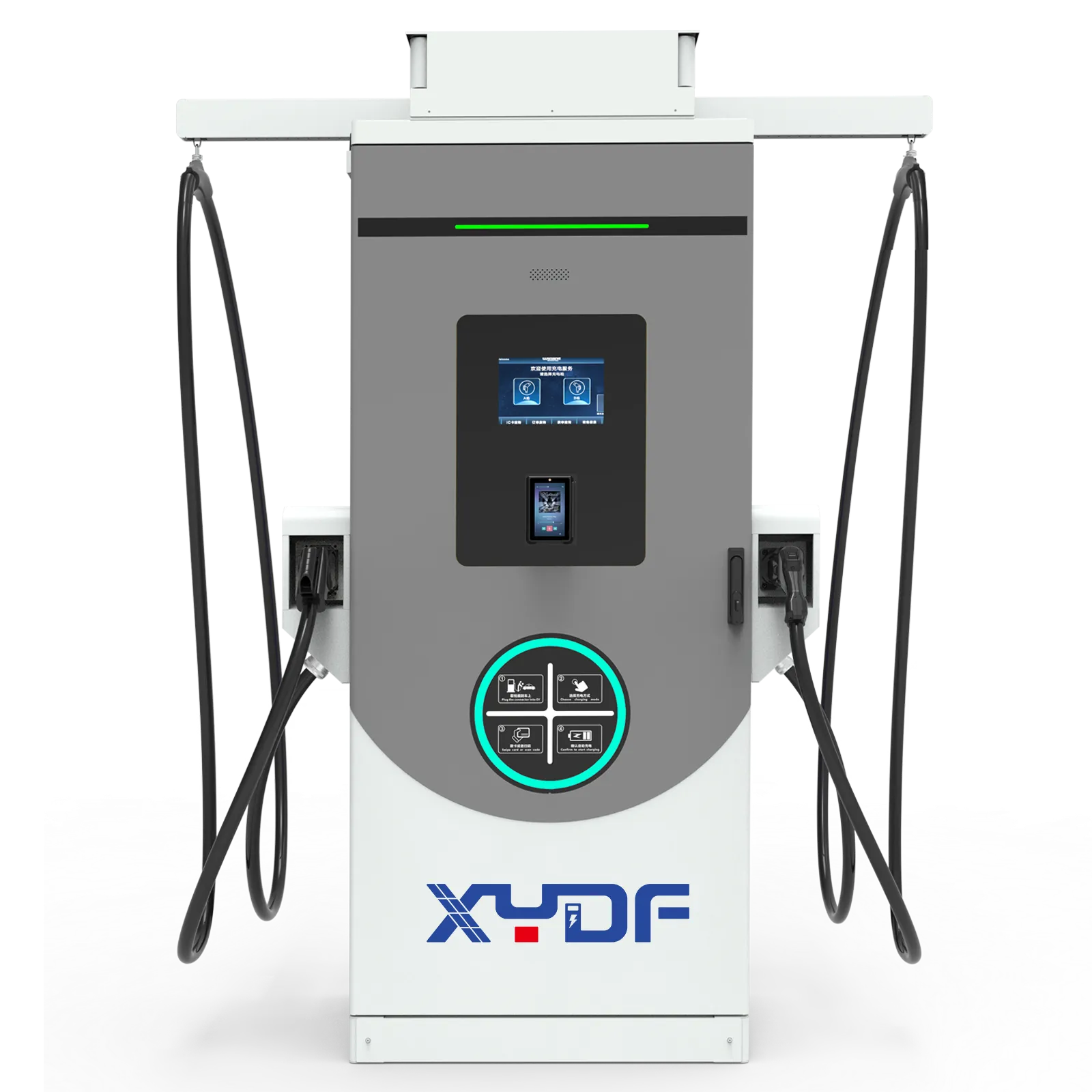
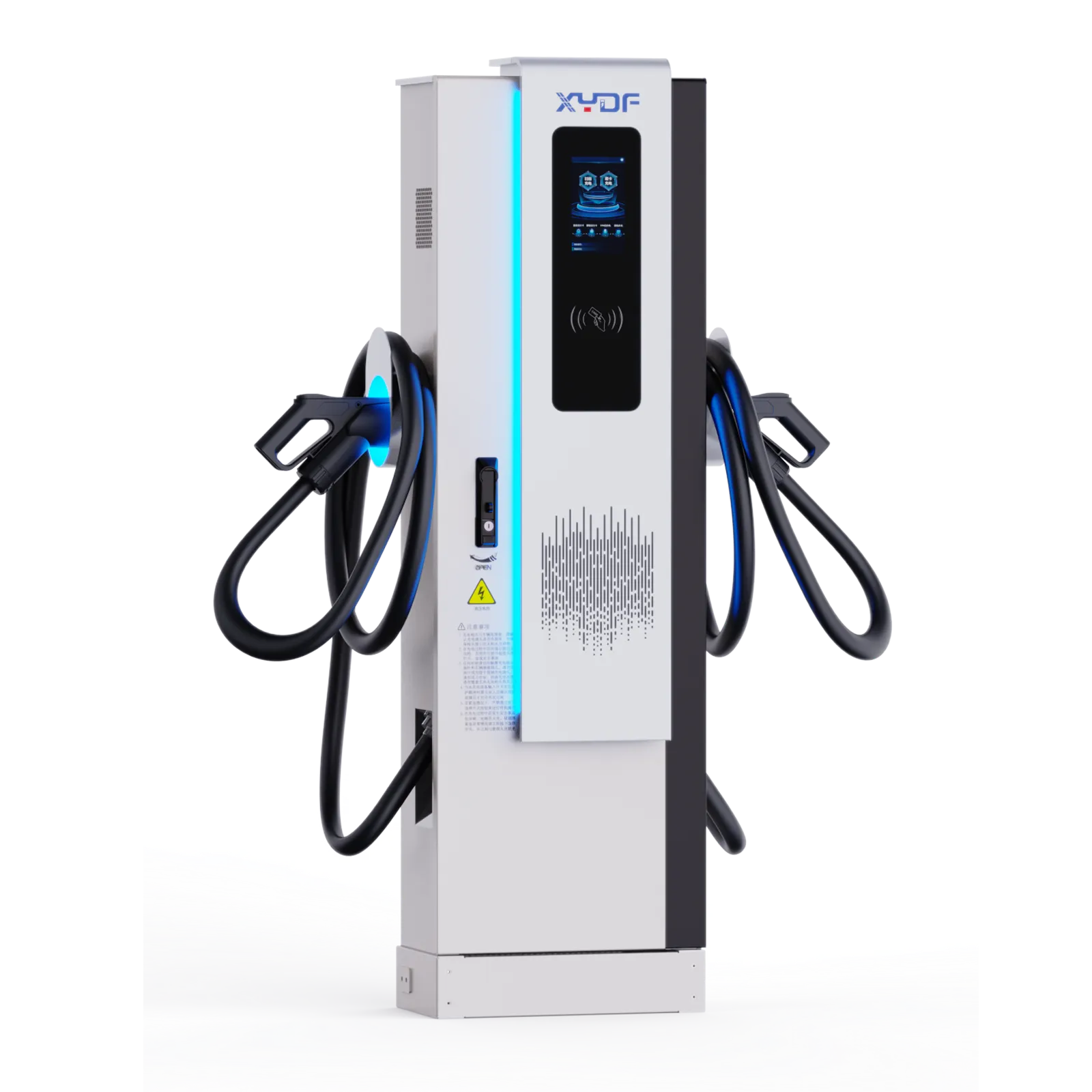
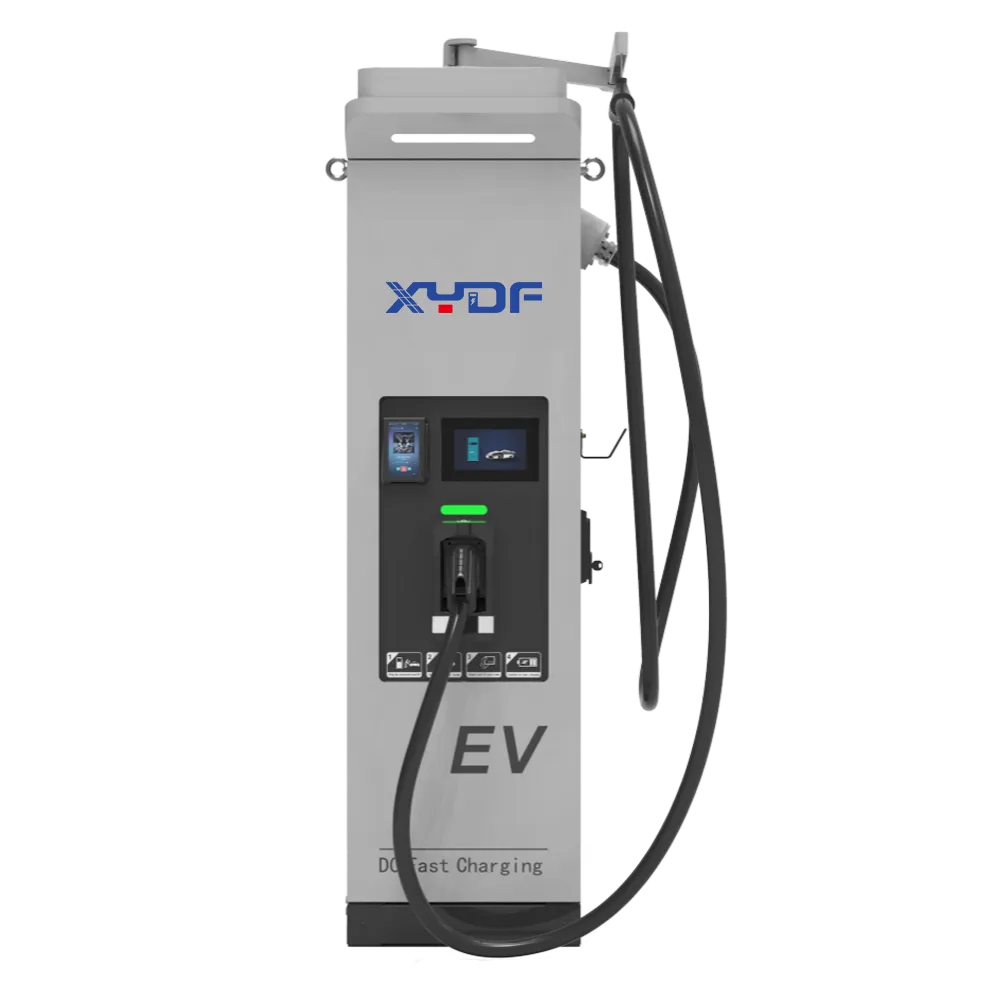
Mining and construction charging sites expose equipment to dust, vibration, impact, water, traffic and irregular access conditions that are different from a sheltered parking installation. A ruggedized commercial EV charging station must therefore be specified around the site hazard profile, not only around output power or enclosure appearance. The decision includes cable protection, foundations, clearance, thermal management, ingress control, maintenance access, isolation and service logistics. This guide shows how to translate those conditions into a procurement and acceptance checklist for demanding work sites.
A mining or construction installation should be specified as a system—enclosure protection, mounting, incoming power, cable routing, operating-temperature evidence, and remote fault workflow—not as a cabinet alone. An IP code describes ingress protection under IEC 60529 test conditions; for example, the first digit addresses access/solids and the second addresses water, but it does not prove vibration survival or a site’s duty cycle. Start with a documented environmental assessment and a protection layout before choosing a borne de recharge pour véhicules électriques commerciale.
Electrified service fleets can reduce local fuel handling, but worksites are demanding electrical environments. Dust, vehicle strikes, wash-down, uneven ground, long cables, generator-quality power, heat, cold, and changing routes can turn an adequate-looking installation into an availability risk. This guide separates enclosure-rating evidence from what must be validated in the project specification.
Start with the actual site exposure, not the cabinet brochure
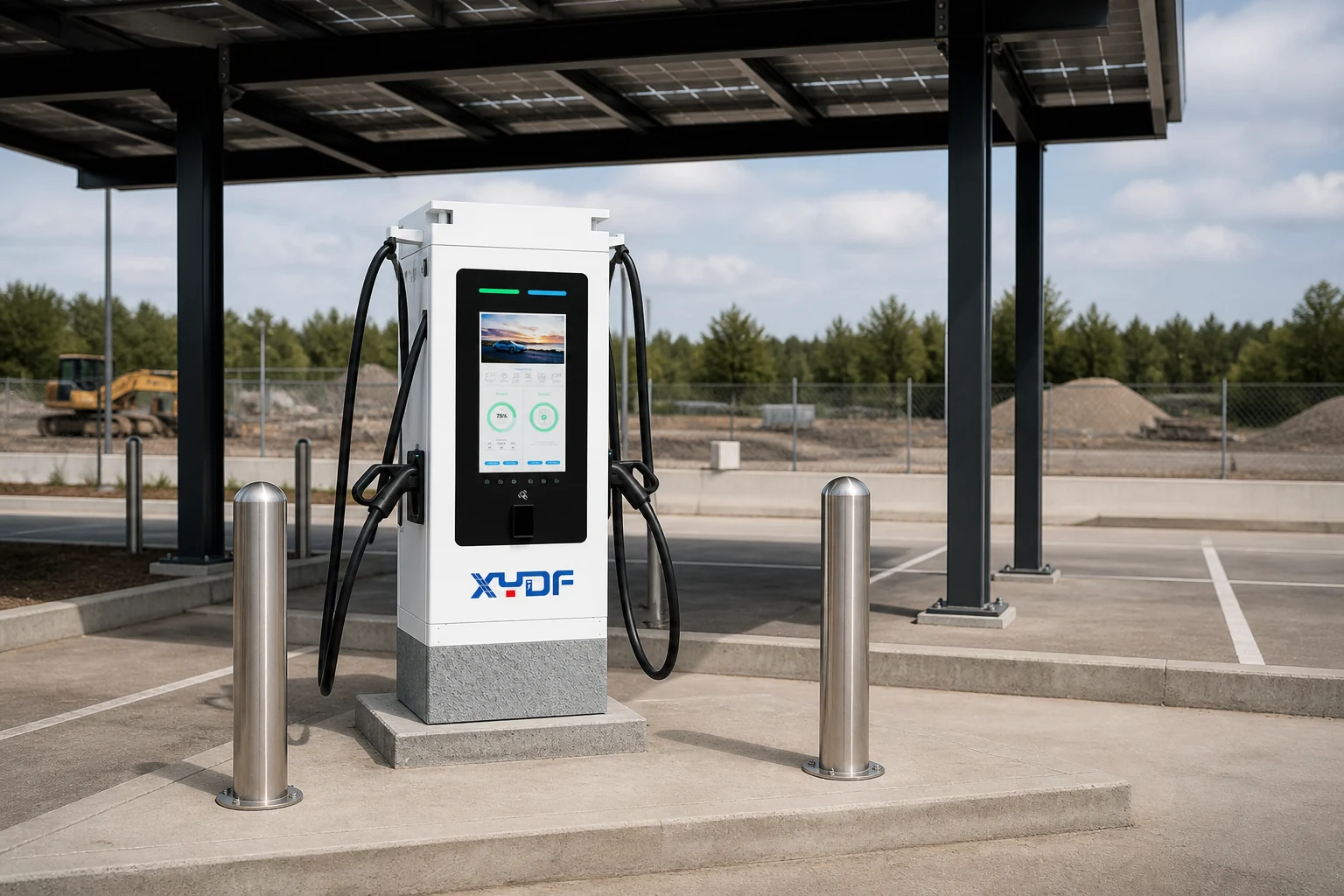
Map each charging bay by exposure: airborne fines, conductive dust, rainfall or wash-down, salt or chemical atmosphere, ambient temperature, solar loading, vehicle routes, and access for maintenance. IEC 60529 defines the IP-code classification and the associated ingress-test framework; it is valuable evidence, but the standard does not rate impact, corrosion resistance, connector wear, vibration, or charging availability.
For a permanently installed, exposed bay, an outdoor ev charger needs more than a stated IP number. Procurement should ask where the rating applies (main enclosure, display, connector holster, cable gland, ventilation paths), whether doors must be closed during the condition, and how field penetrations retain the claimed protection. Mechanical impact should be considered separately; IEC 62262 is the reference framework for IK impact-protection codes.
A rugged commercial ev charging station is therefore a project-defined combination of enclosure, support structure, cable interface, and protection layout; its suitability is established by evidence for that combination, not by a generic environmental adjective.
Turn exposure into an acceptance schedule.
- Define particulate type and cleaning method; mineral dust may call for sealed interfaces and a different maintenance interval.
- Document water exposure: rain, angled spray, pressure washing, and flood risk are materially different conditions.
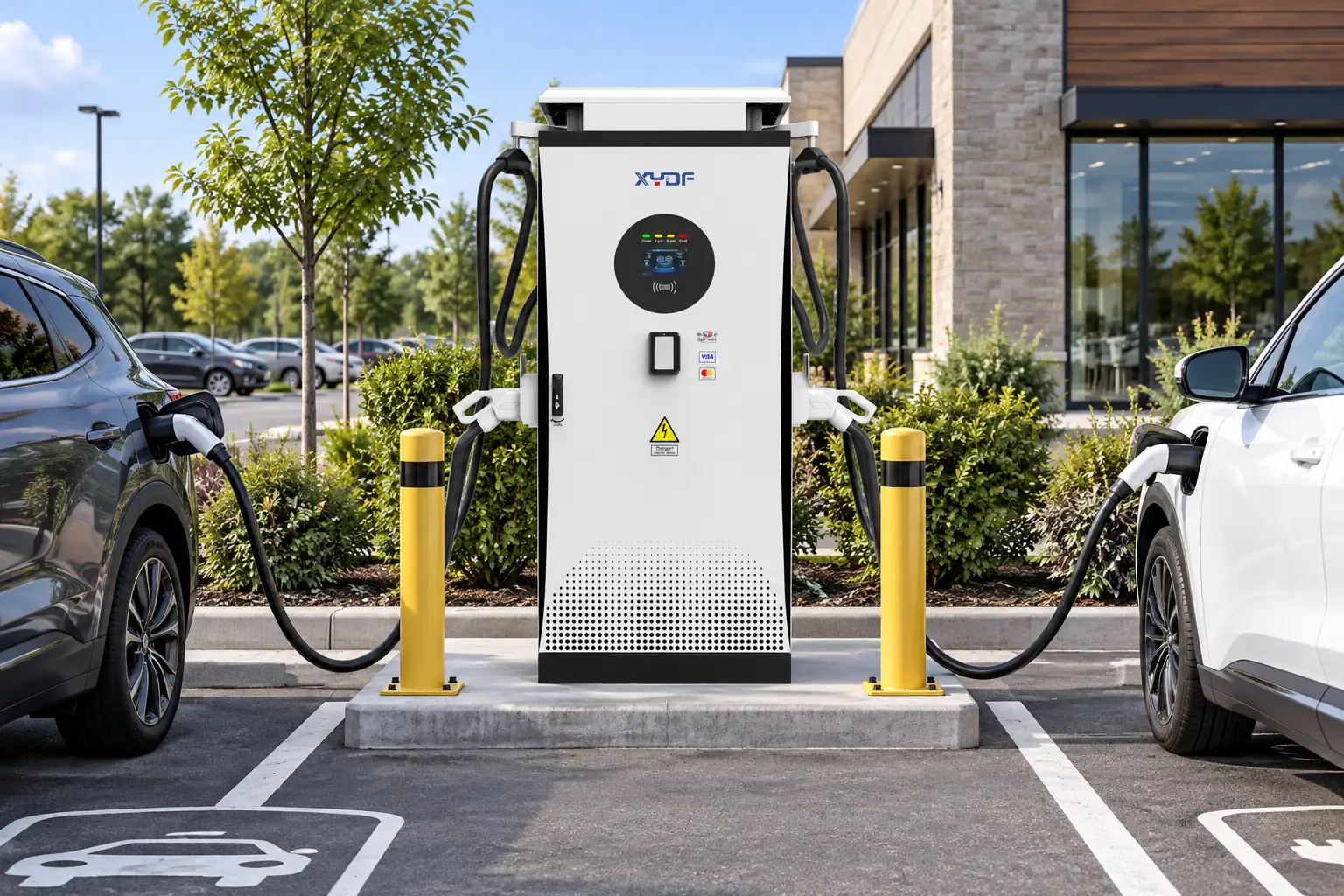
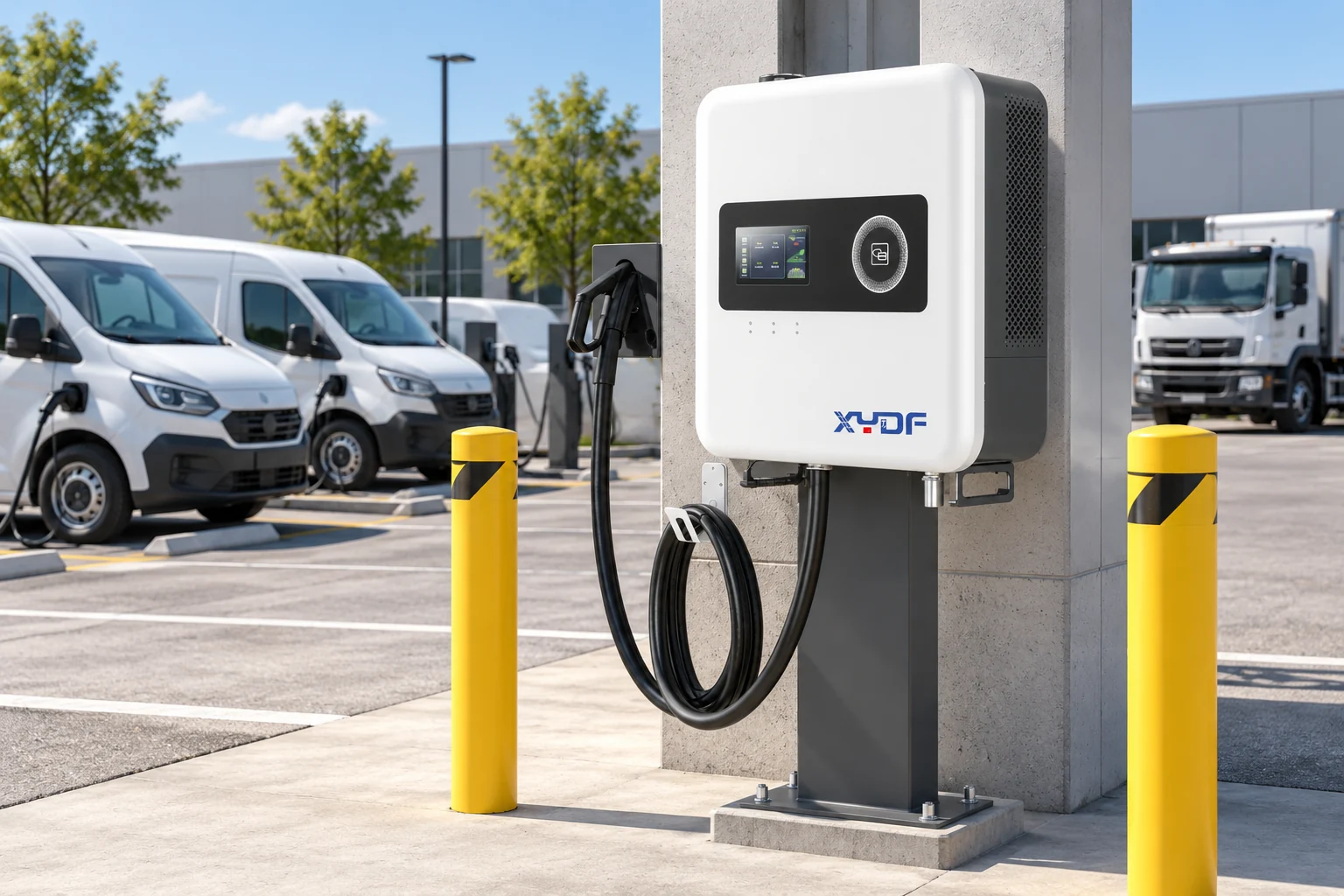
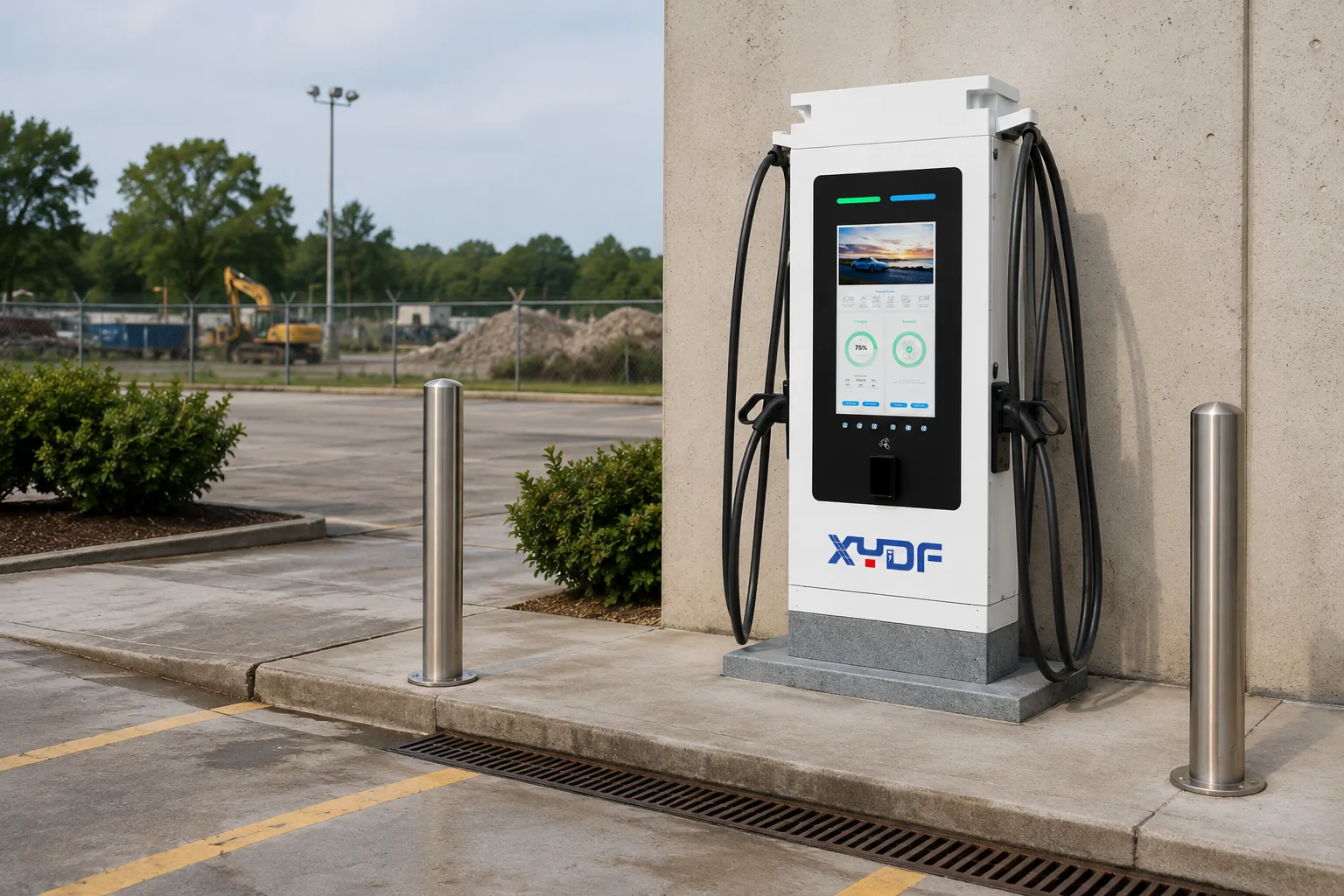
- Separate cabinet from collision protection: locate equipment outside traffic, then specify bollards, curbs, clearance, and service space.
- Record expected temperature extremes, including solar gain and wind-chill at the installed location.
Specify dust, vibration, and mounting as one reliability problem
Vibration is often transmitted through a wall, skid, canopy, or frame rather than generated inside the unit. Identify the mounting structure, fastener retention, cable strain relief, and nearby plant. IEC 60068-2-6 describes a sinusoidal-vibration test method; passing one profile is not certification for every haul road, crusher, or compacted-soil installation.
Ask suppliers to state the test method, frequency range, amplitude or acceleration, axes, duration, mounting condition, and post-test functional checks. Distinguish evidence for a configured assembly from a broad marketing statement. If factory evidence does not match the site profile, seek an engineering review or project-specific validation.
There is a total-cost reason to be specific. Illustratively, if six vehicles each require 40 kWh overnight, two unavailable points shift 80 kWh into a shorter period. That disruption can cost more than protected mounting, conduit, bollards, and maintainable cable support. Actual fleet demand, power, and shift timing must be measured locally.
| Dimension | Basic sheltered deployment | Rugged worksite deployment | Procurement evidence to request |
|---|---|---|---|
| Ingress | Limited weather and low dust | Exposure defined by dust and water scenario | IEC 60529 IP code, scope, installed-state limitations |
| Impact and traffic | Separated parking area | Plant routes and reversing vehicles considered | Layout, clearances, bollard/curb detail; IEC 62262 evidence where relevant |
| Vibration | Rigid building wall | Frame, skid, or near-plant vibration assessed | Mounting design and IEC 60068-2-6 test context |
| Service | Frequent technician access | Remote or shift-constrained access | Spare-parts plan, alarms, isolation procedure, service clearance |
For a changing worksite, specify environmental protection as separate evidence items. IEC 60529 IP testing addresses enclosure ingress under defined conditions, while impact, vibration, cable abuse, mounting, drainage, and inspection access require their own requirements and acceptance checks. A charger should pass the site’s actual exposure and maintenance plan, not just display a high IP number.
Protect cables and power interfaces on an active worksite
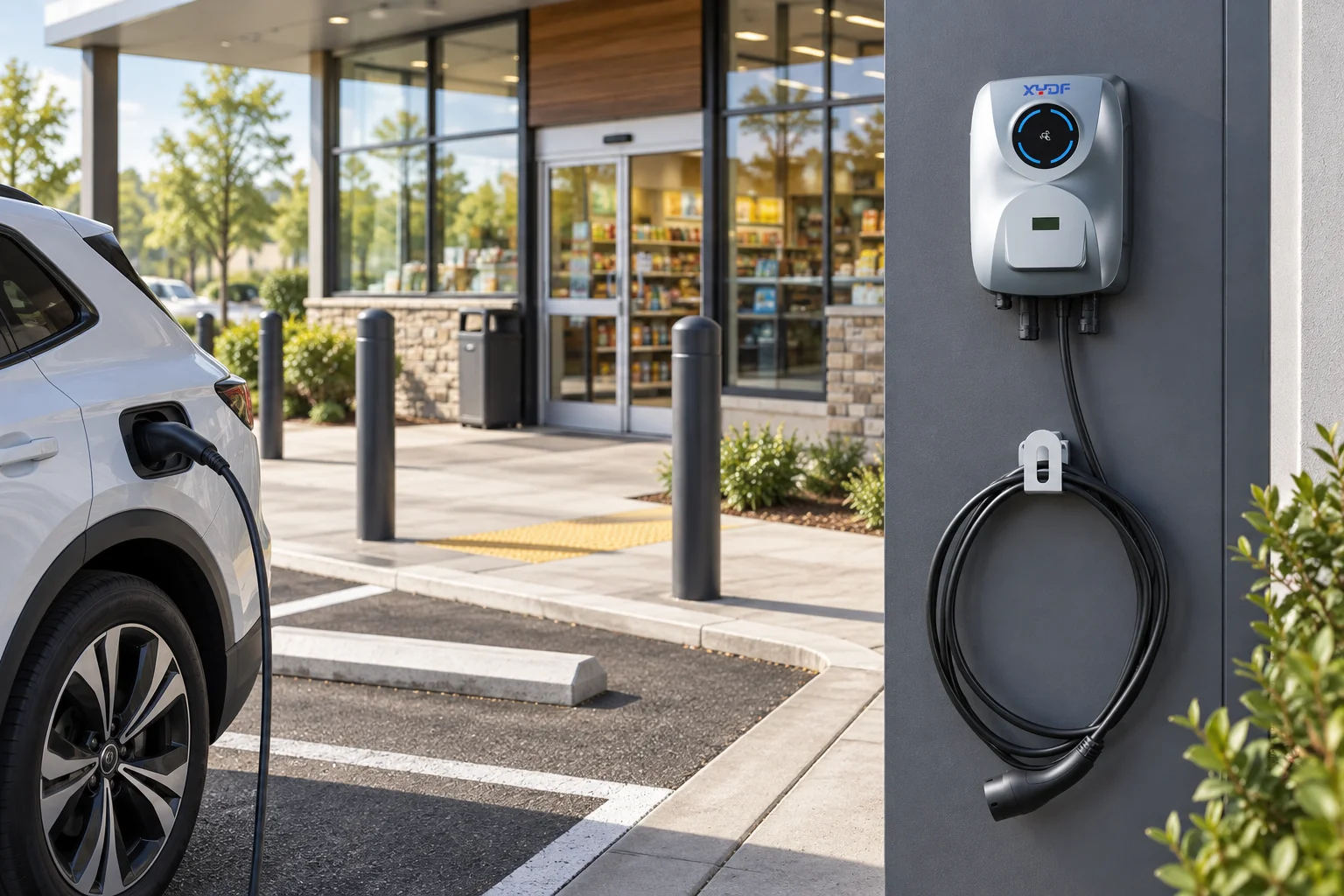
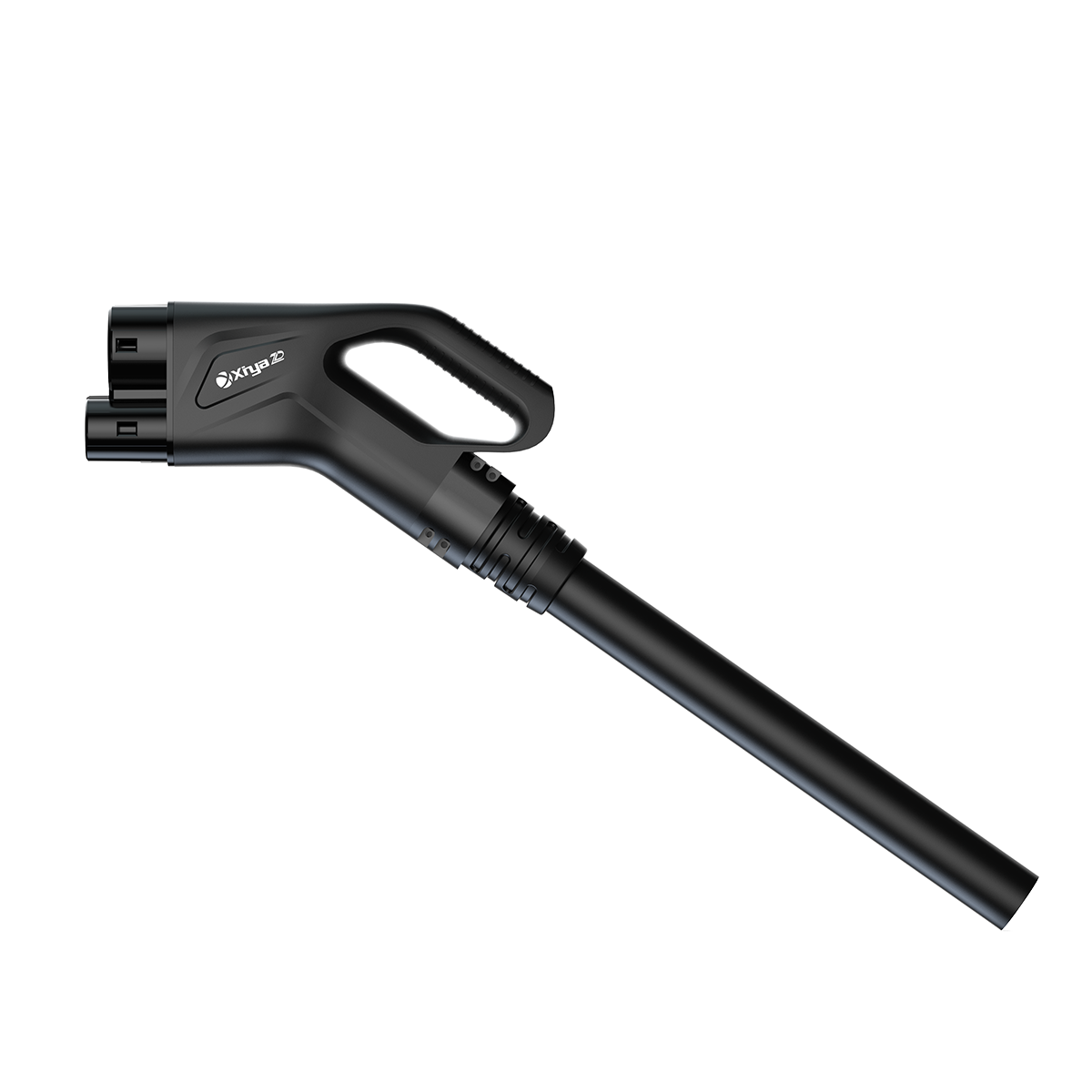
Cables are both an electrical interface and a traffic-management issue. Route them so a driver can connect without crossing vehicle lanes, pedestrian routes, or drainage. A holster or retractor keeps the connector out of grit and standing water; use suspension, ramps, or overhead management only after confirming trip, clearance, and emergency-access implications.
For US construction work, OSHA 29 CFR 1926.405 sets requirements for wiring methods, components, and equipment for general use, including protection from damage. It is not a global charger certification. Local electrical rules, mine safety rules, and the authority having jurisdiction decide the installation requirements; the project team should confirm isolation, earthing/grounding, overcurrent protection, residual-current protection where required, and emergency response before energization.
| Worksite condition | Réponse de la conception | Verification at handover |
|---|---|---|
| Truck or loader crossing risk | Relocate bay; use physical separation before relying on cable covers | Vehicle-swept-path and bollard-clearance check |
| Fine dust at connector | Protected holster, cleaning procedure, inspect seals | Connector mating and visual inspection routine |
| Changing temporary routes | Marked charging zone and controlled cable path | Shift briefing and route-change sign-off |
| Remote electrical fault | Local isolation identification and documented escalation path | Functional drill with responsible site personnel |
Use remote monitoring and temperature evidence to protect uptime
Remote monitoring provides operational visibility, not false certainty. Define reported states and faults, recipients, communications dependency, data ownership, cybersecurity responsibilities, and escalation. OCPP is a communications protocol, not a product certification or a promise of interoperability in every configuration; the Alliance de recharge ouverte publishes the protocol family and conformance resources.
Temperature claims need the same discipline. IEC 60068-2-1 covers cold testing and IEC 60068-2-2 covers dry-heat testing; a supplier should identify the claimed operating range, test configuration, dwell conditions, derating behavior, and any heater, cooling, or ventilation dependencies. A cabinet exposed to direct sun can experience conditions different from the reported weather-station ambient, while cold can affect cable flexibility, display behavior, and connection handling.
Use a risk-based service plan: prioritize response with alarms, inspect seals and connectors on an interval, clean only with approved methods, examine mounting hardware when vibration warrants it, and record firmware or configuration changes. Remote capability is not a substitute for local electrical inspection.
Standards context and a practical procurement sequence
Several standards may be relevant, but their roles differ. IEC 60529 is an ingress classification/test context; IEC 62262 covers IK-code impact protection; IEC 60068 environmental parts provide test methods; and IEC 61851-1 addresses general conductive-charging requirements. None alone proves that an installed product is certified or approved for a destination market. Request the applicable declaration, test report, listing, or approval, then have the installer and authority having jurisdiction confirm applicability.
- Survey the site and produce an exposure, traffic, power-quality, and communications brief.
- Set acceptance criteria for enclosure interfaces, mounting, impact protection, cable storage, ambient range, and required documentation.
- Match power and connector type to the vehicles’ actual dwell window; avoid selecting power solely from a nameplate headline.
- Require commissioning tests, alarm-routing validation, a maintenance schedule, and responsibility for corrective action.
XYDF can support buyers who need to compare configurable commercial ev charger options with the project’s installation evidence and documentation requirements. That discussion should begin with the site brief and target market, rather than an assumption that one rating or one power class suits every fleet. Before order placement, commission the specified commercial ev charging station against the approved drawings, test records, and site responsibilities.
FAQ
Qu’est-ce qui rend une station de recharge électrique adaptée à un site minier ?
La conformité commence par un rapport documenté entre le matériel et les conditions d’exposition à la poussière, à l’eau, aux impacts, aux vibrations, à la température, au trafic et à l’accès aux services. L’enceinte, le rangement des connecteurs, l’assemblage, la protection électrique et le workflow d’alarme doivent tous fonctionner ensemble. Demandez des preuves liées à l’installation configurée plutôt que de vous fier à un seul label de robustesse.
Comment les chargeurs commerciaux pour véhicules électriques doivent-ils être protégés contre la poussière et les vibrations ?
Utilisez des supports de câbles et de connecteurs protégés, maintenez les entrées fermées et localisez l’enceinte à l’abri de la poussière et du trafic, si possible. Conceptez le montage et les dispositifs de soulage des contraintes des câbles en tenant compte des vibrations attendues sur le site, puis demandez les conditions relatives aux méthodes d’essai pertinentes, telles que la norme IEC 60068-2-6. Il est essentiel de procéder régulièrement à l’inspection des serrures, des attaches, des joints et des connecteurs.
Quelle classe de protection IP est nécessaire pour le chargement sur le chantier extérieur ?
Il n’existe pas de norme IP unique qui soit suffisante pour tous les chantiers de construction. Sélectionnez une norme IP après avoir déterminé si l’équipement doit résister à la pluie, à la poussière, à l’eau ou à des conditions d’installation temporaires ; l’IEC 60529 explique les conditions d’essai de cette norme. Vérifiez la portée de la norme et les conditions supplémentaires, telles que la position de la porte et les entrées des câbles installées sur le chantier.
Les chargeurs robustes peuvent-ils fonctionner dans des conditions très chaudes ou très froides ?
Ils peuvent, si le fournisseur documente la plage de fonctionnement et que l’installation prend en compte la captation solaire, la ventilation, la neige ou la glace, le transport des câbles et toute dégradation éventuelle. Les IEC 60068-2-1 et IEC 60068-2-2 fournissent des contextes d’essai pour les températures froides et sèches, mais ils ne garantissent pas une performance générale. Exiger la documentation de la température du produit configuré réellement.
Comment doivent-ils être gérés les câbles de recharge sur un chantier actif ?
Intégrer la station de recharge et la voie de câblage dans le plan de circulation du site afin que les câbles ne traversent pas les voies de circulation, les passages piétons ou les drains par défaut. Mettre les connecteurs dans des étuis protégés et utiliser une séparation physique avant les rampes de câblage, lorsque cela est possible. Revoir l’aménagement lorsque les itinéraires ou les équipements changent.
What maintenance plan is needed for remote site EV chargers?
Définissez un plan basé sur les risques, combinant une inspection à distance des pannes avec des contrôles locaux périodiques des connecteurs, des joints, de l’état des câbles, de l’assemblage, des dispositifs de protection et des communications. Définissez les personnes responsables de la réponse, les pièces de rechange, les étapes d’isolement et les délais d’escalade avant la mise en service. Ajustez la fréquence des inspections en fonction de la présence réelle de poussière, de vibrations, de conditions météorologiques et de l’historique des pannes.
Un indice de protection IP élevé suffit-il pour un chargeur électrique destiné à des installations minières ou de chantier ?
Non. Les tests IP ne déterminent pas la protection contre l’intrusion dans les conditions d’essai indiquées ; ils ne permettent pas de déterminer la résistance aux impacts, la résistance aux vibrations, la tolérance aux abus de câbles, la stabilité des fondations ou les performances de maintenance. Spécifiez IP, IK, montage, routage des câbles, drainage et preuves d’inspection comme éléments distincts d’acceptation pour le site de réalisation réel.
Should a changing construction site use portable or fixed EV chargers?
Choose from the site life cycle rather than the label. A fixed charger suits a known bay, permanent electrical connection and repeatable traffic path; a relocatable unit may suit phased works only when its connection, protection, lifting, cable and inspection arrangements are documented. Reassess the installation after each major site move.
How should a worksite verify an EV charger before moving the installation?
Record the original mounting, cable route, protective devices, enclosure condition, drainage, impact protection, and inspection results before relocation. After a major site move, repeat the electrical and mechanical checks and confirm that the new traffic path, foundation, lifting method, and emergency isolation still match the approved installation design.
Références
- International Electrotechnical Commission: IEC 60529, Degrees of protection provided by enclosures (IP Code).
- International Electrotechnical Commission: IEC 62262, Degrees of protection provided by enclosures for electrical equipment against external mechanical impacts (IK code).
- International Electrotechnical Commission: IEC 60068-2-6, Environmental testing—Part 2-6: Tests—Test Fc: Vibration (sinusoidal).
- US Occupational Safety and Health Administration: 29 CFR 1926.405, Wiring methods, components, and equipment for general use.
- Open Charge Alliance : Open Charge Point Protocol.
- IEC 61851-1 (étendue vérifiée le 2026-10-06)
On remote, high-exposure sites, charging uptime is designed into the installation before it is serviced into the equipment.
When your team is ready to turn a site exposure brief into a charging specification, review XYDF’s commercial EV charging equipment and contact XYDF to discuss the product configuration and documentation needed for your market.