 Xinya Dongfang Electricity Technology Co., Ltd.


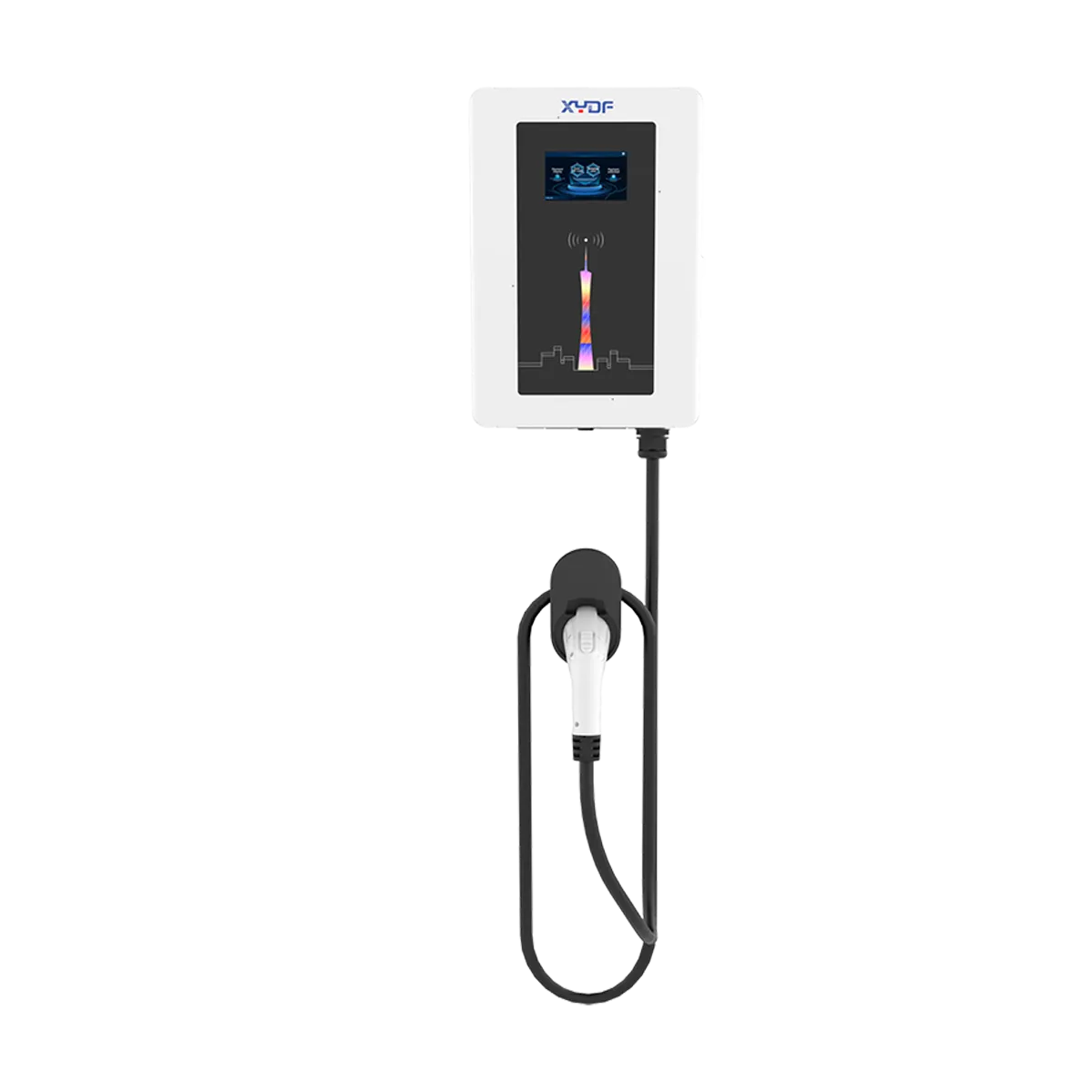
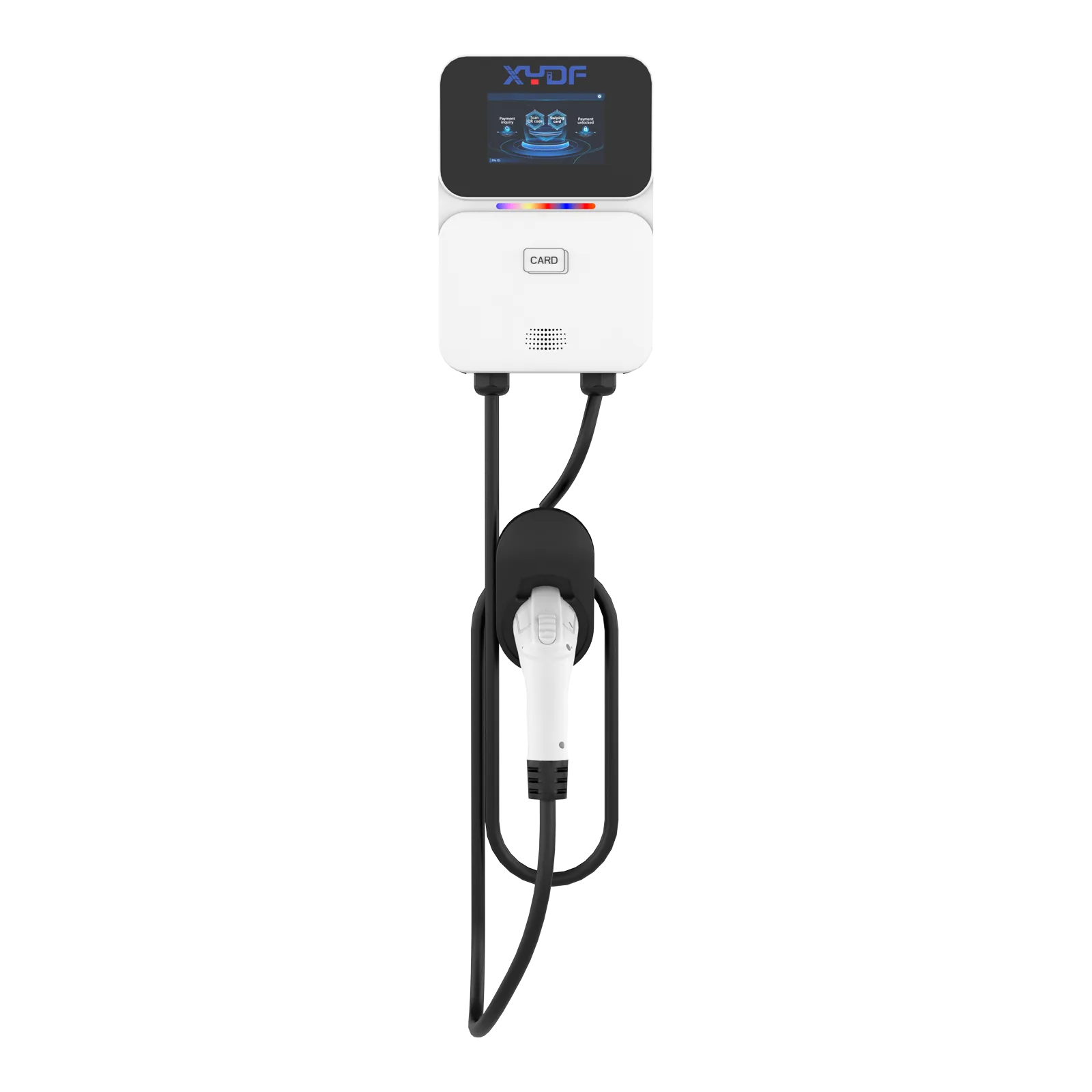


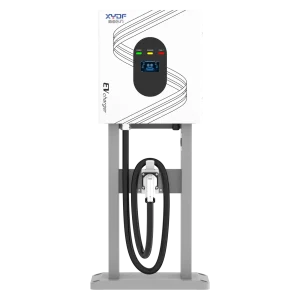

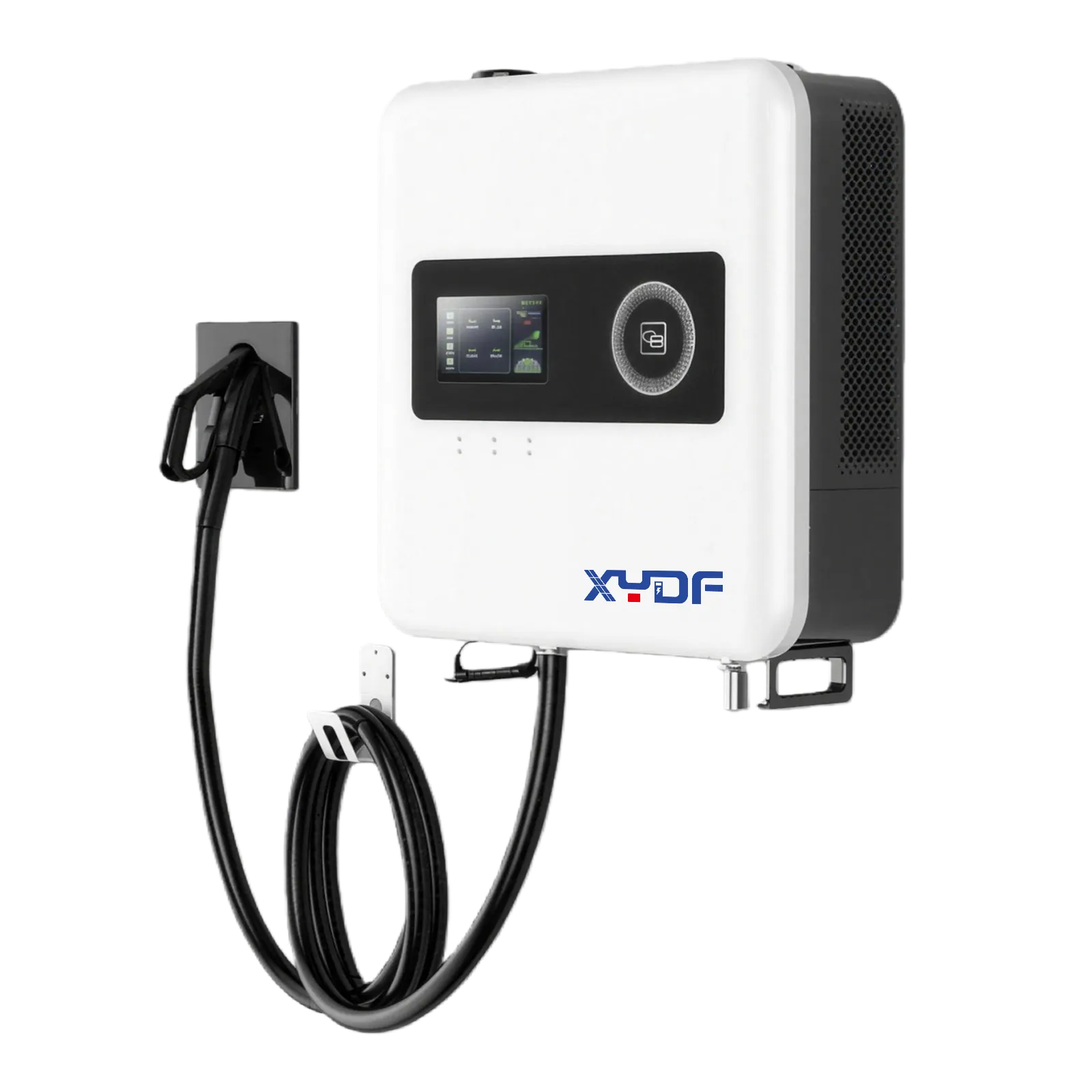


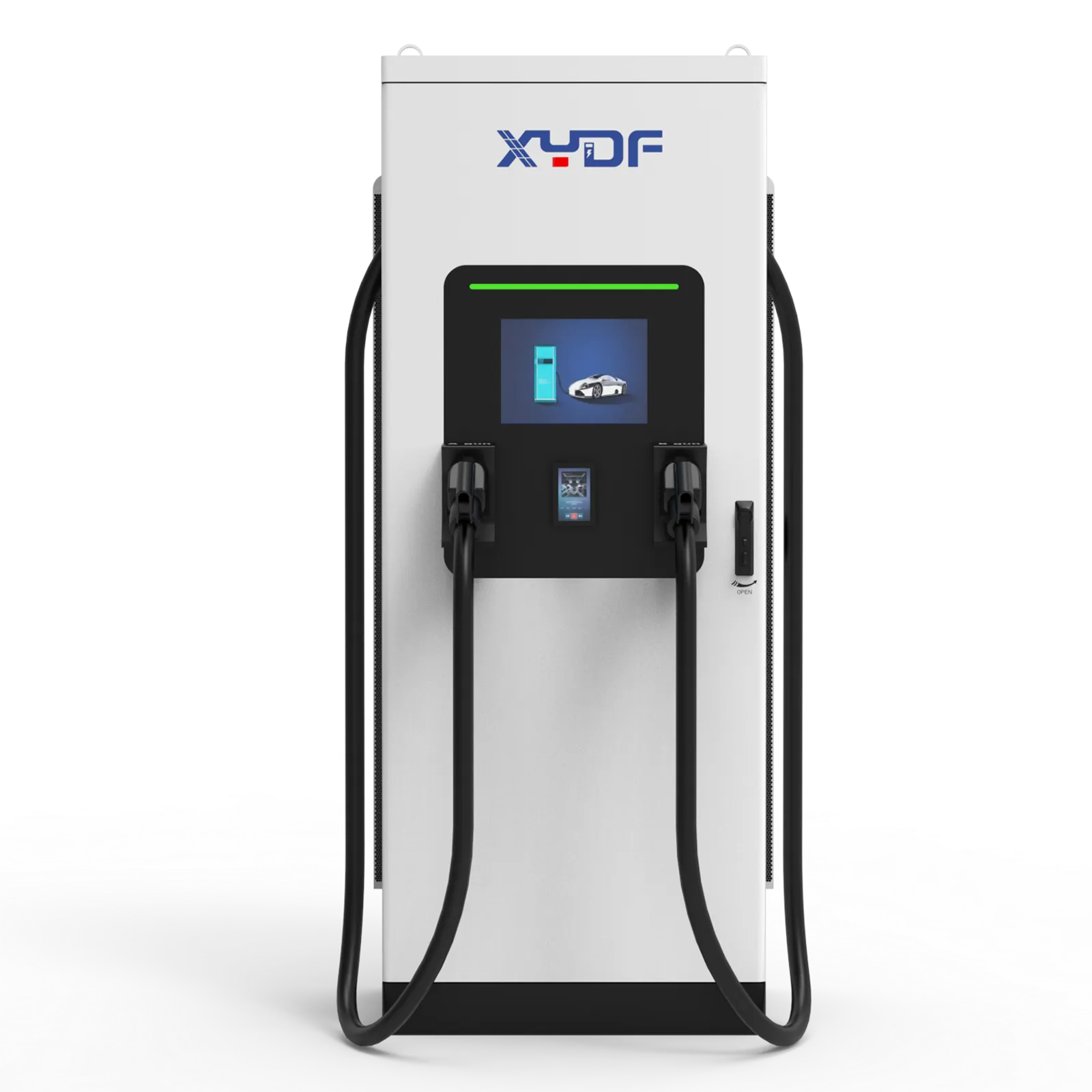

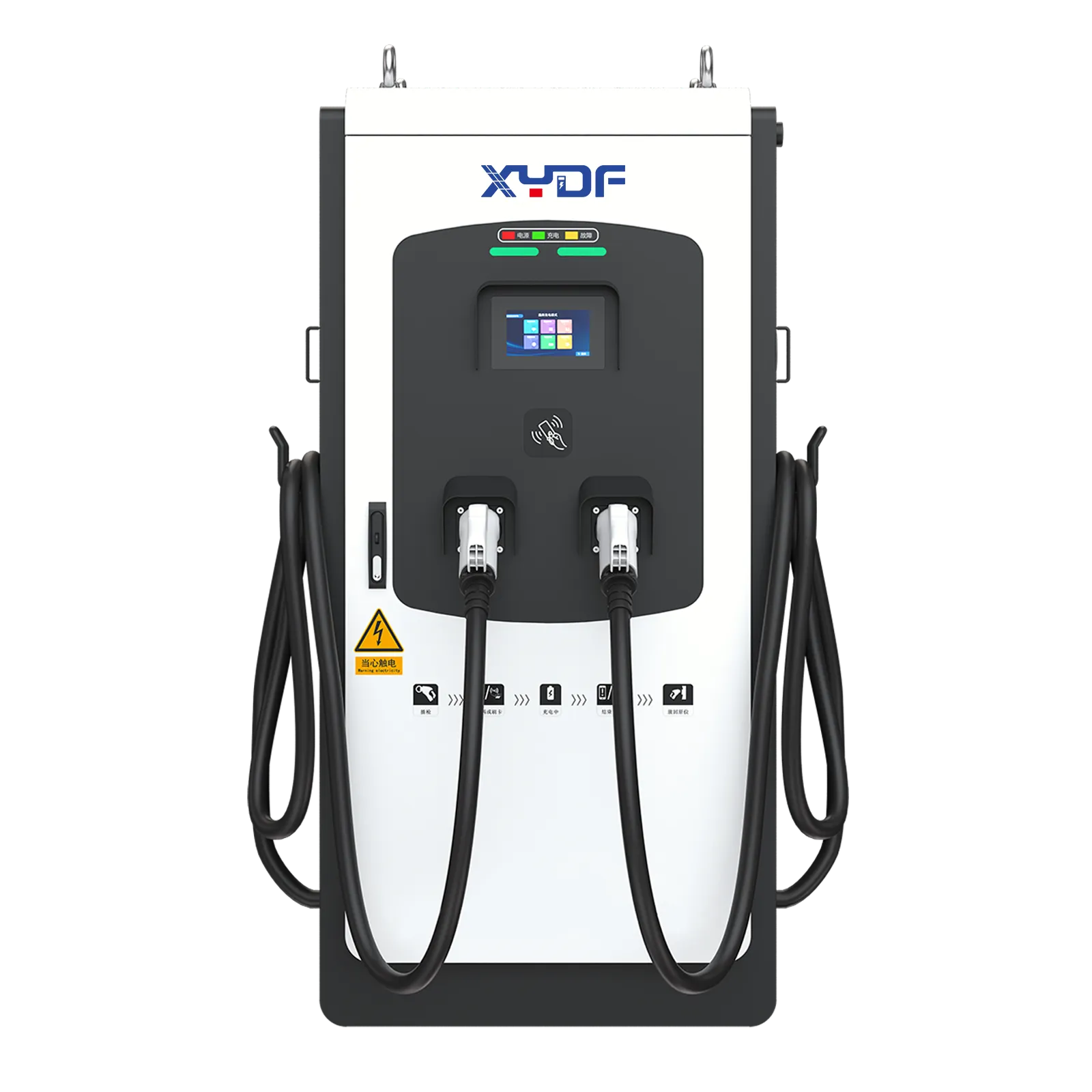
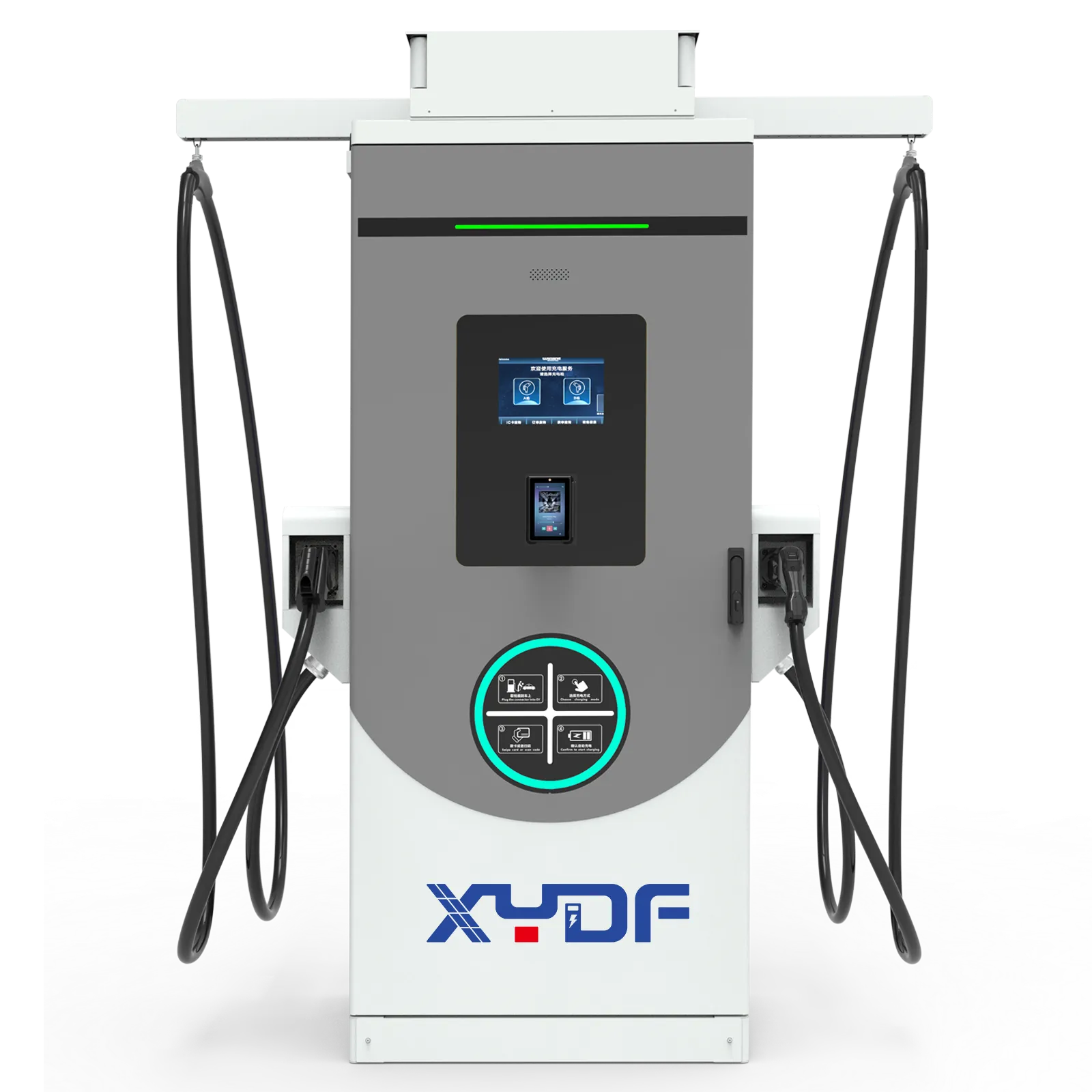

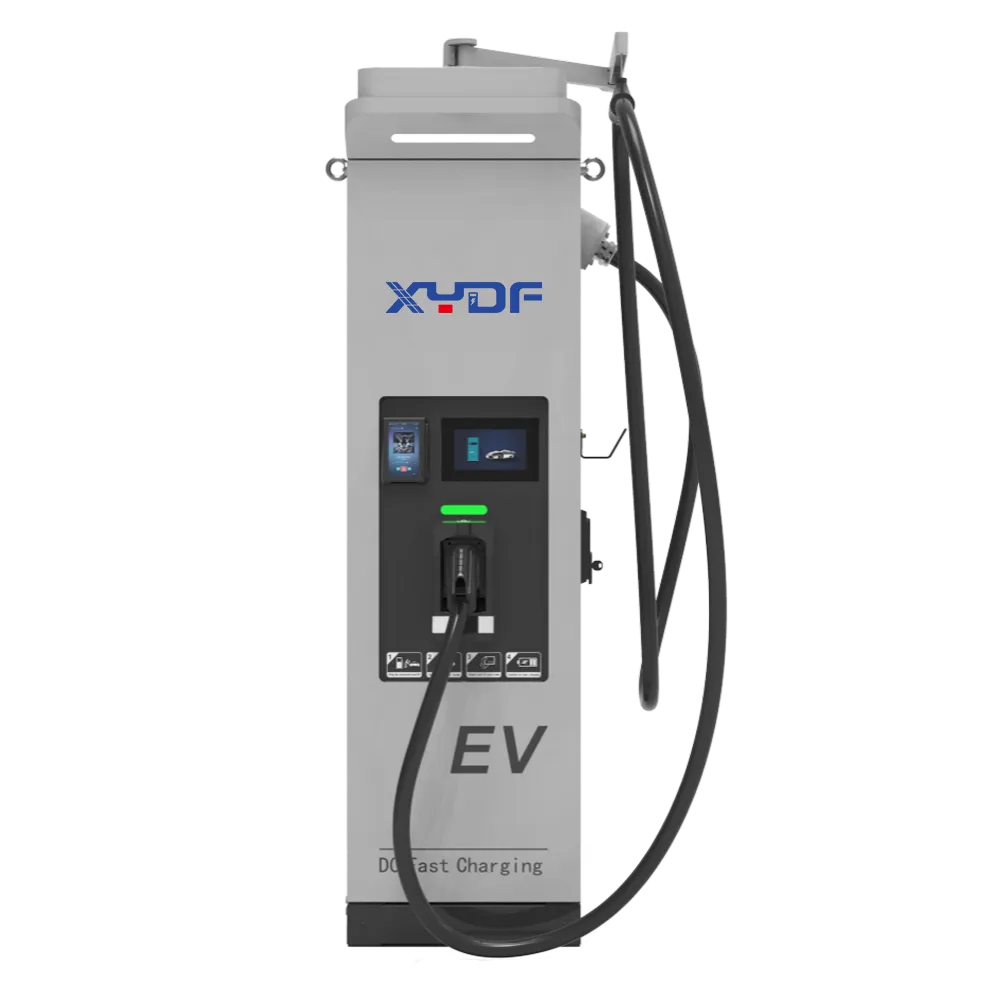
Le transport et l’emballage peuvent déterminer si un chargeur EV arrive au site d’installation prêt à être inspecté ou avec des dommages qui retardent son activation. Les principaux risques ne se limitent pas aux impacts : le colis doit respecter les normes de masse, de centre de gravité, d’humidité, de vibrations, de levage et de déplacement du conteneur, tandis que la documentation doit correspondre aux équipements et à la route. Un coffre de charge peut également suivre des règles de transport différentes de celles applicables aux livraisons de batteries. Cette guide présente les contrôles que les équipes d’approvisionnement, de logistique et de service doivent effectuer avant le départ, lors du chargement des conteneurs et lors de la livraison, afin de clarifier la responsabilité en cas de dommages.
En pratique, un dossier de livraison fiable contient la configuration approuvée, les dimensions et les poids bruts du colis, le numéro de série et les informations relatives aux accessoires, ainsi qu'une Plan de chargement des conteneurs, Le Code de pratique de l’UNECE pour l’emballage des unités de transport de marchandises (Code des UCT), cadre la sécurité comme un processus planifié de blocage, de soutènement, de fixation et de répartition des charges. L’ISPM 15 s’applique aux matériaux d’emballage en bois réglementés, tandis que les Incoterms® Le contrat de livraison de 2020 établit les points de livraison, les coûts et les risques convenus ; aucun document ne peut remplacer l’autre. La prochaine étape consiste à vérifier la destination, le mode de transport, la conception du colis et les conditions contractuelles avant la livraison par l’usine.
Pour les CPO, les opérateurs de flotte, les EPC, les distributeurs et les acheteurs d'importations, Équipement de recharge pour véhicules électriques Les équipements ne sont pas prêts à être expédiés tant que leur réception et leur acceptation ne sont pas assurées. Les armoires, les écrans, les modules d’alimentation, les câbles et les connecteurs présentent chacun un risque de manipulation différent. Les emballages d’exportation standard peuvent sembler adéquats à la sortie de l’usine, tout en permettant néanmoins le mouvement à l’intérieur, l’infiltration d’eau ou la perte d’accessoires lors du transbordement.
Qu’est-ce qu’il faut indiquer sur un emballage de livraison avant de choisir l’emballage extérieur ?
Commencez par des informations vérifiées : masse nette et brute, dimensions, points de levage, centre de gravité, orientation autorisée, limite d’empilage, faces vulnérables, emplacements des accessoires et transitions de manutention de la route. Le transporteur ou le gestionnaire du conteneur doit confirmer les dimensions internes du conteneur réservé, le poids utile, la charge au sol et les restrictions locales ; un conteneur nominal de 20 pieds n’est pas un substitut à cette confirmation. Le plan d’emballage doit indiquer la base, les fixations, les dispositifs de blocage, les dispositifs de soutènement, les points de retenue, la protection contre l’humidité et la manière dont le destinataire peut retirer l’unité sans couper un câble ou endommager un panneau.
Quand un palette renforcée est-elle appropriée ?
Un plateau peut convenir à une unité de climatisation compacte ou à un carton d’accessoires avec des faces protégées, une géométrie stable, une manipulation facile par un chariot élévateur et un trajet avec une exposition limitée. La conception doit inclure une base appropriée, aucun dépassement, des panneaux de coins ou de bordures, un contact antidérapant, une limite déclarée de chargement et un film stretch ou un autre dispositif de retenue externe qui ne puisse pas écraser les ouvertures d’aération ou les panneaux d’affichage. L’emballage n’est pas en soi un dispositif de retenue ; l’appareil doit être fixé au plateau de manière à empêcher l’accélération, la décélération et les vibrations de transformer le colis en une masse en mouvement.
Quand un système de cage offre un meilleur contrôle ?
Une caisse d’exportation ouverte ou fermée est plus appropriée lorsque de grandes armoires à courant continu, des modules d’alimentation de grande valeur, des écrans exposés, des trajets maritimes longs ou des manipulations répétées entraînent des conséquences plus graves d’impact ou d’intrusion. Le socle doit répartir la charge par des points homologués, l’enceinte doit empêcher le contact des panneaux, et le dispositif de retenue interne doit rester efficace après le levage de la caisse. Un coffret en bois plus lourd n’est pas automatiquement plus sûr : si le cabinet peut être déplacé à l’intérieur, le matériau supplémentaire ne cache que l’absence de sécurité. Le chargeur doit indiquer les zones de levage et afficher la direction du centre de gravité pour que le chargeur puisse les repérer.
| Option d'emballage | Bon ajustement | Contrôles à spécifier | Compromis commercial |
|---|---|---|---|
| Palet renforcé avec protection de l’emballage et des bords | Unités de climatisation compactes et cartons d'accessoires | Base fixe, poches à fourche, plots d'angle, contact antidérapant, sans dépassement | Matière et cube plus légers ; moins de protection contre les intrusions ou les impacts violents |
| Caisse à cadre ouvert | Armoires nécessitant des zones de levage et d'inspection visibles | Base boulonnée, poutres transversales, zones de levage protégées, retenue interne | Visibilité structurelle ; les faces latérales restent plus exposées |
| Caisse d'exportation fermée | Chargeurs de grande capacité et itinéraires intermodaux longs | Contrôle interne, protection contre les barrières, séquence d’ouverture documentée, vérification de la conformité du bois | Plus élevé le coût du cube, des bois et de la main-d'œuvre ; meilleure protection lors du transport |
Lorsque du bois massif est utilisé, la spécification doit indiquer si la norme ISPM 15 s’applique à la destination et qui sera chargé de la manutention et de l’étiquetage conformes. La Convention internationale pour la protection des végétaux explique que la norme ISPM 15 s’applique aux matériaux d’emballage en bois réglementés, et non aux performances électriques des chargeurs. L’importateur devrait vérifier la mise en œuvre du pays importateur plutôt que de considérer l’étiquette du fournisseur comme une homologation universelle.
Comment les preuves d’acceptation de l’usine peuvent-elles justifier une révision ultérieure des dommages ?
Avant l’emballage, établissez un registre de libération préalable à l’expédition. Il indique la ligne d’achat, le modèle ou le SKU, le numéro de série attribué, la configuration approuvée par l’acheteur, les accessoires inclus, l’état visible et toute vérification par témoin convenue. Ce registre atteste de ce qui a été libéré ; il ne prouve pas que le chargement est resté intact après la remise. Cette distinction empêche que le registre d’acceptation de l’usine ne soit détourné pour servir de certificat de transport.
Utilisez des photos datées de l’équipement avant l’emballage, des étiquettes de série, des groupes d’accessoires, l’intérieur de la caisse et l’extérieur scellé. Donnez un nom à chaque fichier avec la marque du colis ou le numéro de série et conservez-les dans la liste d’emballage. Si un cabinet, un câble ou un connecteur est plus tard signalé comme manquant ou endommagé, les parties peuvent comparer l’état reçu avec un niveau de référence défini, au lieu de se fier à la mémoire.
Comment le plan de chargement du conteneur contrôle le mouvement ?
Un plan de chargement transforme un état des matières premières en une séquence sûre : lequel des colis arrive en premier, où se trouvent chaque élément, quelles surfaces s’appuient l’une sur l’autre, comment les matériaux d’emballage comblent les vides, et comment le destinataire déchargera les marchandises sans perturber les autres dispositifs de sécurité. Il doit indiquer le poids brut de chaque colis, sa surface, la direction de son centre de gravité, les points de fixation homologués, la protection des extrémités des portes, les zones exemptes de charge et l’ordre de déchargement prévu. Les chiffres définitifs autorisés restent toutefois ceux du transporteur et de l’exploitant du conteneur.
La répartition du poids est aussi importante que la masse totale. Gardez les colis lourds sur un sol suffisamment large, évitez les charges concentrées qui dépassent la capacité de charge maximale du conteneur et utilisez des hauteurs de colis compatibles afin que les charges supérieures ne tombent pas dans un vide. Protégez l’extrémité de la porte car le premier mouvement lors de l’ouverture peut exposer un colis insuffisamment retenu. Le chargeur doit comparer les positions réelles avec le plan approuvé, vérifier la mise en place de dispositifs de blocage, de soutènement, de fixation et de protection de la porte, puis signer le contrôle avant de sceller.
Photographiez chaque étape de chargement, y compris l’état du conteneur vide, les marques sur le colis, les dispositifs de fixation, le numéro du conteneur et le numéro de l’étiquette de fermeture. Une photo ne peut remplacer un calcul ou une instruction du transporteur, mais elle donne au personnel chargé du déchargement une carte pratique et permet de conserver des preuves si l’étiquette est intacte alors que le colis a été déplacé. Gardez le dossier de chargement avec le connaissement ou tout autre document de transport et le dossier de libération.
| Component de l'expédition | Risque typique des transports | Contrôle préféré | Coût et impact sur le TCO |
|---|---|---|---|
| Emballage carton AC wallbox | Fouling, contact des fourchettes, abrasion des cartons | Limite de la pile déclarée, planches de bordure, palette fixe, faces protégées | Réduction du coût du pack ; vérifiez que les limites de manutention restent visibles |
| Cabinet du DC | Déplacement, déformation du panneau, impact au niveau de la porte | Base de caisse boulonnée, plan de blocage et de fixation, zones de levage marquées | Plus de bois et de main-d'œuvre ; cela peut réduire les délais de réparation et de mise en service |
| Modules d'alimentation | Choc, vibration, condensation, mouvement lâche | Emballage intérieur, rétention, barrière d'humidité, inspection au niveau du colis | Effort supplémentaire en matière d'emballage ; protège les pièces de rechange de grande valeur |
| Câbles et ensembles de connecteurs | Écorchure, dommages dus à un pliage, accessoires manquants ou défectueux | Bobine ou plateau séparés, connecteurs étanches, attachement étiqueté, rapprochement des colis | Coût matériel faible ; réception plus rapide et moins de surprises lors de l’installation |

Comment un emballage peut-il limiter les chocs, l’humidité et l’exposition des câbles ?
Le transport maritime associe des vibrations, des changements de température et des risques de condensation. Commencez par un conteneur propre et sec et un emballage empêchant les surfaces sensibles à l’eau de toucher un sol mouillé. Établissez une méthode de barrière, un type et une disposition de sécheur, utilisez un indicateur d’humidité ou un indicateur de données si nécessaire, et procédez à l’inspection si un indicateur est déclenché. Un plan spécifique à la route est plus utile qu’une affirmation générique selon laquelle un colis est “ imperméable à l’eau ”.”
La norme IEC 60068-2-30 décrit les essais cycliques de résistance à la chaleur et à l’humidité pour l’évaluation des équipements ; elle ne certifie pas une boîte particulière ni ne prédit toutes les trajectoires possibles. La norme ISO 2248 décrit les essais de chute verticale de colis transportés remplis ; il s’agit d’une méthode d’essai, et non d’une autorisation pour faire tomber un chargeur. Si un acheteur demande des indicateurs de choc ou d’inclinaison, la spécification d’achat devrait indiquer le type d’indicateur, l’interprétation du déclenchement et la personne responsable de son enregistrement. L’indicateur indique que la limite a été atteinte ; il ne constitue pas en soi la cause ni l’étendue des dommages.
Lors de la fermeture, notez les matériaux de contrôle de l’humidité, leur quantité, leur emplacement, l’état des indicateurs et l’identifiant du colis. Lors de la réception, photographiez tous les indicateurs déclenchés, les barrières d’humidité, les traces de salissure ou les joints endommagés avant de procéder à toute autre manipulation. Gardez l’emballage en place jusqu’à ce que le vendeur, le transporteur, l’assureur ou l’expert technique conviennent de la suite à donner, sauf si des mesures de sécurité immédiates sont nécessaires. Sécher ou alimenter une unité humide avant une évaluation technique peut détruire les preuves et créer un risque électrique évitable.
Les faces des connecteurs de capot, les câbles de support sur les rouleaux ou les plateaux, maintiennent le rayon d’inclinaison homologué et éloignent les câbles des panneaux peints et des bords tranchants. Ne pas utiliser un cabinet comme support de rangement accessoire à moins que sa structure interne n’ait été conçue et homologuée à cet effet. Vérifiez l’alignement de chaque câble, connecteur, pièce détachée et accessoire contre la liste d’emballage avant l’étanchéification et à nouveau lors de la réception ; un manque non enregistré peut retarder la mise en service tout aussi bien qu’un impact visible.
Les chargeurs pour véhicules électriques sont-ils expédiés en tant que marchandises dangereuses ?
La réponse honnête est : “ Cela dépend de ce qui se trouve dans la cargaison. ” Un chargeur électrique ou une station de recharge sans batterie au lithium ne constitue pas automatiquement un chargement de batteries au lithium. Une batterie séparée, une batterie emballée avec du matériel ou du matériel contenant une batterie peuvent entraîner des exigences relatives aux marchandises dangereuses selon le mode et la juridiction applicables. L’Association internationale du transport aérien (IATA) explique que les batteries au lithium sont des marchandises dangereuses et fournit des règles spécifiques à chaque mode de transport ; l’Organisation maritime internationale (OMI) regroupe les marchandises dangereuses emballées dans le cadre du Code IMDG pour le transport maritime. Le chargeur doit identifier la batterie réelle, indiquer si nécessaire l’état de charge, les instructions d’emballage, les marques, les étiquettes, les déclarations et les conditions d’acceptation du transporteur plutôt que de copier une description du chargeur.
Demandez au fabricant et au transporteur de confirmer si une batterie, une unité de secours ou un accessoire de stockage d’énergie est incluse et de fournir les informations de sécurité et de transport applicables. N’indiquez pas une batterie comme “ non limitée ” sans base documentée. Si le colis ne contient que du matériel de chargeur, gardez l’état de la facture, l’emballage et la description du produit précis afin que le transporteur ou le courtier douanier ne conclue pas une classification de la batterie à partir d’une vague mention “ équipement EV ”.
Quels documents d’exportation et quels termes commerciaux doivent être convenus ?
Un fichier d’exportation normal peut inclure une facture commerciale, une liste d’emballage, un document de transport, la documentation d’origine si nécessaire, ainsi que des documents spécifiques à la destination, tels que les formalités douanières ou les documents relatifs à l’accès au marché. Les autorités douanières peuvent demander des informations supplémentaires concernant l’importateur, sa classification, sa valeur, son origine ou ses permis. Les directives du Service des douanes et de la protection des frontières des États-Unis rappellent utilement que l’importateur reste responsable des informations d’entrée et doit travailler avec un courtier si nécessaire ; les autres destinations appliquent leurs propres règles.
Les Incoterms® Le Règlement 2020 de la Chambre de commerce internationale répartit les frais de livraison, les coûts et les risques à des points déterminés, mais cette règle n’est pas suffisante pour répondre à toutes les questions relatives aux inspections ou aux réclamations. Le contrat d’achat devrait indiquer la règle exacte, le lieu ou le port désignés, qui assure la réservation et paie le transport, qui fournit les documents d’exportation et d’importation, quand le risque est transféré, qui organise l’assurance si nécessaire et comment les dommages visibles ou cachés sont signalés. Un vendeur peut livrer conformément au délai convenu tant que l’acheteur conserve l’obligation distincte de procéder à une inspection ou de notifier tout incident en vertu du contrat de vente ou de transport.
Avant l’expédition, établissez une matrice de documents comprenant un propriétaire et une date d’échéance pour chaque fichier : facture, liste d’emballage, liste de numéros de série, fiche technique, déclaration relative aux batteries si applicable, preuve d’origine, preuve de l’emballage en bois et instructions de transport. Alignez les marques de l’emballage sur la facture, la liste d’emballage, le conteneur, les photographies et le plan du conteneur. Cette discipline simple d’identification empêche un destinataire d’ouvrir le conteneur incorrect ou de prétendre qu’un accessoire est absent alors qu’il est indiqué sous une autre marque.
Que doit enregistrer l'équipe recevant avant l'installation ?
Lorsque les pratiques locales et les conditions du transporteur le permettent, inspectez le colis avant de le signer. Photographiez le conteneur et l’étiquette de fermeture avant de l’ouvrir ; notez le numéro de la fermeture, les trous, les marques d’eau, les portes déformées ou les odeurs inhabituelles. Ensuite, photographiez les coins du conteneur, l’emballage mouillé ou écrasé, les indicateurs de choc ou d’inclinaison, les étiquettes et les parties affectées du cabinet ou du connecteur, à l’aide de vues de près et de loin. Notez la marque du colis et le numéro de série, et n’oubliez pas de mentionner non seulement une déclaration générale comme “ la boîte est endommagée ”.”
Si une exception est constatée, inscrivez-la sur le reçu de livraison si cela est autorisé, conservez l’emballage et les dispositifs de sécurité, isolez le matériel affecté de l’installation et informez le vendeur, le transporteur, l’assureur et le courtier par le canal et dans le délai contractuellement requis. Conservez la liste d’emballage, les preuves de fabrication, le registre de chargement du conteneur, les photographies et la demande d’étude de faisabilité. Ne remettez pas en état, ne détruisez pas, ne réactivez pas et ne retournez pas le matériel potentiellement affecté avant que les parties responsables n’entendent la prochaine étape. La responsabilité dépend du contrat, du document de transport, de la règle Incoterms, des preuves et de la législation locale ; elle ne dépend pas simplement de la partie qui a découvert les dommages.
Quels standards sont pertinents et qu’est-ce que cela prouve réellement ?
Les références suivantes ont des domaines d'application différents :
- Le Code CTU traite de l'emballage et de la sécurisation des unités de transport de marchandises, notamment du transfert de charge, de l'étanchéification, du blocage, de l'appui et de la fixation.
- La norme ISPM 15 traite le traitement et l’étiquetage des matériaux d’emballage en bois réglementés dans le cadre des échanges internationaux ; elle ne certifie pas la performance des chargeurs.
- La norme ISO 780 fournit des symboles pour le traitement des colis, tandis que la norme ISO 2248 décrit un test de chute vertical pour les colis remplis destinés au transport.
- La norme IEC 60068-2-30 décrit les essais cycliques de résistance à l’humidité et à la chaleur pour l’évaluation des équipements ; elle ne constitue pas une garantie de résistance à l’humidité spécifique à une route.
- La norme IEC 61851 concerne les aspects du système de charge conductif ; elle n’est pas une certification pour les conteneurs, les marchandises ou les douanes.
- Les Incoterms® 2020 définit les responsabilités liées aux délais de livraison ; il ne remplace pas les conditions du transporteur ni le droit local.
Les déclarations commerciales doivent rester dans le cadre de la configuration fournie, des preuves d’essai, de la destination et du contrat. Le nom standard figurant sur une liste d’emballage ne prouve pas que l’ensemble du chargement ait été soumis à un contrôle, et la marque de bois ne prouve pas que le produit électrique soit homologué pour le marché d’importation.
Comment la passation des marchés peut-elle rendre les expéditions répétées plus répétables ?
- Approuver un dessin d’emballage indiquant les dimensions, le poids brut, la méthode de levage, le centre de gravité, les surfaces vulnérables, les emplacements des accessoires et toute exigence concernant l’emballage en bois de destination.
- Accorder la documentation de libération préalable à l'expédition, comprenant la configuration, les preuves du numéro de série, l'inventaire des accessoires, des photos de l'état visible des articles et les documents délivrés avec chaque colis.
- Demandez un plan de chargement de conteneur pour chaque mélange de produits, comprenant le blocage des marchandises, l’attelage, le serrage des éléments, la protection à l’extrémité de la porte, les positions centrées de la charge, des photos mises en scène et la signature du chargeur.
- Adapter la route à la nature du colis : passer d’une protection par palette à une protection par caisse lorsque le risque d’usure, l’exposition à la mer, la valeur du cabinet ou la nécessité d’assurer une protection structurelle justifient une telle protection.
- Établir des relevés de contrôle de l’humidité et établir la concordance entre les pièces détachées, les câbles et les connecteurs par colis avant l’étanchéification et à nouveau à la réception.
- Conformément à la propriété du document, à l’inspection lors de la livraison et aux procédures de réclamation avant expédition ; former l’équipe de destination à enregistrer les anomalies lors de la remise.
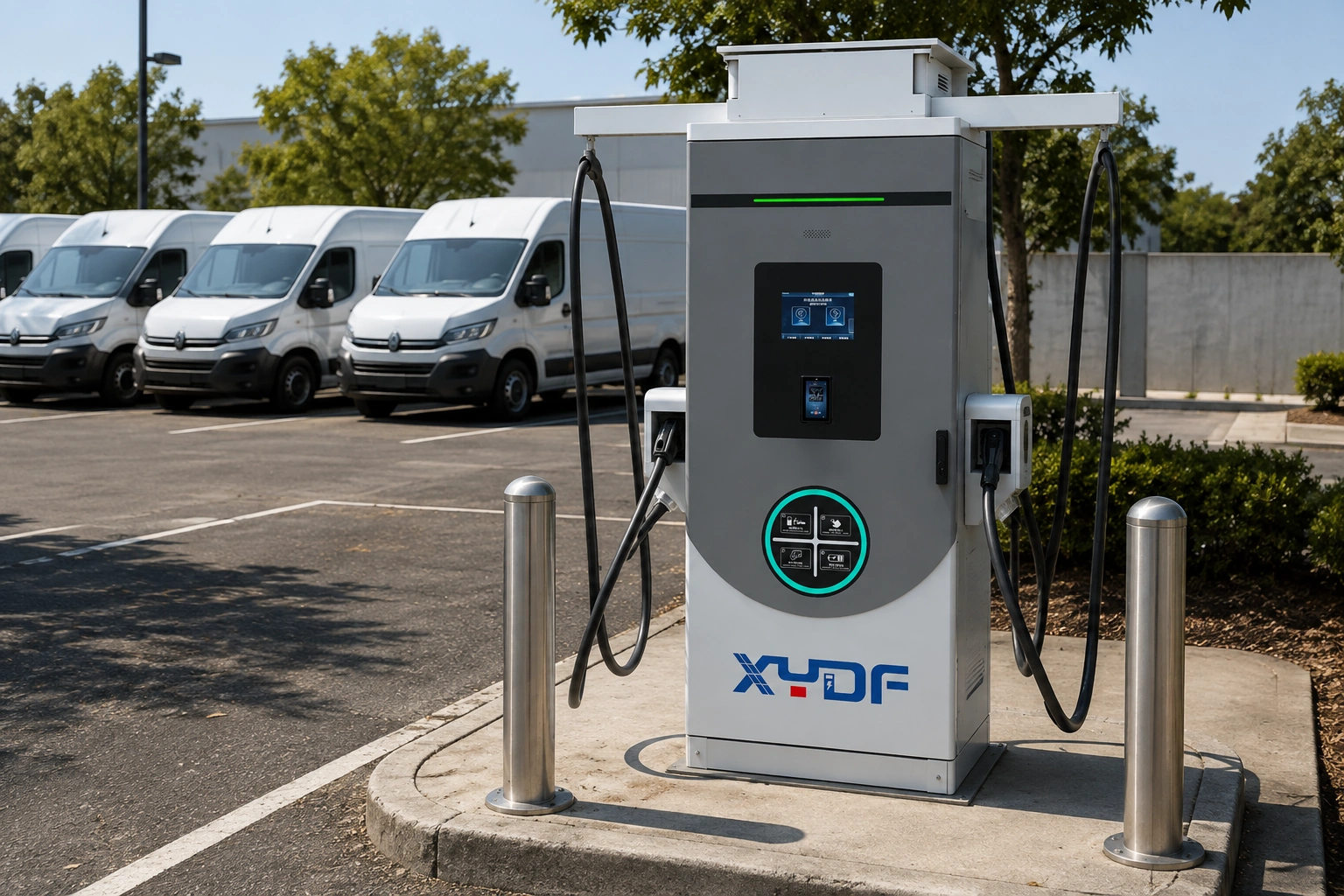
Lorsqu'un acheteur a besoin d'une spécification de package configurable, XYDF peut être évalué comme un Fabricant de bornes de recharge pour véhicules électriques Pour les discussions concernant l’approvisionnement en chargeurs AC, DC haute puissance et commerciaux. La catégorie de produit correspondante ne doit être sélectionnée qu’après que l’acheteur a confirmé l’installation prévue, le kit d’accessoires, la route et la documentation du marché. Les acheteurs peuvent consulter les Catégorie des chargeurs rapides DC et Gamma de chargeurs AC En tant que contributions à cette discussion ; les normes spécifiques aux produits, les interfaces, l’installation et les exigences relatives aux réseaux nécessitent encore une vérification du modèle et du marché.
Quels sont les questions les plus fréquemment posées par les acheteurs concernant l’expédition et l’emballage ?
Les conditions commerciales ne deviennent utiles que lorsqu’elles sont liées à une séquence vérifiable de livraison et d’acceptation. Alignez la configuration demandée, le point de contrôle des modifications, les étapes de production et d’inspection, les responsabilités en matière d’emballage et de transport, les Incoterms, le début de la garantie, les obligations en matière de pièces détachées et les recours en cas de non-conformité. Un prix unitaire faible ou un délai de livraison court ne sont pas comparables lorsque le périmètre et les preuves de livraison diffèrent. Pour le contexte de planification publique, voir Réglementation électrique du U.S. DOE Alternative Fuels Data Center; Le dossier d’acceptation site-spécifique reste le facteur déterminant de la décision finale.
Comment doit-on emballer le matériel de recharge des véhicules électriques pour le transport maritime ?
Utilisez une spécification de colis documentée qui fixe le montage du coffre sur le socle, protège les faces et les accessoires, contrôle l’humidité et indique comment le chargement sera bloqué et soutenu. Un coffre fermé est souvent approprié pour des coffres plus grands ou exposés, tandis qu’un palette renforcée convient à une unité compacte et stable avec une manipulation prévisible. La route, la fréquence de manutention, les règles de destination et les instructions du transporteur déterminent la conception finale.
Quelle est la meilleure façon d’éviter des dommages au chargeur dans un conteneur ?
Protégez d’abord le chargement : répartissez le poids, éliminez les vides dangereux, utilisez des dispositifs de blocage et de fixation compatibles et protégez l’extrémité de la porte. Associez le plan de chargement à des photos de chargement et à une liste de contrôle de réception. Un emballage extérieur solide ne peut compenser le poids d’un chargement susceptible de se déplacer à l’intérieur du conteneur.
Les chargeurs de véhicules électriques nécessitent-ils des caisses en bois ou un emballage de palette ?
Aucun des deux formats n'est universellement correct. Choisissez un emballage pour des équipements stables, compacts, avec des surfaces protégées et une manipulation prévisible ; choisissez un conteneur lorsque la vulnérabilité du meuble, la gravité de la route ou les transitions de manutention nécessitent une protection structurelle supplémentaire. Si l'emballage en bois est choisi, vérifiez l'applicabilité de l'ISPM 15 et les exigences de marquage du pays importateur.
Comment les câbles et les connecteurs de charge doivent-ils être protégés lors du transport ?
Les faces des connecteurs, les câbles de support sur les rouleaux ou les plateaux, doivent maintenir le rayon d’inclinaison approuvé et les protéger des panneaux peints et des bords tranchants. Vérifiez que chaque câble et chaque connecteur correspond à la liste d’emballage avant de sceller le coffret ou le conteneur. Ne pas utiliser un cabinet comme accessoire de rangement à l’intérieur du coffret, à moins que la fixation interne n’ait été spécifiée à cet effet.
Quels documents sont nécessaires lors de l’exportation d’équipements de recharge pour véhicules électriques ?
Les fichiers types comprennent une facture commerciale, une liste d’emballage, un document de transport et, si nécessaire, des documents douaniers spécifiques à l’origine ou à la destination. Si une batterie est incluse, ajoutez les informations applicables relatives aux marchandises dangereuses et les documents du transporteur. Les exigences varient selon la destination, l’importateur, le mode de transport et la déclaration du produit. Les exigences varient selon la destination, l’importateur, le mode de transport et la déclaration du produit, il est donc conseillé de vérifier la propriété et la date de fabrication avant de libérer la marchandise pour expédition.
Quelles sources publiques soutiennent ces contrôles sur les transports maritimes ?
- UNECE et OMI : Code de pratique pour l’emballage des unités de transport de marchandises (Code CTU)
- Convention internationale sur la protection des végétaux : ISPM 15
- Chambre de commerce internationale : Incoterms® 2020
- IATA : Guide sur les batteries lithium et les marchandises dangereuses
- IMO : Matériaux dangereux et cadre du Code IMDG
La prévention des dommages est une démarche globale, et non une simple sélection de matériaux : il convient de vérifier l’équipement et le contenu des batteries, de concevoir le colis en fonction de la charge à transporter, de sécuriser le contenant, de conserver les preuves de la livraison et d’inspecter les éléments avant l’installation. Les acheteurs qui respectent cette procédure peuvent distinguer un défaut de conditionnement d’un problème lié à la manutention et peuvent prendre les mesures nécessaires en vertu du contrat, sans devoir discuter après que les preuves auront disparu. Aucune étiquette, n’importe quel emballage ou nom standard ne doivent être utilisés au-delà de leur portée documentée. Pour une analyse spécifique du projet Equipement de recharge pour véhicules électriques Configuration et exigences de sortie du produit : comparez-les La gamme de produits XYDF et contactez XYDF avant de confirmer la commande.
Foire aux questions
Quels documents permettent à un fournisseur de chargeurs pour véhicules électriques d’offrir des prix comparables ?
Demandez à chaque fournisseur le même document de configuration, les étapes de livraison, le plan d’inspection et d’acceptation, les responsabilités en matière d’emballage et d’expédition, les Incoterms, les délais de garantie, les exclusions, les conditions relatives aux pièces de rechange, le processus de contrôle des modifications et les procédures de règlement des problèmes de non-conformité. Les devis comparables doivent couvrir un périmètre comparable ; le prix ou le délai de livraison sans ces documents ne constituent pas une comparaison commerciale vérifiable.