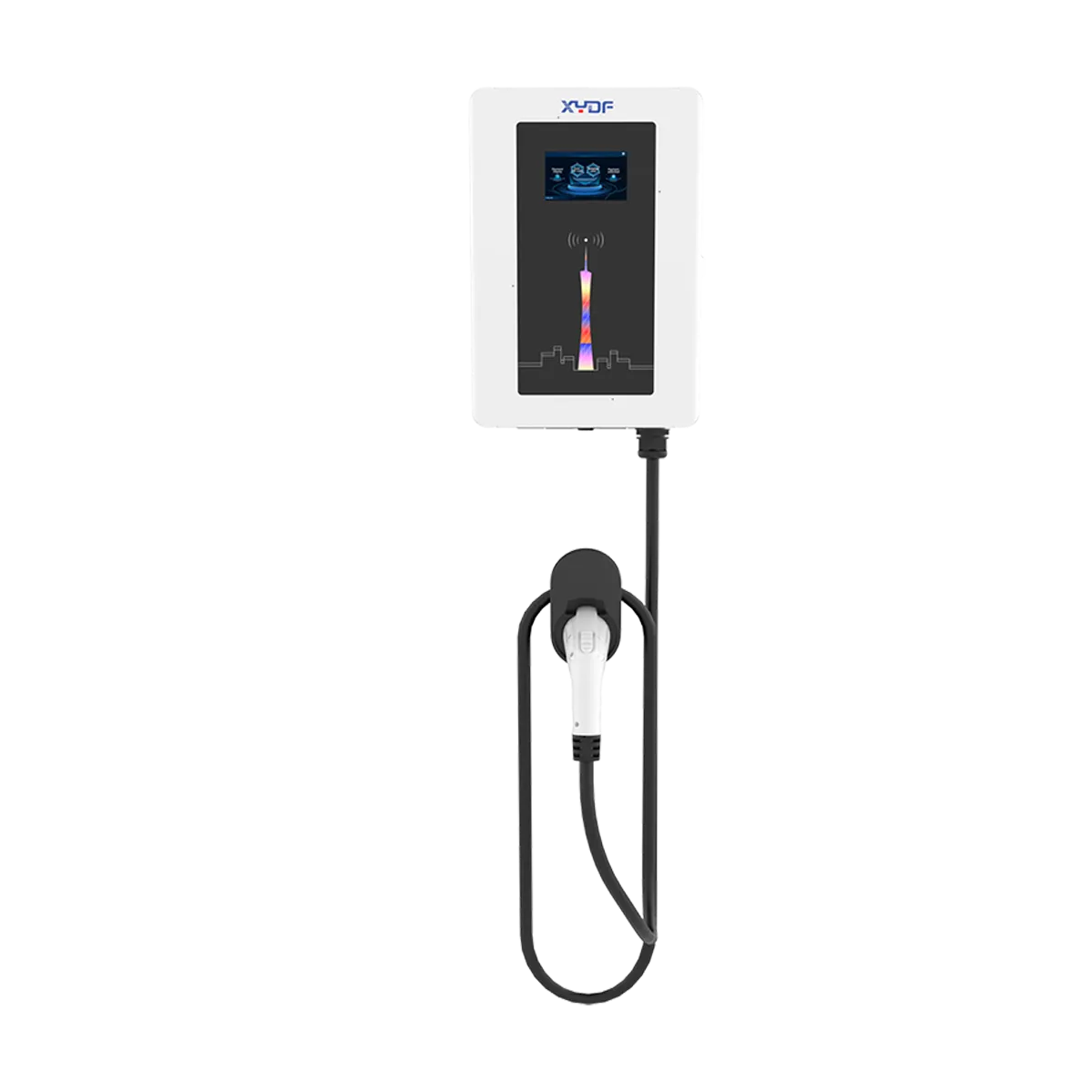
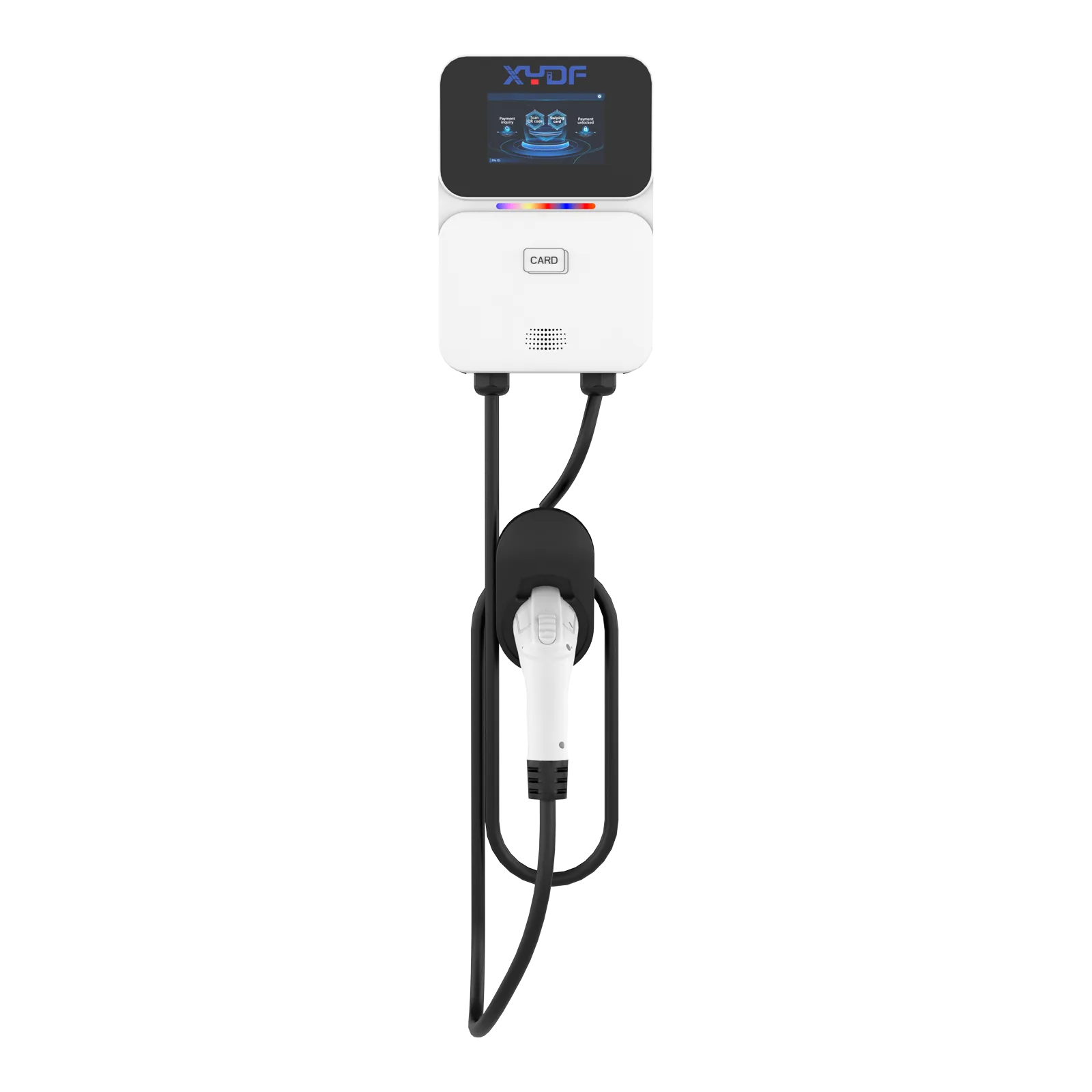
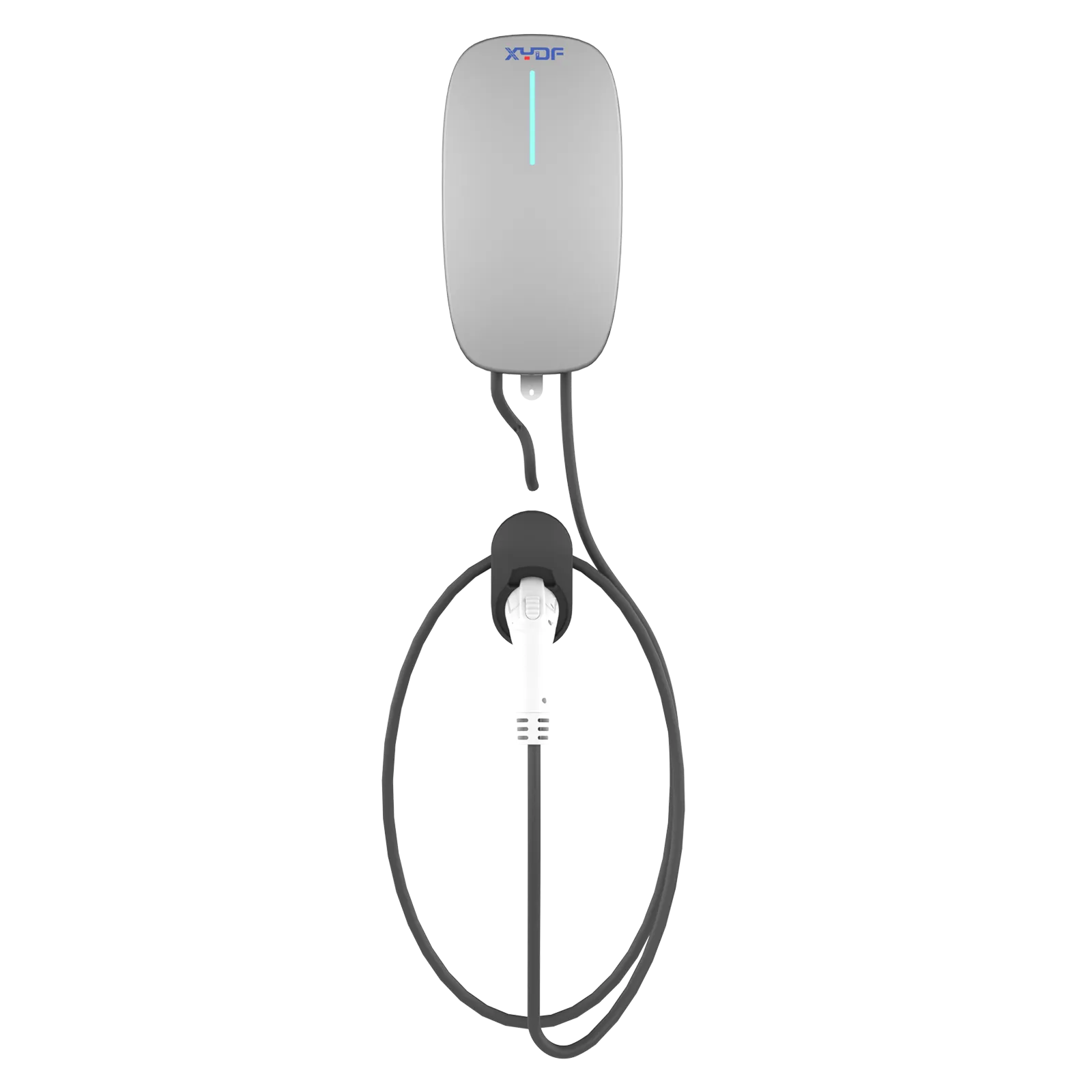
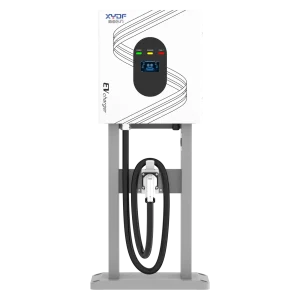
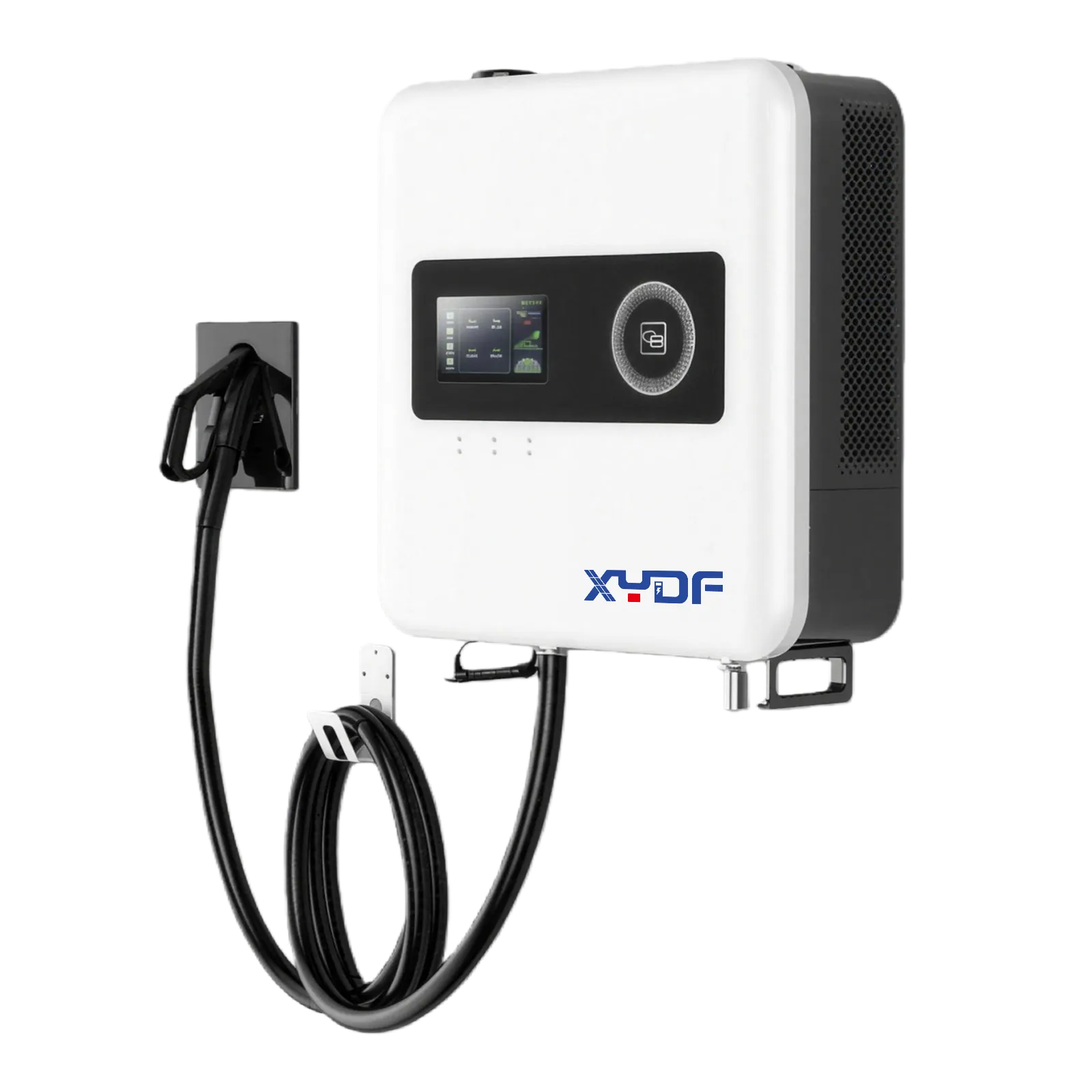
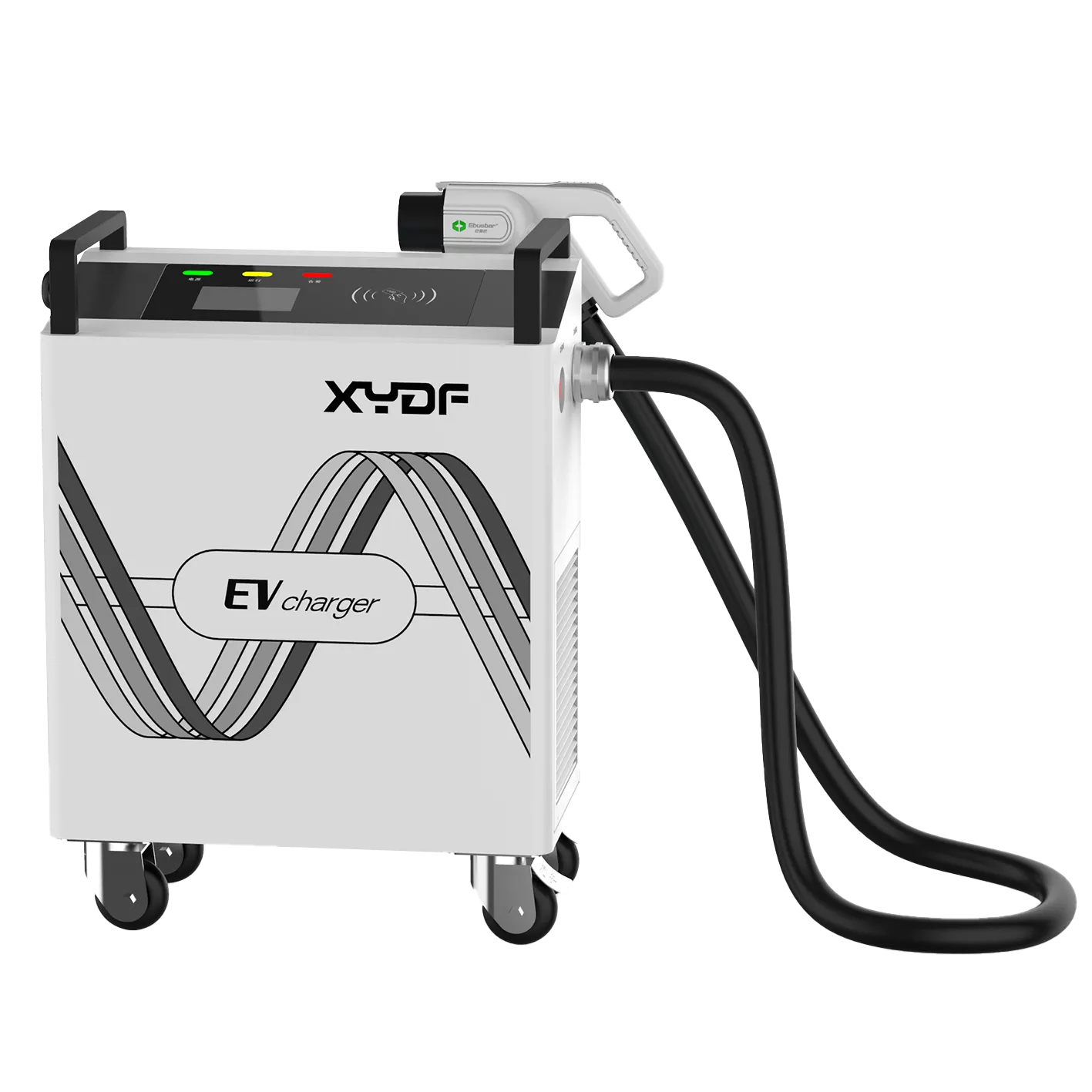
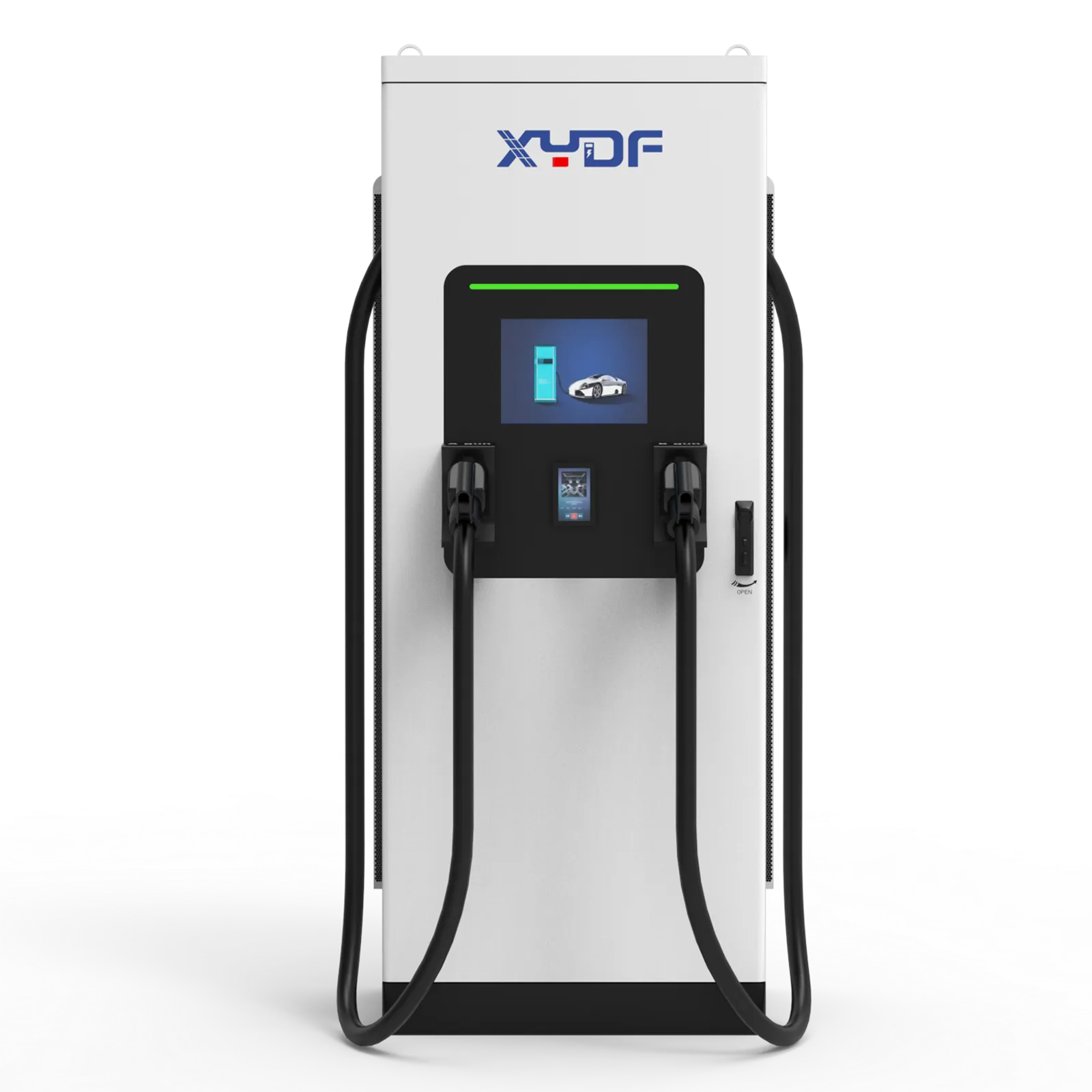
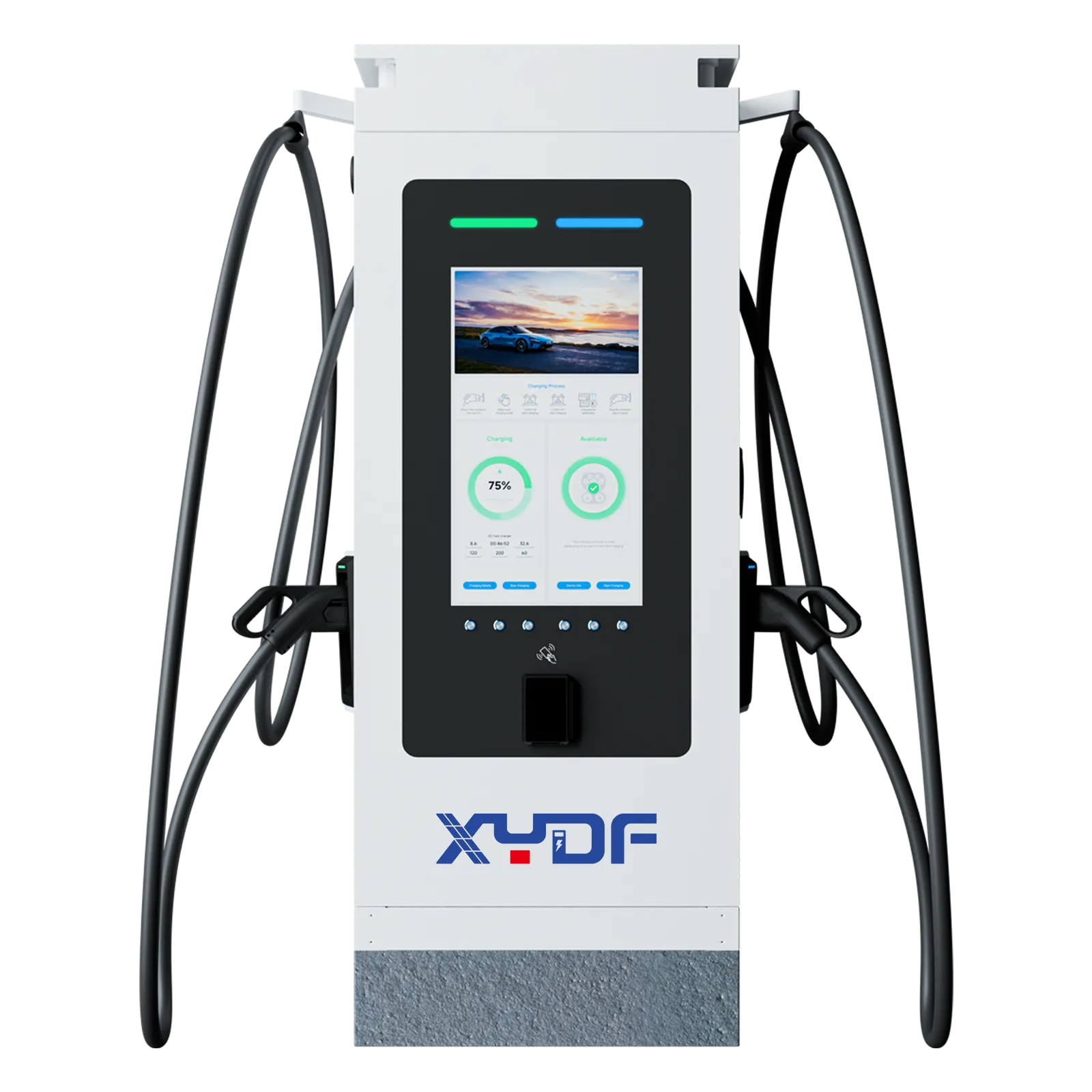
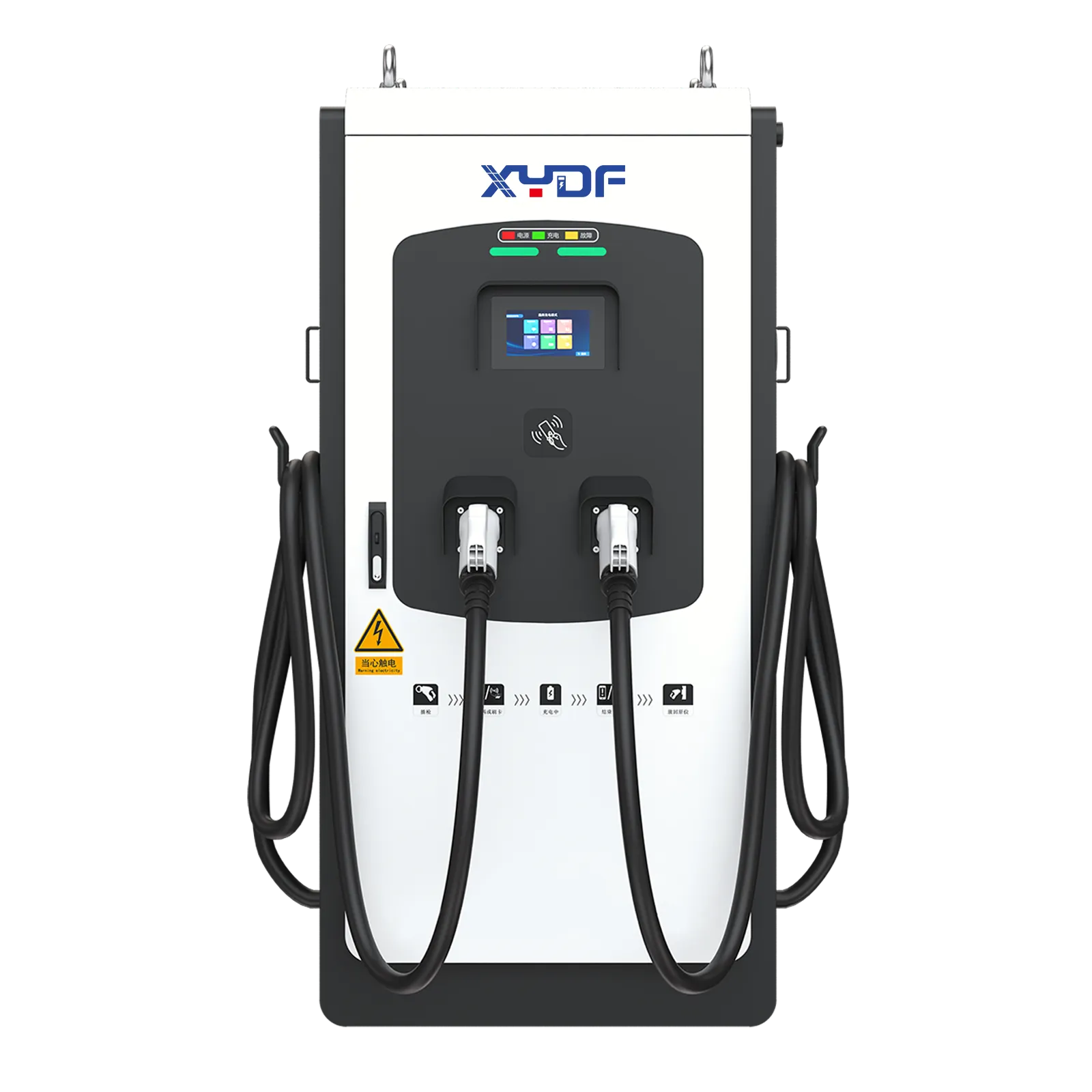
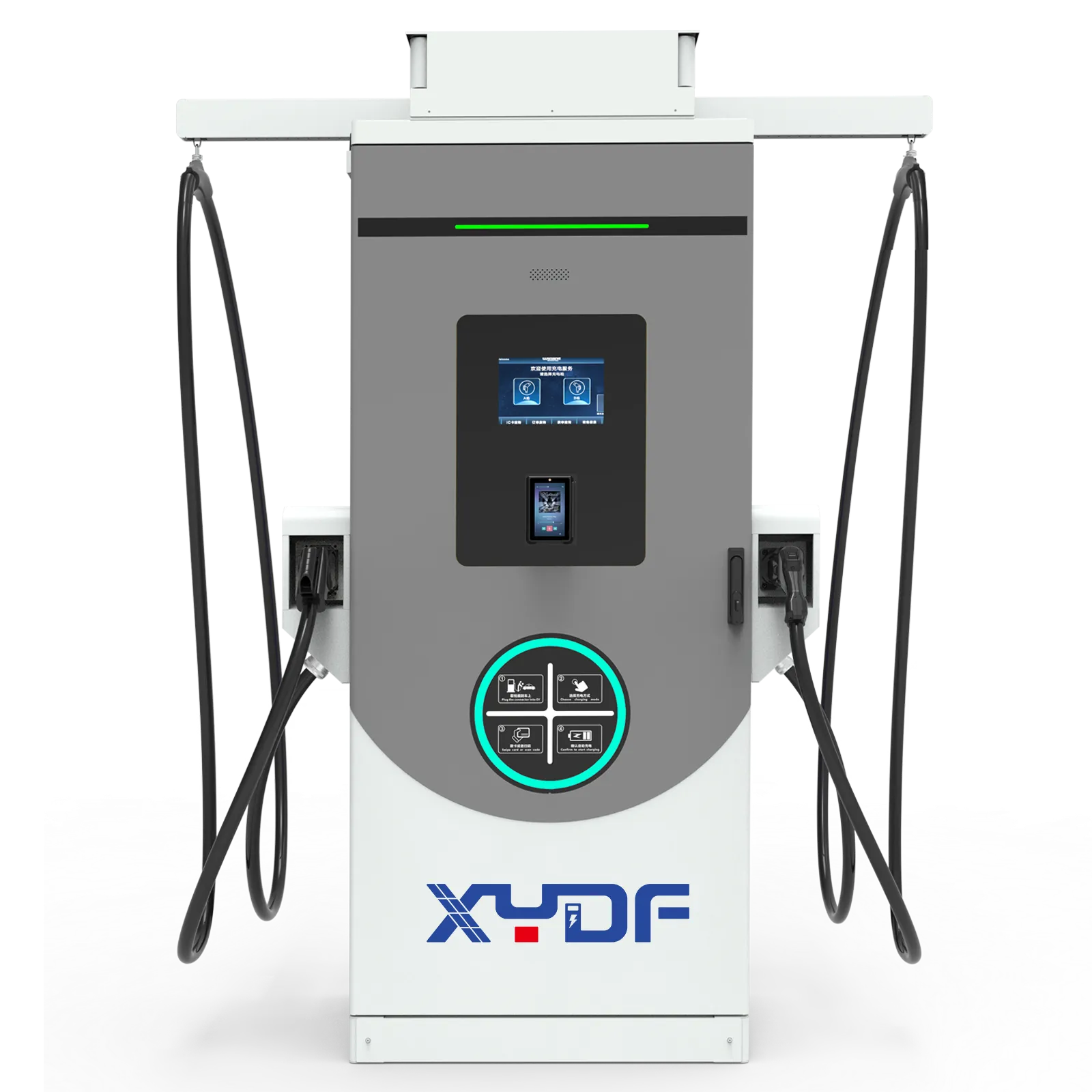
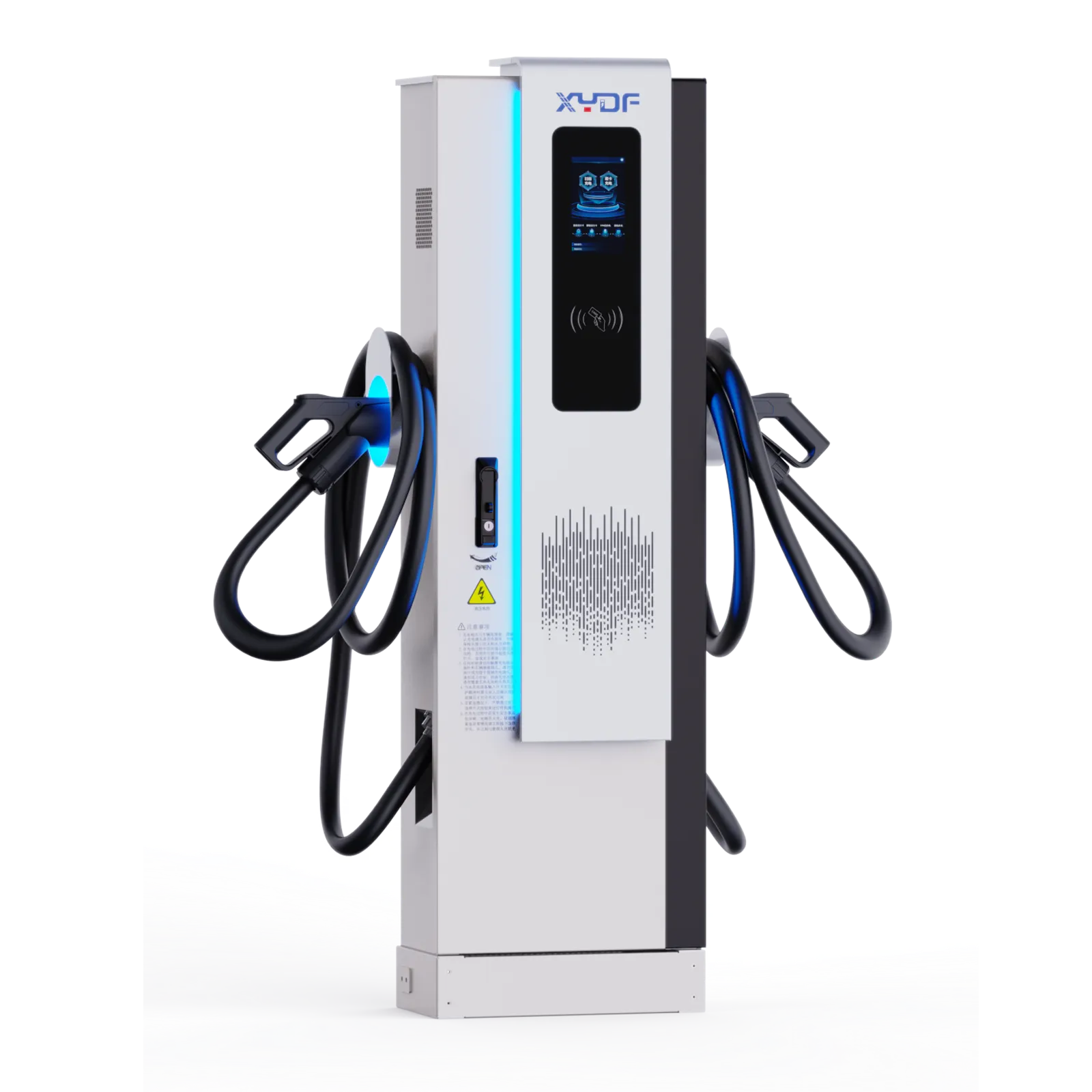
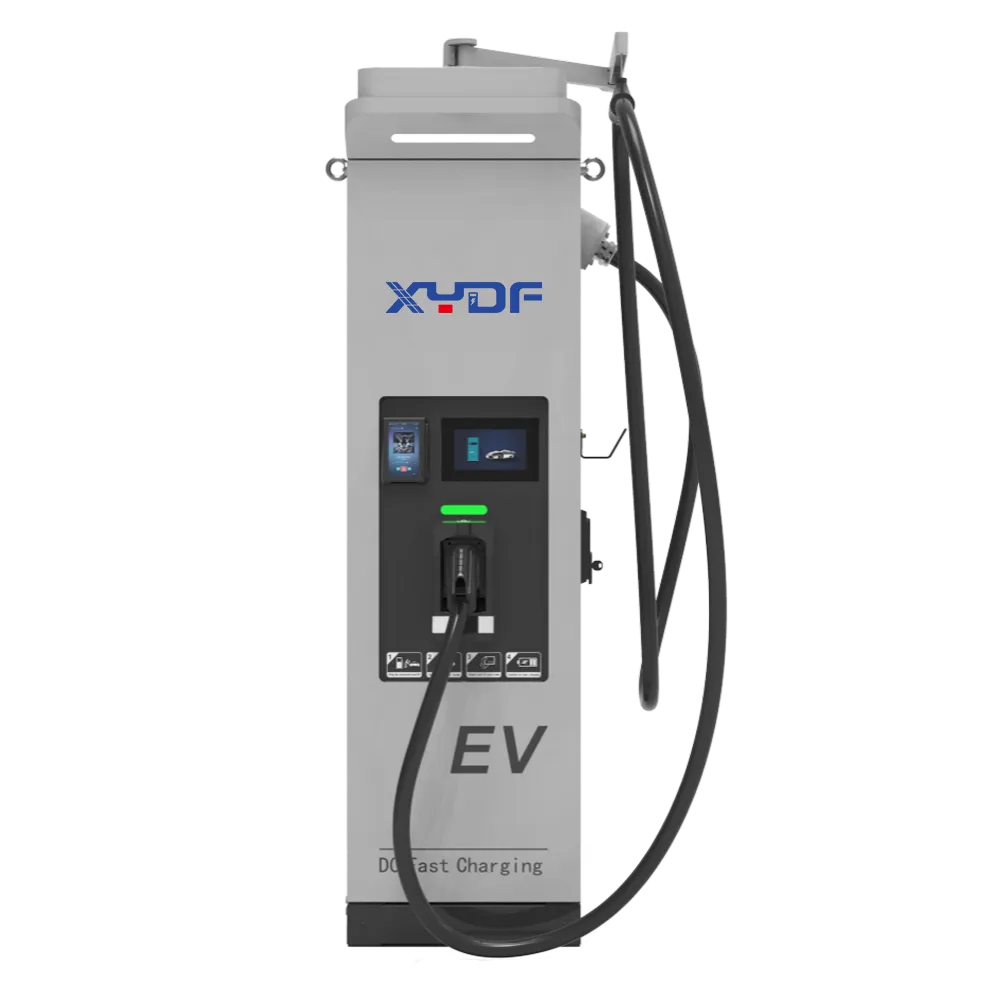
GB/T chargers have the largest user base in the world. With the implementation of the GB/T standard and the export of Chinese electric vehicles, many countries have also begun to adopt GB/T as the charging standard for electric vehicles.

GB/T stands for Guobiao Tuijian, meaning China’s National Recommended Standard. Unlike mandatory GB standards, the letter “T” means enterprises may adopt it voluntarily. However, in actual business practice, GB/T is often used as an invisible threshold for bidding and supplier qualification, so you usually cannot avoid it.
These standards are developed by the Standardization Administration of China (SAC). They generally reference international standards such as ISO or IEC, but are adjusted to fit China’s actual conditions — including local infrastructure, language habits, regulatory environment, etc. — making them more suitable for domestic needs.
Although GB/T is recommended, not mandatory in China, it has become the de facto quality standard in manufacturing. How well a supplier understands GB/T directly shows whether its production capacity is reliable.
European buyers often face a key issue: different mindsets.
Certification depth also differs:
These represent two different engineering philosophies.
Например:
Generally not directly, but you can refer to the practice of Thailand FDA.
They do not accept GB/T reports directly. Instead, they first conduct a gap analysis to compare ГБ/Т with ISO standards; acceptance is only possible if the differences are minor.
European Notified Bodies (which issue CE certificates) follow a similar logic.
In practice, there are three scenarios:
However, for medical devices, automotive safety systems, offshore drilling platforms, EN or ISO standards must be strictly applied with no exceptions.
A “GB/T certificate” alone is not enough. You must verify:
Important note:
Many GB/T standards are modified, not identical, to international standards.
The term NEQ (non-equivalent) in Chinese standards means substantial technical differences — use extra caution.
For high-risk purchases, send a third party to witness on-site testing and confirm production matches certified samples. Some suppliers run two production lines: ГБ/Т for domestic sales, EN/ISO for export.
Q: Can ГБ/Т certification be directly used for CE to enter the EU?
A: No. CE requires harmonized EN standards or supporting technical documentation. GB/T can only be used as reference and must be evaluated by a Notified Body.
Q: Is GB/T lower quality than EN?
A: Not necessarily. Quality depends on the supplier. Reliable Chinese manufacturers often exceed GB/T requirements; poor ones only meet the minimum. The key is verification, not just standard codes.
Q: Which products must use EN instead of GB/T?
A: Life-critical products: pressure vessels, medical devices, automotive safety parts, offshore platform structures.
Example: EN 10225 steel for offshore platforms has extra toughness requirements that equivalent GB/T grades may not meet.
First, clarify the risk level of your purchase:
Specify inspection methods in the contract and reserve the right to random sampling.
Even if you agree to produce to ГБ/Т, you can use European performance indicators for acceptance.
Suppliers deliver to the standard you specify.
GB/T can be used, but you must understand its limits and enforce strict inspection.
 Синьцзя Дунфан Электрик Технолоджи Ко., Лтд.