 Синьцзя Дунфан Электрик Технолоджи Ко., Лтд.


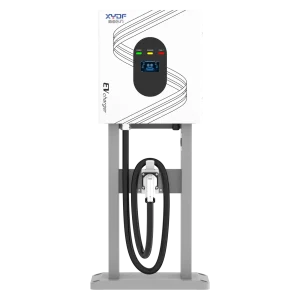

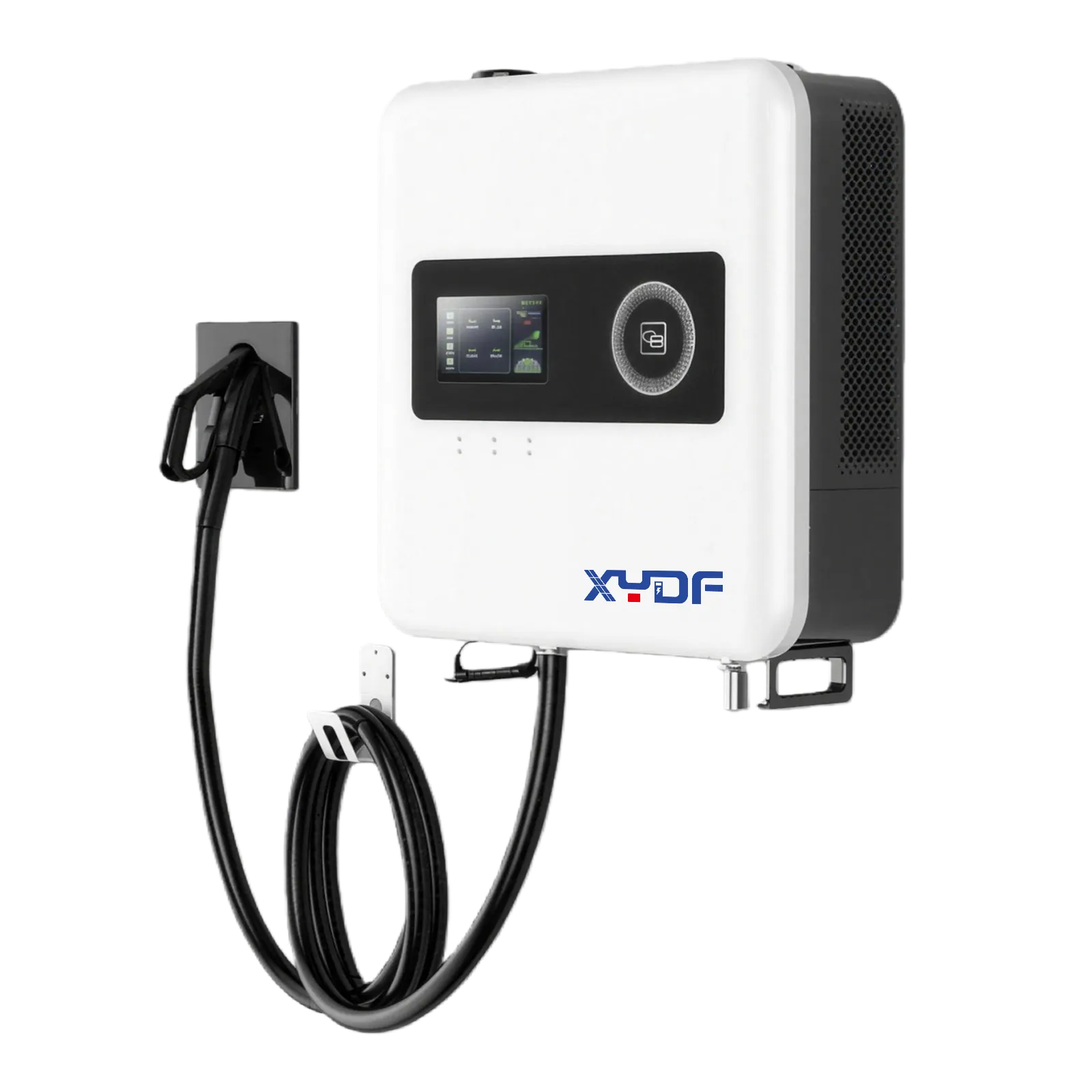
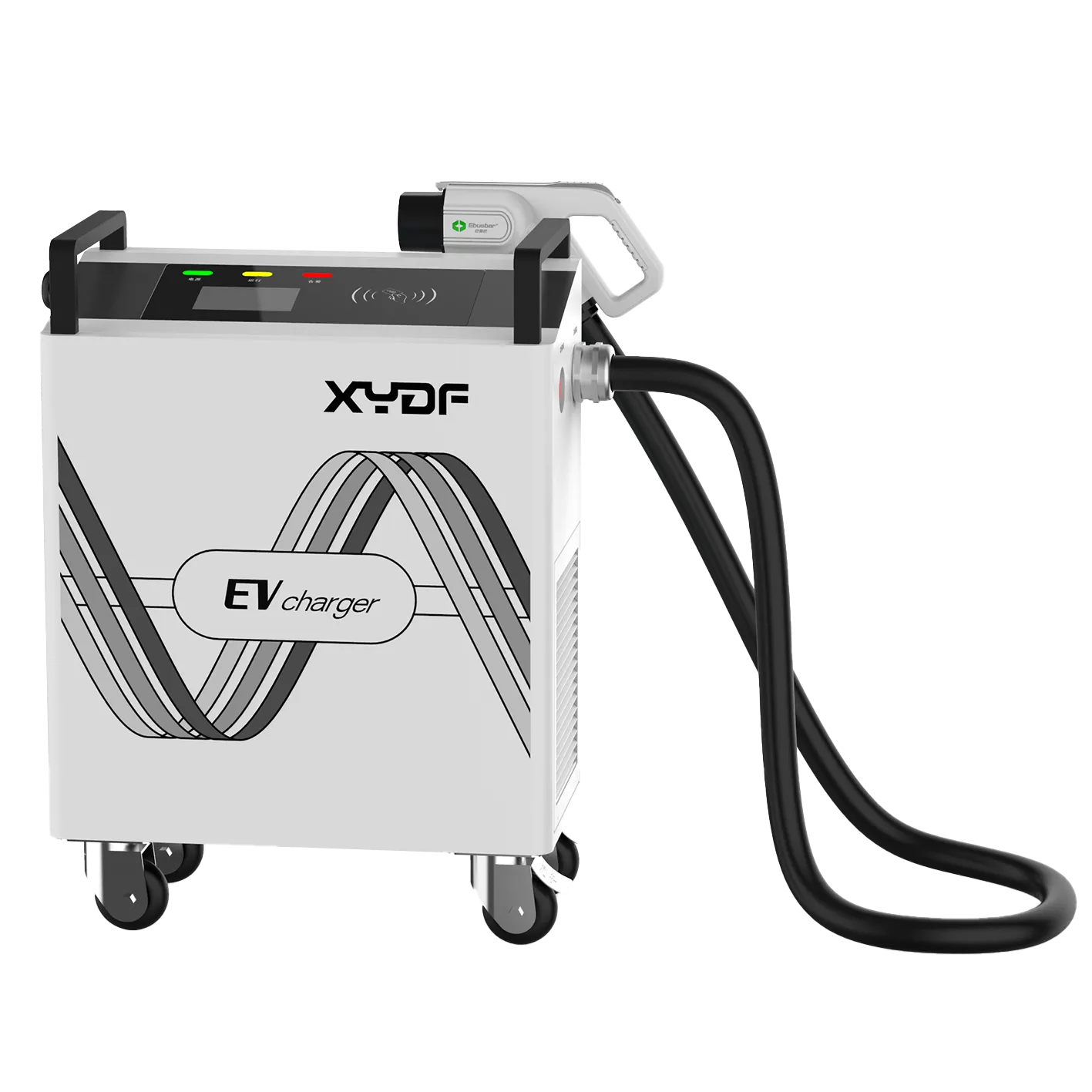
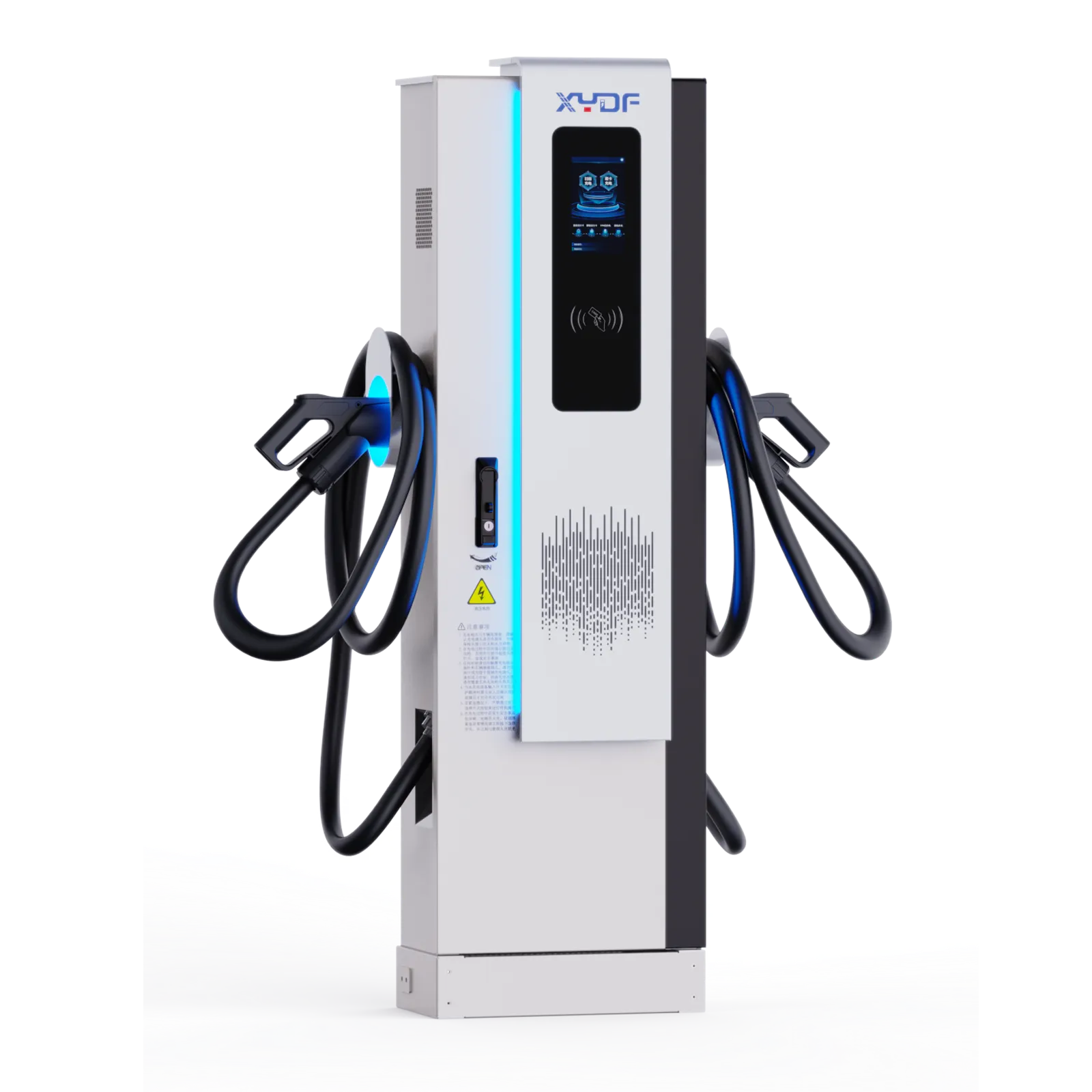
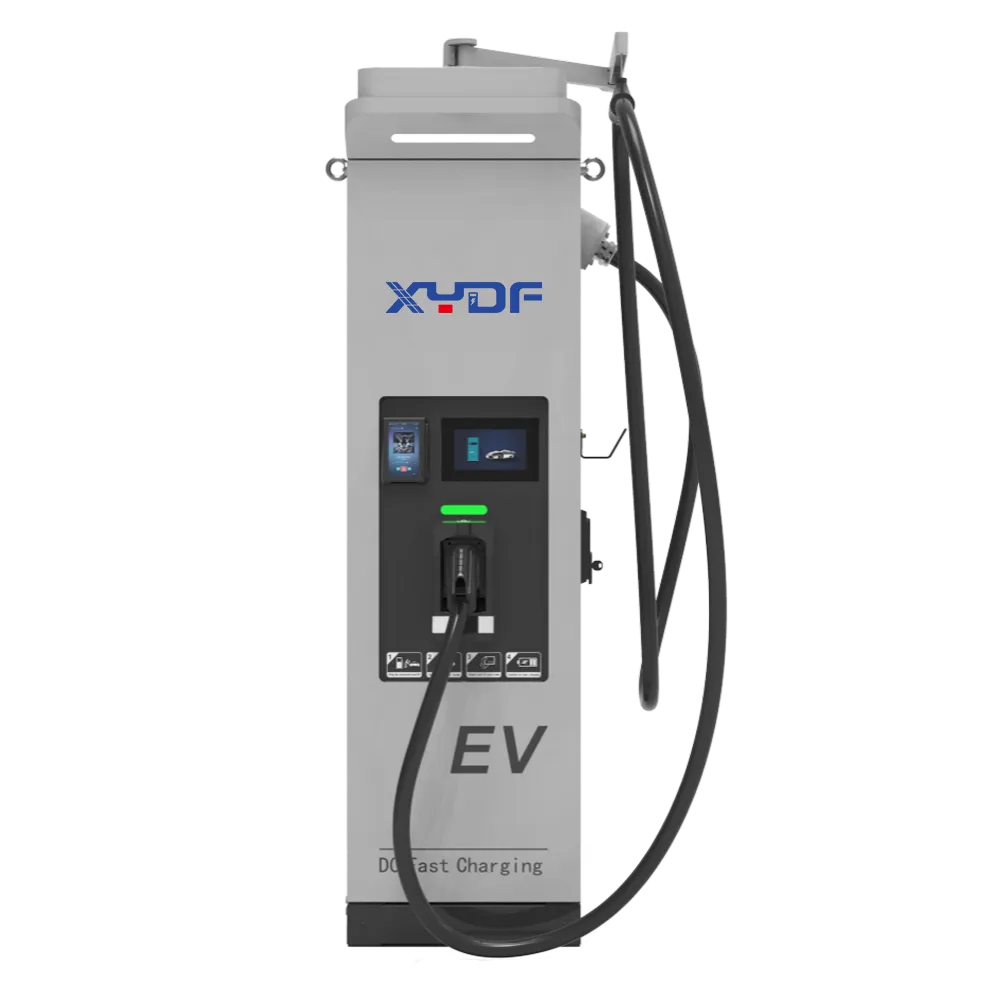
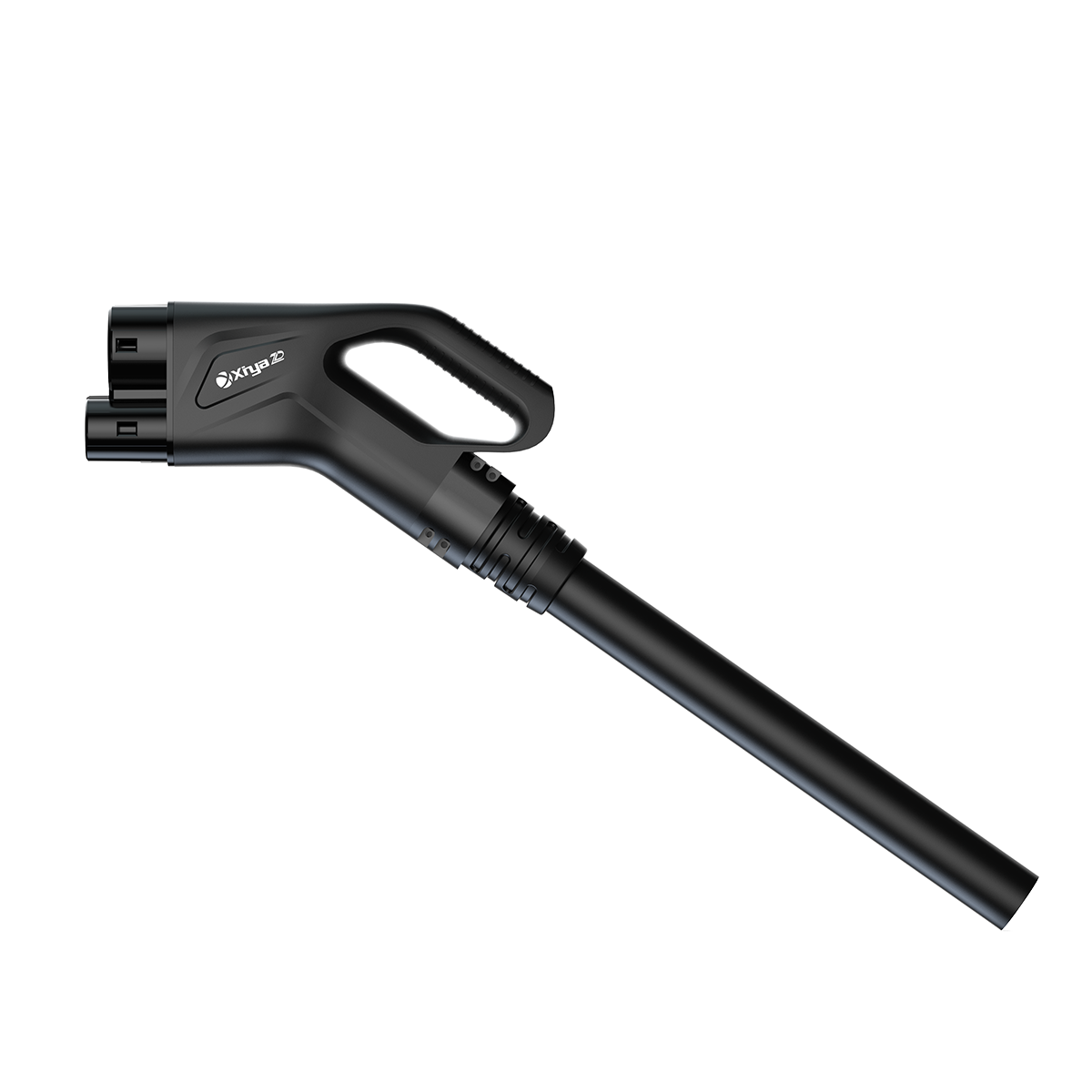
Транспортные системы с системой охлаждения и холодильного оборудования должны согласовывать зарядку транспортных средств с загрузкой, отправкой и потреблением электроэнергии при осуществлении температурноконтролируемых операций. По себестоимости одного заряда неясно, будет ли каждый транспортный элемент покидать пункт погрузки с необходимым количеством энергии в нужное время. Задача планирования заключается в совмещении состояния заряда при прибытии, времени пребывания в помещении, приоритетности маршрута, нагрузки на холодильное оборудование, доступной мощности сети и вариантов восстановления. В данной статье объясняется, как операторы транспортных систем могут моделировать эти ограничения, выбирать зарядку переменным или постоянным током в соответствующих случаях и проверять, что системы управления и процедуры обслуживания обеспечивают надежное выгрузку.
Отделения по хранению продуктов охлажденной продукции должны планировать зарядка флота EV в качестве системы энергопотребления и надежности: рассчитывать тяговое напряжение, охлаждающую мощность и нагрузку зданий по часовым интервалам; резервировать буферный запас выходного напряжения; затем подбирать мощность переменного и постоянного тока и резервную мощность с учетом фактического времени пребывания в эксплуатации. Примерный грузовик с мощностью 300 кВт, который должен выехать с зарядом 85%, нуждается примерно в 255 кВт, чтобы учесть потери от зарядки или вспомогательные нагрузки, что является иным вопросом при выборе зарядного устройства с максимальной номинальной мощностью. IEC 61851-1 определяет структуру проводного зарядного устройства; практическая задача заключается в регистрации потребностей транспортного средства и автопарка на период работы в течение нескольких недель, прежде чем принимать решение о выборе распределительного оборудования или зарядных устройств.
Электрифицированные автопарки с холодильной установкой добавляют новые сложности к обычной электрофикации автозаводов. Аккумуляторы для тяги, холодильное оборудование, при наличии возможности подключения к электросети, а также грузы в складах и другие транспортные средства могут пересекаться в течение одного короткого периода времени, когда происходит загрузка и отправка. Надежный план позволяет четко видеть эти перекрытия, а затем решается, какие грузы не подлежат пересмотру, а какие могут быть перевезены, и что происходит, если транспортное средство возвращается с опозданием.
Начните с частоты работы рефрижератора, а не с мощности на табличке зарядного устройства.
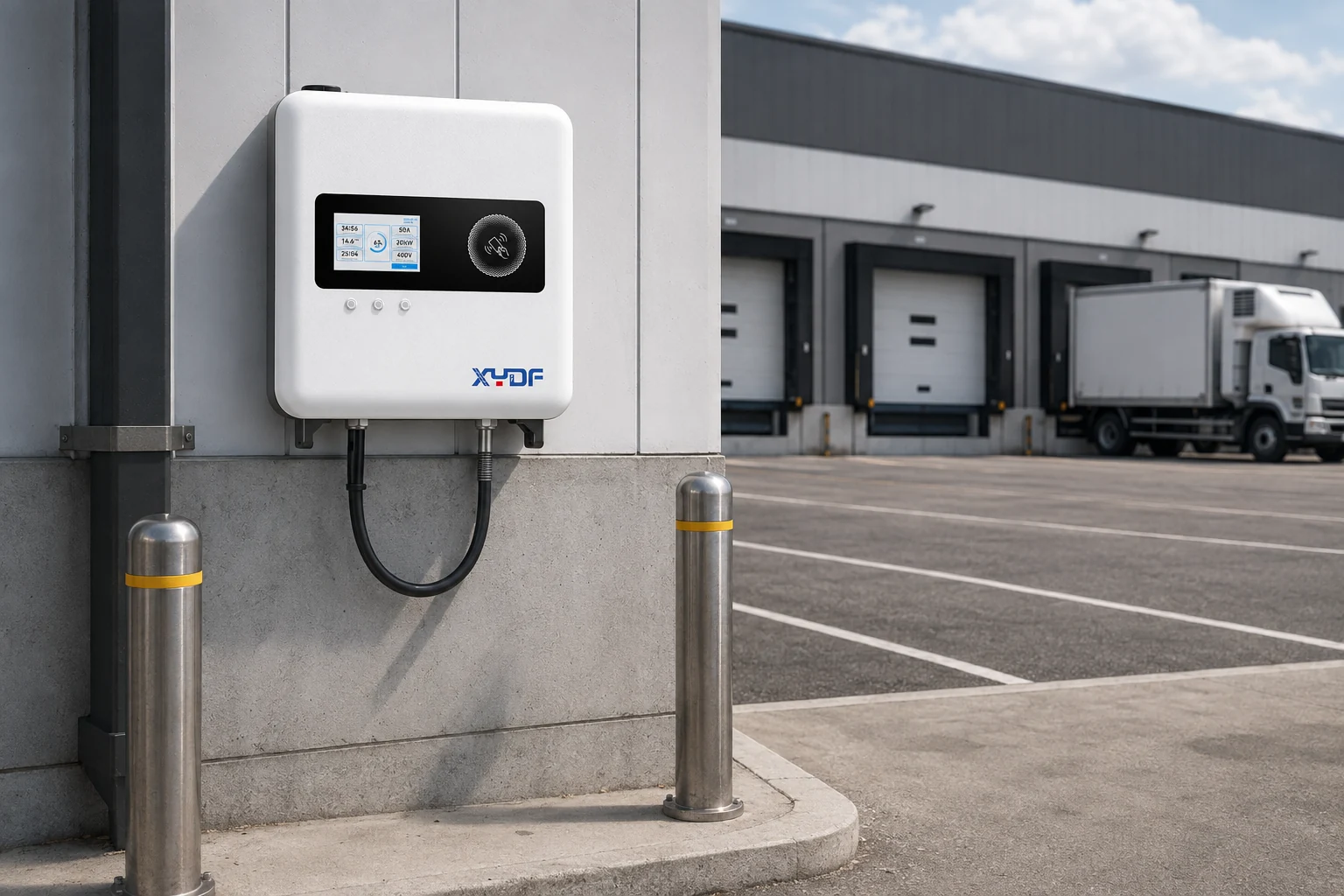
Основной вопрос — это состояние энергии на выходе, а не количество роз в саду. Для каждого маршрута запишите состояние заряда аккумулятора при прибытии, расход энергии по маршруту, условия окружающей среды, продолжительность погрузки, режим работы холодильной установки, планируемое состояние заряда на выходе и фактическое время подключения. Электрическая потребность холодильного контейнера варьируется в зависимости от размера коробки, изоляции, заданного режима работы, размеров дверных проемов, температуры окружающей среды и того, подается ли электроэнергия из аккумуляторной батареи транспортного средства или из отдельного источника питания. Любые общие значения в киловатт следует рассматривать как ориентировочные значения, а не как спецификацию транспортного средства.
Наглядный расчет показывает, почему это имеет значение. Если грузовому автомобилю требуется 210 кВт·ч для его маршрута и 45 кВт·ч резервного заряда, то его целевой показатель выезда составляет 255 кВт·ч. Если он прибывает с 70 кВт·ч, то зарядка должна доставить аккумуляторной батарее примерно 185 кВт·ч, плюс потери. При показательной средней подаче 75 кВт·ч это составляет около 2,5 часов до потери заряда; один час для зарядки не может обеспечить достижение целевого показателя без изменения схемы прибытия, увеличения доступной мощности, использования второй возможности зарядки или снижения требуемой энергии за счет планирования маршрута.
Используйте документированную процедуру тестирования: отслеживайте показания измерительного прибора, зарядного устройства и системы телеметрии транспортного средства в течение не менее одной неделе работы, а затем сравнивайте пиковые значения за 15 минут с запланированными отходами. Это более полезно при планировании инфраструктуры, чем использование одной только оптимальной кривой заряда. IEC 61851-1 касается общего системы проводного зарядки, в то время как ожидаемые характеристики интерфейса и связи с транспортным средством могут также соответствовать требованиям стандарта ISO 15118; ни один из этих стандартов не гарантирует, что конкретный график работы автозаправочной станции обеспечит защиту температуры продукта.
Распределить мощность подстанций в зависимости от загрузки, охлаждения и потребностей
Капацитет сайта является совместным. План разгрузки должен сначала резервировать электроэнергию для критически важных для безопасности и температурного контроля потребностей, а затем распределять оставшийся запас для зарядки в соответствии с временем вылета, потреблением энергии по маршруту и уровнем загруженности транспортных средств. Циркулирующий список приоритетных задач для разгрузки парка позволяет четко определить эти взаимосвязи. Умное управление нагрузкой позволяет снизить заданные значения или последовательно подключать транспортные средства, но не может создавать энергию, которую система подключения, трансформатор или коммунальное предприятие не могут обеспечить.
Создайте 15-минутный нагрузочный сценарий, включающий холодильное оборудование склада, системы климат-контроля, освещение, аккумуляторную систему хранения энергии, если она имеется, зарядку грузовых автомобилей и планируемое расширение. Международное энергетическое агентство отмечает, что гибкость в отношении зарядки может способствовать интеграции в энергосистему, но ее ценность проявляется только в том случае, если эксплуатация флота сохраняет защищенный минимальный уровень потребления энергии на каждом рейсе. На рынках, где тариф включает плату за потребление, перенос дискреционных тарифов за пределы пиковых периодов потребления может снизить затраты; тариф, соглашение о взаимосвязанности и интервал измерения потребления должны быть проверены на месте.
| Выбор операционной системы | Преимущество в режиме работы | Расходы и операционные выгоды | Когда это уместно |
|---|---|---|---|
| Неконтролируемое зарядка с помощью плагинов | Простое решение: автомобили возвращаются в разное время | Может создавать совпадения пиков и пропускать вылеты с нарушением приоритета | Меньшие, предсказуемые флоты с большим запасом свободных мощностей |
| Плановое и приоритетное зарядка | Обеспечивает защиту от будущих отходов и раннее выявляет недостатки | Требуется точная информация о маршруте и месте прибытия | Помещения для хранения нескольких транспортных средств с ночным пребыванием |
| Управляемое зарядка плюс хранение | Может ограничивать пики нагрузки в сети и обеспечивать ограниченный уровень устойчивости | Добавляет контрольные параметры, капитальные затраты и обязанности по обслуживанию | Ограниченные возможности подключения или высокий уровень совпадения спроса |
| Специальная система резервного заряда | Предоставляет путь восстановления для возвратов с низким уровнем энергии или с недостатком энергии | Может существовать неиспользованный потенциал; правила обслуживания имеют решающее значение | Рейсы с критически важным сроком и ограниченный график |
Отделение с системой охлаждения должно рассматривать зарядку электродвигателей и охлаждение как единую цепную нагрузку. Исследования NREL в области управления потреблением электроэнергии подтверждают возможность согласования спроса на транспортные средства с ограничениями со стороны площадки и энергосистемы; отделение по-прежнему должно измерять собственные режимы охлаждения, пиковые нагрузки, целевые сроки отъезда и случаи позднего возвращения. Перед тем, как предоставить контроллеру возможность перенести гибкую систему зарядки на более дешевый интервал, необходимо установить резервное охлаждение и резерв энергии для отъезда.
Используйте переменный ток для поддержания энергии, а постоянный — для восстановления графика работы
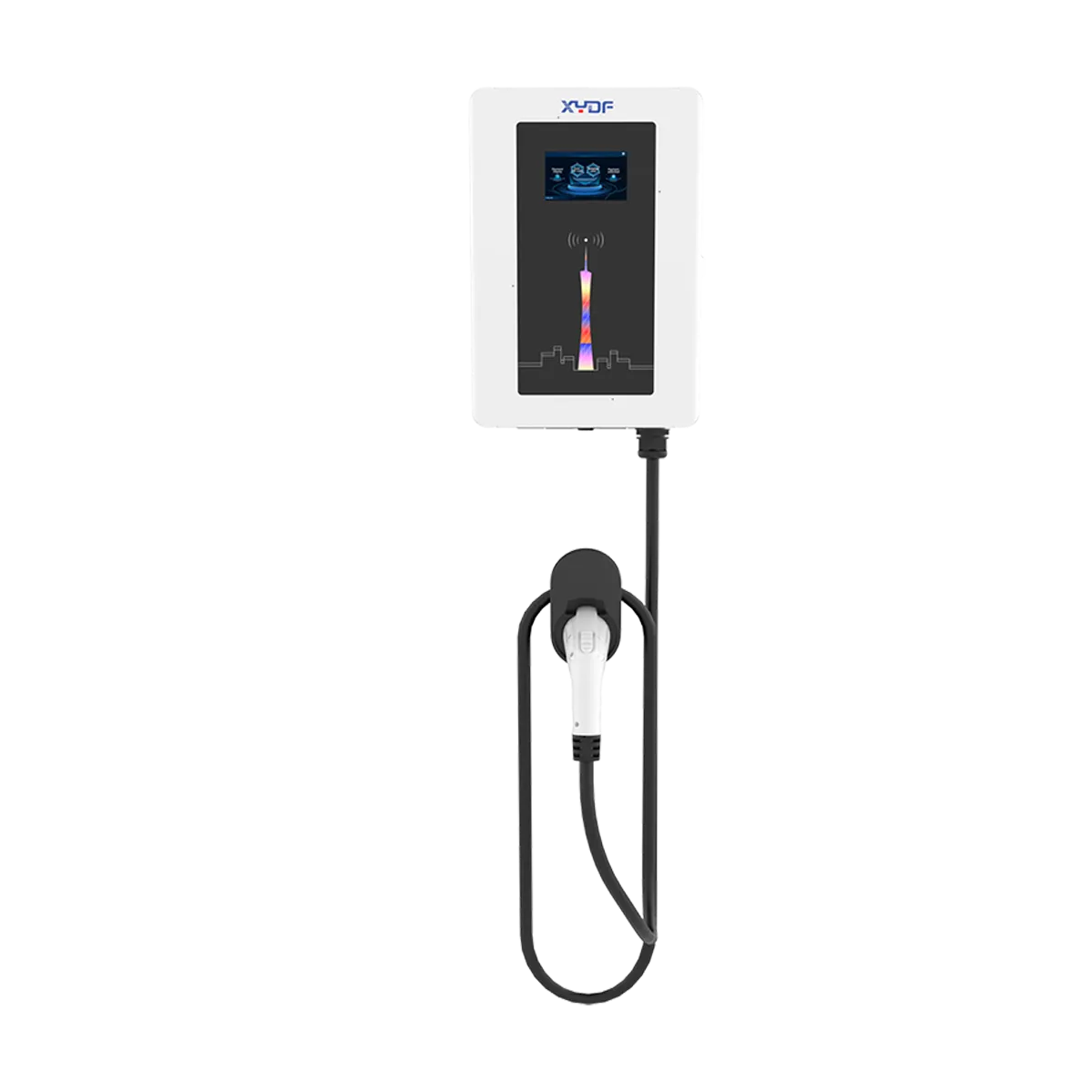
Ток переменного и ток постоянного тока являются взаимодополняющими, а не конкурирующими вариантами. Ток переменного тока часто целесообразен там, где у транспортных средств есть длительный и предсказуемый цикл работы, а бортовая зарядка переменного тока может восполнить необходимую энергию. коммерческий зарядный агрегат для электромобилей Категорию этих позиций с более низким приоритетом можно рассматривать при условии наличия соответствующей мощности в бортовой электросети и в соответствии с местным электрооборудованием. DC является ценным вариантом при необходимости увеличения энергопотребления в короткий и контролируемый период времени, однако его эффективная скорость ограничена состоянием аккумуляторной батареи, ее характеристиками заряда, разъемом и температурой окружающей среды.
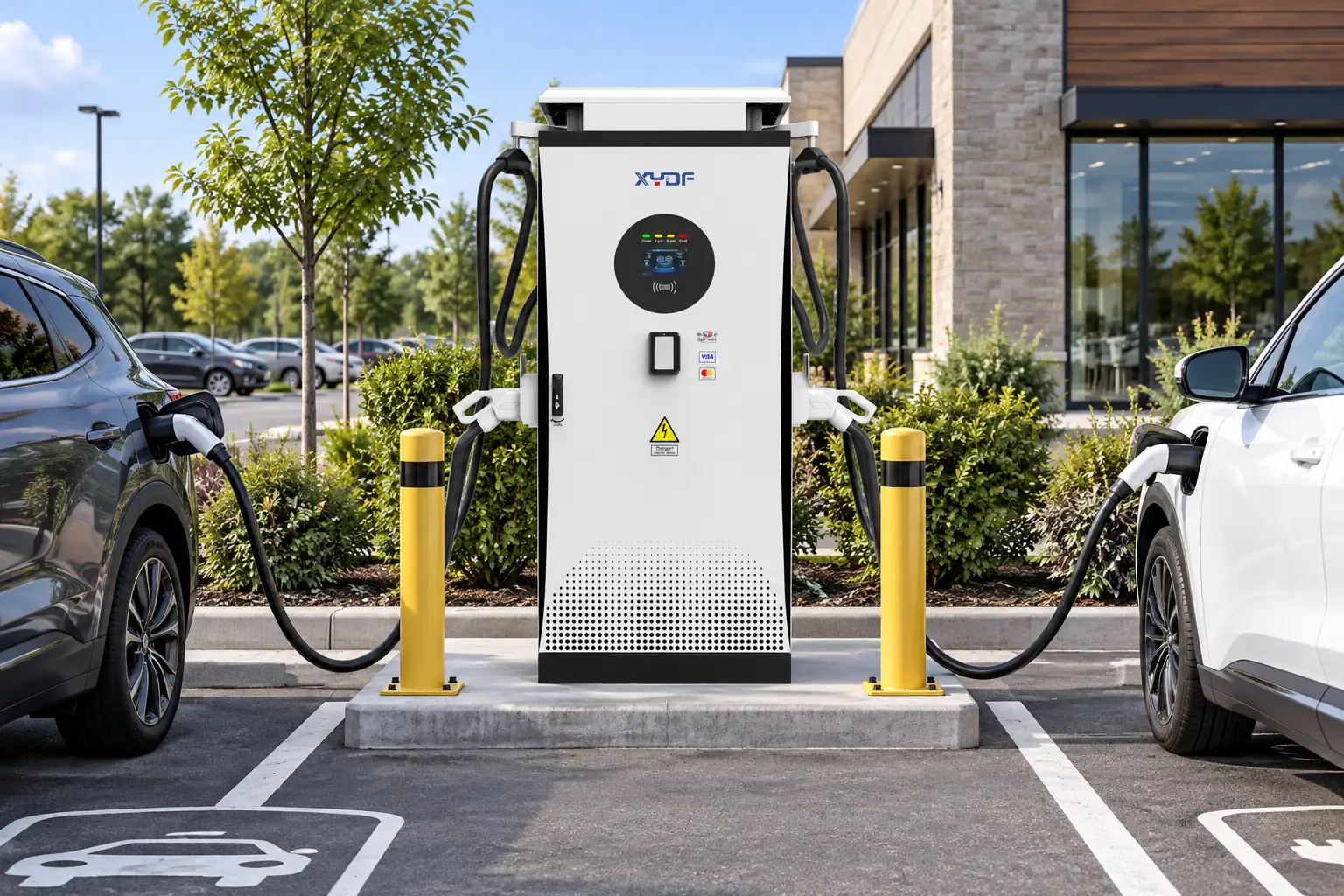
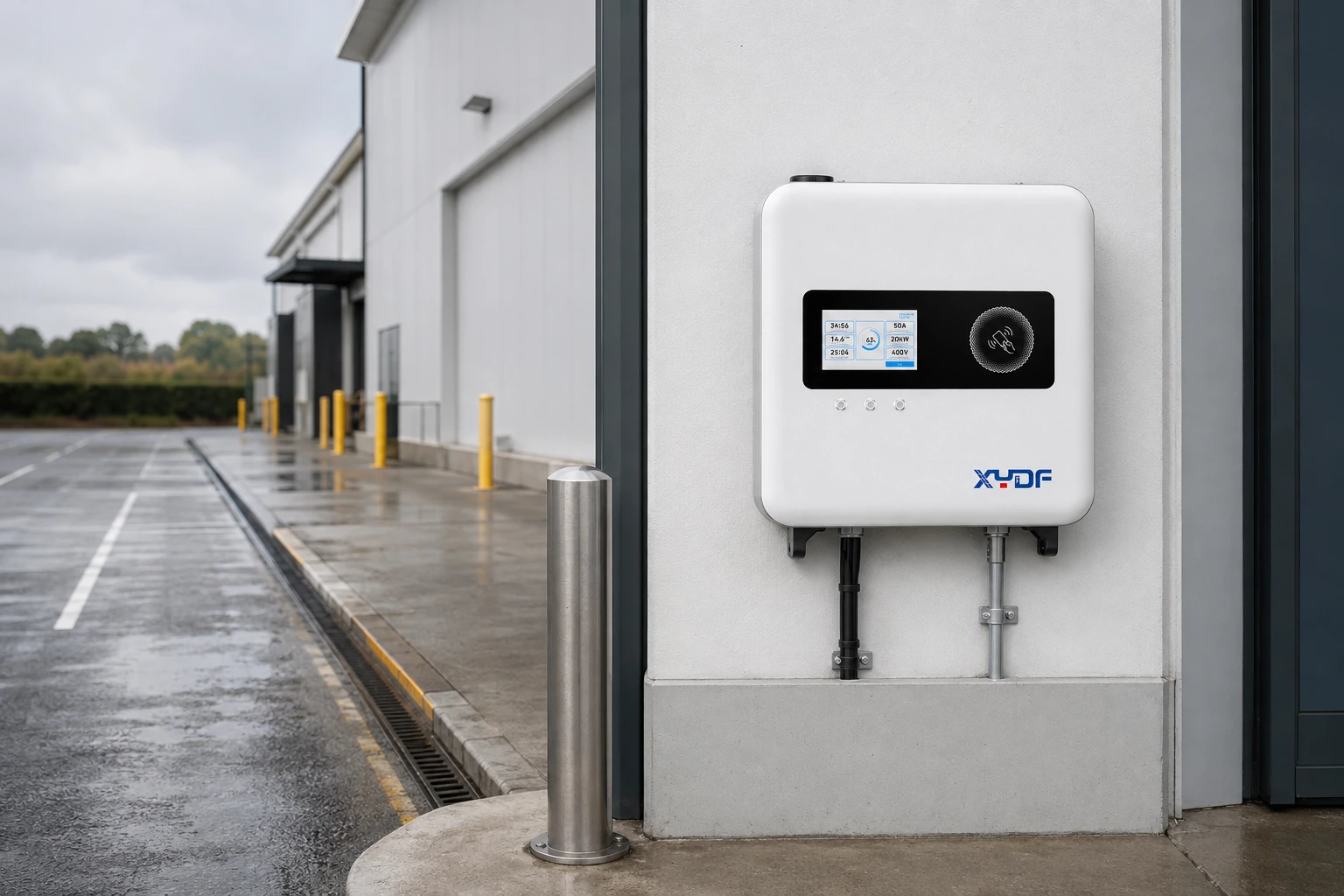
A Коммерческий бытовой зарядный порт для DC Поэтому он может быть инструментом восстановления графика работы, а не заменой планированию энергопотребления. Перед выбором устройства необходимо проверить требования к соединительному кабелю, его протяженность, геометрию ячейки, пространство для ожидания, доступ для транспортных средств и изоляцию от электроснабжения. на открытом воздухе зарядное устройство для электромобилей Также необходимы оценка соответствия требованиям конкретного места установки, дренаж, защита от ударов и доступ к техническому обслуживанию; документация на продукцию должна соответствовать требованиям рынка назначения и условий установки.
| Измерение | Позиции АС-дипота | Позиции в депо в Далласе | Последствия для планирования |
|---|---|---|---|
| Полезный режим просмотра окна | Долгое и предсказуемое время парковки | Сокращенный срок действия визы или поздний возврат | Мач принёс энергию, а не только номинальную мощность |
| Ограничение на передвижение транспортных средств | Максимальный уровень мощности зарядного устройства на борту ограничивает входной ток | Контур приемлемости батареи ограничивает входные данные | Проверьте соответствие с фактическими характеристиками транспортного средства |
| Эффект загрузки сайта | Часто проще распространяться в течение ночи | Высокий потенциал совпадения нагрузок | Модели с пиками продолжительности работы 15 минут и возможностью обслуживания |
| Лучшая роль в плане устойчивости | Базовая зарядка для большинства парковочных устройств | Парковка для приоритетных и аварийных случаев | Обеспечьте независимость резервных мощностей от рутинных очередей |
Проектируйте срок службы системы охлаждения так, чтобы она была доступна в случае непредвиденных обстоятельств
Устойчивость холодной цепи означает определение того, что происходит, когда грузовик прибывает с опозданием, зарядное устройство не доступно, достигнут лимит нагрузки электросети или возникает проблема с холодильным оборудованием во время погрузки. Создайте перечень исключений по приоритетности: перенаправьте транспортное средство в доступное место, замените его на заряженный автомобиль при наличии возможности для работы, используйте заранее согласованное общественное или партнёрское место для зарядки, отрегулируйте последовательность погрузки или переместите продукцию в соответствии с процедурами оператора по обеспечению безопасности и качеству пищевых продуктов. Не следует полагаться на резервный генератор или аккумуляторную систему для обеспечения работы при любых условиях, если инженерное исследование не подтвердит их непрерывную работоспособность, способ передачи энергии, продолжительность использования топлива или хранения и разрешенные условия использования.
Статья 625 стандарта NFPA 70 актуальна для систем электроснабжения электромобилей в Соединенных Штатах, тогда как окончательный дизайн определяются местными электротехническими нормами, требованиями пожарной безопасности и правилами коммунальных служб. В Европе стандарт IEC 60364-7-722 регулирует электрооборудование для электромобилей. Это стандарты установки и безопасности, а не сертификаты соответствия продукции или гарантии бесперебойной работы холодильного оборудования. В претензиях по закупкам следует указать точный стандарт, издание, объем испытаний и сферу применения на целевом рынке; отчет о испытаниях, декларации или перечислении не следует представлять как более широкую сертификацию, чем она есть на самом деле.
Практическая последовательность закупок для холодильных складов
- Измеряйте данные о прибытии, отбытии, расходе энергии и холодопроизводительности; различайте наблюдаемые данные от иллюстративных предположений.
- Установите целевой показатель отгрузок и резервный запас для каждого класса маршрутов; установите приоритетные правила для отправки.
- Перед окончательным выбором оборудования моделируйте совпадение электрических характеристик с потребностями предприятия, электротехником и командой специалистов по охлаждению.
- Определите сценарии «нормального» режима работы, режима позднего возвращения и ситуации с перебоями в работе; протестируйте операционную схему работы перед развертыванием системы в рамках всей организации.
- Запросите схемы подключения, характеристики, информацию о интерфейсе, предельные значения для окружающей среды, требования по техническому обслуживанию и применимые документы о соответствии для предполагаемого рынка применения.
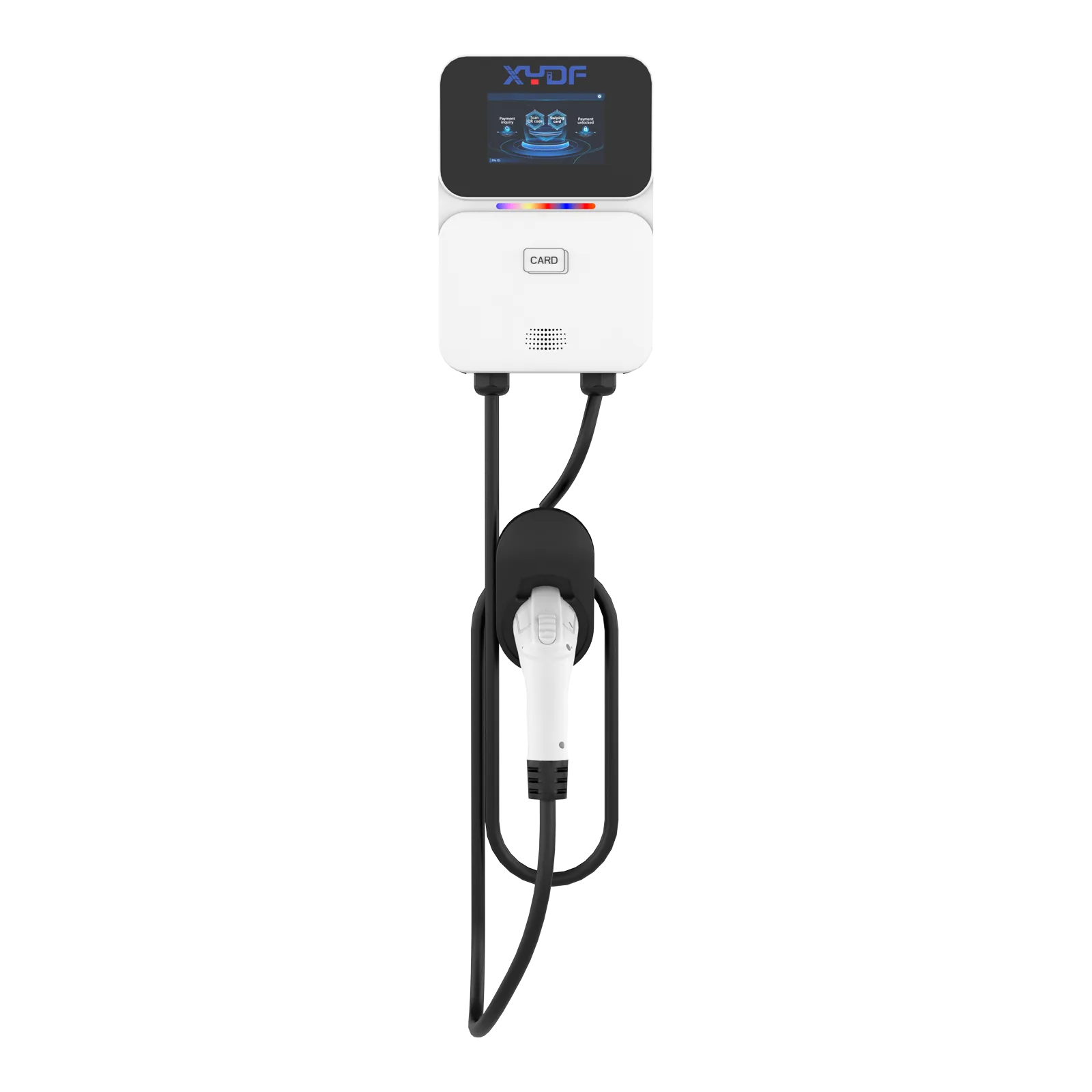
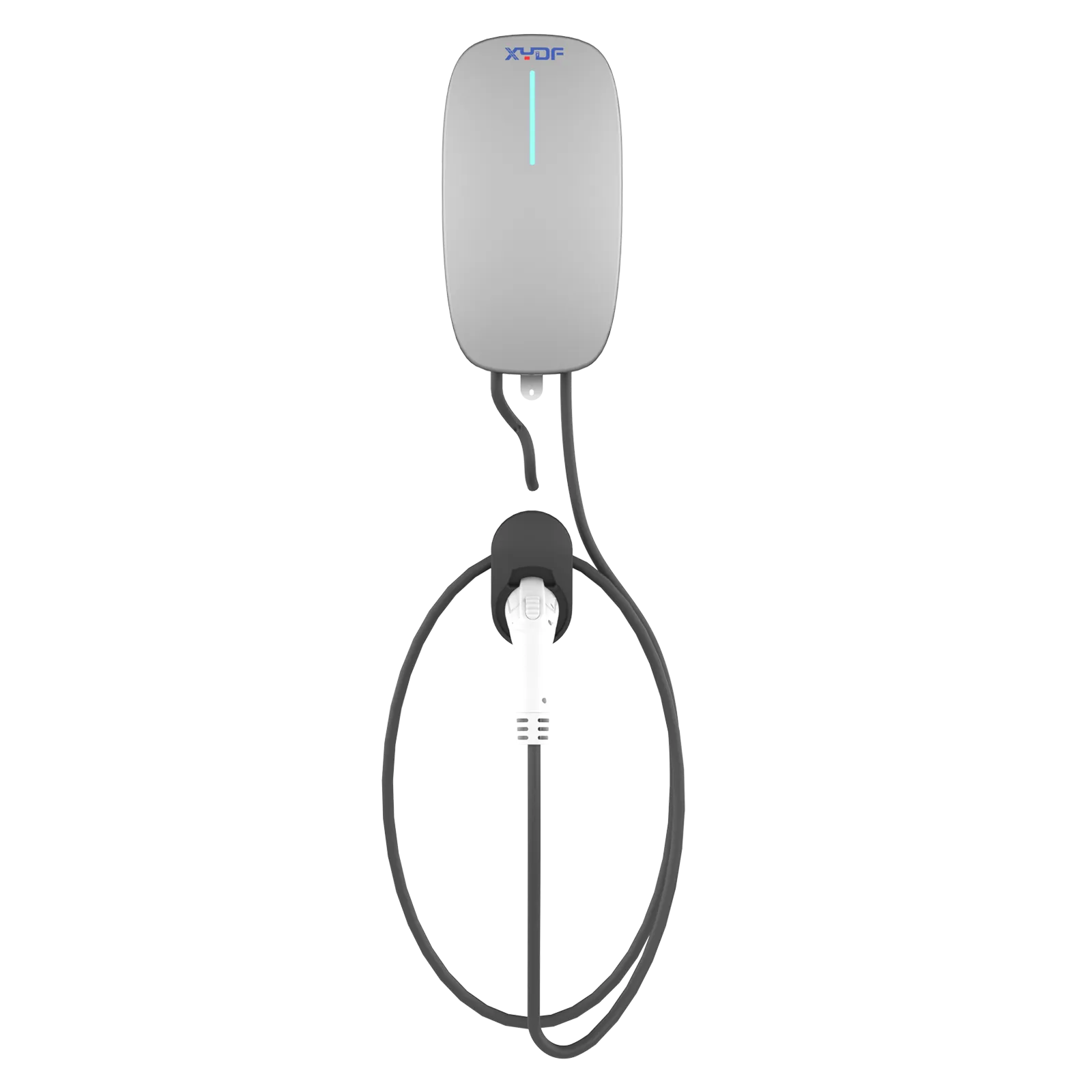
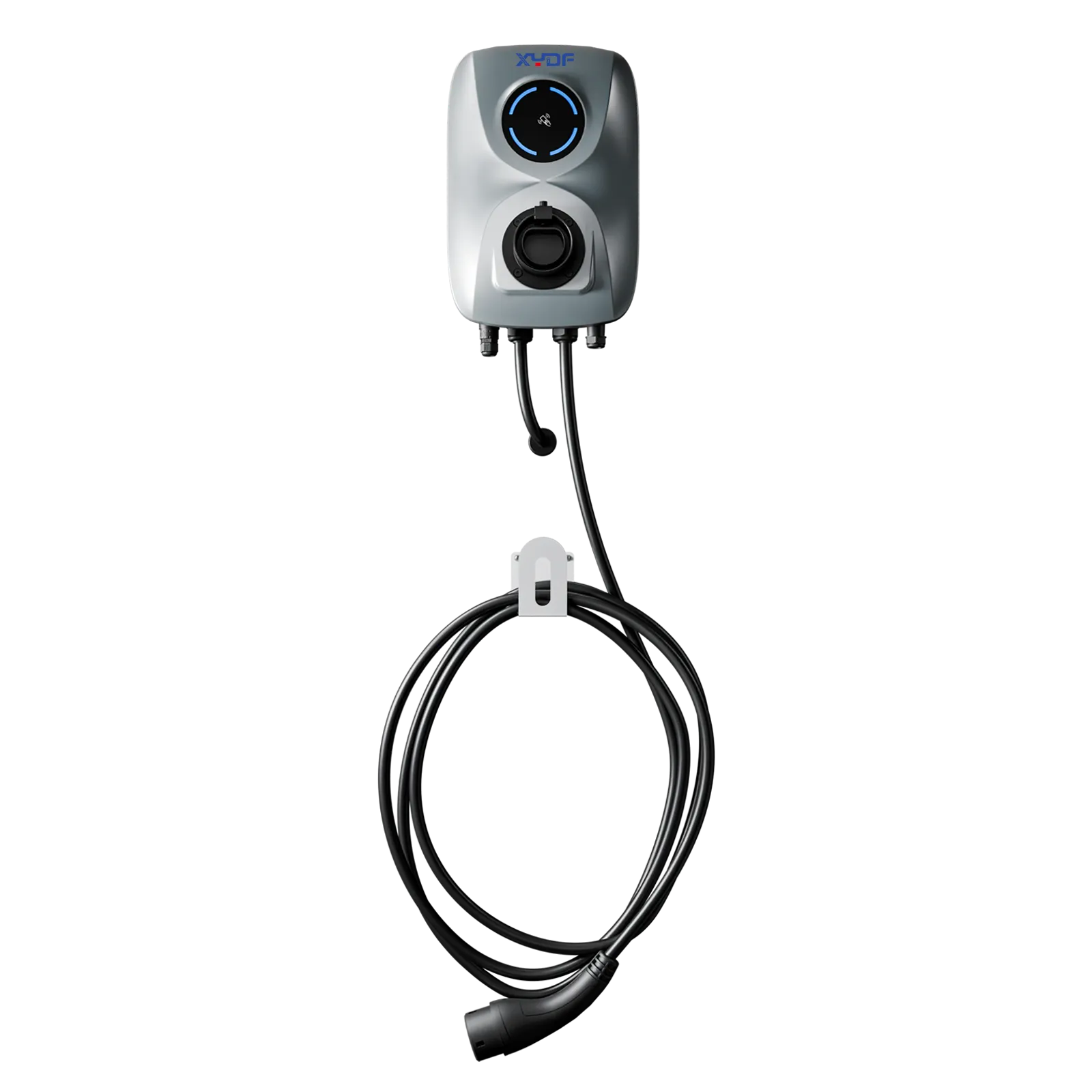
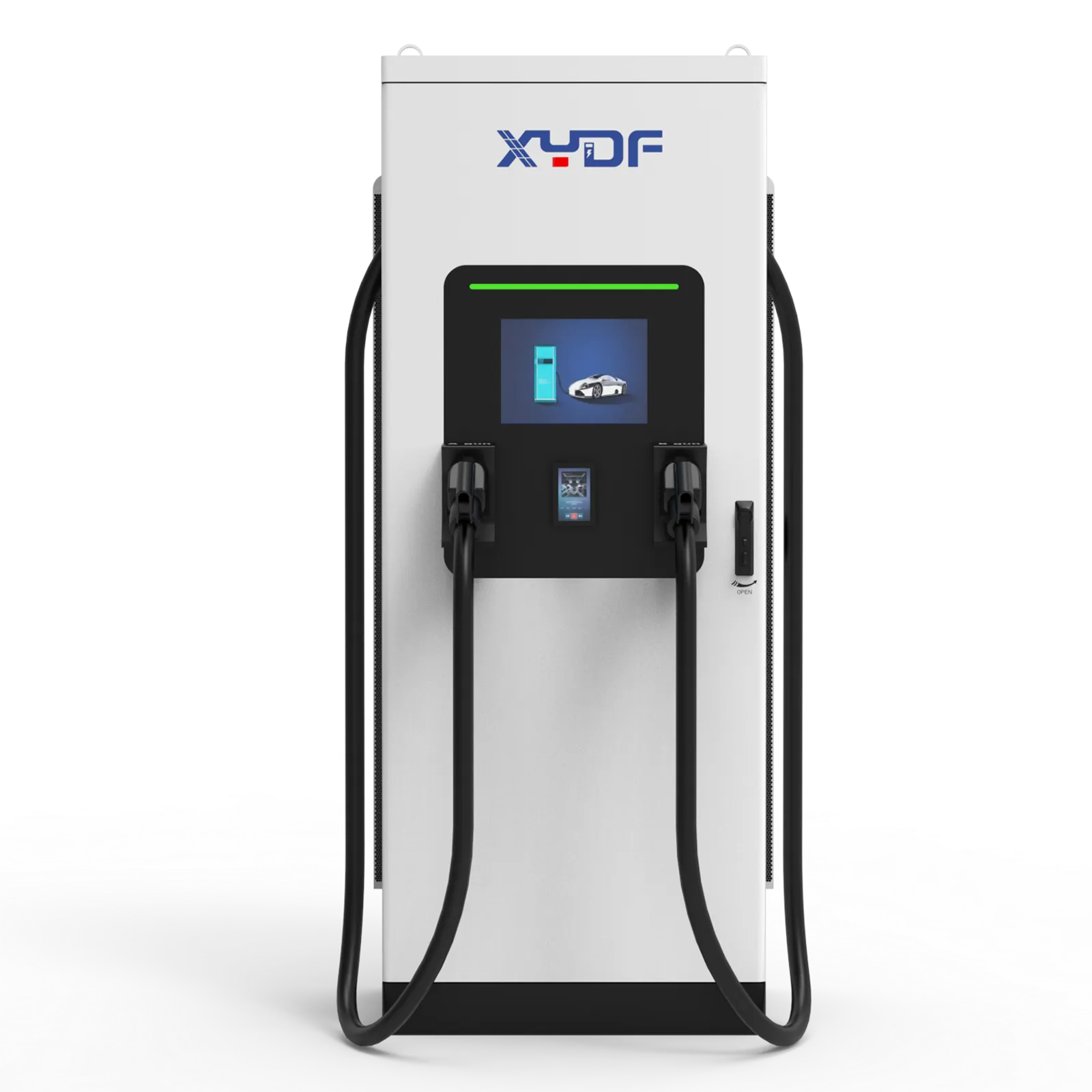
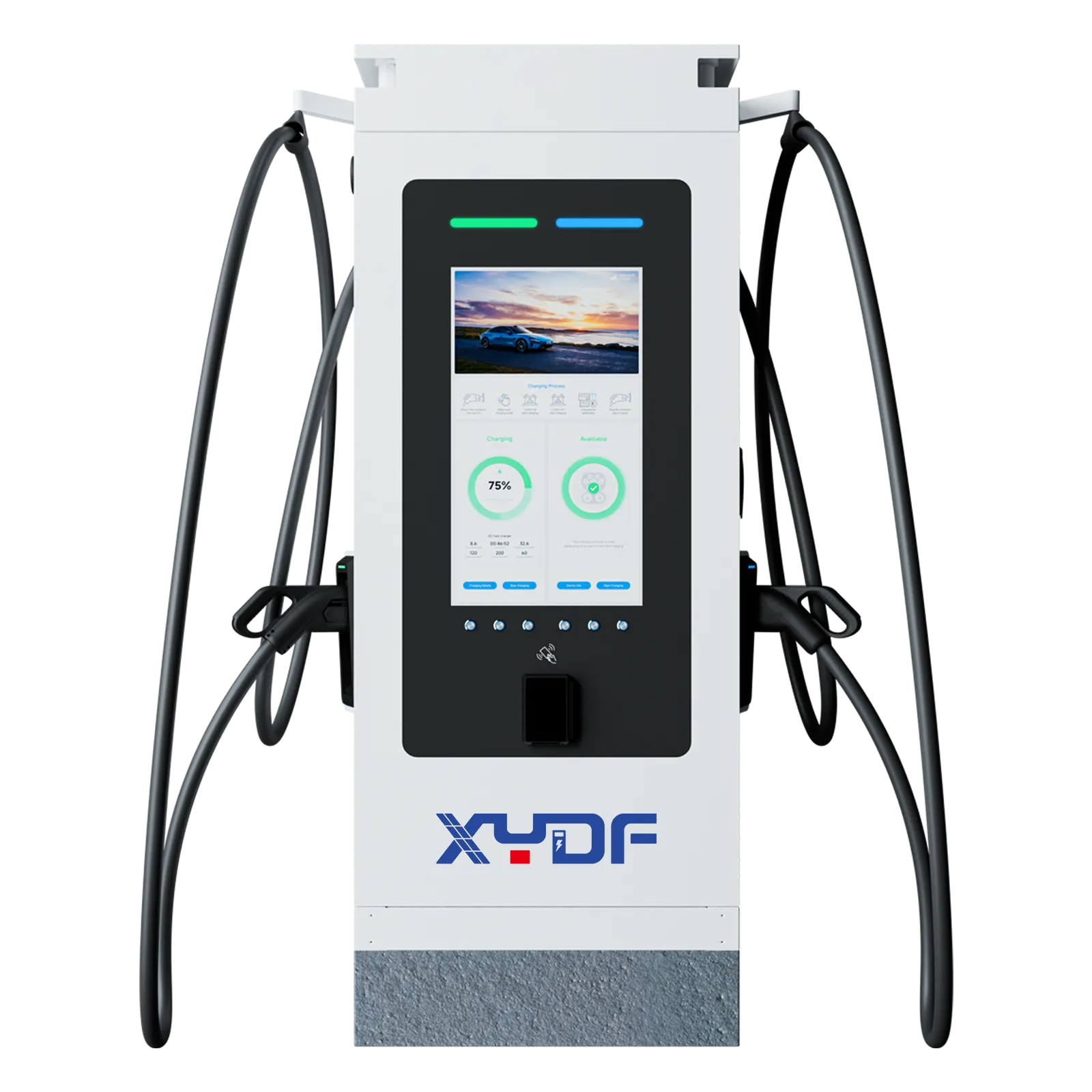
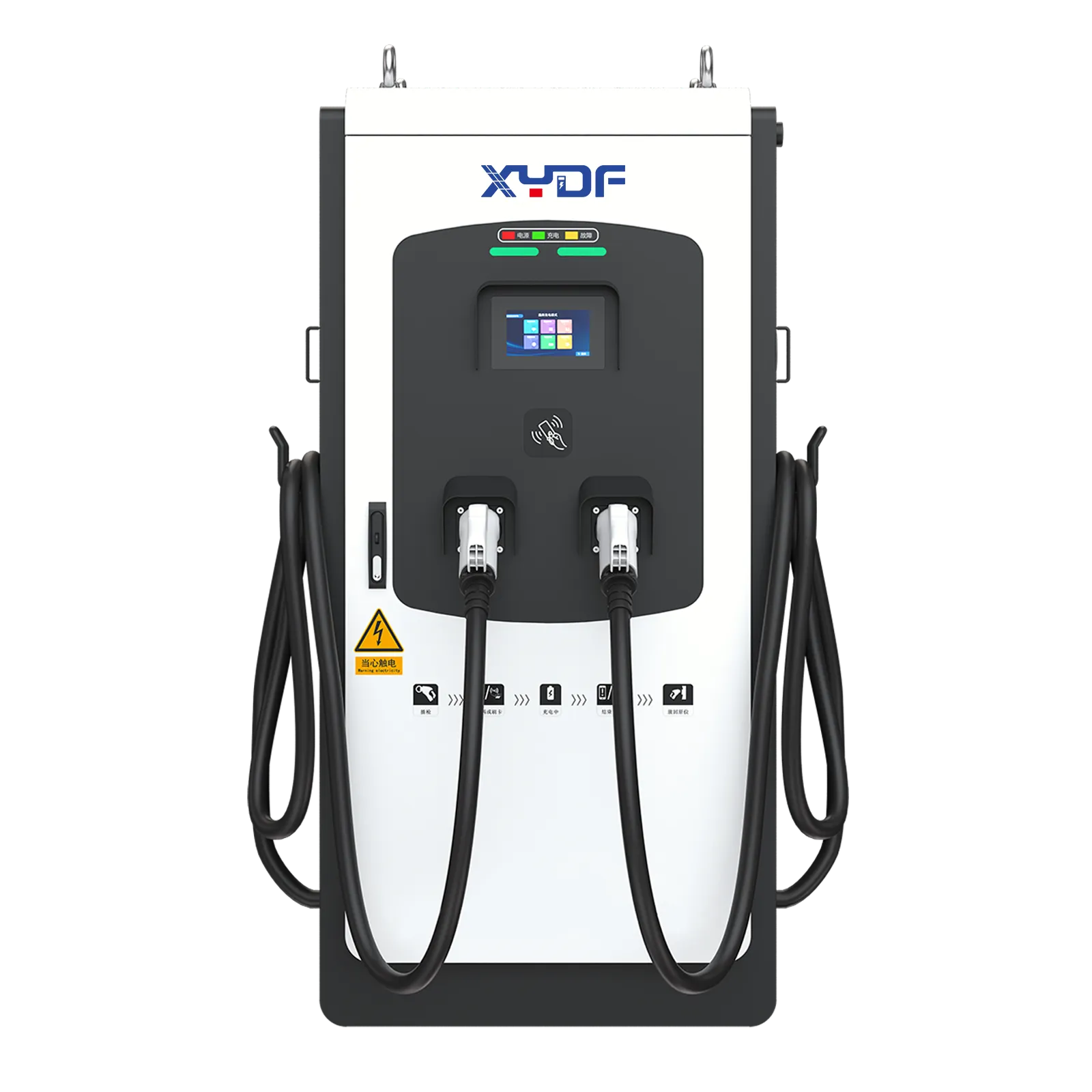
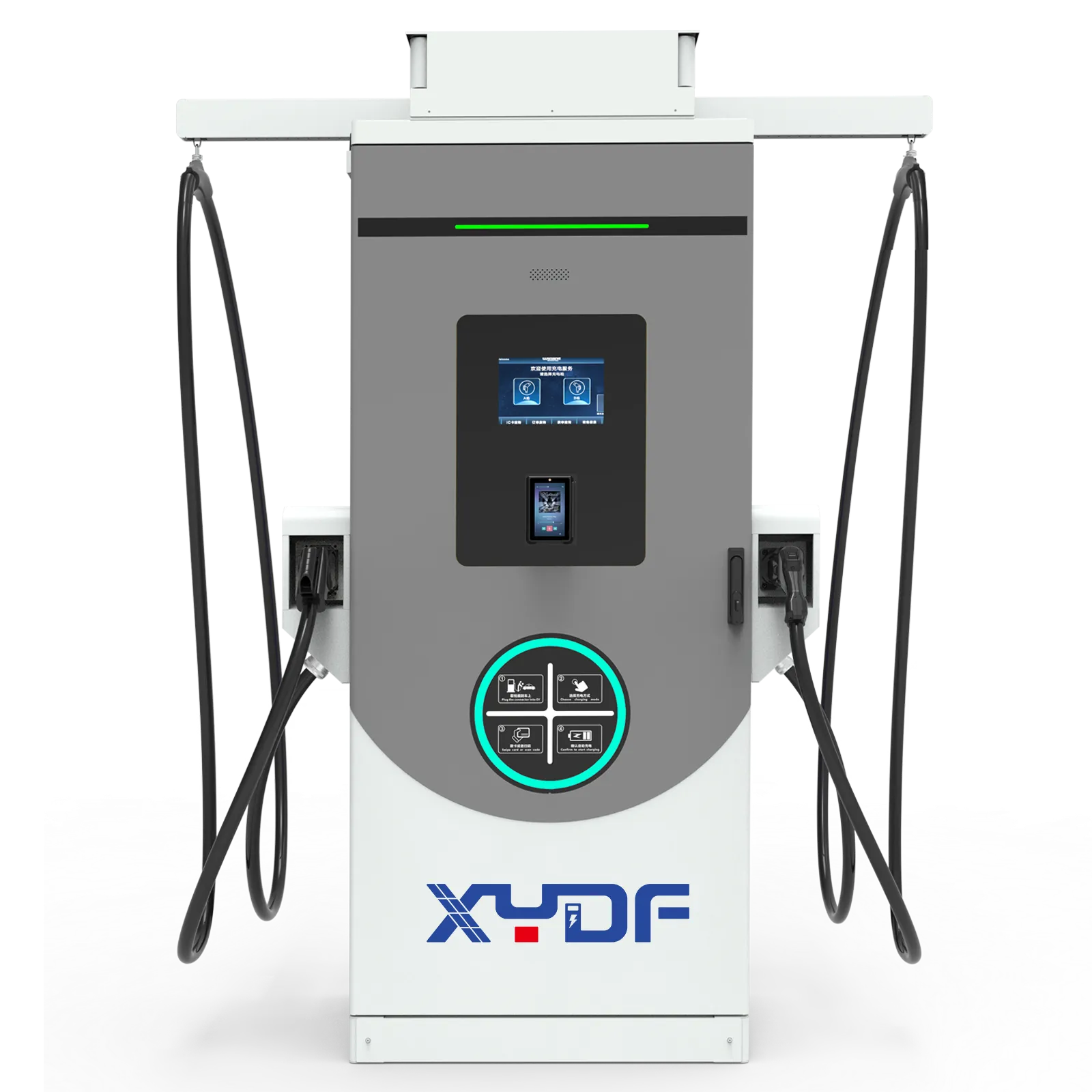
Для покупателей, рассматривающих станцию зарядки для электрогрузовиков, XYDF может стать частью обсуждения выбора оборудования после определения операционной модели. Разумным подходом является сравнение между документально подтвержденными вариантами конфигурации и проверенным графиком работы автопарка, электрической схемой и планом технического обслуживания — а не только с показателями мощности.
Часто задаваемые вопросы
Какую схему зарядки лучше всего использовать для автопарков с холодильными установками?
Лучшая стратегия — это обычно приоритетная система управления зарядкой: защищать первые рейсы с наибольшим объемом перевозок и заполнять остатки за счет рейсов с более длительным временем пребывания. План должен основываться на фактических данных о прибытии и отбытии, а также предусматривать процедуру исключений для поздних рейсов. Пересматривать приоритеты следует каждый раз, когда меняются маршруты, сезоны или режимы работы рефрижераторов.
Могут ли зарядные станции для электромобилей в составе флота поддерживать работу рефрижераторов во время погрузки?
Он может поддерживать необходимую мощность электроэнергии только при условии подтверждения архитектуры охлаждения грузового автомобиля, схемы подключения и размещения на площадке. Не следует предполагать, что зарядное напряжение будет подаваться к холодильному агрегату в любом варианте конфигурации. Проверьте инструкции производителя грузового автомобиля и запишите совокупную нагрузку при типичных условиях погрузки.
Сколько энергии требуется для зарядного комплекса для транспортных цепочек охлаждения?
Не существует единого обоснованного показателя. Добавьте к этому совпадение потребностей в зарядке, вспомогательные нагрузки от транспортных средств, холодильное оборудование в складах и другие нагрузки, связанные с эксплуатацией здания, и сравните результат с показателями технической доступности и тарифными правилами. Для окончательного проектирования подключения используйте услуги электрического инженера и экспертов по регулированию электроэнергии.
Необходимо ли для использования холодильных грузовиков использовать переменный ток или постоянный ток для зарядки автопарка?
При использовании переменного тока следует соблюдать правило «долговечности — долгосрочная эксплуатация — предсказуемость»; при использовании постоянного тока следует учитывать необходимость более быстрого восстановления энергии в случае отъезда. Многие автопарки нуждаются в обоих вариантах: переменном токе для обычных парковочных автомобилей и постоянном токе для приоритетных или опоздавших автомобилей. Перед выбором необходимо проверить поддерживаемые входные устройства для зарядки и реальную кривую заряда автомобиля.
Как депо может избежать сбора платы в периоды максимального спроса?
Установить графики зарядки в соответствии с местным тарифальным интервалом, последовательно распределять транспортные средства с более низким приоритетом и установить максимальный лимит нагрузки на площадке, который позволяет обеспечить возможности для холодильного и строительного оборудования. Складское хранение может снизить пиковые нагрузки в некоторых конструкциях, однако для этого необходимо провести собственное экономическое и прочностные анализы. Основным доказательством являются тарификация и данные из счетчиков электроэнергии.
Какой запасной план необходим в том случае, если транспортное средство с системой охлаждения не может заряжаться?
В документе перечислены такие элементы, как резервные заправочные станции, сменка транспортных средств, альтернативные места зарядки, контактные данные диспетчера и этапы эскалации в случае возникновения проблем с обработкой продукции. Испытайте план на соответствие условиям позднего возвращения транспортного средства и ограничениям по загрузке площадки, а не оставляйте его в виде контрольного перечня. Изиметрическая резервная мощность зависит от критичности маршрута, имеющегося свободного времени в составе парка и процедур обеспечения безопасности пищевых продуктов.
Может ли зарядное устройство для электромобилей работать при том, что холодильное транспортное средство поддерживает температуру груза?
Это возможно, но тяговое зарядное устройство и нагрузка для охлаждения должны быть смоделированы вместе. Измерьте вспомогательную нагрузку во время загрузки, подготовки к стыковке и отправке, а затем установите приоритет для места и резервную мощность, чтобы зарядка не потребляла энергию или электрическую мощность, необходимые для процесса холодоснабжения. Ограничения эксплуатационных параметров и локальные схемы электропитания производителя транспортного средства остаются неизменными.
Необходимо ли зарядное устройство и холодильное оборудование использовать один бюджет электроэнергии?
Да. Считайте тяговое потребление, холодильное оборудование, инженерные системы и зарядку аккумуляторных батарей как нагрузку, синхронизированную с временем. Используйте общий модельный ряд потребностей с резервами для выработки энергии и контроля температуры, а затем протестируйте самый загруженный период нагрузки и задержку выгрузки. Само по себе рейтинг характеристик зарядного устройства не может гарантировать выполнение обеих задач.
Как склад для холодной цепи должен проверить свой план зарядки?
Проведите анализ плана с учетом характеристик загрузки, режимов работы холодильного оборудования, поздних возвращений транспортных средств и ограниченного количества электроэнергии в день. В одних и тех же интервалах времени сравните измеренные показатели тяговой энергии, потребления охлаждающей системы, уровня заряда батареи, резервного режима контроля температуры и сигналов от зарядного устройства. Само по себе показатель мощности зарядного устройства не может гарантировать сохранения как транспортной энергии, так и защиты груза.
Ссылки
- Международное энергетическое агентство, Глобальный обзор рынка электромобилей 2024 — контекст зарядки, сети и гибкости.
- Международная электротехническая комиссия — Каталоги стандартов IEC 61851 для проводных зарядных систем и IEC 60364 для электротехнических систем; получить актуальные издания через официальные каналы.
- Международная организация по стандартизации, ISO 15118-20 — контекст взаимодействия транспортного средства с сеткой электроснабжения.
- Национальная ассоциация по охране от пожаров, NFPA 70 — Контекст Национального электротехнического кодекса США, включая статью 625.
- Глобальный прогноз по электромобилям МЭА на 2025 год (обзор проверен 2026-10-06)
- Управляемое зарядка NREL (обзор проверен 2026-10-06)
- IEC 61851-1 (обзор проверен 2026-10-06)
В сфере охлажденной перевозки надежное управление энергопотреблением является неотъемлемой частью системы контроля за цепочкой поставок охлажденных продуктов питания, а не дополнительным элементом. Когда ваша команда готова перевести данные о рабочем графике работы в список оборудования для зарядки, проверьте: Зарядные устройства XYDF и свяжитесь с поставщиком с указанием требований к транспортному средству, маршруту, объёму груза и рынку назначения.