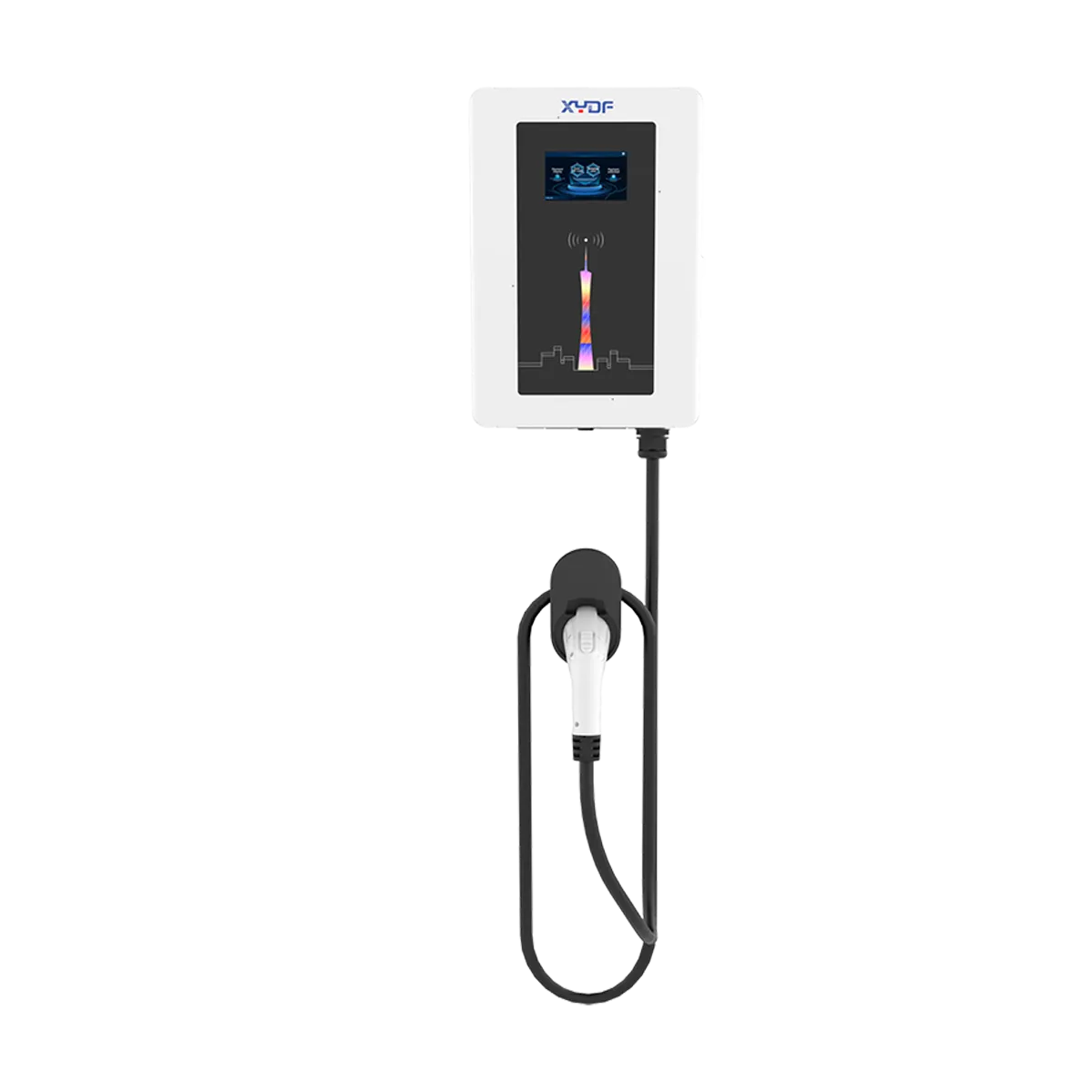
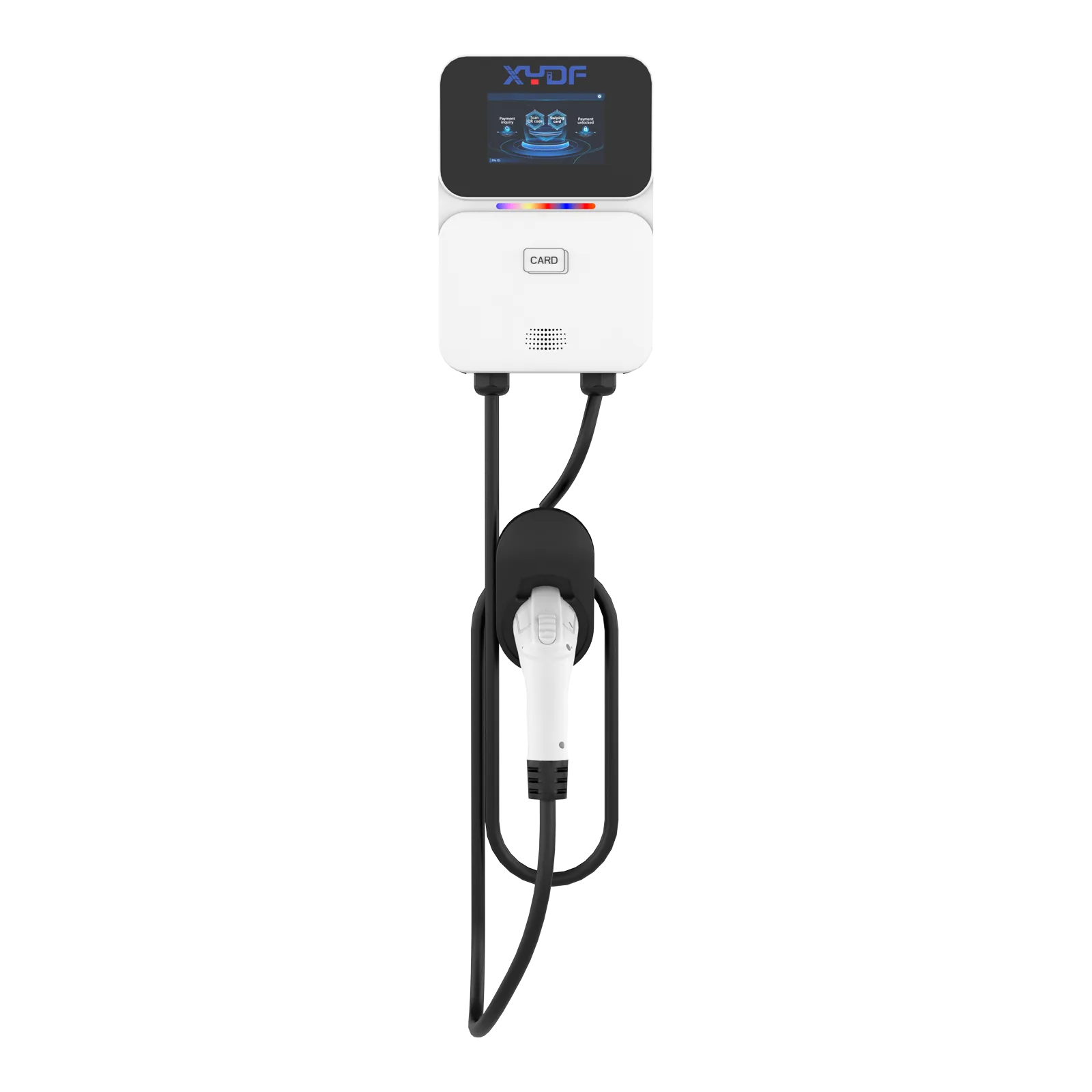
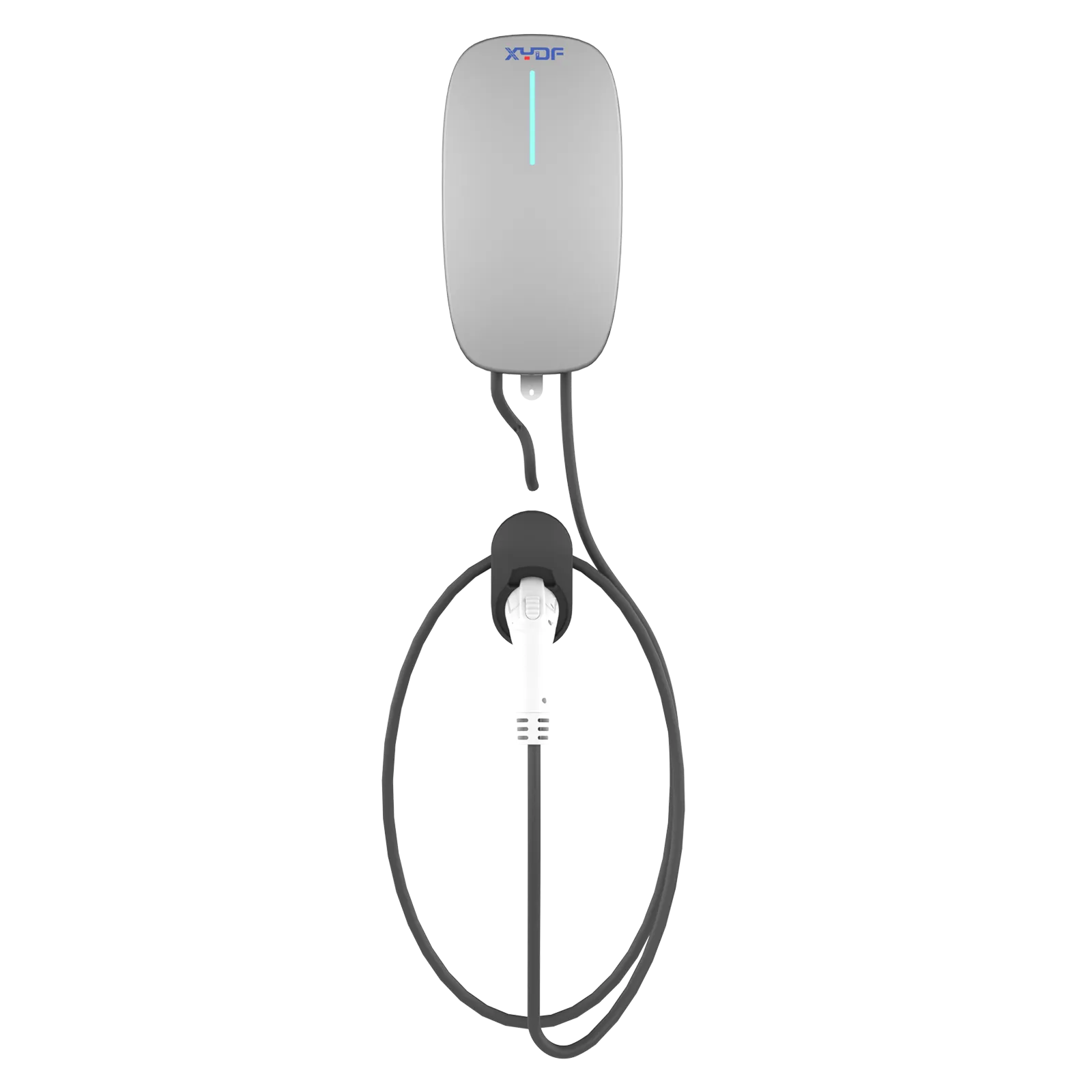
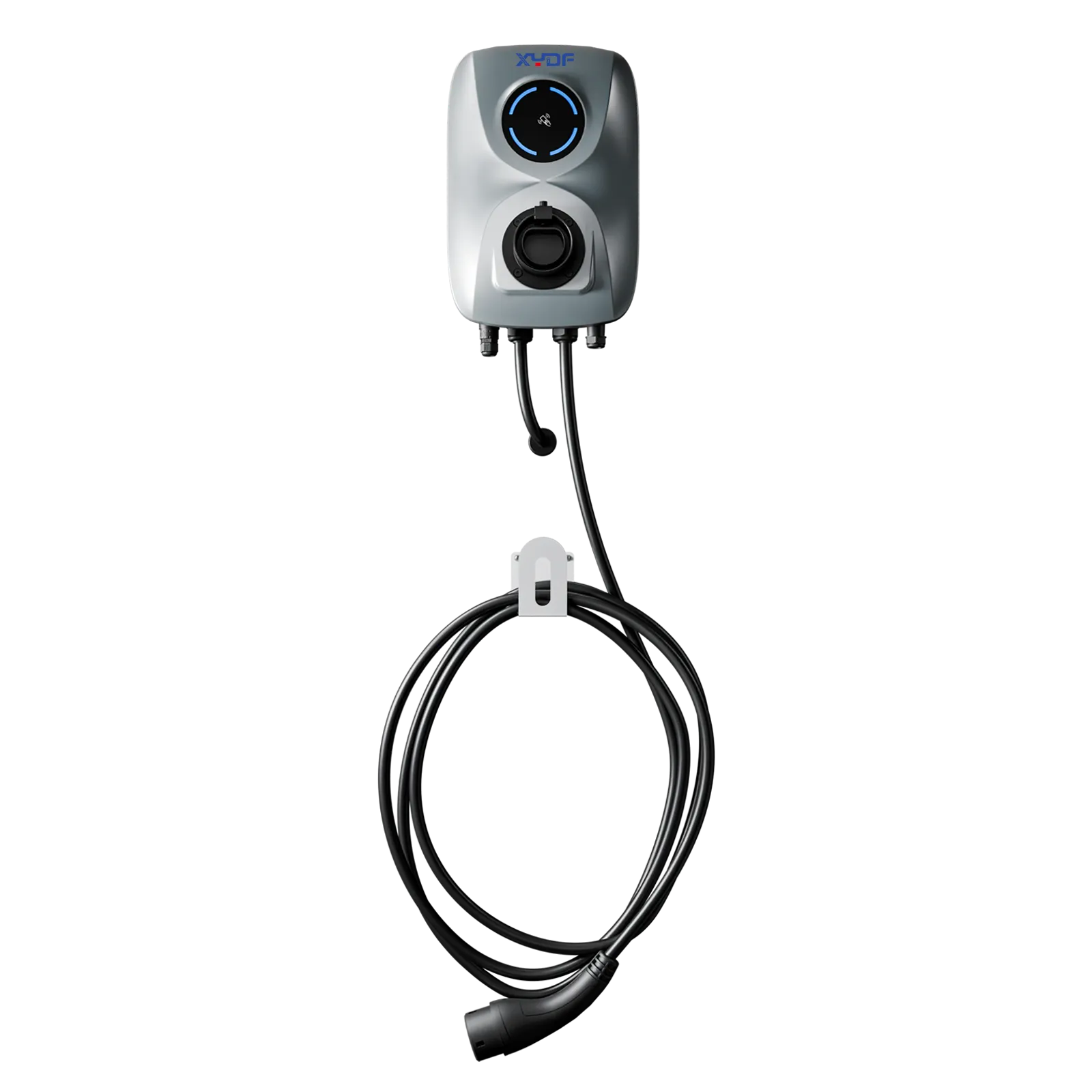
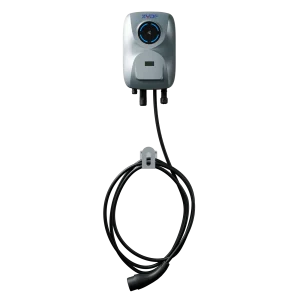
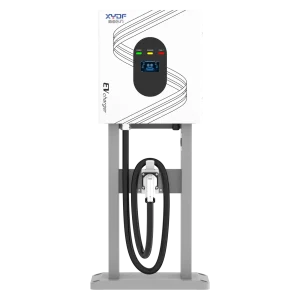
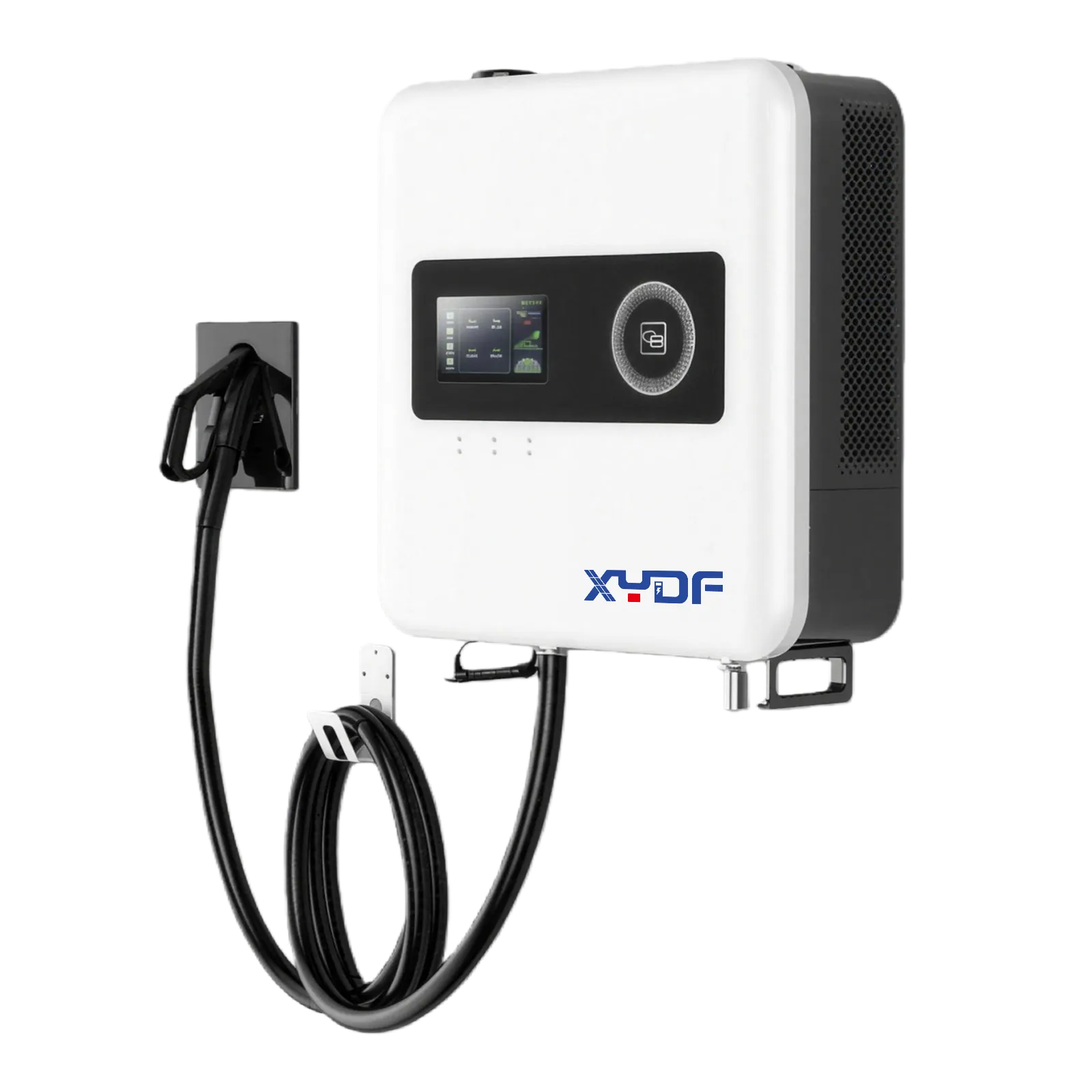
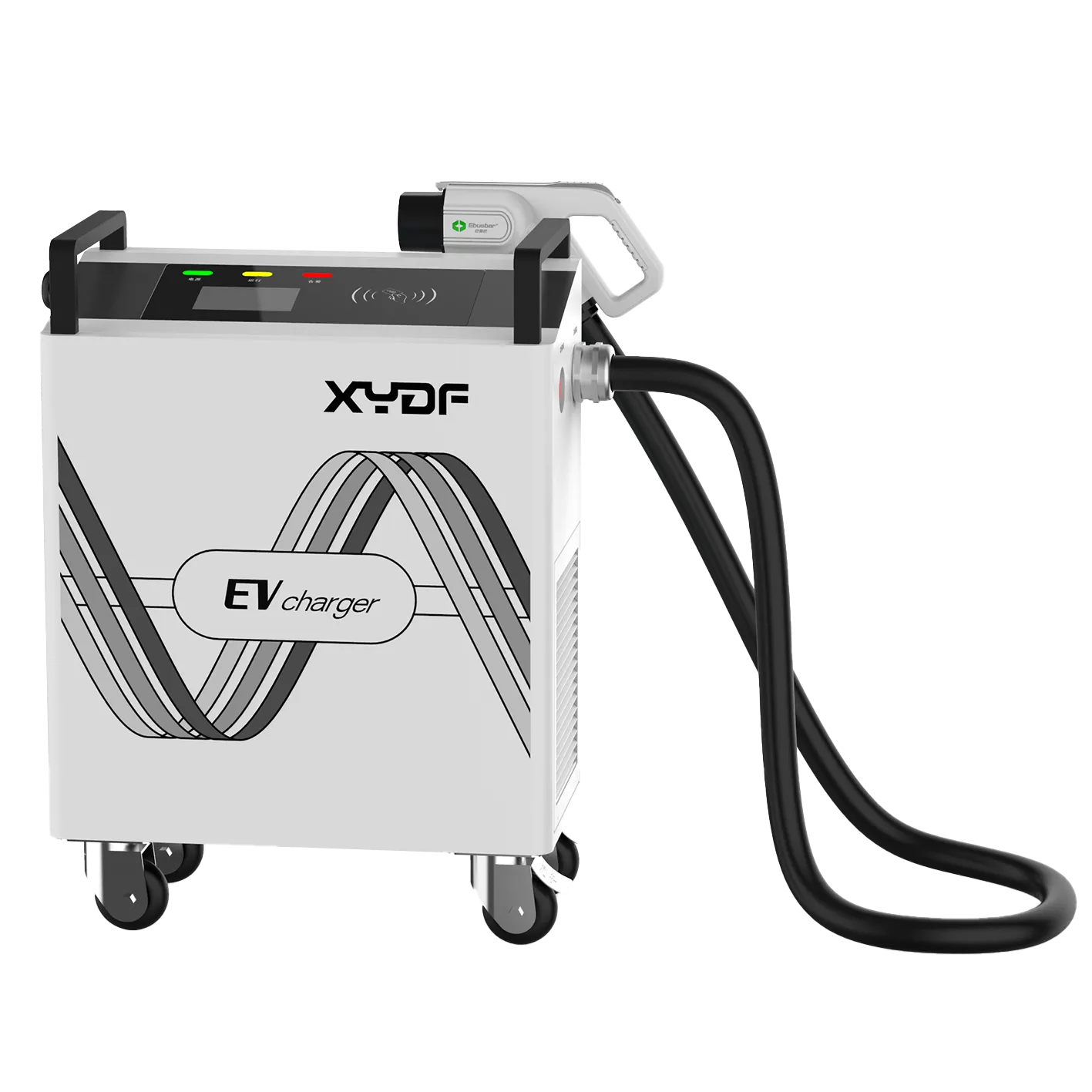
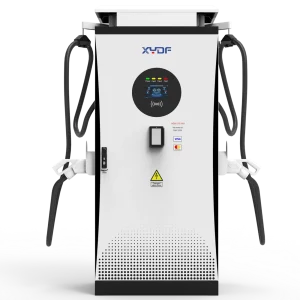
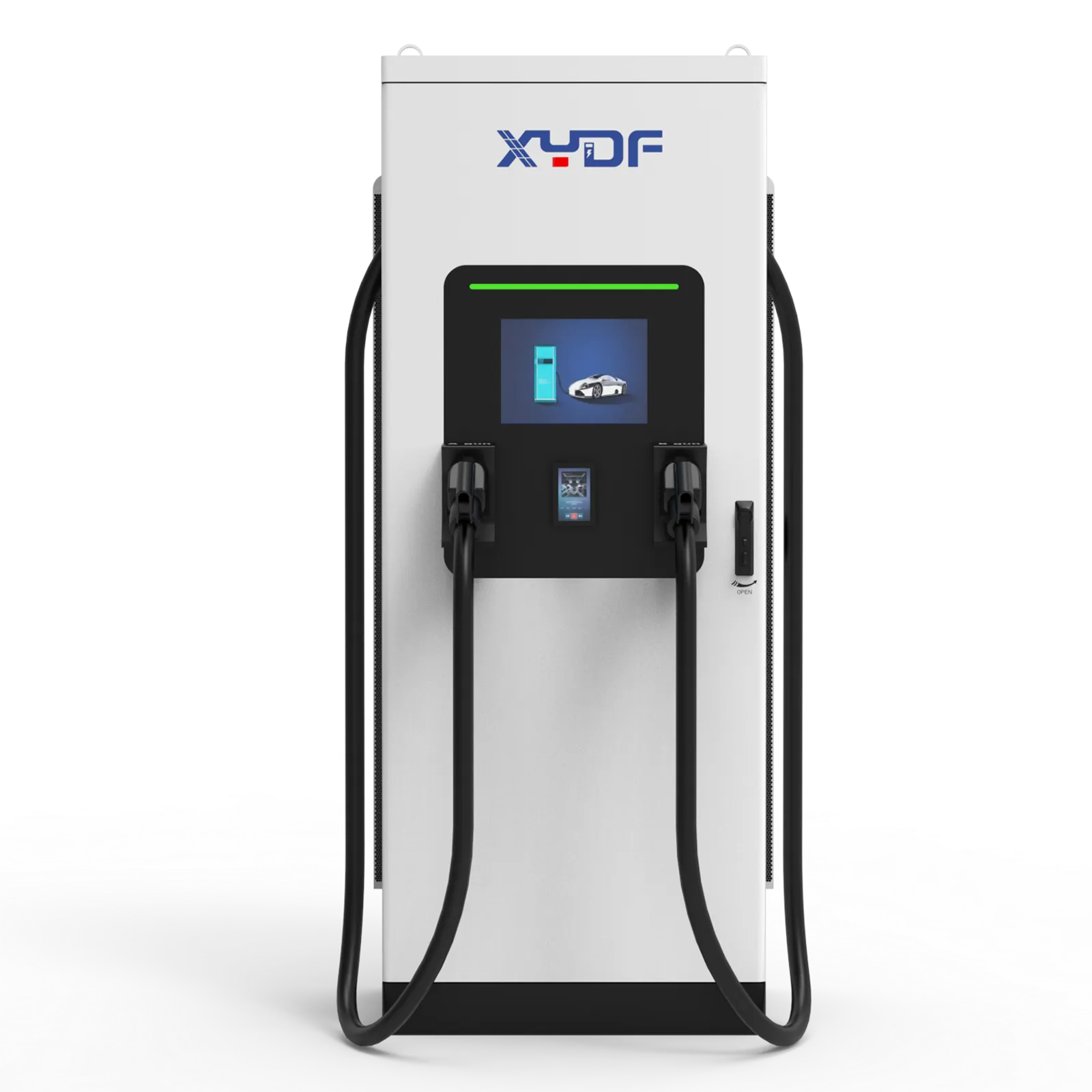
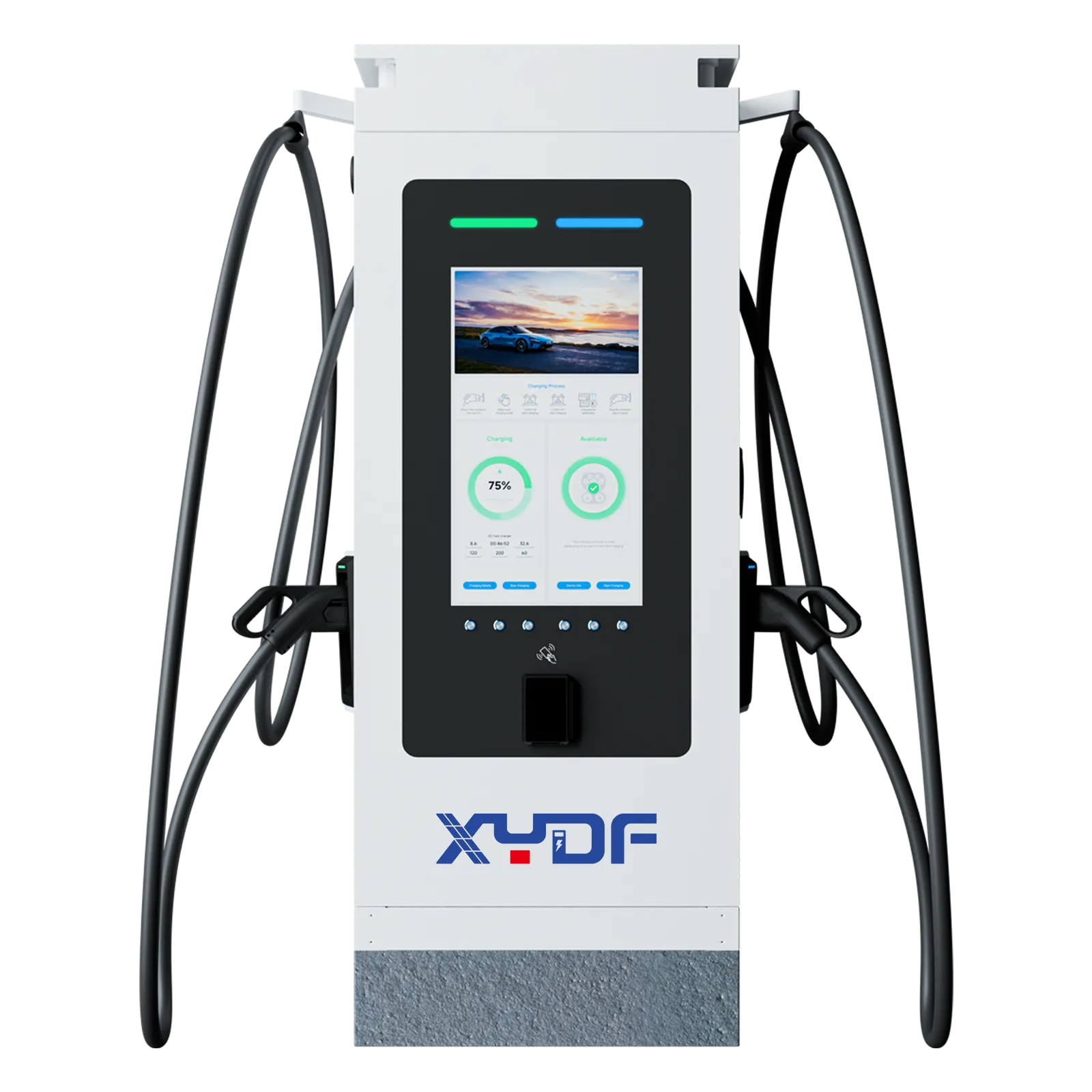
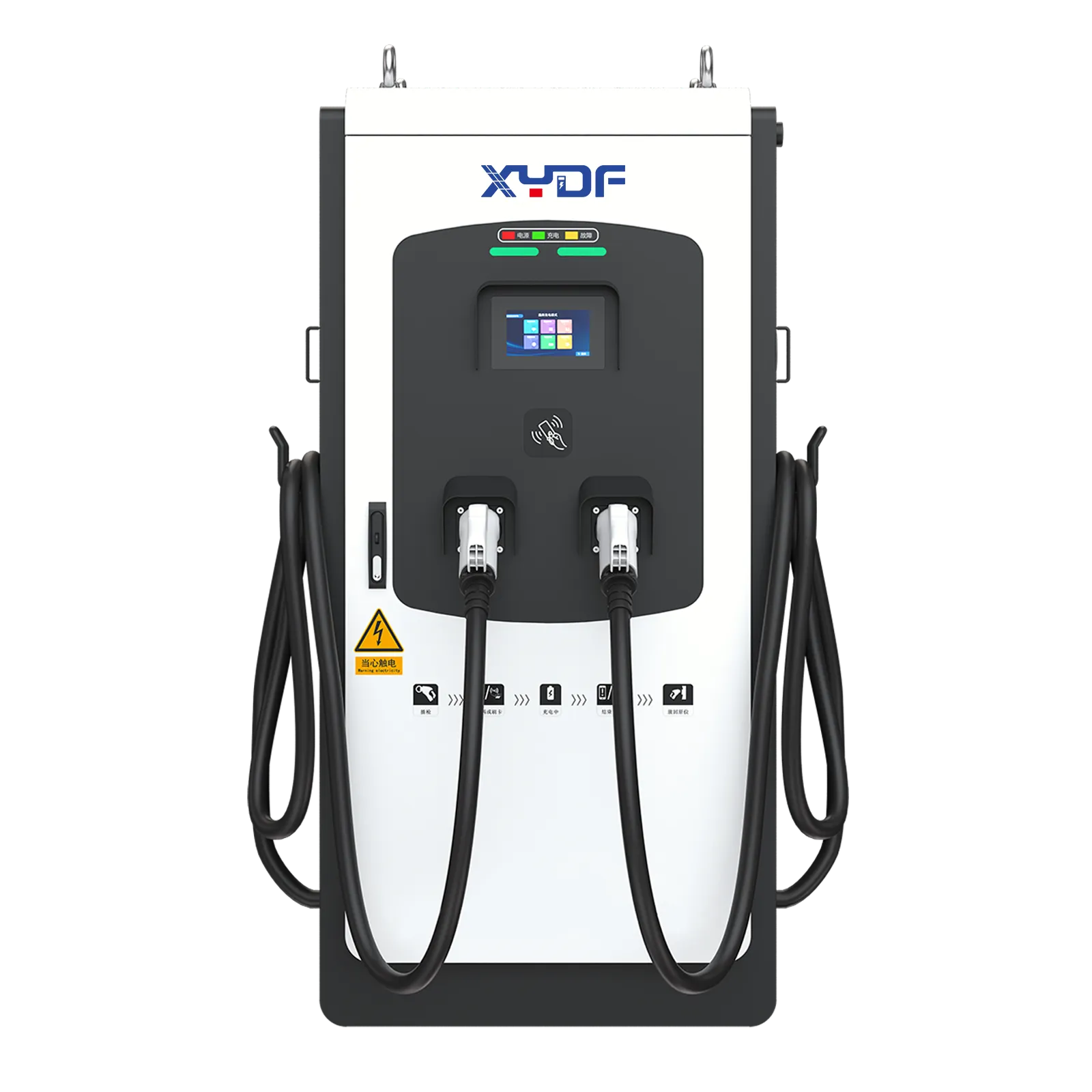
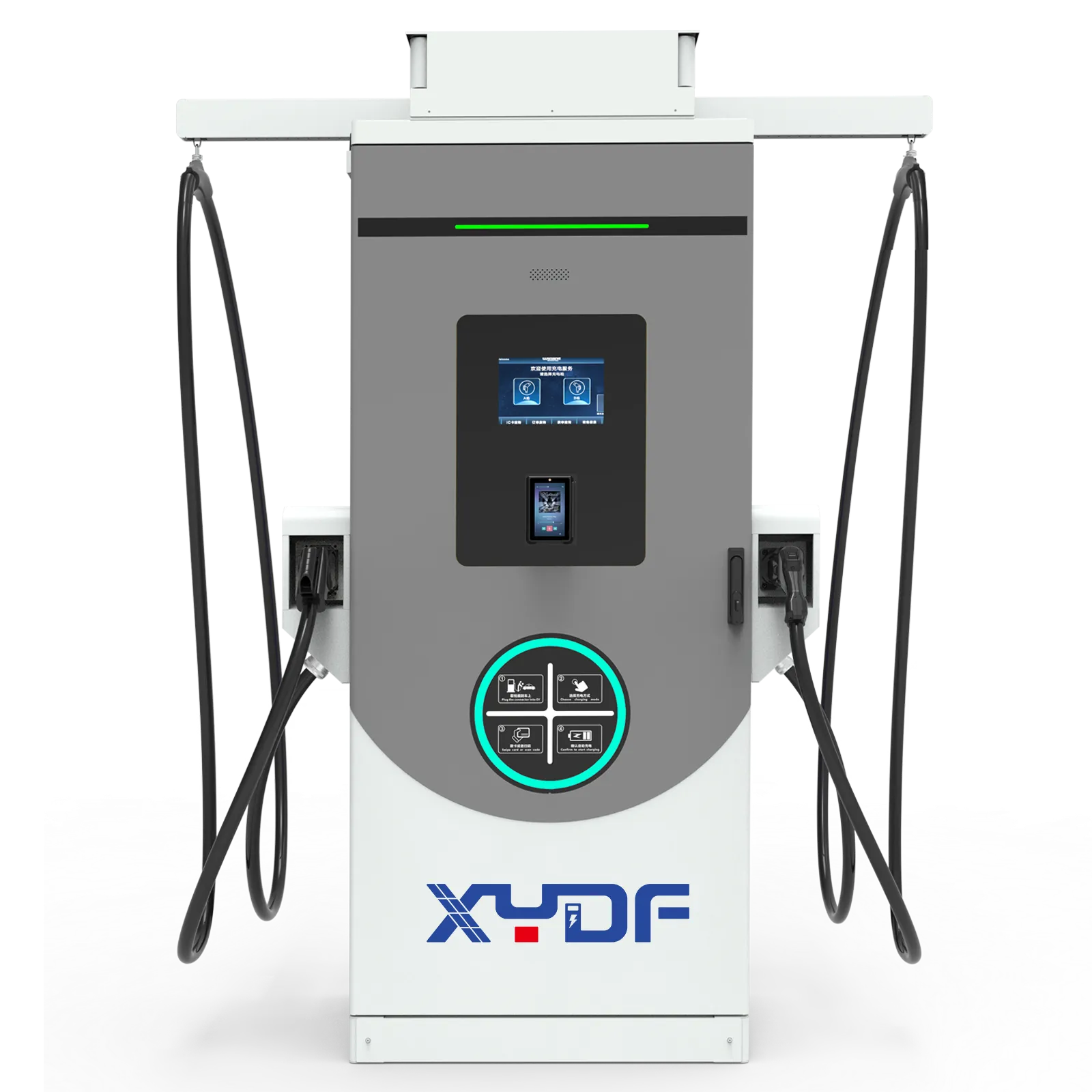
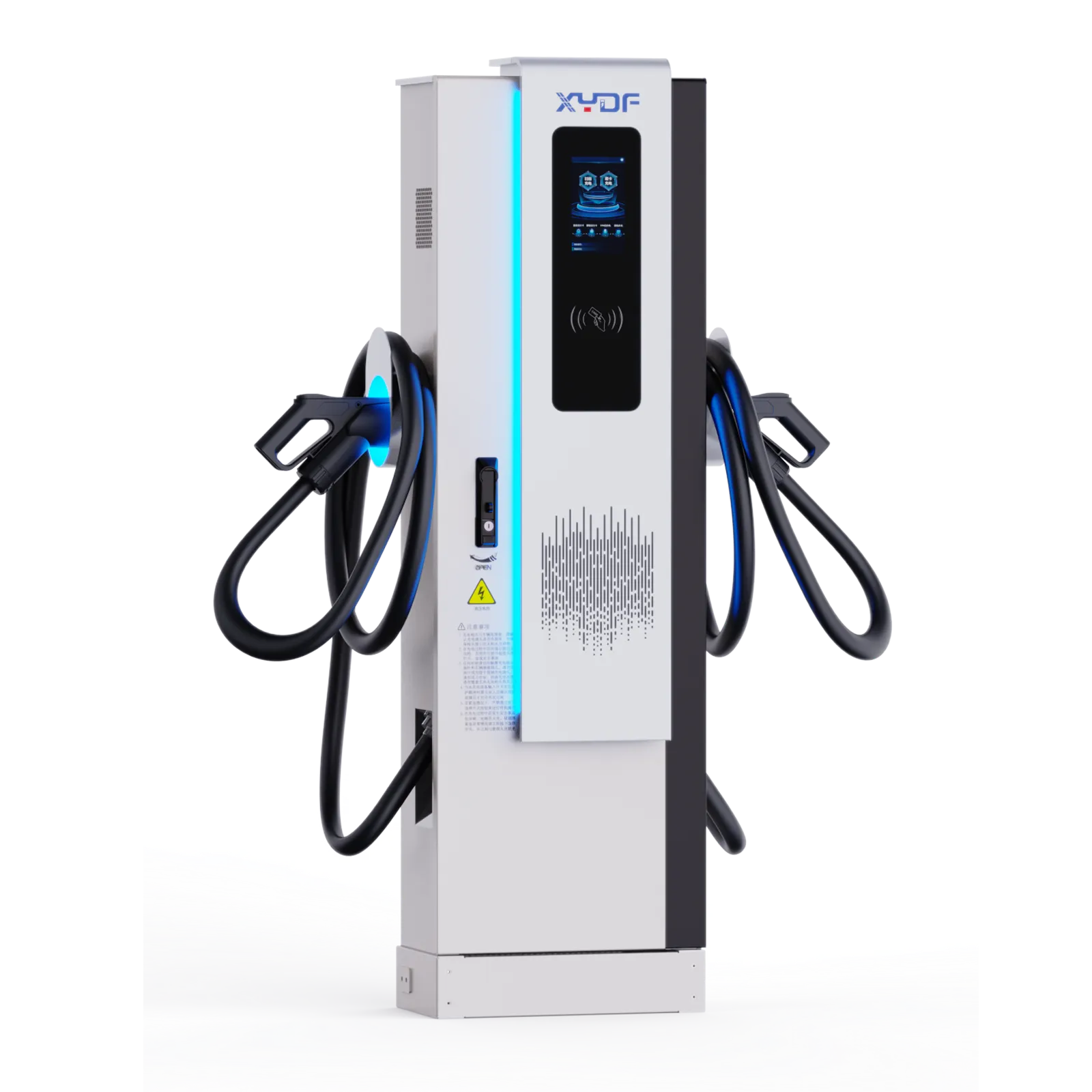
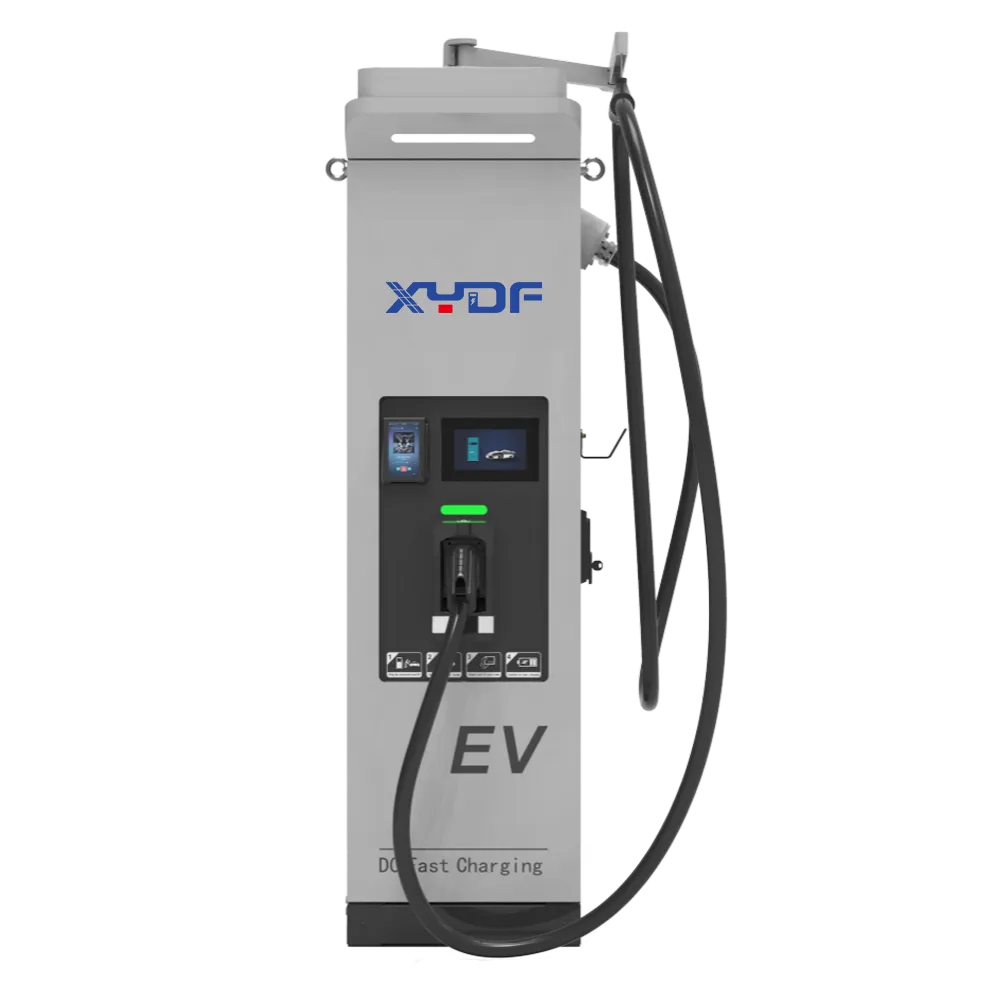
As electric vehicles become more common in Australia, Зарядная станция для электромобилей is expanding across homes, workplaces and public spaces. If you’re planning to supply EV chargers or develop a charging station project in Australia, a useful first step is to understand the country’s certification and compliance requirements. This guide explains the role of the RCM mark, what buyers should check and the installation requirements to consider.
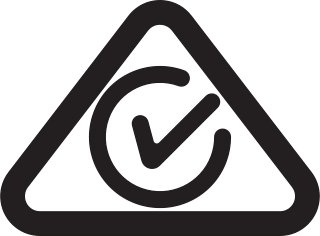
The Regulatory Compliance Mark (RCM) indicates compliance with applicable electrical safety and Australian Communications and Media Authority (ACMA) labelling requirements. To verify RCM compliance, check the evidence for each relevant area.
| Compliance area | What it covers |
|---|---|
| Электробезопасность | Product safety and applicable Electrical Equipment Safety System (EESS) certification and registration requirements. |
| Electromagnetic compatibility (EMC) | ACMA requirements limiting electromagnetic interference, which can apply even without wireless functions. |
| Wireless and communications, where applicable | Requirements associated with Wi-Fi, Bluetooth, cellular connectivity and other fitted functions. |
The evidence required depends on the product’s classification and functions.
Before ordering, request and check:
A shared brand or similar appearance does not establish that a report covers your charger. Declarations and test records should identify the relevant product.
Supplier registration and product registration are separate. Where EESS applies, responsible suppliers of in-scope equipment must register. Product registration is voluntary for Level 1 and mandatory for Levels 2 and 3; Level 3 also requires a Certificate of Conformity. If a model is absent from the database, first establish its classification before concluding that it is non-compliant.
Out-of-scope equipment must still meet electrical safety requirements and may have ACMA obligations.
For longer-term supply, note that the new EVSE category under AS/NZS 4417.2 takes effect on 12 February 2028 as Level 3. Check applicability against the equipment’s scope and the rules implemented in the relevant jurisdiction.
Buying from an Australian supplier: Verify the responsible supplier, model documentation and applicable registrations, and retain purchasing records. Reselling locally sourced equipment does not normally require you to register separately as its responsible supplier. However, for in-scope equipment in EESS participating jurisdictions, downstream suppliers must check that the equipment comes from a registered responsible supplier, carries the RCM and has any required product registration under that supplier.
Importing directly from overseas: As an Australian importer bringing equipment in for sale, you take on applicable supplier obligations. These include verifying compliance evidence, completing registrations, keeping declarations and records, and ensuring correct labelling. Manufacturer-supplied reports or assistance from an agent do not automatically remove your responsibilities.
For imports solely for your own project, establish the obligations arising from the actual import and use arrangements, and have the installer assess the equipment’s suitability before purchase.
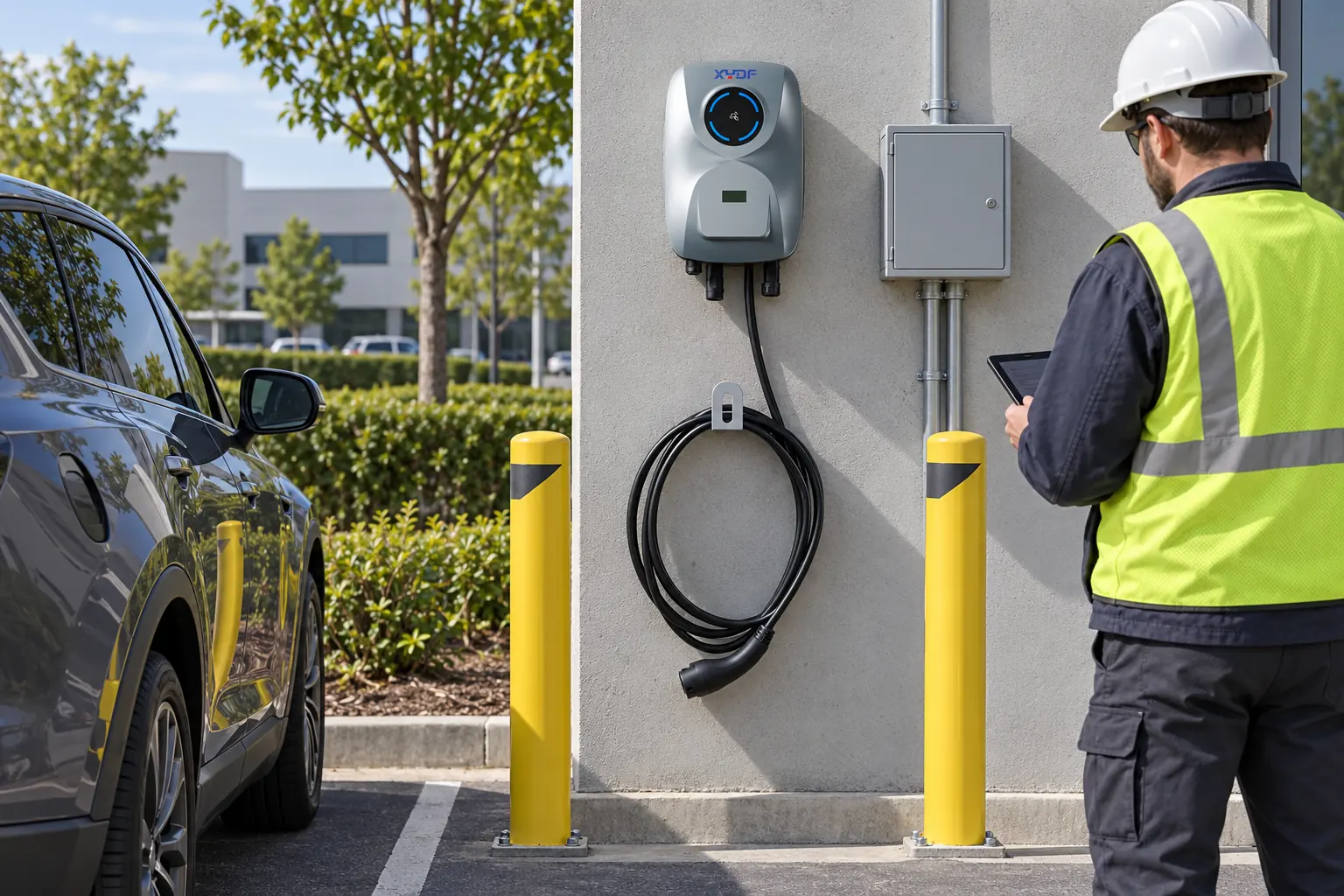
Electrical work for a hardwired charger should be carried out by an electrician holding the licences and qualifications required locally. The installation must follow applicable AS/NZS 3000 Wiring Rules, local requirements and manufacturer instructions.
Before selecting charger power and quantities, ask the installer to assess the supply phases, available capacity, existing loads, switchboard and cabling, together with earthing, protection and load management. For several chargers operating together, assess the site’s maximum demand; an individual charger’s power rating does not establish how many the site can support.
No. The mark needs supporting evidence for the model and any applicable registrations. If the documentation differs from the supplied model or communications configuration, ask the supplier to explain how it covers the equipment.
They can form part of the evidence, subject to checks on the model, standards and Australian requirements. CB reports accepted under EESS must be accompanied by a CB Test Certificate and meet the applicable report and laboratory requirements.
Reports prepared for CE conformity assessment may also be usable, but a CE mark or EU declaration does not establish Australian compliance. Applicable local declarations, registrations and labelling requirements still need to be met.
Planning an Australian charging project or product range? Share your AC or DC requirements, power rating, connectivity needs, intended use and destination state with XYDF. We can discuss the relevant models and available compliance documents for review with your local responsible supplier and installer.
 Синьцзя Дунфан Электрик Технолоджи Ко., Лтд.