 Синьцзя Дунфан Электрик Технолоджи Ко., Лтд.


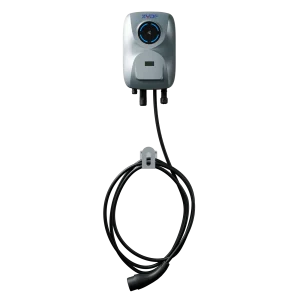
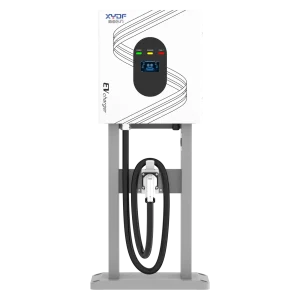

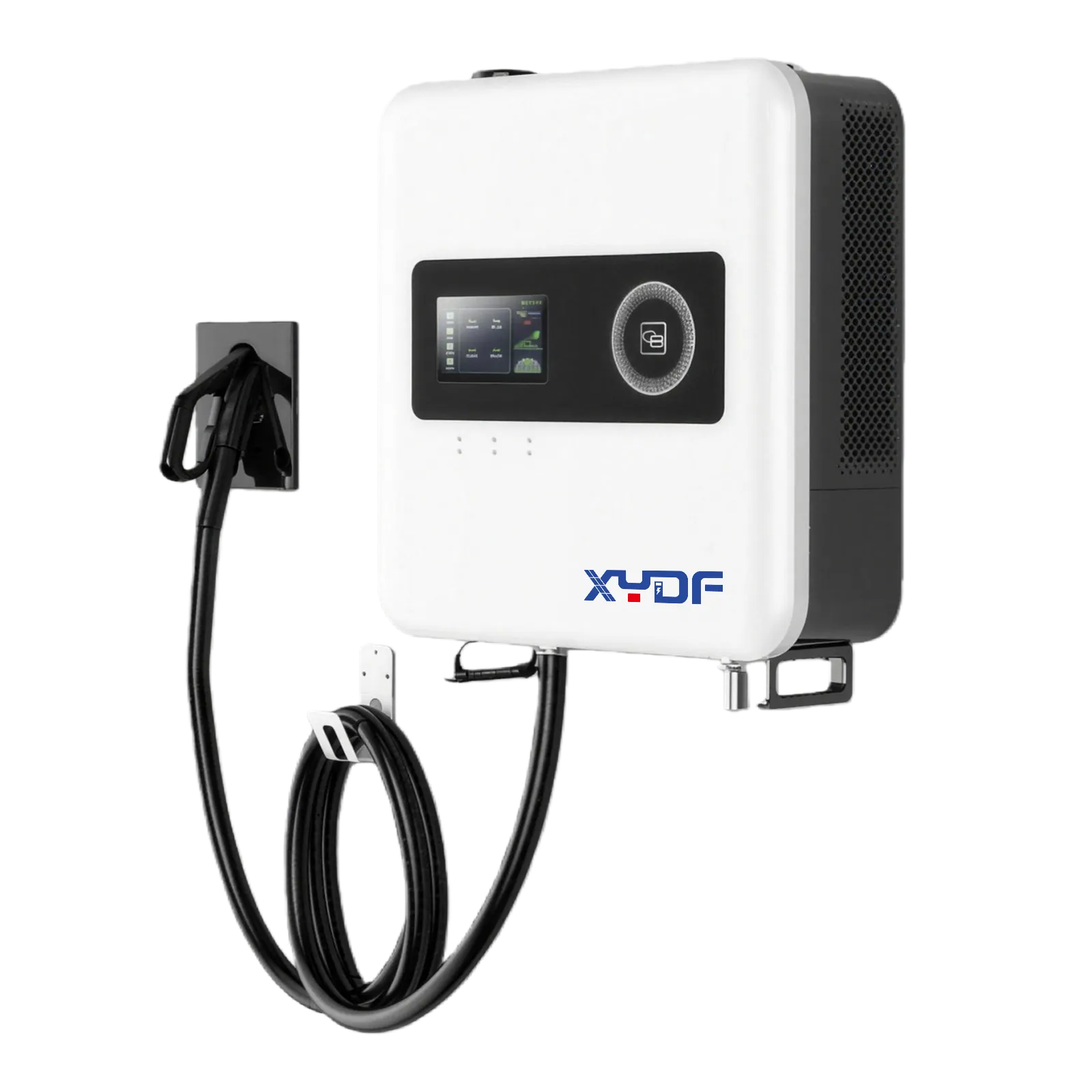
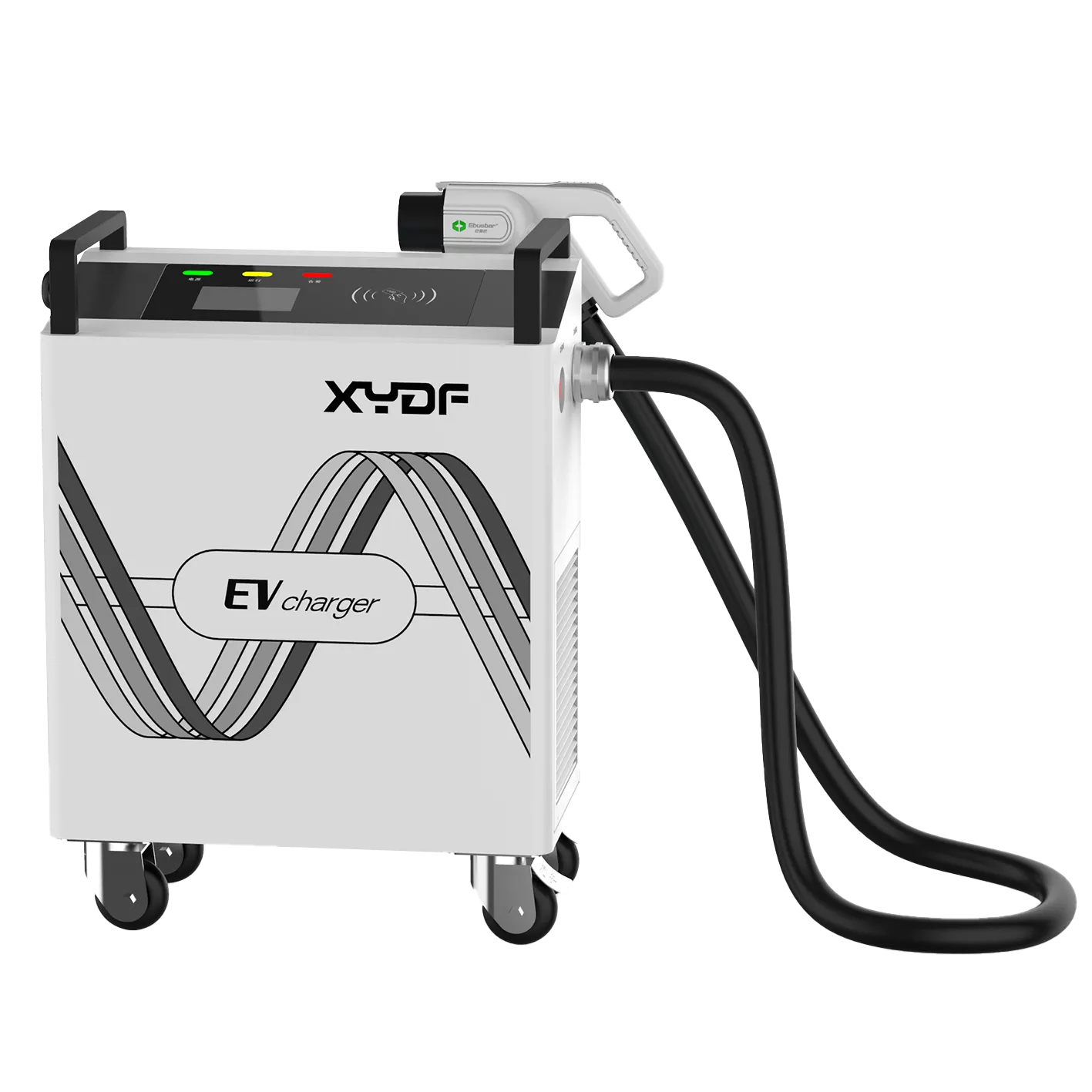
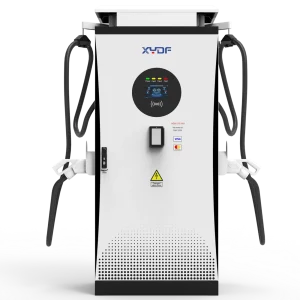
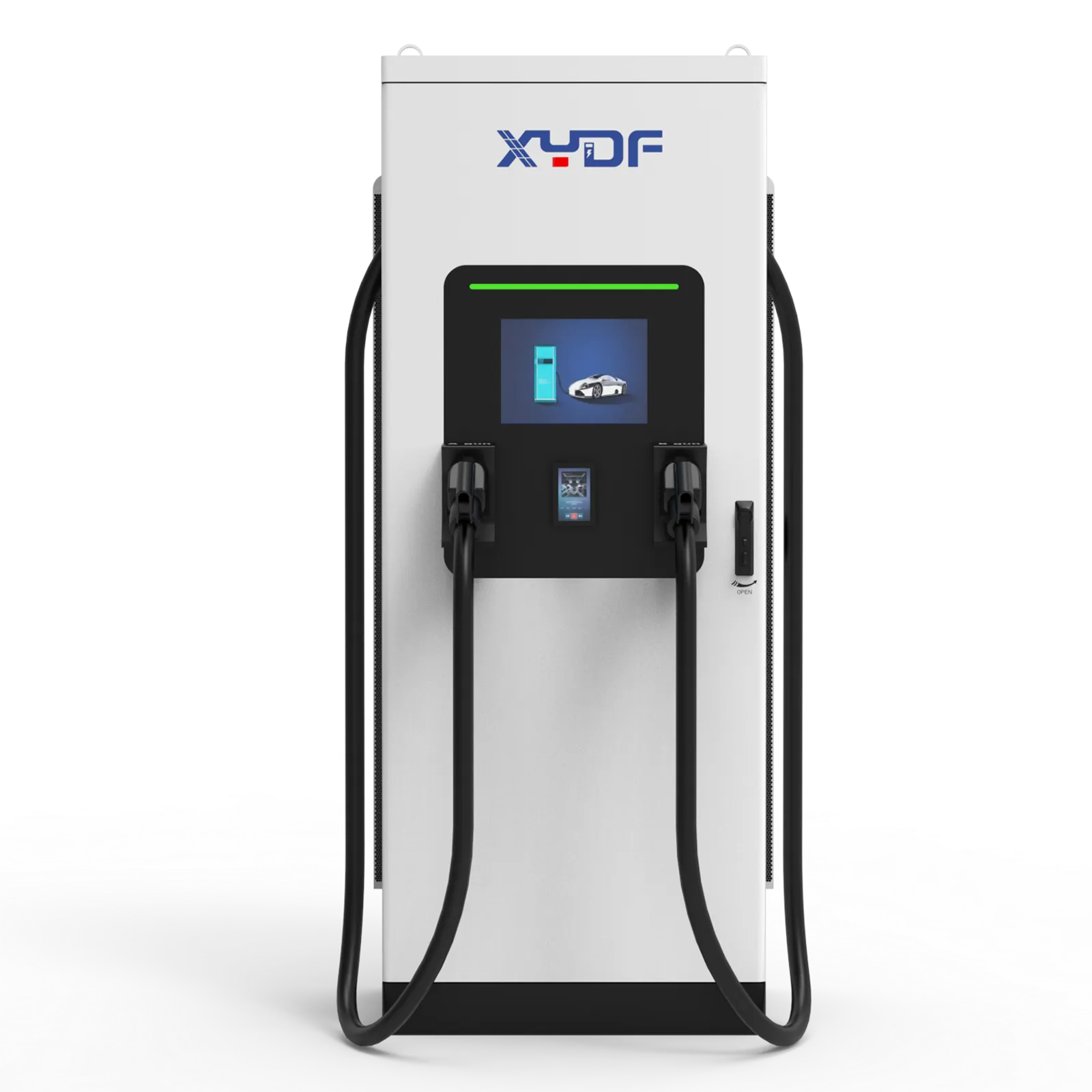
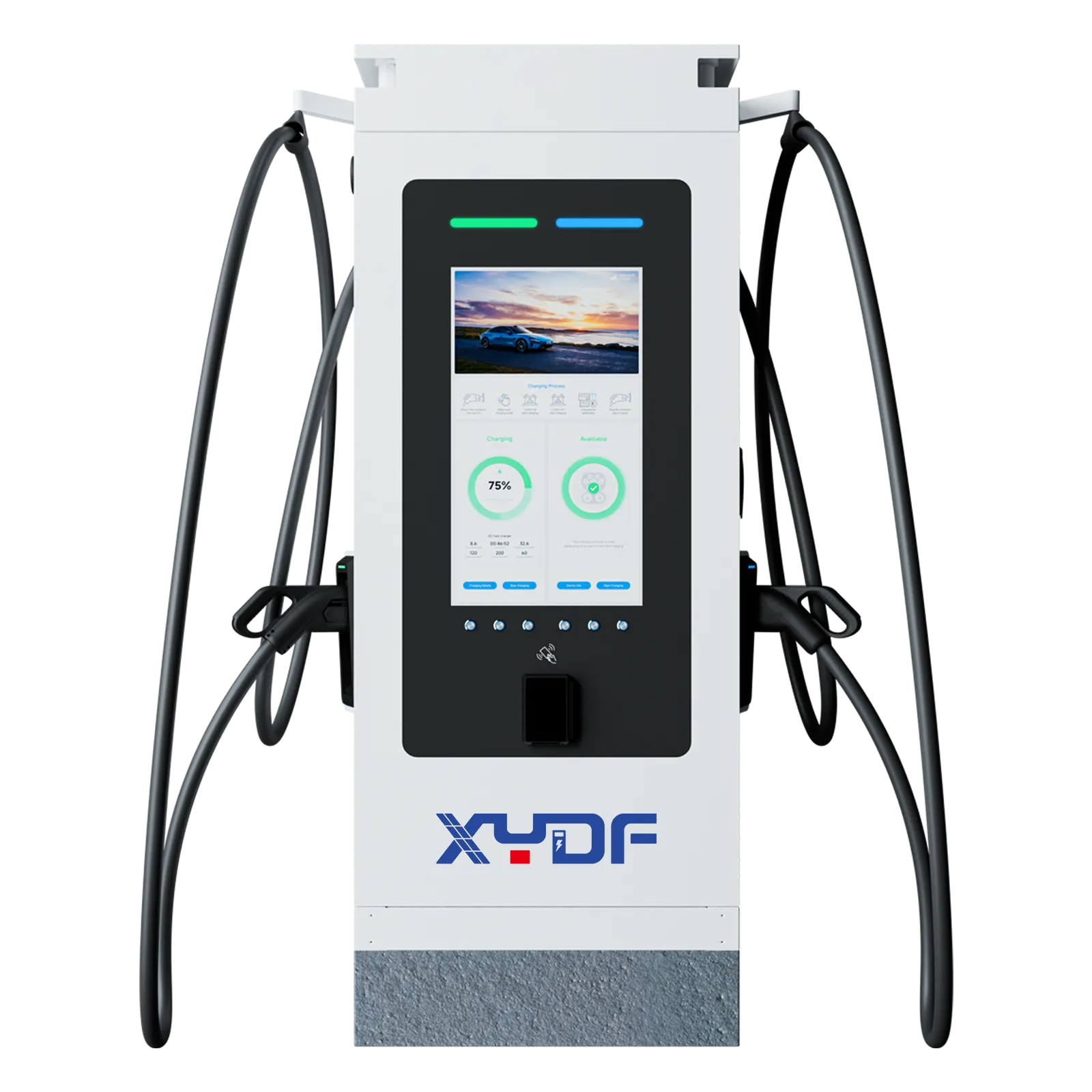
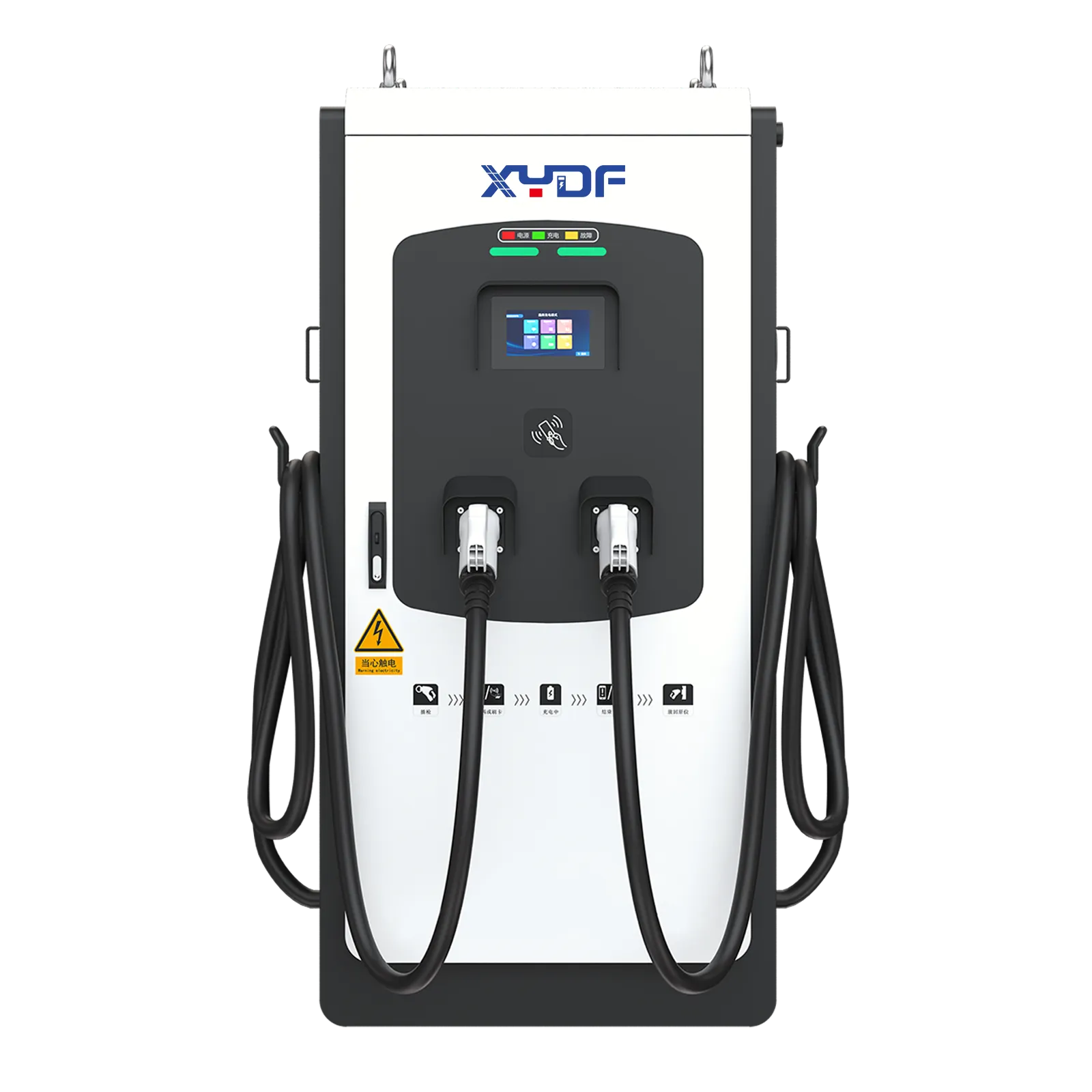
Ан Надежность зарядных устройств для электромобилей заявление полезно только в том случае, если определение неисправности, условия эксплуатации и подтверждение восстановления работоспособности являются очевидными. Довольно высокий показатель времени работы может скрывать недоступность платежей, повторные сбросы настроек или отключения, в то время как длительная гарантия может покрывать только запасные части, а не рабочие расходы на поле. Покупатели должны сравнить точную стоимость услуг и подтверждения сведений перед тем, как выбрать того или иного поставщика.
Краткий ответ заключается в определении задач по обслуживанию транспортных средств и объектов, проверке соответствующих электрических и экологических испытаний, анализе сравнительных данных из полевых испытаний и заключении контракта на предоставление услуг по доступу к данным и их восстановлению. Надежное зарядное оборудование для электромобилей требуется как готовность к обслуживанию, так и успешная зарядка; ни оценка MTBF, ни значок протокола не могут гарантировать эти результаты. Необходимо четко определить формулу ожидаемой пропускной способности, знаменатель, исключения и период измерения, а также условия обслуживания, восстановления и гарантийного обслуживания.
Что должен доказать поставщик, чтобы его предложения могли быть сравнены?
Запросите пакет доказательств для конкретного модели, который связывает предлагаемую конфигурацию с ее тестовыми условиями, сравнимыми показателями численности пользователей и обязанностями по обслуживанию. Область применения стандарта IEC 61851-1 относятся к требованиям системы сбора платежей, а не к гарантии работоспособности. Пожалуйста, уточните период, количество выполненных операций и исключения из него отдельно для каждого заявления о предоставлении услуг.
Record missing information as an unresolved condition, rather than scoring an unsupported percentage as equivalent to an audited operating record. The next step is to make the site’s duty and failure criteria explicit so each bidder answers the same questions.
Какие циклы работы и виды неисправностей должны быть определены в тендерной документации?
Во-первых, напишите операционный профиль: тип сети переменного или постоянного тока, номинальный ток, количество сеансов в сутки, время простоя, обработка кабеля, метод оплаты или RFID, версия OCPP и ожидаемые часы работы. Добавьте нагрузки на объект, такие как соляной туман, пыль, прямые солнечные лучи, морозная дождь, возможность промывки, вибрации и помеховые помехи.
Затем определите, что считать неудачей: отключение системы, нерабочий разъём, раннее завершение сессии, потеря сердечного ритма сети или снижение уровня электроэнергии ниже согласованной нормы. Эта дефиниция позволяет объединить результаты лабораторных испытаний, инциденты на местах и условия сервисного обслуживания с одним и тем же операционным результатом.
Что может сказать MTBF покупателю, а что не может доказать?
MTBF зарядного устройства для электромобилей это статистическая оценка для определенной популяции и профиля испытаний. Это не гарантийный срок и не предсказывает следующего сбоя в работе отдельных зарядников. Пожалуйста, запросите размер выборки, количество часов работы, метод цензуры, уровень доверия и включить ли в него показатели младенческой смертности и плановое техническое обслуживание. Неопределенный номер — это сигнал о необходимости получения дополнительных доказательств, а не основание для ранжирования поставщиков.
Какие данные о прохождении электрических и экологических испытаний имеют значение?
Электрические и тепловые испытания должны охватывать весь процесс зарядки.
Запросите отчеты о проверке функционирования защитных устройств, проверенных характеристик изоляции или диэлектрической устойчивости, поведения контрольного и управляющего оборудования, температуры разъемов, снижения мощности и повторного запуска после возникновения ситуации с перегревом. IEC 61851-1 является базовым стандартом для безопасности и управления проводным зарядным устройством; уточните, какая версия и какие национальные отклонения применяются на целевом рынке. Тепловой цикл должен отражать работу корпуса, силовых модулей, кабеля и уплотнителей в комплекте, а не только работу платы без учета отдельных компонентов.
Классификация защиты от проникновения не охватывает все риски, связанные с климатом
Use IEC 60529 IP codes to verify protection against solids and water, but read the test scope and mounting orientation. An IP rating is not a promise of corrosion resistance, impact strength, UV life, or successful operation while a door is open. For coastal or high-dust sites, request the supplier’s salt-mist, humidity, UV, and dust methods, plus post-test functional checks; specify the exact installation configuration.
Как можно справедливо сравнивать показатели работоспособности и полевые данные?
Метрика время работы зарядной станции распределите время использования соединительных устройств по времени работы соединительных устройств, рассчитайте его и опубликуйте формулу. Отдельно укажите планируемые работы по техническому обслуживанию, отключение электроэнергии на объекте, отключение связи, неисправности на транспортных средствах и неисправности зарядных устройств. Отчет о проценте успешных сессий, среднее время обнаружения неисправностей, среднее время восстановления, частоте повторных неисправностей и сроках замены запасных частей — по месяцам или кварталам. Более полезным является панель управления, показывающая каждую нерабочую минуту, чем округленная ежегодная процентная доля.
KPI по количеству контрактных часов не должен представляться в виде регуляторной формулы. В случае, если в рамках программы финансирования или локального регламента предусмотрено обязательство по обеспечению доступности услуг, отдельно уточните его текущий объем, расчет, данные и исключения. Числовая отметка одного из программ не является универсальным показателем гарантий качества.
Классификации отключений должны быть поддающимися проверке. Отключение электроснабжения, транспортных средств, сети или в связи с плановым обслуживанием требует наличия подтверждающих документов и определения, предусмотренных соглашением или применимым правилом. Документированные попытки и успешные сессии следует отслеживать отдельно: процентная доля времени, отводимого на эти цели, не может указывать на частоту неисправностей водителей при запуск двигателя или завершении процесса зарядки.
Ищите анонимизированные данные по таким параметрам, как общая численность оборудования, количество месяцев эксплуатации, климат, версия программного обеспечения и знаменатель. Следите за тенденциями в ходе выхода новых версий фърмвеара и повторных отказов на той же компонентной единице. Если поставщик не может предоставить исходные данные, попросите подписанный словарь данных и отчёт о проверке, в котором будет показано, как были классифицированы инциденты.
Что должно определять гарантия доступности и обязательства сервиса?
| Контрактный товар | Необходимая дефиниция | Доказательства для запроса |
|---|---|---|
| Метрическая единица | Порт, зарядное устройство или местоположение, с рабочим временем и периодом работы | Необработанные временные метки и идентификаторы объектов |
| Государственный уровень | Согласованная функциональная готовность сервиса, а не только подключенный контроллер | Доступность и результаты сессий |
| Отстранения | Названные причины, допустимые доказательства и процесс утверждения | Секретные мероприятия и хранящиеся записи |
| Ответ | Признание или диагностическая процедура с возможностью проведения в рабочее время | Сведения о времени создания тарифов поддержки |
| Восстановление | Подтвержденный возврат сервиса — это не просто первый ответ | Исправление хронологии событий и запись результатов тестирования |
| Remedy | Компенсация, замена или другое согласованное решение в случае нарушения | Процесс составления письменных условий и предъявления претензий |
Согласитесь, кто является владельцем данных, кто проверяет исключения и как решаются споры. Не сравнивайте процентные показатели, пока оба участника торгов не примут одинаковую формулу и знаменатель.
Кто восстанавливает сервис, и что включает гарантия?
Reliability includes recovery. Check whether technicians can replace a contactor, fan, cable, or payment module without replacing the whole cabinet; verify diagnostics, remote-log access, spare-part stock, firmware rollback, and escalation hours. Map promised response and restoration times to the site’s operating risk, including weekends and multiple time zones.
Сравните дату начала действия гарантии, охват по подсистемам, стоимость услуг и доставки, разрешение на возвращение товара, поддержку программного обеспечения, исключения из гарантии для аккумуляторов или кабелей и средства правовой защиты в случае повторного возникновения неисправности. Сравнение гарантийных условий B2B помогает, когда в тендерах используются разные определения “дефекта” или “доступности”. ISO 9001 может способствовать соблюдению дисциплины в процессе и принятию коррективных мер; это стандарт системы управления качеством, а не доказательство того, что зарядное устройство обеспечит заданный уровень работоспособности.
Сравните каждый вид доказательств надежности с тем, что они могут доказать.
| Доказательства | Что оно может ответить на | Ограничение | Использование в сфере закупок |
|---|---|---|---|
| Свидетельство о проверке по стандарту IEC 61851 | Проводилось ли оценку функций управления и защиты при зарядке | Does not set the site’s uptime target | Обязательно указывать издание, объем и отклонения |
| Тест IP по стандарту IEC 60529 | Устойчивость к воздействию специфических пылевых/водных загрязнителей | Не подвержен коррозии, воздействию УФ-излучения, ударам и открытому открыванию дверей | Код матча и монтаж на установку |
| Оценка MTBF | Модель надежности при указанных предположениях | Очень чувствителен к размеру профиля и образца | Требуйте методичности, уверенности и понимания того, что неудача — это нормально. |
| Отчет о работоспособности полевых станций | Оценочная доступность и эффективность восстановления | Может скрывать исключения или изменения знаменателя | Проверка исходных данных и границ когорт |
| Гарантия и график обслуживания | Кто платит и как возмещаются убытки | Коммерческая защита — это не физическая надежность | Отстранения от результативности, замены и обязательства по ответным действиям |
Какие проверки соответствия требованиям применимого законодательства необходимо выполнить перед выпуском продукции в массовом количестве?
| Диаметр риска | Доказательства для запроса | Вопрос о признании |
|---|---|---|
| Климат и укрытие | Профиль температуры/влажности, отчет по IP, методы коррозии и ультрафиолетового излучения | Проверена ли полная и установленная конфигурация? |
| Качество электроэнергии | Записи о перепадах напряжения, отключениях электроэнергии, перезагрузках и защитных отключениях | Может ли он безопасно восстановиться без участия специалиста? |
| Операции | Определение времени работы соединителя в режиме ожидания, успешности сеанса и MTTR | Плановые и внеплановые отключения от электроснабжения разделены? |
| Простота обслуживания | Руководство по эксплуатации, доступ к диагностике, запасные части и план обучения | Может ли местный техник восстановить один разъём? |
| Коммерческие условия | Матрица гарантийных обязательств, SLA, исключения, рабочая схема RMA | Что происходит после повторного провала? |
Используйте повторяющийся рабочий процесс от разработки до пилотной эксплуатации
- Установите специфические для конкретного объекта параметры нагрузки, климат, время работы и требования к восстановлению.
- Разработать единую форму отчетности, чтобы все участники торгов сообщали об одном и том же знаменателе и об одном и том же объеме испытаний.
- Проводить осмотр термоустойчивости, защиты от проникновения влаги и коммуникаций и самостоятельно проверять их работоспособность.
- Проведите испытание на реальном количестве устройств; отслеживайте количество часов работы разъемов, результаты сессий, сигналы тревоги и сервисные заявки в течение определенного периода времени.
- Доступ к данным контракта, наличие запасных частей, поддержка фърмвеара и право на возмещение ущерба до выпуска в массовое производство.
Если отличительной чертой является документация, конфигурация или поддержка пилотов, то партнера по производству OEM/ODM, такой как XYDF, можно оценивать по той же таблице критериев оценки, что и любой другой поставщик. цикл тестирования на заводе и контроль качества продукции при поступлении ее на склад, then verify claims against the project’s own acceptance plan. For enclosure decisions, see the Руководство по выбору рейтинга IP.
Часто задаваемые вопросы
Какая должна быть хорошая MTBF для зарядного устройства для электромобилей?
Существает единый номер пропуска. Сравнивайте MTBF только в том случае, если циклы работы, условия окружающей среды, размер выборки, уровень уверенности и определение отказа совпадают; используйте его вместе с данными о работоспособности и восстановлении оборудования на полевых объектах.
Значит ли более высокий рейтинг IP более надежный зарядный блок?
Не в одиночку. IEC 60529 описывает специфические испытания на проникновение, в то время как коррозия, воздействие УФ-излучения, ударные нагрузки, термоциклические нагрузки и эксплуатационные характеристики требуют отдельного подтверждения. Совместить характеристики и конфигурацию испытаний с фактическим расположением оборудования.
Как покупатель должен рассчитывать срок службы зарядного устройства?
Используйте количество используемых часов подключения, разделенное на количество запланированных часов подключения, и показывайте исключения. Отдельно сообщайте о планируемых работах по техническому обслуживанию, отключениях электроснабжения, сетевых сбоях, сбоях в работе транспортных средств и зарядных устройств, чтобы поставщики не могли увеличивать процентную долю за счет изменения знаменателя.
Какие стандарты должны быть в тендере на зарядное устройство для электромобилей?
Обращайте внимание на соответствующую версию стандарта IEC 61851 и соответствующие национальные электротехнические правила; примените стандарт IEC 60529, если требуется подтверждение соответствия продукции IP. Стандарт ISO 9001 может описывать процессы контроля качества, но это не сертификат соответствия продукции.
Какие гарантийные условия защищают операторов автопарка?
Определите охват по подсистема, рабочую силу и стоимость доставки, время реагирования и восстановления, поддержку программного обеспечения, средства устранения повторных сбоев и доступ к данным. Совместите исключения с климатом и рабочим циклом, а также пропишите путь RMA перед пуском в эксплуатацию.
Какие доказательства надежности должен запросить покупатель зарядного устройства для электромобиля?
Запрашивайте определения отказоустойчивости, данные о доступности сессий, историю тревог и сброса, время отклика и восстановления, интервалы профилактического обслуживания и запасные части или гарантийное обслуживание для конкретной конфигурации. Сопоставьте данные с эксплуатационными условиями и периодом измерения; не принимайте изолированную величину MTBF или заявку поставщика на максимальную пропускную способность в качестве доказательства будущей доступности объекта.
Ссылки
- IEC 61851-1:2017 — общие требования к проводящему заряду
- IEC 60529: испытание защиты корпуса
- Агентство США по энергетическим исследованиям и разработкам (AFDC): контракты по техническому обслуживанию и обязанности
- Open Charge Alliance: область применения сертификации протокола
Заключение
Оцените надежность как документально оформленный результат работы и процесс восстановления. Определите функции, критерии неисправности и период измерения, проведите соответствующие испытания для полной конфигурации, а затем сравните полевые данные с использованием согласованных знаменателей и исключений. Сопоставьте доступность с успешностью сессии, чтобы подключенный контроллер не скрывал неисправного устройства во время зарядки. Оценка MTBF не является гарантийным периодом, а гарантия не является доказательством физической надежности; подтверждение сервисного обслуживания также отличается от восстановления. Требуйте одобренные запасные части, доступ к диагностике и зафиксированные испытания перед закрытием ремонта. XYDF можно оценивать по тем же требованиям к доказательствам, что и у других поставщиков; запросить рассмотрение вопроса о наличии доказательств надежности с учетом кругооборота оборудования, целевого рынка и требуемых результатов обслуживания.