 Синьцзя Дунфан Электрик Технолоджи Ко., Лтд.


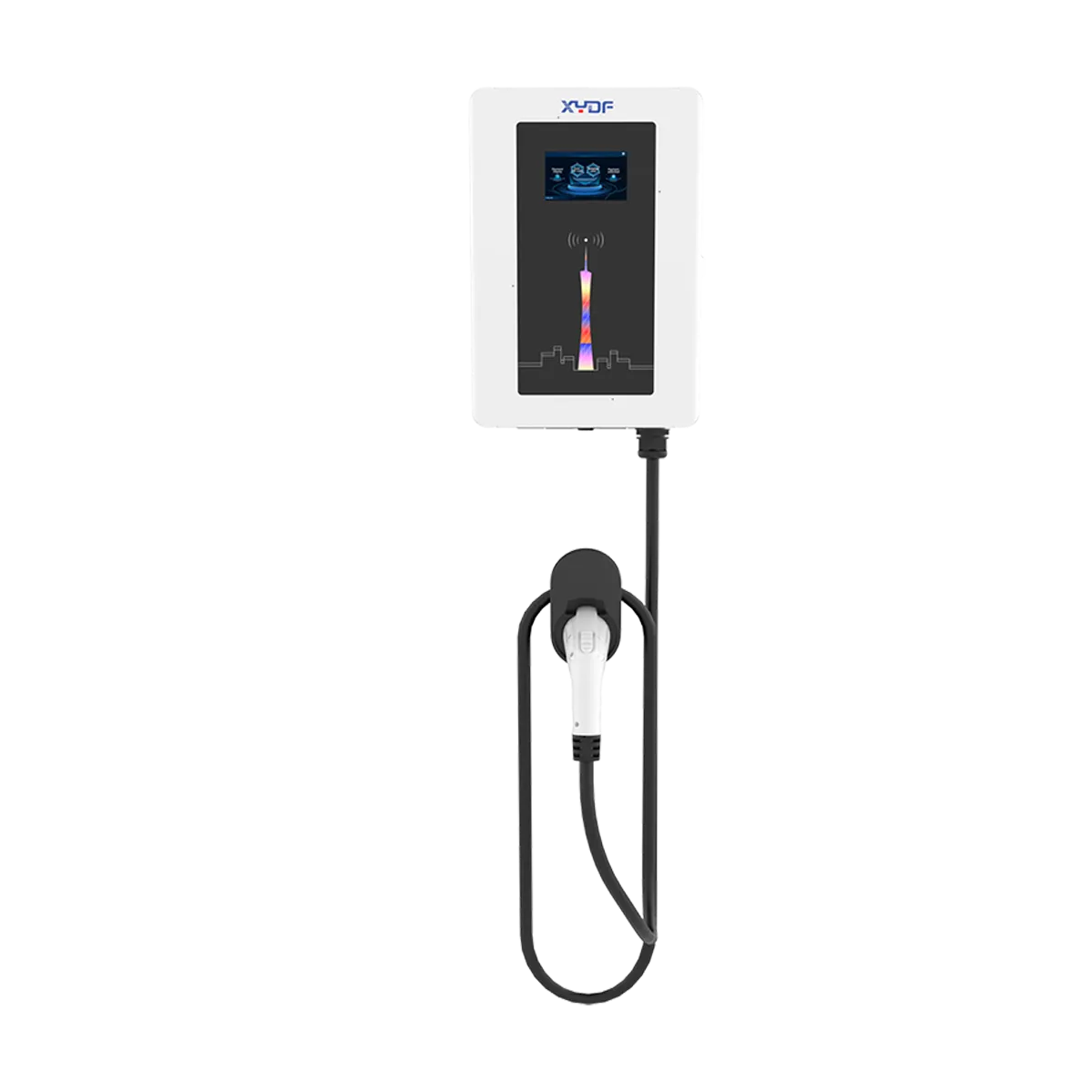
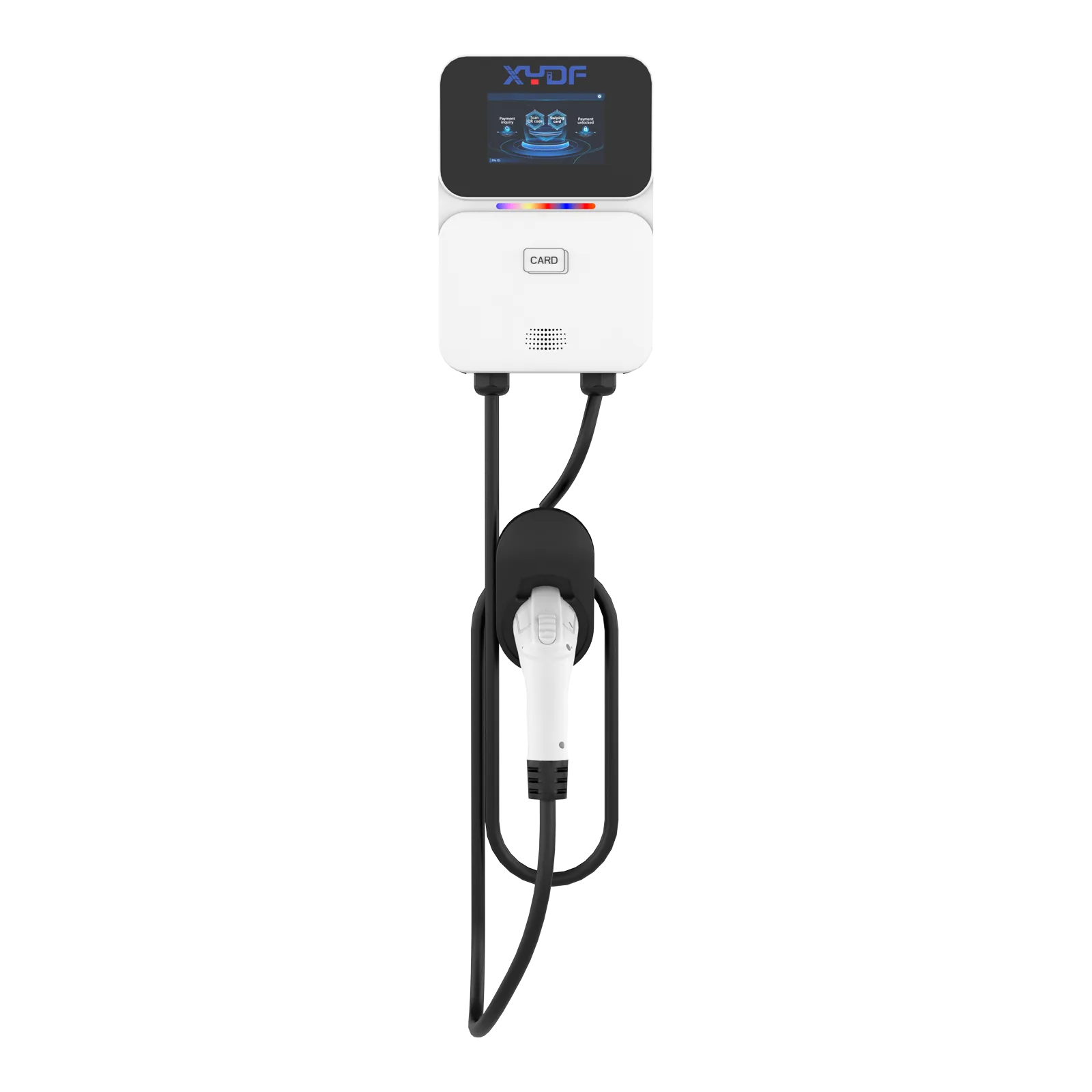
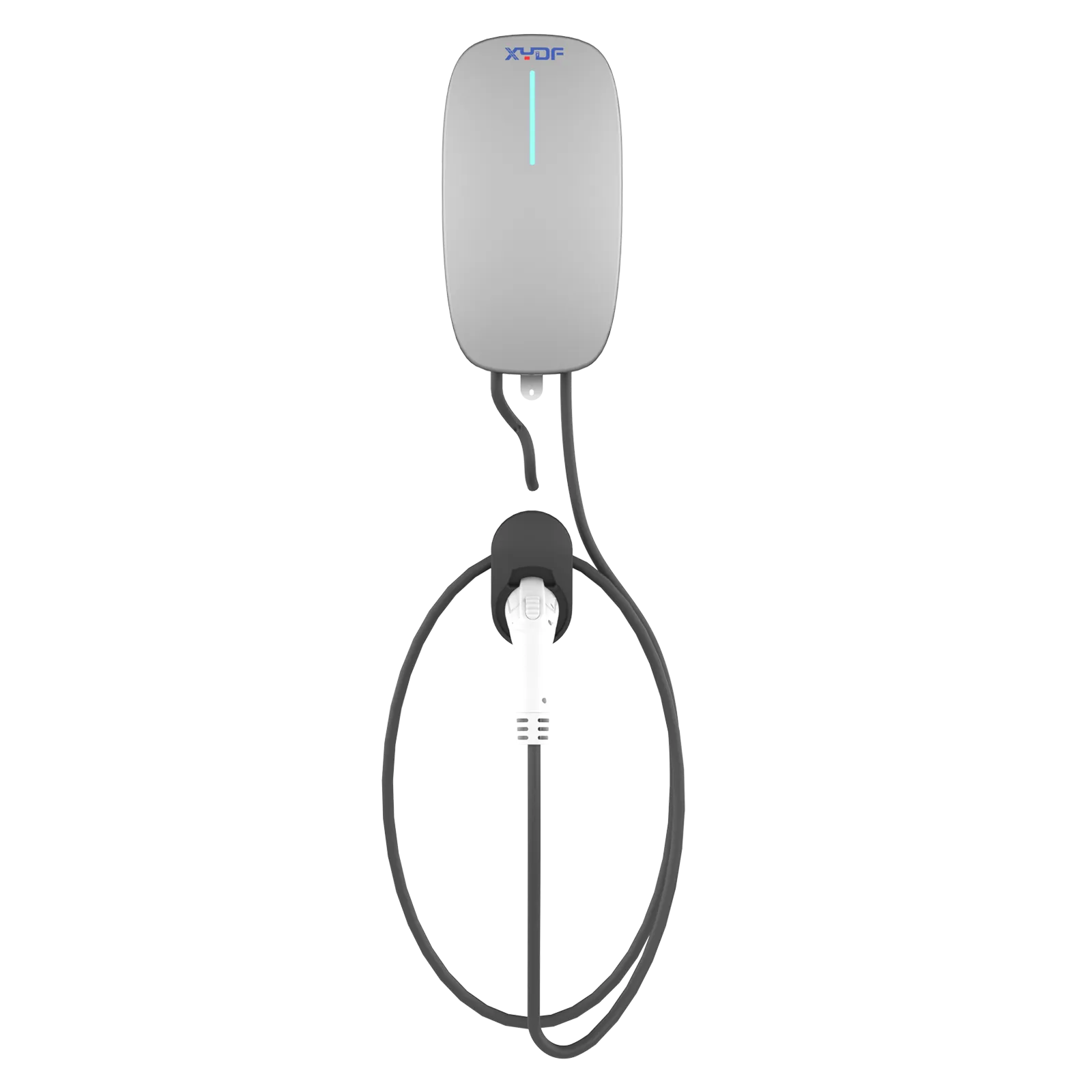
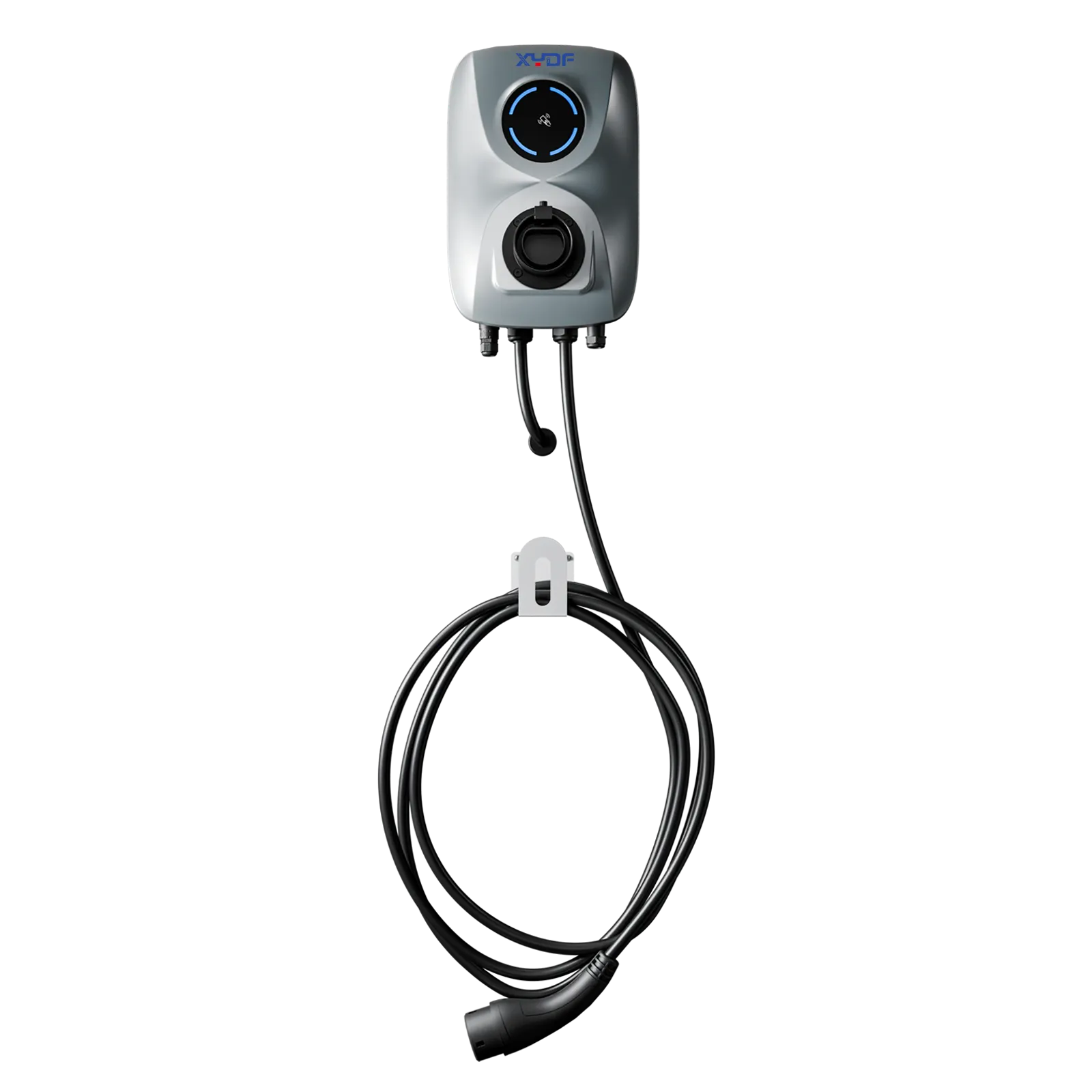
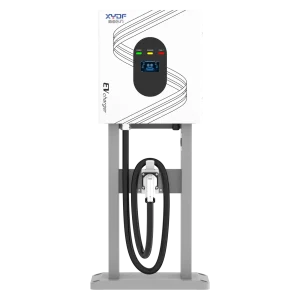

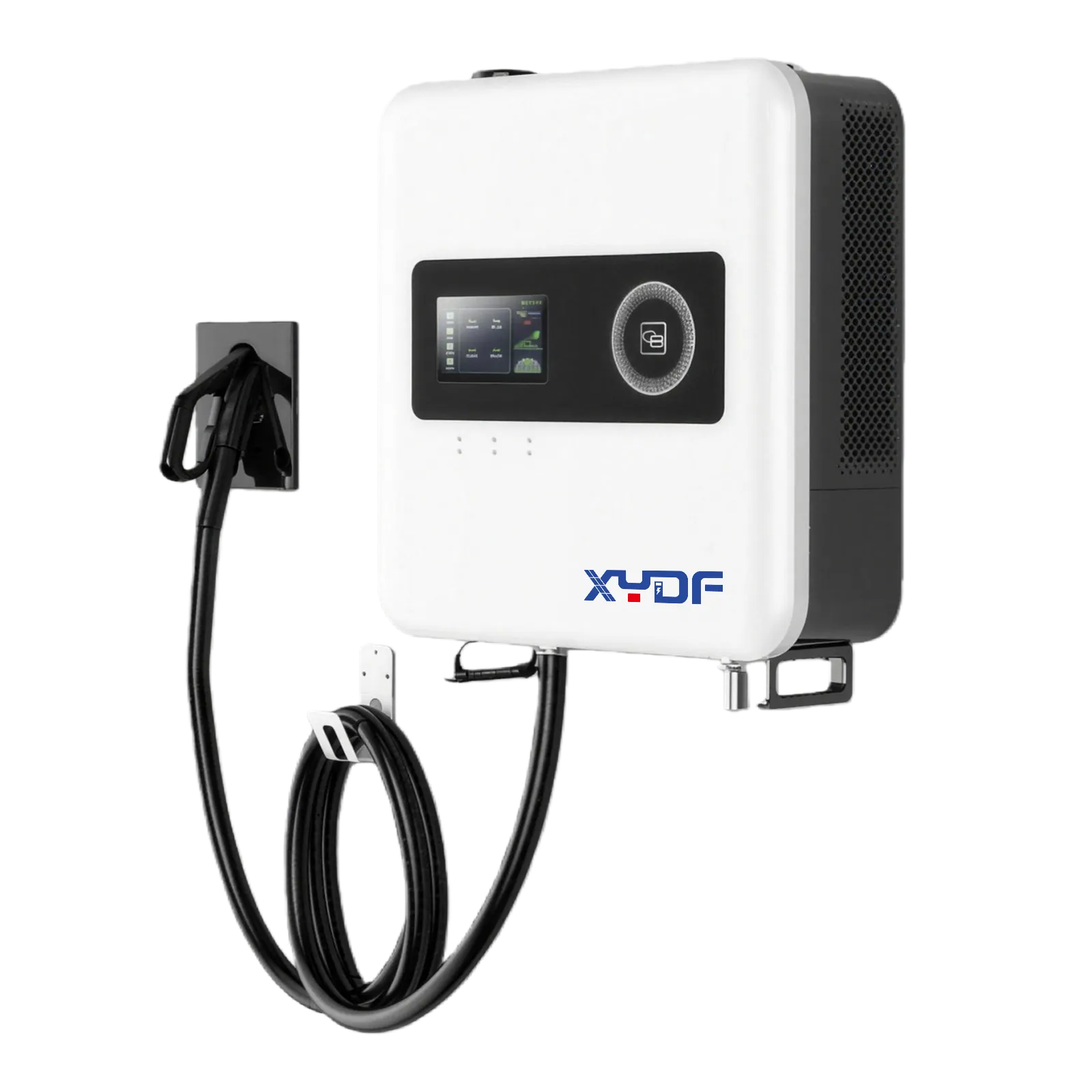
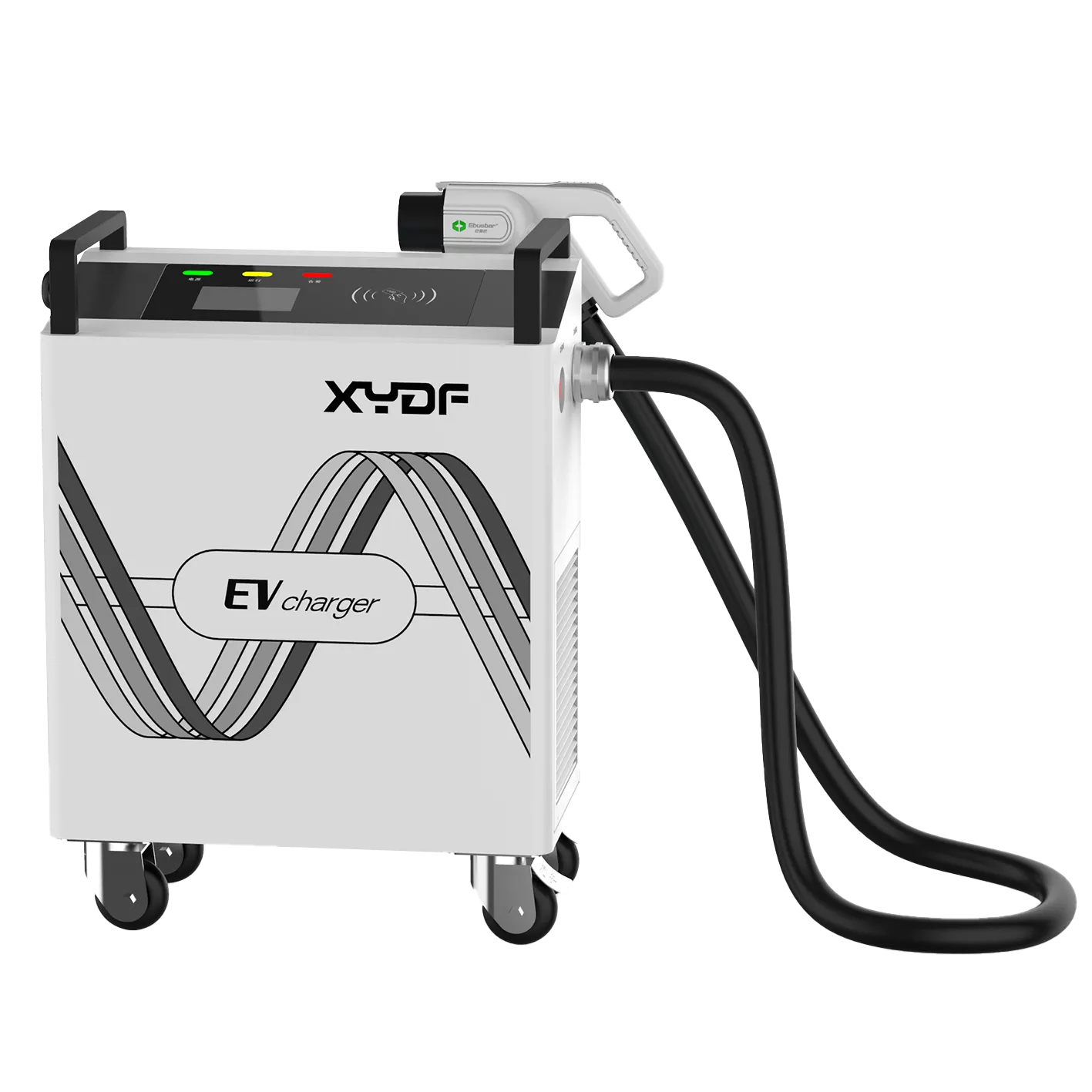
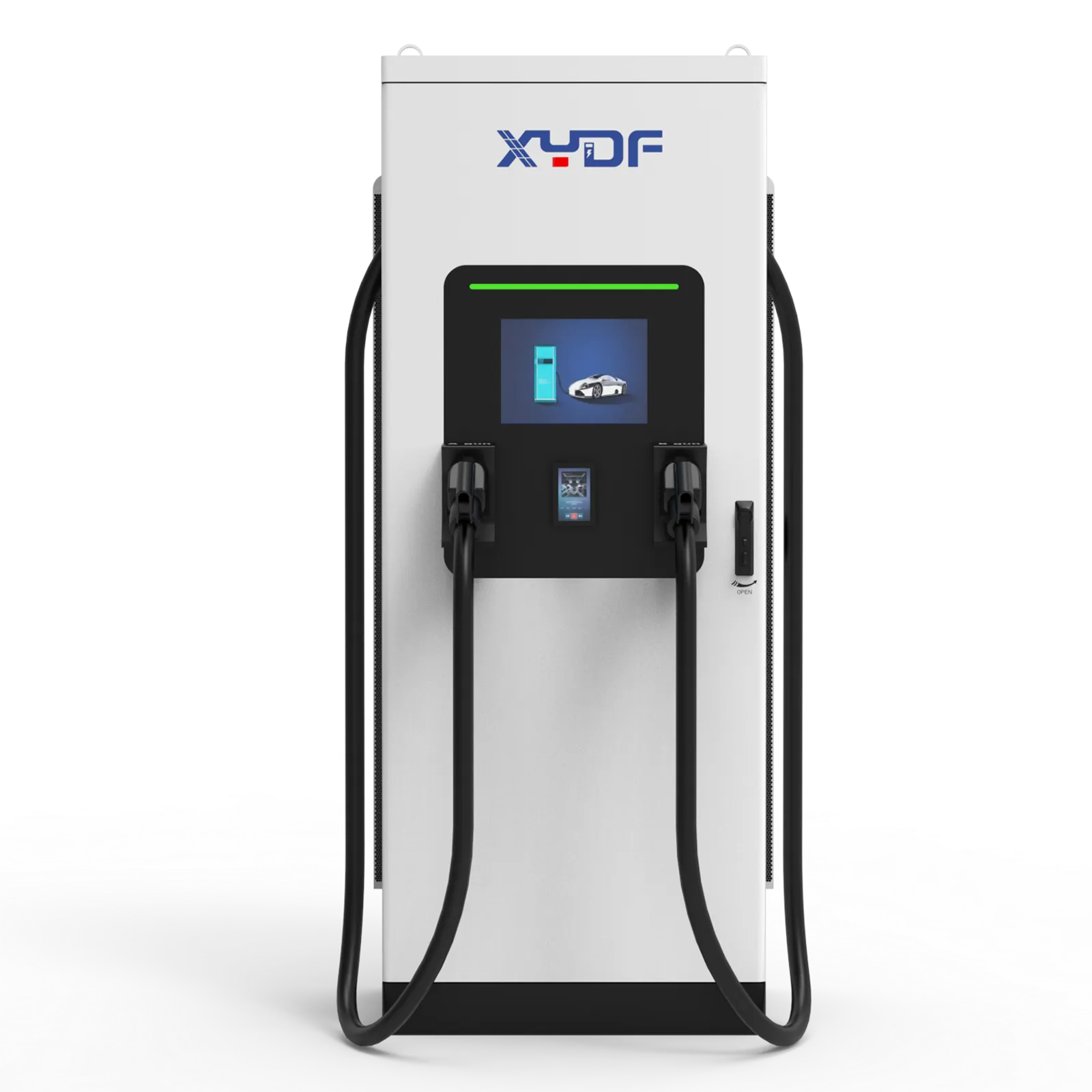
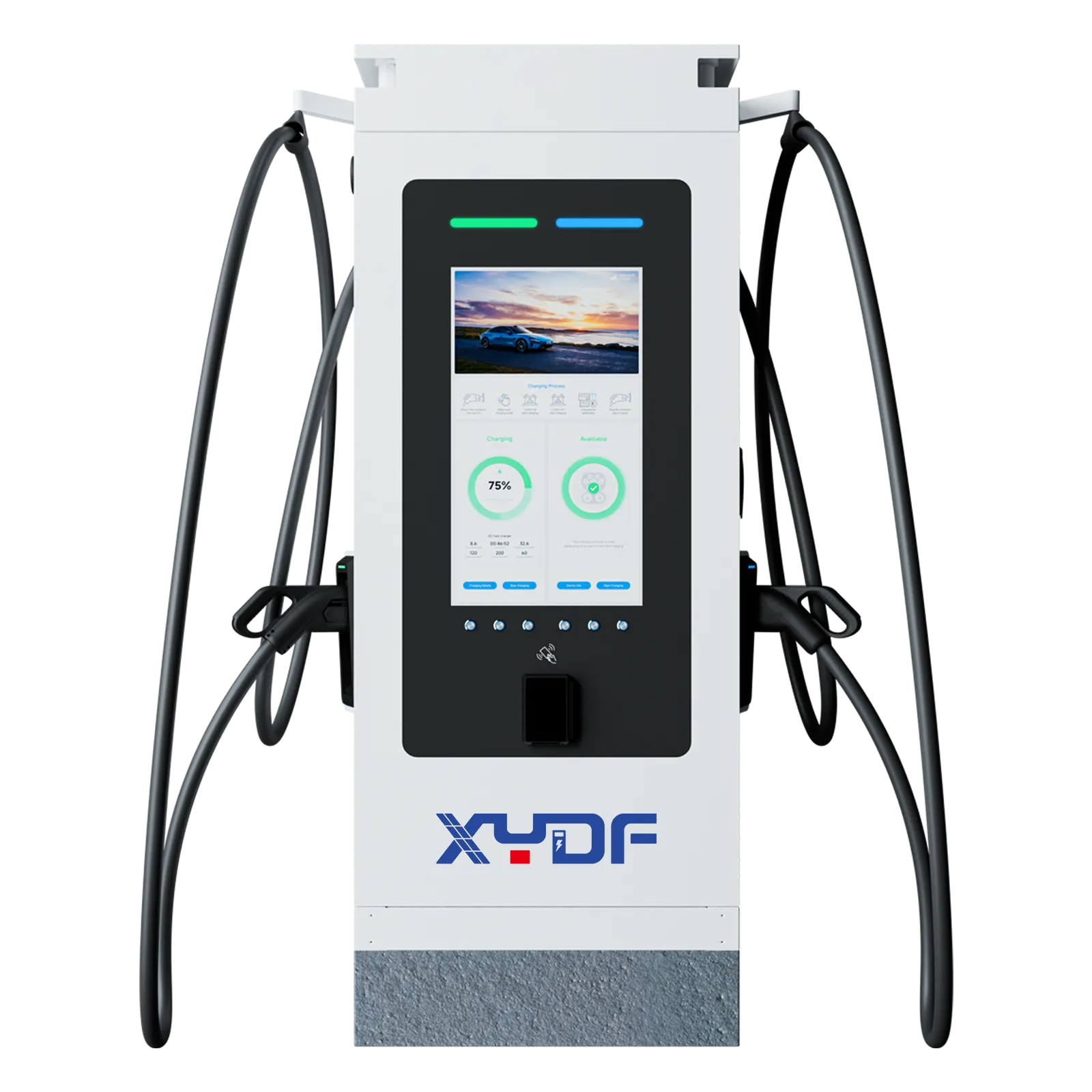
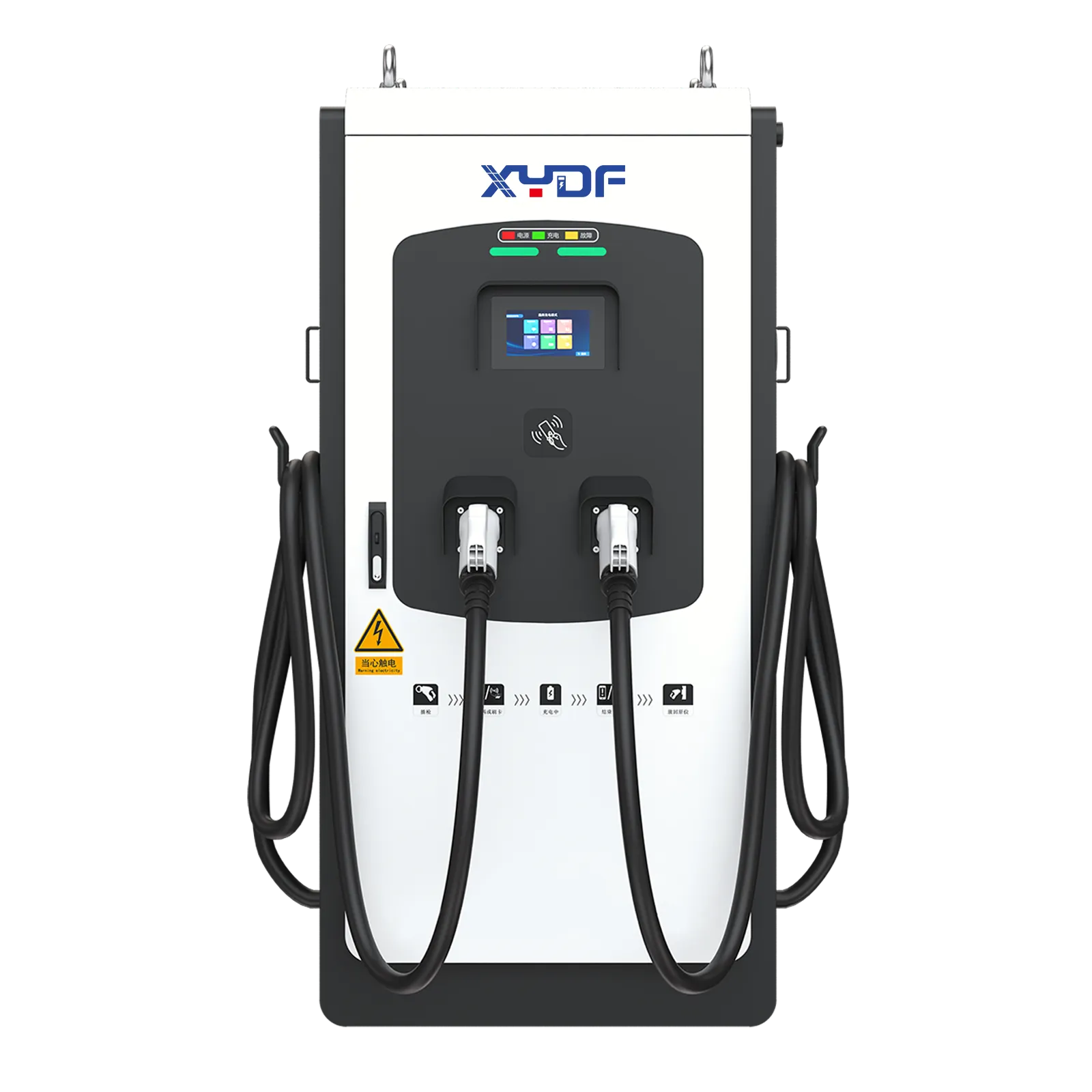
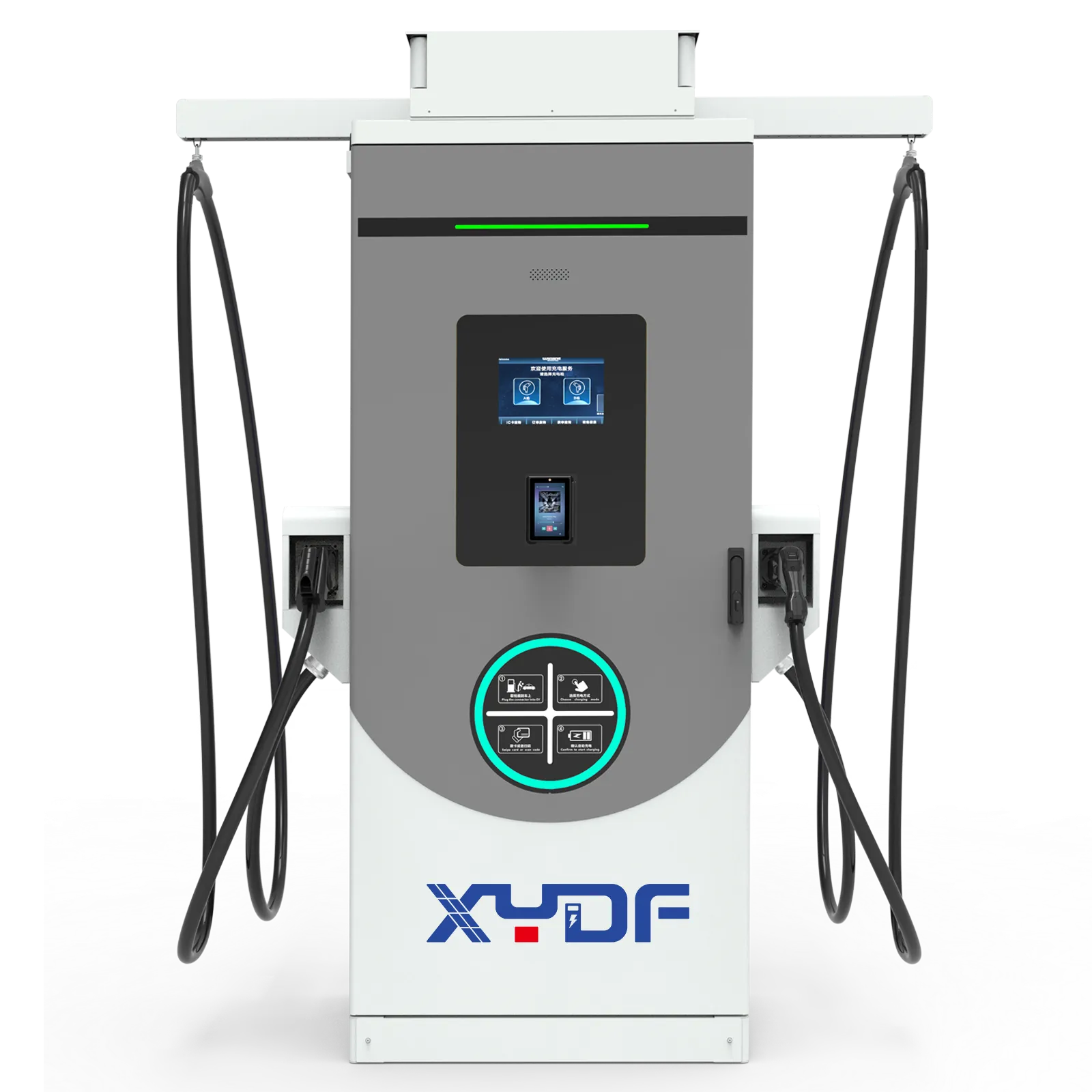
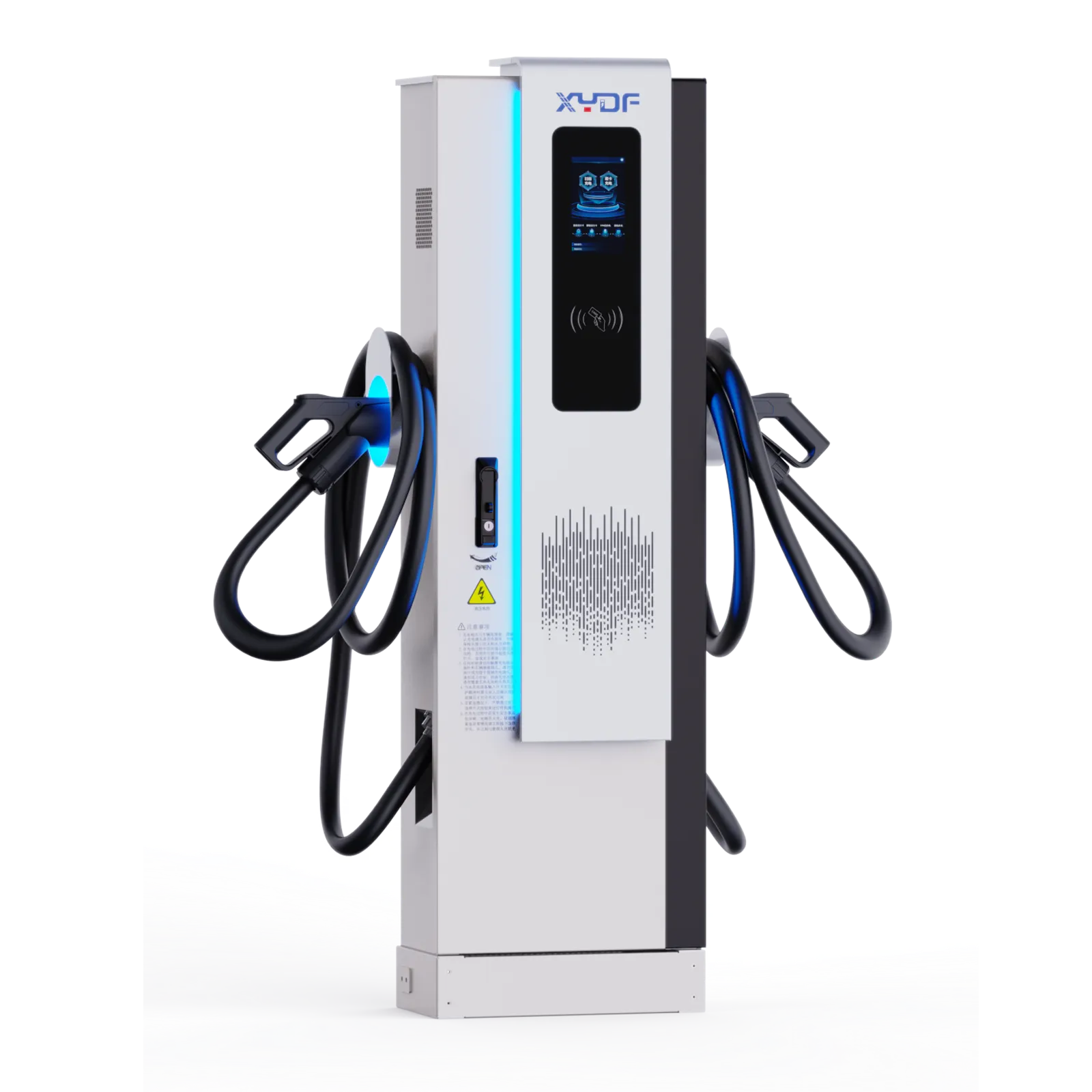
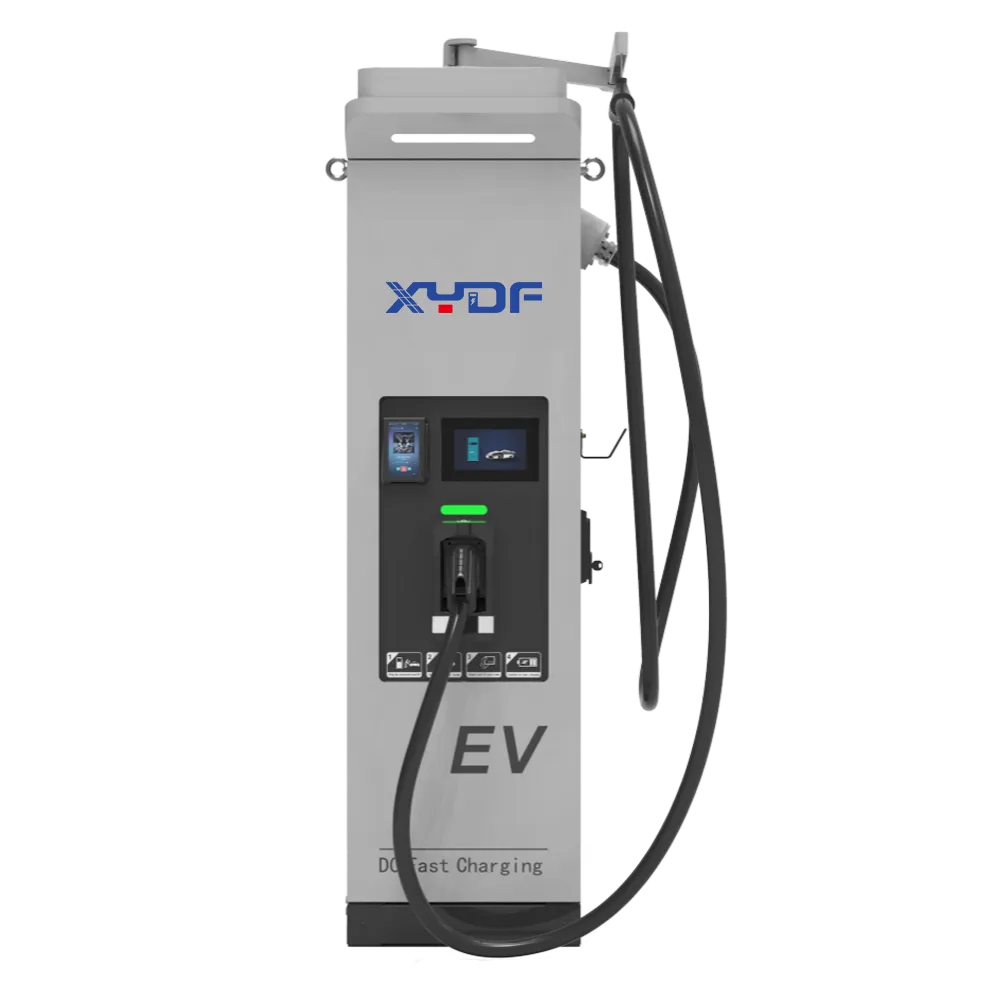
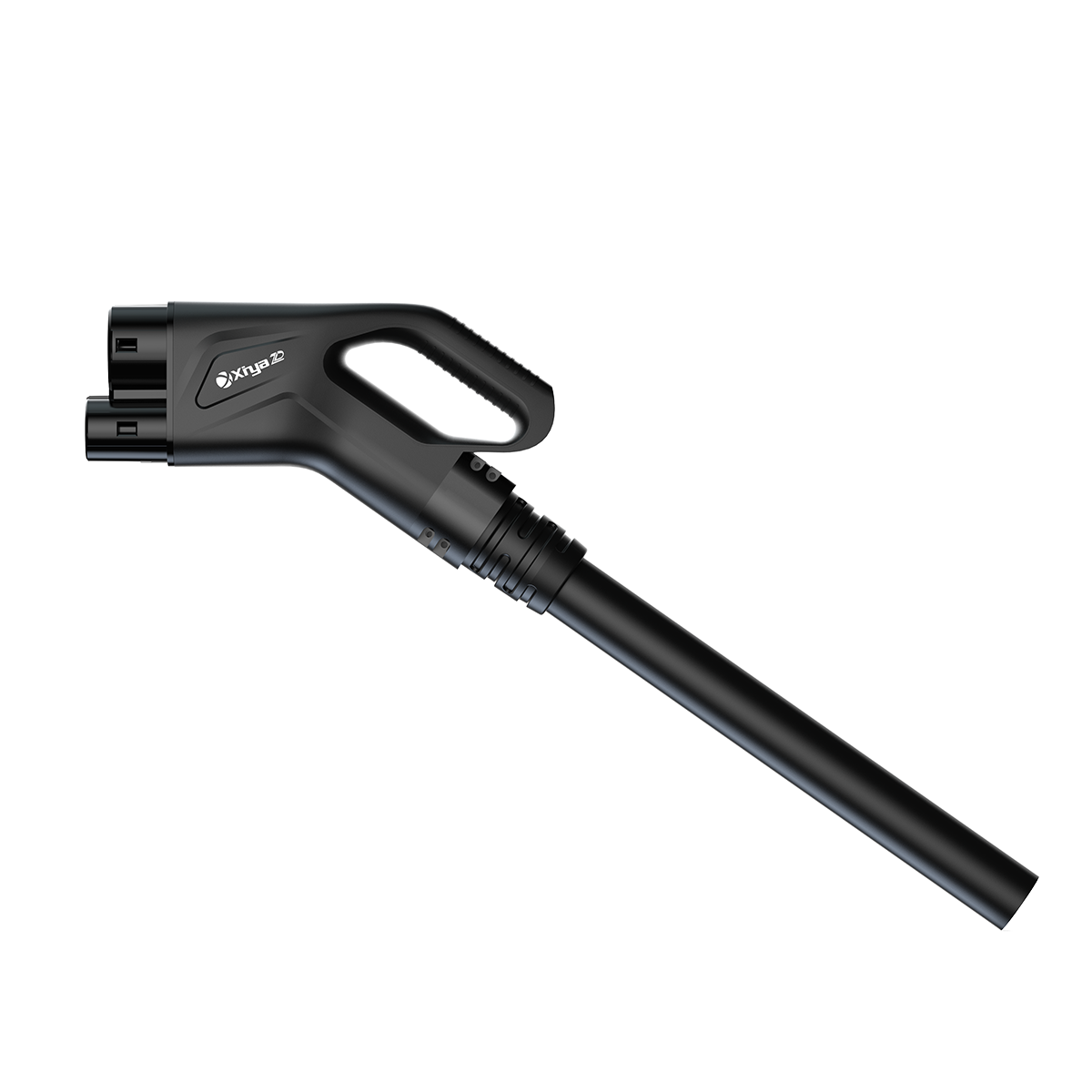
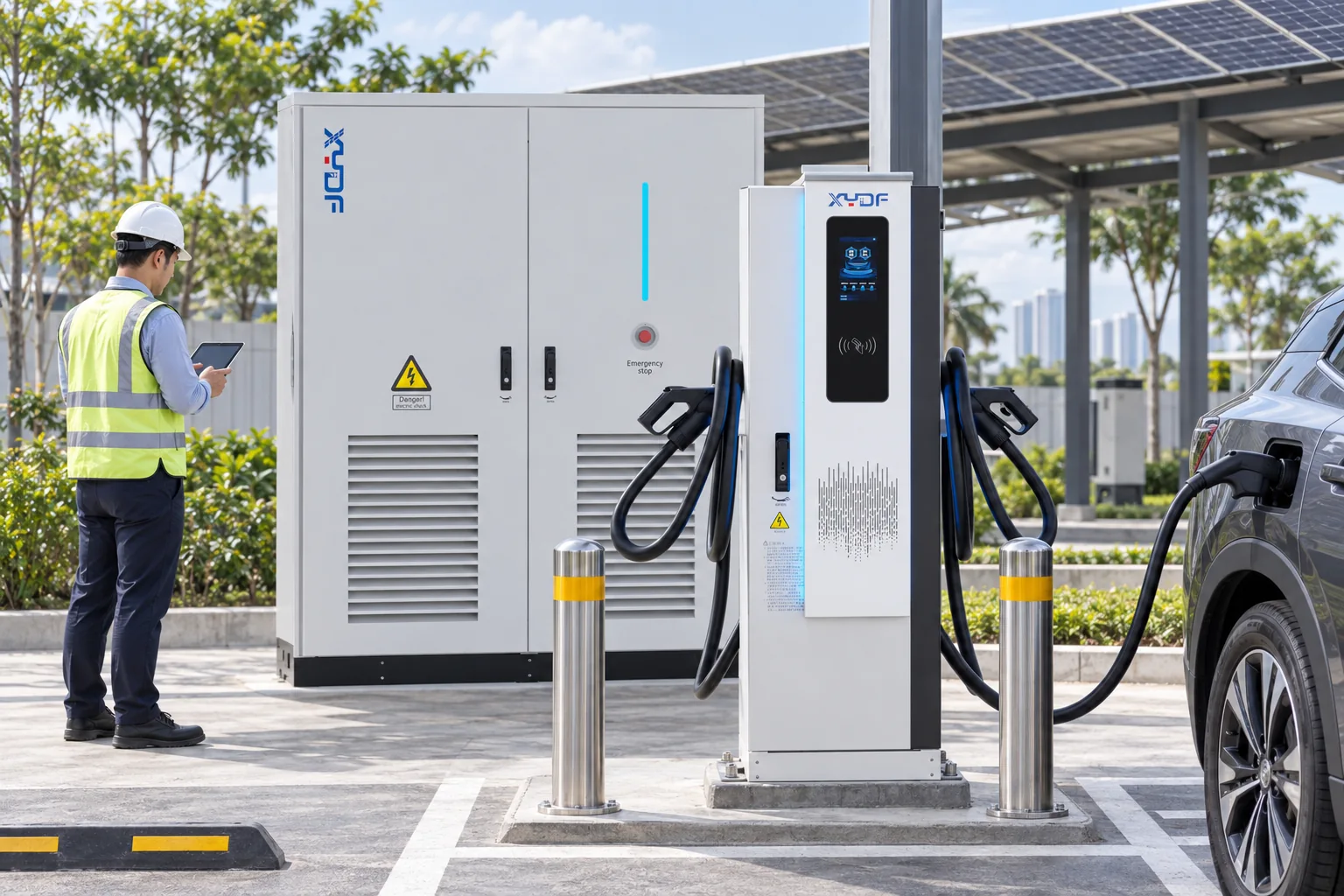
When Daniel, a XYDF service engineer in Bangkok, encountered a retail charging site where drivers avoided the most exposed bays after lunch, he asked the site team to log cabinet temperature, parking-bay occupancy, and charging sessions by hour. The visible failure arrived quickly: vehicles clustered under the building shade while the sun-exposed chargers handled fewer sessions and showed more temperature alarms. The reversal was practical. The chargers were not simply wrong; the site had treated shade as a comfort feature instead of a performance, equipment-protection, and energy-design strategy.
Summary: A solar carport can improve a tropical коммерческая зарядная станция для электромобилей by producing on-site PV power, shading vehicles, reducing direct solar load on equipment, and creating a better parking experience. The key distinction is that PV modules are commonly rated at standard test conditions of 1,000 W/m2 irradiance and 25 C cell temperature, while tropical carports often run hotter and need location-specific modeling. Start with bay orientation, charger duty cycle, PV yield, battery-storage need, structural wind and drainage design, and grid interconnection before treating the canopy as a simple add-on.
For commercial site owners, developers, electrical planners, and EV charging buyers in tropical markets, the solar carport question is not only “Will the canopy generate power?” It is “Will the canopy improve the way the charging site operates during hot, bright, wet, and high-traffic hours?” In many shopping centers, campuses, depots, hotels, and public parking lots, the shaded bay can become the preferred charging bay, especially when drivers need to leave passengers or sensitive goods in parked vehicles.
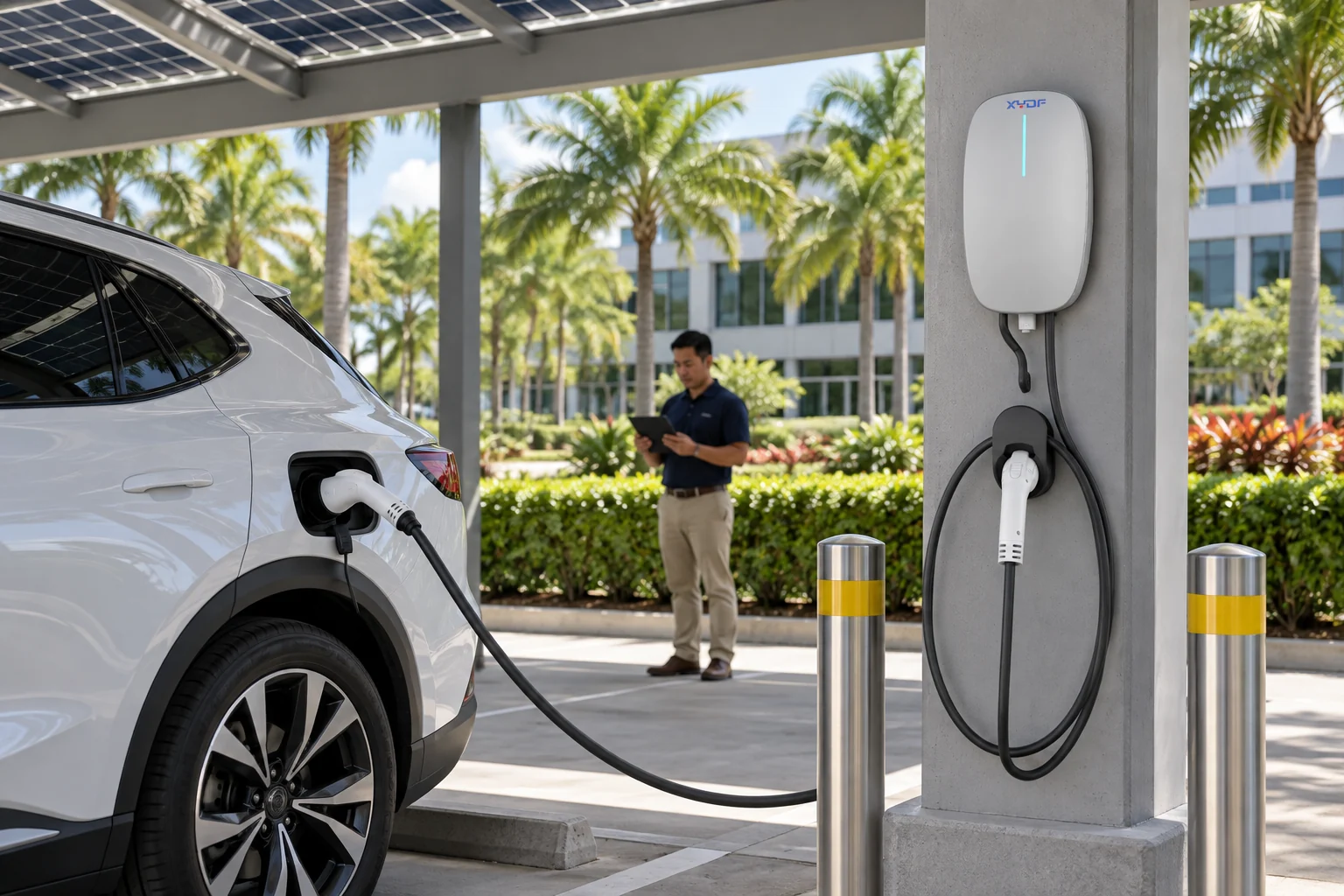
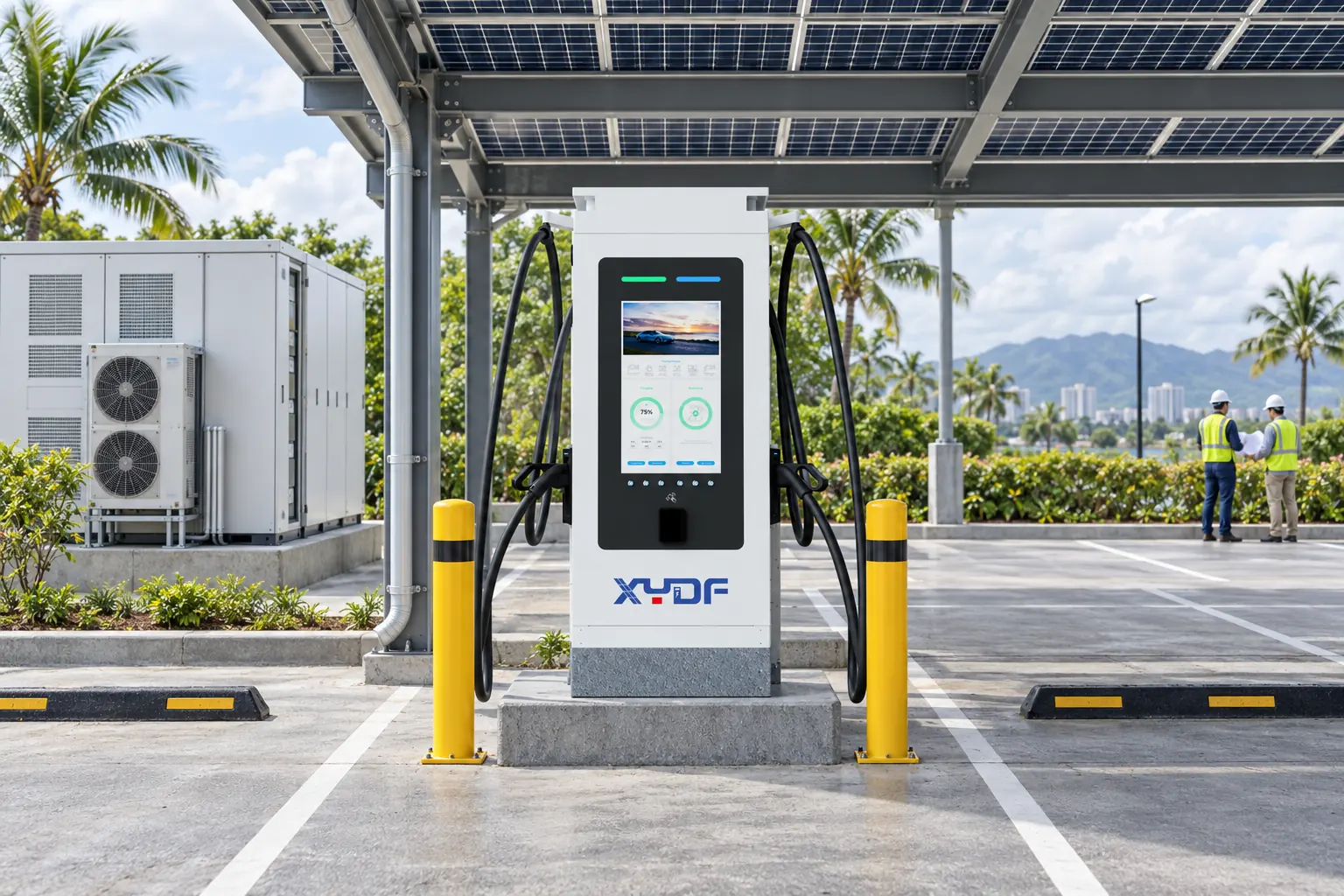
A solar carport for EV charging combines a PV canopy, steel or aluminum support structure, drainage, foundations, electrical protection, optional battery energy storage, monitoring, and one or more chargers. The design must connect solar generation to real charging demand rather than simply placing PV above parking spaces.
Why does shading change commercial EV charging performance?
In a tropical parking lot, shade affects comfort, charger thermal headroom, and driver behavior at the same time. A shaded vehicle cabin heats more slowly than one parked on open asphalt, and that can make a charging bay more attractive for retail, office, hotel, and campus users. Shading also reduces direct solar gain on charger cabinets, cable handles, displays, and payment interfaces.
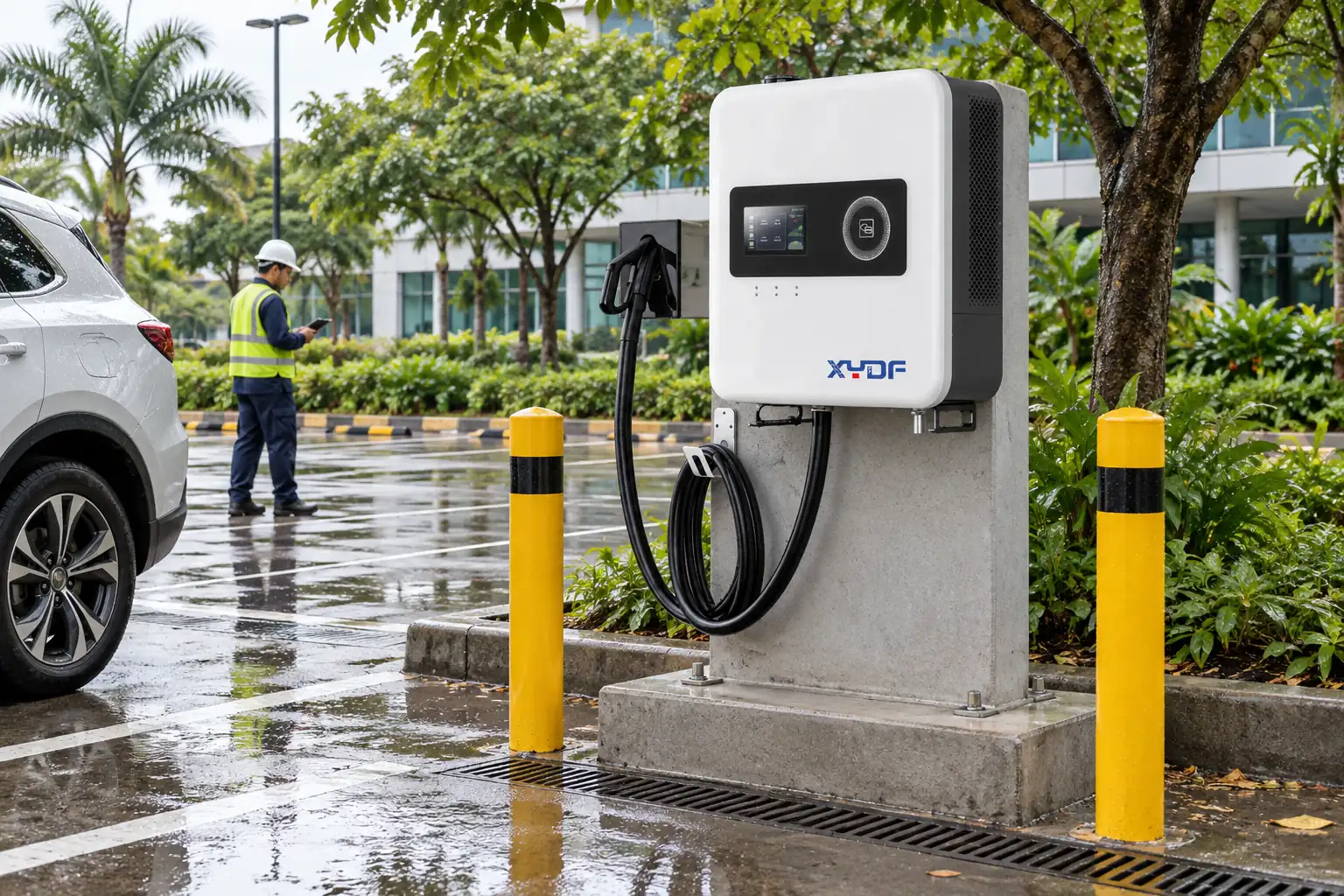
For an outdoor EV charger, lower solar exposure does not replace thermal engineering, but it can reduce one site-level stressor. A charger still needs the right enclosure rating, ventilation clearance, cable management, bollards, and maintenance access. IEC 60529 IP ratings describe defined dust and water ingress tests; they do not prove that a complete canopy site is protected against flooding, corrosion, blocked airflow, or poor cable-gland work.
The business effect is also measurable. A commercial location earns revenue when charging bays are usable, visible, and comfortable enough that drivers choose them repeatedly. If the sunniest bays sit empty at midday while shaded bays queue, the carport is no longer an architectural luxury. It is part of utilization planning.
| Carport decision | Performance question | What to verify | Commercial risk if skipped |
|---|---|---|---|
| Bay orientation | Will the canopy shade vehicles and charger interfaces during peak use? | Sun path, parking layout, pedestrian route, and charger-screen visibility | PV installed above bays that still feel exposed or difficult to use |
| PV capacity | How much daytime energy can the carport realistically contribute? | Local solar resource, module temperature coefficient, inverter capacity, and soiling assumptions | Overstated solar contribution and weak ROI expectations |
| Charger duty cycle | Do vehicles charge mostly during solar hours or after sunset? | Session timing, dwell time, fleet dispatch, and public-traffic pattern | PV generation that does not match revenue charging demand |
| Battery storage | Is storage needed for peak shaving, evening charging, or backup operation? | Tariff demand window, grid import cap, usable battery kWh, and control strategy | Battery added without enough useful dispatch cycles, or omitted where it protects uptime |
| Structure and drainage | Can the canopy survive local wind, rain, corrosion, and maintenance loads? | Structural code, foundation design, runoff path, cable routing, and service access | Permitting delays, water problems, or unsafe maintenance conditions |
How should solar generation be matched to EV charging demand?
Solar carports rarely power EV charging in a perfectly direct one-to-one way. PV output rises and falls with irradiance, temperature, shading, soiling, inverter limits, and weather. EV charging demand depends on arrivals, dwell time, charger power, pricing, driver behavior, and fleet schedules. A useful design compares both curves hour by hour.
For example, a retail site may have strong PV production from late morning through mid-afternoon, which can align with shoppers and staff vehicles. A logistics depot may need most energy before dawn or after evening return, which makes storage or grid-backed charging more important. A hotel may benefit from AC destination charging overnight and DC fast charging during daytime turnover. The same solar carport can support these sites, but the electrical design should not be the same.
Use solar modeling tools such as NREL PVWatts for early estimates, then refine with local weather data, structural layout, shading objects, inverter selection, and the PV module temperature coefficient. Tropical markets often have strong solar resource, but high module temperature, humidity, heavy rainfall, and soiling can reduce practical output. That is why an annual kWh estimate should be paired with a daily charging-demand model, not used alone.
For charger selection, start from the operational promise. A public hub may need DC fast chargers such as the 150 kW DC fast charging station class. A mixed commercial property may combine AC destination charging with smaller DC units. A solar-prioritized design may evaluate a DC-coupled product path such as XYDF’s 400 kW-520 kW high-power DC to DC solar EV charging station, but the final fit still depends on site voltage, storage, grid interface, and local approval.
When does a solar carport improve charging economics, and when is it only shade?
A solar carport improves charging economics when the site can use a meaningful share of PV generation during the same hours that EVs are parked and plugged in. This usually favors office campuses, retail centers with long midday visits, hotels with daytime turnover, and depots that can schedule some charging during solar hours. The buyer-facing test is simple: compare PV generation timing, EV dwell time, charger power, and the site’s non-EV electrical load on the same hourly profile before assigning savings to the carport.
The carport is mostly shade when PV output peaks while vehicles are absent, when dwell time is too short for useful energy transfer, when grid export is not allowed or poorly compensated, or when metering cannot separate solar self-consumption from grid import. In those cases, the canopy may still be valuable for comfort, charger protection, and brand visibility, but the financial case should be written as a shade-and-site-quality case rather than a solar-energy-savings case.
Load management is the bridge between a useful canopy and an expensive roof. A controller should prioritize on-site PV use, cap grid import, distribute available power across chargers, protect the transformer, and document how much EV energy came from solar, grid, and BESS discharge. If the utility sets grid export limits, the design should specify whether surplus PV will serve building load, curtail through the inverter, charge the BESS, or export through an approved metering arrangement.
A BESS need appears when the site wants to shift midday PV into evening charging, support short high-power DC sessions under a grid cap, reduce demand peaks, or keep limited charging available during constrained grid periods. Buyers should not assume that every solar carport needs a battery; they should request an operating sequence that shows usable battery capacity, charge-discharge windows, reserve policy, thermal location, fire-safety review, and maintenance access. Without that sequence, BESS can become a cost center rather than an energy asset.
Economics can also be lost in the structure. A tropical commercial project should review wind uplift, wind-driven rain, corrosion exposure, foundation drainage, downpipe discharge, roof access, inverter and combiner-box access, cable routes, vehicle impact protection, and safe isolation points before procurement. If the structural wind/rain review, drainage design, and service-clearance drawings are missing, the PV canopy may look complete while adding water, access, and maintenance risk to the charging station.
| Проверка покупателя | When the carport can improve economics | When it may be only shade | Document to request |
|---|---|---|---|
| PV timing and EV dwell time | Vehicles are parked during solar hours long enough to absorb useful energy | Most charging happens at night, before routes, or in short unpredictable stops | Hourly PV, session, and dwell-time model |
| Управление нагрузкой | Controls can shift, limit, or share charger power without hurting the service promise | Chargers operate independently with no grid-import cap or PV priority logic | Control sequence and OCPP/platform function list |
| BESS need | Storage has defined dispatch cycles for peak shaving, grid-cap support, or evening use | Battery size is quoted without a tariff, grid-limit, or operating objective | Usable kWh, power rating, reserve policy, and safety review scope |
| Grid export and metering | Export, curtailment, or behind-the-meter use is approved and measurable | Surplus PV has no approved path or the meter cannot prove self-consumption | Utility interconnection, export-limit, and metering plan |
| Wind, rain, drainage, and access | The canopy protects users while keeping structure, runoff, and maintenance workable | Shade is installed without verified wind/rain load, drainage, or service access | Structural drawings, drainage layout, and maintenance-clearance plan |
When do battery storage and smart charging controls become necessary?
Battery storage is not mandatory for every solar carport, but it becomes valuable when solar production and charging demand do not happen at the same time. Storage can shift midday PV into evening sessions, reduce grid-import peaks, protect a limited transformer, or keep a reduced service level available during constrained periods. It can also add cost, space, thermal-management needs, fire-safety review, and maintenance obligations.
A battery decision should begin with three questions. First, what is the site’s maximum allowed grid import after non-charging loads? Second, when do EVs need energy, and how much do they need per session? Third, what commercial outcome is expected from the battery: lower demand charges, grid-upgrade deferral, higher charger output, solar self-consumption, or backup operation?
For a интеллектуальная зарядная станция, the controller should allocate power among chargers, limit grid import, decide when to charge or discharge the battery, and export usable operating data. If the project uses OCPP-connected chargers, confirm the protocol version, load-management functions, metering accuracy, and platform compatibility rather than assuming that any network connection can manage PV, storage, and EV charging as one system.
| Тип сайта | Likely charging pattern | Solar carport role | Storage decision support |
|---|---|---|---|
| Shopping mall or retail center | Daytime and evening public sessions | Shade improves comfort while PV offsets daytime charging and common-area load | Consider storage if evening peak pricing or transformer limits affect revenue hours |
| Office or campus parking | Long dwell times during solar hours | PV generation can align well with parked vehicles and AC charging | Storage may be smaller or optional if demand response and load sharing are enough |
| Депо флота | Clustered charging before routes or after return | Canopy protects vehicles and equipment, but PV may not align with dispatch | Model BESS carefully when charging is concentrated outside solar hours |
| Hotel or resort | Overnight AC charging plus daytime visitor charging | Shade supports guest experience and visible sustainability | Storage depends on tariff, backup needs, and whether DC charging is offered |
| Highway or public fast-charging hub | Unpredictable high-power sessions | Shade improves bay usability, but solar output may cover only part of energy demand | Storage can protect peak demand and support fast sessions under a grid cap |
What structural details make a solar carport reliable in tropical weather?
A solar carport is both an electrical asset and a structure above people, vehicles, and charging equipment. Tropical sites need particular attention to wind uplift, rainfall intensity, corrosion, drainage, lightning protection, grounding, cable routes, and maintenance access. A PV canopy that is easy to sell visually can still fail as a commercial asset if water drains across walkways, service teams cannot reach combiner boxes, or steelwork corrodes faster than expected.
The structural design should account for the destination market’s building code, local wind maps, soil and foundation conditions, seismic requirements where applicable, vehicle impact protection, and the weight of PV modules, mounting rails, cable trays, lighting, cameras, and maintenance workers. If the carport is installed in a coastal or industrial tropical environment, corrosion protection deserves early specification rather than a late coating discussion.
For electrical planning, cable routing should keep DC strings, AC feeders, communications, earthing, lightning protection, and charger supply paths serviceable and separated according to the applicable design. Equipment placement matters: inverters, energy-storage cabinets, combiner boxes, switchgear, and chargers should not block vehicle movement, drainage paths, or technician working space.
On the charging-equipment side, review EV charger IP ratings alongside the canopy design. A roof can reduce direct rain and solar exposure, but it does not eliminate wind-driven rain, humidity, condensation, insects, dust, washdown water, or flood risk at cable entries and foundations.
Which standards, permits, and commercial claims should buyers control?
Solar carport projects can involve several approval layers: planning or building permission, structural review, electrical permit, PV interconnection, utility metering, fire-safety review, charger installation approval, accessibility and traffic planning, and sometimes advertising or lighting approval. The exact path depends on the country, city, utility, building owner, parking use, and whether the system exports power to the grid.
Standards language should stay precise. IEC 61851 addresses conductive EV charging systems. IEC 60529 addresses ingress protection test categories. IEC 61724-1 relates to PV system performance monitoring. IEC 62548 covers PV array design requirements. These references do not automatically certify a complete solar carport charging site. They provide scopes, methods, and design boundaries that must be tied to the product model, installation, and destination market.
Commercial consequences are straightforward. Unsupported claims about solar percentage, weather resistance, backup capability, or certification scope can slow permitting, weaken tenders, and create warranty disputes. Ask suppliers to separate product certificates, test reports, design drawings, grid documents, and site installation responsibilities. If a claim says the solar canopy can power charging, request the kW, kWh, operating hours, export/import assumptions, storage role, and seasonal model behind that statement.
How should tropical EV charging buyers specify a solar carport project?
Before issuing an RFQ, define the charging site as an energy system. Provide the parking layout, bay count, vehicle mix, charger power target, expected sessions per day, grid capacity, tariff structure, canopy area, shade priority, and local permit constraints. This allows suppliers to respond with a design that links PV, chargers, structure, and controls instead of quoting isolated equipment.
Second, require an hour-by-hour generation and demand view. For commercial owners, the useful question is not the maximum PV kW on the canopy; it is how much usable solar energy aligns with charging sessions and how the system behaves when it rains, clouds pass, vehicles arrive together, or the battery is partly depleted.
Third, specify user experience. Shade should protect vehicles, drivers, charger screens, payment interfaces, and cable handling areas. The canopy should also leave space for accessible routes, bollards, service doors, emergency access, lighting, cameras, signage, and water drainage. Shaded discomfort is still possible if hot air is trapped or the charger is placed where drivers cannot maneuver safely.
Fourth, connect procurement to lifecycle service. Tropical solar carports need cleaning access, PV inspection, inverter monitoring, charger maintenance, drainage checks, corrosion inspection, firmware support, and spare-parts planning. XYDF’s коммерческий Решения для зарядки электромобилей page is a practical starting point for buyers comparing charger mix, remote monitoring, dynamic load control, and commercial operating needs.
For projects that combine PV, storage, and charging, XYDF can support configuration discussions around chargers, power distribution, control logic, documentation, and site operating targets. The PV + ESS + EV charging solution page is the relevant internal path for buyers developing integrated EV charging solutions for tropical commercial properties.
ЧАВО
Can solar carports power commercial EV charging stations?
Yes, solar carports can supply part of the energy for commercial EV charging stations, especially when vehicles charge during daylight hours. The honest answer is that the carport rarely covers every charging session by itself, so the design should model PV output, grid import, battery storage, and daily EV energy demand together.
How much shading does a solar carport provide for parked EVs?
Shading depends on canopy height, panel tilt, bay orientation, sun angle, row spacing, and time of day. A well-designed carport can shade the vehicle roof and passenger area during high-use periods, but planners should test the sun path instead of assuming that PV coverage automatically shades the whole bay.
Does a solar carport need battery storage for EV charging?
No, battery storage is not always required. It becomes important when the site wants to use solar energy after sunset, limit grid peaks, defer a grid upgrade, support higher charger output than the grid connection allows, or maintain reduced operation during constrained periods.
How should solar generation be matched with charging demand?
Match solar generation with charging demand by comparing hourly PV production, charger sessions, dwell time, grid capacity, and tariff windows. The model should include cloudy-day behavior, module temperature, inverter limits, battery state of charge where applicable, and the required service level for drivers or fleet vehicles.
What permits are required for a commercial solar carport?
Permits may include building or planning approval, structural review, electrical permit, PV interconnection, utility metering, fire-safety review, charger installation approval, and parking or accessibility review. Requirements vary by market and project scope, so buyers should confirm the local authority path before ordering structure, PV, storage, or charger equipment.
Can a solar canopy reduce heat stress on EV chargers?
Yes, a solar canopy can reduce direct sun exposure on charger cabinets, displays, cables, and payment interfaces. It does not replace a proper thermal design, enclosure rating, ventilation clearance, or maintenance plan, but it can improve the operating environment for exposed equipment and users.
Which references support conservative solar carport planning?
- NREL PVWatts Calculator, for preliminary photovoltaic energy estimates using location and system assumptions.
- U.S. Department of Energy, Solar Energy and Storage Basics, for the relationship between solar generation and storage.
- Глобальный обзор электромобилей МЭА 2024, for global EV market and charging-infrastructure context.
- IEC 61851-1, for conductive EV charging system requirements.
- IEC 61724-1, for photovoltaic system performance monitoring terminology and scope.
The best solar carports are not decorative roofs above chargers; they are engineered shade, energy, structure, and control systems that make electric vehicles charging infrastructure more usable in the hottest operating hours.
To plan a tropical solar carport charging project, share the parking layout, target charger power, grid limit, desired shade coverage, PV area, and operating schedule with XYDF through the contact page.