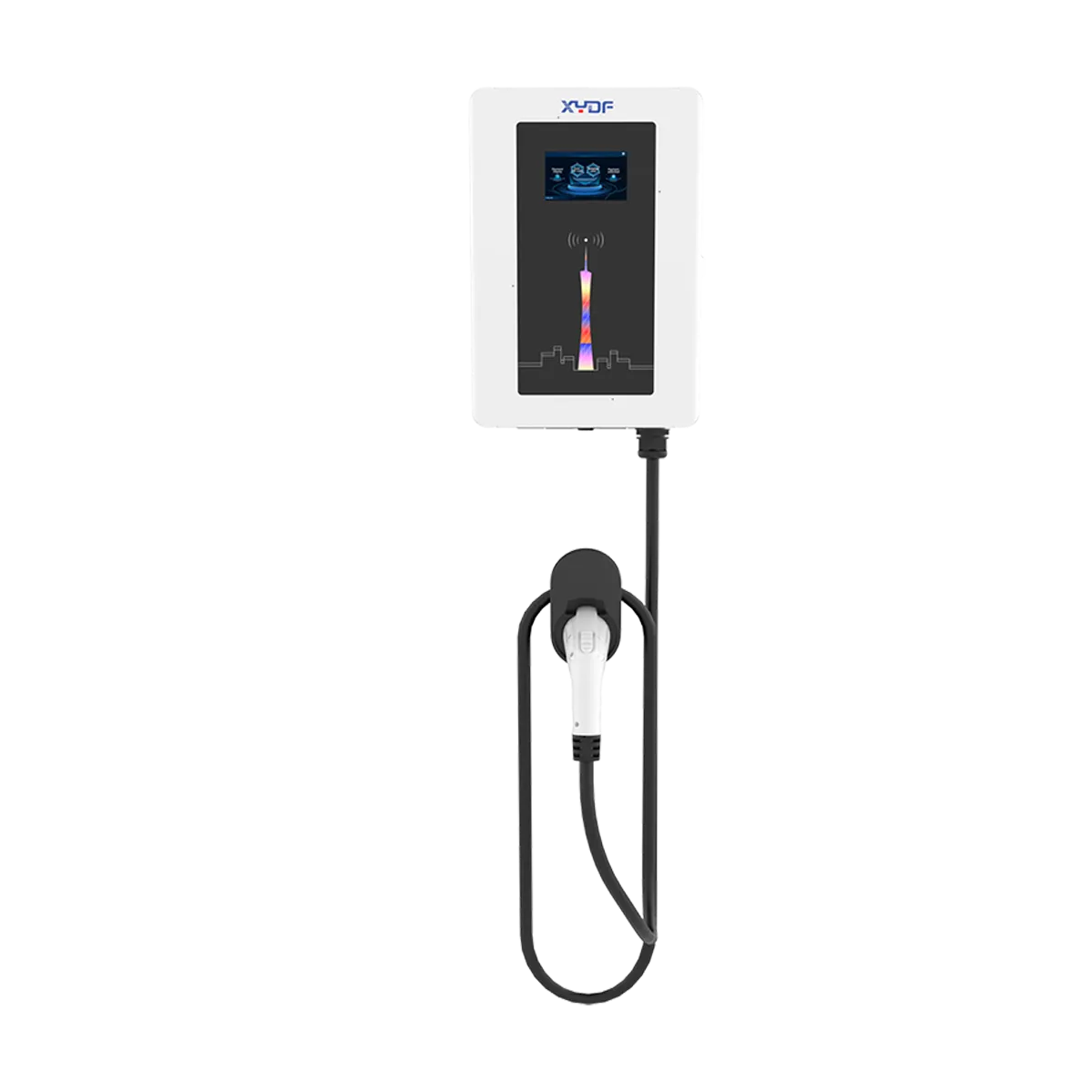
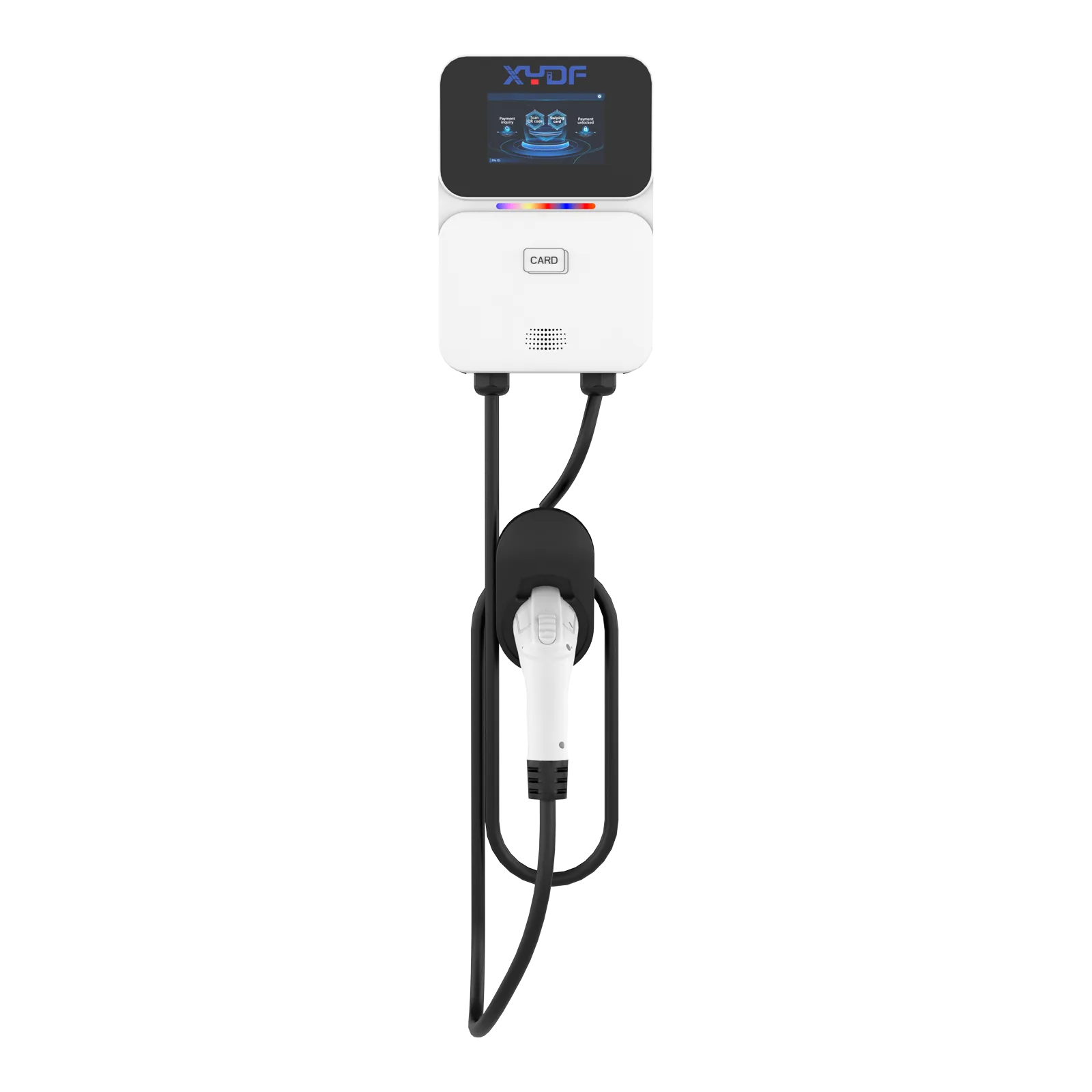
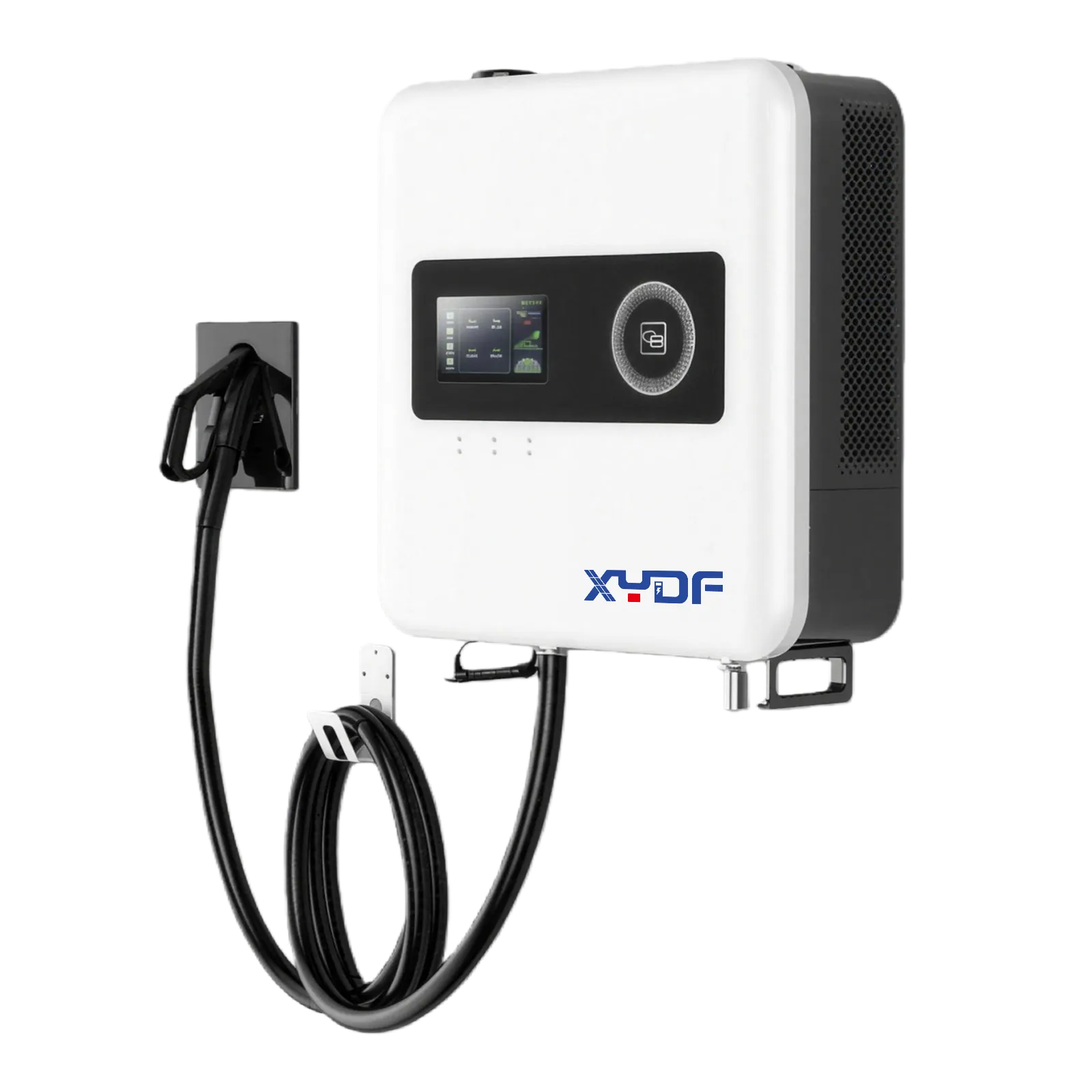
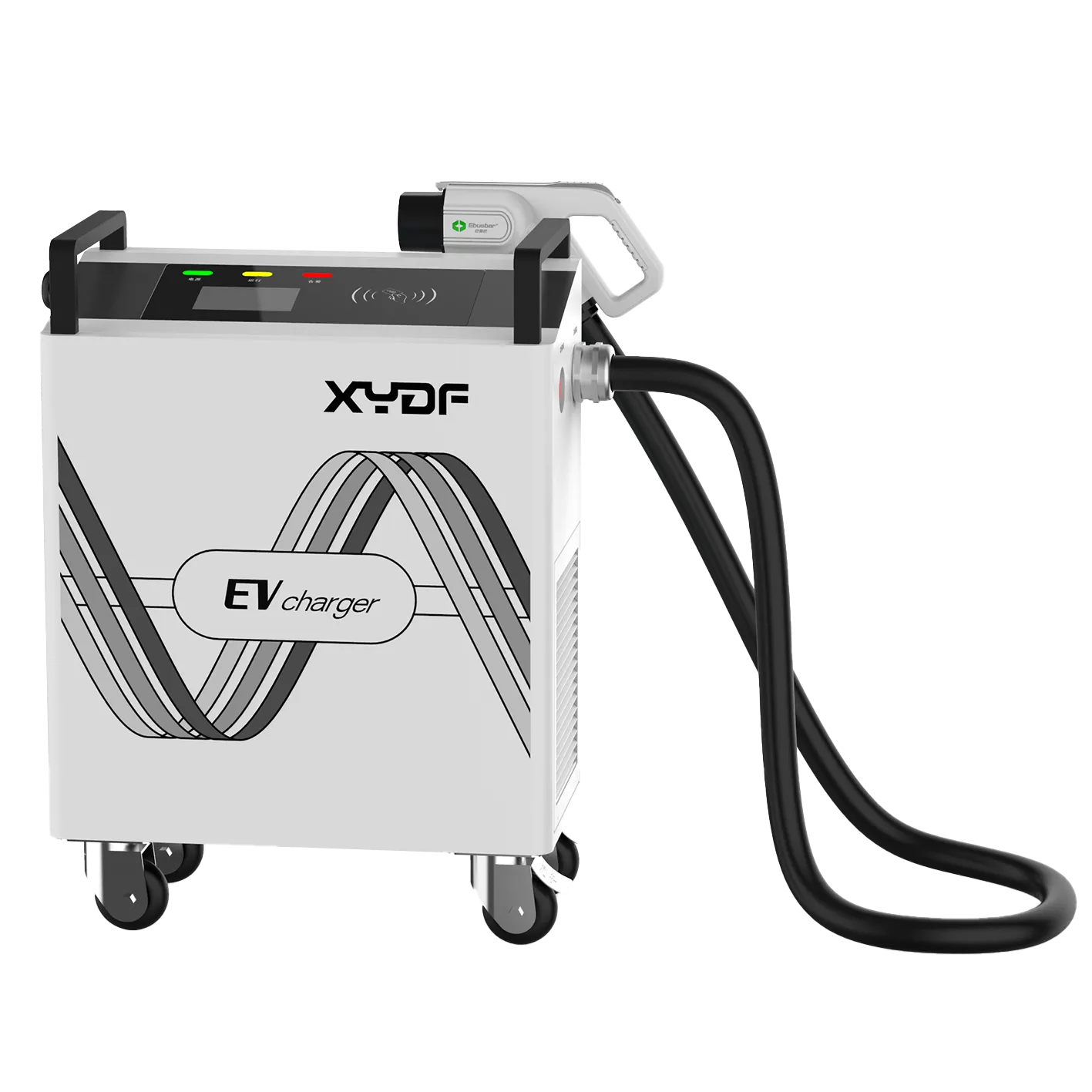
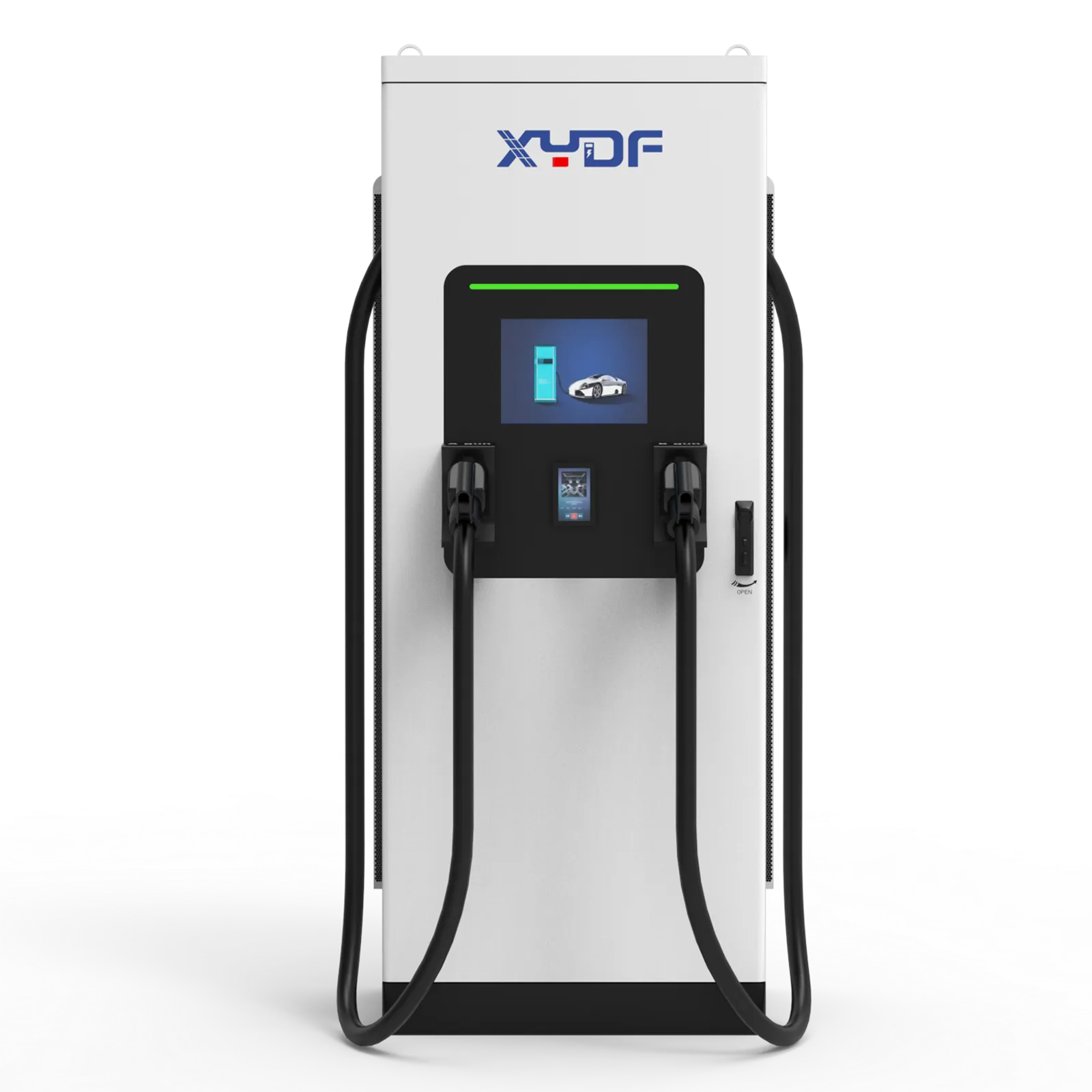
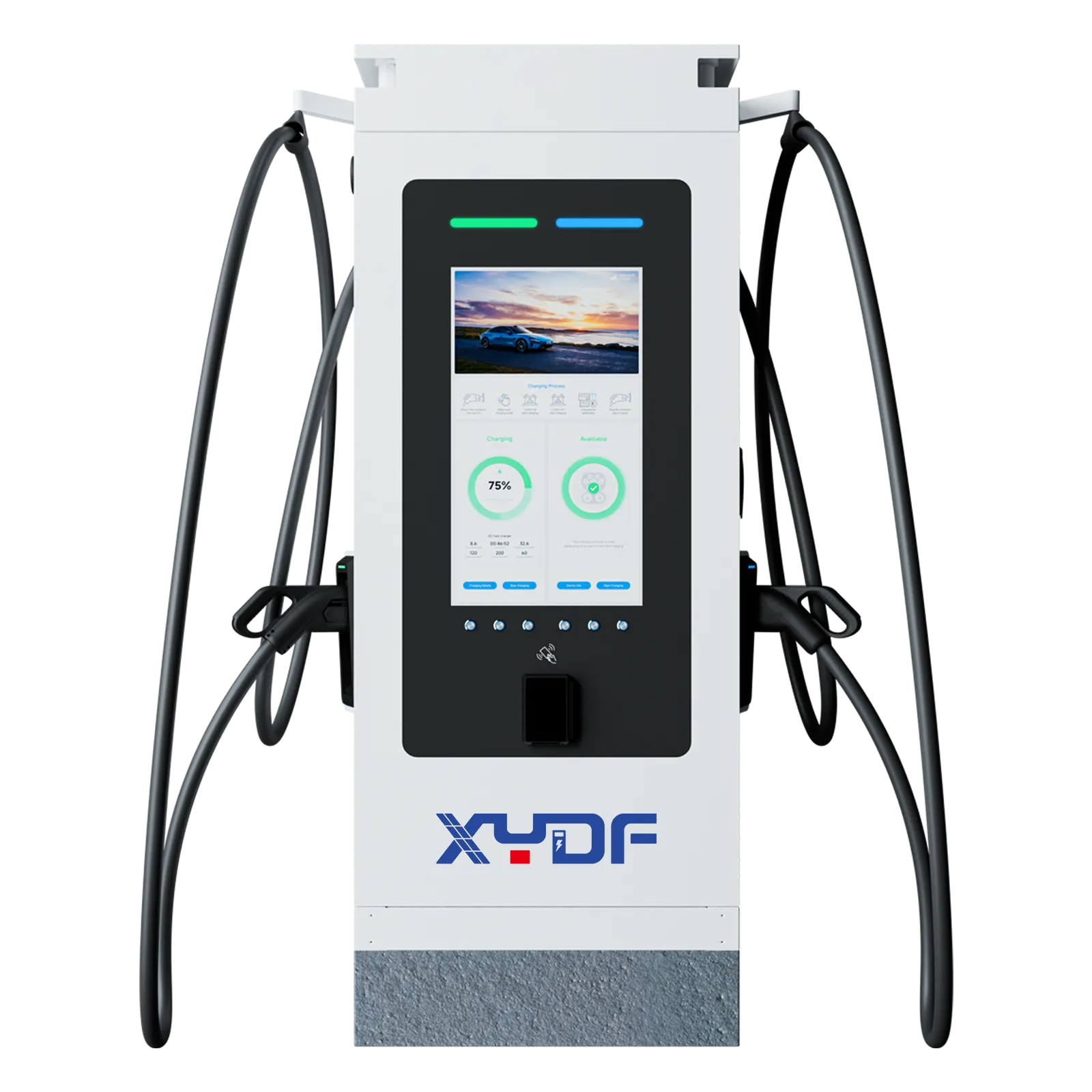
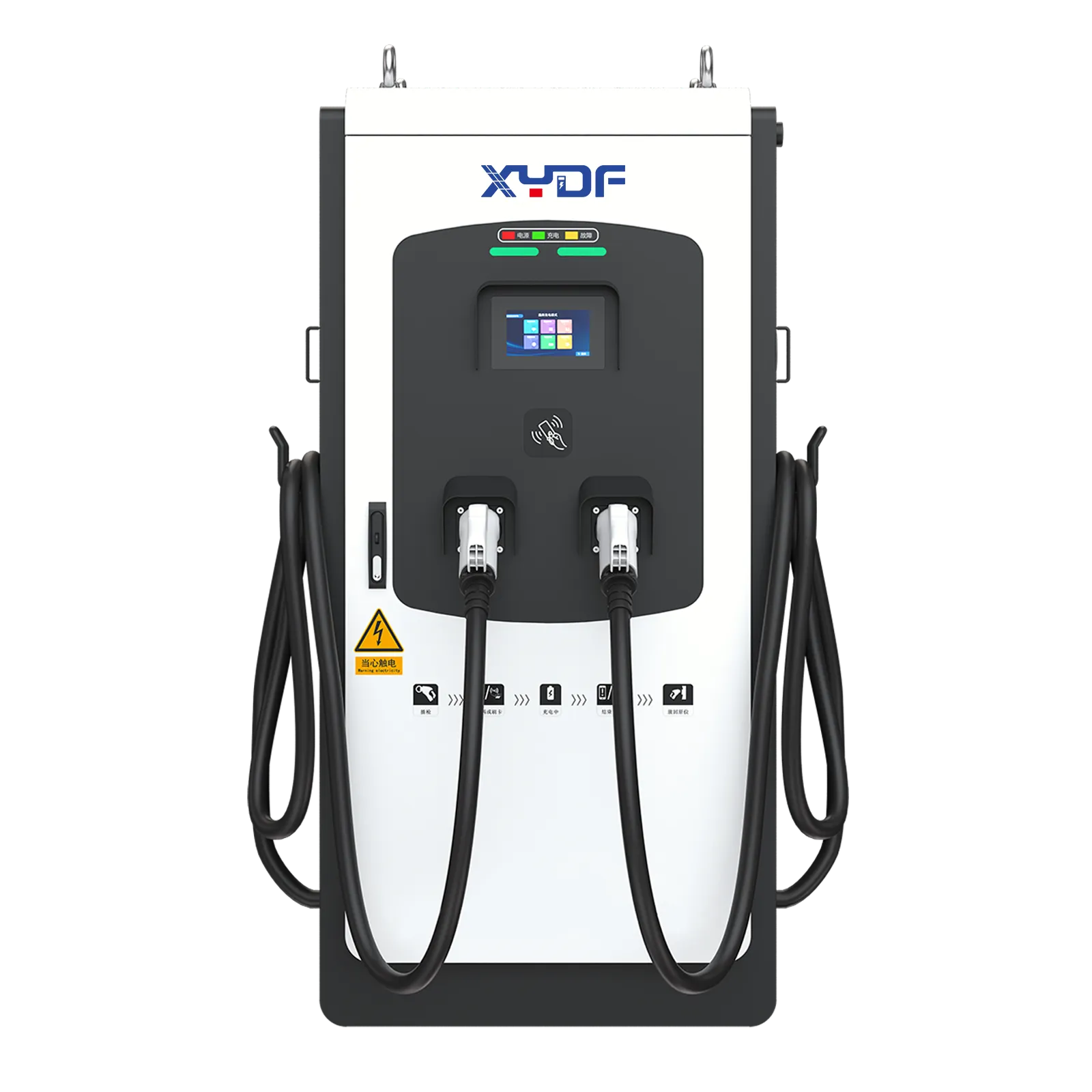
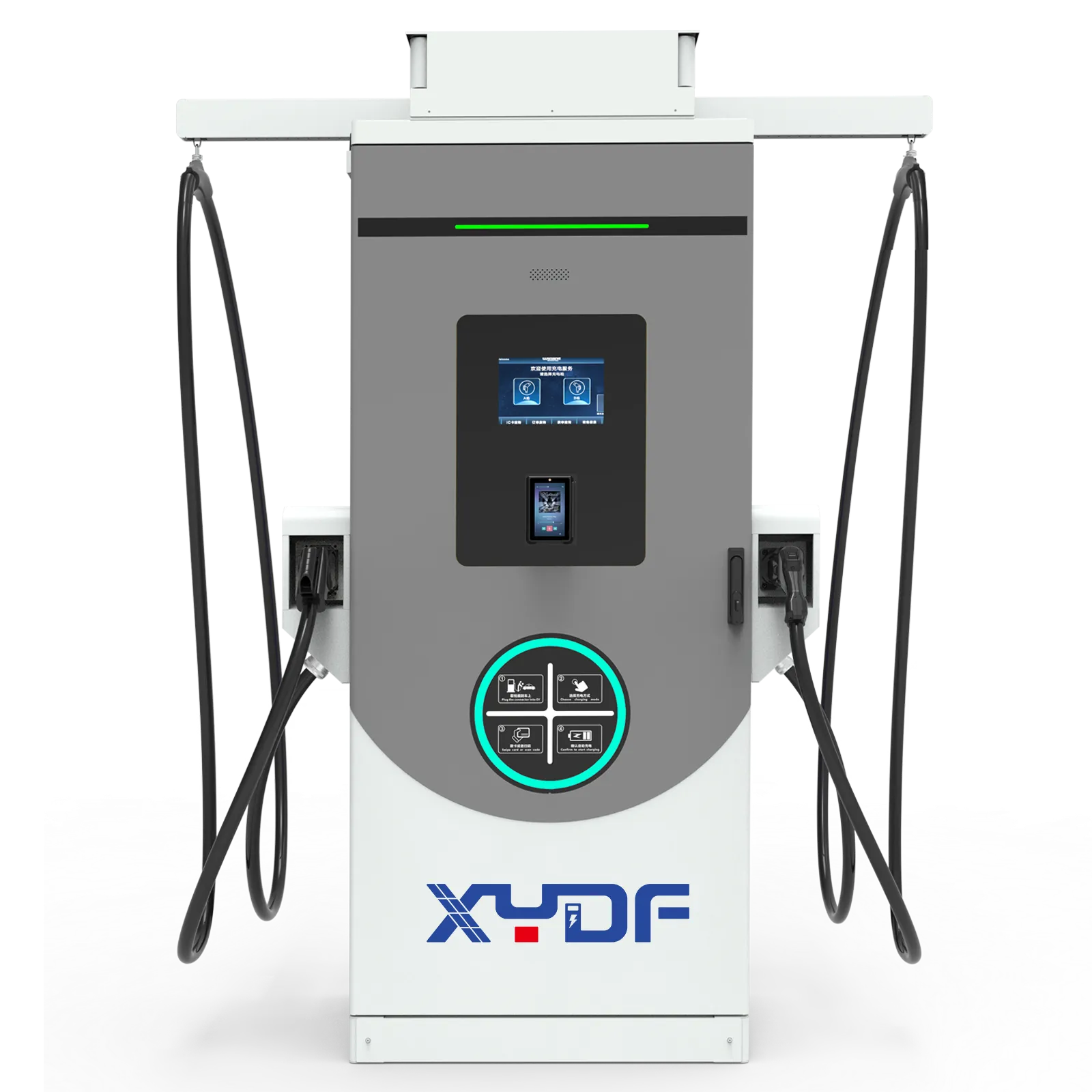
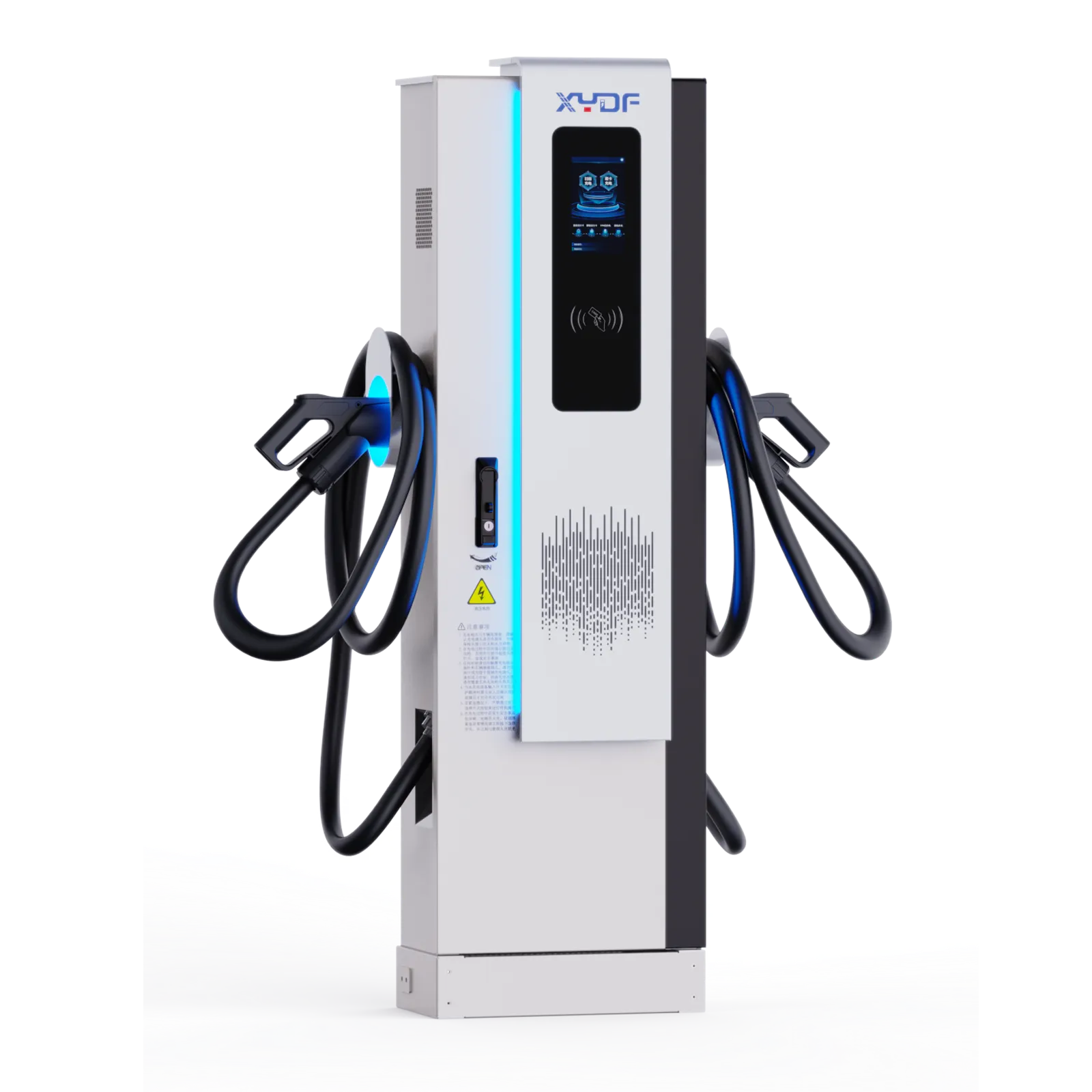
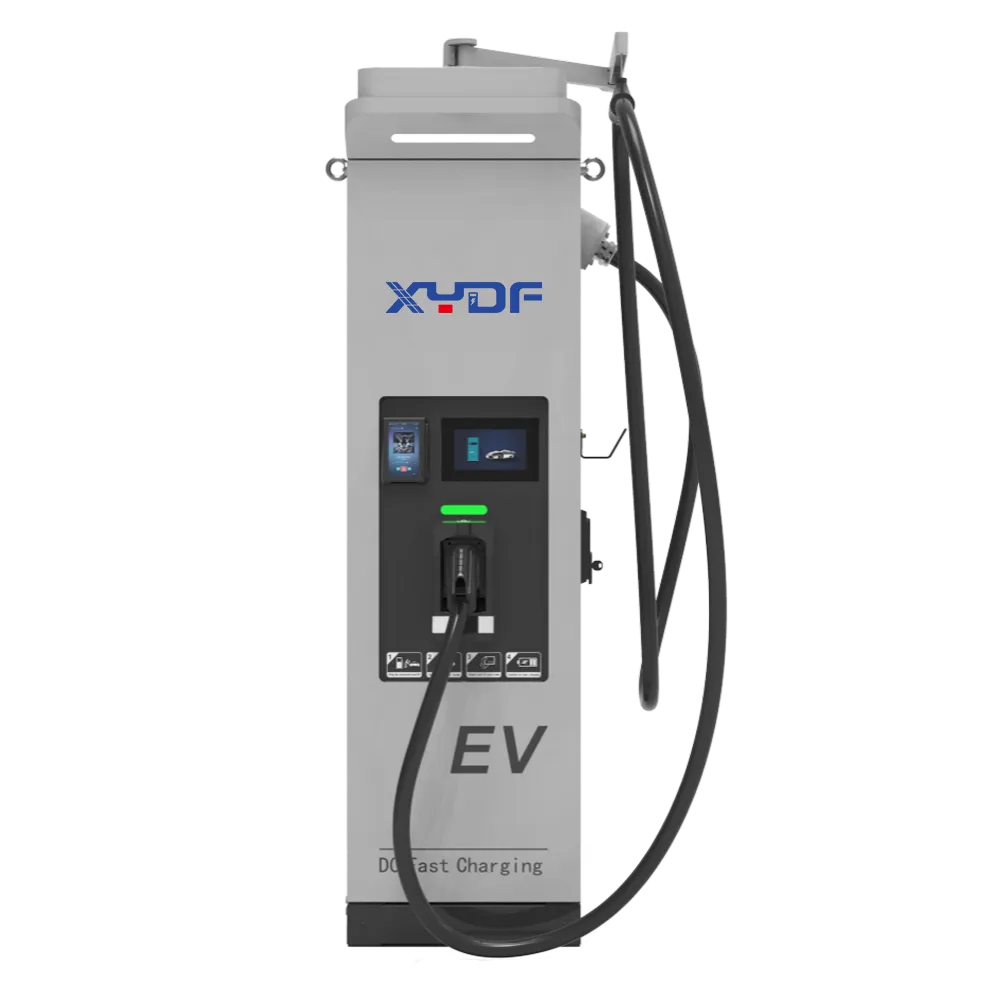
As part of global decarbonization and emission reduction policies, EV ownership is growing at a steady pace. As the “gas stations” for EVs, the demand for EV charging stations is also increasing. This article provides a preliminary overview of the components of an EV charging station business.
You need to address a core question: How will you generate revenue through your EV charging stations? Profitability models vary significantly depending on the approach.
Model 1: Providing Charging Services
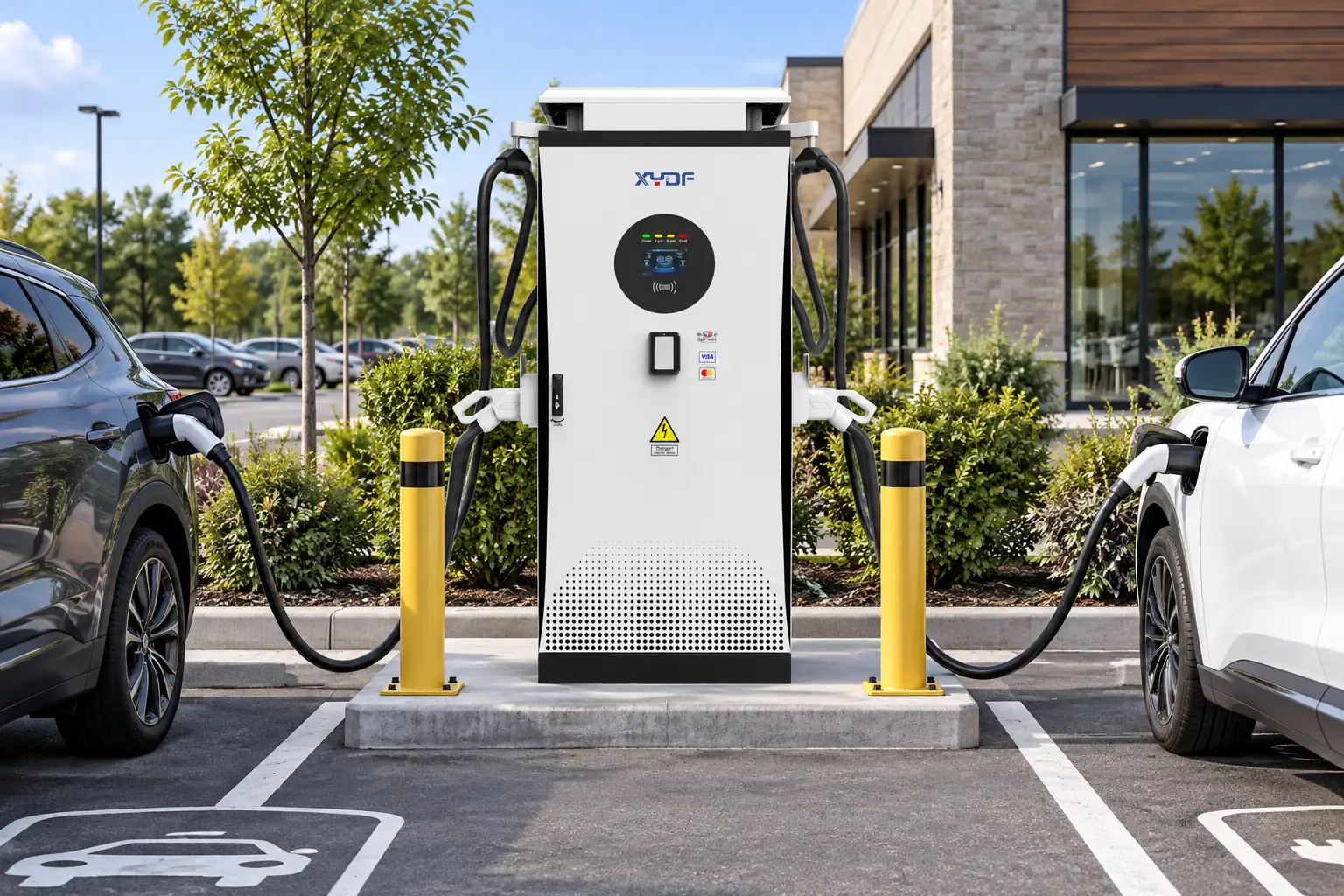
This involves setting up a location to provide parking and charging services for passing vehicles. This is the most direct model but also the one most prone to failure. It requires a deep understanding of the surrounding traffic and the site: projected vehicle flow, user demand, and whether local electricity prices or policies favor operations. Recommended locations: public parking lots, highway service areas, and high-density areas for ride-hailing or taxi services.
Read more:
Mobile ev charging business guide
Model 2: Enhancing Property Value
If you operate supermarkets, apartment complexes, offices, industrial parks, hotels, or amusement parks, charging stations can increase user loyalty, indirectly boosting the commercial value of the property and generating ancillary revenue. For example, given two similar supermarkets, customers will often choose the one where they can conveniently charge—they may even stay longer just to wait for the charge to complete. From a fleet operator’s perspective, a mature charging system significantly improves vehicle turnover and charging efficiency. Tips: Requirements for power ratings, equipment types, electrical infrastructure, and site layout differ completely depending on the specific use case.
Model 3: Acting as a Distributor and Solution Provider
This model involves selling EV charging stations as products or integrated solutions. It requires a thorough understanding of the market and products, along with local operational capabilities and sales experience. Tips: The entities described in Model 2 are also among your primary target clients. Additional revenue streams: Consider incorporating advertising within the charging station or adding other automotive-related services (ensure these comply with local commercial regulations).
Whether you are a site operator or a distributor, the following factors must be considered:
Grid Conditions:Can the existing transformer load handle the added demand of an EV charging station? If not, is an upgrade supported? According to a report by the Environmental Defense Fund, electrical infrastructure upgrades can account for up to 30% of total construction costs for commercial fleet charging.
Electricity Costs: Analyze the site’s tariff structure—are peak rates acceptable? While pricing logic varies globally, it generally follows two patterns: (1) Time-of-Use (TOU) rates based on peak, off-peak, and shoulder periods; (2) Demand Charges based on maximum instantaneous power. Example: Hitting a 300kW peak just once in a month could result in being billed at that entire 300kW tier.
Compliance and Permitting: Securing Utility Interconnection approval is vital. Whether a project triggers a transformer expansion or distribution line upgrade is a major cost differentiator. You must also manage building and construction permits, land modification, electrical work, and contractor qualifications.
Fire and Safety Compliance: The site must pass fire safety inspections to avoid costly rework.
Product Certification: Different regions mandate different standards: North America = UL/CSA; European Union = CE/IEC; Australia = RCM; Universal = IEC 61851 / 62196.
Read more:
EV charging station site seletion guide
By now, you should have a clear understanding of your requirements: the “best” charger is the one that most precisely fits your needs. Consulting an EV charging solution provider is recommended, they can evaluate your project across multiple dimensions—such as application scenarios, power configurations, grid conditions, and compliance—to help you select the optimal equipment.
At last, we sincerely wish you continued success in the new energy sector and steady growth in your business.
 Xinya Dongfang Electricity Technology Co., Ltd.